


The bedroom has evolved from a simple sleeping space into a personal sanctuary where we seek comfort, relaxation, and emotional well-being. In recent years, interior designers and homeowners alike have discovered the transformative power of warm color palettes in creating these intimate retreats. The shift towards earthy terracottas, soft ochres, and gentle caramels represents more than just a passing trend.
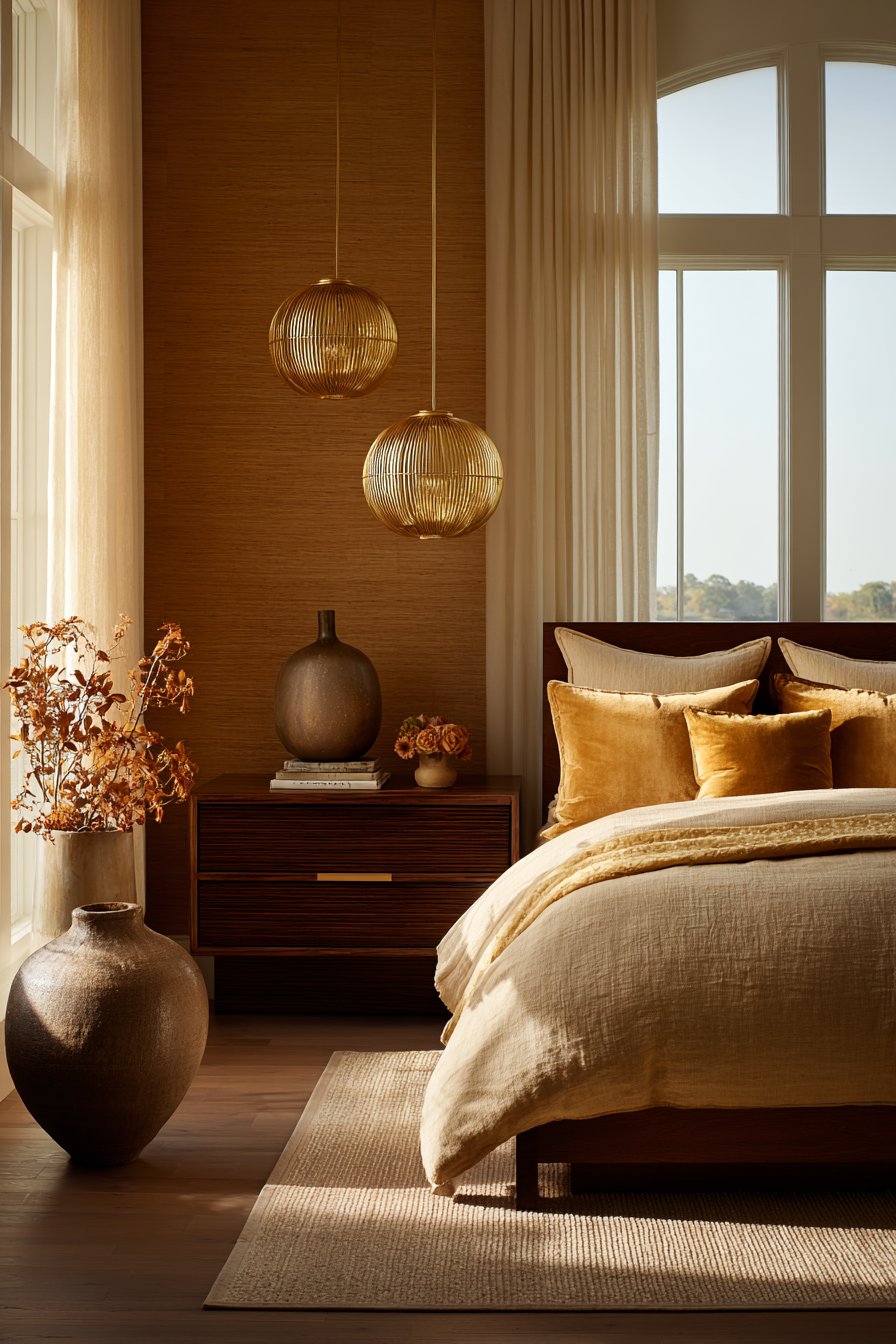
Thoughtful interior design plays a crucial role in shaping how we feel within our living spaces. The colors we surround ourselves with directly impact our mood and sleep quality , making bedroom design decisions particularly significant. Warm tones have emerged as the dominant choice for those seeking to create nurturing, cozy environments that promote rest and rejuvenation. See our warm bedroom ideas guide for more direction in this style.
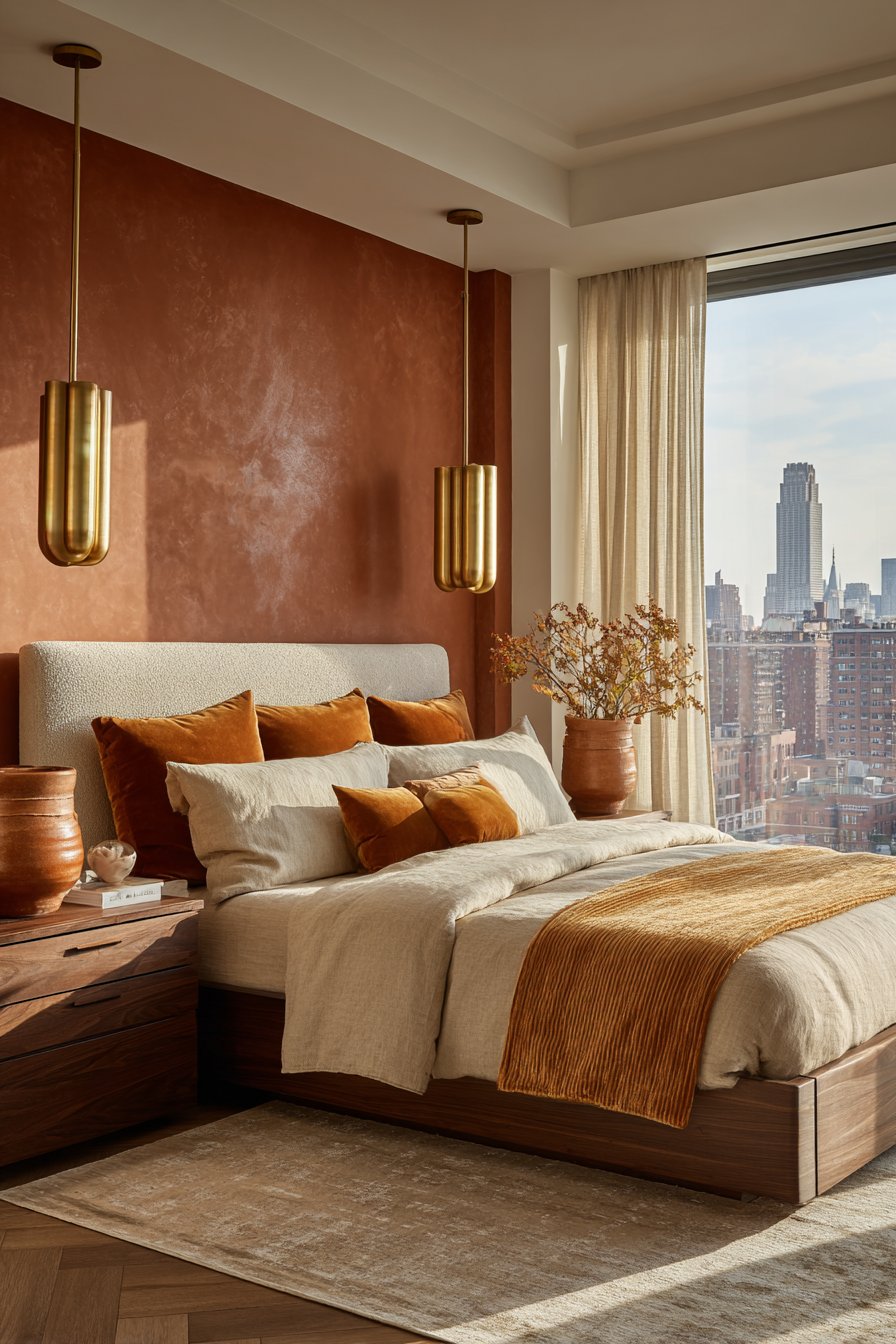
This article explores the compelling reasons behind warm tones’ dominance in contemporary bedroom design. From their psychological benefits to their versatility across design styles, we’ll uncover why these inviting hues have captured the hearts of homeowners worldwide. Whether you’re planning a complete bedroom makeover or seeking subtle improvements, understanding the appeal of warm color schemes will inspire your design journey.
1. The Psychology Behind Warm Colors
Warm tones trigger specific emotional responses that make them ideal for bedroom environments. Colors like terracotta, peach, and warm beige activate feelings of safety and comfort in the brain. These hues remind us of natural elements like sunset skies, desert landscapes, and autumn leaves, creating an instinctive sense of calm. Our the autumn ambiance in your bedroom has more inspiration along these same lines.
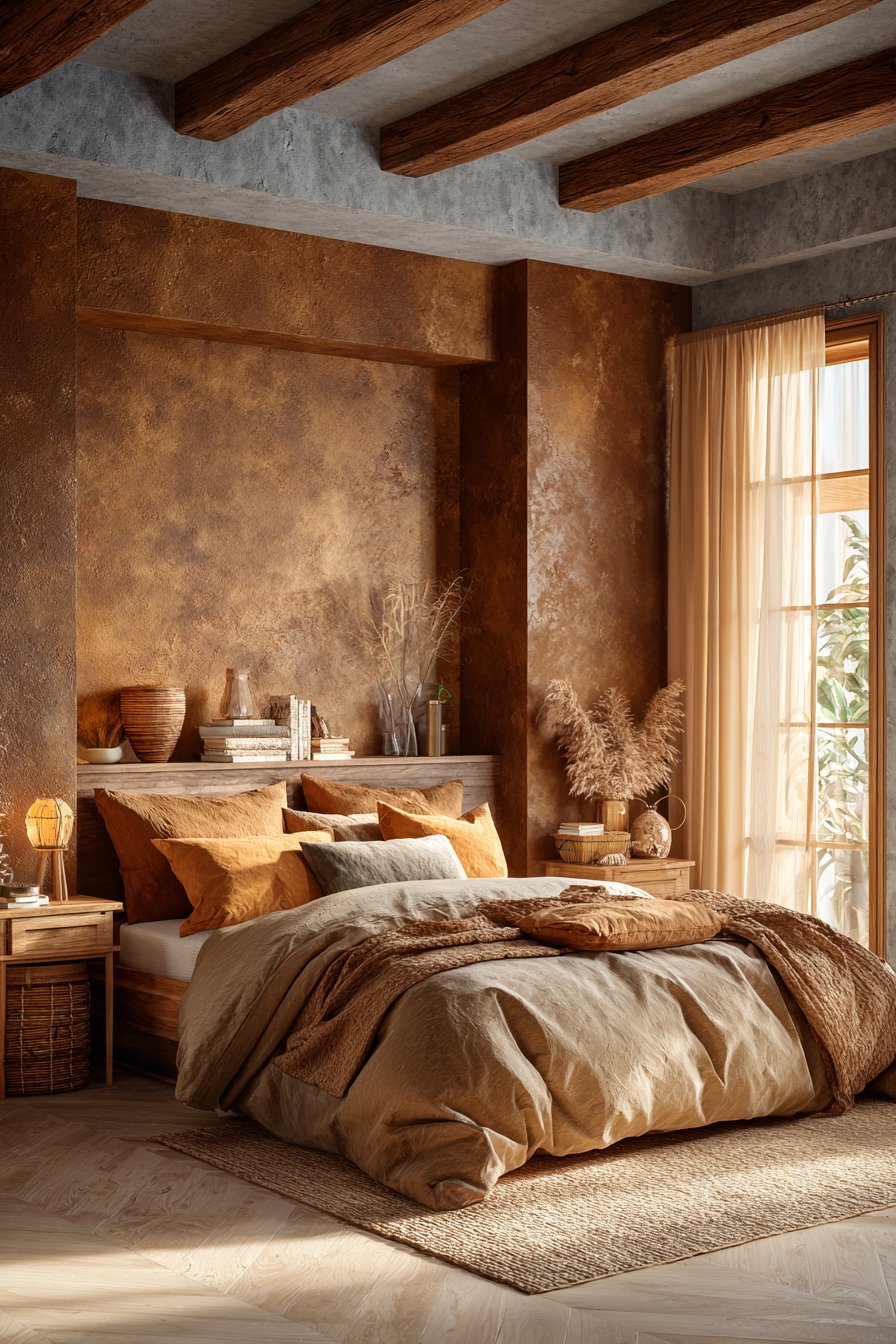
Research in color psychology demonstrates that warm palettes can reduce stress levels and promote relaxation. Unlike cool tones that energize and stimulate, warm colors create a cocoon-like atmosphere perfect for unwinding. This makes them particularly effective in spaces dedicated to rest and intimate moments with loved ones.
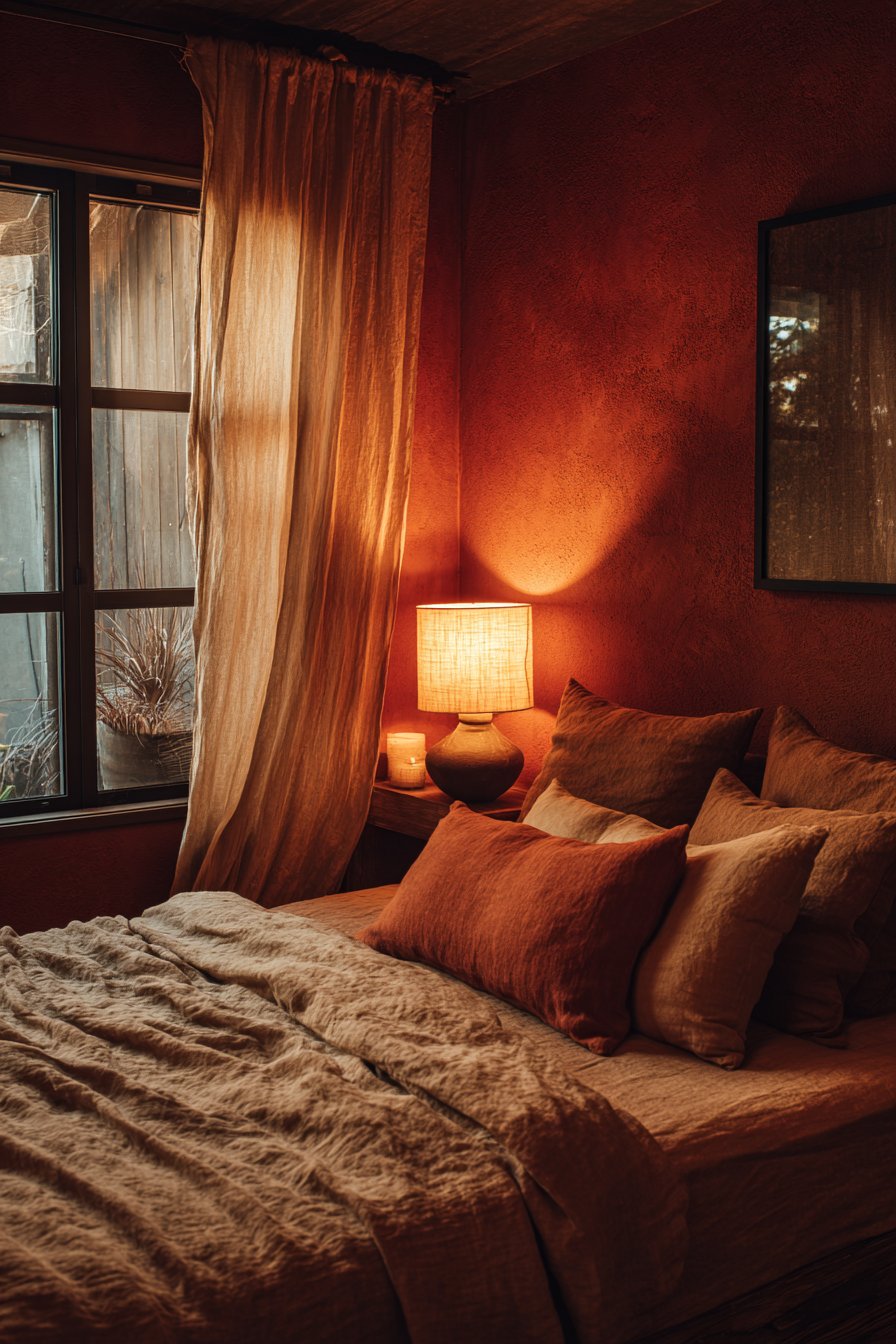
The connection between warm tones and improved sleep quality cannot be overstated. These colors help lower cortisol levels and prepare the mind for restful sleep. They create an environment that feels nurturing rather than clinical, transforming your bedroom into a true sanctuary from daily pressures.
- Choose terracotta or clay tones to evoke grounding earth elements
- Pair warm neutrals with soft lighting for maximum relaxation
- Avoid bright warm colors that may overstimulate before bedtime
- Consider the psychological impact when selecting your primary wall color
- Layer different warm shades to create depth and visual interest
- Test paint samples in both natural and artificial light
2. Versatility Across Design Styles
Warm tones seamlessly integrate into virtually every interior design aesthetic. From modern minimalism to traditional farmhouse styles, these colors provide a foundation that adapts beautifully. Their neutral quality allows them to serve as both backdrop and statement, depending on application and intensity.
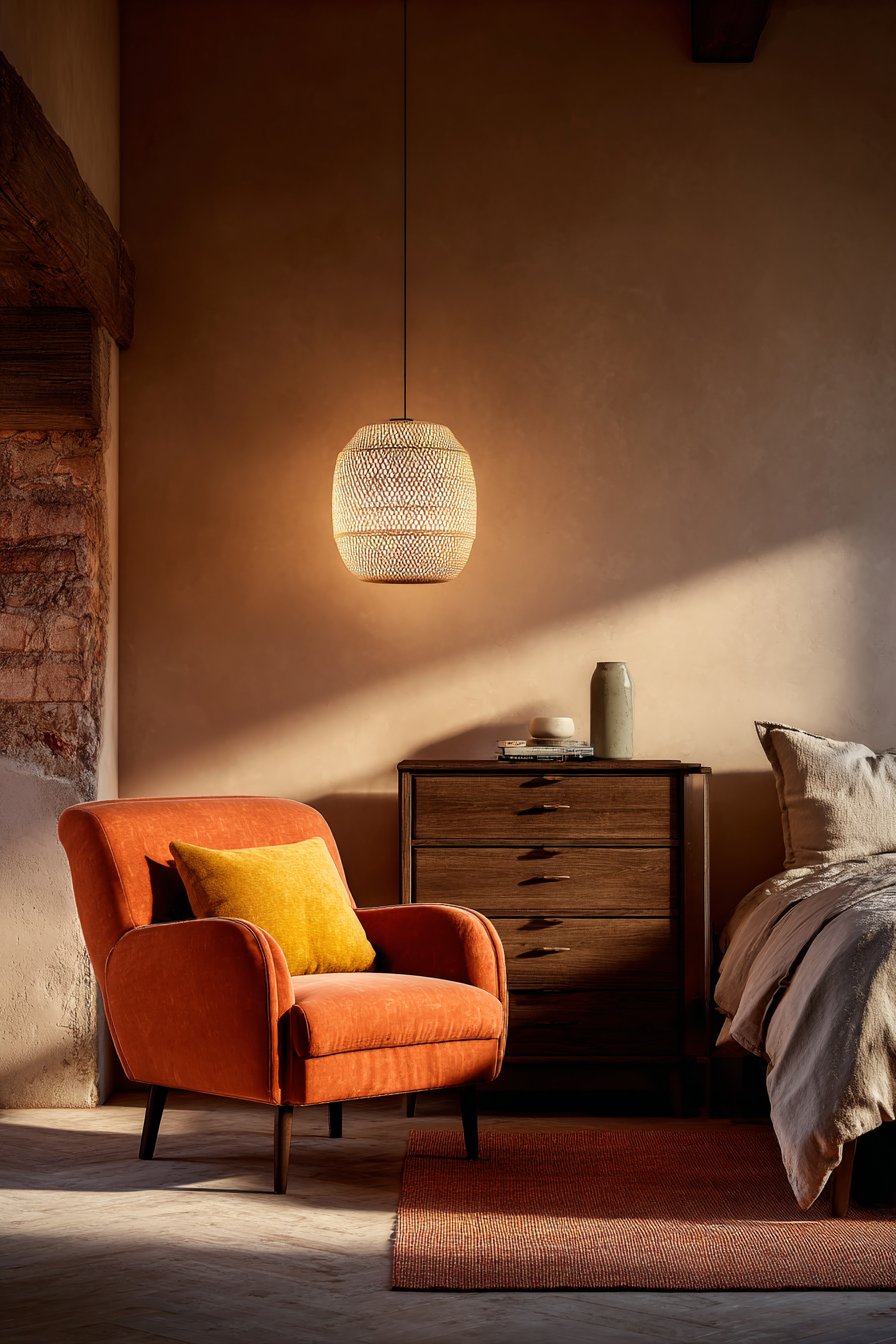
Contemporary spaces benefit from warm grays and sandy beiges that add softness without sacrificing sophistication. Mid-century modern designs shine when incorporating burnt orange accents and walnut wood tones. Even industrial aesthetics gain warmth and livability through rust-colored textiles and leather furnishings that complement exposed brick.
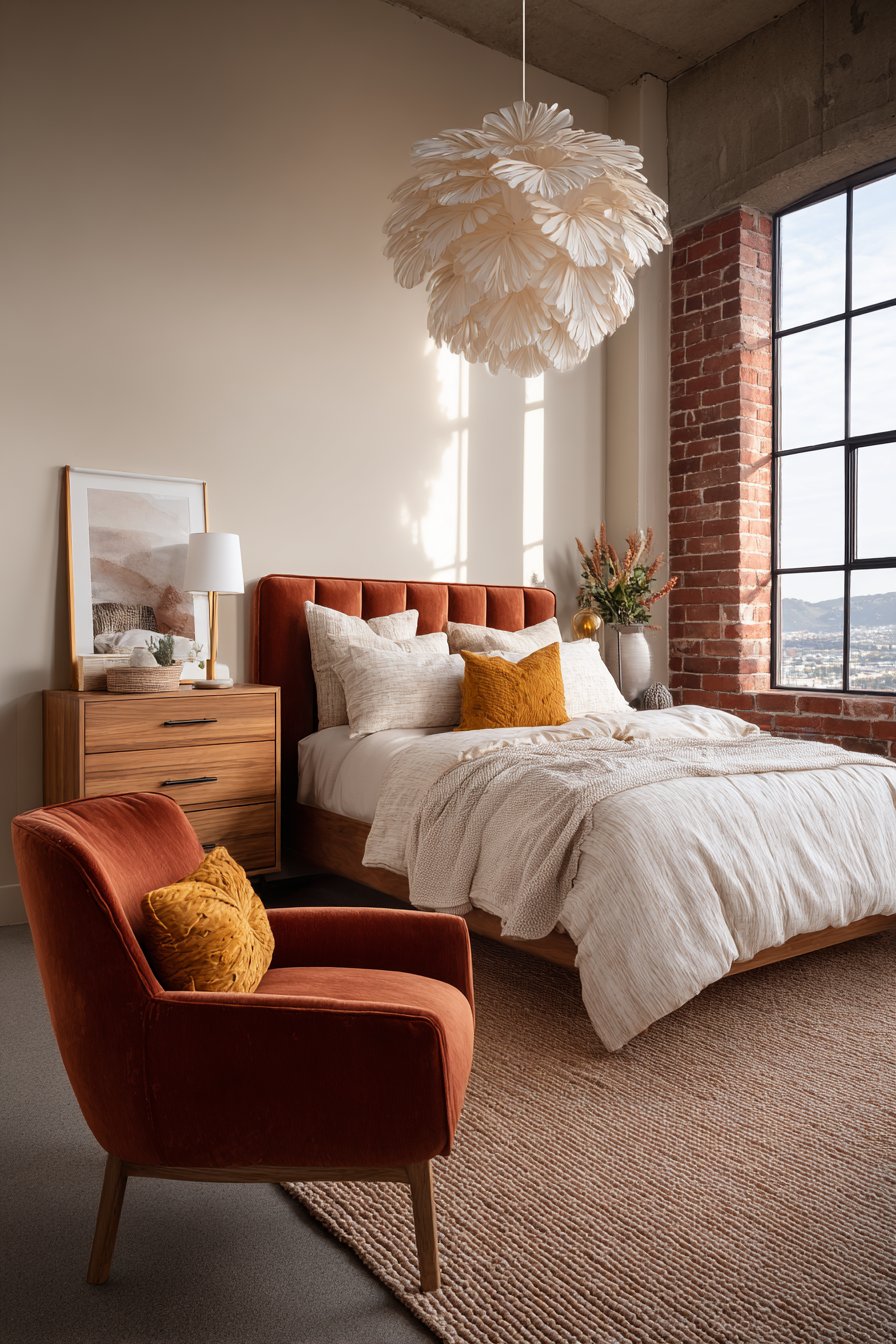
Traditional and transitional bedrooms find perfect expression through warm caramel and honey tones. These colors honor classic design principles while feeling current and fresh. Bohemian styles thrive with layered warm ochres, saffron yellows, and spicy reds that create eclectic yet cohesive spaces.
- Mix warm wood tones with painted surfaces for dimensional interest
- Use warm metallics like brass or copper for fixtures and hardware. If you’re also weighing the metal vs wood bed frames, that’s worth deciding early too.
- Incorporate warm-toned natural materials such as rattan or jute
- Balance bold warm accents with neutral warm bases
- Experiment with warm tone gradients within single color families
- Allow your design style to guide warm tone intensity and application
3. Creating Intimate and Cozy Atmospheres
The primary appeal of warm tones lies in their ability to make large bedrooms feel more intimate. Cool colors can make spaces feel expansive but sometimes impersonal, while warm hues draw walls inward visually. This creates a sense of enclosure that feels protective rather than confining, perfect for personal spaces.
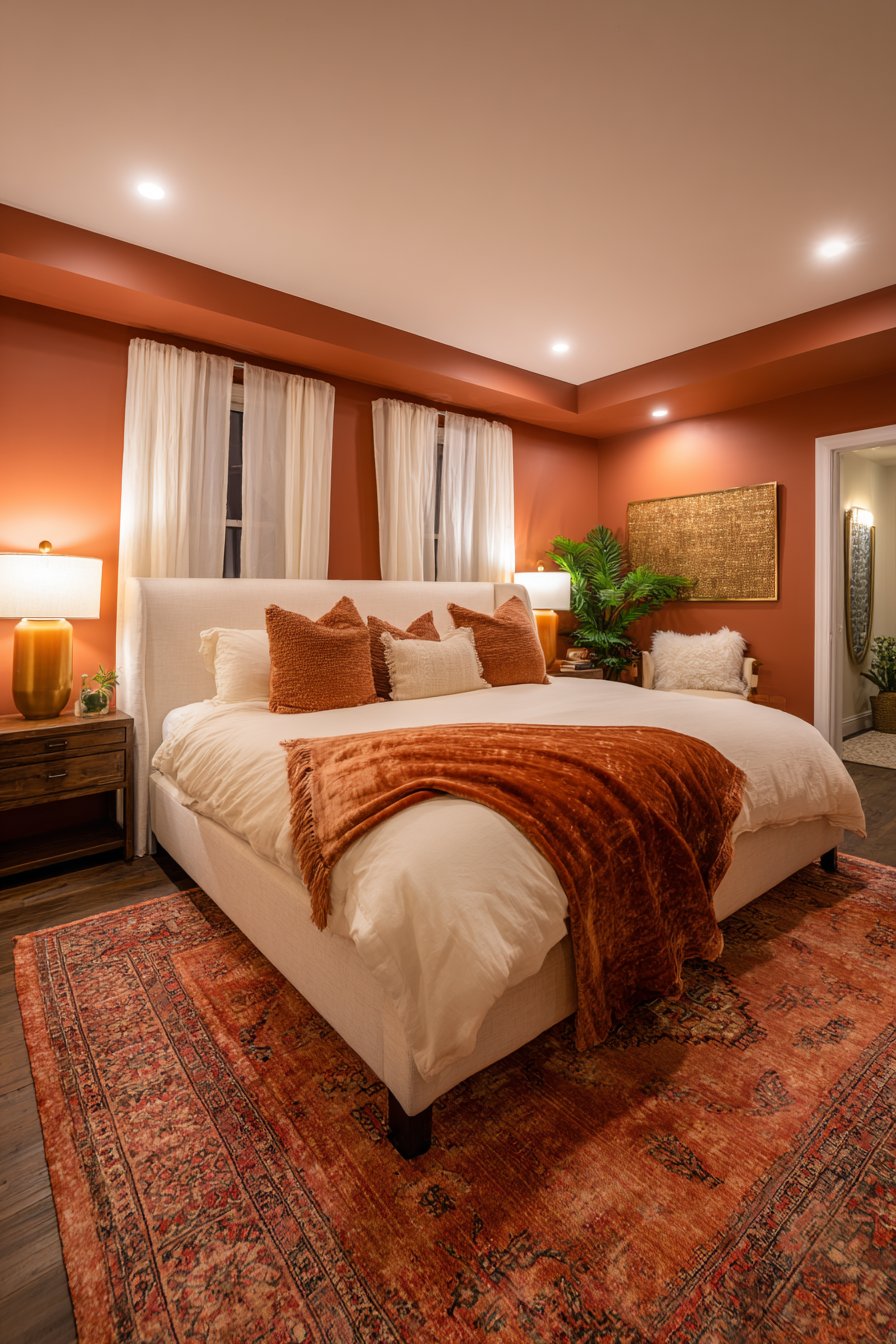
Warm color schemes naturally encourage cozy layering of textiles and textures. Rust-colored throws, caramel velvet pillows, and terracotta linen bedding all work together to build inviting surfaces. The cumulative effect transforms a bedroom from merely functional into genuinely nurturing and restorative.
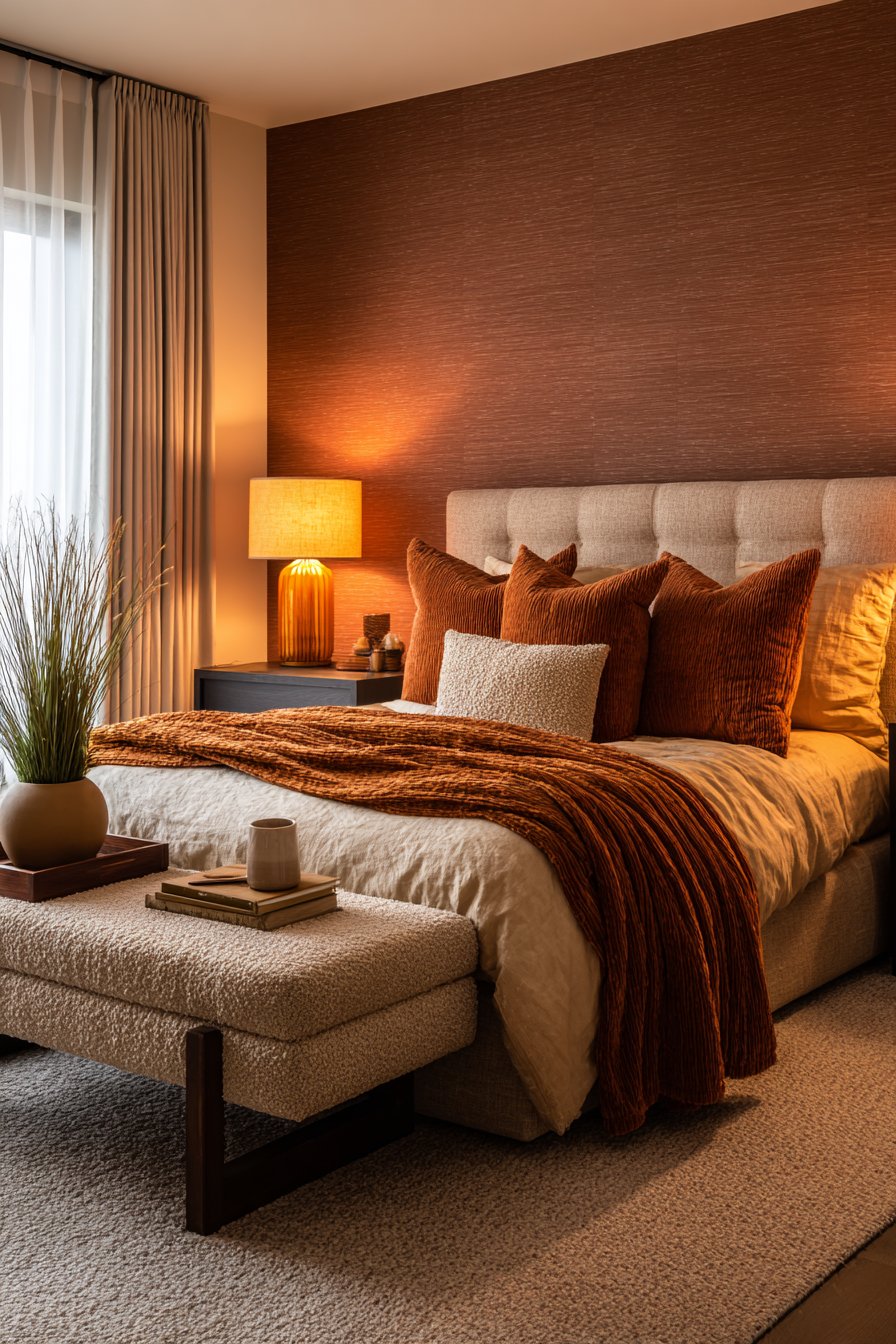
Lighting takes on new dimensions when paired with warm paint colors and fabrics. These tones reflect and amplify the golden qualities of ambient lighting, creating a perpetual sunset glow. This soft illumination is particularly flattering and contributes to the overall sense of warmth and welcome.
- Layer textures in similar warm tones for sophisticated depth
- Use warm-toned task lighting to enhance the cozy atmosphere
- Add plush area rugs in terracotta or burnt sienna shades
- Incorporate soft fabrics like velvet, chenille, or brushed cotton
- Create reading nooks with warm accent walls and soft seating
- Balance warmth with breathable natural fibers for comfort
4. Timeless Appeal and Longevity
Unlike trendy colors that quickly feel dated, warm tones offer enduring aesthetic value. These colors have appeared throughout design history in various forms, from ancient Mediterranean architecture to modern Scandinavian interiors. Their connection to natural elements ensures they remain relevant regardless of shifting design trends.
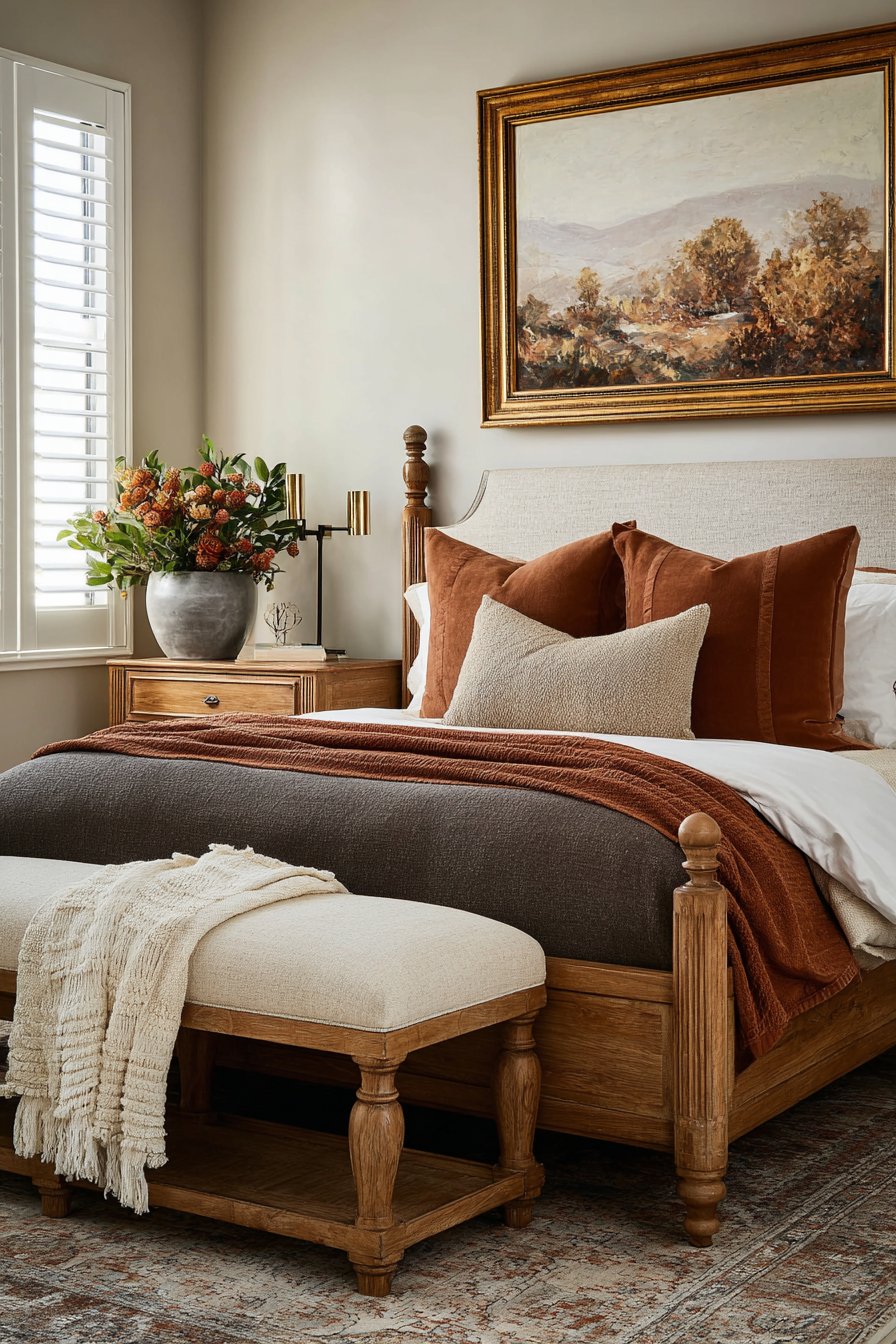
Investing in warm tone bedroom design provides long-term satisfaction without requiring frequent updates. While you can refresh accessories and accents, the foundational warm palette will continue feeling current and appropriate. This makes warm colors an economically smart choice for homeowners planning to stay in their spaces.
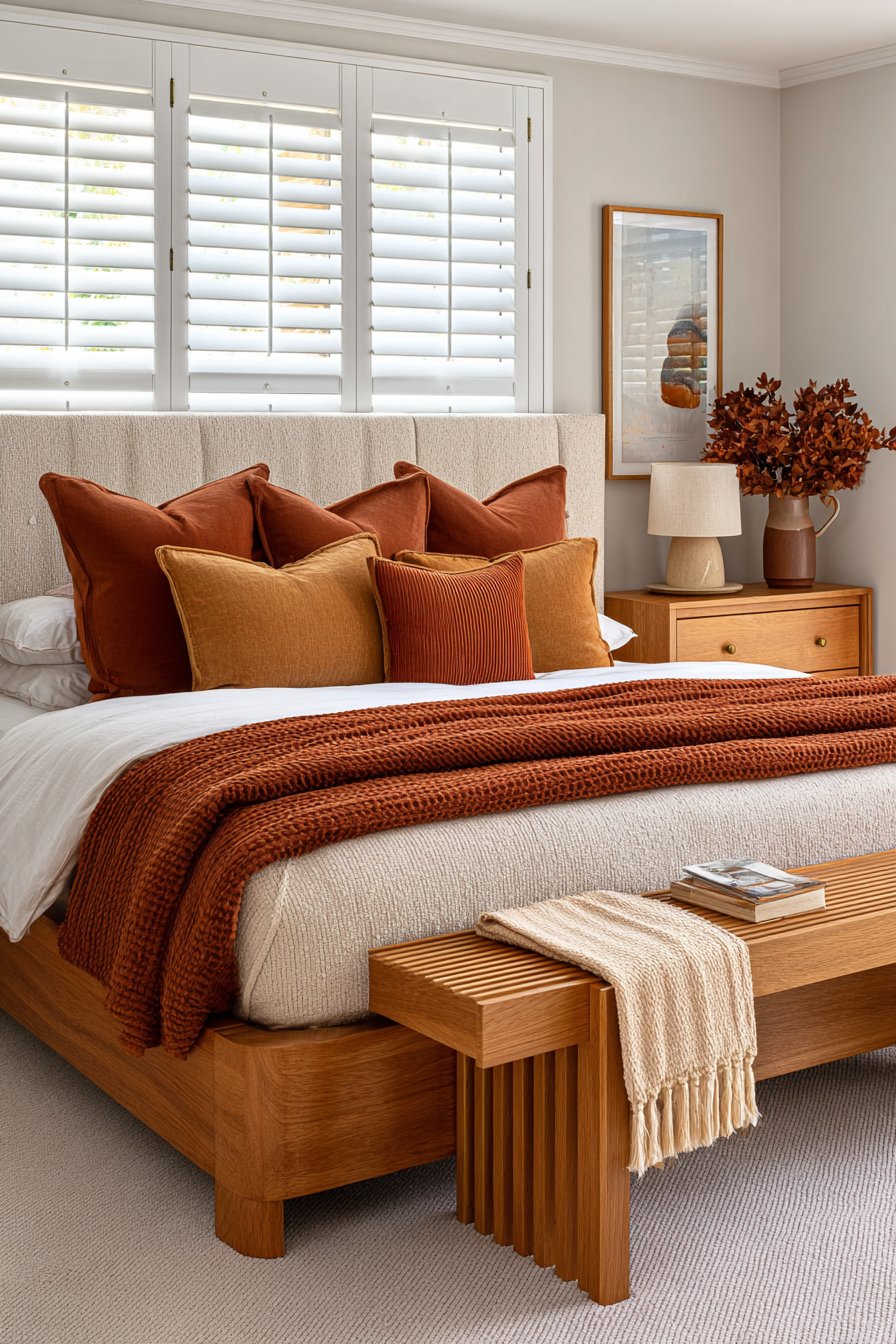
The timeless quality of warm tones also means they maintain strong resale appeal. Potential buyers respond positively to warm, inviting bedrooms that feel immediately comfortable. Unlike bold or unconventional color choices that might alienate buyers, warm neutrals and earth tones have universal appeal.
- Choose classic warm shades over ultra-trendy variations
- Invest in quality neutral pieces in warm tones as foundations
- Use accessories to introduce seasonal warm color variations
- Consider how warm tones age gracefully over time
- Select durable materials in warm finishes for lasting beauty
- Build a flexible palette that allows for easy updates
5. Natural Light Enhancement
Warm tones possess a unique ability to maximize natural light while softening its quality. These colors absorb and reflect light differently than cool tones, creating a luminous glow throughout the day. North-facing bedrooms particularly benefit from warm palettes that compensate for cooler natural light.
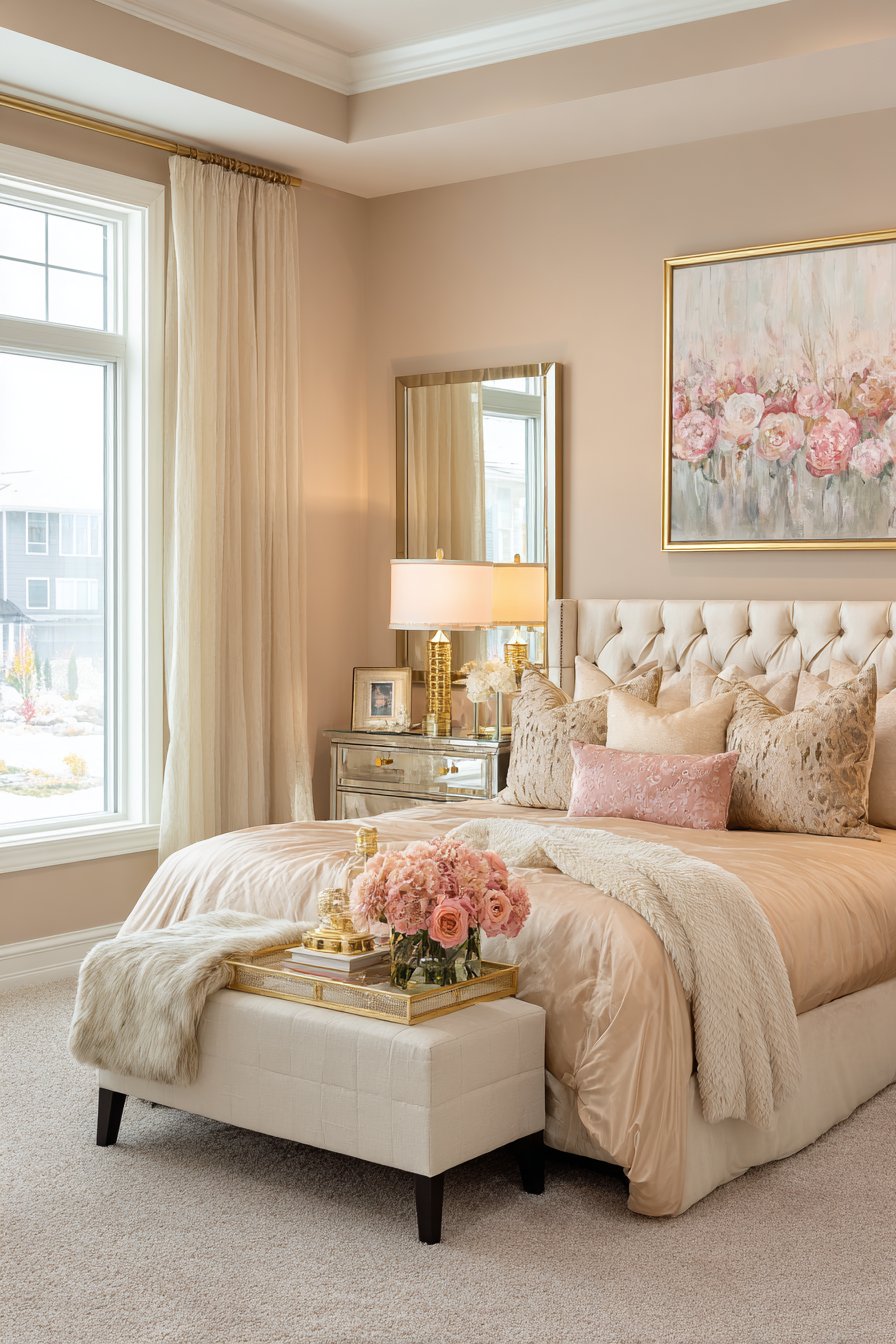
During golden hour, warm bedroom colors become absolutely magical, amplifying the sunset effect that filters through windows. This creates stunning visual moments that make your bedroom feel connected to the natural world outside. The interplay between warm walls and changing daylight provides constant visual interest.
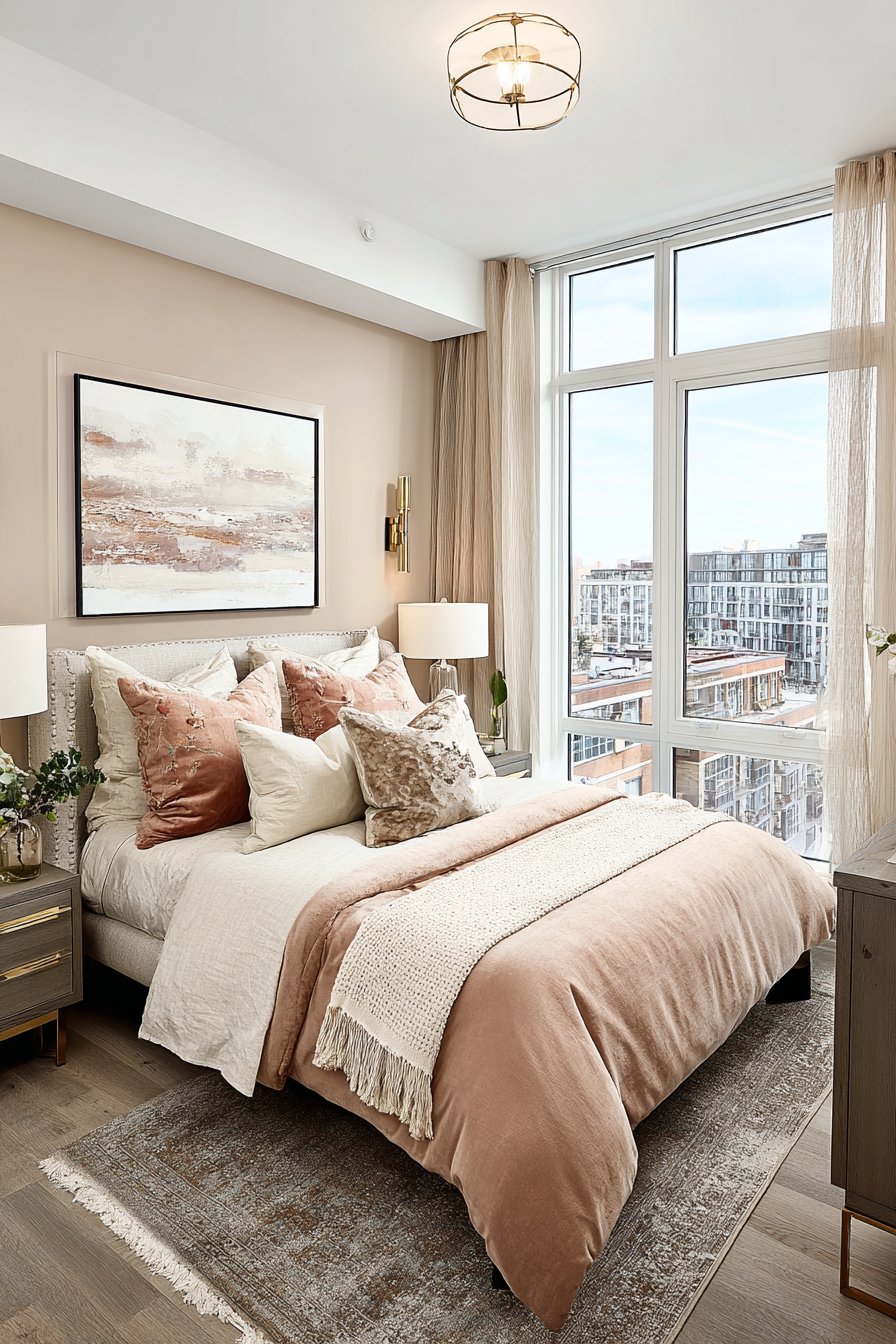
Even in rooms with limited natural light, warm tones help create the illusion of sunlight. Peachy beiges and soft apricots can brighten dim spaces without the starkness of pure white. This makes warm colors ideal for basement bedrooms or rooms with small windows.
- Position mirrors opposite windows to bounce warm-toned light
- Choose sheer curtains in cream or champagne to filter light warmly
- Paint window trim in warm whites to frame natural light beautifully
- Use warm metallic accents to reflect and distribute light
- Consider how morning versus evening light affects your warm palette
- Test warm paint colors at different times throughout the day
6. Connection to Nature and Wellness
The dominance of warm tones reflects a broader cultural shift toward biophilic design principles. These colors mirror the earth, sand, and clay found in natural landscapes, creating inherent connections to the outdoors. This connection supports mental wellness and helps combat the stress of modern urban living.
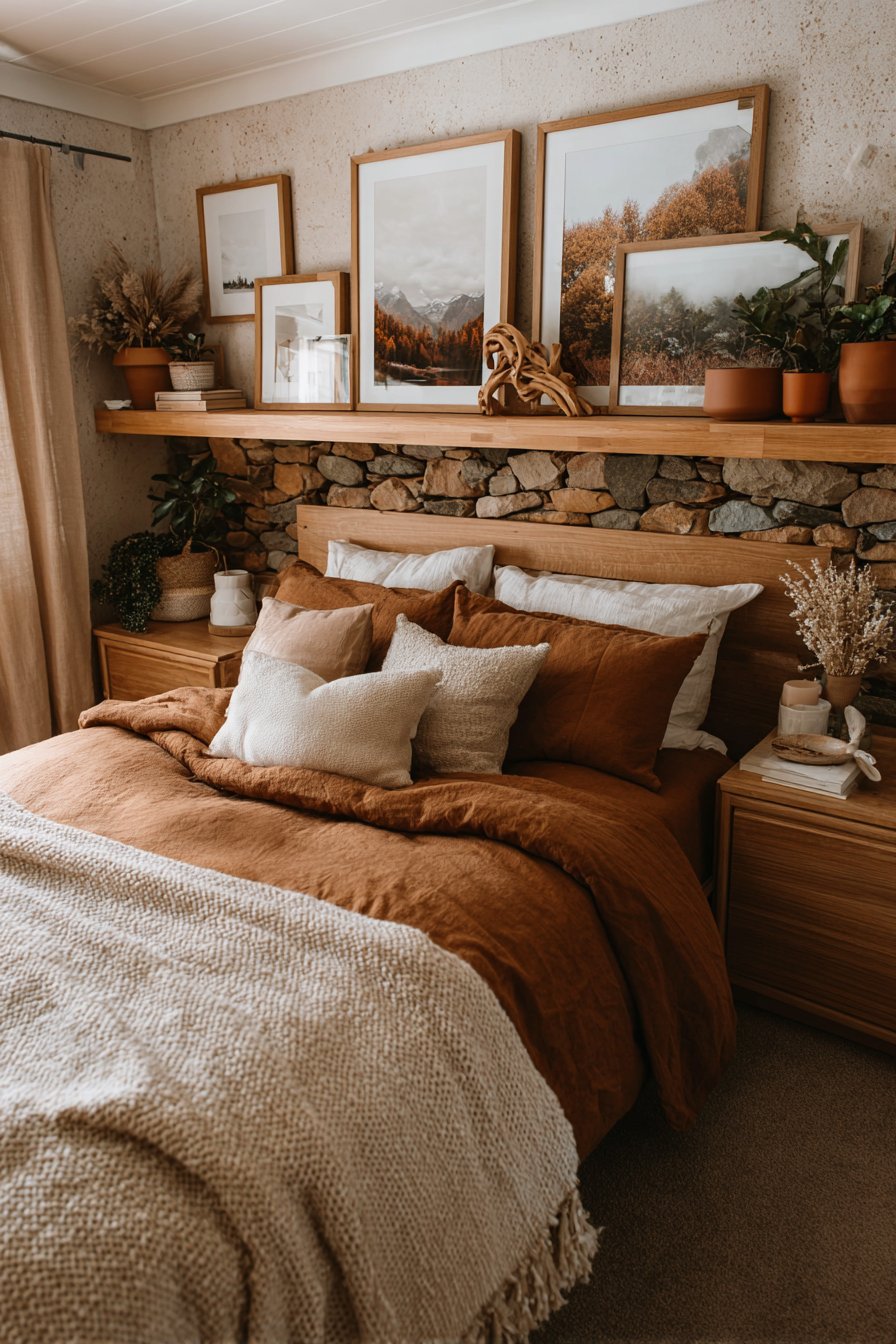
Warm bedroom palettes align perfectly with the wellness-focused lifestyle many people now prioritize. These colors support meditation, yoga, and mindfulness practices by providing calming visual environments. The grounding quality of earth tones helps anchor daily wellness routines and promotes consistent self-care habits.
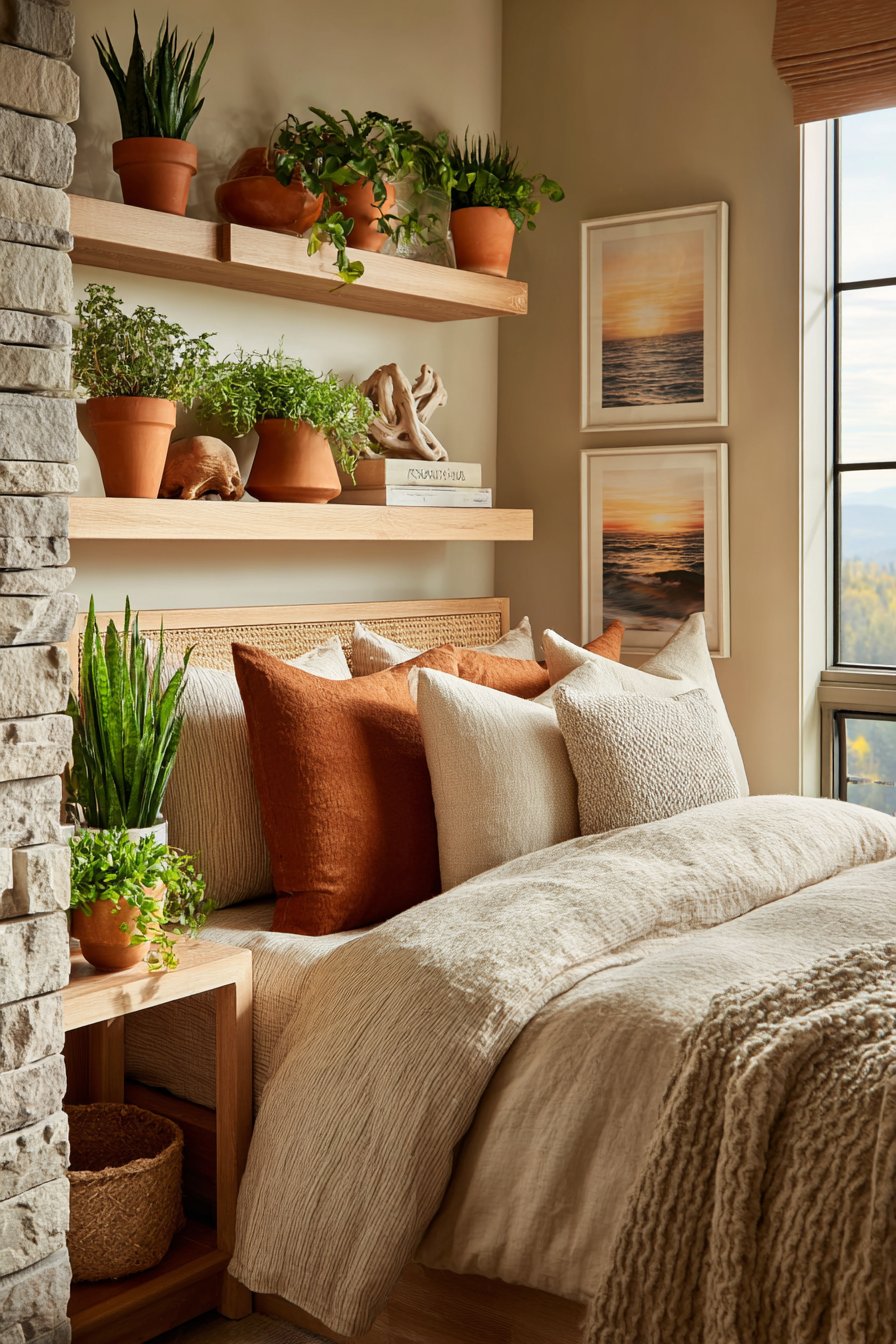
Natural materials in warm tones further strengthen this nature-inspired approach. Wooden furniture, stone accents, and plant-based textiles all share warm undertones that create cohesive, organic spaces. This holistic approach to bedroom design supports both physical comfort and emotional well-being.
- Incorporate natural wood furniture in honey, walnut, or oak tones
- Add houseplants with terracotta pots for layered warm elements
- Choose organic cotton and linen bedding in warm neutral shades
- Display natural objects like driftwood or stone in warm hues
- Use woven baskets and rattan pieces for warm textural interest
- Create a nature-inspired gallery wall with warm-toned landscape photography
Conclusion
The dominance of warm tones in bedroom design reflects our collective desire for nurturing personal spaces that support rest and well-being. From their psychological benefits to their timeless versatility, warm colors offer comprehensive advantages that cool palettes simply cannot match. These hues create intimate atmospheres while remaining adaptable to various design styles and lighting conditions.
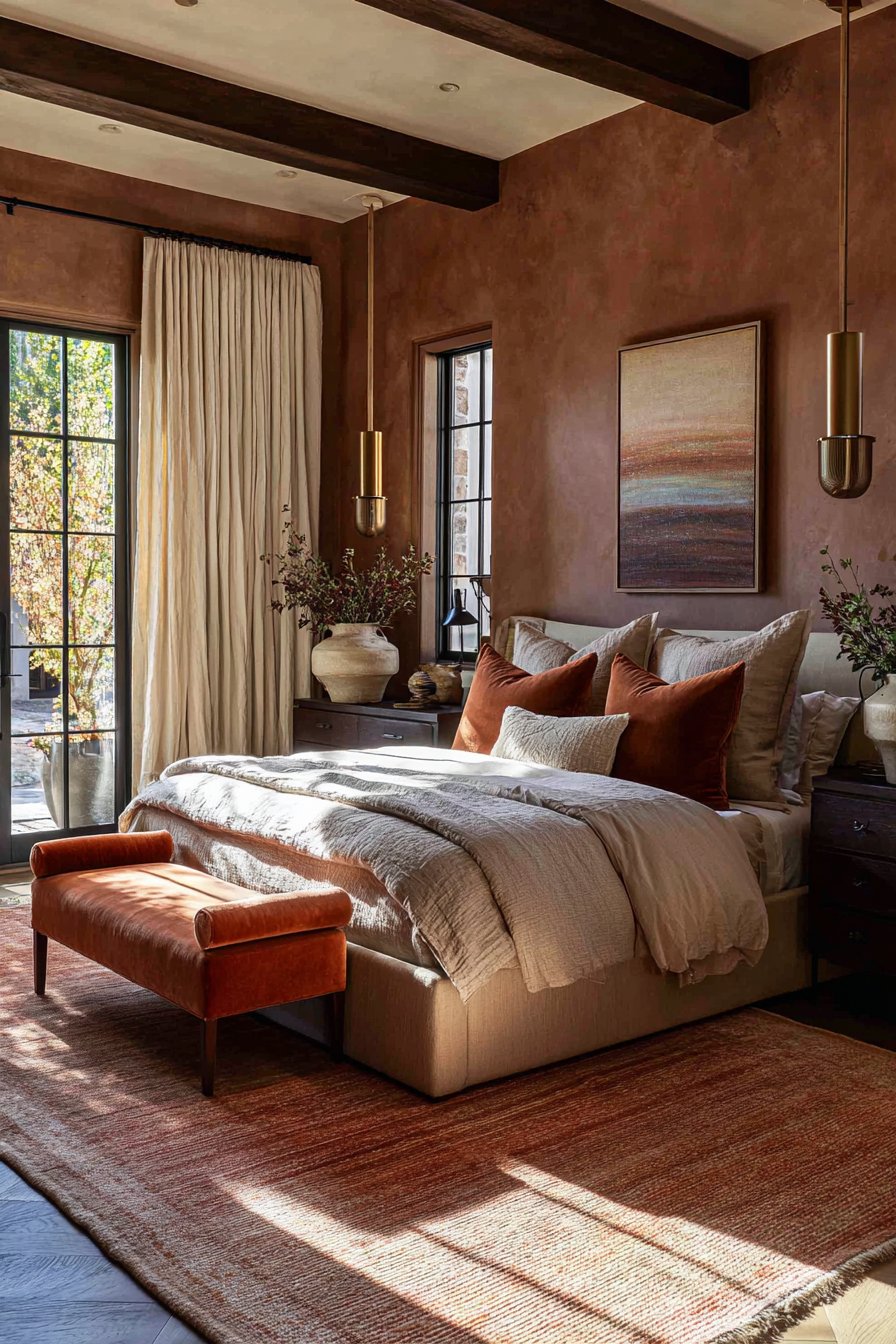
As you consider your own bedroom design, embrace the power of warm tones to transform your space into a true sanctuary. Experiment with different shades, layer complementary textures, and trust your instincts about which warm hues resonate most deeply with you. Remember that creating a bedroom you love is an investment in your daily comfort and long-term wellness—one that pays dividends in better sleep, reduced stress, and genuine enjoyment of your personal retreat.
