


The modern bathroom has transformed from a purely functional space into a sanctuary of wellness and environmental consciousness. Today’s homeowners are reimagining their bathrooms as eco-friendly retreats that balance luxury with sustainability. This shift represents more than just a passing trend—it’s a fundamental change in how we approach personal spaces and our responsibility to the planet.
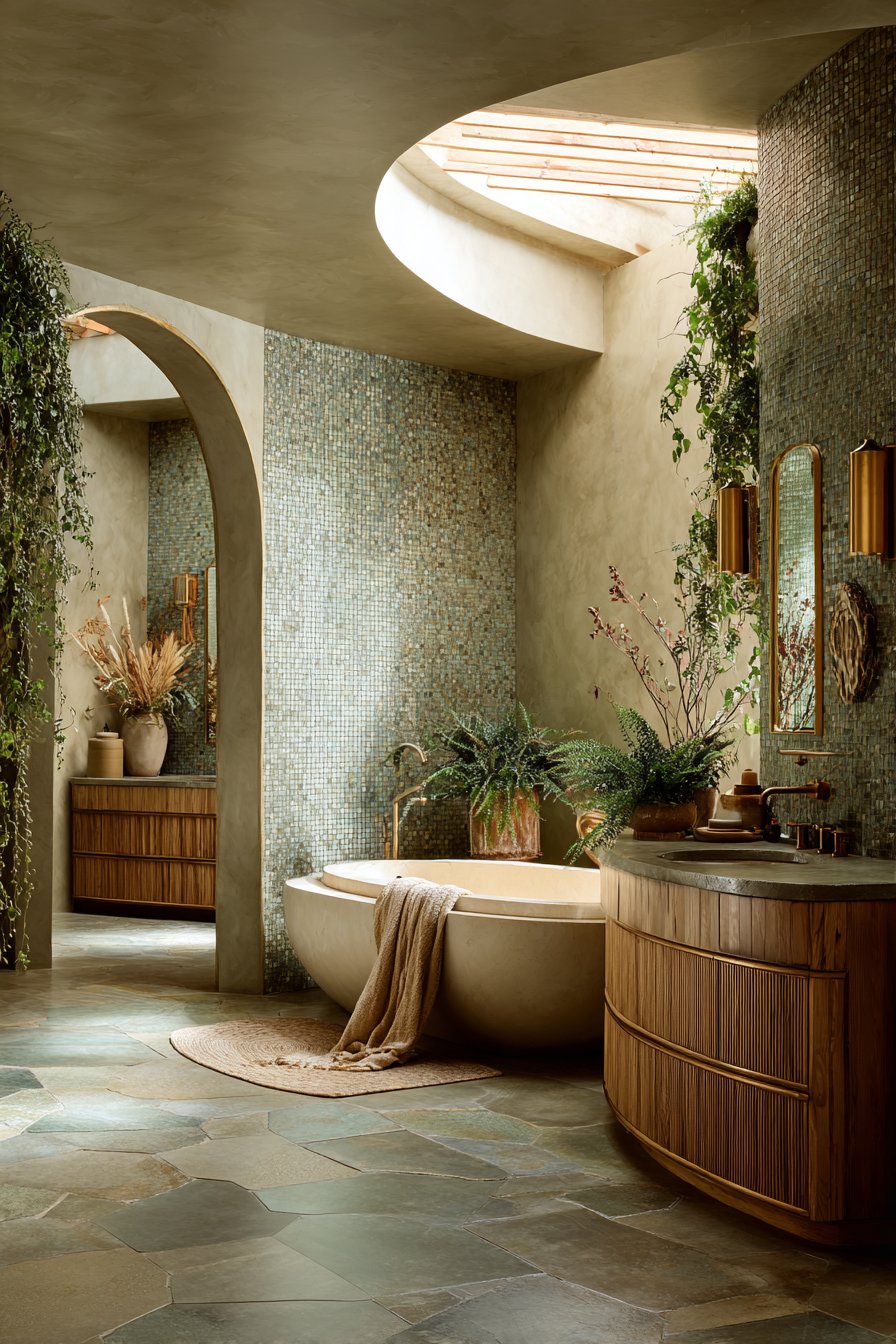
The green bathroom revolution reflects our growing awareness of water consumption, energy usage, and the materials we bring into our homes. Thoughtful interior design now prioritizes sustainable solutions without sacrificing style or comfort. From water-saving fixtures to non-toxic materials, every element serves a dual purpose: enhancing your daily routine while minimizing environmental impact. Our these dark green bathroom ideas has more inspiration along these same lines.
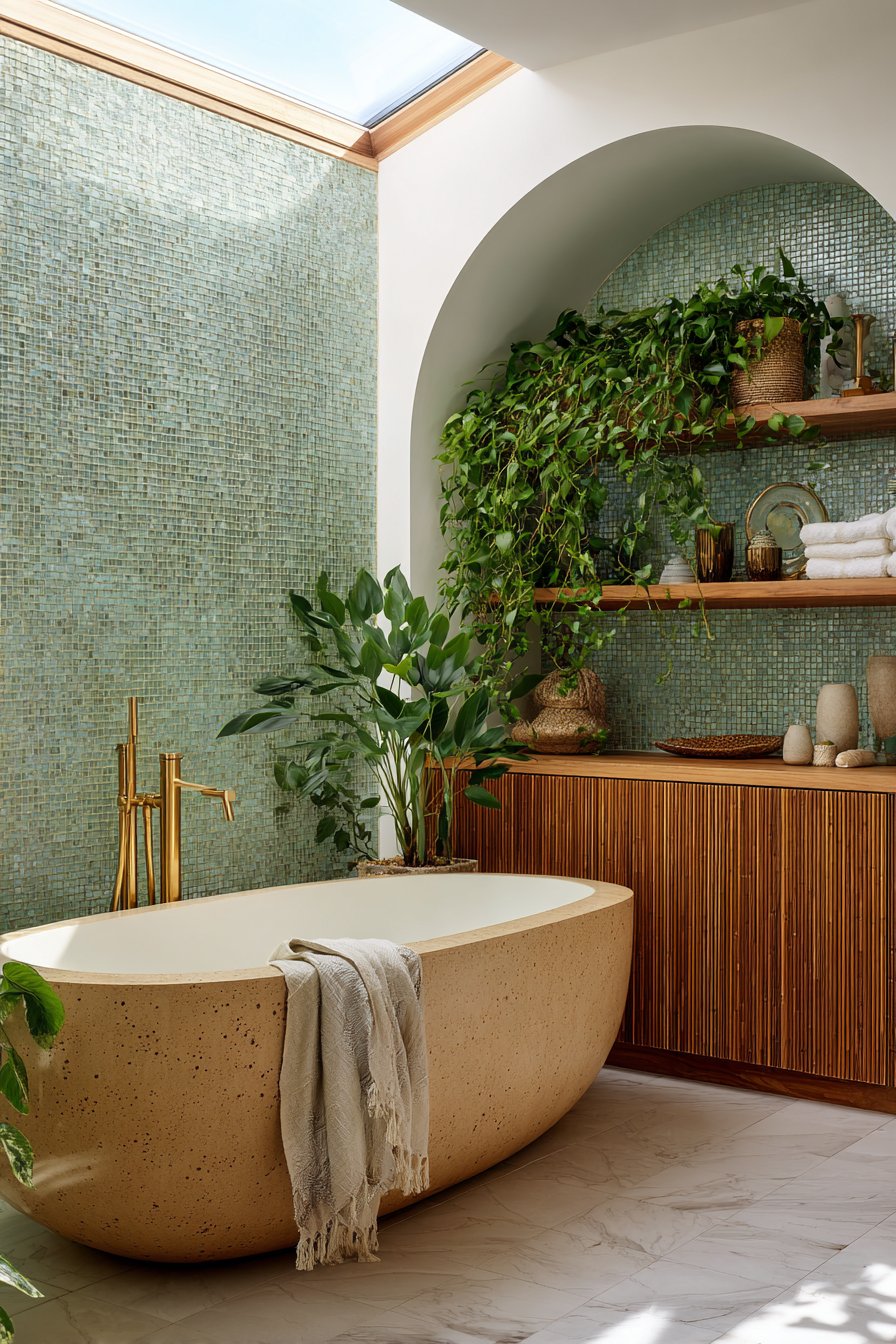
This article explores the key drivers behind this revolutionary movement. We’ll examine the innovations, materials, and design philosophies that make eco-friendly bathrooms both attainable and desirable. Whether you’re planning a complete renovation or making small sustainable swaps, understanding these trends will help you create a space that’s beautiful, functional, and environmentally responsible.
1. Water Conservation Technology
Modern bathroom fixtures have evolved dramatically, making water efficiency the new standard rather than an exception. Low-flow toilets, faucets, and showerheads now deliver excellent performance while using significantly less water. These innovations represent one of the most impactful changes homeowners can make to reduce their environmental footprint.
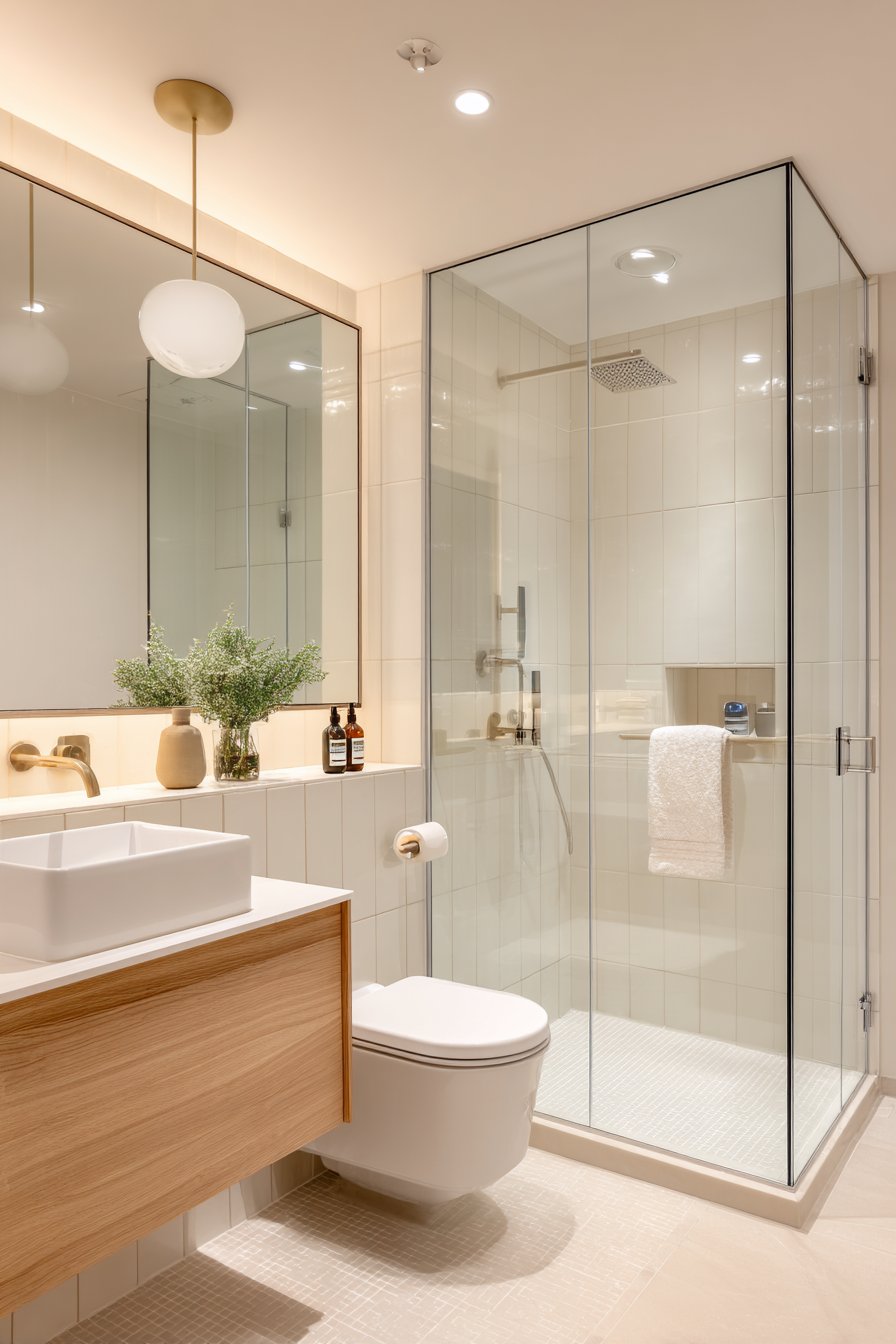
The technology behind water-saving fixtures has advanced to the point where reduced flow doesn’t mean reduced comfort. Dual-flush toilets use as little as 0.8 gallons per flush for liquid waste, compared to older models that consumed 3.5 to 7 gallons. Aerated faucets maintain strong water pressure while cutting consumption by up to 30 percent.
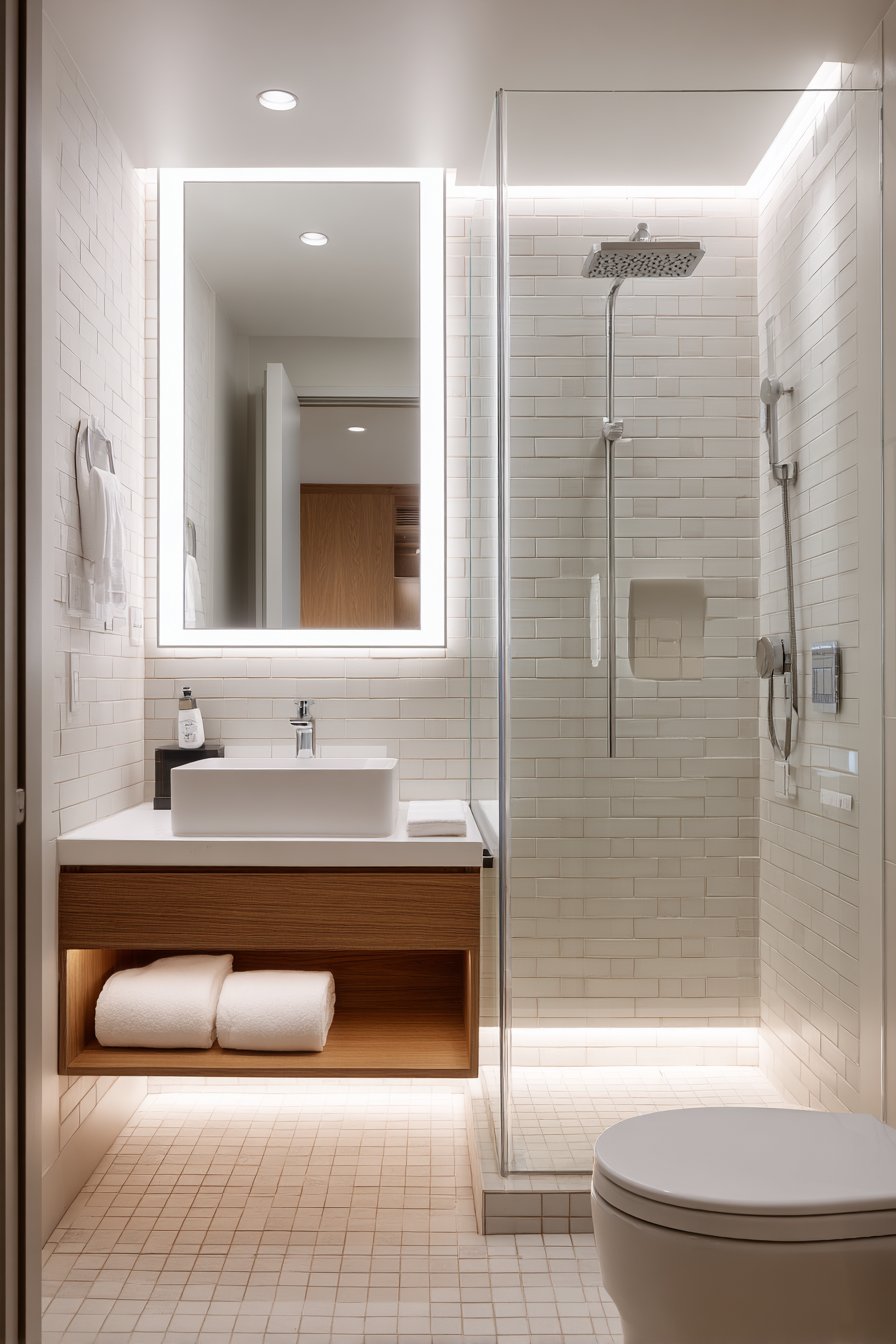
Smart shower systems take conservation further by allowing users to preset temperatures and durations. Some models include digital displays showing real-time water usage, making conservation visible and encouraging mindful habits. These features transform daily routines into opportunities for environmental stewardship without requiring sacrifice.
- Install WaterSense certified fixtures that meet EPA performance standards
- Choose dual-flush toilets with separate buttons for different waste types
- Replace standard showerheads with low-flow models rated at 2.0 GPM or less
- Add aerators to existing faucets for immediate water savings
- Consider touchless faucets that prevent water waste from running taps
- Monitor monthly water bills to track conservation progress
2. Sustainable Material Selection
The materials used in bathroom construction and decoration carry significant environmental weight throughout their lifecycle. Sustainable options now include reclaimed wood, recycled glass tiles, and natural stone sourced from responsible quarries. These materials offer unique aesthetics while supporting ecological balance and ethical production practices.
Traditional bathroom paints and finishes release volatile organic compounds that compromise indoor air quality for months after application. The green bathroom revolution prioritizes low-VOC and zero-VOC alternatives that protect both installers and occupants from harmful chemical exposure. These formulations have improved dramatically, offering excellent coverage and durability. See our emerald green bathroom ideas for more direction in this style.
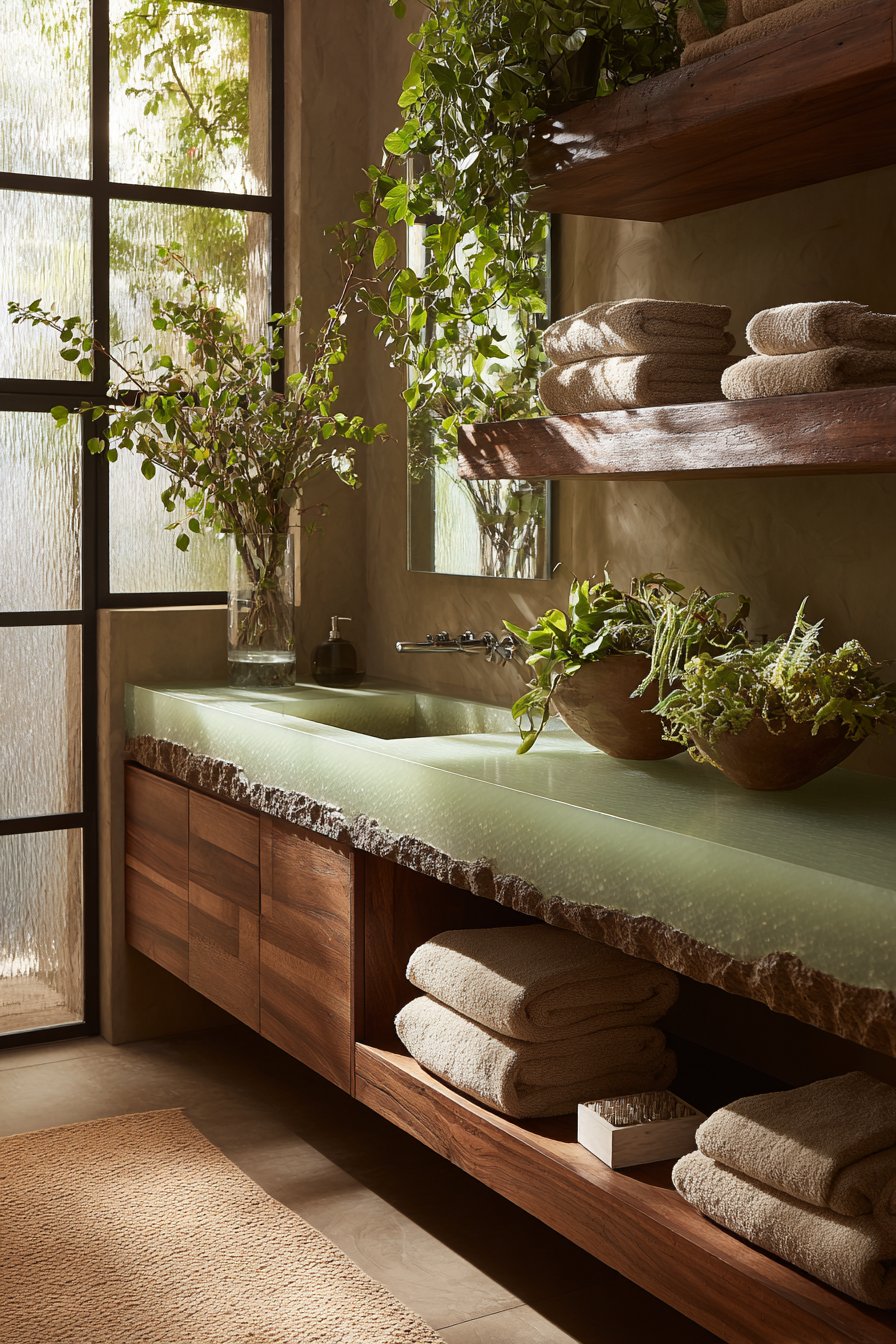
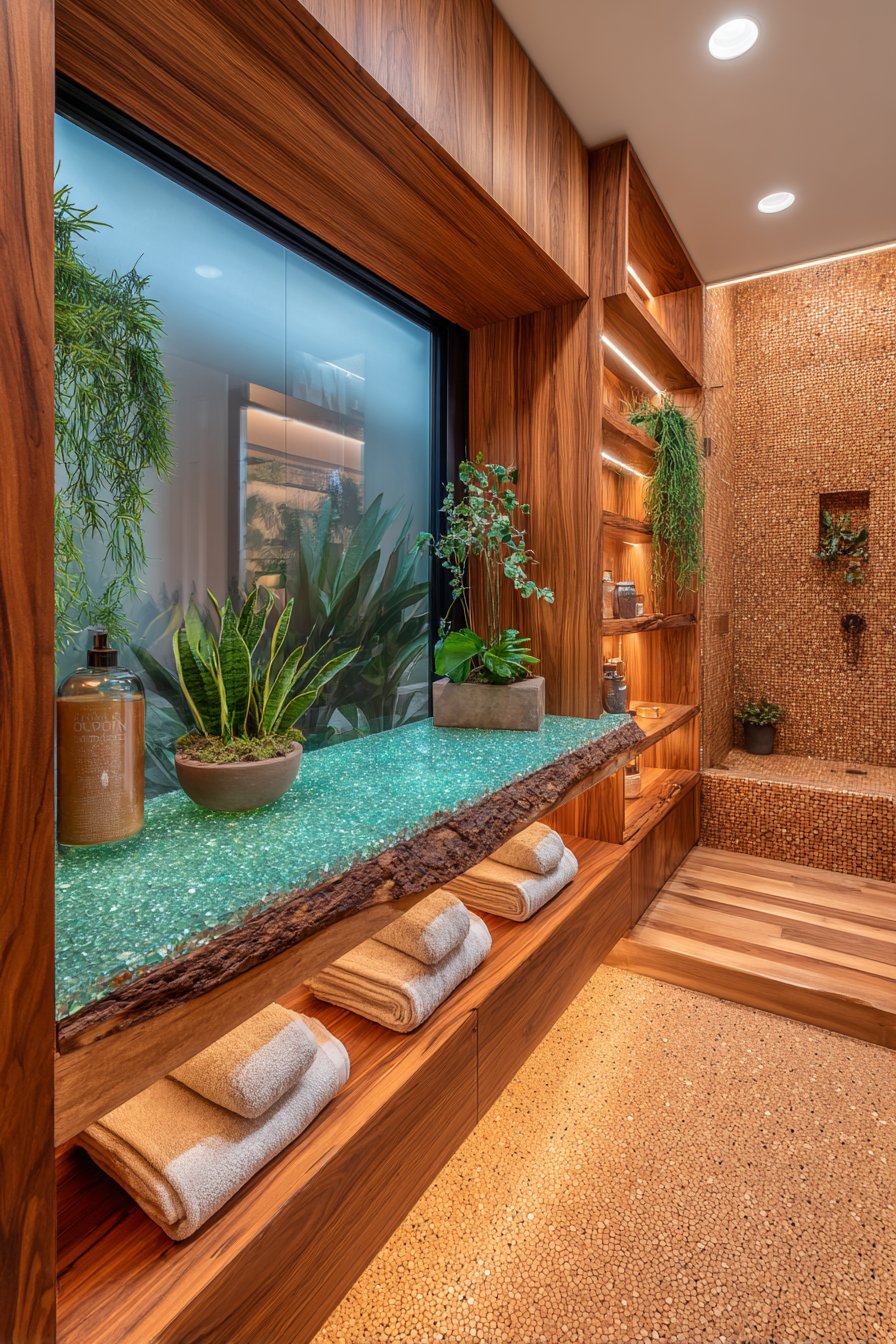
Recycled materials are transforming waste into beautiful design elements. Glass countertops made from recycled bottles showcase stunning colors and patterns while diverting waste from landfills. Cork flooring provides warmth underfoot, excellent water resistance, and comes from renewable bark that regrows after harvesting. These choices prove sustainability enhances rather than limits design possibilities.
- Source tiles made from at least 75 percent recycled content
- Select FSC-certified wood products from responsibly managed forests
- Choose natural linoleum over vinyl for chemical-free flooring
- Opt for locally sourced stone to reduce transportation emissions
- Use low-VOC or zero-VOC adhesives and sealants
- Consider terrazzo made with recycled aggregate for unique surfaces
3. Energy-Efficient Lighting and Ventilation
Bathroom lighting and ventilation systems consume considerable energy, but modern solutions dramatically reduce this consumption while improving functionality. LED technology has revolutionized bathroom illumination, using 75 percent less energy than incandescent bulbs while lasting 25 times longer. The quality of LED light has improved substantially, offering warm tones that flatter skin tones.
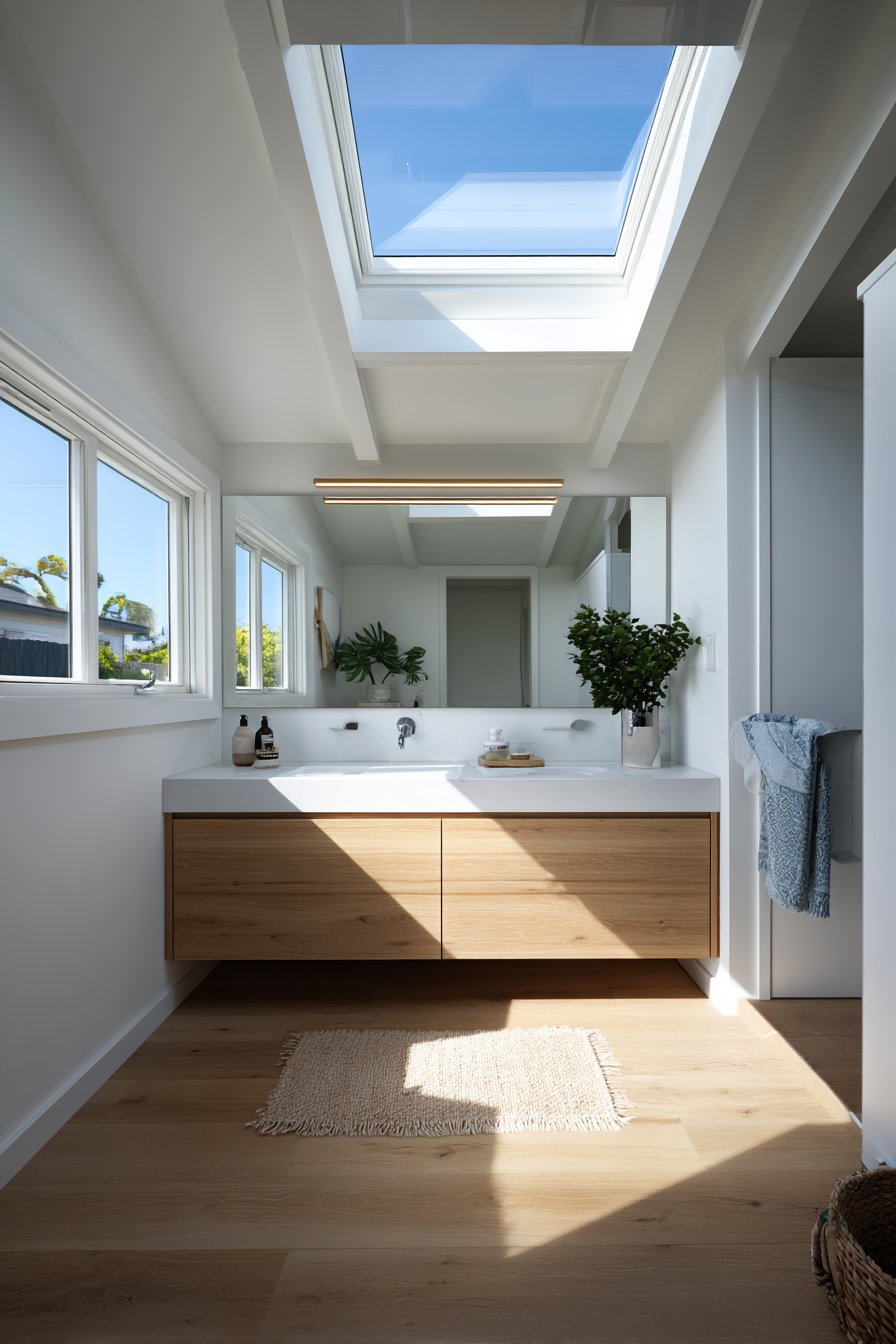
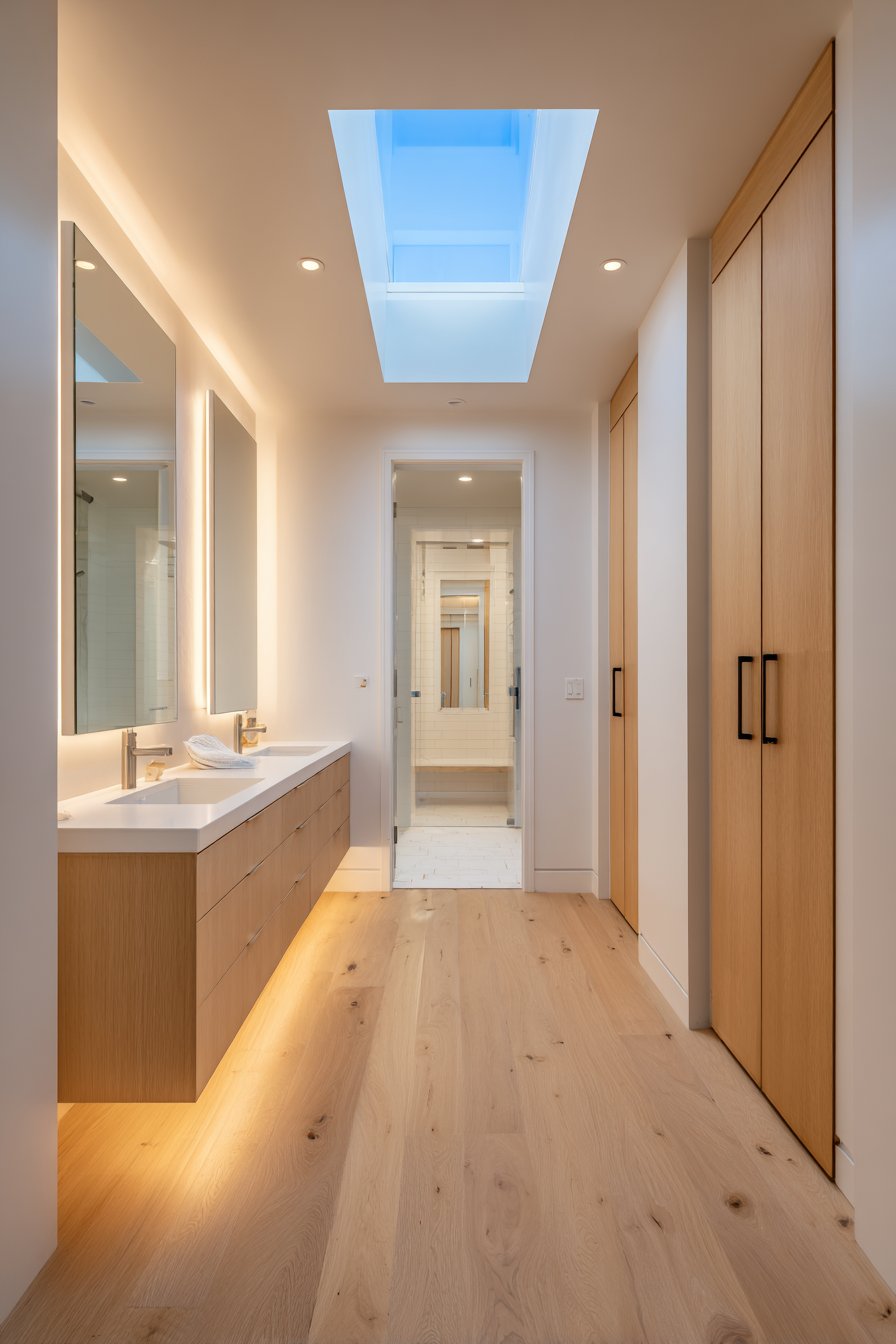
Natural light maximization represents the most sustainable lighting strategy. Strategic placement of skylights and windows reduces daytime electricity needs while creating an uplifting atmosphere. Privacy concerns can be addressed with frosted glass, light tubes that channel sunlight from the roof, or strategically placed clerestory windows.
Ventilation improvements prevent moisture problems while using minimal energy. ENERGY STAR certified exhaust fans operate quietly and efficiently, removing humidity that leads to mold growth. Some models include humidity sensors that activate automatically, ensuring optimal air quality without manual intervention or wasted runtime.
- Replace all bulbs with LED equivalents rated for damp bathroom conditions
- Install dimmer switches to adjust lighting levels and save energy
- Add motion sensors for automatic lighting in powder rooms
- Choose exhaust fans with low sone ratings for quiet operation
- Position mirrors to reflect and amplify natural light sources
- Use task lighting near mirrors rather than over-lighting entire spaces
4. Non-Toxic Paints and Finishes
Traditional bathroom paints and finishes release volatile organic compounds that compromise indoor air quality for months after application. The green bathroom revolution prioritizes low-VOC and zero-VOC alternatives that protect both installers and occupants from harmful chemical exposure. These formulations have improved dramatically, offering excellent coverage and durability.
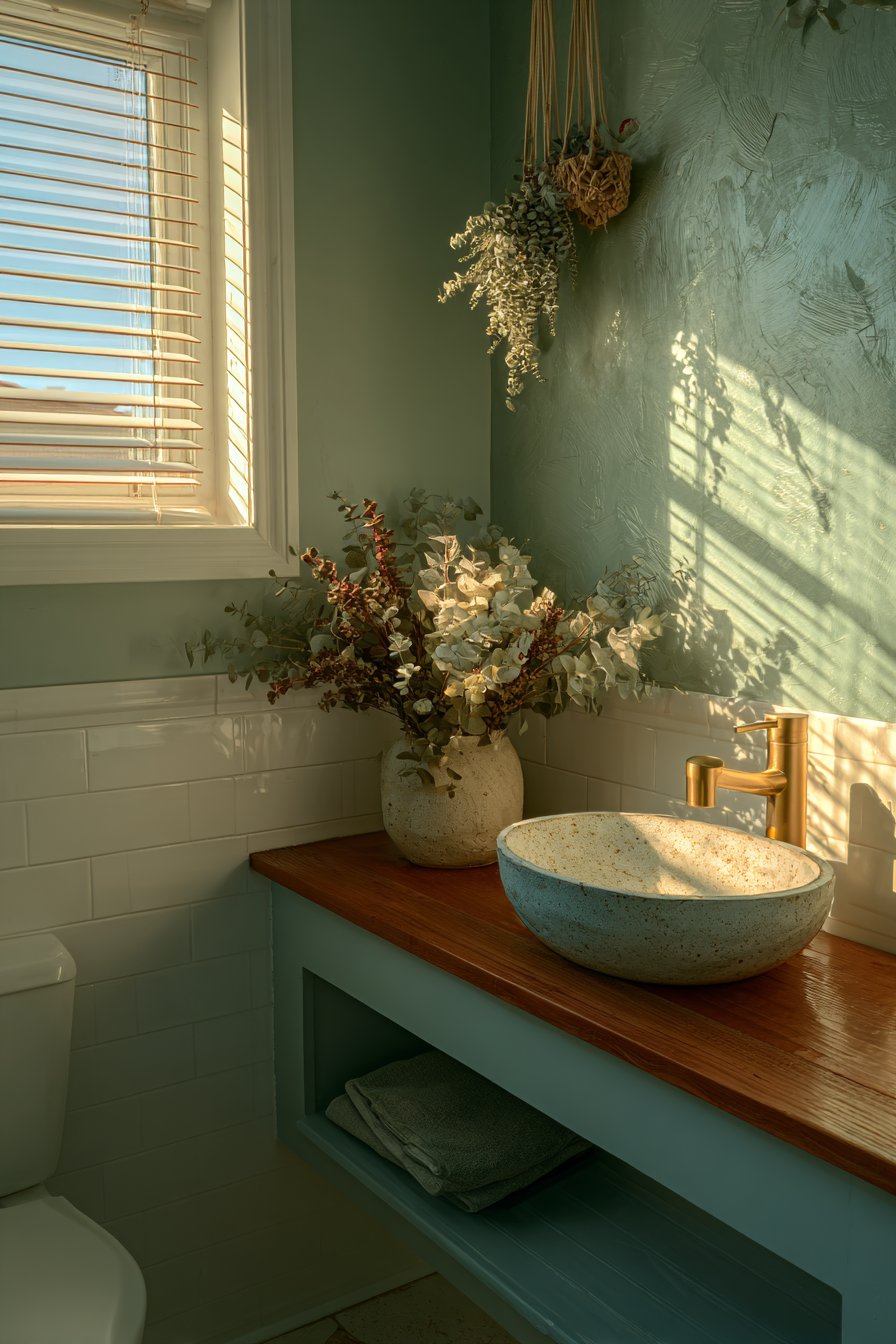
Natural paint options include milk paint, clay-based paints, and mineral paints that contain no synthetic chemicals. These alternatives provide beautiful matte finishes and unique color depth while being completely safe for sensitive individuals. They also allow walls to breathe naturally, which helps regulate humidity in bathroom environments.
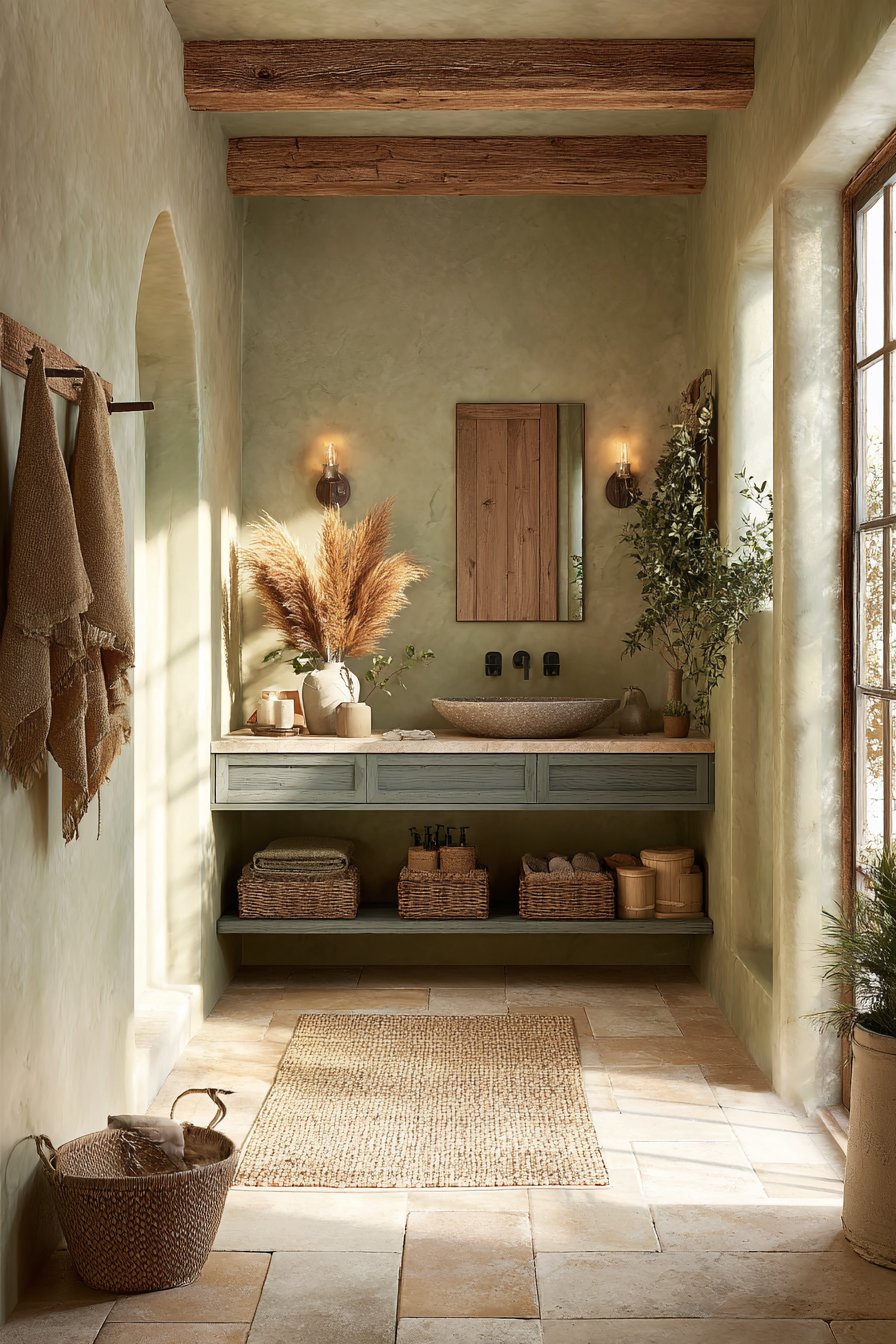
Sealants and caulks deserve equal attention, as conventional products often contain toxic ingredients that off-gas in enclosed bathroom spaces. Water-based alternatives now offer comparable performance without health risks. Choosing products certified by Green Seal or GREENGUARD ensures third-party verification of environmental and health claims. Our these green and white bathroom ideas has more inspiration along these same lines.
- Select paints with VOC content below 50 grams per liter
- Allow adequate drying time with windows open before regular use
- Choose water-based polyurethane for wood finishes instead of oil-based
- Avoid paints containing ammonia, formaldehyde, or heavy metals
- Read labels carefully and request Safety Data Sheets when uncertain
- Consider limewash for naturally antimicrobial wall treatments
5. Water Heating Innovations
Heating water accounts for approximately 18 percent of home energy consumption, making efficient water heating crucial for green bathrooms. Tankless water heaters provide hot water on demand without maintaining a large tank at constant temperature. This eliminates standby heat loss and can reduce water heating costs by 30 percent.
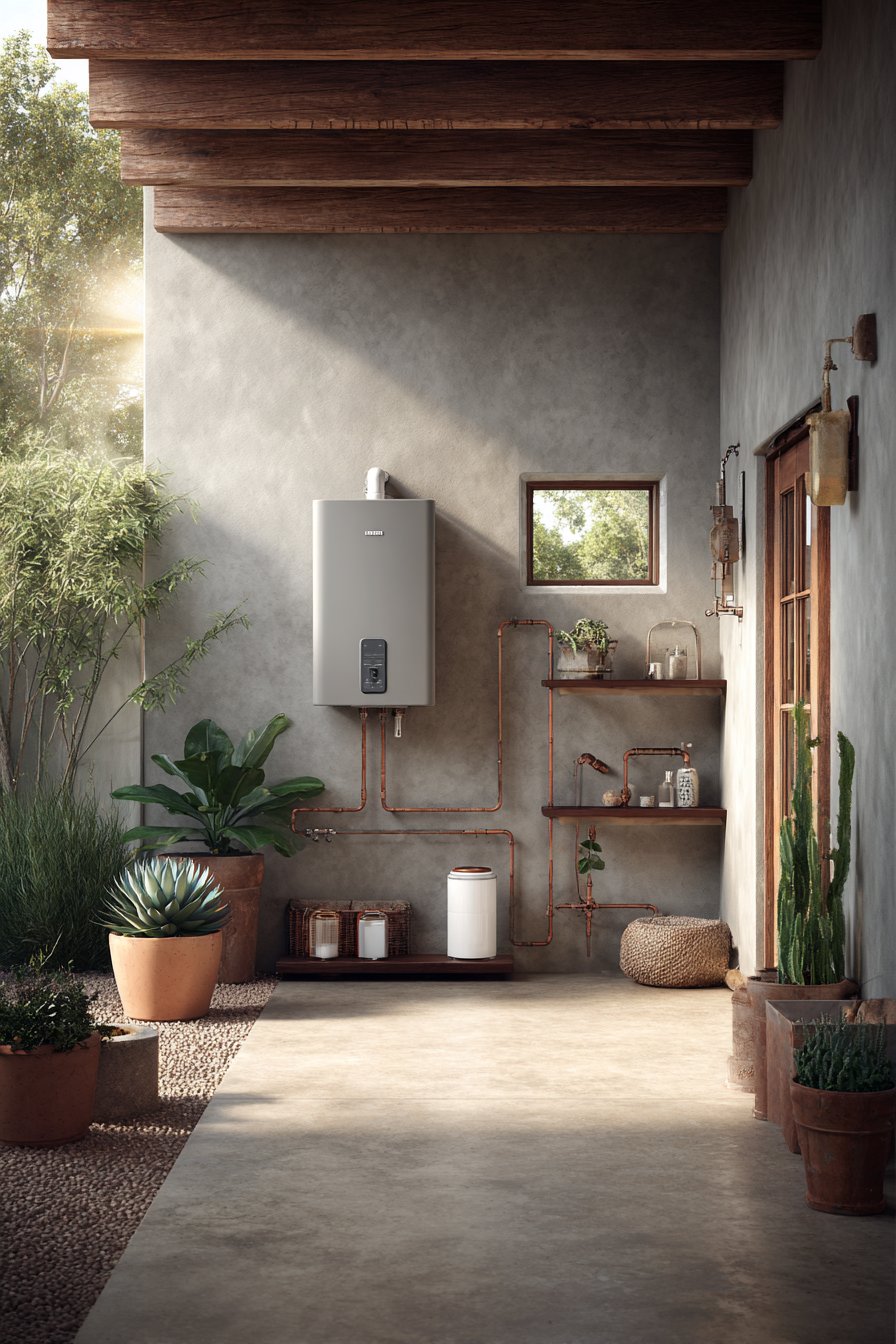
Heat pump water heaters represent another breakthrough technology, using electricity to move heat from surrounding air into water rather than generating heat directly. They’re two to three times more efficient than conventional electric water heaters. While installation costs are higher, energy savings typically recover the investment within three to four years.
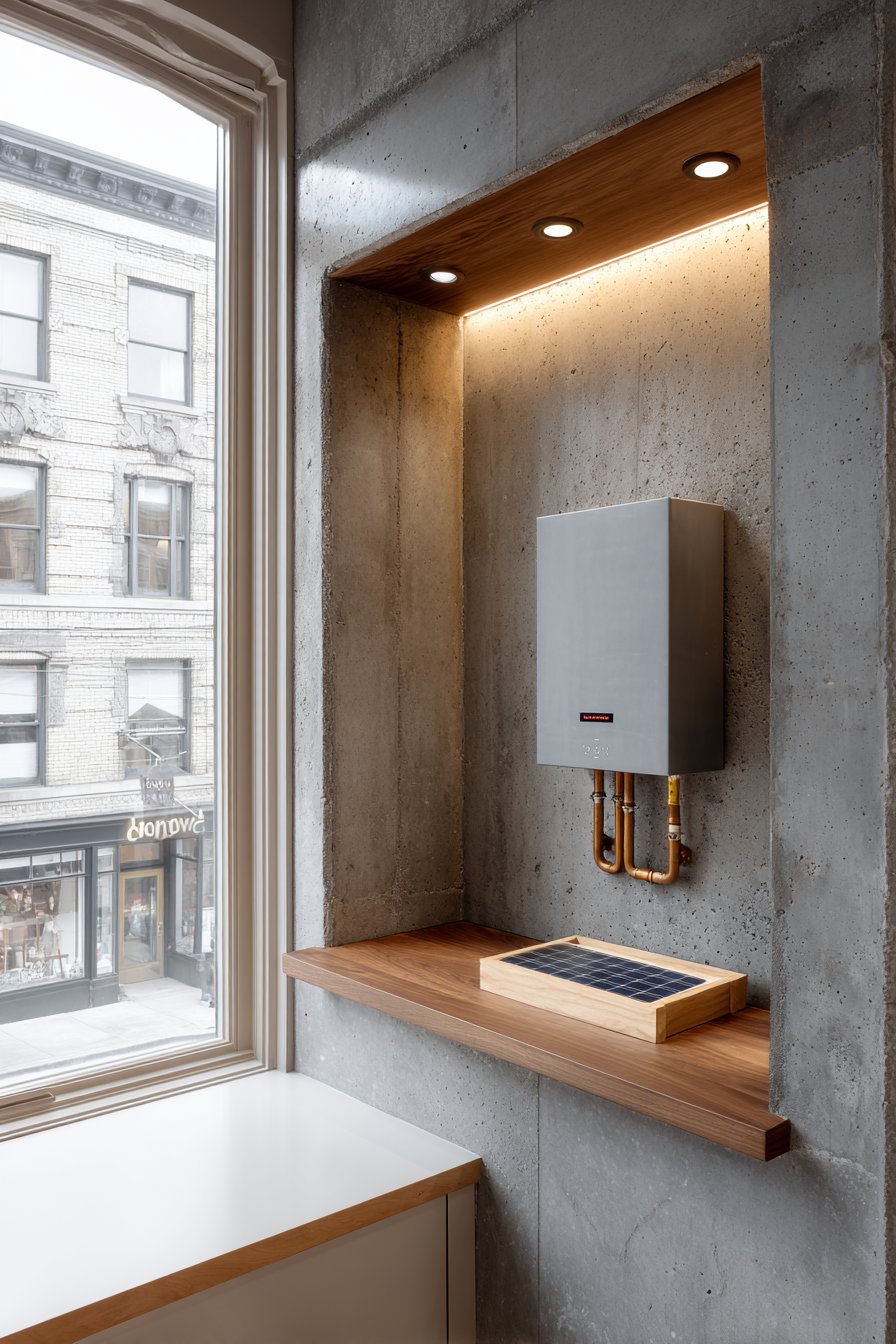
Solar water heating systems harness renewable energy to provide domestic hot water with minimal environmental impact. Even in moderate climates, solar systems can supply 50 to 80 percent of hot water needs annually. Combining solar with a conventional backup system ensures reliability while maximizing sustainability and long-term savings.
- Insulate hot water pipes to reduce heat loss during transport
- Lower water heater temperature to 120 degrees Fahrenheit
- Install a timer on conventional water heaters to reduce runtime
- Consider point-of-use heaters for distant bathrooms
- Drain sediment from tank water heaters annually for efficiency
- Explore local rebates for energy-efficient water heater installations
6. Circular Economy and Fixture Longevity
The green bathroom revolution embraces circular economy principles by prioritizing durability, repairability, and recyclability. Choosing high-quality fixtures that last decades rather than cheap replacements reduces waste and long-term costs. This shift from disposable to durable represents a fundamental change in consumer mindset and manufacturing practices.
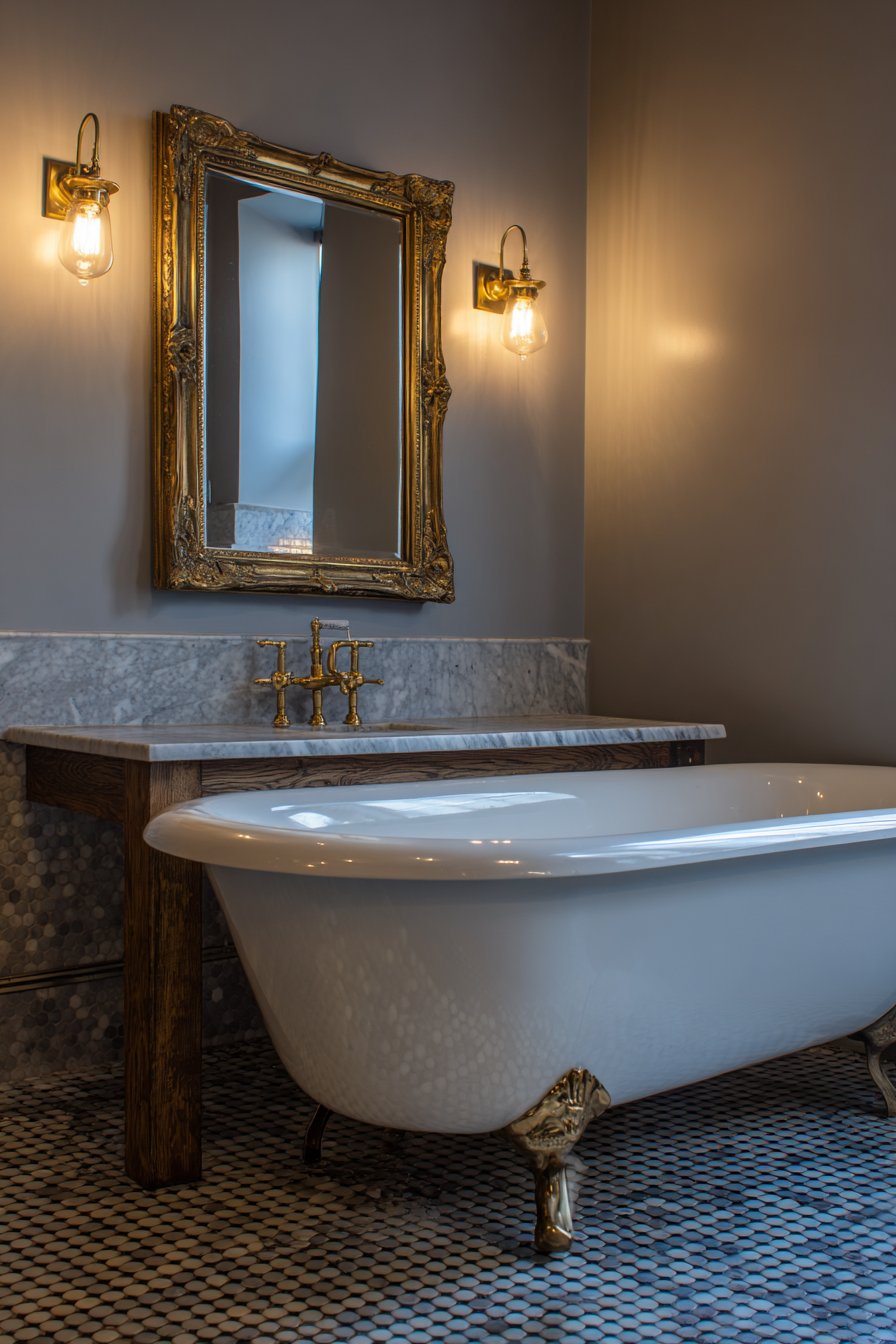
Many manufacturers now offer modular fixture designs where individual components can be replaced without discarding entire units. Cartridges, handles, and spouts can be updated or repaired, extending product lifespan significantly. This approach reduces landfill waste while maintaining performance and aesthetic appeal over many years.
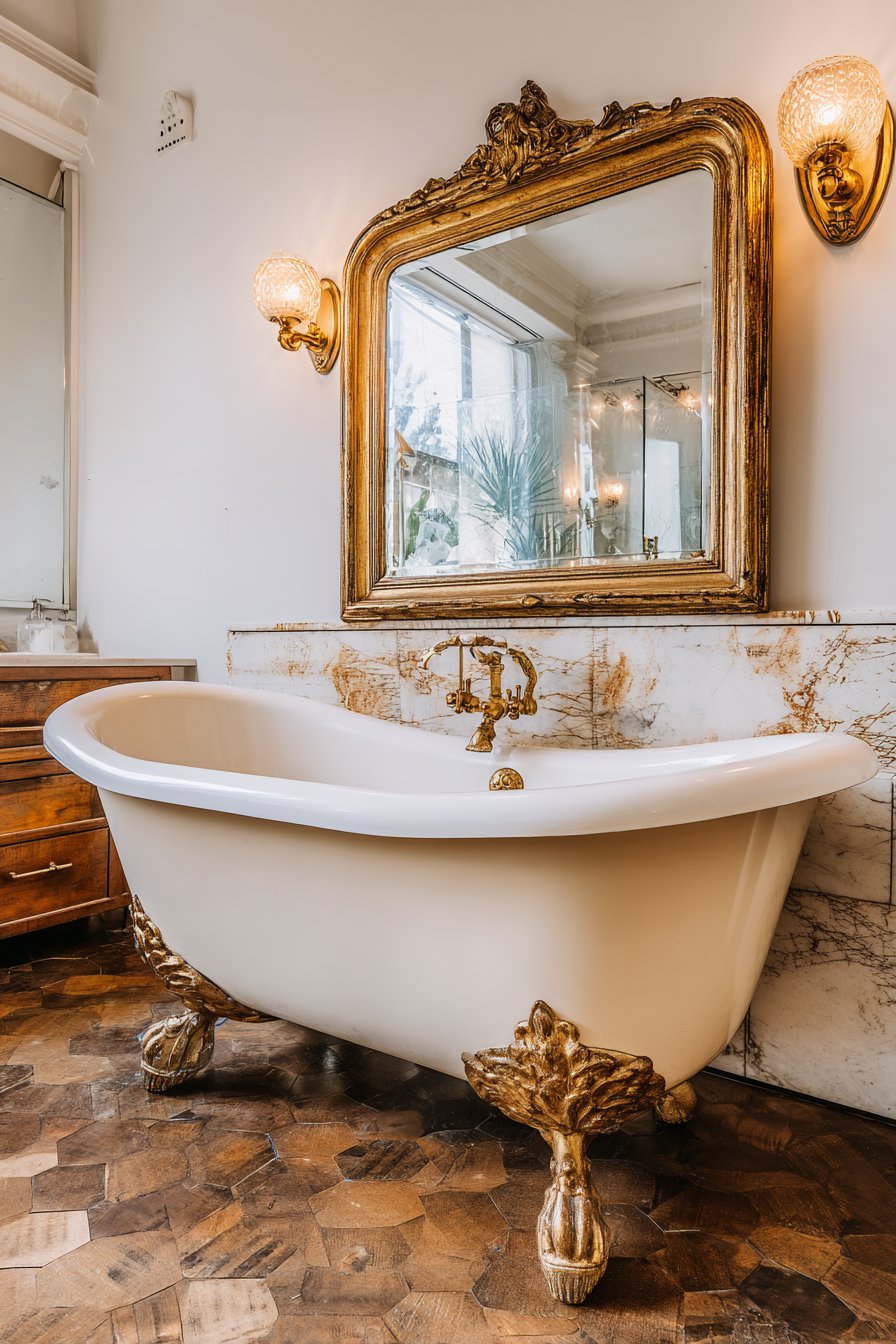
Salvaged and vintage fixtures provide unique character while embodying ultimate sustainability—reusing existing products instead of manufacturing new ones. Restored clawfoot tubs, refinished vanities, and antique mirrors bring history and craftsmanship into modern bathrooms. Professional restoration ensures these pieces meet current plumbing codes while preserving their original beauty.
- Invest in solid brass fixtures with replaceable cartridges
- Research manufacturers offering lifetime warranties and repair parts
- Visit architectural salvage yards for unique sustainable elements
- Choose timeless designs over trendy styles for longer relevance
- Properly maintain fixtures to extend their functional lifespan
- Donate usable fixtures during renovations rather than discarding them
Conclusion
The green bathroom revolution represents our collective awakening to the environmental impact of everyday spaces. By embracing water conservation, sustainable materials, and energy-efficient technologies, we create bathrooms that nurture both personal wellness and planetary health. These changes aren’t sacrifices—they’re investments in quality, longevity, and responsible living.
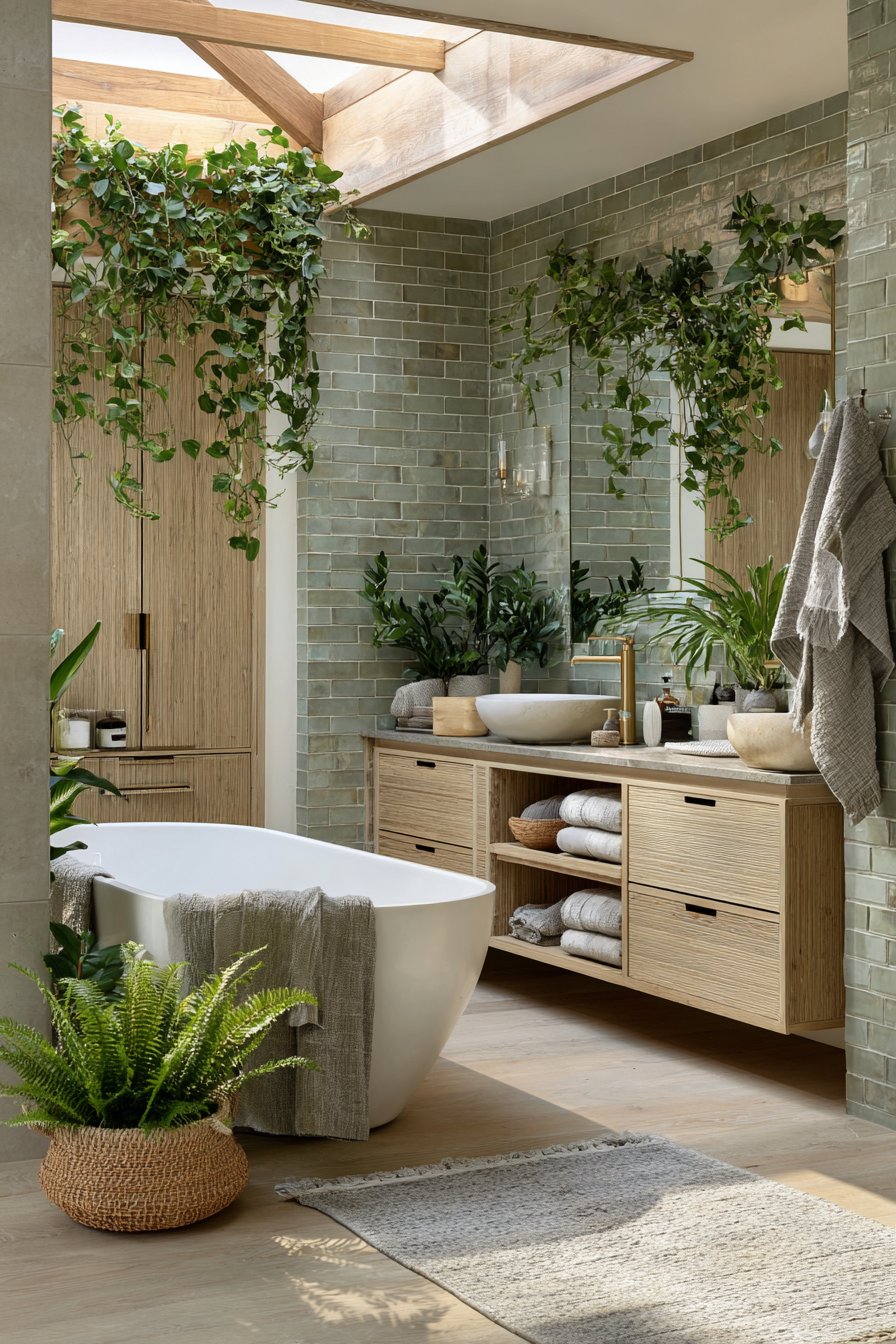
Start small if a complete renovation seems overwhelming. Replace one fixture, switch to non-toxic cleaners, or add plants that naturally purify air. Every sustainable choice builds momentum toward a greener future. Your bathroom can become a daily reminder that luxury and environmental responsibility aren’t opposing forces—they’re natural partners in creating spaces that truly serve us and the world we share.
