


The world of interior design is experiencing a dramatic shift toward darker, moodier aesthetics that challenge traditional bright and airy spaces. This emerging trend embraces deep colors, rich textures, and atmospheric lighting to create intimate environments. Gone are the days when white walls and minimal decor dominated every home.
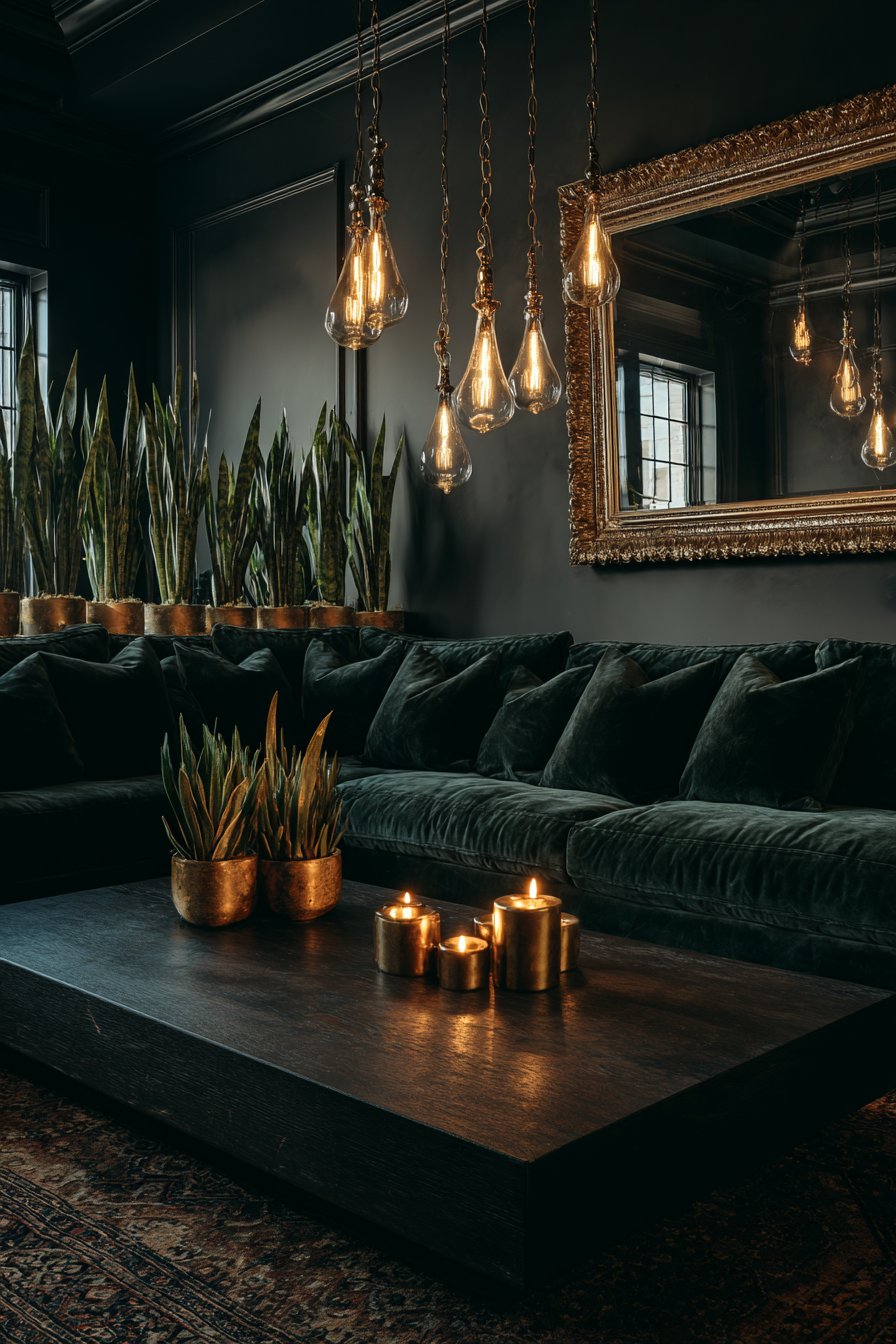
The moody interior trend represents more than just a color palette choice. It’s a bold design statement that reflects personality and sophistication. This approach transforms ordinary rooms into captivating sanctuaries where drama meets comfort. Whether you’re redesigning a single room or your entire home, understanding this trend opens new creative possibilities. If you’re also weighing our open concept vs closed living rooms, that’s worth deciding early too.
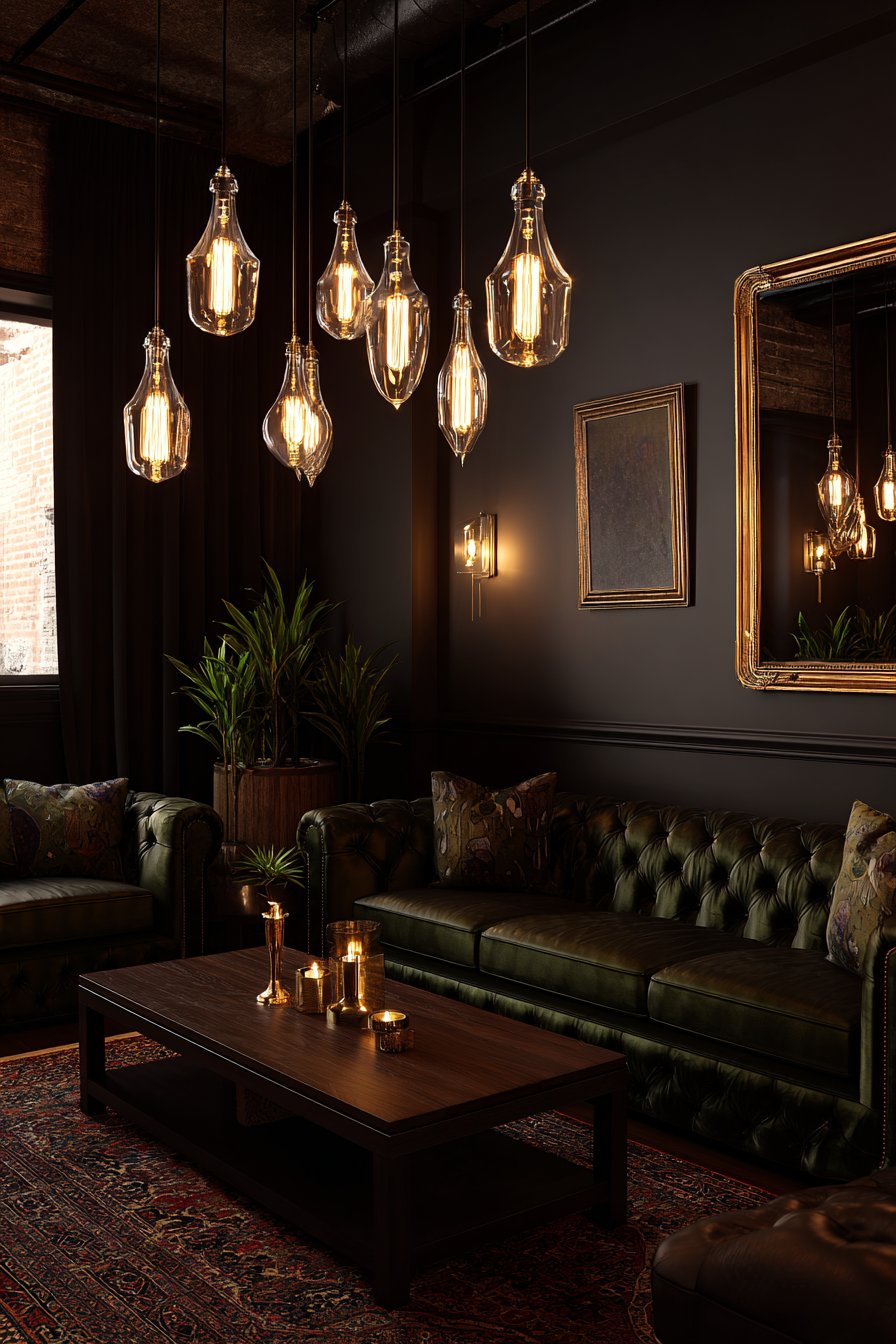
This comprehensive guide explores everything you need to know about moody interiors. From color selection to lighting techniques, we’ll cover the essential elements that make this trend work. You’ll discover how to balance darkness with warmth, incorporate textures effectively, and create spaces that feel both dramatic and inviting.
1. Understanding the Moody Color Palette
The foundation of moody interiors lies in carefully selected dark hues that create depth and character. Deep navy blues, charcoal grays, forest greens, and rich burgundies form the backbone of this aesthetic. These colors work together to establish an atmosphere that’s both sophisticated and comforting. Our 7 tips for styling dark grey sofas has more inspiration along these same lines.
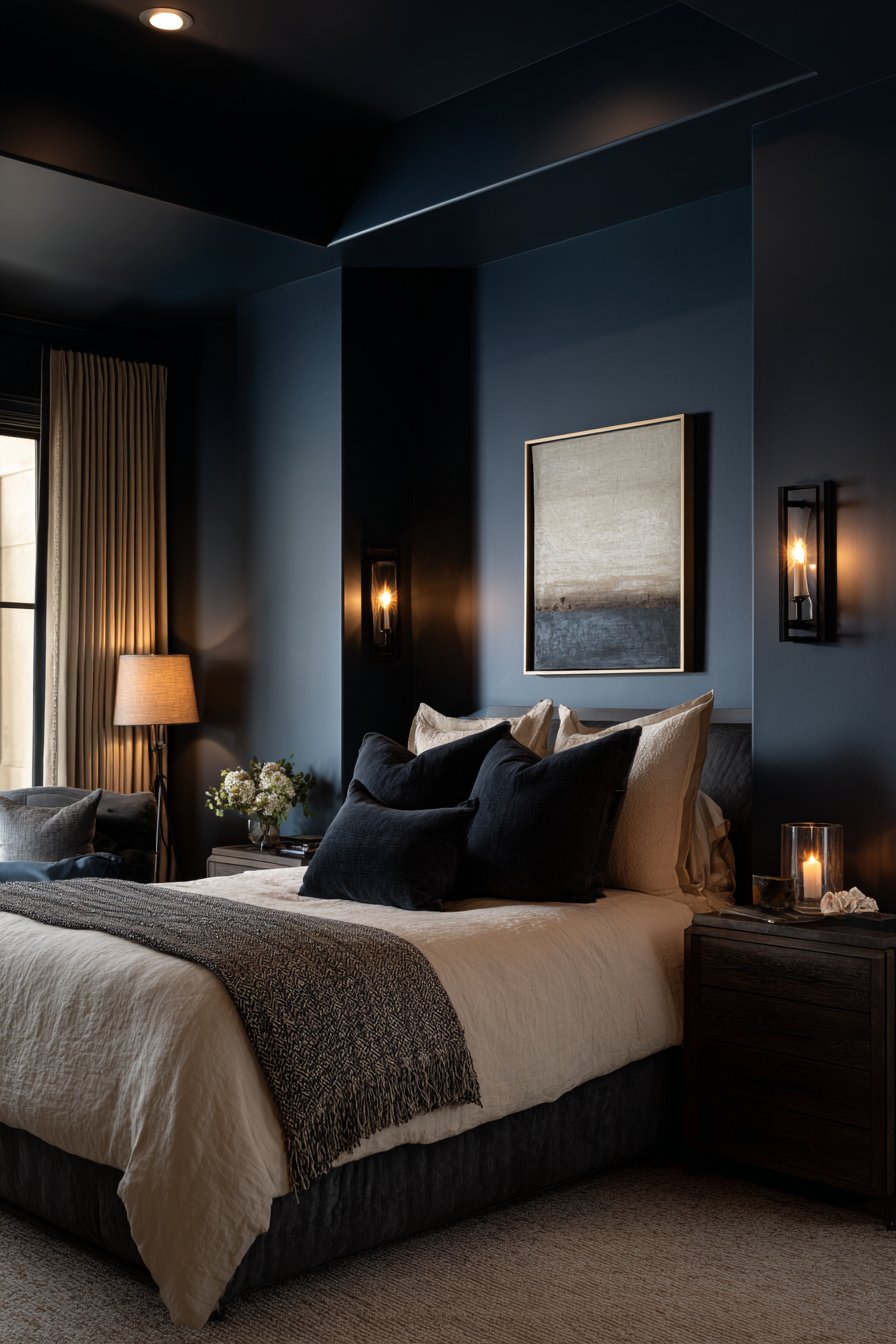
Choosing the right shade requires understanding your space’s natural light and dimensions. Smaller rooms can still embrace dark colors when balanced with strategic lighting and reflective surfaces. The key is layering different tones within the same color family to add complexity. This prevents the space from feeling flat or one-dimensional.
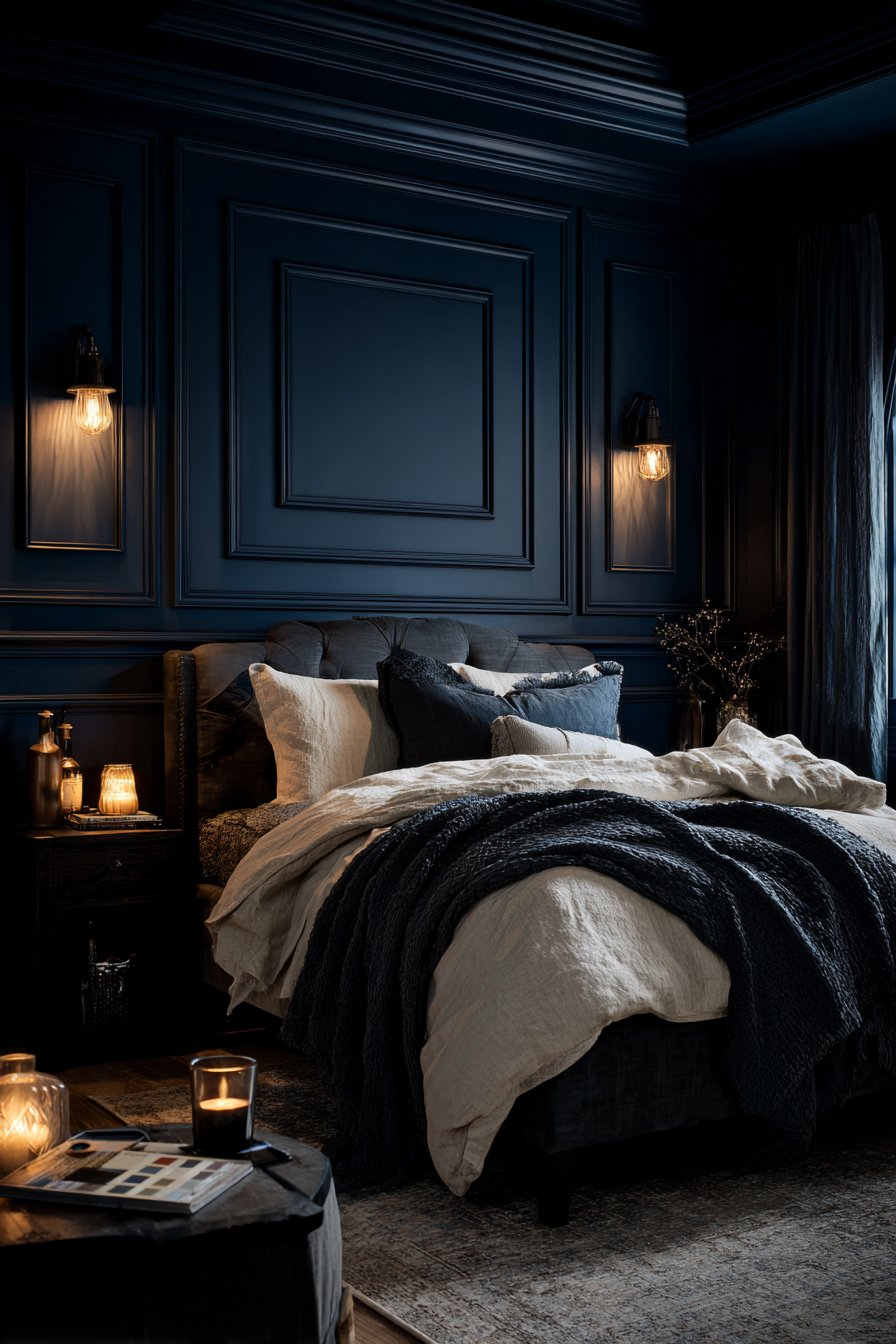
Don’t shy away from using near-black shades on walls, ceilings, or built-in features. These create a cocooning effect that makes rooms feel intentionally intimate rather than accidentally dark. The transformation can be dramatic, turning ordinary spaces into extraordinary retreats.
- Test paint samples in different lighting conditions before committing
- Layer multiple shades of the same color for dimensional depth
- Consider the room’s purpose when selecting color intensity
- Balance dark walls with lighter furniture or vice versa
- Use accent colors sparingly to maintain cohesion
- Remember that matte finishes enhance the moody atmosphere
2. Mastering Atmospheric Lighting
Lighting becomes critically important in moody interior spaces where natural light might be limited. The right lighting strategy transforms dark rooms from cave-like to captivating. Multiple light sources at varying heights create layers that add warmth and functionality.
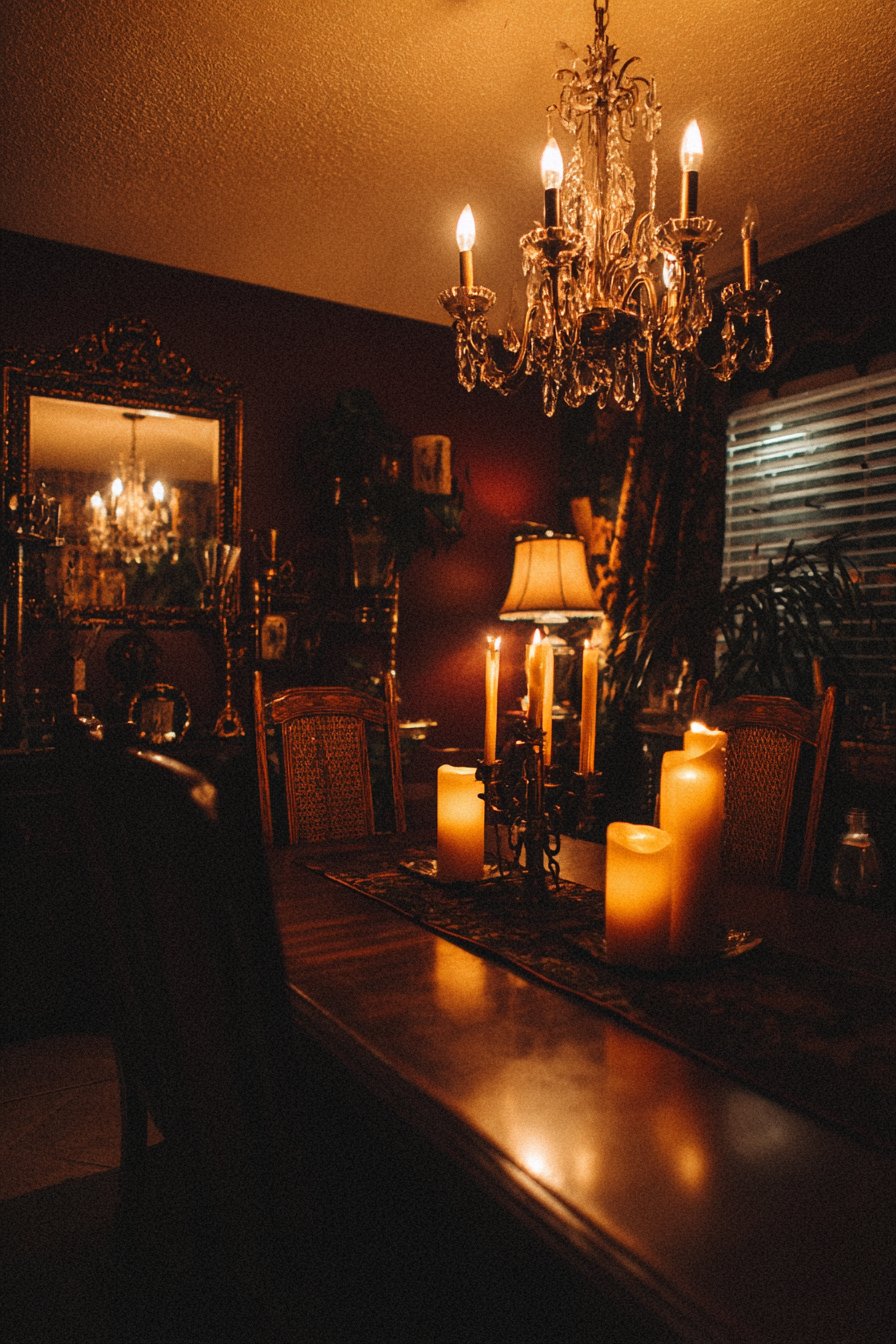
Ambient, task, and accent lighting work together to illuminate moody spaces effectively. Dimmable fixtures allow you to control the atmosphere throughout the day. Wall sconces, table lamps, and floor lamps provide flexibility that overhead lighting alone cannot achieve.
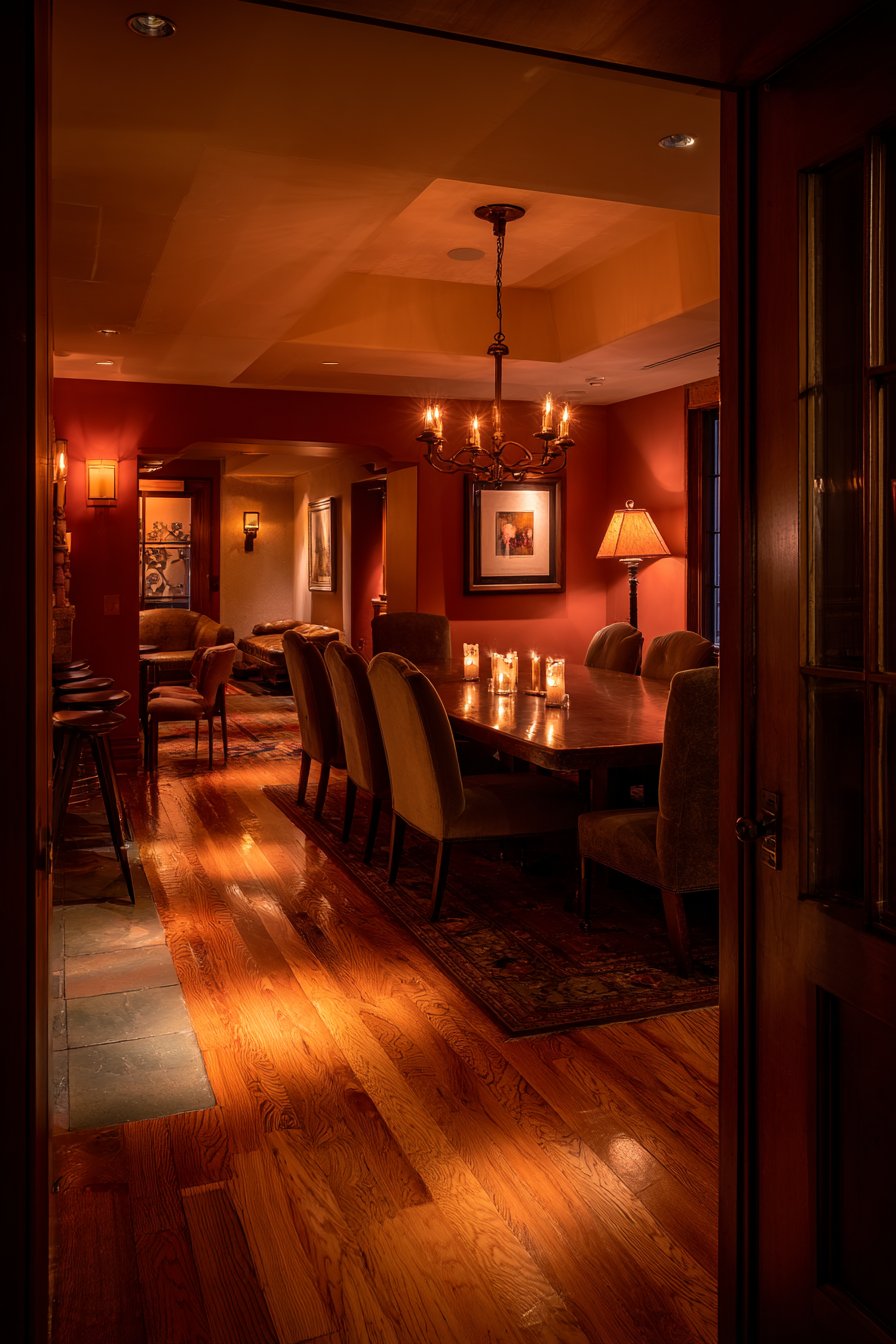
Warm-toned bulbs with lower Kelvin ratings (2700K-3000K) complement dark colors beautifully. They create a golden glow that enhances rich hues rather than washing them out. Avoid cool, bright bulbs that can make moody spaces feel harsh or clinical.
- Install dimmer switches on all light fixtures
- Position lamps at different heights throughout the room
- Use LED strip lighting to highlight architectural features
- Choose warm brass or matte black fixtures for consistency
- Incorporate candles for additional atmospheric lighting
- Layer lighting to avoid dark corners or shadows
3. Incorporating Rich Textures and Materials
Texture plays an essential role in preventing moody interiors from feeling flat or monotonous. Velvet upholstery, leather accents, and woven textiles add tactile interest that engages multiple senses. These materials catch and reflect light differently, creating visual movement within dark spaces.
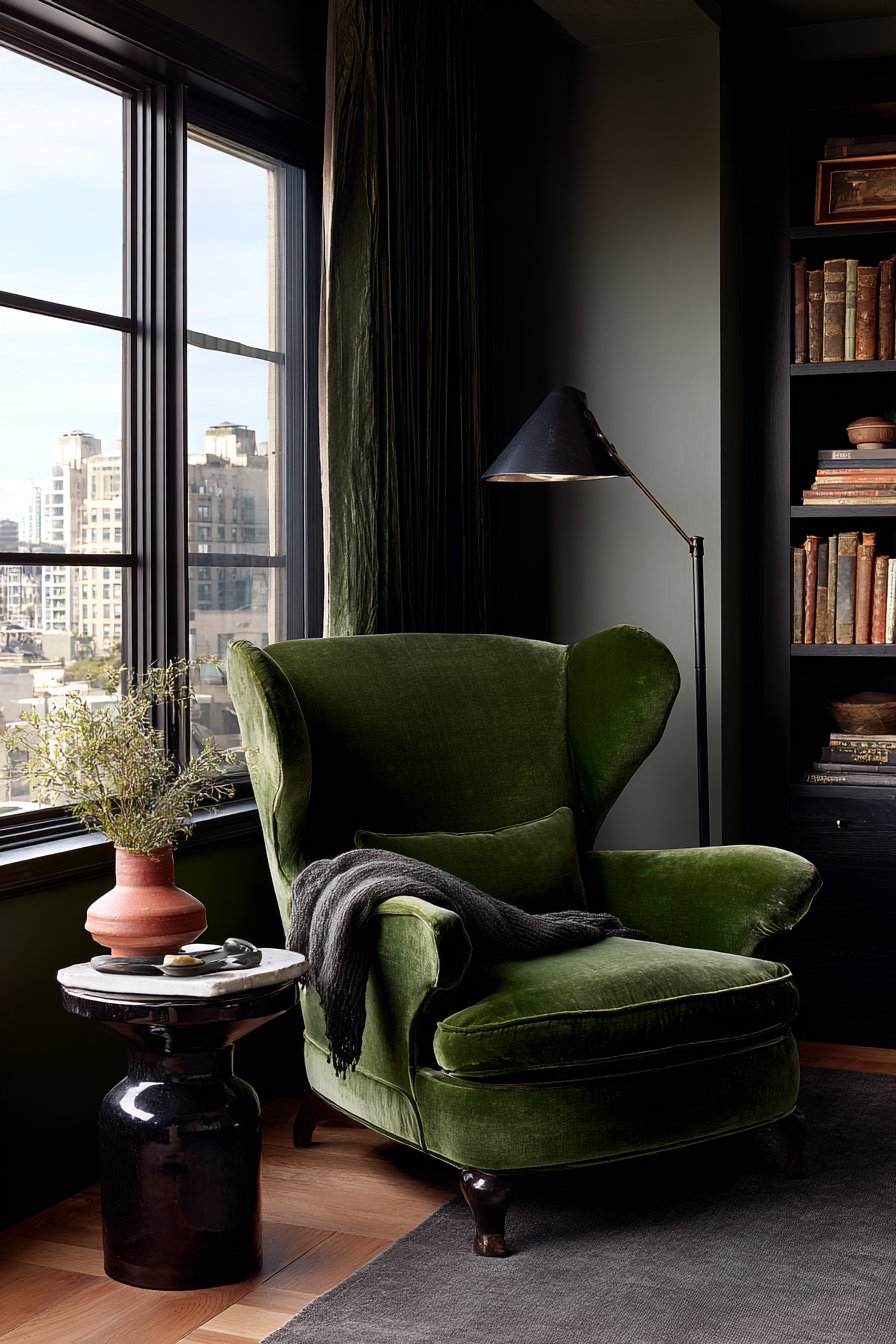
Layering various textures creates depth that color alone cannot achieve. Combine smooth surfaces with rough ones, soft fabrics with hard materials. This contrast makes rooms feel more dynamic and intentional. Consider how different materials interact with your chosen color palette.
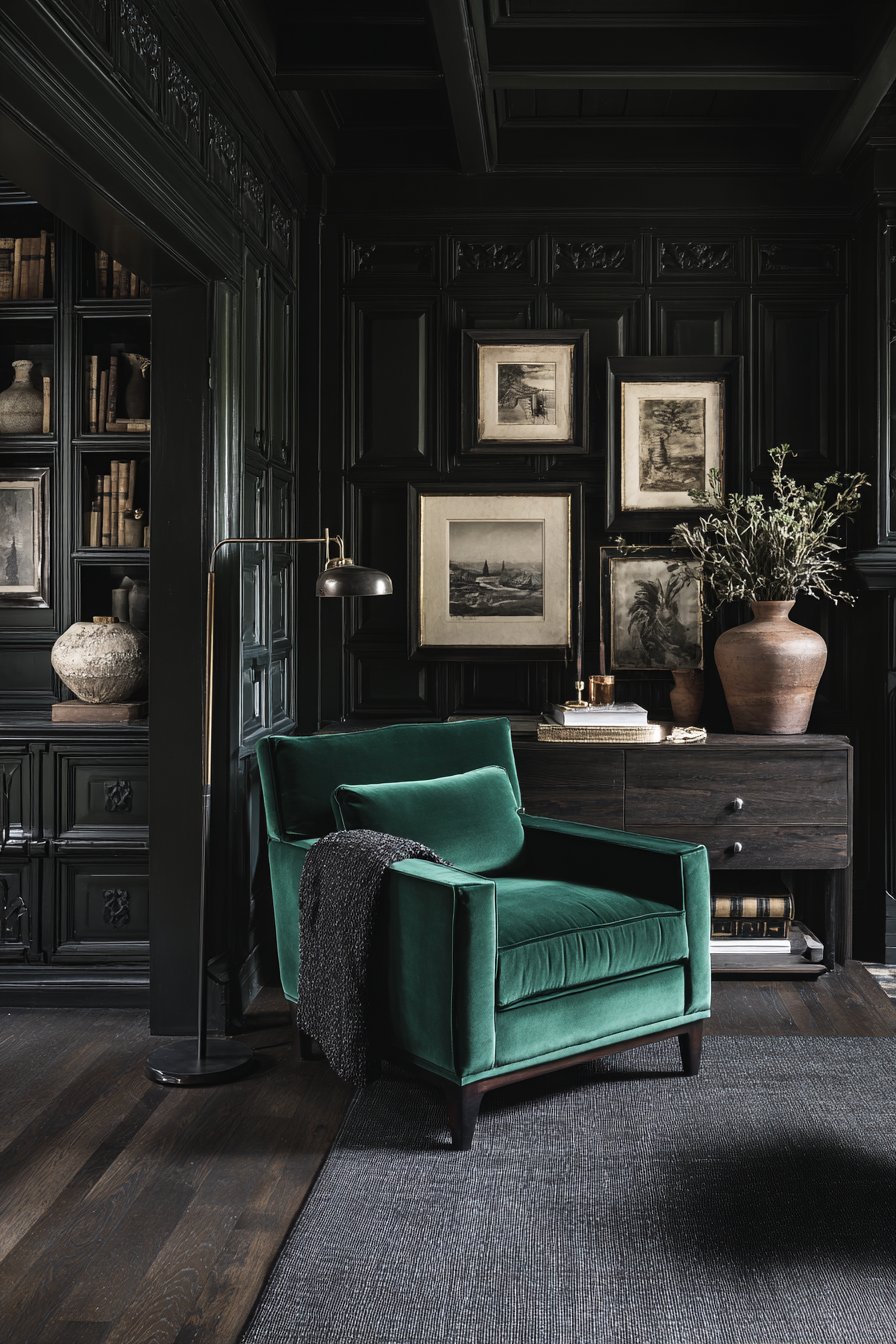
Natural materials like wood, stone, and metal ground moody aesthetics in organic warmth. Dark-stained wood furniture complements deep wall colors while adding richness. Matte black metal fixtures and hardware reinforce the dramatic atmosphere without overwhelming the space.
- Mix velvet pillows with chunky knit throws
- Add a plush area rug over hardwood floors
- Incorporate leather furniture pieces strategically
- Use textured wallpaper on accent walls
- Display ceramic or pottery objects with varied finishes
- Balance shiny and matte surfaces throughout the room
4. Strategic Use of Mirrors and Reflective Surfaces
Mirrors become powerful tools in moody interiors by amplifying available light and creating depth. Oversized mirrors positioned opposite windows maximize natural light reflection. This prevents dark rooms from feeling too enclosed or oppressive. The placement matters as much as the mirror itself.
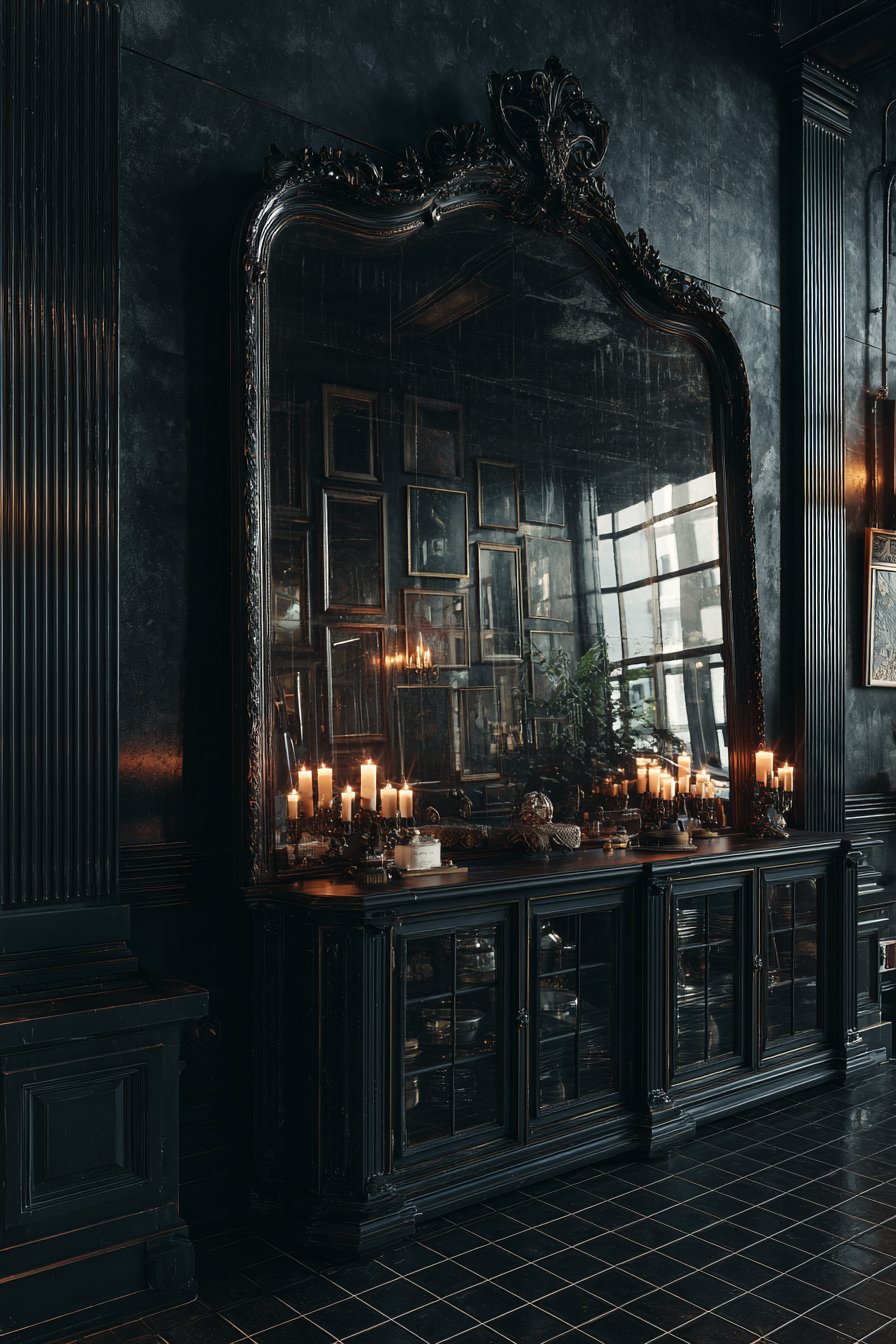
Reflective surfaces beyond traditional mirrors also enhance moody spaces effectively. Metallic finishes on furniture, glossy tiles in bathrooms, and glass accessories catch and bounce light. These elements create sparkle points that add interest without disrupting the overall dark aesthetic.
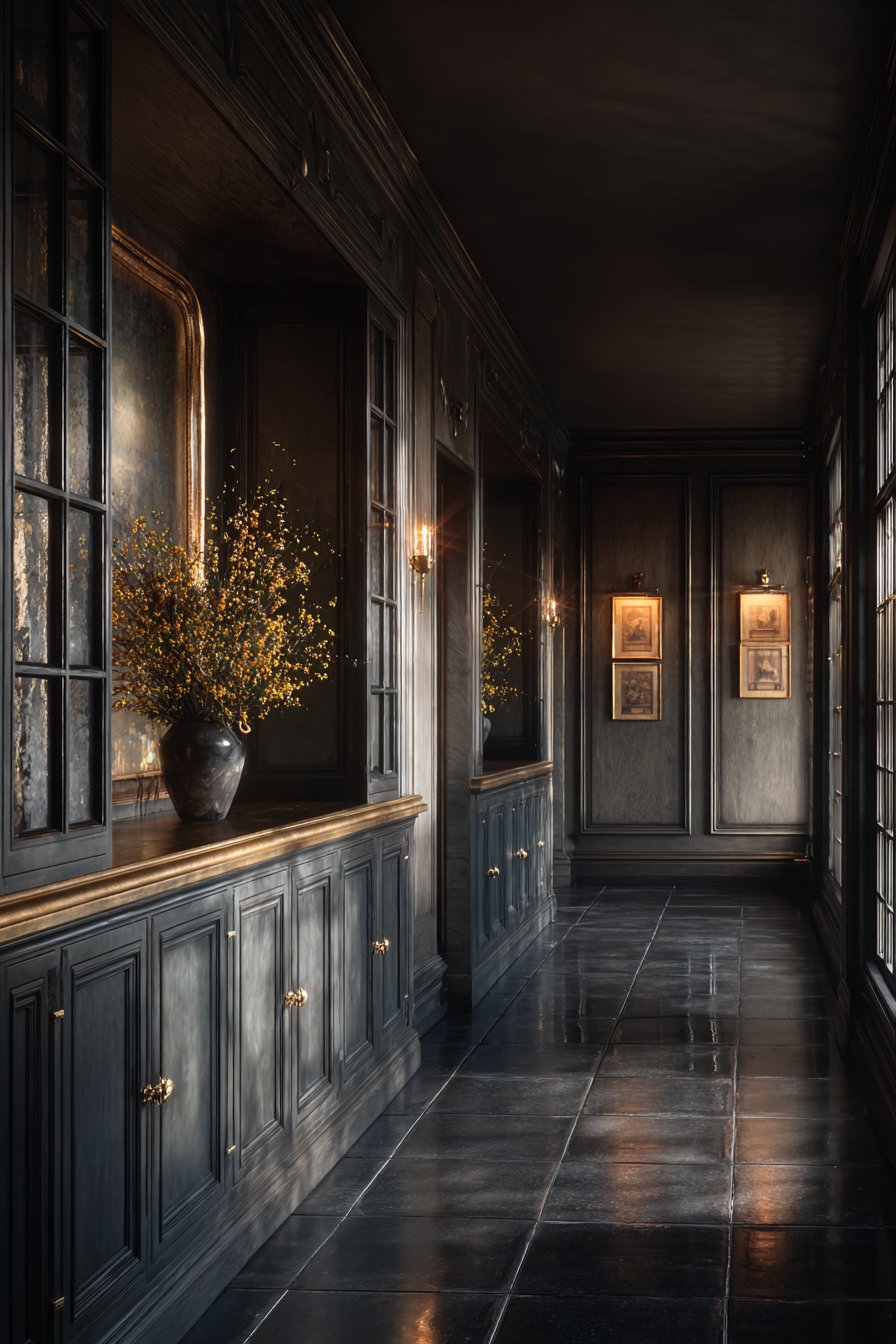
Antique or aged mirrors with dark frames fit perfectly within the moody design language. They add character while serving a functional purpose. Consider mirror shapes and styles that complement your room’s architectural features and furniture profiles.
- Position large mirrors across from windows or light sources
- Use antiqued or smoked mirror glass for added moodiness
- Incorporate metallic picture frames and decorative objects
- Add glass-fronted cabinets to reflect light. It’s a similar trade-off to deciding on these white vs dark cabinets elsewhere in the space.
- Choose furniture with subtle metallic accents
- Avoid overdoing reflective surfaces which can feel busy
5. Balancing Dark Elements with Contrast
Successfully executing moody interiors requires thoughtful contrast to prevent spaces from feeling overwhelming. White or cream accents provide visual relief without compromising the dramatic atmosphere. These lighter elements guide the eye and create focal points within darker rooms.
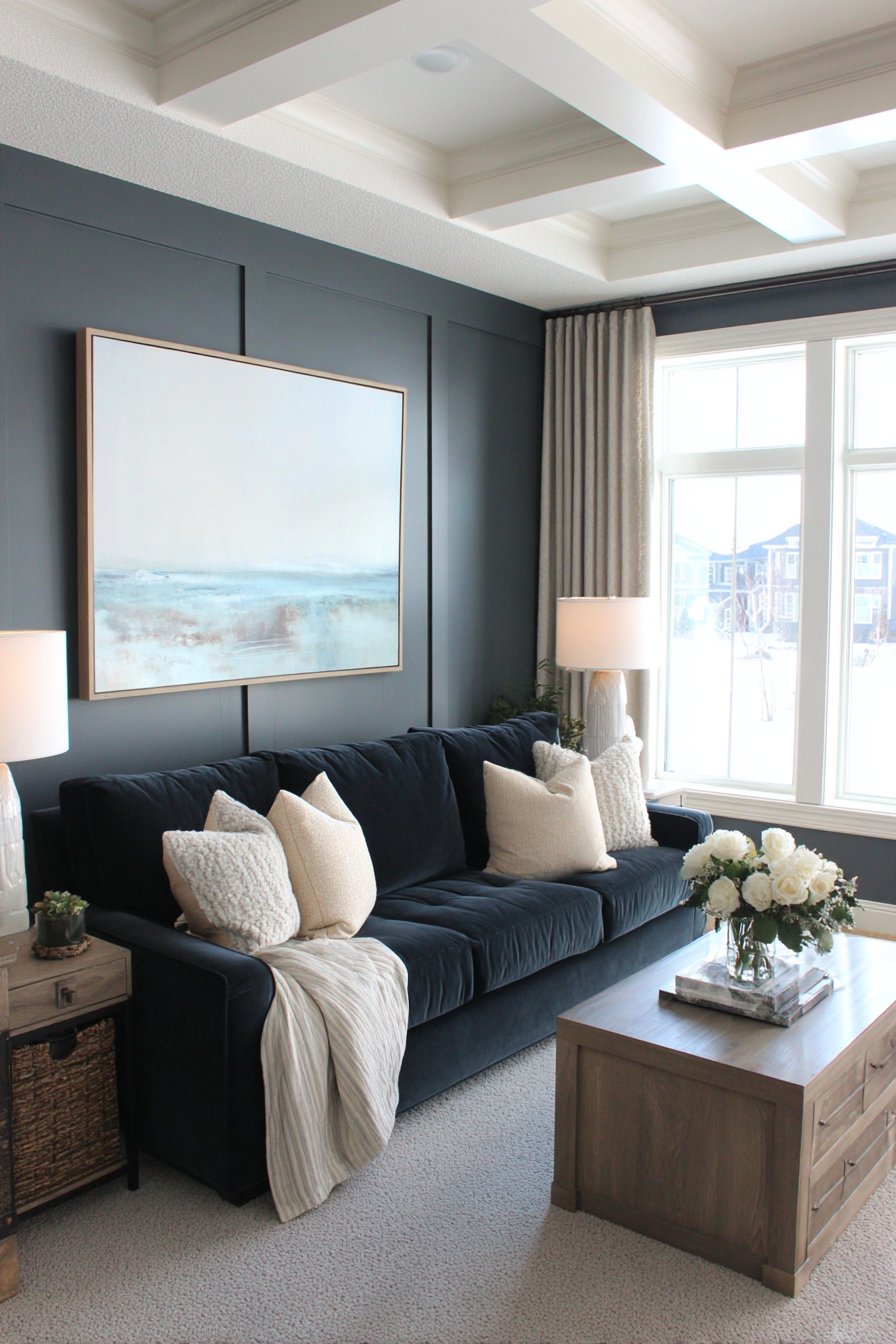
Strategic placement of contrast elements makes moody rooms feel intentional rather than accidental. White ceiling molding, light-colored artwork, or pale furniture pieces break up expanses of dark color. This balance ensures the space remains livable and comfortable for daily use.
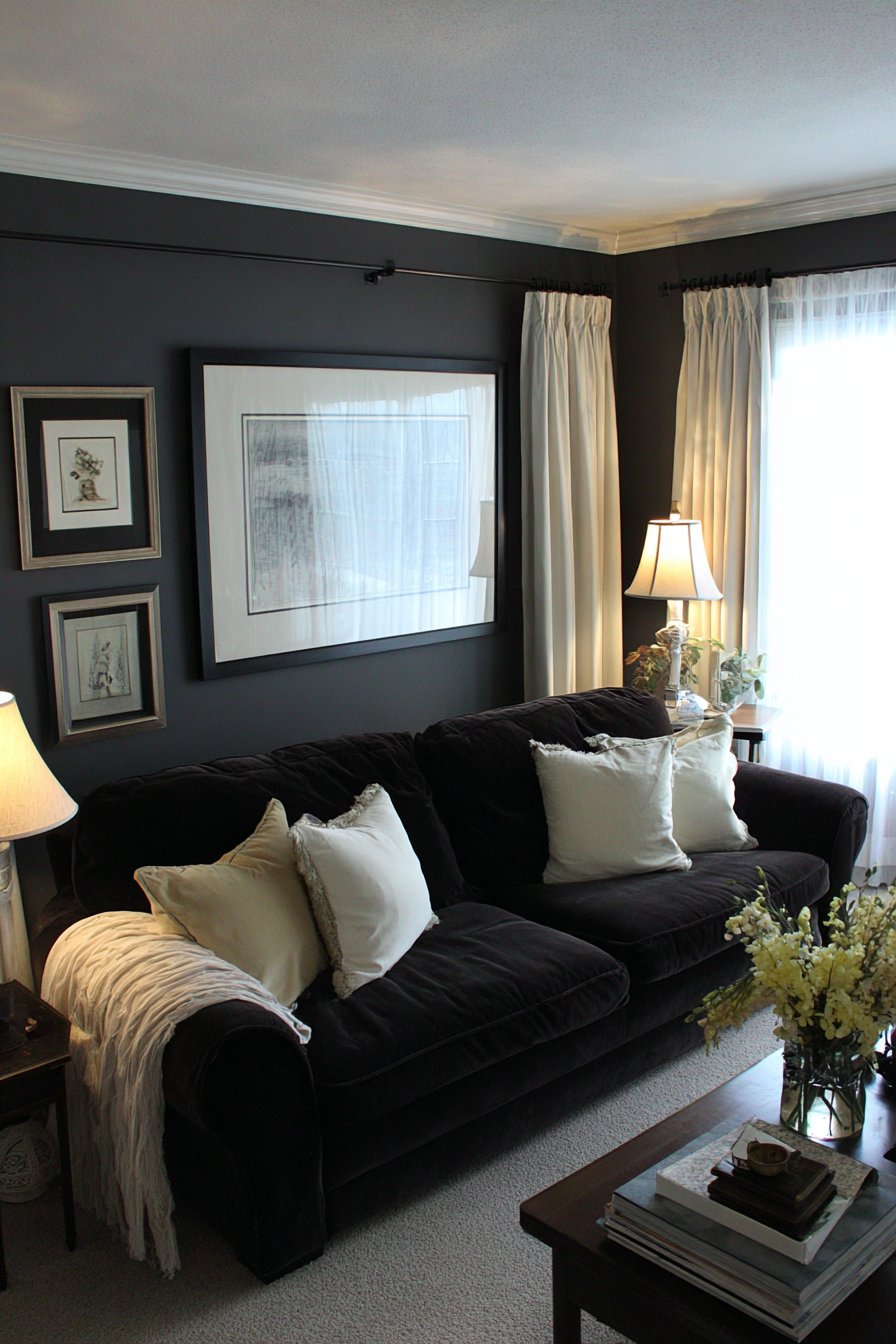
Consider the 80/20 rule: approximately 80% dark elements with 20% lighter accents. This ratio maintains the moody aesthetic while keeping rooms from feeling cave-like. Adjust based on natural light availability and personal comfort preferences.
- Paint ceiling trim or molding in crisp white
- Display artwork with lighter backgrounds or frames
- Add cream or ivory accent pillows to dark sofas
- Use light-colored bedding in moody bedrooms
- Incorporate pale wood tones sparingly
- Keep window treatments lighter to maximize daylight
6. Styling and Accessorizing Moody Spaces
The final layer involves carefully curated accessories that enhance the moody atmosphere without cluttering. Less is often more in these dramatic spaces where each piece should feel intentional. Dark walls provide an excellent backdrop for showcasing meaningful objects and artwork.
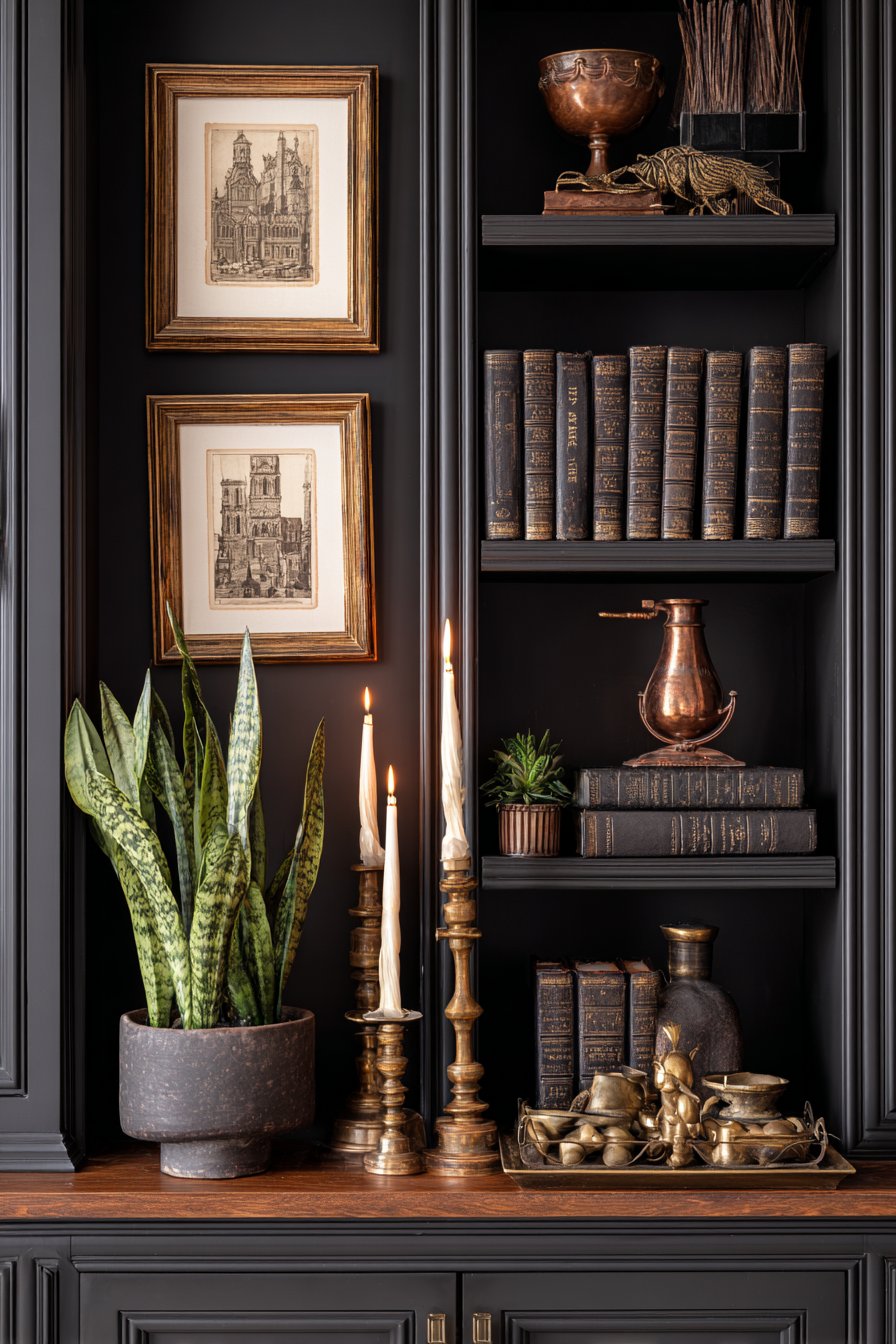
Metallic accents in brass, copper, or aged gold add warmth to moody color palettes. These finishes catch light beautifully and provide subtle shine. Black accessories and decor items reinforce the dramatic theme while maintaining visual cohesion throughout the space.
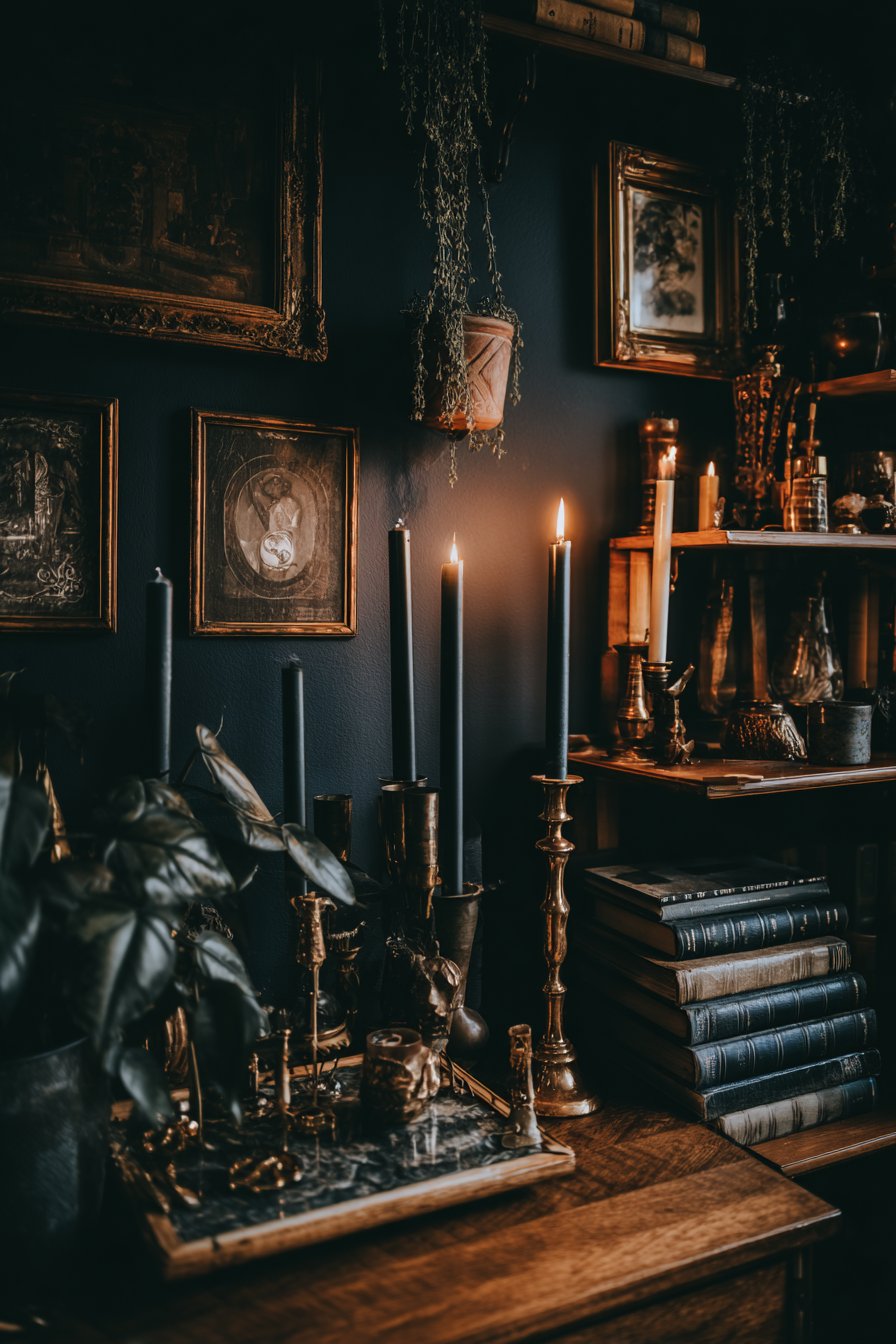
Plants bring life and energy to moody interiors through organic shapes and natural color. Deep green foliage complements dark walls while adding necessary contrast. Choose low-light tolerant varieties that thrive in these atmospheric conditions.
- Display books with dark or monochromatic covers
- Choose artwork that complements your color palette
- Add metallic candleholders and decorative objects
- Incorporate low-light plants like snake plants or pothos
- Use decorative trays to organize accessories
- Rotate seasonal decor to keep the space feeling fresh
Conclusion
The moody interior trend offers a refreshing alternative to conventional bright and minimal design approaches. By embracing deep colors, layered lighting, and rich textures, you create spaces that feel both dramatic and inviting. This aesthetic proves that dark doesn’t mean dreary when executed thoughtfully.
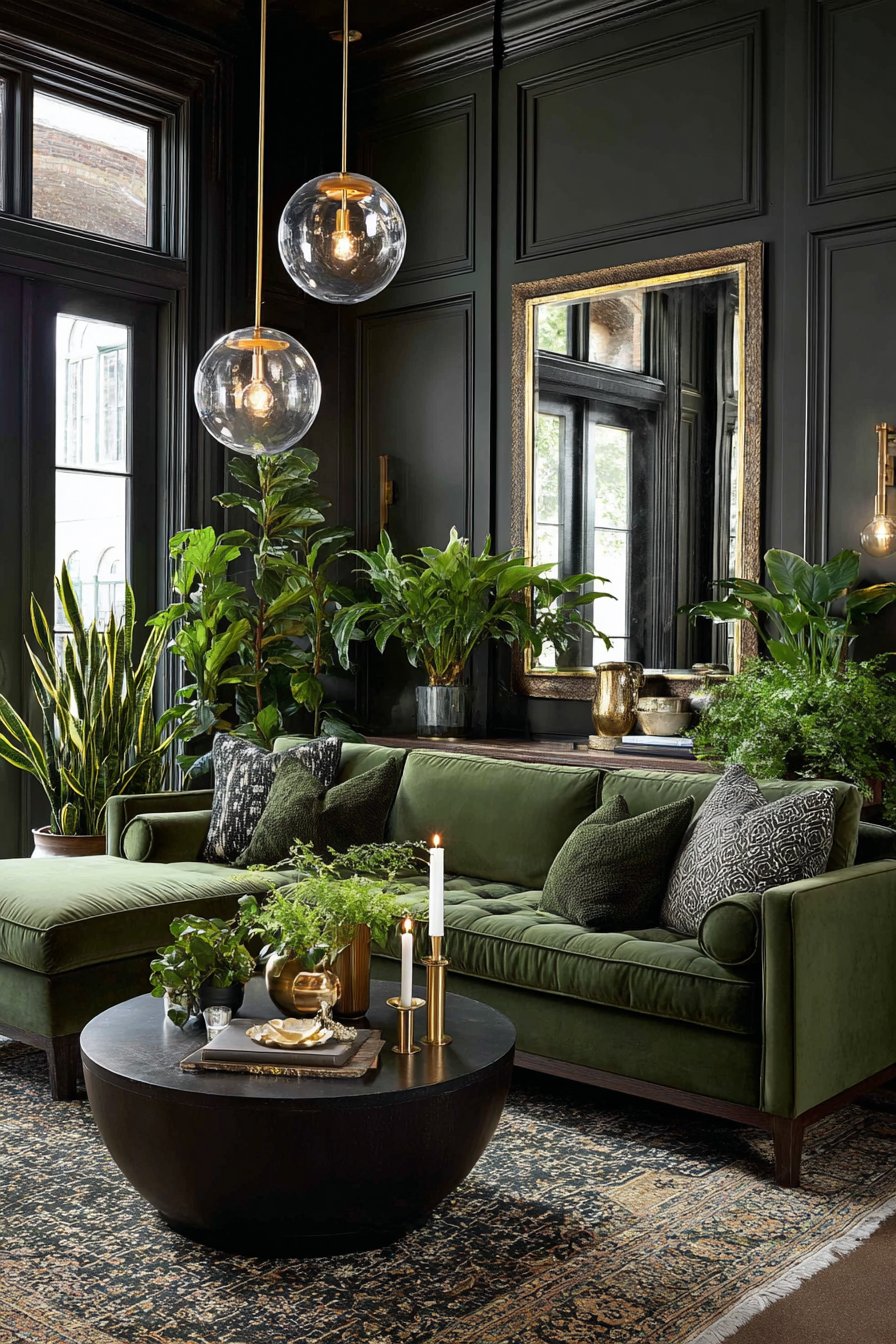
Remember that successful moody interiors balance darkness with strategic light and contrast. Start small with one room or accent wall before committing to larger transformations. Trust your instincts, experiment with different elements, and create a moody sanctuary that truly reflects your personal style and brings you joy daily.
