


The world of interior design constantly evolves, yet some trends feel refreshingly familiar. Grandmillennial style has emerged as one of the most captivating movements in recent years. This aesthetic celebrates traditional design elements with a youthful, modern twist that appeals to millennials and Gen Z alike.
Thoughtful interior design transforms houses into homes that reflect personality and comfort. The grandmillennial trend proves that classic doesn’t mean outdated. Instead, it demonstrates how timeless pieces can create spaces that feel both nostalgic and fresh. This style embraces the charm of grandmother’s house while eliminating the stuffiness often associated with traditional decor. Our art deco revival in modern homes guide has more inspiration along these same lines.
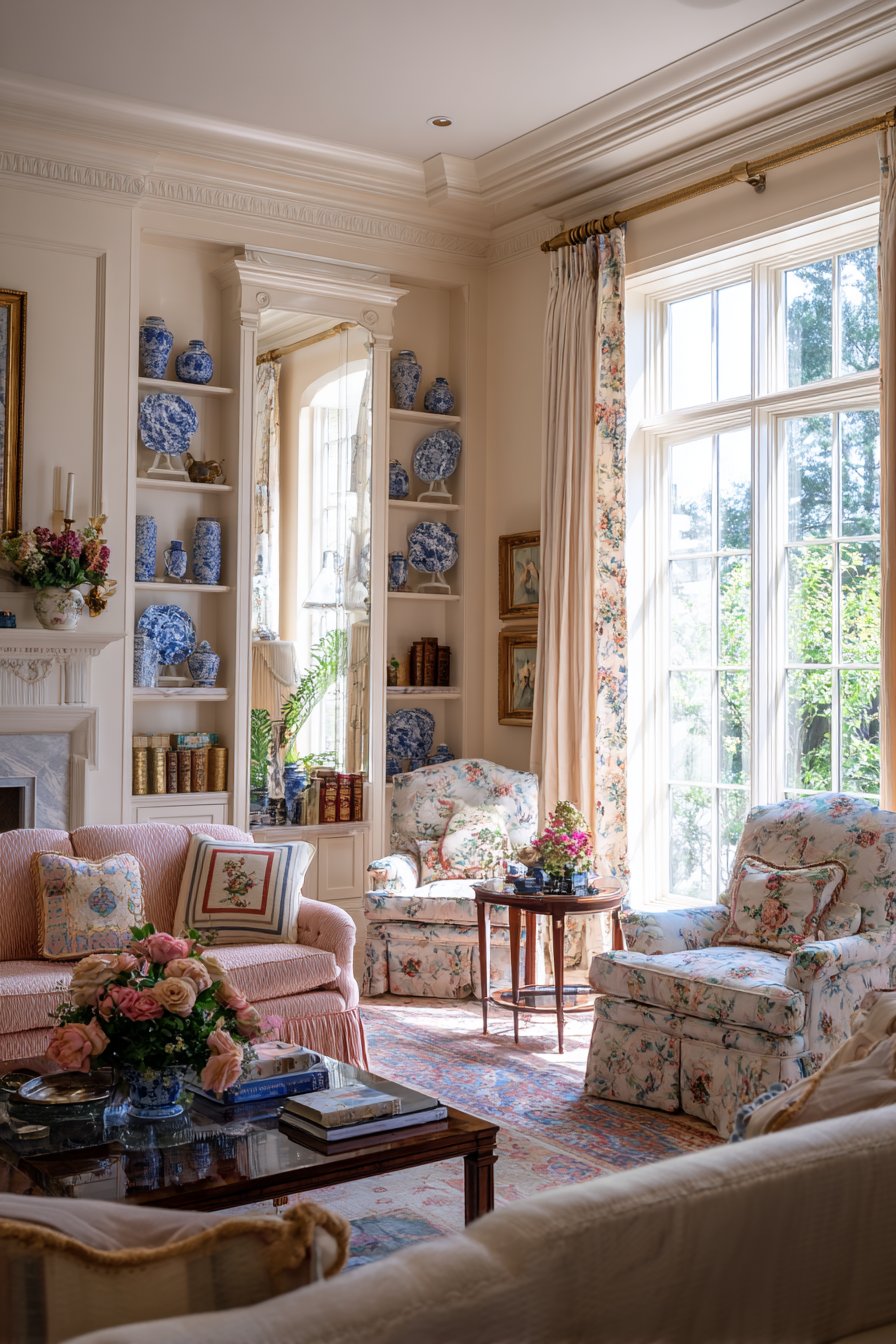
This comprehensive guide explores the grandmillennial aesthetic in depth. From understanding its core principles to implementing specific design choices, you’ll discover why this trend resonates with younger generations. Whether you’re drawn to chintz patterns, vintage finds, or classic furniture silhouettes, this style offers endless possibilities for creating warm, layered, and personality-filled spaces.
1. Understanding the Grandmillennial Aesthetic
The grandmillennial style, sometimes called “granny chic,” represents a deliberate embrace of traditional decorating principles. Young homeowners are rejecting stark minimalism in favor of pattern-rich environments. This movement celebrates the craftsmanship and attention to detail that defined mid-century American homes. The aesthetic feels personal rather than curated by algorithms.
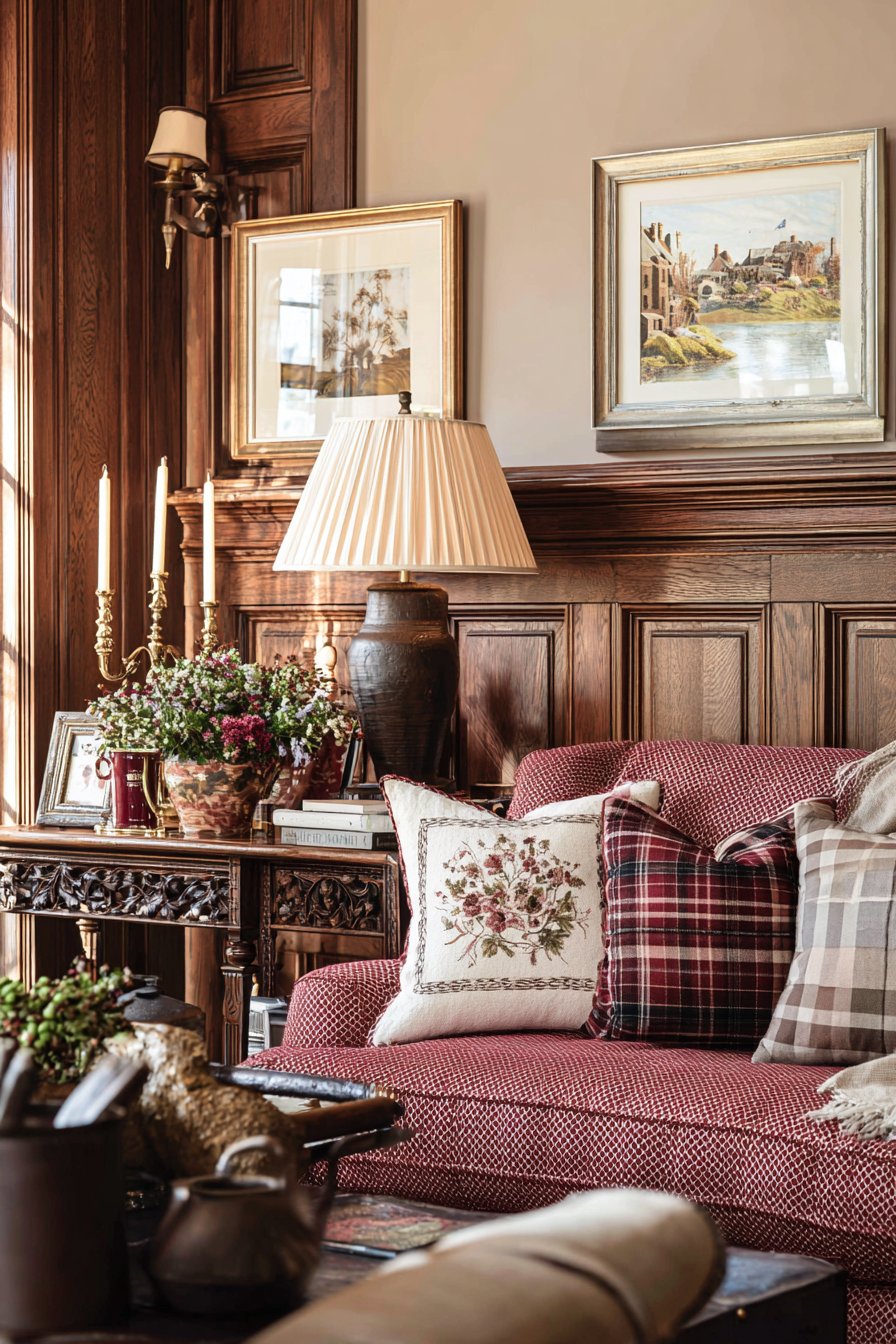
What distinguishes this trend is its intentional nostalgia. Unlike simply copying grandmother’s parlor, grandmillennials cherry-pick beloved elements and reinterpret them. They might pair a needlepoint pillow with contemporary artwork or place an antique side table beside a modern sofa. This mixing prevents spaces from feeling like museum displays while honoring design heritage.
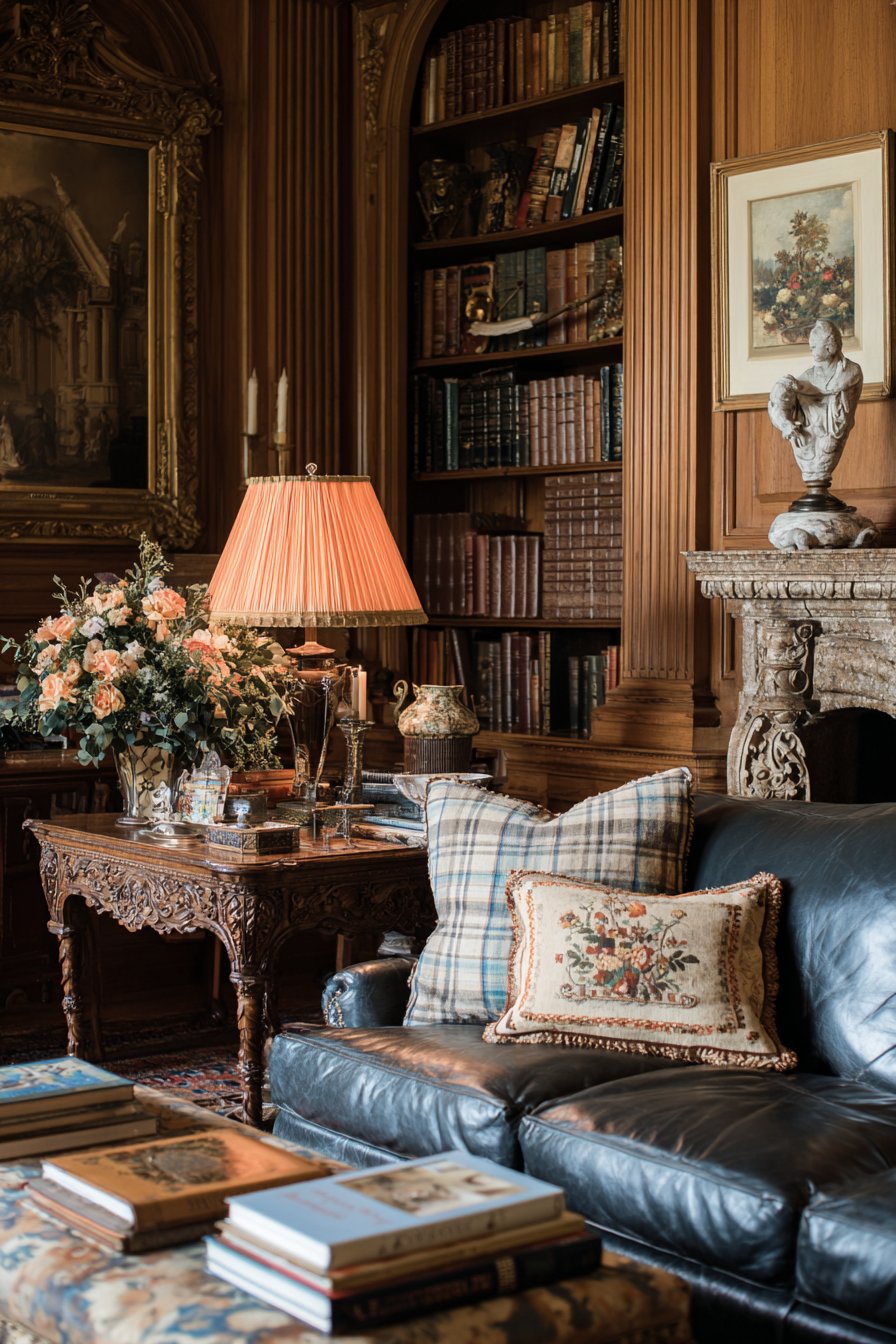
The style’s popularity stems from its rejection of disposable culture. Grandmillennials value quality over quantity and appreciate items with history and stories. Thrifted treasures, inherited pieces, and vintage finds form the foundation of these homes. This approach creates unique spaces that can’t be replicated through mass-market purchases alone.
- Embrace traditional patterns like chintz, toile, and gingham without fear
- Mix antique and vintage pieces with contemporary furniture strategically
- Prioritize craftsmanship and quality materials over trendy fast furniture
- Create vignettes that tell personal stories through collected objects
- Use traditional color palettes with unexpected modern accents
- Celebrate maximalism through layered textiles and decorative elements
2. Pattern Play and Textile Layering
Grandmillennial spaces showcase fearless pattern mixing that traditional design rulebooks would applaud. Floral chintz, classic stripes, and gingham checks appear throughout these homes. The key lies in varying scale and maintaining a cohesive color palette. Smaller prints balance larger motifs, creating visual interest without overwhelming the eye.
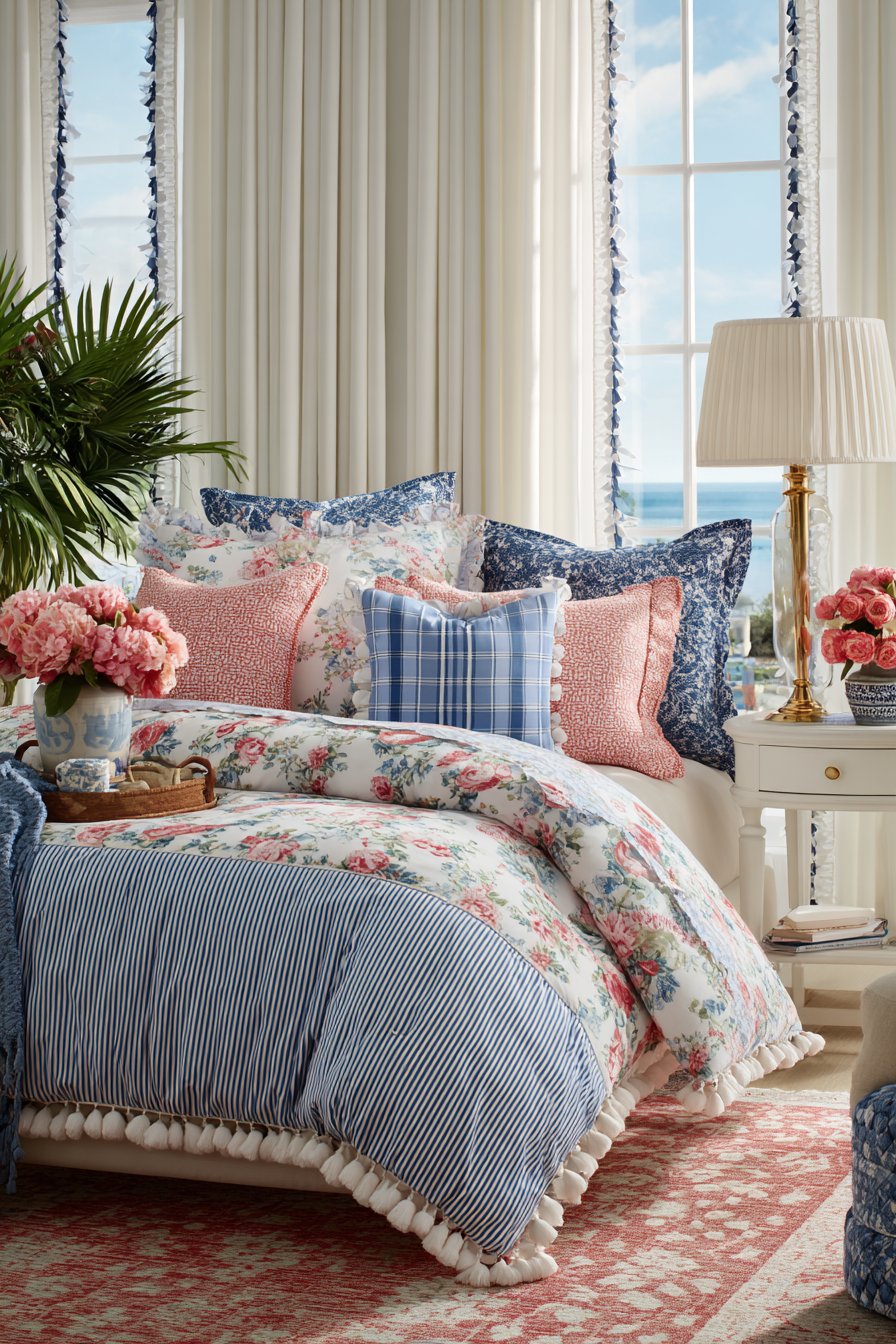
Layered textiles define this aesthetic more than any other element. Think ruffled curtains, scalloped lampshades, and throw pillows with contrasting trims. These details add dimensional richness that flat, minimalist spaces lack. Grandmillennials aren’t afraid of embellishments like fringe, tassels, or embroidered details that add personality and charm. See our the minimalist kitchen ideas for more direction in this style.
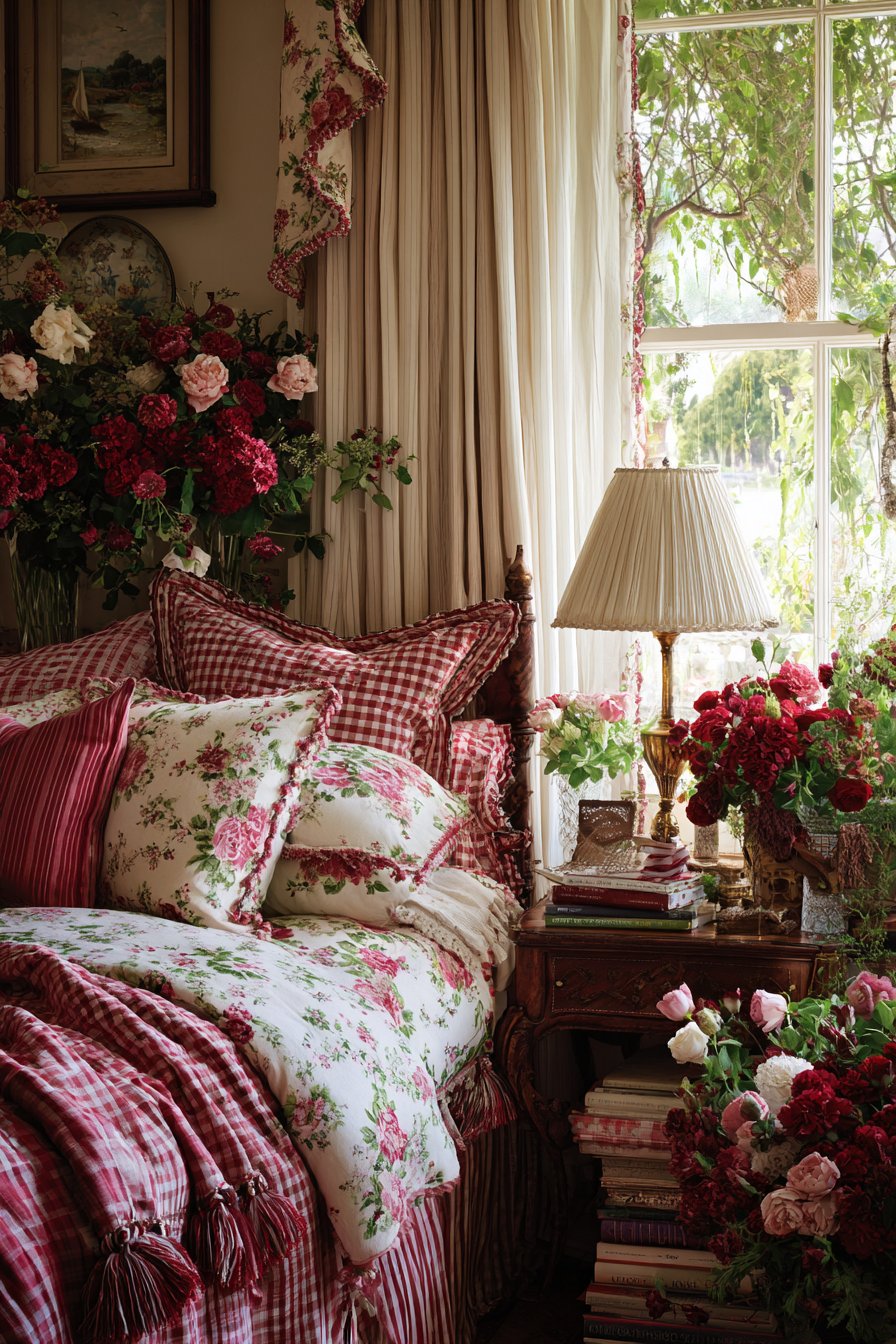
The textile approach extends to window treatments and upholstery choices. Balloon shades, cafe curtains, and swag valances make comeback appearances. Slipcovers with ruffled skirts soften furniture silhouettes while offering practical benefits. These choices create homes that feel lived-in and welcoming rather than pristine showrooms.
- Combine three different patterns in varying scales within one space
- Use neutral base colors to anchor bold floral or geometric patterns
- Add trim details to solid-colored items for visual interest
- Layer rugs to create depth and define different zones
- Choose window treatments with decorative elements like scallops or pleats
- Invest in quality throw pillows with unique vintage-inspired trims
3. The Revival of Traditional Furniture Forms
Classic furniture silhouettes anchor grandmillennial interiors with timeless appeal. Skirted furniture pieces like sofas, chairs, and vanities create soft, romantic lines. These forms contrast sharply with the exposed-leg minimalism dominating recent decades. The skirts add fabric interest while hiding storage underneath.
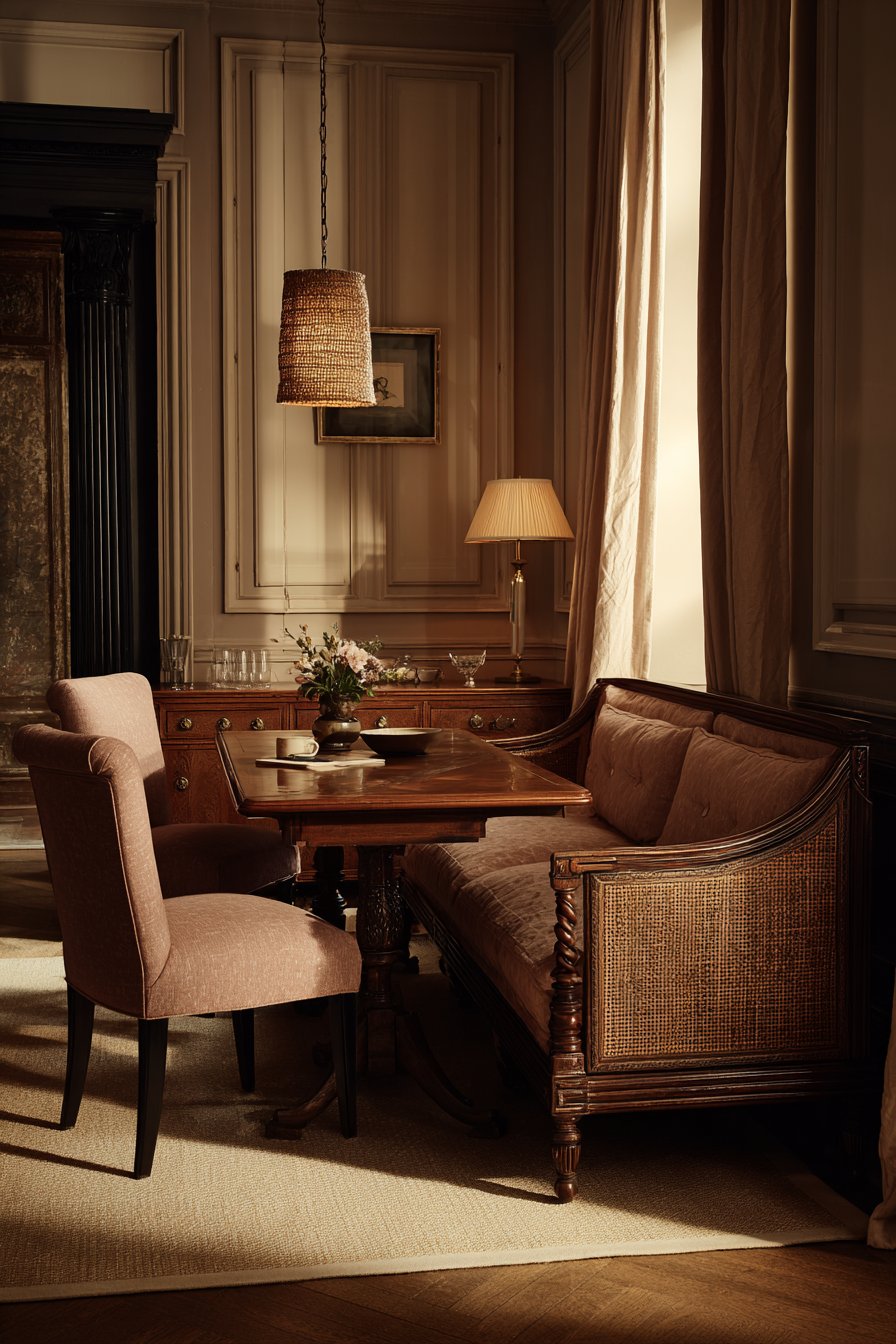
Cane and rattan furniture enjoys renewed appreciation in this style. Cane-back chairs , rattan headboards, and woven details bring textural variety without feeling overtly tropical. These materials connect to traditional design history while adding warmth and natural elements. They work equally well in dining rooms, bedrooms, and living spaces. If you’re also weighing open concept vs closed living rooms, that’s worth deciding early too.
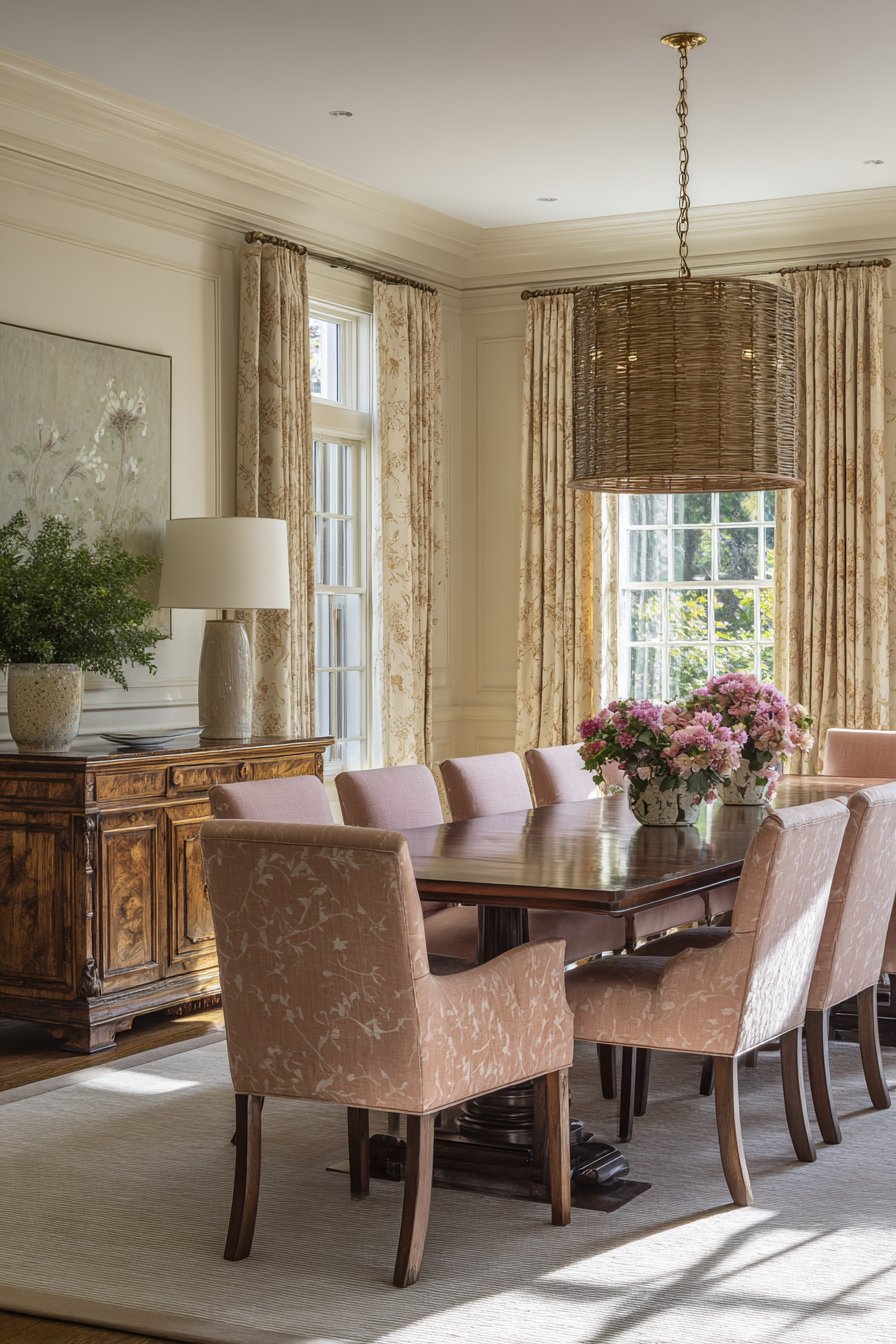
Traditional wood finishes replace the gray-washed or white-painted pieces of recent trends. Rich mahogany, cherry, and walnut tones create depth and sophistication. Grandmillennials embrace wood grain rather than concealing it. These authentic finishes age beautifully and develop character over time.
- Seek furniture with skirted bases for a classic, refined appearance
- Incorporate cane or rattan elements in unexpected places like headboards
- Choose wood furniture with visible grain and traditional stains
- Look for pieces with turned legs and carved details
- Consider vintage or antique furniture before buying new
- Mix different wood tones confidently throughout your space
4. Wallpaper as Statement-Making Art
Decorative wallpaper serves as the backbone of grandmillennial style. Traditional patterns like toile de Jouy, damask, and botanical prints cover walls with confidence. These aren’t subtle accent walls but full-room installations that make bold statements. The commitment to pattern demonstrates confidence in personal style.
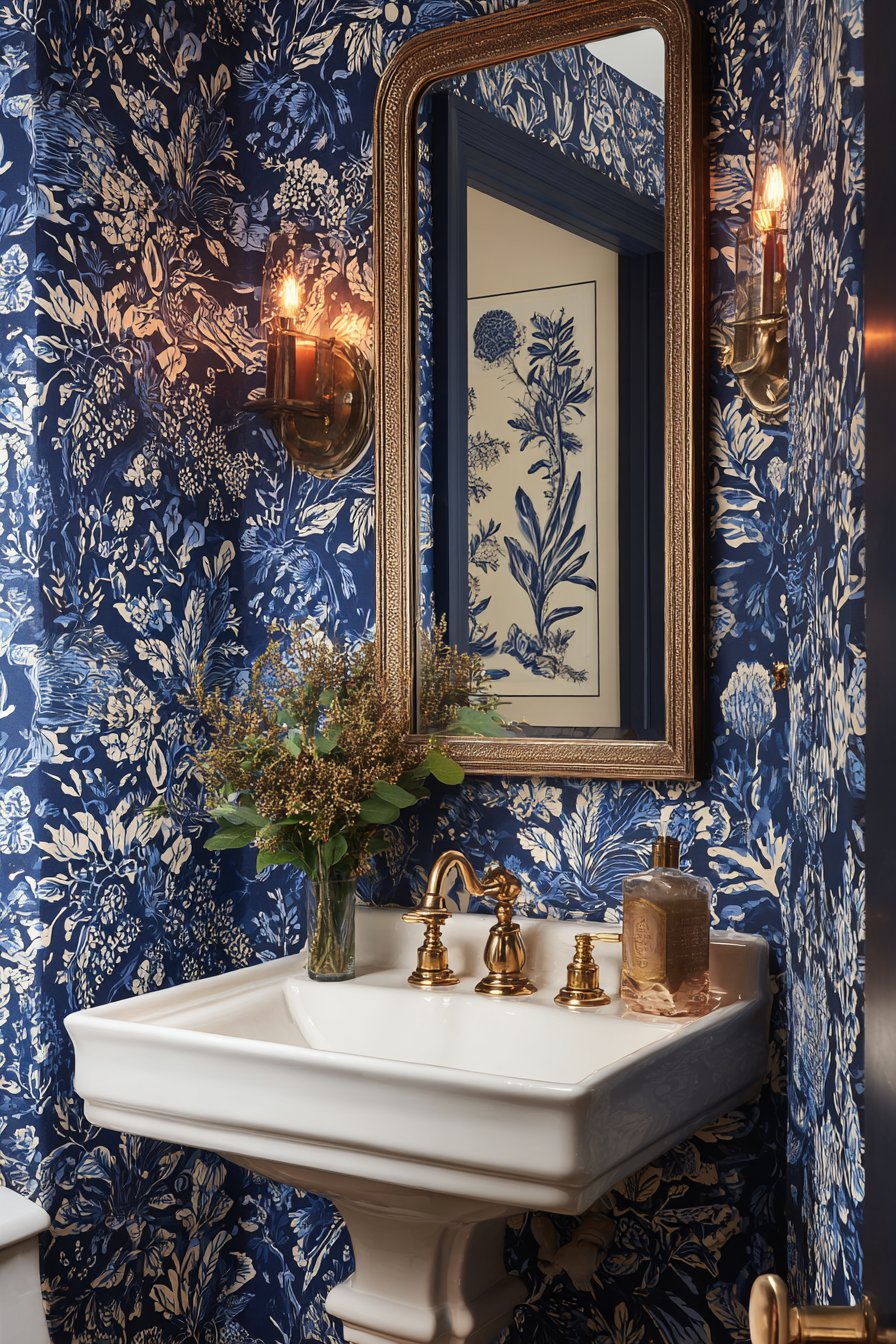
Modern grandmillennials often choose wallpaper for unexpected spaces. Powder rooms, closets, and even ceilings receive pattern treatment. This maximalist approach transforms utilitarian spaces into delightful discoveries. Small rooms become jewel boxes rather than afterthoughts when wrapped in beautiful paper.
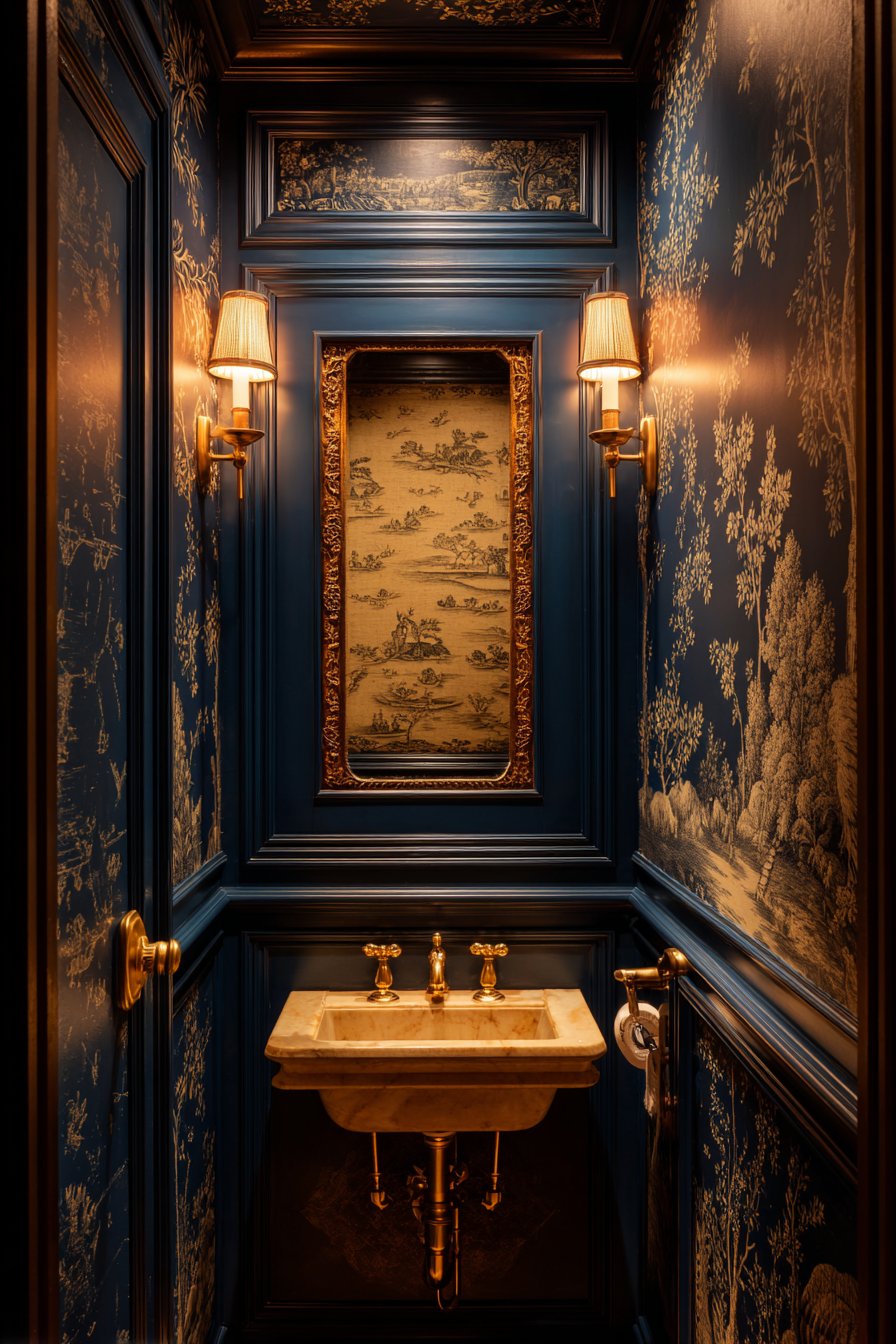
The quality of wallpaper matters significantly in this aesthetic. Hand-painted designs, grasscloth textures, and papers with metallic accents elevate spaces beyond standard prints. Grandmillennials invest in statement wallpapers that become room focal points. These choices demonstrate commitment to lasting design rather than temporary trends.
- Select traditional patterns in updated colorways for fresh appeal
- Consider wallpapering entire rooms rather than single accent walls
- Use pattern in small spaces like powder rooms for maximum impact
- Invest in quality papers with interesting textures or hand-painted details
- Don’t shy away from busy patterns in bedrooms or living areas
- Pair patterned walls with solid furniture to maintain balance
5. Collectibles and Display-Worthy Decor
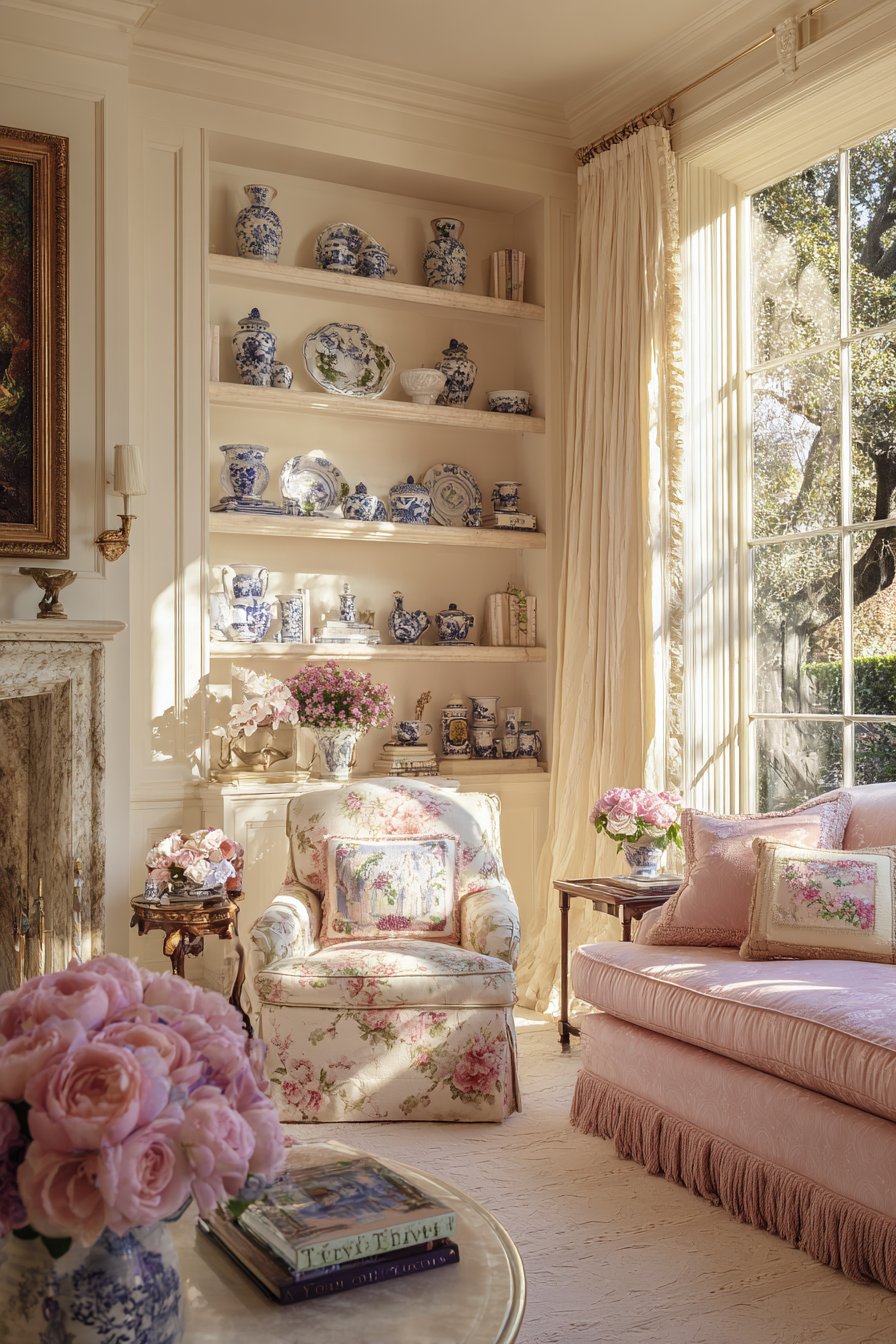
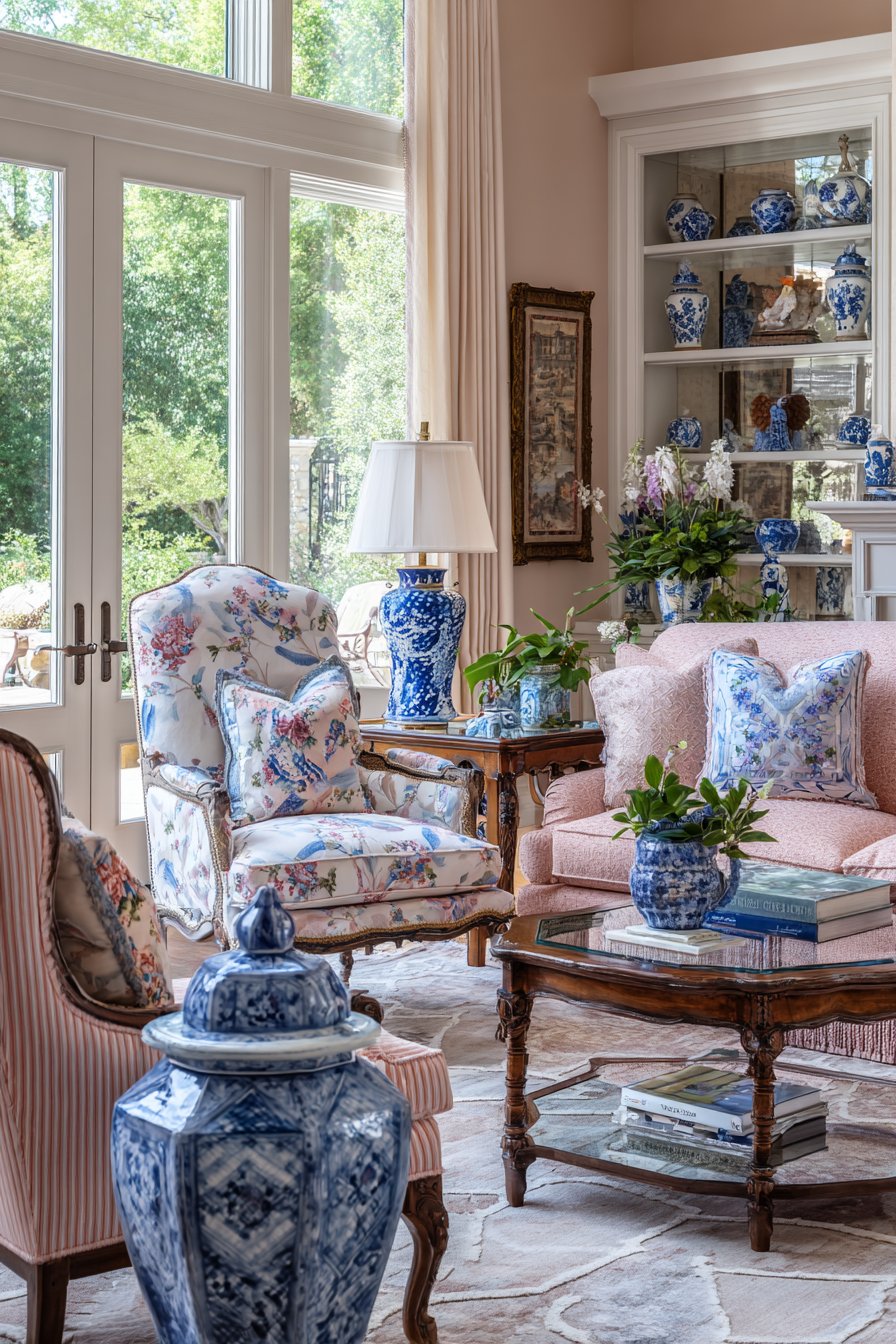
Curated collections distinguish grandmillennial homes from generic interiors. Blue and white ceramics, transferware plates, and vintage glassware appear in carefully arranged vignettes. These displays celebrate personal interests and hunting achievements from antique markets. The collections grow organically over time rather than being purchased as sets.
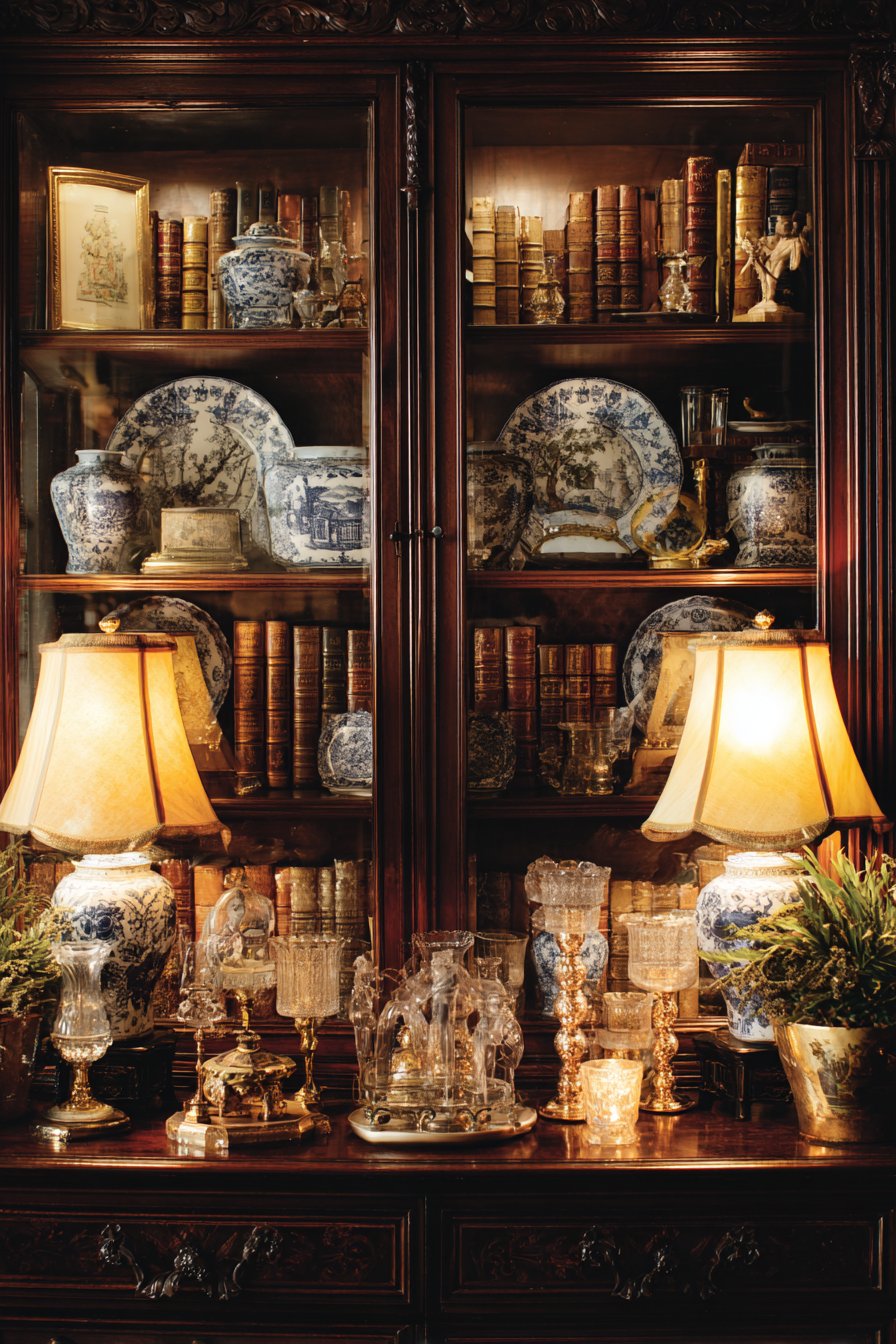
The grandmother’s china cabinet returns as a prized furniture piece. Display cabinets showcase treasured items while protecting them from dust. Grandmillennials use these pieces to exhibit everything from vintage books to inherited silver. The transparent storage adds visual interest while telling personal stories.
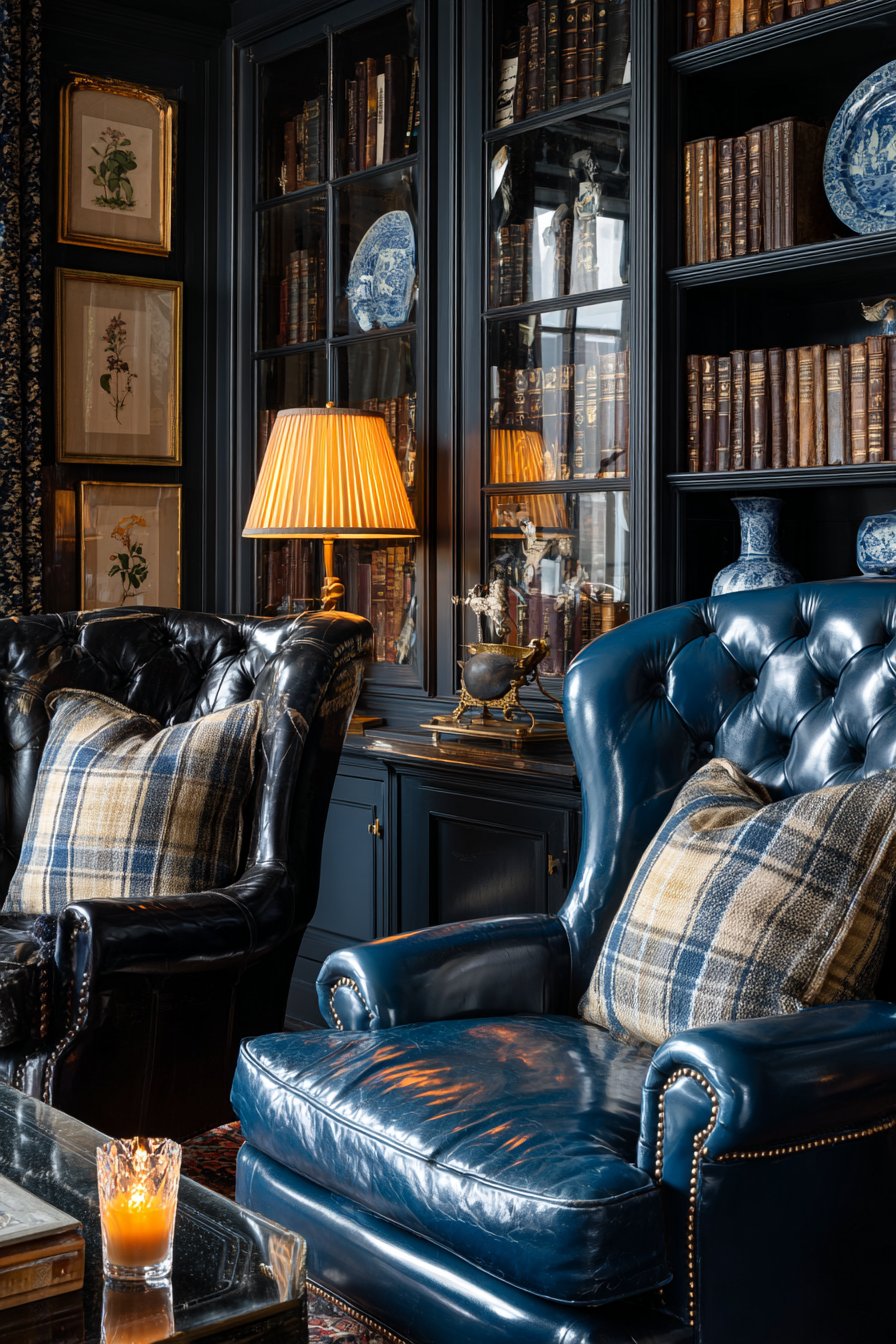
Decorative elements include items that modernists might dismiss as clutter. Needlepoint samplers, vintage botanical prints, and commemorative plates adorn walls. Shelves hold brass candlesticks, porcelain figurines, and leather-bound books. These layered displays create rooms with personality and depth that evolve over years.
- Start collecting in categories that genuinely interest you personally
- Display collections in groupings rather than scattering individual pieces
- Use plate hangers to create gallery walls with vintage dishware
- Incorporate glass-front cabinets to showcase and protect treasures
- Mix inherited items with flea market finds for eclectic appeal
- Rotate displayed items seasonally to keep rooms feeling fresh
6. Color Palettes That Honor Tradition
Grandmillennial color schemes draw from historical paint palettes rather than trending neutrals. Soft pastels like powder blue, blush pink, and butter yellow create gentle backgrounds. These colors reference mid-century American homes without feeling dated. They provide perfect canvases for layered patterns and collections.
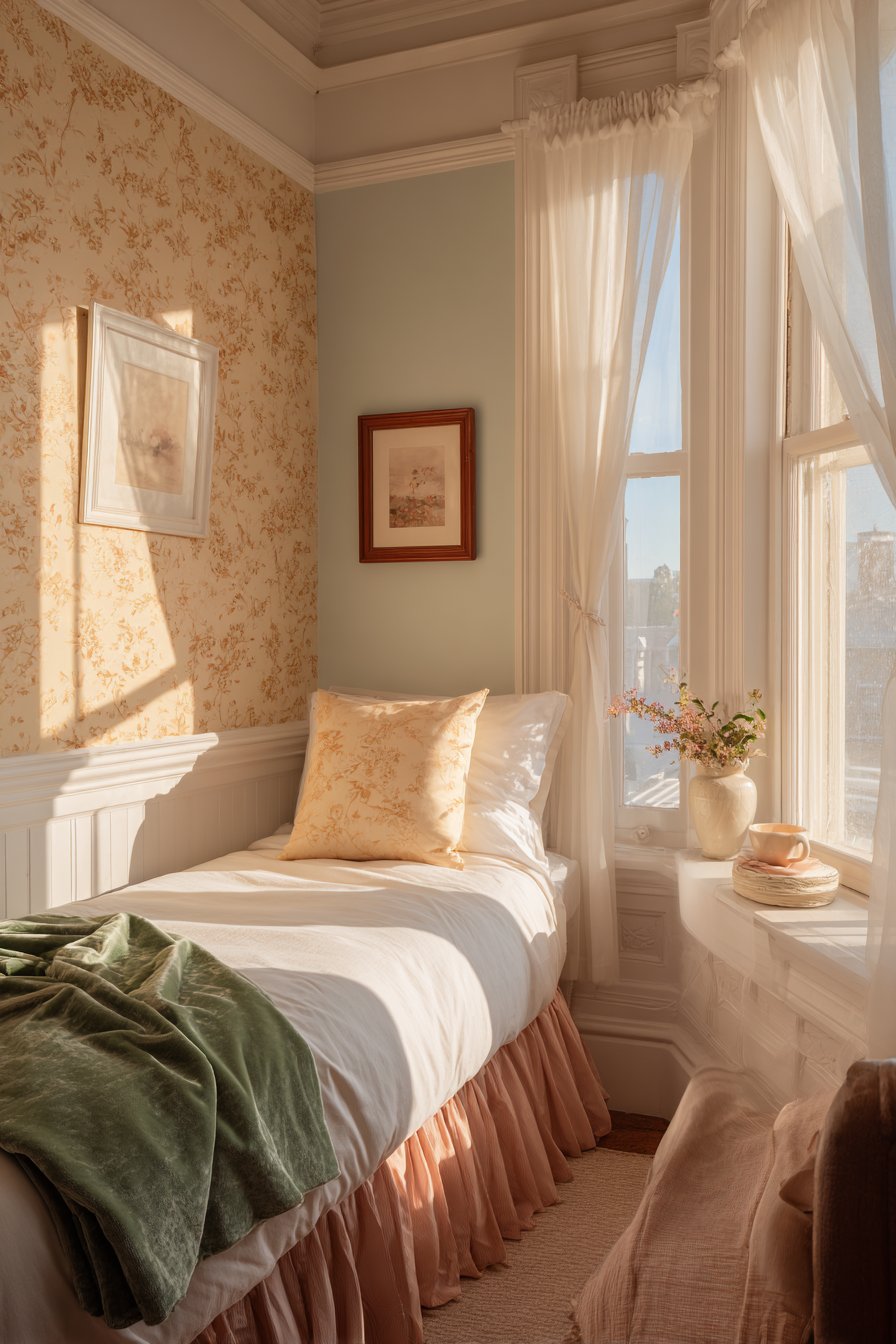
Deeper jewel tones also feature prominently in this aesthetic. Emerald green, sapphire blue, and rich burgundy add sophistication and drama. These colors appear in upholstery, drapery, and accent pieces. They create cozy, enveloping environments that feel intentionally designed rather than accidentally assembled.
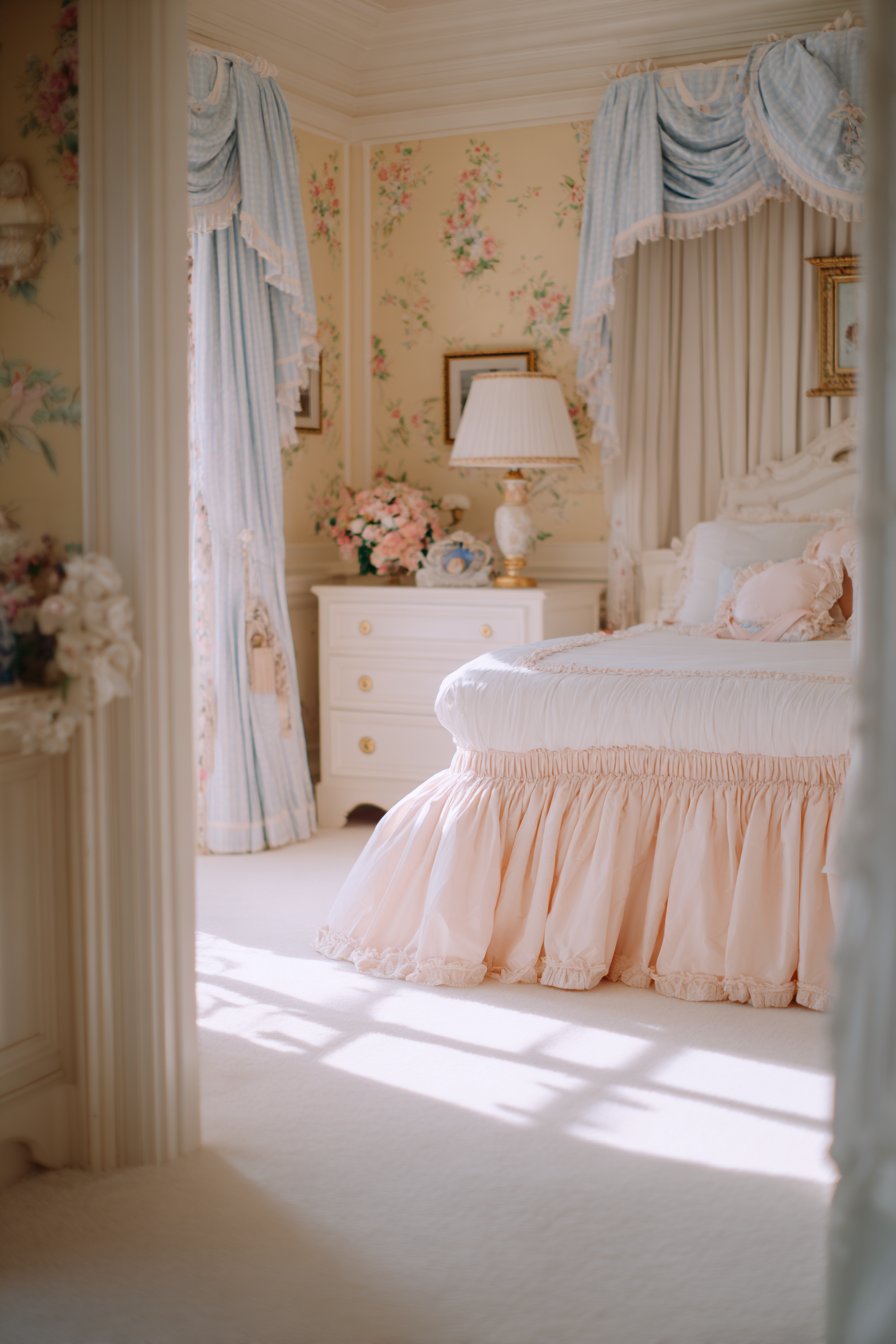
White and cream serve as essential balancing elements in grandmillennial spaces. These neutrals prevent rooms from becoming overwhelming despite heavy pattern use. Painted woodwork, crisp linens, and white ceramics provide visual rest areas. The contrast between white and colors enhances both elements.
- Choose historically inspired paint colors from heritage color collections
- Use pastels as base colors and layer patterns over them
- Incorporate jewel tones through textiles and accent furniture pieces
- Balance colorful patterns with plenty of white or cream elements
- Don’t feel pressured to follow all-neutral modern trends
- Test paint colors in different lighting before committing
The grandmillennial style offers a refreshing alternative to cold, minimalist interiors. This trend proves that traditional design elements remain relevant when approached with youthful enthusiasm. By embracing pattern, color, and collected treasures, you create spaces with genuine personality and warmth.
Start incorporating grandmillennial elements gradually into your existing decor. Begin with small changes like adding patterned throw pillows or displaying inherited pieces. As your confidence grows, experiment with bolder choices like wallpaper or skirted furniture. The beauty of this style lies in its personal nature—your home should reflect your unique story and aesthetic preferences, creating a space that feels authentically yours.
