


The interior design world is experiencing a profound shift towards authenticity and natural harmony. Modern organic design has emerged as the defining aesthetic of 2026, seamlessly blending contemporary minimalism with raw, earthy elements. This movement represents more than a passing trend—it’s a fundamental reimagining of how we create living spaces that nurture both body and soul.
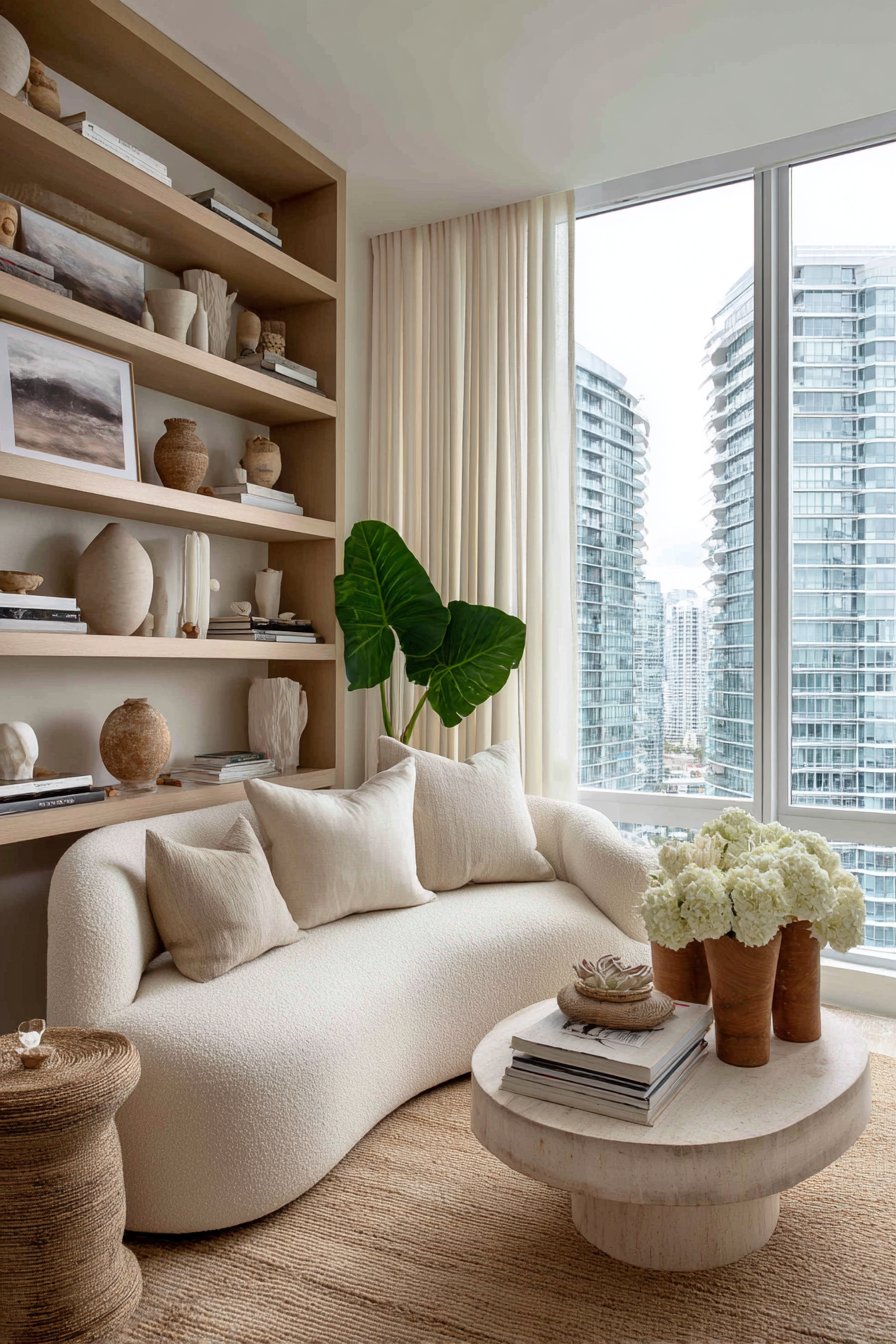
Thoughtful interior design transforms houses into homes by creating environments that support our daily lives while reflecting our values. The modern organic aesthetic speaks to a generation seeking refuge from digital overload and urban chaos. It offers spaces that feel grounded, intentional, and deeply connected to the natural world.
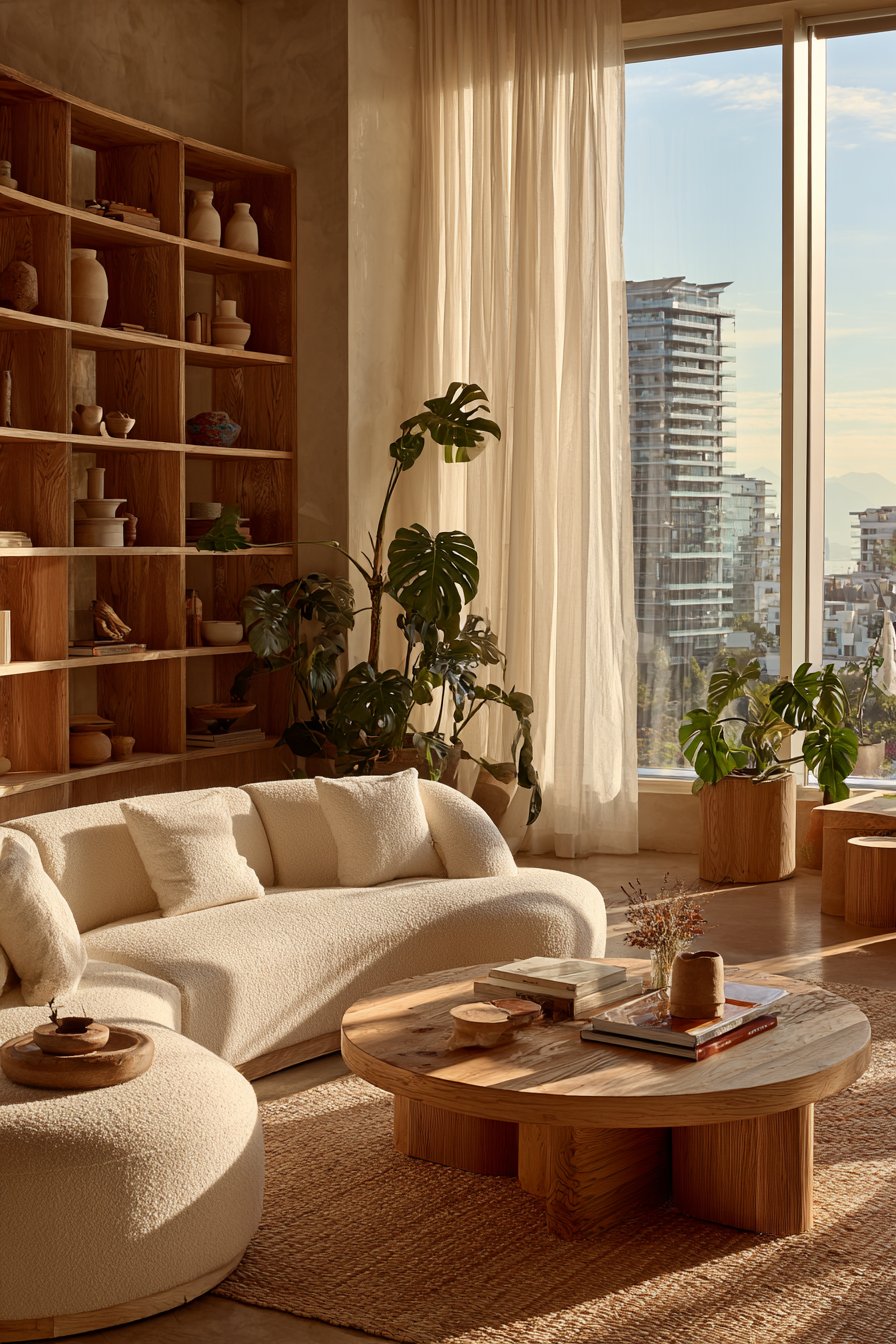
This article explores the key elements that define modern organic design and why this aesthetic resonates so powerfully in 2026. From material choices to color palettes, we’ll uncover the principles that make this style both timeless and refreshingly contemporary. Whether you’re planning a complete renovation or seeking subtle updates, these insights will help you embrace the organic design movement with confidence and creativity.
1. Natural Materials Take Center Stage
The foundation of modern organic design lies in celebrating authentic materials in their most honest forms. Wood, stone, clay, and linen aren’t merely decorative choices—they’re essential elements that connect our interiors to the earth. These materials bring inherent beauty through unique grain patterns, natural textures, and subtle color variations that synthetic alternatives simply cannot replicate.
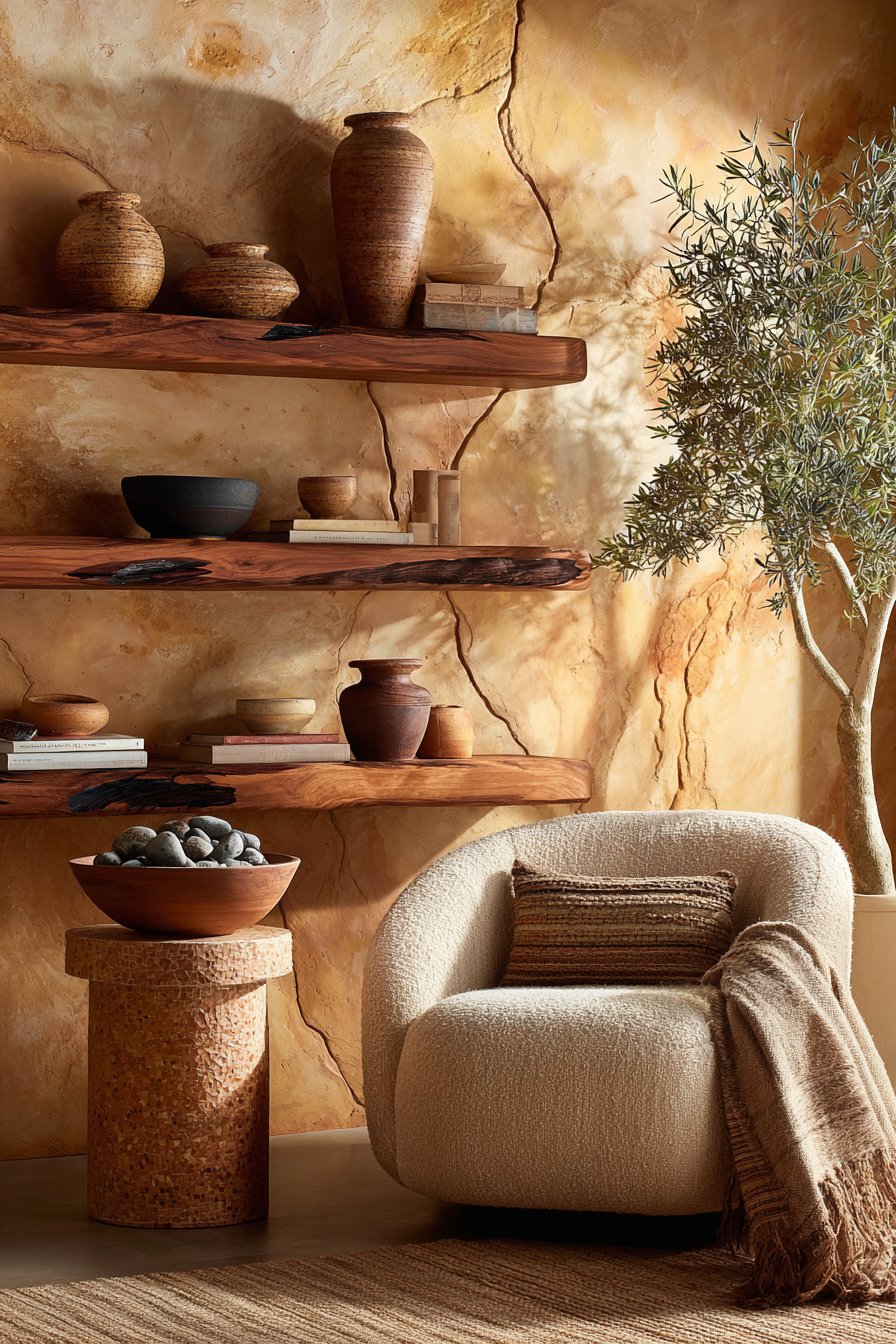
Raw wood finishes have replaced overly polished surfaces throughout 2026 interiors. Oak, walnut, and teak appear with minimal treatment, showcasing knots, irregularities, and natural character marks. This approach honors the material’s origin story while creating tactile warmth that invites touch and interaction.
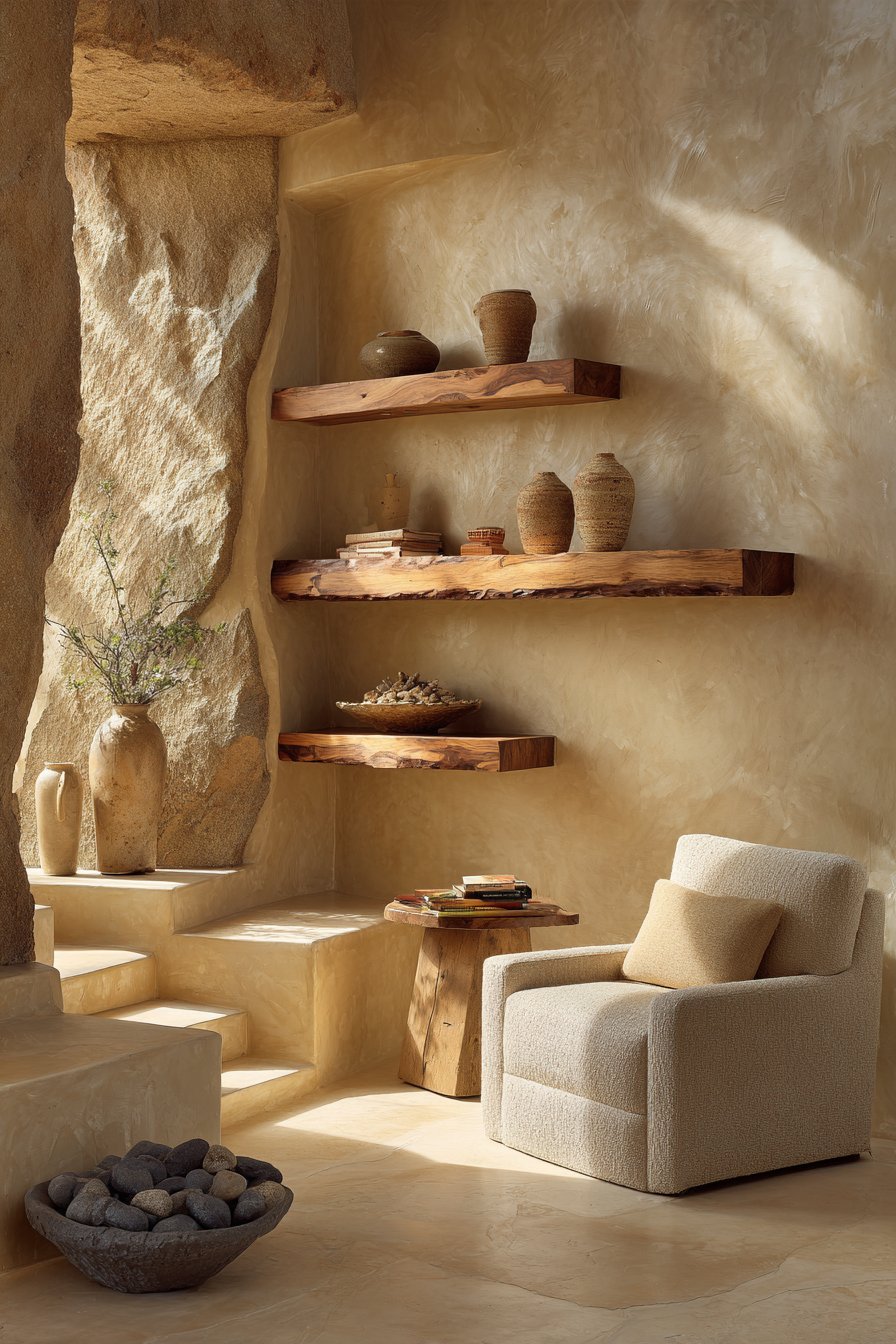
Stone elements add grounding energy through their weight, temperature, and timeless presence. Limestone countertops, travertine accent walls, and river rock installations introduce geological beauty that speaks to millennia of natural formation. The imperfections in these materials—veining, pitting, and color shifts—become celebrated features rather than flaws to hide.
- Source reclaimed wood from architectural salvage yards for character-rich furniture pieces
- Choose matte or oiled finishes over high-gloss treatments to preserve natural texture
- Incorporate clay pottery, ceramic vessels, and terracotta planters throughout your space
- Select stone with visible variation rather than uniform slabs for more organic appeal
- Use natural fiber textiles like linen, cotton, and jute for upholstery and window treatments
- Display materials honestly without hiding joints, seams, or construction methods
2. Earthy Color Palettes Ground the Space
The modern organic color story draws directly from nature’s most soothing hues. Warm terracottas, soft sage greens, creamy beiges, and rich clay tones create environments that feel both contemporary and timeless. These colors work together to establish a sense of calm while providing enough variation to maintain visual interest throughout the home.
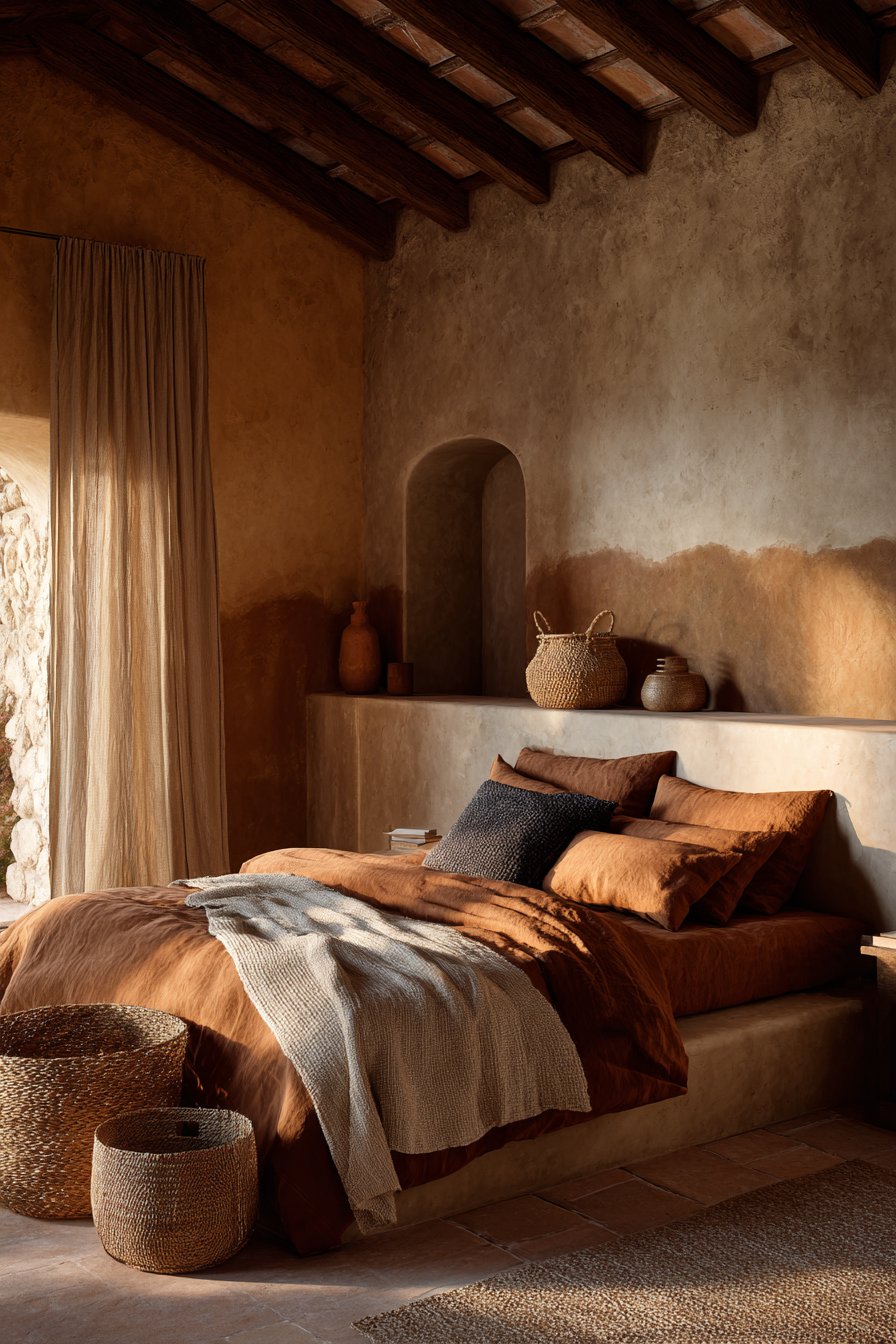
Unlike the stark white minimalism of previous decades, 2026’s organic aesthetic embraces color depth and warmth. Walls in warm mushroom, soft putty, or gentle taupe provide neutral backdrops that feel living rather than sterile. These subtle bases allow natural materials and organic shapes to shine without competing for attention.
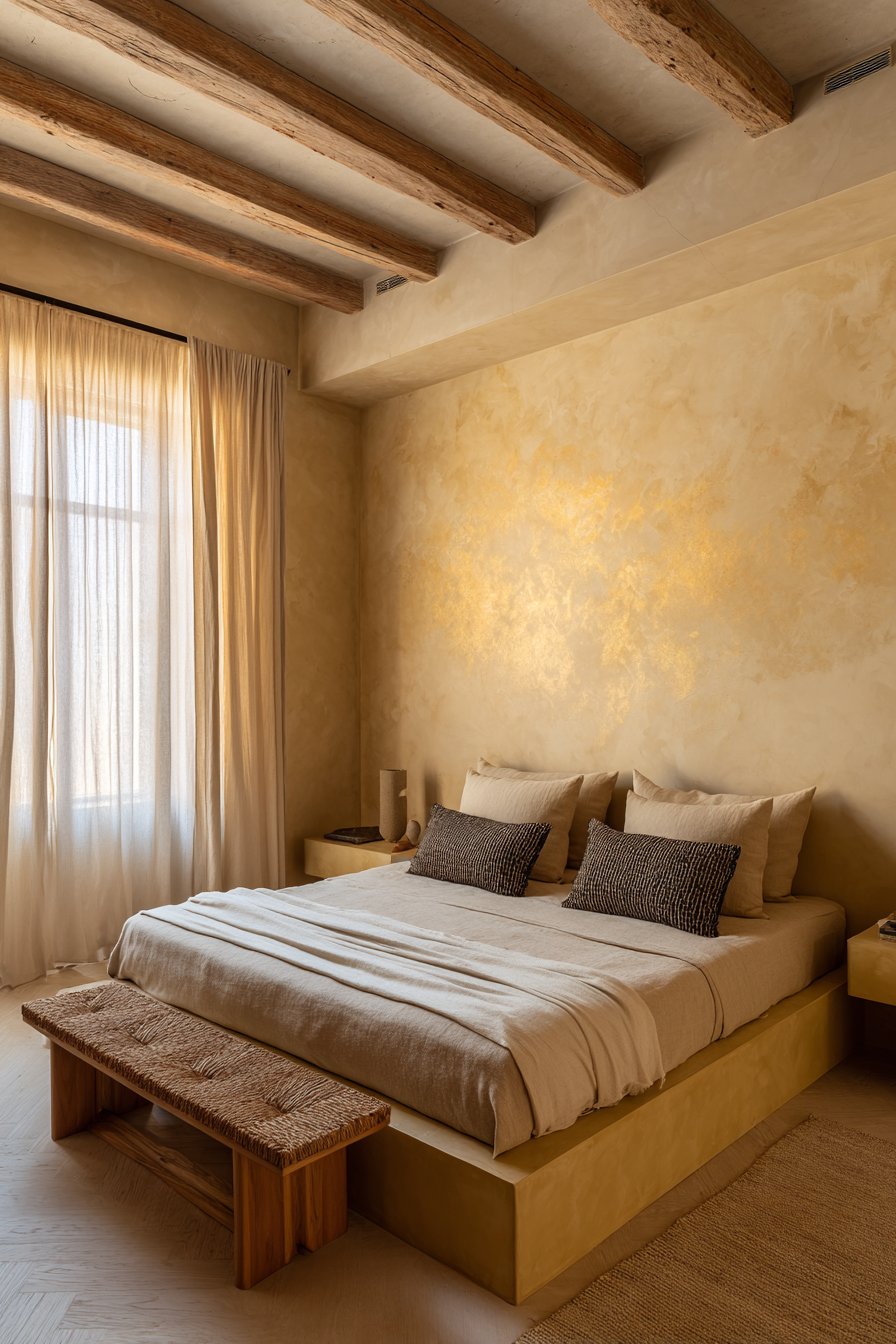
Accent colors emerge from the landscape itself—dusty olive inspired by Mediterranean herbs, burnt sienna echoing desert sunsets, or deep charcoal reflecting river stones. The key is maintaining low saturation levels that prevent overwhelming the senses. These muted tones create sophisticated layers while preserving the peaceful, grounded atmosphere essential to organic design.
- Paint walls in warm neutrals with undertones of ochre, clay, or sand
- Introduce deeper earth tones through textiles, artwork, and decorative objects
- Avoid pure white in favor of cream, ivory, or warm off-white shades
- Use color blocking sparingly with organic shapes rather than hard geometric divisions
- Draw inspiration from local landscapes and regional natural materials
- Layer multiple shades of the same color family for depth without complexity
3. Curved Forms Replace Sharp Angles
The organic design revolution embraces fluid, curved forms that mirror shapes found in nature. Rounded archways, circular mirrors, wave-like shelving, and sculptural furniture with soft edges create visual flow throughout the space. These gentle curves promote movement and ease, contrasting sharply with the rigid geometry that dominated mid-century and industrial styles.
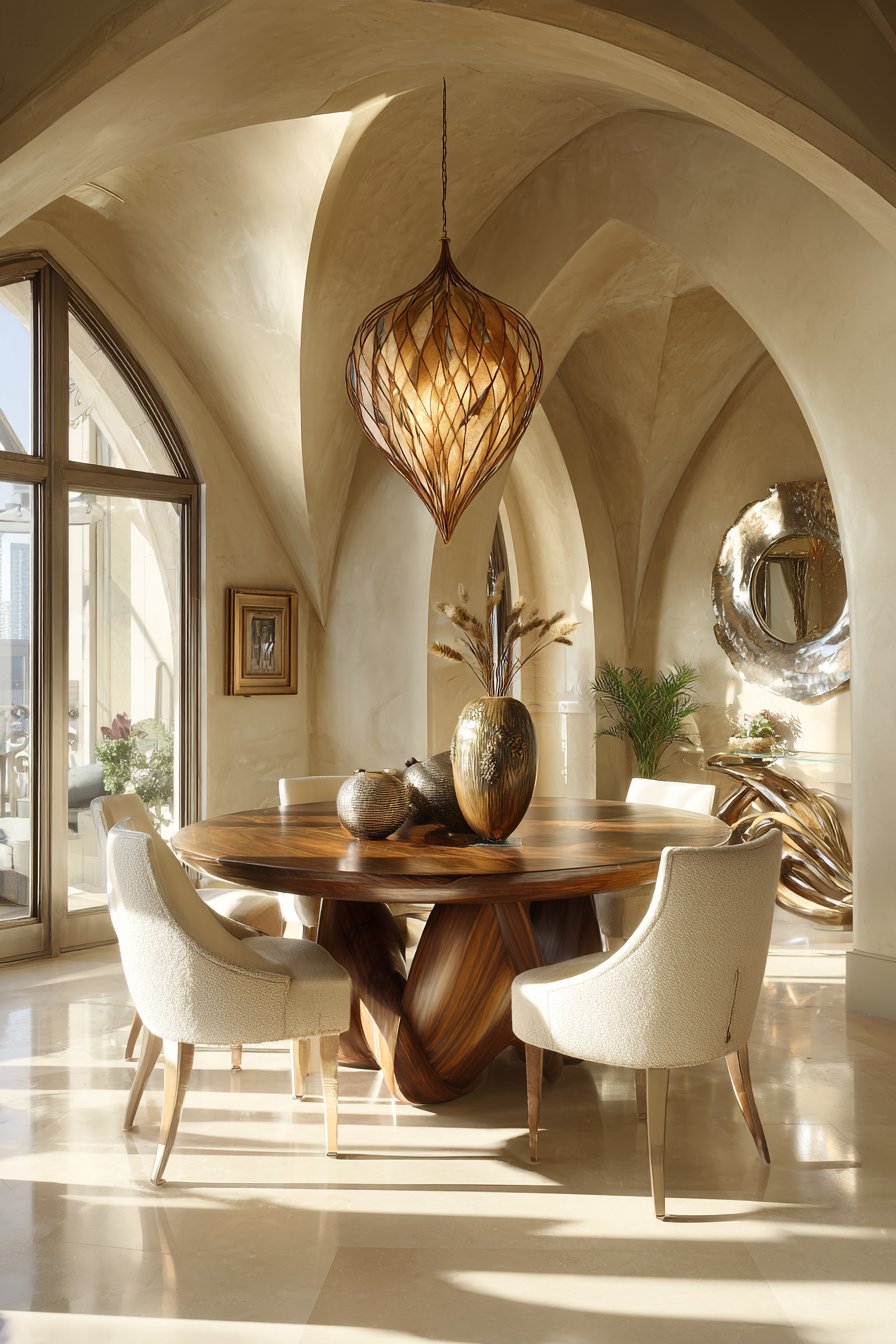
Arched doorways and windows have become signature elements in modern organic interiors. Whether original architectural features or newly installed, these curves soften transitions between rooms while adding architectural interest. The arch shape creates a sense of passage and sanctuary, making spaces feel more intimate and intentional.
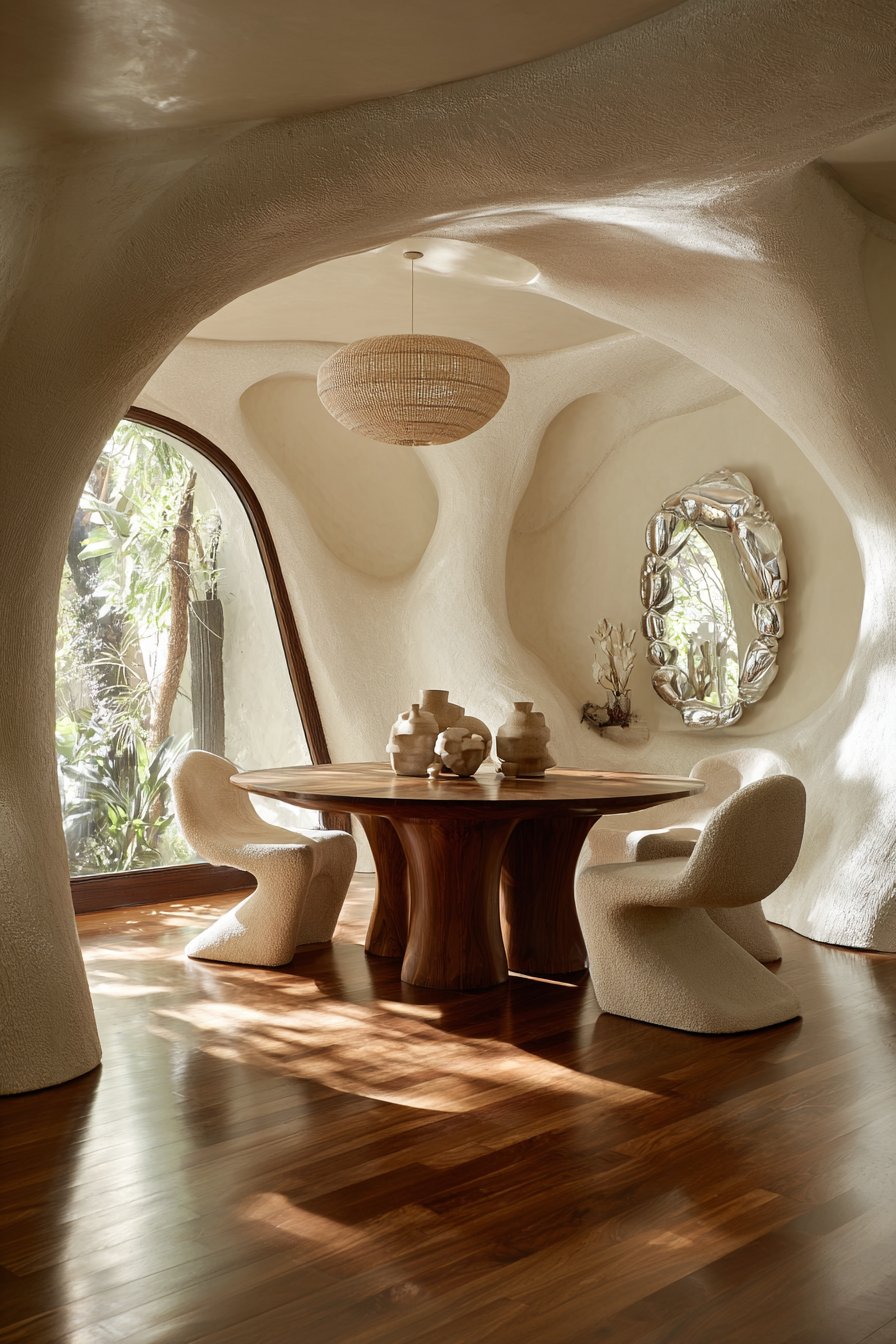
Furniture selections favor organic silhouettes over boxy constructions. Sofas with rounded arms, circular dining tables, and kidney-shaped coffee tables introduce movement without sacrificing functionality. Even smaller elements like rounded cabinet hardware, spherical pendant lights, and curved picture frames contribute to the overall aesthetic harmony.
- Replace rectangular mirrors with circular or oval alternatives for instant softening
- Choose furniture with rounded edges and flowing lines over angular pieces
- Incorporate arched bookcases, doorways, or wall niches where structurally possible
- Select lighting fixtures with organic shapes like orbs, cylinders, or abstract forms
- Avoid furniture sets with matching sharp angles throughout
- Mix curved and straight elements thoughtfully for balanced visual interest
4. Bringing Nature Indoors Through Biophilic Elements
Biophilic design principles form the beating heart of modern organic aesthetics. Living plants aren’t decorative afterthoughts—they’re integral design elements that purify air, regulate humidity, and create vital connections to the natural world. Strategic greenery placement transforms static interiors into dynamic living ecosystems that evolve with the seasons.
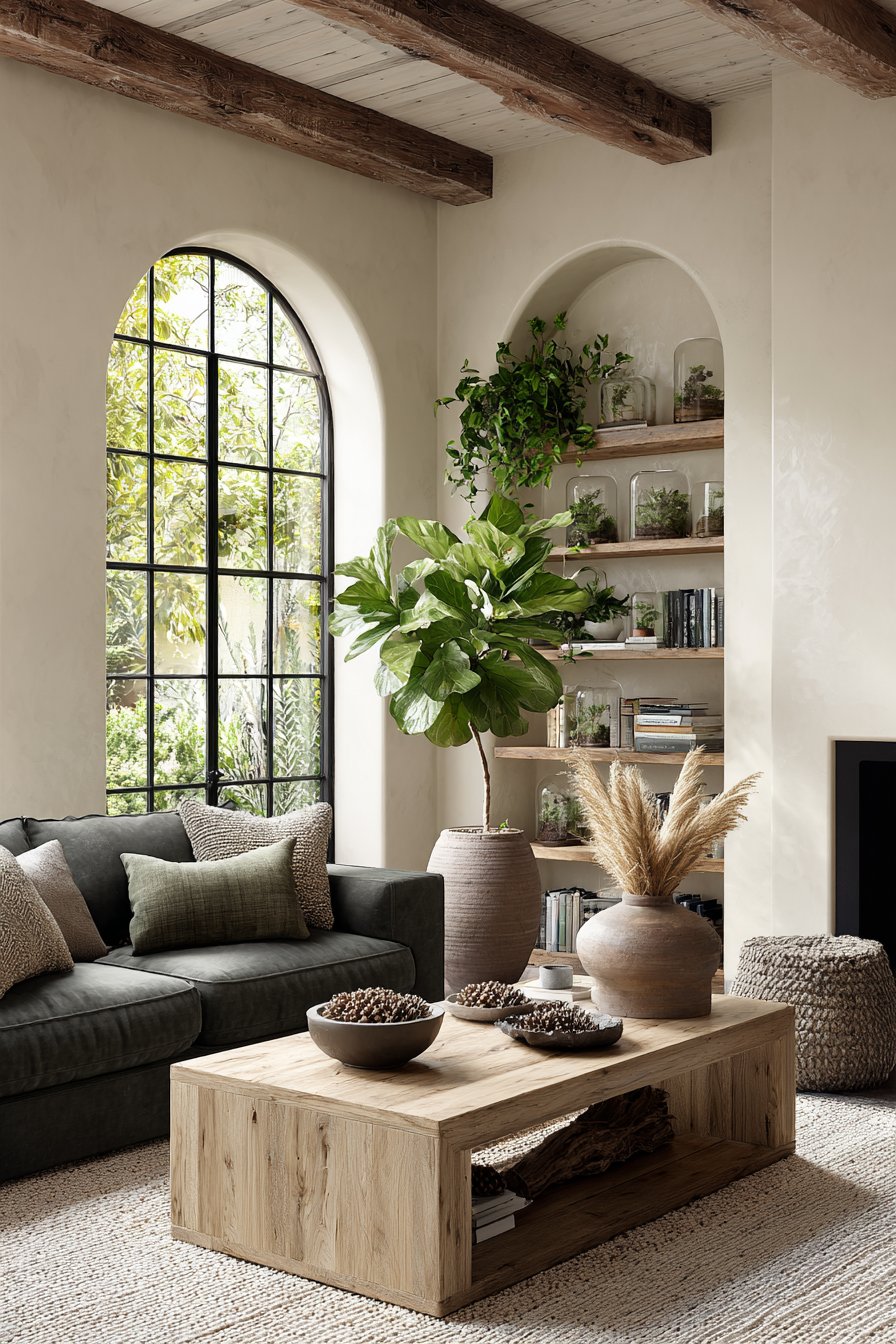
Large-scale plants make powerful architectural statements in 2026 interiors. Fiddle leaf figs, monstera deliciosa, and bird of paradise varieties provide dramatic vertical elements while softening hard surfaces. These statement plants anchor seating areas and fill empty corners with organic volume that feels both intentional and effortlessly natural.
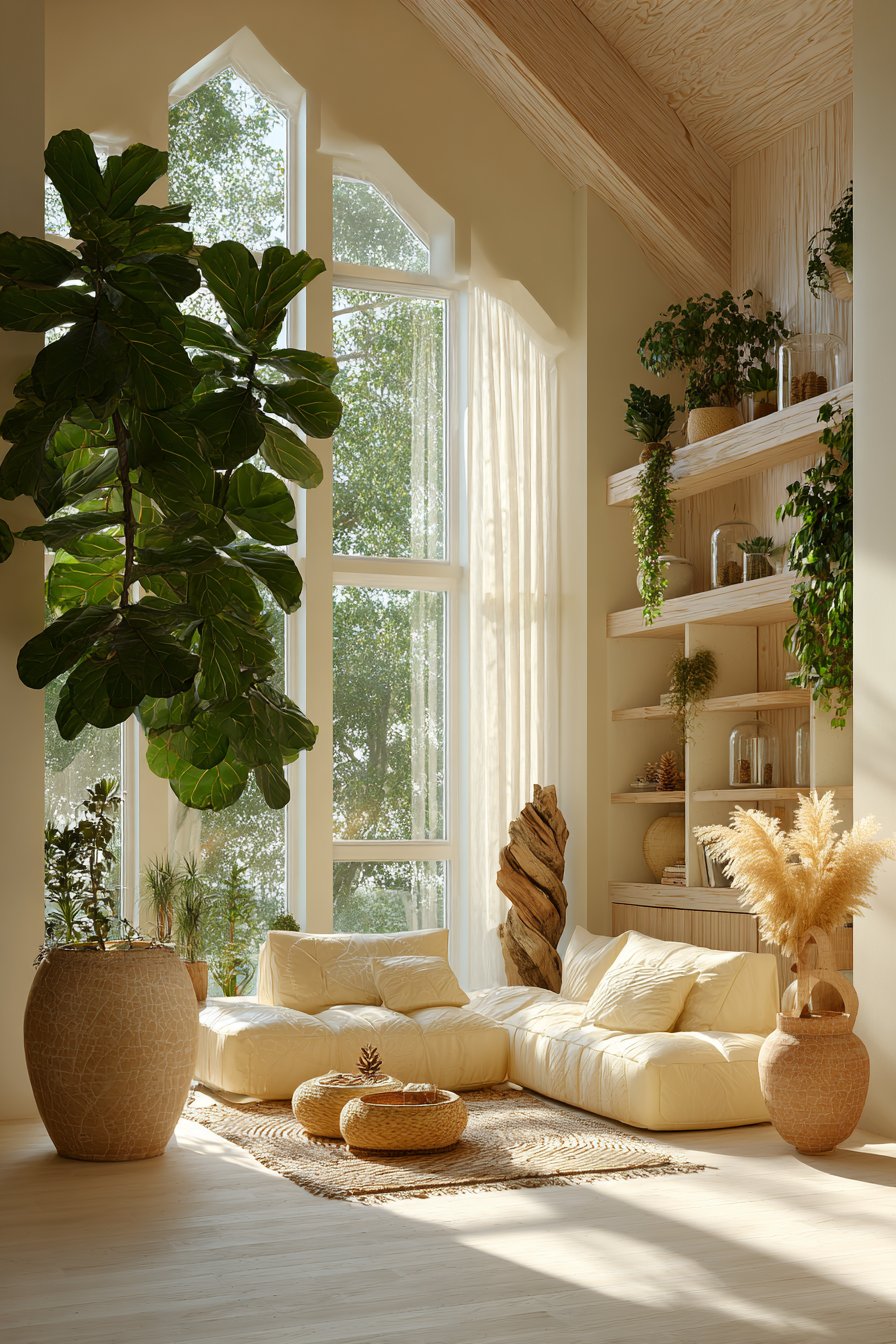
Beyond potted plants, natural elements include driftwood sculptures, displayed branches in oversized vases, and preserved botanical specimens under glass. Even subtle touches like stone collections, pine cones in woven bowls, or dried grasses in earthenware vessels reinforce the connection to nature without requiring ongoing maintenance.
- Group plants at varying heights to create layered, forest-like compositions
- Choose planters in natural materials that complement rather than compete with greenery
- Incorporate trailing plants like pothos or string of pearls for cascading movement
- Display natural found objects as sculptural elements on shelves and surfaces
- Consider living walls or vertical gardens for maximum biophilic impact
- Rotate seasonal natural elements like branches with spring blossoms or autumn leaves
5. Textural Layering Creates Sensory Depth
Tactile richness distinguishes truly successful organic interiors from flat, one-dimensional spaces. Layering multiple textures—nubby linen against smooth ceramic, rough-hewn wood beneath sleek stone, woven rattan beside soft wool—creates sensory complexity that engages multiple senses simultaneously. This approach adds visual interest while making spaces feel more inviting and comfortable.
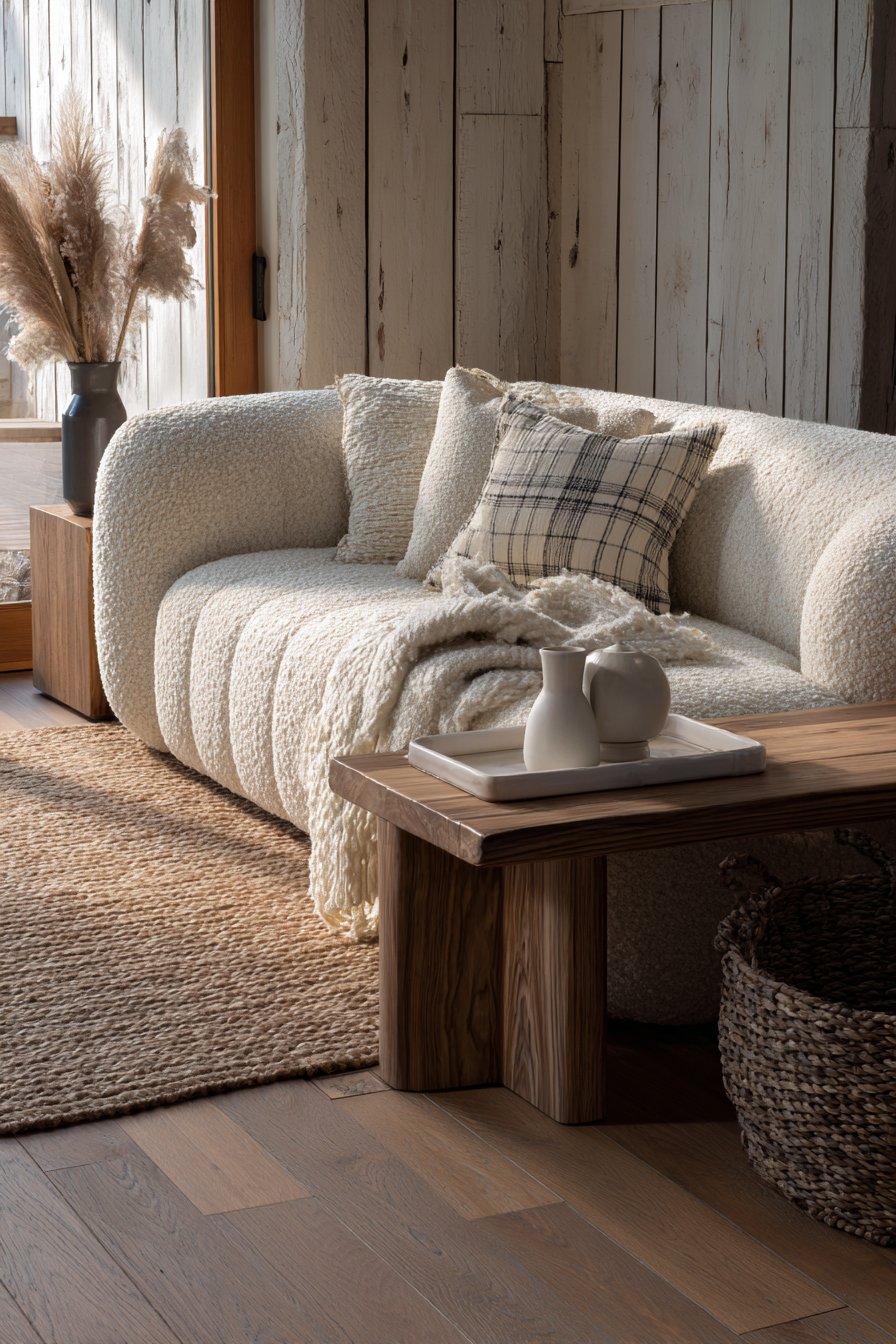
Textiles play a crucial role in building textural narratives. Chunky knit throws, waffle-weave cotton blankets, and bouclé upholstery introduce cozy tactility that begs to be touched. Natural fiber rugs in jute, sisal, or wool define areas while adding underfoot texture that connects inhabitants more directly to the floor plane.
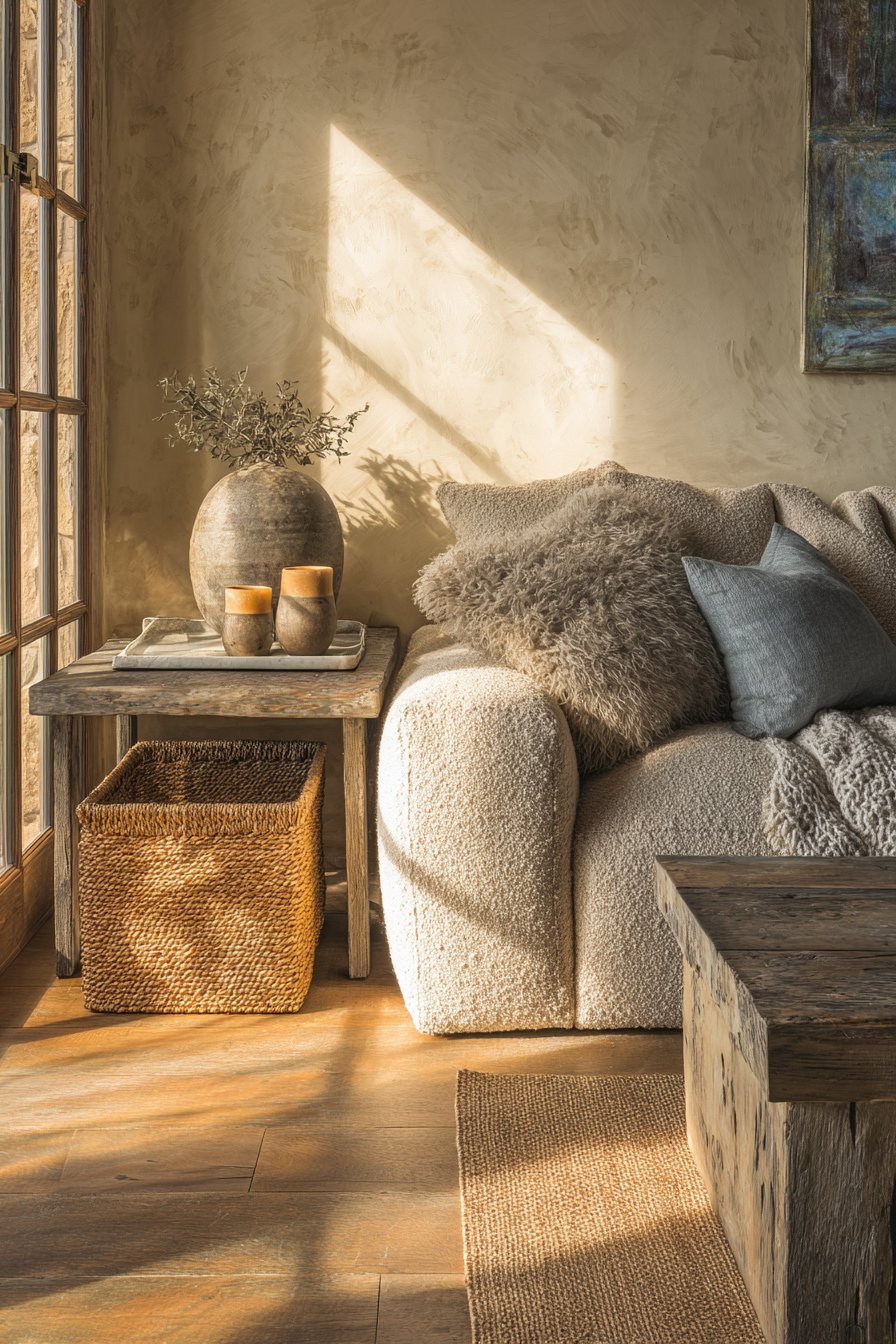
Wall treatments contribute significantly to overall texture. Lime wash plaster, venetian plaster, or textured wallcoverings with organic patterns add dimensional depth to vertical surfaces. These finishes catch and reflect light differently throughout the day, creating subtle shifts that keep spaces feeling alive and responsive to natural cycles.
- Combine at least three different textures in every room for richness
- Mix smooth and rough, soft and hard, matte and subtle sheen
- Layer rugs over natural flooring for added warmth and definition
- Include woven elements like baskets, wall hangings, or rattan furniture
- Choose textured rather than flat paint finishes for more organic walls
- Add tactile interest through materials like bouclé, linen, wool, and raw silk
6. Sustainable and Mindful Material Choices
The modern organic movement aligns perfectly with growing environmental consciousness in 2026. Sustainable sourcing, low-impact production, and longevity over disposability define purchasing decisions. This isn’t about sacrifice—it’s about choosing better-quality items that serve both aesthetic and ethical values while reducing environmental footprints.
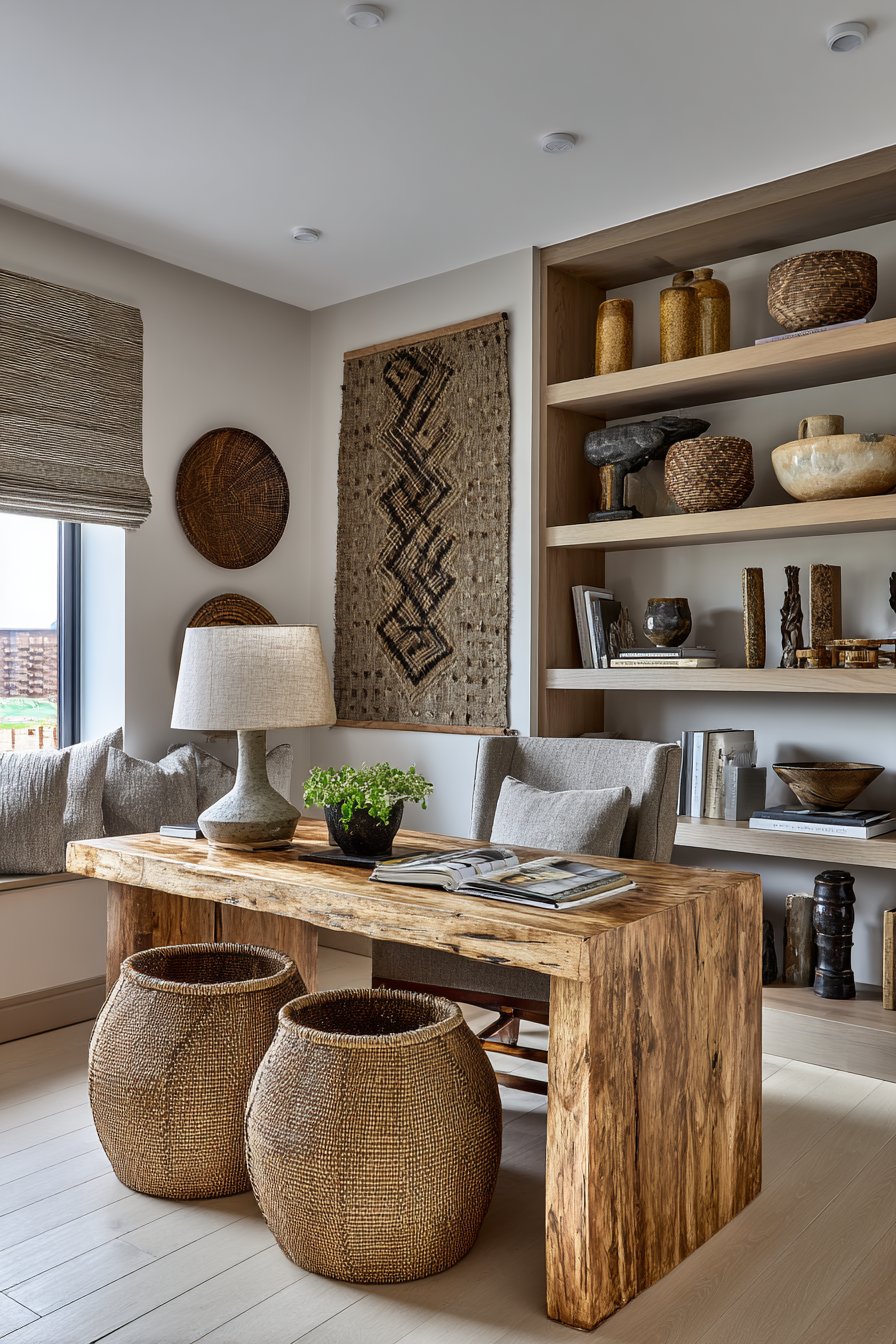
Vintage and antique pieces integrate seamlessly into organic interiors, bringing history and character while preventing new resource extraction. A mid-century wooden dresser or antique ceramic lamp provides unique personality impossible to achieve with mass-produced alternatives. These pieces also represent the ultimate sustainability—items already in circulation finding new purpose and appreciation.
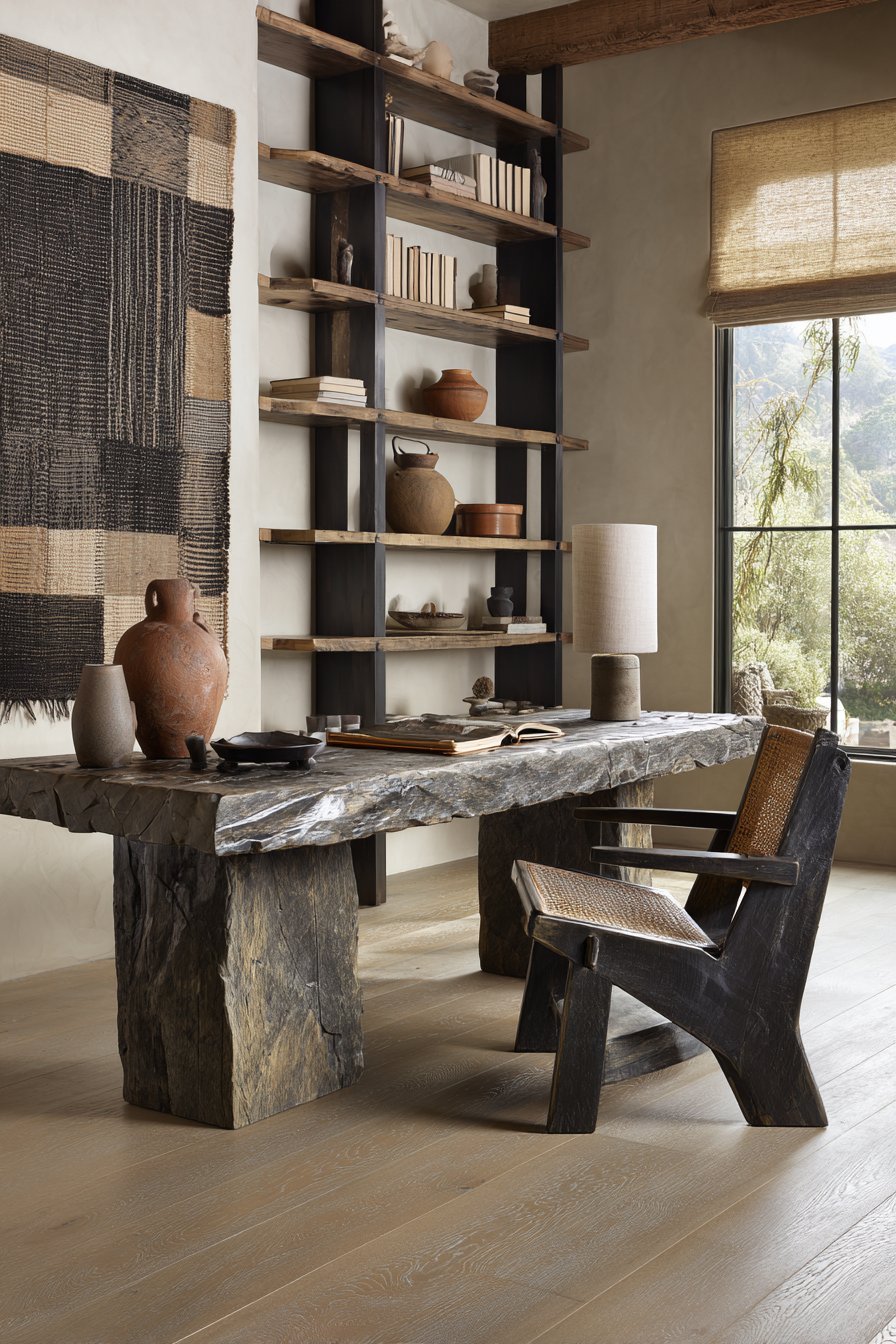
Local artisans and craftspeople are experiencing renewed appreciation as homeowners seek authentic, handmade objects. Commissioning pottery from regional ceramicists, purchasing woven textiles from local fiber artists, or selecting furniture from nearby woodworkers supports community economies while ensuring truly one-of-a-kind pieces. These items carry makers’ energy and intention, adding deeper meaning to everyday spaces.
- Prioritize natural, renewable materials like bamboo, cork, and sustainably harvested wood
- Invest in fewer, higher-quality pieces rather than quantity
- Source vintage or secondhand items for character and sustainability
- Support local makers and craftspeople for unique, meaningful objects
- Choose low-VOC paints, finishes, and adhesives for healthier indoor air
- Consider the full lifecycle of purchases from production through eventual disposal
Conclusion
Modern organic design represents the evolution of how we inhabit our homes in 2026. By embracing natural materials, earthy colors, curved forms, biophilic elements, rich textures, and sustainable choices, we create spaces that nourish rather than deplete. This aesthetic transcends trend status—it’s a fundamental shift toward more conscious, connected living.
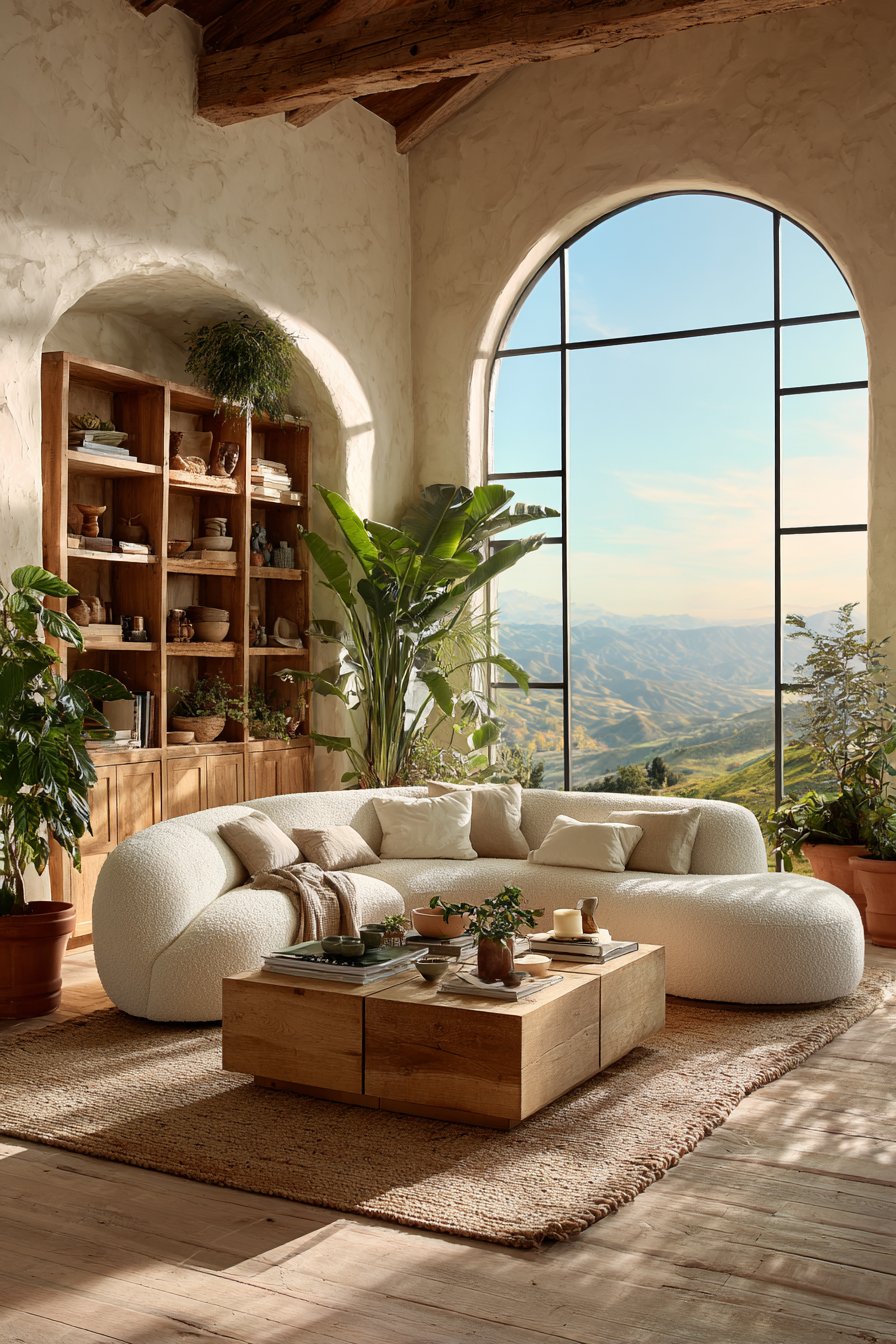
The beauty of organic design lies in its accessibility and flexibility. Whether implementing all six principles or selecting elements that resonate most deeply, every choice toward natural authenticity improves your living environment. Start with one room, one material swap, or one plant—the journey toward organic living begins with a single intentional step toward bringing nature home.
