


A well-organized kitchen transforms daily cooking from a stressful chore into an enjoyable experience. The heart of every home deserves thoughtful planning and strategic design that makes meal preparation effortless. When cabinets overflow with mismatched containers and forgotten ingredients, even the most beautiful kitchen loses its functionality and charm.
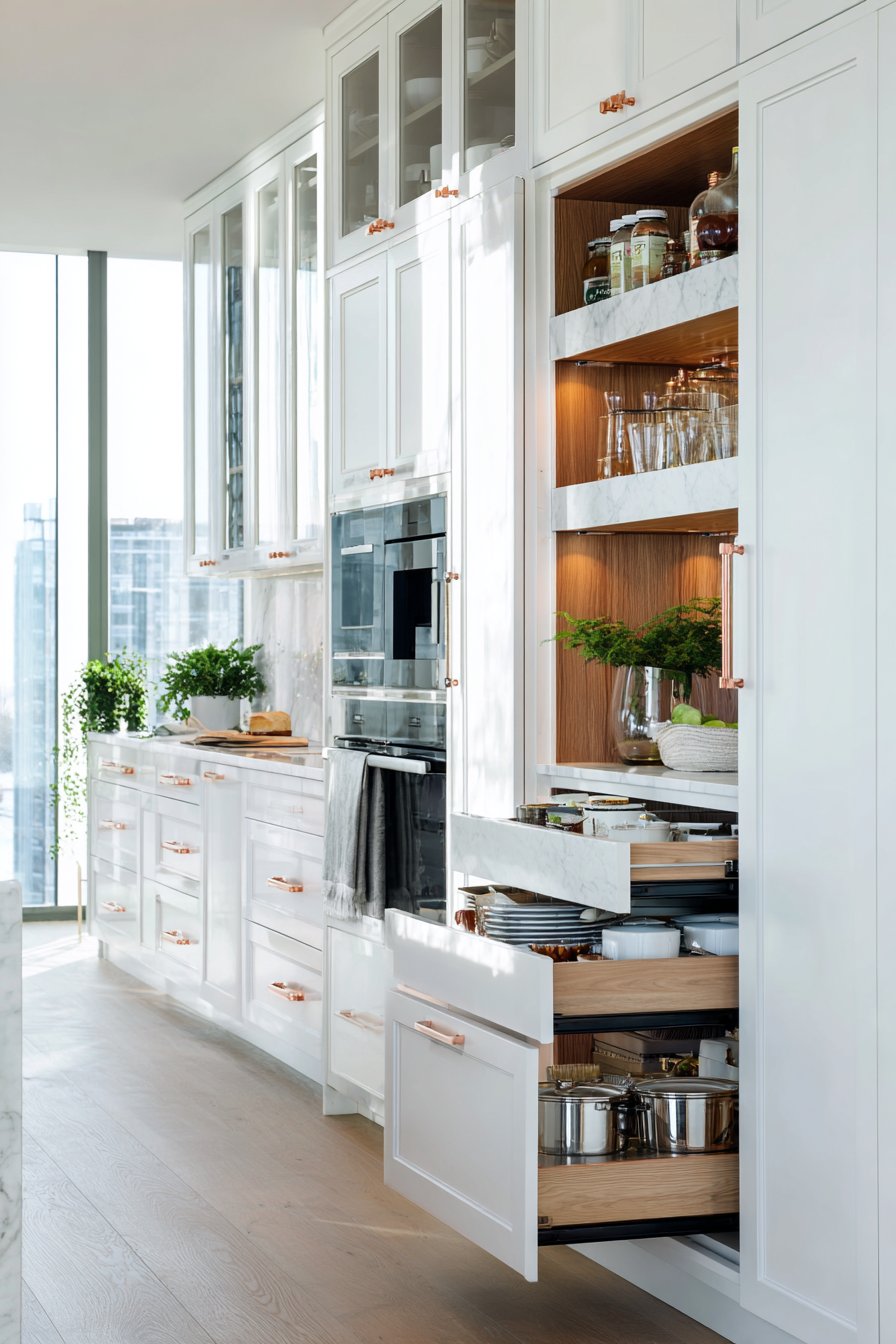
Kitchen cabinet organization goes beyond simple tidiness—it reflects intelligent spatial design and lifestyle optimization. Professional organizers understand that every kitchen has unique challenges requiring customized solutions. Whether you’re working with compact urban spaces or sprawling suburban layouts, these seven expert tricks will revolutionize how you store, access, and utilize every inch of cabinet space for maximum efficiency.
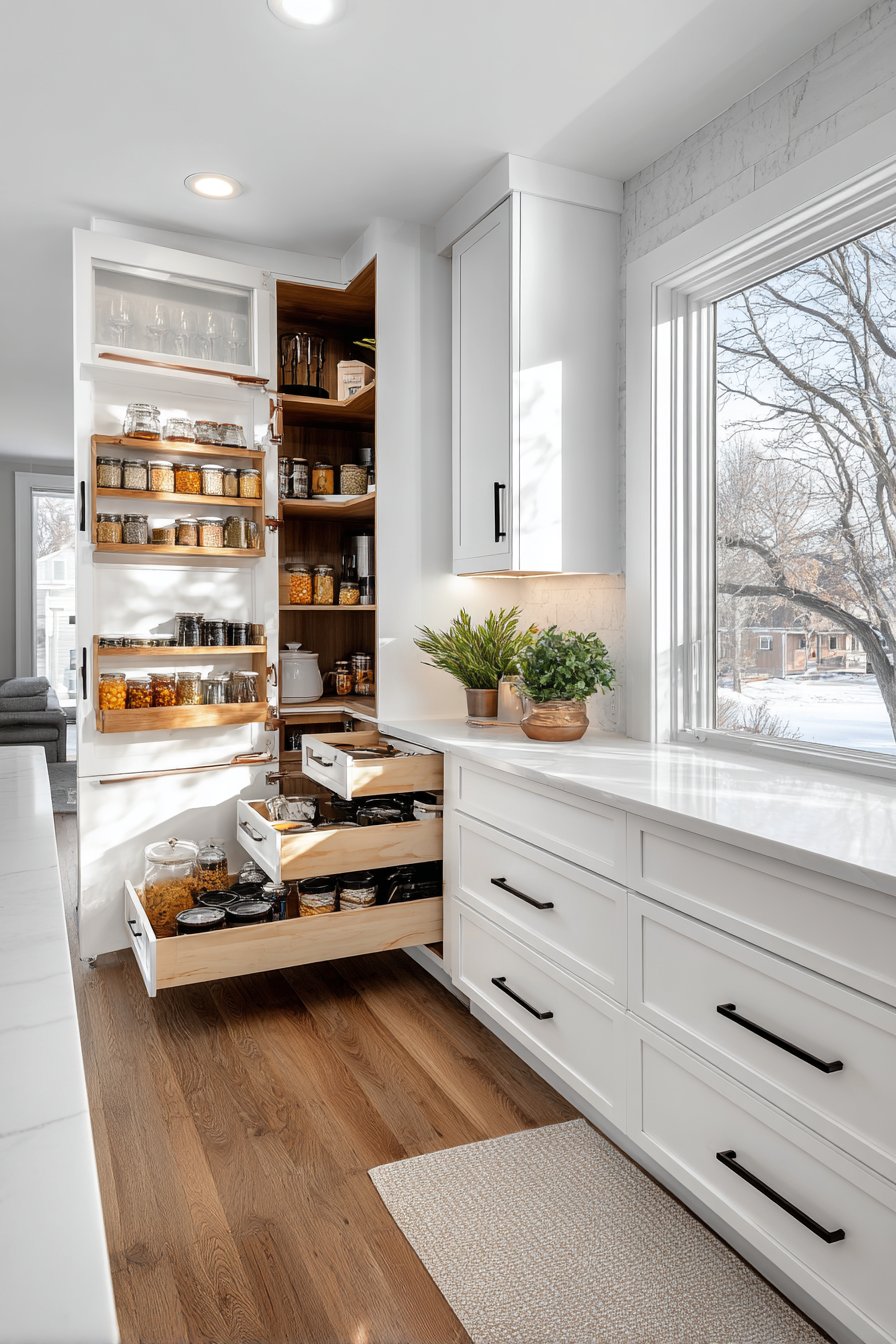
The techniques covered here combine principles of interior design, ergonomics, and practical storage science to create systems that last. From vertical maximization to zone-based arrangements, each strategy addresses common frustrations while elevating your kitchen’s aesthetic appeal. These aren’t temporary fixes—they’re permanent solutions that adapt to changing needs and growing households throughout the years. Our the clever kitchen storage ideas has more inspiration along these same lines.
1. Implement Vertical Dividers for Plate and Pan Storage
Traditional horizontal stacking creates frustration when retrieving items from the bottom of tall piles. Vertical dividers revolutionize cabinet organization by allowing each plate, cutting board, or baking sheet to stand independently. This simple modification reduces breakage risk and eliminates the dangerous avalanche effect when pulling items from cramped spaces.
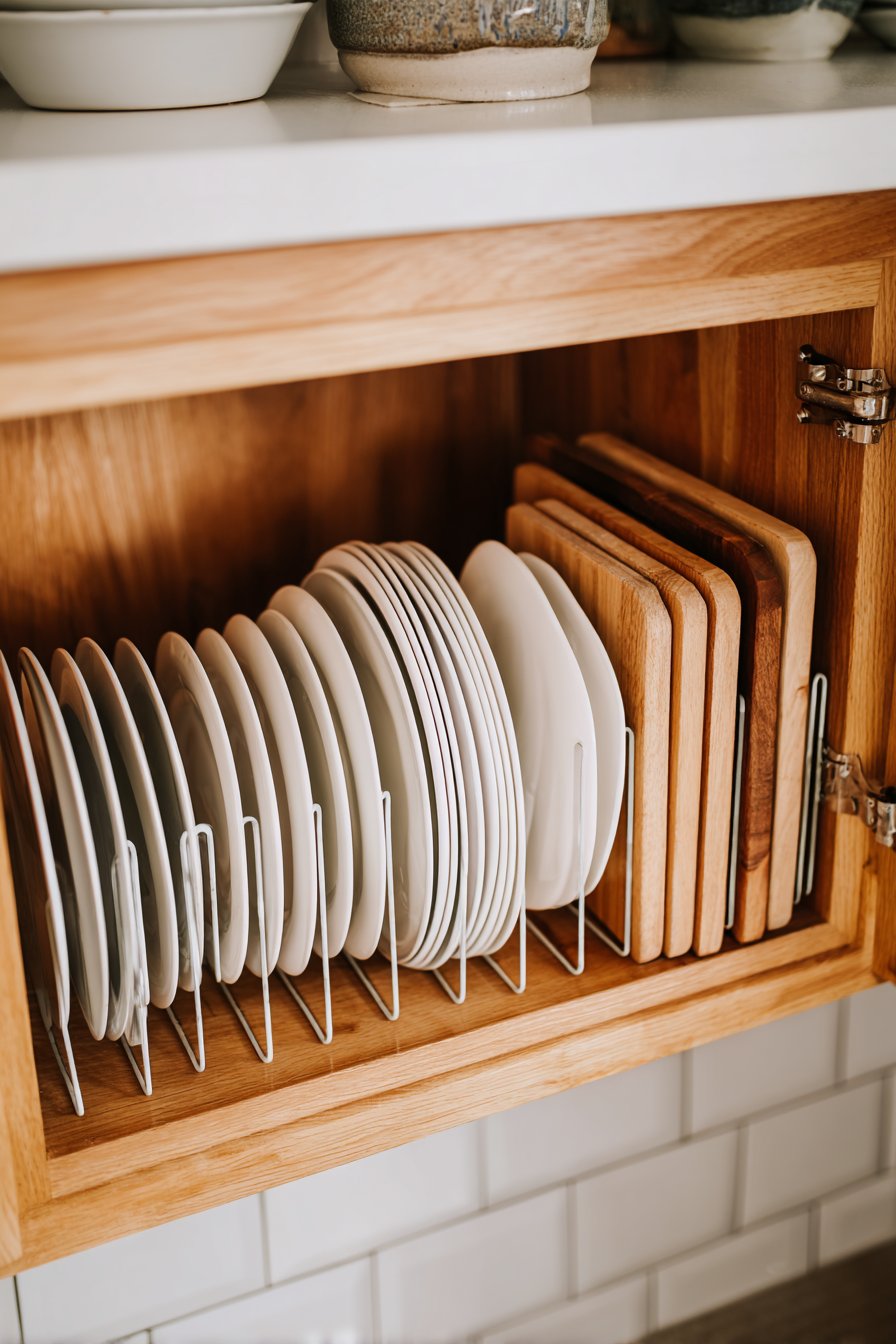
Installing adjustable dividers provides flexibility as your collection changes over time. The vertical storage method also maximizes visibility, letting you see every item at a glance without moving multiple pieces. Professional kitchens have used this technique for decades because it dramatically reduces preparation time and prevents costly dish damage.
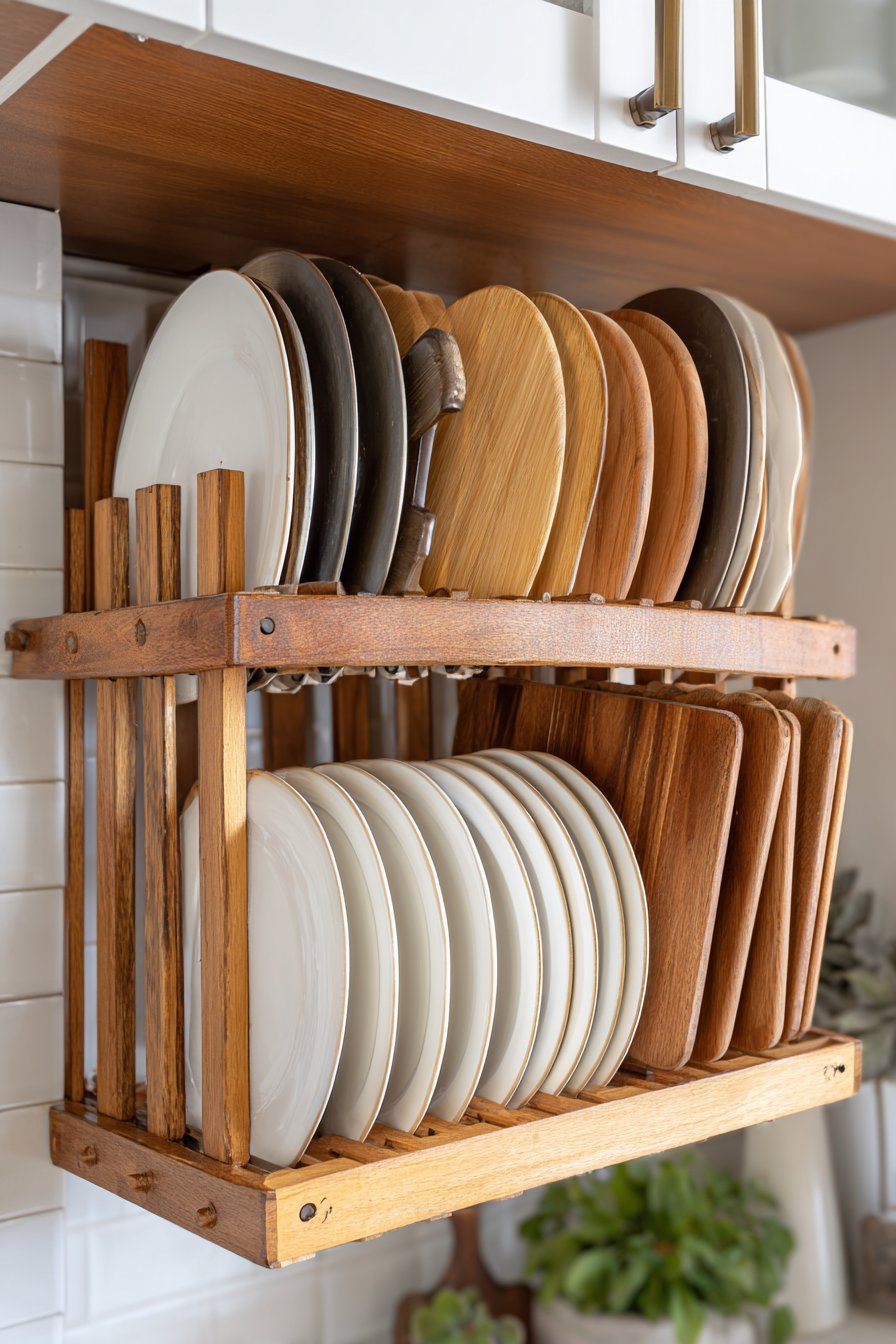
Consider the height variations in your cookware collection when selecting divider systems. Customizable tension rods offer budget-friendly options for renters, while permanent installations work beautifully in owned homes. This organizational strategy particularly benefits households with extensive dishware collections or those passionate about baking with specialized pans. See our the kitchen organization mistakes for more direction in this style.
- Install tension rods every 2-3 inches for plates and shallow bowls
- Use commercial-grade dividers for heavy cast iron cookware
- Position dividers near prep areas for quick access during cooking
- Label sections when storing similar-sized items for instant identification
- Choose adjustable systems that accommodate future cookware purchases
- Measure cabinet depth before purchasing to ensure proper fit
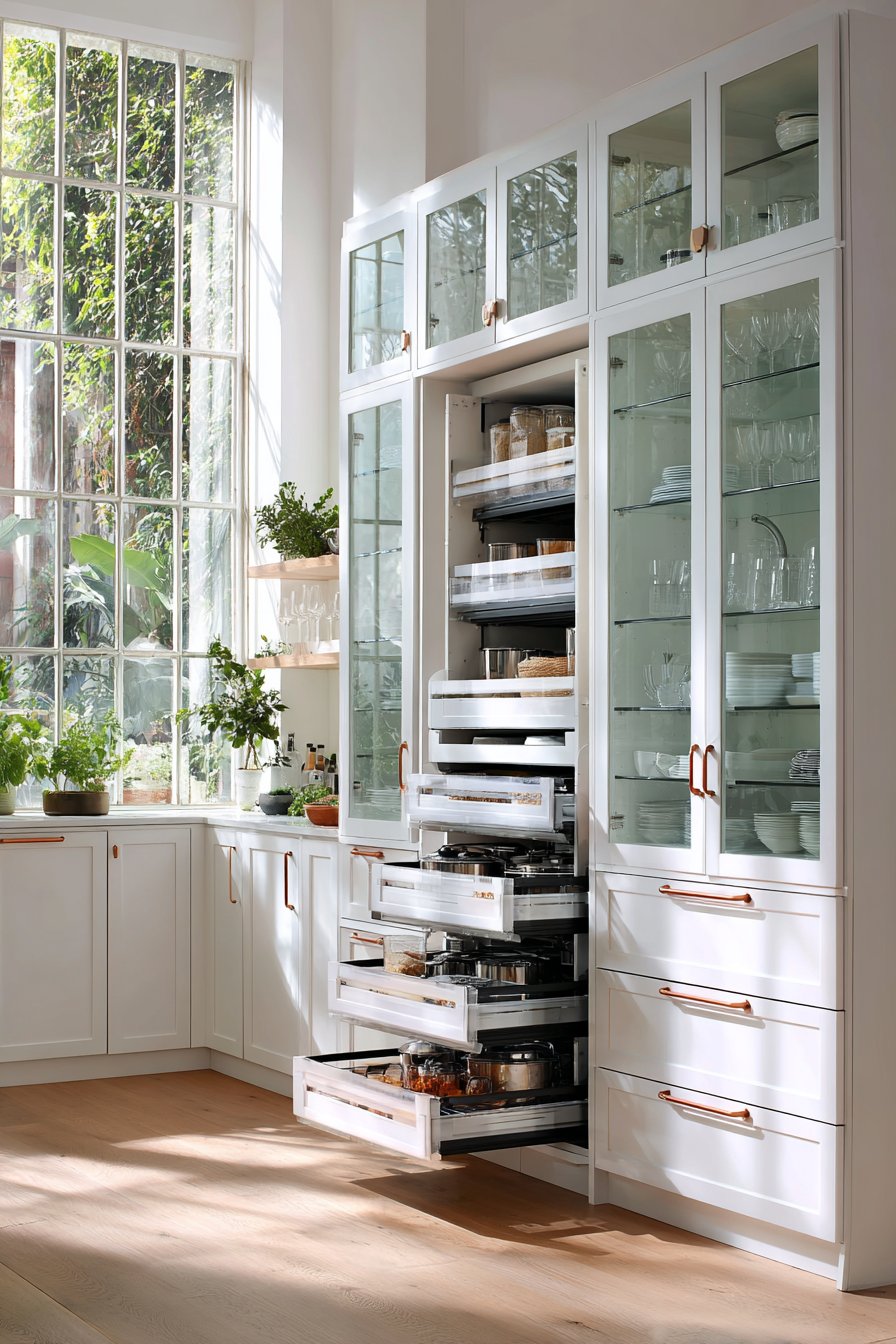
2. Create Pull-Out Drawer Systems for Deep Cabinets
Deep cabinets become black holes where food expires and small appliances disappear forever. Pull-out drawer systems transform these challenging spaces into accessible, functional storage zones. These sliding mechanisms bring every item to the front with a simple tug, eliminating the need to crawl inside cabinets or blindly reach into dark corners. Our kitchen storage solutions has more inspiration along these same lines.
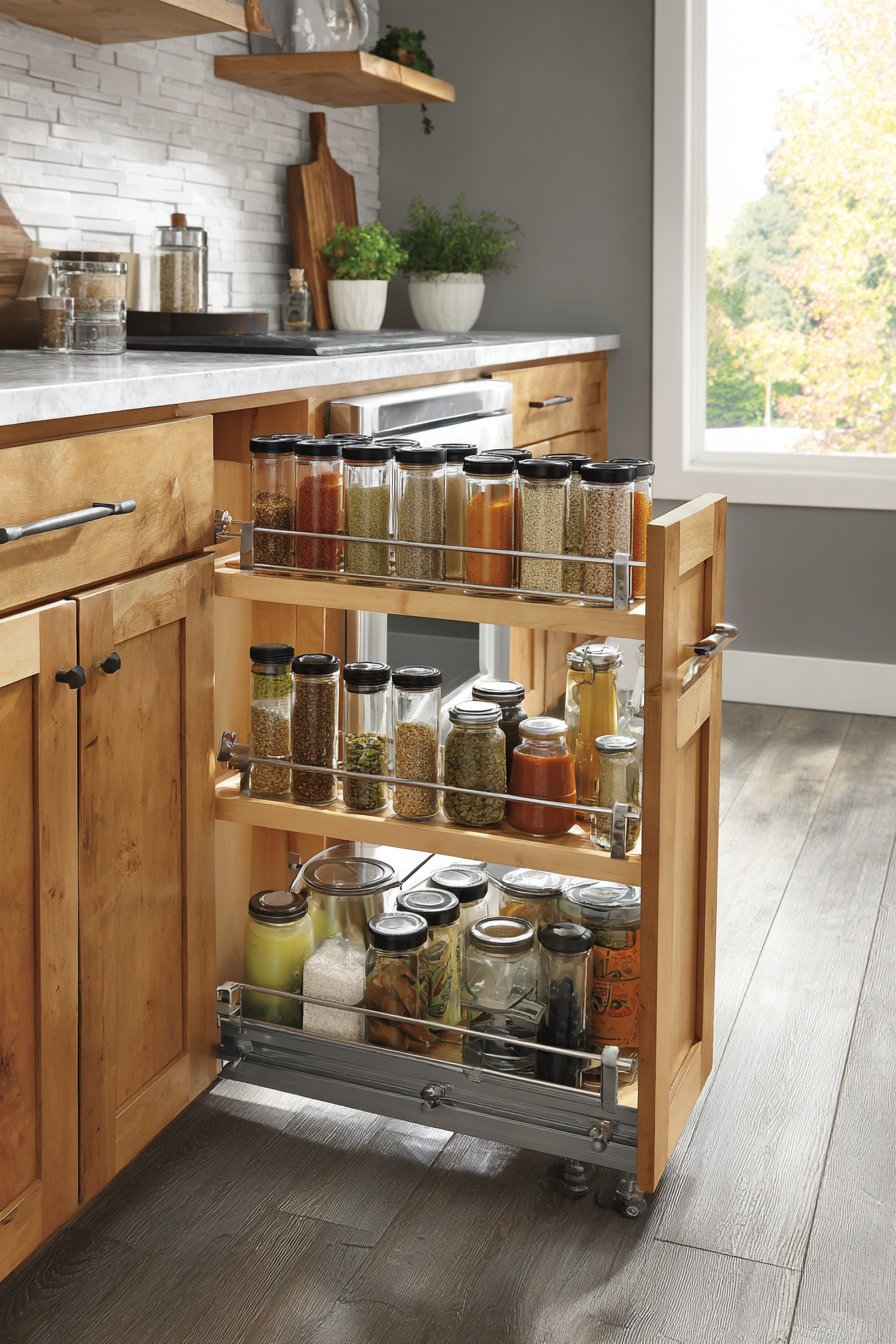
The drawer conversion approach works exceptionally well for corner cabinets and lower storage areas. Professional installers recommend soft-close mechanisms that prevent slamming and extend hardware lifespan. This investment pays dividends in reduced frustration and improved kitchen workflow, especially during busy meal preparation periods when efficiency matters most.
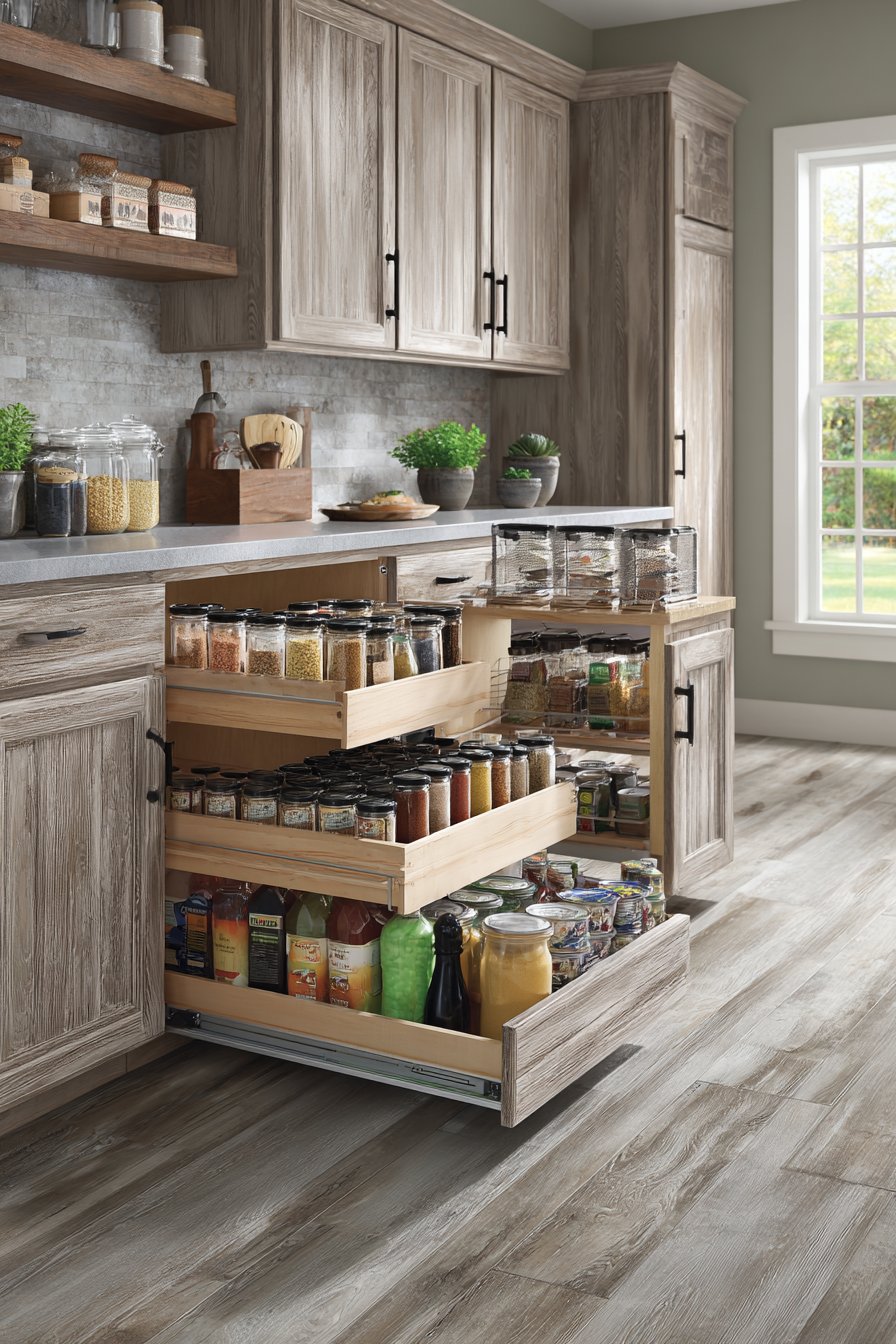
Modern pull-out systems accommodate various weights and sizes from lightweight pantry goods to heavy stand mixers. Custom configurations can include multiple tiers, specialized compartments for spices, or designated zones for cleaning supplies. The key is matching drawer depth to stored items while maintaining easy glide functionality even when fully loaded.
- Measure cabinet interiors precisely before ordering pull-out kits
- Install heavy-duty slides rated for at least 100 pounds
- Position frequently used items on upper tiers for easiest access
- Add drawer liners to prevent sliding and protect cabinet bottoms
- Organize items by category within each pull-out drawer
- Consider professional installation for complex corner cabinet systems
3. Utilize Door-Mounted Storage for Maximum Space Efficiency
Cabinet doors represent valuable untapped real estate in most kitchens. Door-mounted organizers instantly add storage capacity without reducing interior shelf space. This clever solution works perfectly for lightweight items like spices, measuring cups, cleaning supplies, or aluminum foil that need convenient access during cooking activities.
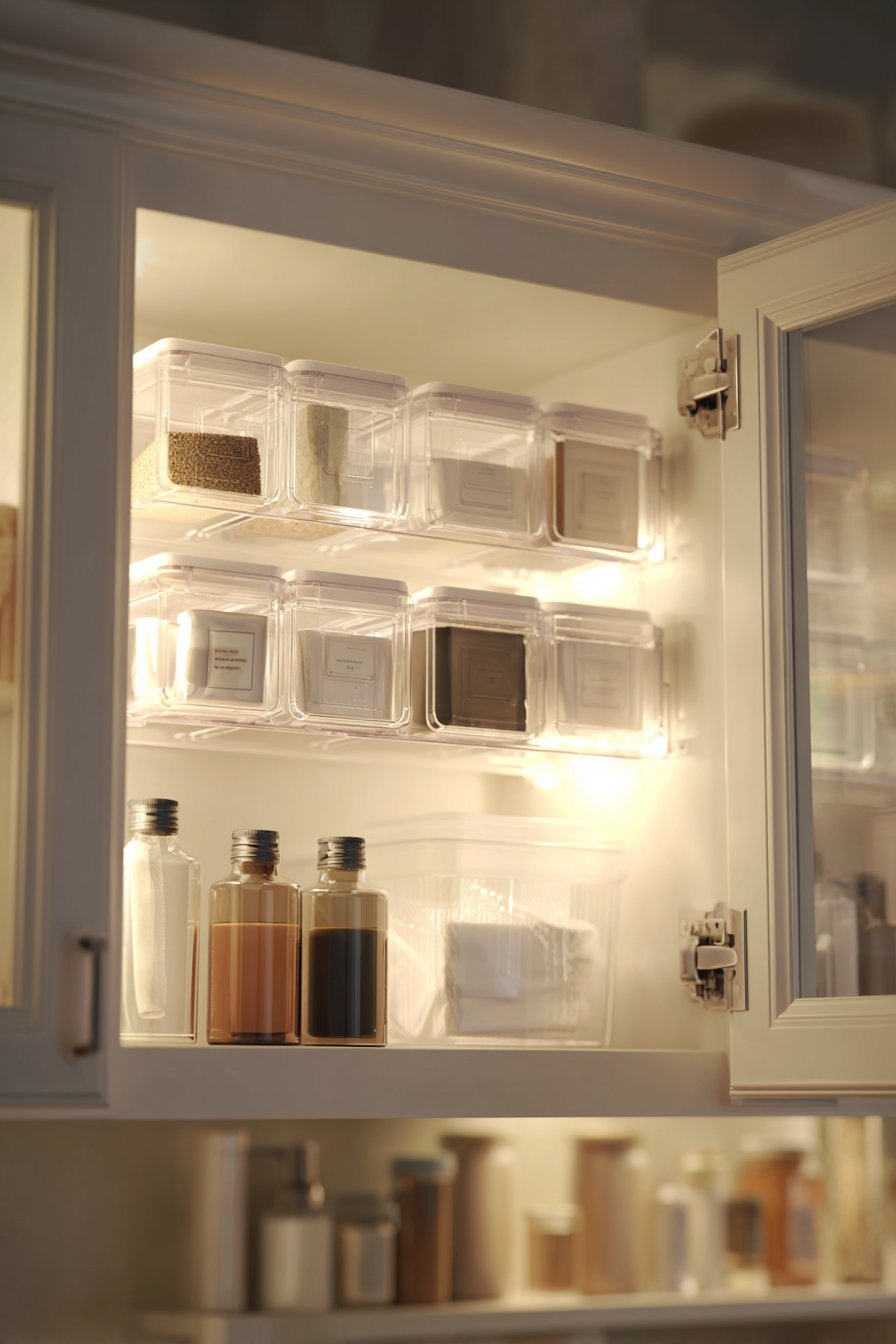
The door-mounting technique particularly benefits small kitchens where every square inch counts. Over-the-door racks, magnetic strips, and adhesive hooks transform empty vertical surfaces into functional storage zones. This approach keeps frequently used items visible and accessible while freeing premium shelf space for bulkier containers and appliances.
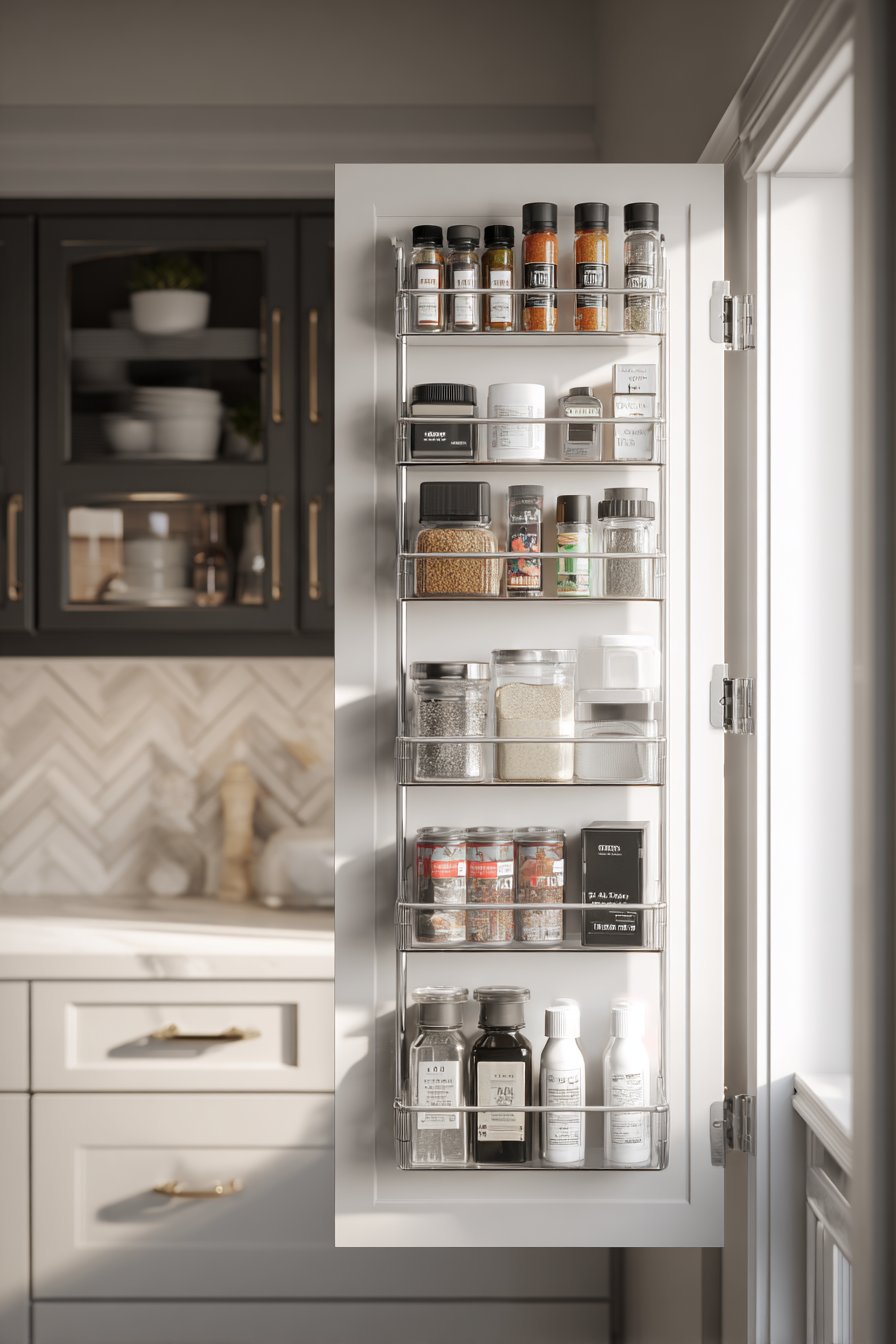
Strategic door organization requires careful weight distribution to prevent hinge strain and premature wear. Lightweight organizers with multiple small compartments work better than single heavy baskets. Consider the door’s swing radius and ensure mounted items won’t collide with shelf contents when opening and closing cabinet doors.
- Choose organizers specifically designed for cabinet door thickness
- Mount heavier items on lower portions to reduce hinge stress
- Install clear acrylic organizers for better visibility of stored items
- Use command strips for damage-free mounting in rental properties
- Limit door storage weight to manufacturer specifications
- Position items away from door edges to prevent catching
4. Establish Activity-Based Zones Throughout Your Kitchen
Professional chefs organize kitchens by activity zones that mirror natural cooking workflows. This strategy groups related items together based on their use rather than arbitrary categories. The baking zone contains mixing bowls, measuring cups, flour, and sugar near the preparation counter. The cooking zone places pots, pans, oils, and utensils adjacent to the stove.
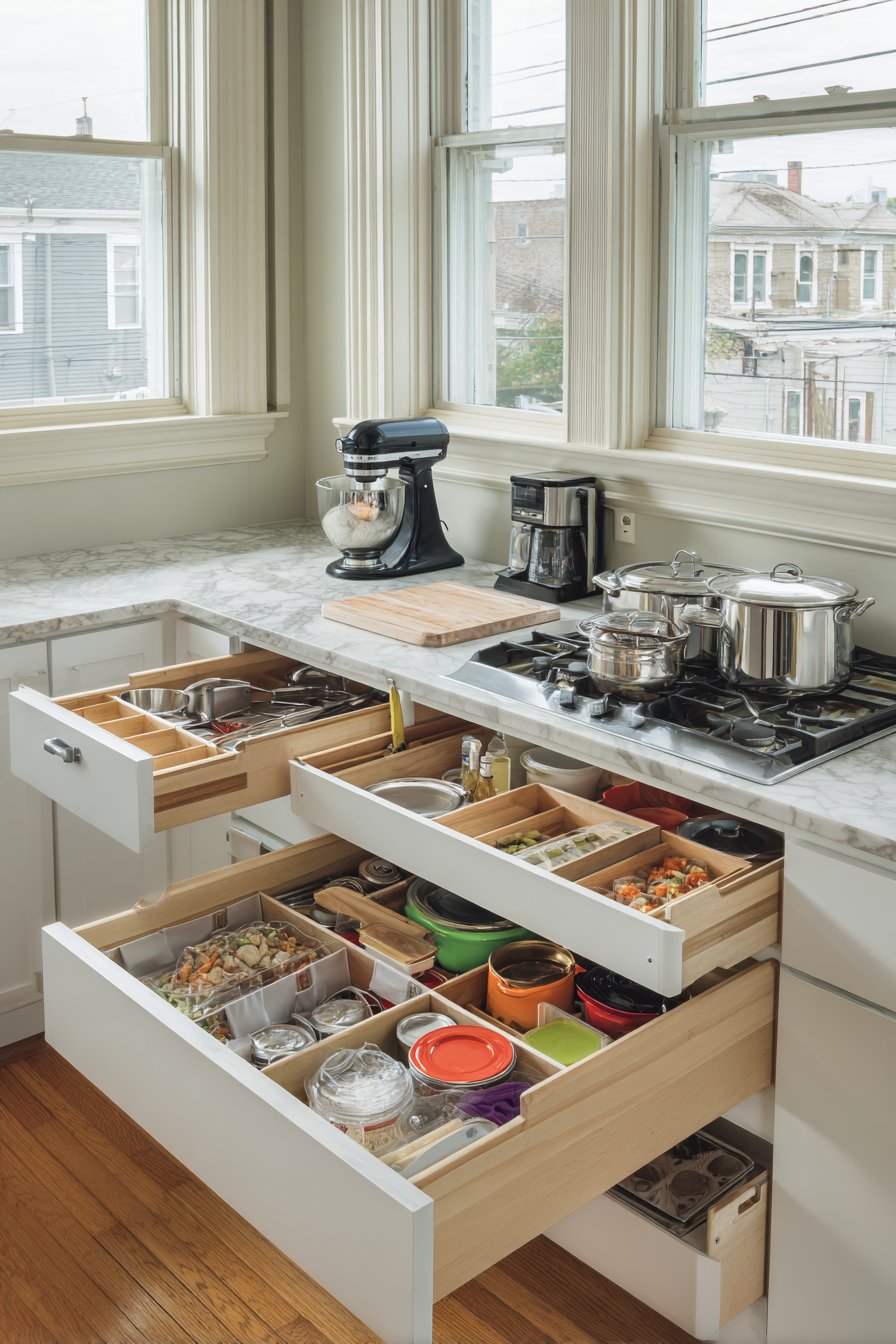
Zone-based organization dramatically reduces steps during meal preparation and cleanup. When everything needed for a specific task occupies one area, cooking becomes more intuitive and less stressful. This method also helps multiple people work simultaneously without creating congestion or confusion about item locations.
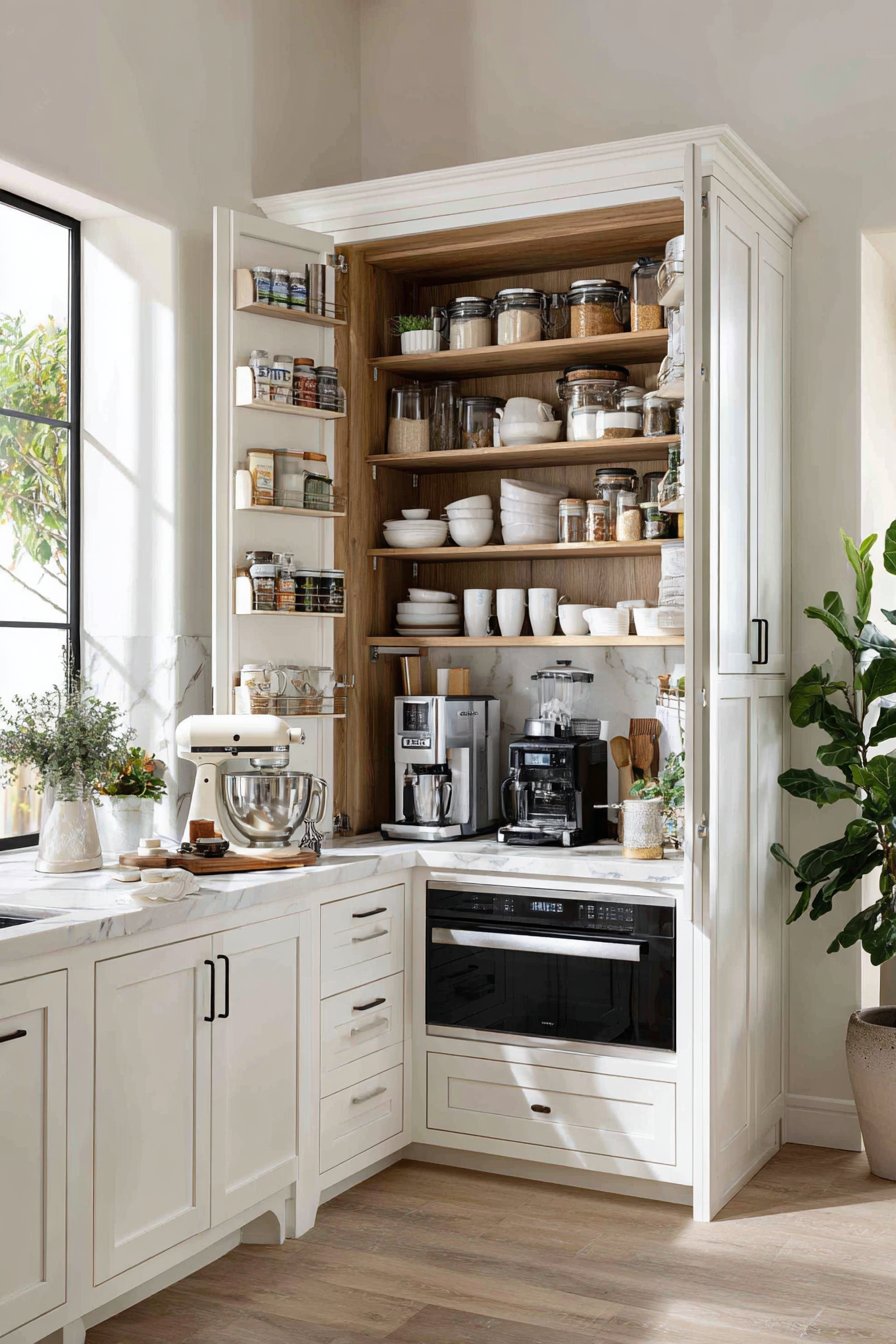
Creating effective zones requires analyzing your cooking patterns and kitchen layout. Common zones include beverage preparation, food storage, cooking, baking, and cleaning. Each zone should contain all necessary tools and ingredients for completing tasks without crossing the kitchen. This professional approach transforms chaotic cabinets into efficient, logical storage systems.
- Map out your most frequent cooking activities before reorganizing
- Position heavy items at waist level within each zone
- Store rarely used specialty items in less accessible upper cabinets
- Keep duplicate items like spatulas in multiple zones as needed
- Use clear containers within zones for better ingredient visibility
- Reassess zone effectiveness after two weeks and adjust accordingly
5. Install Adjustable Shelving for Flexible Storage Solutions
Fixed shelves waste valuable vertical space when items don’t fill the full height between surfaces. Adjustable shelving systems allow precise customization that accommodates everything from tall cereal boxes to short spice jars. This flexibility prevents the common problem of large gaps above shorter items while maximizing total storage capacity.
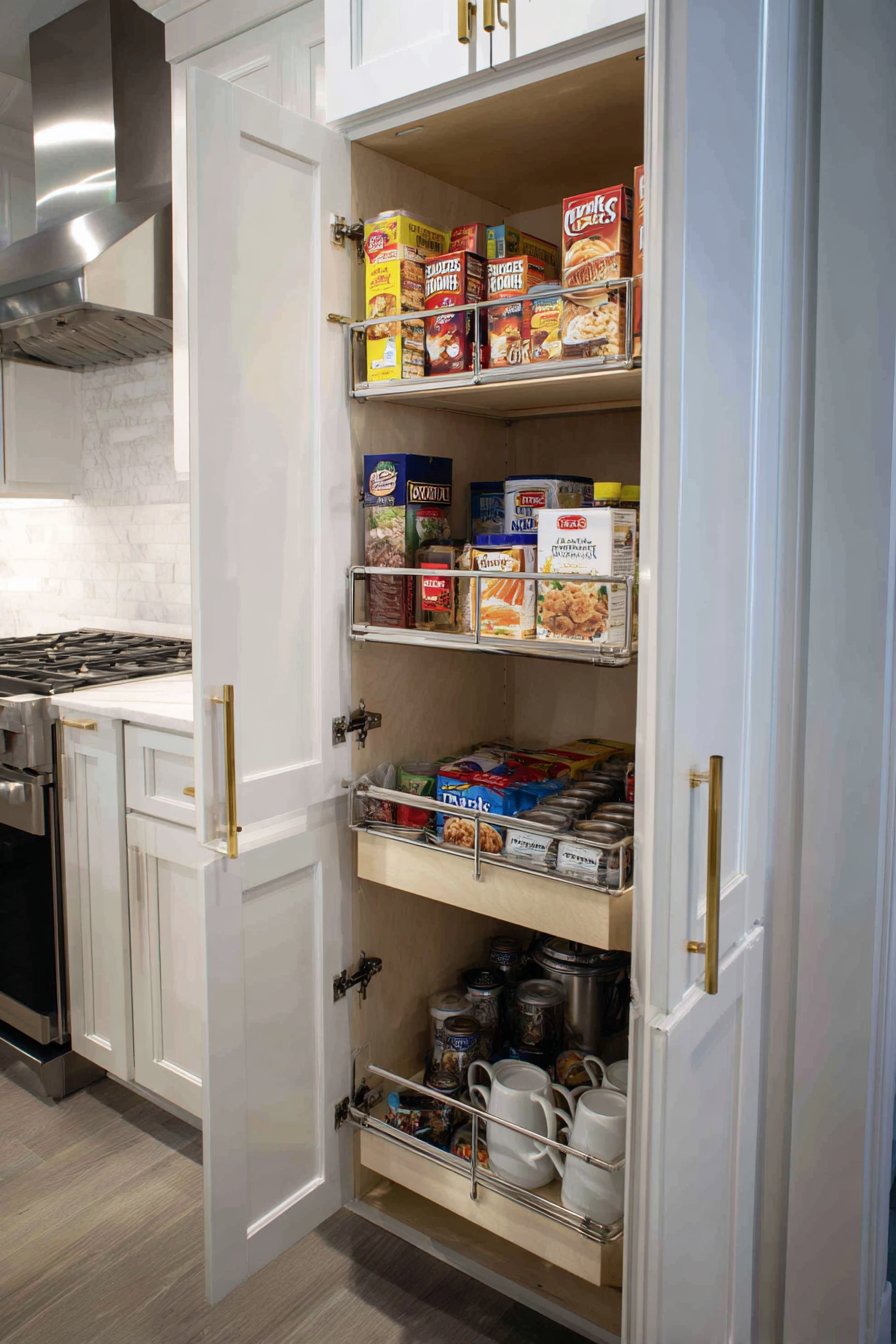
The adjustable approach adapts as your needs change over time. Young families with baby bottles eventually need space for school lunch supplies. Home bakers expand equipment collections requiring different configurations. Professional-grade adjustable shelves use metal pegs or tracks that support substantial weight while remaining easy to reposition.
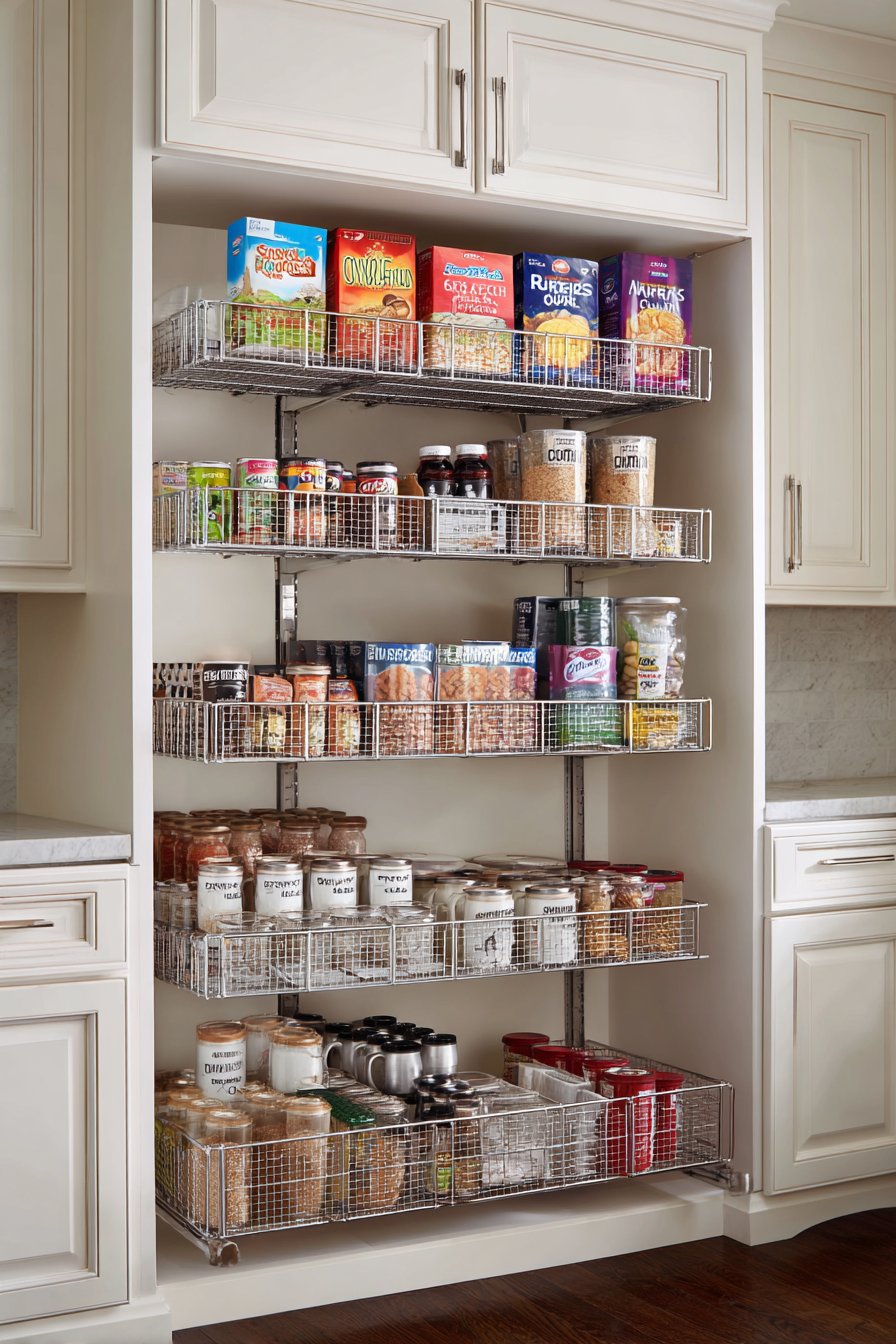
Consider using shelf risers within adjustable systems to create additional levels for small items. This double-layer approach works beautifully for canned goods, mugs, or spice collections. Proper shelf spacing ensures each level remains accessible without requiring extreme reaching or crouching during daily use.
- Measure item heights before setting shelf positions
- Leave 1-2 inches clearance above tallest items per shelf
- Install shelves at 12-18 inch intervals for standard items
- Use shelf liners to prevent sliding and protect surfaces
- Position most-used items at eye level for easy access
- Invest in commercial-grade hardware for durability and weight capacity
6. Implement Clear Container Systems for Pantry Items
Mismatched packaging and opaque containers create visual chaos and make inventory tracking impossible. Clear storage containers revolutionize pantry organization by providing instant visibility of contents and quantities. This simple switch eliminates duplicate purchases and reduces food waste by keeping everything in plain sight rather than buried behind boxes.
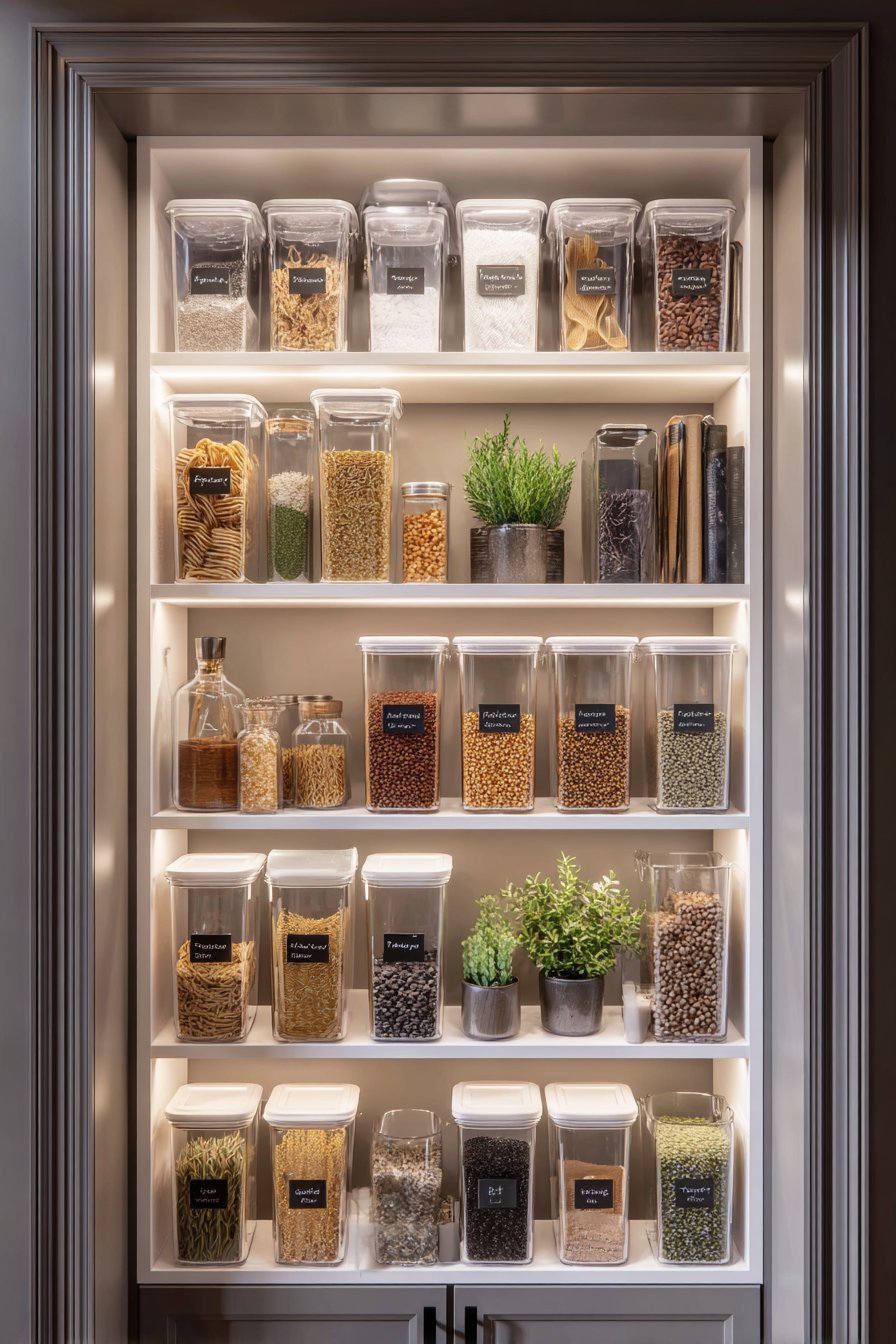
Uniform container systems create a cohesive, professional appearance while maximizing space efficiency. Square and rectangular shapes nest together better than round containers, utilizing corners and edges effectively. Labels identify contents at a glance, eliminating guesswork and preventing the frustration of opening multiple containers during meal preparation.
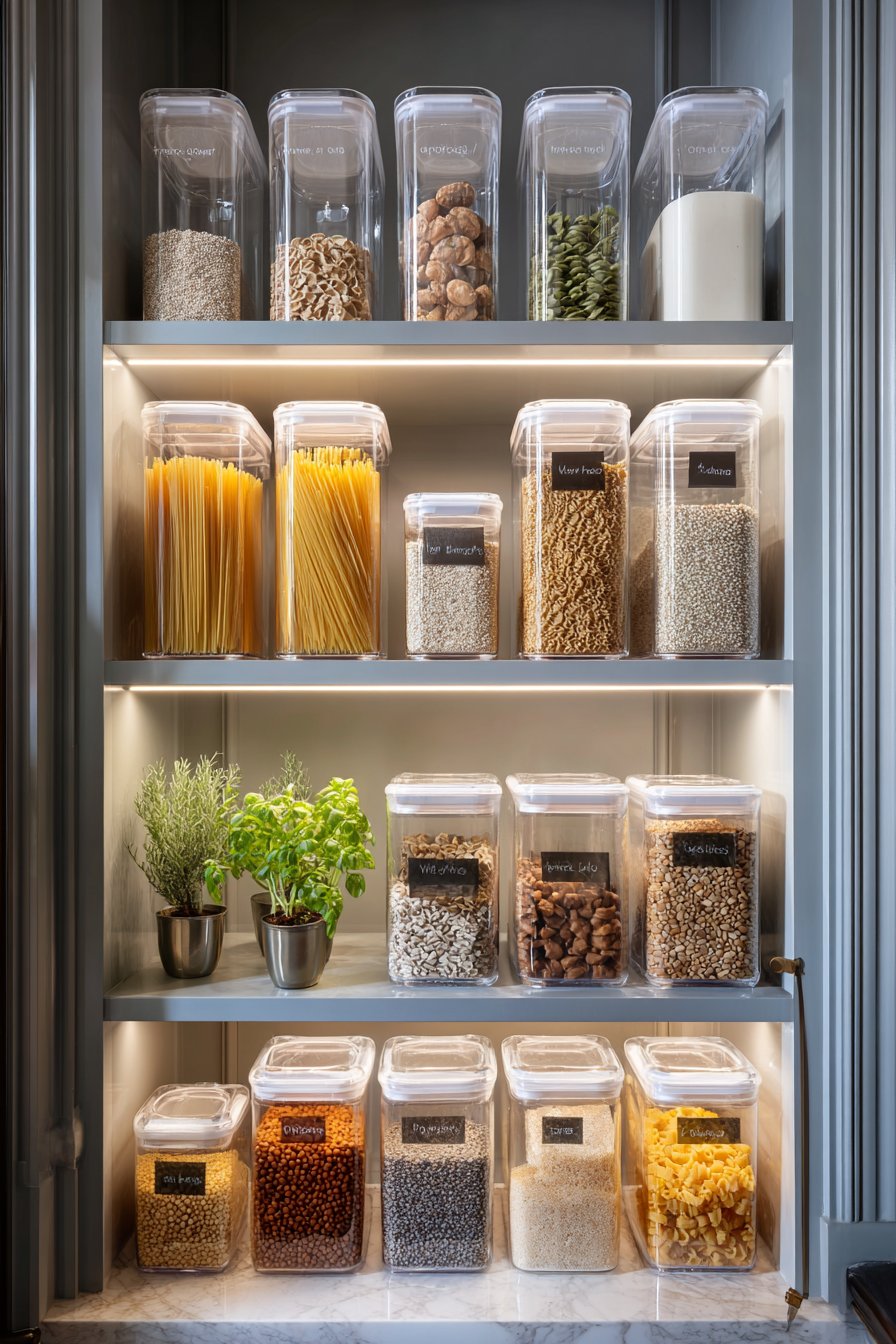
Choose containers with airtight seals to maintain freshness and prevent pest infiltration. Stackable designs with identical footprints allow vertical organization without wasting space. This investment in quality storage pays long-term dividends through reduced food spoilage and streamlined cooking processes that save valuable time.
- Invest in BPA-free plastic or glass containers for food safety
- Use chalkboard labels that erase and update easily
- Standardize container sizes for cereals, grains, and baking supplies
- Stack smaller containers inside larger ones when not in use
- Transfer items immediately after shopping to maintain organization
- Choose containers with wide openings for easy scooping and pouring
7. Maximize Corner Cabinet Space with Lazy Susan Turntables
Corner cabinets present unique challenges with their awkward angles and deep, inaccessible spaces. Lazy Susan turntables transform these problematic areas into highly functional storage zones. The rotating design brings every item to the front with a simple spin, eliminating the frustration of reaching into dark corners or forgetting about hidden products.
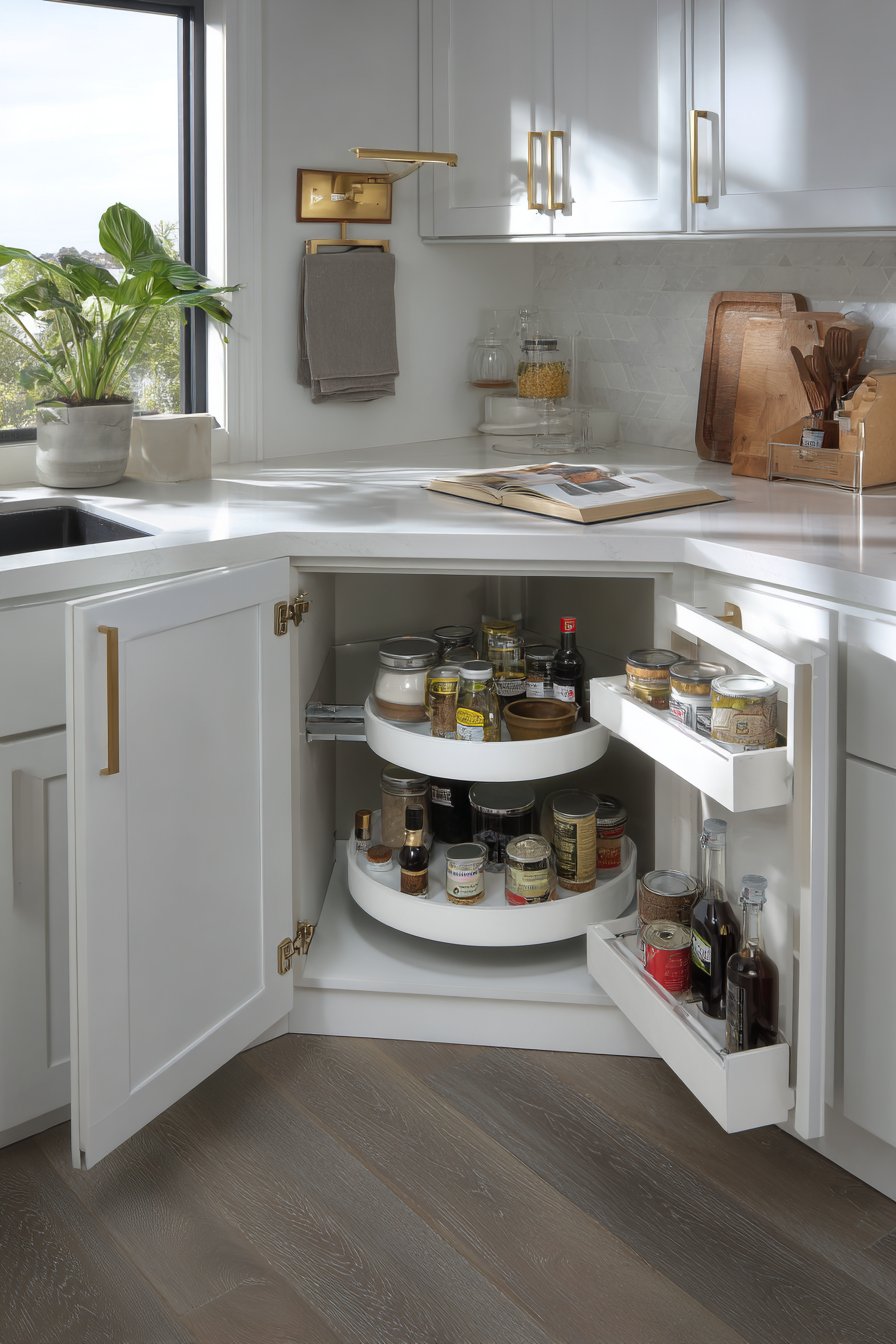
Multi-tiered turntables multiply storage capacity while maintaining accessibility. This solution works exceptionally well for spices, oils, condiments, canned goods, or small appliances. Professional organizers recommend this as the single most effective upgrade for corner cabinet functionality and user satisfaction.
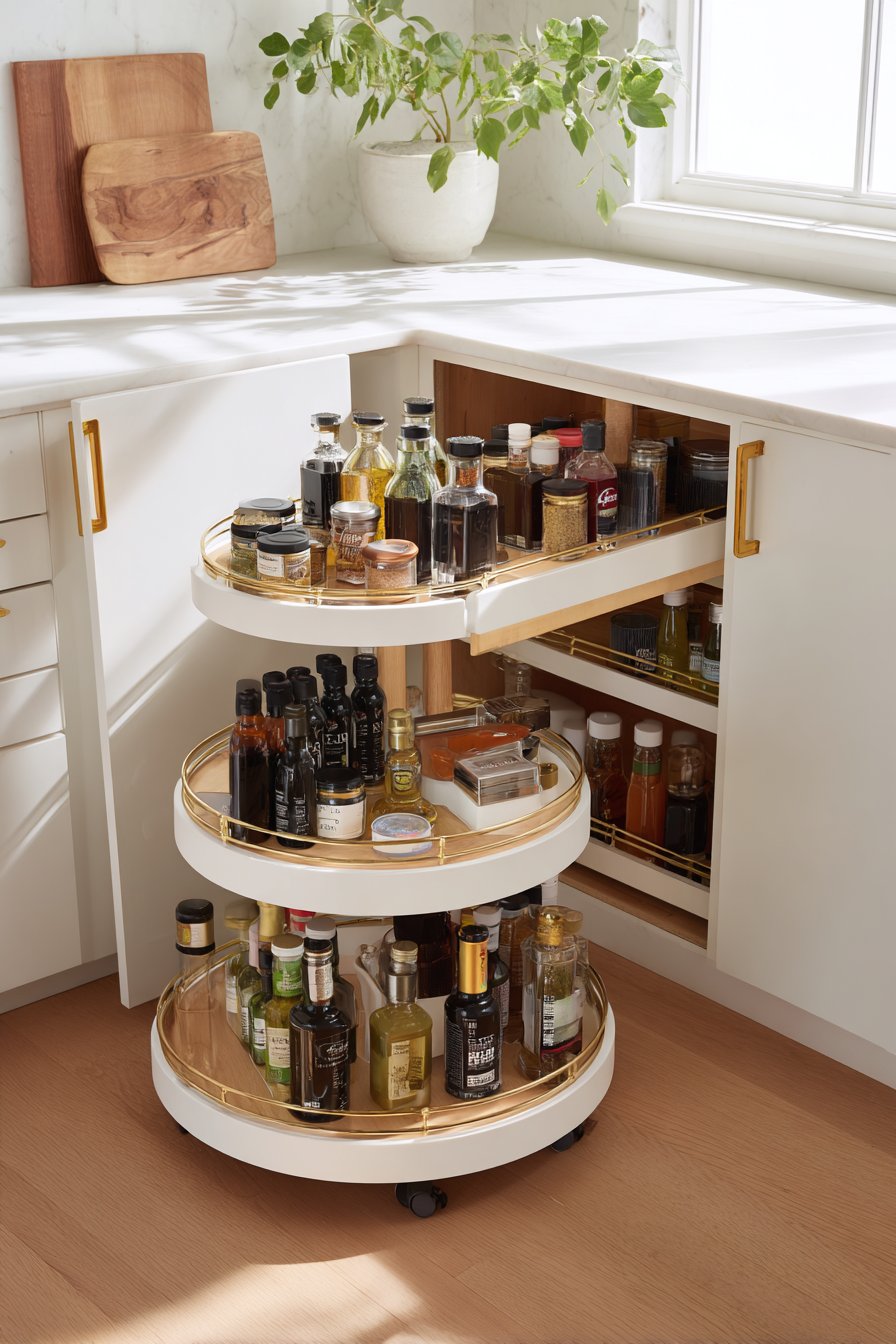
Select turntable sizes that maximize diameter without preventing cabinet door closure. Non-slip surfaces prevent bottles from sliding during rotation. Consider separate turntables for different categories rather than mixing unrelated items on shared platforms. This targeted approach maintains organization even as contents change over time.
- Measure corner cabinet diameter before purchasing turntables
- Choose two-tier systems for doubled storage capacity
- Group similar items together on each turntable level
- Use turntables with raised edges to contain taller bottles
- Clean rotating mechanisms quarterly for smooth operation
- Position frequently used items at front for immediate access
Conclusion
Transforming kitchen cabinets from cluttered chaos into organized efficiency requires strategic planning and smart storage solutions. These seven professional tricks address common frustrations while creating systems that adapt to changing needs. From vertical dividers to lazy susans, each technique offers measurable improvements in accessibility, functionality, and visual appeal.
Implementing these organizational strategies doesn’t require complete kitchen renovation or massive budgets. Start with one or two techniques that address your most pressing challenges. The cumulative effect of multiple small improvements creates dramatic transformation in how you experience your kitchen daily. Remember that organization is an ongoing process—regularly reassess and adjust systems to maintain peak efficiency and enjoy cooking in a space that truly works for you.
