


A well-organized kitchen isn’t just about aesthetics—it’s the foundation of functional living spaces that make daily routines smoother and more enjoyable. Yet countless homeowners struggle with cluttered countertops, overstuffed cabinets, and inefficient layouts that turn meal preparation into a frustrating experience. The kitchen serves as the heart of the home, and when this central space lacks proper organization, it affects everything from cooking efficiency to family gatherings.
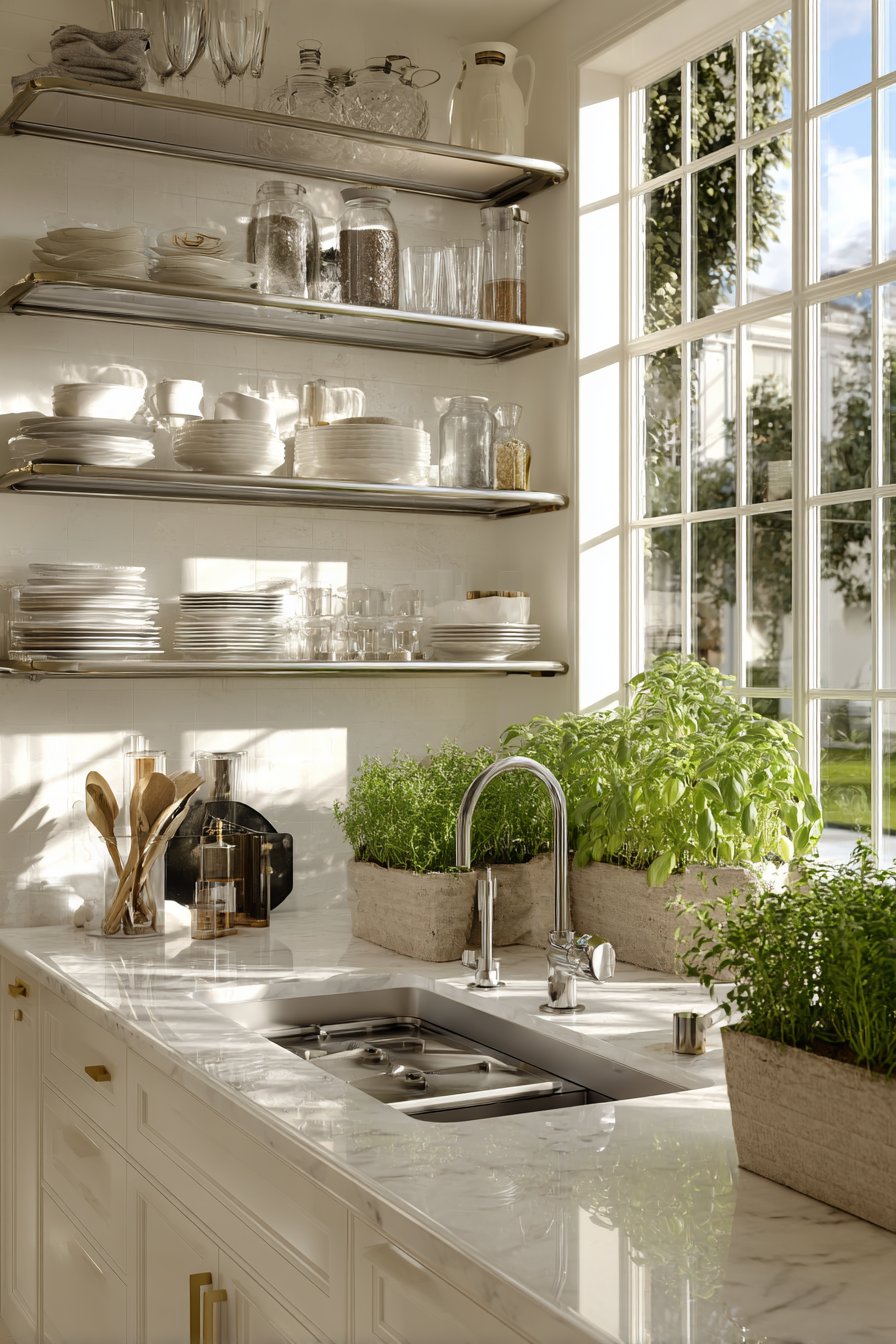
Understanding common organizational pitfalls helps transform chaotic kitchens into streamlined, purposeful environments. Many homeowners unknowingly create obstacles that complicate their daily tasks, from poor storage solutions to neglecting the natural workflow of food preparation. This article explores eight critical mistakes that compromise kitchen functionality and provides actionable solutions to help you create a space that works with you, not against you. Whether you’re renovating or simply reorganizing, recognizing these errors marks the first step toward a more efficient, enjoyable cooking environment. Our clever kitchen storage ideas guide has more inspiration along these same lines.
1. Ignoring the Kitchen Work Triangle
The kitchen work triangle remains a fundamental principle that many homeowners overlook when organizing their space. This concept connects your three primary work zones—the refrigerator, sink, and stove—in a triangular layout that minimizes unnecessary movement during meal preparation. When this triangle becomes disrupted by poor organization or cluttered pathways, cooking efficiency drops dramatically, and frustration levels rise.
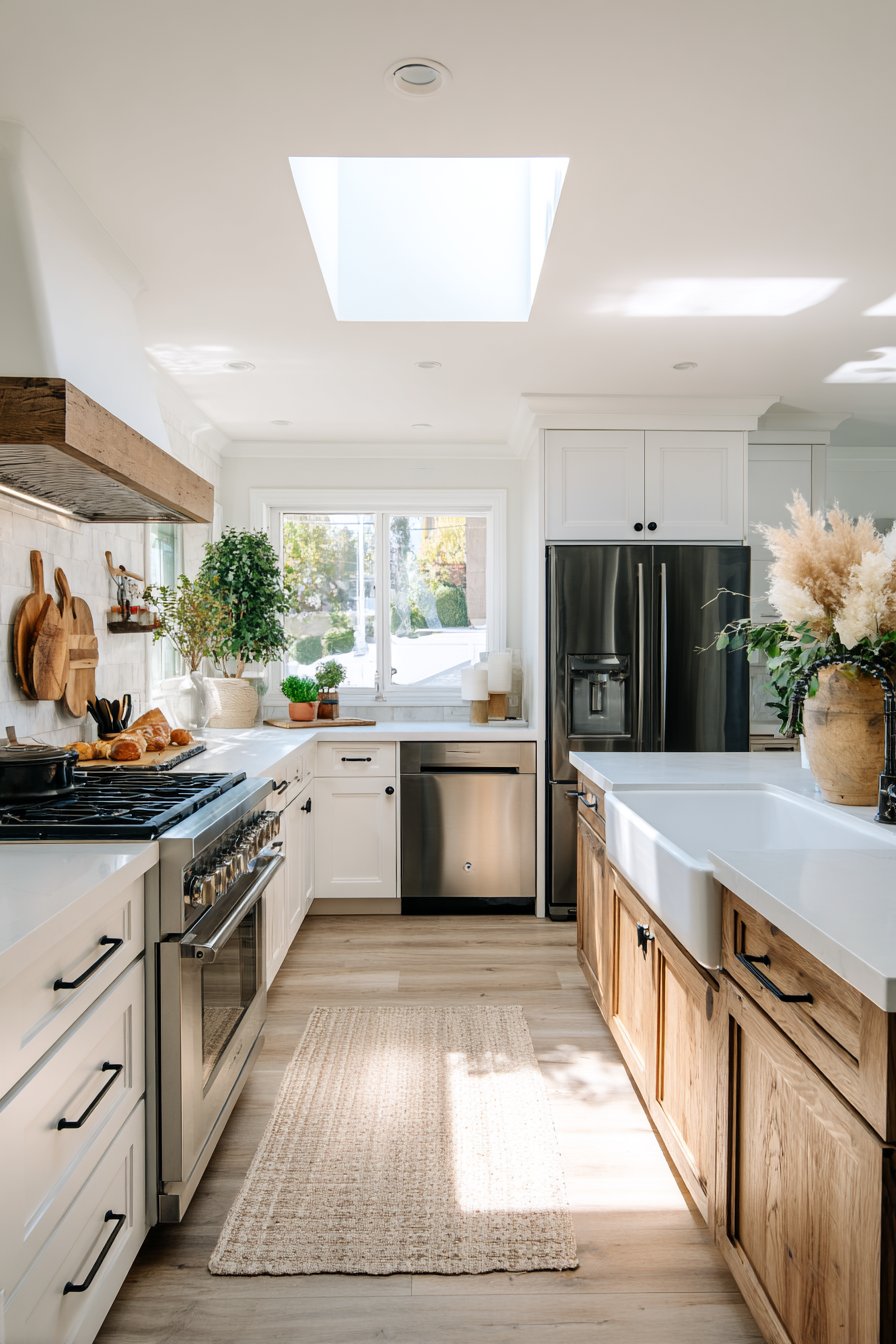
Homeowners often place frequently used items far from their point of use, forcing unnecessary trips across the kitchen. The ideal work triangle should measure between 12 and 26 feet total, with no single leg exceeding 9 feet. Disrupting this flow by storing pots far from the stove or cutting boards away from the sink creates inefficiency that compounds throughout your day.
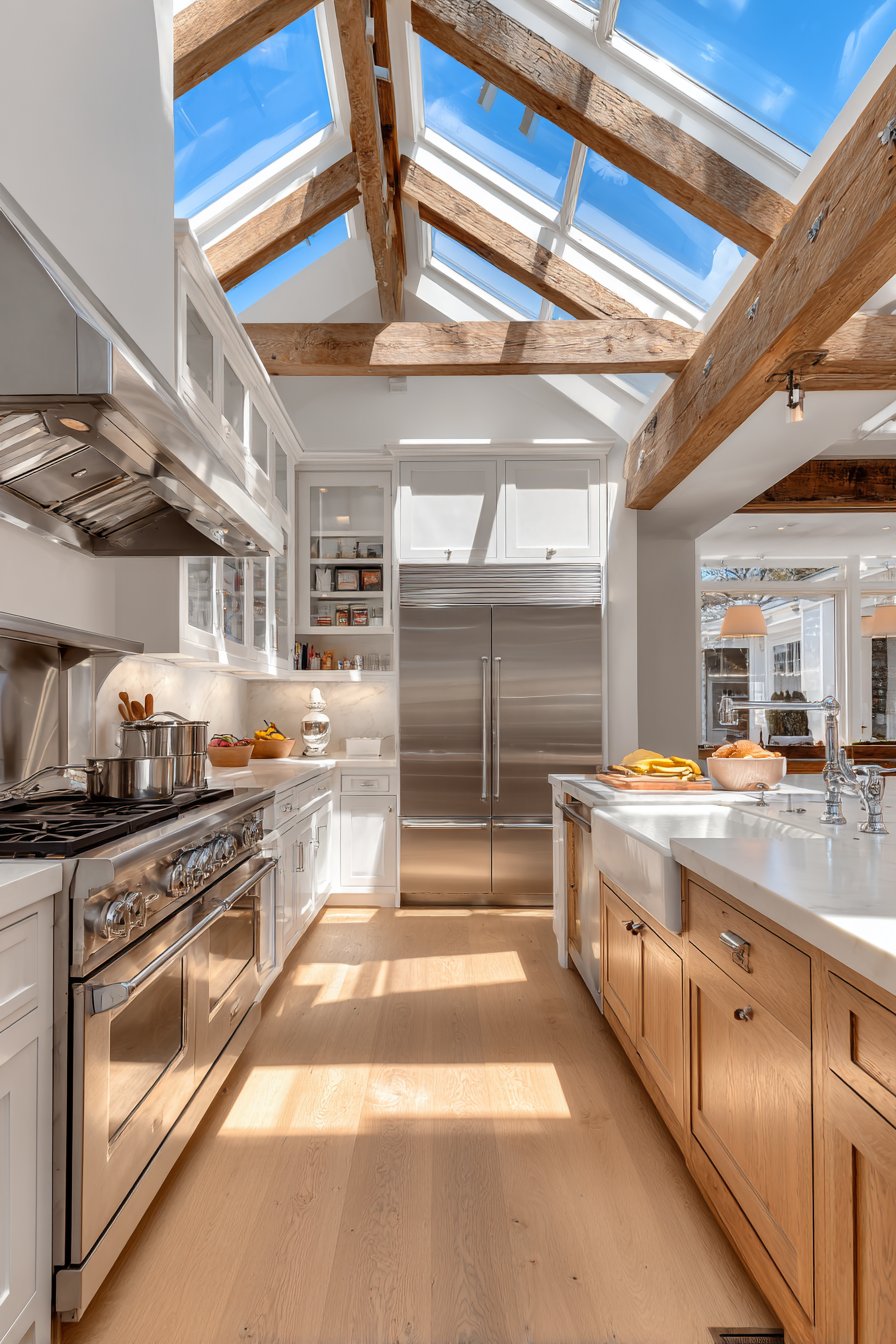
Strategic placement respects the natural cooking sequence from food storage to preparation to cooking. Consider how ingredients move through your kitchen—from refrigerator to counter to stove to serving area. Organizing with this progression in mind reduces steps, saves time, and makes cooking genuinely enjoyable rather than exhausting.
- Store pots and pans in cabinets nearest to the stove
- Keep cutting boards and knives within arm’s reach of the sink
- Position frequently used utensils between the stove and prep area
- Place cooking oils and spices near the range for easy access
- Ensure clear pathways between the three work zones
- Maintain at least 4 feet of aisle space in the work triangle
2. Failing to Utilize Vertical Storage Space
Ceiling height offers tremendous organizational potential that most homeowners completely ignore. Looking up reveals untapped storage opportunities that could solve crowded cabinet problems without expensive renovations. Many kitchens waste 12 to 24 inches of valuable vertical space above cabinets, missing chances to store seasonal items, large serving pieces, or decorative containers. See our the kitchen cabinet organization for more direction in this style.
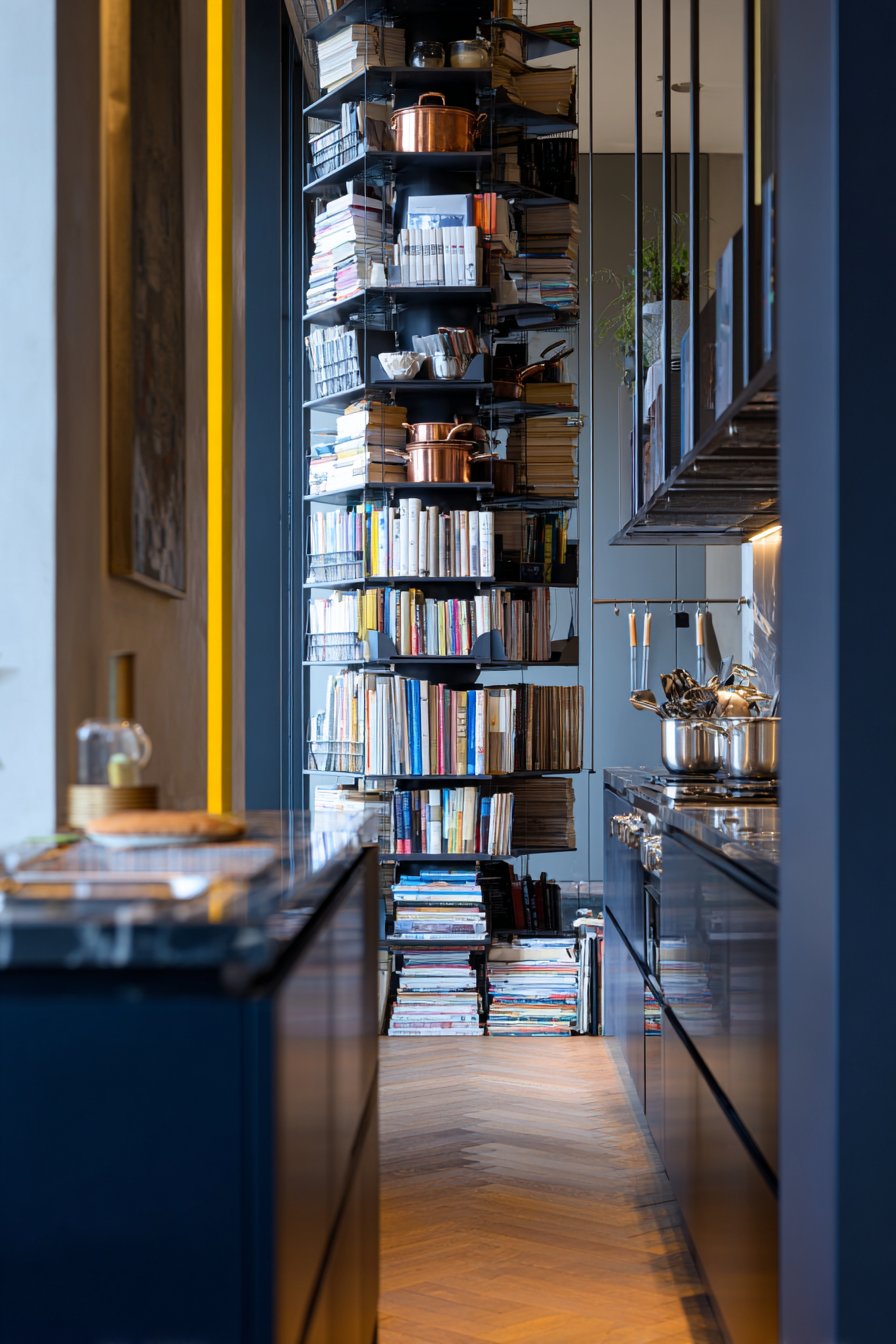
Installing stacked shelving systems or tall cabinets that reach the ceiling maximizes every inch of available space. While items stored at higher levels shouldn’t be daily-use pieces, they’re perfect for holiday dishes, specialty appliances, or bulk pantry items purchased during sales. Wall-mounted racks, pegboards, and magnetic strips transform empty wall space into functional storage zones.
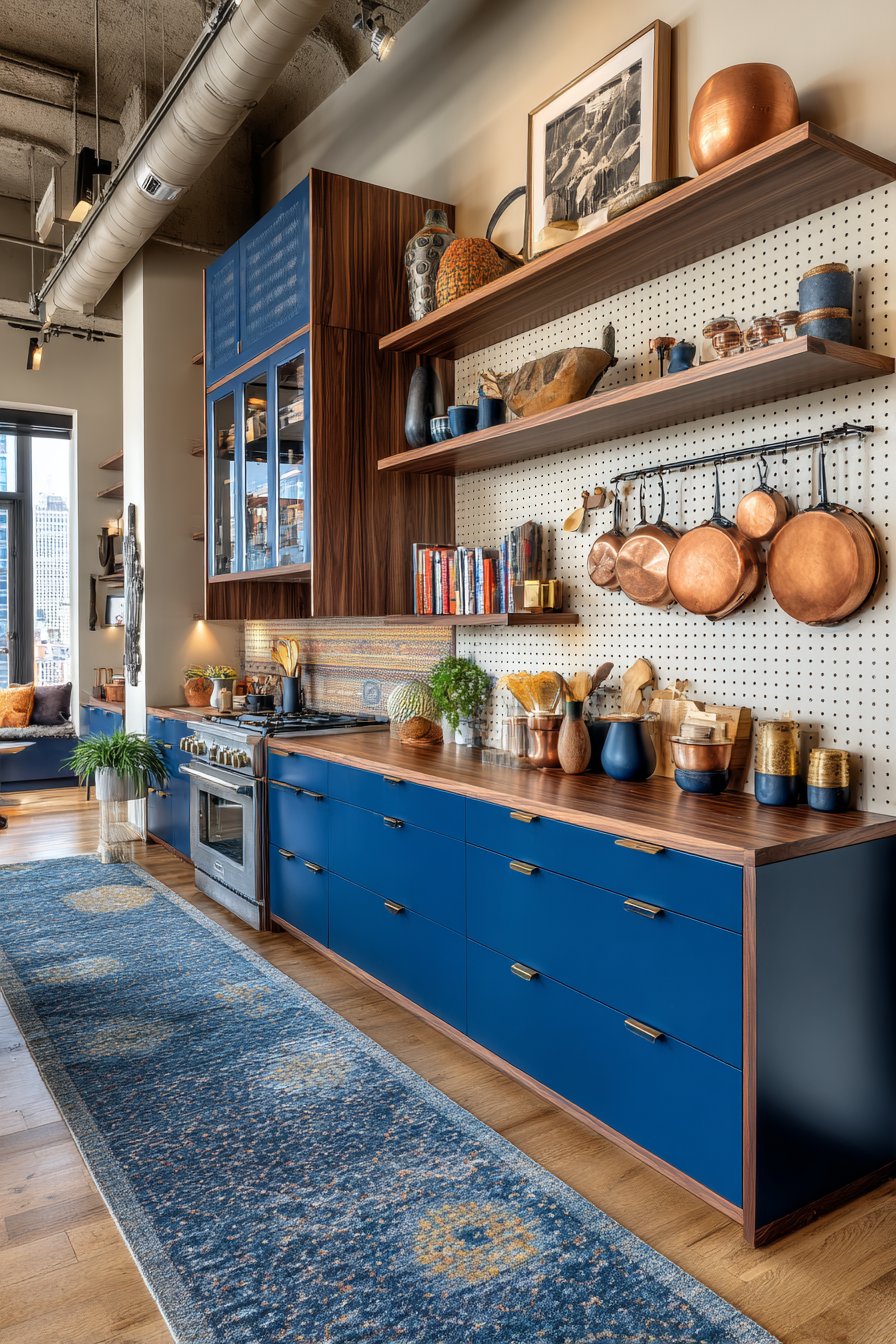
The key lies in making vertical storage both accessible and organized . Use step stools that fold away neatly, label containers clearly, and reserve top shelves for lightweight items. Vertical organization creates the illusion of larger kitchens while providing practical storage solutions that keep countertops clear and clutter-free. Our kitchen storage solutions has more inspiration along these same lines.
- Install ceiling-height cabinets during renovations or upgrades
- Add stackable shelf risers inside existing cabinets to double capacity
- Mount floating shelves on empty wall sections for everyday items
- Use over-the-door organizers for cleaning supplies or spices
- Hang pot racks from the ceiling in kitchens with adequate height
- Consider pull-down shelving systems for upper cabinet accessibility
3. Creating Overstuffed, Disorganized Cabinets
Cramming too many items into limited cabinet space represents one of the most common organizational failures in modern kitchens. When cabinets become overstuffed repositories, finding specific items becomes nearly impossible, leading to duplicate purchases and wasted money. The “out of sight, out of mind” mentality causes homeowners to forget what they own, resulting in expired foods and unused kitchen gadgets.
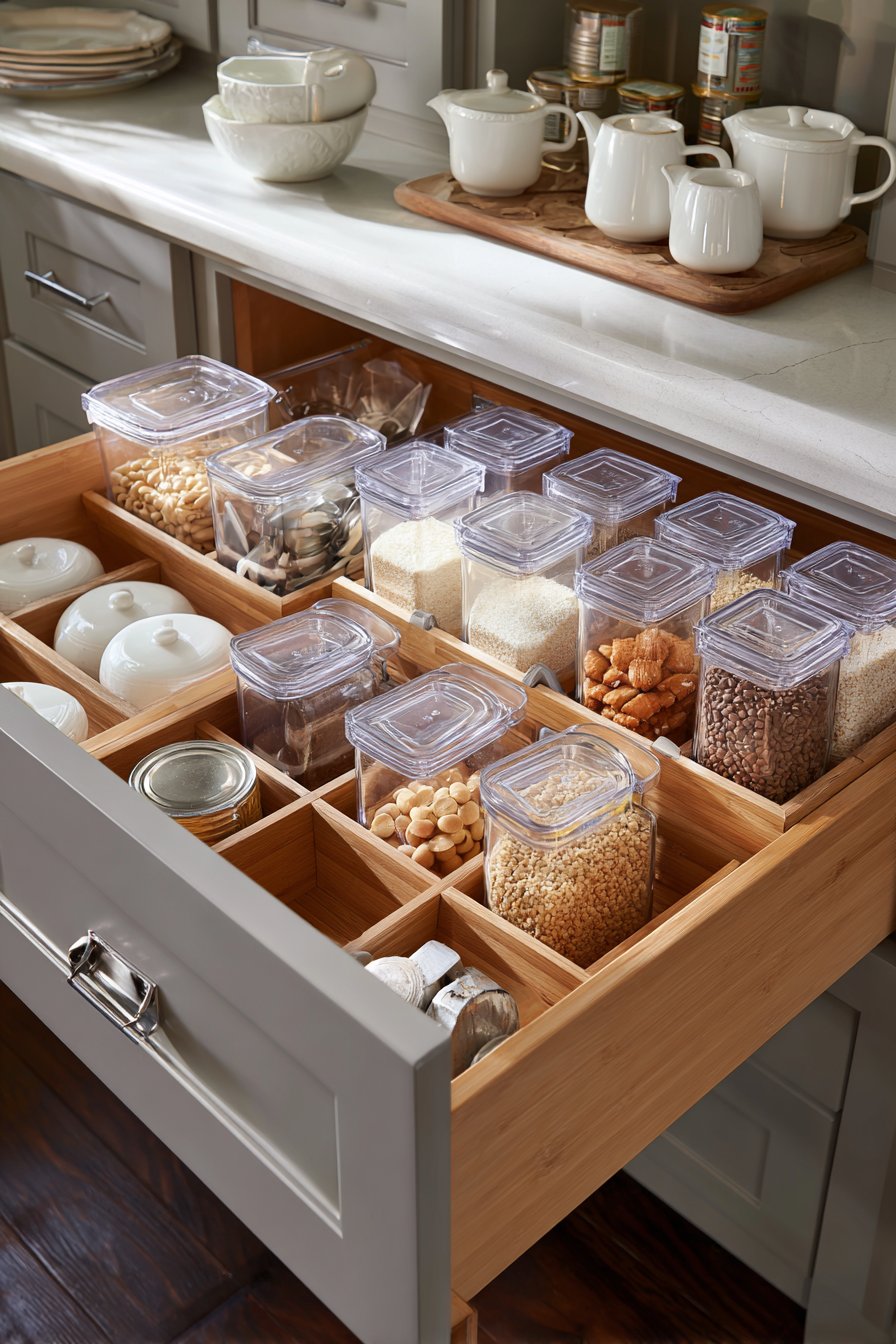
Strategic decluttering must precede any organizational system. Remove everything from cabinets, assess what you actually use, and donate or discard items that haven’t served a purpose in six months. Most households use only 20% of their kitchen items regularly, yet hold onto the remaining 80% out of habit or sentiment.
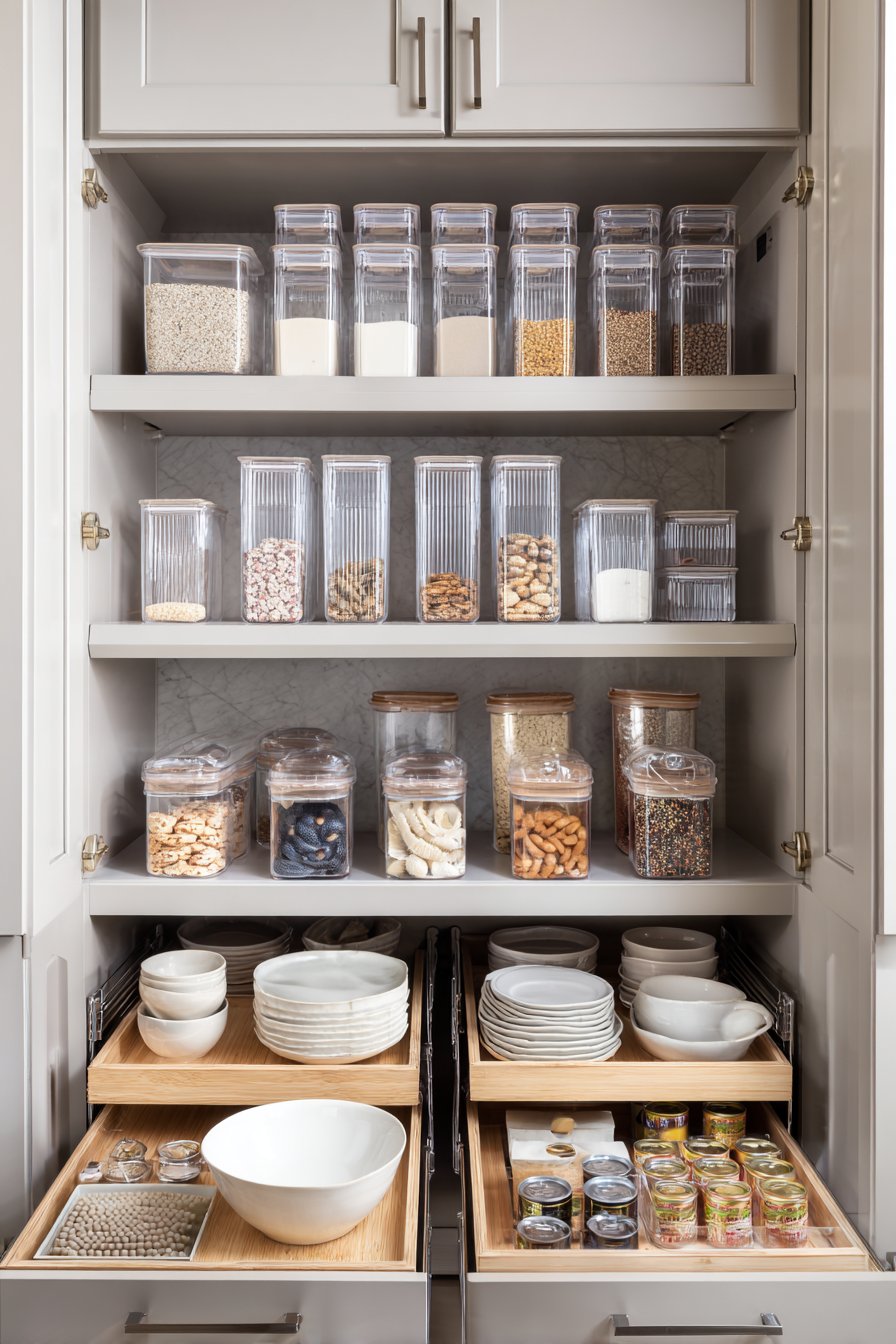
Implementing drawer dividers and shelf organizers transforms chaotic cabinets into efficient storage zones. Group similar items together—baking supplies in one area, canned goods in another, dinnerware in a third. This systematic approach saves time, reduces stress, and prevents the avalanche effect when opening overpacked cabinet doors.
- Remove everything and clean cabinets thoroughly before reorganizing
- Use clear storage containers to see contents at a glance
- Install pull-out shelves for better access to deep cabinet spaces
- Group items by frequency of use, keeping daily items most accessible
- Label shelves and containers to maintain organization long-term
- Limit kitchen gadgets to those used at least monthly
4. Neglecting the Pantry Organization System
A disorganized pantry costs homeowners both money and time as ingredients expire unnoticed and shopping lists become guesswork. Without a clear inventory system, families purchase duplicate items they already own, leading to unnecessary spending and food waste. The average household throws away hundreds of dollars in expired food annually due to poor pantry visibility.
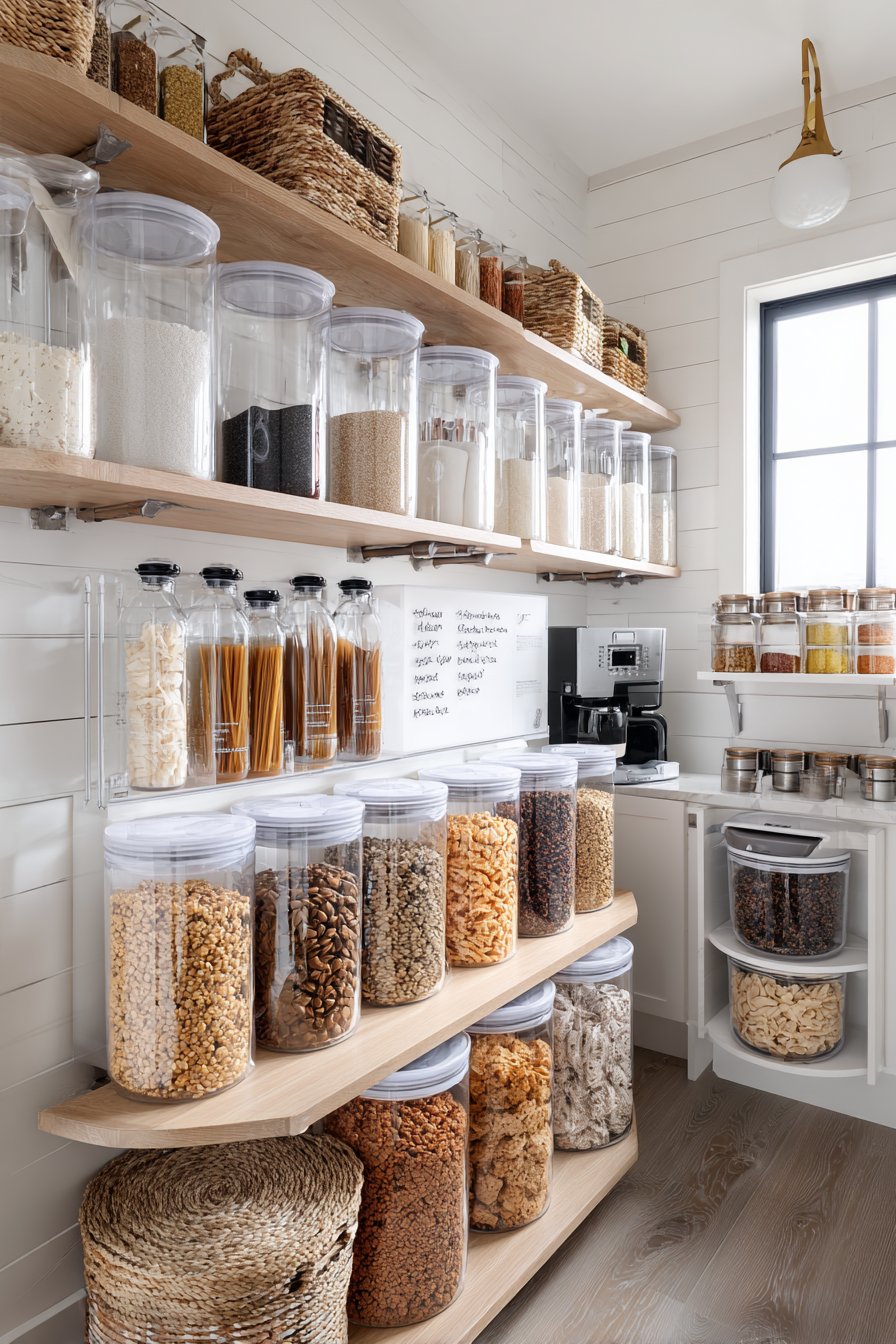
First-in, first-out rotation prevents waste and ensures ingredients remain fresh. Place newer purchases behind older items, bringing soon-to-expire products to the front where they’ll be noticed and used. This restaurant-industry technique works brilliantly in home pantries when consistently applied.
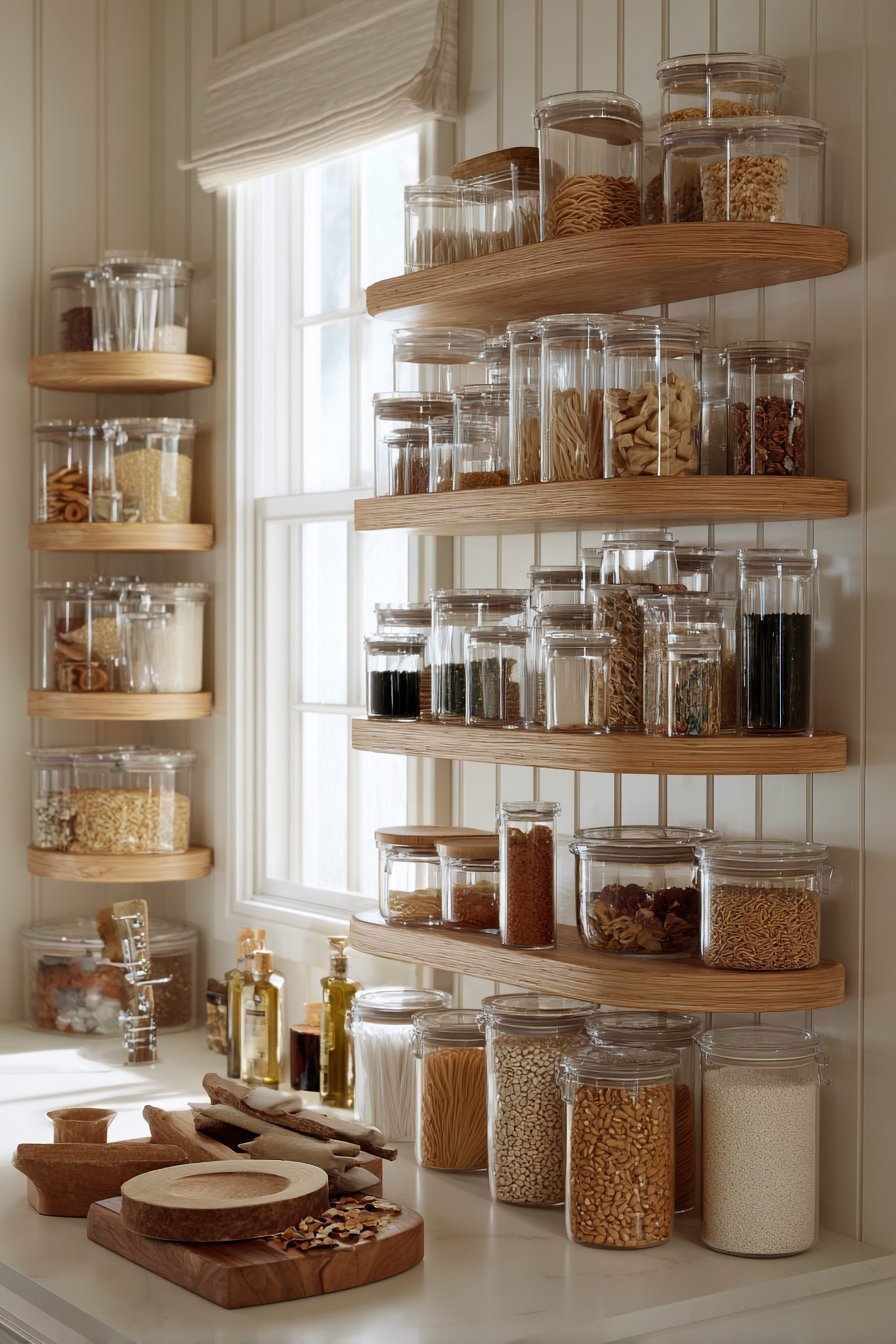
Categorizing pantry items by type creates an intuitive organization system that every family member can maintain. Dedicate specific zones for breakfast items, baking supplies, snacks, canned goods, and grains. Use uniform containers for dry goods like flour, sugar, and pasta to maximize space while improving visual appeal.
- Invest in airtight containers for dry goods to extend freshness
- Add risers or tiered organizers to see items in the back row
- Mount a small whiteboard inside the pantry door for inventory tracking
- Use lazy Susans for oils, vinegars, and condiments
- Install door-mounted racks for spices or small packet items
- Conduct monthly audits to check expiration dates and reorganize
5. Leaving Countertops Cluttered with Appliances
Countertop real estate represents premium workspace that many homeowners sacrifice to appliance storage. While keeping coffee makers and toasters readily available seems convenient, every small appliance occupies valuable preparation space. The resulting clutter makes kitchens feel cramped and limits your ability to work efficiently during meal preparation.
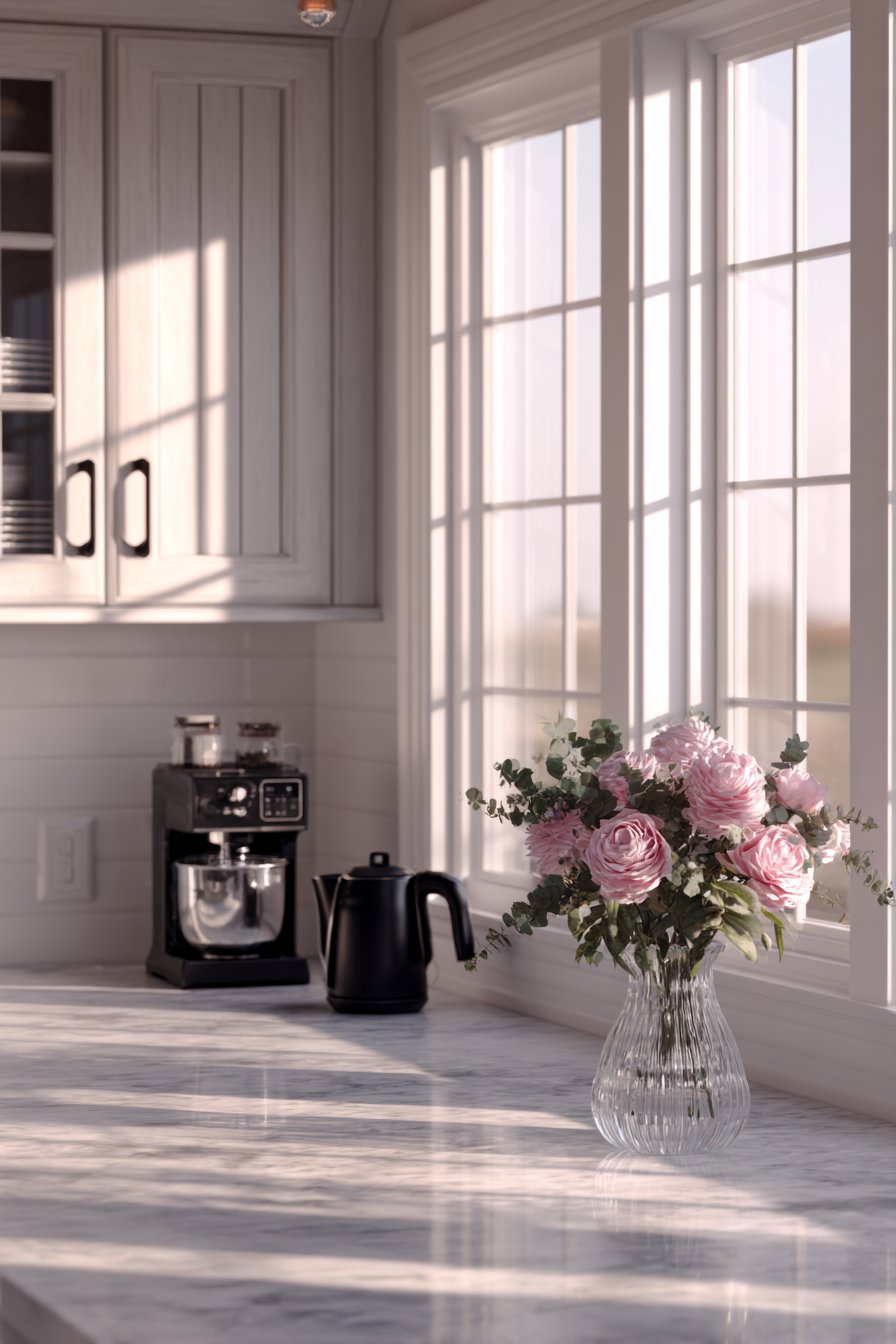
Evaluate which appliances truly deserve permanent counter placement. Most households use only two or three appliances daily—typically the coffee maker and perhaps a toaster or electric kettle. Everything else can be stored in cabinets or appliance garages, accessed when needed but out of sight otherwise.
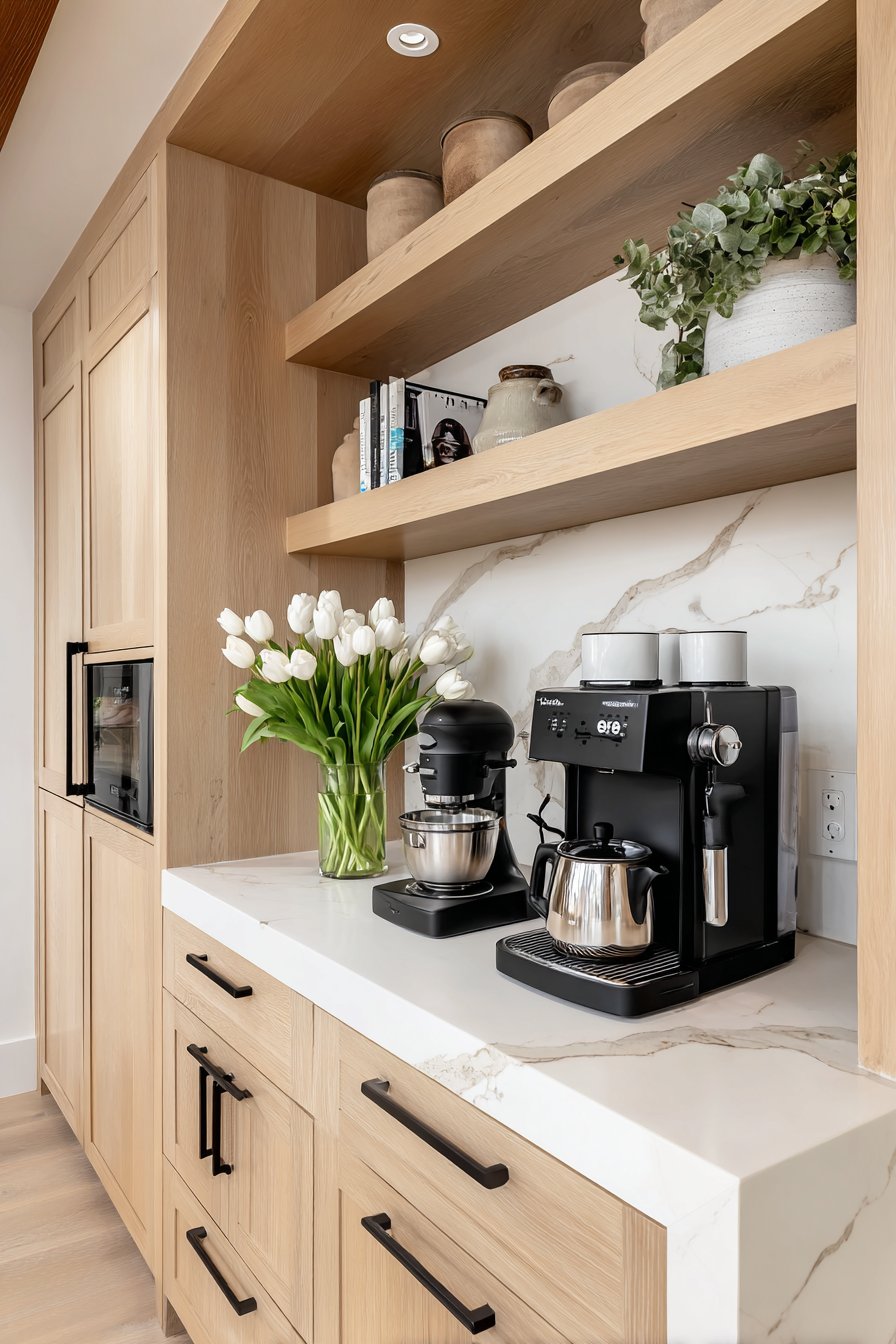
Creating designated landing zones for frequently used items prevents countertop chaos. Install appliance garages with roll-up doors, use corner cabinets for bulky items, or dedicate a small section of counter space near outlets for rotating appliances. Clear counters not only look more organized but provide essential workspace for cooking projects.
- Limit countertop appliances to three or fewer items
- Store seasonal appliances like ice cream makers in remote locations
- Create an appliance cabinet with built-in outlets for easy access
- Use corner spaces for items like stand mixers or food processors
- Install outlets inside cabinets to eliminate cord clutter
- Clean and declutter countertops daily to maintain organization
6. Mismanaging Under-Sink Storage Space
The cabinet beneath the kitchen sink often becomes a chaotic catch-all for cleaning supplies, trash bags, and mystery items shoved out of sight. This prime storage location deserves better organization since it’s one of the most accessible cabinet spaces. Plumbing pipes create awkward shapes that many homeowners accept as organizational obstacles rather than challenges to solve creatively.
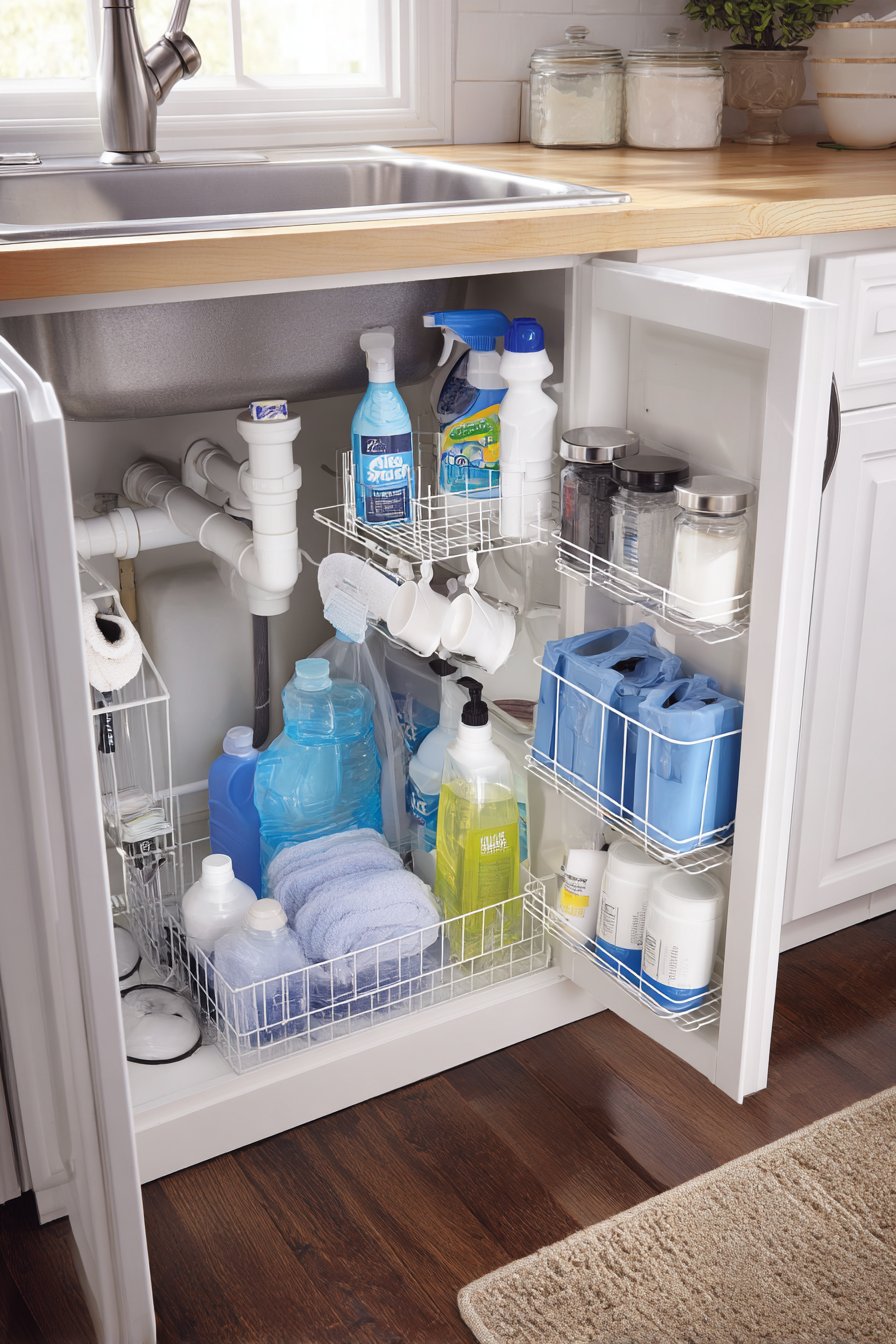
Customized storage solutions work around plumbing to maximize every inch of space. Stackable bins, sliding organizers, and tension rods create order in this notoriously difficult area. Group cleaning supplies by type, store trash bags in dispensers, and keep dishwasher pods or tablets in waterproof containers away from potential leaks.
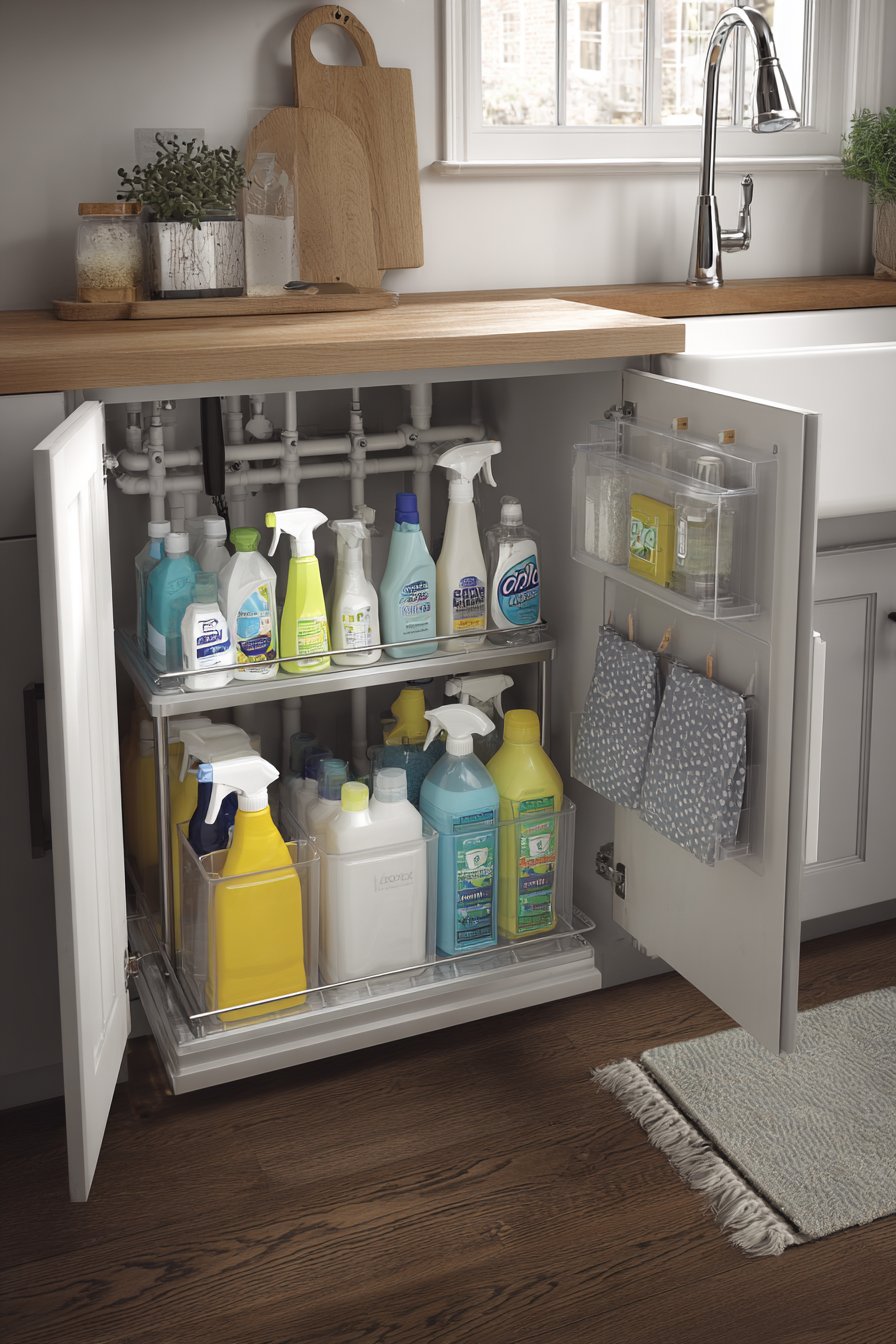
Safety considerations matter significantly in under-sink organization. Keep hazardous cleaning chemicals in childproof containers or install cabinet locks if young children live in the home. Regular decluttering prevents expired products from accumulating and ensures you maintain awareness of your cleaning supply inventory.
- Install a pull-out organizer designed specifically for under-sink spaces
- Use stackable bins to separate categories like dish soap, sponges, and cleaners
- Mount a tension rod to hang spray bottles by their triggers
- Place a waterproof mat at the cabinet bottom for leak protection
- Store trash bags in a wall-mounted dispenser for easy access
- Check for leaks monthly while organizing this space
7. Overlooking Drawer Organization and Dividers
Kitchen drawers without organizational systems become jumbled messes where finding the right utensil requires digging through layers of mismatched items. This frustration occurs dozens of times daily as family members search for specific tools during meal preparation. The solution seems obvious, yet countless kitchens operate with chaotic, divider-free drawers.
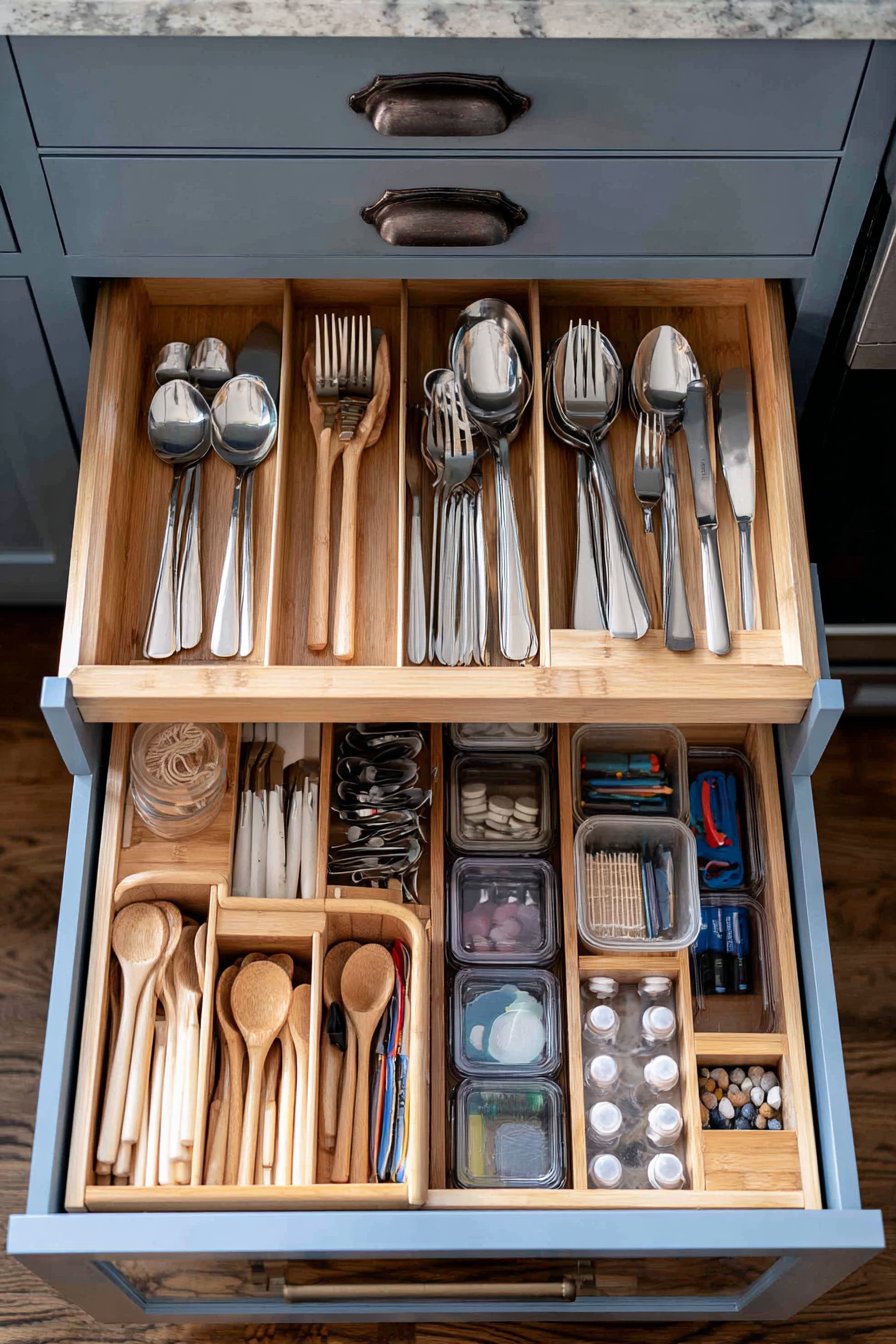
Drawer dividers and organizers transform messy spaces into efficient tool libraries where everything has a designated home. Invest in adjustable dividers that accommodate different utensil sizes and allow customization as your needs change. Separate spatulas from spoons, whisks from tongs, creating visual order that speeds up cooking processes.
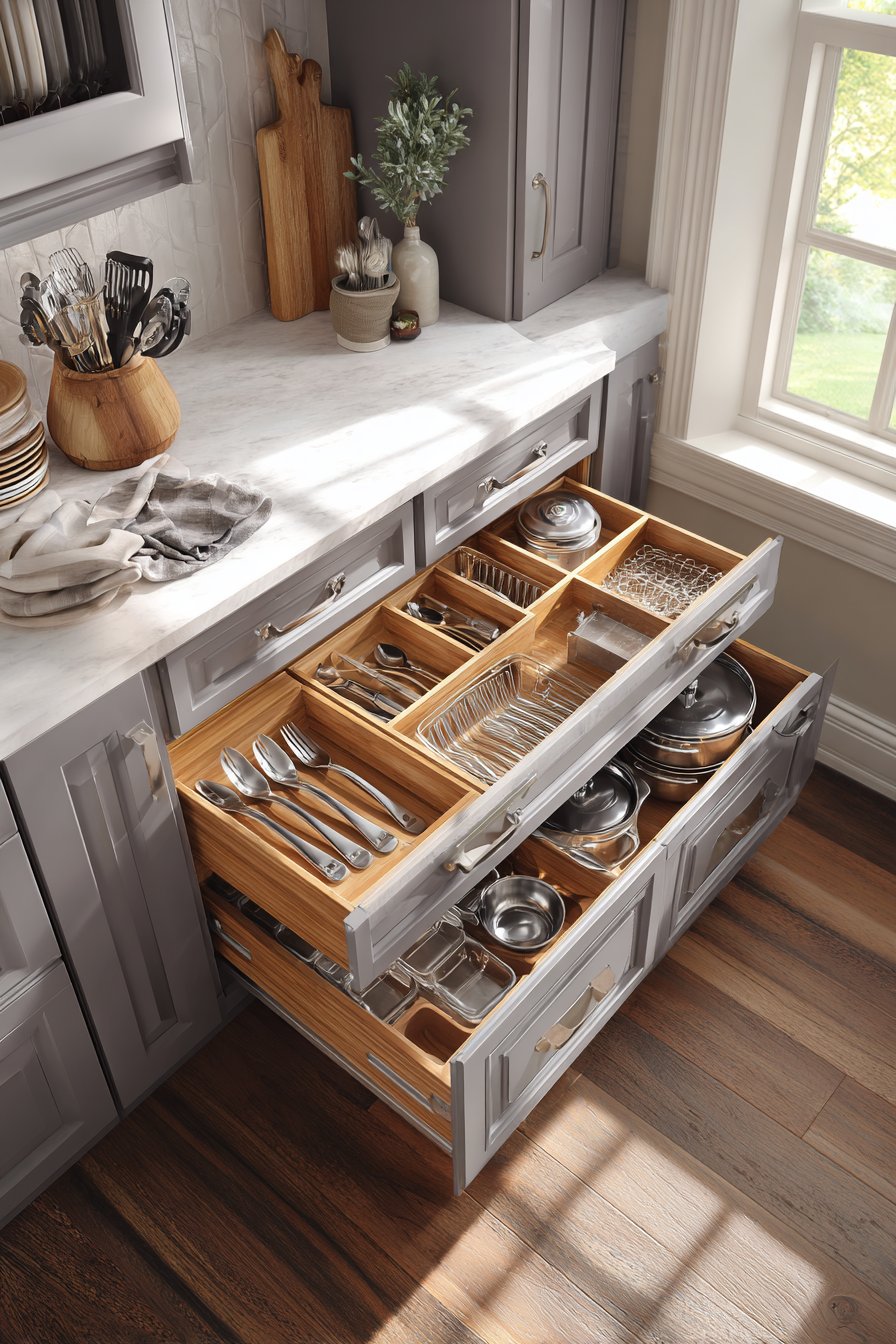
The junk drawer phenomenon affects nearly every household, but even this catch-all space benefits from organizational systems. Use small containers or compartmentalized trays to separate batteries, rubber bands, pens, and takeout menus. Quarterly purges prevent junk drawers from overflowing with truly useless items that serve no purpose.
- Measure drawer dimensions before purchasing organizers for proper fit
- Use bamboo or acrylic dividers that won’t warp from moisture
- Dedicate one drawer exclusively to cooking utensils
- Separate daily silverware from serving pieces in different drawers
- Install deep drawer organizers for pots, pans, and lids
- Limit junk drawer contents to genuinely useful miscellaneous items
8. Ignoring Refrigerator and Freezer Organization
The refrigerator represents perhaps the most overlooked organizational opportunity in the entire kitchen. Poor refrigerator organization leads directly to food waste, forgotten leftovers, and mystery containers growing unidentifiable substances. Without clear zones and proper storage methods, even spacious refrigerators become inefficient, confusing spaces.
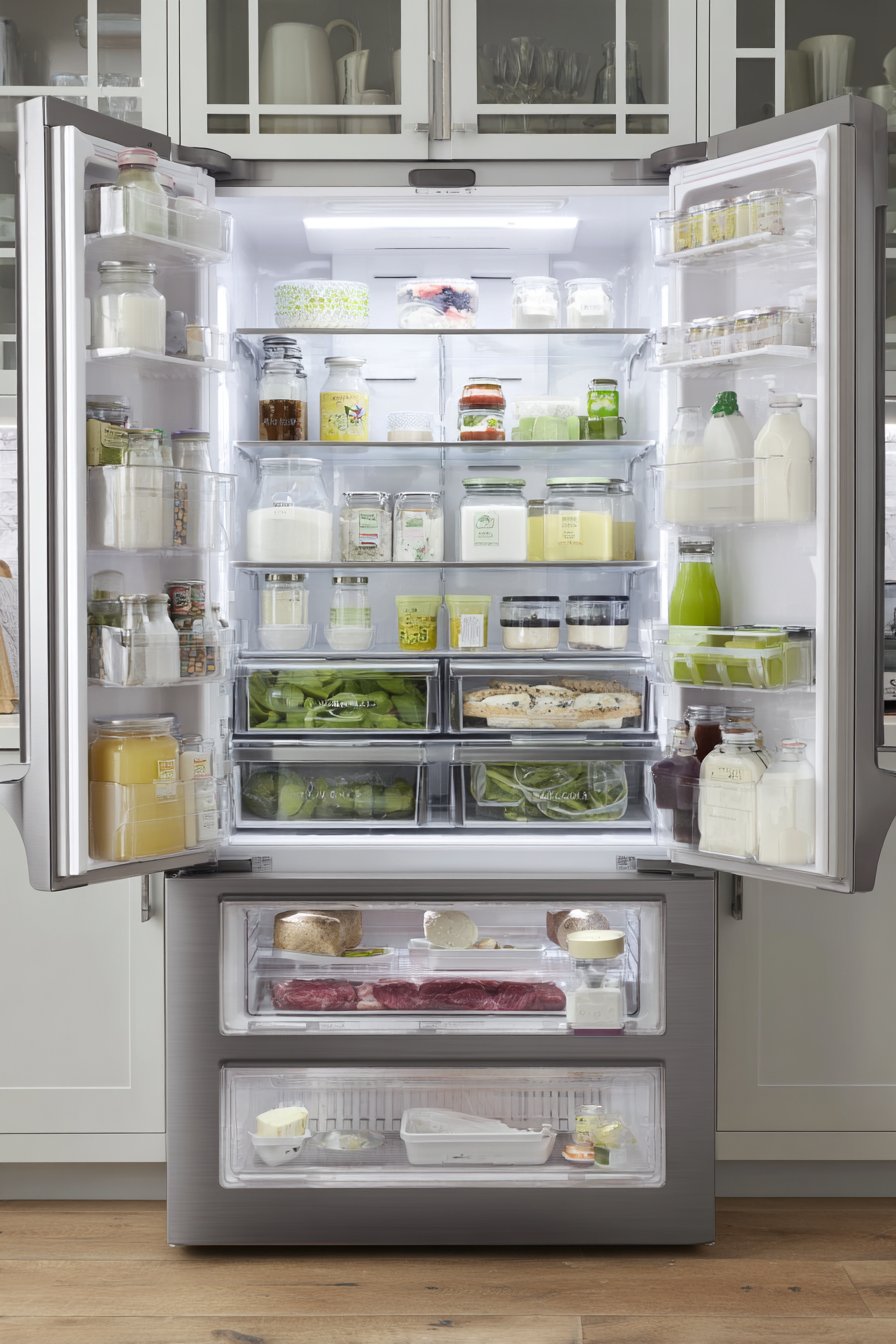
Temperature zones within refrigerators affect food freshness and safety. Store dairy products and eggs on upper shelves where temperatures remain most consistent, place raw meats on the bottom shelf to prevent cross-contamination, and keep produce in designated crisper drawers. Understanding these zones prevents premature spoilage and maximizes ingredient longevity.
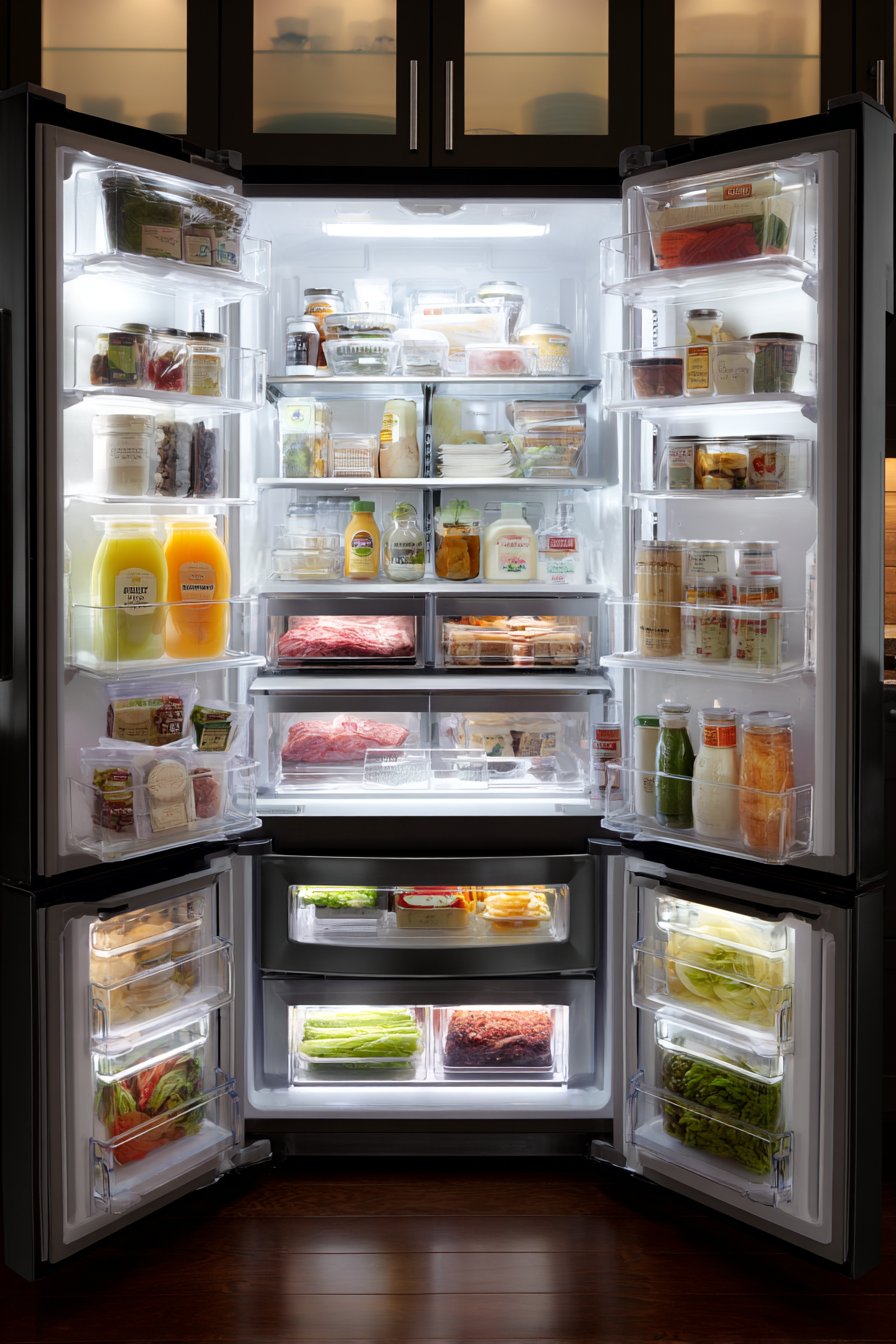
Implementing clear storage containers and labeling systems transforms refrigerator management. Date leftovers immediately, use transparent bins to group similar items, and establish weekly cleanout routines before grocery shopping. Freezer organization matters equally—label frozen items with contents and dates, store items flat initially for space efficiency, and maintain an inventory list to prevent forgotten purchases.
- Use clear bins to group categories like condiments, cheeses, or lunch items
- Label shelves with painter’s tape to designate zones for different foods
- Rotate items weekly, moving older products to the front
- Store leftovers at eye level where they won’t be forgotten
- Freeze items flat in bags, then stack vertically like files
- Maintain a freezer inventory list updated monthly
Conclusion
Avoiding these eight common kitchen organization mistakes creates a transformative impact on daily life that extends far beyond aesthetics. An efficiently organized kitchen saves time, reduces stress, prevents food waste, and makes cooking genuinely enjoyable rather than frustrating. Each mistake addressed represents an opportunity to reclaim valuable space and improve your home’s most important room.
Start by tackling one organizational challenge at a time rather than attempting a complete kitchen overhaul overnight. Small, consistent improvements compound into dramatic results that make your kitchen work harder for you. Remember that organization remains a journey, not a destination—regularly reassess your systems, adjust as needs change, and maintain the improvements you implement. Your future self will thank you every single day when meal preparation becomes smoother, more efficient, and infinitely more pleasant.
