


In an era where urban living dominates our lifestyle, the connection between humans and nature has become increasingly fragile. Biophilic design emerges as a revolutionary approach that bridges this gap, transforming our indoor spaces into nature-inspired sanctuaries. This design philosophy goes beyond simply adding plants to a room; it’s about creating environments that fundamentally reconnect us with the natural world.
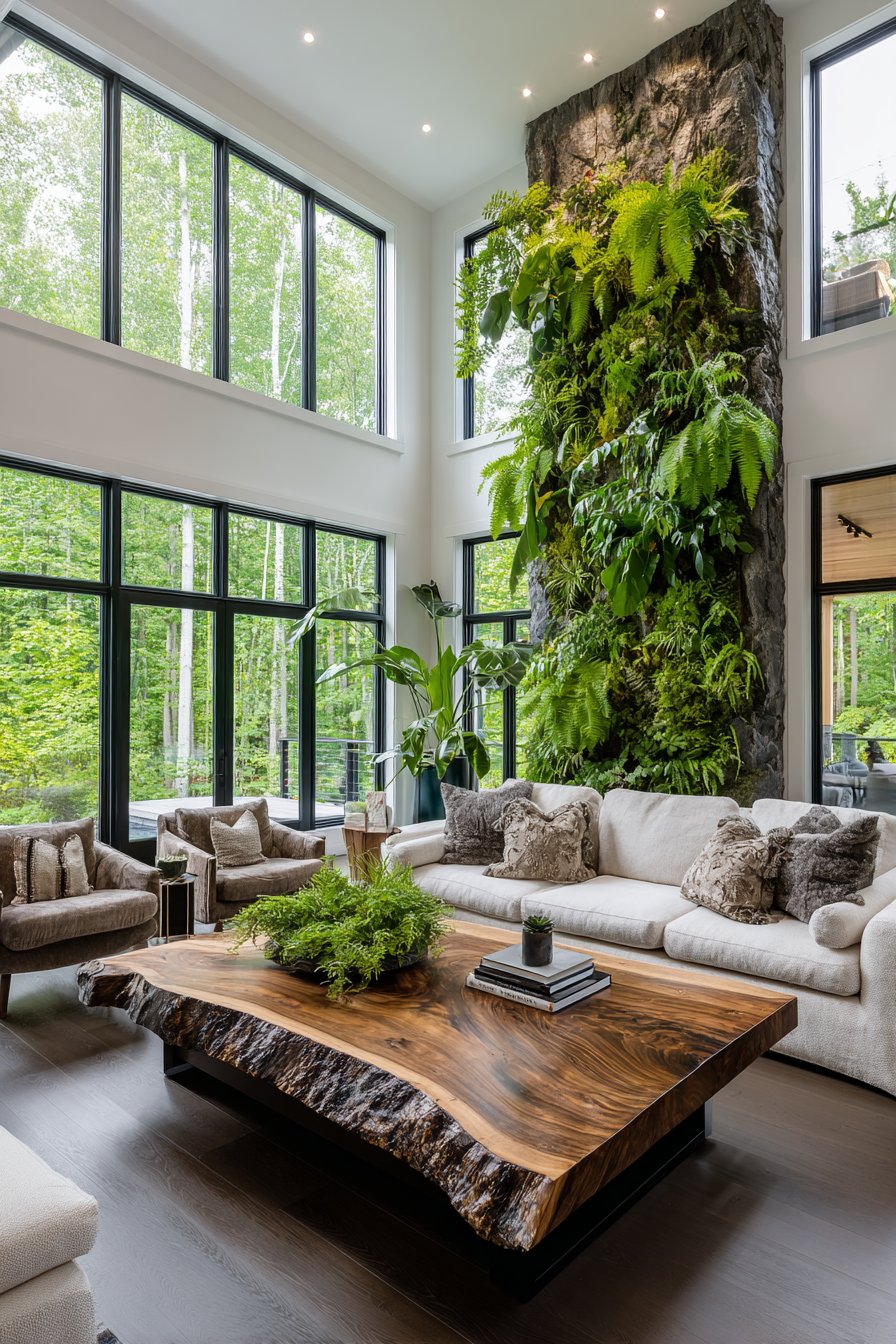
The importance of biophilic elements in our homes and workplaces cannot be overstated in today’s fast-paced society. Research consistently shows that environments incorporating natural elements reduce stress, enhance creativity, and improve overall well-being. As we spend approximately 90% of our time indoors, integrating nature-inspired design becomes essential for our physical and mental health. This article explores the core principles of biophilic design and provides practical ways to incorporate this transformative approach into your living spaces.
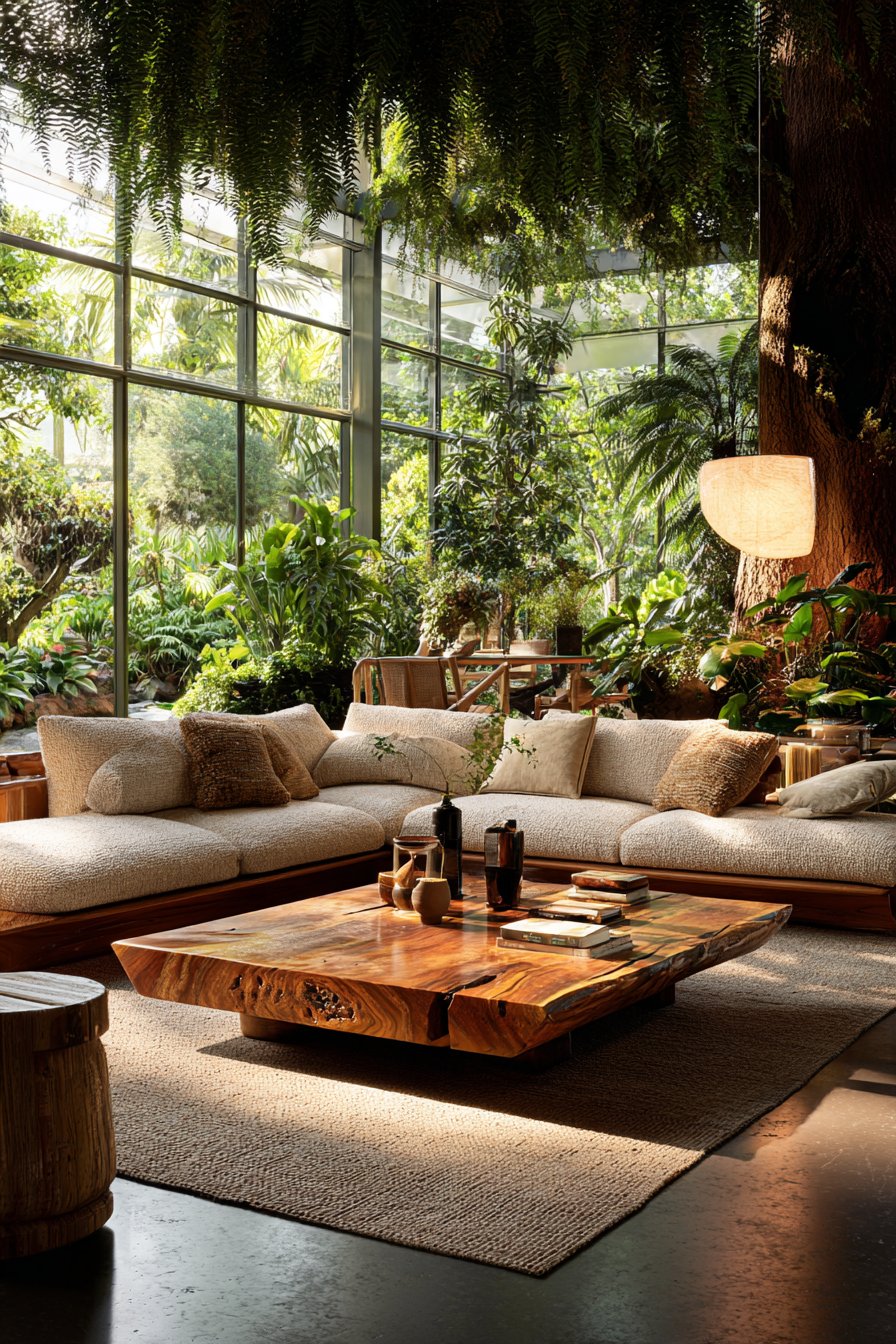
Whether you’re drawn to minimalist aesthetics or prefer bold, dramatic interiors, biophilic design adapts seamlessly to various styles and lifestyles. From urban apartments to suburban homes, this movement offers solutions that enhance air quality, regulate temperature, and create visually stunning environments. Let’s dive into the essential elements that make biophilic design both powerful and accessible for homeowners seeking to transform their spaces. See our minimalist kitchen ideas guide for more direction in this style.
1. Understanding the Core Philosophy
Biophilic design stems from the innate human tendency to seek connections with nature and other forms of life. This biological need is hardwired into our DNA from millennia of evolutionary development. The term “biophilia” was popularized by biologist Edward O. Wilson, describing our intrinsic attraction to living systems and natural processes.
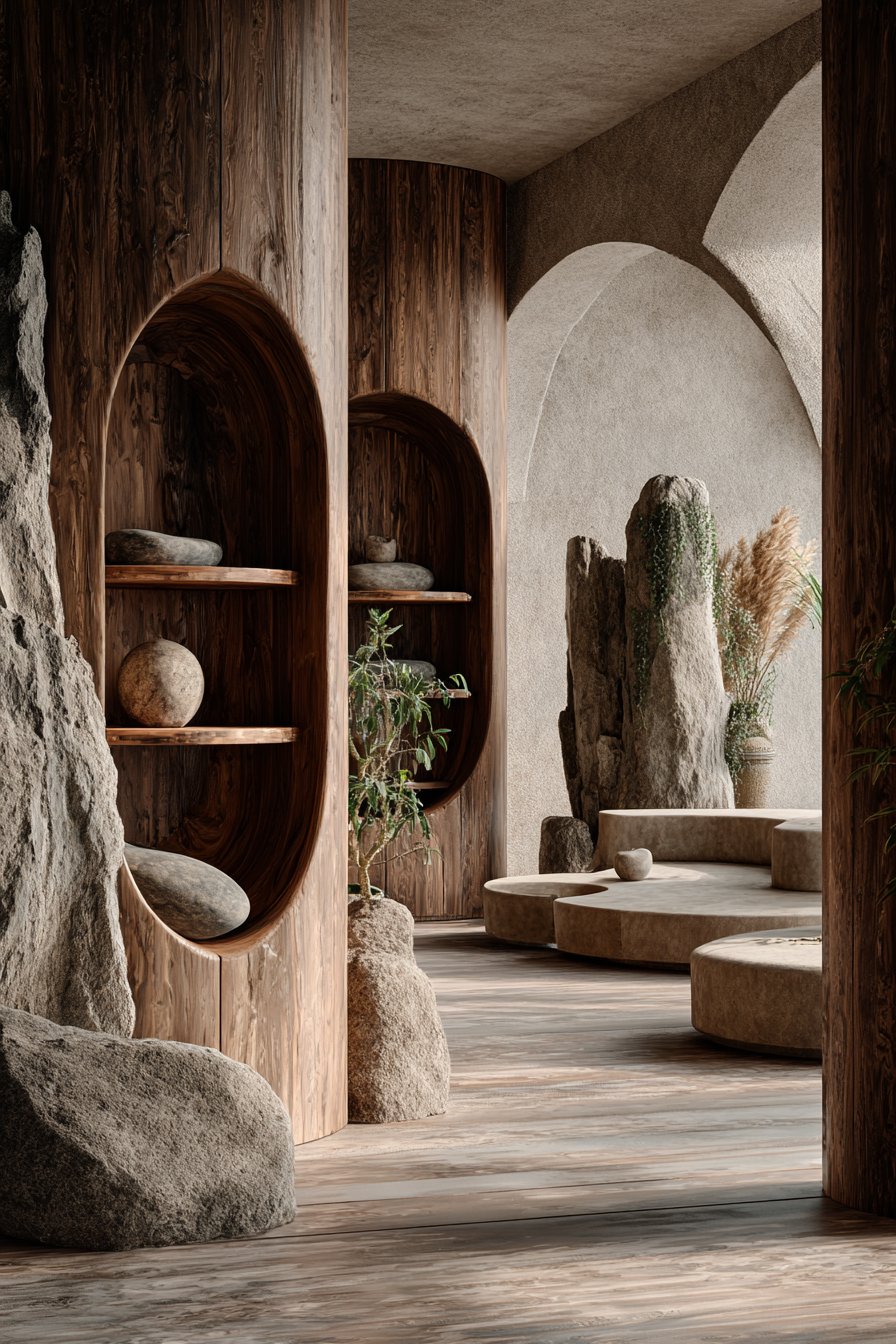
At its foundation, this design movement recognizes that humans thrive when surrounded by natural patterns and materials. It’s not merely about decoration but about creating spaces that support our physiological and psychological needs. The philosophy embraces direct nature experiences, indirect nature connections, and spatial configurations that mimic natural environments.
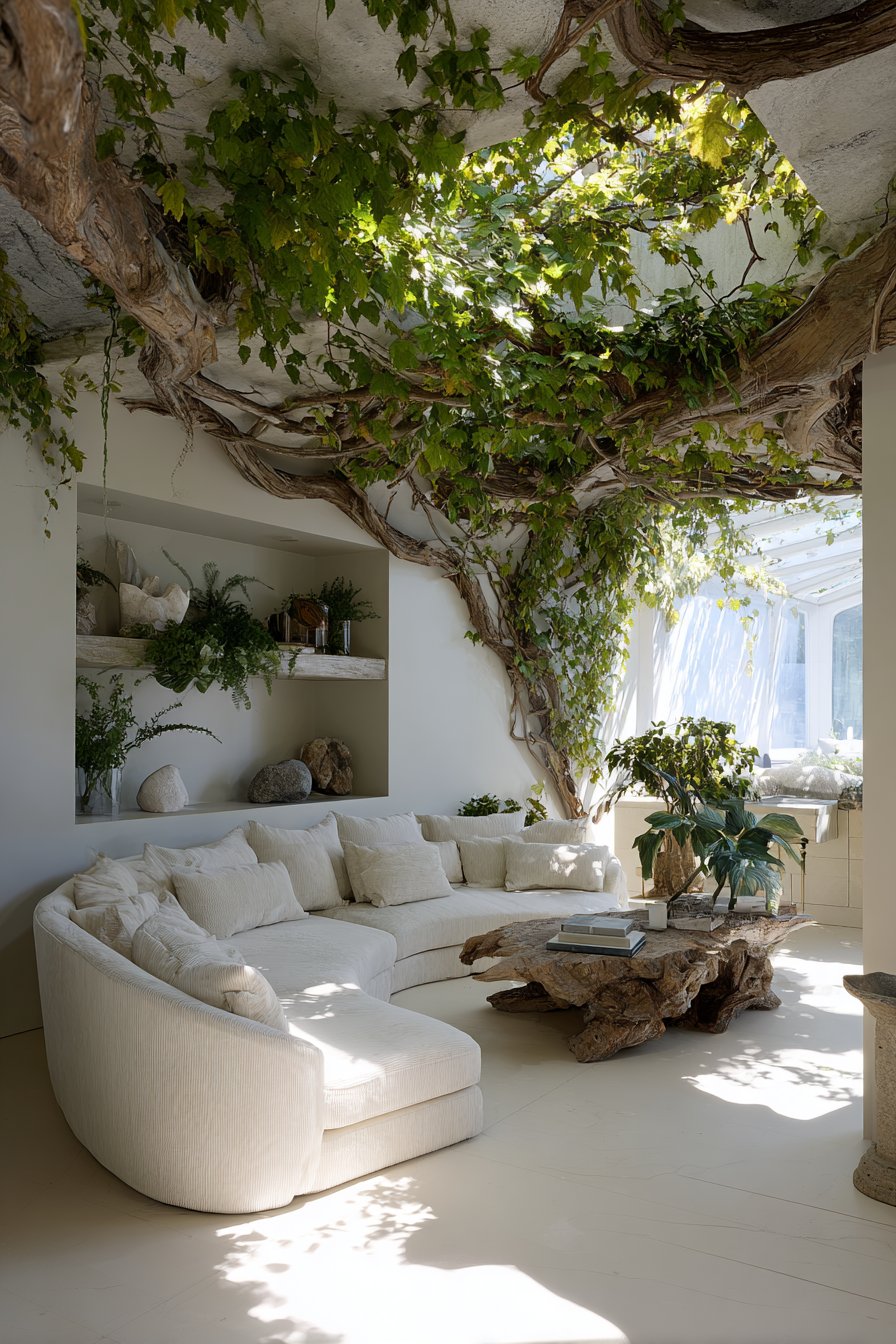
Modern applications of biophilic design demonstrate measurable benefits in productivity, creativity, and emotional well-being. Studies reveal that employees in biophilic workspaces show 15% higher productivity and report increased job satisfaction. In residential settings, these principles create calming retreats that serve as antidotes to urban stress and digital overload.
- Incorporate multiple sensory experiences through sight, touch, sound, and smell
- Create visual connections to outdoor environments through strategic window placement
- Use natural materials that age gracefully and tell authentic stories
- Design spaces that facilitate both refuge and prospect viewpoints
- Integrate temporal changes that reflect natural cycles and seasons
- Balance organized complexity with patterns found in nature
2. Natural Light Integration
Natural illumination stands as perhaps the most critical element in biophilic design implementation. Our circadian rhythms depend on exposure to natural light cycles for optimal health and well-being. Maximizing daylight penetration through strategic window placement reduces energy consumption while enhancing mood and cognitive function.
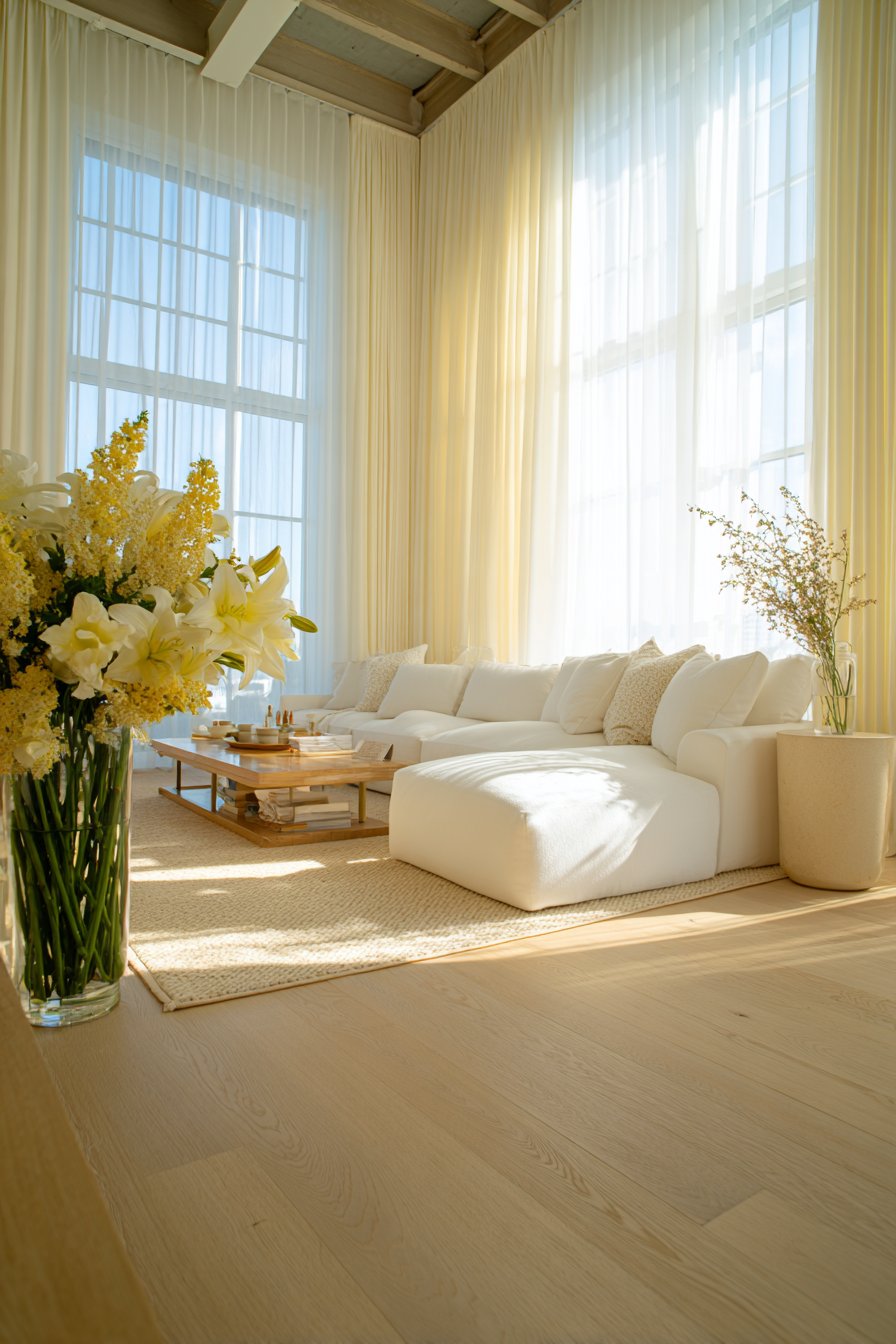
The quality of natural light transforms throughout the day, creating dynamic environments that keep spaces feeling alive and connected to the outside world. South-facing windows provide consistent illumination in northern hemispheres, while clerestory windows bring light deep into interior spaces. Consider how light moves through your space across different seasons and times of day.
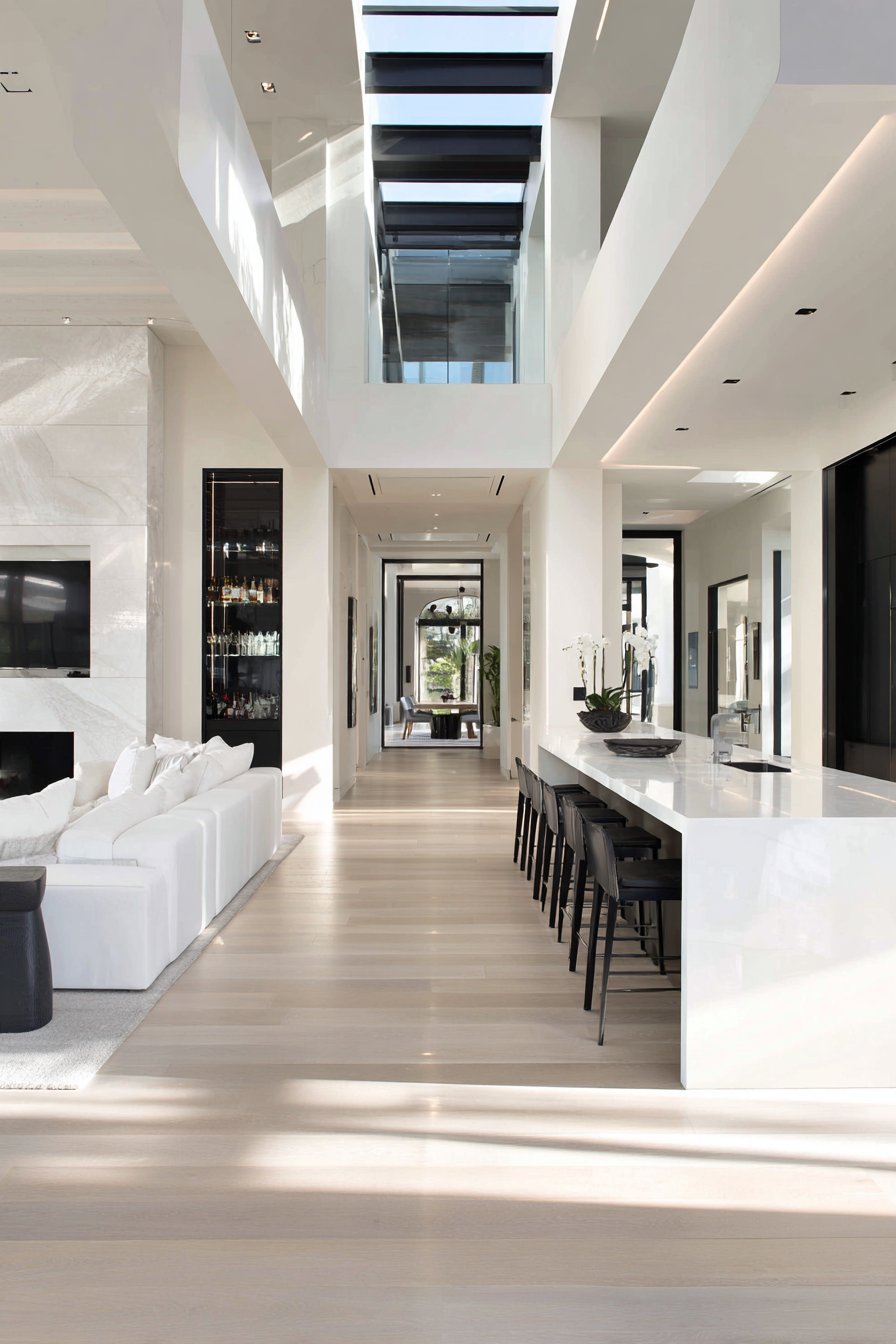
Advanced techniques include using reflective surfaces to bounce natural light into darker corners and selecting window treatments that filter rather than block sunlight. Light shelves, skylights, and light tubes offer innovative solutions for challenging spaces. The goal is creating environments where artificial lighting supplements rather than replaces natural illumination.
- Install larger windows or add skylights to increase daylight exposure
- Use mirrors strategically to amplify and distribute natural light
- Choose sheer or translucent window treatments over heavy drapes
- Paint walls in light, reflective colors to maximize brightness
- Remove obstacles blocking window views and light penetration
- Consider solar tubes for windowless bathrooms and hallways
3. Living Plant Integration
Plants serve as the most recognizable element of biophilic design, offering multiple benefits beyond aesthetic appeal. They purify indoor air, regulate humidity, and provide psychological comfort through their living presence. The key lies in selecting appropriate species for your light conditions and maintenance capabilities.
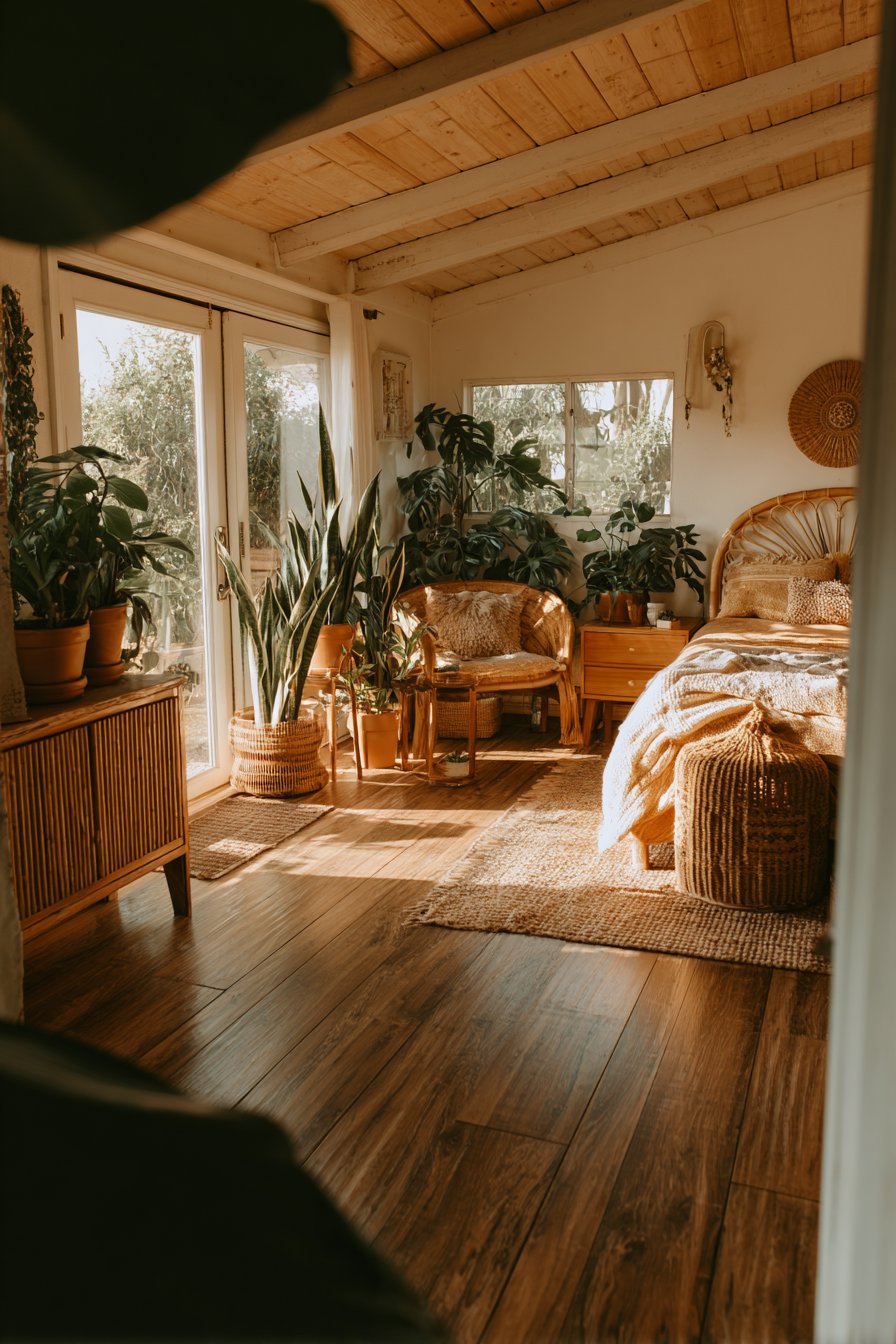
Strategic plant placement creates visual focal points while maximizing their air-purifying benefits. Larger specimens make bold statements in corners or beside furniture, while smaller plants soften hard edges and add layers of interest. Vertical gardens and living walls transform blank surfaces into breathing artworks that dramatically improve air quality. Our statement ceilings are the new accent walls has more inspiration along these same lines.
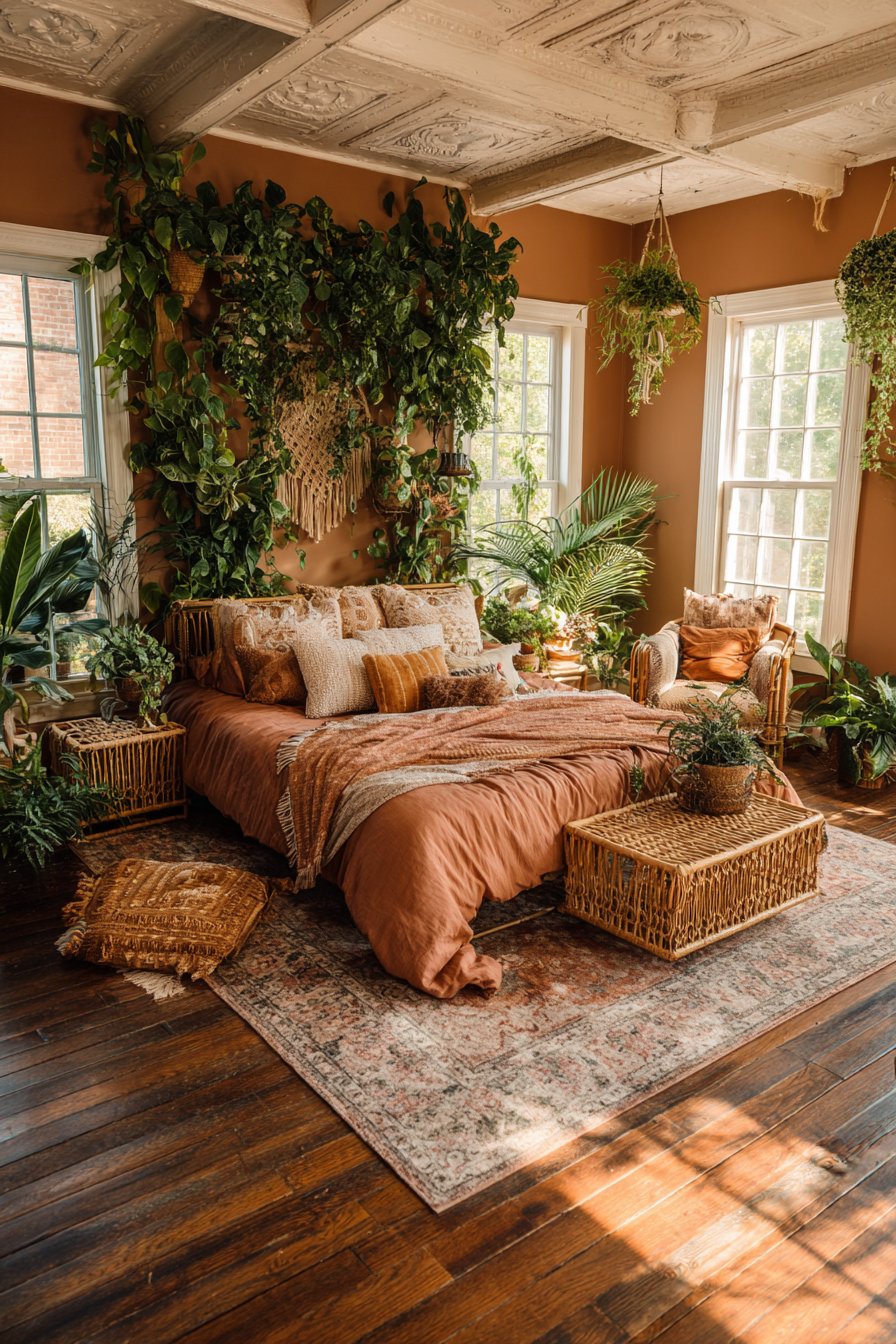
Consider the maintenance requirements before committing to extensive plant collections. Low-maintenance options like pothos, snake plants, and ZZ plants thrive with minimal attention. For enthusiasts, creating mini ecosystems with humidity-loving ferns and tropical species adds dramatic impact. Group plants with similar needs for easier care and more natural-looking arrangements.
- Start with three to five hardy, low-maintenance plant varieties
- Position plants near natural light sources whenever possible
- Use varying heights and textures to create visual interest
- Incorporate hanging plants to maximize vertical space utilization
- Choose decorative pots that complement your interior design style
- Rotate plants quarterly to ensure even growth and vitality
4. Natural Materials and Textures
Incorporating organic materials brings tactile authenticity to biophilic interiors. Wood, stone, bamboo, cork, and natural fibers create connections to the earth through their inherent textures and imperfections. These materials age beautifully, developing rich patinas that tell stories and add character over time.
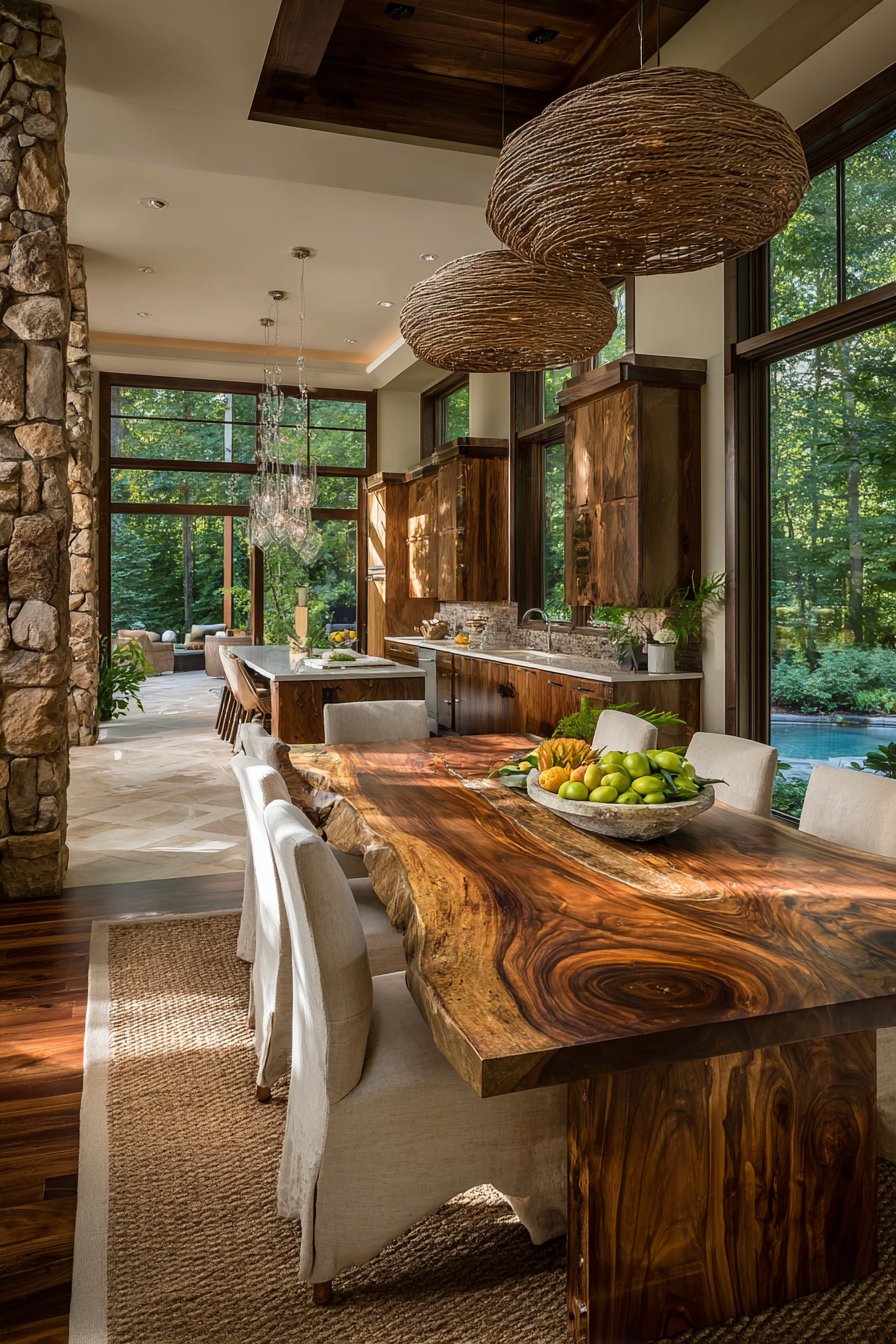
The sensory experience of natural materials extends beyond visual appeal to include touch, smell, and even sound. Hardwood floors warm under bare feet, stone countertops provide cooling surfaces, and woven textiles add acoustic softness to hard-surfaced rooms. Each material contributes unique qualities that synthetic alternatives cannot replicate authentically. If you’re also weighing this open concept vs closed living rooms, that’s worth deciding early too.
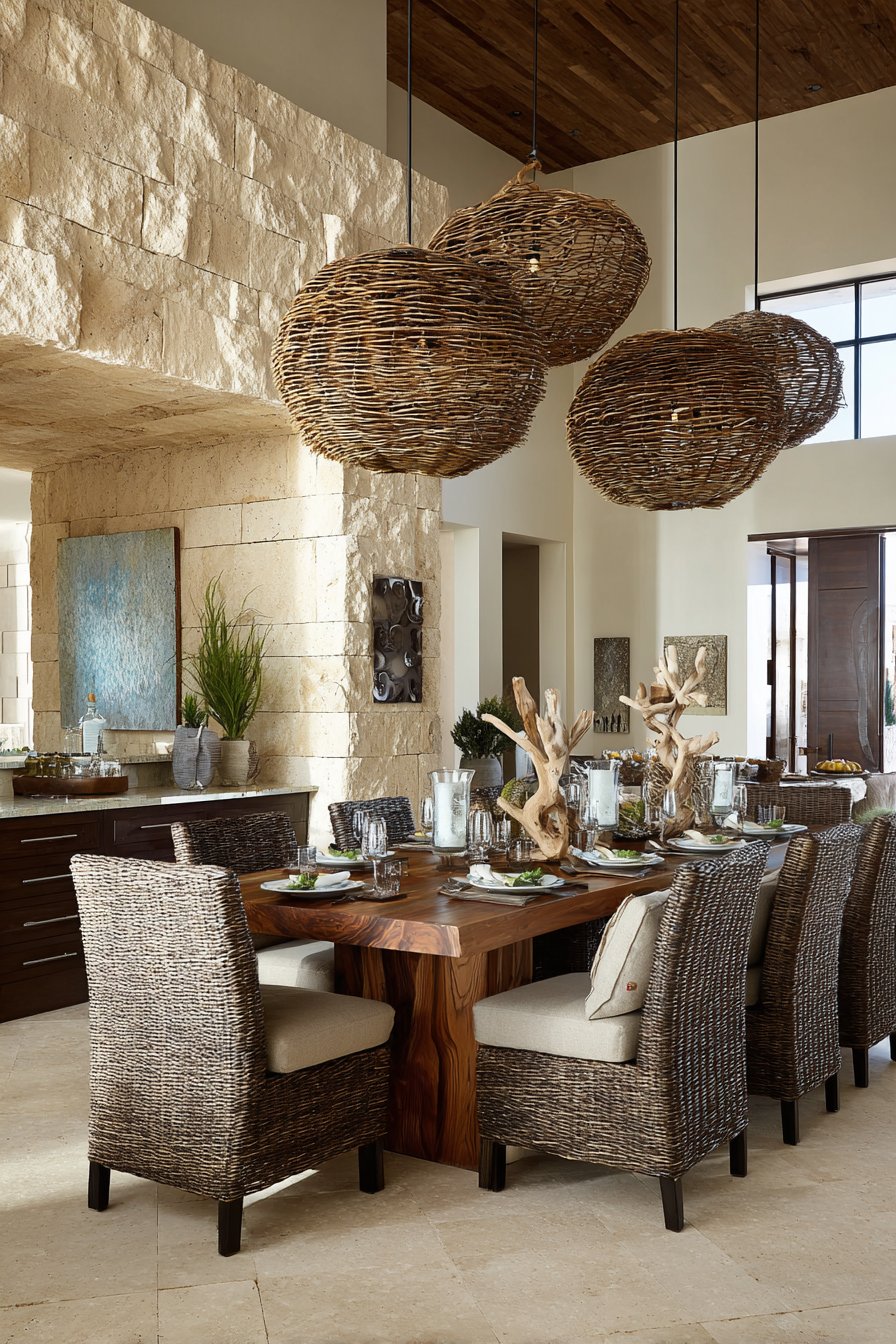
Mixing various natural materials prevents monotony while maintaining cohesive design. Combine smooth stone with rough-hewn wood, soft linens with rustic jute, or polished marble with weathered reclaimed timber. The contrast between textures creates visual interest while maintaining the organic connection. Prioritize sustainably sourced materials to align with biophilic design’s environmental consciousness.
- Select furniture crafted from solid wood rather than particle board
- Install natural stone or wood flooring in high-impact areas
- Use bamboo or cork for eco-friendly and resilient surfaces
- Incorporate woven baskets, jute rugs, and linen textiles
- Choose natural fiber window treatments like cotton or hemp
- Display raw materials like driftwood, crystals, or stones as decorative elements
5. Water Features and Elements
The presence of water engages multiple senses simultaneously, creating powerful biophilic experiences within interior spaces. Moving water produces soothing sounds that mask distracting noise while providing visual dynamism and movement. Even small-scale water features significantly impact the ambient atmosphere of a room.
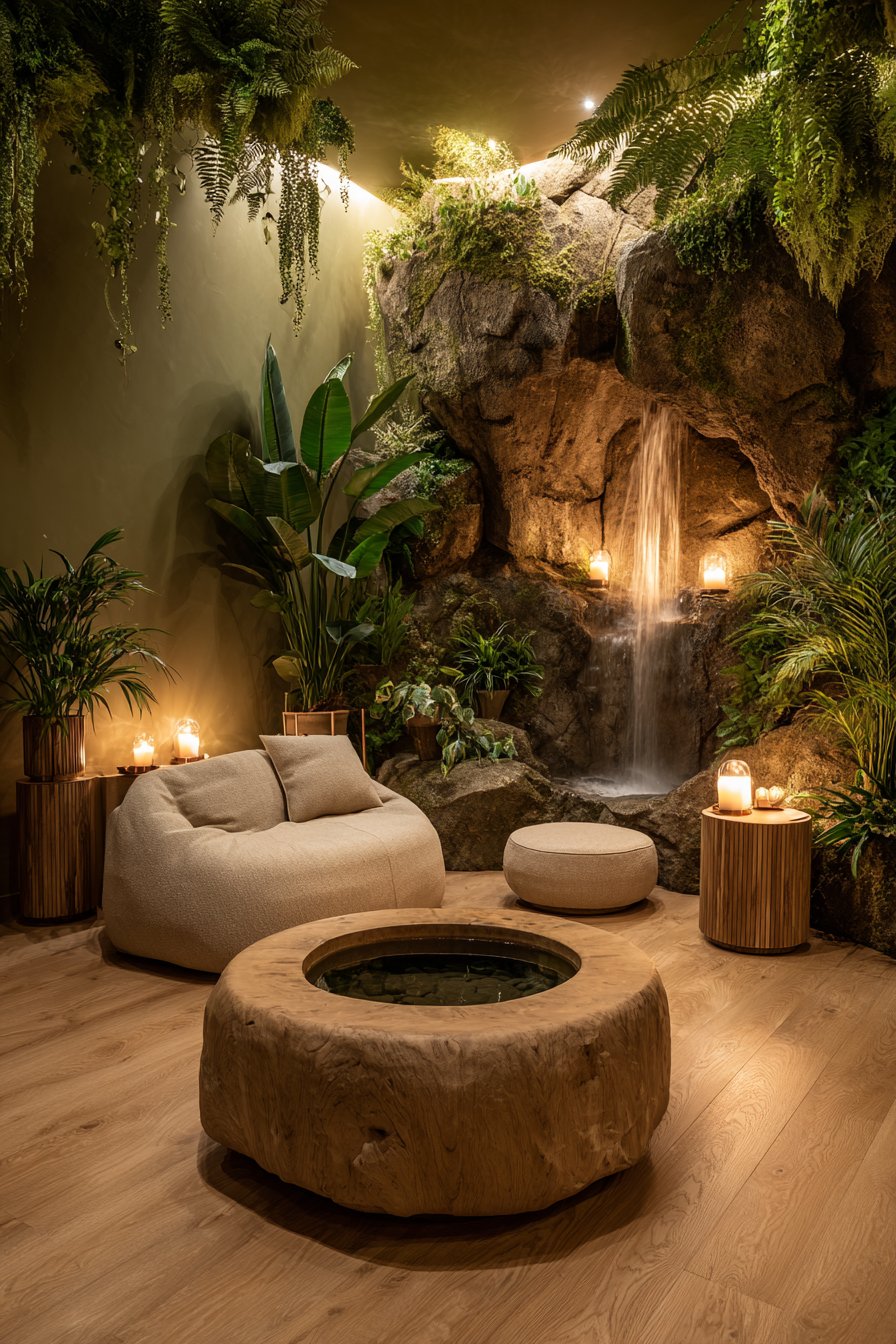
Indoor fountains range from tabletop designs to dramatic wall-mounted installations, offering options for every space and budget. The gentle sound of flowing water reduces stress and promotes relaxation, similar to experiences near natural streams or waterfalls. Water features also humidify indoor air, benefiting both occupants and plants during dry seasons.
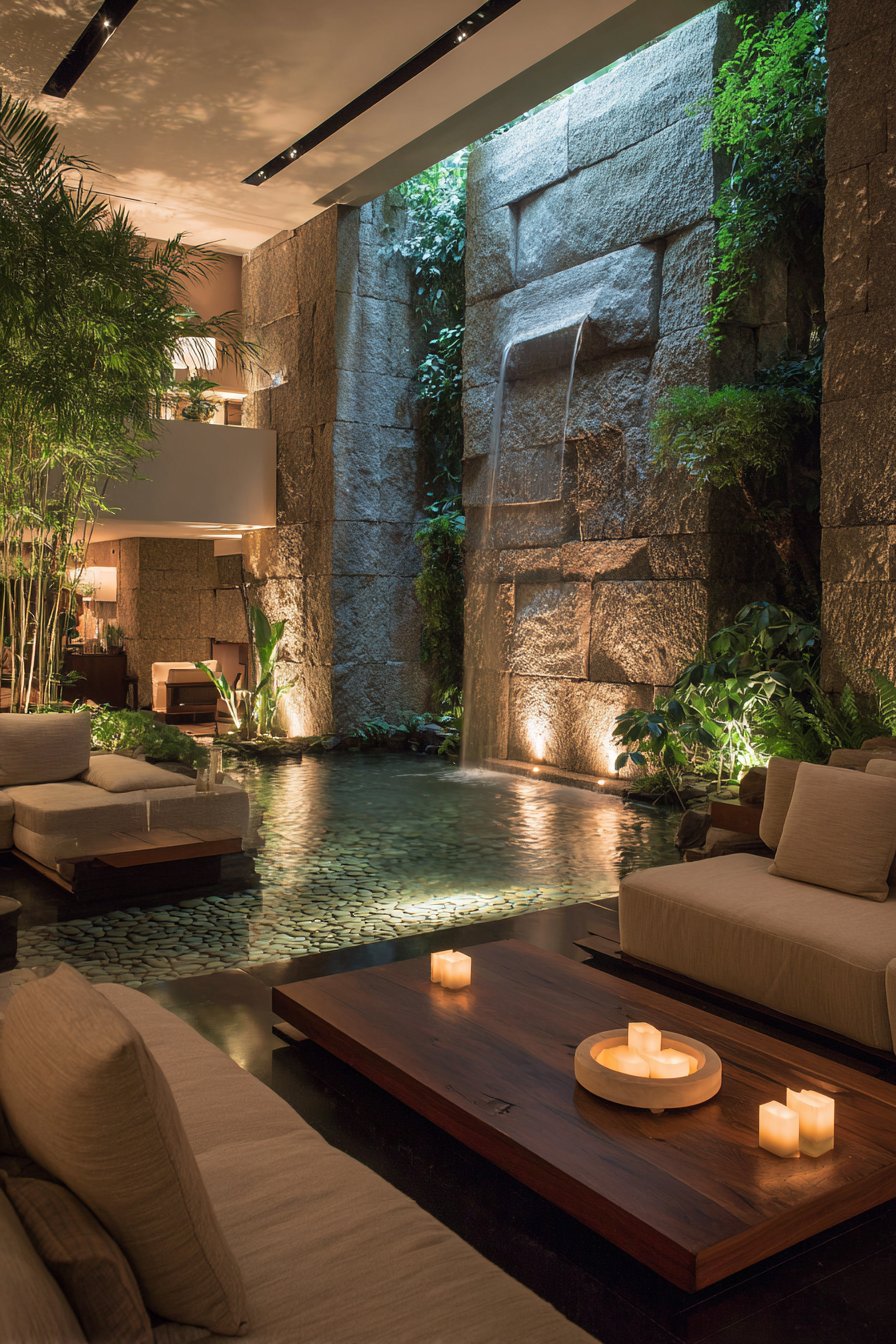
Maintenance considerations include regular cleaning to prevent algae growth and ensuring proper water circulation. Position features away from electronics and valuable furnishings to prevent water damage. For minimal maintenance, consider self-contained fountains with recirculating pumps that require only occasional refilling and cleaning. The investment in a quality water feature pays dividends through enhanced ambiance.
- Install a small tabletop fountain in your workspace or bedroom
- Position water features where their sound can be enjoyed without overwhelming
- Use distilled water to minimize mineral deposits and maintenance
- Incorporate aquariums as living water features with additional interest
- Add floating candles or LED lights for evening ambiance
- Clean and refill features monthly to maintain optimal function
6. Bringing the Outdoors In
Creating seamless transitions between interior and exterior spaces amplifies biophilic design’s effectiveness. Large glass doors, floor-to-ceiling windows, and outdoor living areas blur boundaries, making nature an integral part of daily life. This integration expands perceived living space while maintaining constant visual connections to natural surroundings.
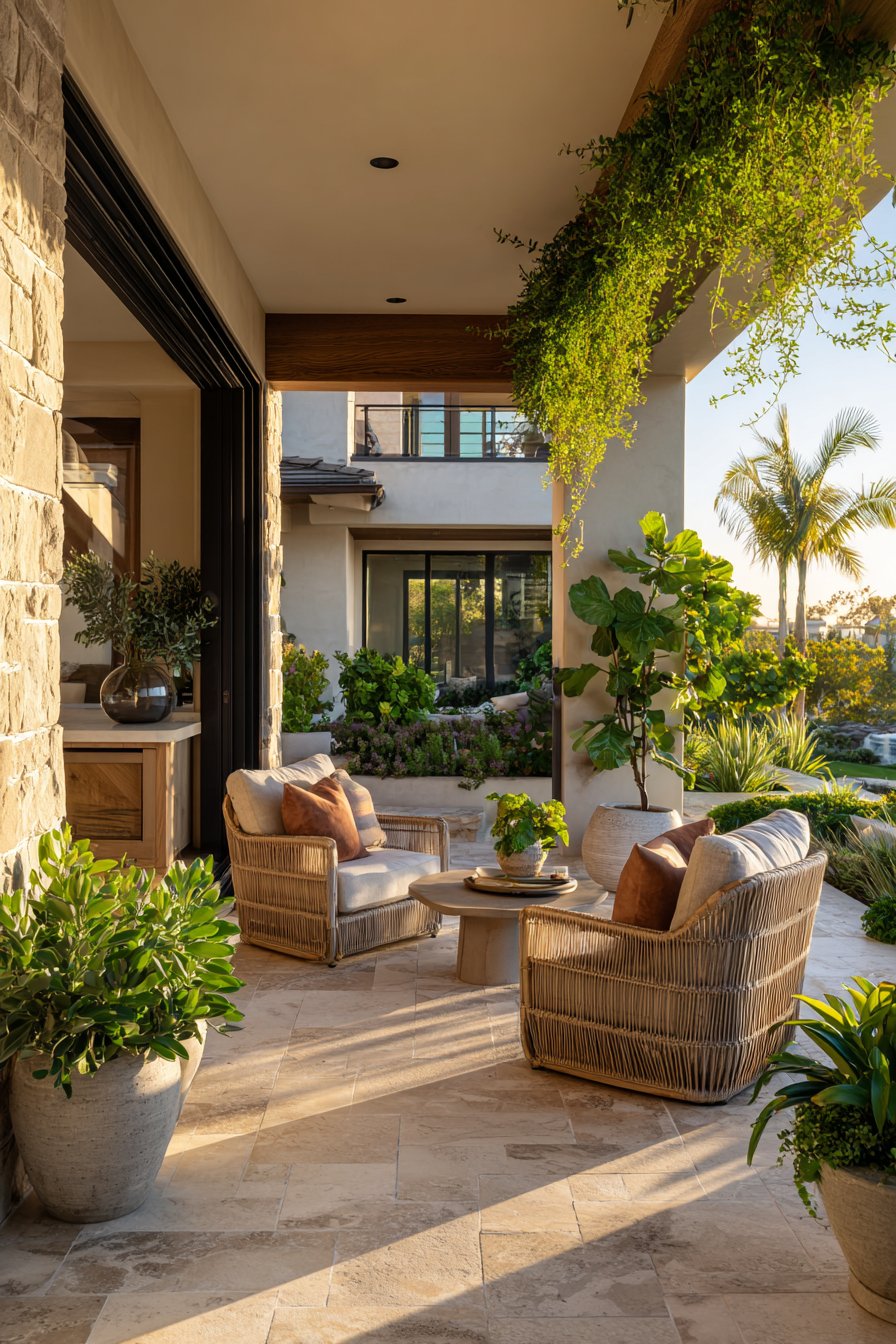
Design elements that reference outdoor environments strengthen this connection even when direct access isn’t possible. Nature-inspired artwork, photography of landscapes, and patterns mimicking natural forms extend biophilic principles throughout your home. Color palettes drawn from natural settings—earth tones, sky blues, and foliage greens—create subconscious associations with outdoor spaces.
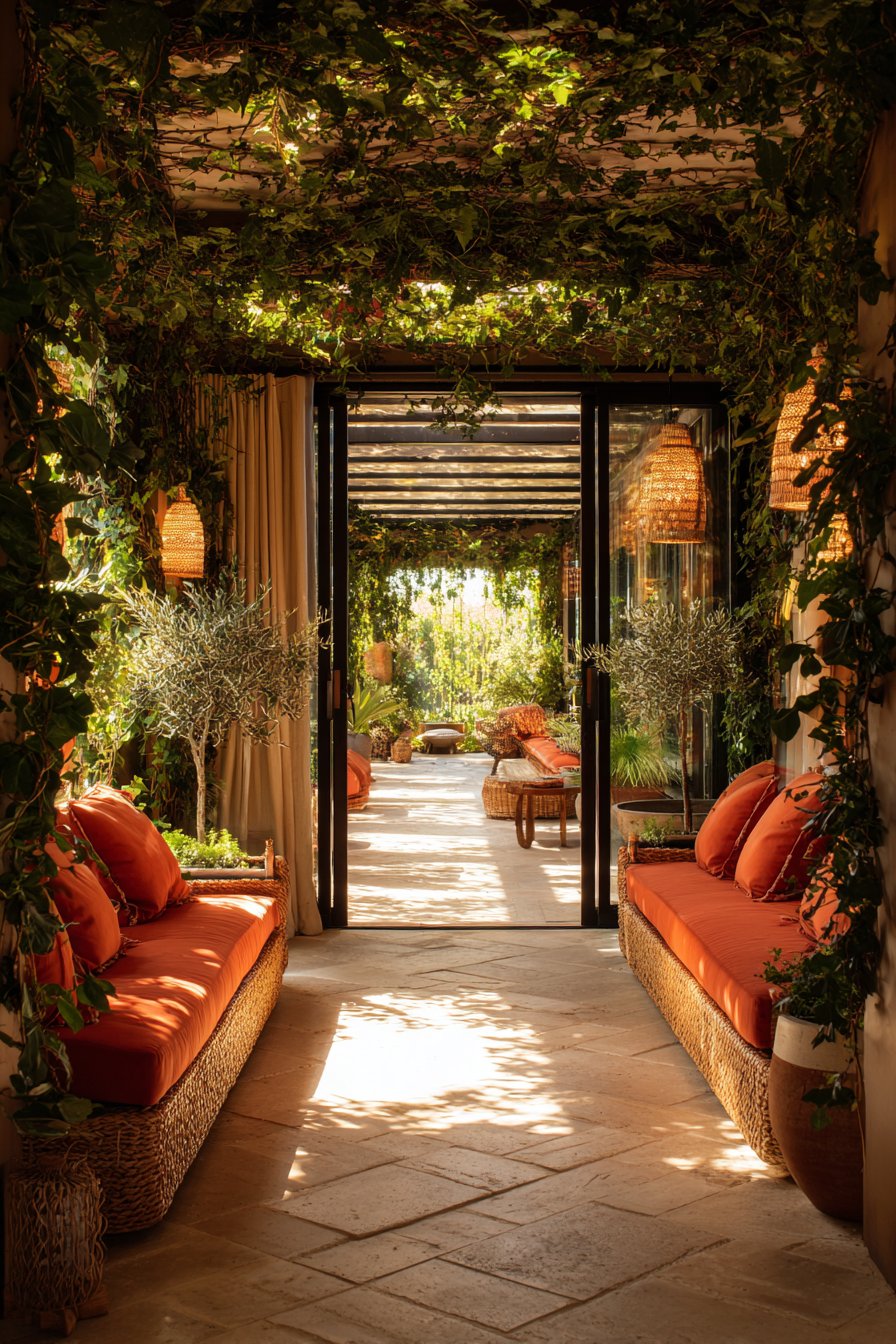
The most effective implementations allow for multi-sensory experiences of nature from within protected interior spaces. Open windows to invite fresh air and natural sounds, design spaces with views of gardens or landscapes, and create indoor-outdoor rooms that function year-round. Even urban dwellers can maximize connections through rooftop gardens, balcony plantings, and strategically positioned mirrors reflecting sky and clouds.
- Install French doors or sliding glass walls to expand visual access
- Position seating areas to maximize views of outdoor greenery
- Use nature-inspired artwork and photography as focal points
- Create window seats or reading nooks facing garden views
- Design outdoor spaces visible from primary living areas
- Incorporate natural fragrances through essential oils or fresh flowers
Conclusion
The biophilic design movement represents more than an aesthetic trend; it’s a fundamental reimagining of how we inhabit built environments. By incorporating natural elements, materials, and patterns, we create spaces that nurture our inherent need for nature connection. These principles work universally, adapting to various architectural styles, budgets, and personal preferences while delivering measurable improvements in well-being.
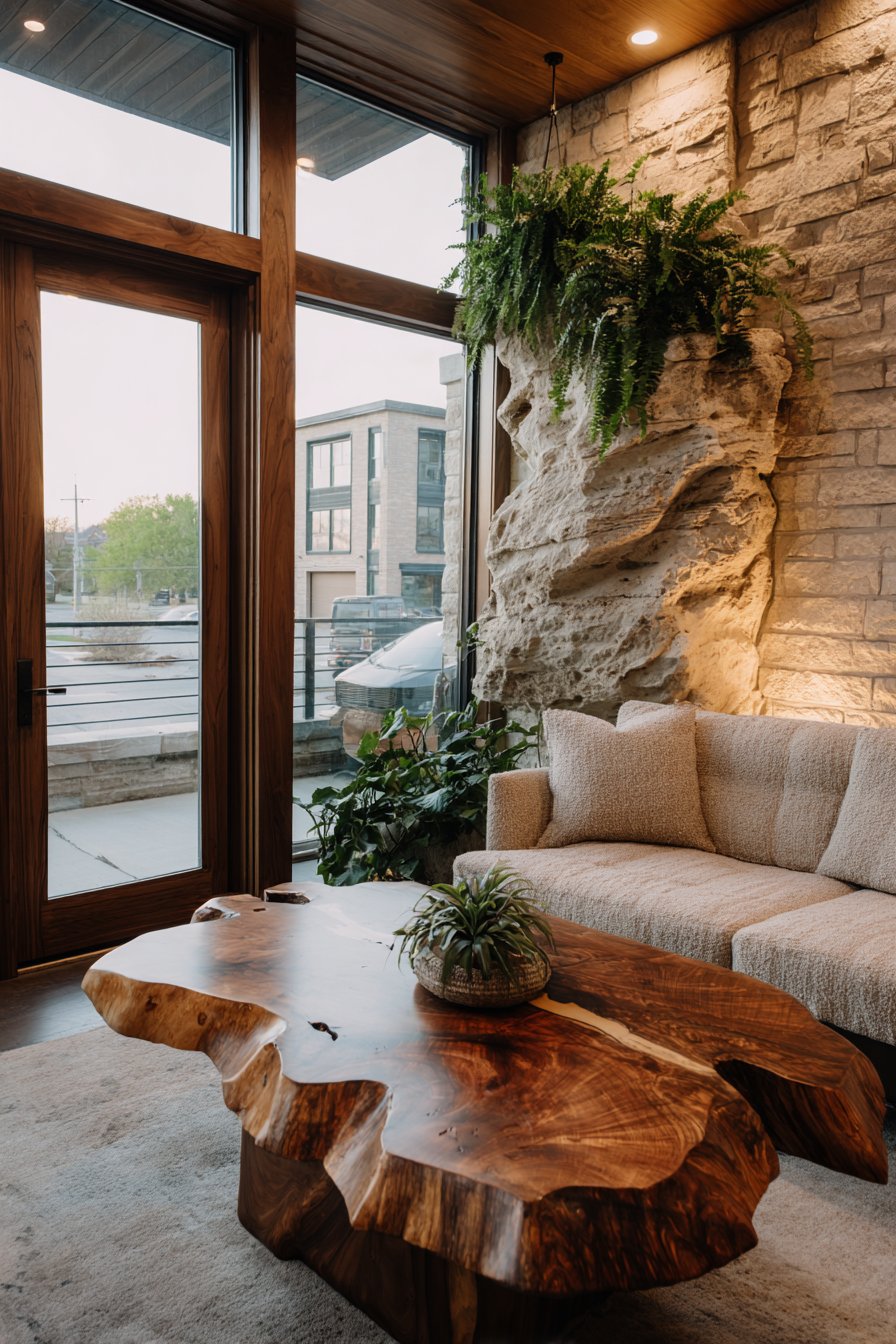
Start your biophilic journey with small, manageable changes—add plants, maximize natural light, or introduce one natural material element. As you experience the benefits, expand your implementation with water features, organic textures, and stronger indoor-outdoor connections. Your home should be a sanctuary that reconnects you with nature daily, providing respite from modern life’s demands while inspiring creativity, calm, and joy. Transform your space into a living embodiment of the biophilic philosophy, and watch as it transforms you in return.
