


The bedroom has evolved from a simple sleeping space into a personal sanctuary where we seek refuge from our busy lives. Today’s homeowners are increasingly drawn to earthy color palettes that create calming, grounded environments conducive to rest and relaxation. This shift represents more than just a passing trend—it’s a movement toward biophilic design that reconnects us with nature’s inherent tranquility.
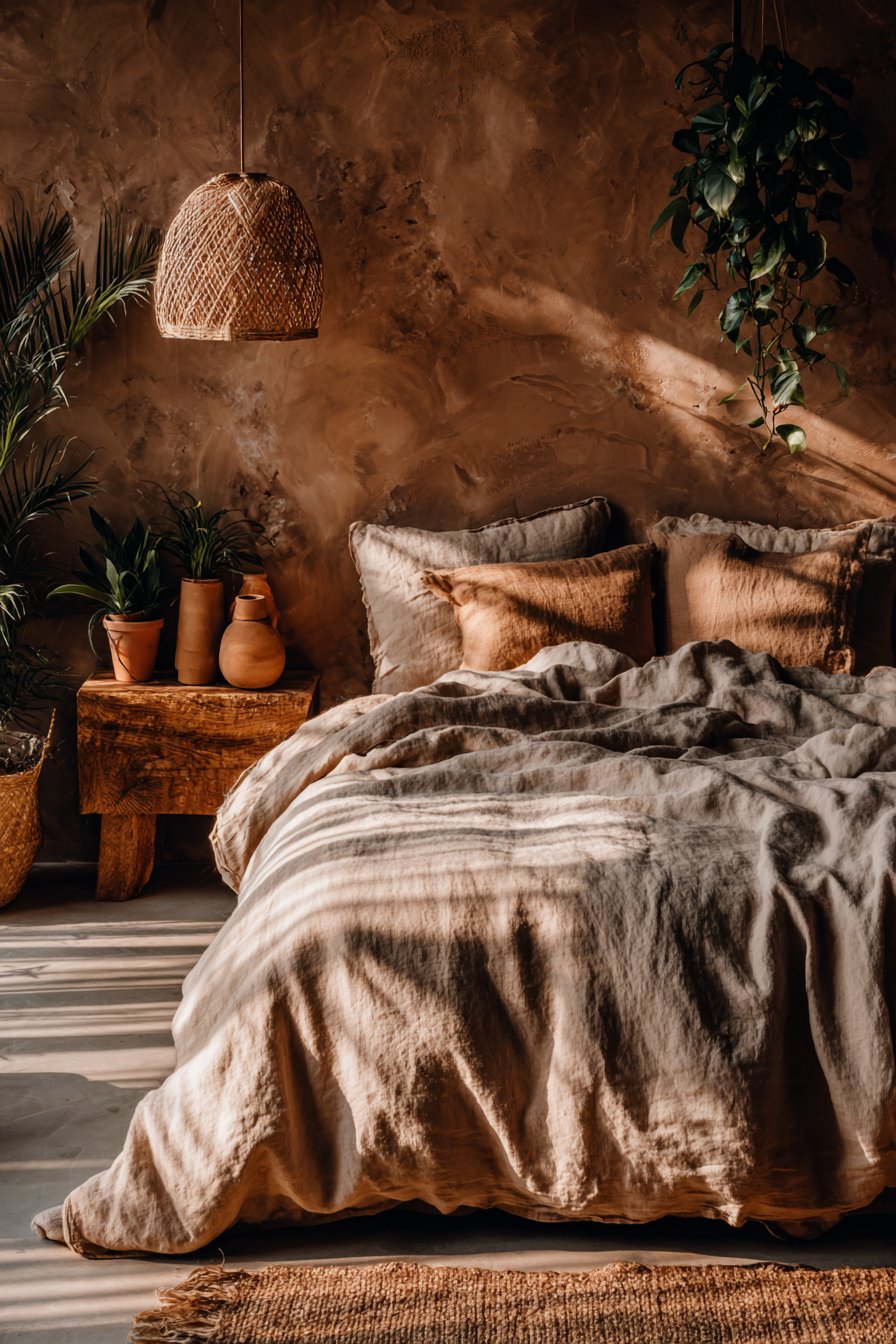
Earthy tones encompass warm terracottas, soft beiges, rich browns, muted greens, and gentle clay shades that mirror the natural world. These colors trigger psychological responses that promote stress reduction and emotional balance. Unlike stark whites or bold jewel tones, earth-inspired hues create cocoons of comfort that feel both sophisticated and nurturing. They work harmoniously with natural light throughout the day, shifting subtly from dawn to dusk. Our earthy bedroom ideas has more inspiration along these same lines.
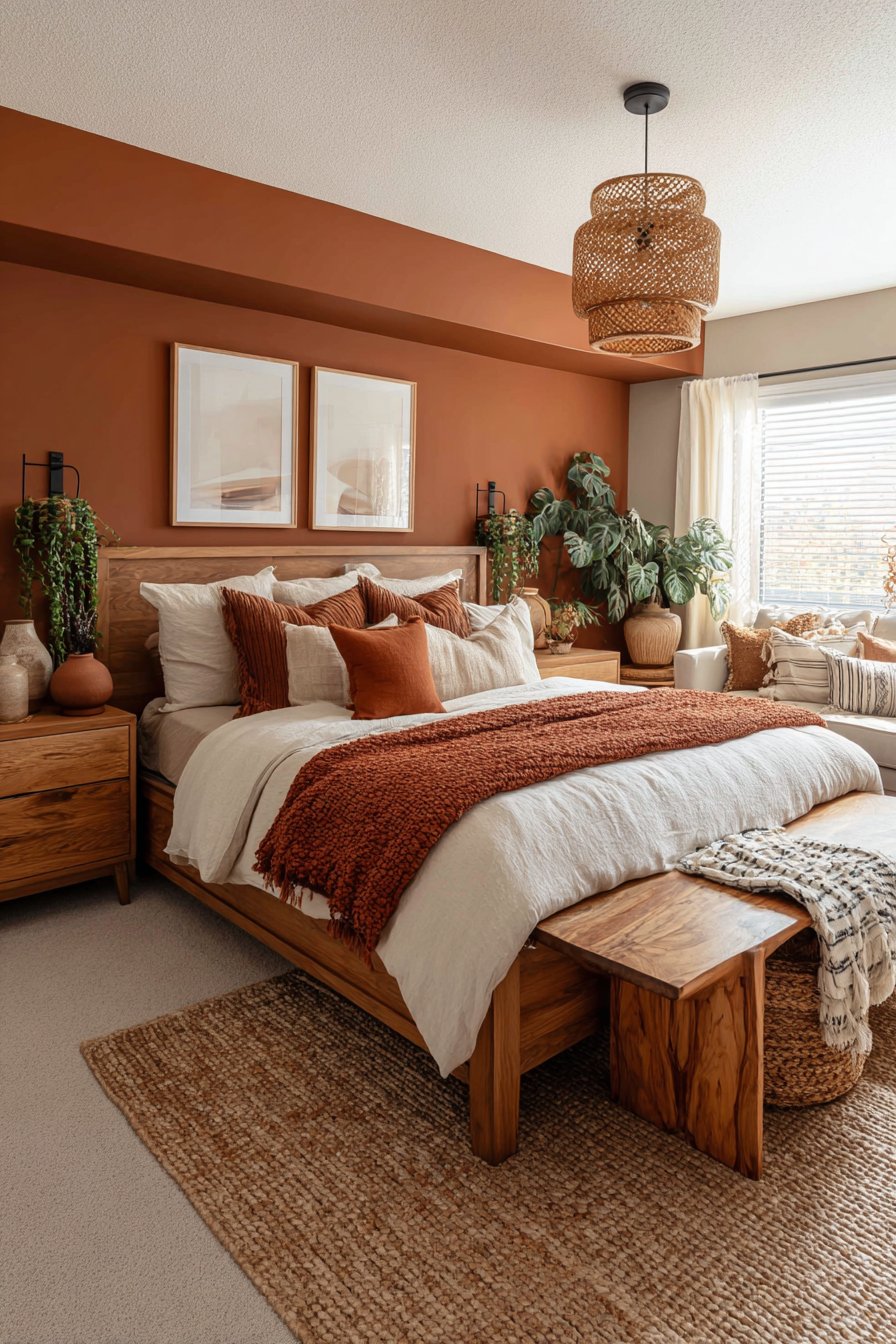
This article explores six transformative approaches to incorporating the earthy color movement into your bedroom. From foundational wall treatments to accent details, you’ll discover practical strategies for creating a space that feels organic, restful, and timelessly elegant. Whether you’re planning a complete renovation or seeking simple updates, these ideas will help you embrace this nature-inspired aesthetic.
1. Foundation Walls in Warm Neutrals
Your bedroom walls set the entire tone for the space, making them the ideal canvas for earthy transformation. Warm neutral tones like terracotta, warm taupe, and clay create an enveloping atmosphere that feels both cozy and expansive. These shades have undertones that reflect natural elements—think sun-baked earth, desert landscapes, and weathered stone. Our the warm bedroom ideas has more inspiration along these same lines.
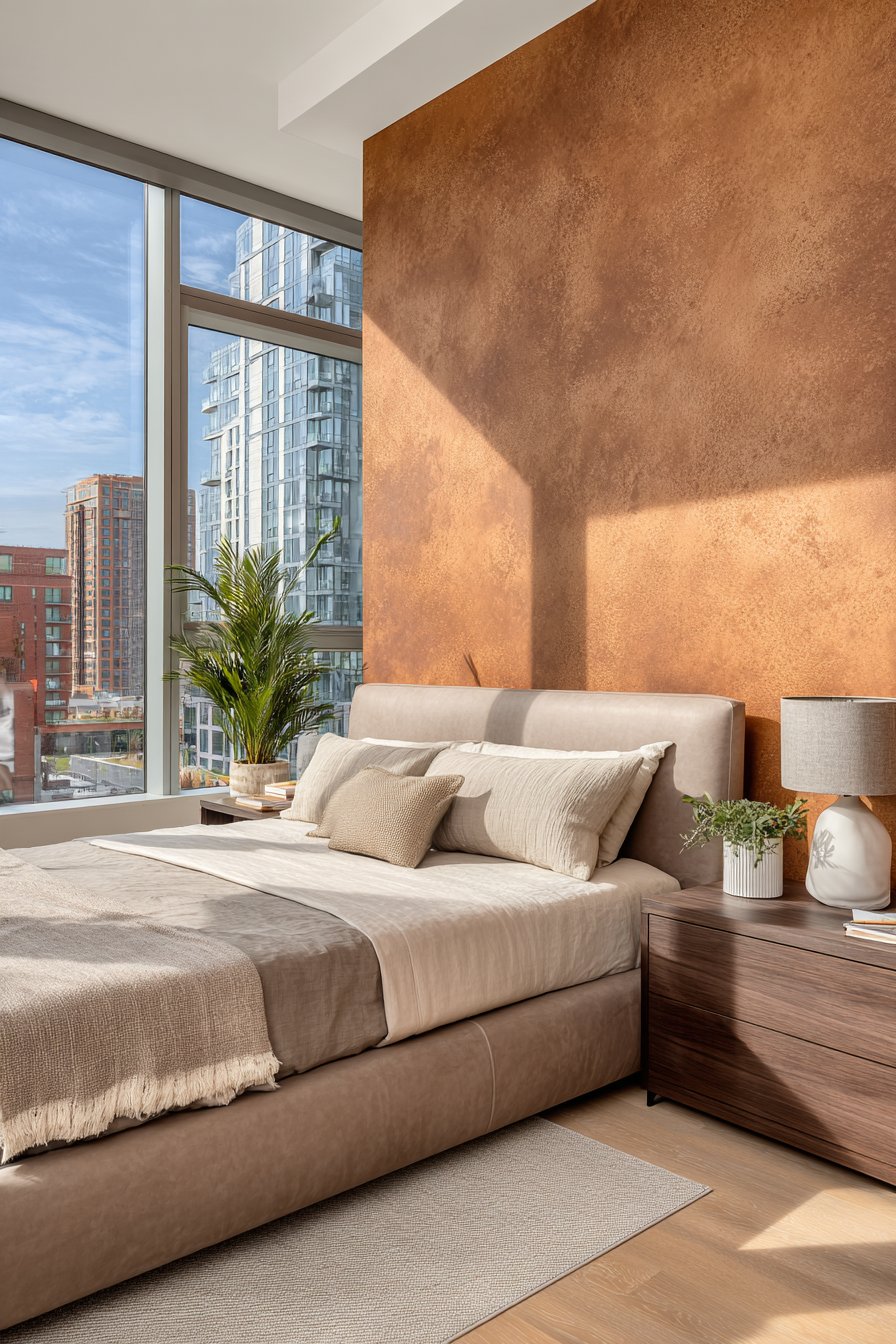
The beauty of earthy wall colors lies in their versatility and timelessness. Unlike trendy hues that quickly feel dated, warm neutrals provide longevity while allowing flexibility in decor changes. They pair beautifully with both modern and traditional furniture styles. Consider matte or flat finishes that absorb light gently, creating depth without harsh reflections that disrupt sleep.
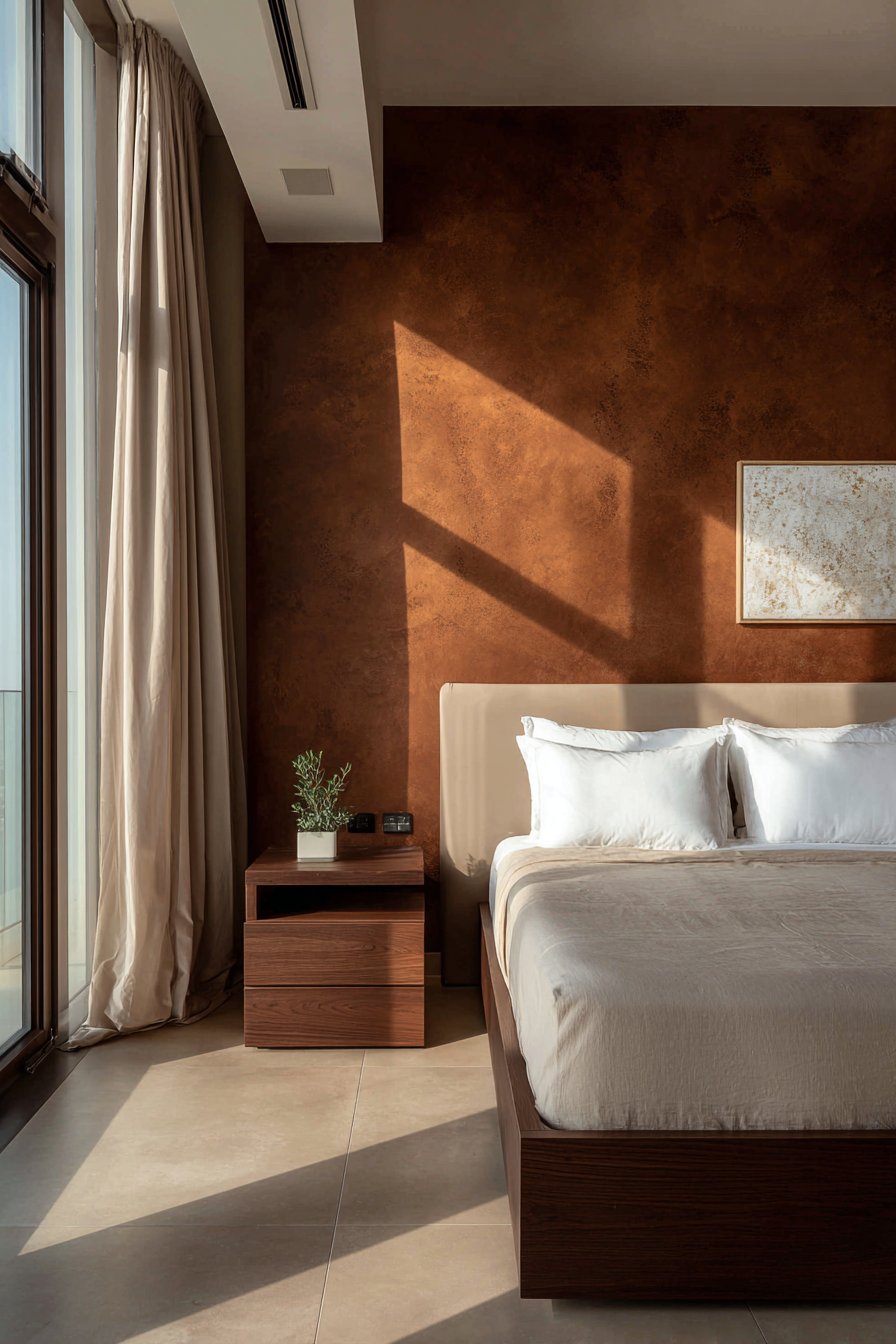
Testing paint samples is crucial for achieving your desired effect. Apply large swatches on different walls to observe how natural light affects the color throughout the day. North-facing rooms benefit from warmer tones like peachy beiges, while south-facing spaces can handle cooler earth tones like sage-tinged grays.
- Choose colors with warm undertones to avoid cold, unwelcoming spaces
- Test multiple shades in your specific lighting conditions before committing
- Consider accent walls in deeper earth tones for visual interest
- Pair with white trim to create clean, defined architectural lines. See our white and gold kitchen ideas guide for more direction in this style.
- Use different sheens strategically—matte for walls, satin for trim
- Remember that earthy tones make rooms feel more intimate and smaller
2. Natural Textiles and Layered Bedding
Earthy bedrooms demand tactile richness that engages multiple senses beyond visual appeal. Natural fiber textiles like linen, cotton, wool, and jute bring authentic organic texture that synthetic materials cannot replicate. These fabrics also regulate temperature better, promoting comfortable sleep year-round while supporting sustainable practices.

Layering is essential for creating depth within an earthy color scheme. Start with a neutral base in cream or oatmeal, then add throws and pillows in varying earth tones. Mix textures—smooth cotton sheets with chunky knit blankets and woven cushion covers—to create visual and tactile interest. The varying densities catch light differently, adding dimension to monochromatic palettes.
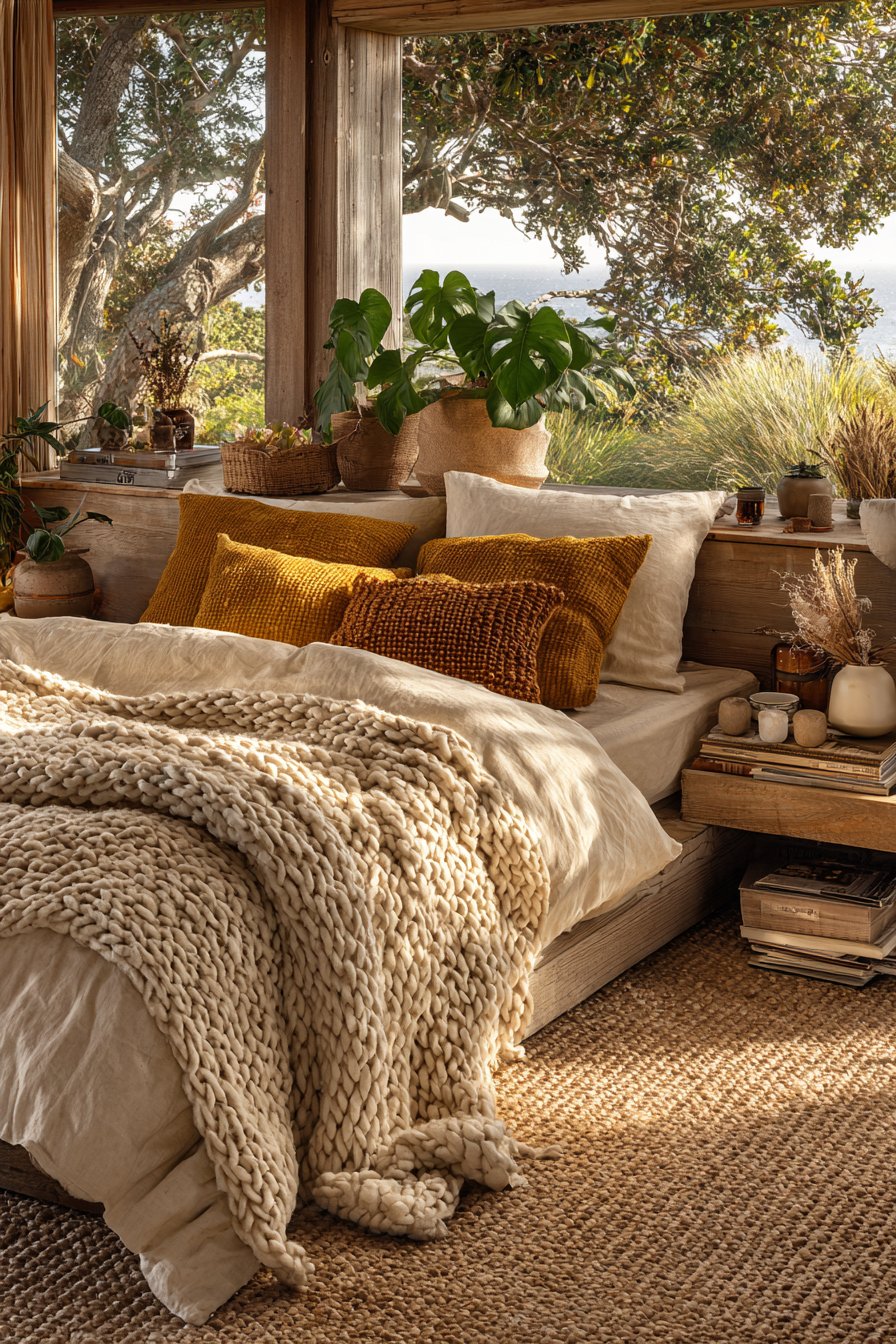
Quality natural textiles age beautifully, developing character over time rather than deteriorating. Linen bedding becomes softer with each wash, while wool maintains its structure and warmth. This longevity makes natural fibers a wise investment that aligns with the sustainable ethos underlying the earthy color movement.
- Invest in 100% linen or organic cotton sheets for foundational layers
- Add textured throws in terracotta, rust, or deep ochre for warmth
- Choose pillows in varying sizes with natural fiber covers
- Incorporate woven elements like macramé or jute for added texture
- Layer rugs—place smaller natural fiber rugs over larger neutral ones
- Wash natural textiles according to care instructions to maintain quality
3. Wood Tones as Visual Anchors
Wood brings inherent warmth and organic patterns that perfectly complement earthy color palettes. Different wood species offer varying tones—from light ash and birch to medium walnut and rich mahogany. These natural variations provide visual interest while maintaining the cohesive, nature-inspired aesthetic central to this movement.
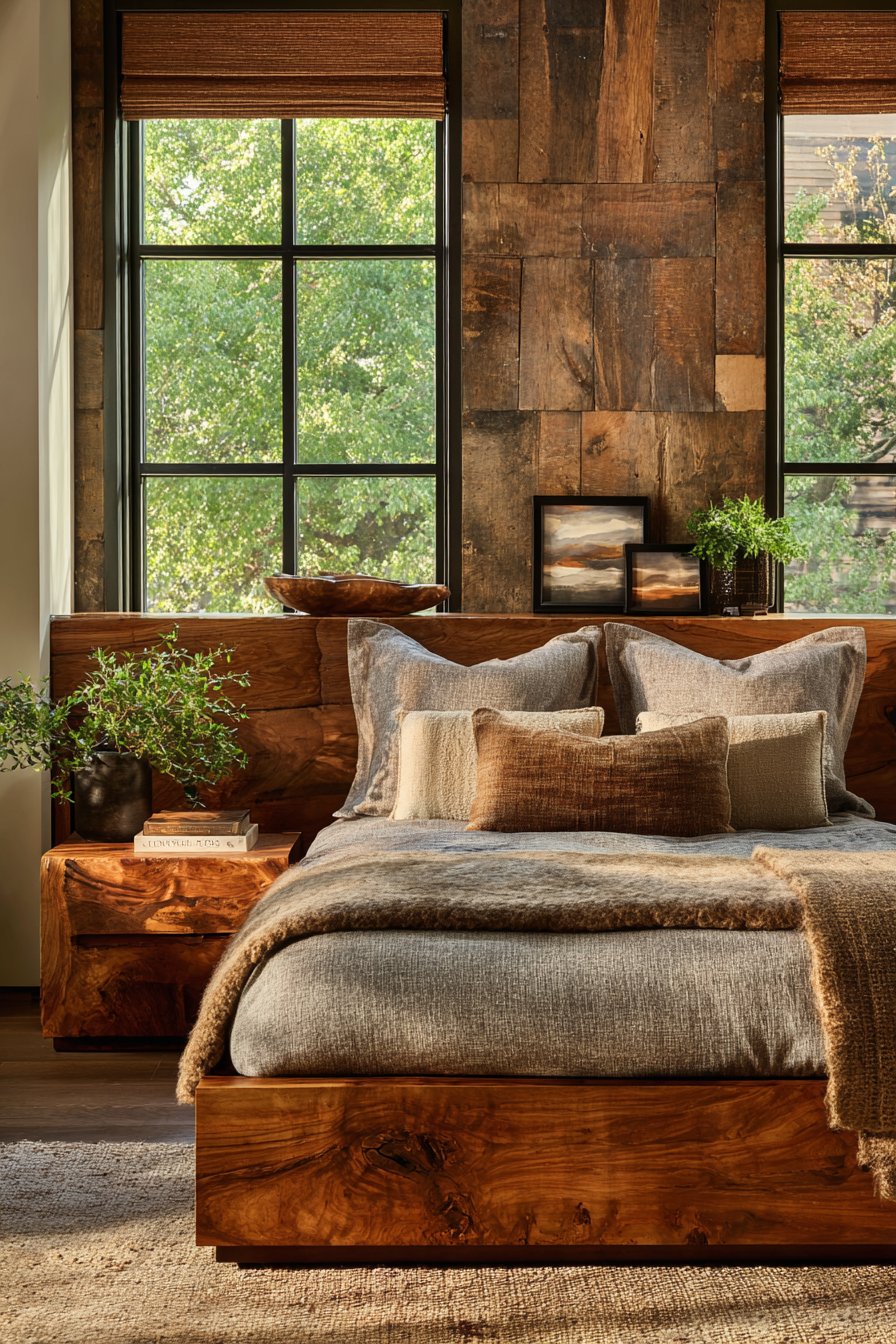
Furniture pieces in wood create substantial visual anchors that ground your design scheme. A solid wood bed frame, nightstands, or dresser in warm tones establishes credibility for your earthy palette. The grain patterns add subtle movement and complexity that painted furniture cannot achieve. Mix wood finishes thoughtfully, limiting yourself to two or three complementary tones.
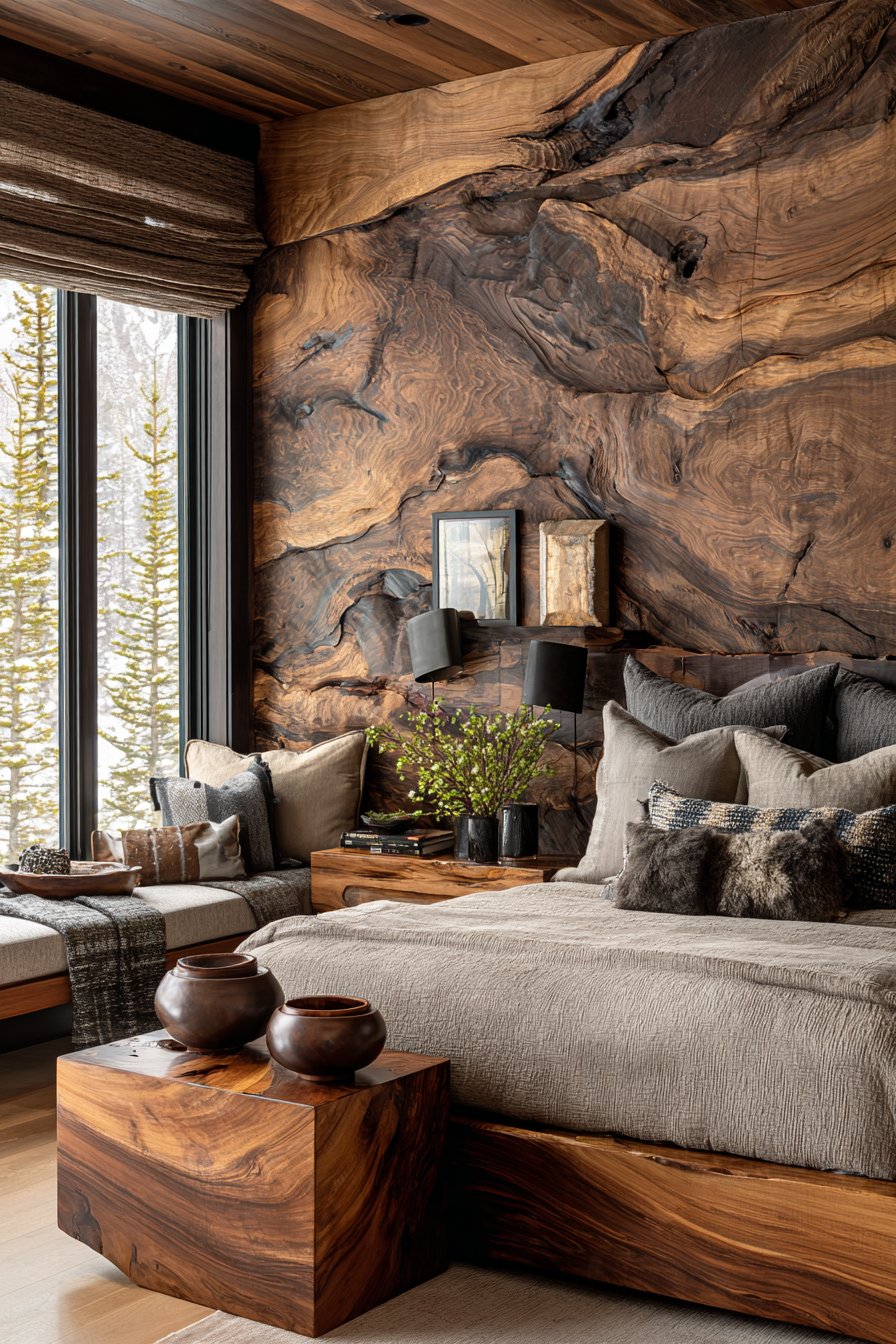
Wood’s versatility extends beyond furniture to architectural elements like exposed beams, wood paneling, or reclaimed wood accent walls. These features add architectural interest while reinforcing the natural theme. Even small wooden accessories—picture frames, decorative bowls, or wall shelves—contribute to the overall earthy atmosphere.
- Select furniture with visible wood grain rather than heavily stained pieces
- Mix wood tones but ensure they share similar undertones
- Incorporate live-edge pieces for organic, naturalistic appeal
- Add wooden accessories like trays, boxes, or sculptural objects
- Consider wood blinds or shutters instead of fabric window treatments
- Maintain wood surfaces with natural oils to preserve their beauty
4. Botanical Elements and Greenery
Living plants are non-negotiable in authentic earthy bedroom design. They purify air, add life, and introduce the green tones that complete earth-inspired palettes. Plants create visual connections to nature that static decor elements cannot replicate. Their organic shapes soften architectural lines and add movement as they respond to air currents.
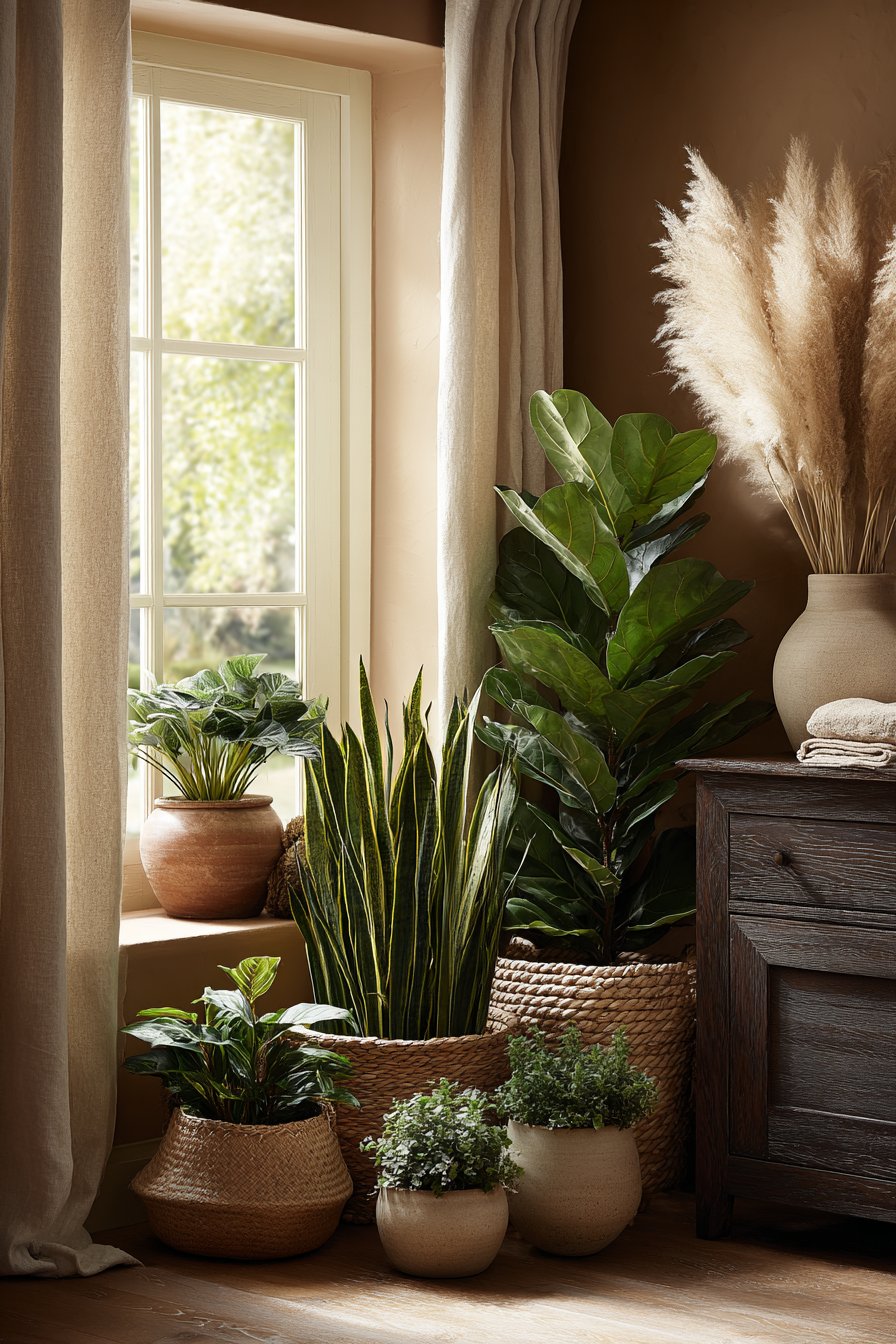
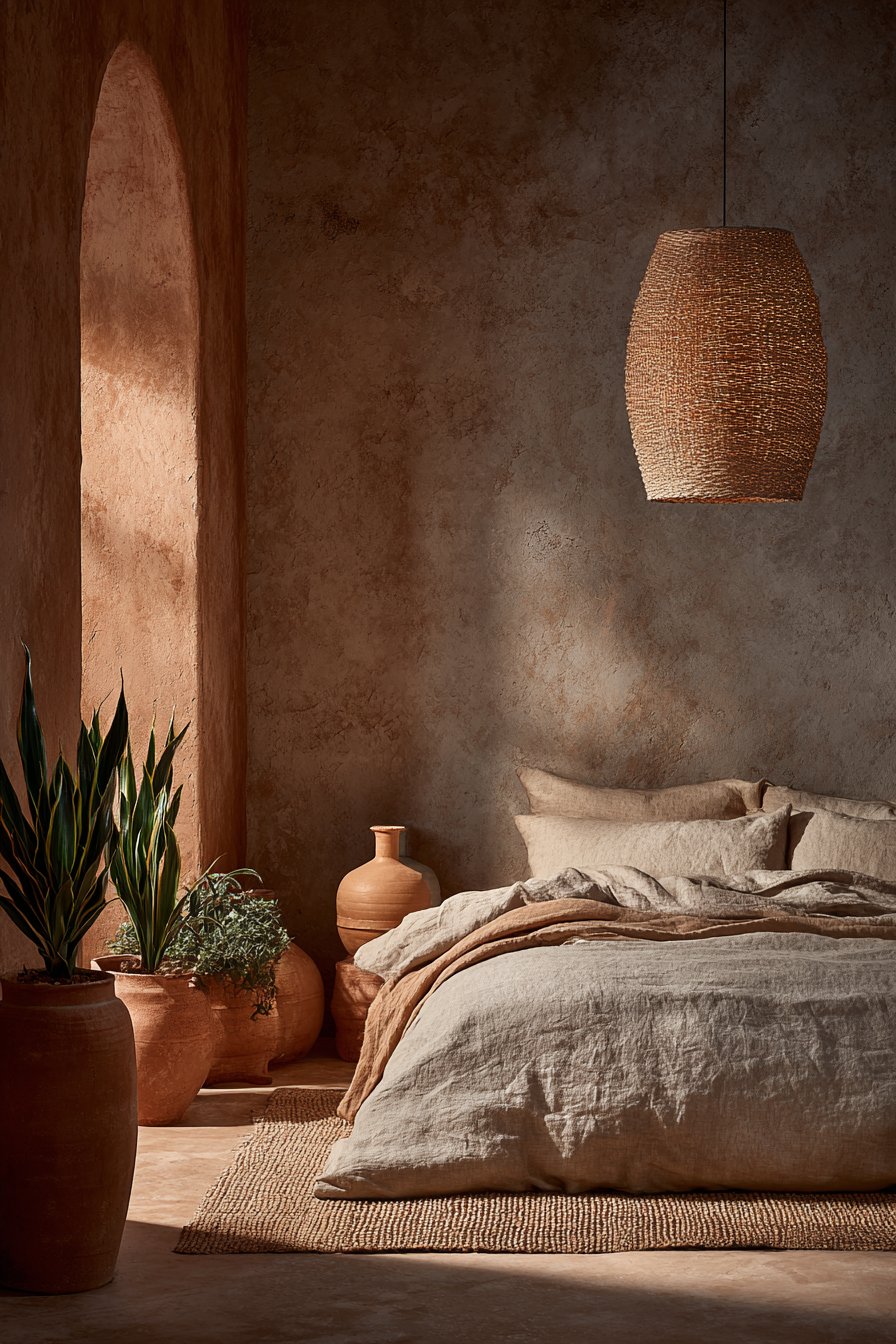
Choose low-maintenance varieties that thrive in bedroom conditions with varying light levels. Snake plants, pothos, and ZZ plants tolerate lower light while still providing lush greenery. Larger floor plants like fiddle leaf figs or rubber plants create dramatic focal points. Group smaller plants on nightstands or dressers for layered visual impact.
Plant containers offer additional opportunities to reinforce earthy aesthetics. Terracotta pots, ceramic planters in neutral tones, or woven baskets align perfectly with the color movement. These natural materials complement both the plants and your overall design scheme while adding textural variety.
- Start with at least three plants of varying sizes for balanced composition
- Choose ceramic or terracotta containers that match your color palette
- Position plants where they’ll receive appropriate light for their species
- Group plants in odd numbers for more natural, appealing arrangements
- Add dried botanicals like pampas grass for low-maintenance texture
- Rotate plants occasionally to ensure even growth and exposure
5. Clay and Ceramic Accessories
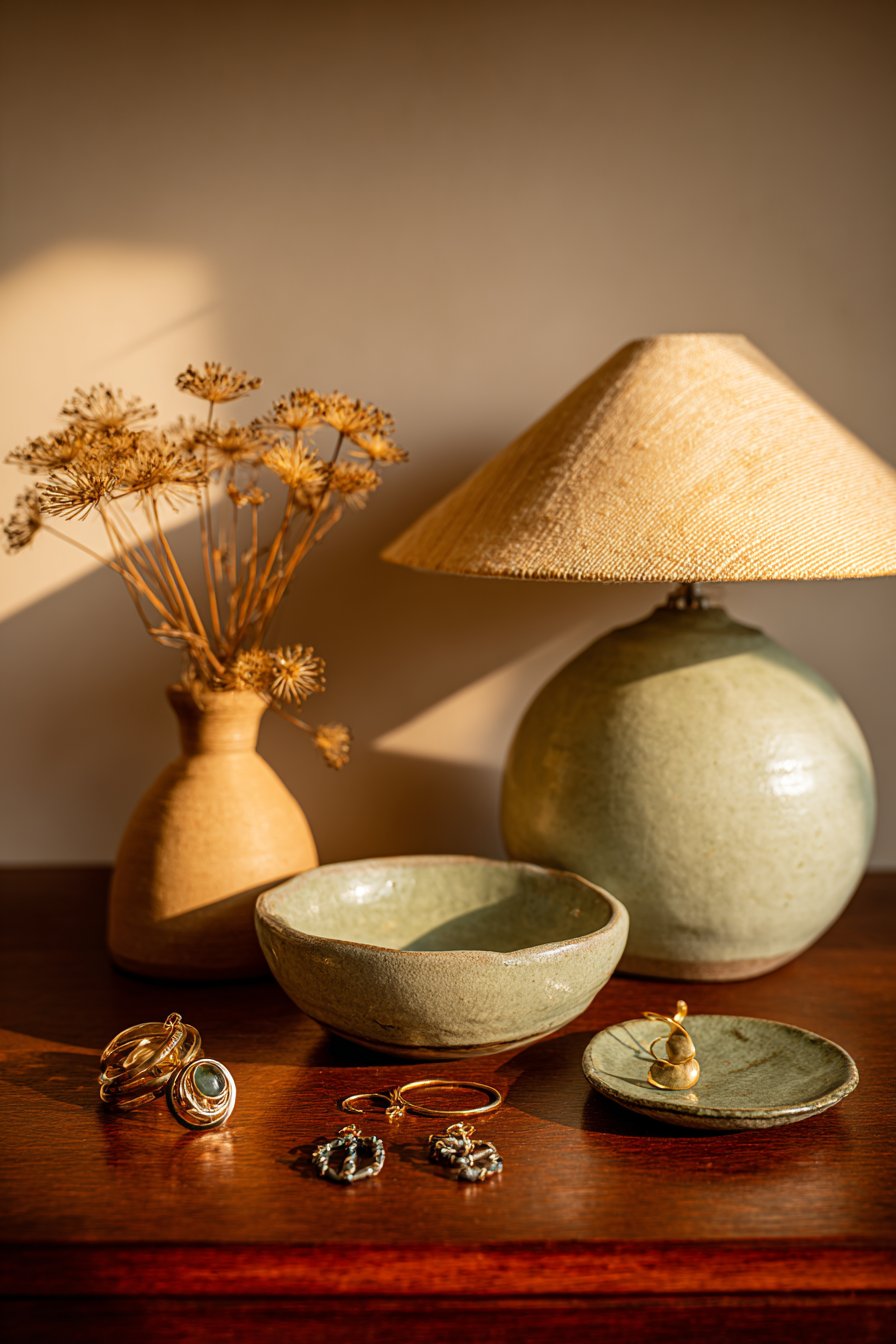
Pottery and ceramics in earth-toned glazes bring artisanal quality that elevates earthy bedrooms beyond basic neutrals. Handmade pieces add character and uniqueness that mass-produced items lack. The slight imperfections in artisan pottery—variations in glaze, shape irregularities, fingerprints in clay—create authentic charm that resonates with the movement’s natural philosophy.

These decorative objects serve both functional and aesthetic purposes. Ceramic vases hold fresh or dried botanicals, while pottery bowls corral jewelry or keys. Table lamps with ceramic bases in terracotta or sage provide ambient lighting while reinforcing your color story. The matte finishes typical of earth-toned ceramics absorb light gently, contributing to the room’s restful atmosphere.
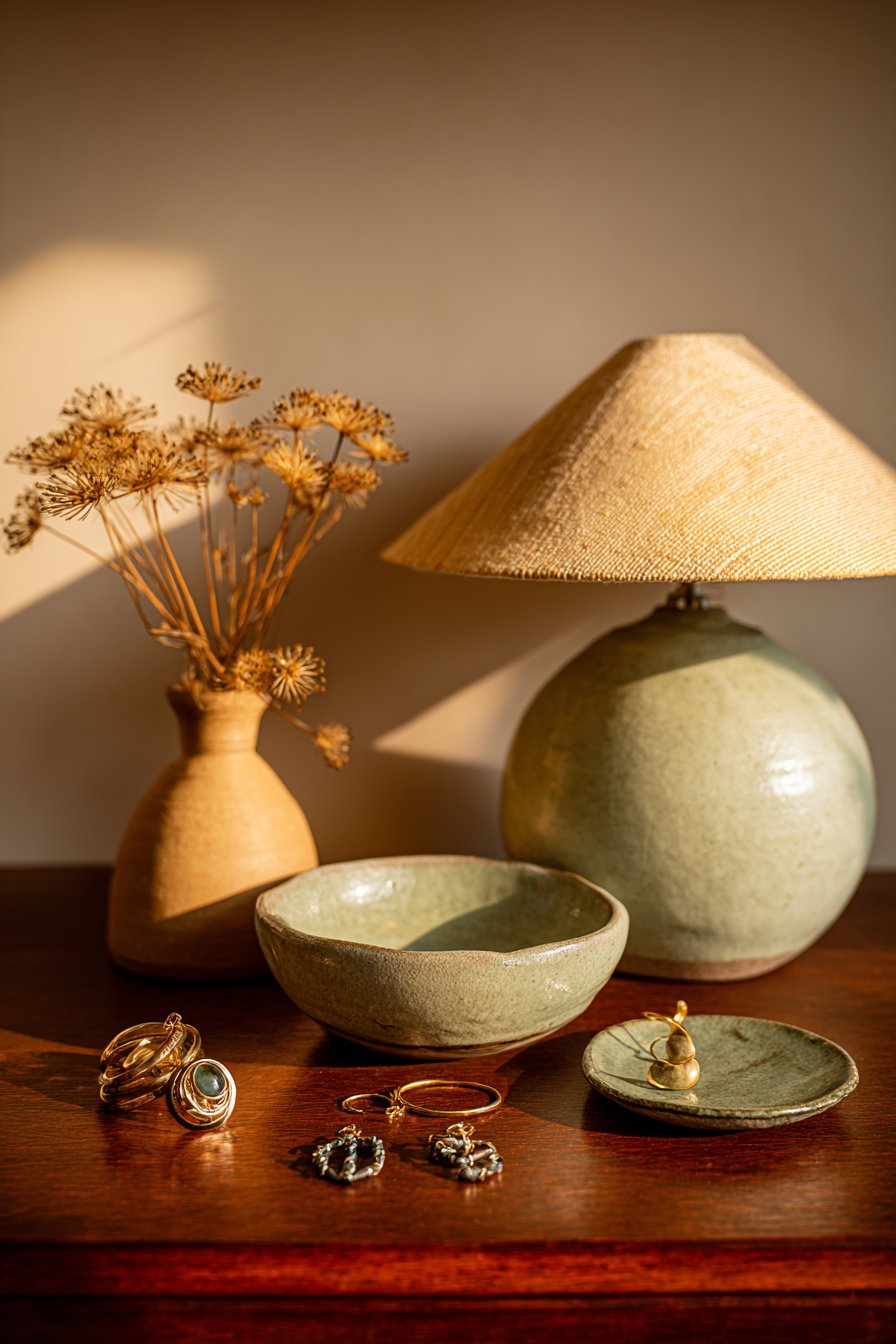
Sourcing pottery from local artisans or craft markets adds meaning to your decor choices. Each piece tells a story and supports skilled craftspeople. Display these items prominently on nightstands, dressers, or floating shelves where their organic forms and warm glazes enhance your earthy palette.
- Select pottery with visible craftsmanship marks for authentic appeal
- Group ceramic pieces in odd numbers on surfaces
- Choose matte or satin glazes over high-gloss finishes
- Mix pottery shapes and sizes while maintaining color cohesion
- Display handmade pieces where they’ll be appreciated daily
- Support local artisans by purchasing directly from makers
6. Lighting for Warm Ambiance
Lighting dramatically affects how earthy colors appear and how the room feels. Warm-toned bulbs (2700-3000K) enhance terracottas, browns, and warm neutrals while creating cozy, intimate atmospheres. Cool lighting undermines earthy palettes, making warm tones appear muddy or gray. Strategic lighting placement transforms your bedroom into a restful sanctuary.

Layer lighting types to accommodate different activities and moods. Overhead fixtures provide general illumination, while table lamps on nightstands offer task lighting for reading. Wall sconces add ambient light without consuming surface space. Consider dimmer switches that allow you to adjust brightness throughout the evening, supporting your natural circadian rhythm.
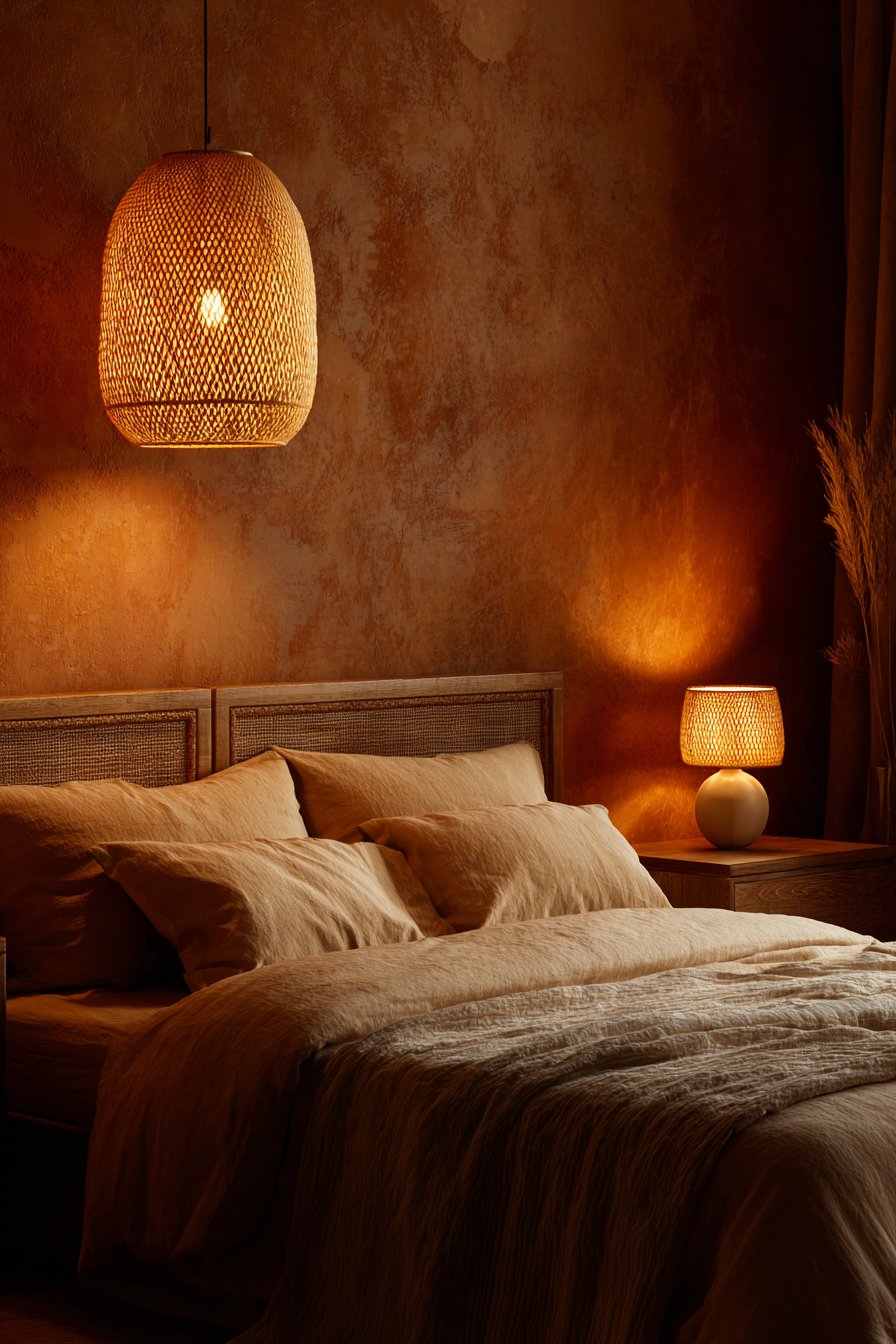
Natural materials in light fixtures reinforce your earthy aesthetic. Rattan pendant lights, wood-based table lamps, and ceramic fixtures complement your color palette while adding textural interest. Even the warm glow through natural fiber lamp shades contributes to the organic, grounded feeling central to this design movement.
- Install warm LED bulbs throughout for consistent color temperature
- Add dimmer switches to all light sources for flexibility
- Choose fixtures with natural materials like wood, rattan, or ceramic
- Position table lamps to eliminate harsh shadows on faces
- Consider battery-operated LED candles for safe ambient glow
- Ensure adequate task lighting for reading without eye strain
Conclusion
The earthy color movement in bedrooms represents a meaningful shift toward nature-connected living within our most personal spaces. By incorporating warm neutrals, natural textiles, wood tones, botanicals, artisan ceramics, and thoughtful lighting, you create a sanctuary that promotes genuine rest and rejuvenation. These elements work synergistically to ground you in comfort while elevating your everyday experience.
Start small if a complete renovation feels overwhelming—swap textiles, add plants, or change lighting first. The earthy aesthetic is forgiving and flexible, allowing you to evolve your space gradually. Trust your instincts, choose elements that resonate with you personally, and embrace the transformative power of bringing nature’s palette into your bedroom sanctuary.
