


Transitional design has emerged as one of the most enduring and beloved interior design styles of our time. This sophisticated approach seamlessly blends traditional and contemporary elements, creating spaces that feel both familiar and fresh. The beauty of transitional design lies in its ability to transcend fleeting trends while maintaining a sense of modern relevance.
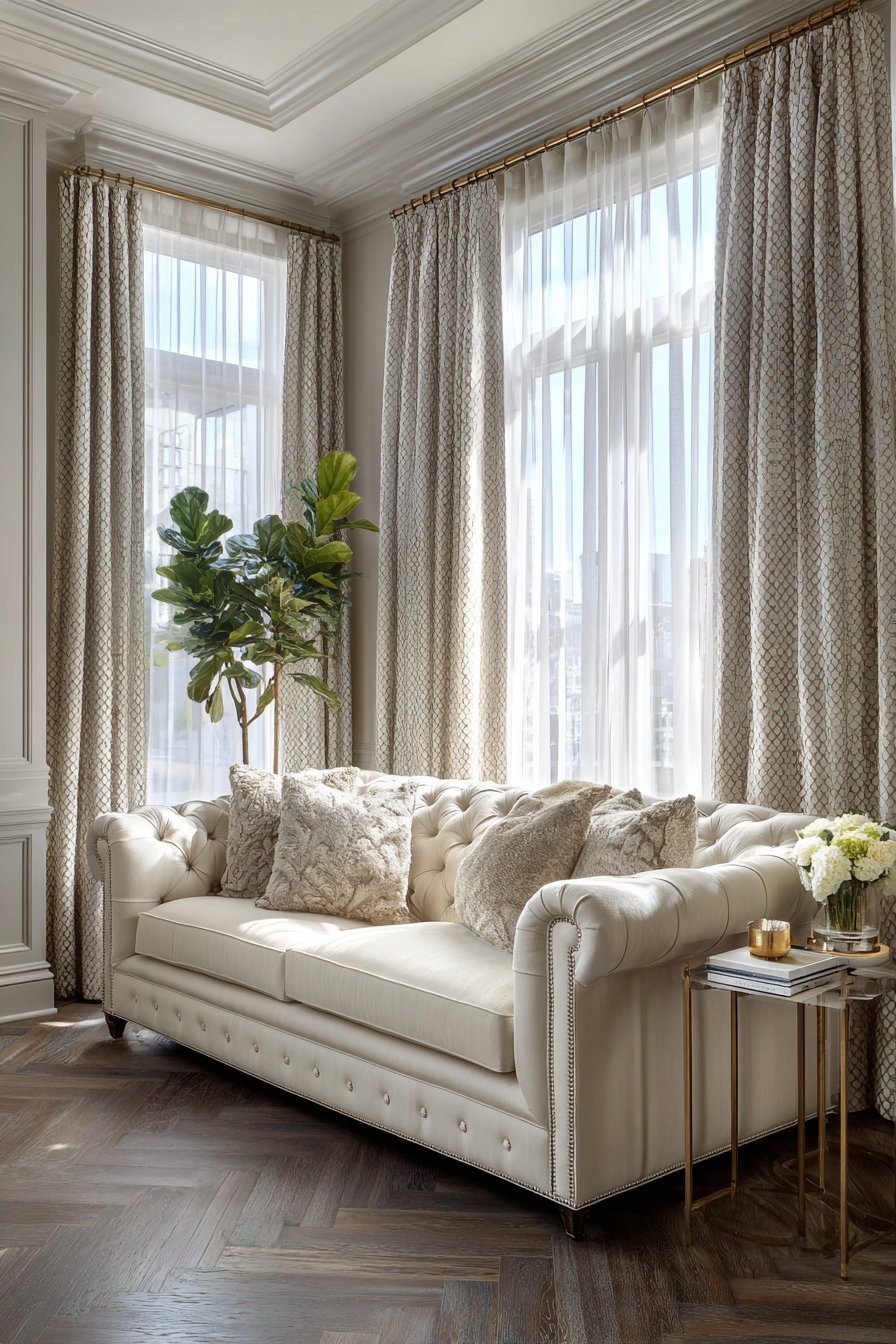
In today’s fast-paced world, homeowners seek interiors that offer comfort without sacrificing style. Transitional design answers this need perfectly by combining the warmth of traditional aesthetics with the clean lines of contemporary design. This balanced approach creates environments that feel welcoming yet refined, making it an ideal choice for those who appreciate timeless elegance. The style’s inherent flexibility allows it to adapt to various personalities and lifestyles while maintaining its sophisticated character.
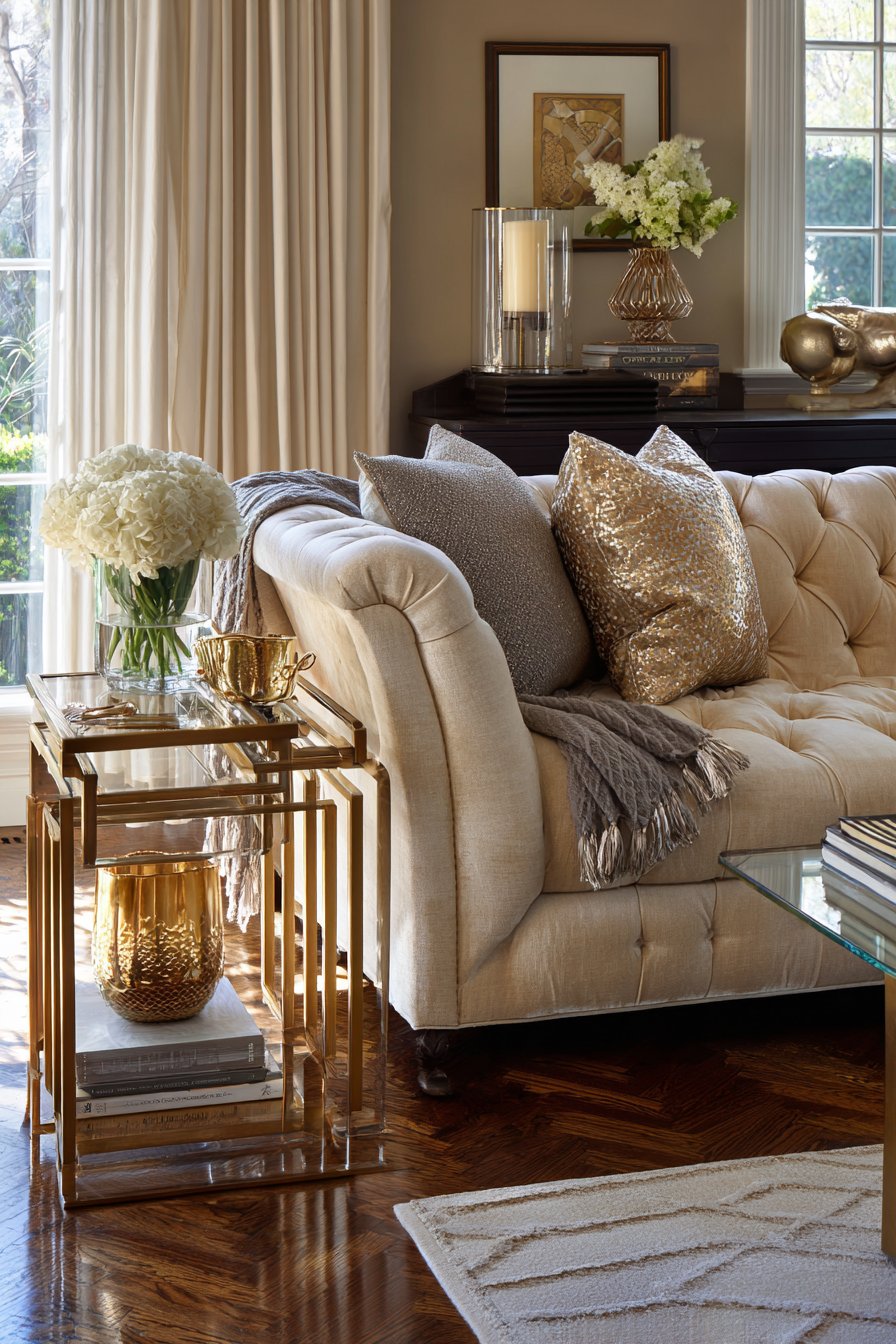
Throughout this article, we’ll explore the key elements that make transitional design such a lasting choice for homeowners and designers alike. From its masterful use of neutral palettes to its emphasis on quality materials, each aspect contributes to creating spaces that age gracefully. Understanding these principles will help you create interiors that remain stylish and relevant for years to come.
1. The Perfect Balance of Old and New
Transitional design thrives on its ability to merge classic and modern elements without favoring one over the other. This delicate equilibrium prevents spaces from feeling dated or overly trendy. The style incorporates traditional architectural details like crown molding alongside contemporary furniture pieces, creating a harmonious visual dialogue. This approach ensures that your investment in furniture and decor remains relevant regardless of changing trends.
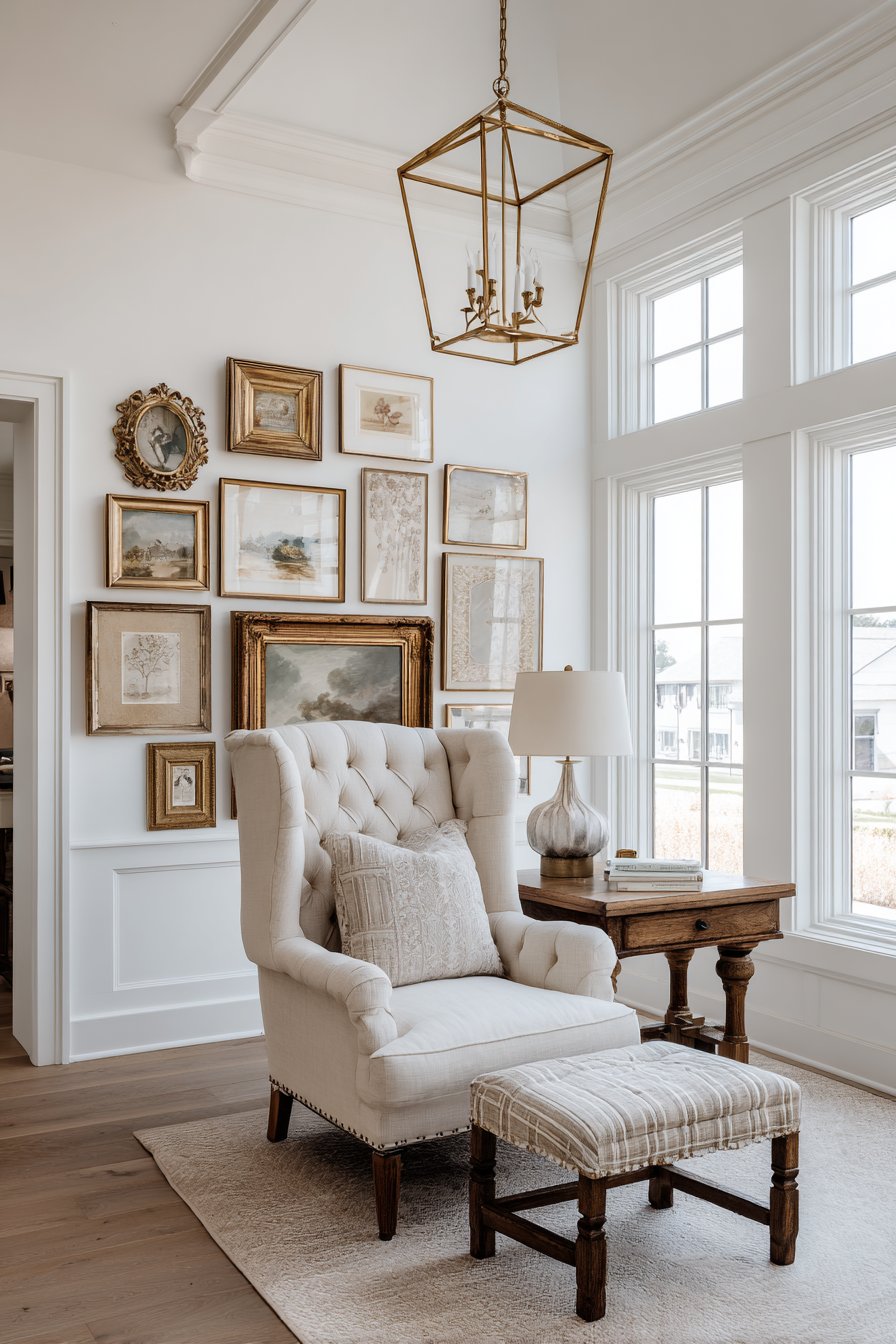
The genius of this balance lies in its subtlety and restraint. Rather than making bold statements with either traditional or modern pieces, transitional design opts for understated elegance. A room might feature a classic tufted sofa paired with sleek metal accent tables, demonstrating how different eras can coexist beautifully. This measured approach creates spaces that feel collected rather than decorated overnight.
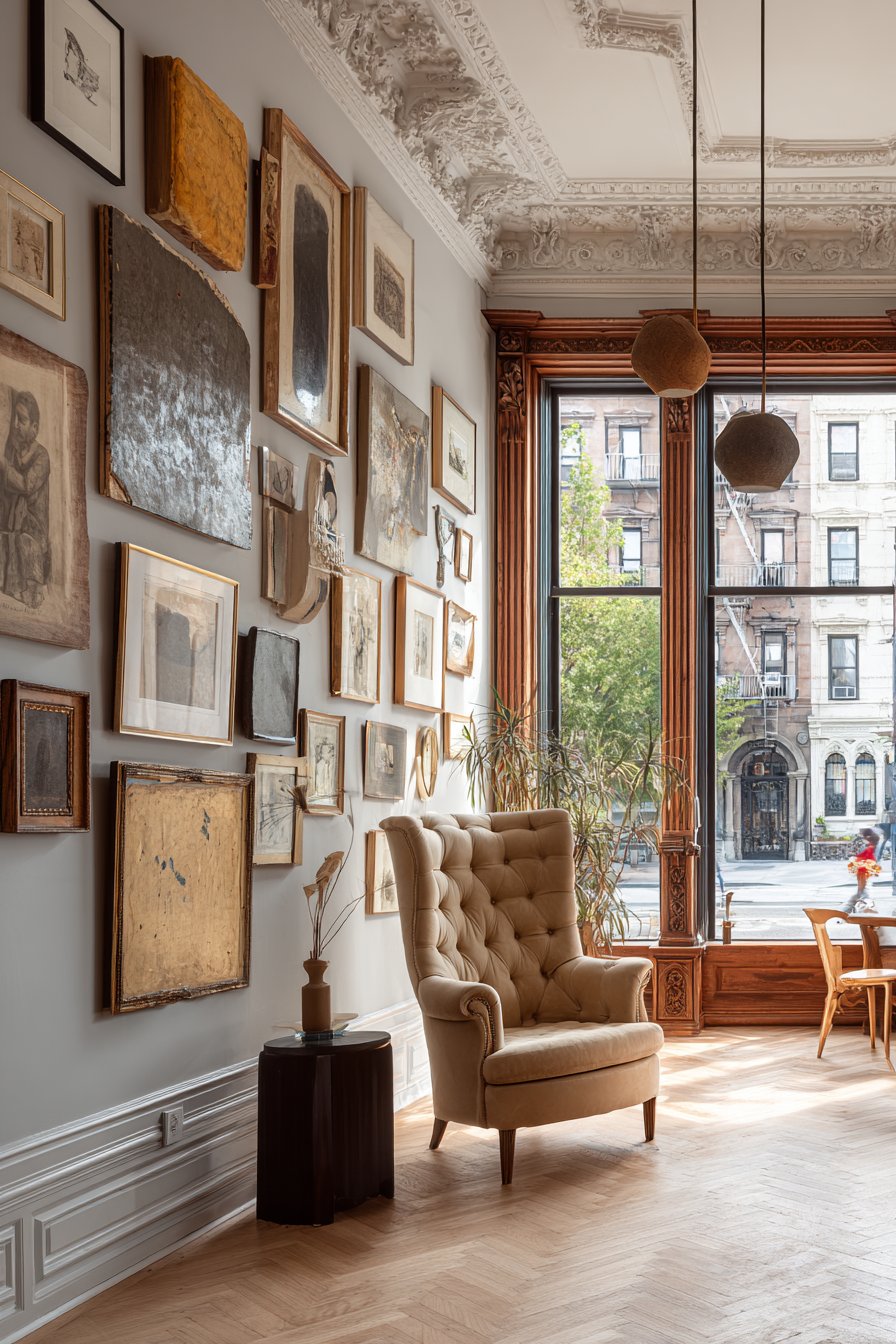
Successfully achieving this balance requires careful curation and thoughtful placement. Each piece should complement rather than compete with surrounding elements. The goal is to create a cohesive aesthetic where no single item overwhelms the space. This restraint and intentionality contribute significantly to the style’s timeless appeal.
- Mix furniture from different periods to create visual interest
- Pair ornate traditional pieces with simple modern accessories
- Use architectural details sparingly to avoid overwhelming the space
- Select items based on quality and longevity rather than trends
- Maintain consistency in scale and proportion across all elements
- Allow each piece room to breathe and make its own statement
2. Neutral Color Palettes That Never Fade
The foundation of transitional design rests on neutral color schemes that provide endless versatility. Shades of beige, gray, cream, and taupe create a sophisticated backdrop that never feels outdated. These colors offer the perfect canvas for layering textures and introducing subtle variations. The timeless nature of neutrals ensures that your space remains fresh and appealing year after year.
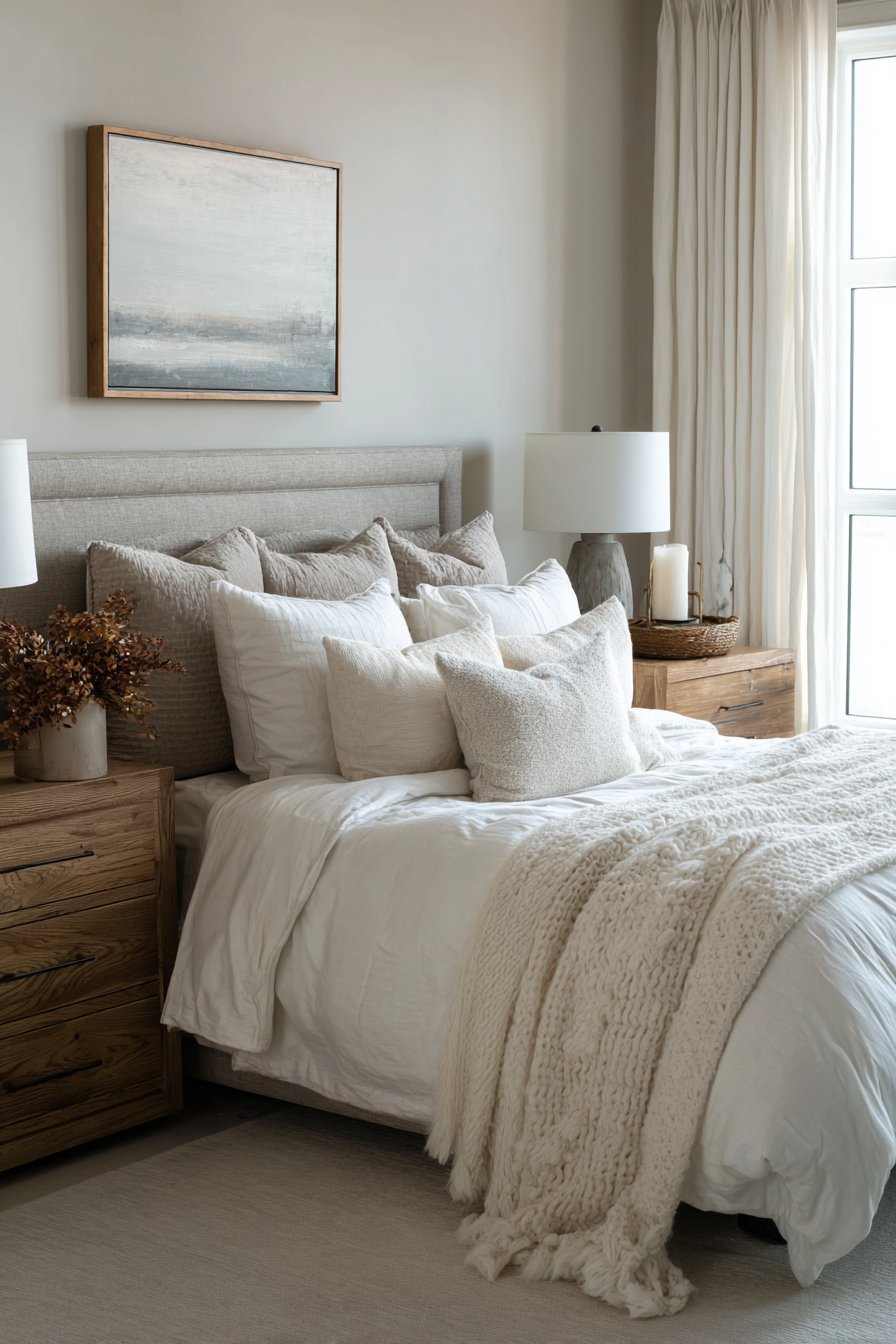
Neutral palettes also provide practical advantages beyond their aesthetic appeal. They make spaces feel larger and more cohesive while allowing flexibility in accent choices. You can easily update a room’s mood by changing throw pillows or artwork without undertaking major renovations. This adaptability makes transitional design particularly cost-effective in the long run.
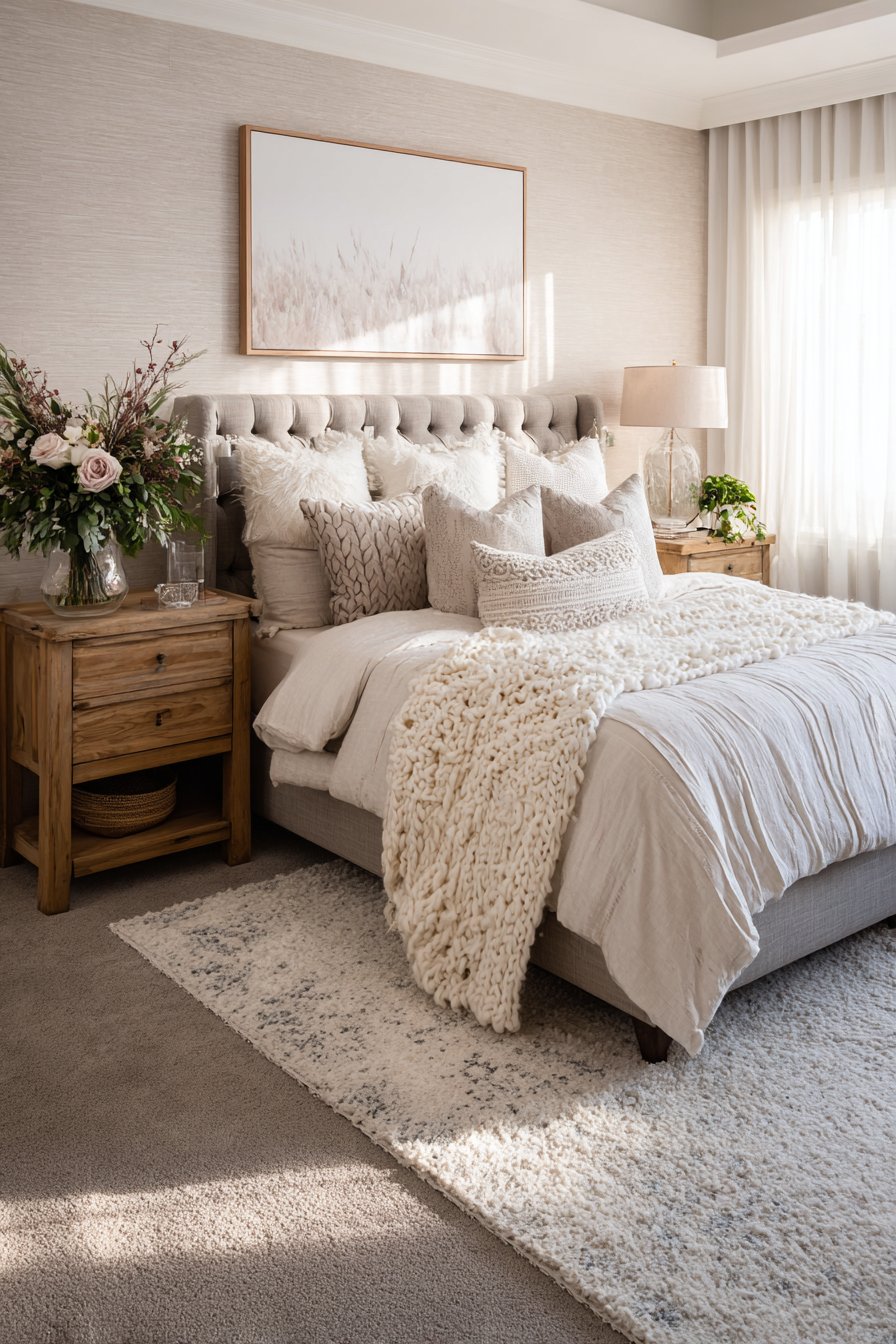
The key to mastering neutral palettes lies in understanding undertones and layering. Cool grays pair beautifully with warm beiges when balanced correctly. Creating depth through tonal variations prevents neutral spaces from feeling flat or boring. This sophisticated approach to color creates environments that feel both calm and engaging.
- Choose paint colors with complementary undertones for cohesion
- Layer different shades of the same color family for depth
- Add warmth with textured fabrics in neutral tones
- Use white or cream as a consistent accent throughout
- Incorporate natural wood tones to prevent sterility
- Test colors in different lighting conditions before committing
3. Clean Lines With Comfortable Proportions
Transitional furniture features streamlined silhouettes that avoid excessive ornamentation while maintaining inviting proportions. Unlike stark modern pieces, transitional furniture offers comfort through generous sizing and plush upholstery. The clean lines prevent visual clutter while creating a sense of order and calm. This marriage of form and function ensures pieces remain both beautiful and practical.
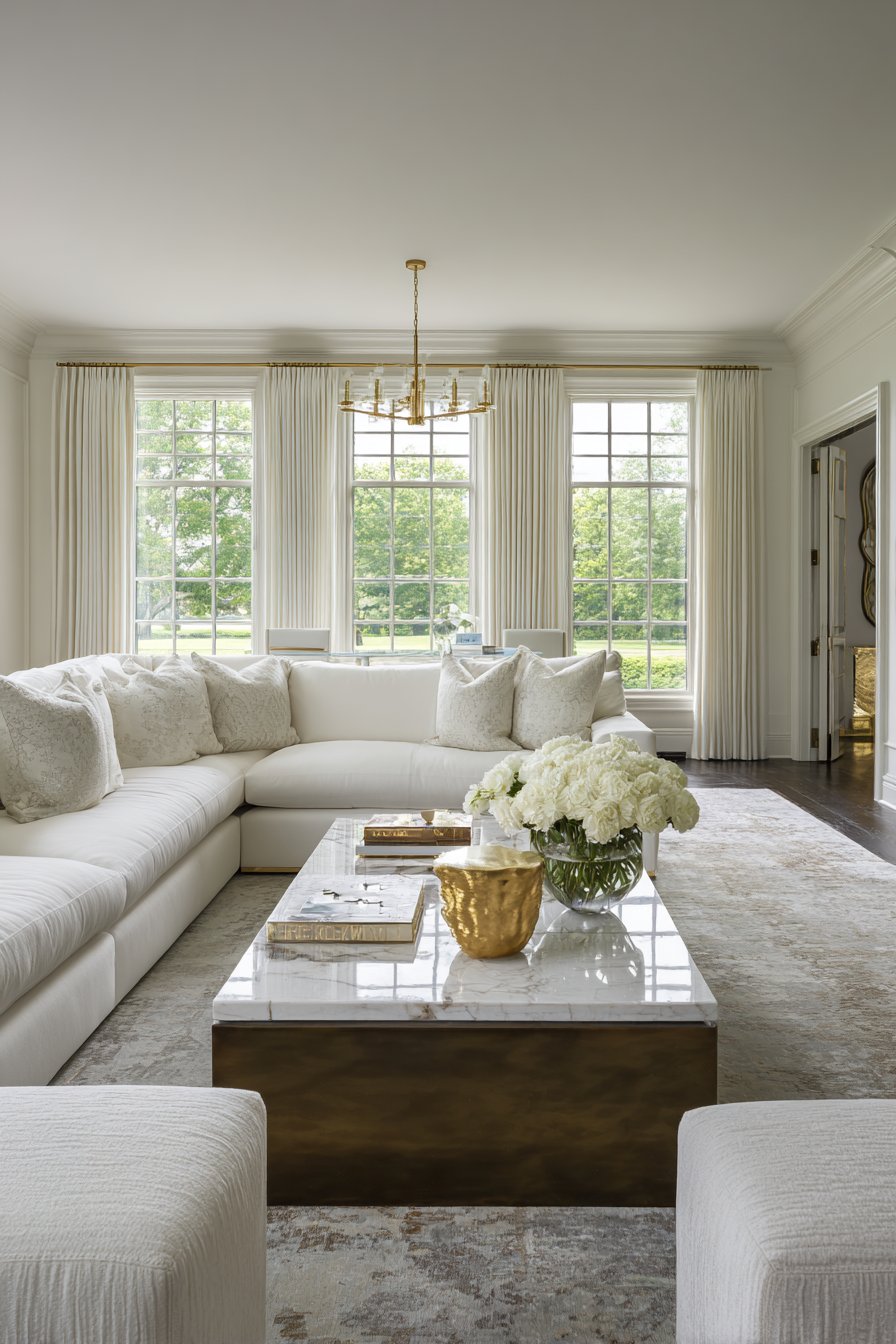
The proportions in transitional design strike a careful balance between oversized traditional pieces and minimal modern furniture. Sofas feature straight arms and simple profiles but include comfortable cushioning that invites relaxation. Tables and case goods showcase clean geometric shapes without harsh angles or austere minimalism. This thoughtful sizing makes furniture versatile enough to work in various settings.
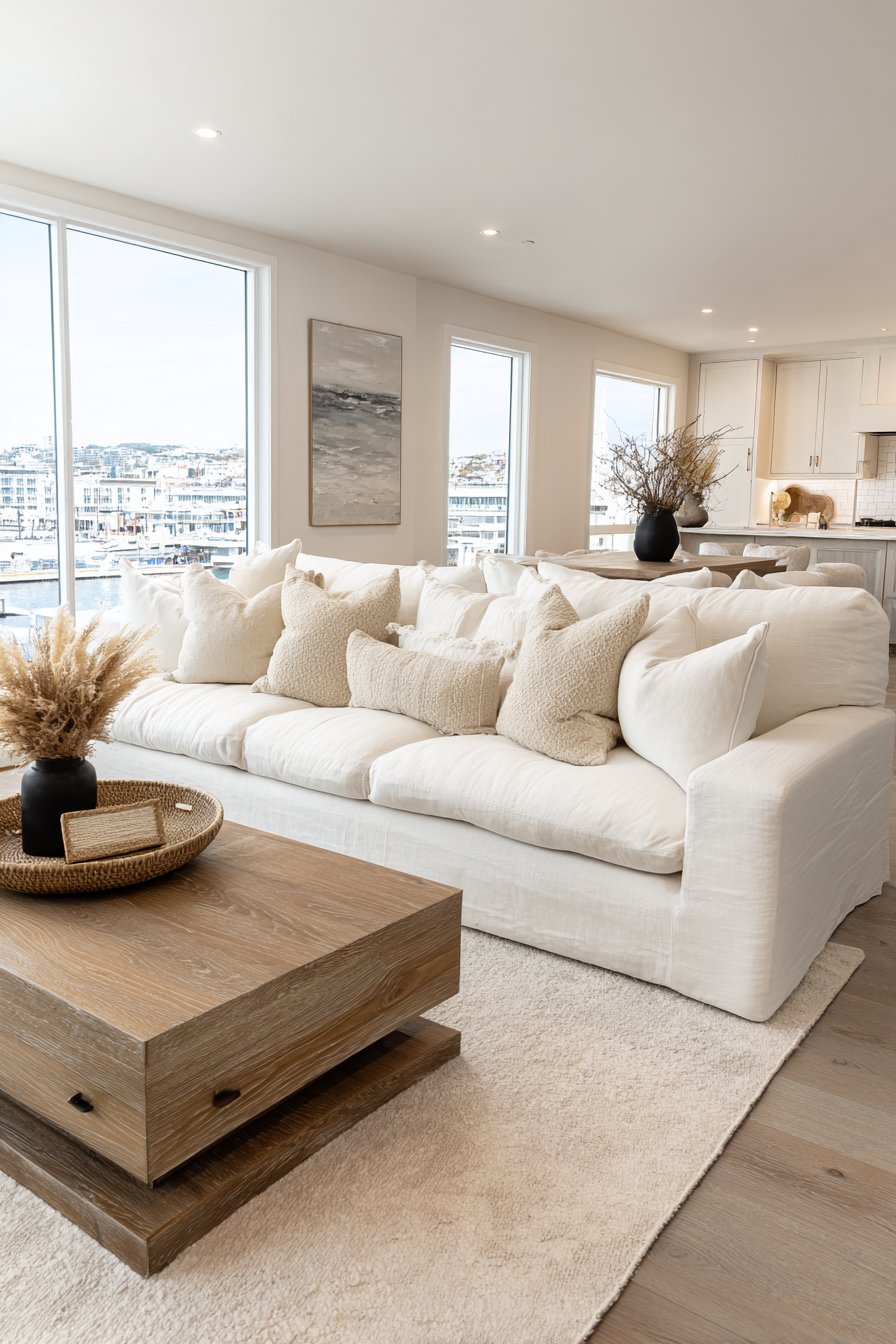
Attention to scale creates harmony throughout transitional spaces. Furniture pieces relate to each other in size and visual weight, preventing any single item from dominating. The result is a well-proportioned room where everything feels intentional and considered. This careful planning contributes to the enduring appeal of transitional interiors.
- Select sofas with straight or slightly rolled arms for versatility
- Choose coffee tables with simple geometric shapes
- Opt for case goods with minimal hardware and clean profiles
- Ensure furniture pieces relate proportionally to room size
- Avoid overly ornate details that date quickly
- Prioritize comfort alongside aesthetic appeal
4. Quality Materials and Expert Craftsmanship
Transitional design emphasizes investment-worthy pieces made from superior materials that age beautifully. Natural materials like hardwood, leather, and linen feature prominently in this style. These materials develop character over time rather than simply showing wear. The focus on quality over quantity ensures that spaces remain sophisticated and refined for decades.
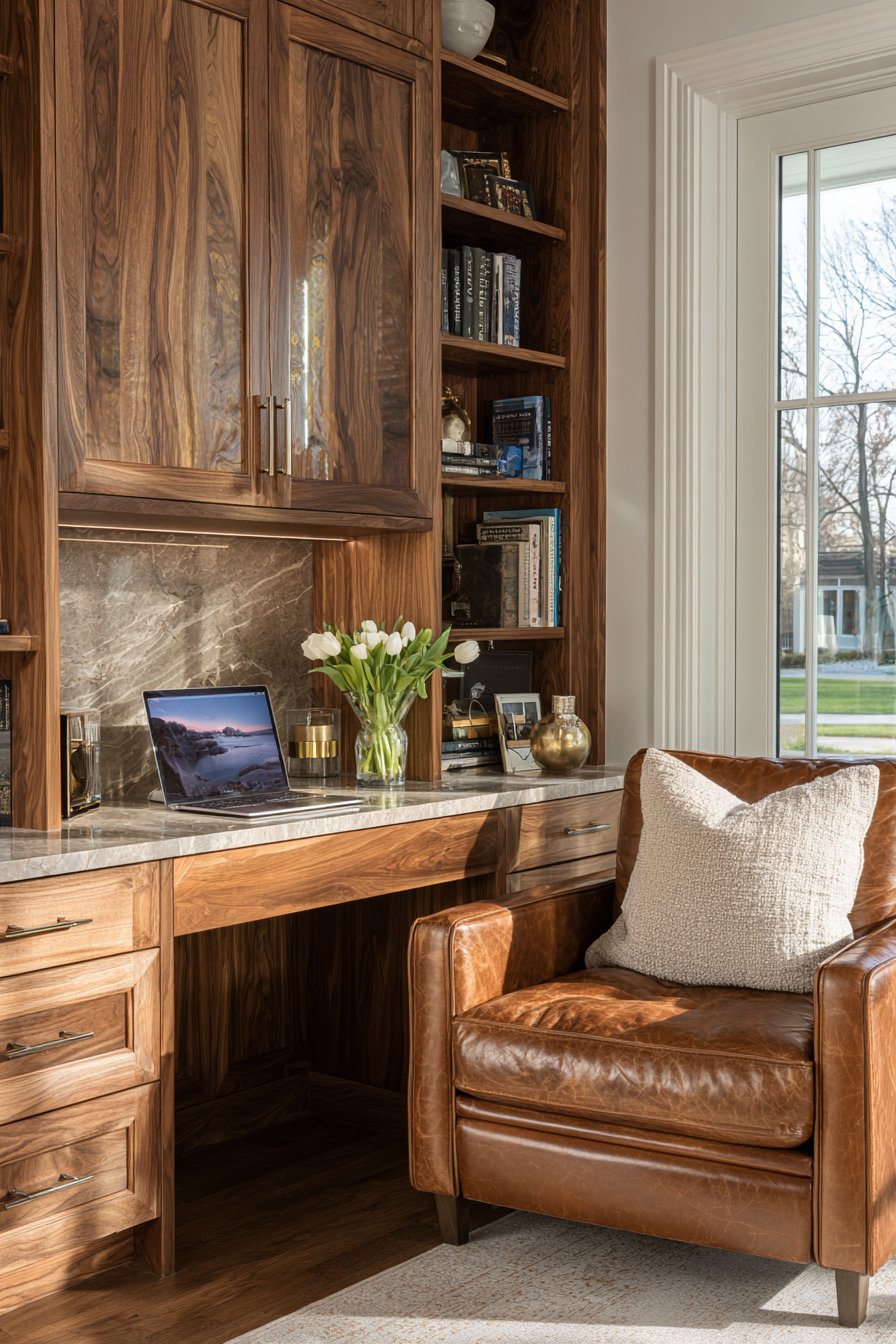
Expert craftsmanship distinguishes transitional pieces from mass-produced alternatives. Well-constructed furniture features proper joinery, substantial frames, and durable finishes. These details might not be immediately visible but they significantly impact longevity and performance. Investing in well-made pieces proves economical over time as they rarely need replacement.
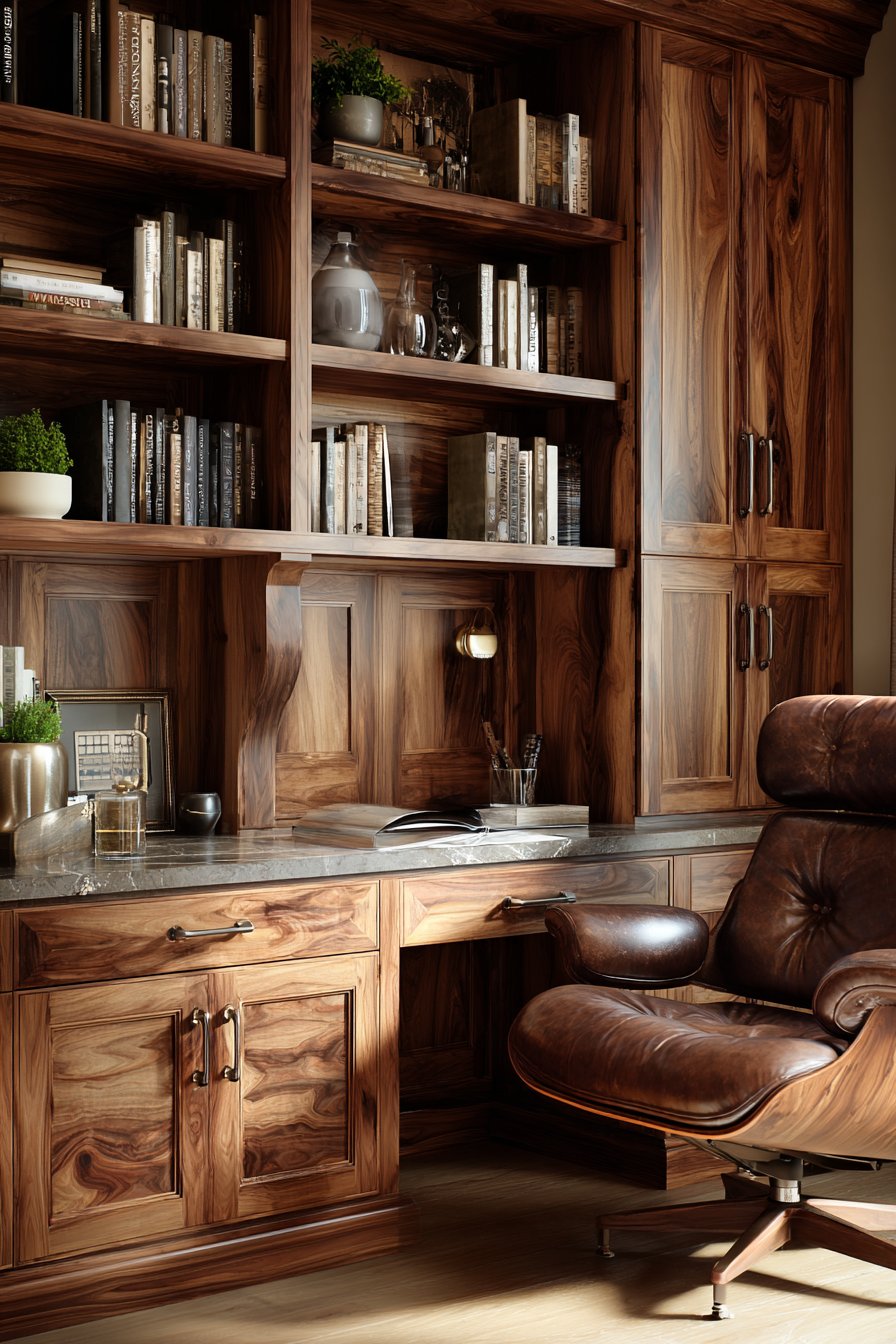
The choice of materials also influences the overall aesthetic and atmosphere. Natural textures add warmth and tactile interest to neutral palettes. Materials like brushed metal and polished stone introduce subtle sophistication without overwhelming the space. This thoughtful selection of premium materials creates environments that feel luxurious yet approachable.
- Invest in solid wood furniture rather than veneer
- Choose natural fabrics like linen, cotton, and wool
- Select leather pieces that develop patina over time
- Look for furniture with quality joinery and construction
- Incorporate stone and metal finishes for durability
- Prioritize timeless materials over trendy alternatives
5. Layered Textures Create Visual Depth
Transitional interiors rely heavily on textural variation to add interest to neutral color schemes. Different materials and finishes create depth without introducing bold colors or patterns. Smooth leather contrasts with nubby linen while polished wood complements brushed metal. These subtle contrasts engage the eye and prevent spaces from feeling monotonous.
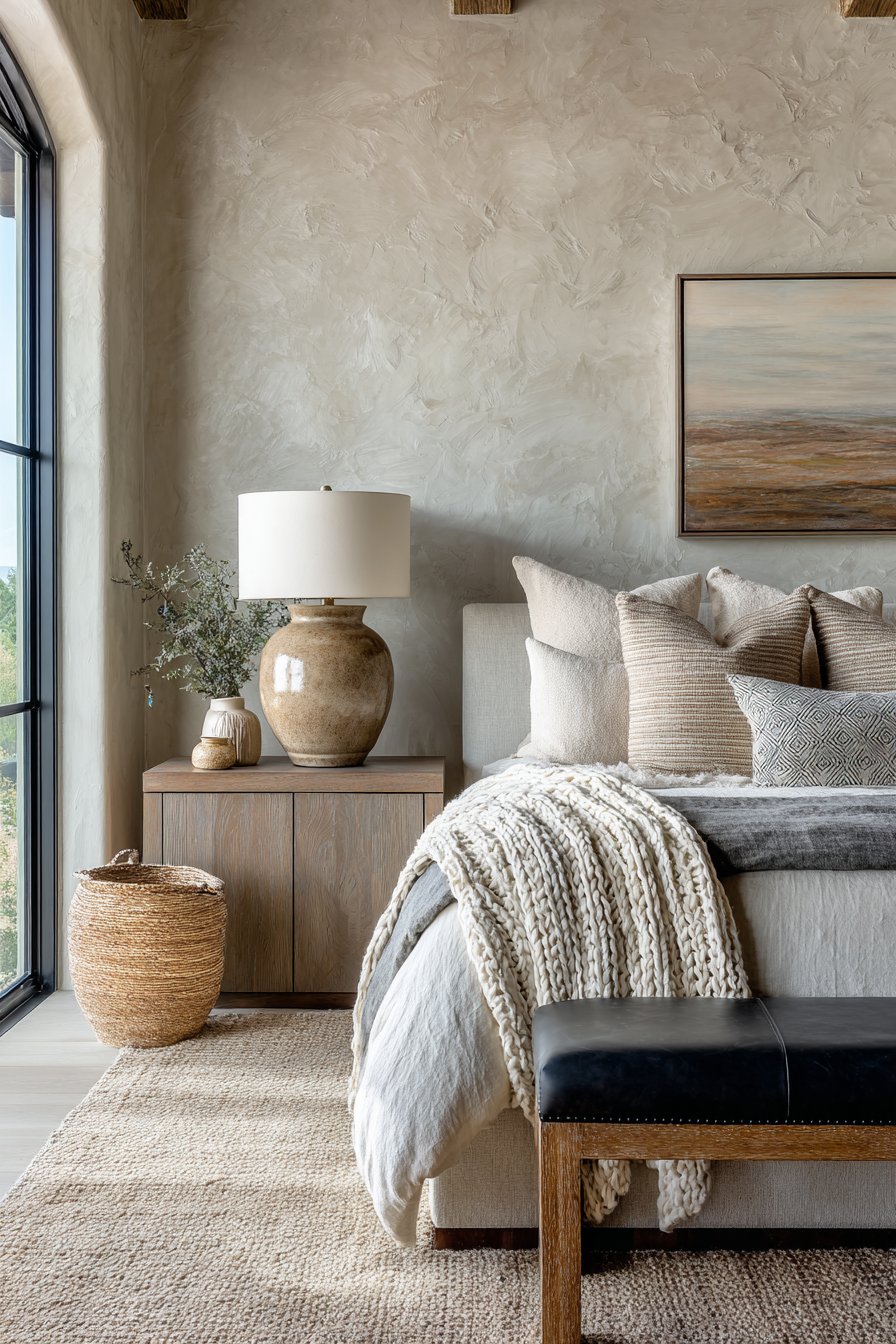
Layering textures requires thoughtful planning and restraint. Too many competing textures can feel chaotic while too few create bland environments. The goal is achieving tactile richness that invites touch and exploration. This approach adds warmth and personality to spaces while maintaining the clean aesthetic transitional design demands.
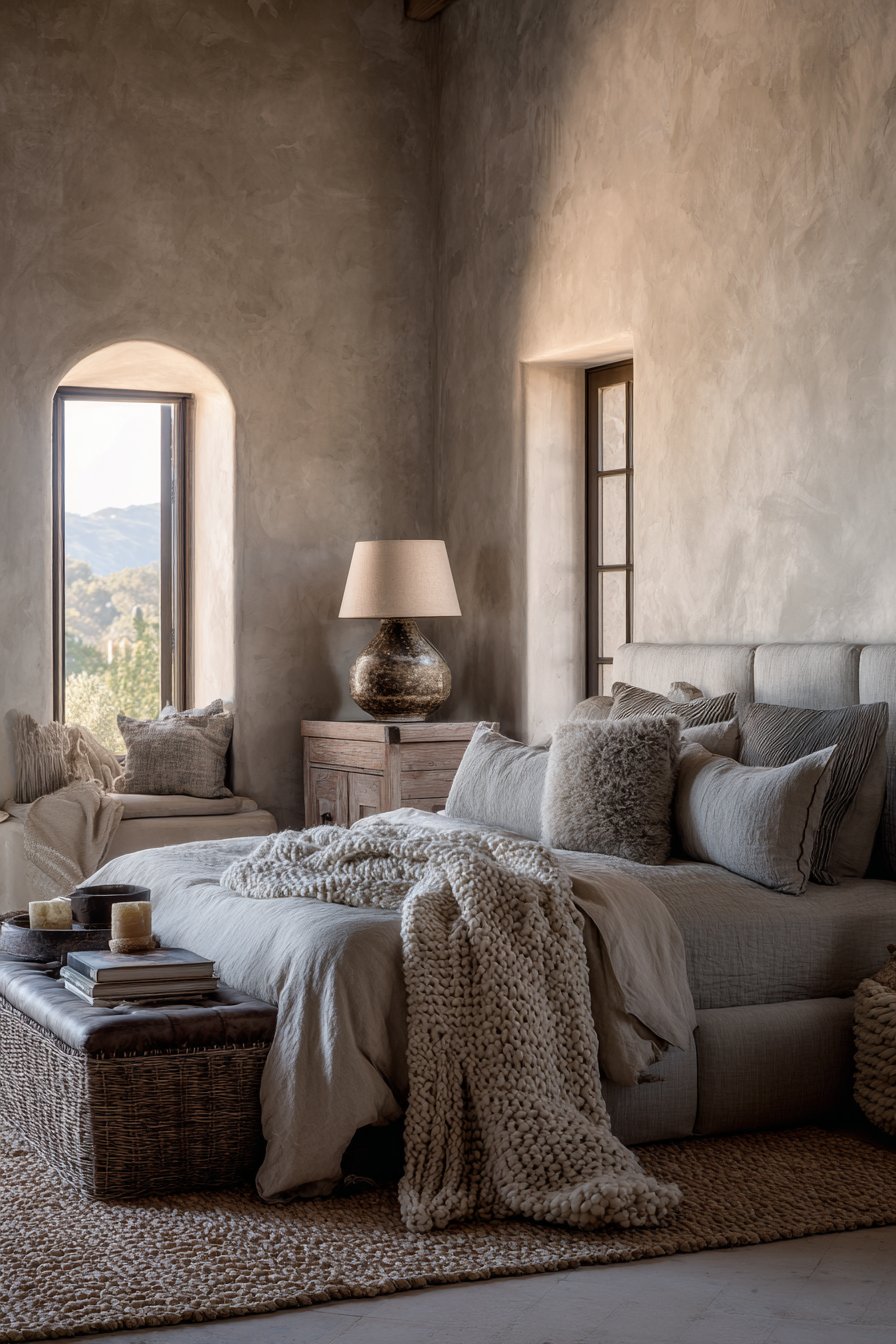
Successful texture layering considers both visual and physical elements. Glossy surfaces reflect light while matte finishes absorb it, creating dynamic interplay throughout the day. Combining smooth and rough textures adds dimension that purely visual elements cannot achieve. This sophisticated technique demonstrates the depth and complexity possible within transitional design.
- Mix smooth and textured fabrics on upholstered pieces
- Combine matte and glossy finishes for visual interest
- Layer rugs over hardwood for warmth and dimension
- Use varied materials in accessories and decor items
- Include natural elements like wood and stone
- Balance rough textures with refined finishes
6. Timeless Functionality Meets Modern Living
The enduring appeal of transitional design stems from its practical adaptability to contemporary lifestyles. Spaces designed in this style accommodate modern technology without sacrificing aesthetic integrity. Furniture pieces often include hidden storage solutions that maintain clean lines while providing necessary functionality. This marriage of beauty and utility ensures spaces remain relevant as needs evolve.
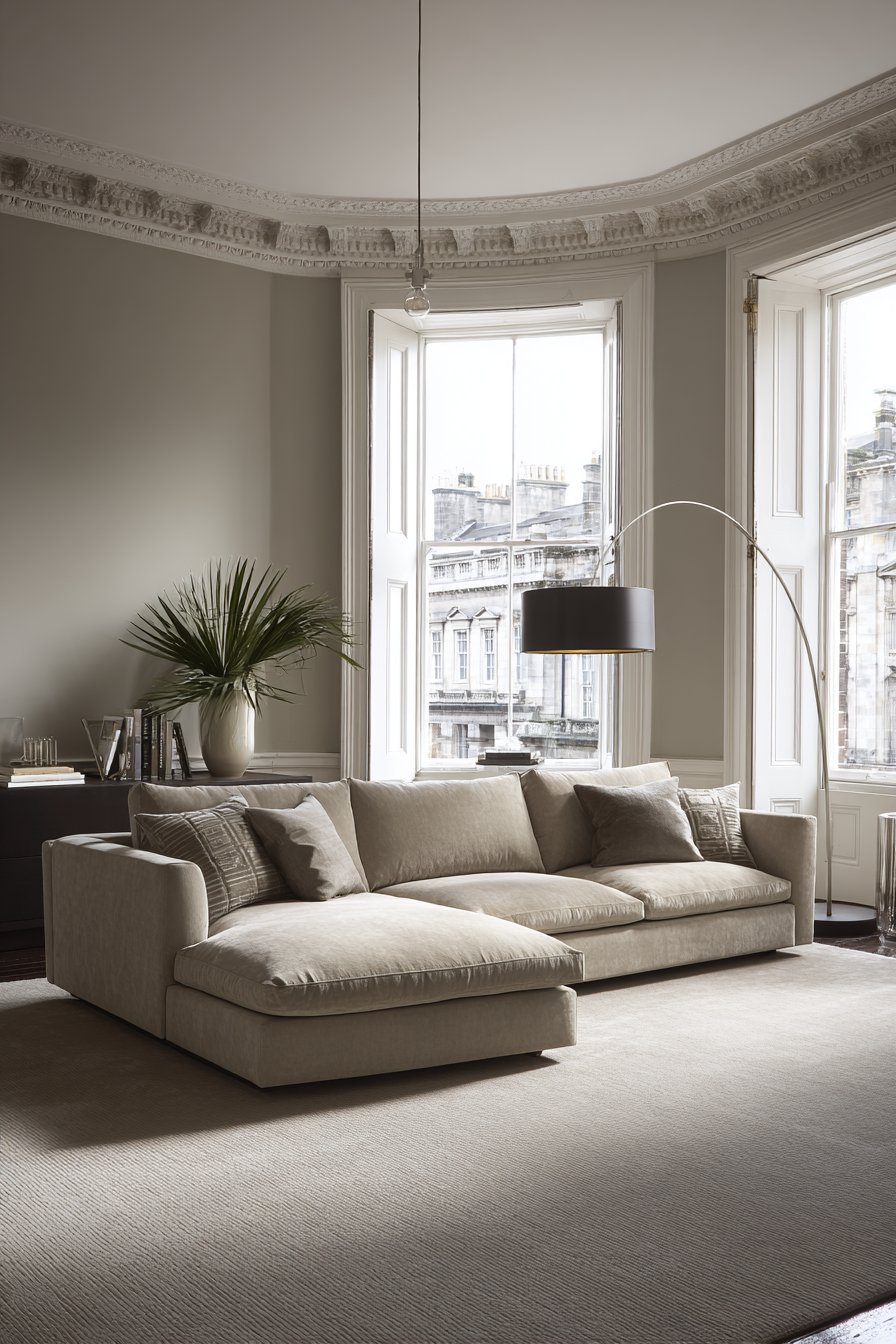
Transitional interiors prioritize livability alongside visual appeal. Fabrics are chosen for durability as well as appearance. Furniture arrangements facilitate conversation and movement while creating attractive compositions. This user-centered approach ensures that beautiful spaces also support daily life comfortably and efficiently.
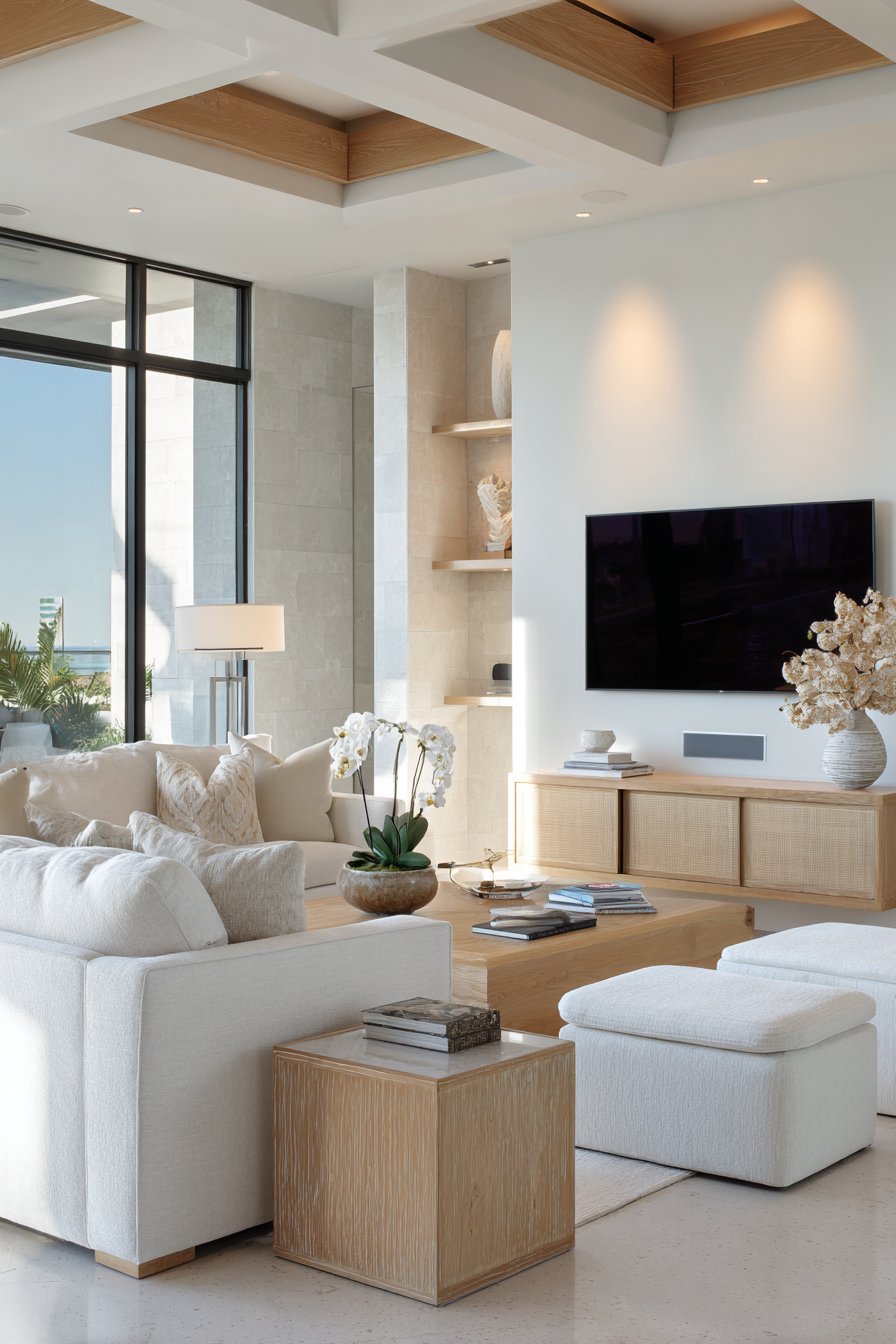
The flexibility inherent in transitional design allows spaces to evolve with changing needs. Neutral foundations accept new accent colors or decorative items easily. Quality pieces can be repurposed or relocated as lifestyles change. This adaptability makes transitional design a smart long-term investment that grows with you.
- Choose performance fabrics that resist stains and wear
- Incorporate furniture with built-in storage capabilities
- Plan layouts that support both entertaining and daily living
- Select pieces that can transition between different rooms
- Include adequate lighting for various activities and moods
- Design spaces that accommodate technology discreetly
Conclusion
Transitional design’s timeless quality stems from its balanced approach to style and substance. By harmonizing traditional warmth with contemporary clarity, this design philosophy creates spaces that transcend temporary trends. The emphasis on neutral palettes, quality materials, and clean proportions ensures that transitional interiors remain sophisticated and relevant for decades.
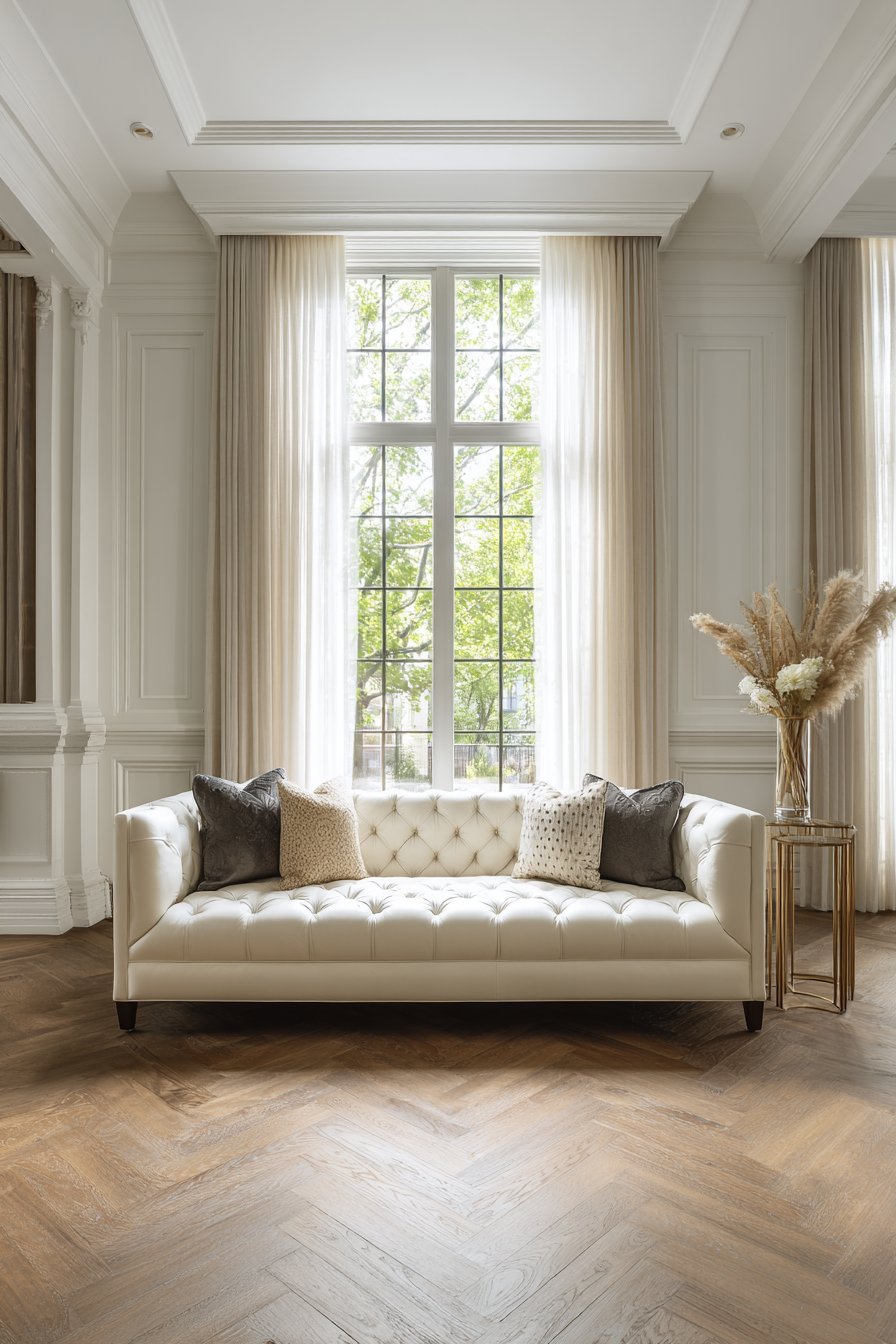
The principles explored in this article offer a roadmap for creating enduring beauty in your own home. Whether you’re renovating a single room or designing an entire house, transitional design provides flexibility and longevity that few other styles can match. Embrace these timeless elements to create spaces that you’ll love today and cherish for years to come.
