


The cottage core aesthetic once dominated our social media feeds with dreamy images of wildflower bouquets and vintage teacups. But something remarkable is happening in the world of interior design. This whimsical trend is stepping out of the digital realm and transforming into a genuine lifestyle movement that prioritizes sustainability, authenticity, and meaningful connection to nature.
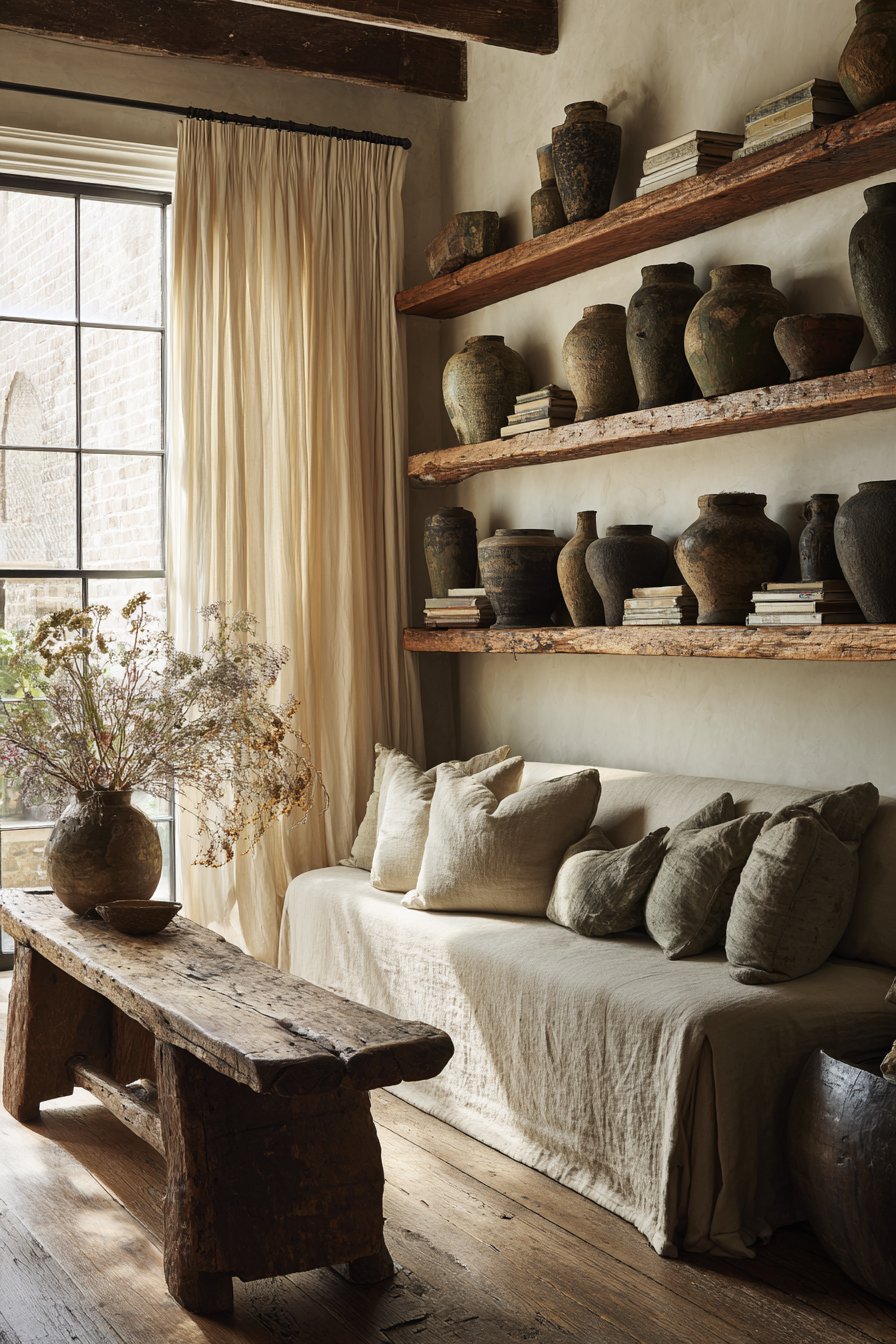
Thoughtful interior design creates spaces that nurture our wellbeing and reflect our values. The evolution of cottage core demonstrates how a visual trend can mature into something deeper and more purposeful. Different design styles cater to diverse personalities, and the new cottage core speaks to those seeking refuge from fast-paced modern life while maintaining practical functionality.
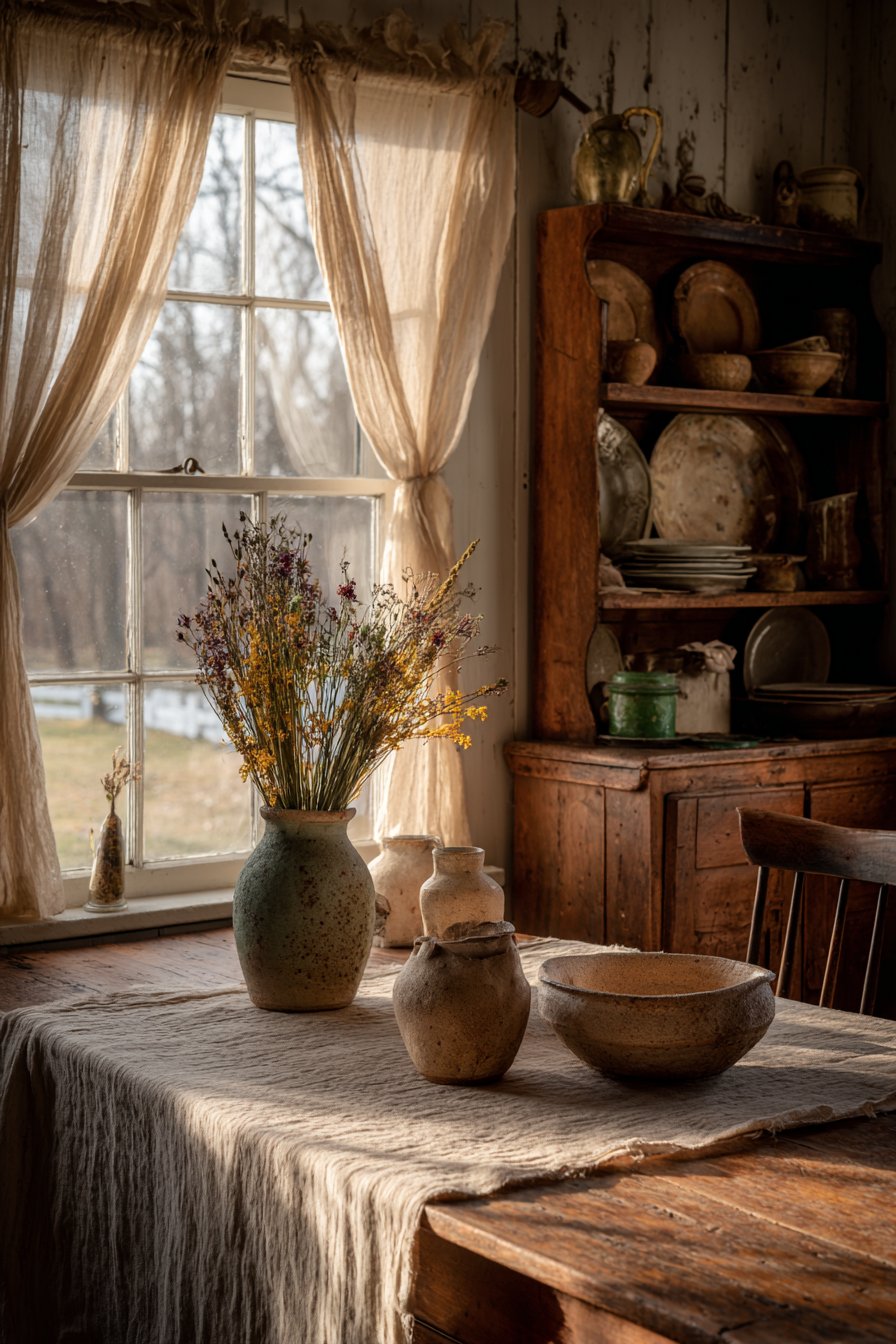
This article explores how cottage core is reshaping itself for real-world living. We’ll examine its transition from aesthetic trend to sustainable lifestyle choice, covering everything from practical material selections to functional space planning. Each section reveals why this evolution matters for homeowners who want authenticity without sacrificing modern comfort.
1. From Filter to Foundation: The Authenticity Shift
The original cottage core thrived on carefully curated Instagram moments that prioritized visual perfection over livability. Today’s interpretation focuses on creating genuinely functional spaces that tell authentic stories. Homeowners are choosing pieces with history and character rather than purchasing new items styled to look vintage. This shift represents a fundamental change in how we approach decorating.
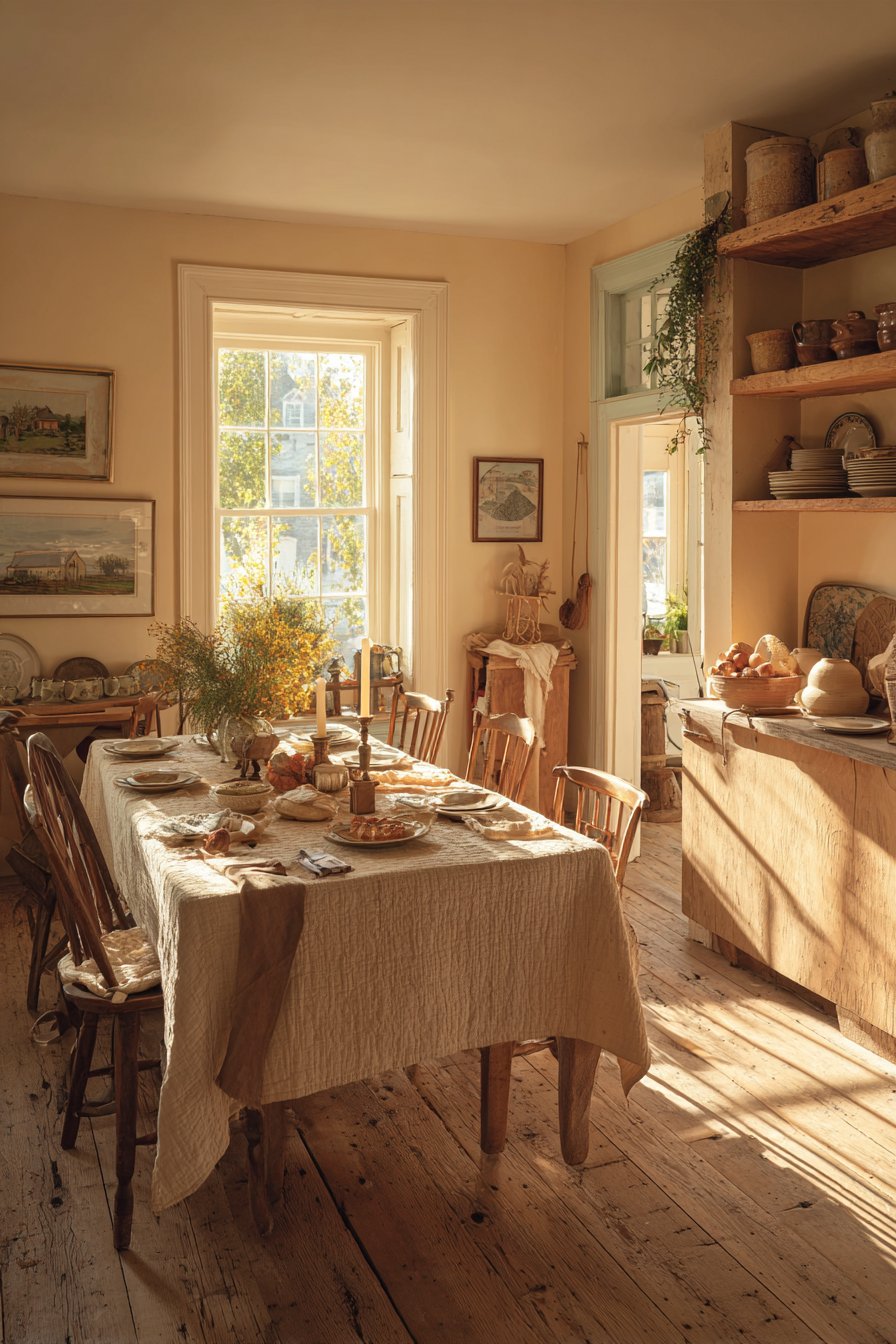
Real cottage core now embraces imperfections and celebrates the beauty of worn textures. A genuinely aged farmhouse table carries more value than a distressed reproduction. The patina of time becomes a design feature rather than something to hide or artificially replicate. This authenticity creates spaces that feel honest and grounded.
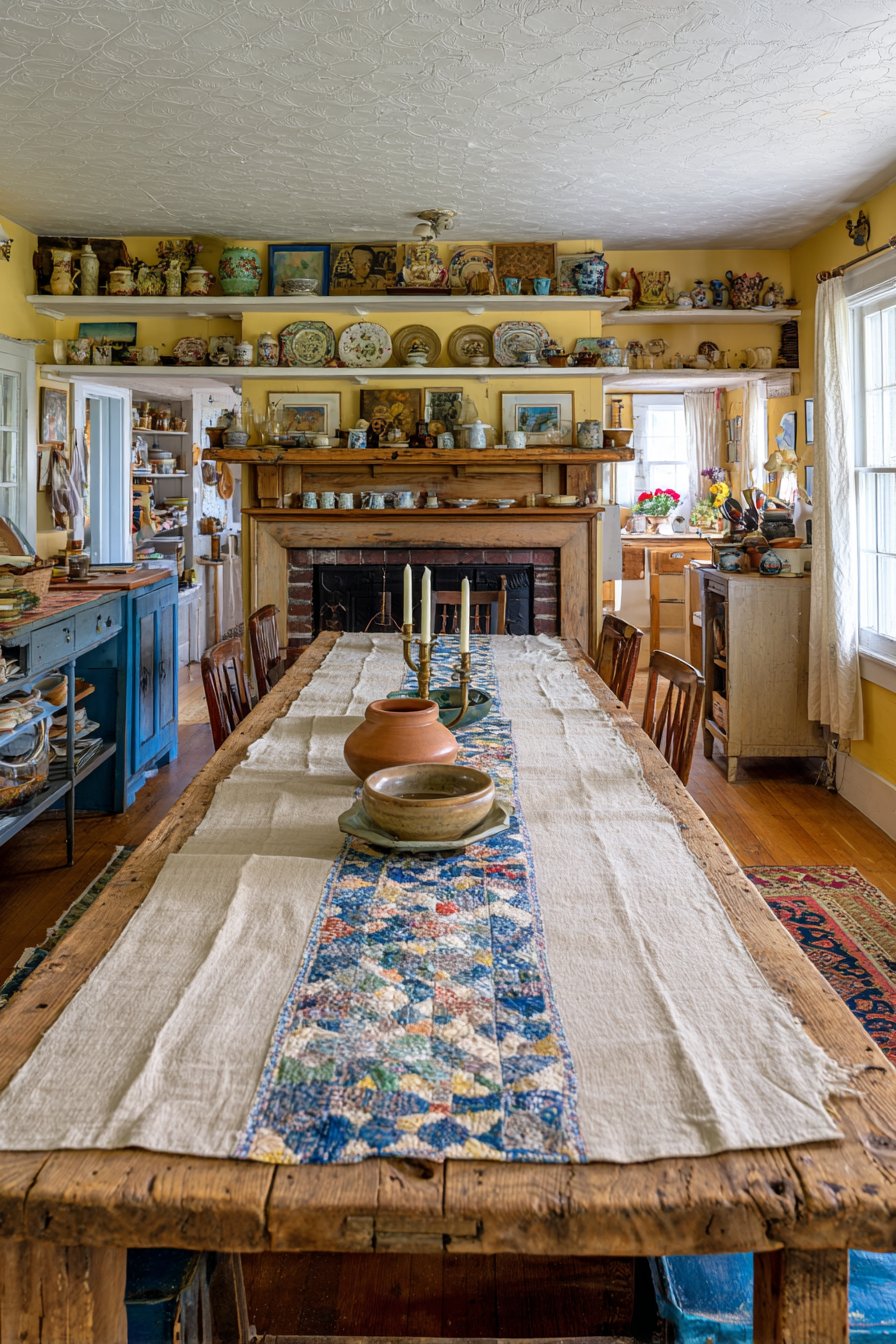
The practical implications are significant for budget-conscious decorators. Sourcing authentic vintage pieces often costs less than buying new manufactured alternatives. Thrift stores, estate sales, and family heirlooms become treasure troves of unique finds. This approach reduces environmental impact while creating truly one-of-a-kind interiors that can’t be replicated through online shopping.
- Visit local antique markets monthly to discover unique furniture pieces
- Learn basic furniture restoration techniques through online tutorials
- Join community swap groups for sustainable home decor exchanges
- Invest in quality vintage textiles that improve with age
- Document the stories behind inherited or found pieces
- Prioritize craftsmanship over trends when making purchases
2. Sustainable Materials Replace Aesthetic Props
Modern cottage core practitioners are making intentional material choices that support environmental responsibility. Natural fibers like linen, wool, and organic cotton replace synthetic alternatives that merely photographed well. The focus shifts from creating a backdrop for photos to building a healthier living environment with materials that regulate temperature and improve air quality.
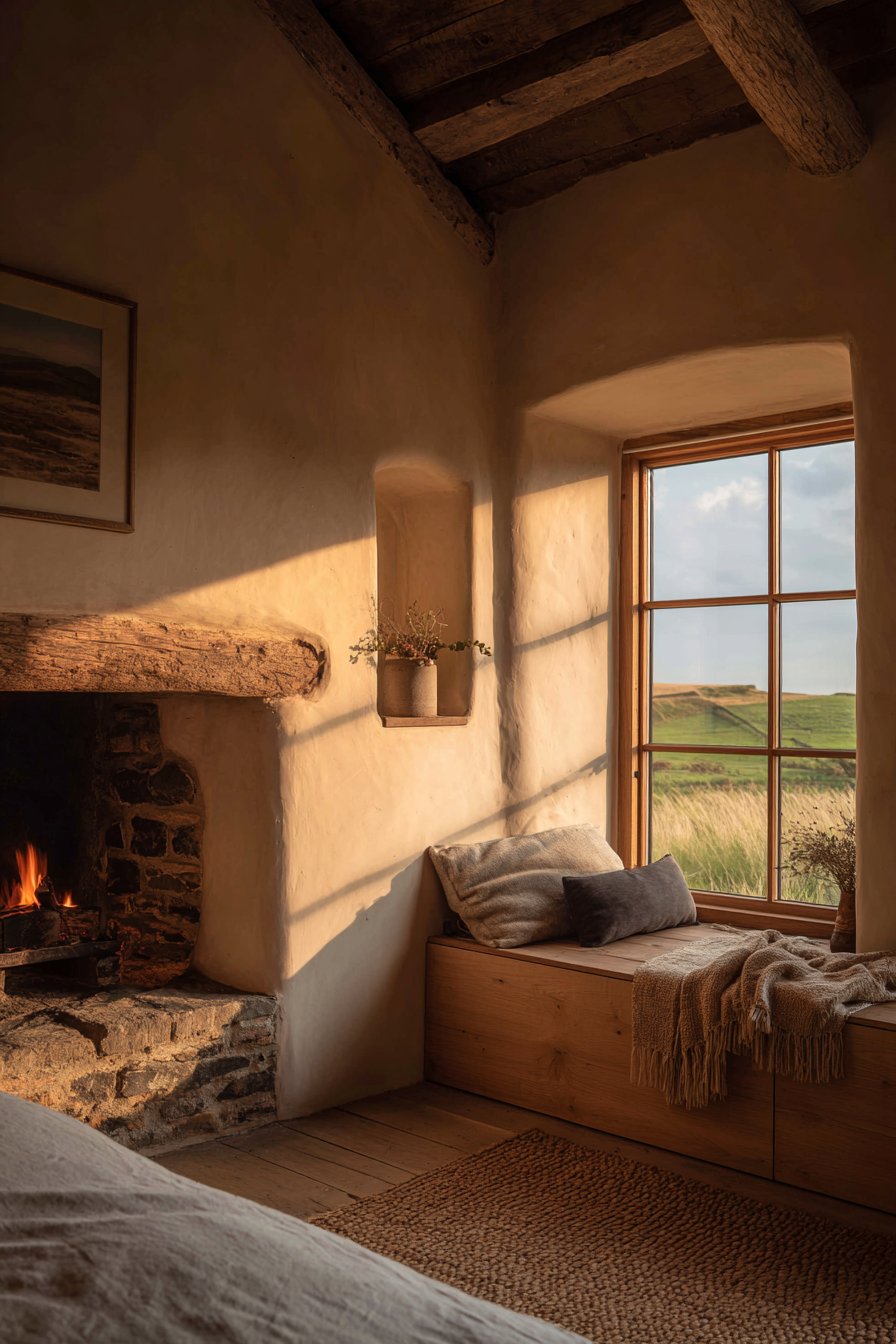
Reclaimed wood, natural stone, and clay-based finishes dominate the evolved cottage core palette. These materials connect inhabitants to natural cycles and require minimal processing compared to industrial alternatives. The aesthetic remains soft and romantic but gains substance through thoughtful material selection. Each element serves a functional purpose beyond visual appeal.
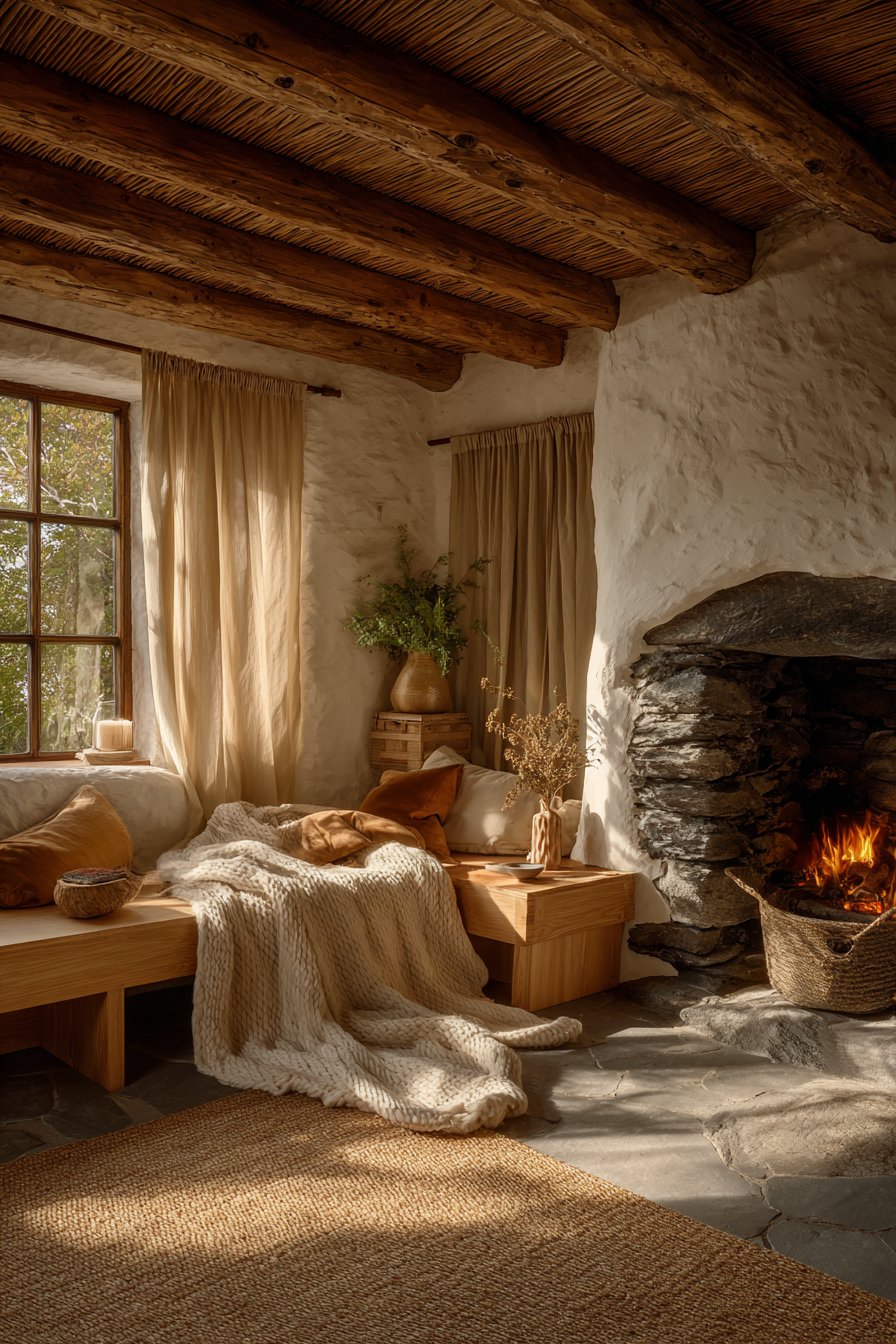
The investment in sustainable materials pays dividends over time. Natural fibers prove more durable than synthetic fabrics, maintaining their beauty through years of use. Reclaimed materials carry embedded carbon savings while adding architectural interest to spaces. This approach aligns cottage core values with contemporary environmental consciousness without compromising the romantic sensibility that defines the style.
- Source FSC-certified wood for new furniture purchases
- Choose low-VOC paints and natural plaster finishes
- Invest in wool rugs that naturally resist stains and odors
- Replace polyester curtains with linen or cotton alternatives
- Use beeswax and natural oils for wood care
- Select furniture made with traditional joinery techniques
3. Functional Gardens Over Staged Vignettes
The cottage core garden is transforming from a photogenic backdrop into a productive ecosystem that supports daily living. Modern practitioners cultivate kitchen gardens that provide fresh herbs, vegetables, and cutting flowers. This shift emphasizes practical knowledge over aesthetic arrangement, though beauty naturally emerges from well-tended productive spaces.
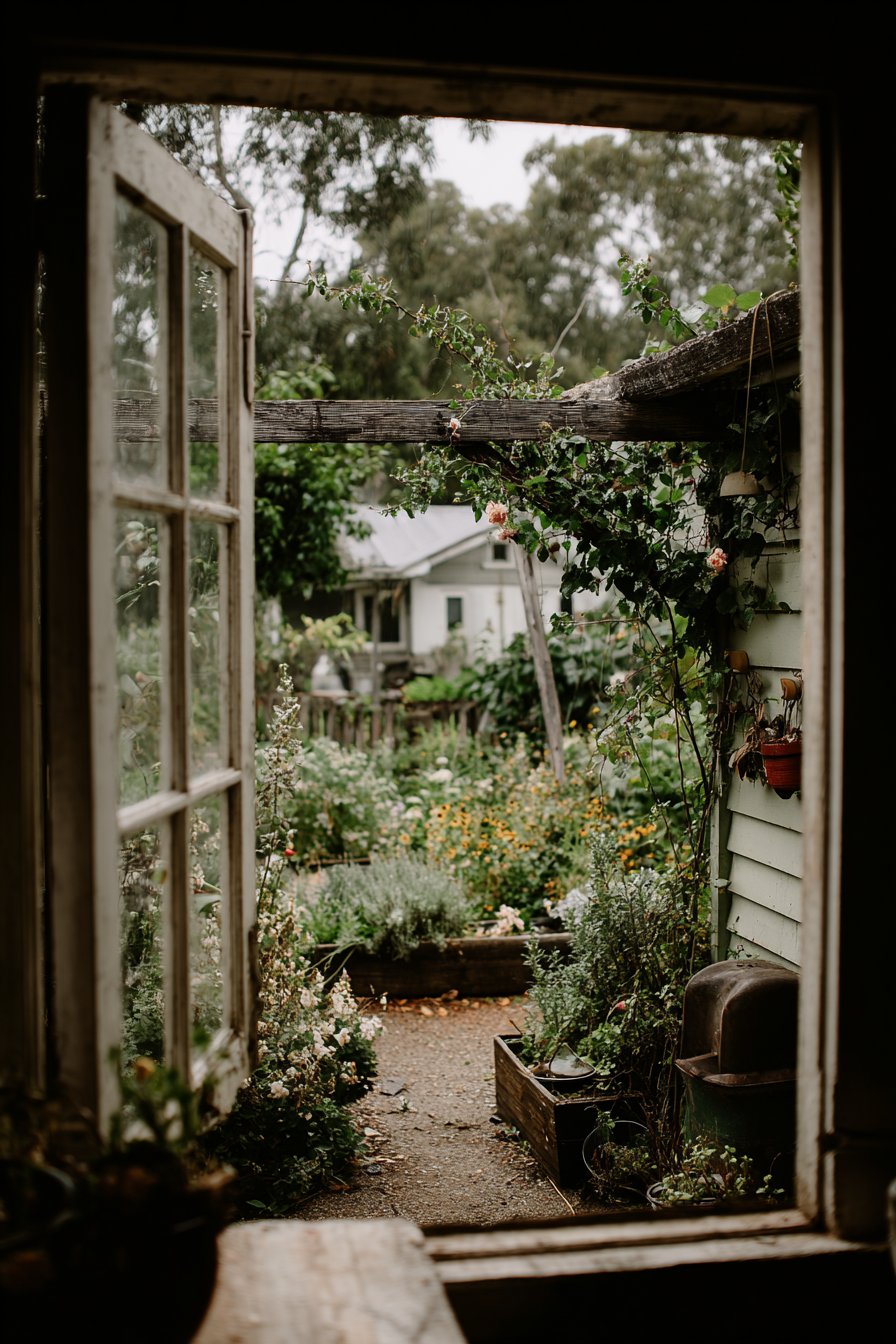
Permaculture principles now inform cottage core landscaping decisions. Layered plantings create self-sustaining systems that require less intervention while supporting local wildlife. The romantic cottage garden aesthetic persists but gains depth through ecological functionality. Rain gardens, composting systems, and pollinator corridors integrate seamlessly into the visual landscape.
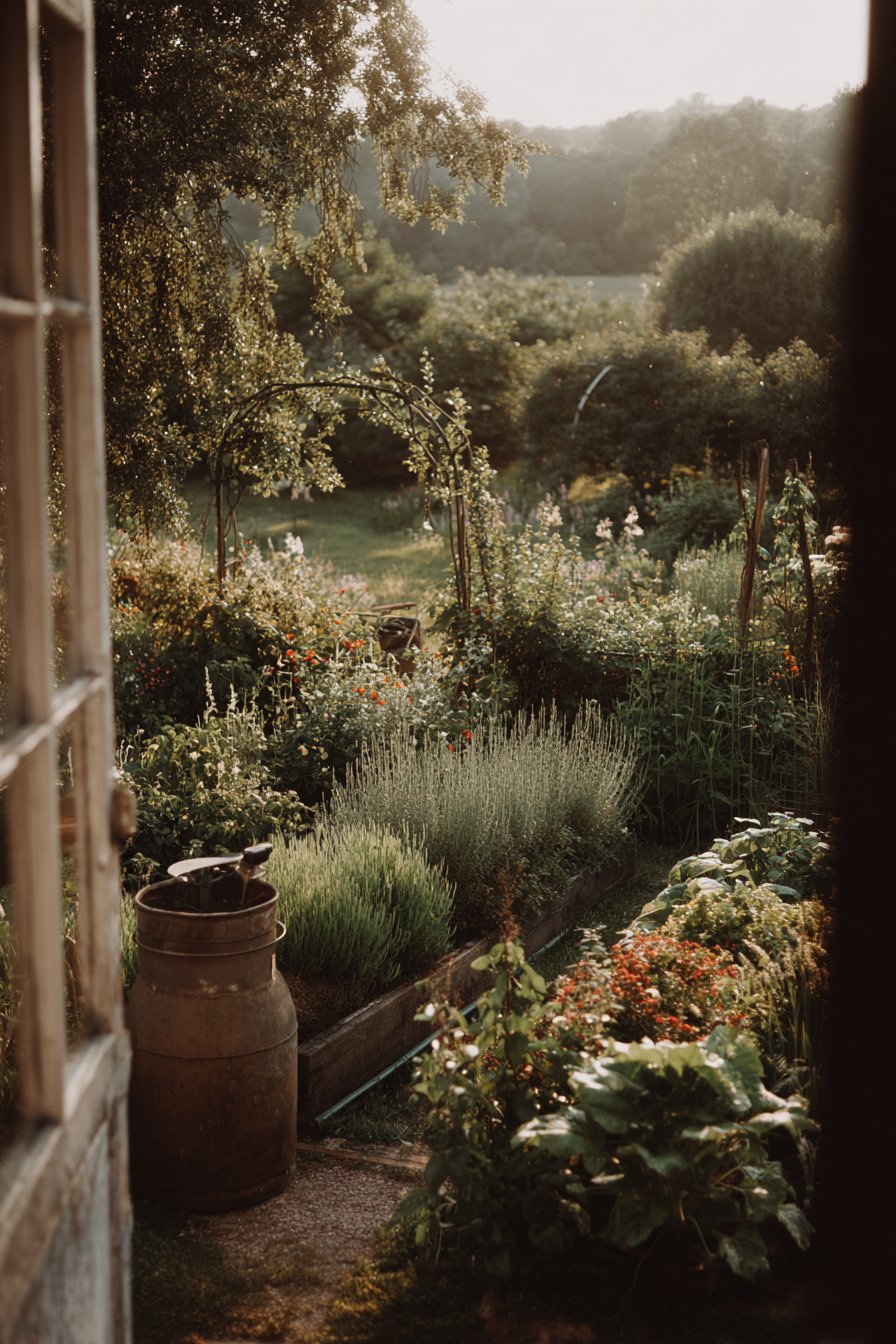
This evolution requires developing actual horticultural skills rather than simply arranging purchased blooms. Understanding seasonal cycles, soil health, and plant partnerships becomes essential knowledge. The result is gardens that provide tangible value through food production, biodiversity support, and genuine connection to natural rhythms throughout the year.
- Start with easy-to-grow herbs like rosemary and thyme
- Design gardens using companion planting principles
- Install rain barrels to support water conservation
- Create designated areas for composting kitchen waste
- Plant native species to support local ecosystems
- Maintain a gardening journal to track seasonal patterns
4. Handcraft Skills Replace Shopping Habits
The new cottage core emphasizes making over buying, reviving traditional crafts that create functional beauty. Knitting, preserving, bread-making, and simple carpentry replace endless scrolling through home decor websites. These skills provide tangible satisfaction while reducing dependence on consumer culture and creating truly personalized living spaces.
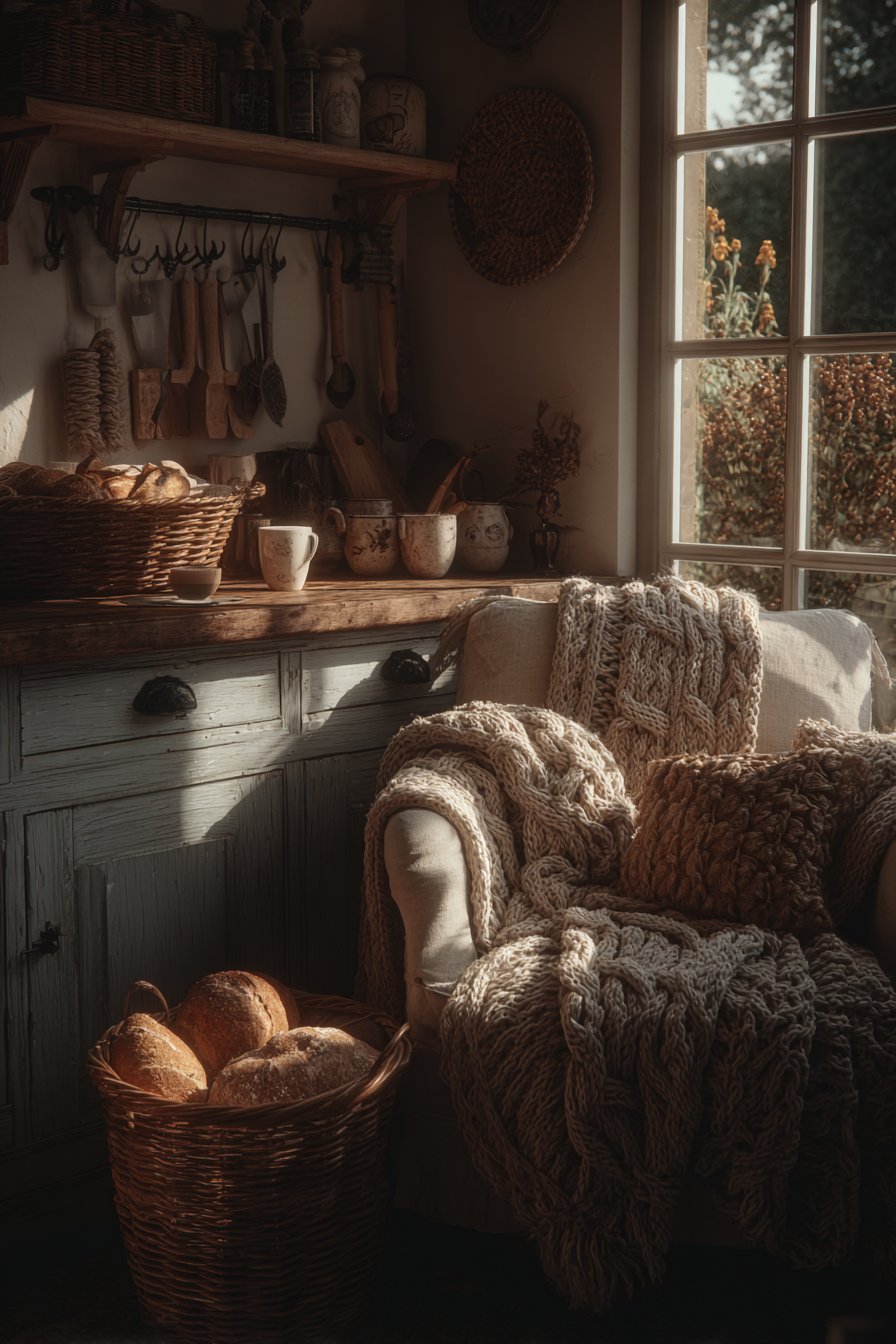
Learning traditional crafts connects practitioners to generational knowledge and slows the pace of daily life. A hand-knitted throw carries emotional value that manufactured items cannot replicate. The process of creation becomes as important as the finished product. This shift transforms cottage core from a consumption pattern into a meaningful practice that develops competence and self-reliance.
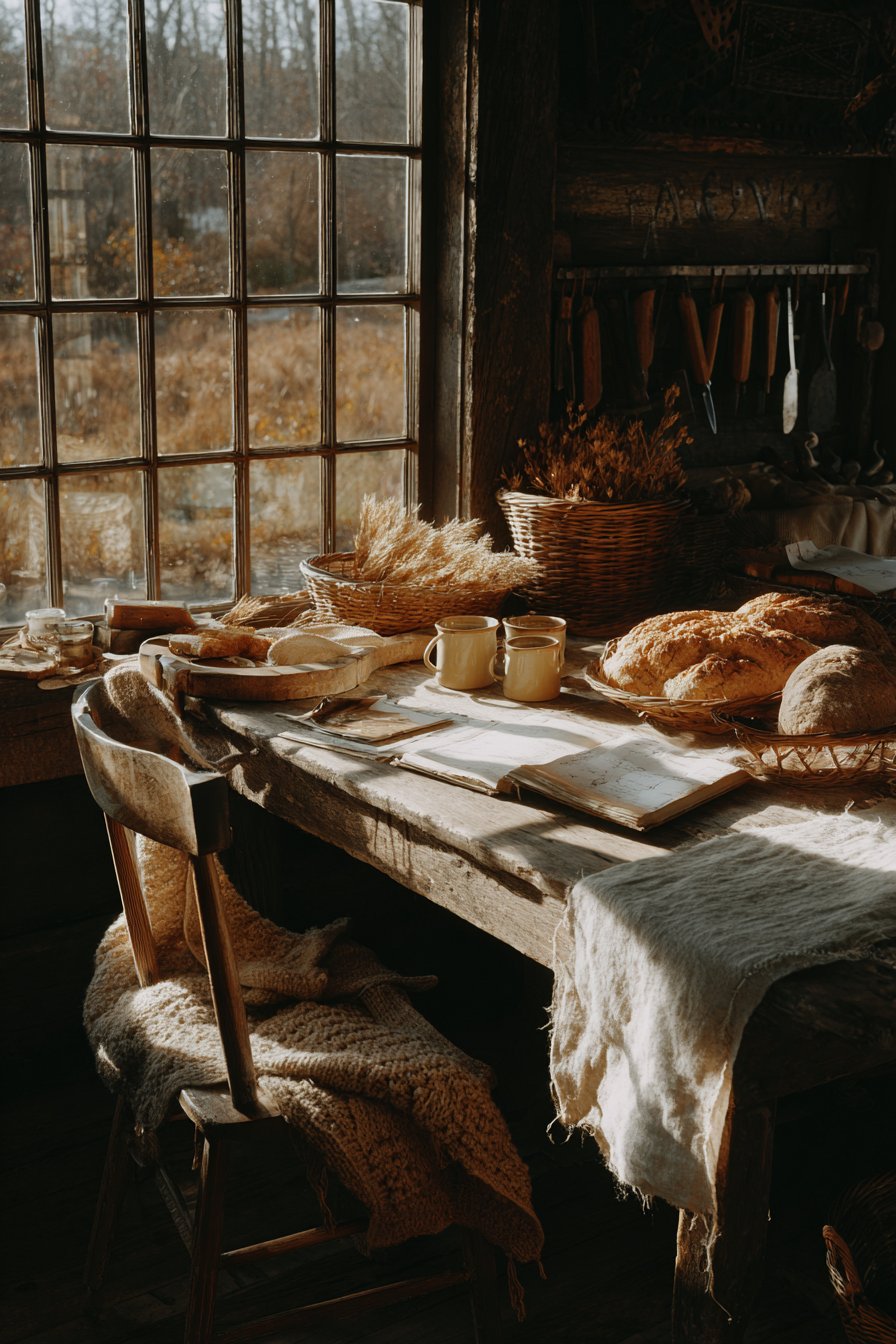
The practical benefits extend beyond cost savings. Handmade items can be customized to exact specifications and repaired when damaged. Skills like basic sewing, furniture refinishing, and food preservation increase household resilience while honoring traditional domestic arts. This knowledge-based approach creates deeper engagement with the objects and spaces we inhabit daily.
- Take workshops in traditional skills like weaving or pottery
- Join local craft circles for shared learning experiences
- Invest in quality tools that will last generations
- Start with simple projects to build confidence gradually
- Document your learning process through journals or blogs
- Share finished items with community members to strengthen bonds
5. Seasonal Living Replaces Year-Round Staging
Evolved cottage core embraces seasonal rhythms rather than maintaining perpetual spring aesthetics. Interiors shift naturally throughout the year, reflecting the changing landscape outside. This approach reduces the pressure for constant perfection while creating dynamic living spaces that respond to natural cycles and weather patterns.
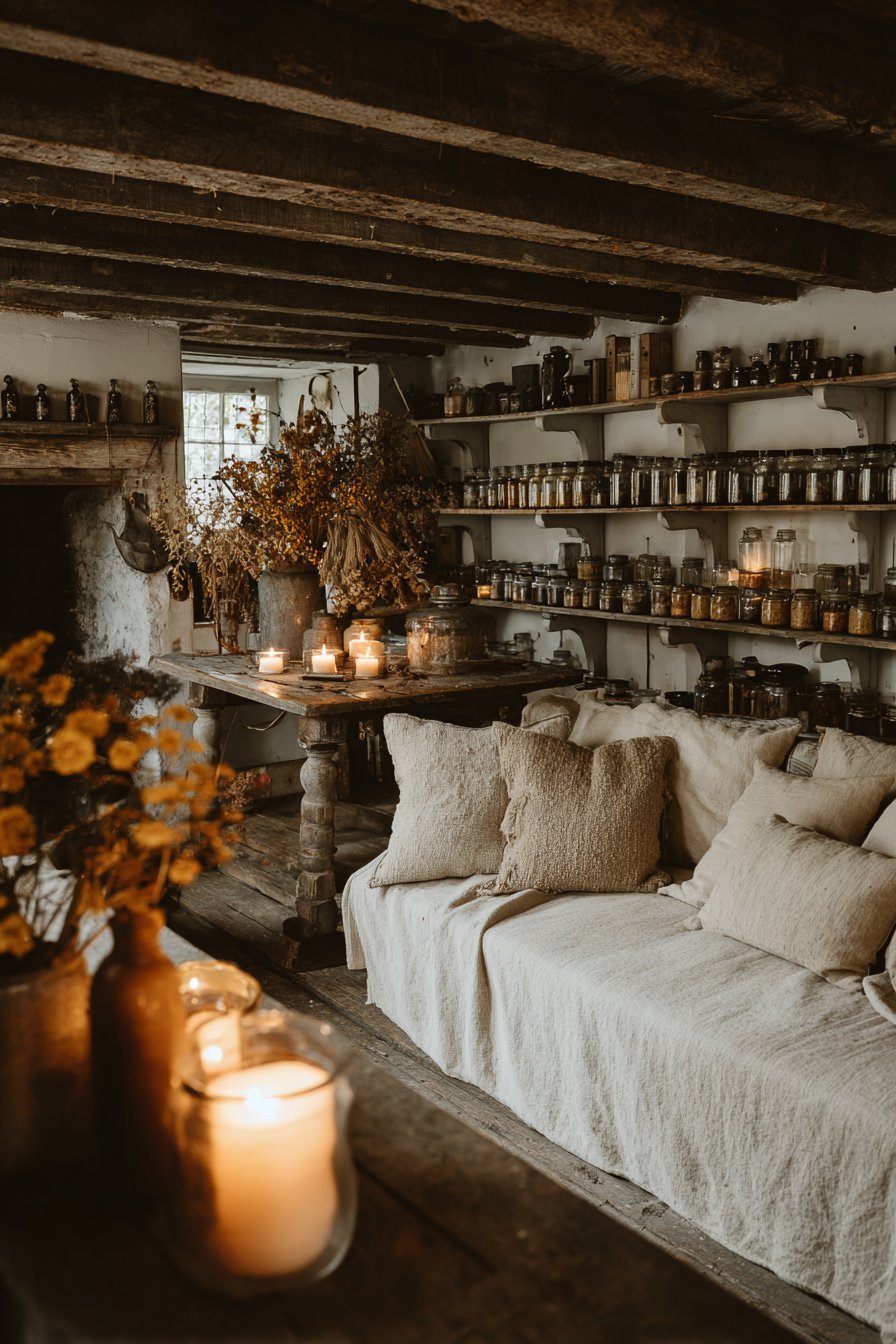
Summer brings fresh flowers and light fabrics indoors, while autumn introduces preserved harvests and warming textures. Winter focuses on cozy layering and candlelight, and spring celebrates renewal with airy arrangements. Each season offers unique beauty and different functional requirements that cottage core interiors now accommodate gracefully.
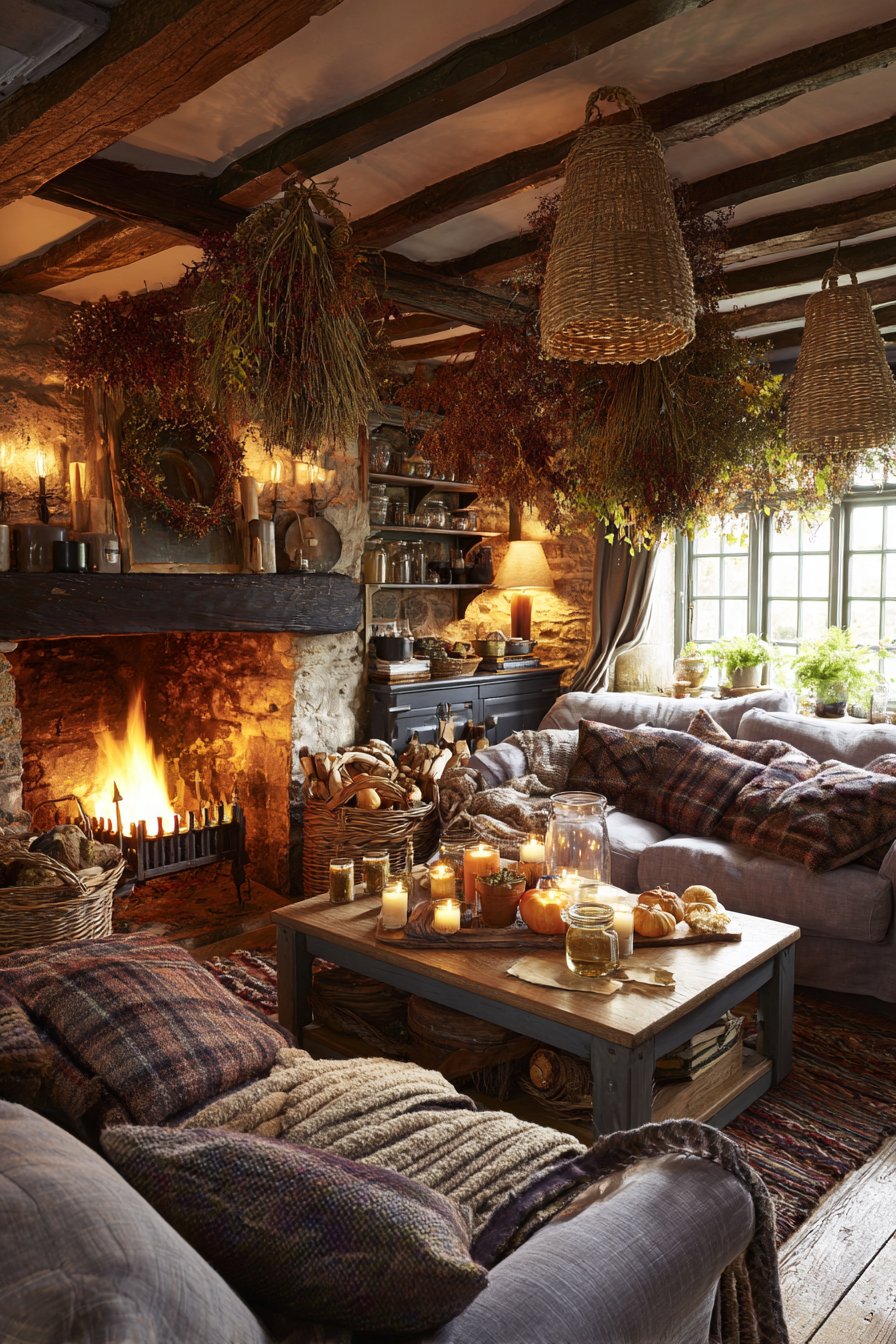
This seasonal approach proves more sustainable and less expensive than maintaining a static aesthetic. Decorative elements rotate through the year based on availability and practical needs rather than trend cycles. Storage solutions accommodate seasonal transitions, and homeowners develop appreciation for the unique qualities each time of year brings to interior spaces.
- Create storage systems for off-season textiles and decorations
- Learn food preservation to enjoy seasonal flavors year-round
- Adjust lighting based on seasonal daylight patterns
- Rotate heavy and light bedding with temperature changes
- Bring seasonal foliage indoors for natural decoration
- Celebrate traditional seasonal festivals and rituals
6. Community Connection Over Individual Curation
Perhaps the most significant evolution involves shifting from individual aesthetic expression to community-centered living. Modern cottage core practitioners participate in skill-sharing circles, community gardens, and local craft markets. The focus expands from perfecting personal spaces to building resilient neighborhoods that support traditional skills and sustainable practices.
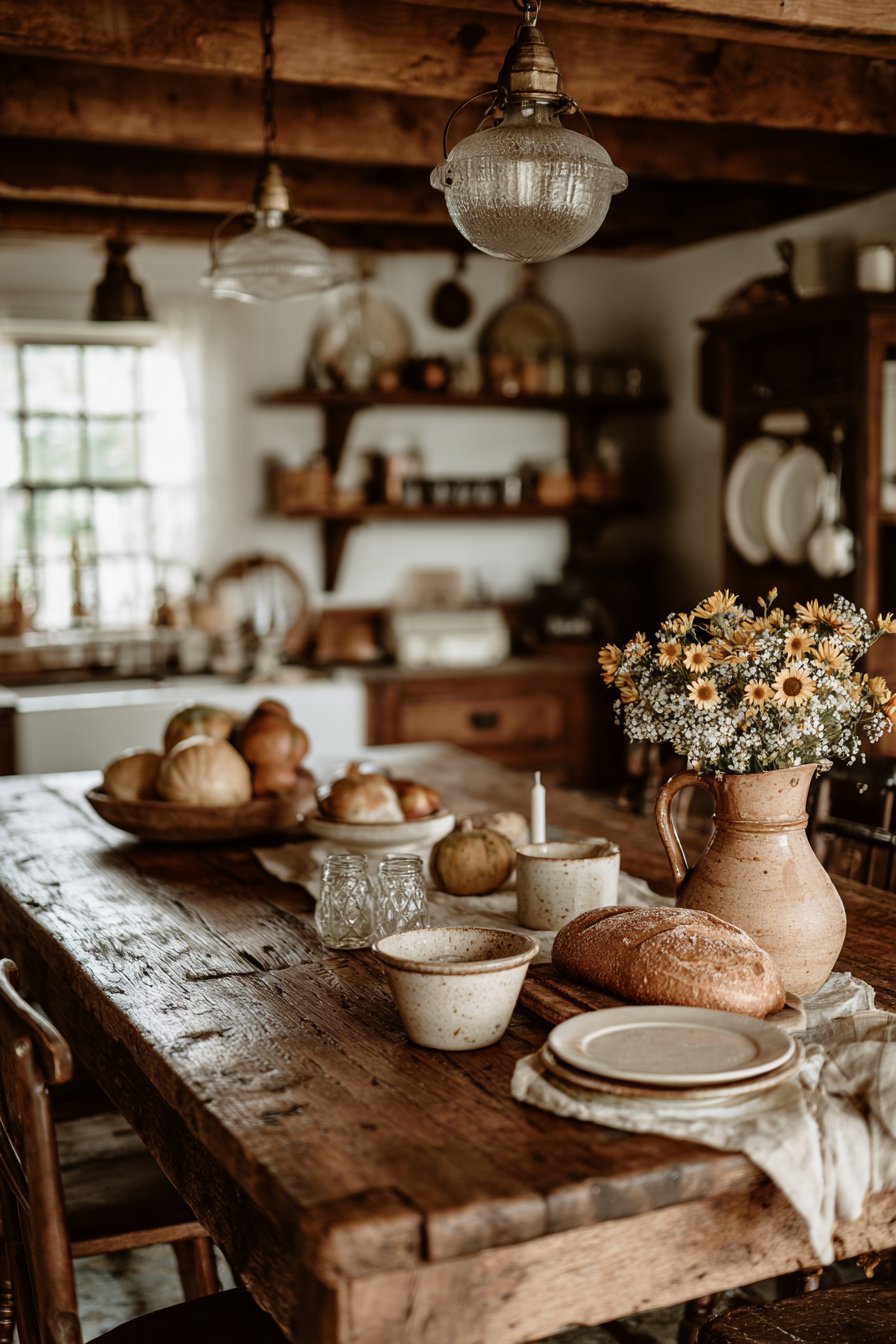
This communal aspect brings emotional richness that solitary decorating cannot provide. Shared meals featuring home-grown food, group projects like quilting bees or preservation parties, and collective knowledge create meaningful social bonds. Cottage core becomes a framework for building the connected communities that many people crave in increasingly isolated modern life.
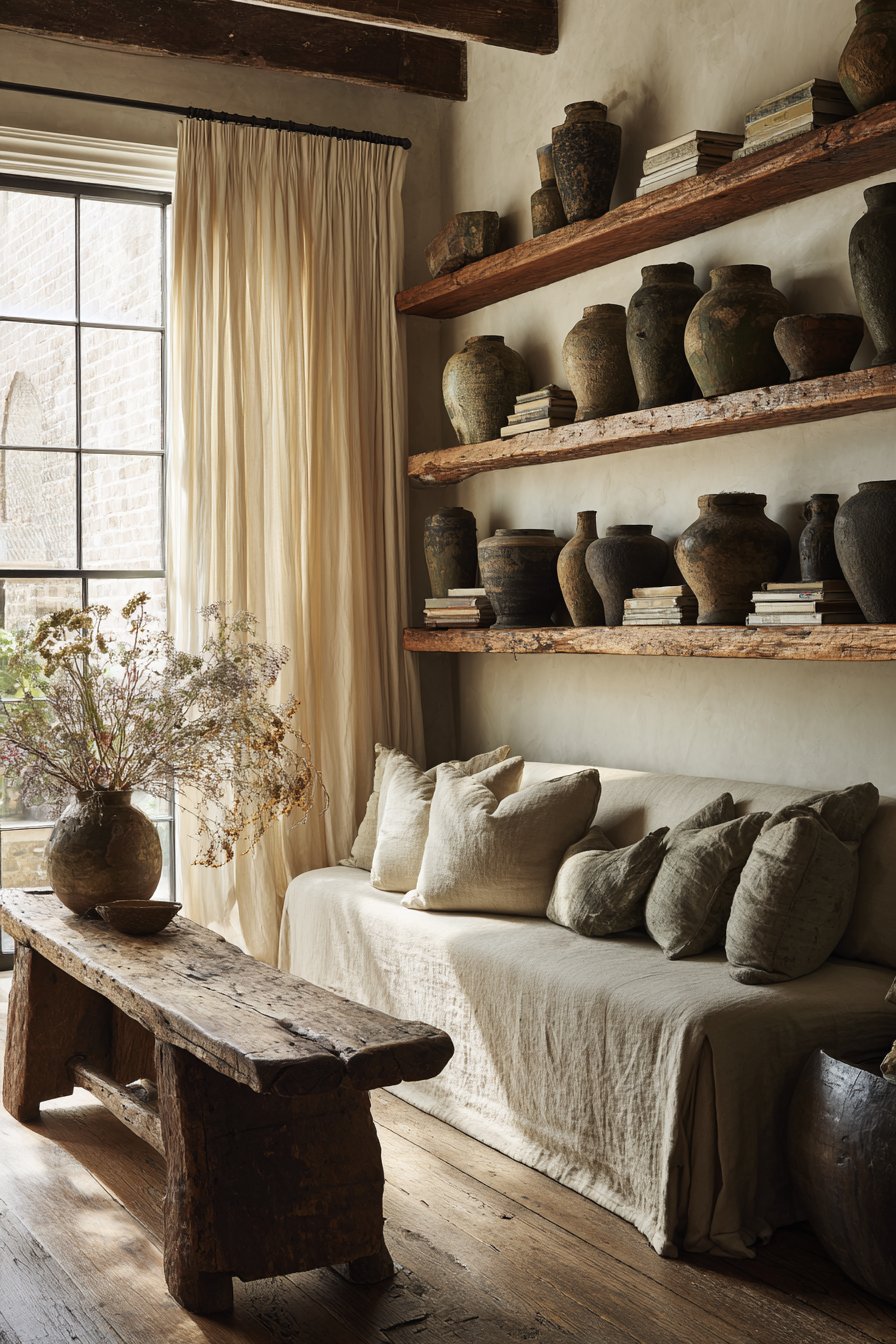
The practical benefits include access to shared resources, skills, and support systems. Community tool libraries, seed exchanges, and knowledge-sharing networks reduce individual costs while strengthening social fabric. This evolution transforms cottage core from a personal aesthetic choice into a movement that addresses isolation, environmental concerns, and the desire for meaningful connection simultaneously.
- Join or start a community garden in your neighborhood
- Attend local farmers markets to support regional agriculture
- Participate in skill-sharing workshops and craft circles
- Organize neighborhood events around seasonal celebrations
- Create sharing systems for tools and equipment
- Support local artisans and craftspeople through purchases
Conclusion
Cottage core’s evolution beyond Instagram represents a meaningful maturation of aesthetic trend into sustainable lifestyle. By prioritizing authenticity, environmental responsibility, and community connection, this movement offers practical solutions for modern living challenges. The romantic visual elements remain, but they now serve functional purposes within genuinely lived-in spaces.
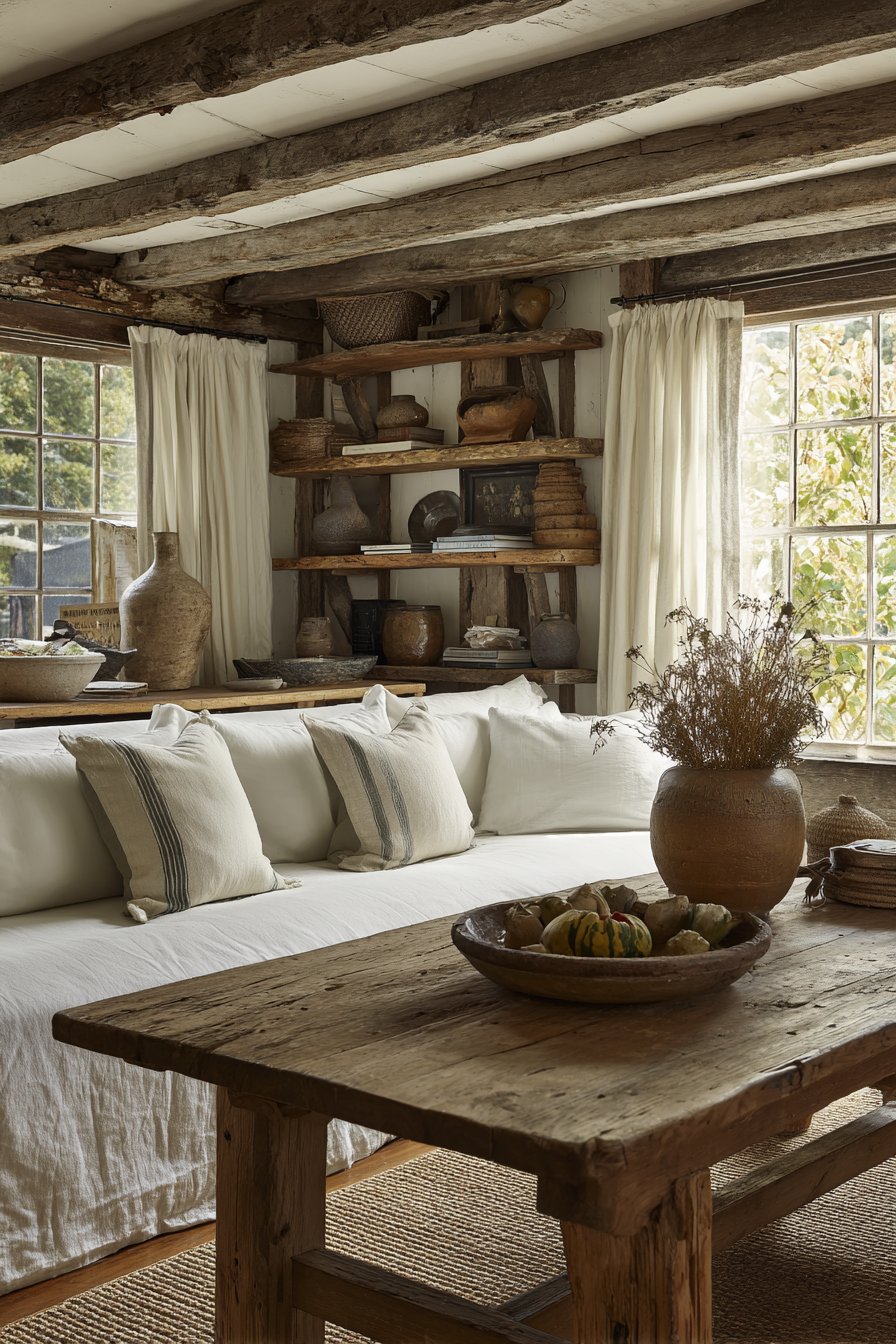
This transformation invites everyone to participate regardless of decorating budget or rural access. Start small with one authentic vintage piece, learn a single traditional craft, or plant a few herbs. The journey toward slower living begins with simple choices that honor both beauty and functionality. Let your home tell an authentic story that evolves naturally with the seasons and grows richer through genuine use and connection.
