


The kitchen countertop serves as the workhorse of your culinary space, enduring daily meal preparation, hot pots, and countless family gatherings. Choosing the right countertop material represents one of the most significant decisions in any kitchen renovation or new build. This surface doesn’t just impact your kitchen’s aesthetic appeal—it affects functionality, maintenance requirements, and long-term value.
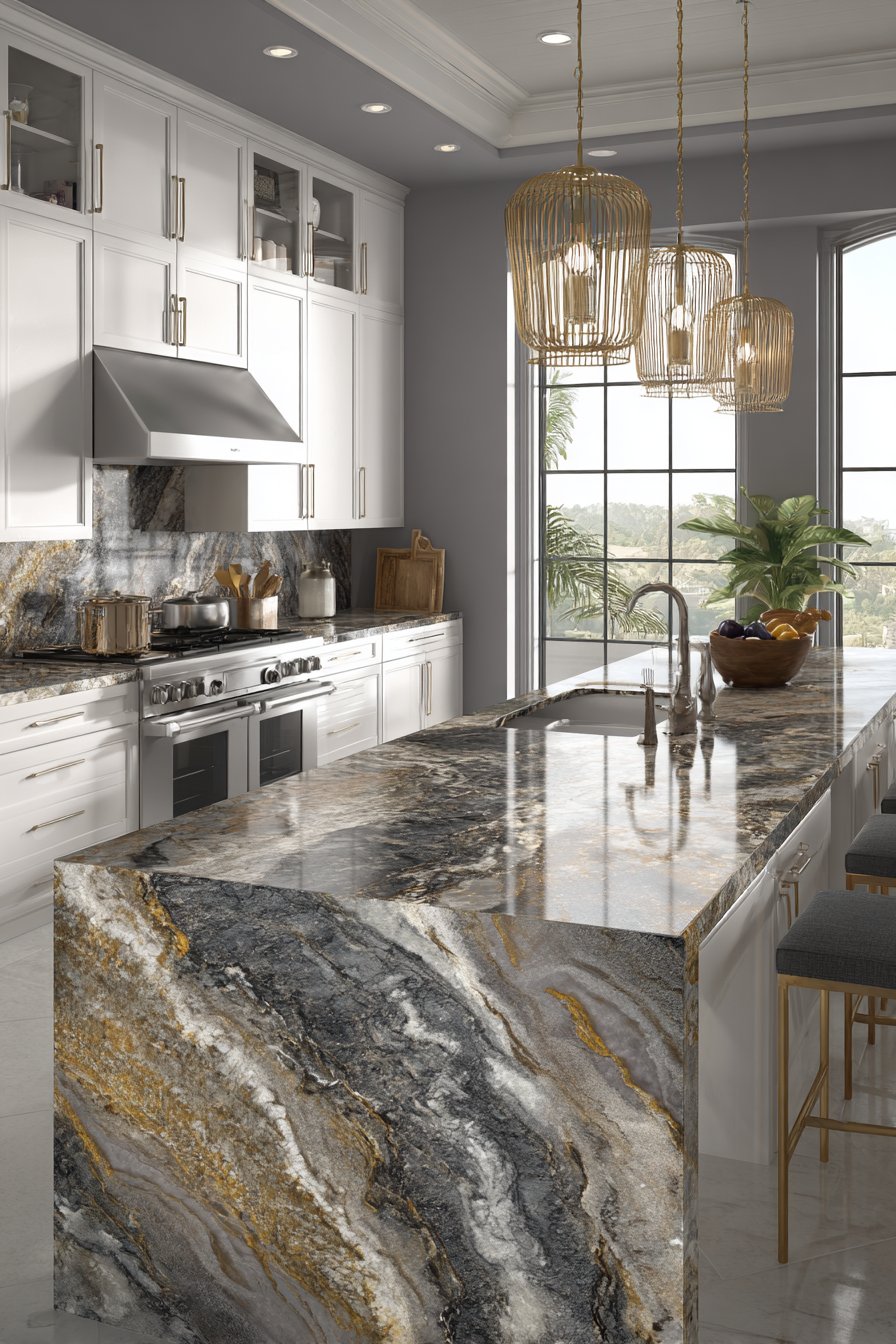
Understanding the multitude of factors before committing to a countertop material can save you from costly mistakes and future disappointments. From durability concerns to budget constraints, each consideration plays a crucial role in determining the perfect fit for your lifestyle. The right choice balances visual appeal with practical performance, creating a surface that enhances both cooking experiences and home value.
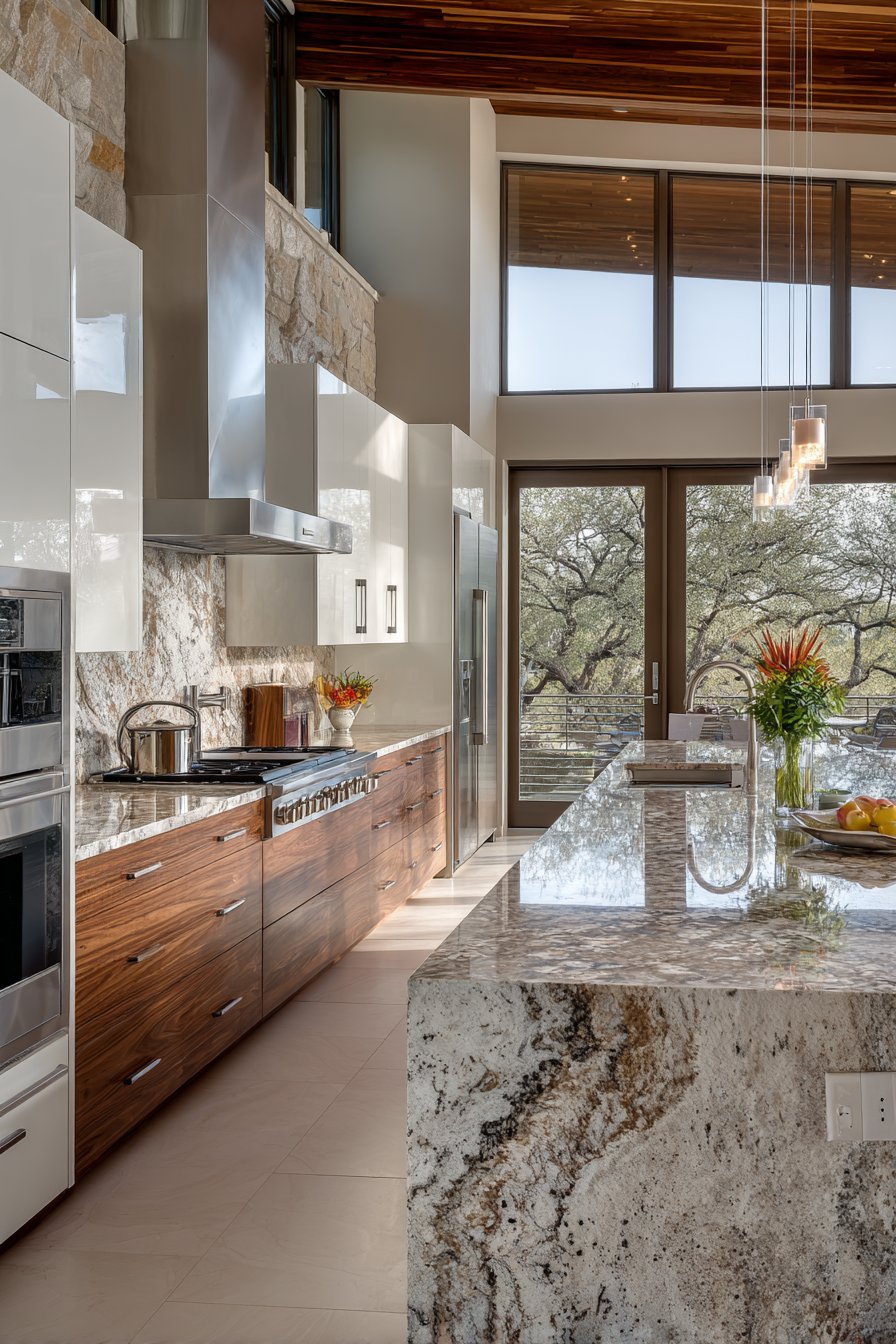
This comprehensive guide explores six essential factors that deserve careful attention before you make your final countertop selection. Whether you’re drawn to classic granite, modern quartz, or eco-friendly alternatives, these considerations will empower you to make an informed decision. Let’s dive into the critical elements that will guide you toward the perfect kitchen countertop for your home.
1. Material Durability and Longevity
Kitchen countertops must withstand years of chopping, heat exposure, and potential impacts without showing significant wear. Material durability directly correlates with how well your investment stands the test of time. Different materials offer varying levels of resistance to scratches, stains, and heat damage, making this consideration paramount for busy households.
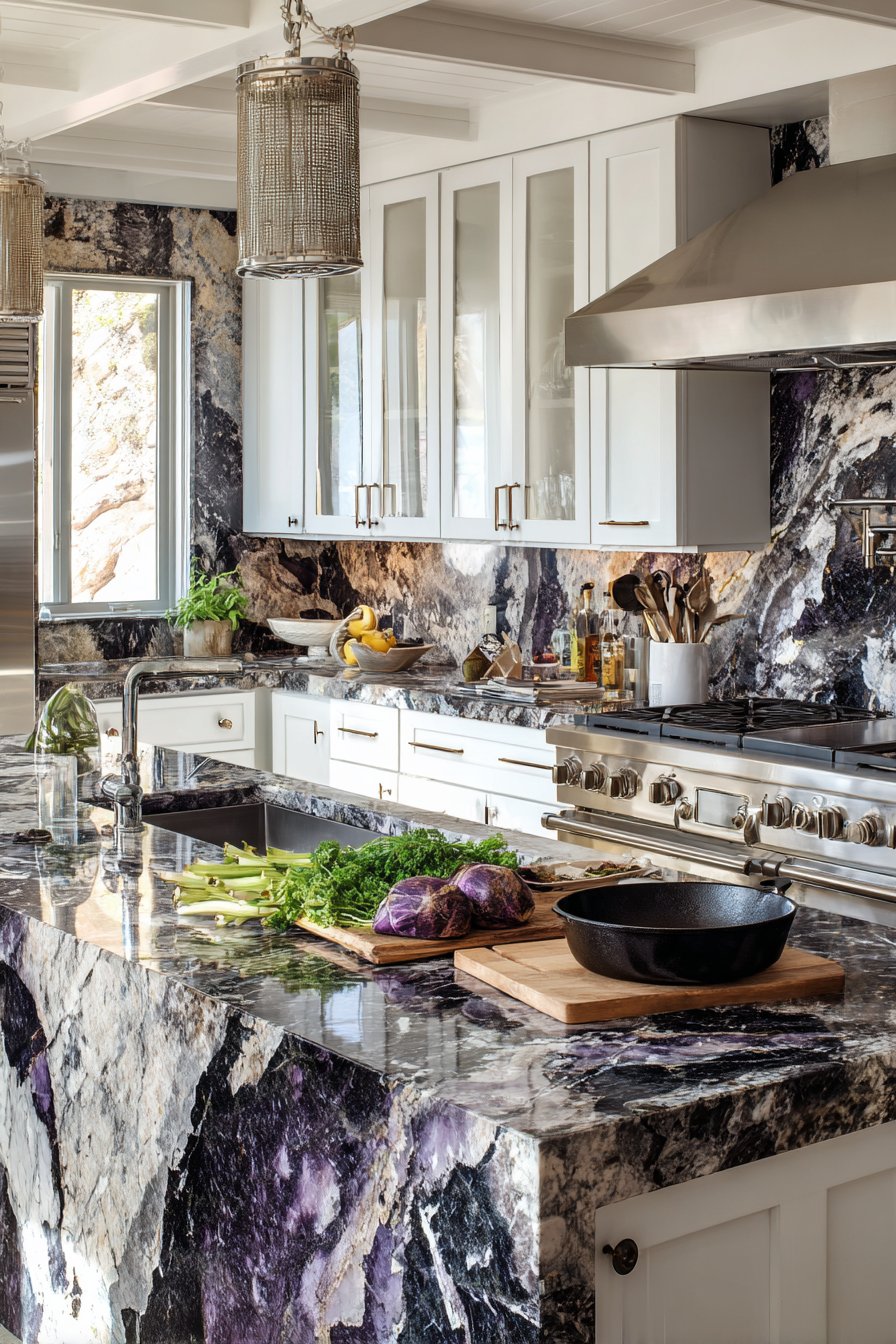
Natural stone options like granite and quartzite rank among the most durable choices available, offering exceptional resistance to heat and scratching. However, engineered quartz provides superior stain resistance while maintaining comparable hardness. Softer materials like marble and soapstone develop patinas over time, which some homeowners embrace as character while others view as deterioration.
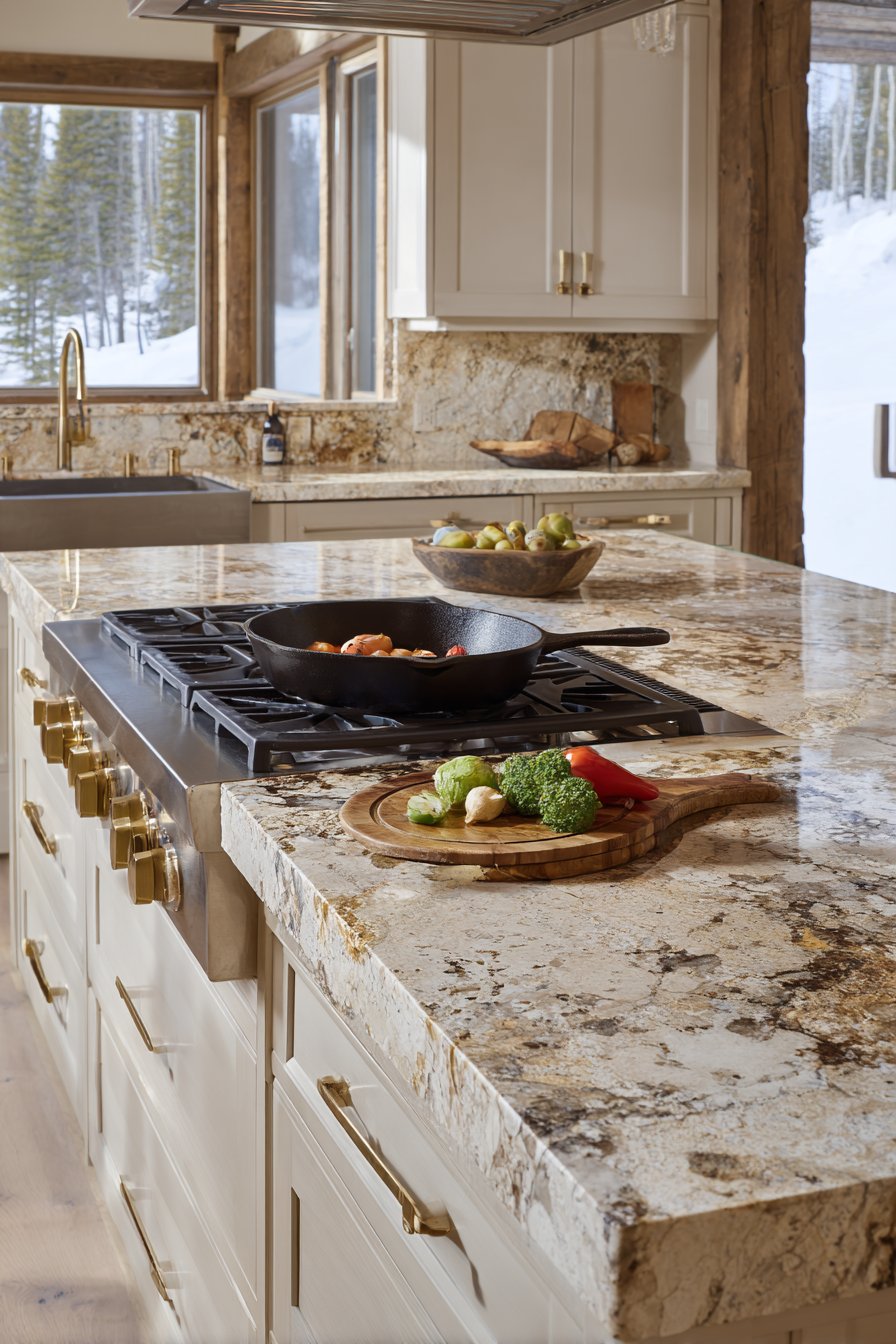
Consider your cooking habits and household dynamics when evaluating durability needs. Families with young children require different performance standards than retired couples who rarely cook. High-traffic kitchens demand materials that won’t chip, crack, or stain easily, while occasional-use spaces can accommodate more delicate options.
- Research the Mohs hardness scale ratings for different countertop materials
- Ask suppliers about warranty coverage for chips, cracks, and stains
- Request samples to test scratch resistance with common kitchen tools
- Consider heat tolerance if you frequently place hot pans directly on surfaces
- Evaluate edge profile options that minimize chipping risks
- Inquire about long-term performance data from actual homeowners
2. Maintenance Requirements and Care Routines
The time and effort required to maintain your countertops significantly impacts daily life satisfaction with your kitchen. Some materials demand regular sealing and specialized cleaning products, while others offer virtually maintenance-free performance. Understanding these requirements upfront prevents frustration and ensures your surfaces remain beautiful for years. Our clean kitchen ideas has more inspiration along these same lines.
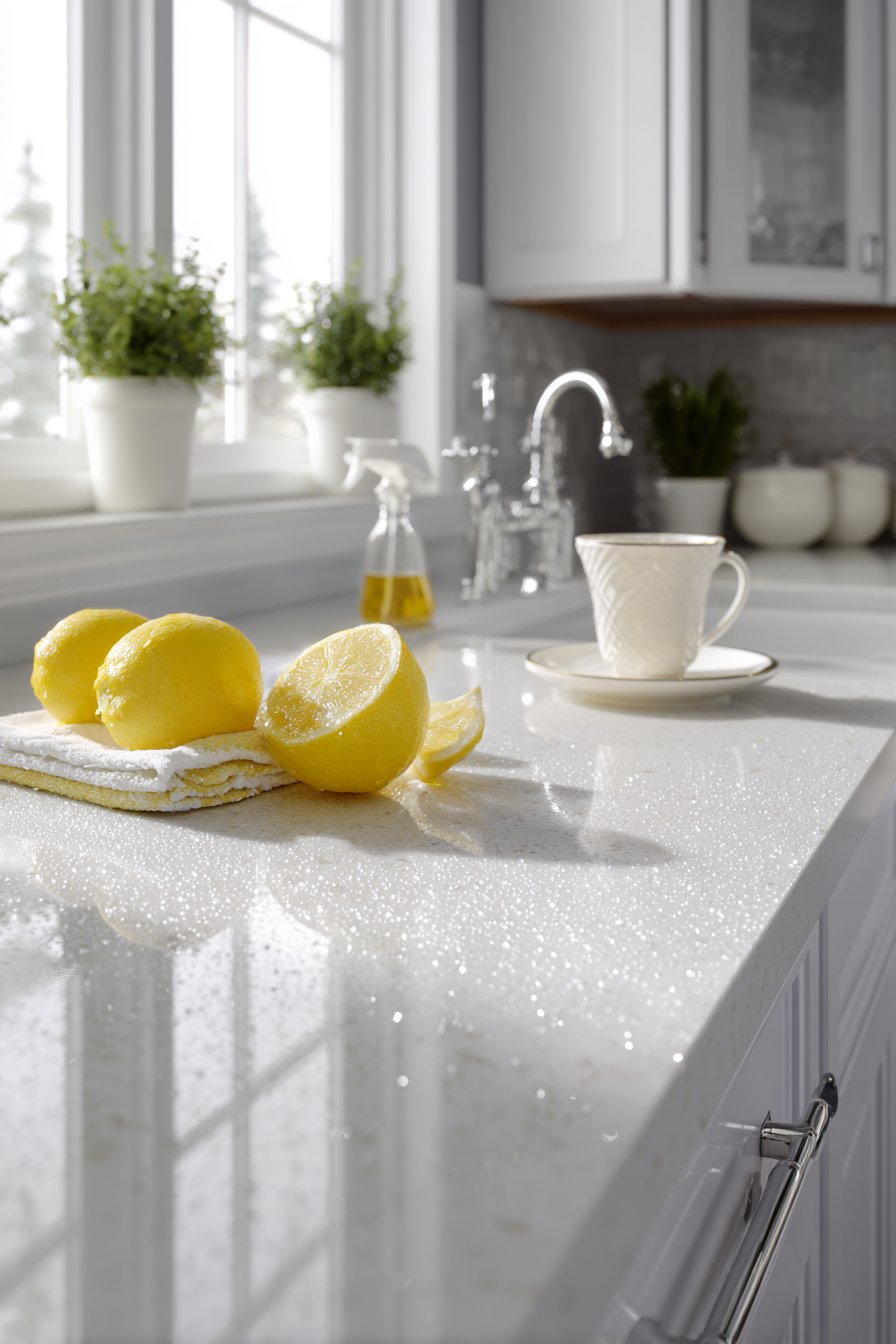
Granite, marble, and other natural stones typically require annual or bi-annual sealing to prevent staining and moisture penetration. Neglecting this maintenance can result in permanent discoloration and bacterial growth in porous surfaces. Conversely, quartz and solid surface materials need only soap and water for daily cleaning, making them ideal for busy households.
Consider whether you’re willing to commit to ongoing maintenance routines or prefer a set-it-and-forget-it approach. Some homeowners enjoy the ritual of caring for natural stone, while others view it as an unnecessary burden. Be honest about your lifestyle and cleaning habits when making this assessment.
- Create a realistic maintenance schedule before purchasing natural stone
- Calculate annual sealing costs into your long-term budget
- Test cleaning products on samples to ensure compatibility
- Ask about stain removal procedures for common kitchen mishaps
- Consider antibacterial properties for food preparation safety
- Evaluate whether professional maintenance services are necessary
3. Budget Considerations and Total Cost of Ownership
Countertop materials vary dramatically in price, ranging from affordable laminate at $10-30 per square foot to luxury options exceeding $200 per square foot. However, the initial purchase price represents only part of the total investment. Installation complexity, edge treatments, and long-term maintenance all contribute to the true cost of ownership.
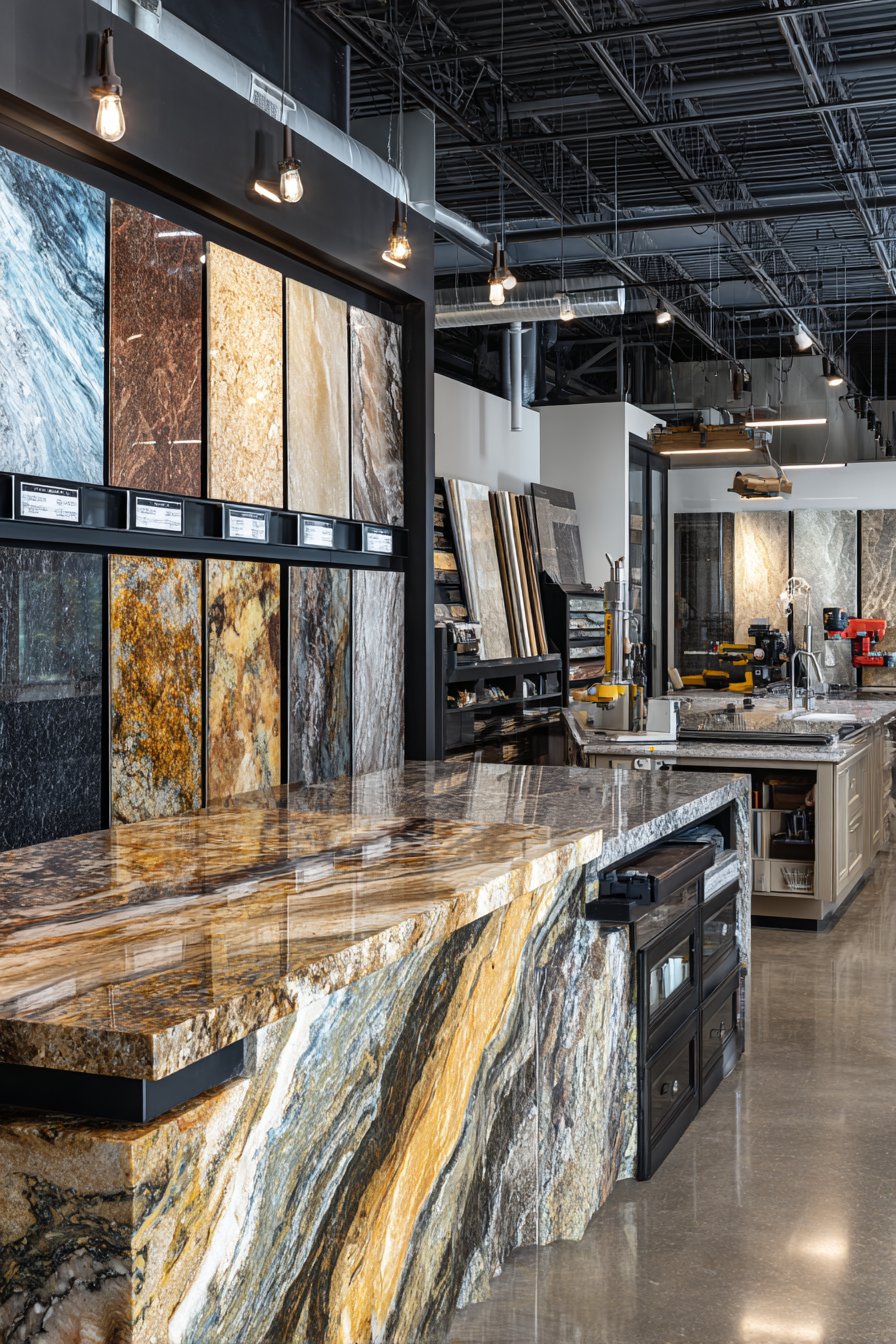
Budget-conscious homeowners should factor in installation expenses, which can double or triple material costs for heavy stone slabs requiring professional fabrication. Engineered materials often install more easily, reducing labor charges while delivering premium aesthetics. Additionally, consider replacement costs—a damaged laminate section repairs inexpensively, while cracked granite requires complete slab replacement.
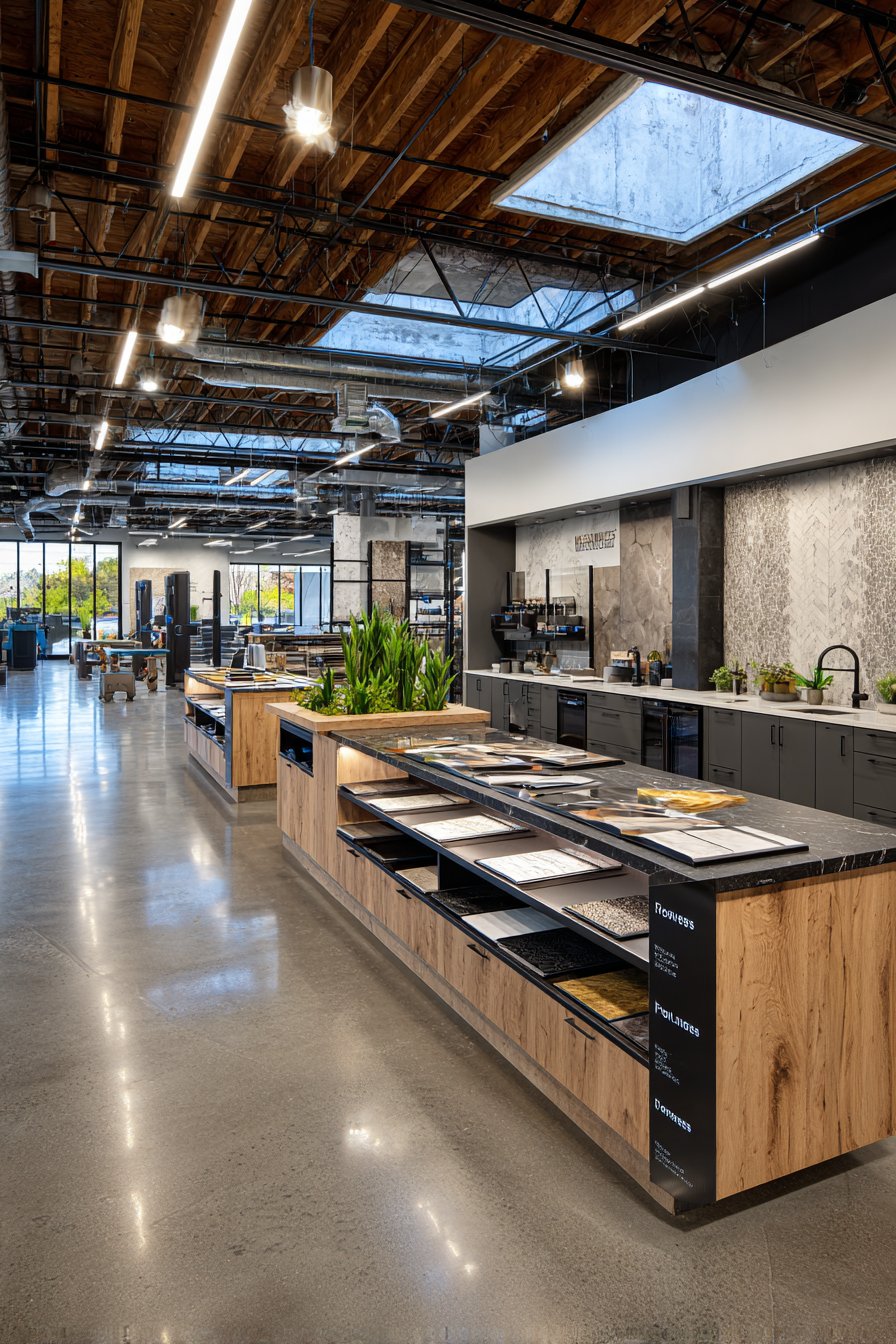
Long-term value calculations should include maintenance supplies, professional sealing services, and potential resale impact. Premium materials like granite and quartz typically increase home value, potentially offsetting higher initial costs. Evaluate your plans for staying in the home when making budget decisions.
- Obtain detailed quotes including materials, fabrication, and installation
- Factor in edge profile upgrades and backsplash coordination costs
- Research local installation labor rates for accurate budgeting
- Calculate five-year maintenance costs for realistic comparisons
- Consider financing options for higher-end materials if needed
- Evaluate cost-per-year based on expected material lifespan
4. Aesthetic Appeal and Design Compatibility
Your countertop material establishes the visual foundation for your entire kitchen design, influencing cabinet selections, backsplash choices, and overall ambiance. Color and pattern options range from uniform solids to dramatic veining, each creating distinct moods and style statements. The right choice harmonizes with your design vision while providing flexibility for future updates. Our these dark cabinet kitchen ideas has more inspiration along these same lines.
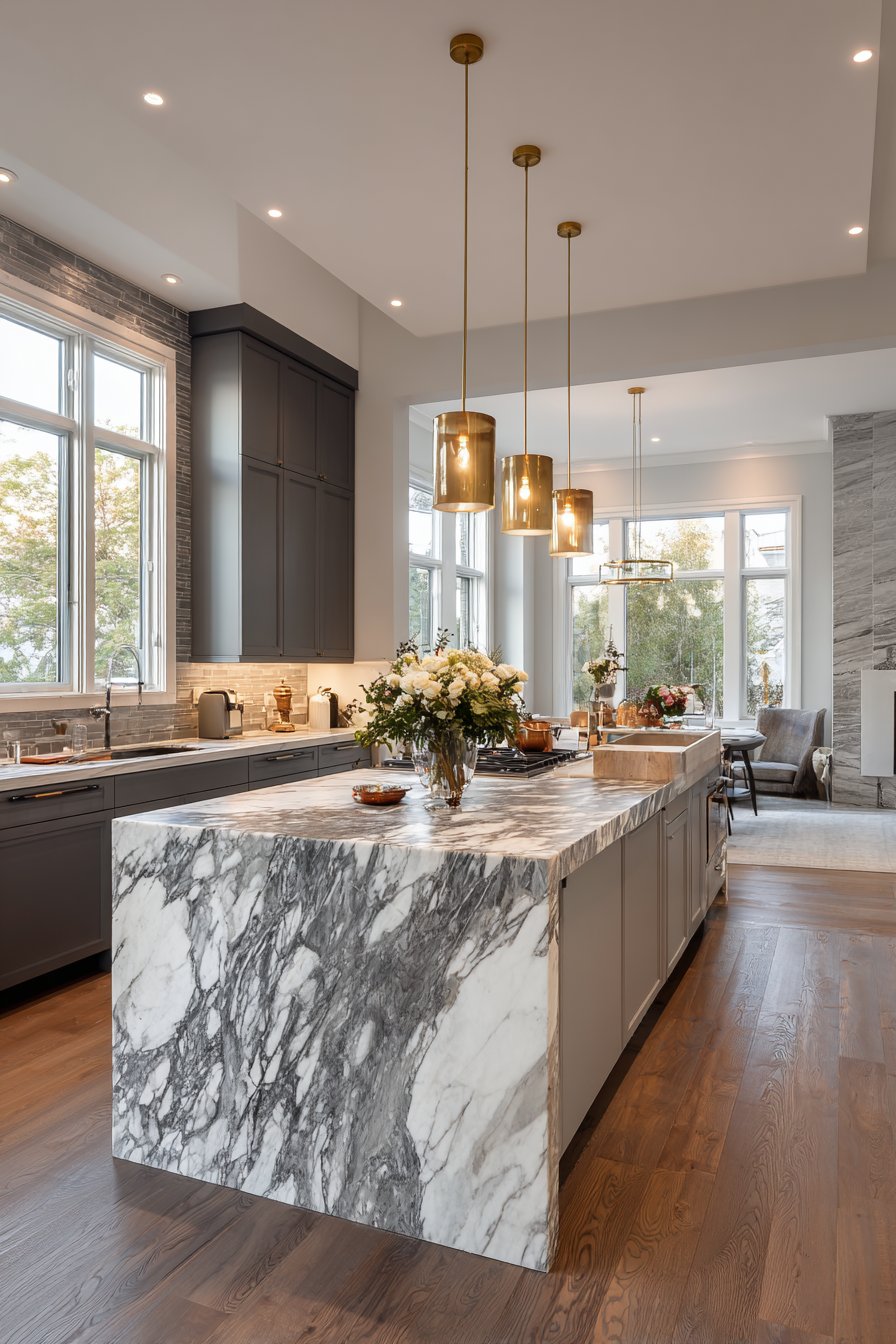
Natural stone offers unique, unrepeatable patterns that make each installation one-of-a-kind, appealing to homeowners seeking individuality. Engineered materials provide consistency across slabs, ensuring perfect matches for large kitchens or future additions. Consider whether you prefer organic variation or controlled uniformity in your kitchen’s aesthetic.
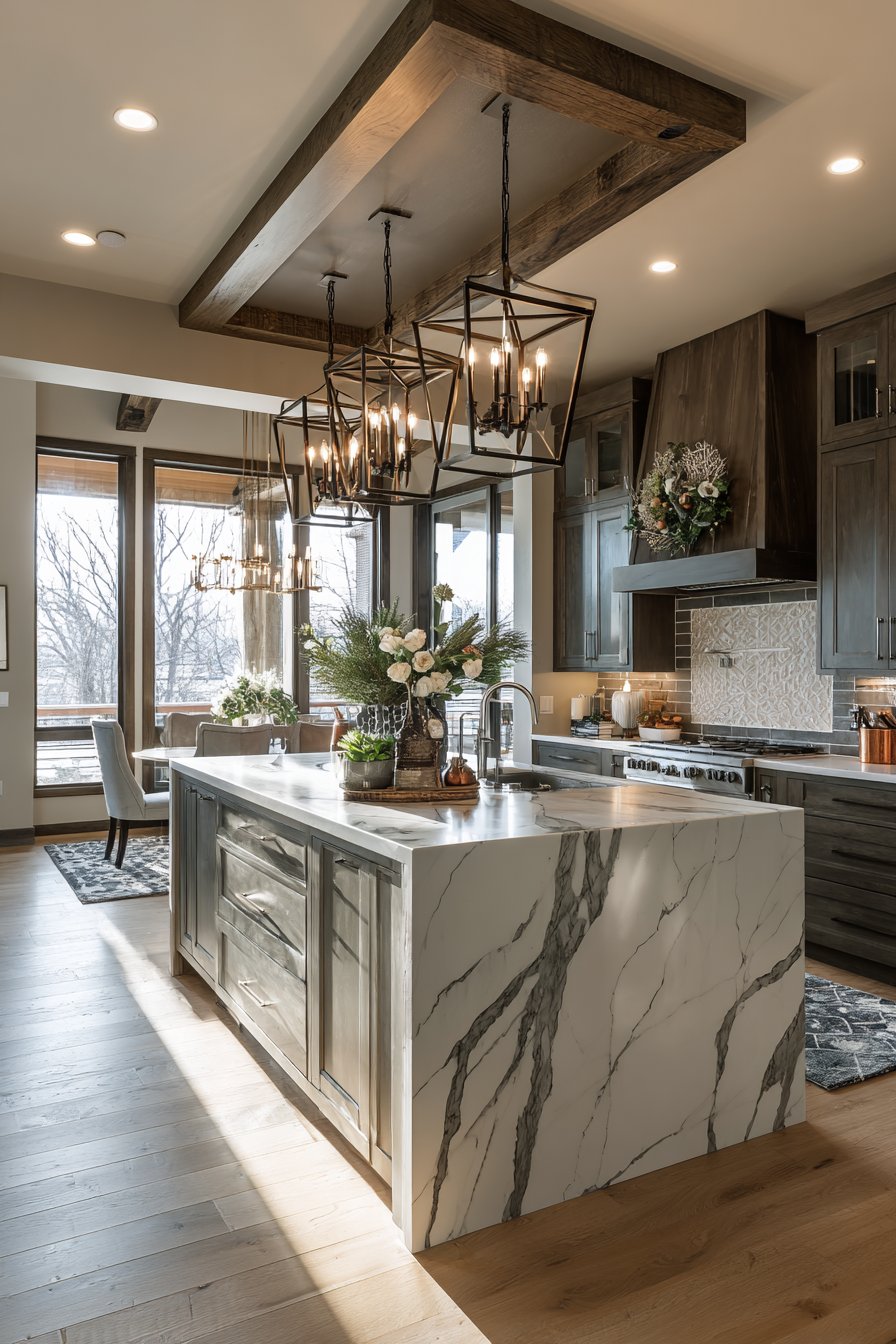
Edge profiles significantly impact the overall look, from simple eased edges to elaborate ogee treatments that add architectural interest. Thickness also matters—standard three-centimeter slabs appear substantial, while six-centimeter options create dramatic, furniture-like presence. Ensure your aesthetic choices align with your kitchen’s architectural style and personal preferences.
- Collect large samples to view in your actual kitchen lighting
- Consider how countertop colors coordinate with existing or planned cabinetry
- Evaluate pattern scale relative to your kitchen’s size
- Research trending versus Research trending versus timeless design choices for longevity. Check our this timeless kitchen layout if you want exact numbers before you shop. design choices for longevity
- Test edge profile preferences against cabinet door styles
- Photograph samples in various lighting conditions before deciding
5. Functionality for Your Cooking Style
Different cooking habits demand specific performance characteristics from countertop materials, making lifestyle assessment crucial before purchasing. Avid bakers benefit from marble’s naturally cool surface for pastry work, while frequent entertainers need heat-resistant materials for serving hot dishes. Align material properties with how you actually use your kitchen daily.
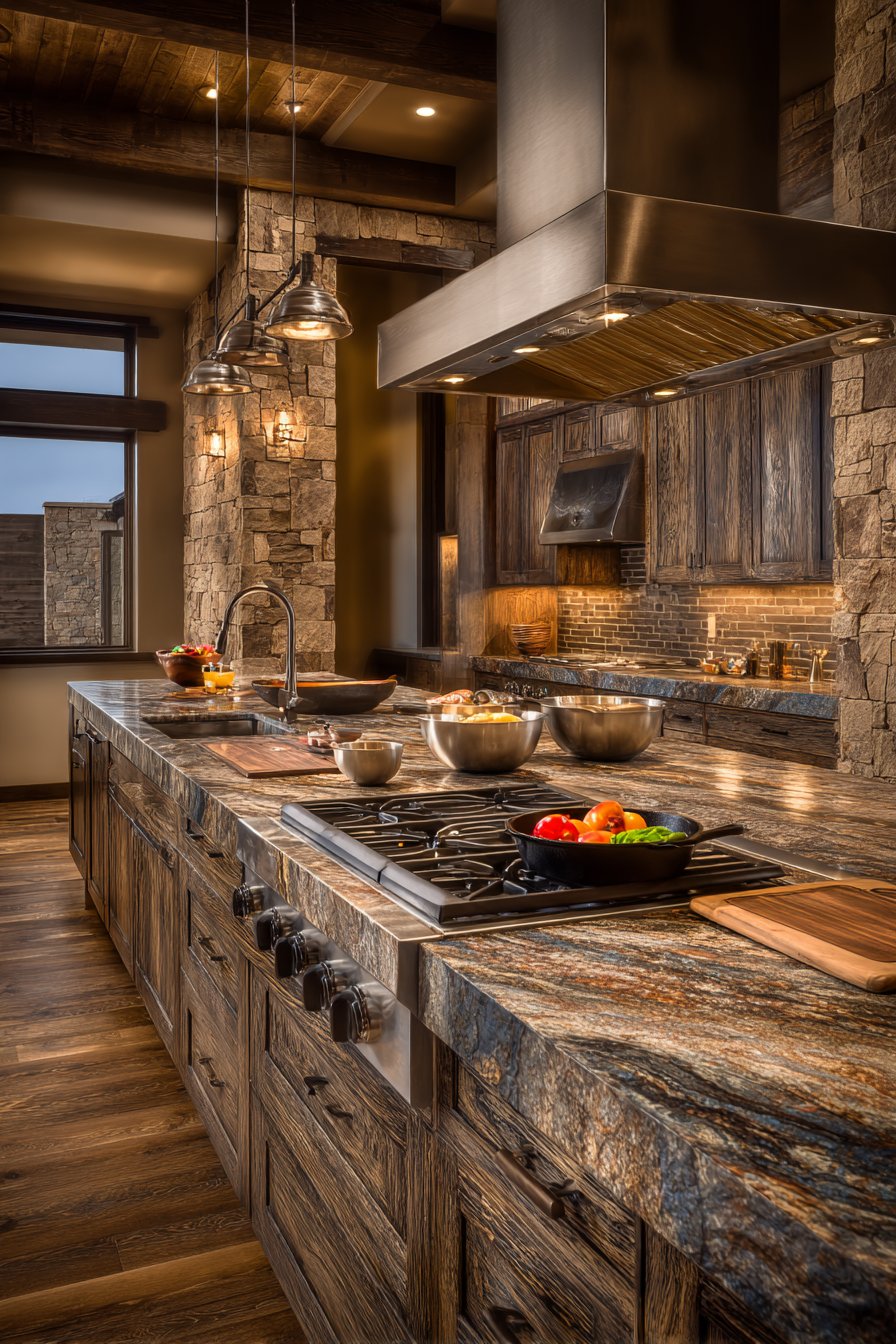
Professional-style cooking with heavy cast iron and frequent high-heat applications requires materials that won’t scorch, crack, or discolor under extreme conditions. Stain resistance becomes critical for families who prepare colorful foods like berries, turmeric, or red wine reductions. Consider whether you need integrated cutting surfaces or prefer protecting countertops with separate boards.
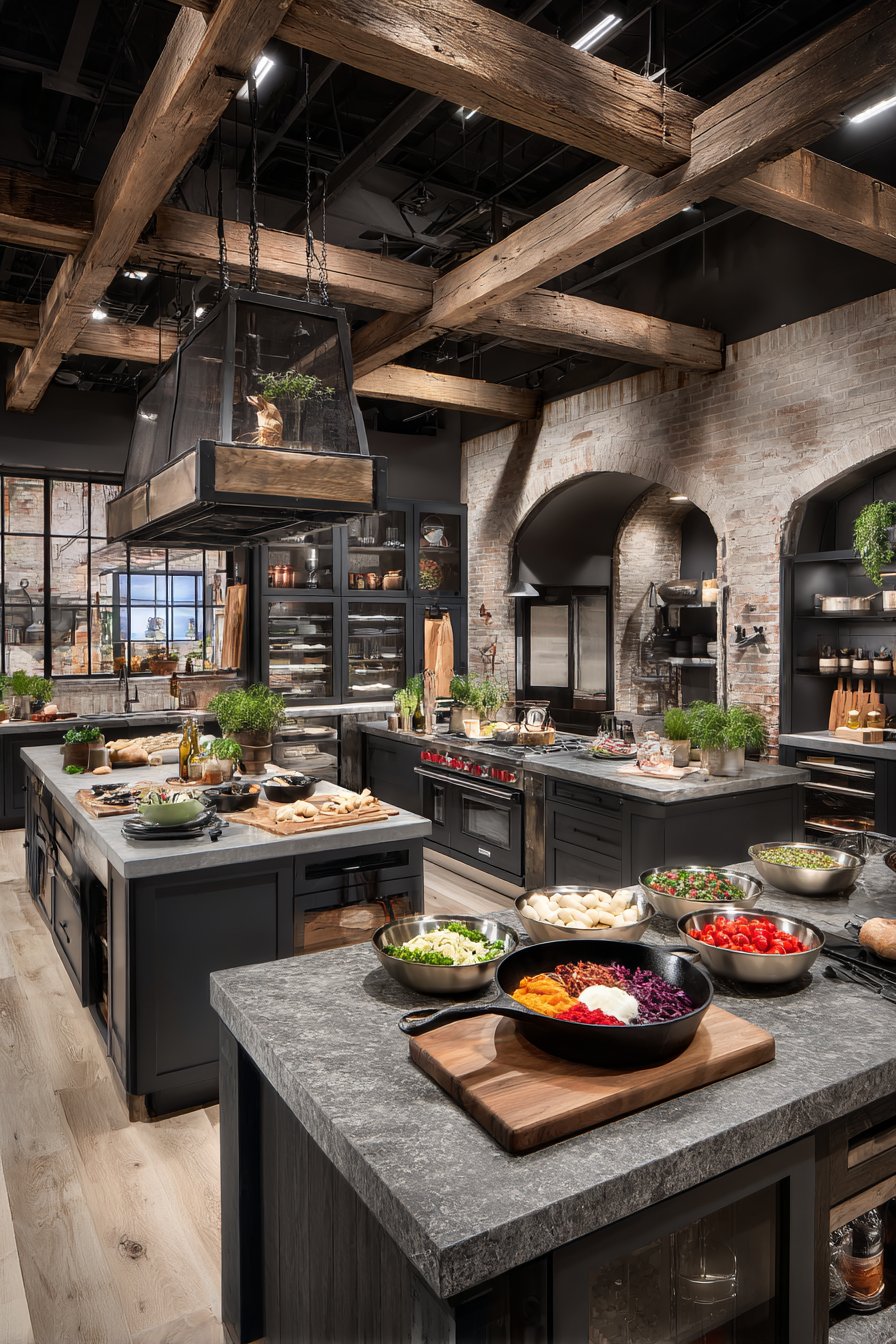
The surface texture affects both functionality and cleaning ease—polished finishes show water spots but wipe clean effortlessly, while honed surfaces hide fingerprints but can harbor more bacteria. Evaluate these trade-offs based on your cleaning preferences and food safety concerns.
- List your most frequent cooking activities and their surface requirements
- Consider whether you knead dough, roll pastry, or perform other specialized tasks
- Evaluate the importance of having heat-proof landing zones near cooktops
- Assess your tolerance for developing patina versus maintaining pristine appearance
- Determine if you need knife-friendly surfaces or prefer protecting countertops
- Consider workspace height and thickness for comfortable food preparation
6. Environmental Impact and Sustainability
Environmentally conscious homeowners increasingly prioritize sustainable materials and responsible sourcing when selecting countertops. The manufacturing process, transportation distance, and end-of-life recyclability all contribute to a material’s environmental footprint. Understanding these impacts helps align your kitchen renovation with broader sustainability values.
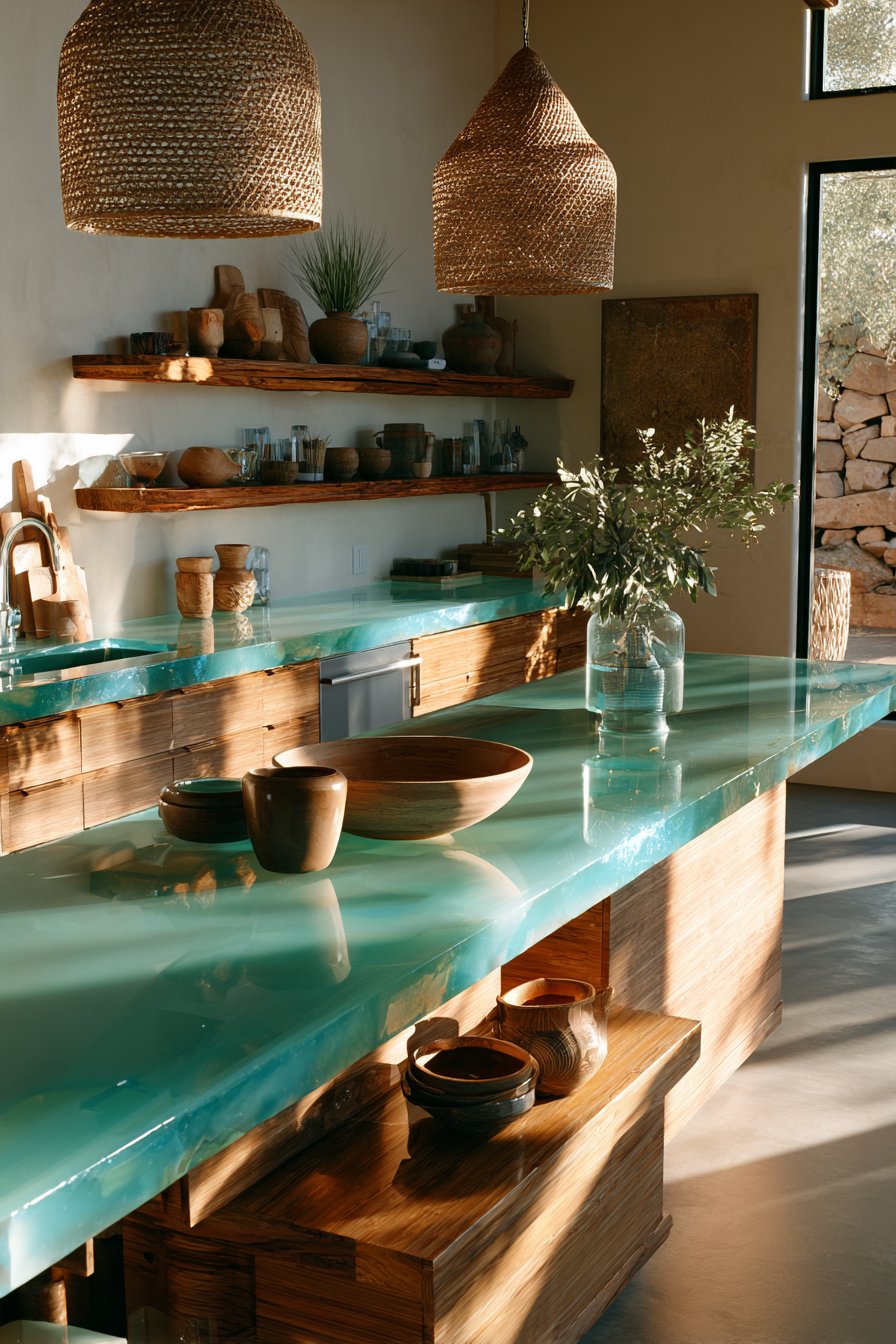
Locally quarried natural stone reduces transportation emissions, while recycled glass countertops divert waste from landfills and create stunning, eco-friendly surfaces. Some materials, like concrete and recycled paper composites, offer customization with lower environmental costs. Conversely, certain manufacturing processes release significant volatile organic compounds or require energy-intensive production.
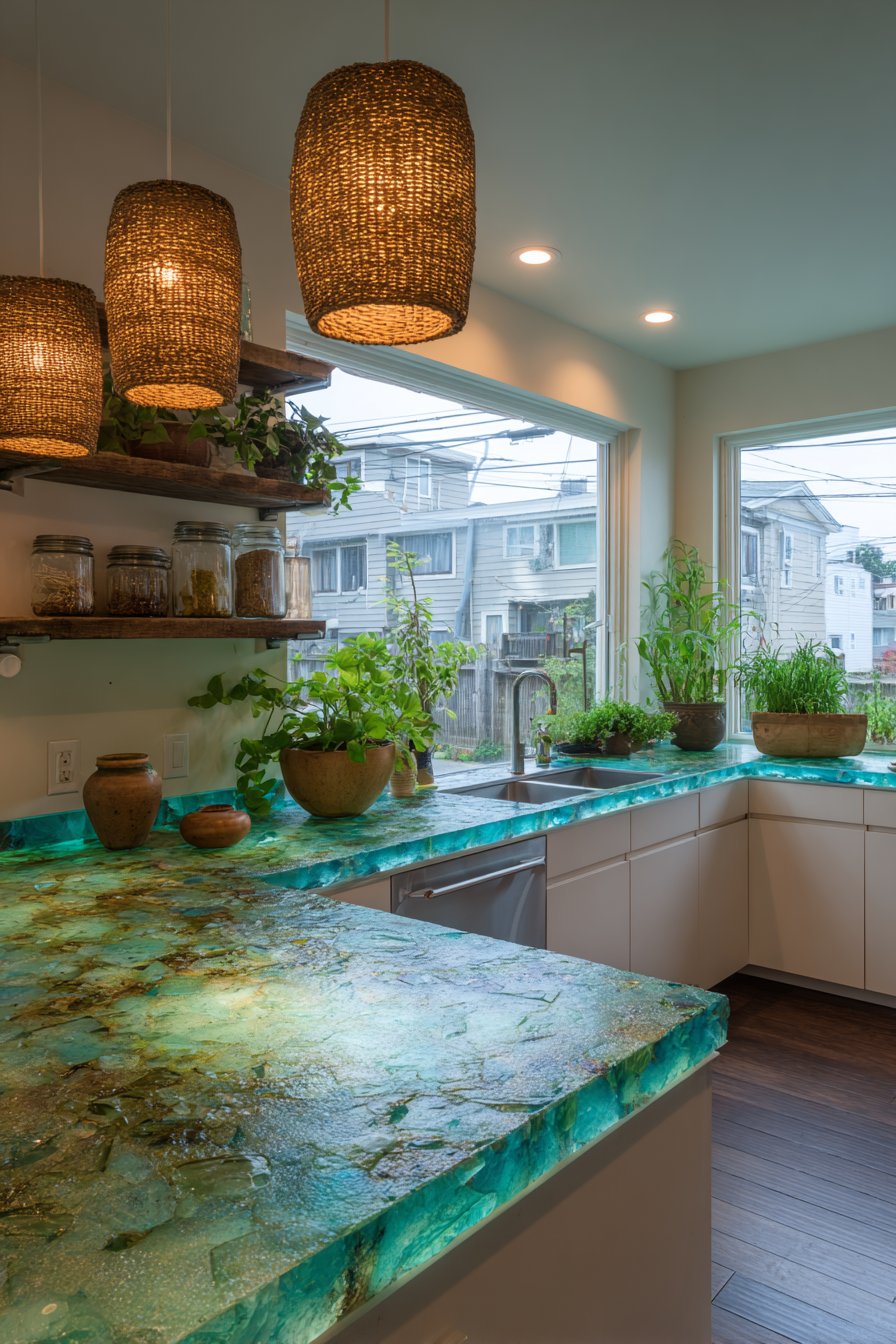
Consider certifications like GreenGuard or NSF that verify low emissions and sustainable practices throughout the supply chain. Durability also factors into sustainability—a longer-lasting countertop ultimately creates less waste than materials requiring frequent replacement. Balance environmental priorities with other practical considerations for the best overall decision.
- Research the carbon footprint of different manufacturing processes
- Prioritize locally sourced materials to reduce transportation impacts
- Investigate recycled content percentages in engineered materials
- Ask about VOC emissions and indoor air quality certifications
- Consider end-of-life recyclability or biodegradability of materials
- Evaluate whether suppliers follow ethical labor and environmental practices
Conclusion
Selecting the perfect kitchen countertop requires balancing multiple factors including durability, maintenance, budget, aesthetics, functionality, and environmental impact. Each consideration deserves thoughtful evaluation based on your unique lifestyle, cooking habits, and long-term goals. The right choice creates a beautiful, functional workspace that enhances daily life while protecting your investment.
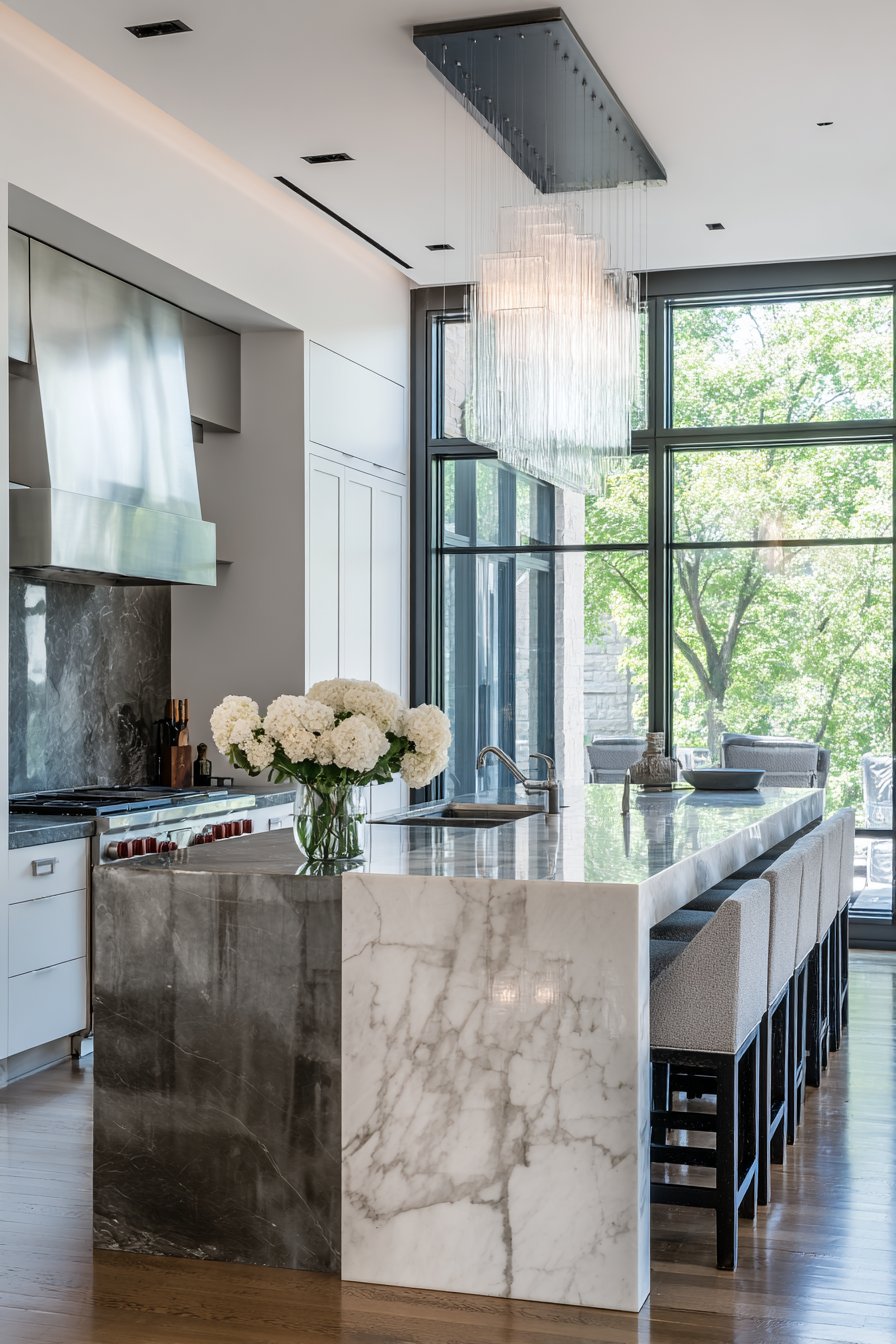
Take time to visit showrooms, gather samples, and consult with experienced designers before making your final decision. Your kitchen countertop will serve your family for decades, making this deliberation worthwhile. Trust your instincts, prioritize your most important requirements, and choose materials that bring both practical value and joy to your culinary space.
