


The world of interior design is witnessing a bold revolution. After years of minimalist dominance, maximalism is making a triumphant comeback with a fresh, contemporary twist. This isn’t your grandmother’s cluttered Victorian parlor; it’s a sophisticated celebration of personality, color, and curated abundance.
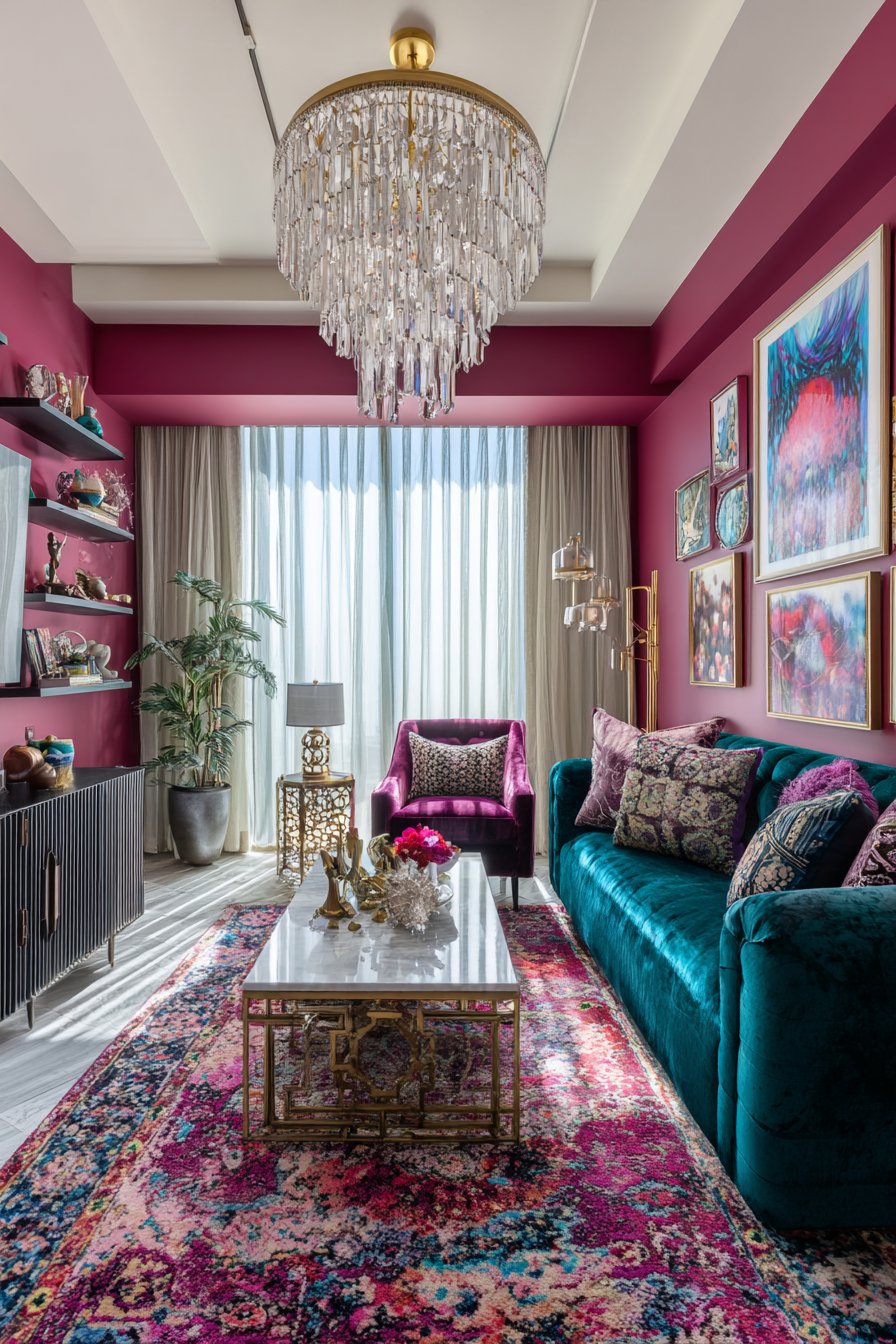
Thoughtful interior design transforms houses into homes that reflect who we are. Maximalist spaces tell stories through layers of texture, pattern, and cherished objects. While minimalism championed restraint, modern maximalism embraces intentional abundance , creating environments that inspire creativity and spark joy. Our art deco revival in modern homes has more inspiration along these same lines.
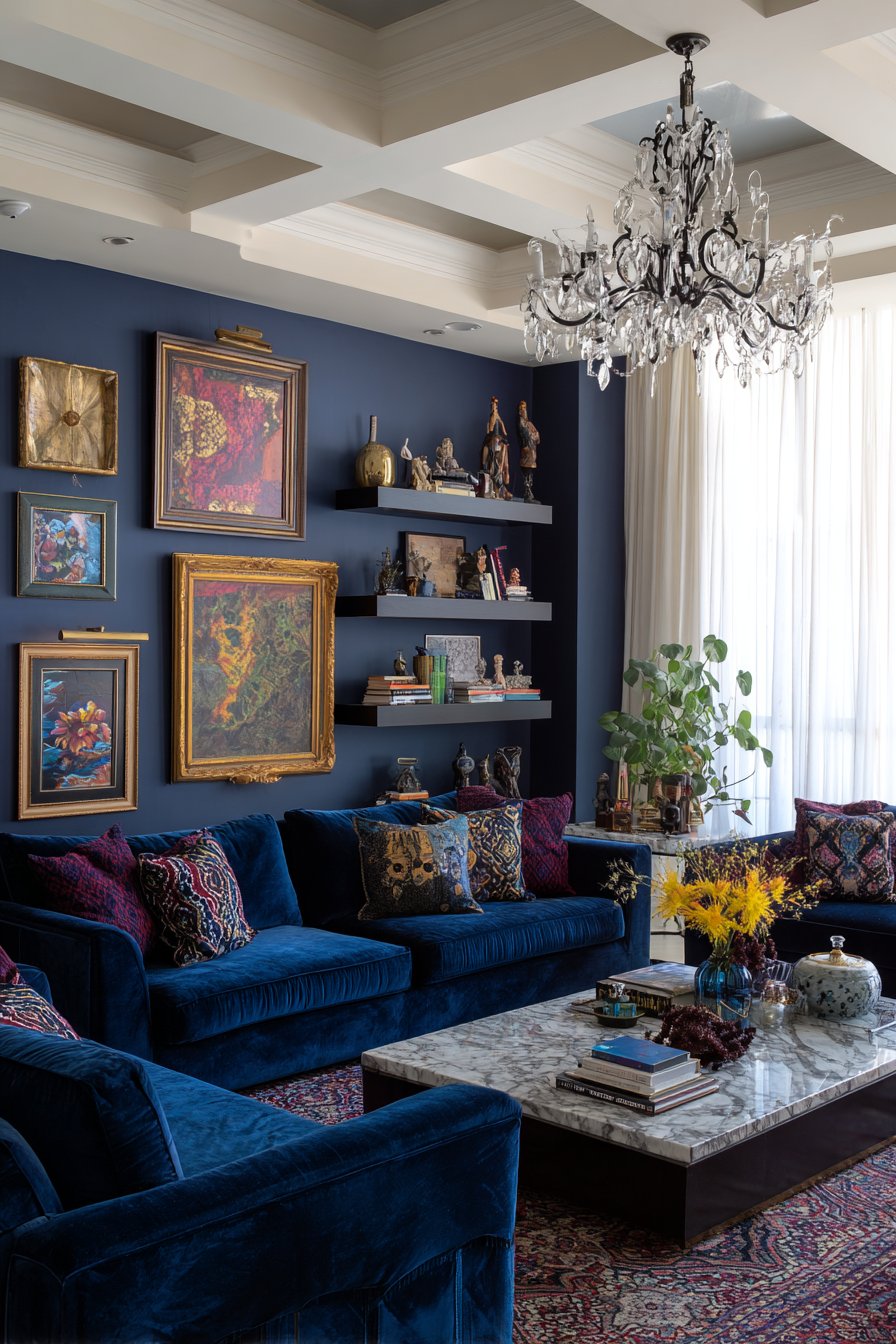
Today’s maximalism caters to those who refuse to choose between elegance and expression. This article explores how contemporary designers are reimagining maximalist principles for modern living. From strategic color layering to artful collections, you’ll discover how to create spaces that feel luxurious yet livable, bold yet balanced.
1. Layered Color Palettes with Purpose
Modern maximalism rejects the idea that bold colors must overwhelm. Instead, designers use strategic color layering to create depth and visual interest. The key lies in choosing a cohesive color story that flows throughout your space, even when using multiple vibrant hues.
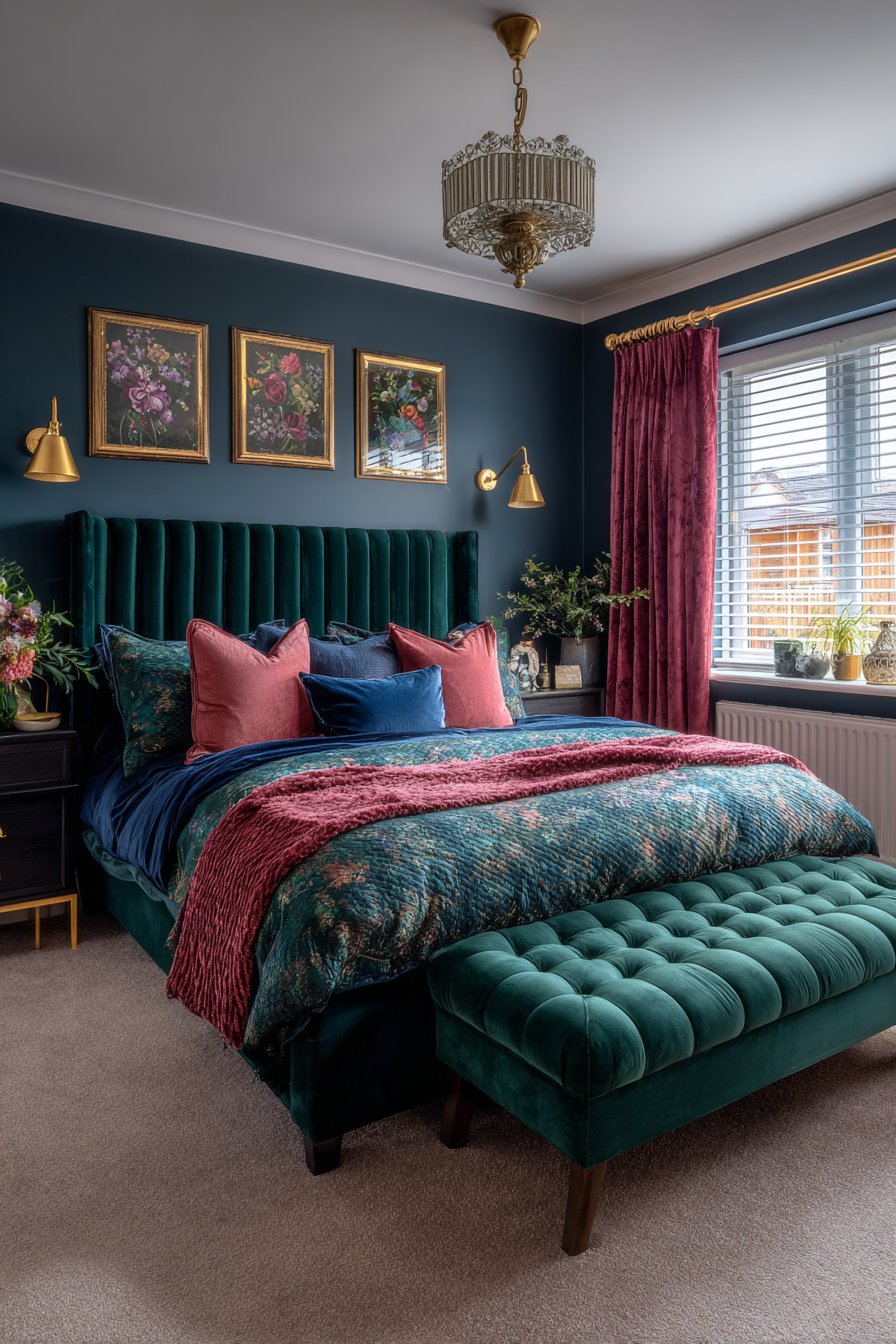
Start with an anchor color that appears in various intensities across the room. This creates unity amid diversity. For instance, jewel tones like emerald, sapphire, and ruby can coexist beautifully when connected through complementary undertones. The secret is balancing warm and cool tones thoughtfully.
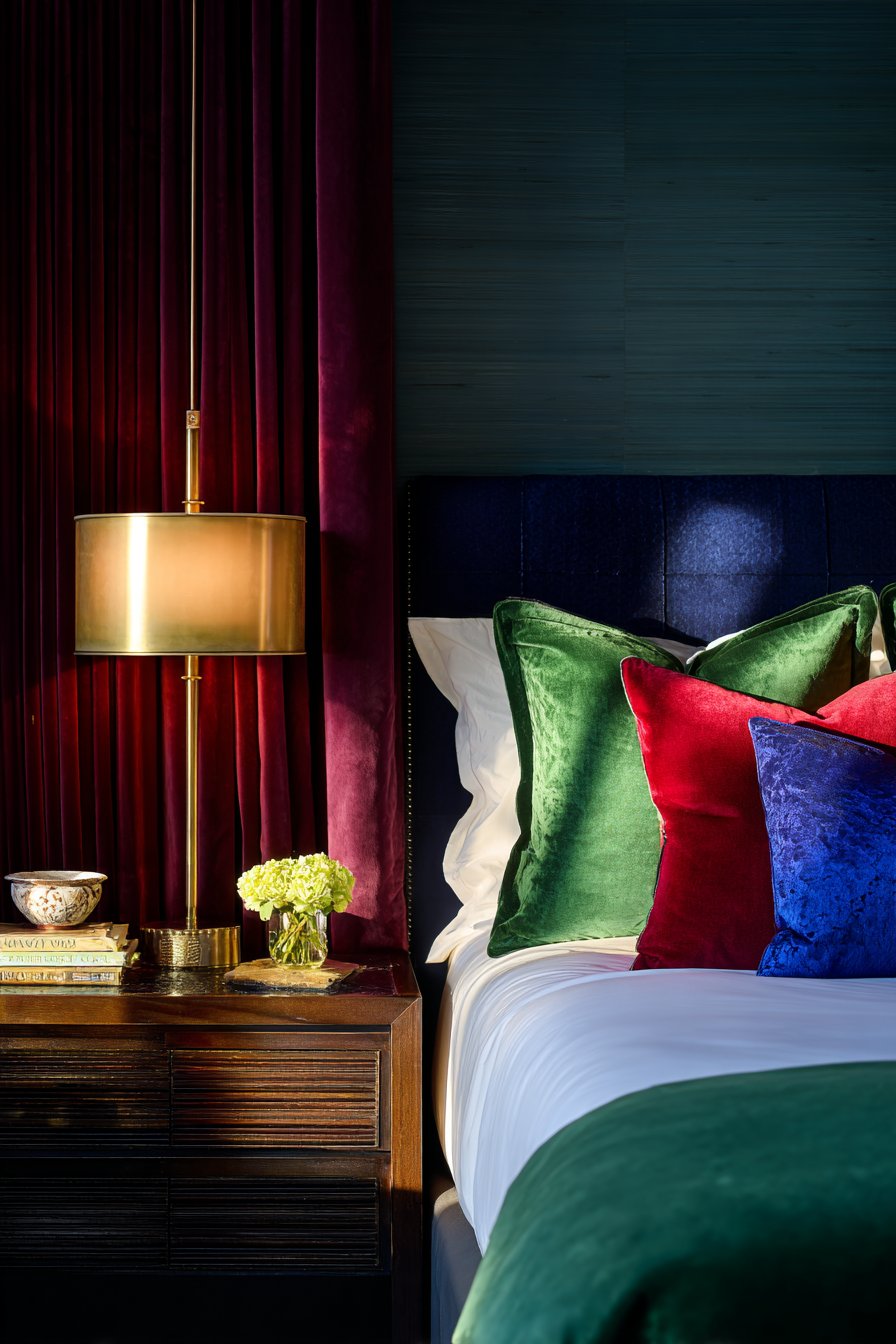
Contemporary maximalists understand that color psychology influences mood profoundly. Rich burgundies evoke warmth and sophistication. Vibrant yellows energize creative spaces. Deep navy blues ground eclectic collections. Use color intentionally to support how you want each room to feel. Our blue french country kitchen ideas has more inspiration along these same lines.
- Choose three to five main colors that share undertones
- Use your boldest color as a 30% accent throughout the space
- Incorporate neutrals strategically to give the eye rest
- Test color combinations in different lighting conditions
- Layer shades of the same hue for sophisticated depth
- Consider the emotional impact of each color choice
2. Curated Collections as Focal Points
The difference between clutter and curated maximalism lies in intentional display. Modern maximalists showcase collections that tell personal stories rather than simply filling every surface. Each grouping should feel purposeful and visually balanced.
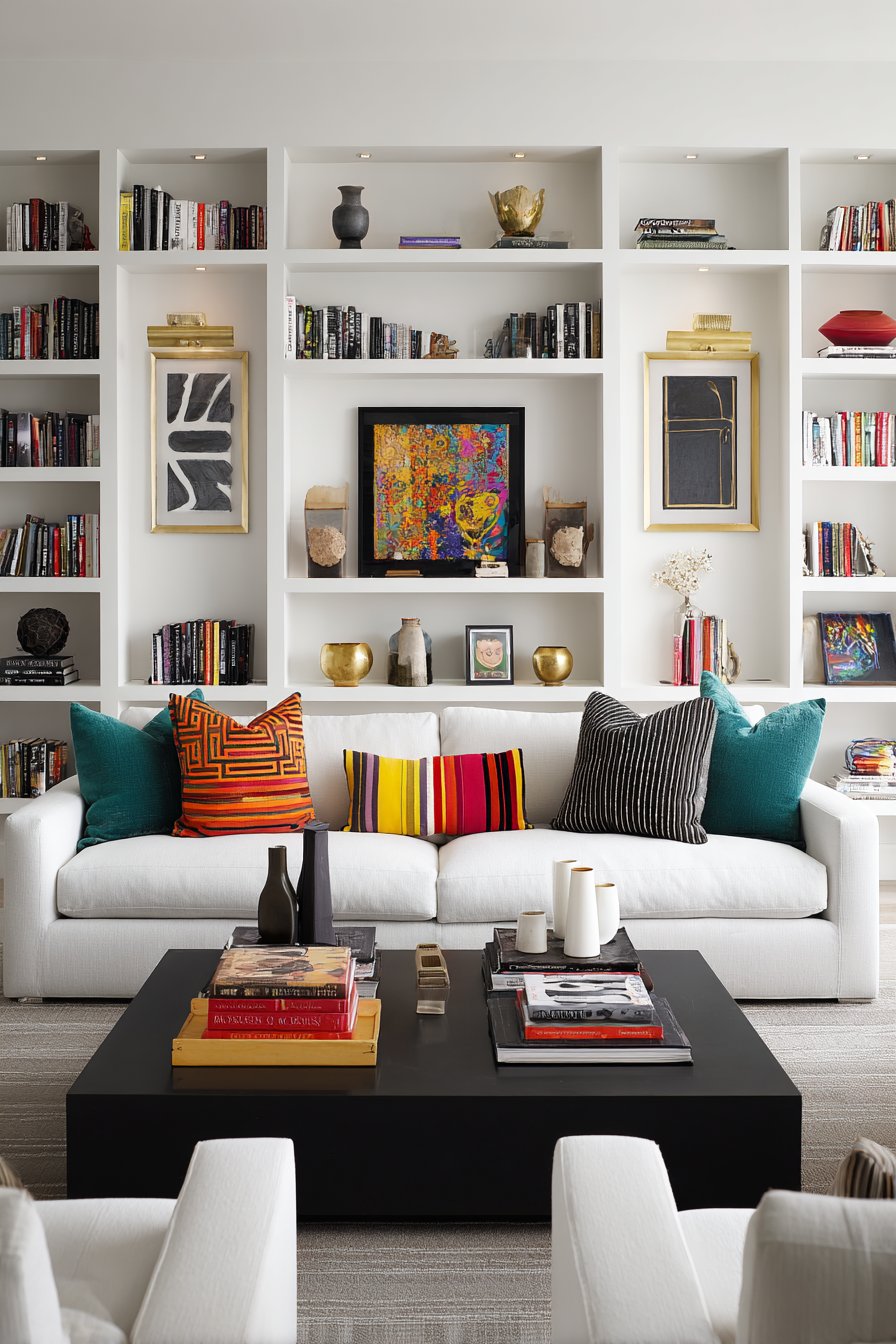
Gallery walls have evolved beyond simple photo arrangements. Mix artwork with objects, textiles, and dimensional pieces. Vary frame styles while maintaining a connecting element like color or material. This creates visual rhythm that draws the eye without overwhelming it.
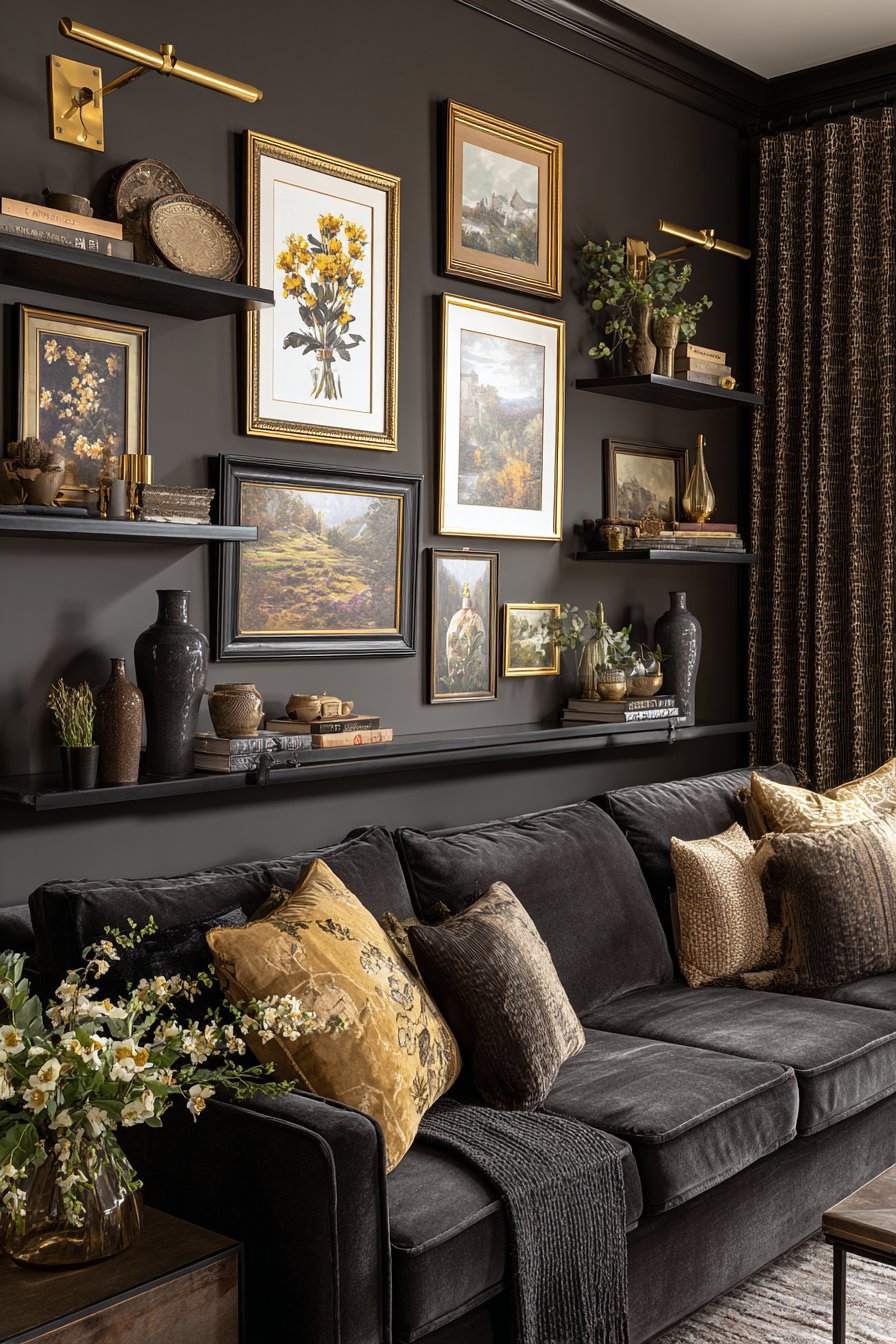
Display collections using the rule of odd numbers and varied heights. Three vases look more intentional than two. Five books stacked at different angles create interest. Group items by color, material, or theme to create cohesive vignettes that feel deliberate rather than haphazard.
- Group similar items in odd numbers for visual appeal
- Vary heights and depths within each display
- Leave negative space between groupings for breathing room
- Rotate collections seasonally to maintain freshness
- Use shelving with varied depths for dimensional displays
- Light your favorite pieces with targeted accent lighting
3. Pattern Mixing with Confidence
Today’s maximalists have mastered the art of pattern coordination without matching. The secret lies in varying the scale of patterns while maintaining a consistent color palette. Large-scale florals pair beautifully with small geometric prints when they share common hues. See our art deco living room ideas guide for more direction in this style.
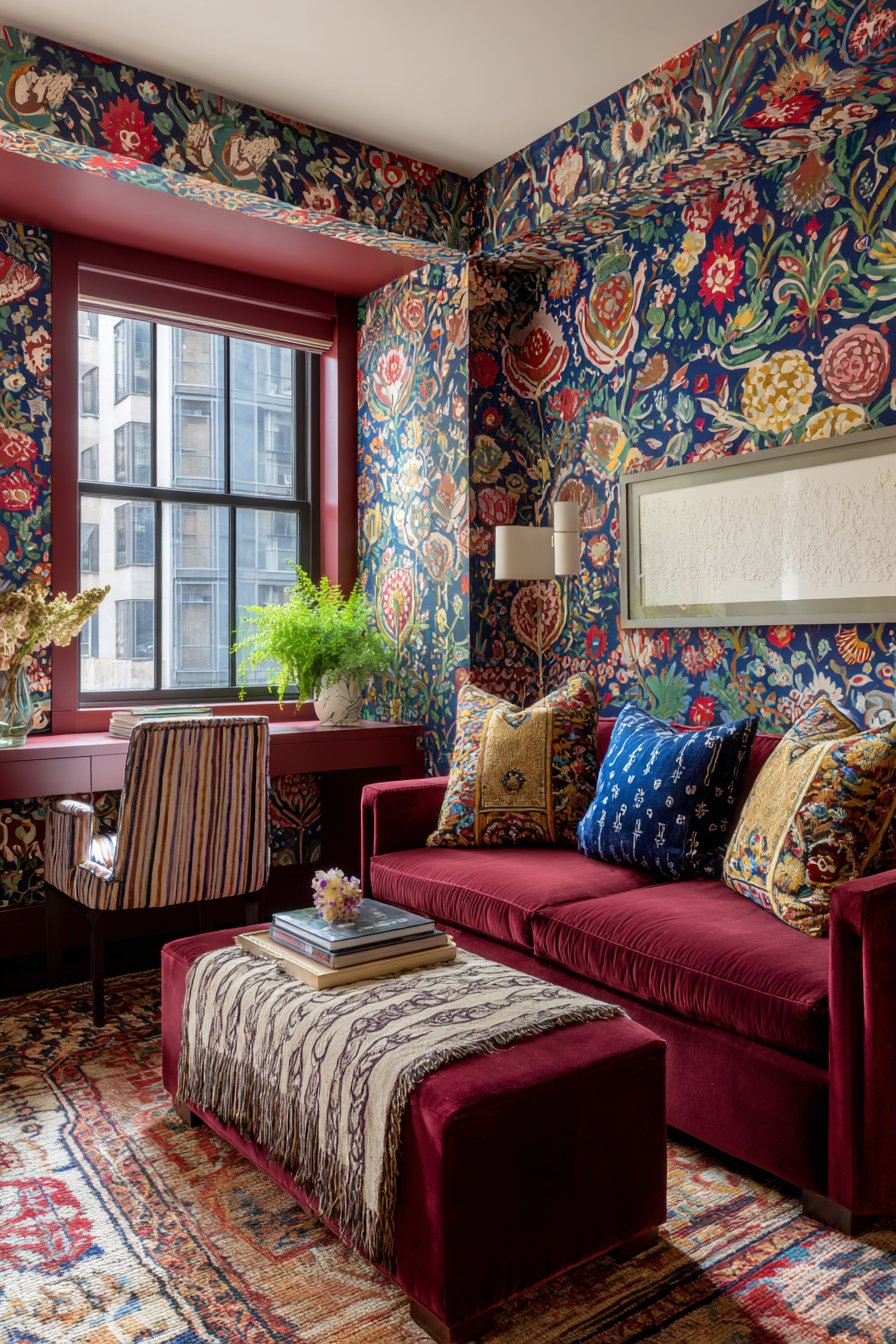
Start with one dominant pattern that sets the tone for your space. This could be bold wallpaper or a statement rug. Then layer medium and small-scale patterns through textiles, pillows, and accessories. Ensure at least one color appears in all patterns for visual cohesion.
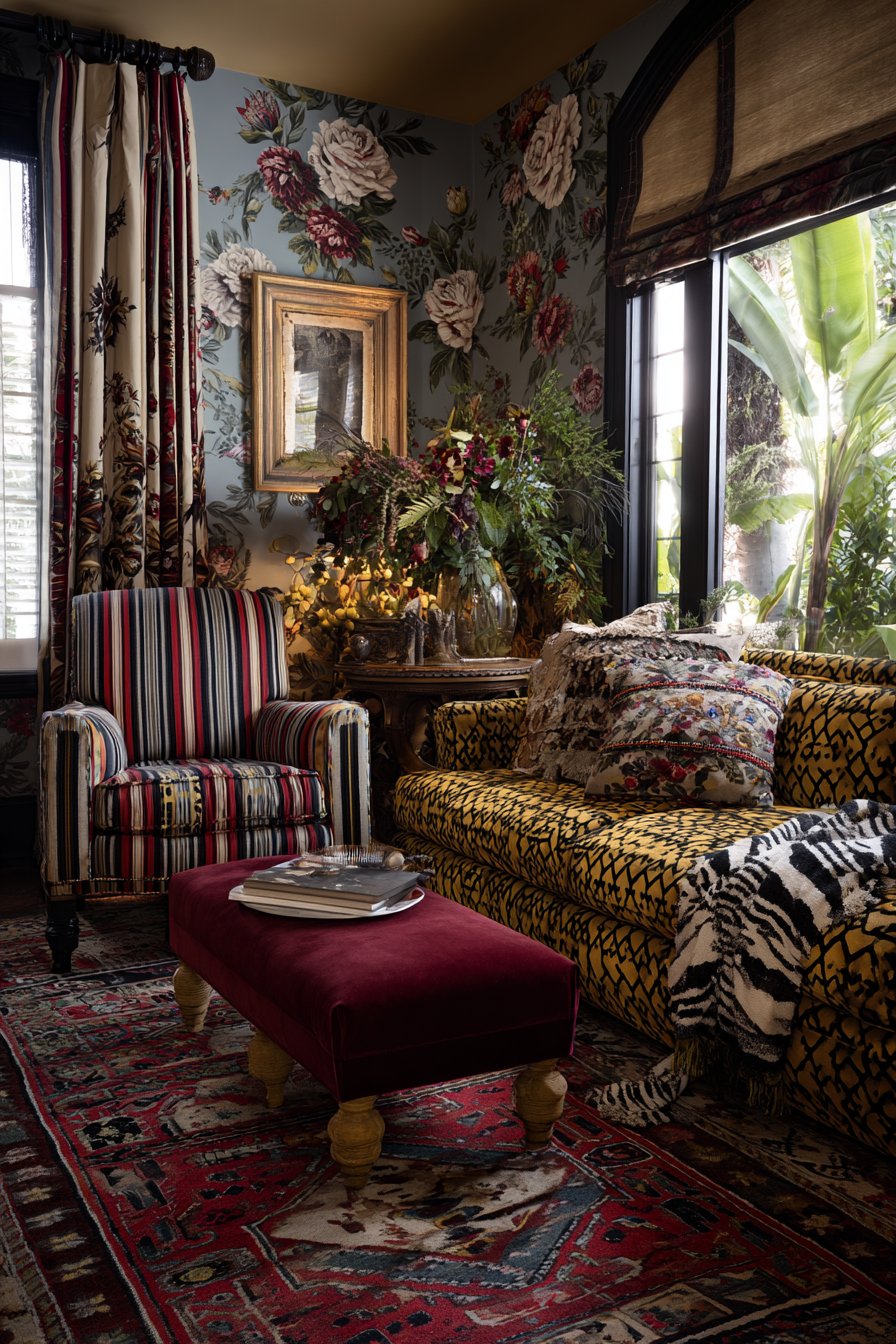
Textural patterns add another dimension to maximalist spaces. Consider how woven textures, embroidered details, and printed fabrics interact. Mixing these elements creates richness without visual chaos. Balance busy patterns with solid colors in complementary shades.
- Begin with your largest pattern as the foundation
- Mix at least three different pattern scales
- Maintain consistent color themes across all patterns
- Include one or two solid colors for balance
- Use stripes or geometrics to ground organic patterns
- Test pattern combinations with fabric samples first
4. Luxurious Textures and Materials
Modern maximalism celebrates tactile richness through diverse materials. Velvet sofas, silk pillows, brass fixtures, and marble surfaces create a multi-sensory experience. The interplay of textures adds depth that flat, monochromatic spaces lack.
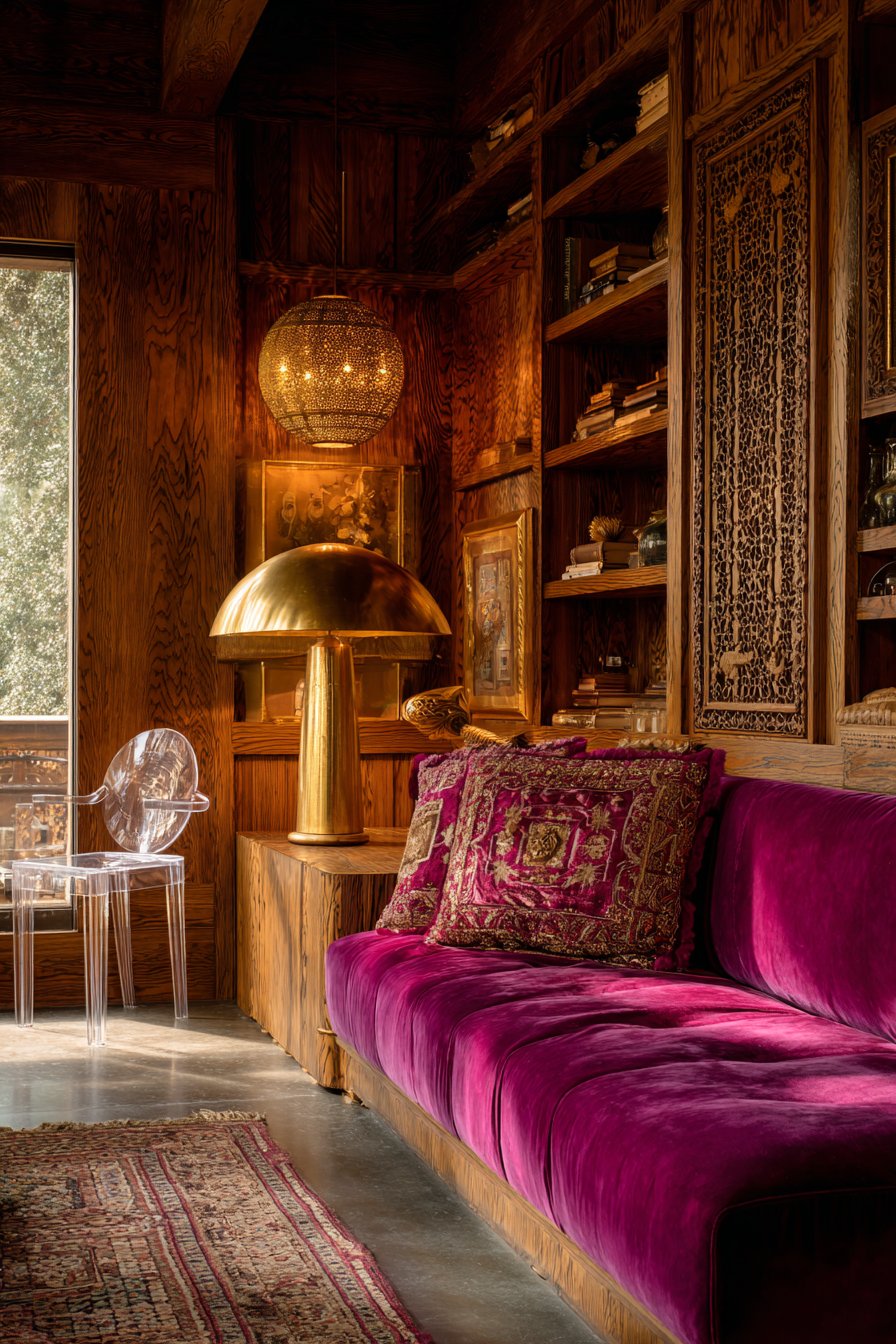
Layer materials with varying reflective qualities for visual interest. Matte woods ground spaces while polished metals catch light. Soft textiles invite touch while smooth glass adds elegance. This contrast creates dynamic spaces that change with natural light throughout the day.
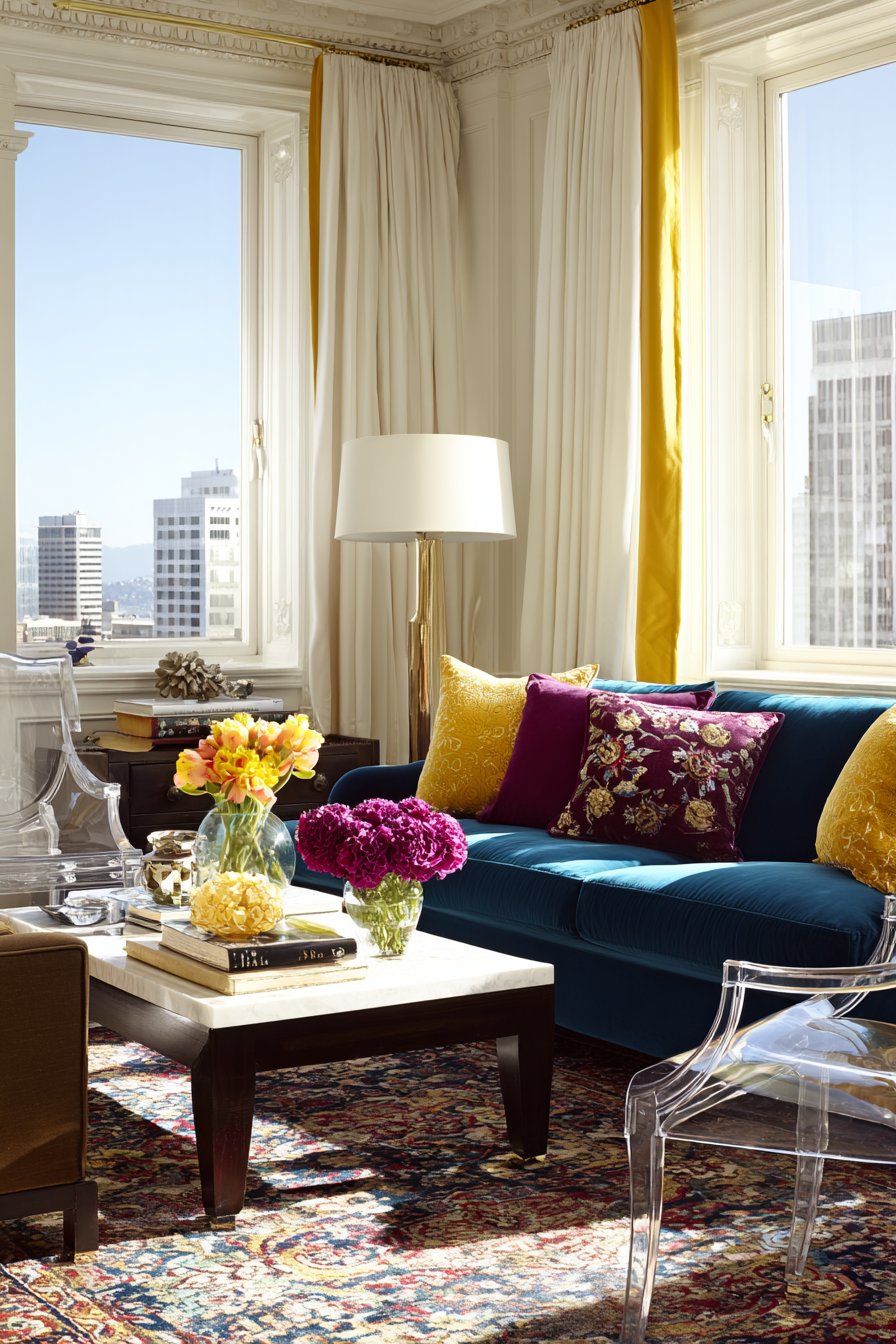
Don’t shy away from mixing eras and origins. Pair contemporary lucite with antique brass. Combine natural fibers with synthetic metallics. Modern maximalism honors quality craftsmanship regardless of style period, creating eclectic yet cohesive environments.
- Include at least five different textures per room
- Balance rough and smooth surfaces intentionally
- Mix matte and reflective finishes for dimension
- Incorporate natural materials like wood and stone
- Add metallic accents in complementary finishes
- Layer textiles through throws, pillows, and rugs
5. Statement Furniture as Art
In contemporary maximalist interiors, furniture transcends function to become sculptural art. Choose pieces with distinctive silhouettes, unexpected colors, or unique details. Each major furniture item should contribute to the room’s visual story.
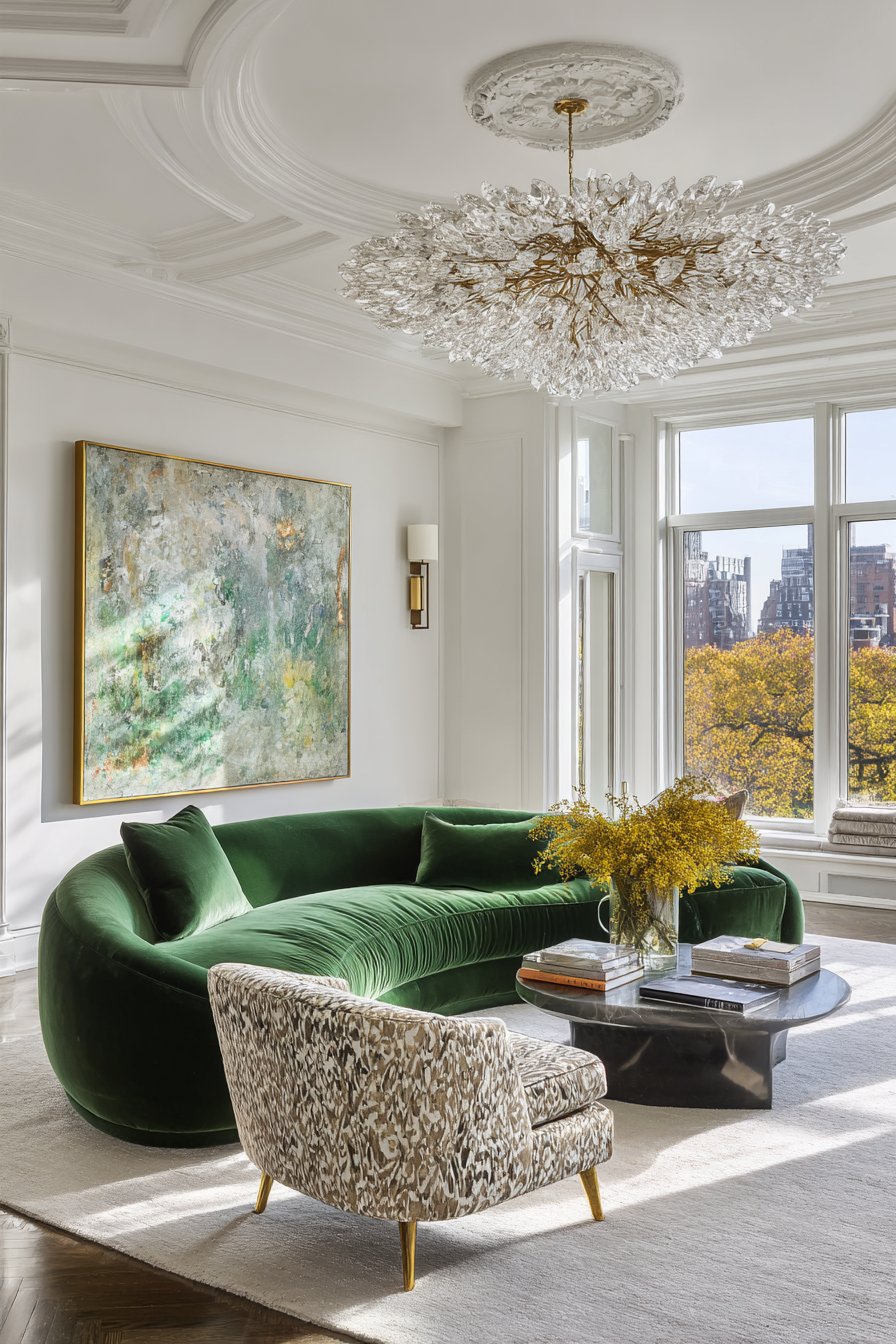
Bold upholstery choices define modern maximalism. Jewel-toned velvet sofas anchor living spaces. Patterned accent chairs create conversation starters. Don’t fear mixing furniture styles when they share a common thread like color or material.
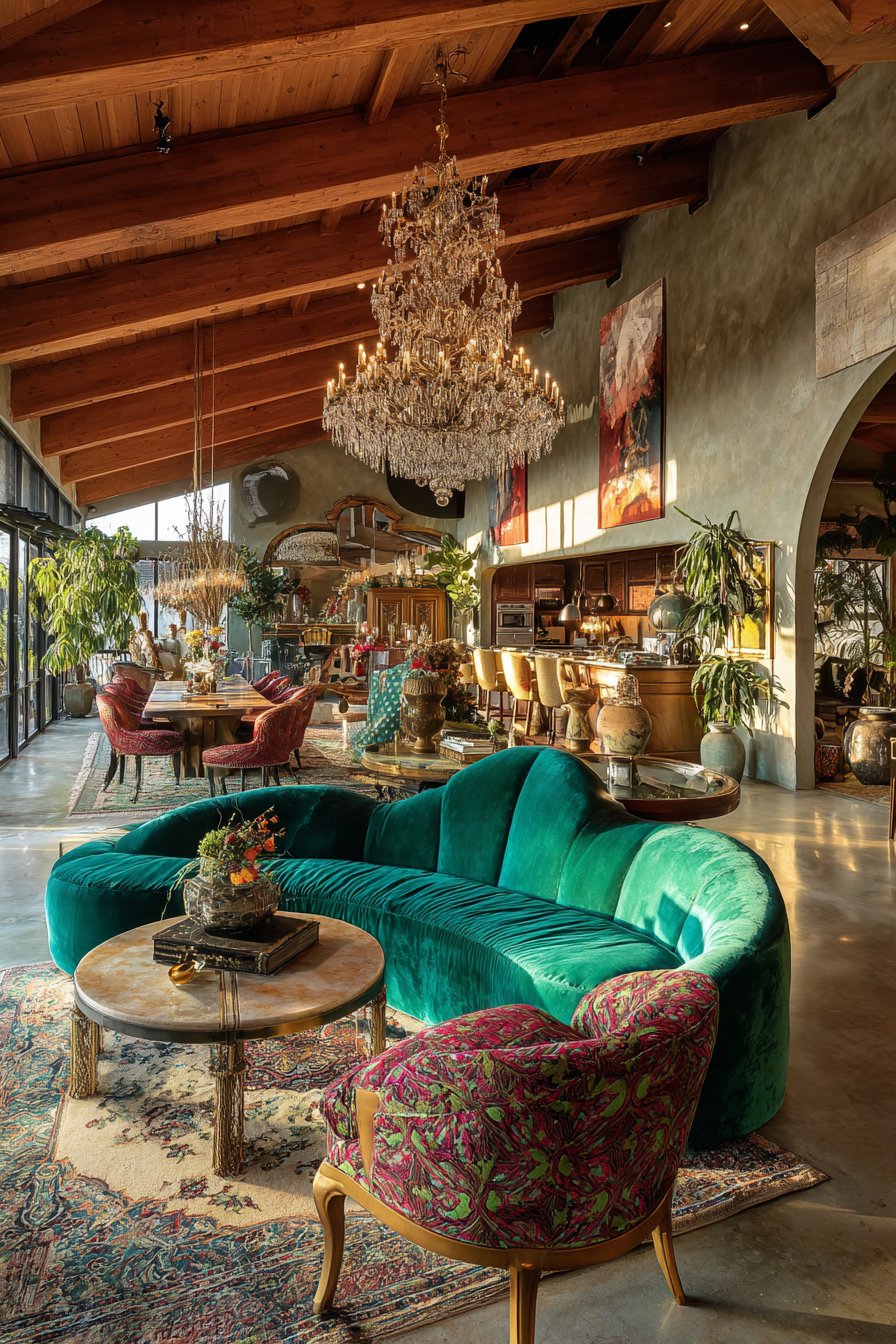
Scale matters in maximalist spaces. Oversized pieces make strong statements without cluttering. A single dramatic chandelier has more impact than multiple small fixtures. Choose substantial furniture that commands attention while maintaining proper proportions for your room size.
- Select one or two furniture pieces as statement focal points
- Choose unusual shapes or silhouettes for visual interest
- Invest in quality upholstery fabrics that showcase color
- Mix furniture periods while maintaining style cohesion
- Ensure adequate walking space despite visual abundance
- Consider custom pieces for truly unique statements
6. Lighting as Layered Ambiance
Maximalist spaces demand sophisticated lighting strategies that highlight collections and create mood. Combine ambient, task, and accent lighting to illuminate your space at multiple levels. Each lighting type serves distinct purposes in maximalist design.
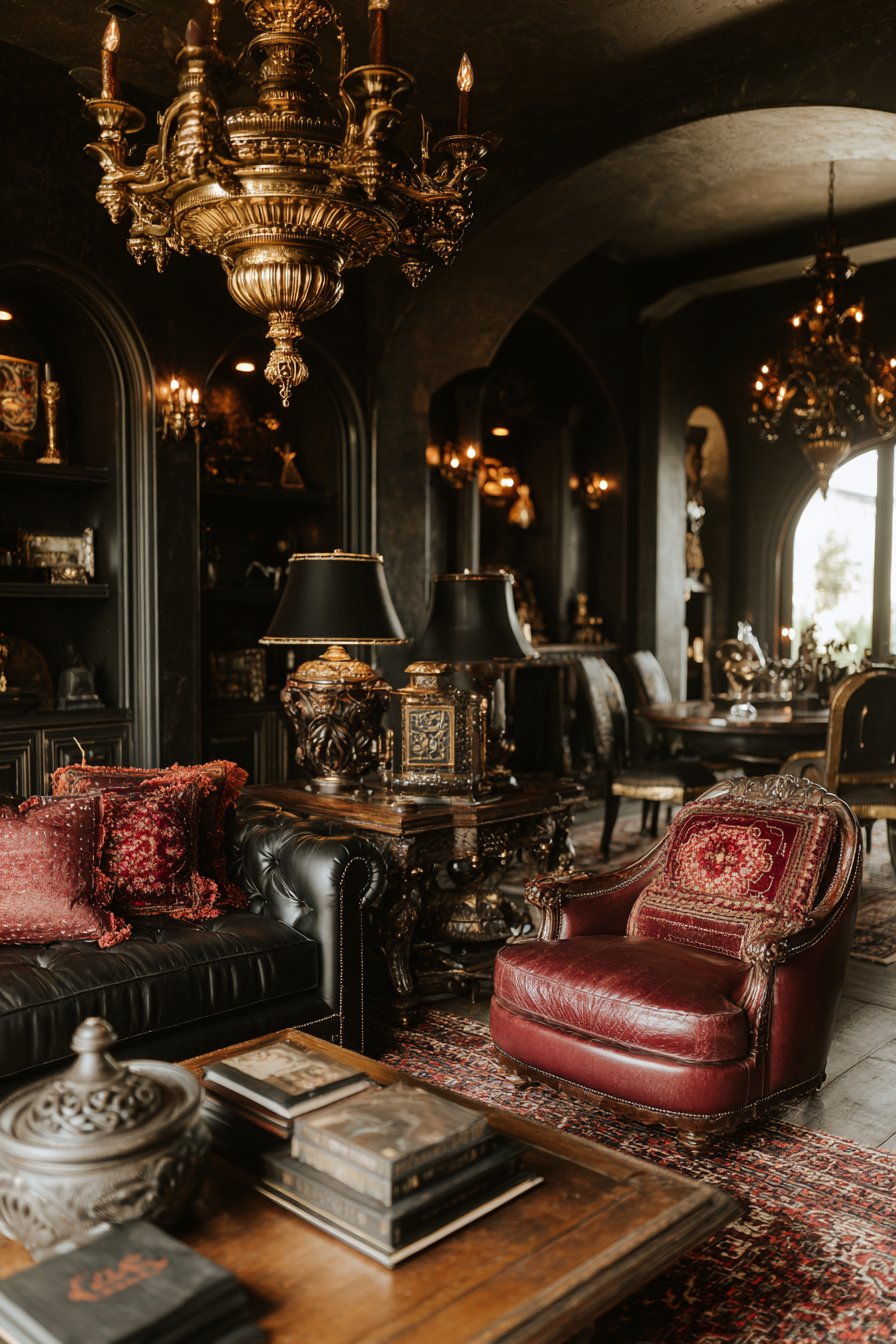
Decorative fixtures themselves become focal points in maximalist rooms. Ornate chandeliers, sculptural sconces, and artistic table lamps add layers of interest. Choose fixtures that complement your overall aesthetic while making bold visual statements.
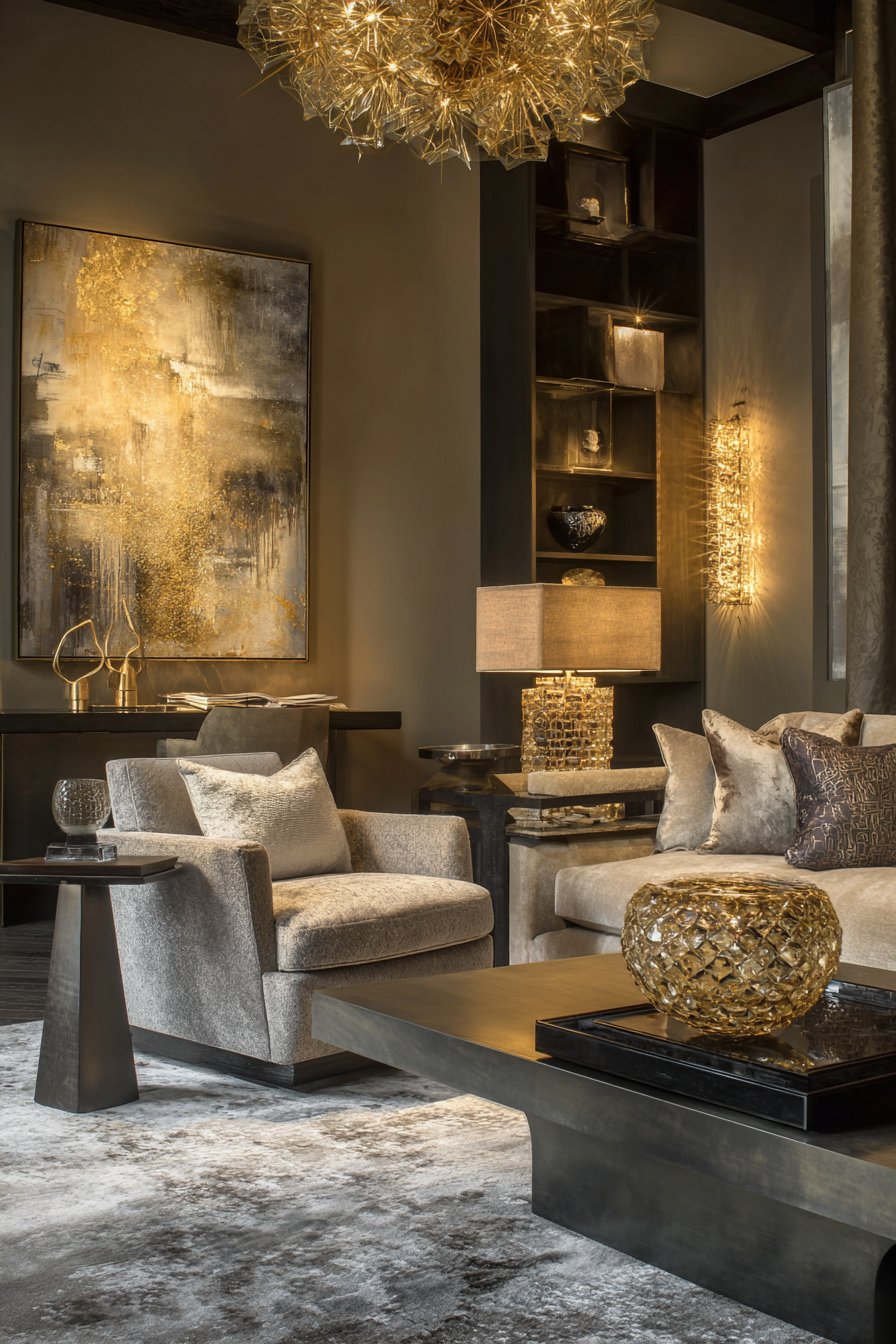
Illuminate collections with dedicated accent lighting to create drama after dark. Picture lights, LED strips, and spotlights showcase treasured objects. Dimmer switches allow you to adjust intensity for different moods. Proper lighting transforms maximalist spaces from cluttered to curated.
- Install dimmer switches on all lighting circuits
- Layer three types of lighting in each room
- Choose statement light fixtures that complement your style
- Add picture lights or spotlights for collections
- Use warm bulbs to enhance rich color palettes
- Consider smart lighting for programmable ambiance
Conclusion
Modern maximalism proves that more can indeed be more when approached with intention and sophistication. By layering colors thoughtfully, curating collections purposefully, and mixing patterns confidently, you create spaces that celebrate personality without sacrificing elegance.
The beauty of contemporary maximalism lies in its flexibility. These principles adapt to any budget, space size, or personal style. Start with one section that resonates with you—perhaps a gallery wall or a bold furniture piece—and build from there. Your home should tell your unique story through carefully chosen abundance. Embrace the richness, trust your instincts, and create spaces that truly reflect the fullness of your life and passions.
