


For decades, accent walls dominated interior design conversations as the go-to method for adding visual interest to a room. Homeowners would carefully select one wall, paint it a bold color, or add textured wallpaper to create a focal point. However, the design world has shifted its gaze upward, discovering an often-overlooked surface that offers even more dramatic potential: the ceiling.
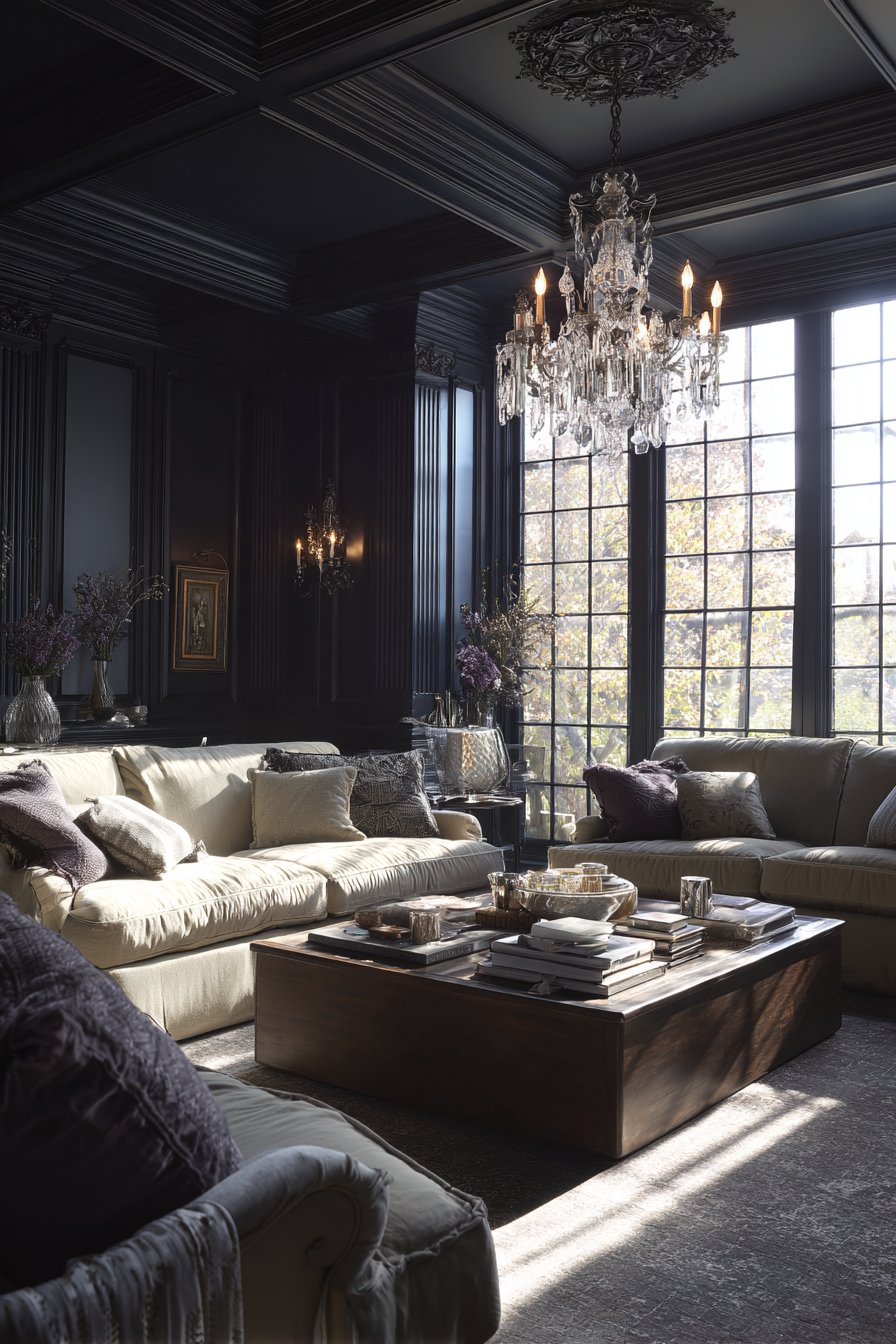
Statement ceilings represent a bold evolution in interior design philosophy. While accent walls operate at eye level and can sometimes feel predictable, ceilings offer unexpected drama that transforms entire spaces. This fifth wall, as designers call it, provides a canvas for creativity without sacrificing valuable wall space for furniture or artwork. The beauty of ceiling design lies in its ability to make rooms feel taller, more luxurious, and utterly unique.
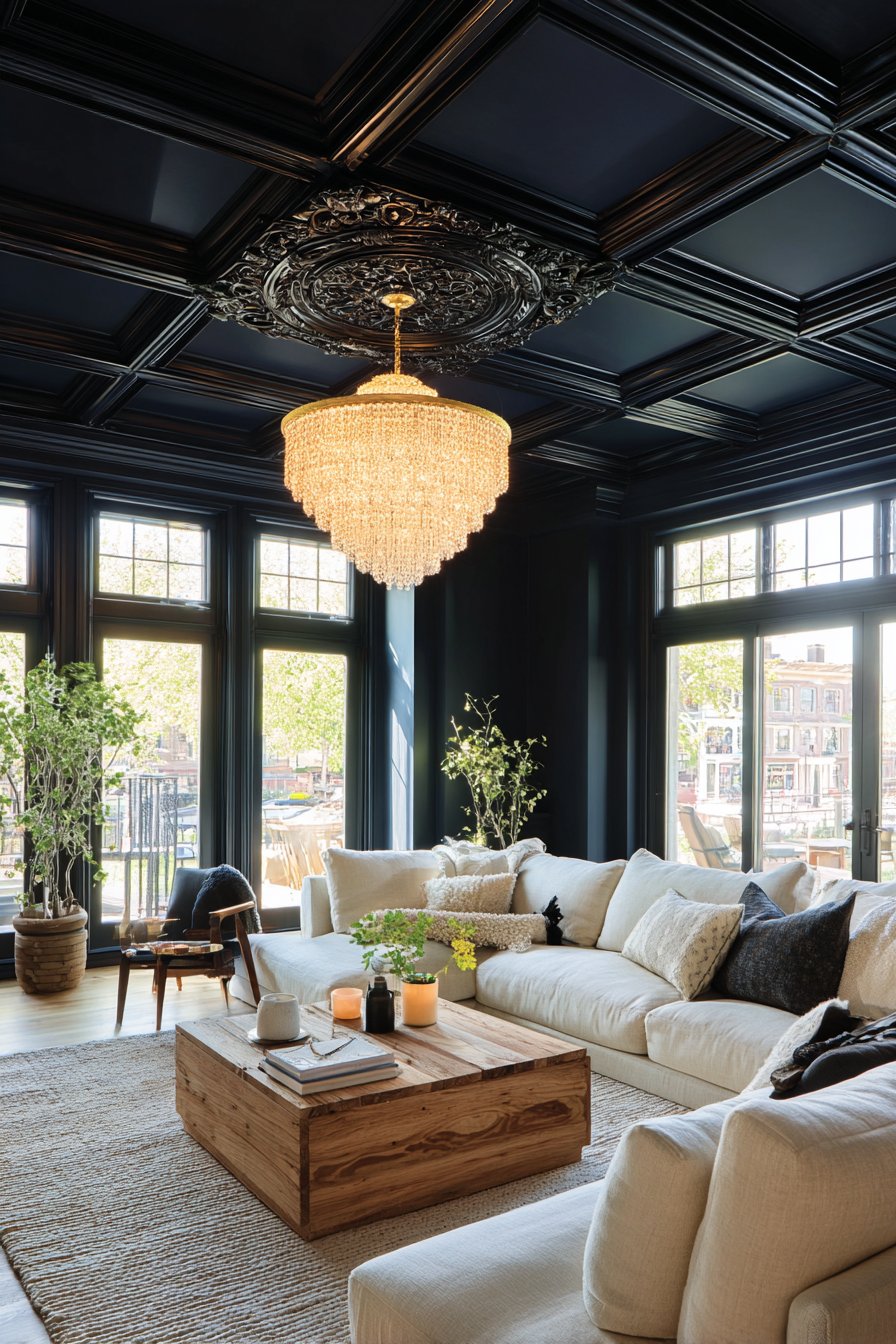
Modern homeowners are embracing this trend because it offers something accent walls cannot: 360-degree impact. When you walk into a room with a stunning ceiling treatment, your entire spatial perception changes. From coffered designs to bold colors, metallic finishes to architectural details, statement ceilings are redefining how we think about interior spaces. This article explores why this trend is capturing the imagination of designers and homeowners alike, offering practical insights for those ready to look up and reimagine their spaces.
1. The Visual Impact Factor
Statement ceilings create an immediate wow factor that accent walls struggle to match. When guests enter a room, their eyes naturally scan the space, and an unexpected ceiling treatment catches attention in a way that feels fresh and sophisticated. Unlike traditional accent walls that have become somewhat predictable, a beautifully designed ceiling still carries an element of surprise that delights visitors.
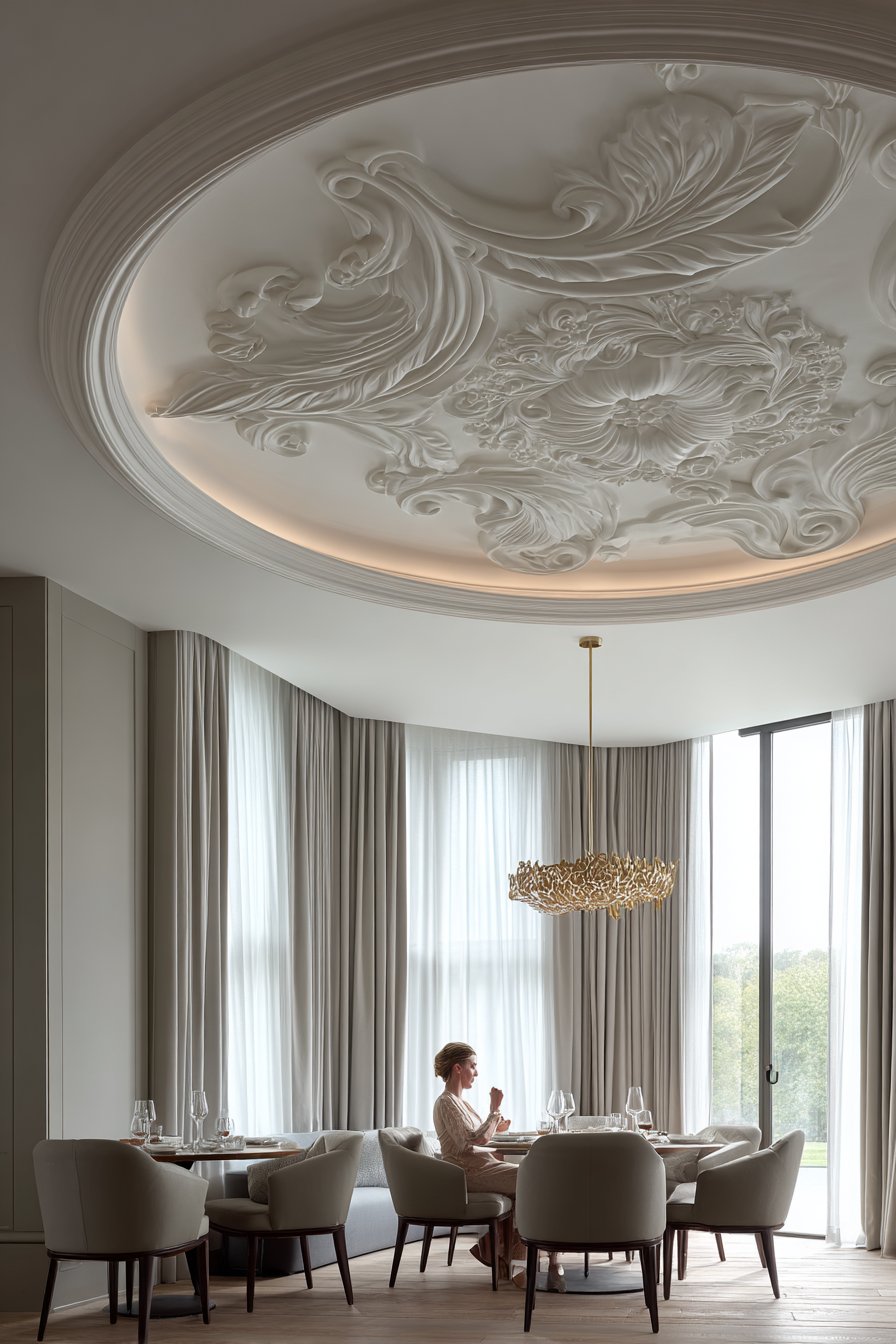
The psychological impact of ceiling design cannot be overstated. Research shows that ceiling height and treatment directly influence how we perceive room size and ambiance. A dark, moody ceiling can make a tall room feel more intimate and cozy, while a light, reflective ceiling can make compact spaces feel airy and expansive. This level of spatial manipulation goes beyond what a single accent wall can achieve.
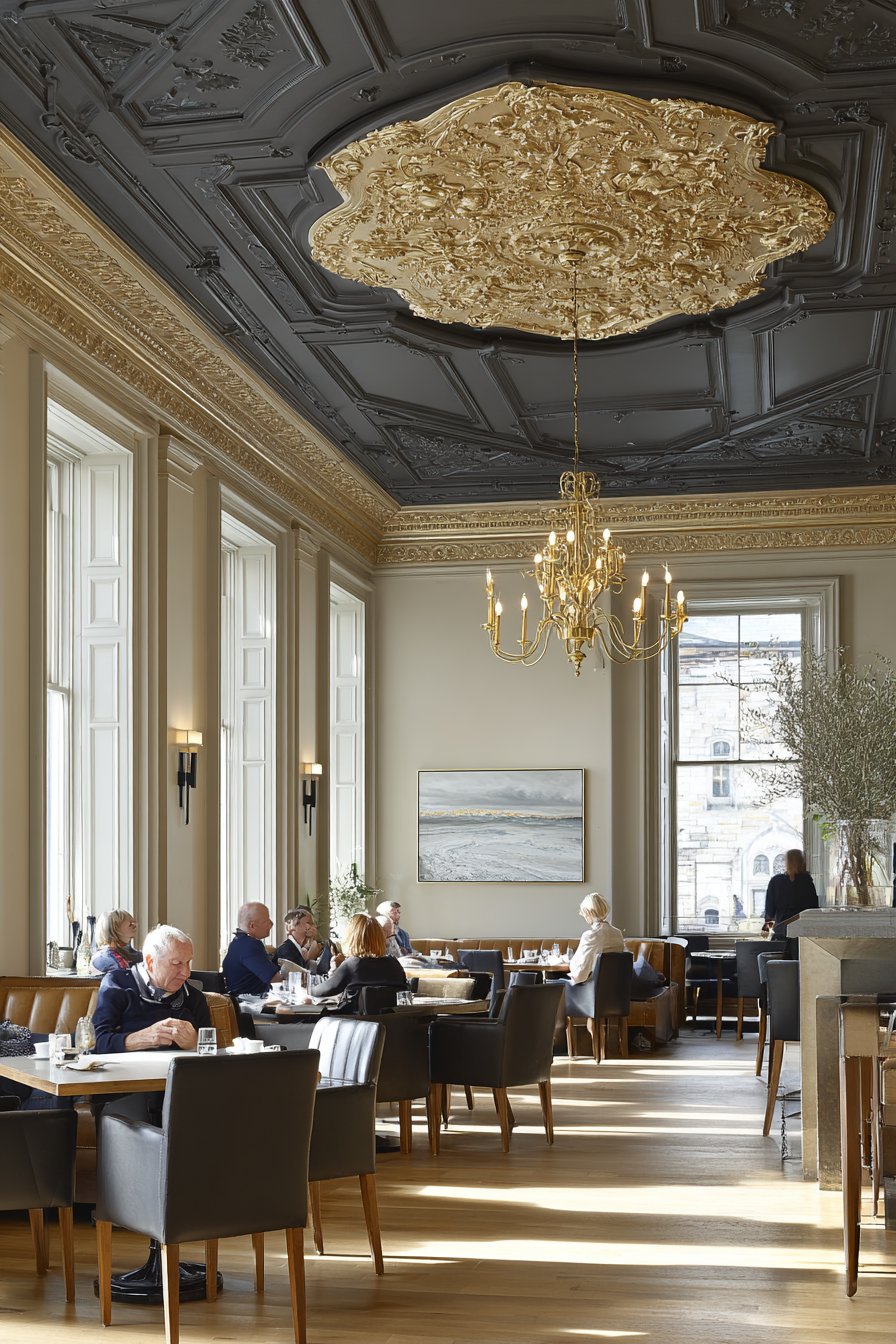
What makes ceiling statements particularly powerful is their ability to unify an entire room. While an accent wall draws focus to one area, a ceiling treatment creates cohesive visual flow throughout the space. Every angle offers a different perspective of the design, making the room feel dynamic and intentionally curated.
- Paint your ceiling two shades darker than walls for cozy intimacy
- Use metallic finishes to reflect light and add glamour
- Install ceiling medallions around light fixtures for classical elegance
- Consider wallpaper on ceilings for pattern without overwhelming walls
- Add wooden beams for architectural interest and warmth
- Experiment with gradient effects that transition from walls to ceiling
2. Maximizing Vertical Space
Most homeowners focus exclusively on horizontal surfaces, leaving valuable vertical real estate completely untouched. Ceilings represent the largest uninterrupted surface in most rooms, yet they typically receive only a coat of white paint. By treating this space as a design opportunity, you unlock potential that accent walls cannot provide because they’re often interrupted by windows, doors, and furniture.
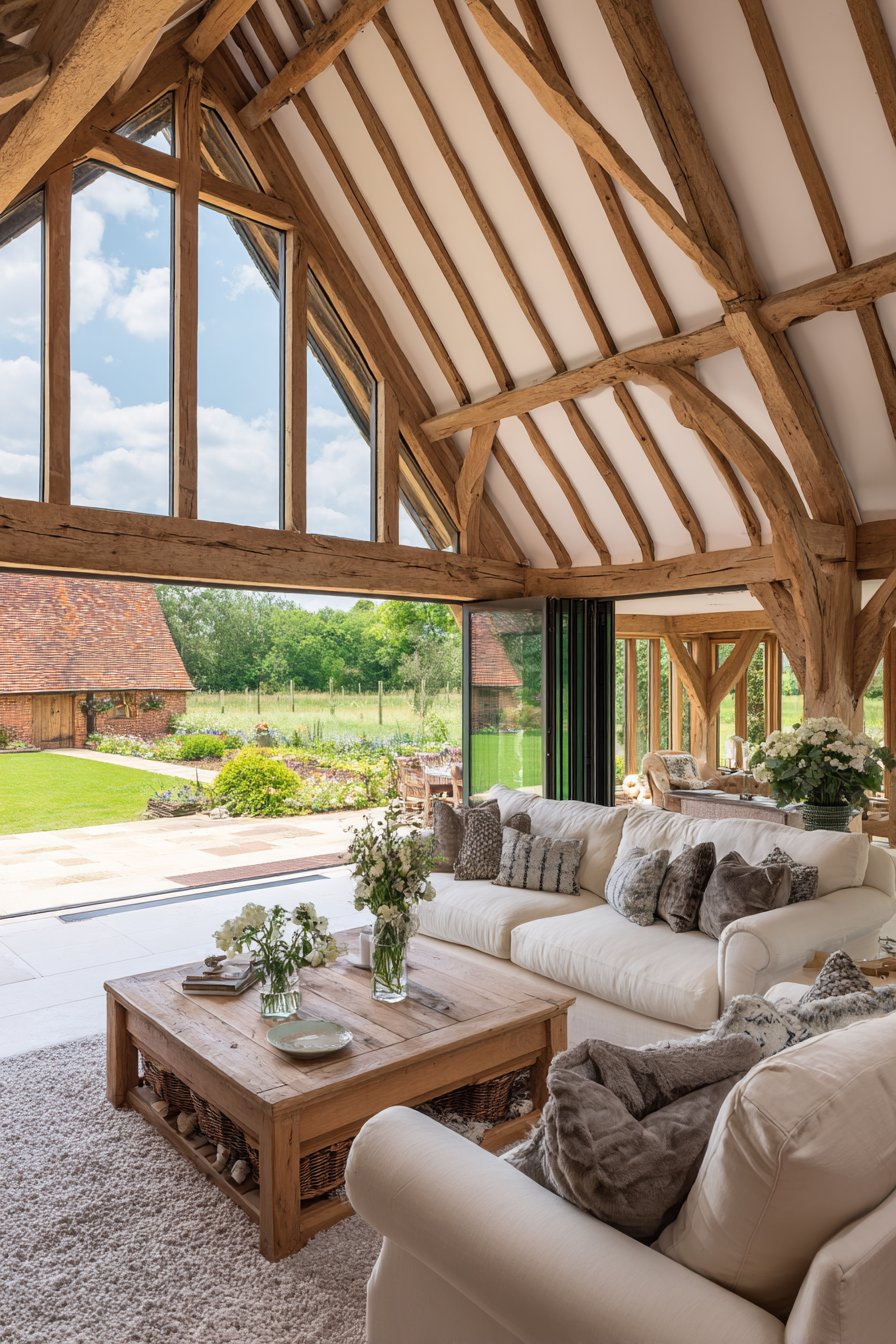
Ceiling treatments work particularly well in rooms with architectural limitations. Homes with open floor plans sometimes lack natural wall divisions for accent walls, but the ceiling provides a continuous canvas that can define different zones without physical barriers. A coffered ceiling over a dining area or a painted ceiling in a reading nook can establish distinct spaces while maintaining openness.
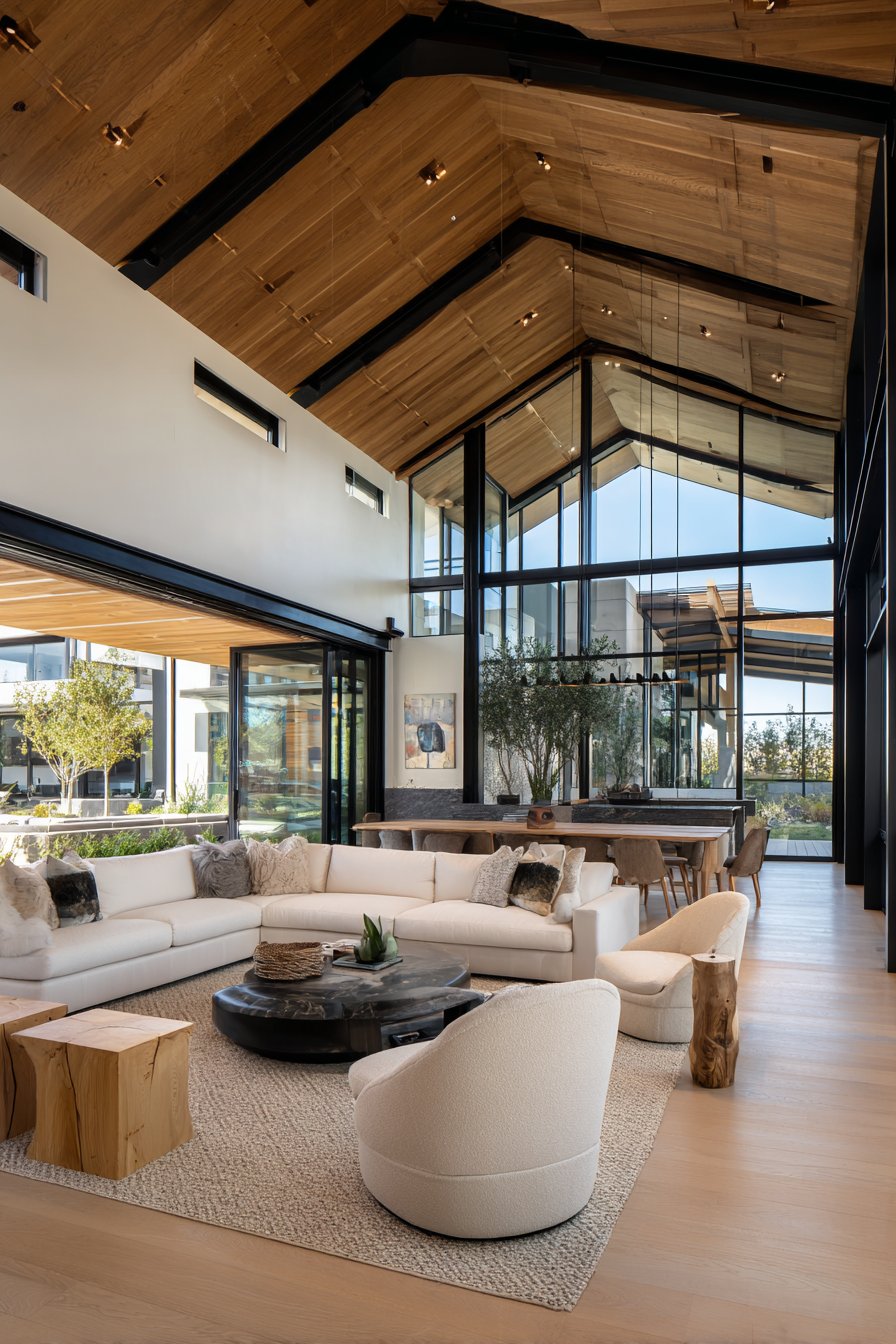
The vertical dimension also offers practical advantages. Unlike walls that must accommodate furniture, artwork, and functional elements, ceilings remain visually unobstructed. This means your design statement stays visible and impactful regardless of how you rearrange furniture or redecorate other elements. The ceiling becomes a permanent architectural feature that elevates the entire room.
- Install tray ceilings to add depth in rooms with adequate height
- Use exposed beams to draw eyes upward in vaulted spaces
- Apply textured plaster for tactile visual interest
- Paint ceiling borders that echo floor trim colors
- Add recessed panels for sophisticated geometric patterns
- Consider fabric draping for temporary dramatic effects
3. Color Psychology From Above
Color on ceilings affects mood and spatial perception differently than color on walls. While colored accent walls can feel bold and sometimes overwhelming, ceiling color creates atmosphere without dominating the visual field. A deep navy or charcoal ceiling in a bedroom promotes restful ambiance by mimicking the night sky, encouraging relaxation and sleep.
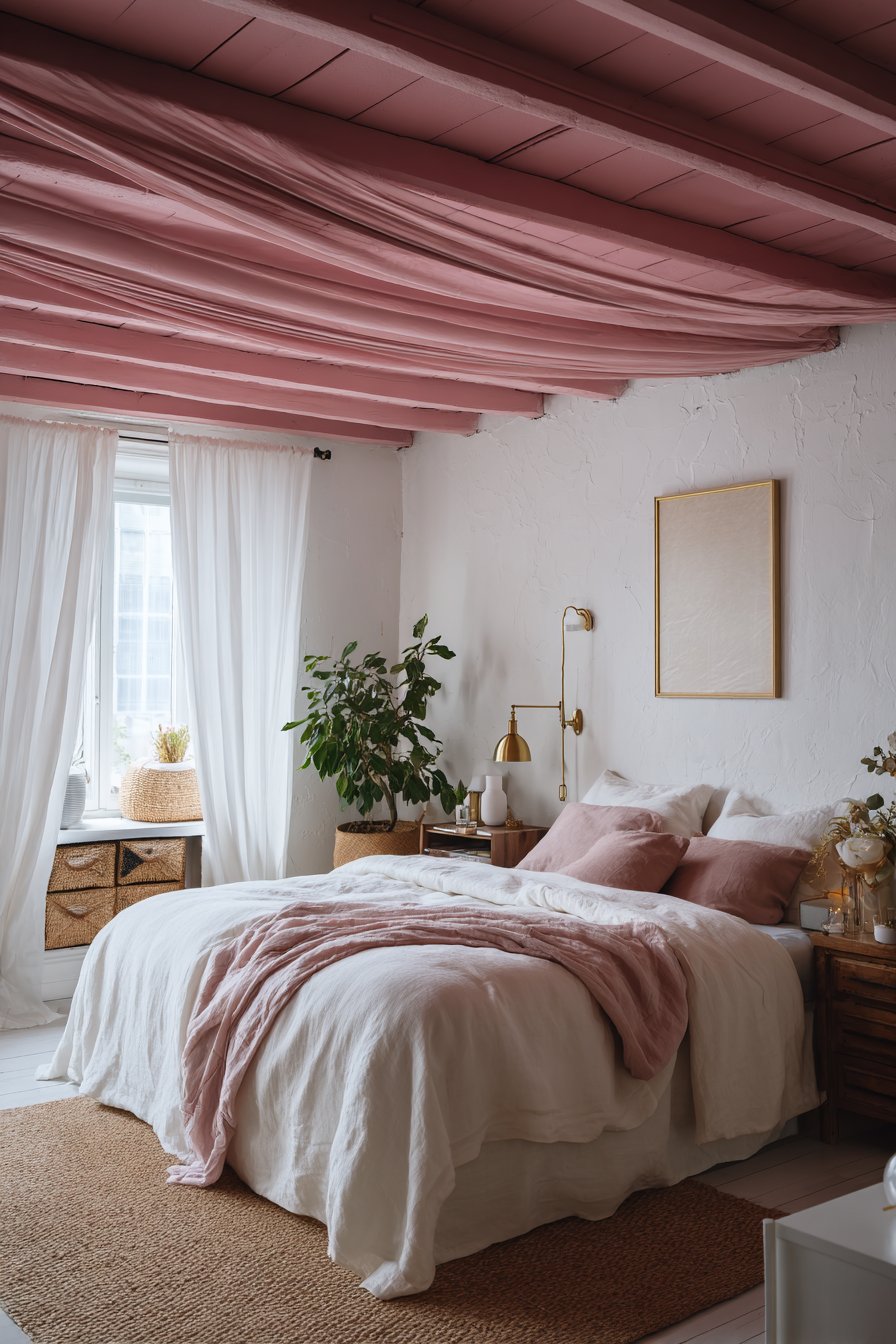
Light colors on ceilings have long been standard, but designers now embrace the dramatic potential of unexpected hues. Soft blush pink ceilings add warmth without reading as overtly feminine. Sage green creates connection with nature while maintaining sophistication. Even bold choices like terracotta or deep teal work beautifully overhead because they’re balanced by neutral walls and furnishings below.
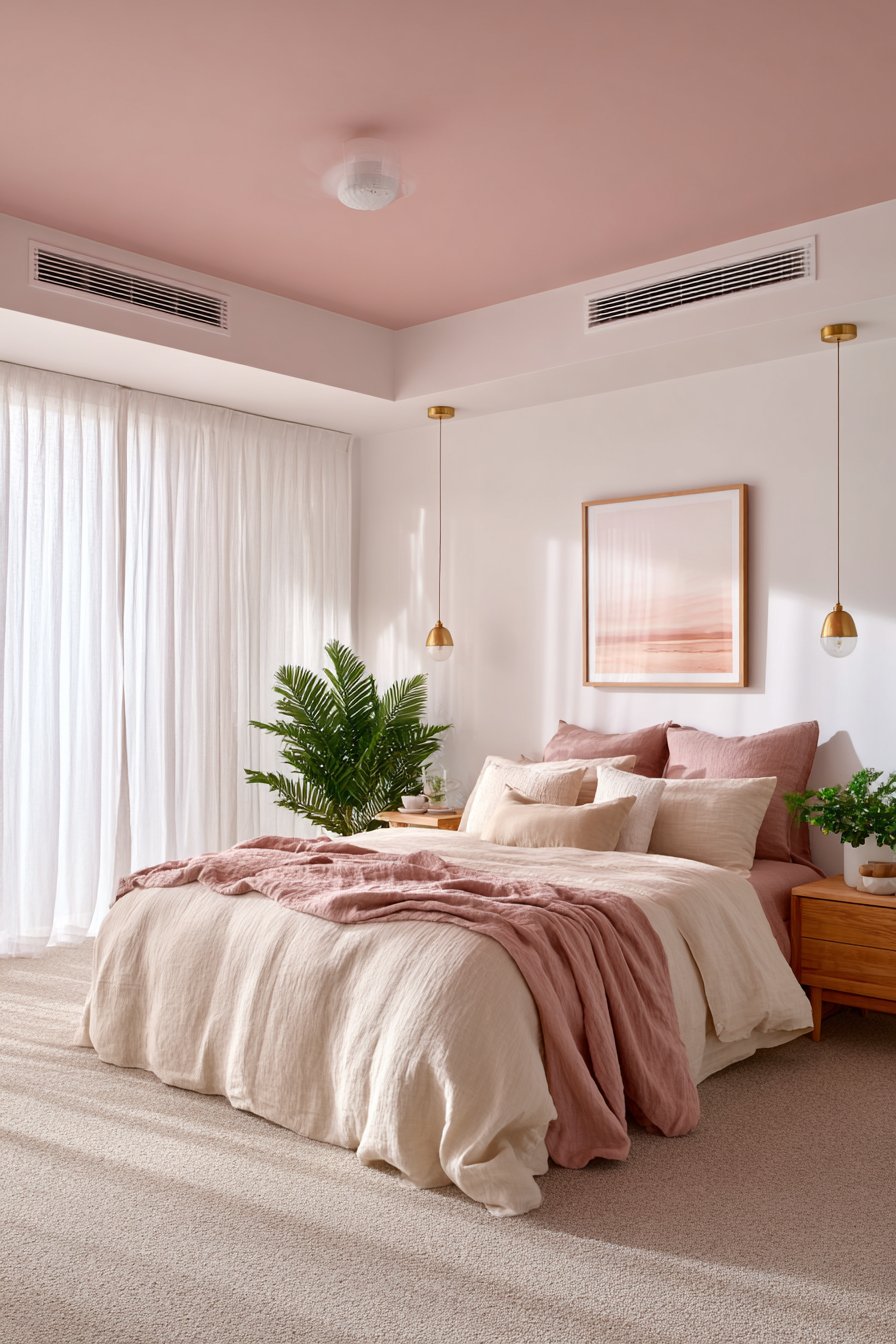
The reflective quality of ceiling color also impacts lighting throughout the day. A ceiling painted in warm metallics catches and distributes natural light, creating a soft glow that changes with the sun’s position. This dynamic quality means your room feels different at various times, adding richness that a static accent wall cannot provide.
- Test ceiling colors in large swatches before committing
- Choose semi-gloss or satin finishes to enhance light reflection
- Use ceiling color to make tall rooms feel more intimate
- Coordinate ceiling hue with undertones in flooring and furniture
- Consider ombré effects that fade from darker to lighter
- Balance bold ceiling colors with neutral wall treatments
4. Architectural Details and Dimension
Adding three-dimensional elements to ceilings creates shadows and depth that flat accent walls cannot replicate. Coffered ceilings, traditionally found in luxury homes, are now achievable through lightweight materials and DIY kits. These grid patterns add visual weight and sophistication, making even modest rooms feel custom-designed and expensive.
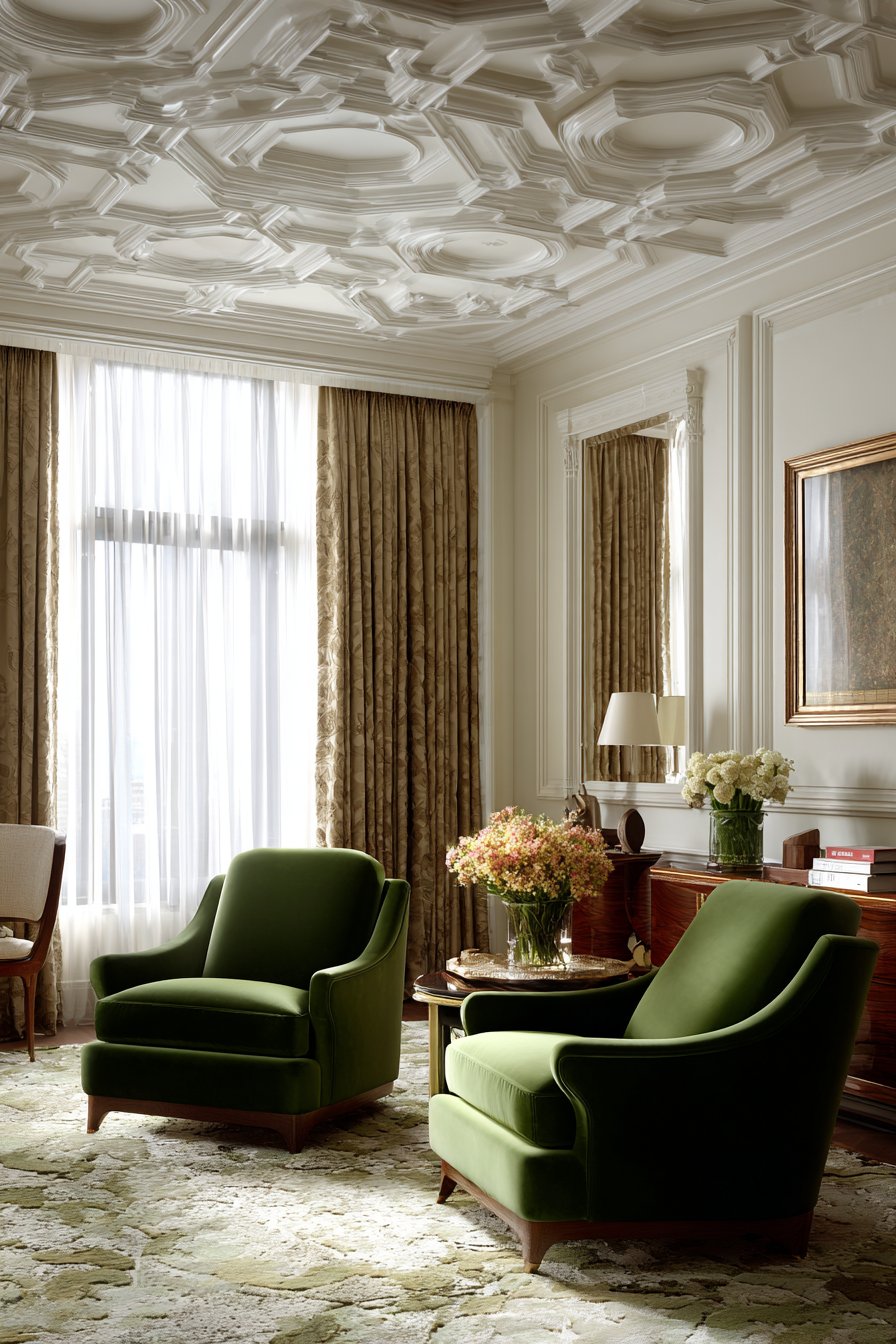
Ceiling medallions, crown molding, and picture frame moldings offer classic elegance without major renovation. These details work in both traditional and contemporary spaces, depending on the profile and finish you choose. A simple geometric medallion in matte black suits modern aesthetics, while ornate plasterwork complements Victorian or French country styles perfectly.
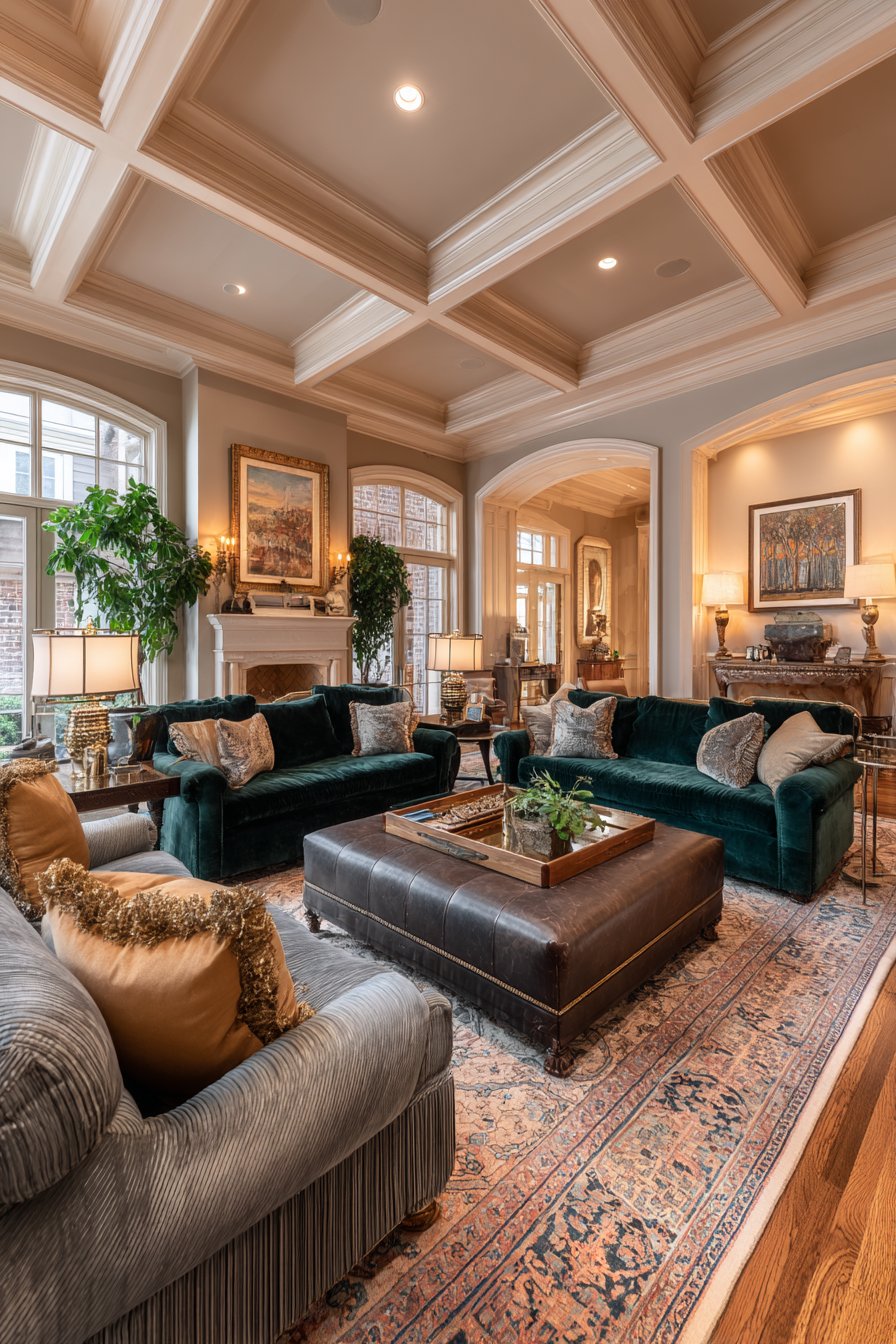
Exposed structural elements represent another dimension of ceiling design. Wooden beams, whether authentic or faux, add rustic charm and architectural character. Metal trusses create industrial edge. Even painted pipes and ductwork can become design features in lofts and modern spaces, turning functional elements into intentional style statements.
- Install picture frame molding for budget-friendly sophistication
- Use lightweight polyurethane beams for authentic wood appearance
- Add corner brackets where walls meet ceilings for detail
- Paint architectural details in contrasting colors for emphasis
- Layer different molding profiles for complex traditional looks
- Consider geometric panel designs for contemporary spaces
5. Lighting Integration and Drama
Statement ceilings provide the perfect backdrop for dramatic lighting schemes that accent walls cannot support. Recessed lighting, cove lighting, and LED strips can highlight architectural features while providing ambient illumination. A tray ceiling with integrated uplighting creates a floating effect that makes the ceiling appear to hover, adding mystery and sophistication.
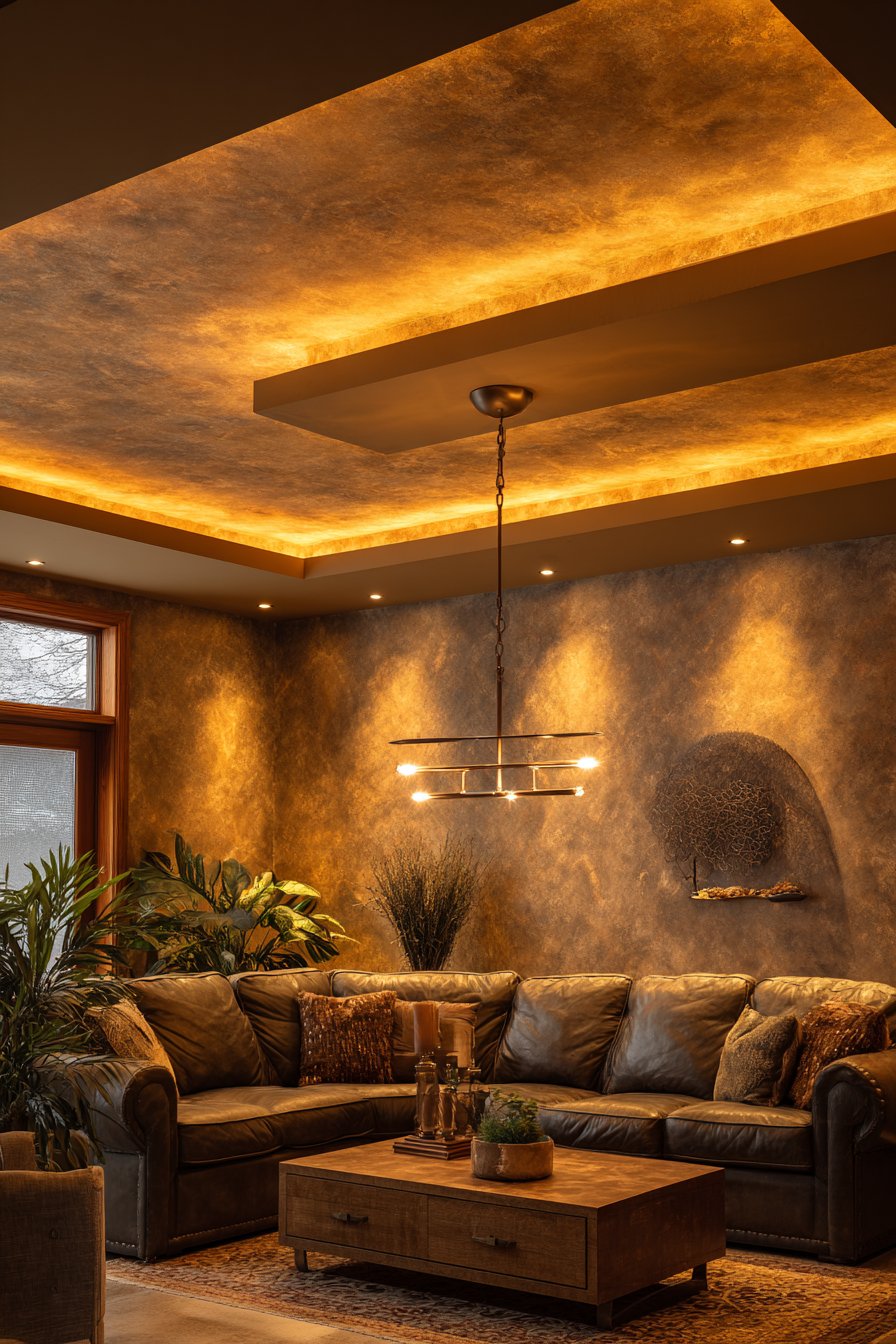
Chandeliers and pendant lights gain even more impact against thoughtfully designed ceilings. A bold ceiling color or pattern provides visual context that makes lighting fixtures stand out as sculptural elements rather than mere functional necessities. The interplay between light fixture and ceiling design creates layered interest that evolves throughout the day.
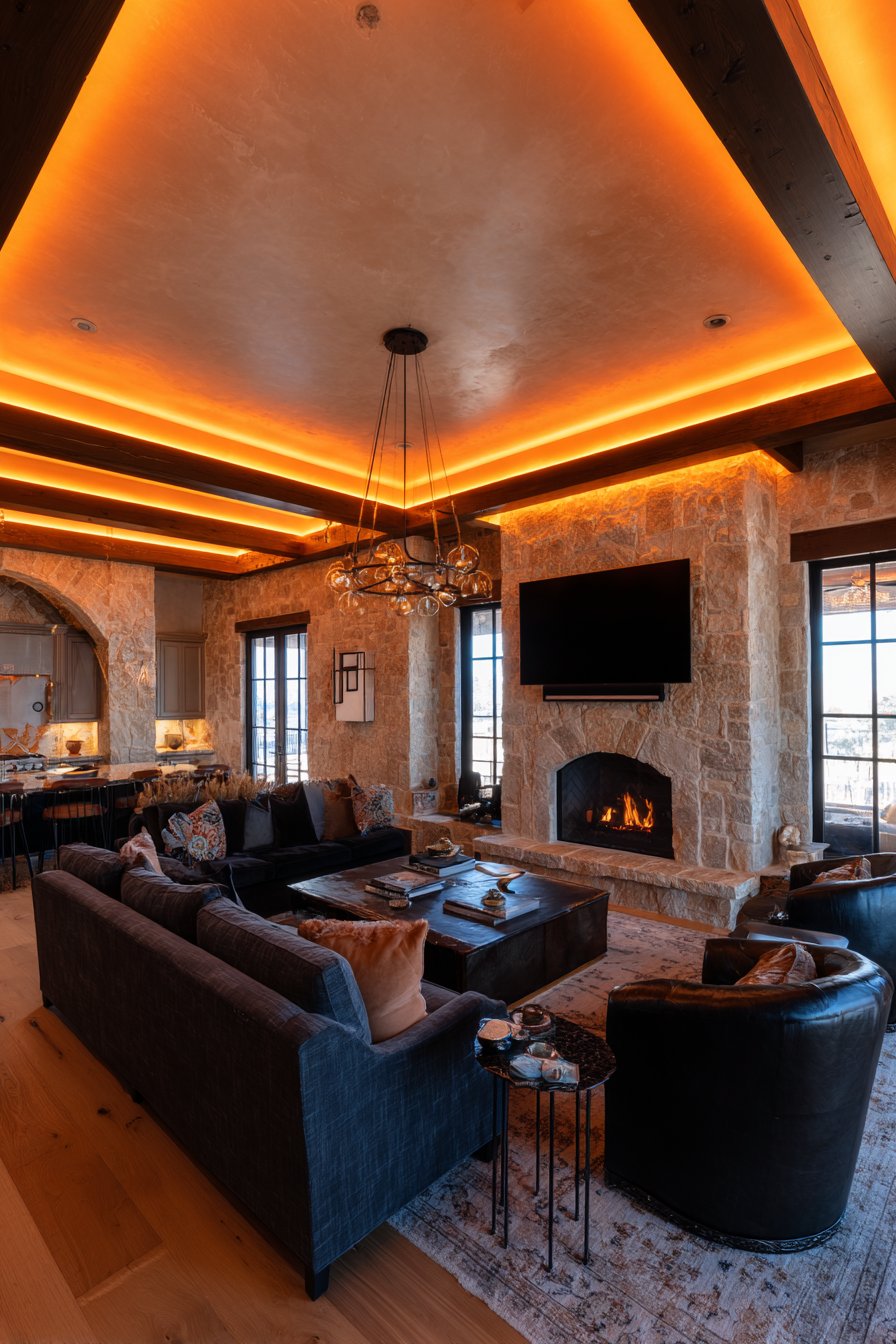
Smart lighting systems allow you to change your ceiling’s appearance based on mood or occasion. Programmable RGB strips can shift colors for parties, relaxation, or focused work. This flexibility means your ceiling design remains fresh and adaptable, unlike static accent walls that require repainting for change.
- Install dimmer switches for adjustable ambiance control
- Use cove lighting to highlight coffered or tray details
- Position spotlights to create dramatic shadows on textured ceilings
- Choose statement fixtures that complement ceiling design
- Add LED strips along beam edges for modern glow
- Consider color-changing bulbs for versatile mood lighting
6. Cost-Effective Impact
Painting or treating a ceiling often costs less than anticipated because it requires less surface preparation than walls. Walls need extensive taping around trim, outlets, and switches, while ceilings offer relatively uninterrupted surfaces. A professional paint job for a ceiling typically costs 20-30% less than an equivalent wall treatment when considering the reduced complexity.
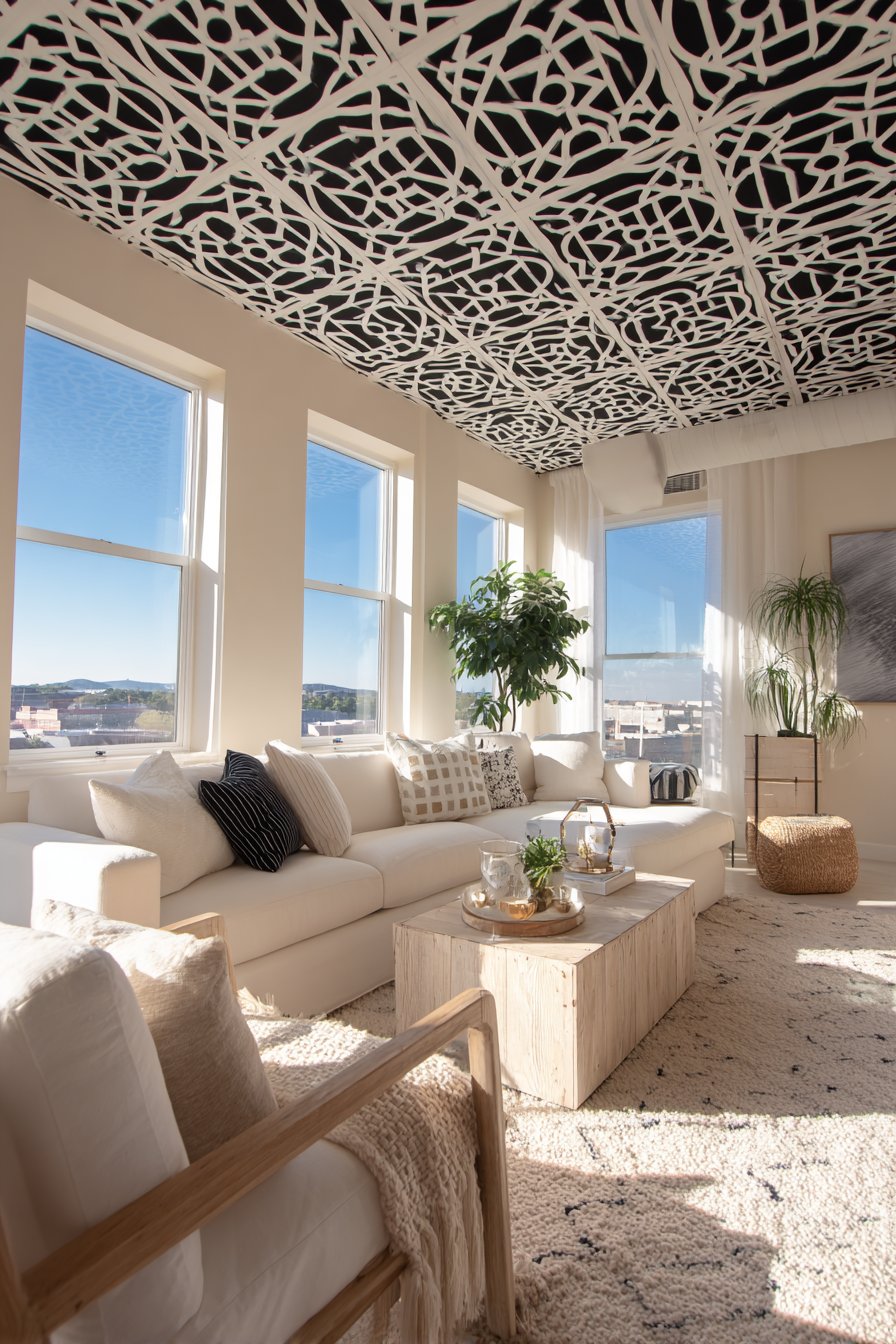
DIY ceiling projects are also surprisingly accessible. With proper tools like extension poles and quality brushes, homeowners can achieve professional results without hiring contractors. Peel-and-stick ceiling tiles, removable wallpaper designed for ceilings, and lightweight architectural elements make this an achievable weekend project for most skill levels.
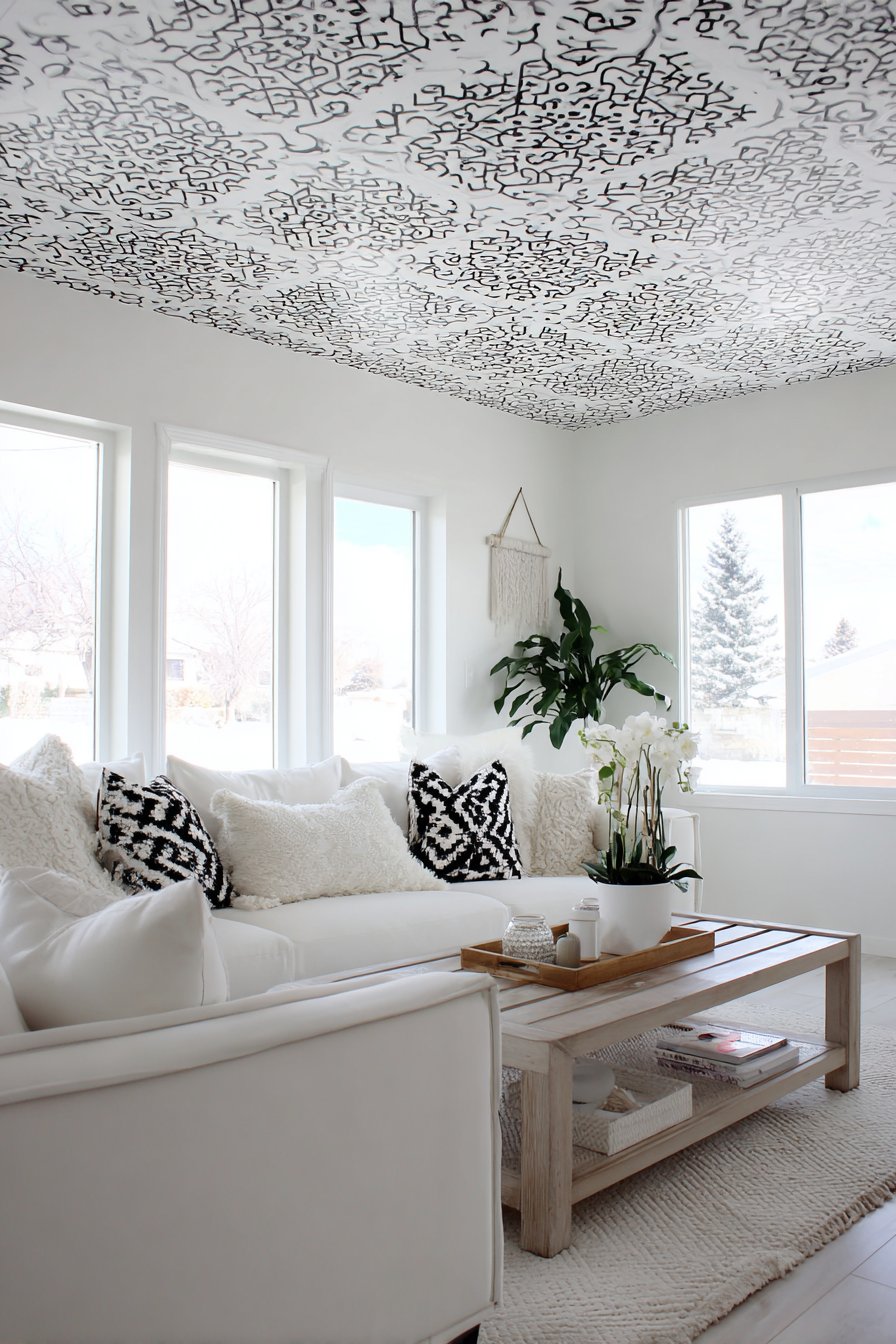
The longevity of ceiling treatments offers excellent value over time. Unlike accent walls that face wear from furniture, fingerprints, and daily contact, ceilings remain pristine for years. This means your design investment continues delivering visual impact without maintenance or touch-ups, making statement ceilings remarkably cost-effective compared to other design upgrades.
- Start with paint before investing in architectural additions
- Use removable materials for rental-friendly ceiling updates
- Shop architectural salvage for authentic vintage ceiling elements
- Consider vinyl ceiling tiles that mimic expensive tin designs
- Allocate budget to quality paint for better coverage and finish
- Tackle one room at a time to spread costs across months
Statement ceilings represent the natural evolution of interior design, offering drama, sophistication, and versatility that accent walls simply cannot match. By redirecting our creative attention upward, we discover untapped potential in every room. The ceiling’s unique position allows for bold choices that don’t compete with furniture or daily function, making it the perfect canvas for personal expression.
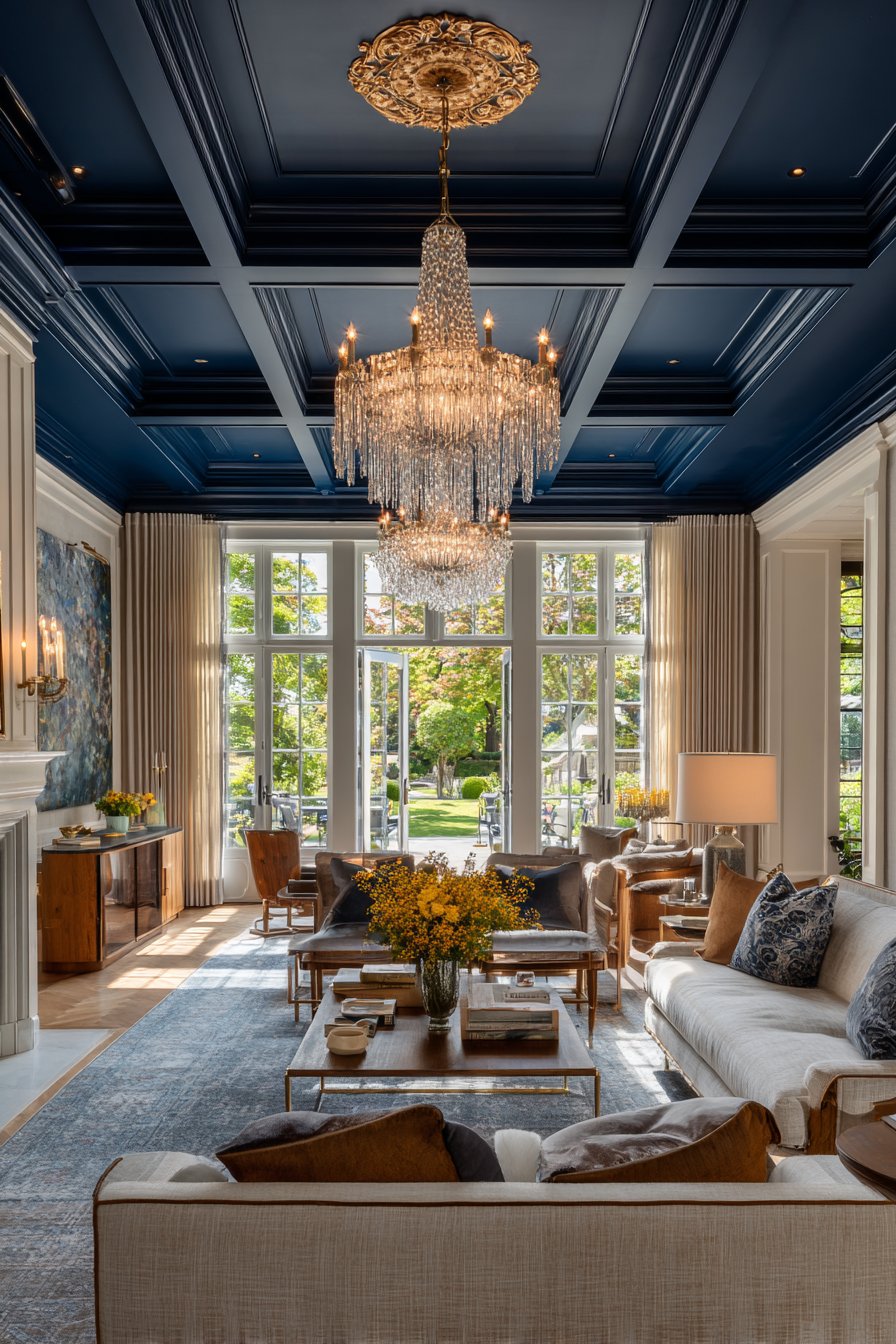
Whether you embrace subtle elegance through architectural molding or bold impact through vibrant color, ceiling design transforms ordinary rooms into extraordinary spaces. The best part? You’re working with a surface that remains visible and appreciated from every angle, ensuring your design investment delivers constant visual reward. Look up, get inspired, and discover why the fifth wall deserves to be the first thing you design.
