


The open concept revolution that dominated home design for over two decades is experiencing a dramatic shift. What was once considered the pinnacle of modern living is now being reconsidered as homeowners discover the limitations of boundaryless spaces. The pandemic accelerated this transformation, revealing how multipurpose open areas often fail to accommodate work-from-home needs, privacy requirements, and acoustic comfort.
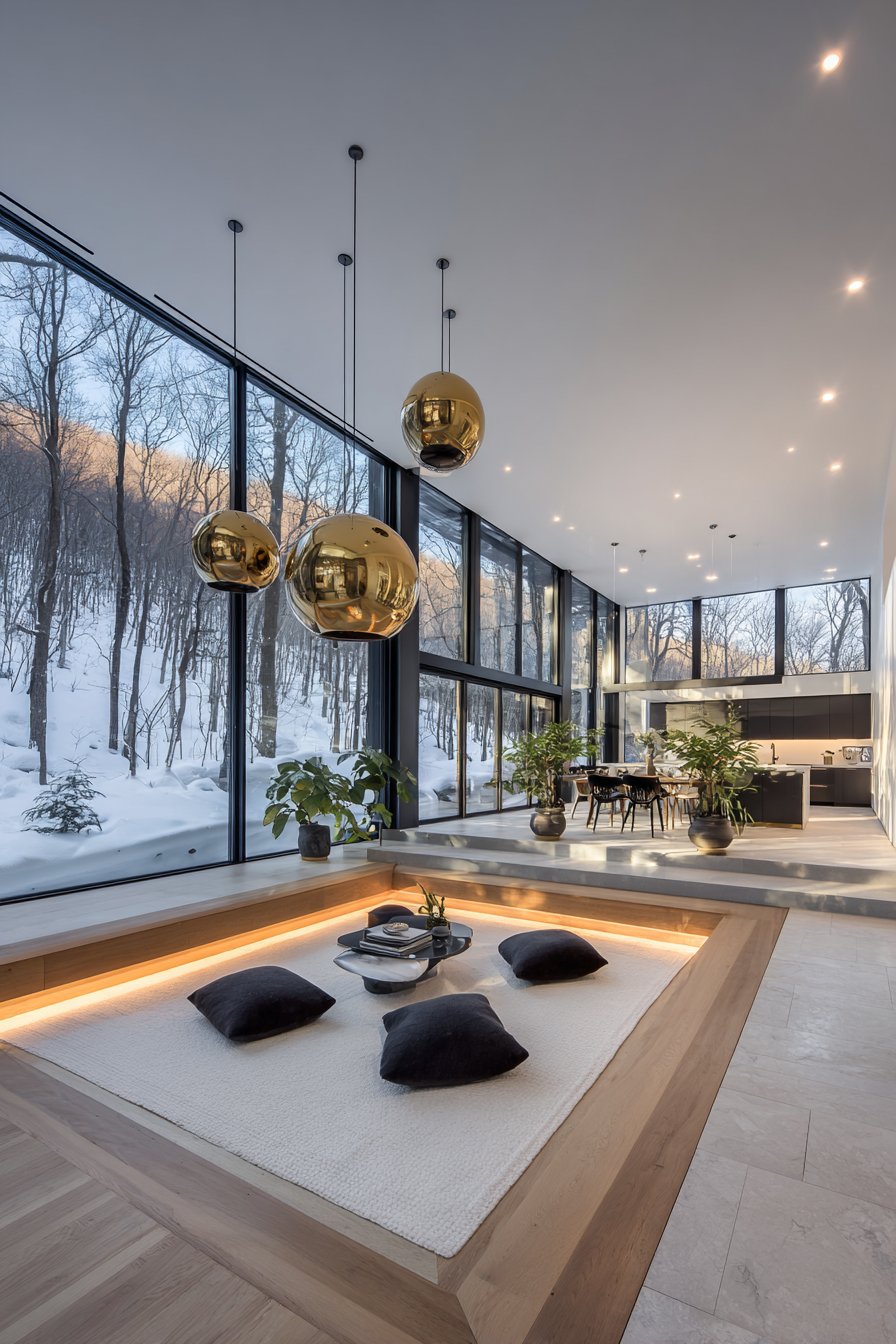
Interior design evolves to reflect changing lifestyles and values. Today’s homeowners seek spaces that balance connection with seclusion, flexibility with definition. The emerging design paradigms recognize that thoughtful spatial planning creates functional sanctuaries rather than expansive voids. This shift represents not a rejection of openness but a maturation of design thinking that prioritizes intentionality over trends.
This article explores six revolutionary concepts replacing traditional open floor plans in 2026. Each approach addresses specific pain points while maintaining the best elements of connected living. These innovative spatial solutions cater to diverse households, from remote workers needing quiet zones to families requiring both togetherness and retreat spaces. If you’re also weighing open concept vs closed living rooms, that’s worth deciding early too.
1. Broken Plan Living
Broken plan design introduces strategic barriers within open spaces without sacrificing flow or natural light. This concept uses partial walls, columns, and level changes to create subtle boundaries between functional zones. The approach maintains visual connectivity while providing acoustic separation and psychological definition that pure open plans lack.
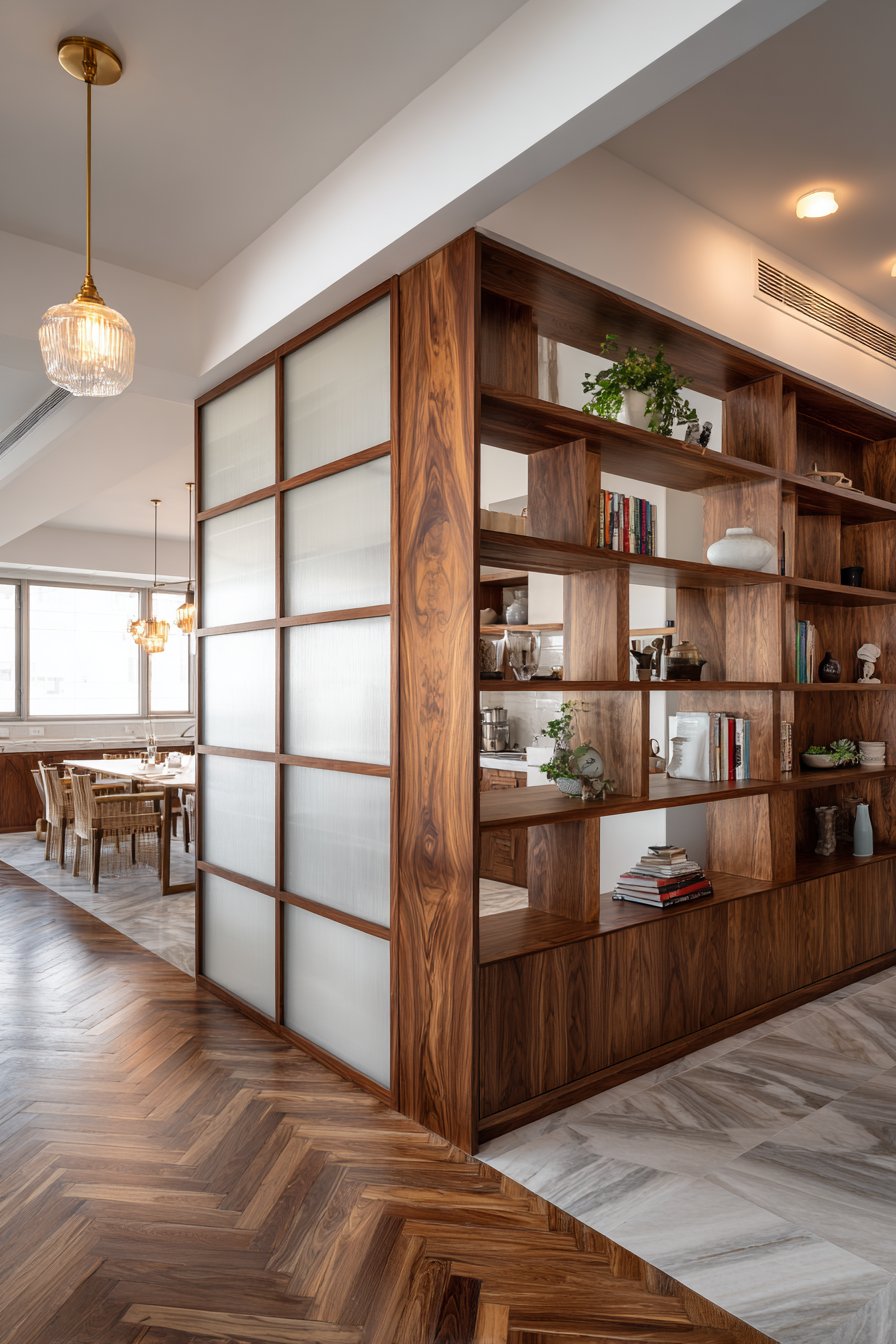
This style emerged from Scandinavian design principles emphasizing hygge and intentional coziness. Unlike traditional room divisions, broken plan elements typically stand at 42 to 60 inches high, preserving sightlines while anchoring distinct areas. Materials like frosted glass, slatted wood, or decorative metal screens add architectural interest while serving practical purposes.
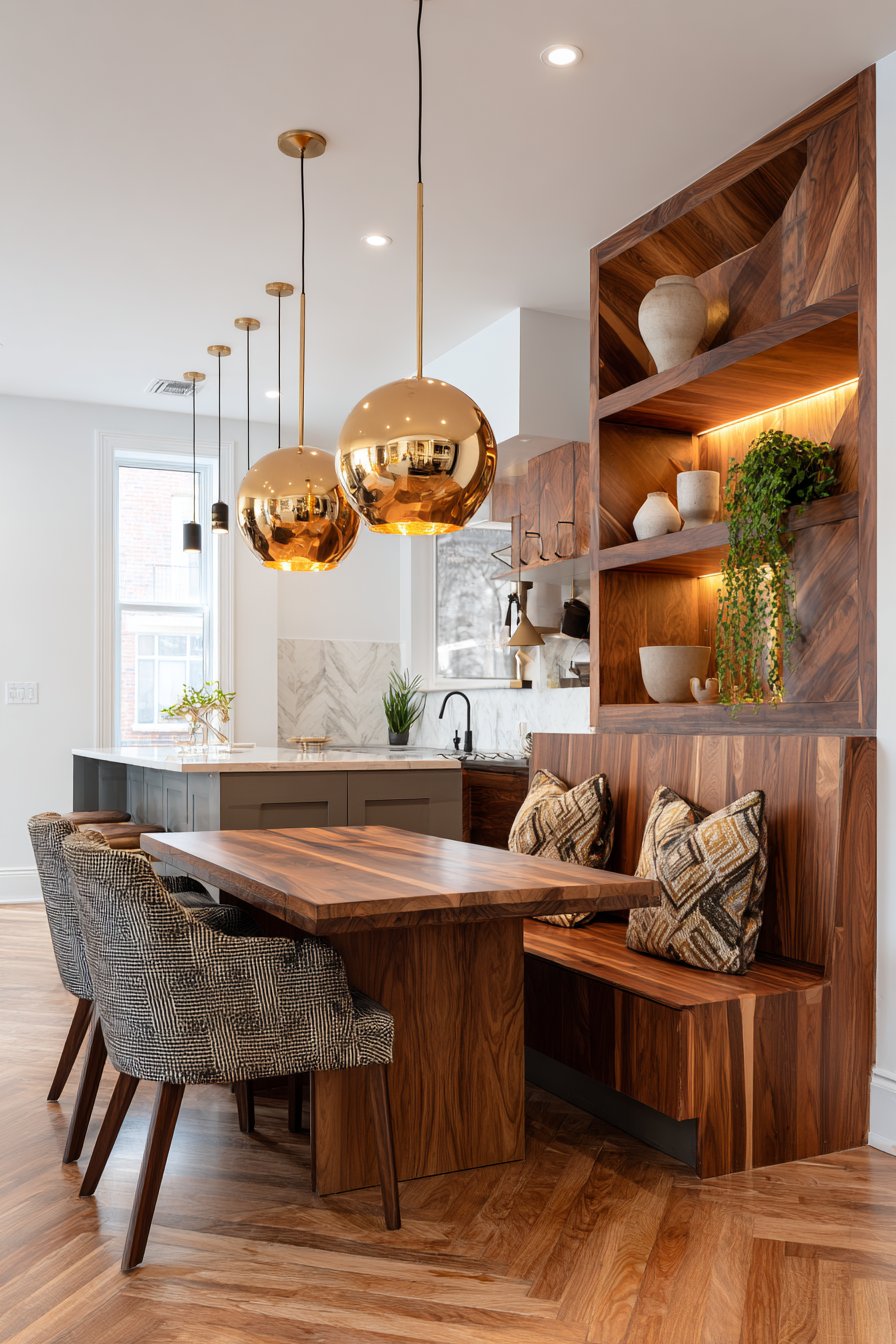
The beauty of broken plan living lies in its adaptable nature. Homeowners can modify these semi-permanent features as needs evolve, making this approach ideal for growing families or changing work situations. The technique also addresses the cooking odor problem that plagued open kitchens while maintaining social interaction during meal preparation.
- Install half-height walls with built-in shelving for dual functionality
- Use different flooring materials to visually separate zones without barriers
- Incorporate sliding panels that open fully when desired
- Add ceiling-mounted dividers like hanging planters or beam structures
- Create sunken or raised platforms to define specific areas
- Design partition walls with pass-through openings for maintained connection
2. Flex Rooms with Adaptable Architecture
Flex rooms represent purpose-built versatility rather than undefined multipurpose areas. These spaces feature movable walls, transformable furniture, and integrated storage that allows complete reconfiguration. Unlike open concept’s one-size-fits-all approach, flex rooms acknowledge that spatial needs fluctuate throughout the day and across life stages.
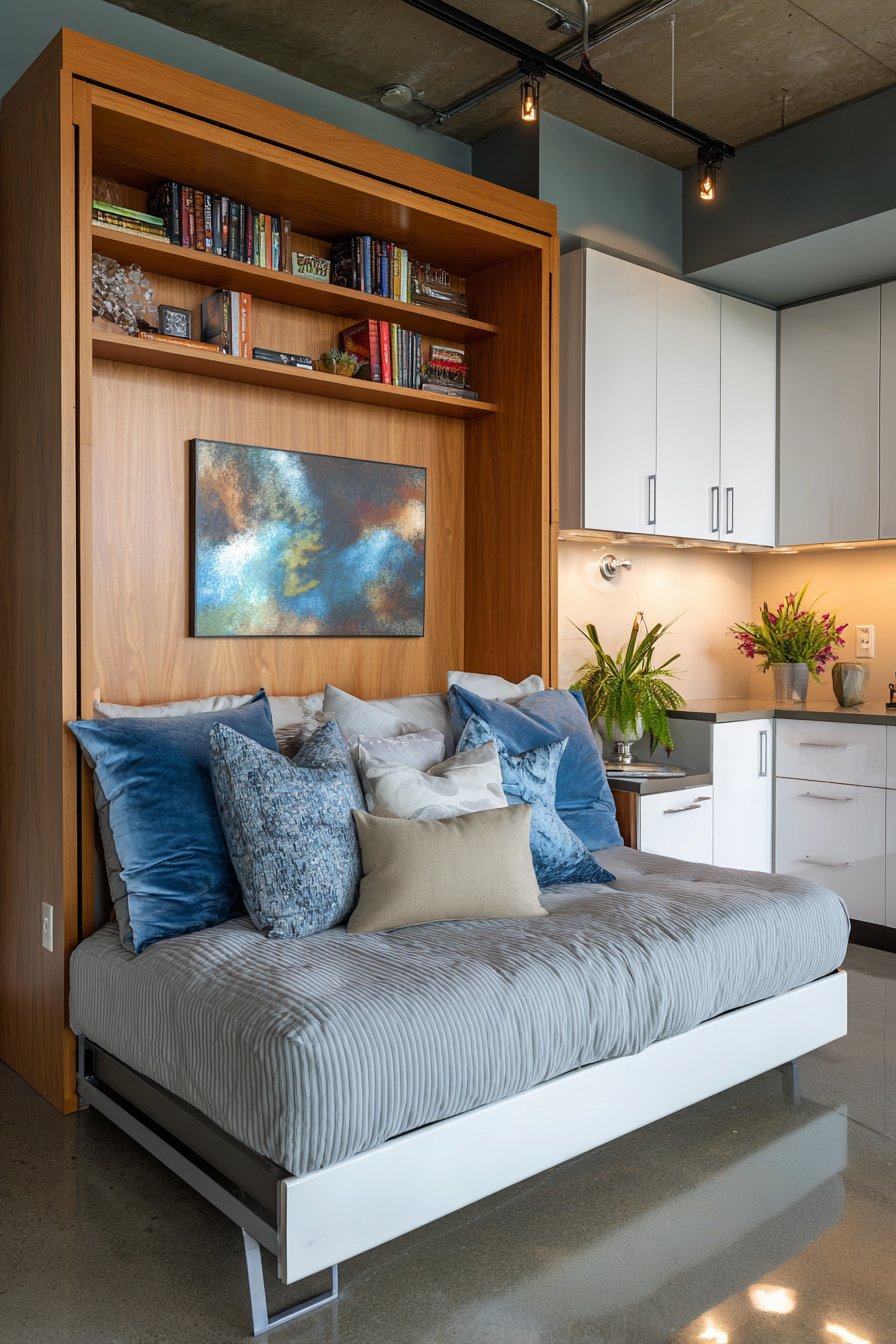
Japanese design influence appears prominently in this trend through shoji screens and modular systems. Modern implementations include pocket doors that disappear completely, Murphy beds with attached desk systems, and wall-mounted track systems supporting movable partitions. Technology integration allows app-controlled glass that switches from transparent to opaque instantly.
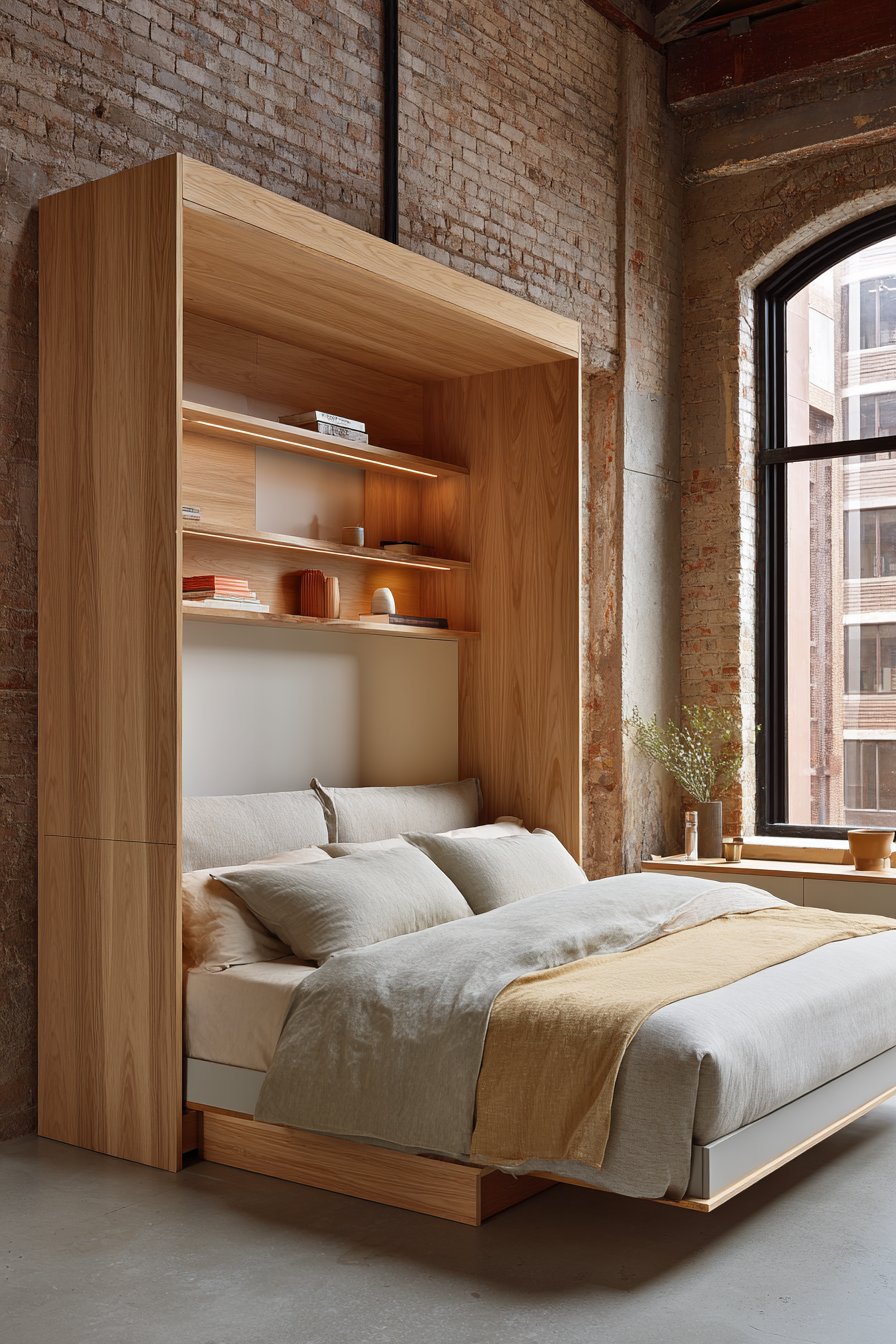
Architects now design homes with structural support pre-installed for future wall additions or removals. This forward-thinking approach provides genuine flexibility without compromising building integrity. The investment in quality sliding mechanisms and reinforced mounting systems pays dividends through decades of effortless transformation as household needs change. Our this art deco revival in modern homes has more inspiration along these same lines.
- Install floor and ceiling tracks for lightweight movable walls
- Choose furniture that serves multiple purposes and stores compactly
- Incorporate fold-down work surfaces that disappear when not needed
- Design built-in storage along perimeter walls to maintain open floor space
- Use consistent flooring throughout to maintain cohesion during reconfigurations
- Plan electrical outlets along multiple walls anticipating various layouts
3. The New Formal Dining Room
Dedicated dining spaces are experiencing unexpected resurgence after years of obsolescence. However, 2026’s version differs significantly from traditional formal rooms. These new dining areas serve as multifunctional hubs for remote work, homework sessions, craft projects, and actual dining, separated from kitchen chaos yet accessible for daily use.
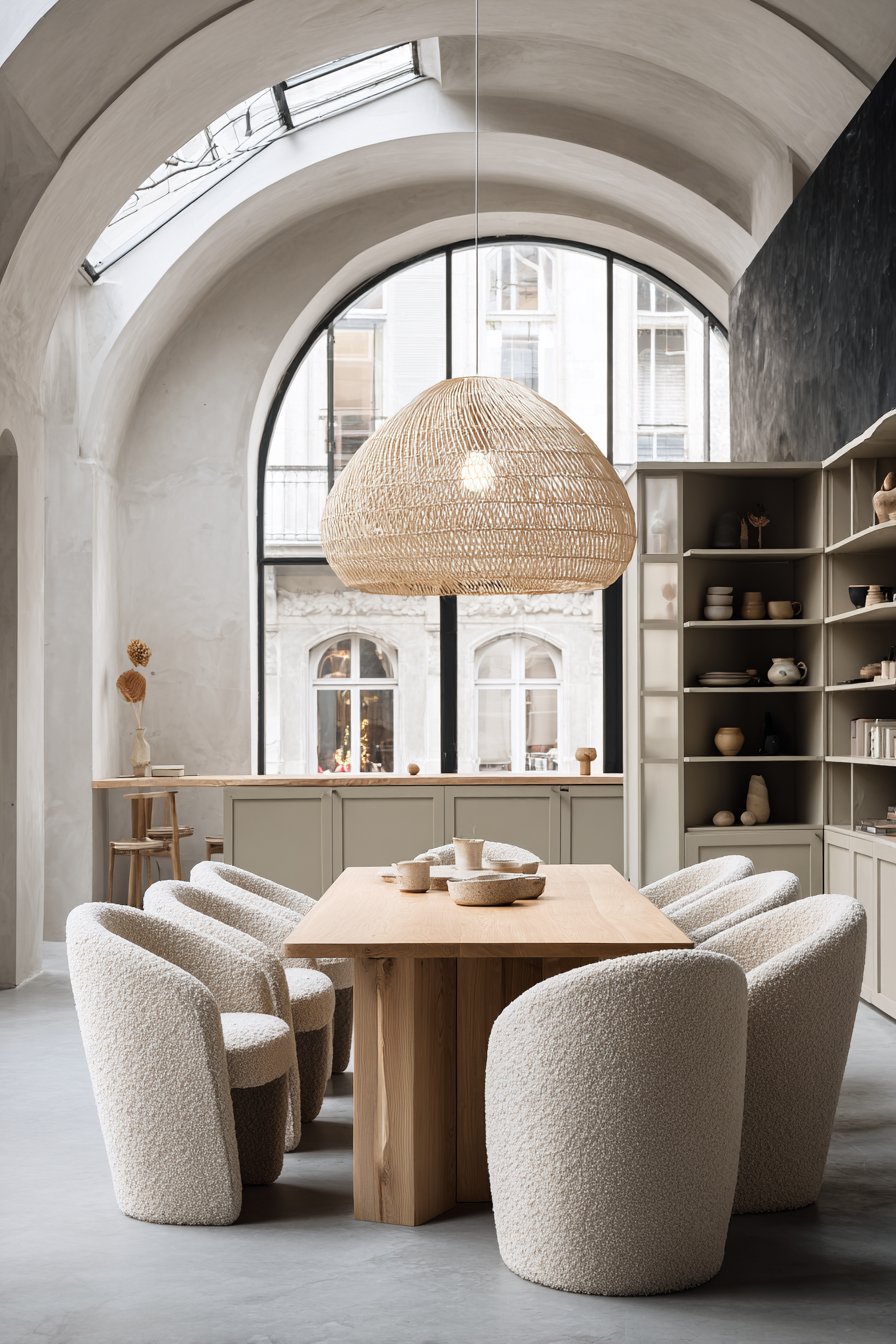
The modern formal dining room typically measures 120 to 140 square feet and features generous storage for both dining essentials and work materials. Design emphasizes natural light through oversized windows and skylights, creating an inspiring environment for both productivity and social gathering. Unlike stuffy traditional versions, these rooms embrace comfort through upholstered seating and residential lighting rather than chandeliers alone.
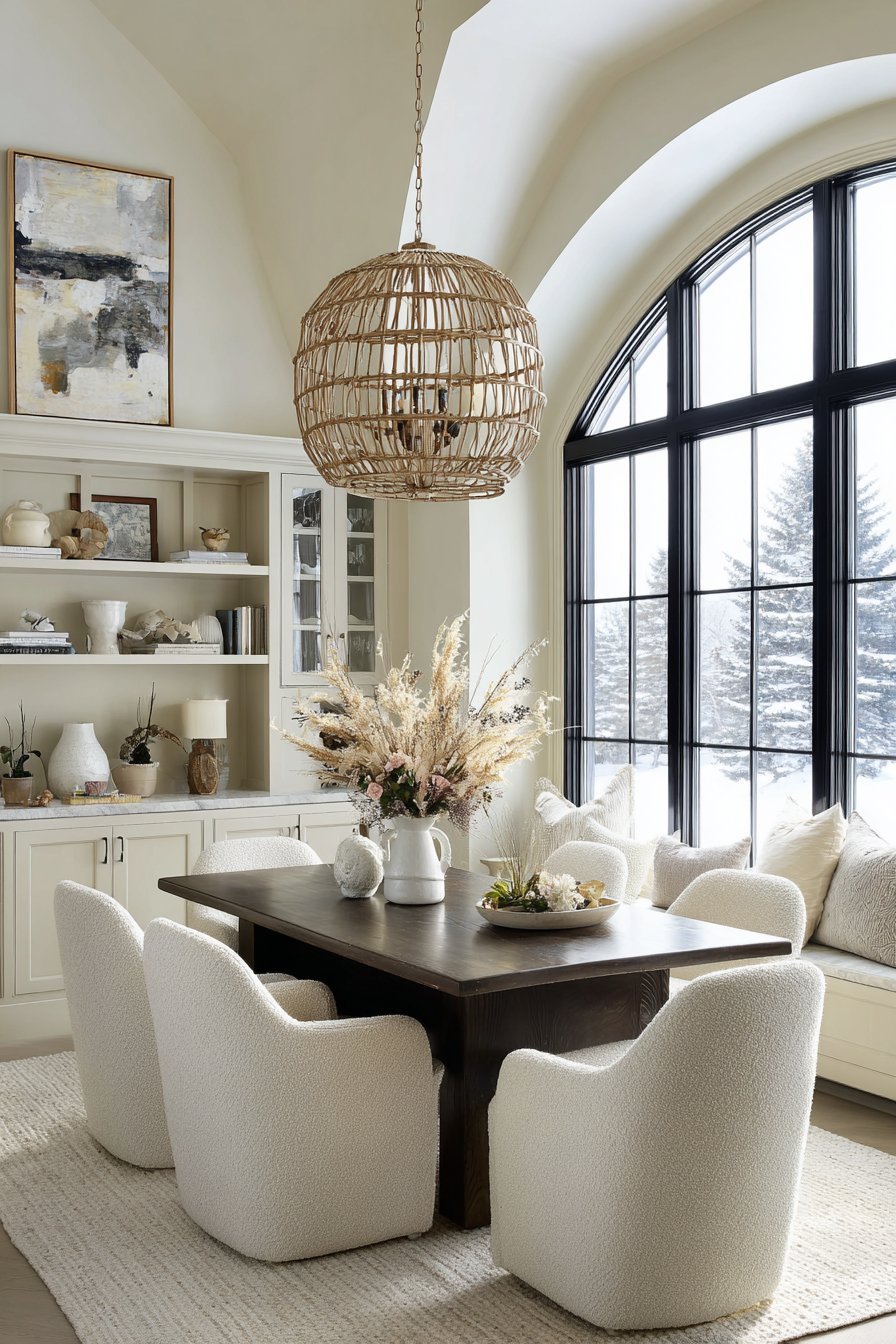
Strategic placement between kitchen and living areas creates what designers call transitional buffering . This positioning allows the dining room to absorb noise from both zones while maintaining its own distinct atmosphere. The space becomes a family’s collaboration center rather than a rarely used showpiece, justifying its dedicated square footage through constant utilization. See our transitional living room ideas for more direction in this style.
- Position near kitchen but with solid walls for sound dampening
- Install dimmable lighting with multiple modes for different activities
- Include substantial storage through built-ins or armoires
- Select durable table surfaces that withstand daily work activities
- Incorporate comfortable task chairs that work for extended sitting
- Add writable wall surfaces for brainstorming and family organization
4. Zoned Open Spaces with Purposeful Design
Rather than completely abandoning openness, zoned spatial design refines the concept through intentional planning. Each area receives specific attention regarding function, circulation, and sensory experience. This approach eliminates the echo chamber effect of traditional open plans while preserving their democratic, connected feeling that many homeowners value.
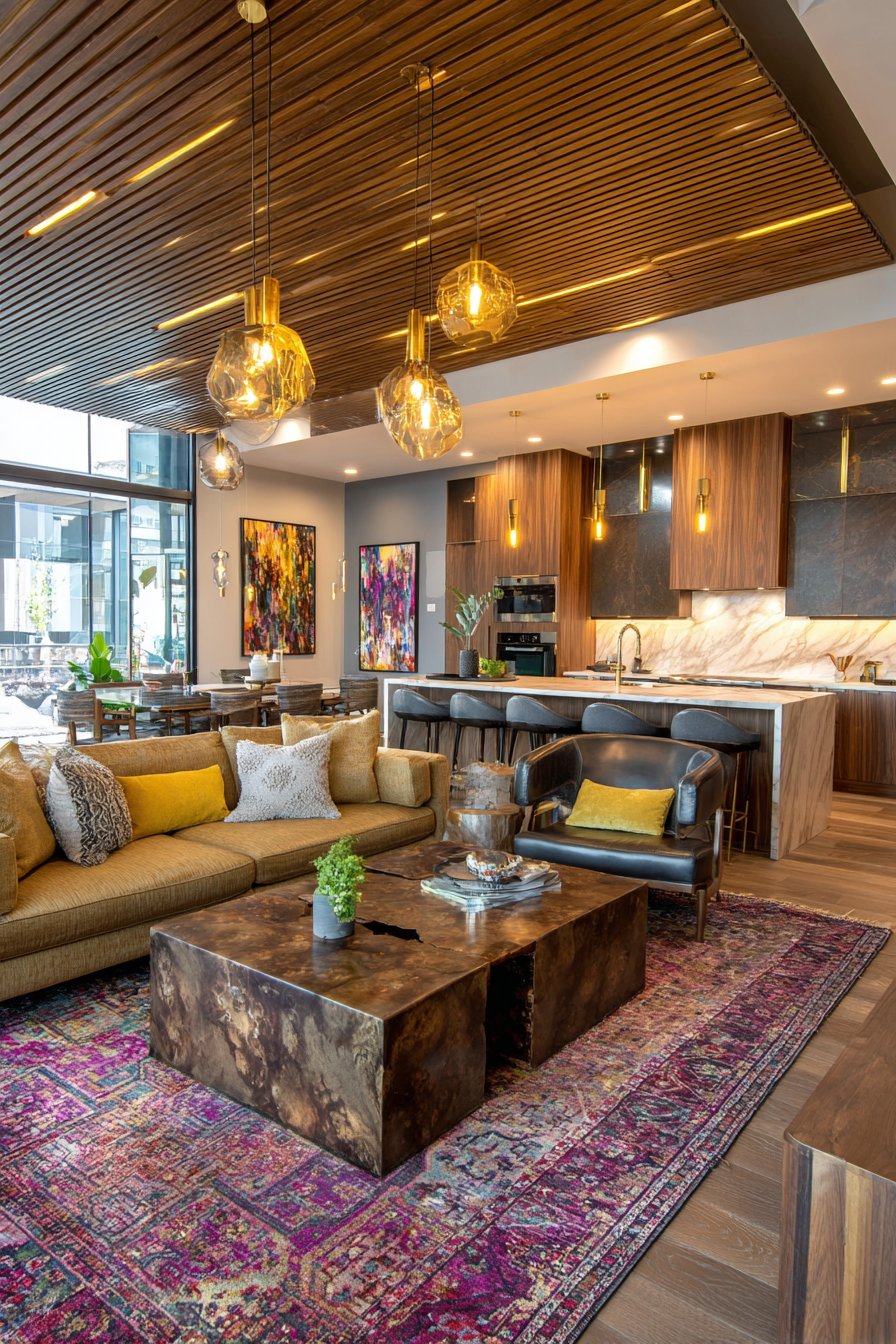
Color psychology, lighting variation, and furniture arrangement create invisible boundaries more effective than physical walls. A living zone might feature warm ambient lighting at 2700K while the kitchen uses brighter 3500K task lighting. Rugs, ceiling treatments, and paint colors shift subtly between zones, providing psychological transitions that our minds recognize as spatial changes.
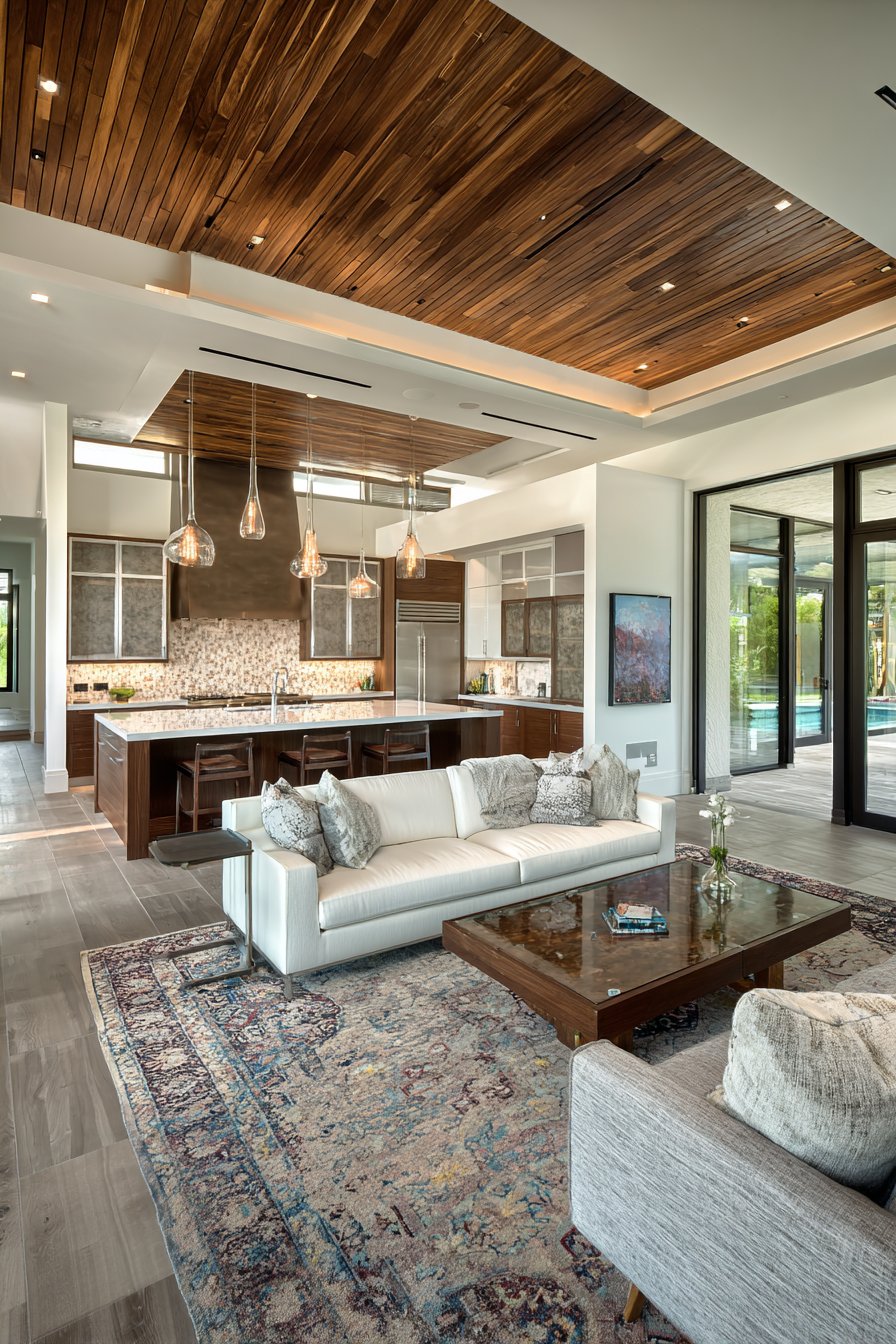
Acoustic engineering plays a crucial role through strategic material selection. Sound-absorbing ceiling panels, textured wall treatments, and upholstered furniture prevent reverberation problems that made many open plans uncomfortable. These technical improvements allow openness without the sensory overload that drove homeowners away from the concept entirely.
- Use area rugs to anchor and define separate functional zones
- Vary ceiling heights or treatments to signal different spaces
- Install targeted lighting systems rather than uniform overhead fixtures
- Position furniture to create natural traffic patterns and boundaries
- Select absorbent materials like fabric, wood, and cork for noise control
- Paint accent walls or use wallpaper to distinguish specific areas
5. The Home Office Revolution
Dedicated home offices became non-negotiable rather than luxury amenities since 2020. By 2026, these spaces evolved beyond converted bedrooms into professionally designed work environments with proper ergonomics, acoustics, and technology infrastructure. The trend toward permanent remote work solidified the office as essential, replacing square footage once allocated to open communal areas.
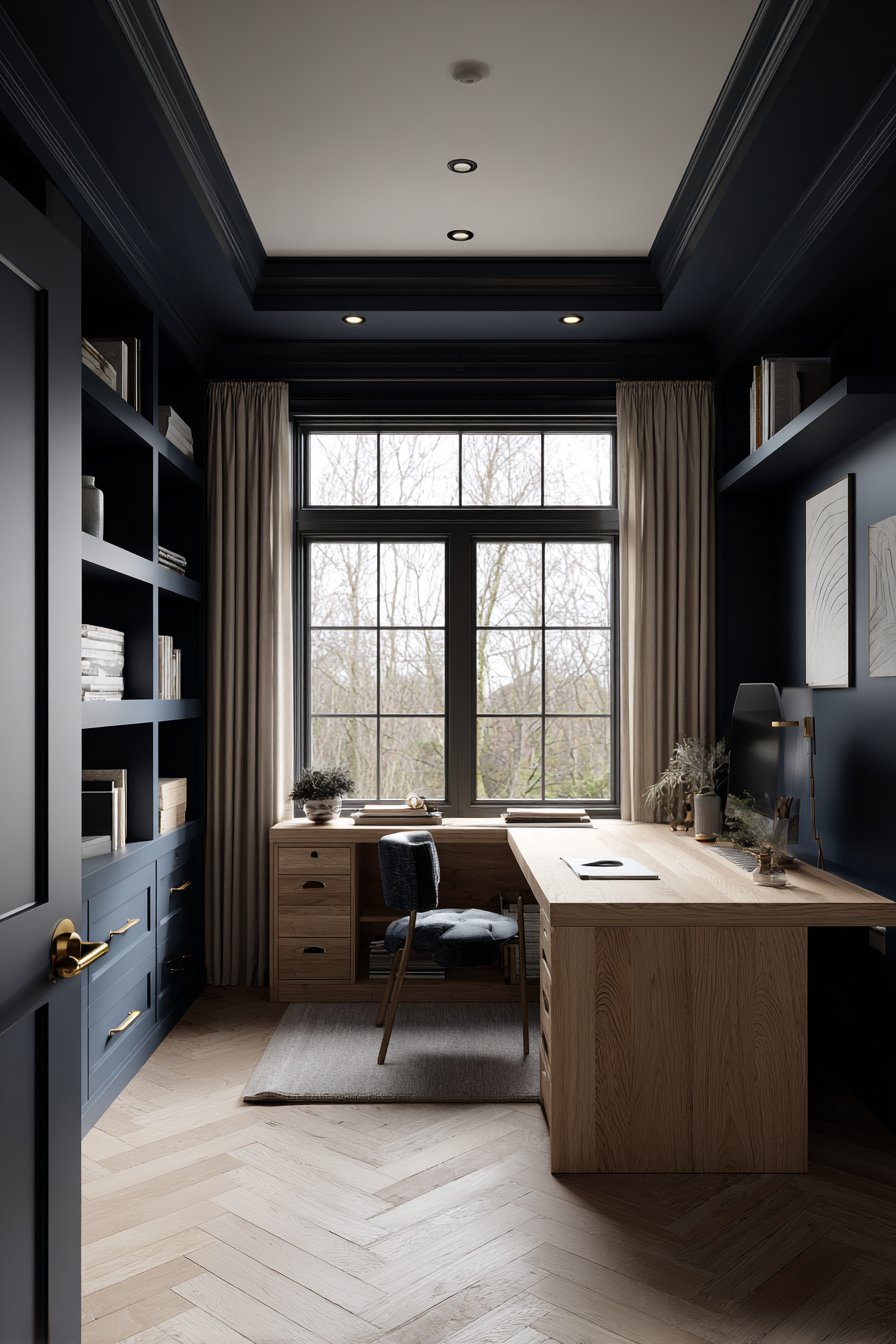
Successful home offices measure minimum 80 square feet for adequate desk space, storage, and movement. Window placement receives careful consideration for both natural light and video call backgrounds. Architectural details like crown molding, quality flooring, and thoughtful paint colors create psychological separation from residential spaces, improving work-life boundaries that open plan arrangements obscured.
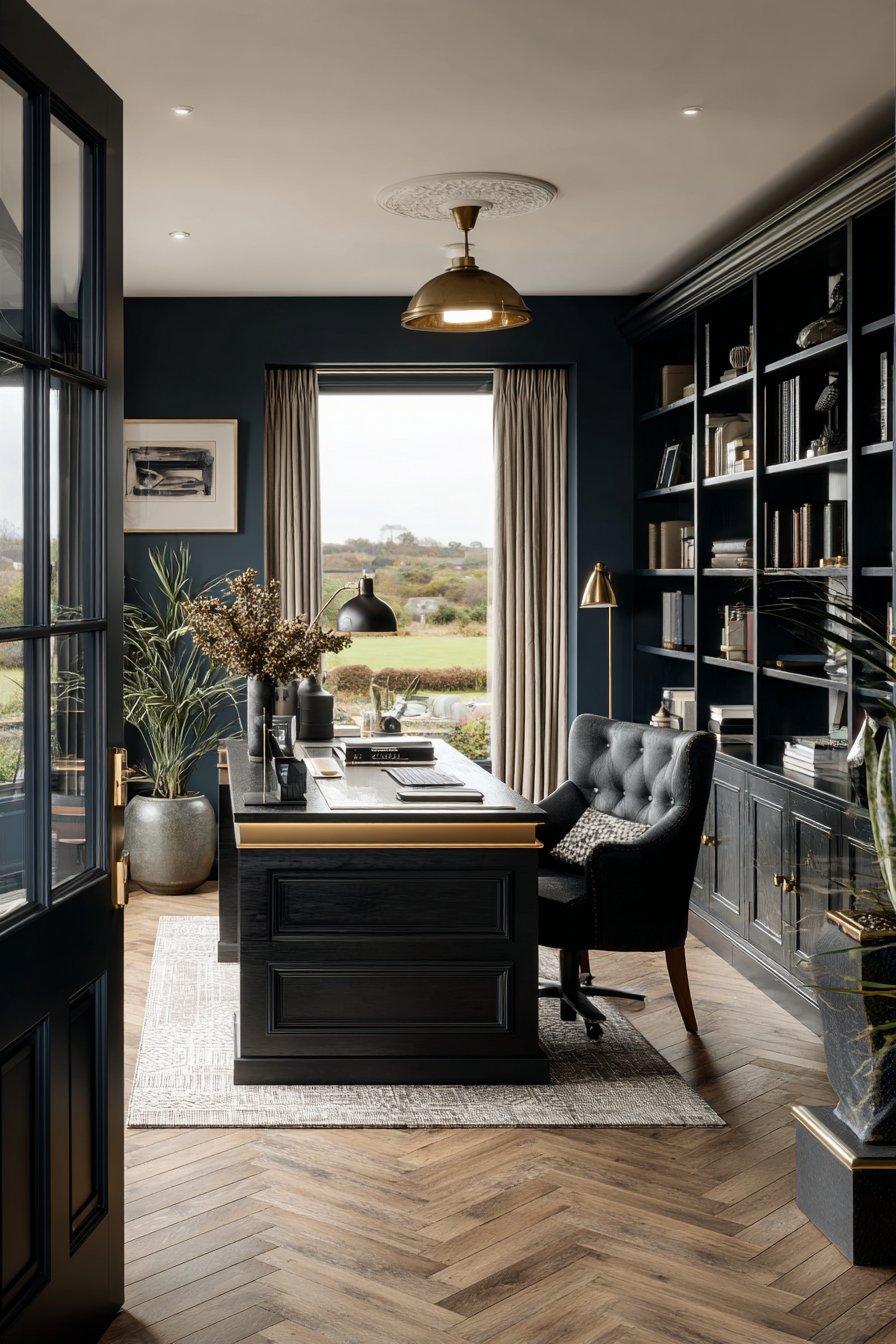
Smart home integration reaches its peak in these spaces through automated lighting, climate control, and soundproofing systems. Doors became substantial with solid cores and quality weatherstripping, eliminating household noise intrusion during important calls. Cable management, adequate electrical circuits, and robust internet infrastructure receive equal importance to aesthetic considerations in proper office design.
- Include solid core door with quality lockset for privacy
- Install sound-dampening materials in walls and ceiling
- Position desk perpendicular to windows avoiding screen glare
- Provide dedicated circuits for equipment preventing breaker issues
- Include adjustable task lighting for various times of day
- Design ample storage for both equipment and physical documents
6. Micro-Rooms and Purposeful Nooks
The micro-room trend embraces small, highly specialized spaces over generic multipurpose areas. Reading nooks, meditation corners, phone booths, and hobby alcoves provide dedicated sanctuaries for specific activities. These spaces typically occupy 20 to 40 square feet but deliver disproportionate value through their singular focus and thoughtful design.
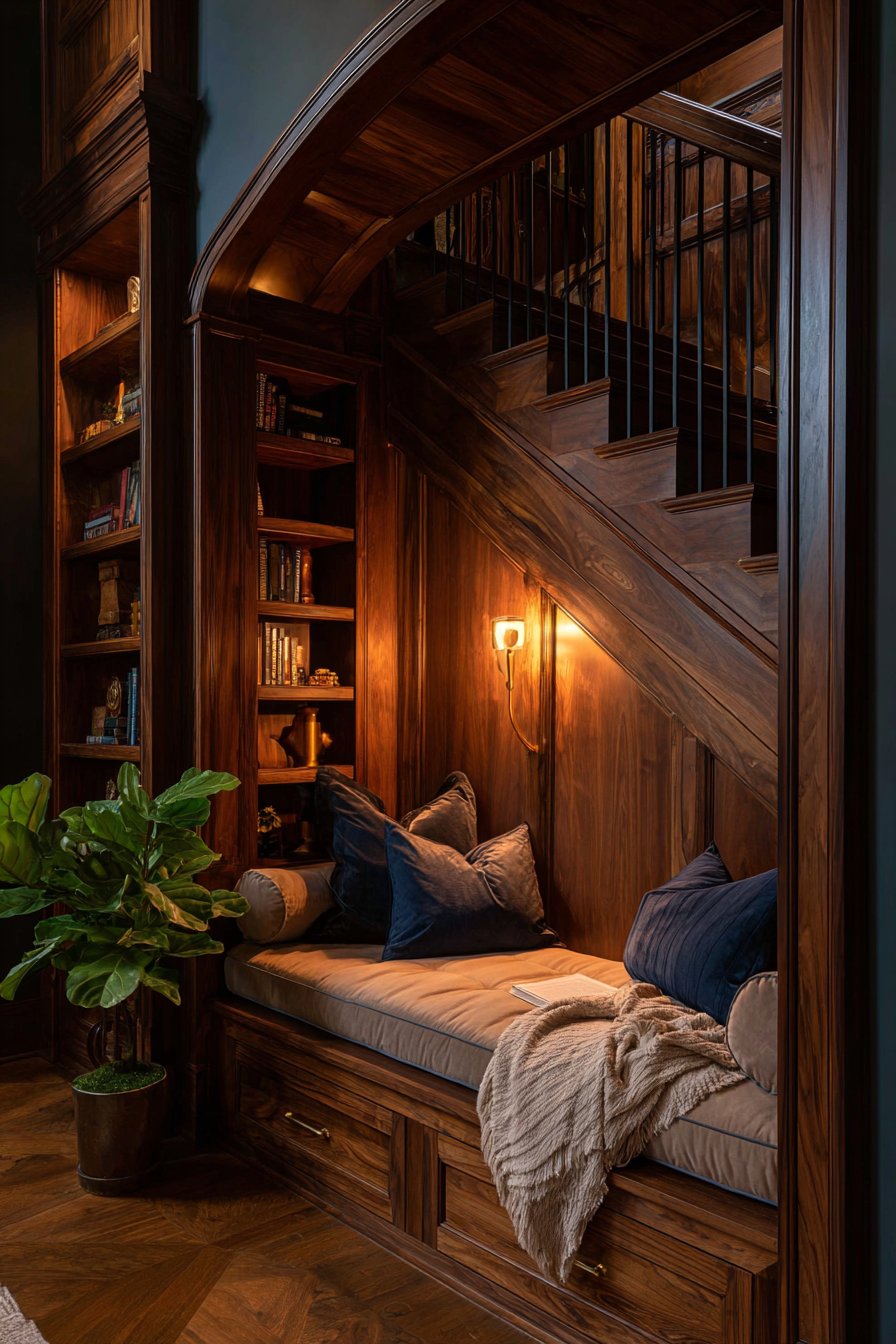
Architectural features like window seats, under-stair alcoves, and closet conversions become prime real estate for micro-rooms. Proper design includes appropriate lighting, ventilation, and acoustic treatment despite compact dimensions. Materials and colors create immersive experiences—a reading nook might feature warm wood tones and soft lighting while a meditation space embraces minimal aesthetics and natural materials.
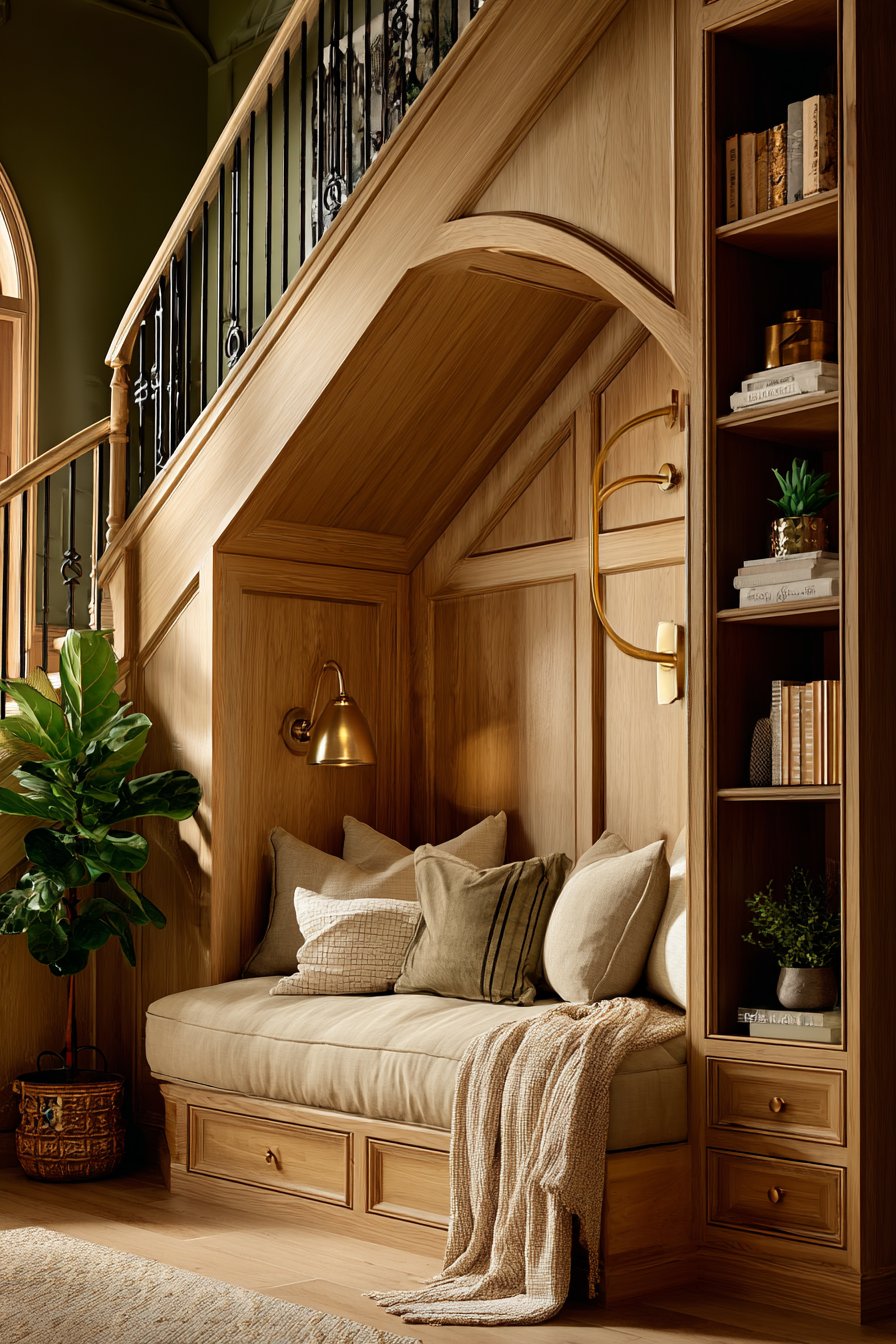
These tiny retreats address the privacy deficit in modern homes where family members need individual decompression time. Children benefit from dedicated homework nooks separate from play areas. Adults appreciate phone booth spaces for private calls without commandeering entire rooms. The specificity paradox reveals that highly specialized small spaces often prove more valuable than larger undefined areas.
- Convert closets into mini home offices or reading nooks
- Build window seat alcoves with integrated storage and lighting
- Create phone booth spaces under staircases with sound absorption
- Design breakfast nooks with banquette seating and task lighting
- Install pocket doors to transform alcoves into private retreats
- Add specialized lighting and ventilation appropriate to each nook’s purpose
Conclusion
The evolution beyond pure open concept represents design maturity rather than trend reversal. Today’s most successful homes blend connection with definition, flexibility with purpose. These emerging spatial concepts acknowledge that different activities require different environments, and that psychological comfort depends partly on appropriate boundaries and acoustic separation.
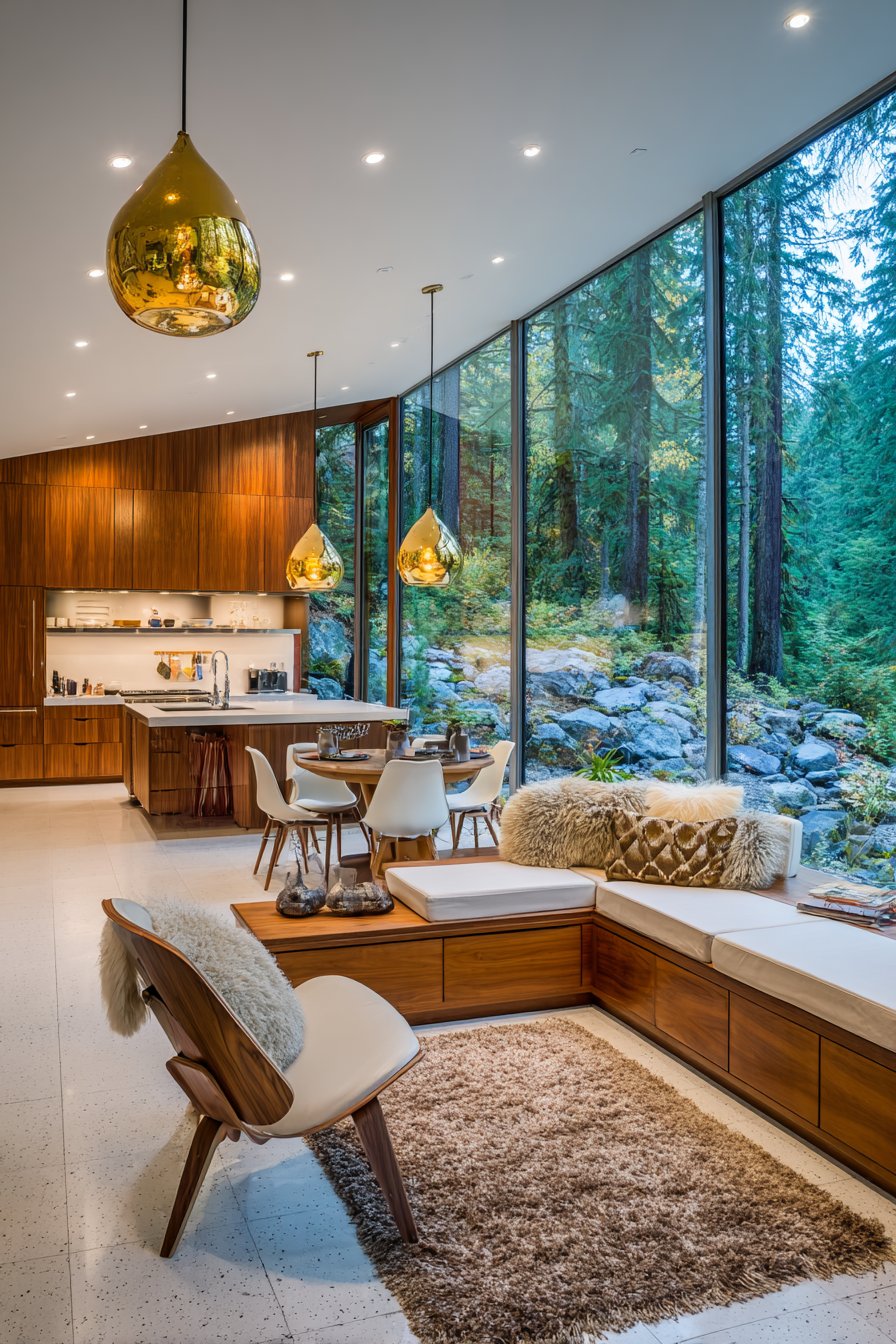
Homeowners investing in 2026 should embrace these hybrid approaches that preserve openness where it serves while introducing definition where it protects. The future belongs to thoughtfully zoned, adaptable spaces that respect both our social nature and our fundamental need for retreat and focus. Create homes that truly serve how you live, not how design magazines suggest you should.
