


Selecting the right paint color for a small bathroom can dramatically transform the space from cramped to cozy. The power of strategic color choices extends beyond mere aesthetics, influencing how spacious and inviting your bathroom feels. When square footage is limited, every design decision carries extra weight, making paint color one of your most impactful tools.
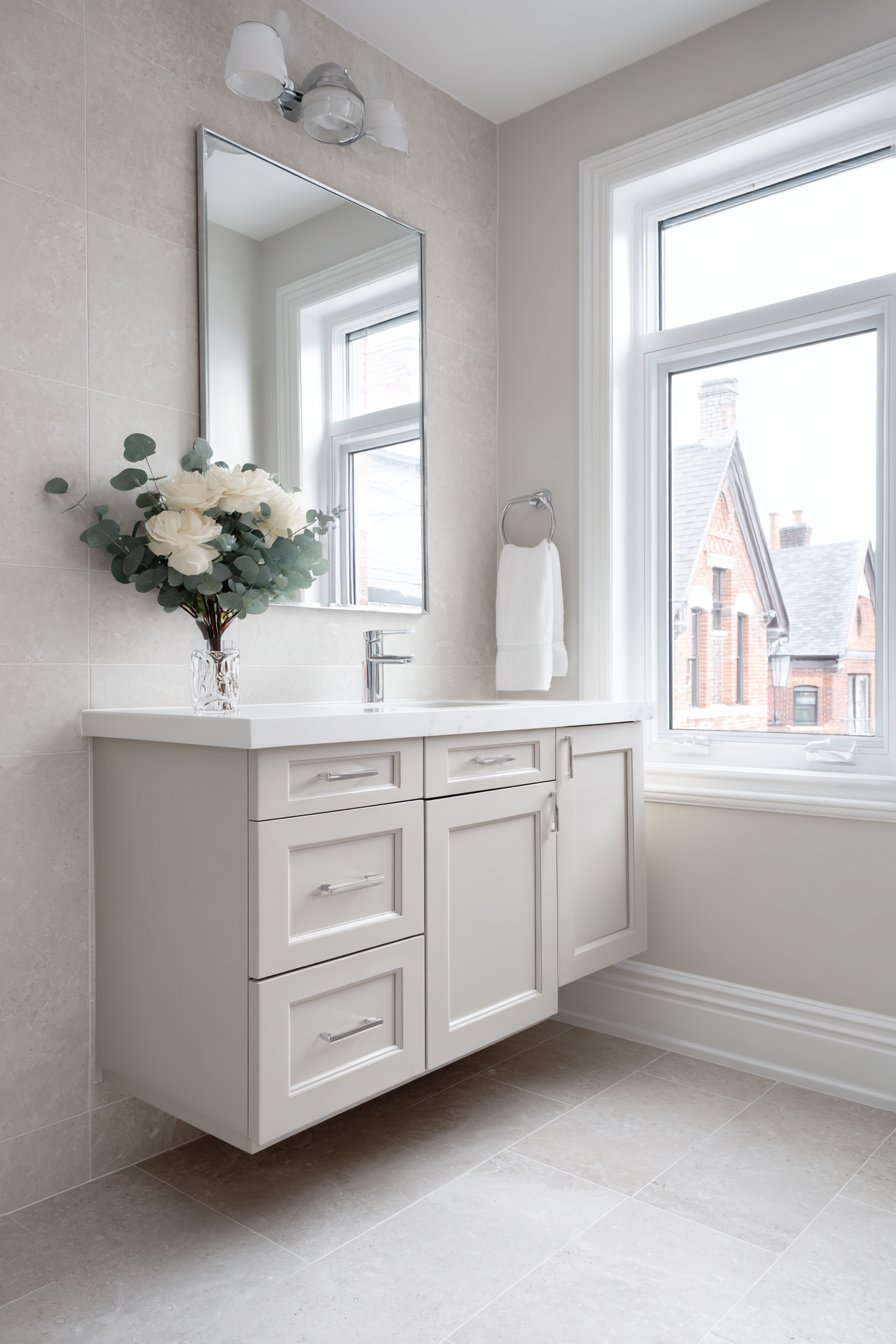
Small bathrooms present unique challenges that require thoughtful solutions. Poor color choices can make walls feel like they’re closing in, while smart paint selection opens up the room visually. Understanding how light interacts with color, how different shades affect perception, and which techniques maximize space will empower you to create a bathroom that feels larger and more luxurious than its actual dimensions suggest.
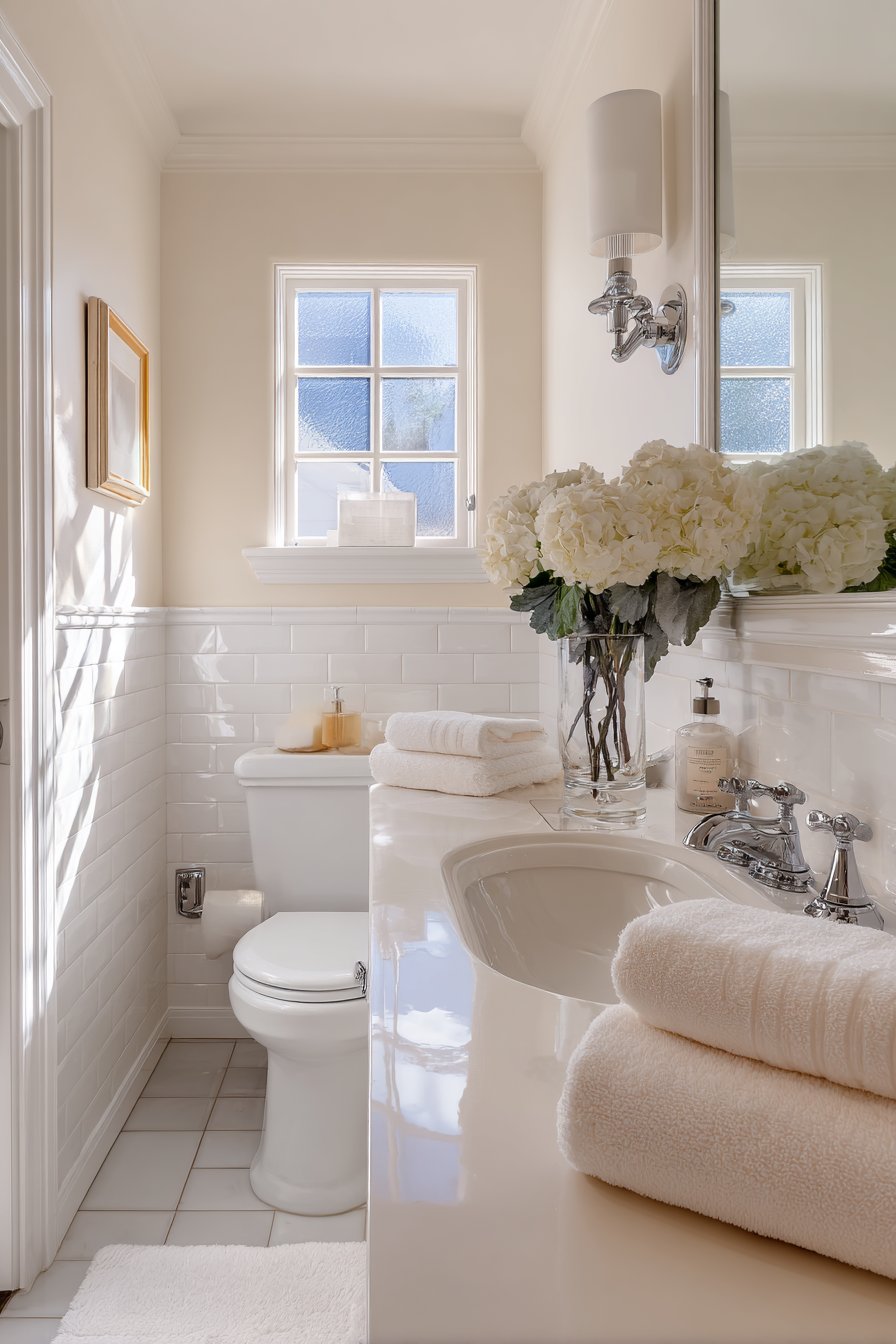
This comprehensive guide explores six essential strategies for choosing bathroom paint colors in compact spaces. From leveraging light-reflective hues to incorporating accent walls strategically, you’ll discover proven techniques that interior designers use to make small bathrooms feel expansive and sophisticated.
1. Embrace Light and Neutral Tones
Light colors remain the gold standard for small bathroom spaces because they reflect natural light and create an airy atmosphere. Soft whites, pale grays, and gentle beiges bounce light around the room, making walls appear to recede. This optical illusion tricks the eye into perceiving more square footage than actually exists.
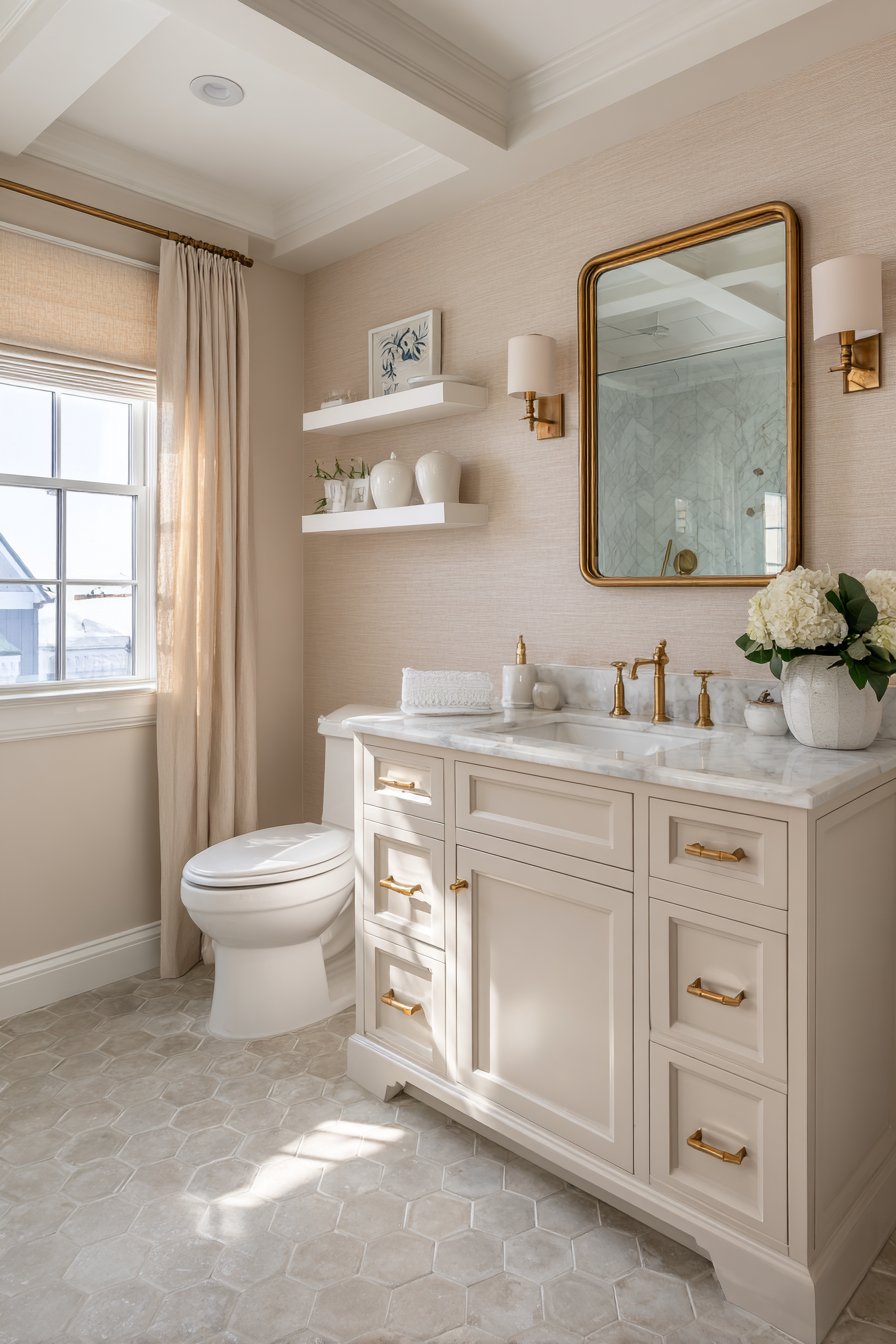
Neutral palettes provide versatility that bright or dark colors cannot match. These shades complement any fixture finish, from chrome to brass, and work beautiively with various tile styles. Neutrals also create a timeless backdrop that won’t feel dated in five years, protecting your investment in the space.
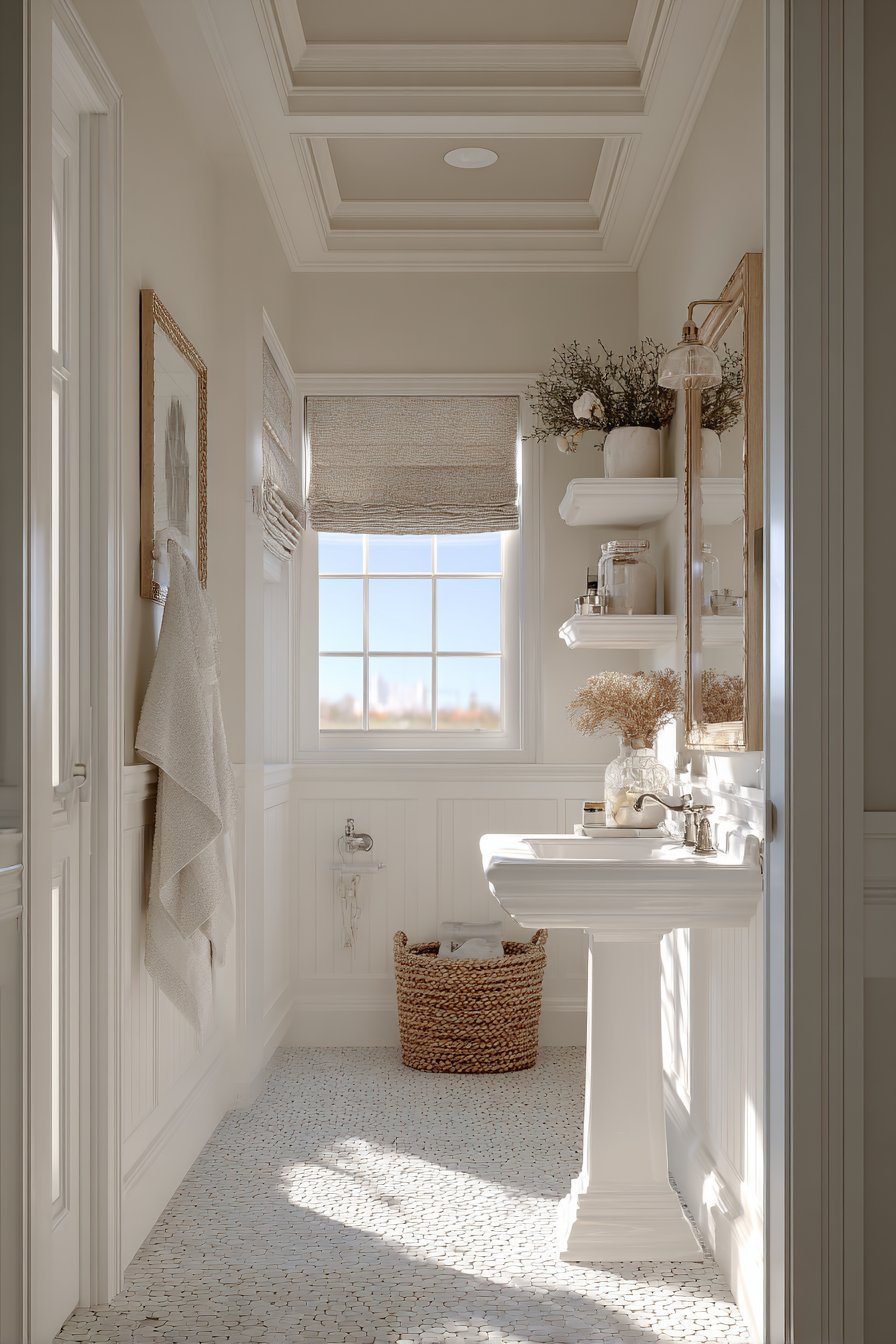
Consider the undertones carefully when selecting neutral shades. Warm neutrals with beige or cream undertones create cozy, inviting spaces, while cool neutrals with gray or blue undertones feel fresh and modern. Test paint samples in your actual bathroom lighting before committing to ensure the undertones work harmoniously.
- Choose whites with slight warm undertones to avoid sterile hospital vibes
- Sample at least three shades on different walls to see light interaction
- Consider off-white rather than pure white for added depth and sophistication
- Pair neutral walls with white trim to enhance the spacious feeling
- Use the same neutral throughout to eliminate visual barriers
- Extend the ceiling color slightly down walls to increase perceived height
2. Leverage the Power of Cool Colors
Cool colors like blues, greens, and soft purples naturally recede visually, making them perfect for small bathroom applications. These hues create the perception of walls moving backward, effectively expanding the room’s apparent dimensions. Unlike warm colors that advance toward the viewer, cool tones establish depth and tranquility.
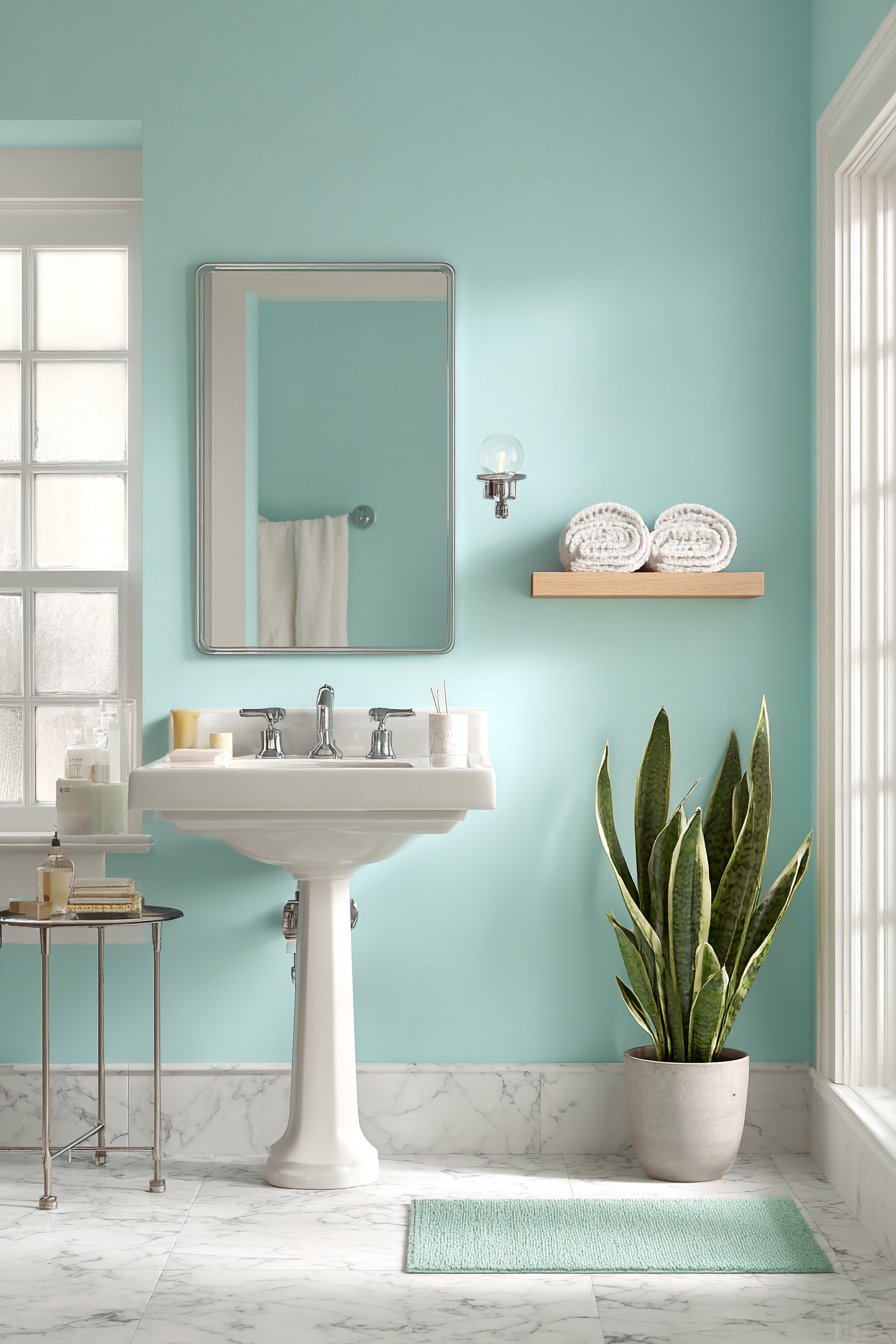
Pale blue shades particularly excel in bathrooms because they evoke water and cleanliness. This psychological connection makes the space feel naturally suited to its function. Light aqua or sky blue tones can make a cramped bathroom feel like a spa retreat without overwhelming the senses.
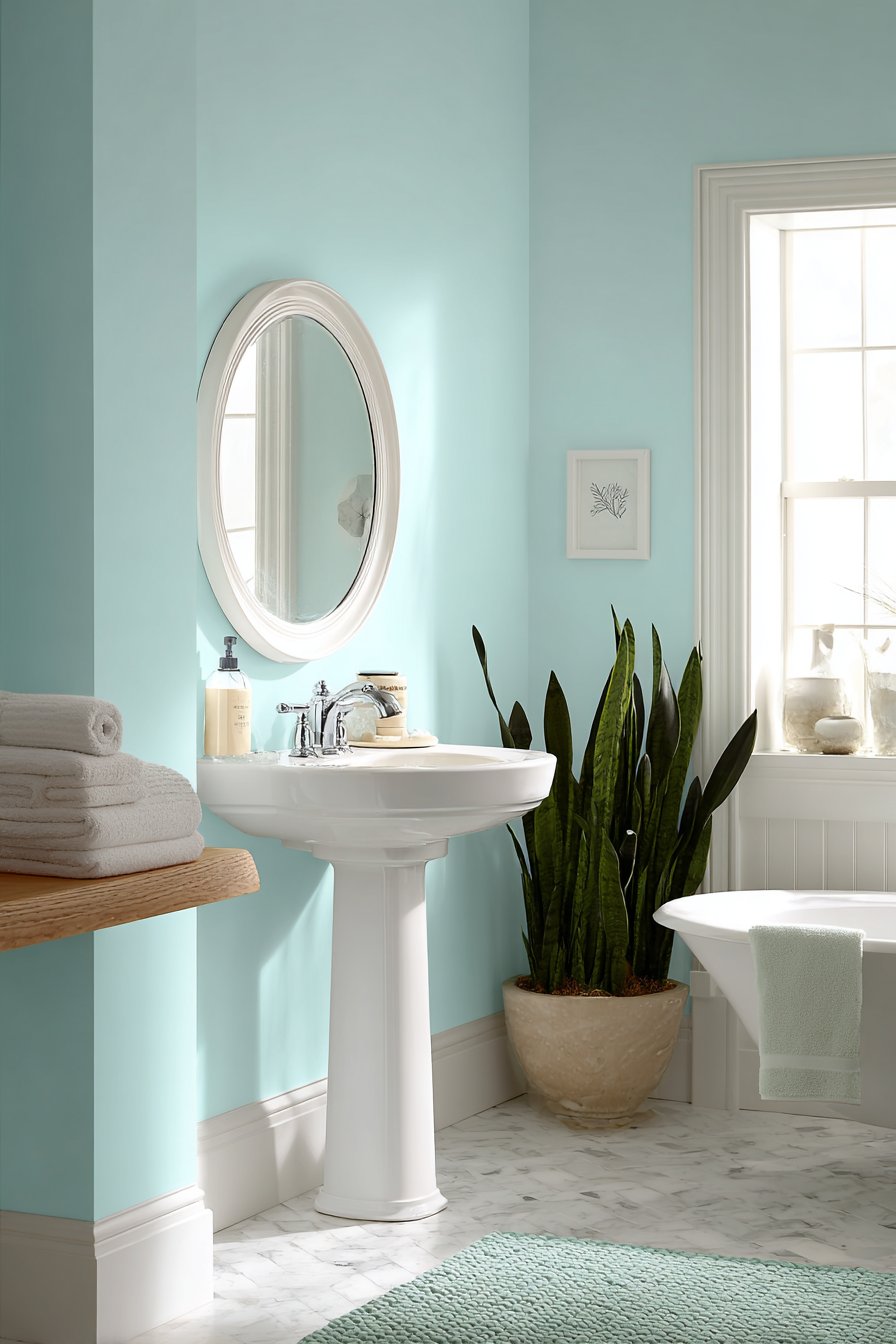
Green offers another excellent option with its calming properties and connection to nature. Soft sage, mint, or seafoam greens bring freshness to small bathrooms while maintaining the space-enhancing qualities of cool colors. These shades work especially well in bathrooms with limited natural light, adding vibrancy without darkness.
- Test cool colors in both natural and artificial lighting conditions
- Choose lighter values of cool colors rather than saturated versions
- Combine cool wall colors with warm metallic fixtures for balance
- Use glossy finishes with cool colors to maximize light reflection
- Consider color intensity based on your bathroom’s natural light levels
- Pair cool walls with white or cream accents for optimal brightness
3. Utilize Strategic Accent Walls
While painting all walls the same light color works well, a thoughtfully placed accent wall can add personality without sacrificing spaciousness. The key lies in choosing which wall to accent and selecting an appropriate color that enhances rather than overwhelms. The wall behind the vanity or the one opposite the door typically works best.
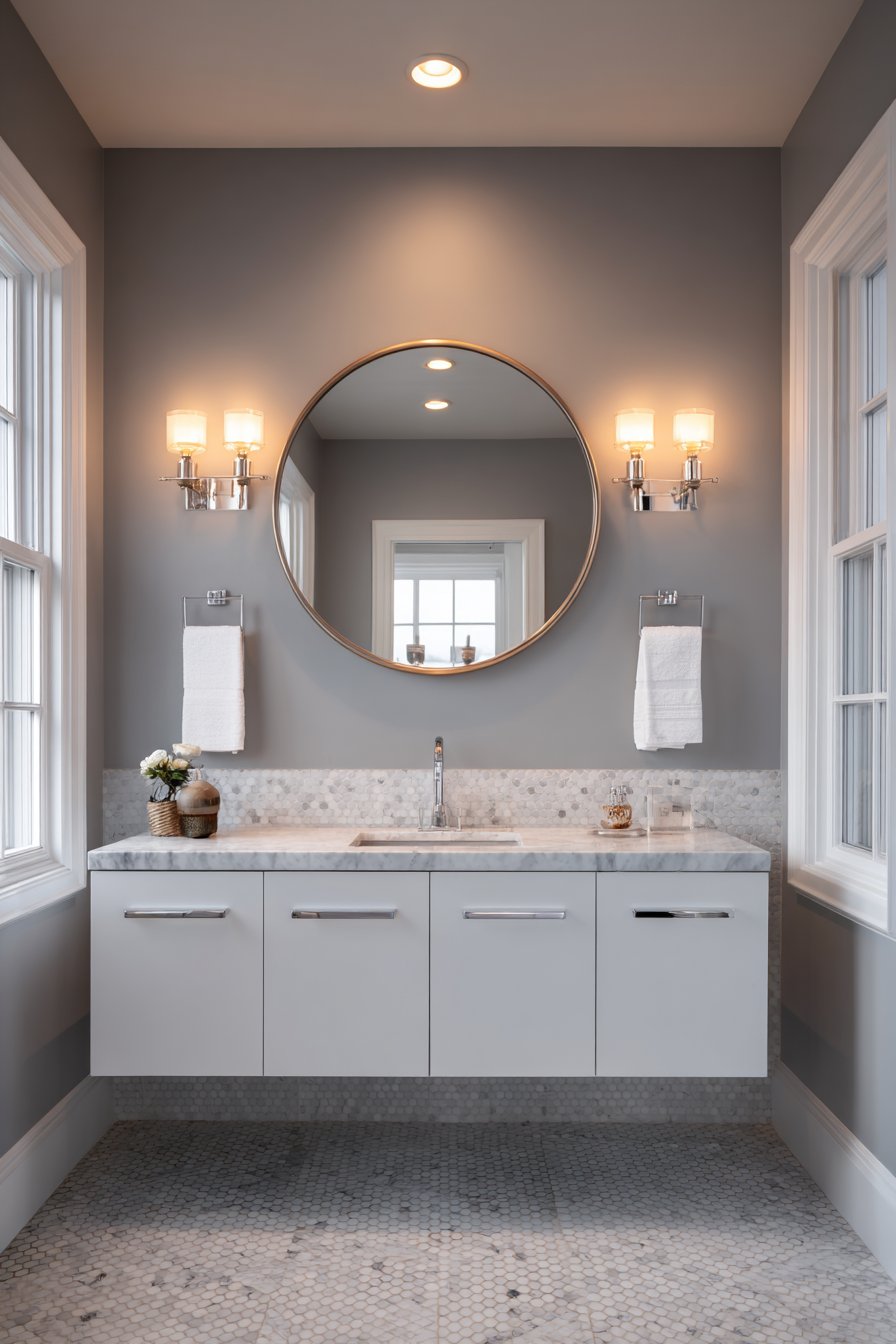
Accent walls create depth by drawing the eye to a focal point while maintaining overall brightness. Choose a shade that’s two to three tones darker than your main wall color for cohesion. This technique adds visual interest and dimension that prevents the space from feeling monotonous while avoiding the claustrophobia darker colors create.
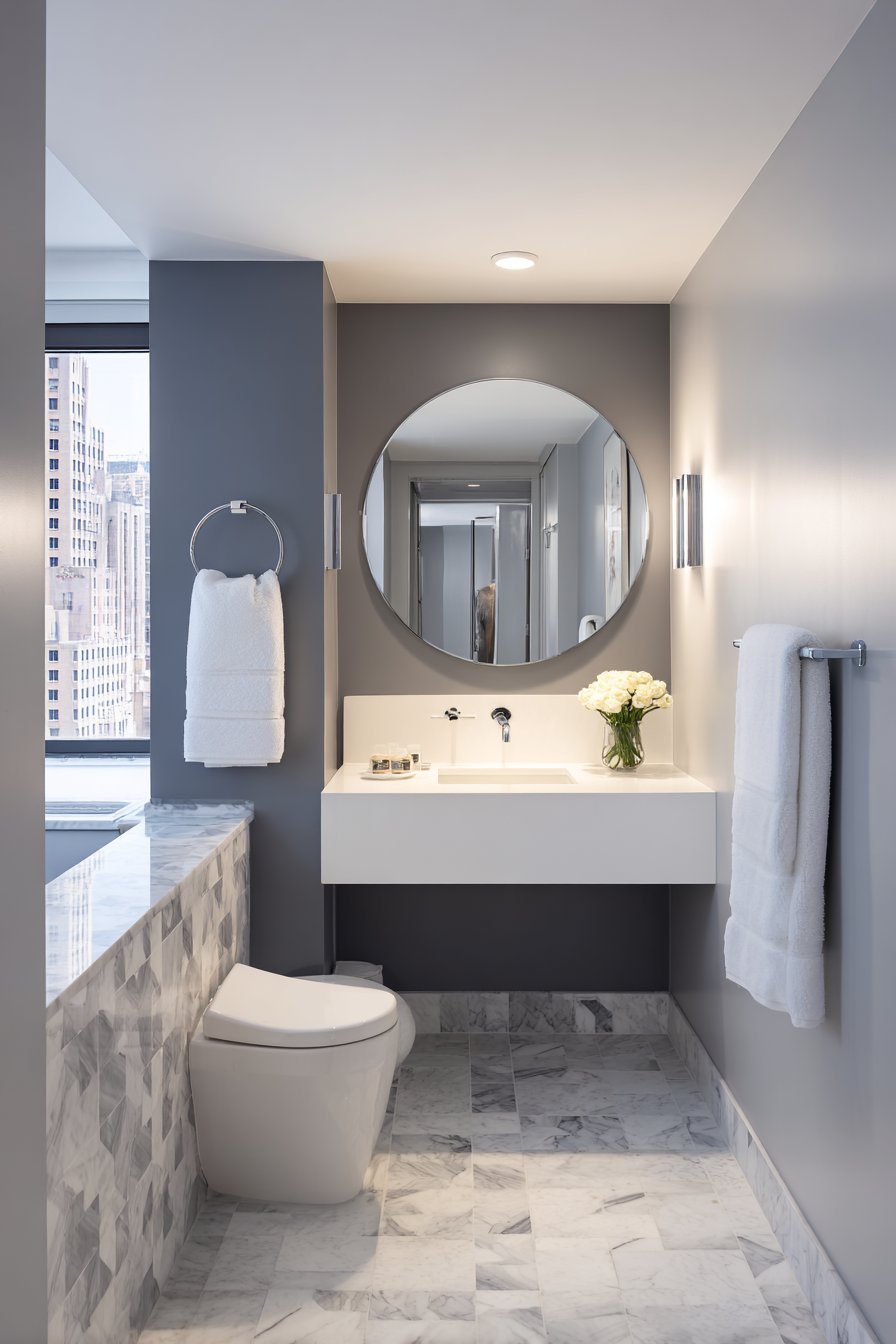
Consider using the accent wall to highlight architectural features or beautiful fixtures. If your bathroom has a stunning vanity or decorative mirror, a subtle accent wall behind it creates a gallery-like effect. This approach makes the room feel intentionally designed rather than simply painted.
- Limit accent walls to one per small bathroom to avoid visual chaos
- Choose the wall with the best architectural features or fixtures
- Keep accent colors within the same color family as main walls
- Use matte finish on accent walls and semi-gloss on other walls
- Test how accent color looks with existing tile and fixtures
- Consider removable wallpaper as an alternative to paint for flexibility
4. Maximize Light Reflection with Finish Selection
Paint finish plays a crucial role in how spacious your bathroom feels, yet it’s often overlooked. High-gloss and semi-gloss finishes reflect significantly more light than matte or eggshell options, making them ideal for small spaces. The reflective quality bounces light around the room, creating brightness and the illusion of expanded square footage.
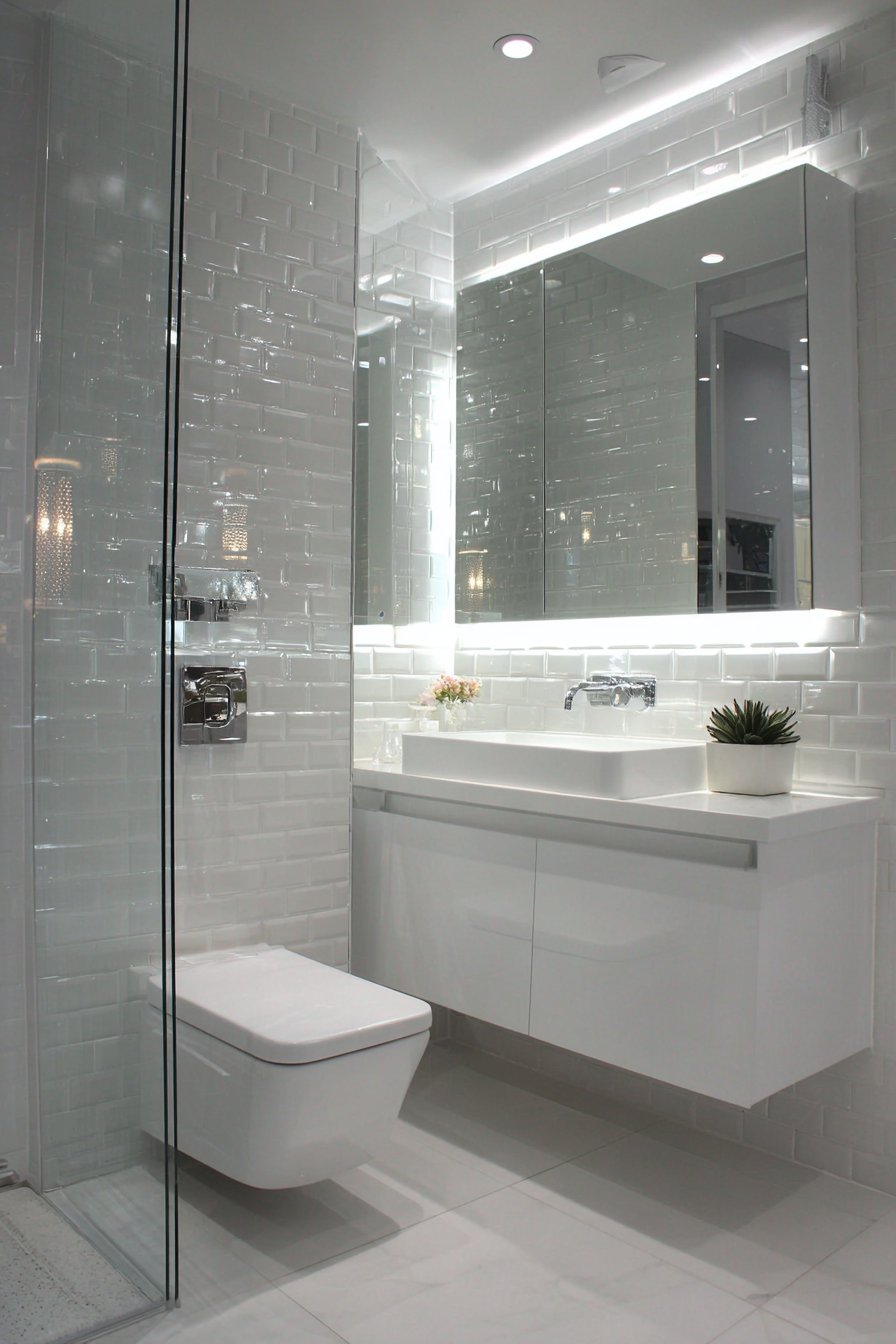
Moisture resistance makes glossier finishes particularly practical for bathrooms. These finishes withstand humidity better than flat paints and are easier to clean. The combination of functionality and space-enhancing properties makes semi-gloss the optimal choice for most small bathrooms.
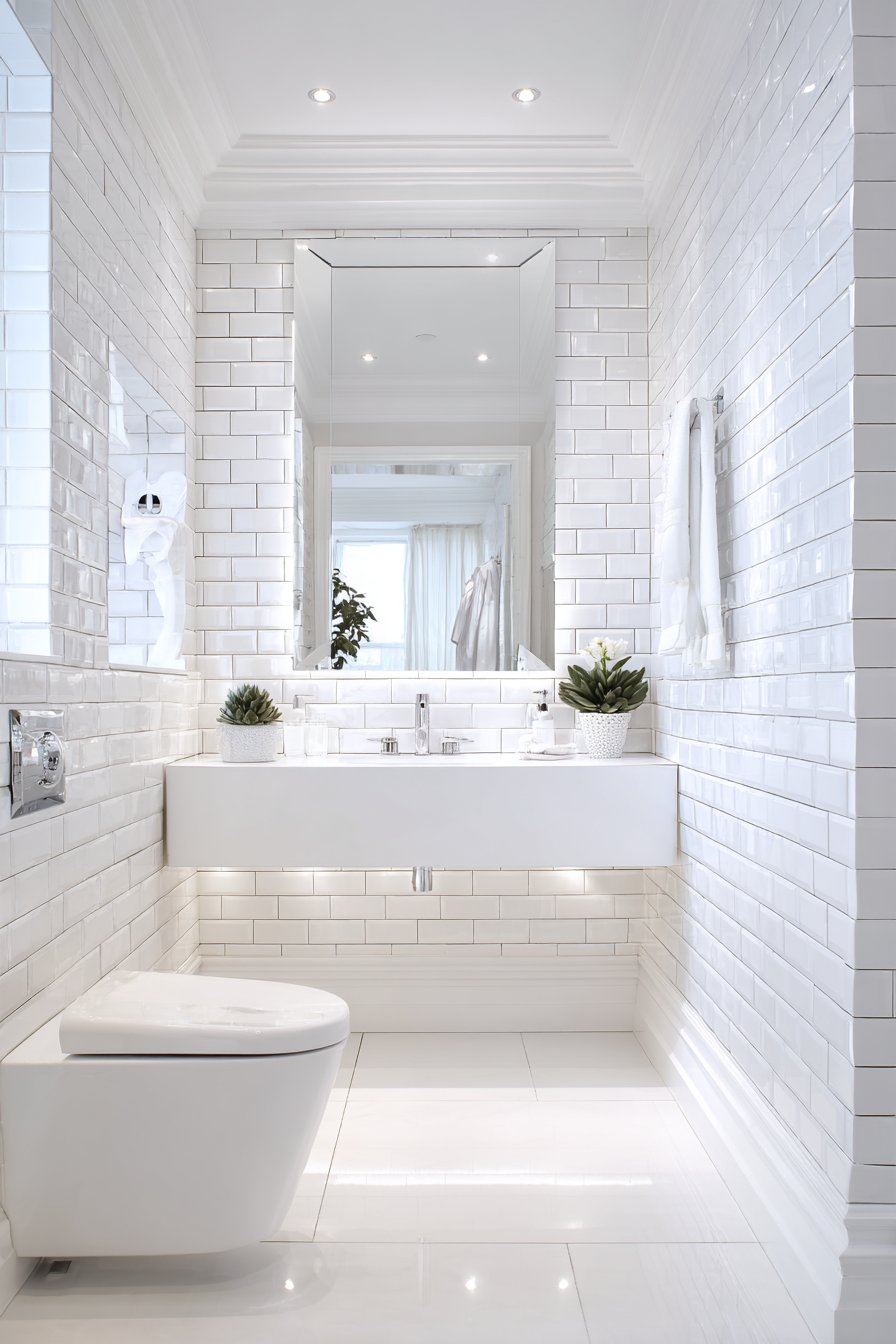
Balance is important when selecting finishes throughout the space. Using semi-gloss on walls and high-gloss on trim creates subtle contrast while maximizing light reflection. This layered approach adds sophistication without introducing visual heaviness that could make the room feel smaller.
- Choose semi-gloss for walls in small bathrooms for best results
- Use high-gloss on trim, doors, and ceiling for maximum light bounce
- Avoid flat or matte finishes which absorb light and make spaces darker
- Test finish samples alongside color samples for accurate visualization
- Consider high-gloss on all surfaces in very tiny powder rooms
- Maintain consistent finish levels across all walls for seamless appearance
5. Create Continuity with Monochromatic Schemes
Monochromatic color schemes using varying shades of one color eliminate visual breaks that make spaces feel fragmented. When walls, ceiling, and trim share similar tones, the eye travels smoothly without interruption. This continuous flow makes boundaries less defined, effectively expanding the room’s perceived size.
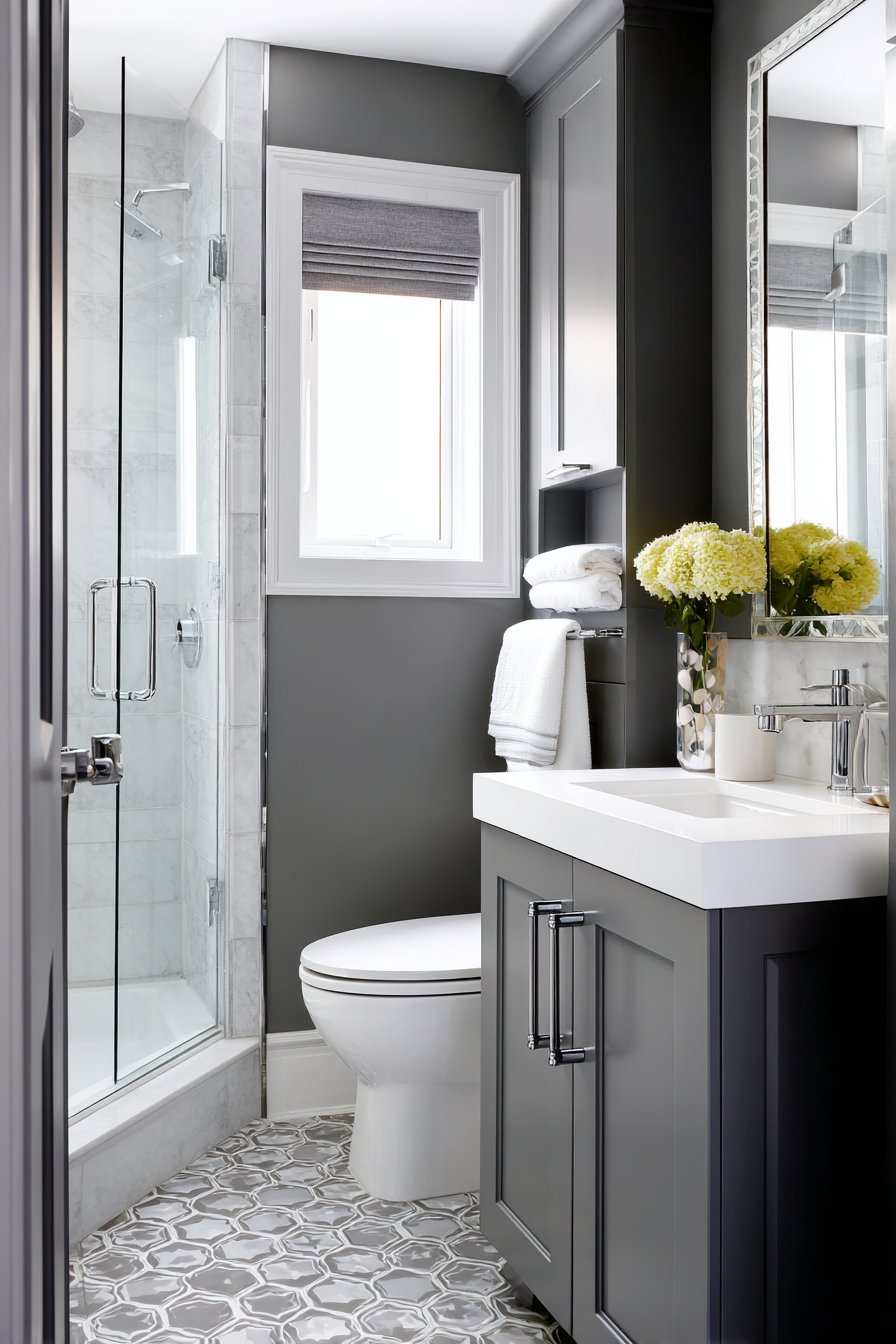
Tonal variation within a monochromatic scheme adds subtle interest without sacrificing spaciousness. Paint walls in a medium tone, ceiling slightly lighter, and trim in the lightest shade. This graduated approach maintains the benefits of monochromatic design while preventing flatness and adding sophisticated dimension.
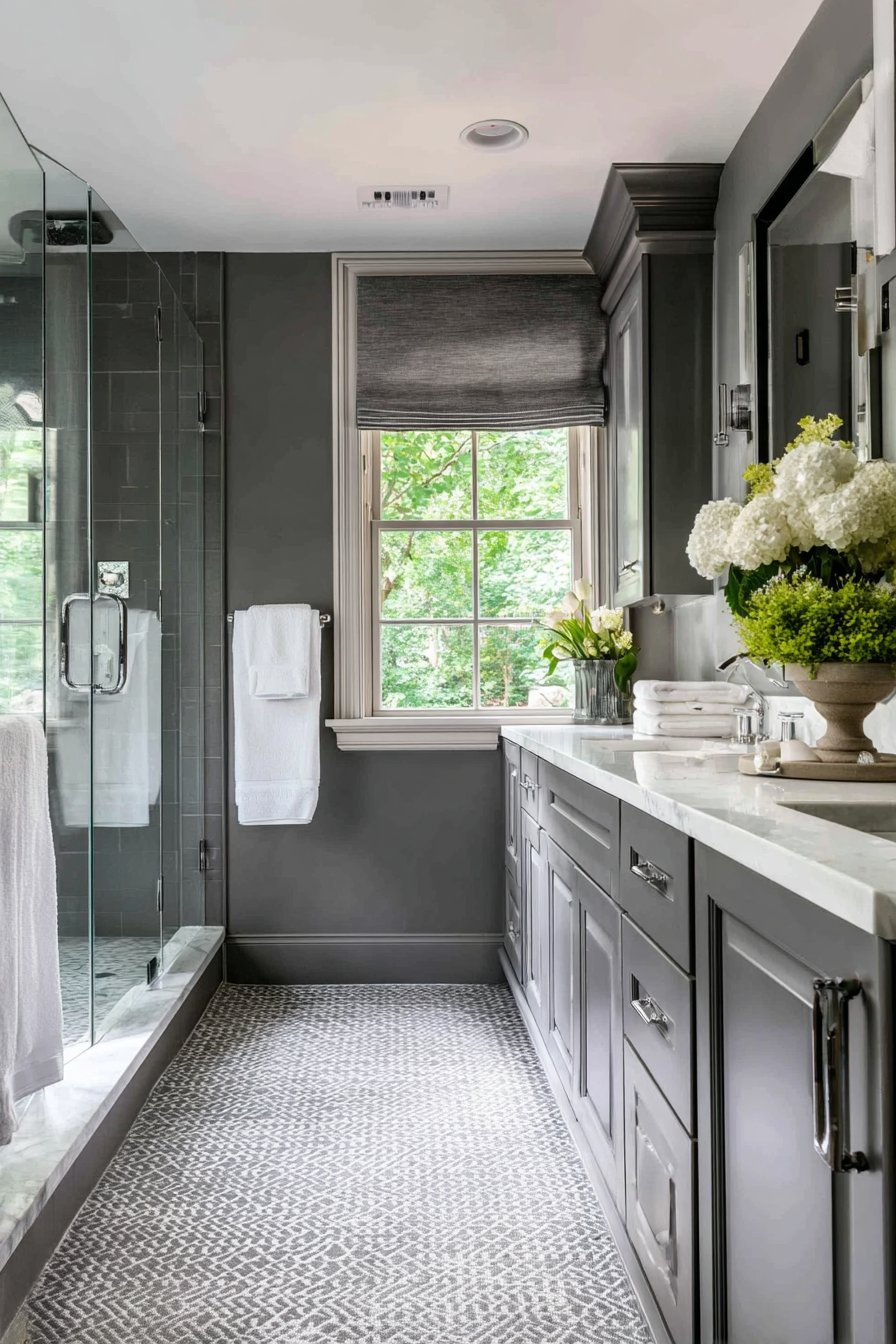
The psychological impact of cohesive color schemes creates a sense of calm and order. Small bathrooms can feel chaotic when multiple colors compete for attention. A unified palette establishes serenity and makes the space feel more luxurious despite limited square footage.
- Select three shades from the same color card for cohesive results
- Paint ceiling the lightest shade to enhance height perception
- Use medium tone on walls as the dominant color
- Apply darkest shade sparingly on trim or lower portions only
- Ensure at least 10-15% difference between shades for subtle definition
- Test the complete scheme together before painting to verify harmony
6. Consider the Impact of Natural and Artificial Lighting
Understanding your bathroom’s lighting conditions is fundamental to choosing successful paint colors. North-facing bathrooms with limited natural light need different color strategies than bright, south-facing spaces. Colors appear dramatically different depending on light source, making assessment critical before final selection.
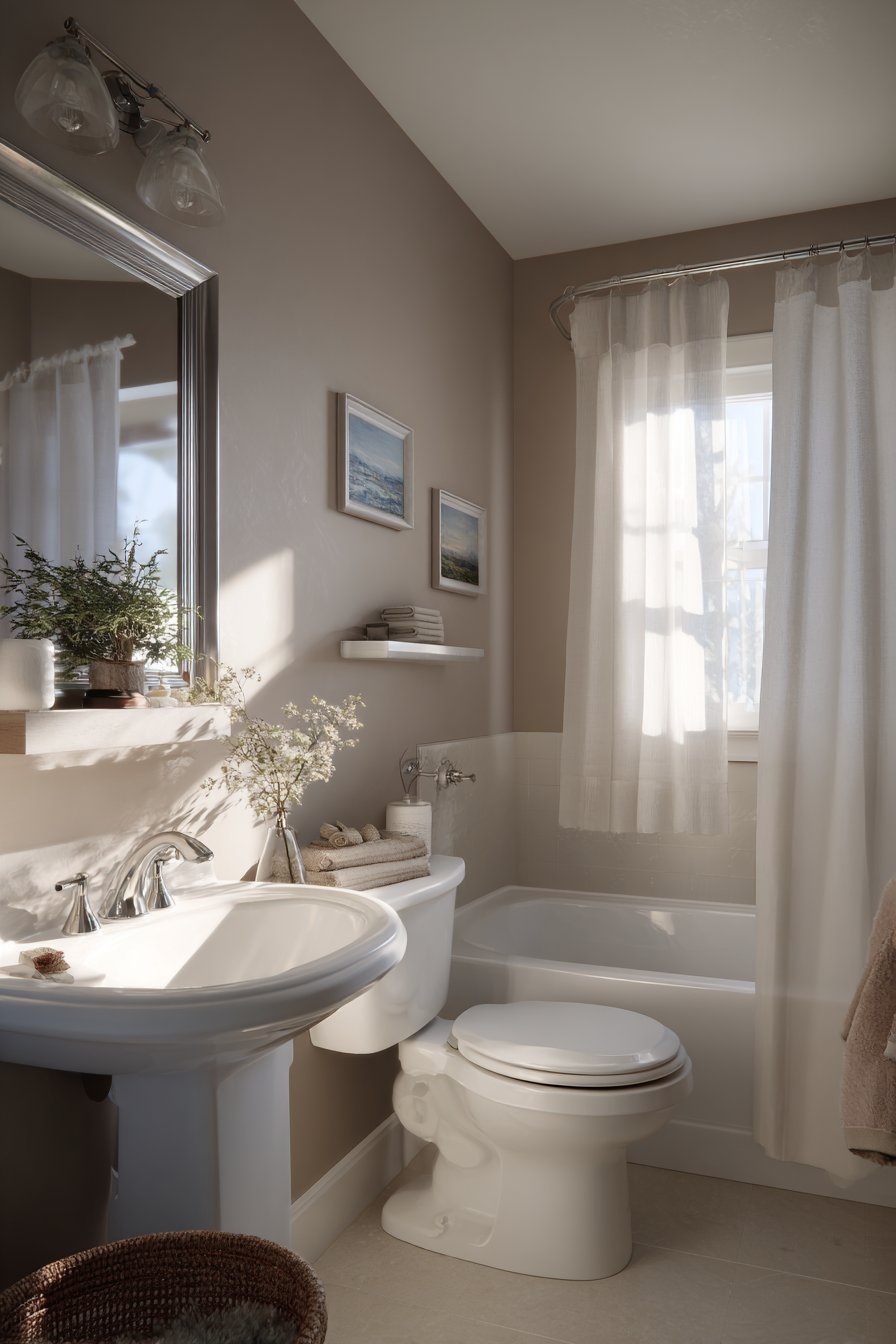
Natural light changes throughout the day, affecting how colors read in your space. Morning light tends cooler and bluer, while afternoon sun creates warmer tones. Paint samples should be observed at different times to understand how colors shift. This prevents disappointment after you’ve committed to a full paint job.
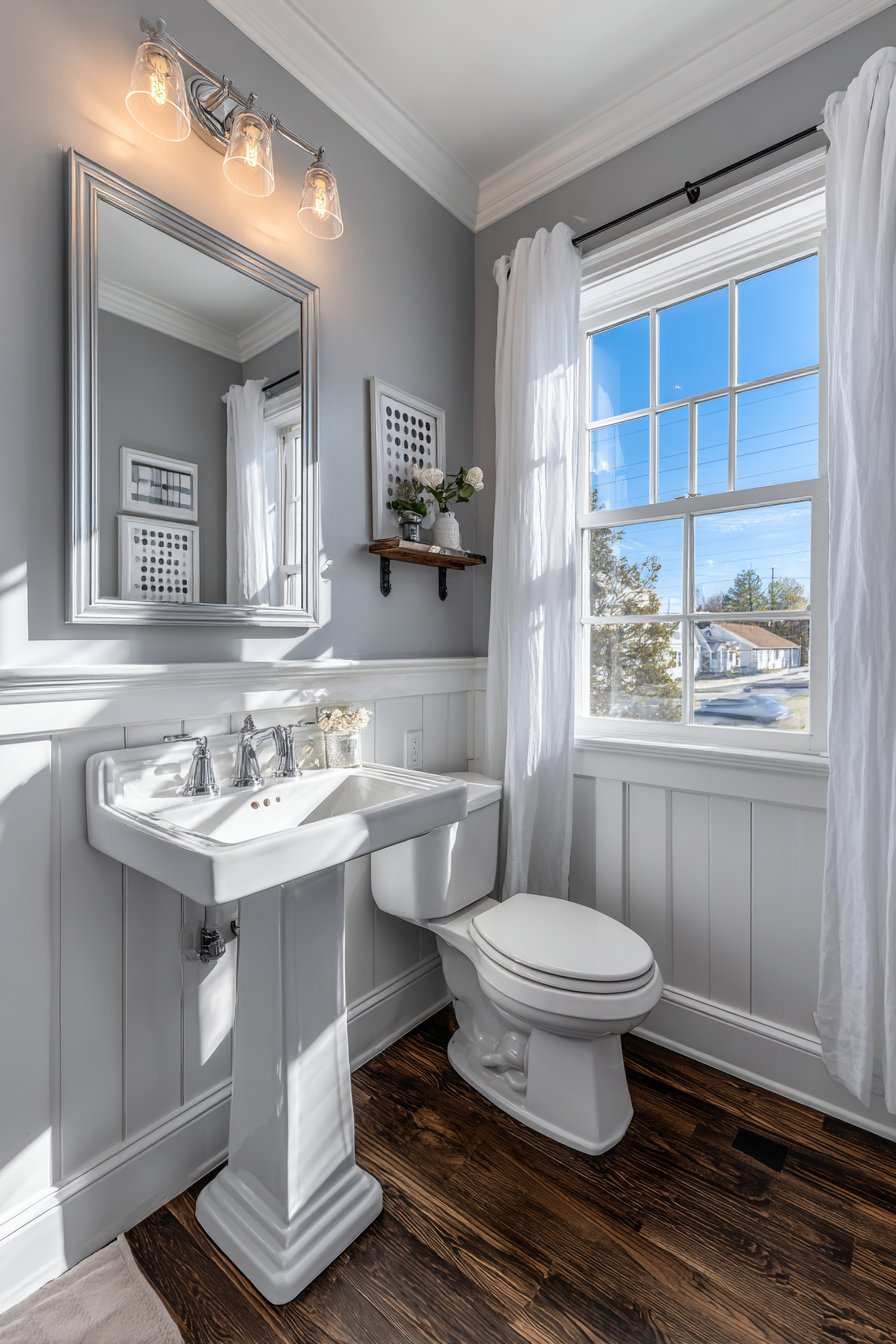
Artificial lighting equally impacts color perception and must factor into your decision. Warm LED bulbs enhance yellows and reds while muting blues and greens. Cool LED lighting does the opposite, intensifying blues while dulling warm tones. Match your paint choice to your lighting type for optimal results.
- Paint large samples directly on bathroom walls rather than using small chips
- Observe samples for at least 48 hours in all lighting conditions
- Note how colors look in morning, afternoon, and evening light
- Test colors with bathroom lights on and off during daylight
- Consider installing daylight-balanced bulbs for the truest color rendering
- Remember, artificial light becomes more important in windowless bathrooms
Conclusion
Choosing paint colors for small bathrooms requires balancing aesthetic preferences with space-enhancing strategies. By embracing light-reflective colors, cool tones, strategic accents, appropriate finishes, monochromatic schemes, and lighting considerations, you create a bathroom that feels significantly larger than its actual dimensions. These professional techniques transform cramped quarters into comfortable, stylish spaces.
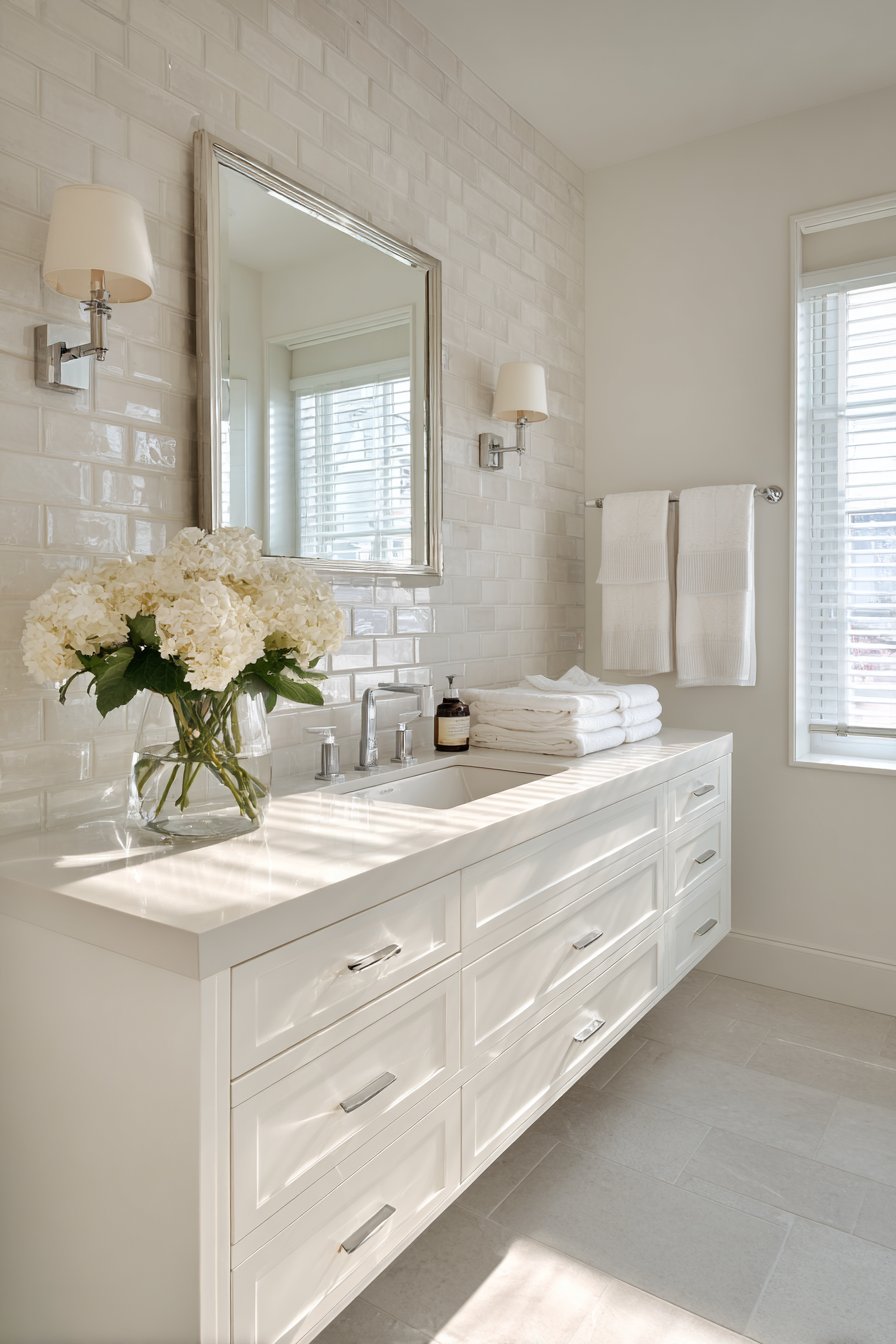
The beauty of paint lies in its transformative power and accessibility. Experimentation costs little compared to other renovations, making it the perfect starting point for small bathroom improvements. Trust the guidelines presented here, but don’t be afraid to test colors that speak to your personal style. Your small bathroom can become a stunning sanctuary that defies its limited square footage through thoughtful color selection.
