


Choosing a kitchen style is one of the most significant decisions in home design. The kitchen serves as the heart of your home, where functionality meets aesthetics. Your choice between traditional and modern styles will influence not only the visual appeal but also how you experience daily cooking and gathering. This decision reflects your personality, lifestyle needs, and long-term vision for your living space.
Understanding the fundamental differences between these two popular styles empowers you to make informed choices. Traditional kitchens evoke timeless elegance and warmth, while modern designs emphasize clean lines and efficiency. Each approach offers unique benefits that cater to different preferences. This comprehensive guide will walk you through essential considerations, helping you identify which style resonates with your vision and practical requirements.
The journey to your perfect kitchen begins with examining your lifestyle, budget, and aesthetic preferences. Whether you’re drawn to ornate details or minimalist simplicity, this article provides actionable insights. We’ll explore key factors including spatial considerations, material choices, color palettes, and long-term value. By the end, you’ll have clarity on which direction serves your home best. See our minimalist kitchen ideas for more direction in this style.
1. Understanding Your Lifestyle and Daily Habits
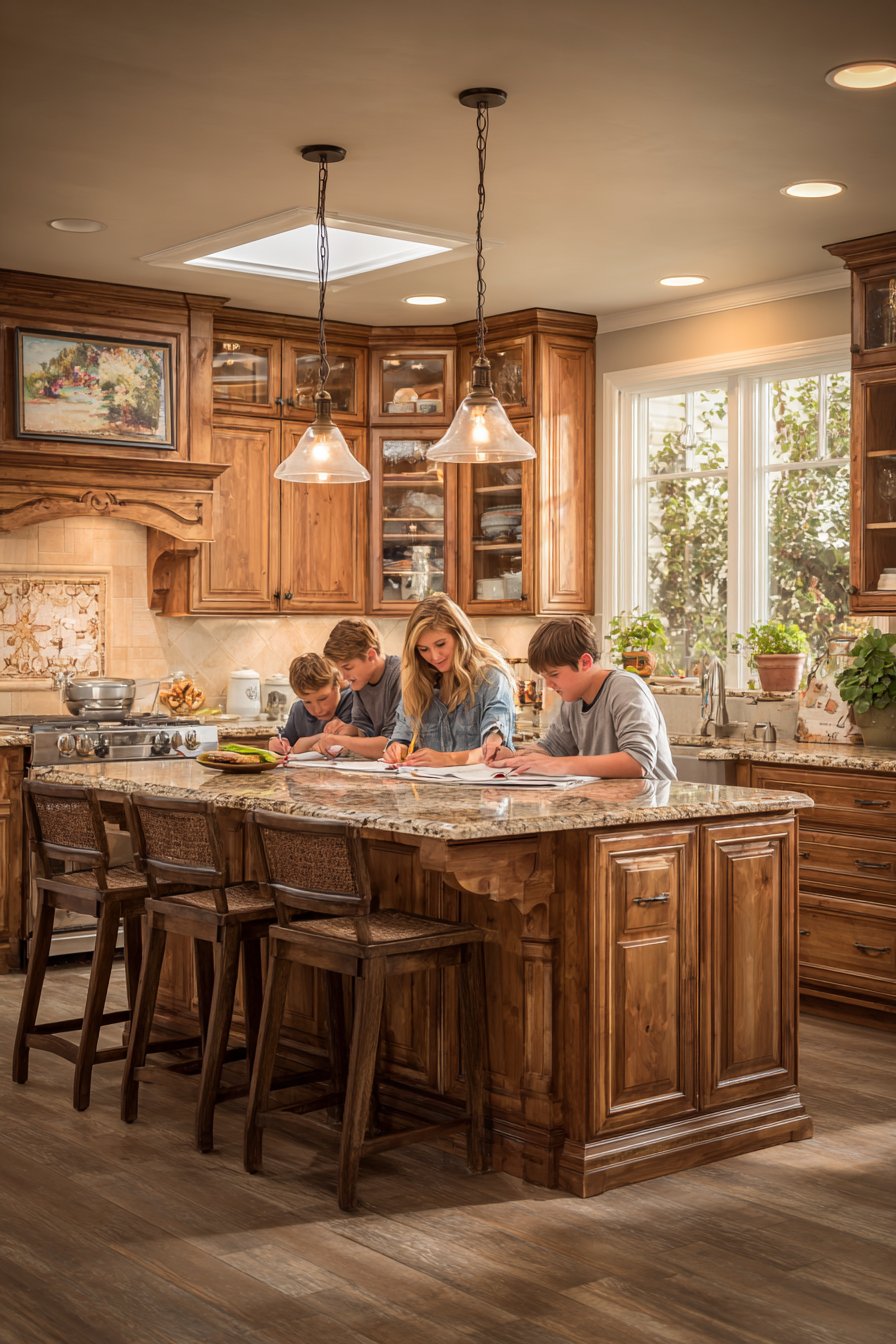
Your daily routine should drive your kitchen style decision. Consider how you use your kitchen beyond basic meal preparation. Families who entertain frequently may prefer the welcoming atmosphere of traditional designs with ample seating. Busy professionals might value the streamlined efficiency of modern kitchens with minimal visual clutter.
Think about your cooking style and storage needs carefully. Traditional kitchens typically offer more concealed storage options behind decorative cabinet doors. Modern designs often incorporate open shelving and glass-front cabinets for display. If you own extensive cookware collections or prefer hidden storage, traditional styles provide better solutions. Minimalists who embrace visible organization may find modern designs more suitable. Our dark cabinet kitchen ideas guide has more inspiration along these same lines.
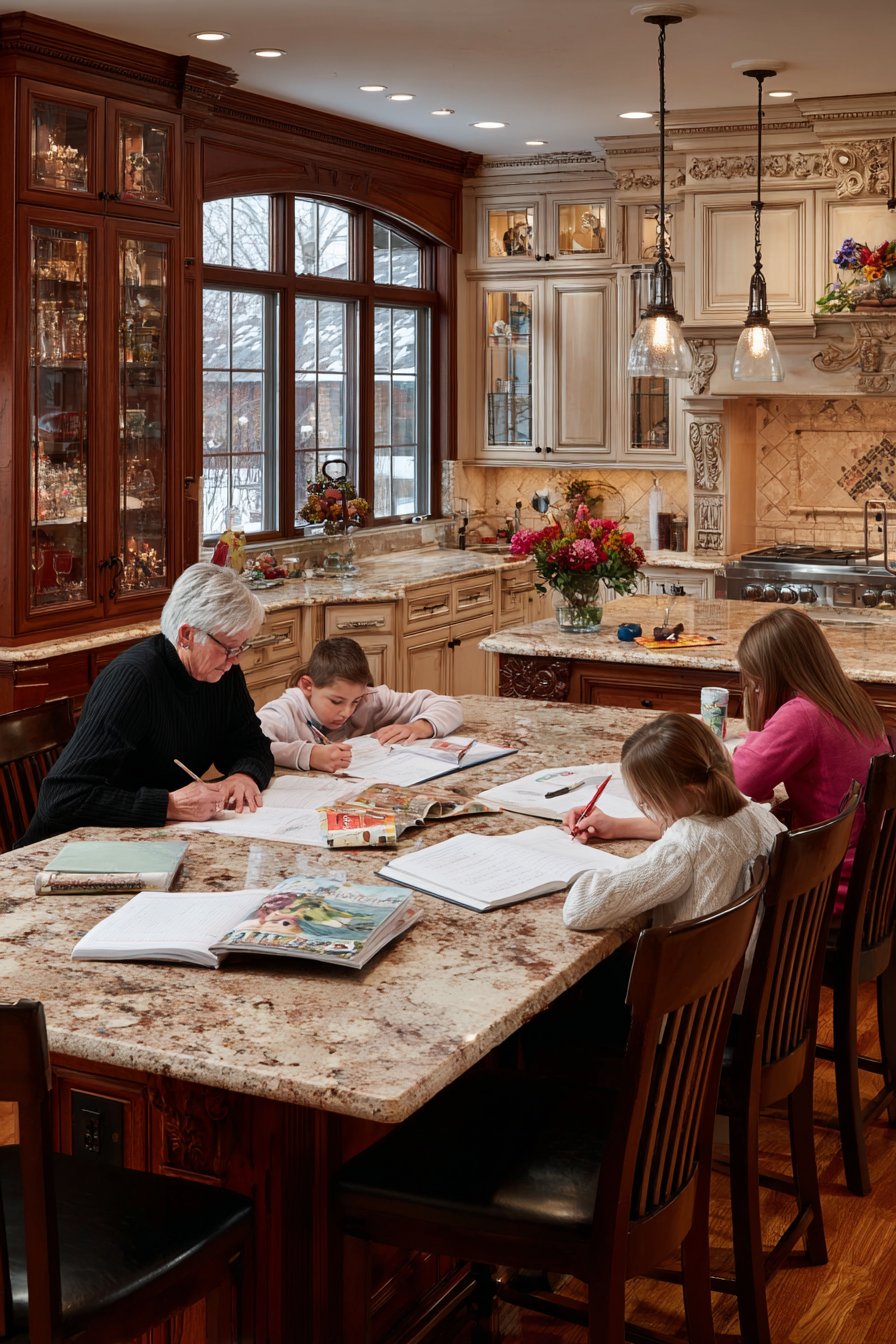
Evaluate your maintenance preferences and available time for upkeep. Traditional kitchens with intricate moldings and decorative elements require more detailed cleaning. Modern surfaces with smooth finishes and fewer embellishments simplify maintenance routines. Consider whether you enjoy the process of caring for ornate details or prefer quick, efficient cleaning sessions.
- Assess how many people regularly use your kitchen space
- Consider whether you cook elaborate meals or prefer quick preparation
- Evaluate your tolerance for visible items versus concealed storage
- Think about your willingness to maintain decorative elements
- Determine if entertaining guests is a priority in your home
- Reflect on whether you prefer cozy warmth or sleek sophistication
2. Analyzing Your Home’s Architectural Character
Your existing home architecture provides important style guidance. Homes built before 1950 typically feature architectural details that complement traditional kitchen designs. Crown molding, wainscoting, and period-specific trim work harmonize beautifully with traditional cabinetry. Modern kitchens can work in older homes but may require careful integration to avoid stylistic conflicts.
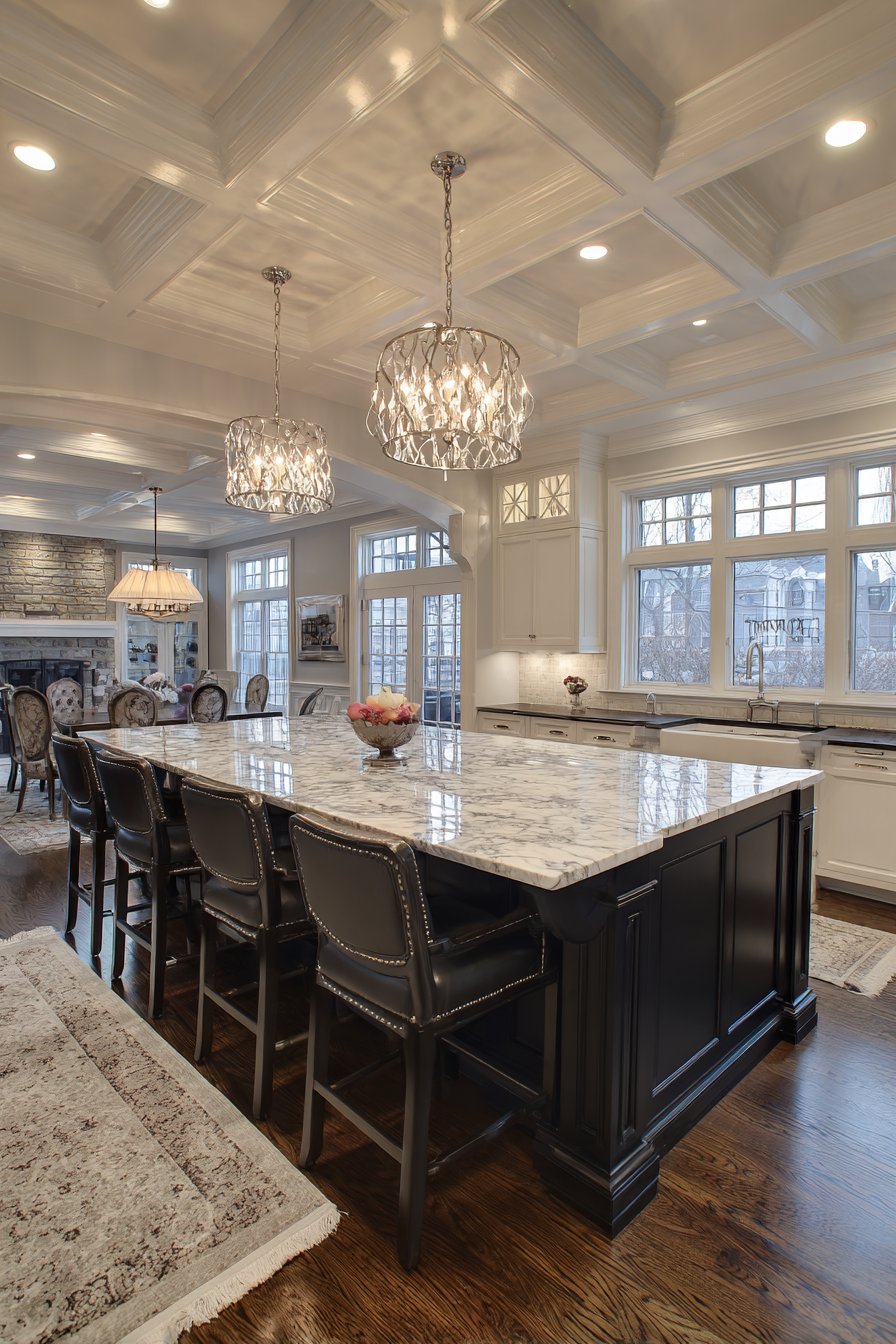
Contemporary homes with open floor plans naturally accommodate modern kitchen styles. The horizontal lines and minimal ornamentation of modern design complement contemporary architecture seamlessly. Large windows, high ceilings, and flowing spaces enhance modern aesthetics. Traditional designs can still work but may feel mismatched without thoughtful transitional elements.
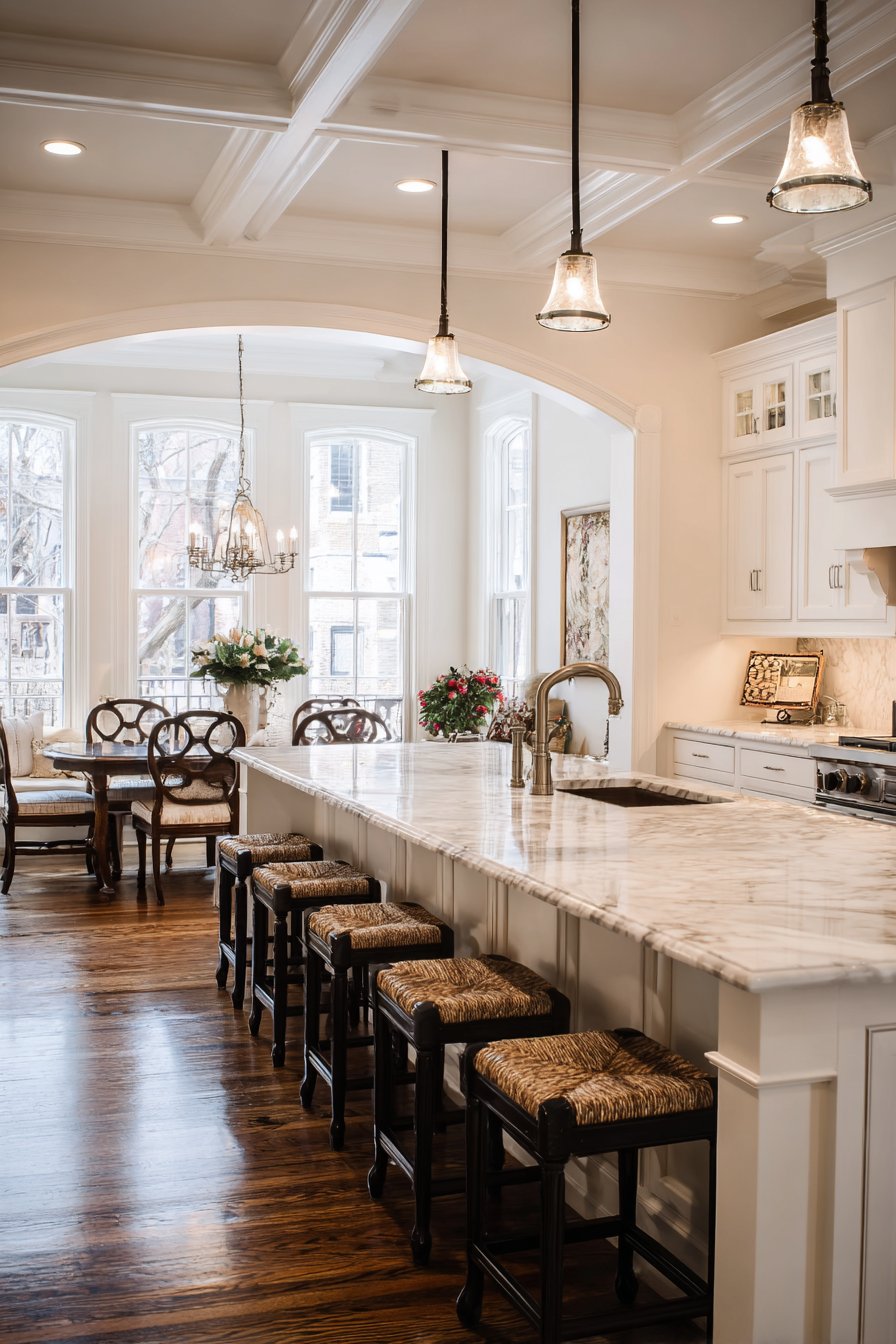
Consider the visual flow between adjacent rooms in your home. Maintaining stylistic consistency throughout your living spaces creates cohesive design. If your living and dining areas feature traditional furniture and decor, a modern kitchen may create jarring transitions. Conversely, contemporary furnishings pair naturally with modern kitchen designs. Transitional styles offer middle ground for mixed aesthetics.
- Examine existing trim work, moldings, and architectural features throughout your home
- Evaluate the age and original design intent of your house
- Consider ceiling heights and natural light availability in your kitchen
- Assess how visible your kitchen is from other living spaces
- Determine if you’re willing to renovate adjacent areas for consistency
- Think about resale value and buyer expectations for your neighborhood
3. Budget Considerations and Long-Term Investment
Traditional kitchens often require higher initial investment due to custom cabinetry and detailed craftsmanship. Ornate crown moldings, furniture-style islands, and decorative hardware add costs. Quality traditional materials like solid wood cabinetry and natural stone countertops represent significant expenses. However, these timeless designs maintain appeal across decades, potentially offering better long-term value.
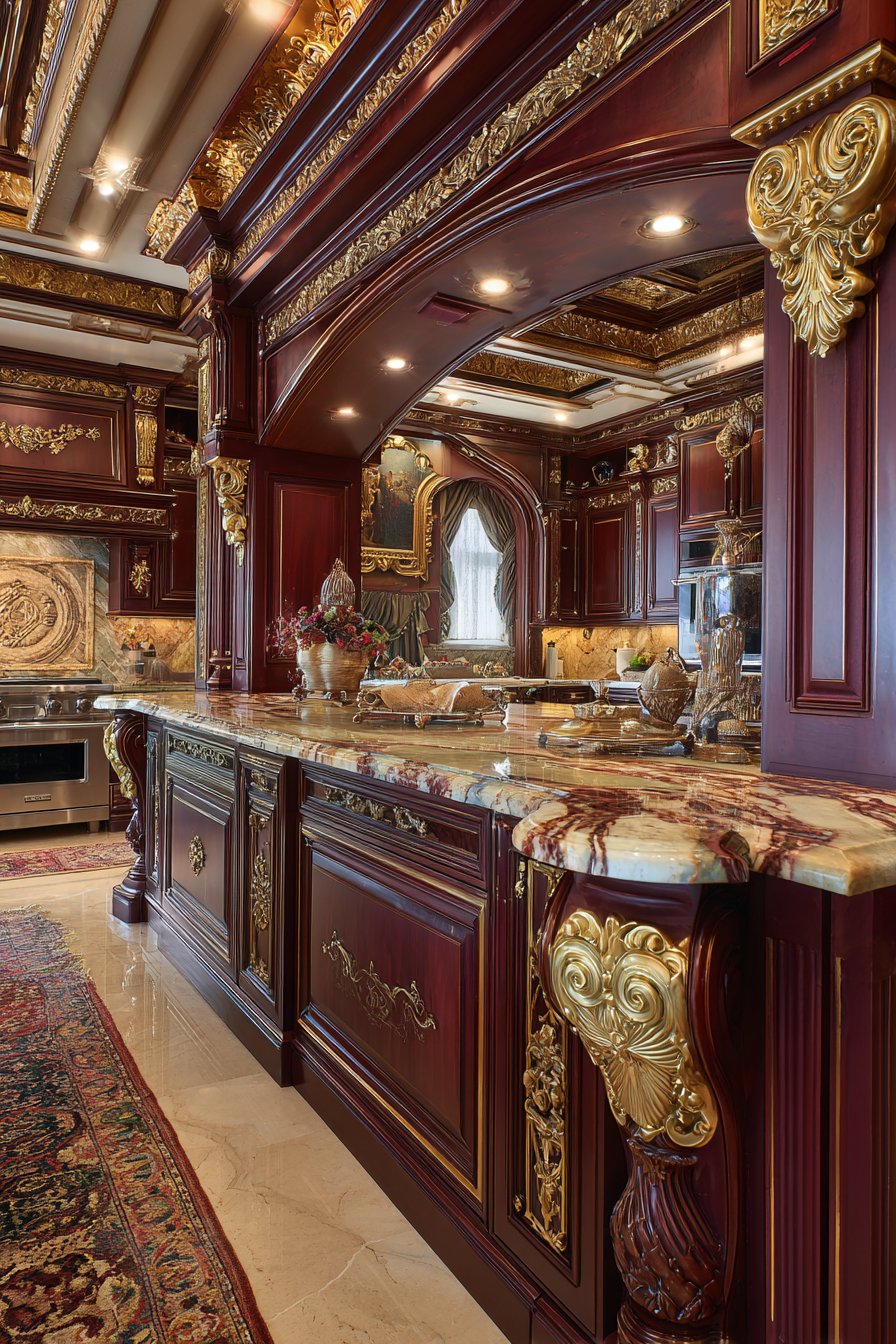
Modern kitchens can range from budget-friendly to extremely expensive depending on finishes. Simple slab-door cabinets cost less than traditional raised-panel options. However, high-end modern materials like integrated appliances, handleless cabinetry, and engineered stone can exceed traditional costs. The minimalist aesthetic often demands perfect execution, making professional installation essential.
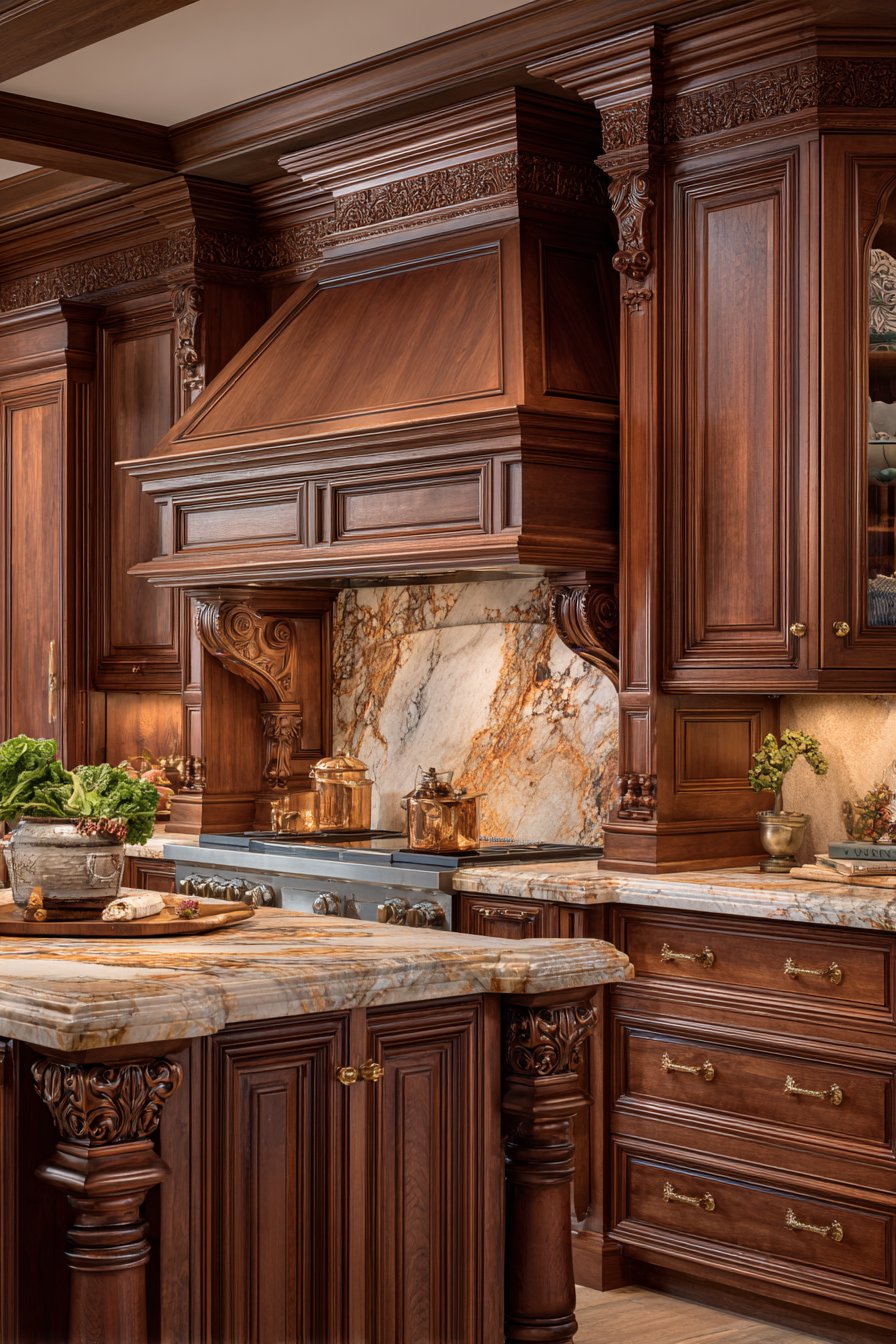
Consider maintenance and replacement costs over your kitchen’s lifespan. Traditional styles use proven materials with established replacement parts availability. Modern designs featuring cutting-edge technology may face obsolescence challenges. Trendy finishes popular today could appear dated within fifteen years. Traditional designs historically demonstrate better longevity in terms of perceived style and material durability.
- Create detailed budgets including materials, labor, and unexpected expenses
- Research average costs for both styles in your geographic area
- Factor in potential resale value improvements for your neighborhood
- Consider whether you plan to stay in your home long-term
- Evaluate appliance costs and integration requirements for each style
- Set aside contingency funds for design changes during renovation
4. Color Palette and Material Preferences
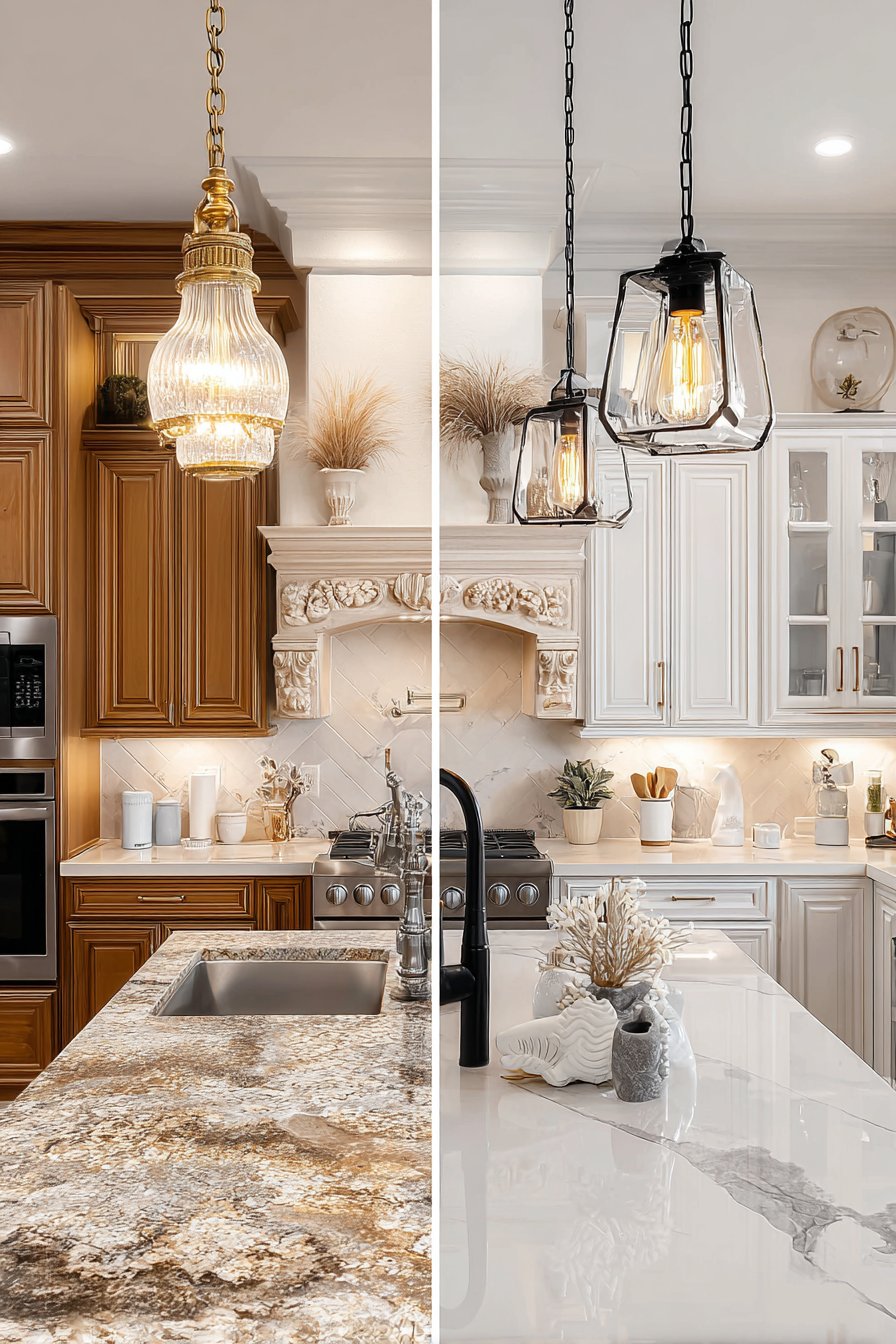
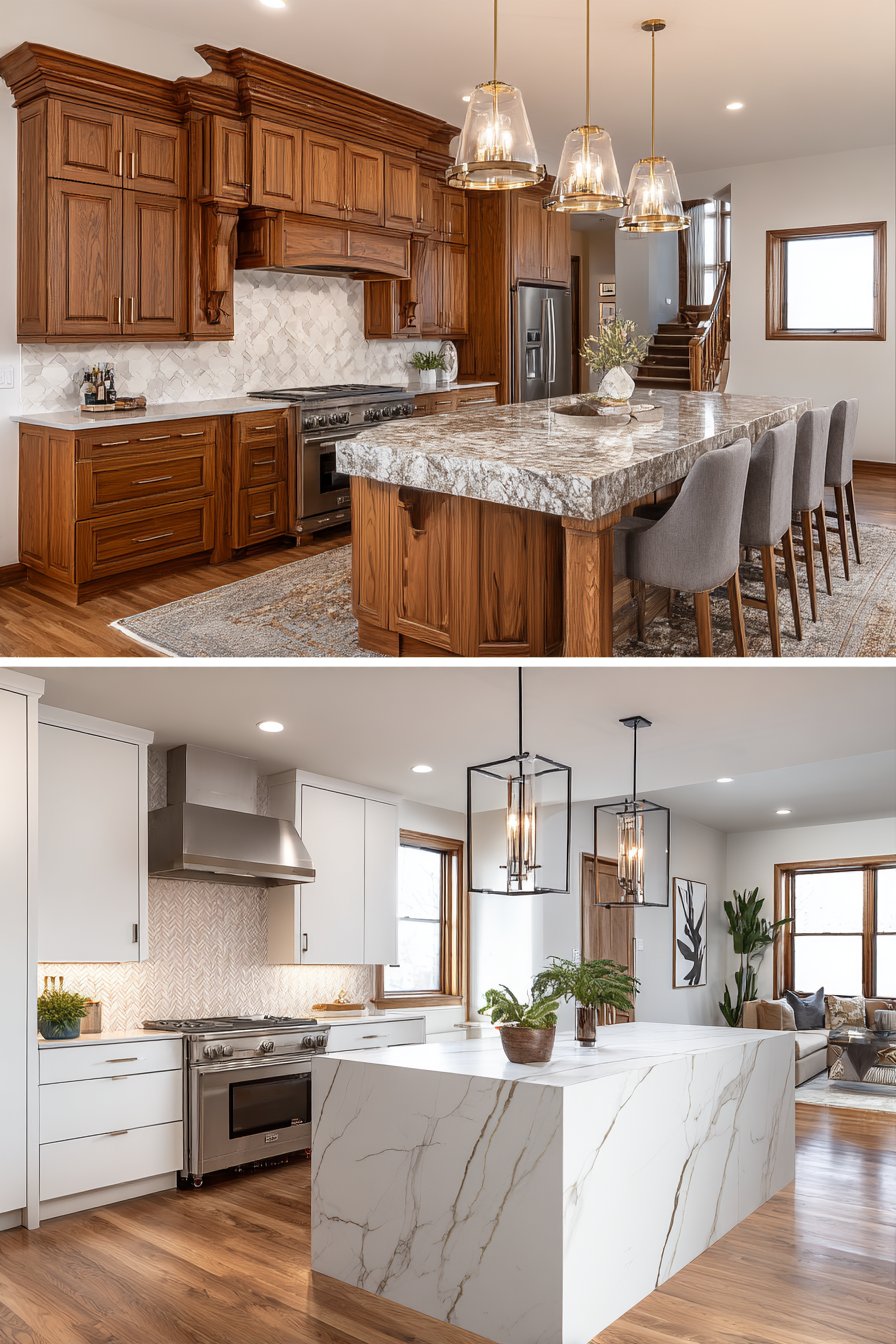
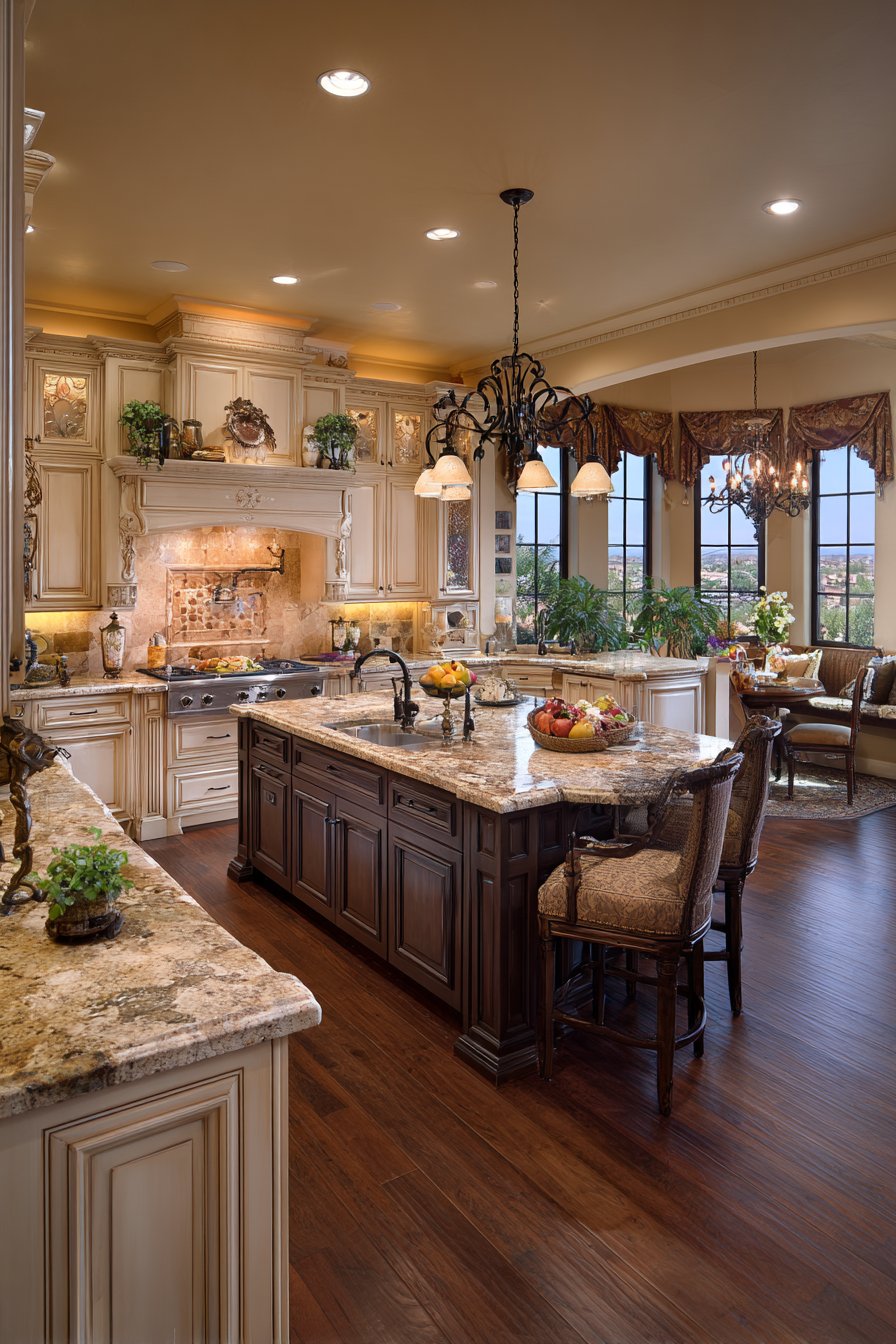
Traditional kitchens embrace warm, rich color palettes featuring creams, beiges, and earth tones. Wood cabinetry in cherry, maple, or oak creates inviting atmospheres. Natural materials including granite, marble, and tumbled stone add textural interest. Traditional designs incorporate multiple complementary finishes creating layered, complex visual experiences.
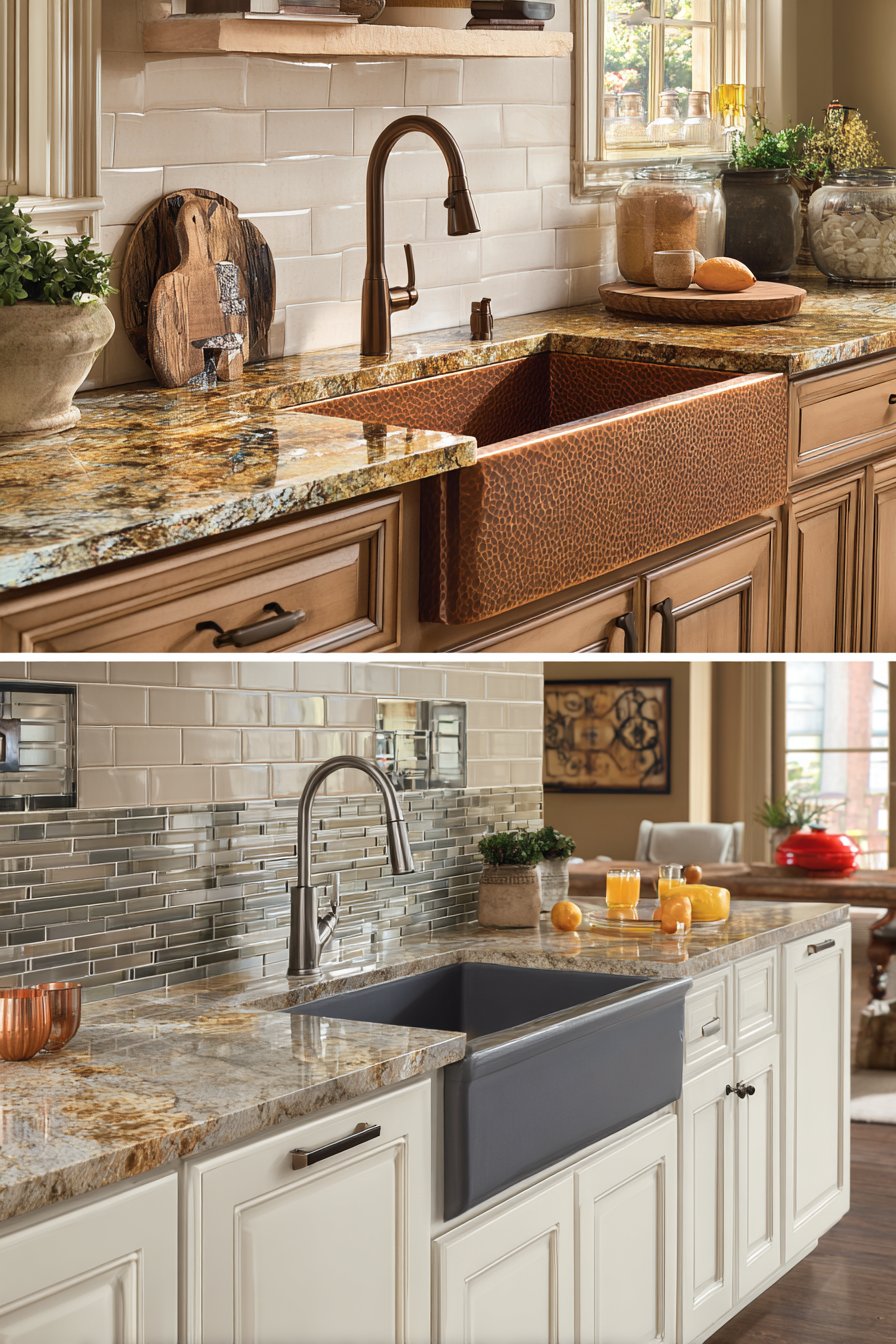
Modern kitchens favor neutral or monochromatic schemes with whites, grays, and blacks dominating. Bold accent colors appear sparingly as intentional focal points. Materials emphasize smooth surfaces including quartz, stainless steel, and glass. The modern aesthetic values material honesty , showcasing each element’s inherent properties without disguise. Our white and gold kitchen ideas has more inspiration along these same lines.
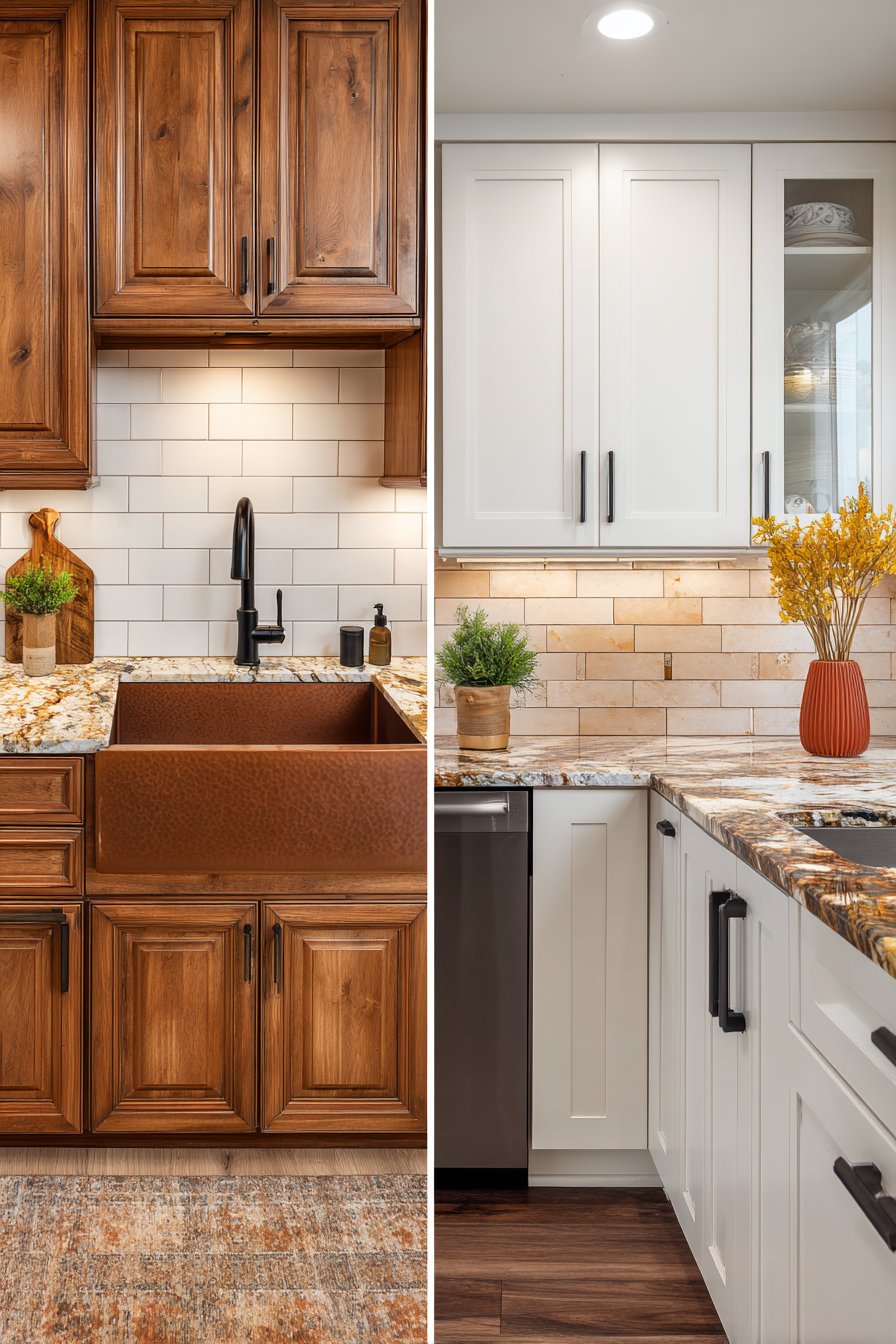
Your personal color preferences strongly indicate which style suits you better. If you’re drawn to cozy, warm environments with varied textures, traditional designs align with your taste. Those who appreciate minimalist elegance and clean visual fields find modern designs more appealing. Consider how colors affect your mood and energy levels throughout the day.
- Collect inspiration images reflecting colors that resonate with you emotionally
- Consider how natural light affects color perception in your space
- Think about whether you prefer uniform or varied material combinations
- Evaluate your willingness to embrace bold design choices versus safe classics
- Assess how color trends influence your decision-making process
- Determine if you want timeless neutrals or contemporary statement colors
5. Storage Solutions and Functional Layout
Traditional kitchens excel at concealed storage with full-height cabinetry reaching ceilings. Decorative moldings hide the transition between cabinets and ceiling. Deep drawers, pull-out shelves, and specialized organizers maximize usable space. The work triangle concept historically guided traditional layouts, prioritizing efficient movement between sink, stove, and refrigerator.
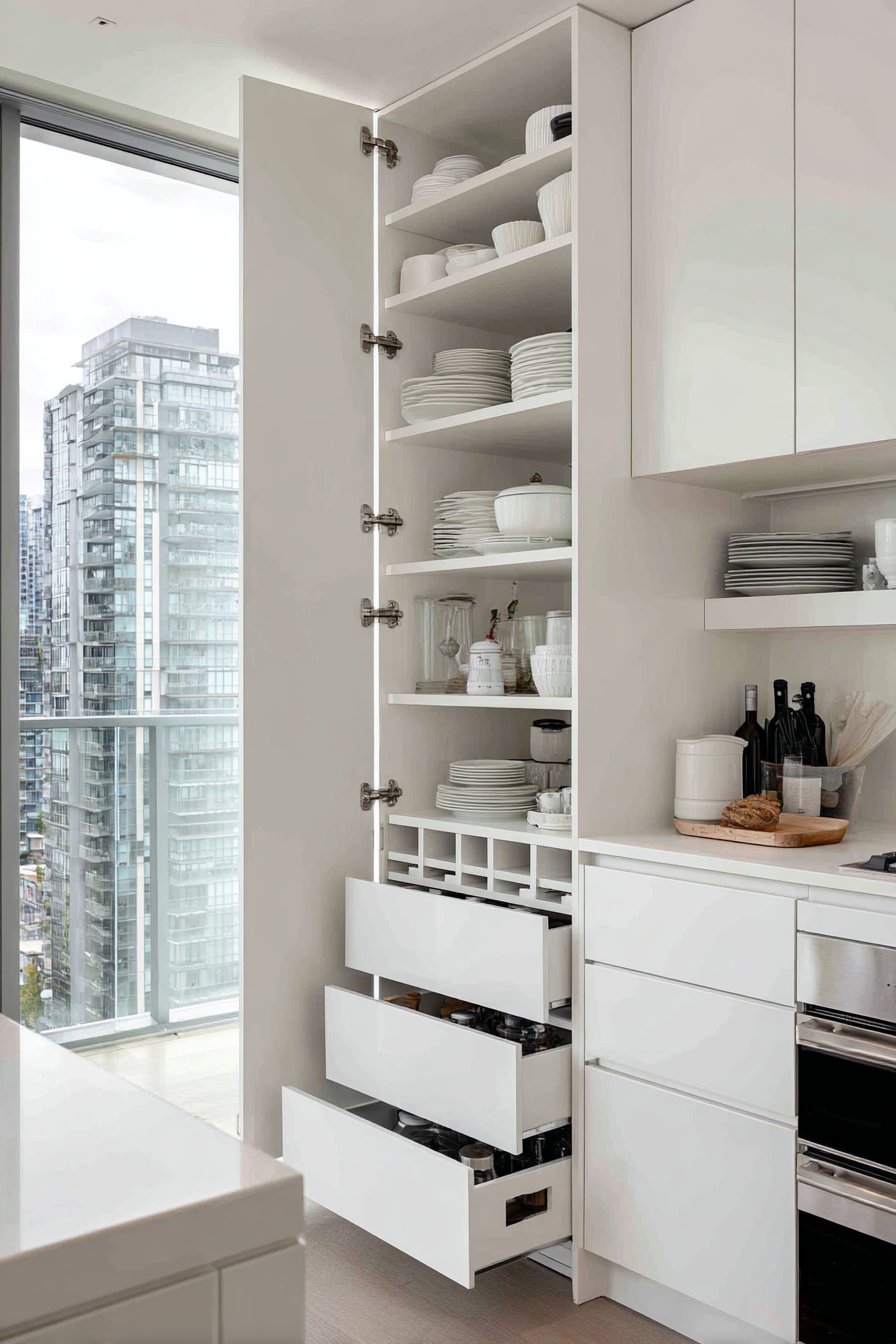
Modern kitchens embrace innovative storage solutions including handleless push-to-open mechanisms and integrated systems. Open shelving displays curated collections while maintaining visual simplicity. Modern layouts often favor linear or galley arrangements with streamlined workflows. Islands serve multiple functions combining prep space, seating, and storage in unified designs.
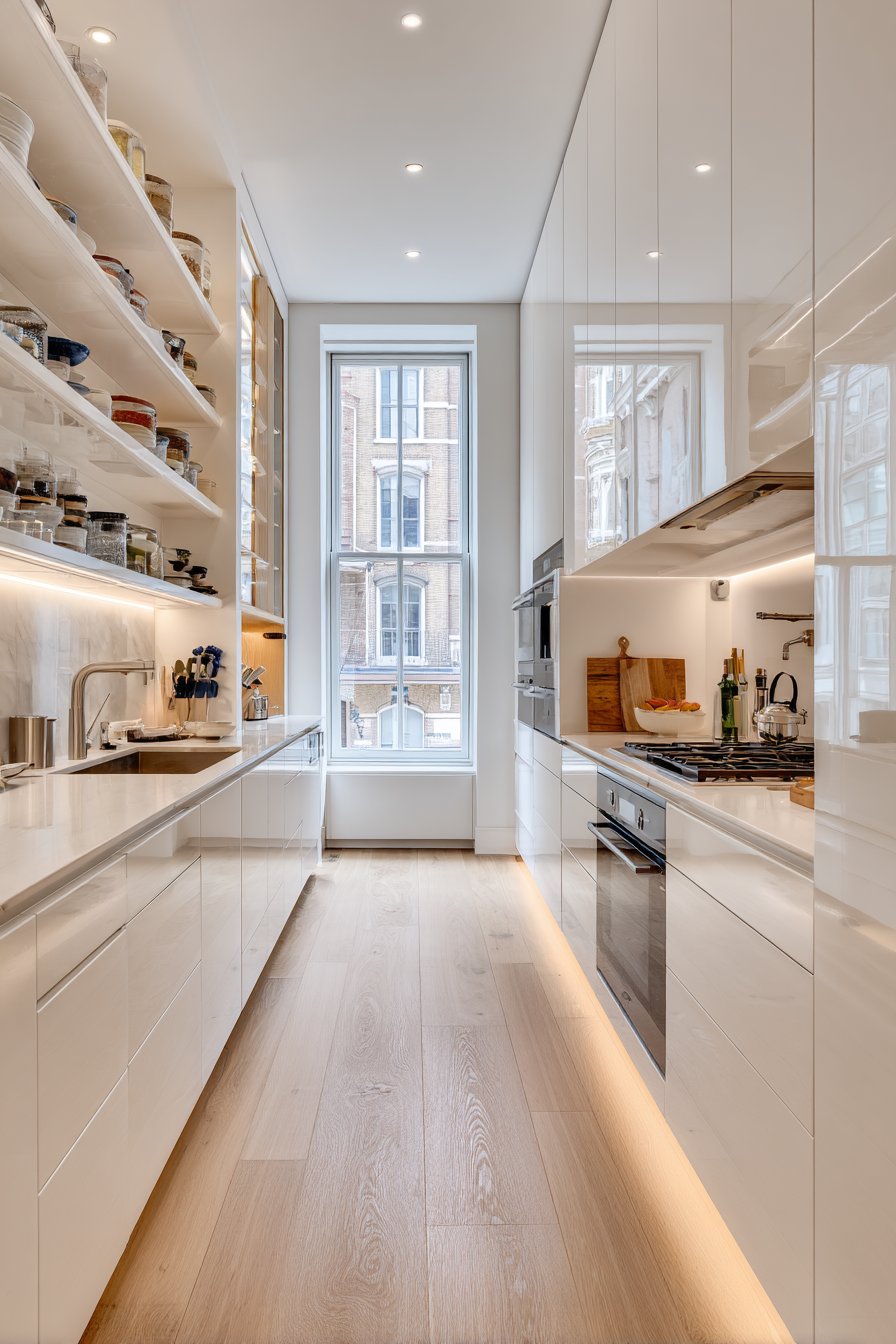
Consider your organizational style and storage requirements carefully. Traditional designs accommodate collectors who own numerous kitchen tools and serving pieces. The abundance of closed cabinetry hides clutter effectively. Modern designs work best for minimalists willing to maintain strict organization. Visible storage requires ongoing curation and discipline.
- Inventory your current kitchen items to determine actual storage needs
- Consider future needs if your household size may change
- Evaluate whether you prefer everything hidden or selectively displayed
- Think about accessibility and ease of reaching frequently used items
- Determine if you need specialized storage for specific hobbies or dietary needs
- Assess whether you’re willing to declutter to achieve minimalist modern aesthetics
6. Lighting Design and Ambiance Creation
Traditional kitchens utilize layered lighting with decorative fixtures creating warm ambiance. Chandeliers over islands, pendant lights with ornate details, and under-cabinet lighting provide functionality. Traditional designs often incorporate dimmer switches allowing mood adjustments throughout the day. Warm-toned bulbs enhance the cozy, inviting atmosphere characteristic of traditional spaces.
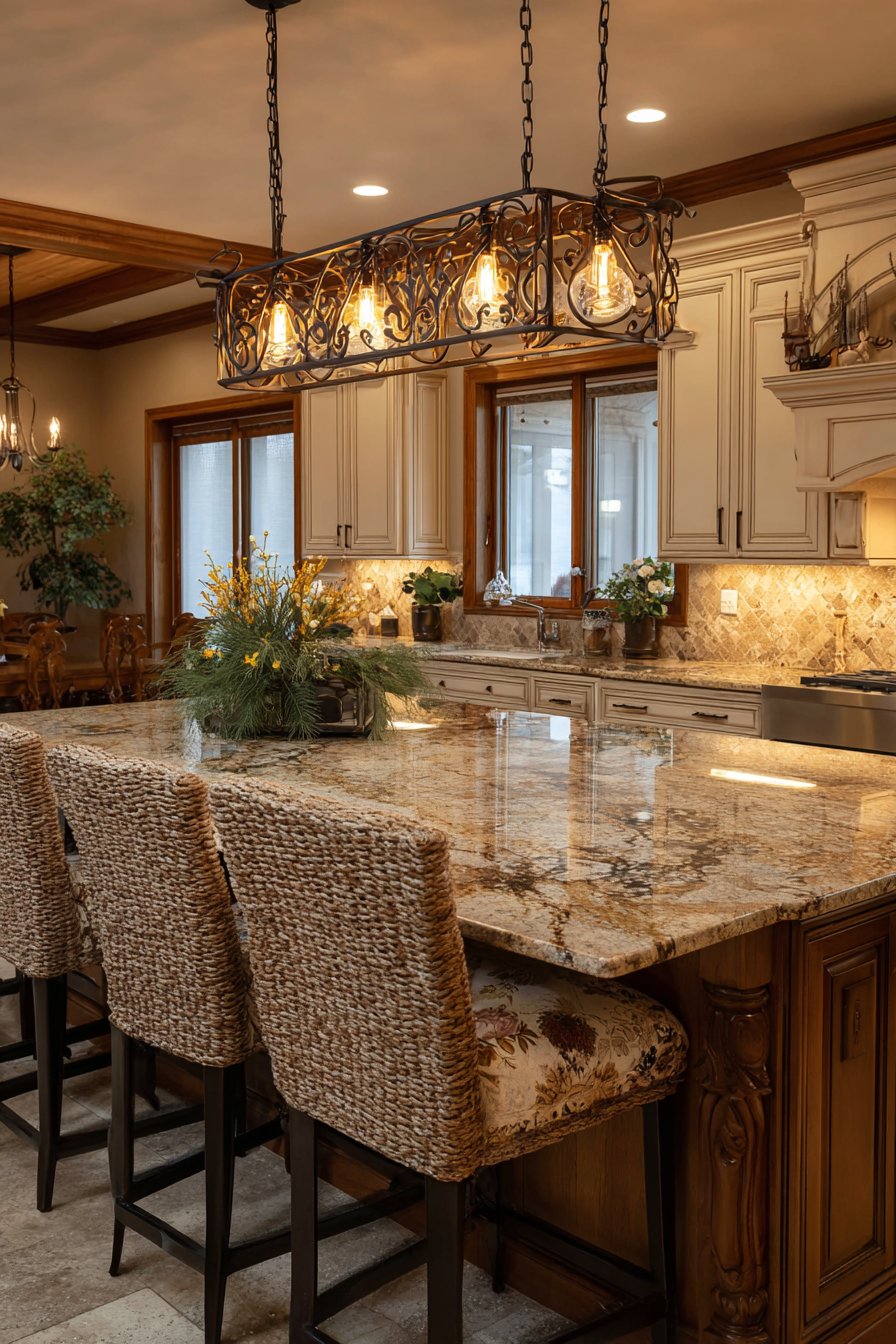
Modern kitchens emphasize architectural lighting with recessed fixtures and LED strips creating even illumination. Pendant lights feature geometric shapes with industrial or minimalist styling. The focus remains on task lighting efficiency rather than decorative impact. Cool-toned lighting complements modern color palettes and enhances the crisp, clean aesthetic.
Your lighting preferences reveal much about your ideal kitchen style. If you value atmosphere and enjoy entertaining with ambient lighting, traditional designs offer more flexibility. Those who prioritize bright, functional workspaces for detailed food preparation benefit from modern lighting approaches. Consider how you use your kitchen during different times of day.
- Evaluate natural light sources and how artificial lighting supplements them
- Consider whether you prefer warm, cozy illumination or bright, energizing light
- Think about the importance of decorative fixtures versus hidden lighting
- Assess your budget for lighting fixtures and electrical work
- Determine if you want flexibility to adjust lighting mood easily
- Research energy efficiency differences between traditional and modern lighting options
Conclusion
Choosing between traditional and modern kitchen styles ultimately reflects your personal values and lifestyle priorities. Both approaches offer distinct advantages depending on your architectural context, budget, and aesthetic preferences. Traditional kitchens provide timeless warmth and proven longevity, while modern designs deliver streamlined efficiency and contemporary appeal.
Take time to honestly assess your daily habits, maintenance willingness, and long-term vision for your home. Visit showrooms, gather inspiration, and consult with design professionals to refine your direction. Remember that your kitchen should serve your unique needs while bringing daily joy. Trust your instincts and create a space where functionality and beauty unite perfectly.
