


The kitchen stands as the heart of every home, where functionality meets beauty in perfect harmony. A well-designed kitchen layout transcends fleeting trends and serves families for decades. Whether you’re renovating an existing space or building from scratch, creating a timeless kitchen design requires careful planning and thoughtful consideration of both aesthetics and practicality.
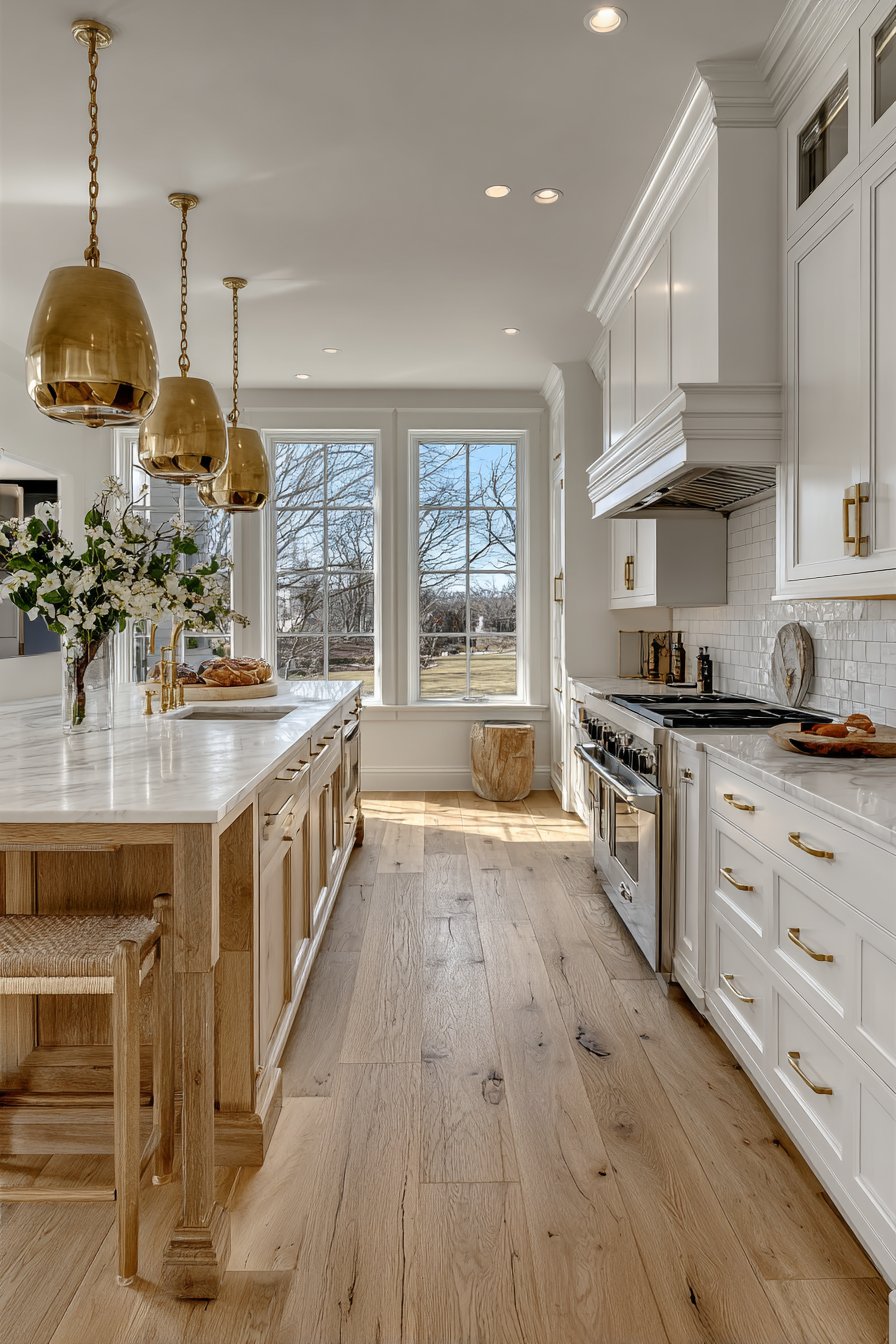
Timeless kitchen layouts blend classic design principles with modern convenience. They prioritize efficient workflow, ample storage, and spaces that adapt to changing needs over years. The best kitchen designs accommodate various cooking styles while maintaining visual appeal that never feels dated. This guide explores essential elements that transform ordinary kitchens into enduring masterpieces.
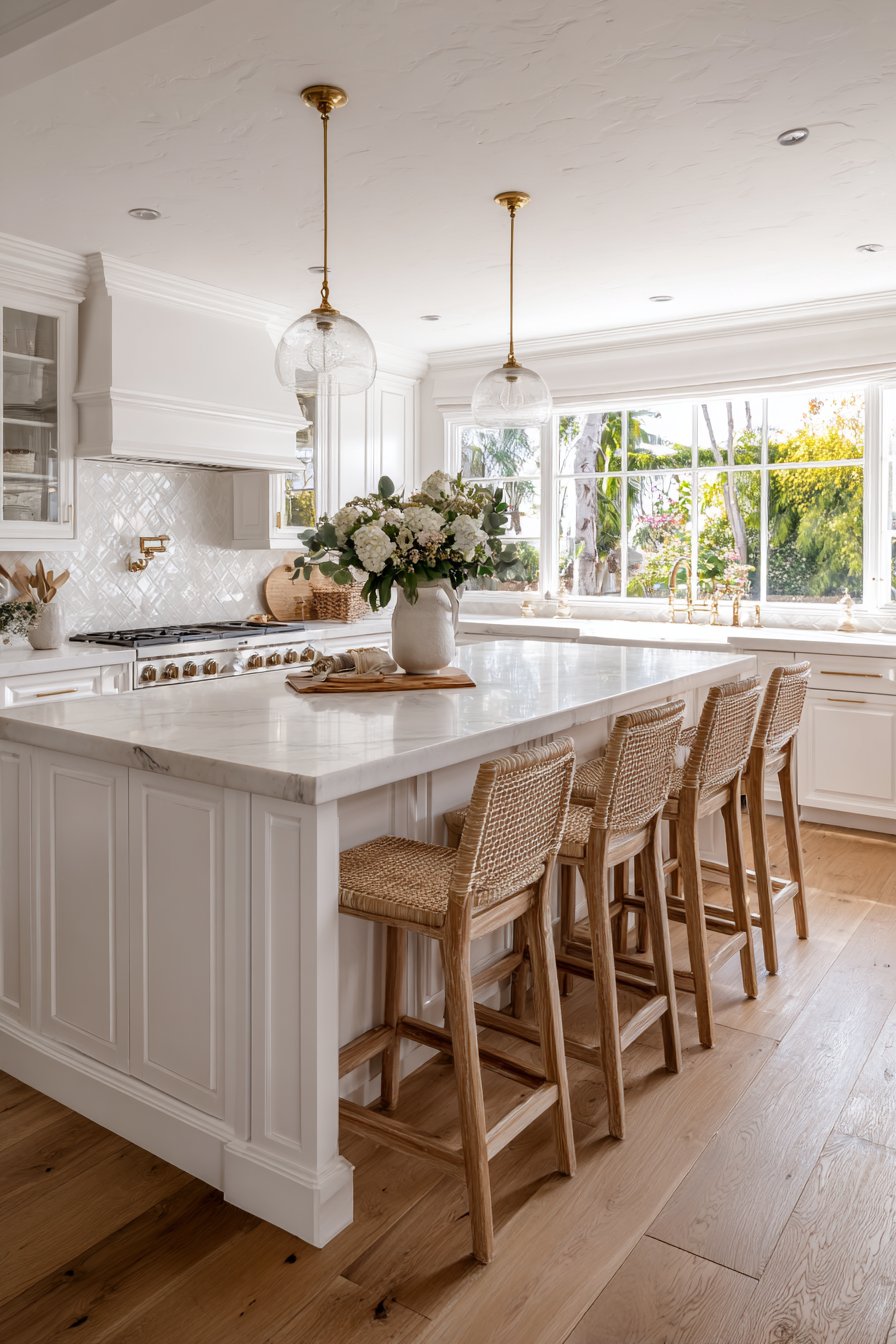
Understanding the foundations of timeless design empowers homeowners to make confident decisions. From the strategic placement of appliances to selecting materials that age gracefully, every choice contributes to a kitchen’s longevity. Let’s explore proven strategies that create kitchones both beautiful and functional for generations to come.
1. Master the Work Triangle Principle
The work triangle concept remains the cornerstone of effective kitchen design since its introduction in the 1940s. This principle positions the sink, stove, and refrigerator in a triangular formation. The combined distance between these three points should measure between 13 and 26 feet for optimal efficiency. This arrangement minimizes unnecessary movement while cooking.
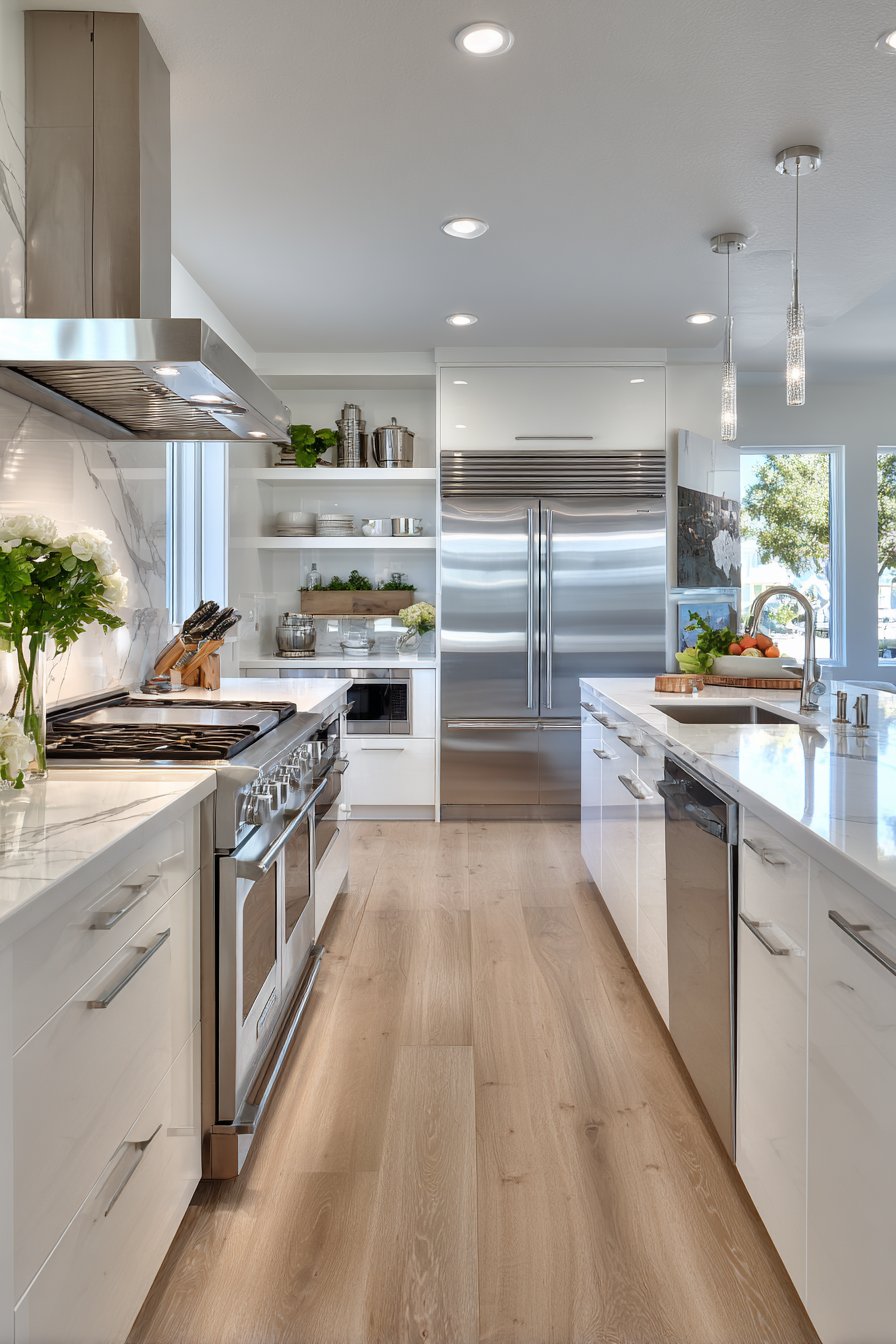
Modern interpretations of the work triangle adapt to contemporary open-plan living. Today’s kitchens often feature multiple work zones that accommodate several cooks simultaneously. The key is maintaining logical pathways between essential areas without creating bottlenecks. Consider how you naturally move when preparing meals and design accordingly.
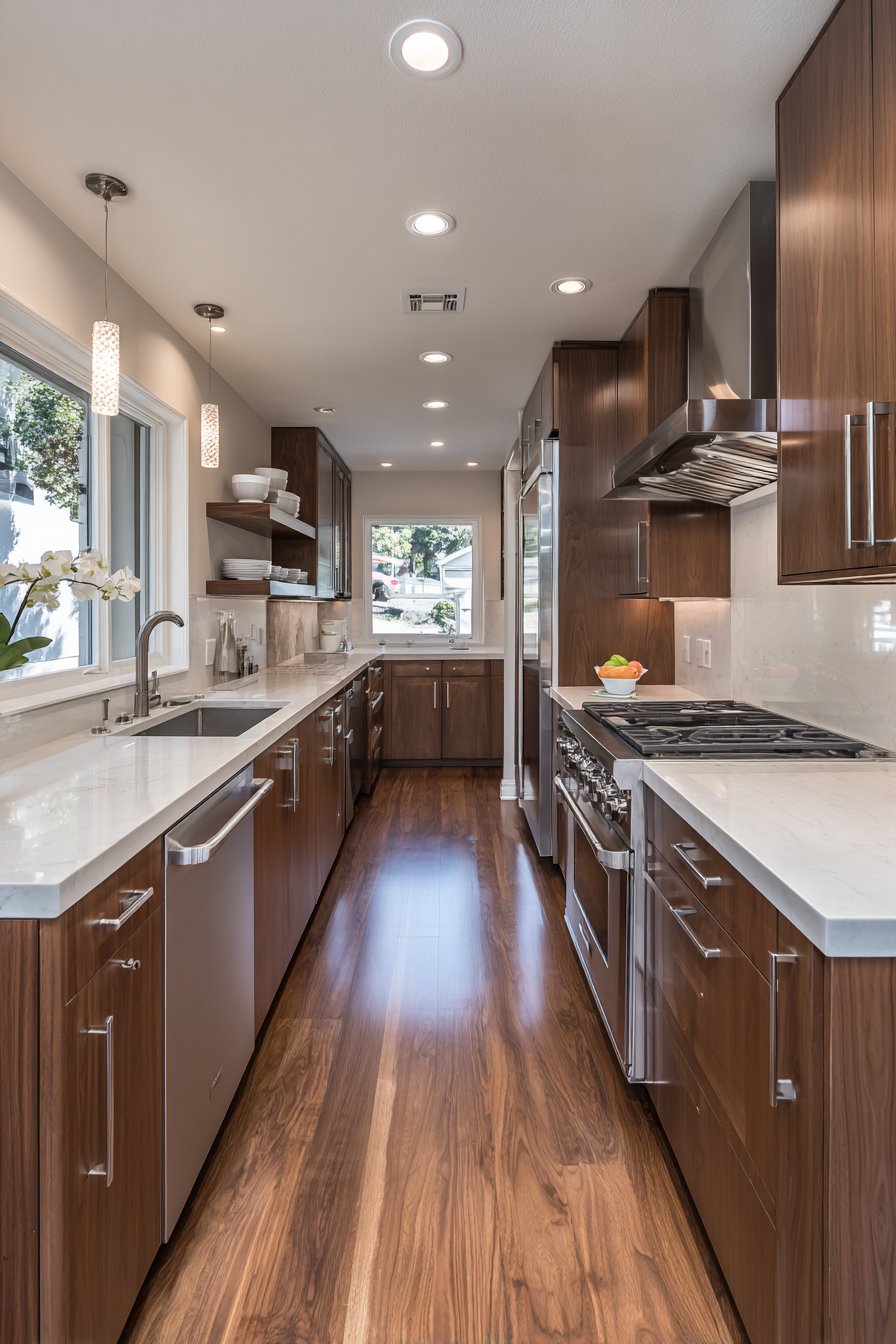
Large kitchens benefit from work zone expansion beyond the basic triangle. Create dedicated areas for food preparation, cooking, and cleanup. Each zone should have its own tools and storage nearby. This approach reduces congestion and allows multiple people to work comfortably without interference.
- Position the sink between the stove and refrigerator for maximum efficiency
- Keep triangle legs between 4 and 9 feet each for comfortable movement
- Ensure no major traffic paths cut through the work triangle
- Place the refrigerator at a triangle endpoint for easy access
- Install adequate lighting above each work triangle point
- Avoid placing the stove directly beneath a window for safety
2. Choose Classic Color Schemes That Endure
Neutral color palettes form the foundation of timeless kitchen design. White, cream, gray, and beige cabinets never go out of style. These versatile shades adapt to changing decor trends through simple accessory updates. They also maximize natural light reflection, making spaces feel larger and more inviting throughout the day.
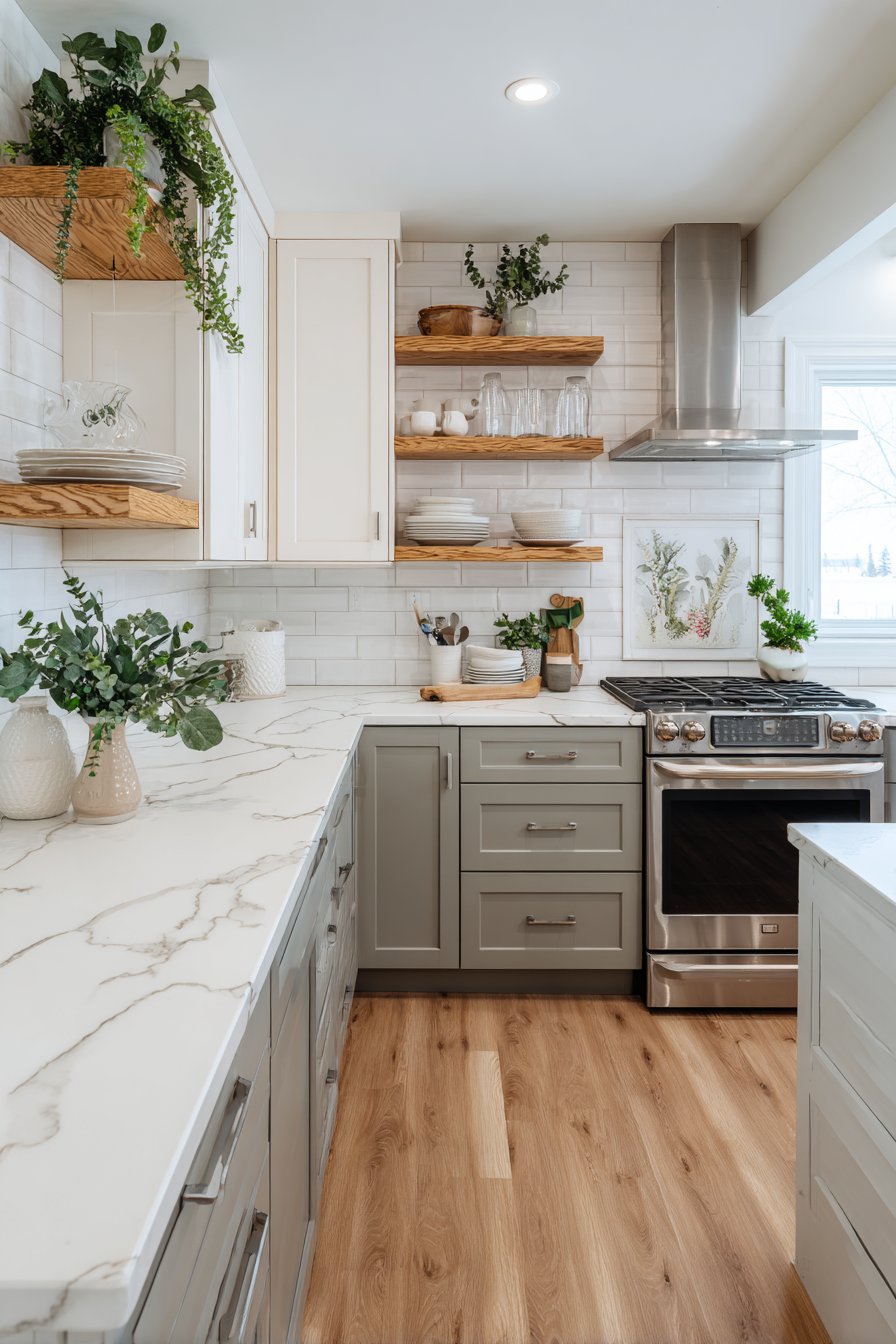
Two-tone cabinetry offers subtle visual interest without overwhelming the space. Pair white upper cabinets with gray or navy lowers for sophisticated contrast. This technique adds depth while maintaining classic appeal. Alternatively, reserve bold colors for easily replaceable elements like bar stools or pendant lights that update affordably.
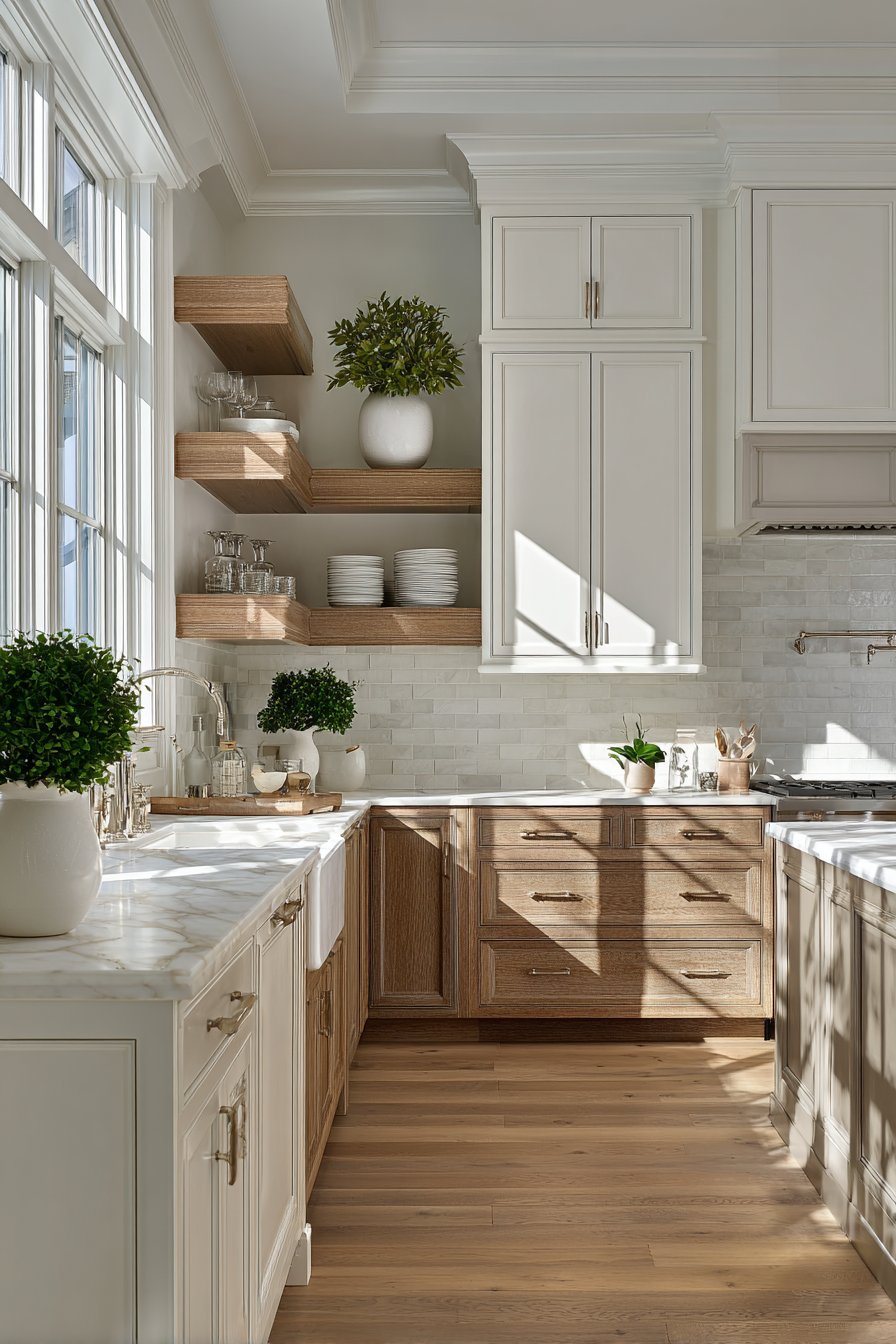
Natural wood tones bring warmth and texture to neutral foundations. Medium to dark wood finishes age beautifully and hide wear better than light options. Consider hardwood flooring or open shelving in warm oak or walnut. These organic elements create balance against painted surfaces and stainless steel appliances.
- Select white or off-white as your primary cabinet color for versatility
- Incorporate one accent color through backsplash or island treatments
- Use natural materials like wood and stone for textural variation
- Avoid trendy colors on permanent fixtures and cabinetry
- Consider how colors appear in both natural and artificial lighting
- Choose timeless hardware finishes like brushed nickel or oil-rubbed bronze
3. Invest in Quality Materials and Craftsmanship
Durable materials distinguish timeless kitchens from those requiring frequent updates. Solid wood cabinets with dovetail joinery outlast particle board alternatives by decades. While initial costs run higher, quality construction provides better long-term value. These pieces withstand daily use and can be refinished rather than replaced entirely.
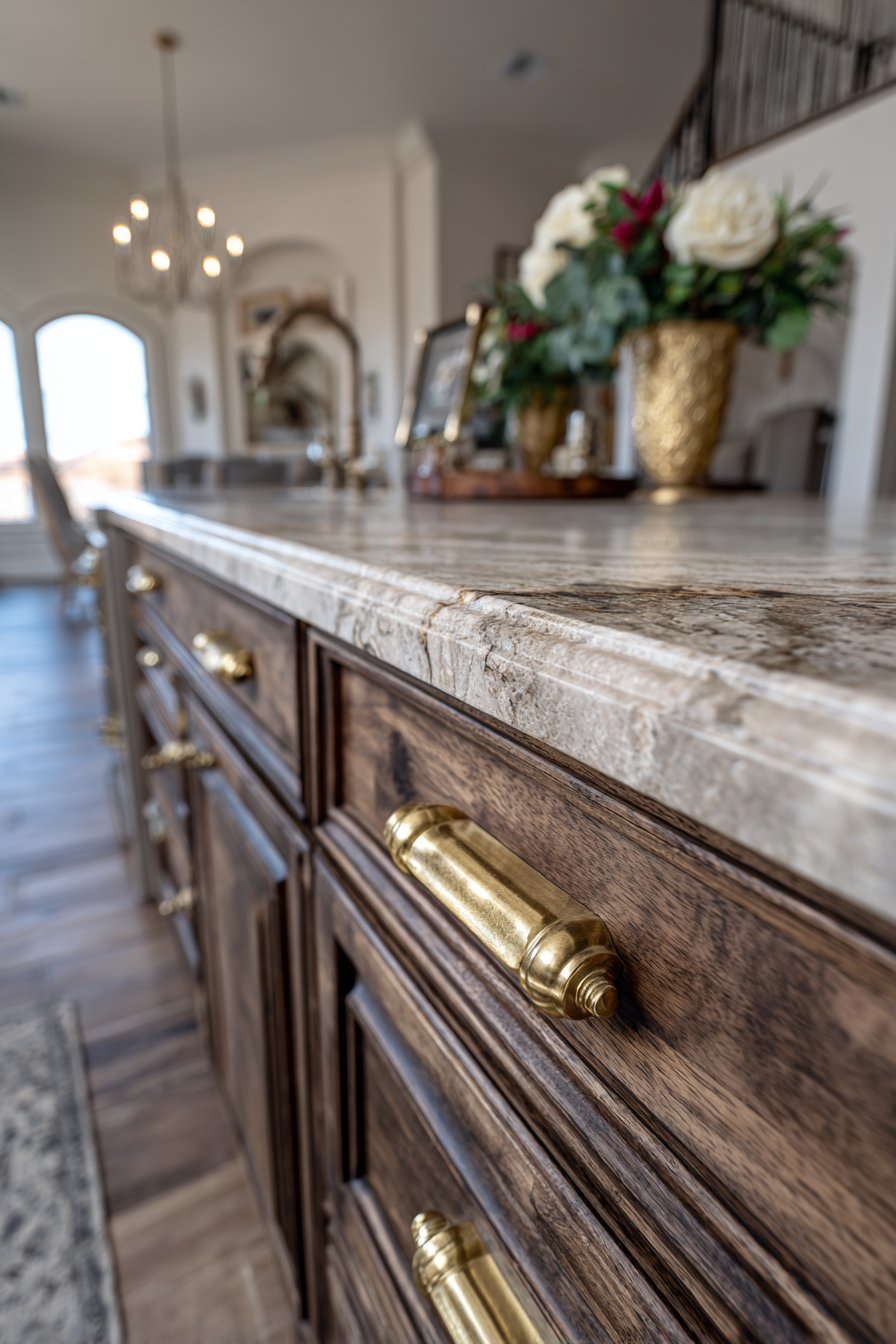
Natural stone countertops like granite, marble, or quartzite offer unmatched beauty and resilience. Each slab features unique patterns that never look dated. Quartz surfaces provide similar aesthetics with lower maintenance requirements. Both options resist heat, scratches, and stains better than laminate alternatives that show age quickly.
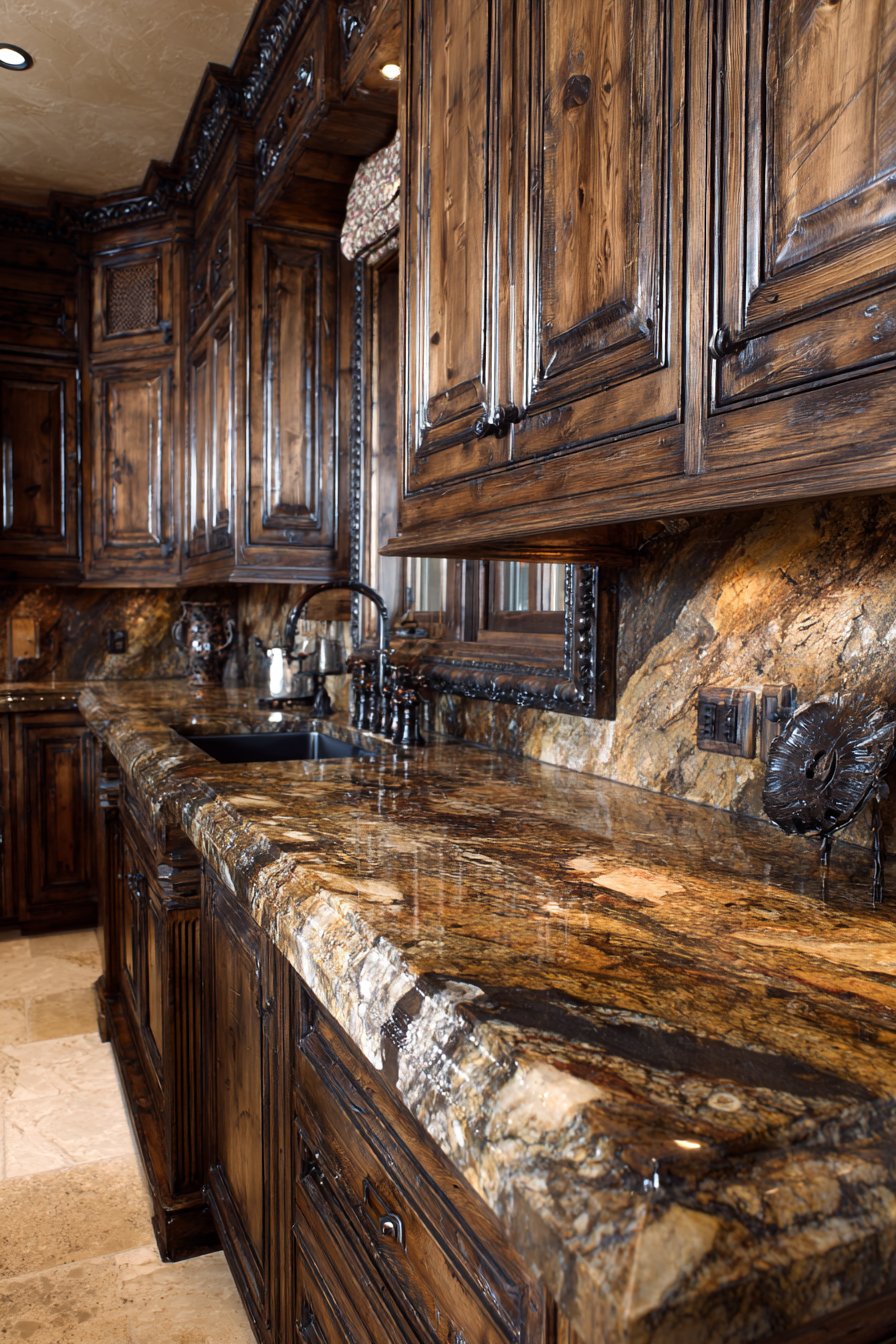
Substantial hardware and fixtures communicate permanence and quality. Choose solid brass or stainless steel pulls and knobs that develop attractive patinas over time. Install commercial-grade faucets designed for heavy use. These details might seem minor but significantly impact daily functionality and aesthetic longevity.
- Select solid hardwood for cabinet boxes and drawer fronts
- Choose stone or quartz countertops for durability and timeless appeal
- Install hardwood or natural stone flooring that ages gracefully
- Invest in professional-grade appliances with proven reliability
- Use real tile for backsplashes rather than peel-and-stick alternatives
- Purchase quality hardware that feels substantial and well-made
4. Prioritize Functional Storage Solutions
Adequate storage prevents clutter and maintains visual serenity in timeless kitchens. Plan for at least 12 linear feet of base cabinets per cook. Include deep drawers for pots and pans that provide easier access than lower shelves. Upper cabinets should reach the ceiling to maximize vertical space and prevent dust accumulation.
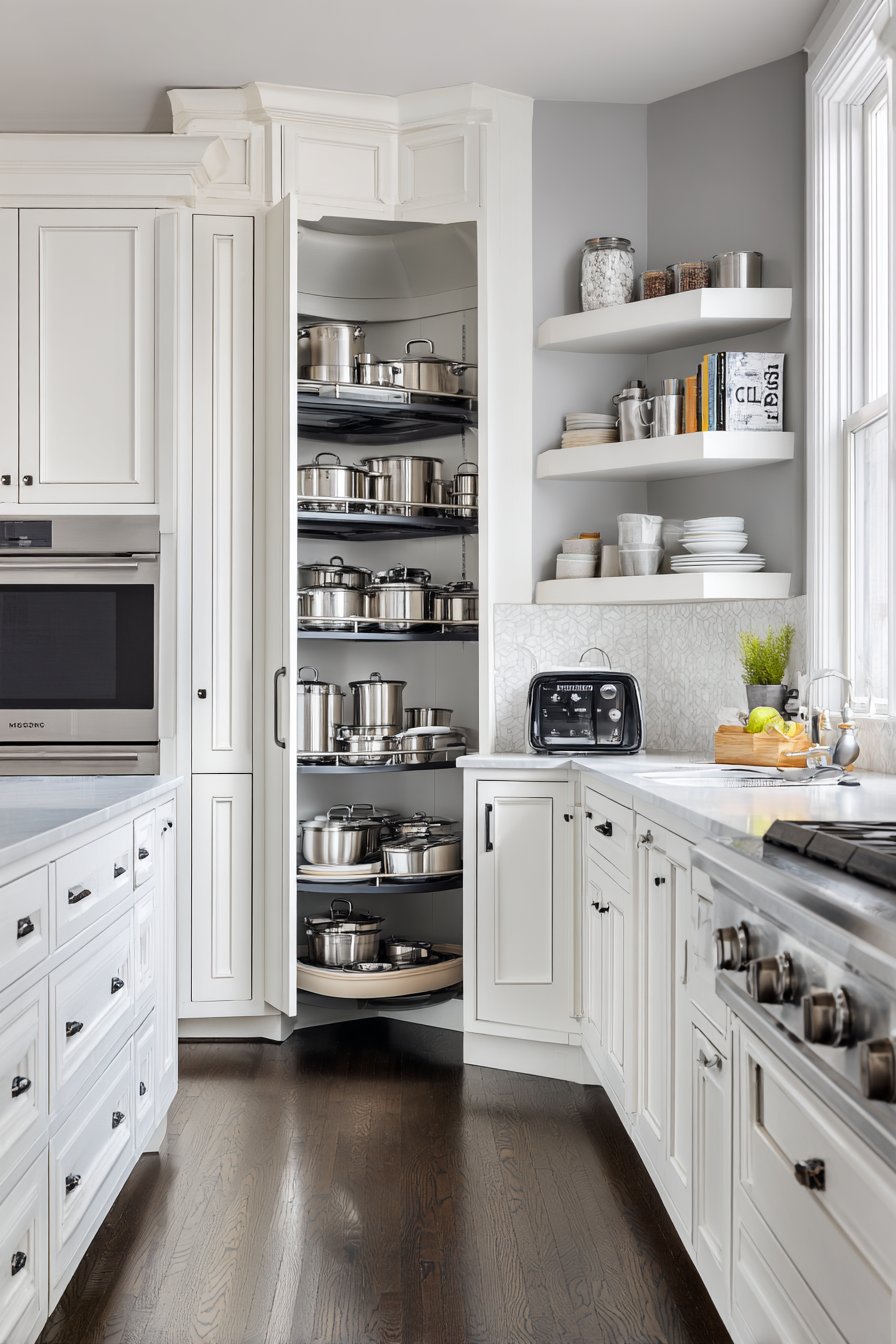
Smart storage features enhance functionality without compromising aesthetics. Install pull-out shelves, lazy Susans, and drawer organizers that keep items accessible. Pantry cabinets with adjustable shelving accommodate changing storage needs over years. These organizational systems maintain order even as household sizes and cooking habits evolve.
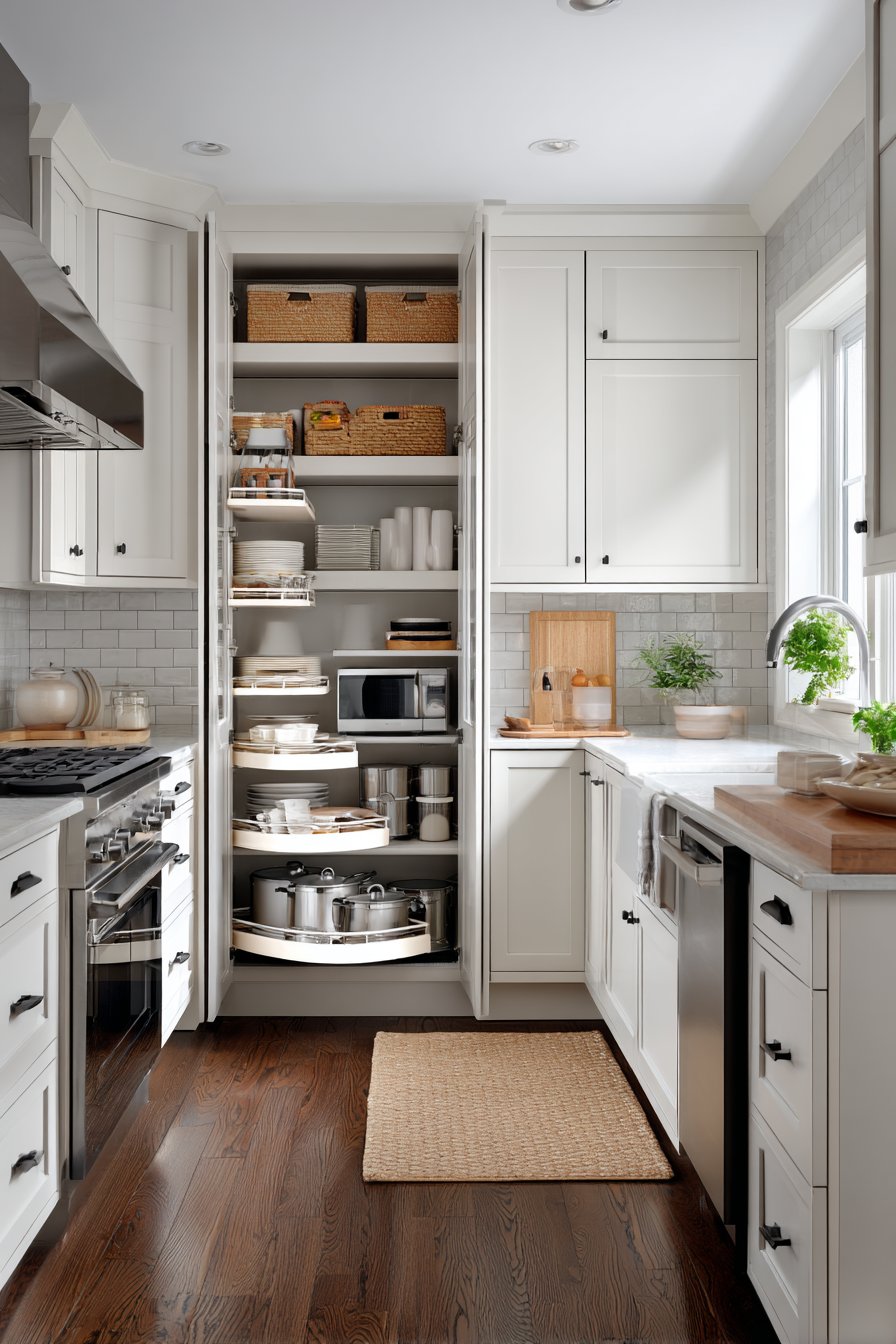
Open shelving adds visual interest but requires careful curation. Limit open storage to one wall or area maximum to avoid overwhelming the space. Display attractive dishes, glassware, or cookbooks that enhance rather than detract from the design. This balanced approach provides display opportunities while maintaining clean lines elsewhere.
- Install cabinets to the ceiling for maximum storage capacity
- Include at least three deep drawers near the stove for cookware
- Add a walk-in or butler’s pantry if space permits
- Incorporate pull-out trash and recycling bins to hide waste
- Plan dedicated storage for small appliances off countertops
- Use drawer dividers and shelf organizers from the start
5. Select Timeless Backsplash and Flooring Options
Subway tile backsplashes have remained popular for over a century for good reason. Their simple rectangular shape complements any cabinet style or color scheme. White subway tiles with gray grout create classic appeal that never feels dated. This versatile option costs less than many alternatives while delivering sophisticated results.
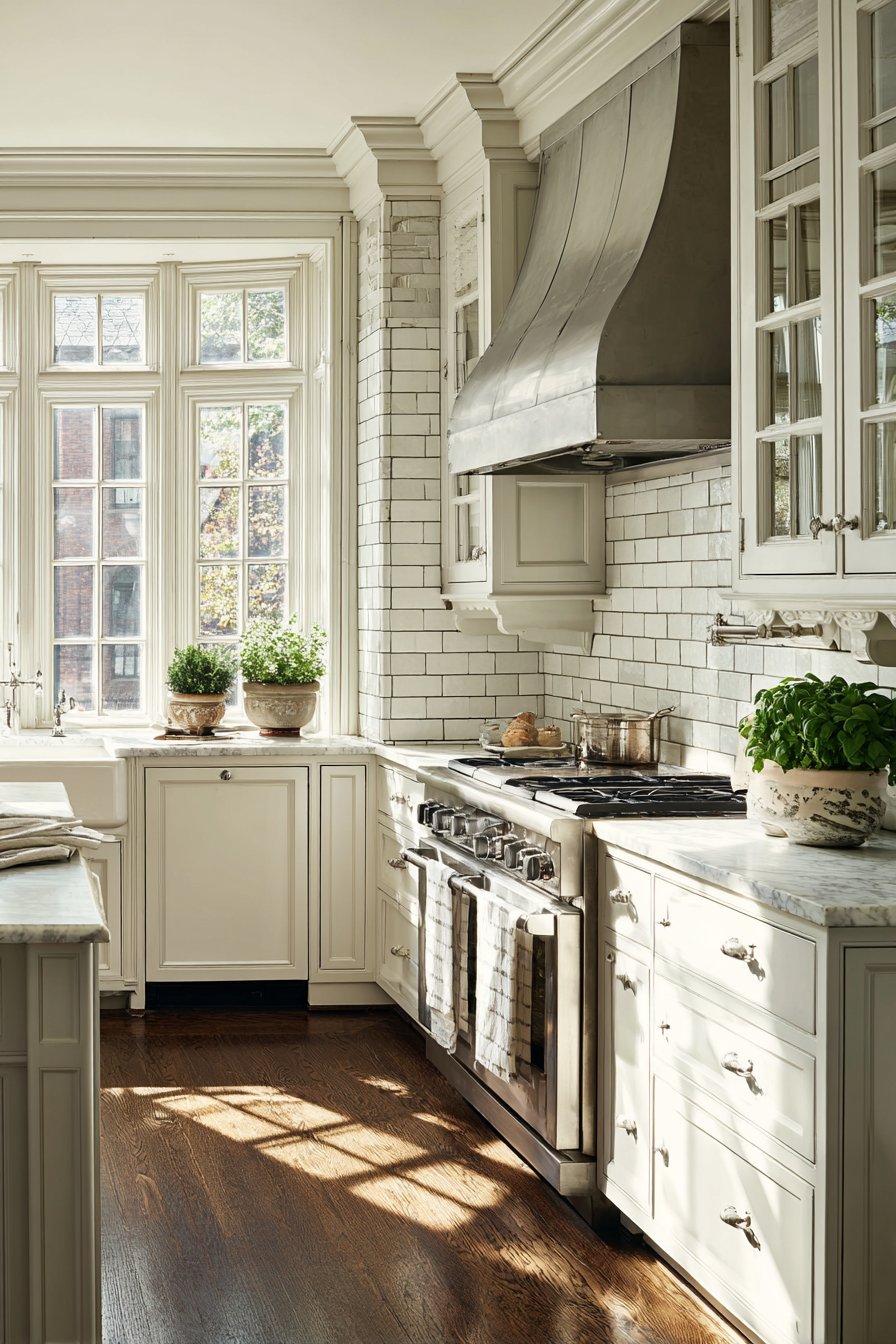
Natural stone tiles or slabs bring organic beauty and permanent elegance. Marble, travertine, or limestone backsplashes develop character as they age. Neutral stone colors coordinate with changing design elements throughout decades. Seal stone surfaces properly to protect against stains and maintain their stunning appearance over time.
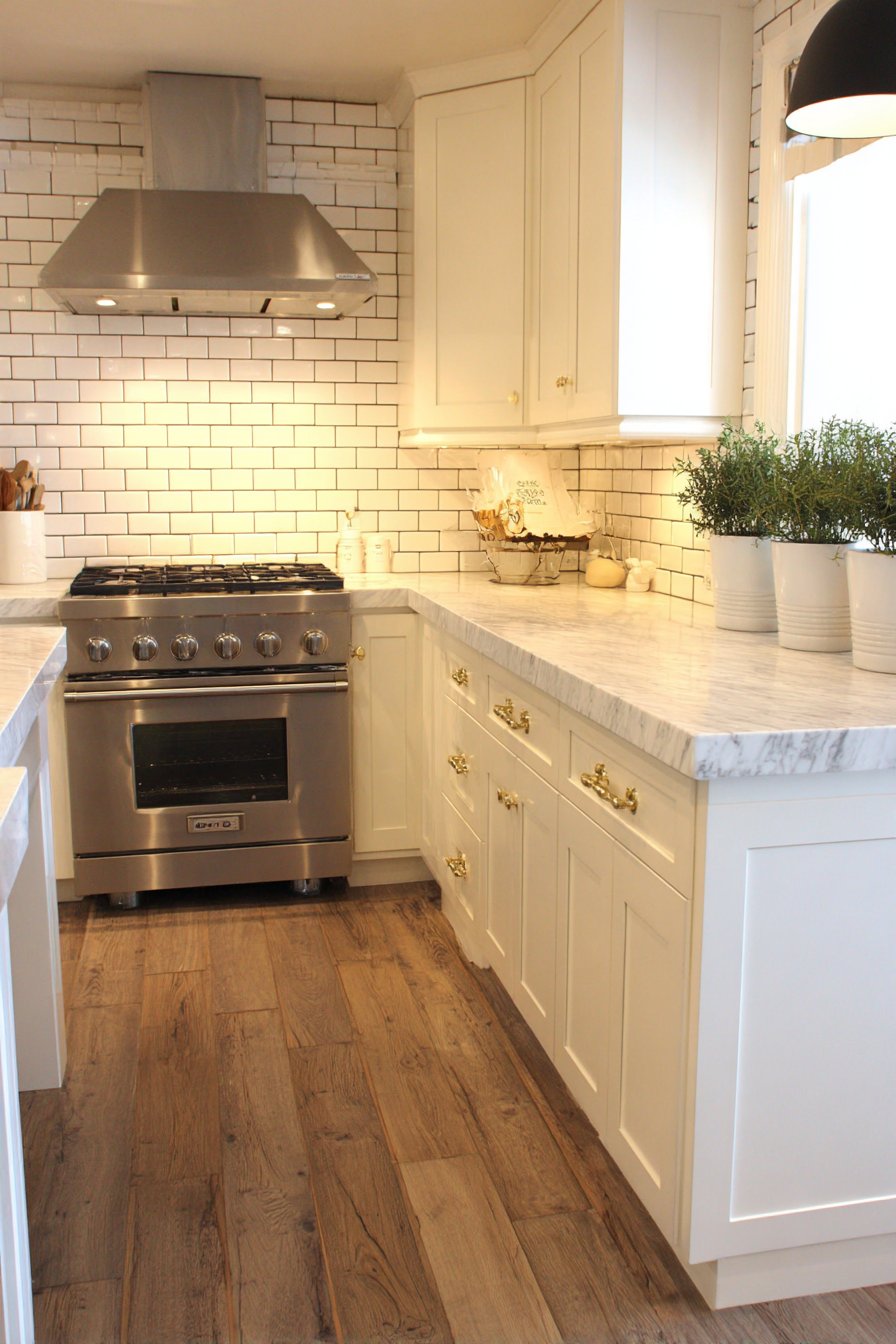
Hardwood flooring provides warmth and durability when properly finished for kitchen use. Choose wider planks in medium tones that hide scratches and dents. Porcelain tile that mimics wood grain offers similar aesthetics with superior water resistance. Both options create foundations that support various design directions without requiring replacement during renovations.
- Install classic subway tile in white or neutral tones
- Consider natural stone for backsplash luxury and permanence
- Choose hardwood or wood-look tile flooring for timeless appeal
- Avoid busy patterns or bold colors on large surface areas
- Use consistent grout colors that complement overall palette
- Select flooring that matches the home’s architectural style
6. Design for Flexibility and Future Needs
Adaptable layouts accommodate changing lifestyles and technologies without major renovations. Include electrical outlets every four feet along countertops for small appliance flexibility. Install extra circuits for future appliance upgrades or charging stations. This foresight prevents costly electrical work down the road when needs evolve.
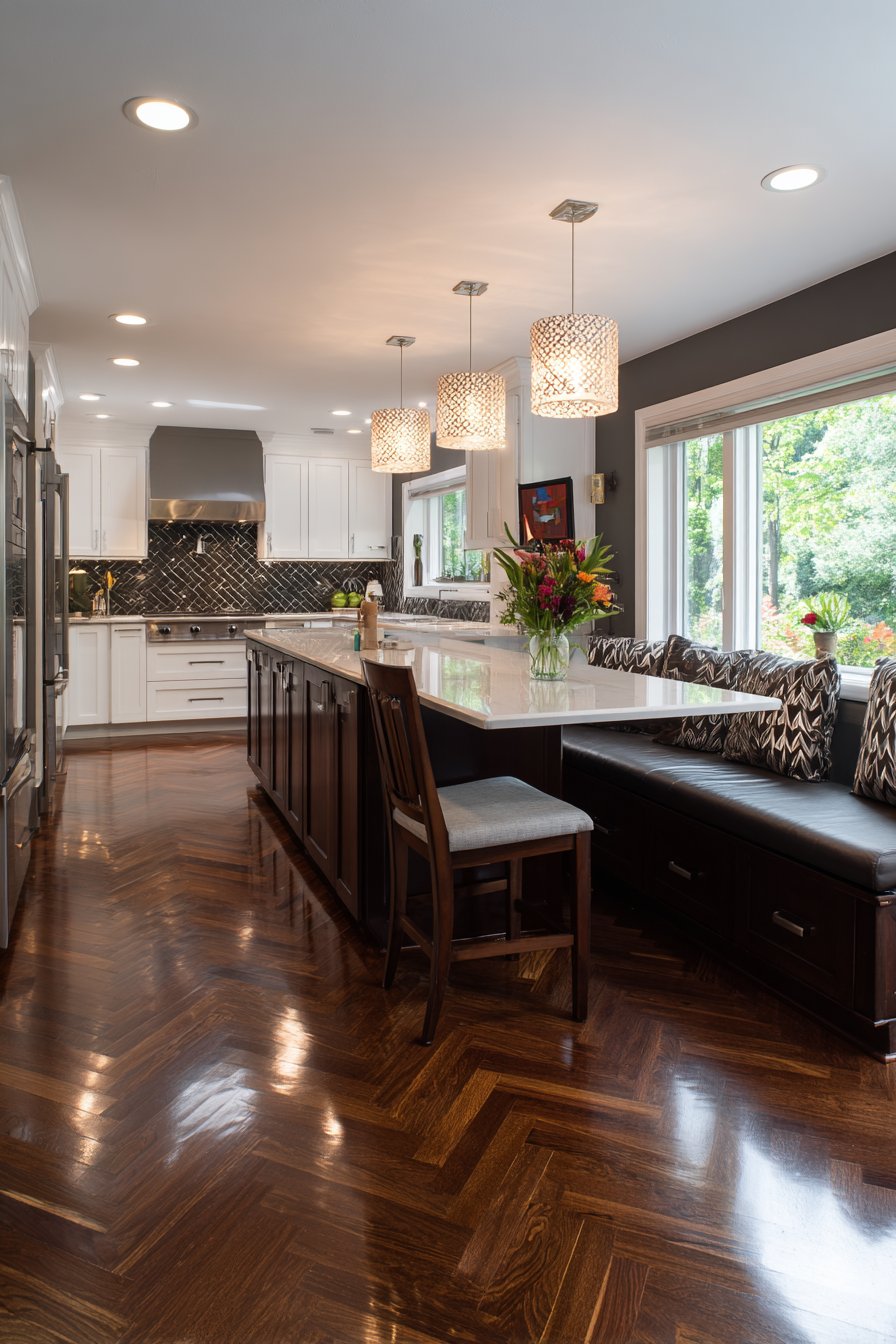
Island designs should allow for multiple functions beyond food preparation. Build in seating for casual dining or homework sessions. Include storage on multiple sides and plan for electrical access at the island. These multipurpose elements increase value while serving various family activities throughout different life stages.
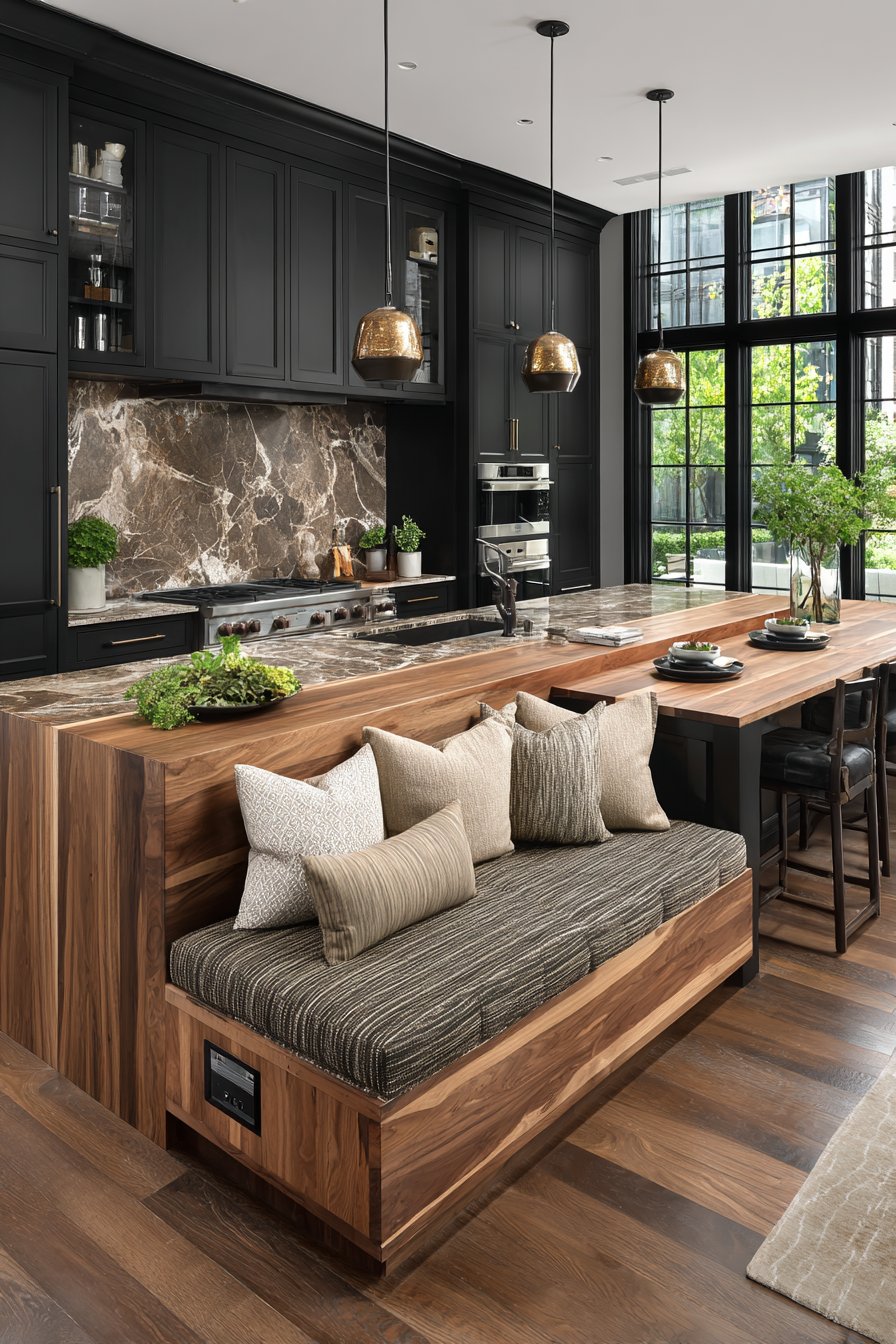
Leave room for technology integration without compromising timeless design. Create charging drawers with hidden outlets for devices. Plan spaces for tablet mounts or screens that can be updated as technology changes. These modern conveniences integrate seamlessly when planned thoughtfully from the beginning.
- Include more electrical outlets than currently needed
- Design islands with seating for at least three people
- Plan for proper ventilation that can handle powerful cooking
- Allow at least 42 inches between counters for comfortable passage
- Install dimmer switches for adjustable ambient lighting
- Consider aging-in-place features like varied counter heights
Conclusion
Creating a timeless kitchen layout requires balancing classic design principles with practical functionality. The work triangle remains relevant when adapted to modern cooking styles. Quality materials and neutral colors provide foundations that endure changing trends gracefully. Proper storage, versatile layouts, and thoughtful material selection ensure your kitchen serves beautifully for decades.
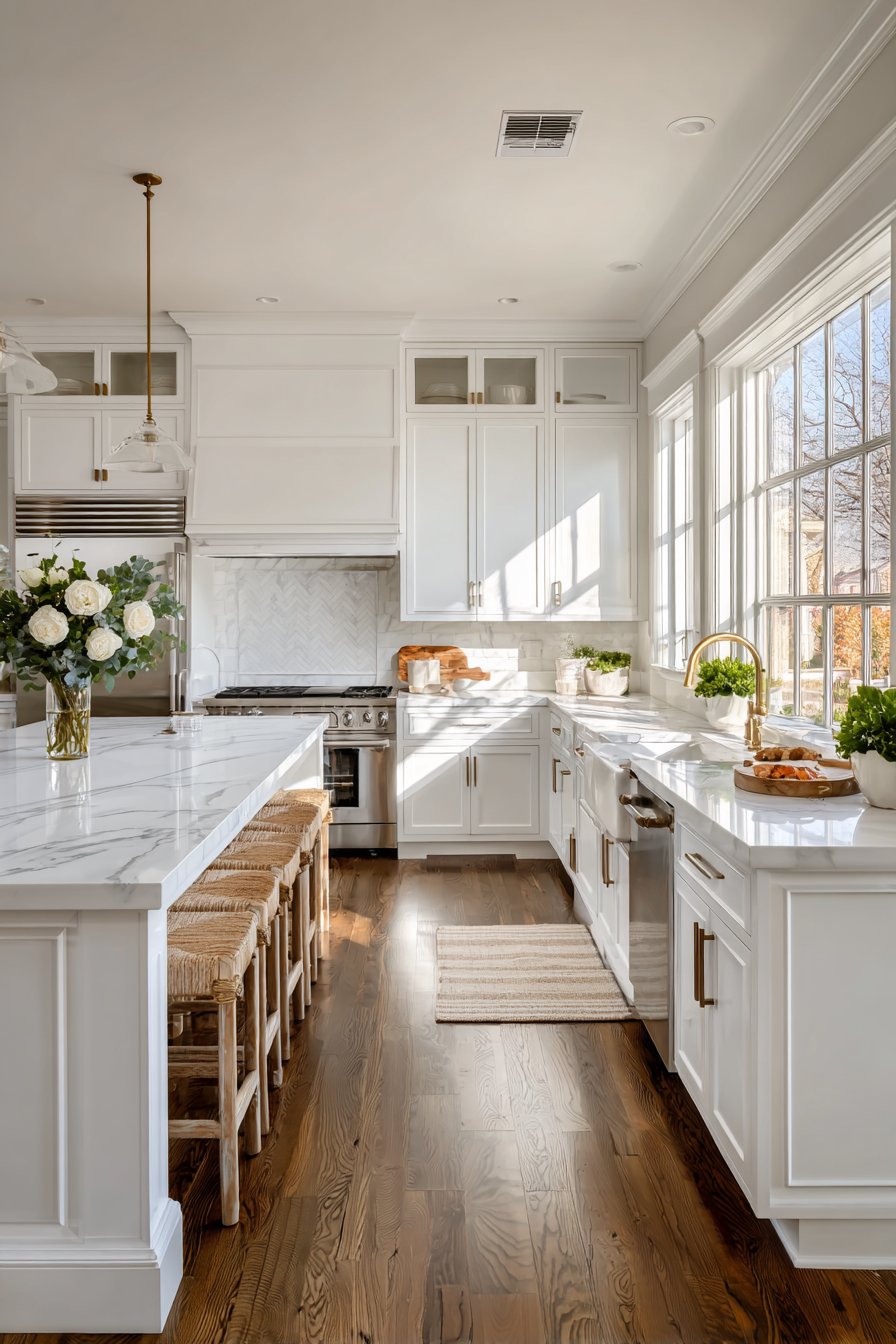
Remember that timeless design doesn’t mean boring or predictable. These principles create canvases for personal expression through accessories and decor. Start with solid fundamentals in layout and materials, then add character through elements easily updated. Your kitchen will remain both functional and beautiful long after initial construction, providing lasting value and enjoyment for your family.
