


The kitchen has evolved from a purely functional space into the heart of the modern home. Yet despite changing trends and open-concept designs, one principle continues to guide successful kitchen planning. The kitchen work triangle remains a fundamental concept that professional designers rely on to create efficient, comfortable cooking spaces that truly work for everyday life.
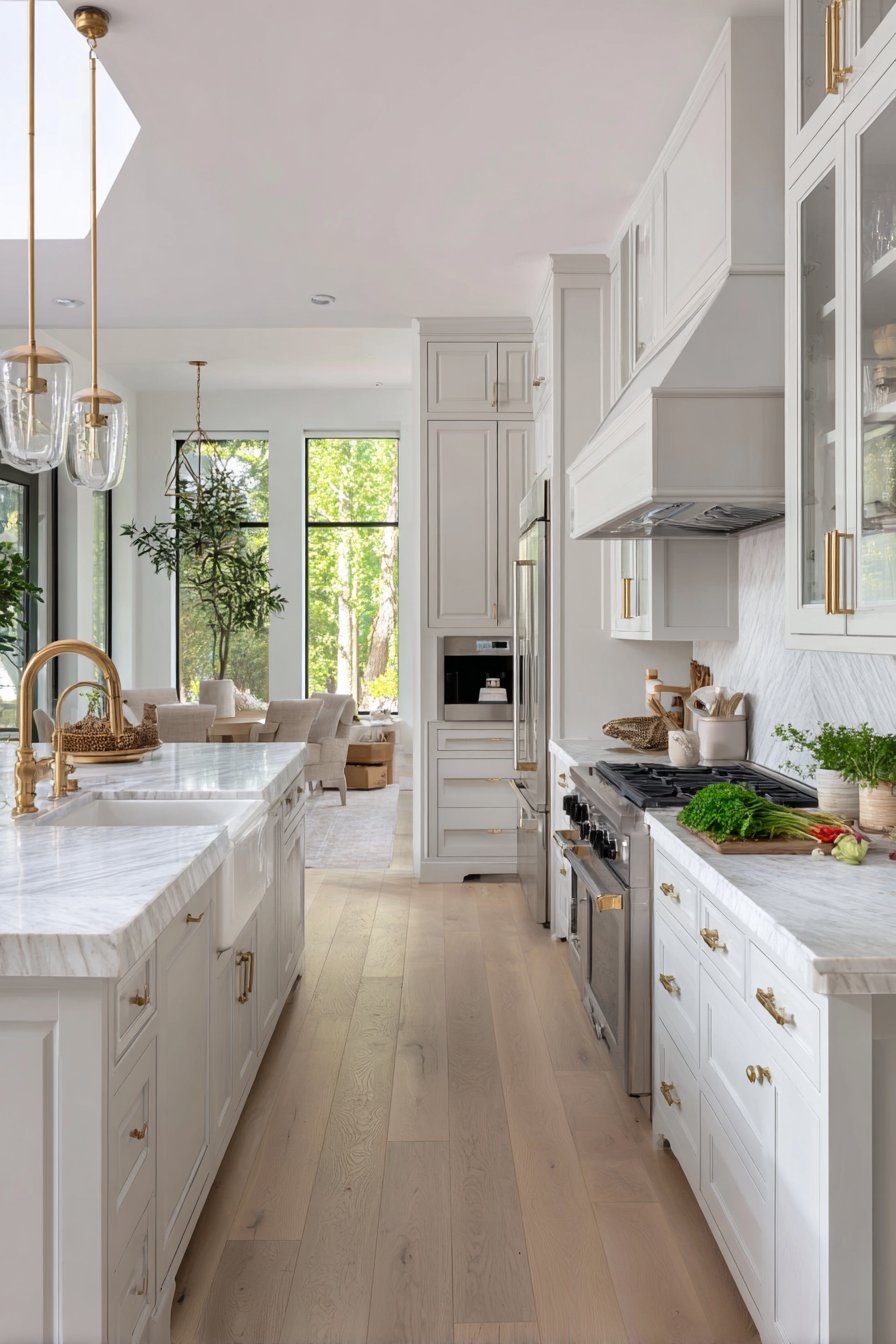
Understanding why this decades-old design principle still matters can transform how you approach your kitchen renovation or new build. Whether you’re planning a complete overhaul or simply optimizing your current layout, the triangle concept offers timeless wisdom that addresses basic human movement and workflow. This article explores six compelling reasons why the kitchen triangle layout deserves your attention and how it can elevate both functionality and enjoyment in your culinary space.
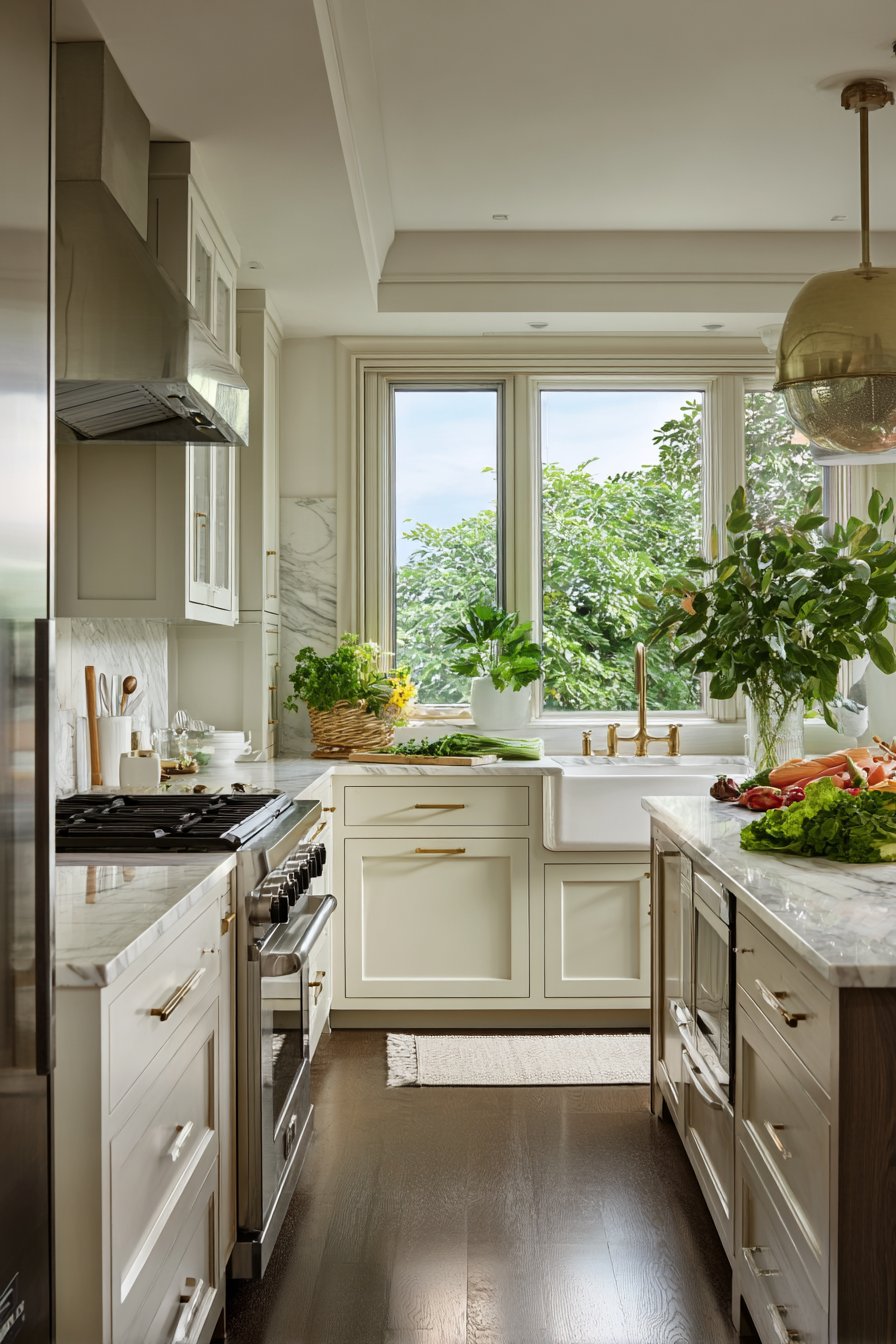
From improving safety to reducing fatigue during meal preparation, the kitchen triangle addresses challenges that every home cook faces. Let’s dive into why this classic design approach continues to outperform trendy alternatives and how you can apply its principles to create your dream kitchen.
1. Optimizes Workflow Efficiency
The kitchen triangle connects your three most essential work zones: the sink, stove, and refrigerator. This arrangement creates natural pathways that minimize unnecessary steps during cooking. Research shows that proper triangle placement can reduce kitchen travel by up to forty percent compared to poorly planned layouts.
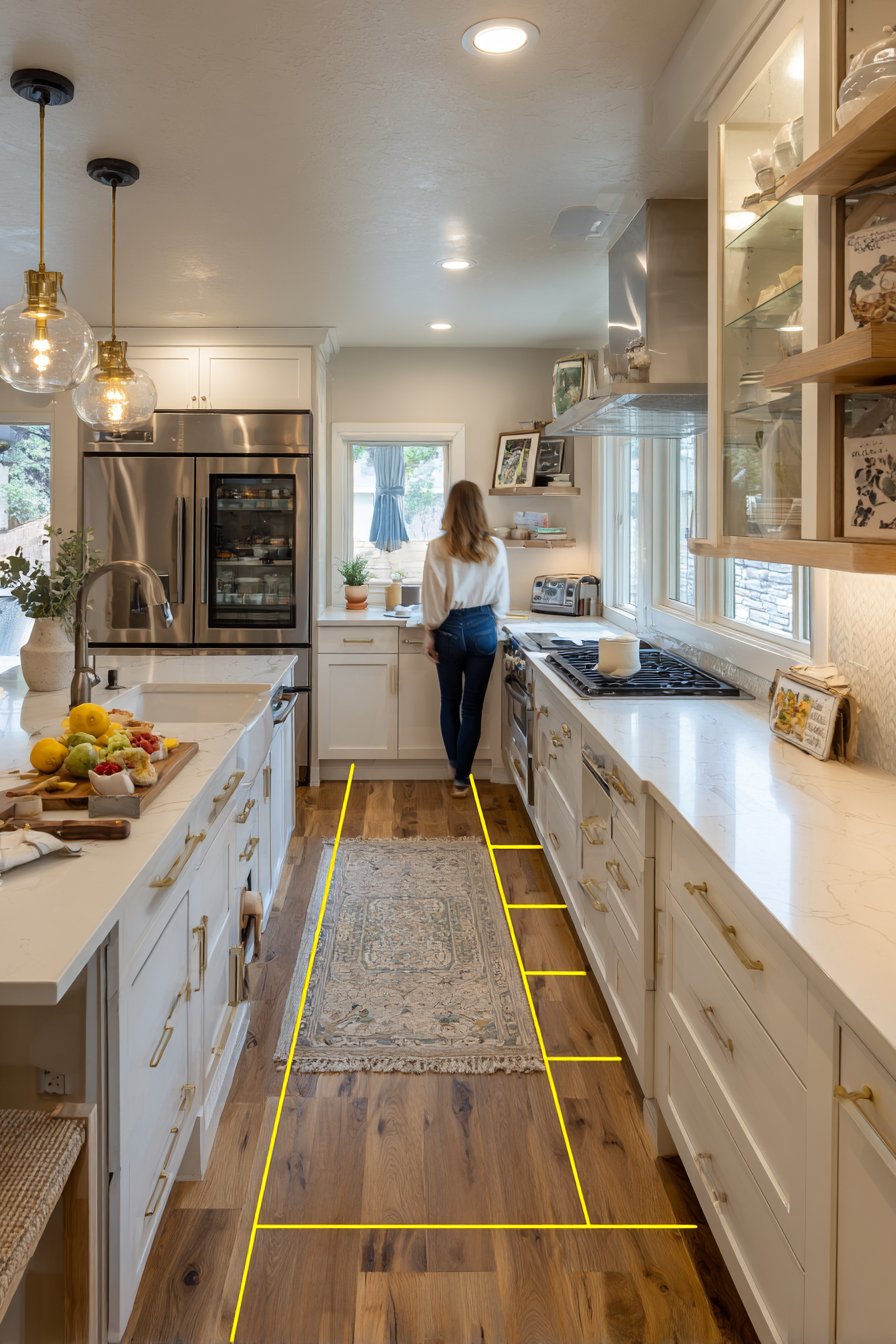
When these three points form a triangle with sides between four and nine feet, you achieve the sweet spot of efficiency. You’re never stretching too far to grab ingredients or racing across the room with hot pans. The ergonomic spacing means everything you need stays within comfortable reach without creating a cramped workspace.
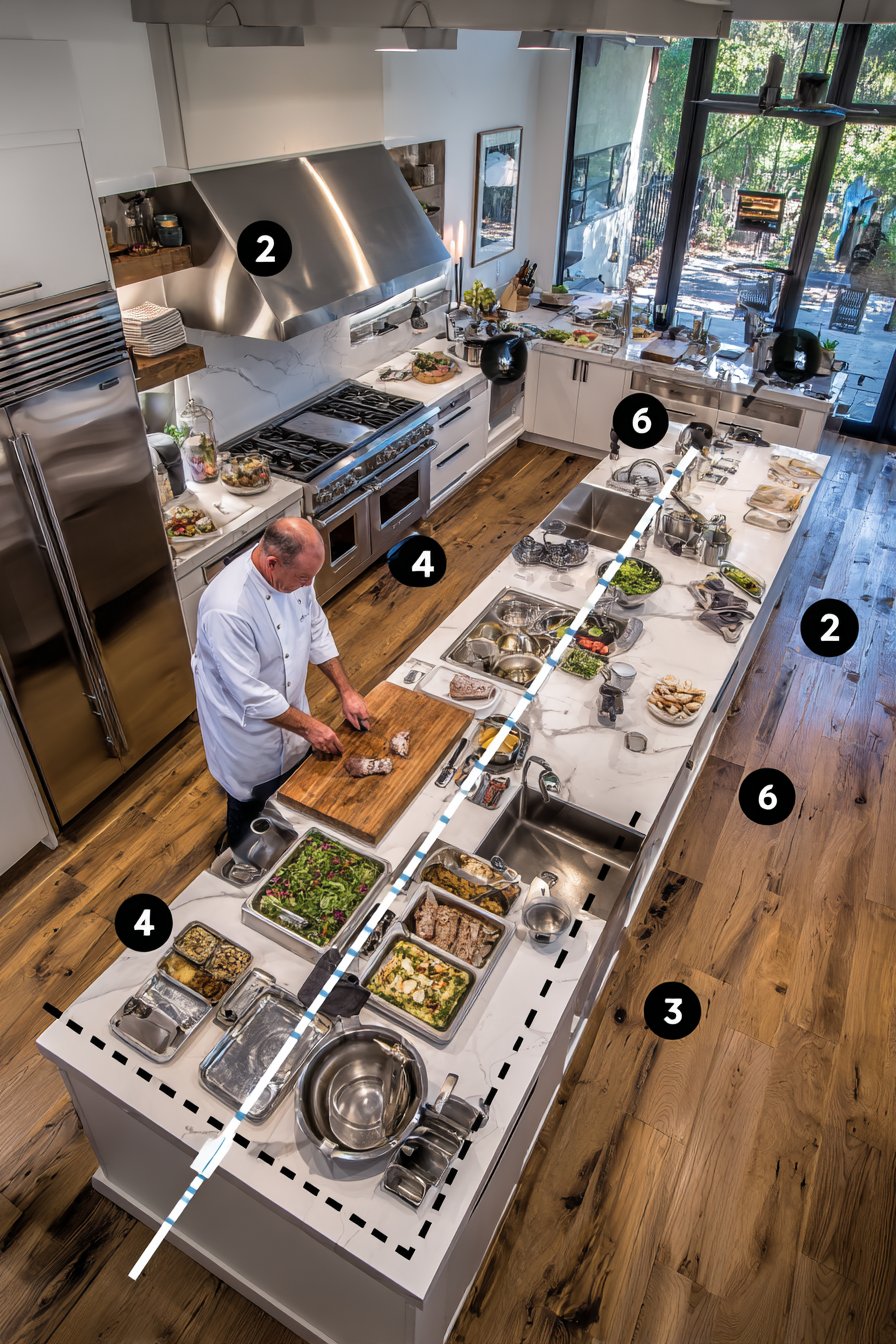
This efficiency translates directly into less physical fatigue during meal preparation. Your body naturally flows from refrigerator to sink to stove without awkward pivots or backtracking. The triangle layout respects how people actually cook rather than how kitchens simply look on paper.
- Position your sink as the triangle’s anchor point since it’s used most frequently
- Ensure no single leg of the triangle exceeds nine feet for optimal efficiency
- Keep the total perimeter between thirteen and twenty-six feet
- Avoid placing the dishwasher where it blocks triangle pathways
- Consider your dominant hand when positioning elements for natural movement
- Test the layout by walking through common cooking tasks before finalizing
2. Enhances Kitchen Safety
Safety becomes paramount when you’re working with sharp knives, boiling water, and hot cookware. The triangle layout minimizes dangerous cross-traffic that occurs when multiple people navigate the kitchen. By keeping work zones separated yet connected, you reduce collision risks during busy cooking sessions.
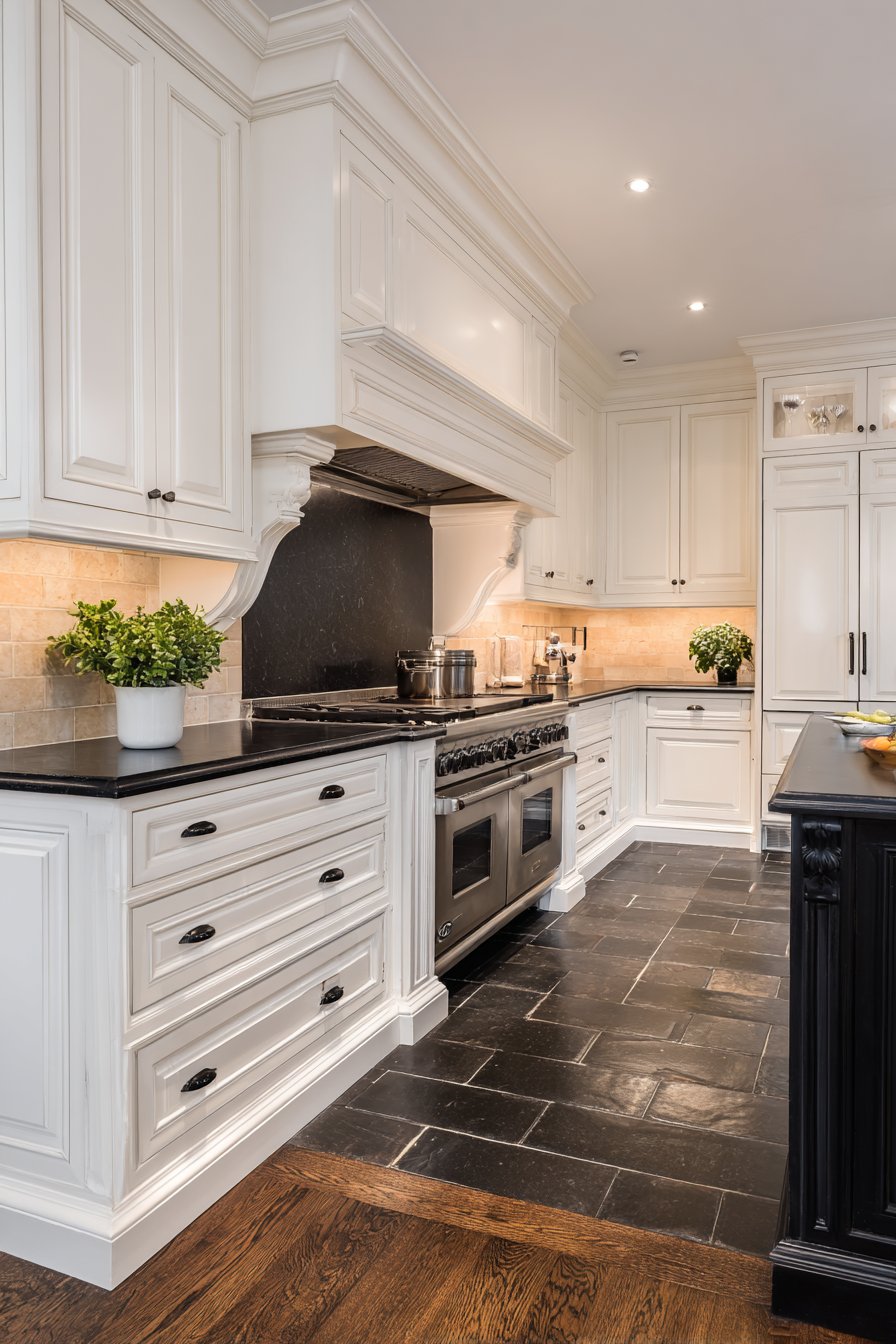
The strategic spacing prevents accidents that happen when carrying hot items across long distances. Shorter, more direct paths between key stations mean less opportunity for spills or burns. You’re also less likely to bump into cabinet doors or appliances when movement follows predictable triangle routes.
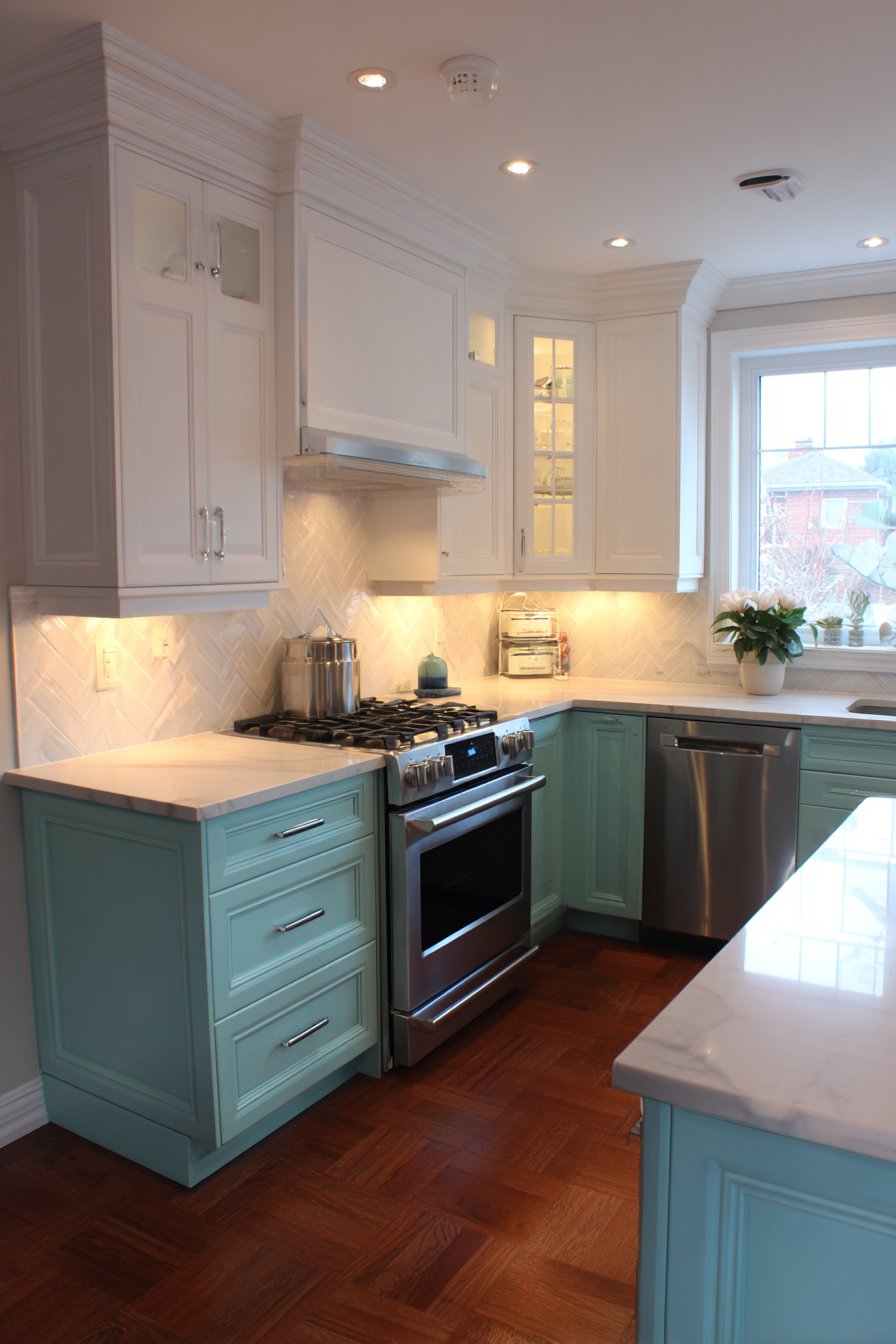
Family kitchens especially benefit from this safety advantage. When children or pets move through the space, the triangle keeps hazardous cooking activities contained within a defined zone. This protective perimeter naturally discourages others from wandering into your active workspace while you’re handling dangerous tasks.
- Never route high-traffic walkways through your work triangle
- Place the stove away from doorways to prevent bumping with hot pots
- Ensure adequate counter space on both sides of the cooktop for safety
- Position sharp objects and knives within the triangle for controlled access
- Install proper lighting at each triangle point to prevent accidents
- Keep floor surfaces non-slip within the entire triangle zone
3. Accommodates Multiple Cooks
Modern homes often feature two or more cooks working simultaneously in the kitchen. The triangle layout can adapt to support collaborative cooking without creating chaos. By establishing clear primary work zones, each cook can claim their territory while still accessing shared resources.
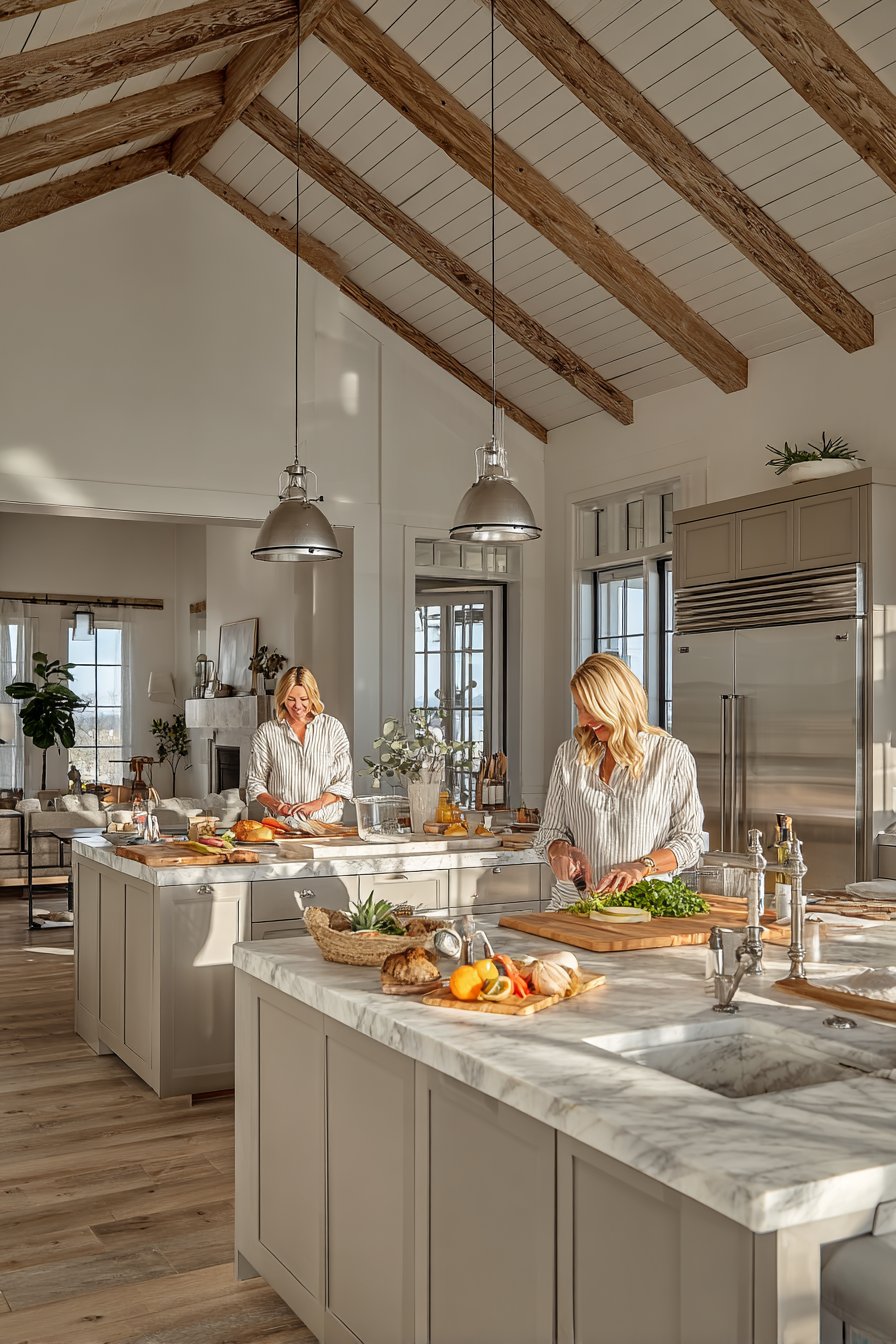
Smart designers create overlapping triangles when planning for multiple users. One person might work a triangle from refrigerator to sink to prep counter while another uses sink to stove to serving area. This approach maintains efficiency for both cooks without constant interference or bottlenecks at critical stations.
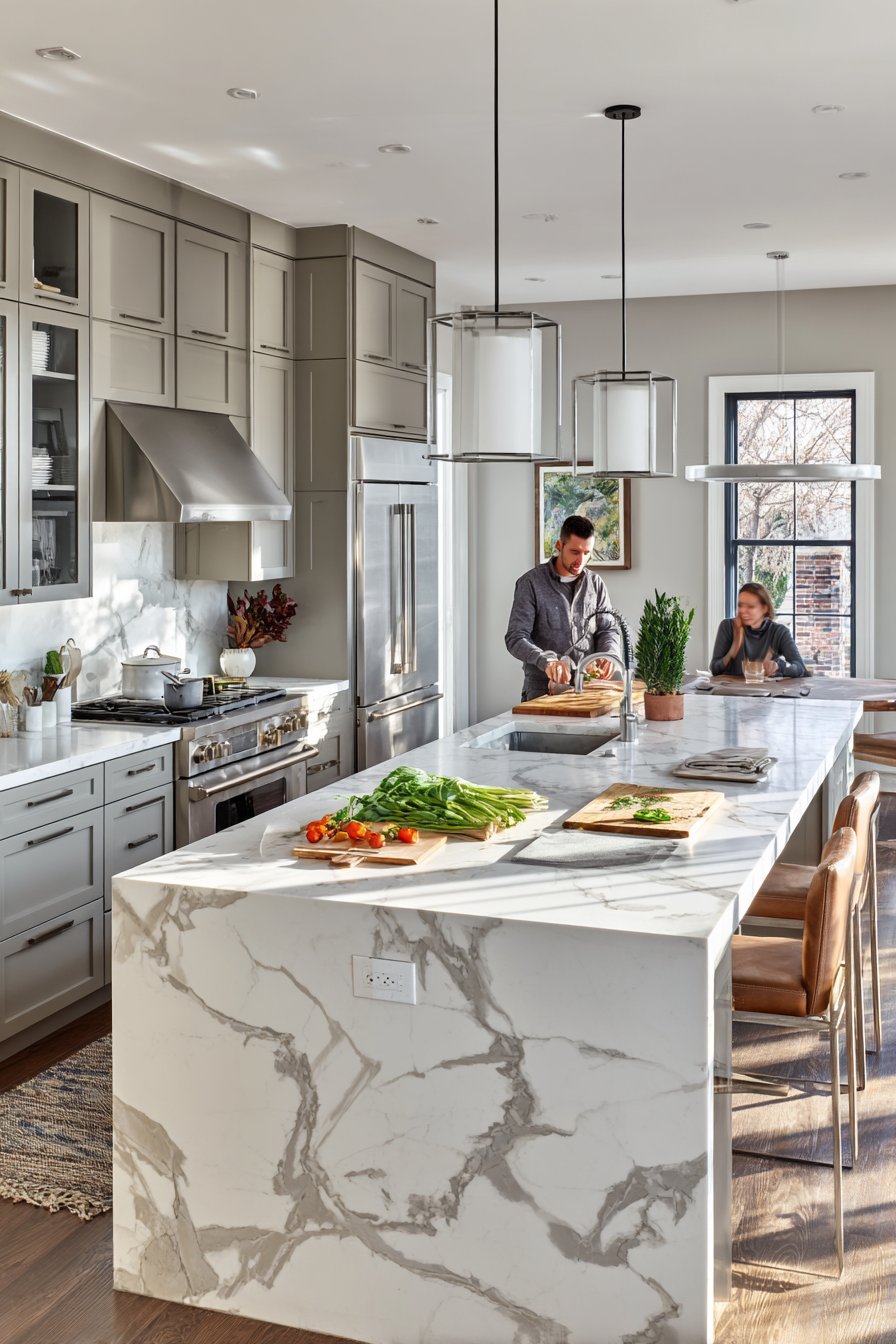
The beauty of this system lies in its flexibility. During solo cooking, you enjoy the full triangle’s efficiency. When help arrives, the space naturally accommodates parallel workflows that keep everyone productive. This adaptability makes the triangle superior to linear or galley arrangements that force single-file cooking.
- Design secondary prep areas outside the primary triangle for helpers
- Consider two sinks if your kitchen frequently hosts multiple cooks
- Create distinct but connected triangles that share the refrigerator
- Ensure each cook has dedicated counter space within their triangle
- Position small appliances to serve both triangles without blocking paths
- Plan for at least forty-two inches of clearance between opposite counters
4. Maximizes Counter Space Usage
The triangle layout naturally creates valuable landing zones at each point. You pull items from the refrigerator and immediately have counter space for sorting ingredients. The sink area provides room for washing and draining, while the stove area accommodates staging cooked dishes without crowding your workspace.
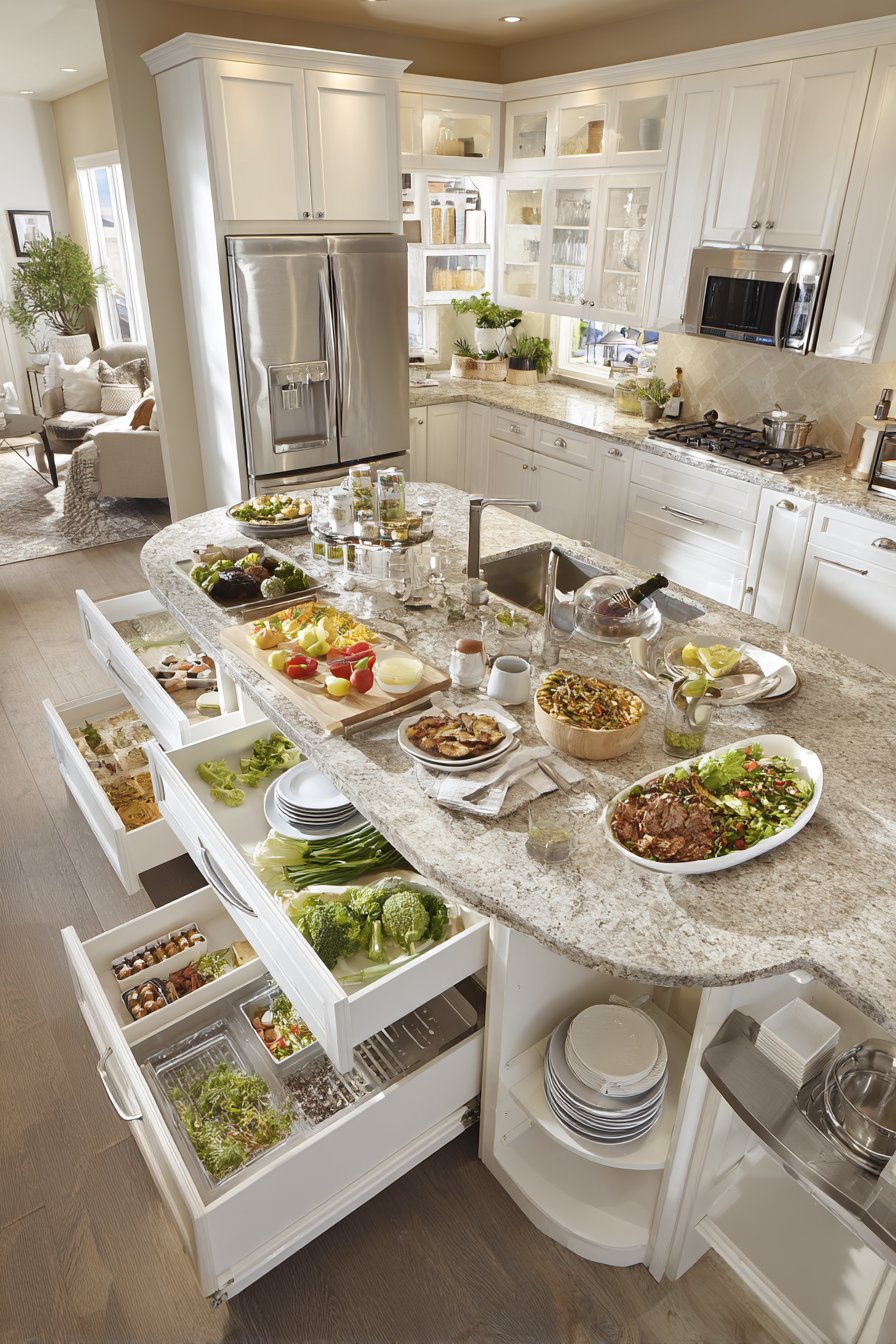
This spatial organization prevents the dreaded counter clutter that makes cooking frustrating. Each triangle point becomes a mini workstation dedicated to its specific function. You’re not shuffling items around constantly or searching for clear space to set down a cutting board or hot pan.
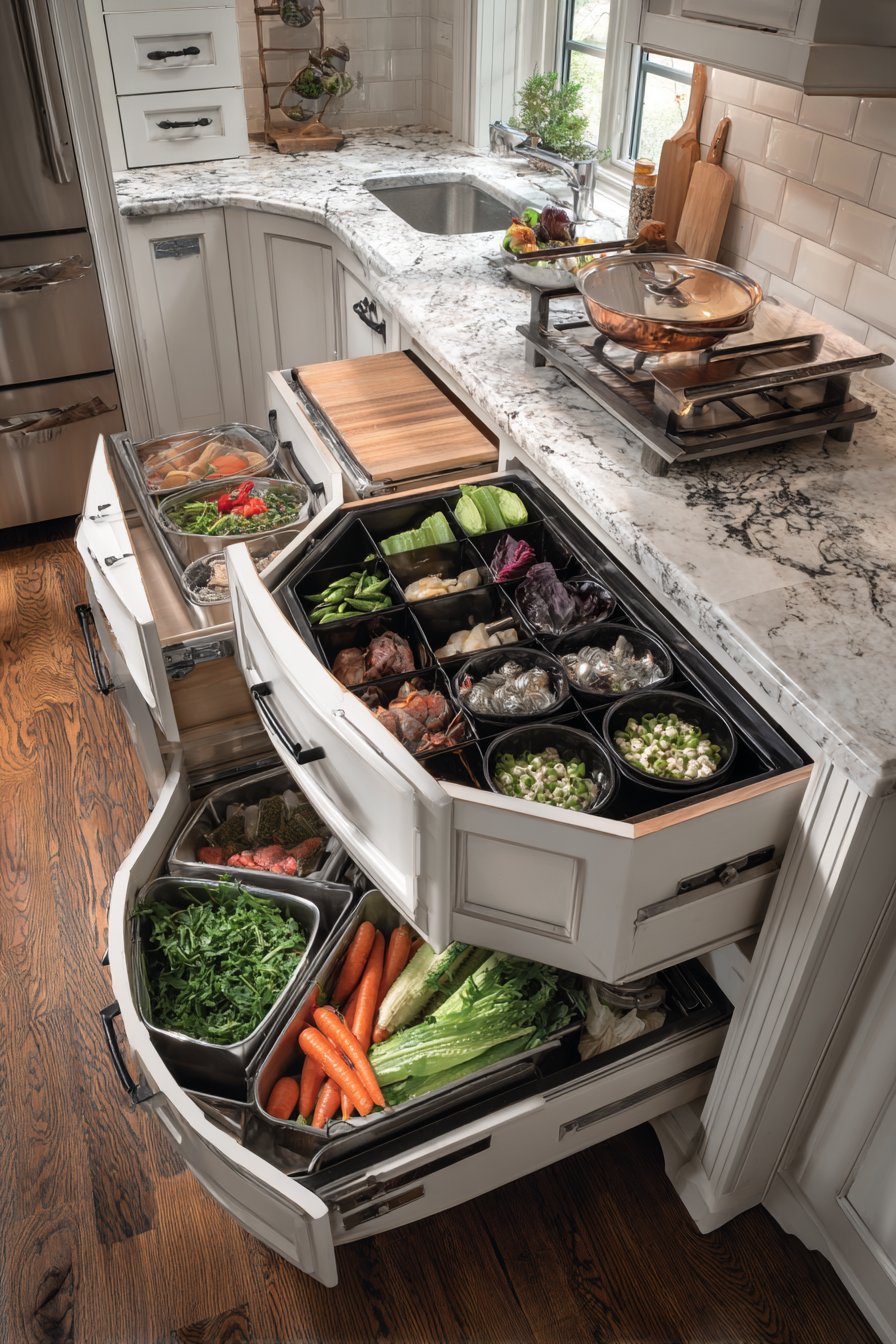
The distances between points also encourage you to use counter space more thoughtfully. That stretch between refrigerator and sink becomes perfect for meal prep work. The span from sink to stove handles washing and cooking sequences seamlessly. Every inch serves intentional purposes within your cooking routine.
- Install counter space measuring at least fifteen inches beside the refrigerator
- Provide landing area of at least twelve inches on one side of the sink
- Create heat-resistant counter space near the cooktop for safety
- Use corner areas within the triangle for specialized storage
- Consider different counter heights for varied tasks within the triangle
- Avoid placing tall appliances that interrupt counter flow between points
5. Supports Various Kitchen Shapes
The triangle principle adapts beautifully to L-shaped, U-shaped, and galley kitchens while maintaining its core benefits. In L-shaped layouts, two points anchor along one wall while the third occupies the perpendicular wall. U-shaped kitchens can create nearly perfect triangles with balanced distances between all three stations.
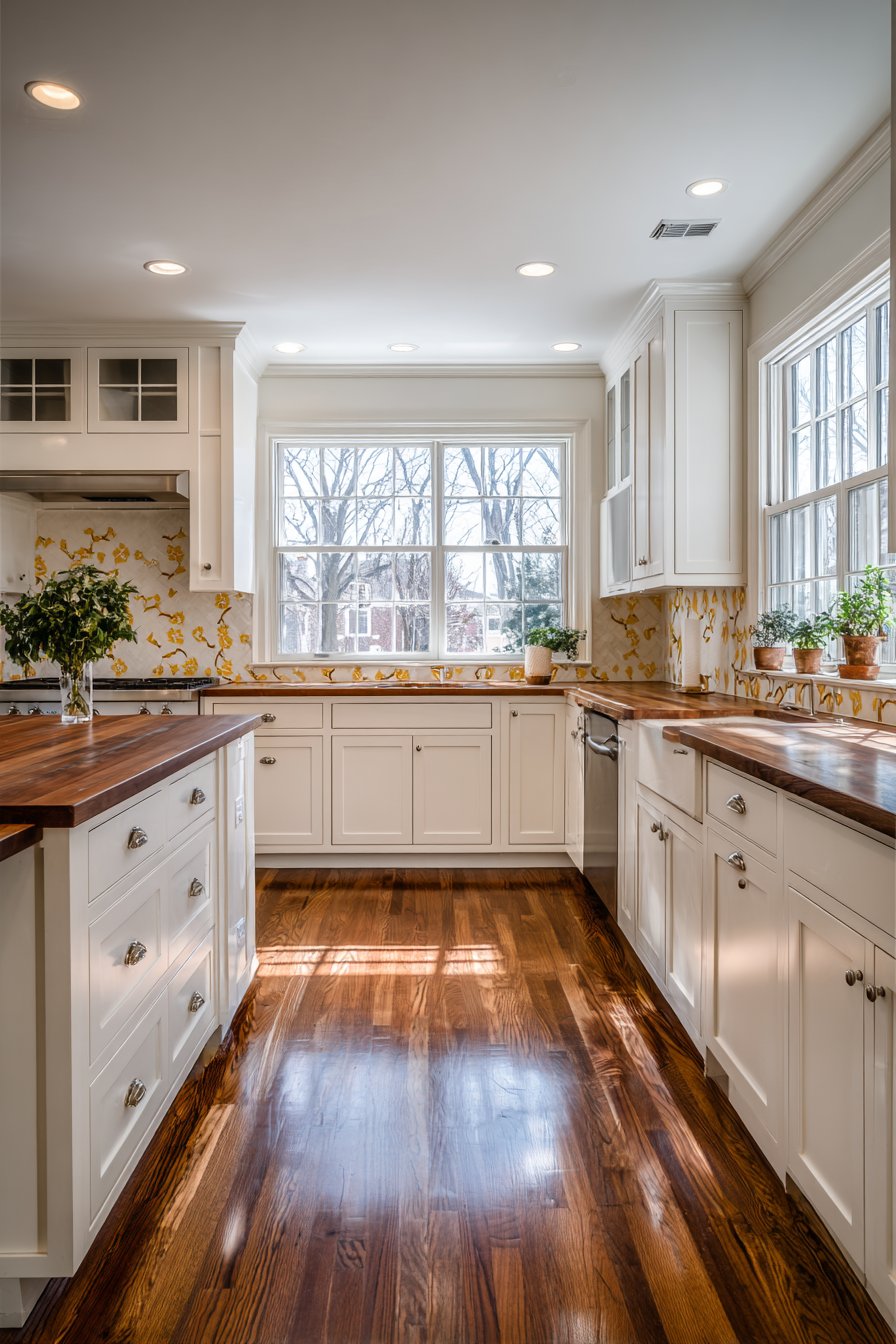
Even challenging spaces like galley kitchens benefit from triangle thinking. Though constrained to parallel walls, you can still position the three key elements to minimize back-and-forth travel. The triangle becomes more of a corridor workflow but preserves the efficiency principle underlying the original concept.
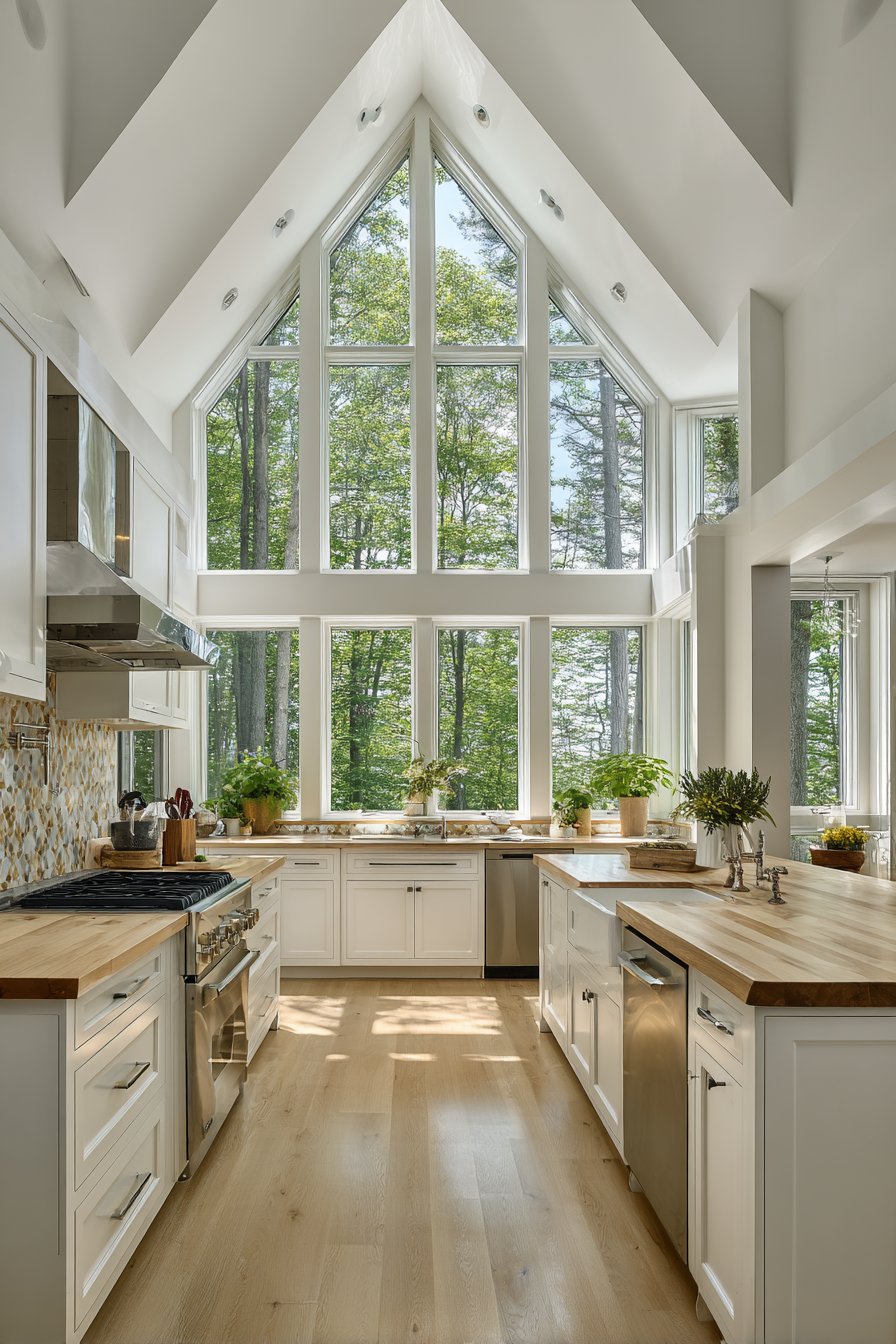
Island kitchens offer exciting triangle possibilities by using the island as one anchor point. This approach opens up the workspace while maintaining functional connections between your primary stations. Peninsula layouts work similarly, proving that the triangle concept transcends specific architectural configurations.
- Measure your space carefully before committing to appliance positions
- In galley kitchens, stagger elements to create the shortest possible triangle
- Use islands strategically as one triangle point for open layouts
- Avoid placing all three points on the same wall
- Consider sight lines and visual balance alongside functional efficiency
- Plan for future flexibility by using standard appliance dimensions
6. Increases Property Value
Real estate professionals recognize that well-designed kitchens significantly impact home values. Buyers immediately notice when a kitchen follows proven design principles versus appearing randomly assembled. The triangle layout signals thoughtful planning that appeals to practical homebuyers who understand kitchen functionality.
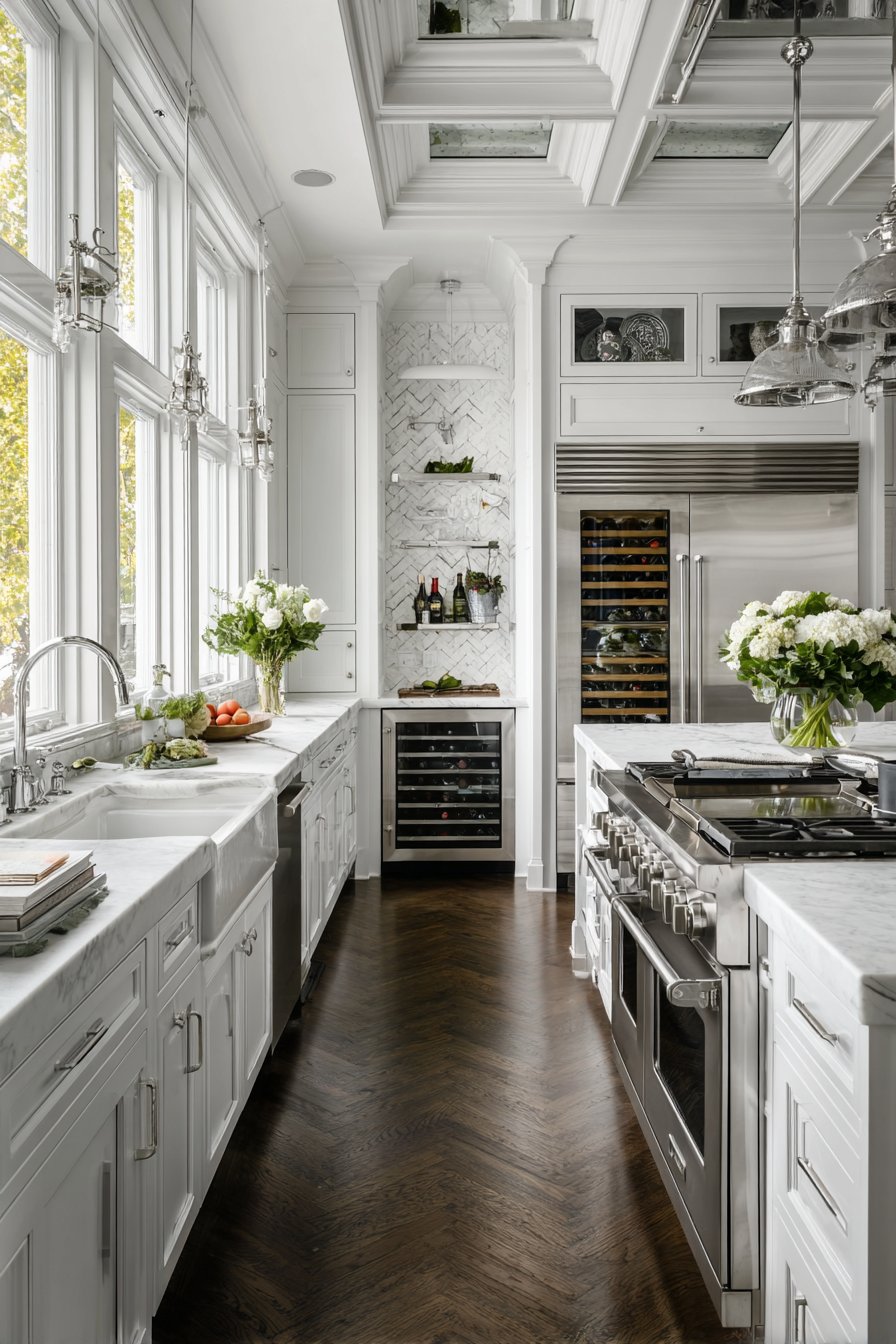
Appraisers and home inspectors specifically look for efficient kitchen layouts when evaluating properties. A kitchen that demonstrates professional design thinking commands higher prices and sells faster than comparable homes with awkward arrangements. This return on investment makes the triangle layout not just functional but financially smart.
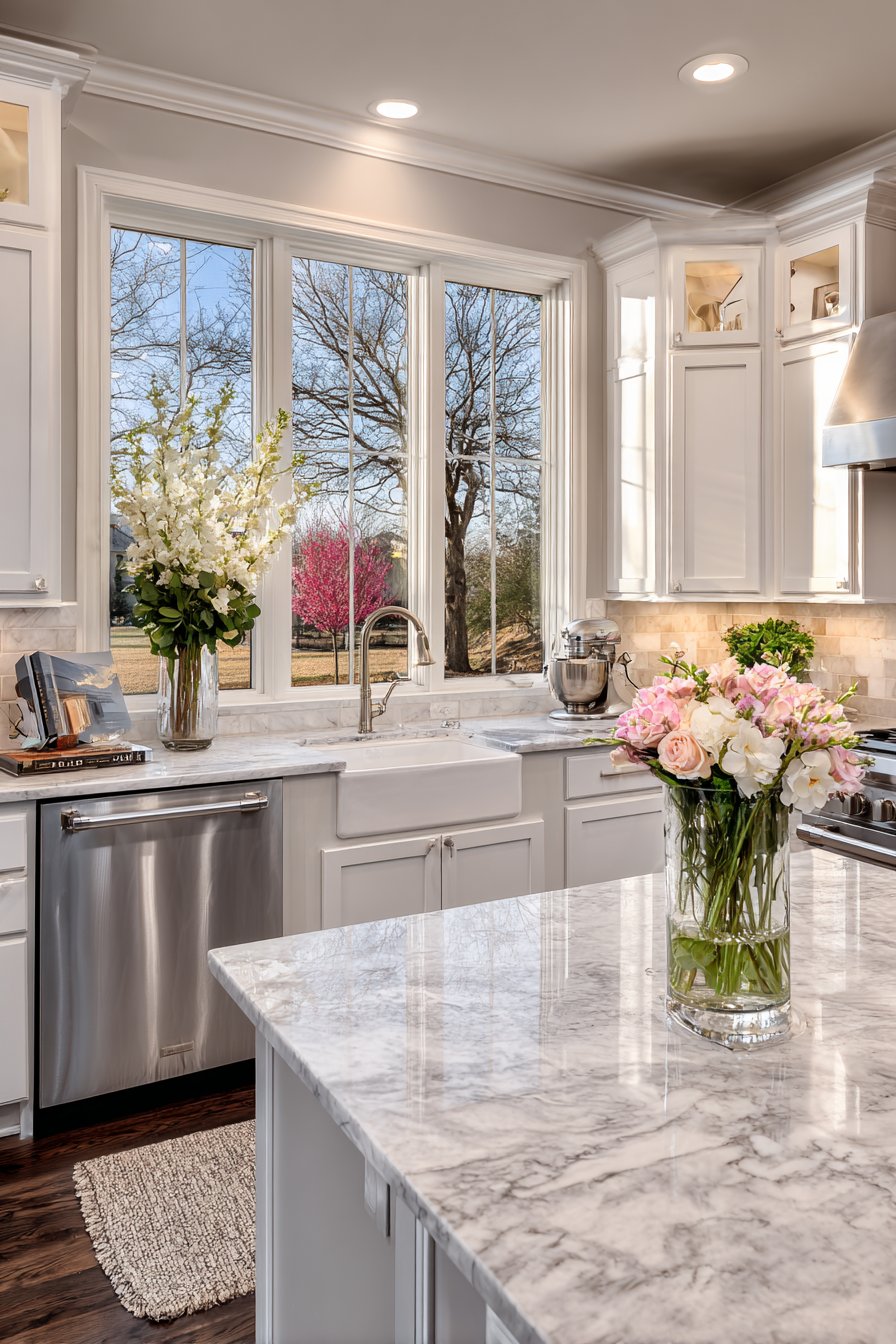
Beyond immediate resale value, the triangle layout future-proofs your kitchen against changing trends. While cabinet styles and finishes may evolve, the fundamental need for efficient movement between key stations remains constant. Your investment in proper layout planning pays dividends for years or even decades.
- Document your triangle measurements when listing your home for sale
- Highlight the thoughtful layout in property descriptions
- Compare your kitchen favorably to other homes in your area
- Maintain the triangle when updating appliances or cabinets
- Avoid renovations that compromise the established triangle for aesthetics alone
- Consider professional kitchen certification programs that verify optimal layouts
Conclusion
The kitchen triangle layout has endured for good reason—it simply works. This principle transforms abstract design theory into tangible daily benefits that make cooking more enjoyable and less exhausting. Whether you’re preparing quick weeknight dinners or elaborate holiday feasts, the triangle supports your efforts with invisible efficiency.
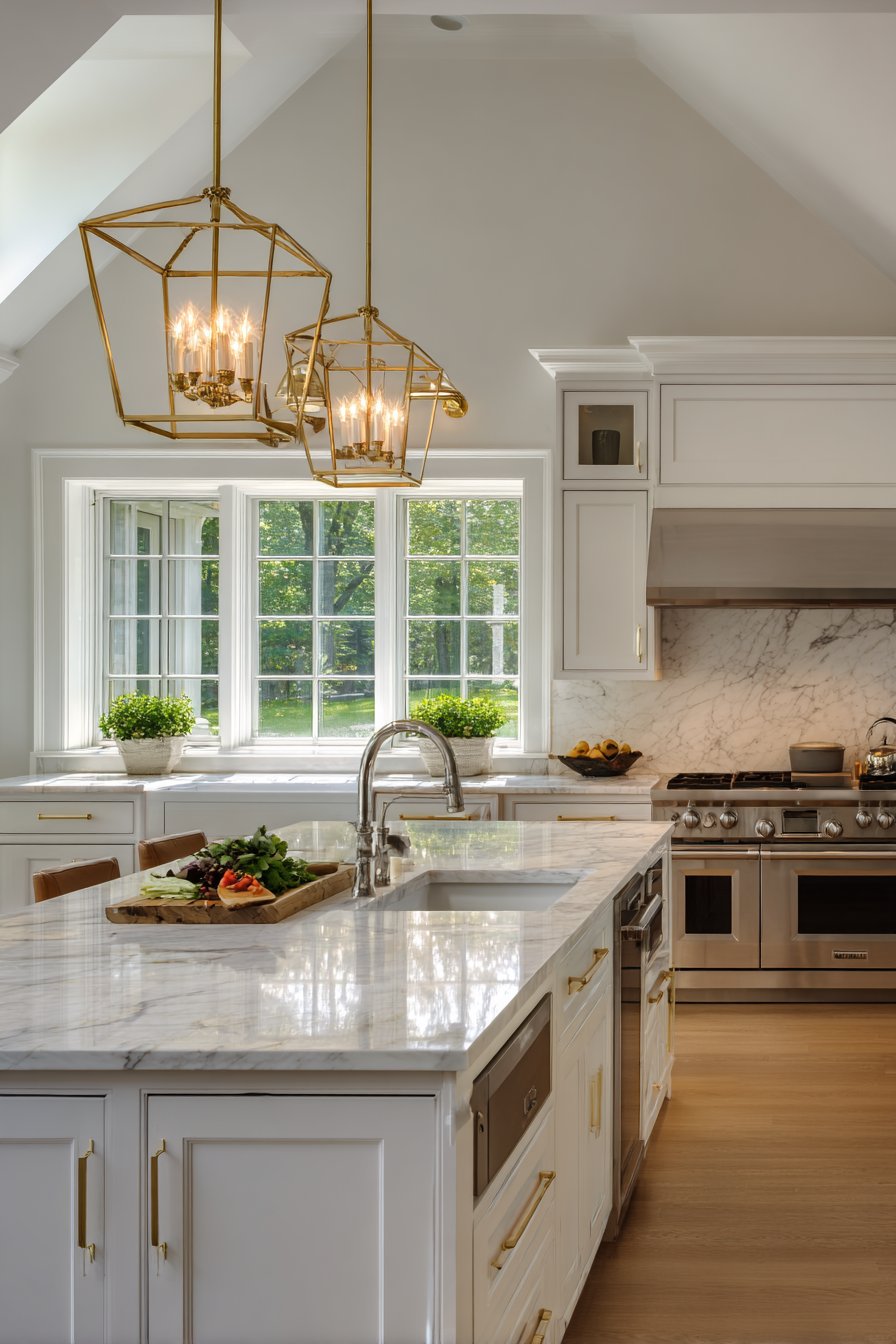
As you plan your kitchen project, let the triangle guide your major decisions while leaving room for personal style and modern innovations. The most successful kitchens balance proven functionality with individual preferences and contemporary aesthetics. By respecting this fundamental principle, you’re investing in a space that will serve you well for years to come while potentially increasing your home’s value and appeal.
