


Selecting the right paint color for your bedroom is one of the most impactful decisions you’ll make in home design. The color you choose affects your mood, sleep quality, and overall enjoyment of your personal sanctuary. Unlike trendy accent pieces that can be easily swapped, wall paint is a commitment that should stand the test of time both aesthetically and practically.
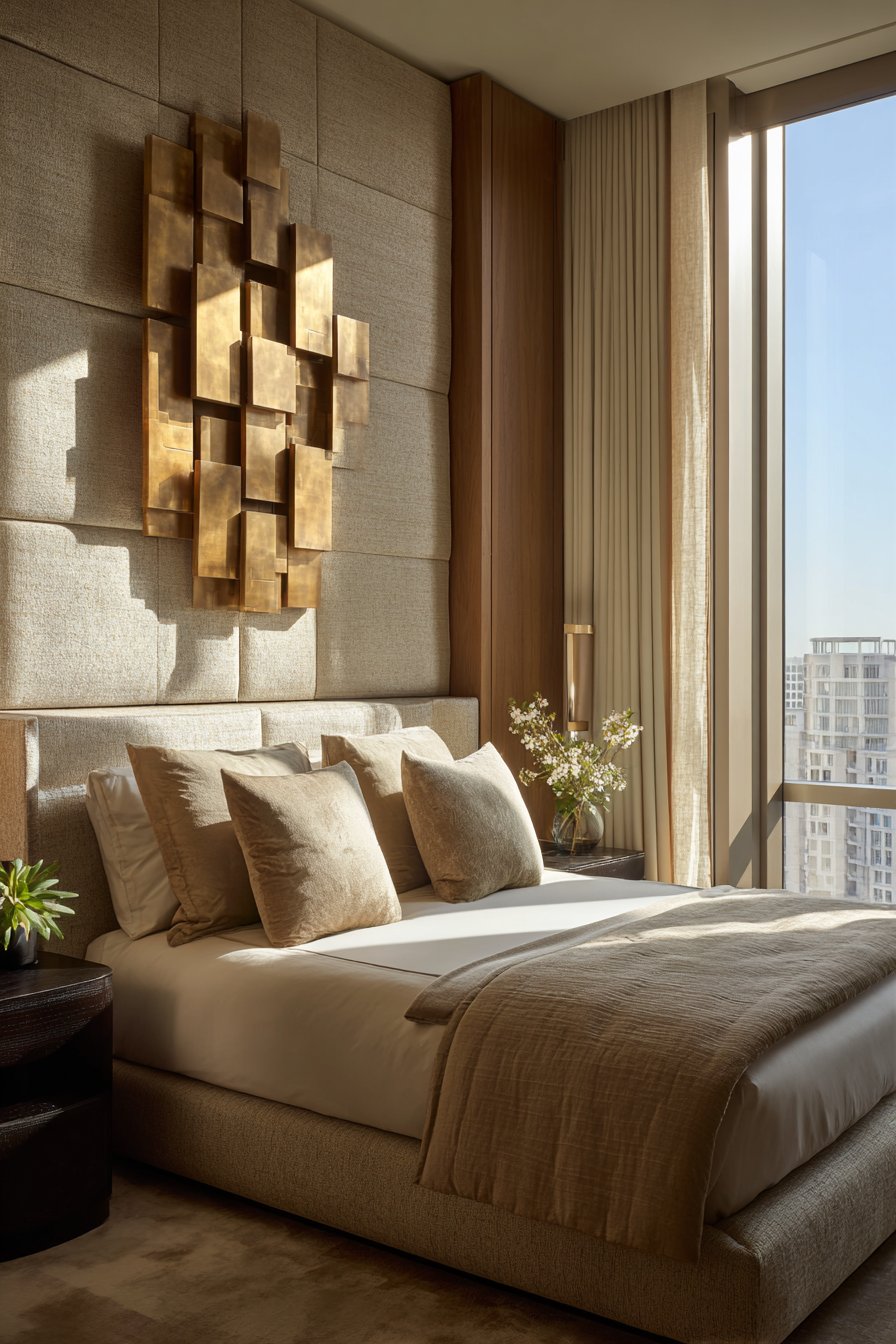
The bedroom serves as our retreat from the world, making color selection particularly crucial. A well-chosen palette creates harmony and promotes relaxation while reflecting your personal style. However, many homeowners struggle with choosing colors that remain appealing years after application. The key lies in understanding timeless principles rather than chasing fleeting trends.
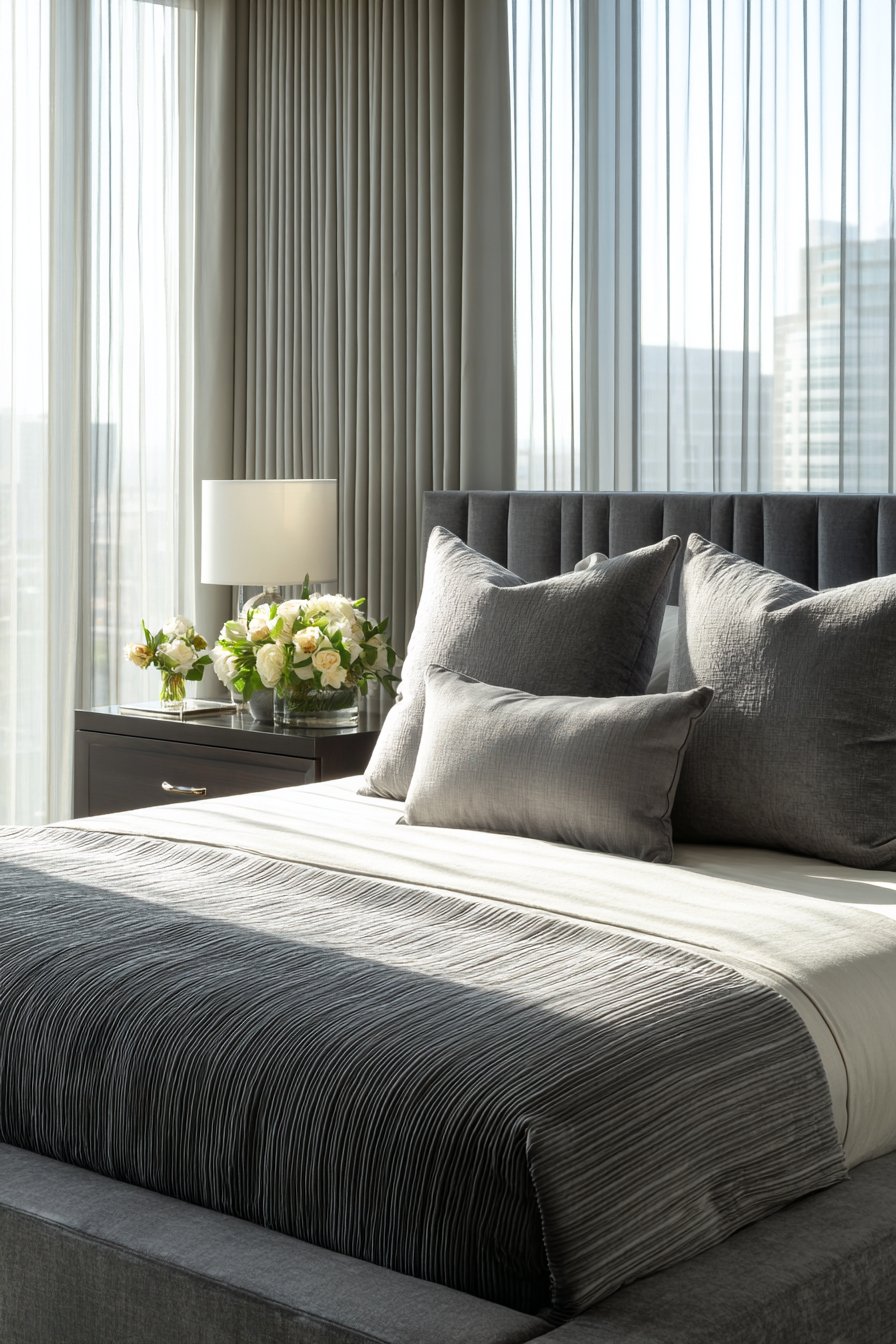
This comprehensive guide explores six essential strategies for selecting bedroom paint colors that maintain their appeal and functionality for years to come. From understanding color psychology to considering practical factors like lighting and durability, these insights will help you make confident decisions. Whether you’re refreshing a master suite or designing a guest room, these time-tested approaches ensure your color investment pays dividends in lasting beauty and satisfaction.
1. Understand Color Psychology and Personal Response
Color psychology plays a fundamental role in bedroom design because different hues trigger distinct emotional and physiological responses. Cool colors like blues and greens naturally lower heart rate and blood pressure, making them ideal for sleep environments. Warm neutrals create coziness without overstimulation, while saturated colors can energize or agitate depending on their intensity.
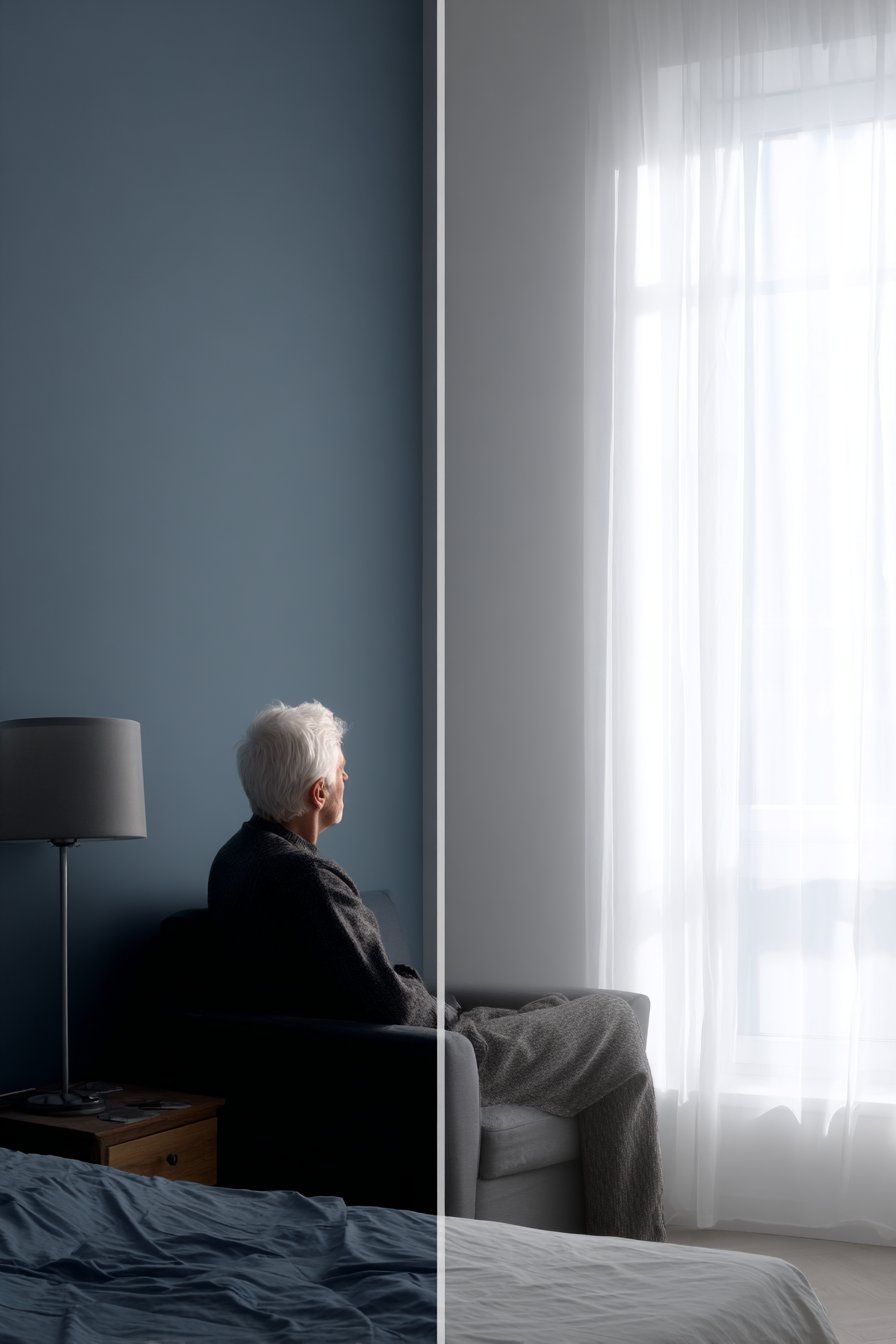
Your personal response to color matters more than generic rules. A shade that soothes one person might feel cold or uninspiring to another. Consider colors from spaces where you’ve felt most comfortable and relaxed in the past. Test paint samples in your actual bedroom for at least three days, observing them during different times and lighting conditions.
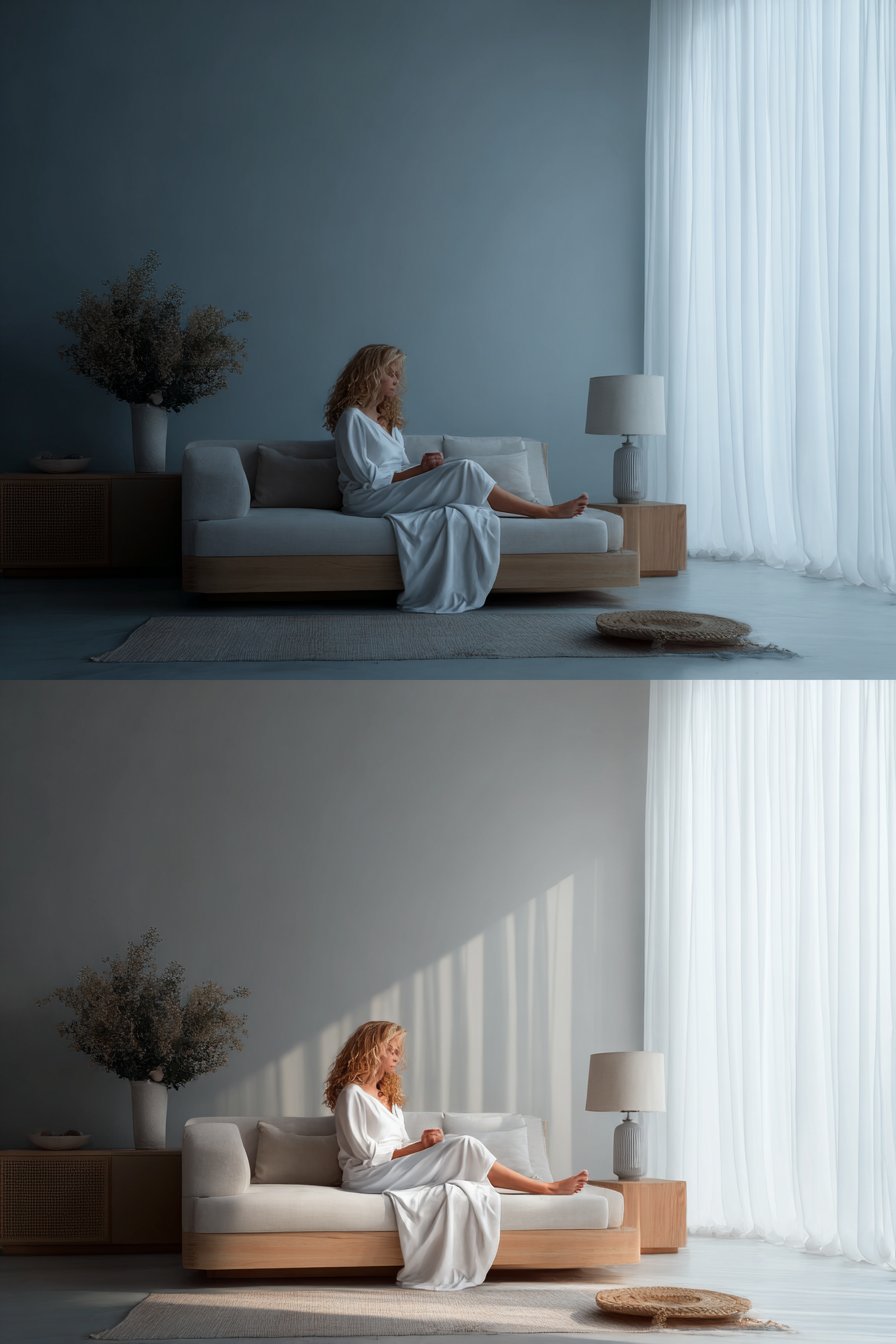
Long-lasting color choices align with your authentic preferences rather than current trends. If you genuinely love a color, you’re more likely to appreciate it years later. Trust your instincts while considering how the color interacts with your lifestyle, furnishings, and the room’s architectural features for enduring satisfaction.
- Paint large sample squares (at least 2×2 feet) on different walls
- Observe samples in morning light, afternoon sun, and evening artificial lighting
- Consider how the color makes you feel after spending extended time in the room
- Ask yourself if the color complements your existing furniture and decor
- Think about whether the shade will photograph well for future memories
- Evaluate if the color feels authentic to your personal style
2. Prioritize Neutral Foundations with Depth
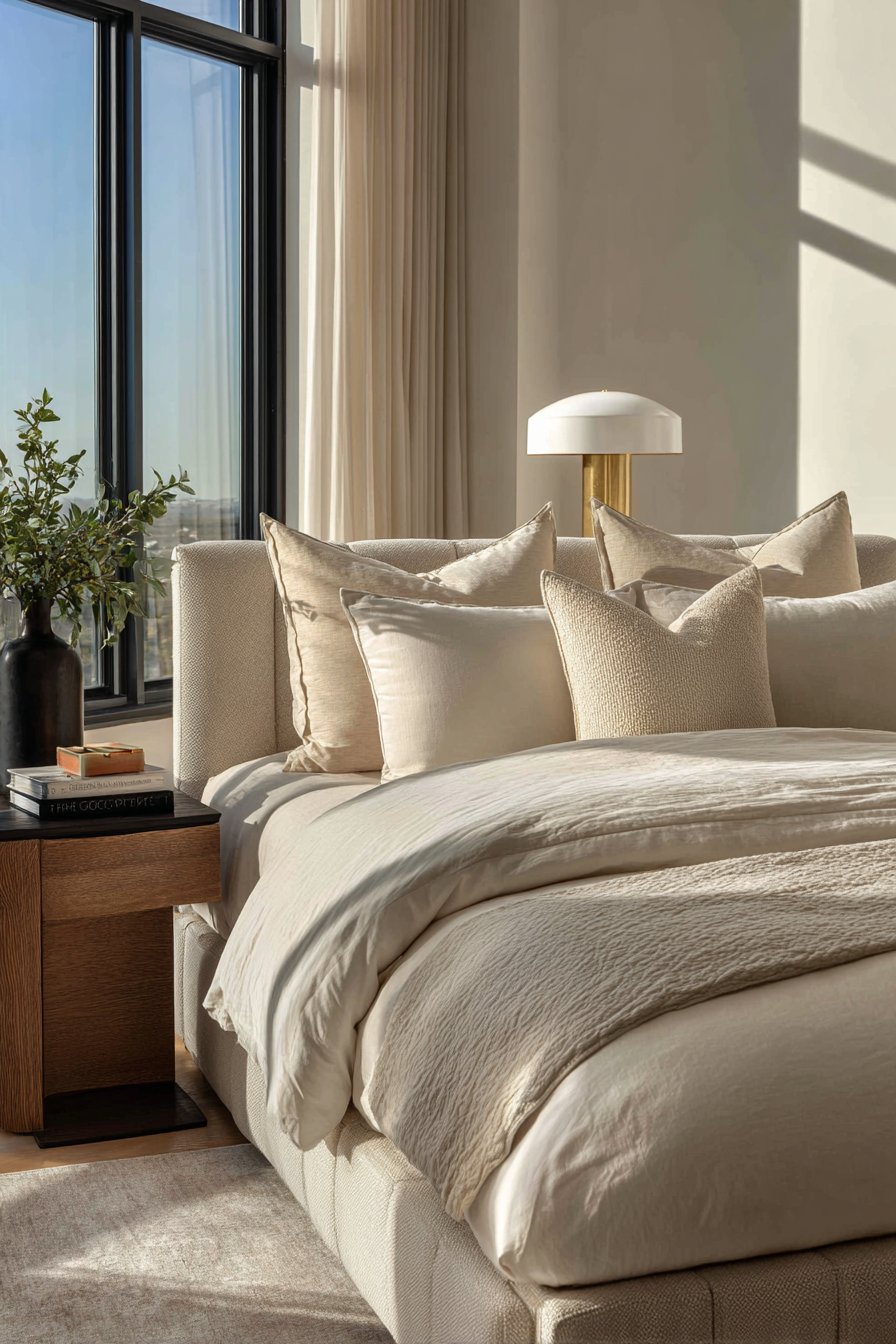
Neutral colors form the backbone of timeless bedroom design because they provide versatility and longevity without boredom. However, not all neutrals are created equal. The most enduring choices possess subtle undertones that add character and prevent the stark, sterile feeling of pure white or beige.
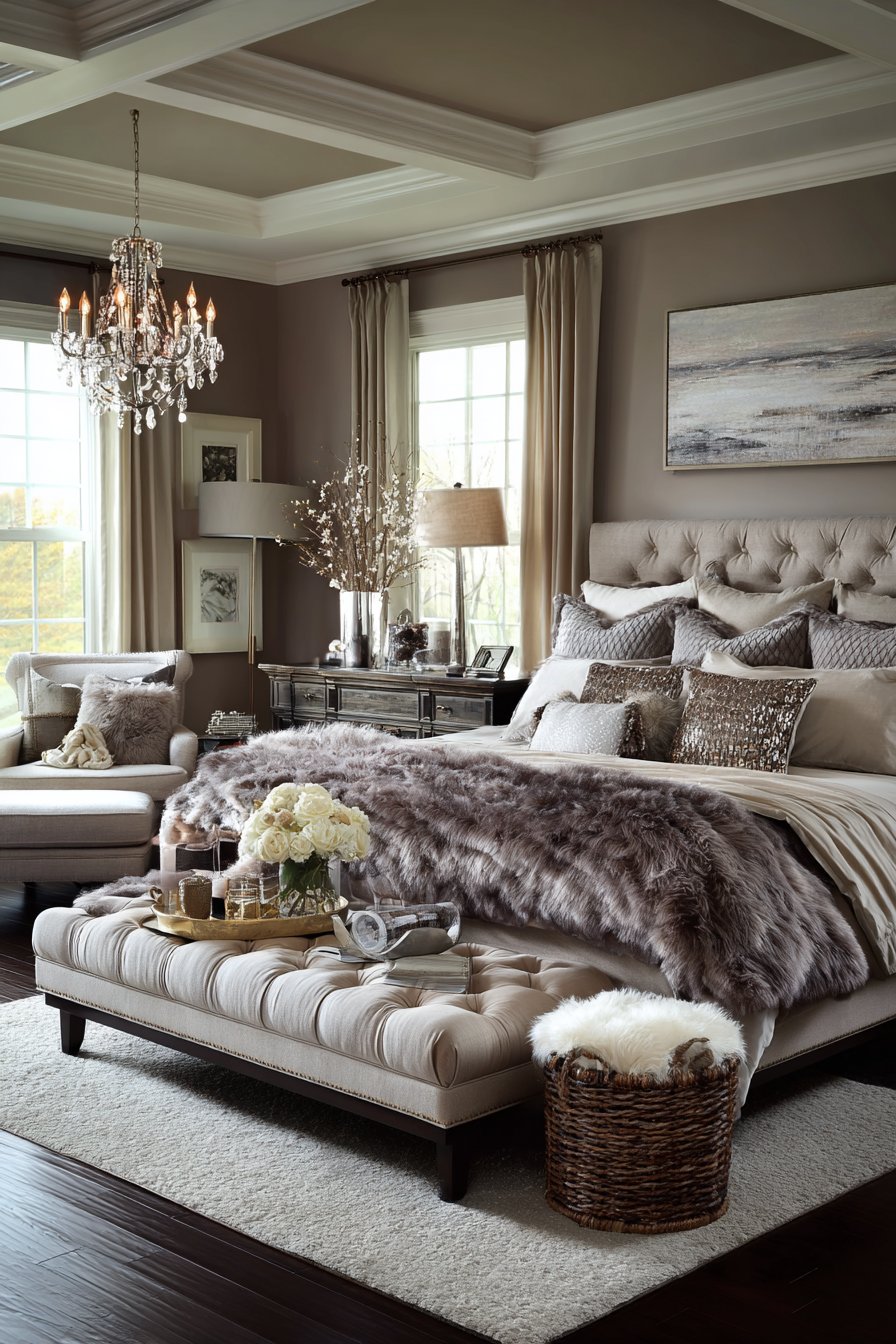
Complex neutrals like greige (gray-beige), warm taupes, and soft grays with slight undertones create sophisticated backdrops that adapt to changing decor. These shades work seamlessly with various accent colors, allowing you to refresh your bedroom’s look through textiles and accessories. The depth in these colors prevents them from feeling flat or dated.
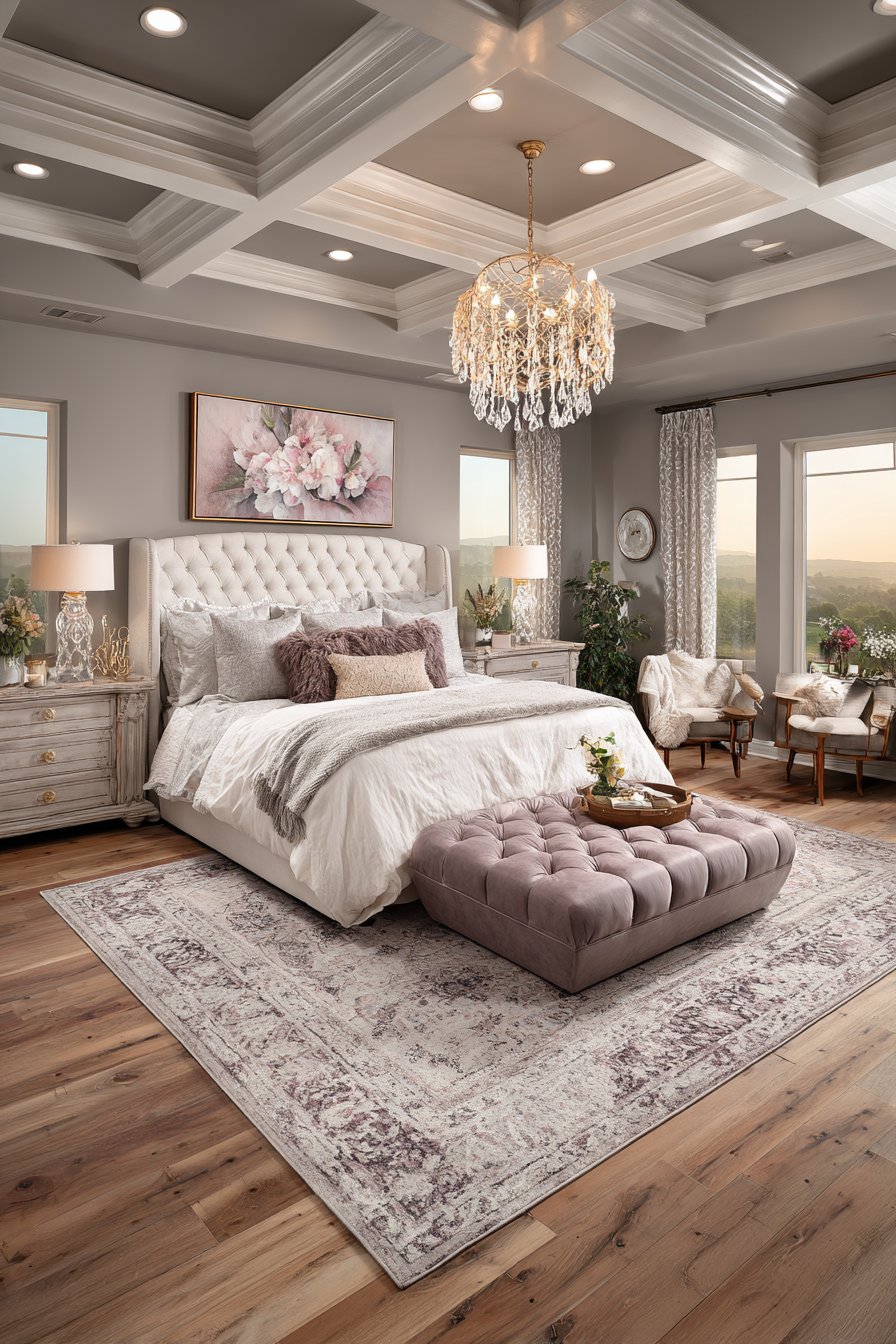
Quality neutral paints often contain multiple pigment combinations that create richness and dimension on walls. This complexity makes them appear different throughout the day as natural light shifts. Consider neutrals with undertones that complement your bedroom’s fixed elements like flooring, trim, and built-ins for cohesive results.
- Choose neutrals with warm undertones for north-facing rooms
- Select cooler neutrals for south-facing bedrooms with abundant natural light
- Test how neutrals look against your white trim and ceiling
- Avoid stark white walls which can feel clinical in bedrooms
- Consider one shade darker than you initially think for added depth
- Layer different neutral tones for sophisticated monochromatic schemes
3. Consider Light Quality and Room Orientation
Natural light dramatically affects how paint colors appear and perform over time, making room orientation essential to color selection. North-facing bedrooms receive cool, indirect light that can make colors appear muted and darker. South-facing rooms enjoy warm, bright light throughout the day that intensifies paint colors significantly.
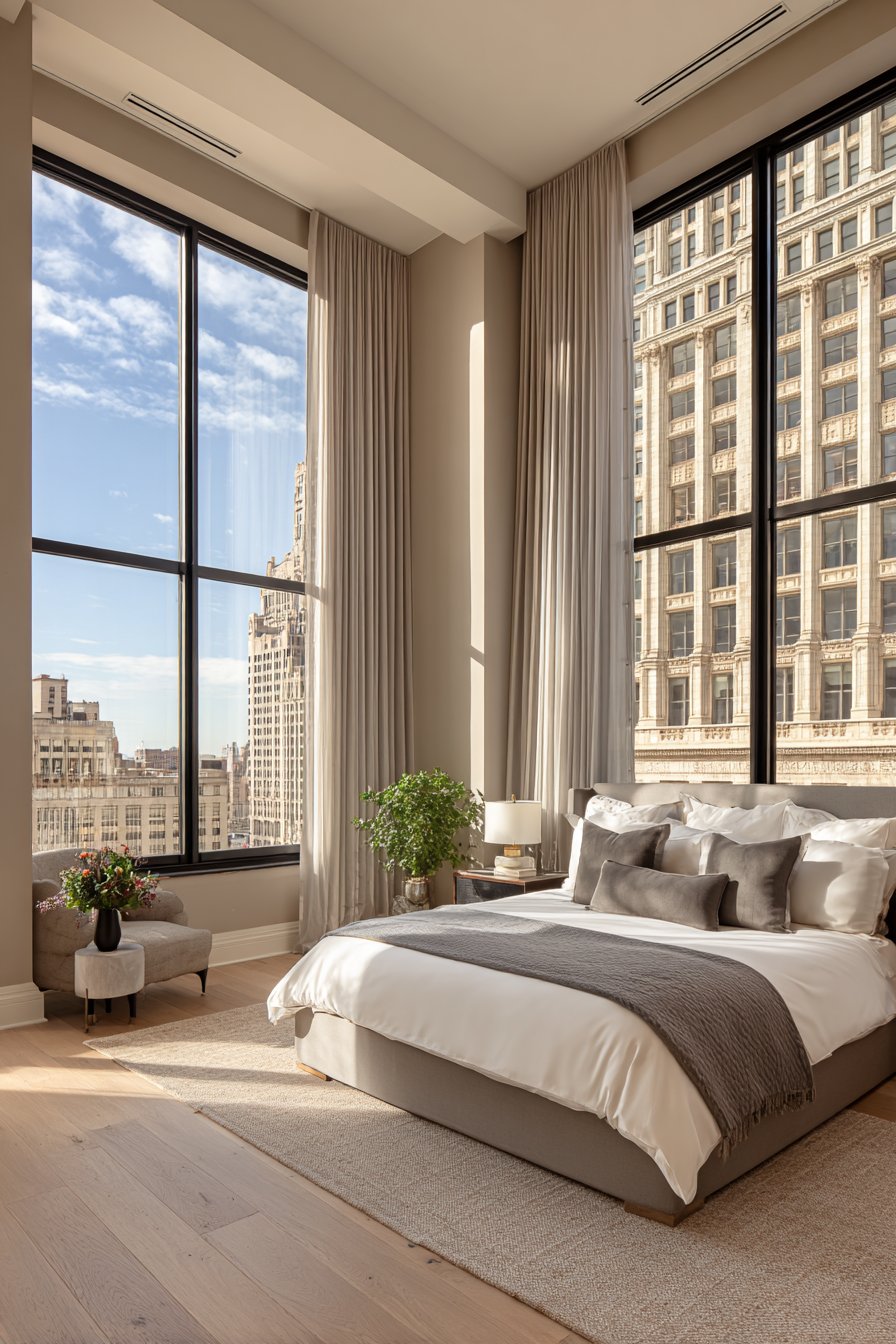
East-facing bedrooms experience beautiful morning light that gradually fades, while west-facing rooms receive dramatic afternoon and evening illumination. Understanding these patterns helps you anticipate color behavior throughout the day and seasons. Colors that look perfect at noon might feel entirely different during evening hours when you actually use the space.
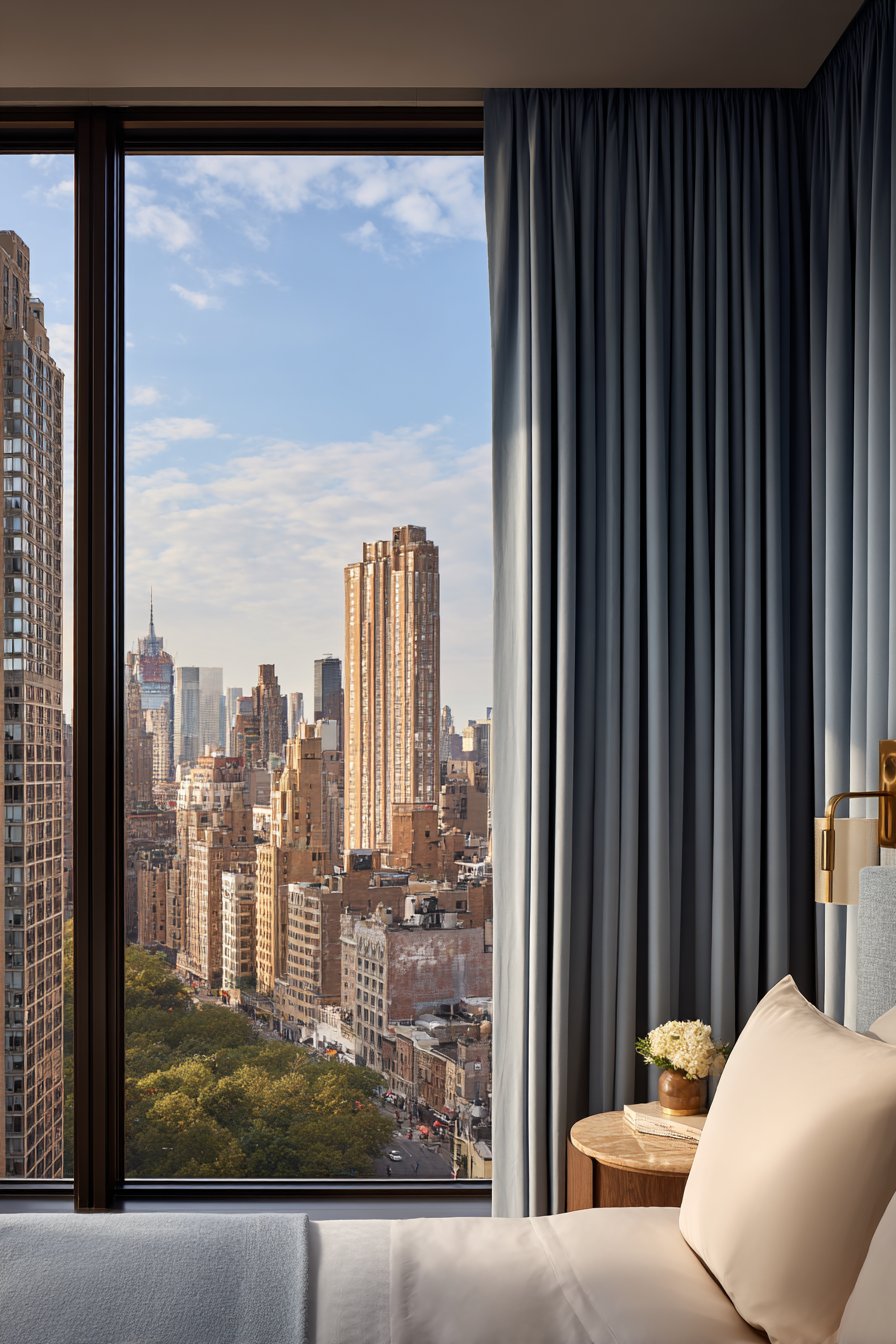
Artificial lighting further complicates color perception, with LED, incandescent, and fluorescent bulbs each casting different tones. Choose paint colors that perform well under both natural and artificial light conditions for consistency. Consider installing dimmable lights to control how intensely your paint color appears during different activities and moods.
- Paint samples on walls facing different directions to compare light impact
- Photograph samples throughout the day to document color shifts
- Test colors under your actual bedroom lighting fixtures
- Consider seasonal light changes, especially in rooms with large windows
- Choose slightly lighter shades for north-facing rooms to combat darkness
- Account for window treatments that filter or reduce natural light
4. Select Durable Paint Finishes for Longevity
The paint finish you choose significantly impacts both appearance and durability, making it crucial for long-term satisfaction. Matte or flat finishes offer sophisticated, velvety appearances that hide wall imperfections beautifully. However, they’re less washable and more prone to scuffing, which can be problematic in high-traffic bedrooms or children’s rooms.
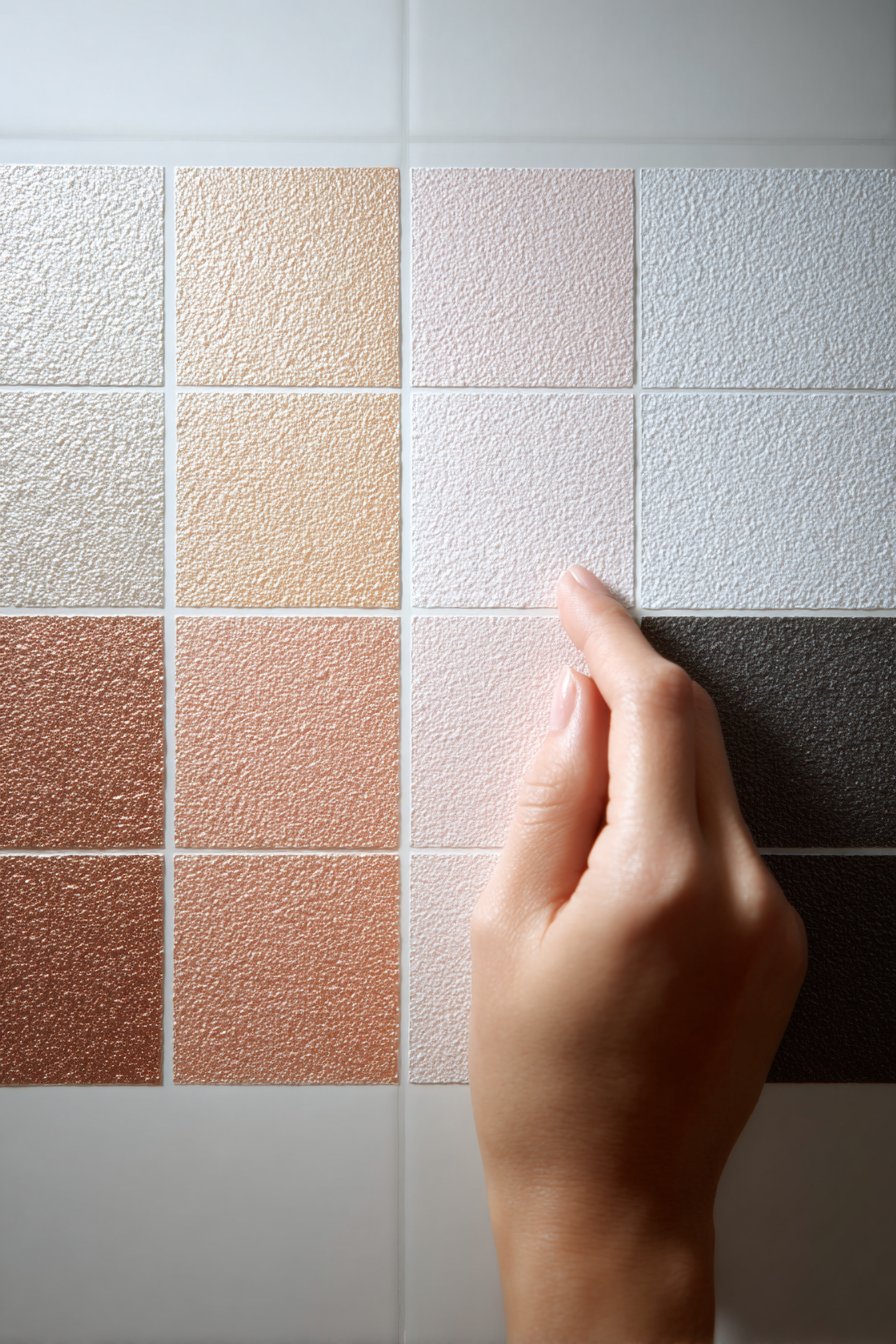
Eggshell and satin finishes strike an excellent balance between aesthetics and practicality for most bedrooms. These sheens provide subtle luminosity that enhances color depth while offering good cleanability and durability. They resist fingerprints and minor marks better than flat finishes while maintaining an elegant, non-glossy appearance.
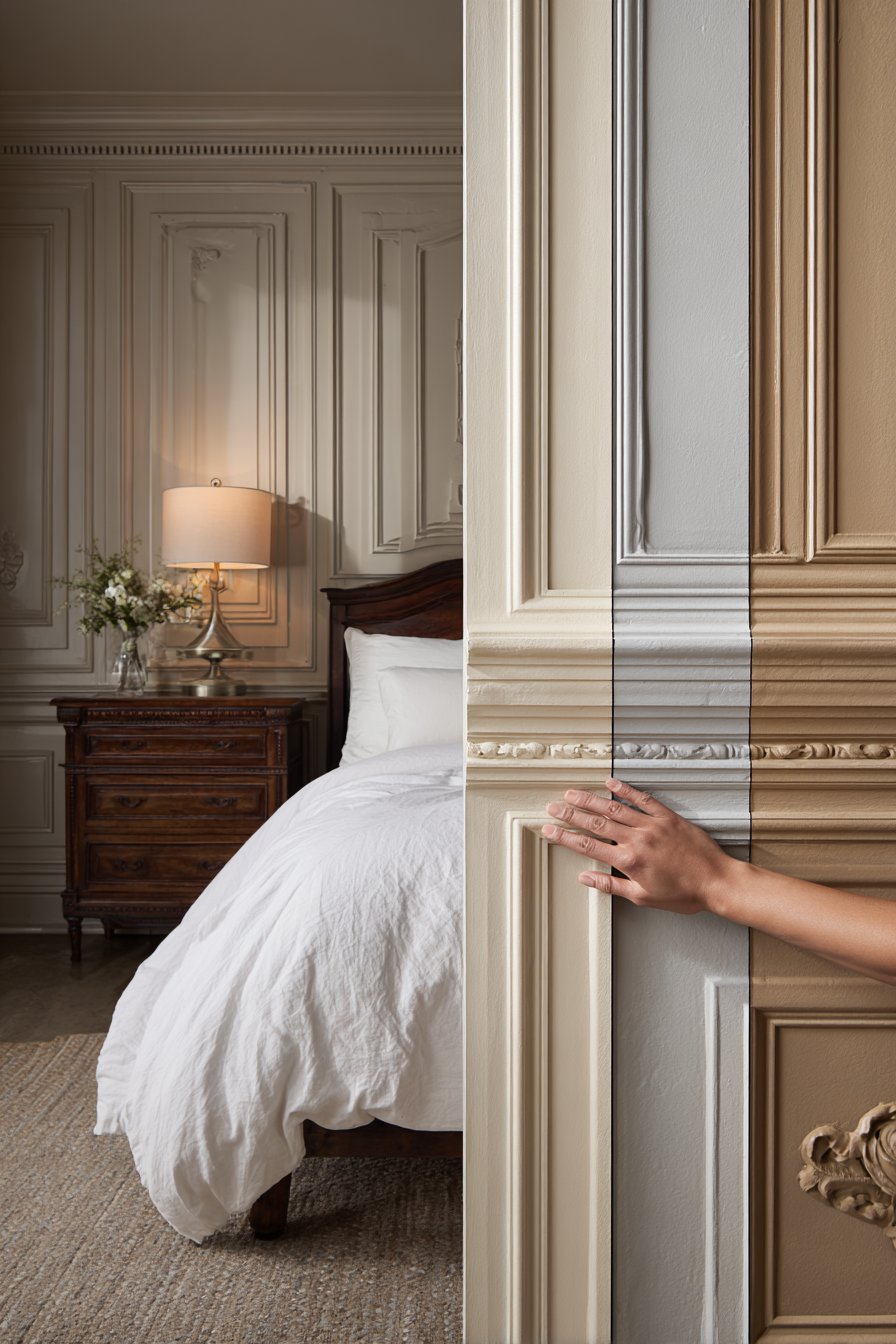
Semi-gloss and high-gloss finishes work well for trim, doors, and accent walls but can be overwhelming on all bedroom walls. The higher reflectivity highlights wall imperfections and can create glare. However, these finishes offer superior durability and washability, making them worth considering for active households or bedrooms that double as multi-purpose spaces.
- Choose an eggshell finish for adult bedrooms with minimal traffic
- Opt for satin finish in children’s rooms or multi-purpose spaces
- Use semi-gloss on trim and doors for durability and contrast
- Consider washable or scrubbable paint formulations for easy maintenance
- Invest in higher-quality paints with better pigment and binder content
- Apply proper primer to ensure paint adhesion and longevity
5. Test Colors with Your Existing Elements
Your bedroom’s permanent features and beloved furnishings must harmonize with new paint colors for cohesive, lasting appeal. Flooring exerts enormous influence on color perception since it occupies significant visual space. Wood tones, carpet colors, and tile shades all interact with wall paint, either complementing or clashing depending on undertone compatibility.
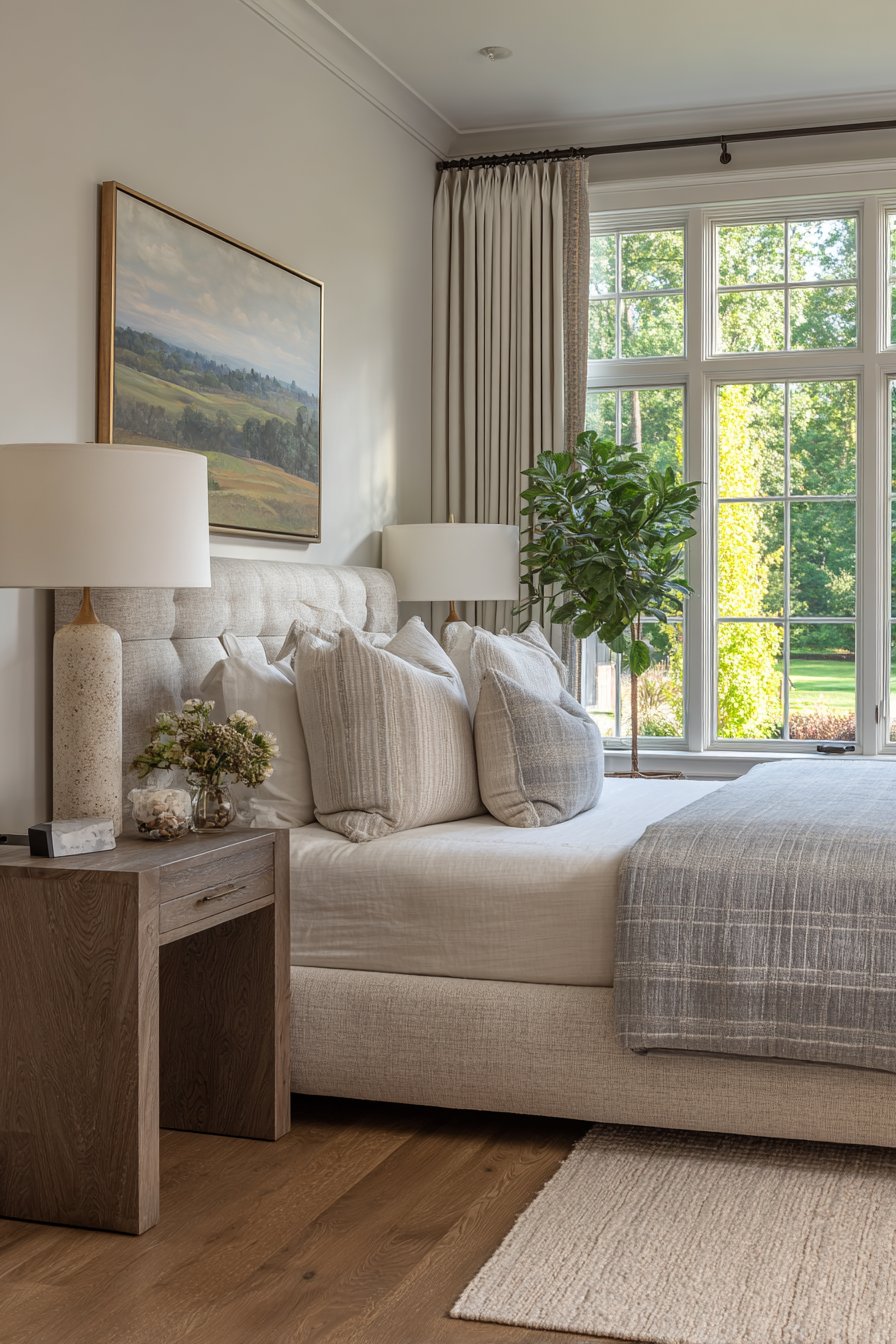
Bedding, furniture, and artwork represent substantial investments that shouldn’t be ignored during color selection. A paint color that looks beautiful in isolation might feel jarring against your treasured pieces. Gather fabric swatches, furniture photos, and artwork when shopping for paint to ensure color harmony across all elements.
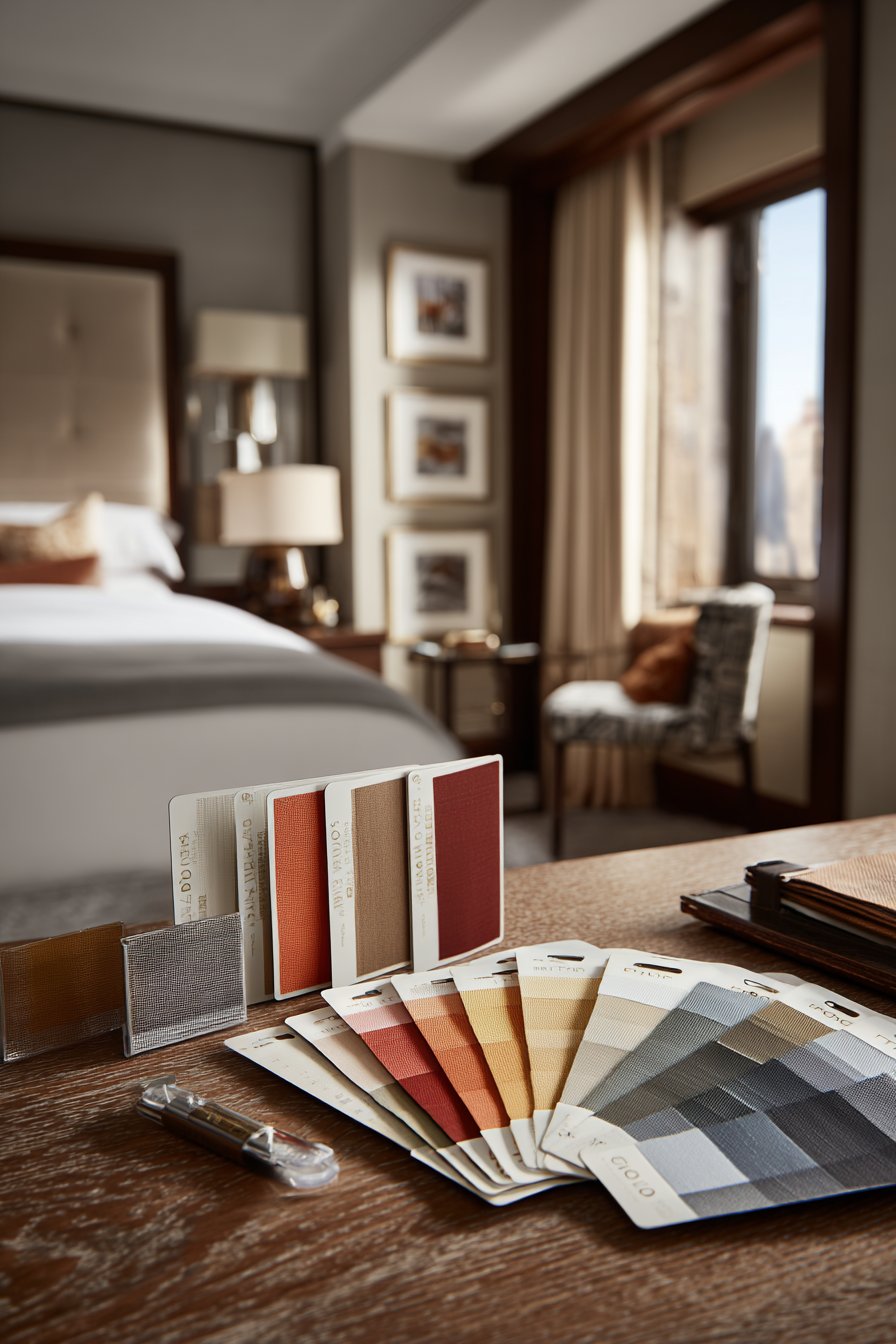
Fixed architectural features like fireplaces, built-in shelving, and window frames also impact color choices significantly. These elements typically remain unchanged, requiring your paint selection to accommodate their existing tones. Consider whether your chosen color enhances or fights these features to avoid costly regrets and premature repainting needs.
- Place paint samples next to flooring, bedding, and major furniture pieces
- Hold samples against curtains and window treatments for compatibility
- Consider undertones in wood furniture (warm orange-brown versus cool gray-brown)
- Evaluate how paint colors interact with existing accent walls or wallpaper
- Think about artwork and decorative elements that will remain in the room
- Test colors against both natural and stained wood tones present in the space
6. Invest in Quality Paint and Proper Application
Paint quality directly correlates with longevity, making premium products worthwhile investments for bedroom walls. High-quality paints contain more pigment and better binders, resulting in superior coverage, richer color, and better durability. While they cost more upfront, they typically require fewer coats and last significantly longer than budget alternatives.

Proper surface preparation and application techniques ensure your chosen color looks its best and maintains its appearance over time. Cleaning walls, filling holes, and applying appropriate primer create the foundation for flawless, lasting results. Skipping these crucial steps leads to poor adhesion, uneven color, and premature paint failure.

Professional application might seem expensive, but skilled painters achieve results that remain beautiful far longer than amateur attempts. They understand proper techniques for cutting in, rolling, and achieving consistent coverage. If you choose the DIY route, invest time in learning correct methods and using quality tools for professional-looking outcomes that endure.
- Choose paint brands known for quality, durability, and color accuracy
- Read reviews specifically about color longevity and fade resistance
- Apply two coats minimum for optimal color saturation and coverage
- Use quality brushes and rollers that don’t shed fibers or leave marks
- Follow manufacturer’s recommendations for drying time between coats
- Consider hiring professionals for crisp lines and flawless finishes
Conclusion
Choosing bedroom paint colors that stand the test of time requires thoughtful consideration of multiple factors beyond simple aesthetic preference. By understanding color psychology, prioritizing sophisticated neutrals, accounting for light quality, selecting appropriate finishes, coordinating with existing elements, and investing in quality materials and application, you create a bedroom environment that remains beautiful and satisfying for years.
The bedroom is your personal sanctuary, deserving careful attention to detail and long-term planning. Don’t rush the color selection process or succumb to fleeting trends that may disappoint quickly. Instead, apply these principles to make confident, informed decisions that reflect your authentic style while ensuring practical durability. Your future self will thank you for taking the time to choose colors that create lasting beauty, comfort, and contentment in your most intimate living space.
