


Creating a harmonious bedroom space that reflects both partners’ personalities requires thoughtful planning and design expertise. A couple’s bedroom serves as more than just a place to sleep. It becomes a personal sanctuary where two individuals can retreat, relax, and reconnect after busy days. The challenge lies in balancing different preferences, styles, and practical needs while maintaining aesthetic appeal.
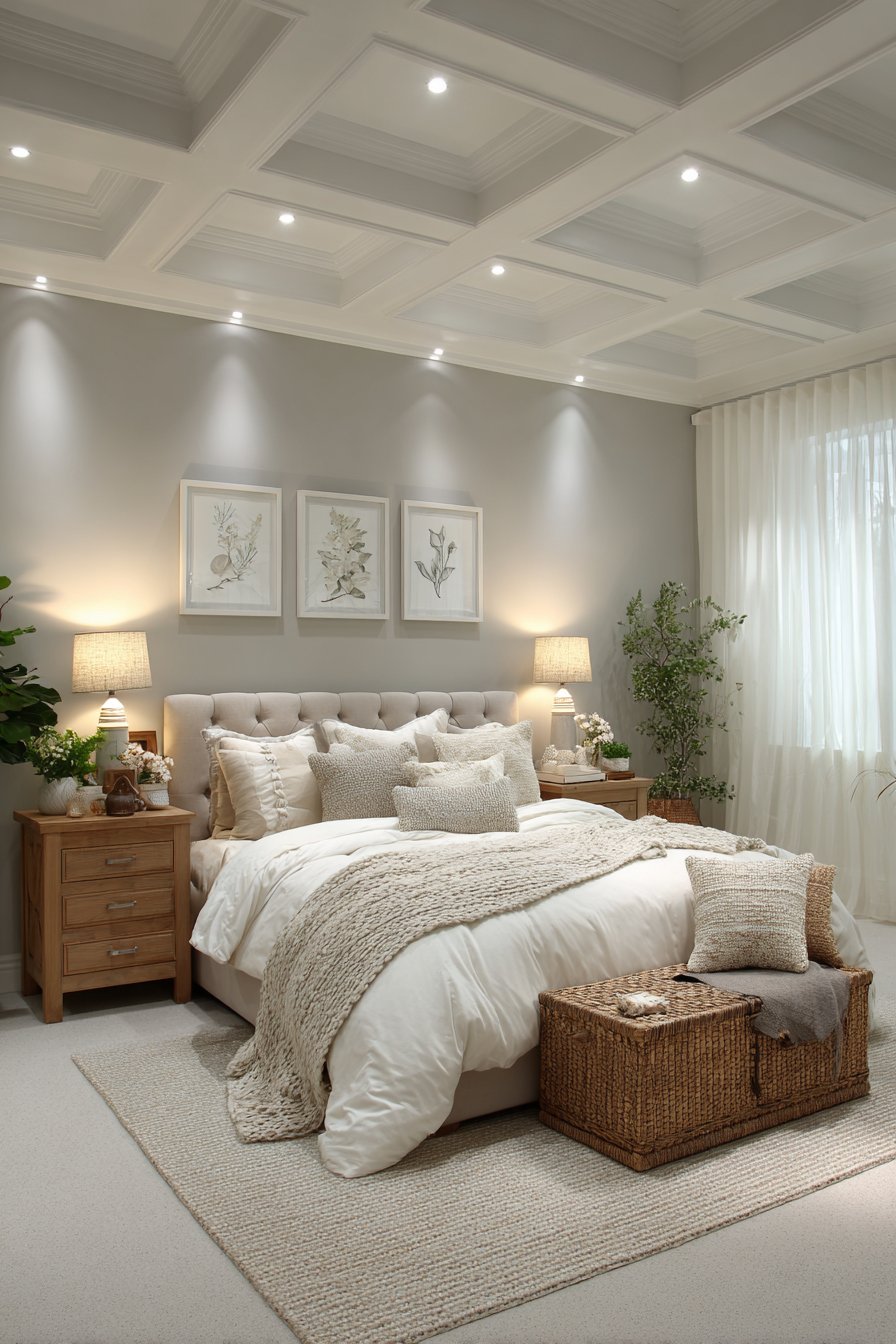
Designing for two people means considering dual perspectives on everything from color choices to storage solutions. Professional interior designers understand that successful couple bedroom designs incorporate compromise without sacrificing style. This article explores six proven strategies that help create balanced, beautiful, and functional bedroom spaces. These tips address common challenges couples face when merging their tastes and requirements into one cohesive design vision. Our bedroom decor ideas for couples has more inspiration along these same lines.
1. Establish a Neutral Color Foundation
Beginning with a neutral color palette provides the perfect canvas for couple bedroom design. Neutral tones like soft grays, warm beiges, creamy whites, or gentle taupes create a calming atmosphere that appeals to varied tastes. These colors work as unifying elements that allow both partners to add personal touches without clashing aesthetics.
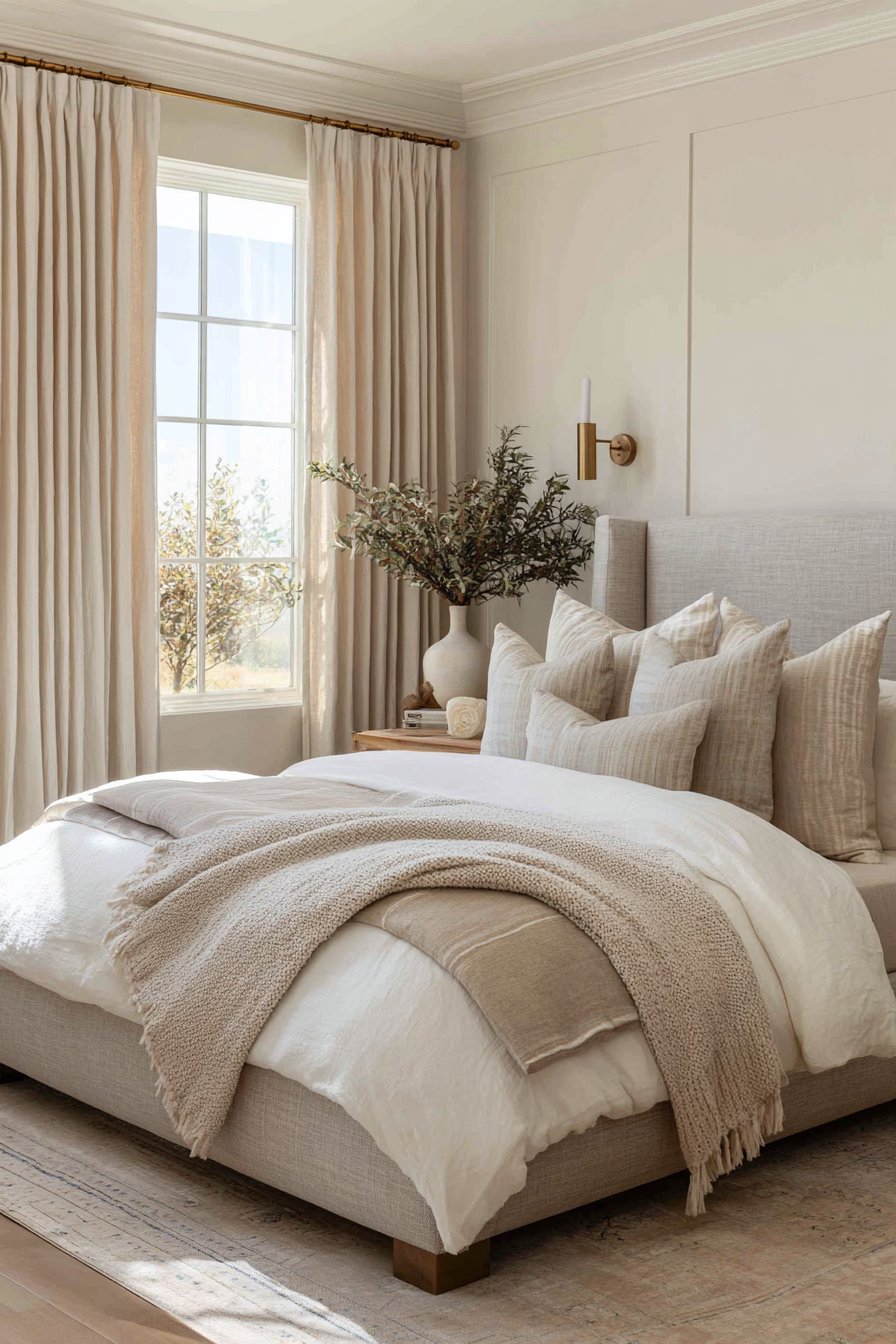
Neutral doesn’t mean boring or bland in modern interior design. Layer different shades and textures within your chosen neutral family to add depth and visual interest. Consider how natural light interacts with your selected colors throughout the day. Morning light reveals different undertones than evening illumination, so test paint samples in various lighting conditions. See our these family bedroom ideas for more direction in this style.
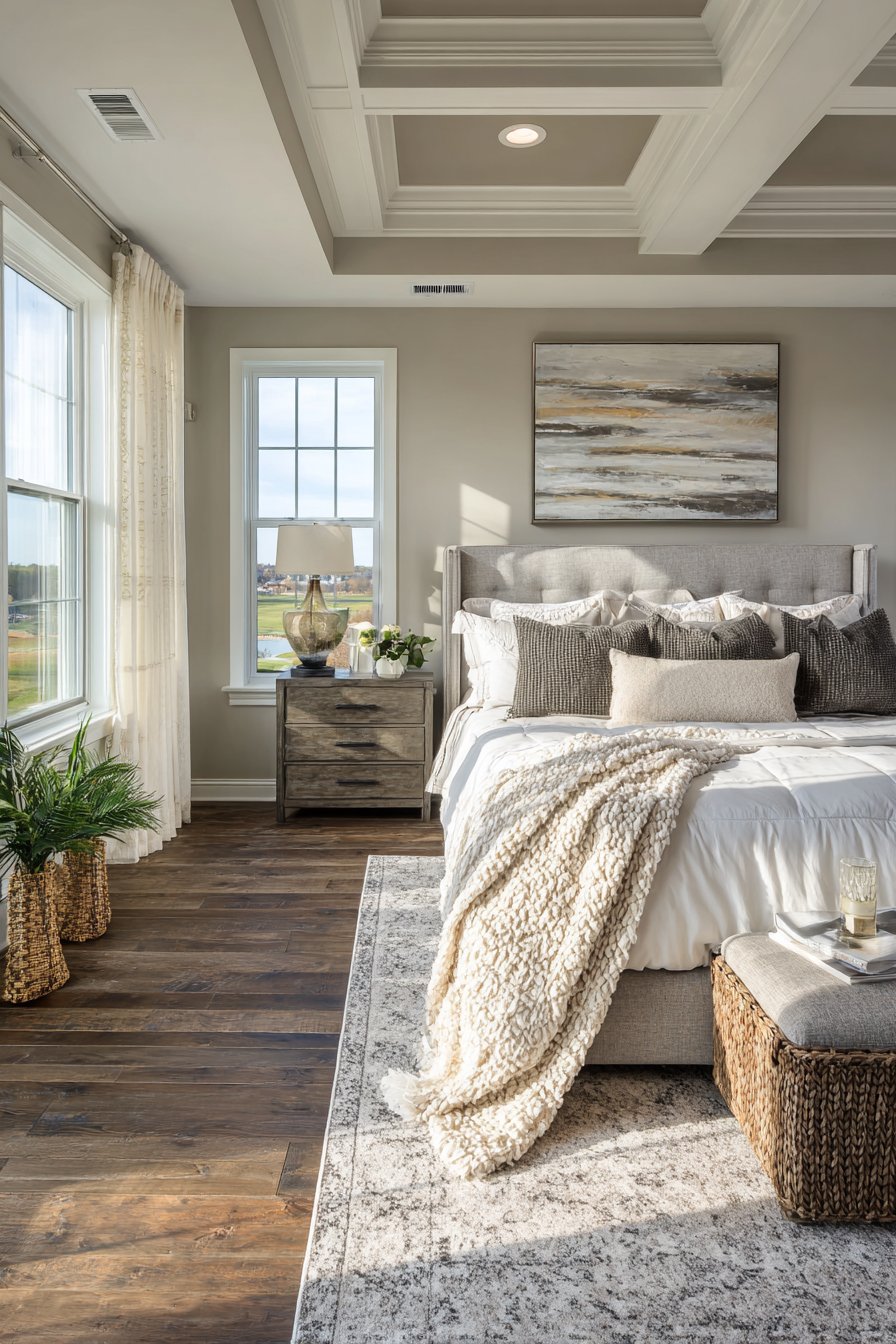
The beauty of neutral foundations lies in their flexibility for future changes. Partners can introduce accent colors through textiles, artwork, or decorative accessories that reflect individual preferences. This approach allows both people to see themselves represented in the space while maintaining overall harmony.
- Choose warm neutrals (beige, cream) for cozy atmospheres or cool neutrals (gray, white) for modern feels
- Test paint samples on multiple walls to observe how light affects color perception
- Use the 60-30-10 rule: 60% dominant neutral, 30% secondary color, 15% accent color
- Incorporate texture through materials like linen, wool, or natural wood to prevent flatness
- Consider washable paint finishes for easy maintenance in high-use areas
- Select colors that complement existing furniture and flooring
2. Invest in Quality Bedding and Mattress
The bed represents the focal point of any bedroom design and deserves significant attention and investment. A comfortable mattress that accommodates both partners’ sleeping preferences directly impacts relationship quality and daily wellbeing. Consider mattresses with dual firmness options or adjustable bases that allow individual customization on each side.
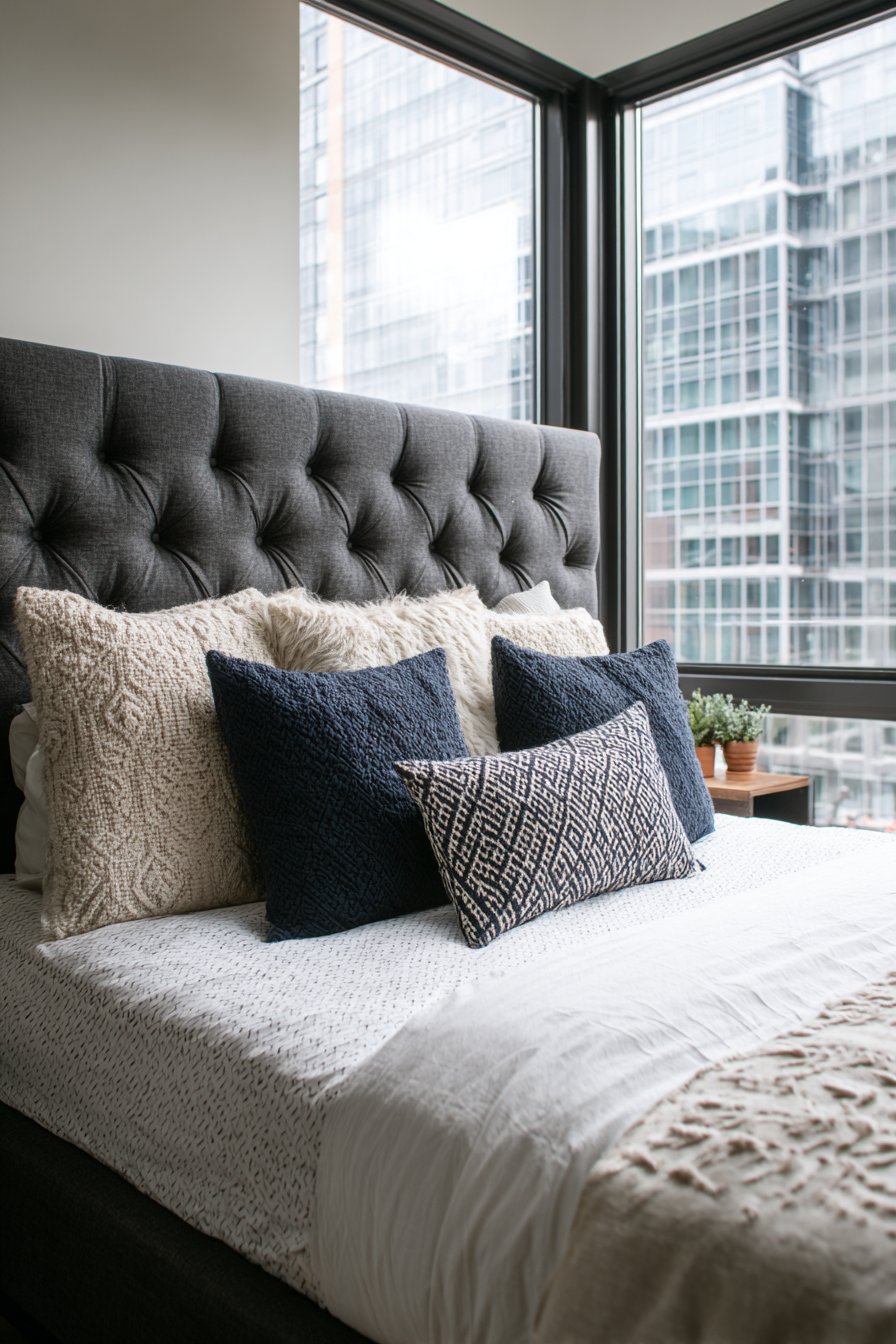
Quality bedding transforms sleep experience while elevating room aesthetics dramatically. Choose high thread count sheets in breathable natural fibers like cotton or linen for optimal comfort. Layer your bed with multiple pillows, throws, and a duvet that creates an inviting, hotel-like presentation.
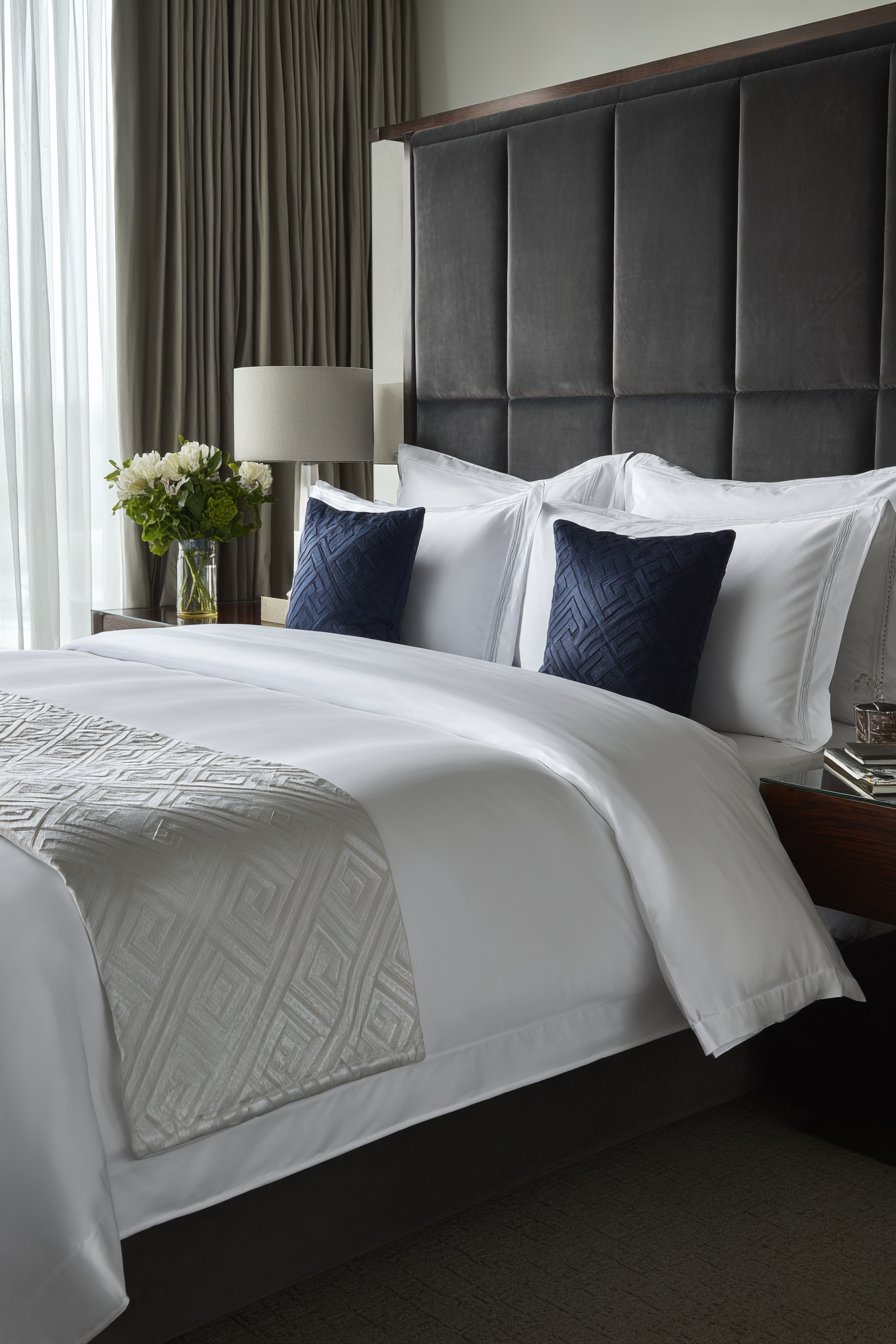
Don’t underestimate how proper bedding affects both sleep quality and room appearance. Invest in multiple sheet sets to rotate regularly, extending fabric life and maintaining freshness. Select colors and patterns that complement your neutral foundation while adding personality and warmth to the space.
- Research mattress types together: memory foam, hybrid, innerspring, or latex options
- Test mattresses in-store for at least 15 minutes to assess true comfort levels
- Choose breathable, natural fiber sheets with thread counts between 300-600 for best results
- Invest in quality pillows that support different sleeping positions (side, back, stomach)
- Layer bedding with various textures for visual depth and seasonal adaptability
- Wash bedding weekly and rotate mattress quarterly for longevity
3. Create Balanced Storage Solutions
Adequate storage prevents bedroom clutter while respecting both partners’ organizational needs and personal belongings. Unequal storage allocation often creates tension, so design systems that provide equitable space for each person’s clothing, accessories, and personal items.
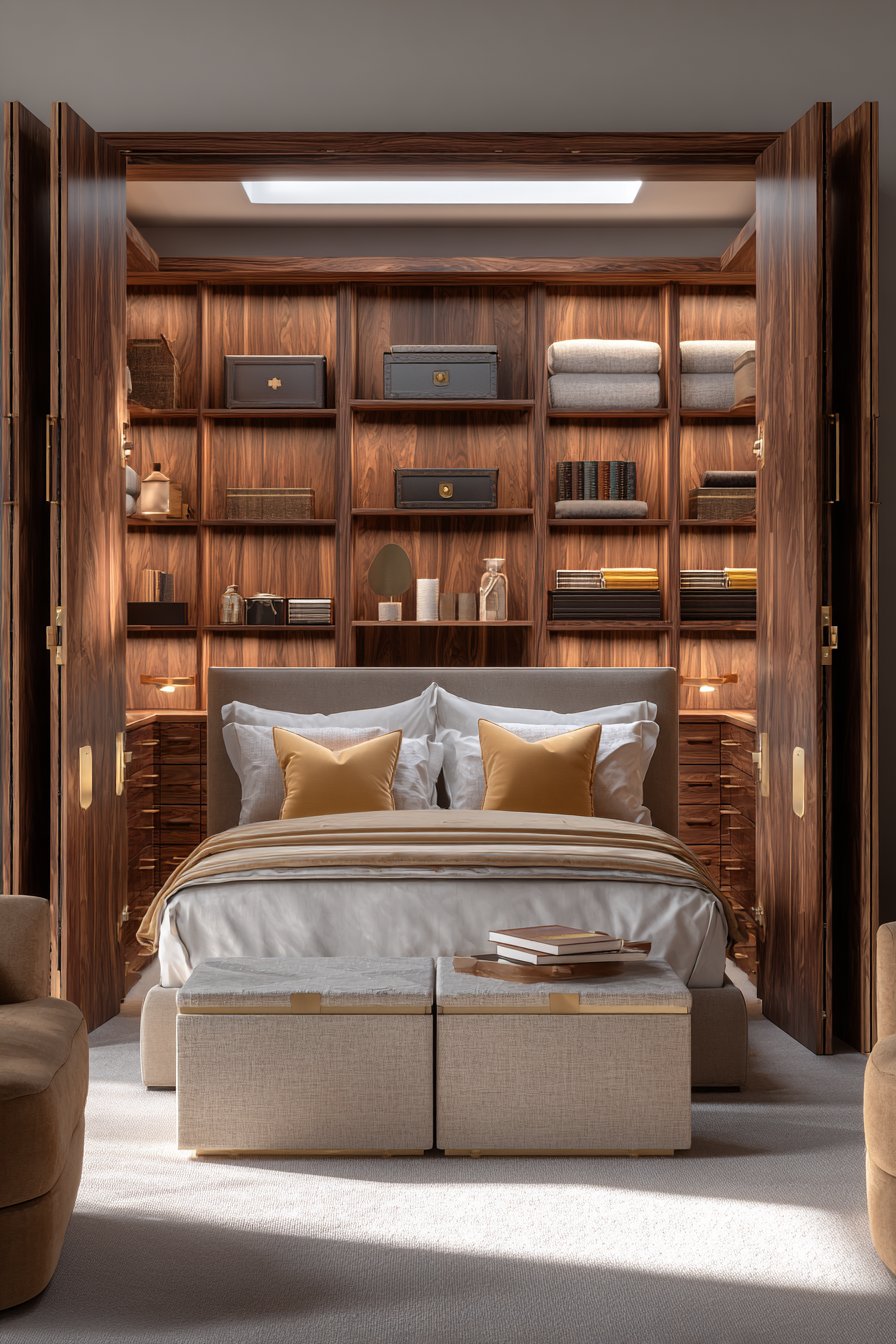
Built-in closets with customized organizational systems maximize space efficiency dramatically. Install double hanging rods, drawer dividers, and adjustable shelving that adapt to changing storage requirements. Consider matching furniture pieces like identical nightstands that offer equal surface and drawer space for personal items.
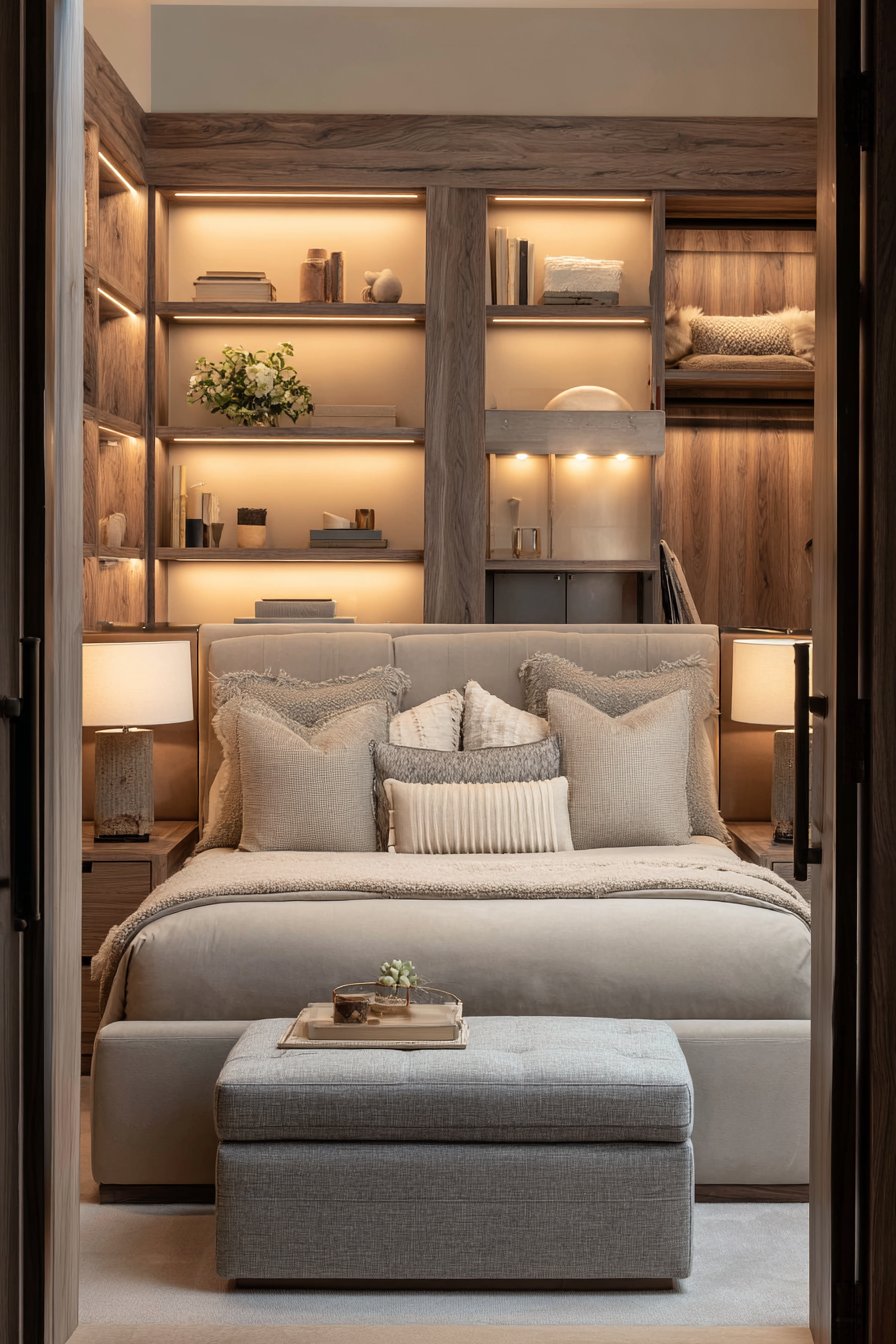
Strategic storage solutions maintain bedroom tranquility by keeping visual clutter minimized. Incorporate closed storage for everyday items and open shelving for decorative objects that both partners enjoy. Under-bed storage, ottoman benches, and wall-mounted solutions utilize often-wasted space effectively.
- Divide closet space equally, measuring and marking clear boundaries for each partner
- Install matching nightstands with identical drawer and surface space for fairness
- Use drawer organizers for small items like jewelry, watches, and accessories
- Incorporate vertical storage solutions like tall dressers to maximize floor space
- Choose furniture with hidden storage compartments for seasonal clothing or extra linens
- Label storage areas if sharing space to maintain organizational systems
4. Design Personalized Zones Within Shared Space
Creating individual territories within the bedroom allows each partner to express personality while sharing space harmoniously. These zones don’t require physical barriers but rather thoughtful placement of personal items and furniture. Designate specific areas where each person can pursue individual activities like reading, working, or hobbies.
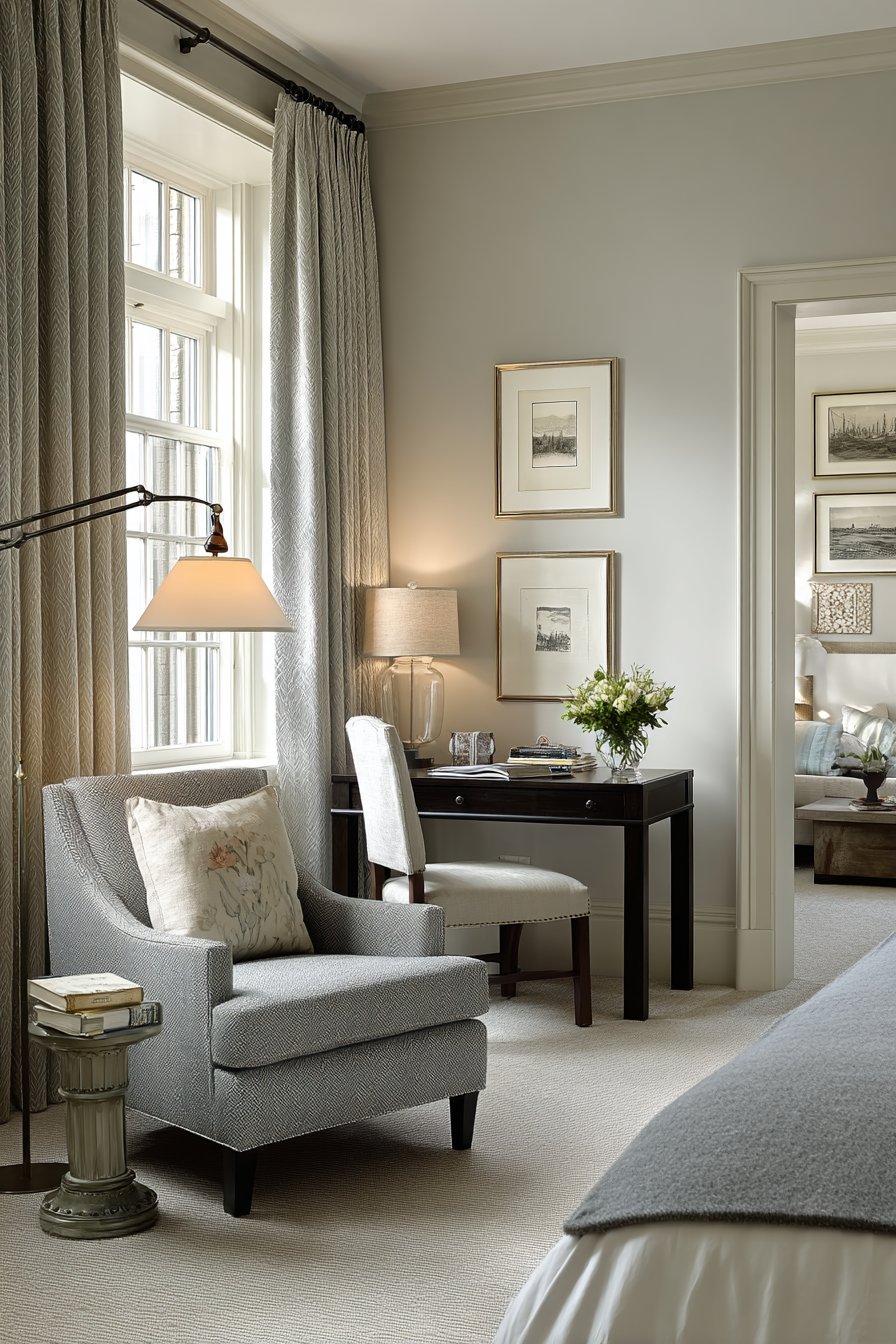
Consider adding a comfortable reading chair with proper lighting in one corner for quiet moments. Place a small desk or vanity area that serves one partner’s specific needs without disrupting the other. These personalized spaces demonstrate respect for individual preferences and provide necessary separation within togetherness.
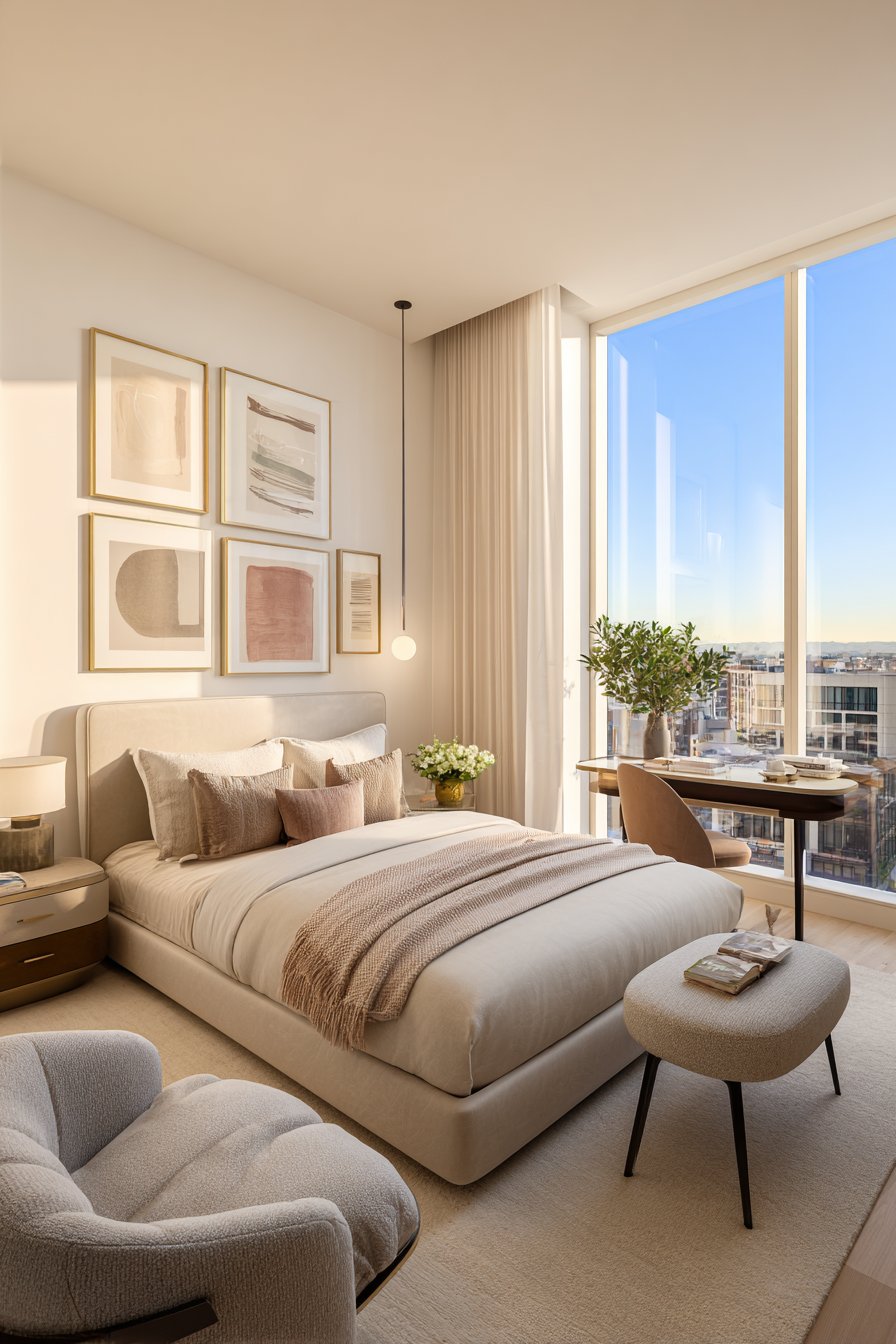
Balance personal zones with shared areas that encourage connection and intimacy naturally. The bed remains the central shared element, but surrounding spaces can reflect individual tastes. This approach prevents either partner from feeling their identity disappears in the shared bedroom design.
- Add individual reading lights or task lighting for separate activities without disturbing partners
- Include a comfortable seating area with a chair or small sofa for activities beyond sleeping
- Create a vanity or dressing area with proper lighting and a mirror for morning routines
- Designate specific wall space for personal artwork, photos, or collections each partner values
- Consider sound management with white noise machines or quality headphones for different schedules
- Maintain clear pathways between zones to prevent cramped or cluttered feelings
5. Incorporate Layered Lighting Design
Professional lighting design dramatically impacts bedroom functionality and ambiance for couples with different needs. Install multiple light sources at various levels to create flexibility throughout daily routines. Overhead fixtures provide general illumination, while task lighting serves specific activities like reading or dressing. Our couple room ideas has more inspiration along these same lines.
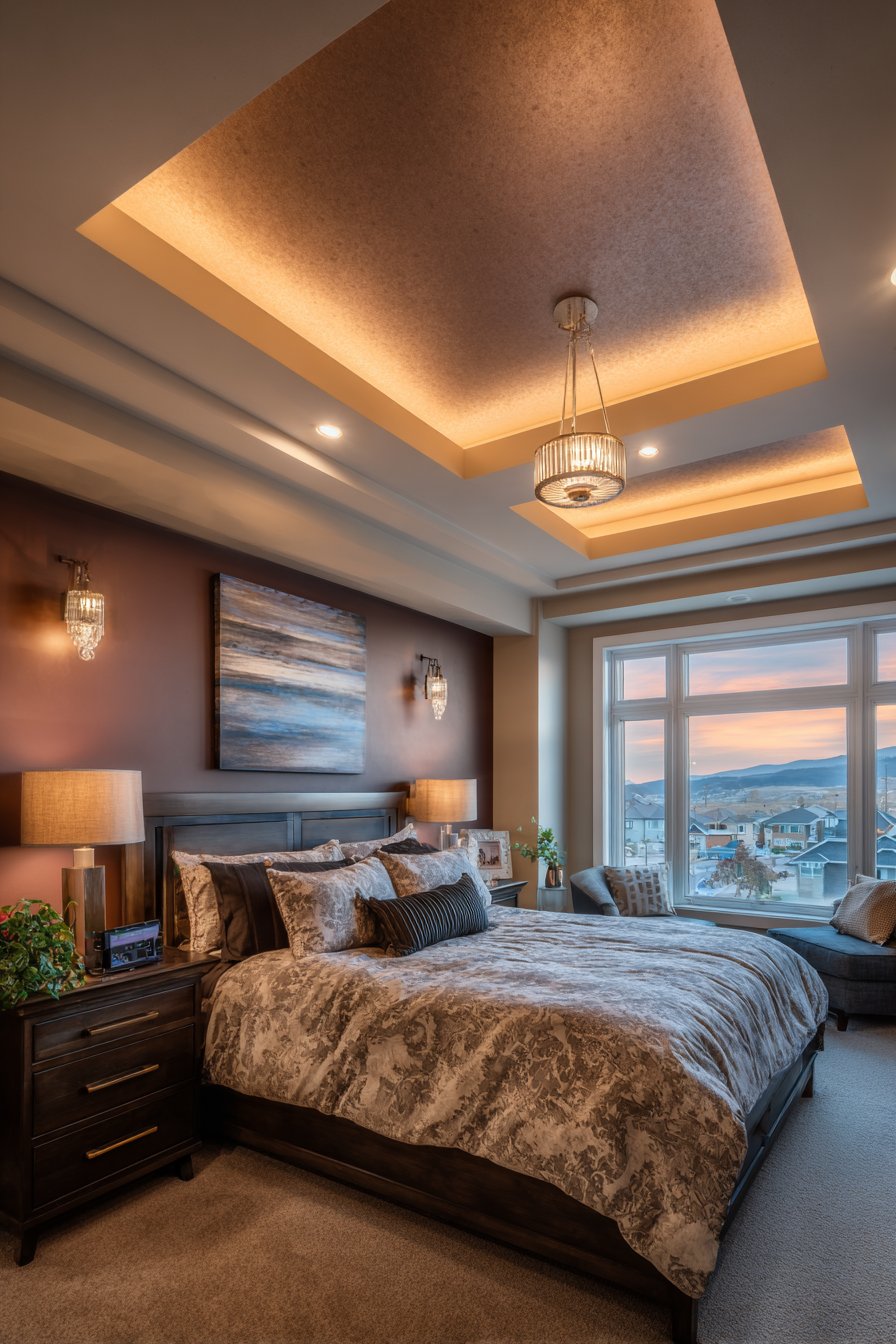
Dimmer switches offer crucial control over lighting intensity for different times and moods. Bedside lamps with individual controls allow one partner to read while the other sleeps peacefully. Consider warm color temperatures (2700-3000K) that promote relaxation and support natural sleep cycles better than cool lighting.
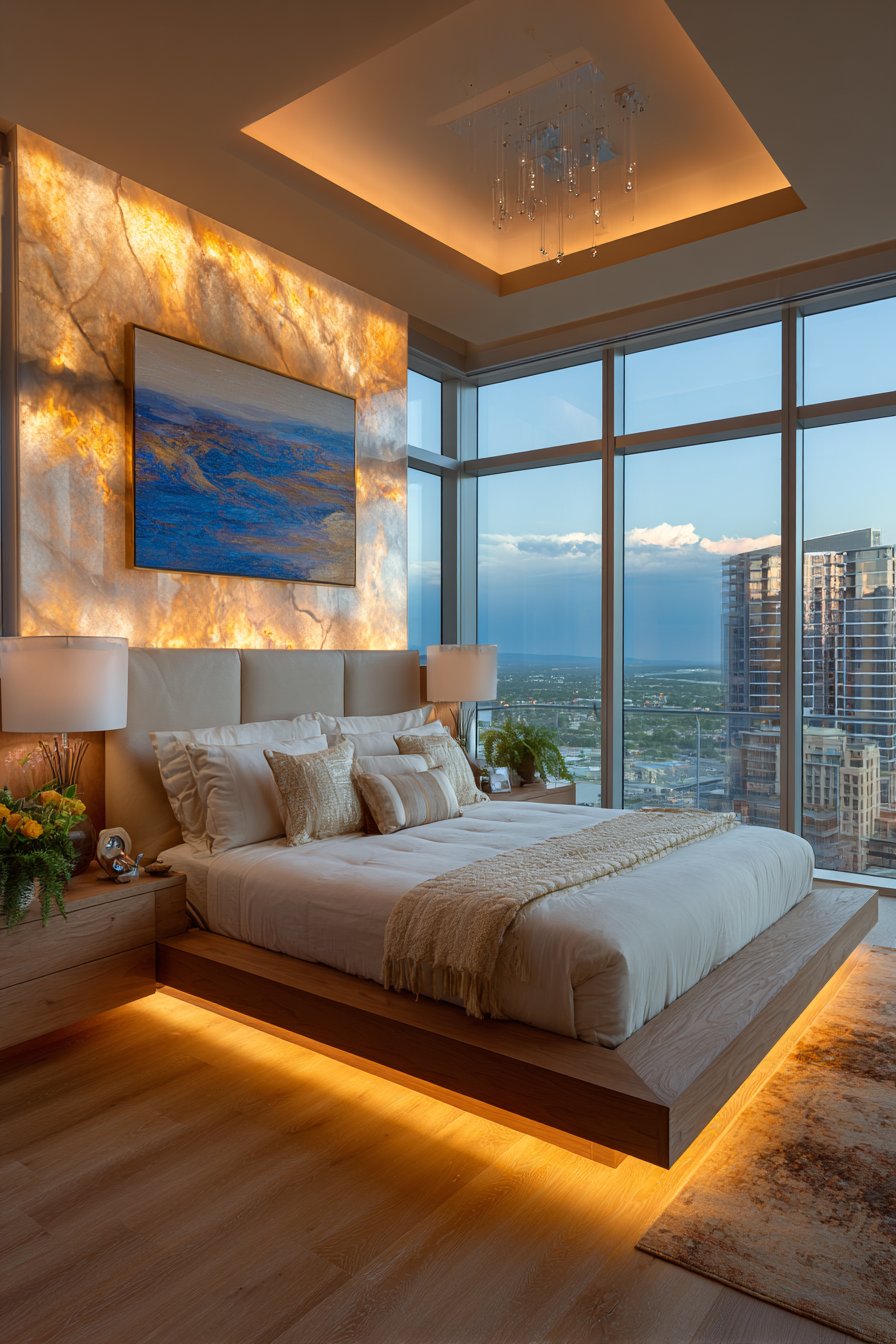
Layered lighting extends beyond functionality into decorative territory that enhances room aesthetics. Add accent lighting to highlight architectural features, artwork, or textured walls that deserve attention. Smart bulbs with programmable settings let couples customize lighting schedules and intensities without leaving bed.
- Install dimmer switches on all overhead lights for maximum flexibility and mood control
- Choose bedside lamps with three-way bulbs or built-in dimmers for individual reading
- Add LED strip lighting under beds or behind headboards for subtle ambient glow
- Position task lighting at vanities or dressing areas with color-accurate bulbs for makeup application
- Use warm white bulbs (2700-3000K) in bedrooms rather than cool daylight temperatures
- Consider smart lighting systems controlled by voice or phone for ultimate convenience
6. Balance Decorative Elements and Personal Touches
Merging two decorative styles requires thoughtful curation of accessories, artwork, and personal items that represent both partners. Avoid overwhelming the space with too many objects that create visual chaos. Apply the principle of edited collections where quality and meaning outweigh quantity in decorative choices.
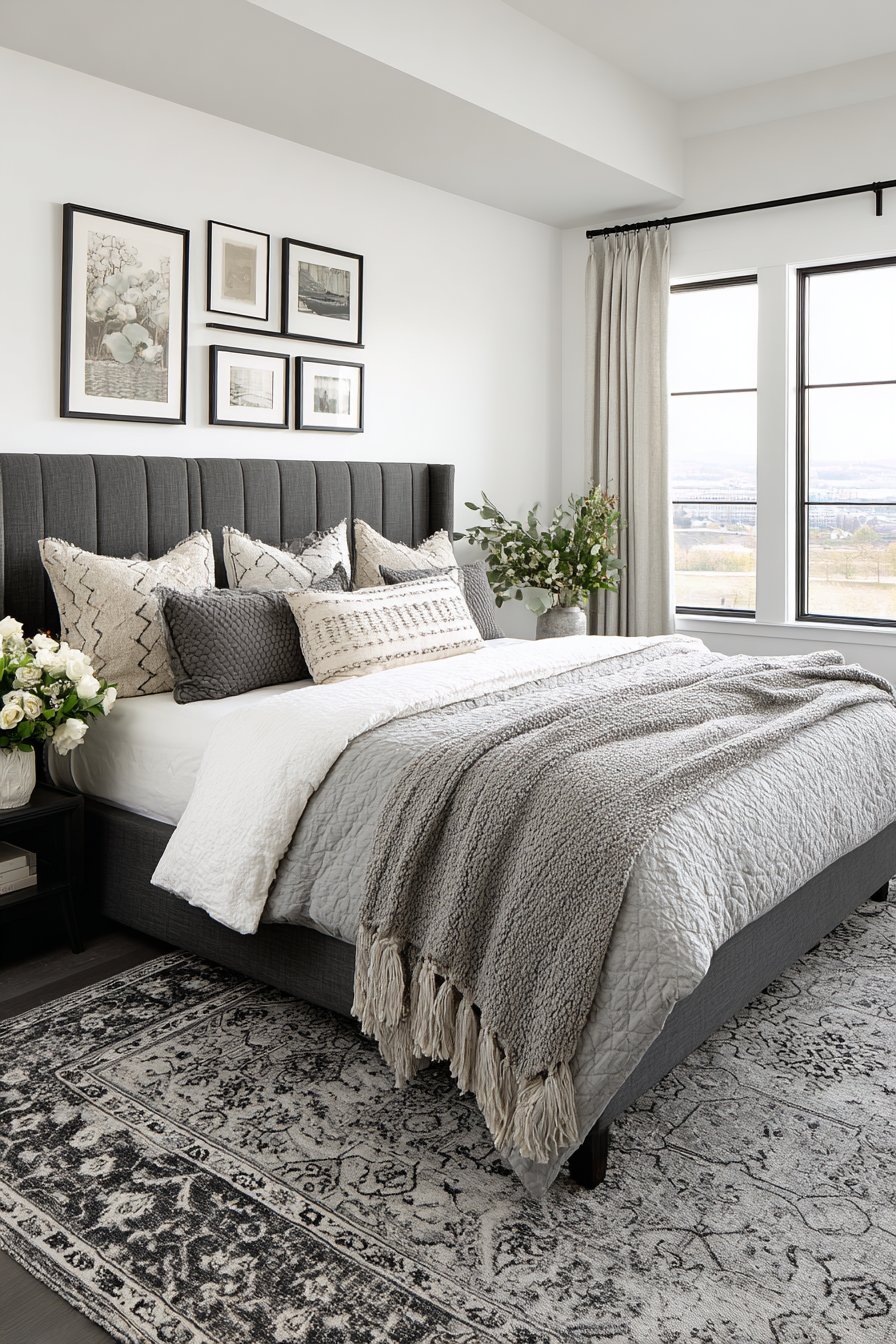
Select artwork that both partners appreciate or create a gallery wall combining different pieces harmoniously. Mix masculine and feminine elements through careful balance of soft and structured items, curves and angles, delicate and bold pieces. This blend creates richness that purely singular styles cannot achieve alone.
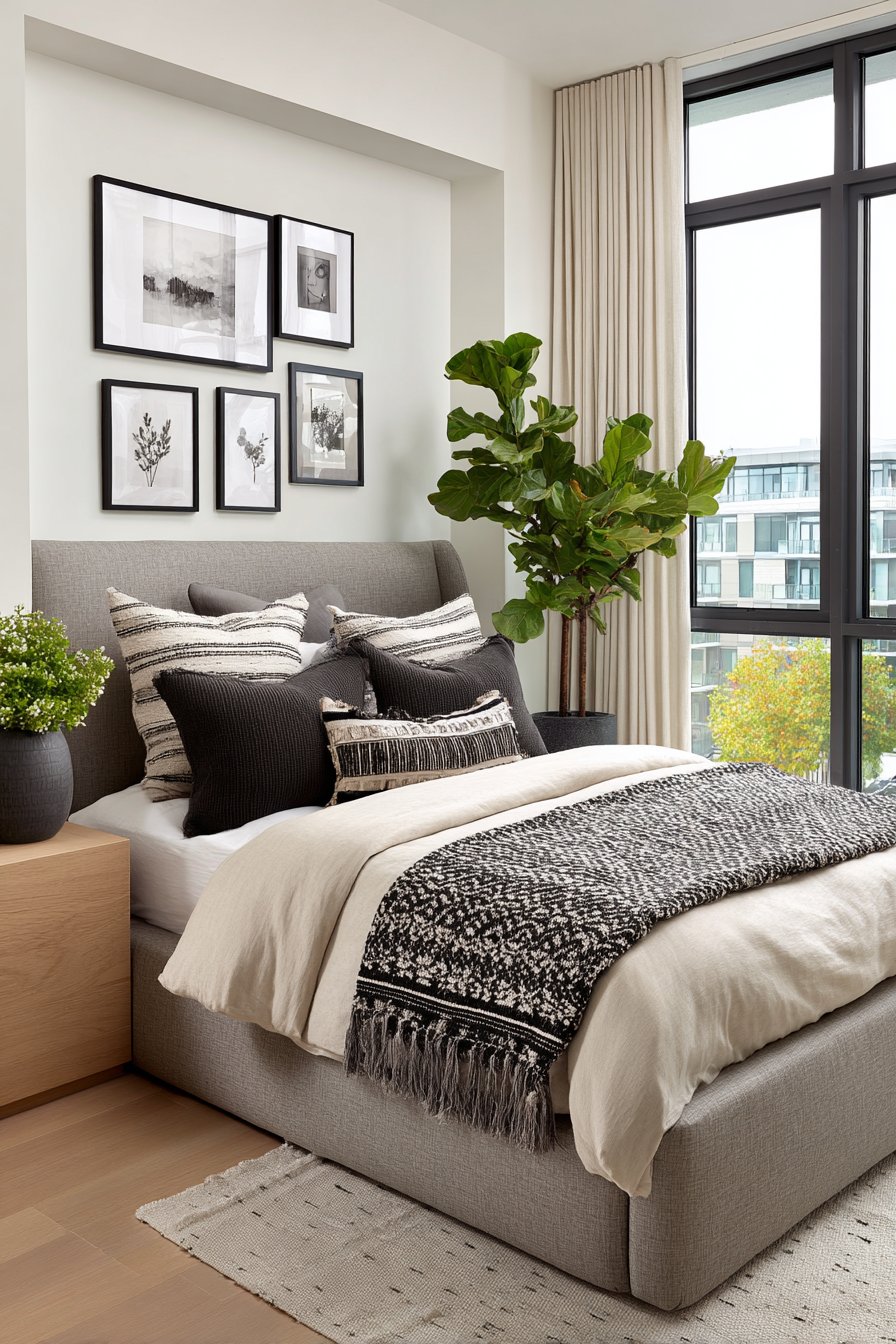
Personal photographs and mementos strengthen the emotional connection to the bedroom space significantly. Display shared memories from travels, milestones, or special moments that reinforce partnership bonds. Rotate seasonal decorations to keep the space feeling fresh and reflecting current interests without permanent commitment.
- Limit decorative accessories to meaningful pieces rather than filling every surface
- Create symmetry with matching lamps, frames, or accessories for cohesive appearance
- Mix textures through throw pillows, blankets, rugs, and window treatments for depth
- Display personal photos in consistent frame styles for unified gallery presentations
- Incorporate live plants or flowers that add natural beauty and improve air quality
- Rotate decorative items seasonally to maintain interest without overwhelming the space
Conclusion
Designing a couple’s bedroom that satisfies both partners requires compromise, communication, and creative problem-solving throughout the process. These six professional tips provide a framework for creating spaces that honor individual preferences while building shared sanctuaries. Remember that successful bedroom design evolves over time as relationships and needs change naturally.
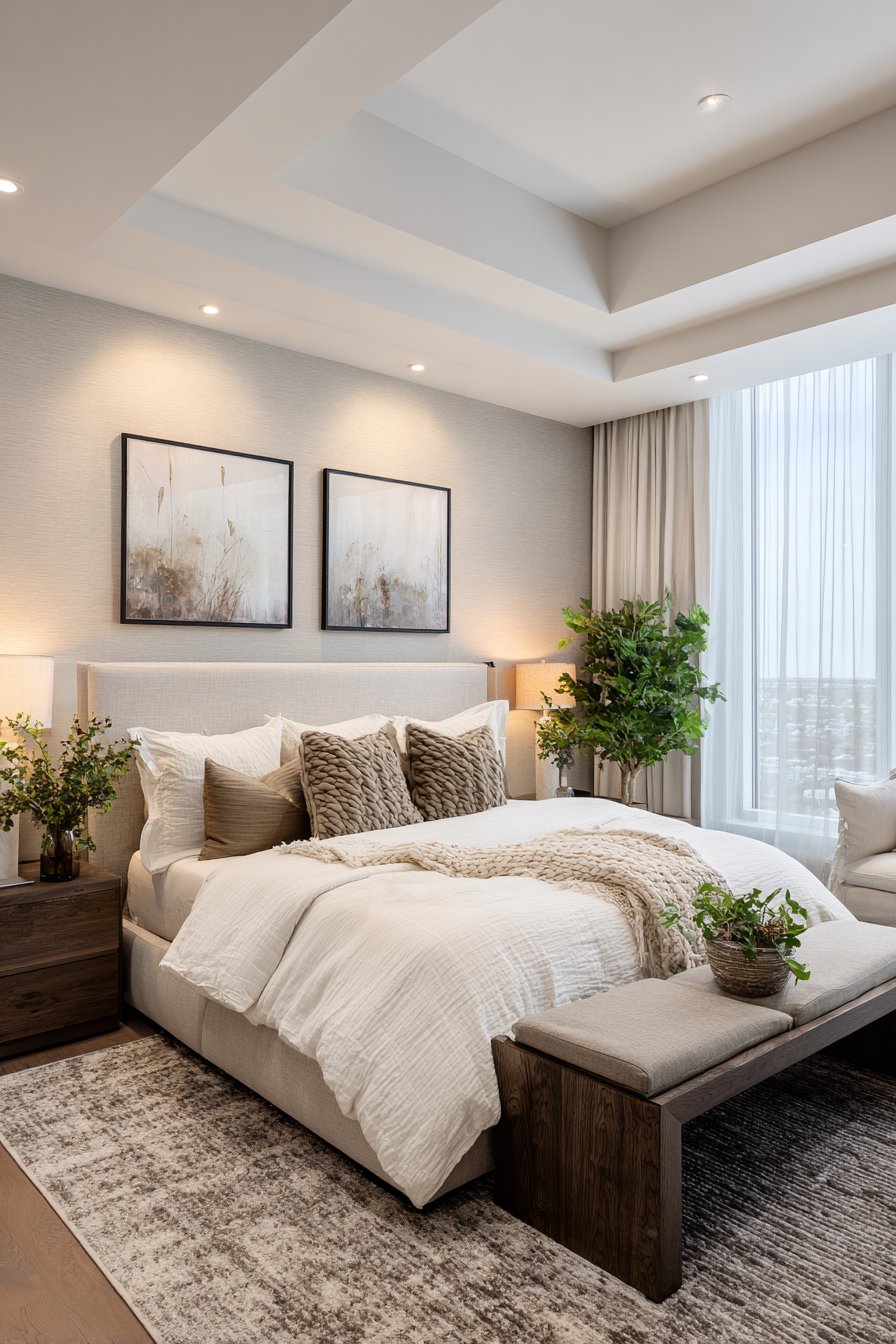
Start with foundational elements like neutral colors and quality bedding, then layer personal touches gradually. The goal isn’t creating magazine-perfect spaces but rather functional, beautiful rooms where both partners feel comfortable and represented. Experiment with these strategies in your own home, adjusting based on your specific circumstances, budget, and style preferences. Your bedroom should ultimately reflect your unique partnership while supporting rest, relaxation, and connection.
