


The quality of our sleep directly impacts our health, mood, and productivity. Yet many people overlook one of the simplest solutions for better rest: bedroom darkness. Your sleeping environment plays a crucial role in regulating your body’s natural rhythms and promoting deep, restorative sleep.
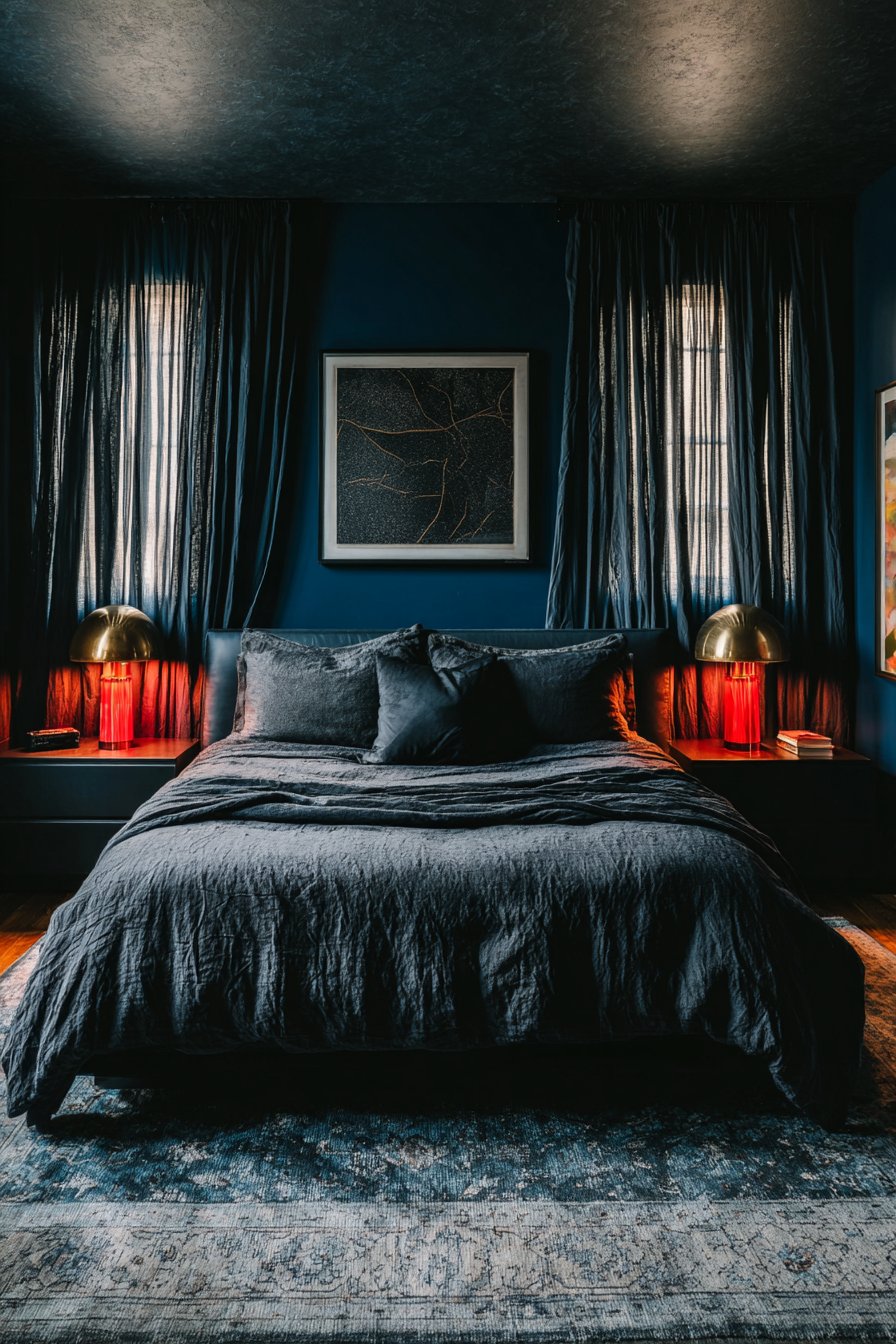
Interior design choices significantly influence sleep quality, and lighting control stands as one of the most powerful yet underutilized tools. While bright, airy spaces dominate home decor trends, the bedroom requires a different approach. Creating the right atmosphere for sleep means embracing darkness and understanding how light affects our biological processes.
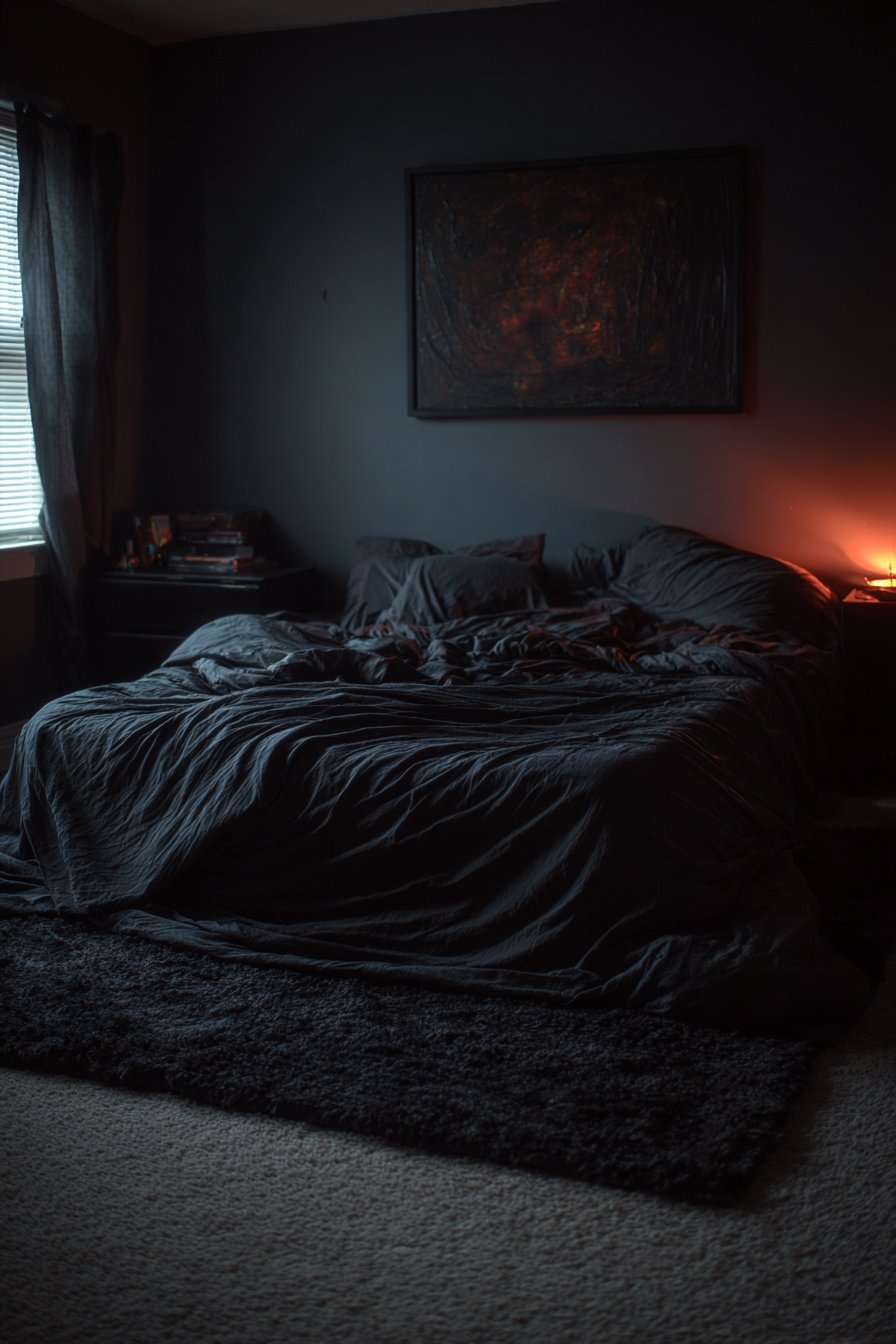
This article explores the science behind dark bedrooms and their impact on sleep quality. You’ll discover practical strategies for optimizing your space, from choosing the right window treatments to selecting appropriate paint colors. Whether you’re struggling with insomnia or simply want to improve your rest, these evidence-based tips will transform your bedroom into a sleep sanctuary. See our dark cabinet kitchen ideas for more direction in this style.
1. The Science of Melatonin Production
Your body produces melatonin, a hormone that regulates your sleep-wake cycle. This natural process depends heavily on environmental light levels. When darkness falls, your brain signals the pineal gland to increase melatonin production, preparing your body for sleep.
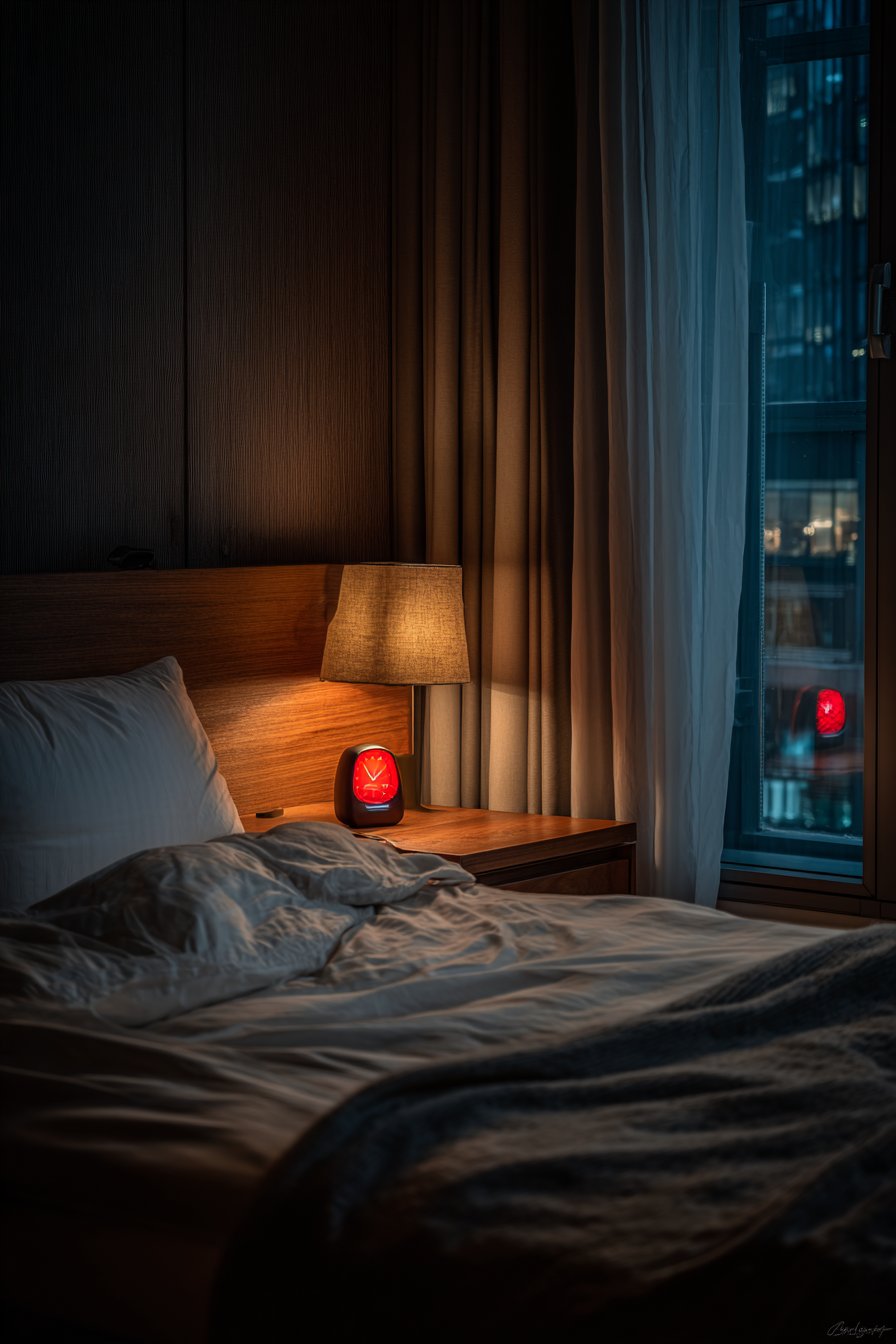
Even minimal light exposure can disrupt this delicate process. Studies show that artificial light from streetlamps, electronics, or hallway fixtures suppresses melatonin production significantly. This interference delays sleep onset and reduces overall sleep quality, leaving you feeling groggy despite adequate time in bed. Our black metal bed frame bedroom ideas has more inspiration along these same lines.
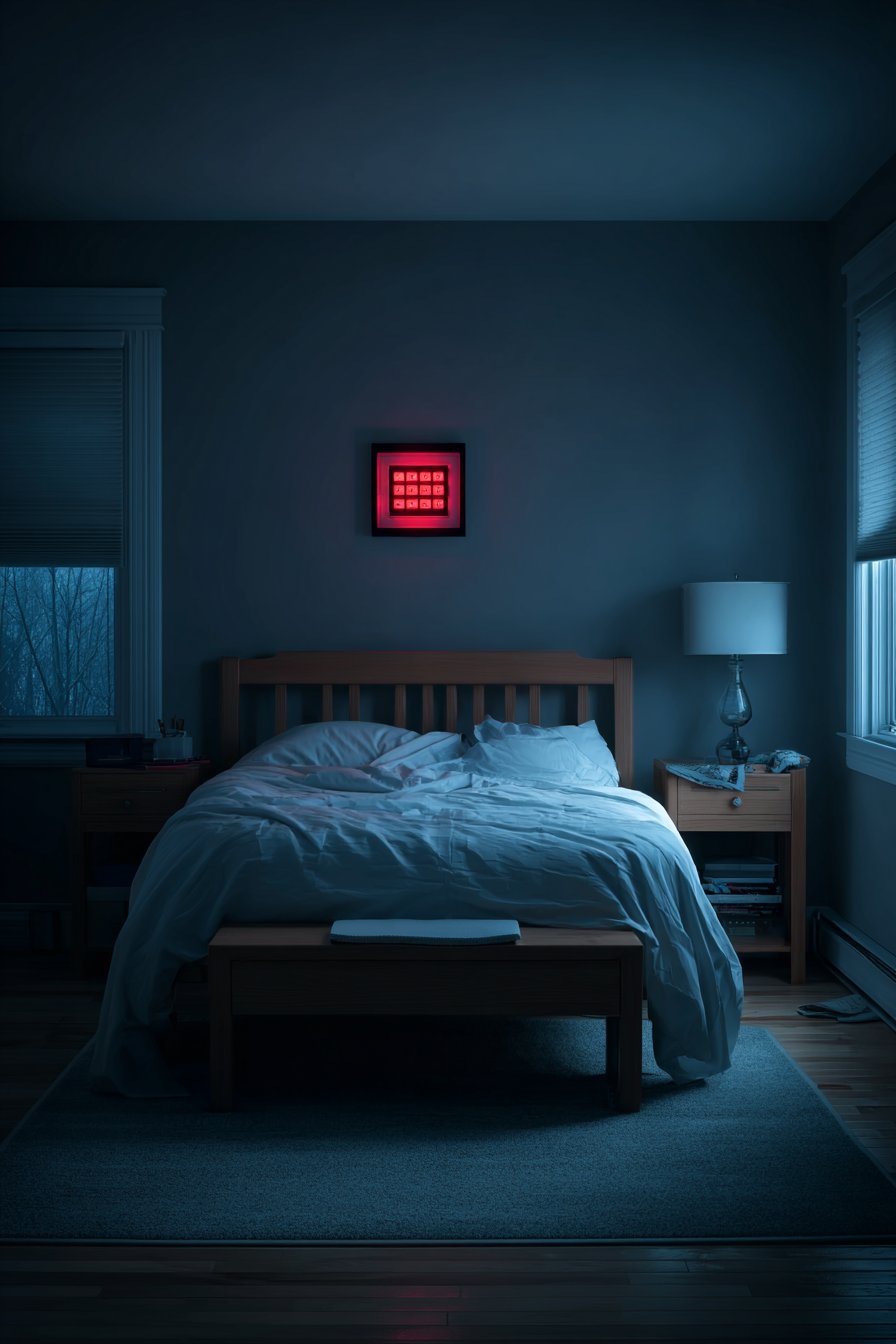
The darker your bedroom, the more efficiently your body produces melatonin. This hormonal response affects not only when you fall asleep but also how deeply you sleep throughout the night. Maximizing darkness creates optimal conditions for natural melatonin cycles to function properly.
- Install blackout curtains or shades to eliminate external light sources completely. Our black and grey bedroom ideas has more inspiration along these same lines.
- Remove or cover electronic devices with LED lights or displays
- Use electrical tape to cover small indicator lights on chargers and appliances
- Consider a sleep mask as a portable darkness solution for travel
- Replace bright alarm clocks with dim red-light alternatives
- Test your room’s darkness by checking for visible shapes after 10 minutes
2. Circadian Rhythm Regulation
Your circadian rhythm is your body’s internal 24-hour clock that governs sleep patterns. This biological system responds primarily to light and darkness cues from your environment. When these signals remain consistent, your body maintains healthy sleep-wake cycles effortlessly.
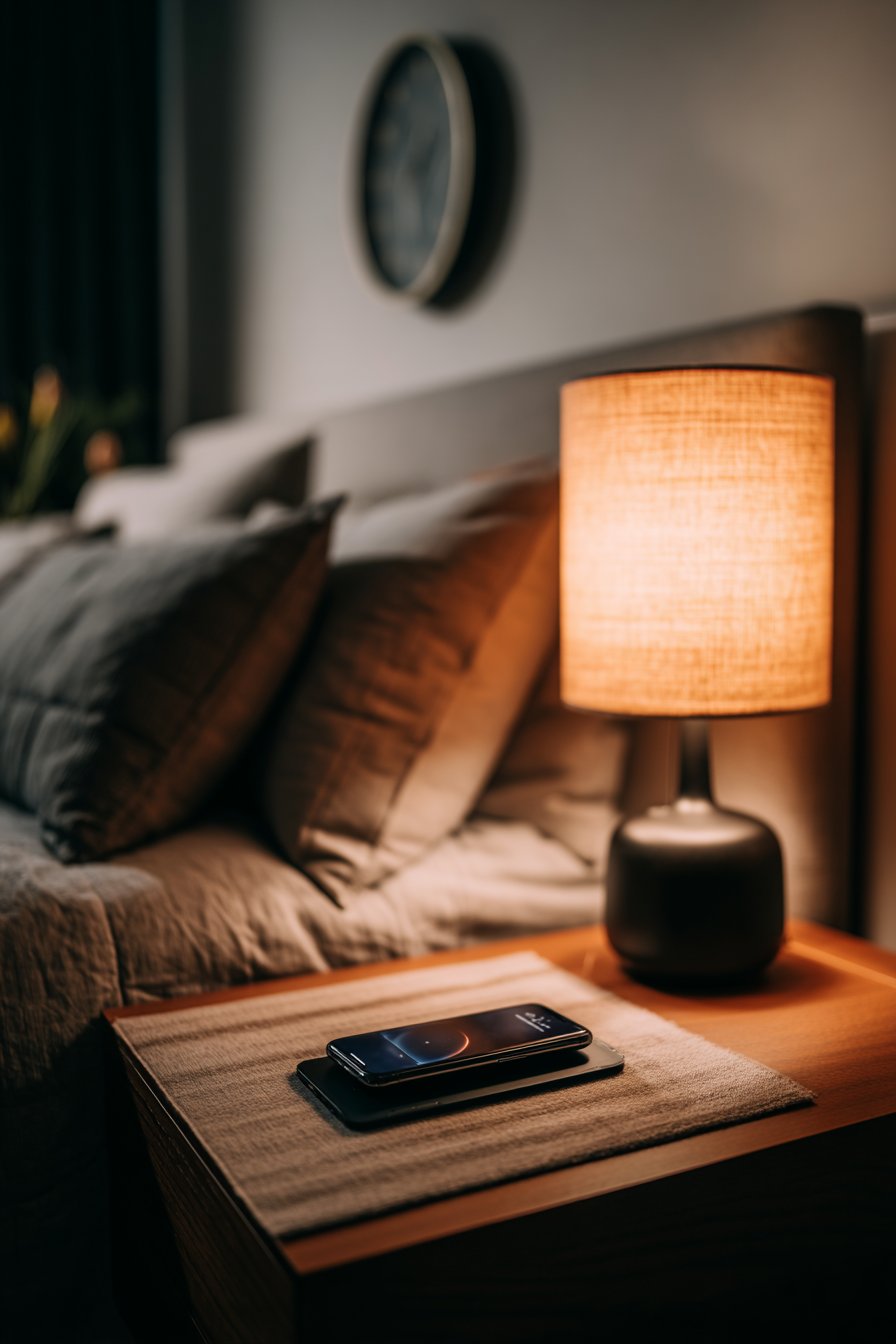
Modern lifestyles expose us to excessive artificial lighting after sunset, confusing our circadian systems. Your brain interprets evening light as daytime, suppressing sleep hormones and keeping you alert when you should feel drowsy. Dark bedrooms help reset this confusion by providing clear environmental cues.
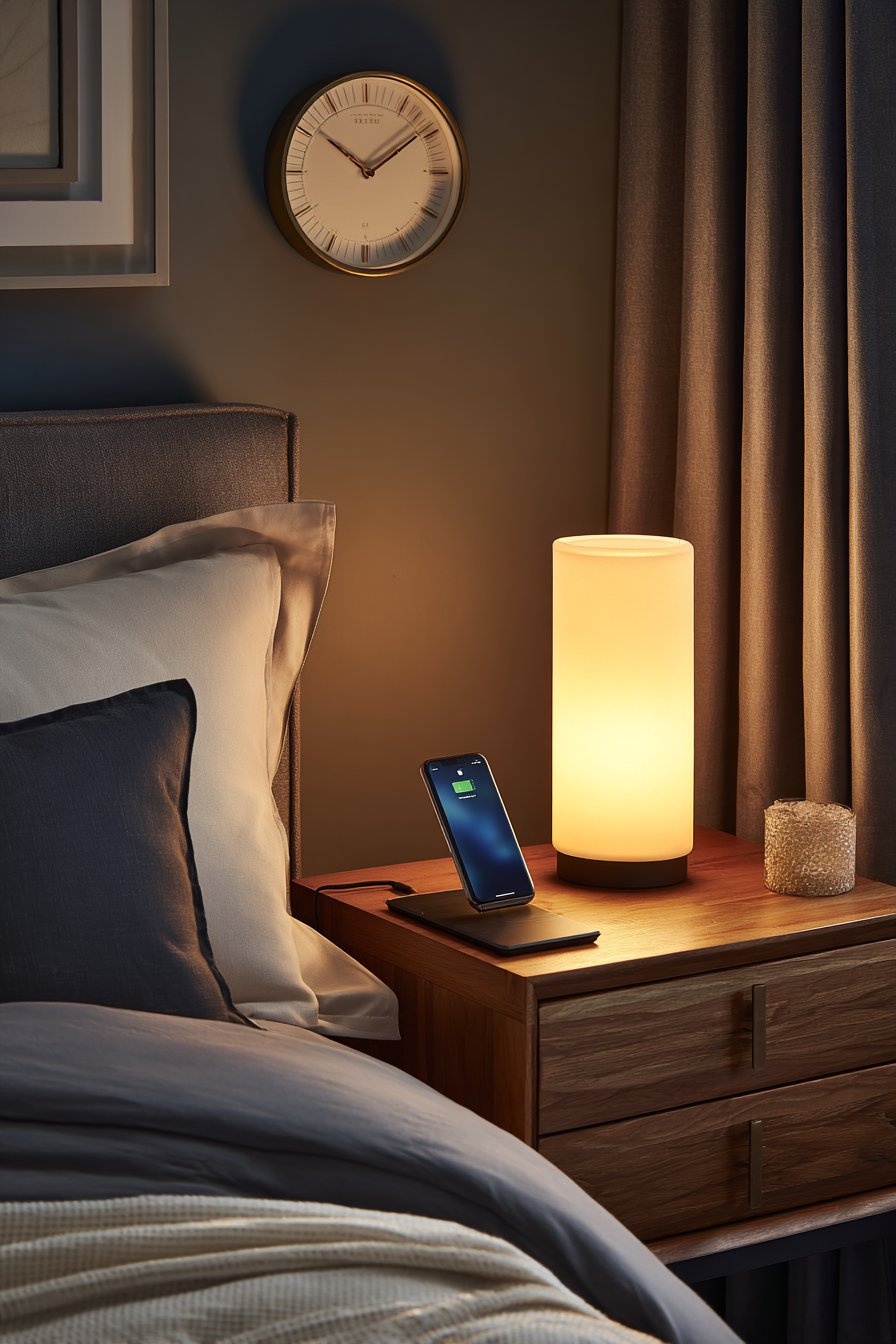
Maintaining a dark sleeping environment strengthens your circadian alignment. This synchronization improves not just sleep but also metabolism, mood, and immune function. Your body thrives on predictable patterns, and darkness signals the right time for restoration and repair.
- Establish a consistent bedtime routine in dim lighting conditions
- Avoid bright screens at least one hour before sleep
- Use warm, amber-toned lighting in evening hours if needed
- Keep your bedroom temperature cool alongside maintaining darkness
- Open curtains immediately upon waking to signal daytime
- Consider light-blocking window film for permanent solutions
3. Deep Sleep Enhancement
Deep sleep, also known as slow-wave sleep, is when your body performs critical restoration work. During these stages, your brain consolidates memories while your body repairs tissues and strengthens immunity. Darkness directly influences how much time you spend in these restorative phases.
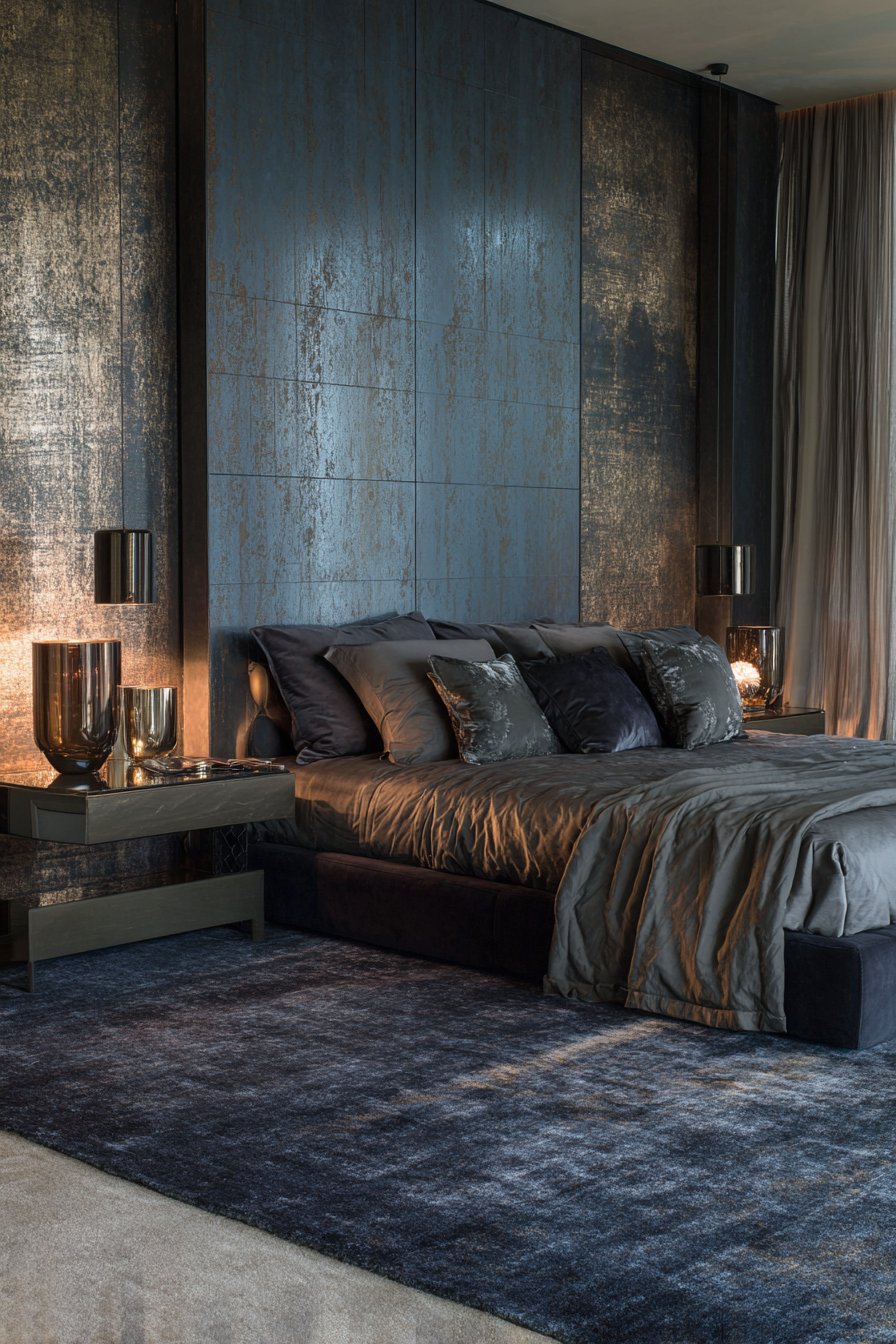
Light pollution, even from seemingly minor sources, fragments your sleep architecture. Your brain responds to light by transitioning to lighter sleep stages, reducing the overall quality of rest. Research indicates that people sleeping in darker rooms experience longer periods of deep sleep.
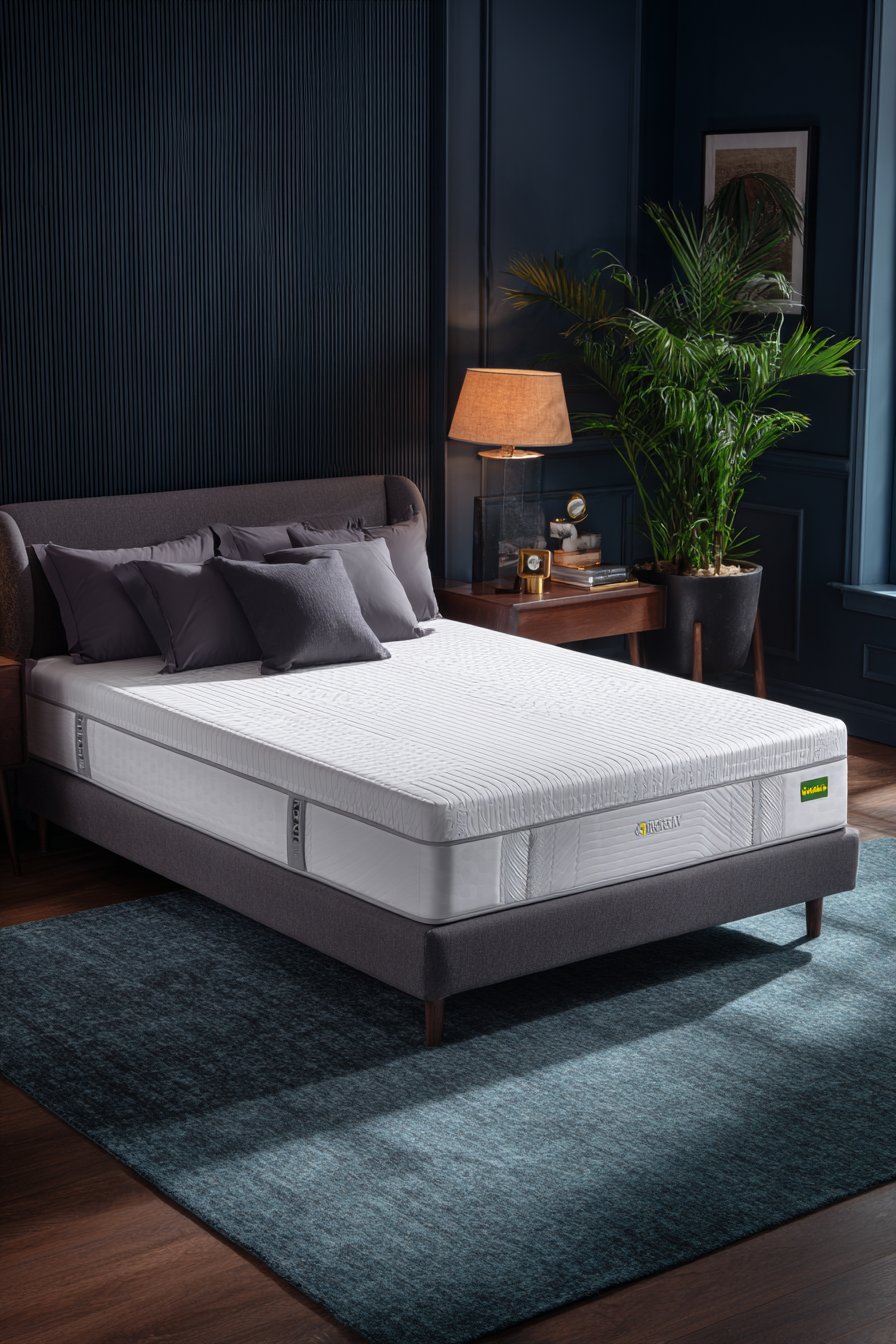
The cumulative effect of enhanced deep sleep cannot be overstated. Better physical recovery, improved cognitive function, and stronger emotional resilience all stem from adequate time in these deeper stages. Dark bedrooms provide the foundation for this essential biological process.
- Track your sleep patterns to identify improvements after darkening your room
- Combine darkness with other sleep hygiene practices for maximum benefit
- Address noise pollution alongside light for comprehensive sleep optimization
- Invest in quality bedding that complements your dark environment
- Remove unnecessary furniture that might reflect ambient light
- Consider darker wall colors in deep blues or grays to absorb light
4. Reduction of Sleep Disruptions
Mid-sleep awakenings significantly impact overall sleep quality and next-day functioning. When external light enters your bedroom during the night, it can trigger partial or complete awakening. Your brain interprets these light signals as cues to become alert, even briefly.
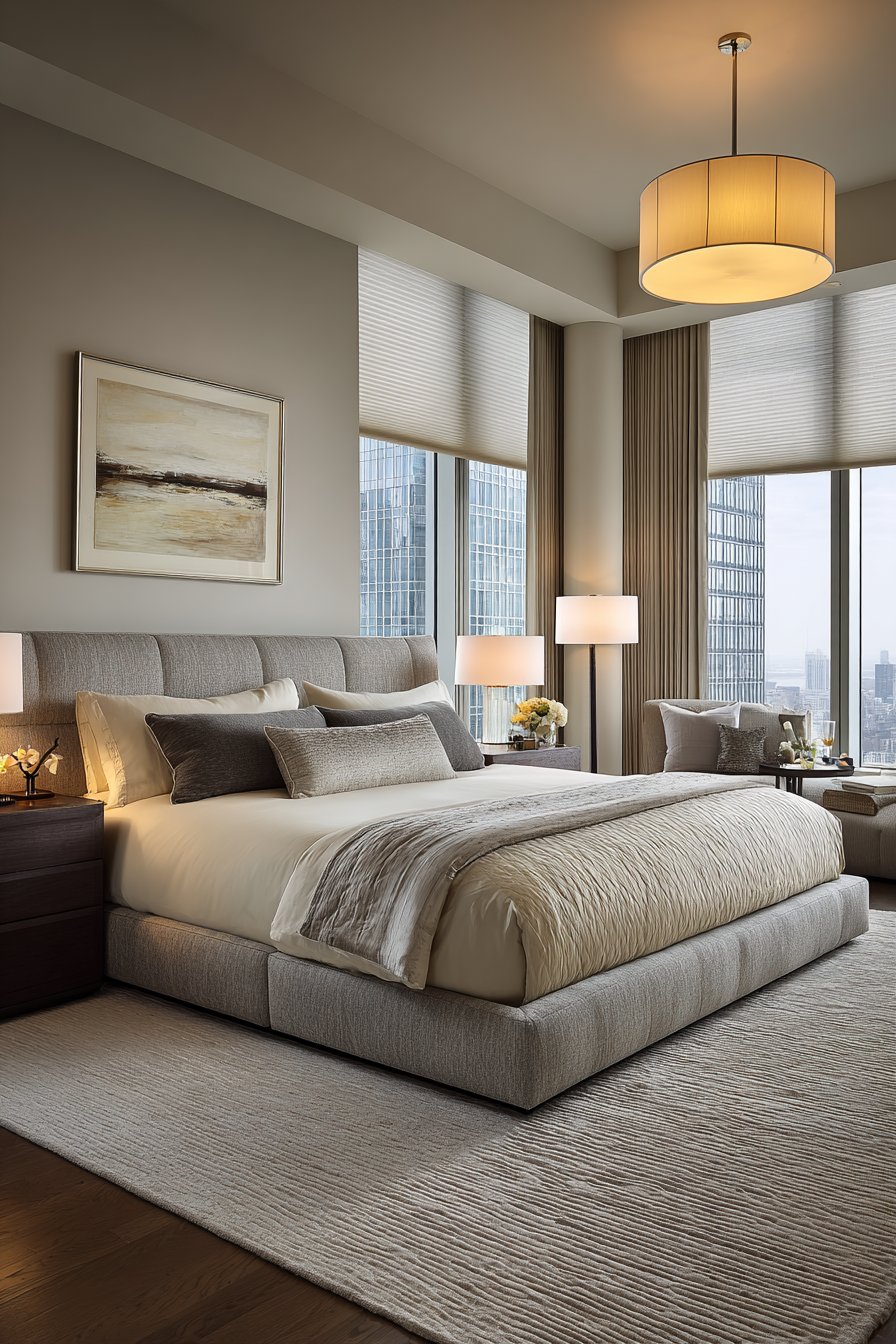
These disruptions prevent you from completing full sleep cycles. Each cycle lasts approximately 90 minutes and includes various stages from light to deep sleep and REM. Interrupting these cycles leaves you feeling unrested regardless of total time spent in bed.
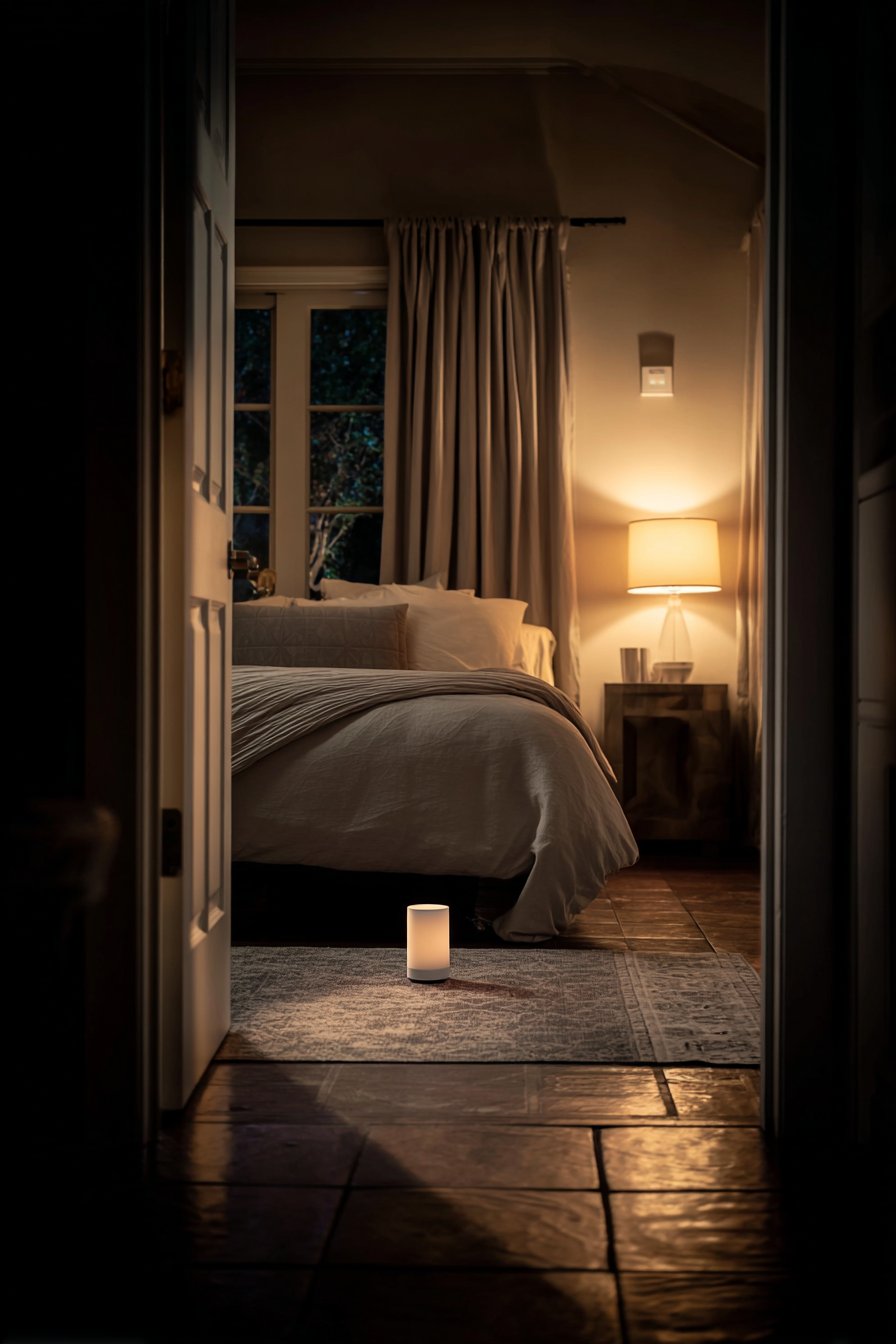
A consistently dark bedroom minimizes these unwanted interruptions. By eliminating light intrusions, you allow your body to move through sleep cycles naturally. This uninterrupted progression leads to more refreshing and restorative sleep experiences.
- Seal gaps around doors with draft stoppers to block hallway light
- Install motion-sensor nightlights outside your bedroom for safe navigation
- Communicate with household members about minimizing nighttime light
- Consider room-darkening cellular shades for superior light blocking
- Test different curtain materials to find optimal darkness levels
- Create a buffer zone by darkening adjacent rooms or hallways
5. Eye Strain Prevention and Relaxation
Your eyes need complete rest from visual stimulation to recover from daily strain. Modern life involves constant exposure to screens, bright lights, and focused visual tasks. Darkness provides essential relief, allowing your optical system to truly relax.
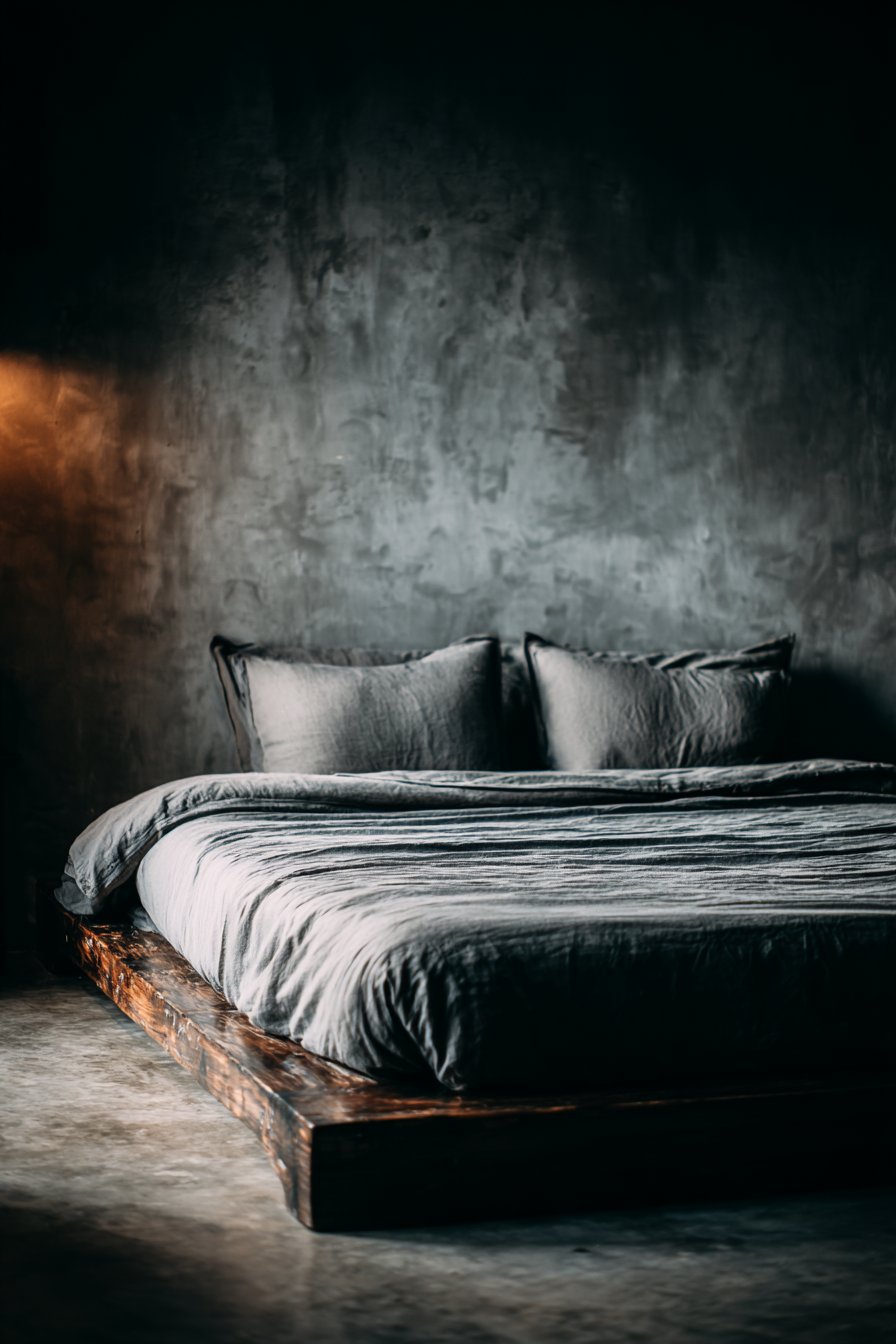
The presence of light, even with closed eyelids, requires your eyes to maintain some level of processing activity. This subtle engagement prevents complete relaxation and can contribute to eye fatigue over time. Total darkness eliminates this unnecessary work entirely.
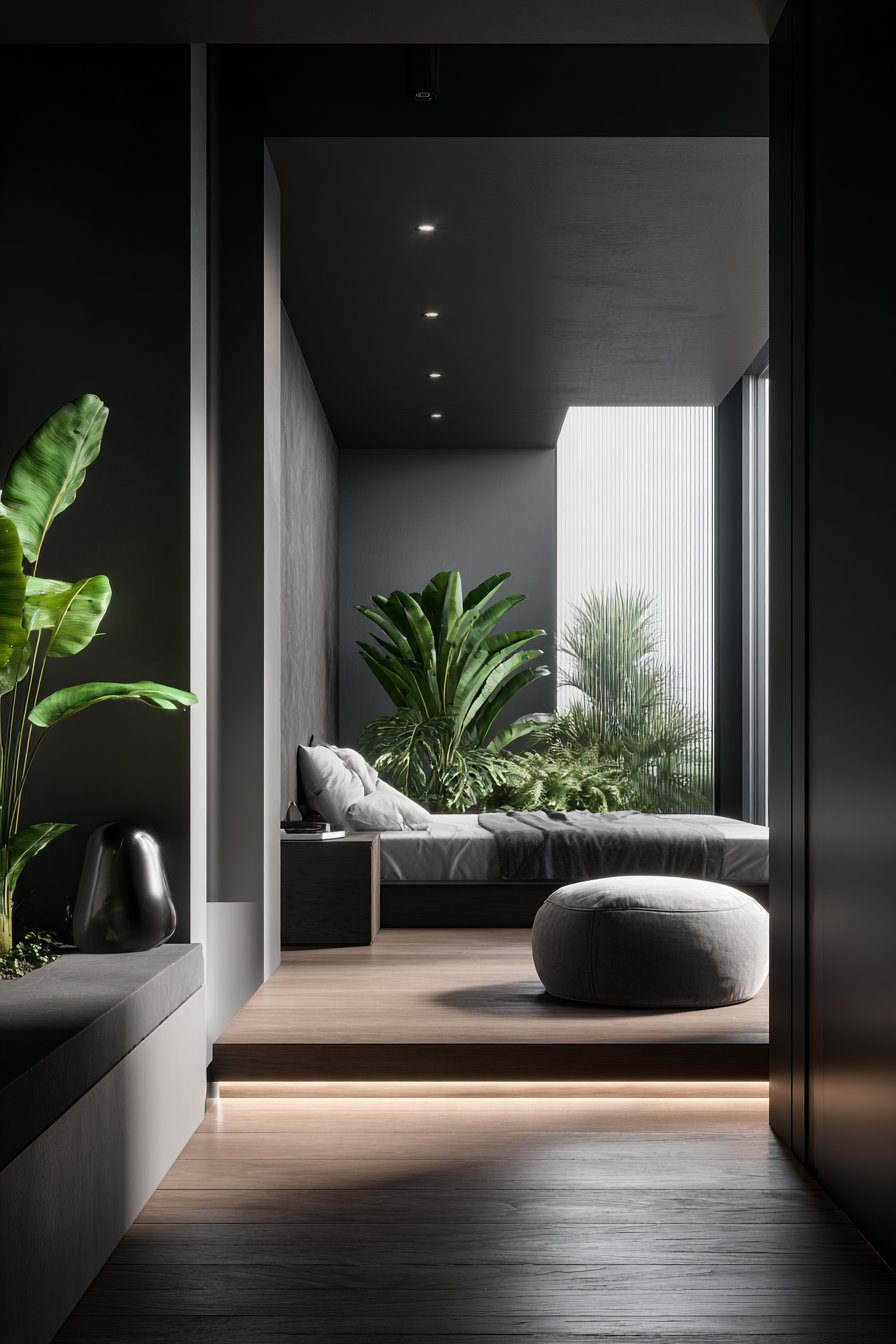
When your eyes relax fully in a dark environment, the associated stress relief extends throughout your entire body. This physical relaxation complements the mental calm necessary for falling asleep quickly. The combination creates ideal conditions for both sleep onset and maintenance.
- Practice progressive relaxation techniques in your darkened bedroom
- Remove reflective surfaces like mirrors that might amplify minimal light
- Choose matte finishes for bedroom furniture and decor items
- Consider temporary blackout solutions like removable window films
- Evaluate outdoor lighting and request changes if neighbor lights intrude
- Use draft snakes or door sweeps to prevent light seepage
6. Enhanced Sleep Consistency
Consistent sleep quality depends on maintaining stable environmental conditions night after night. When your bedroom darkness varies due to changing outdoor lighting or seasonal differences, your body struggles to maintain regular sleep patterns.
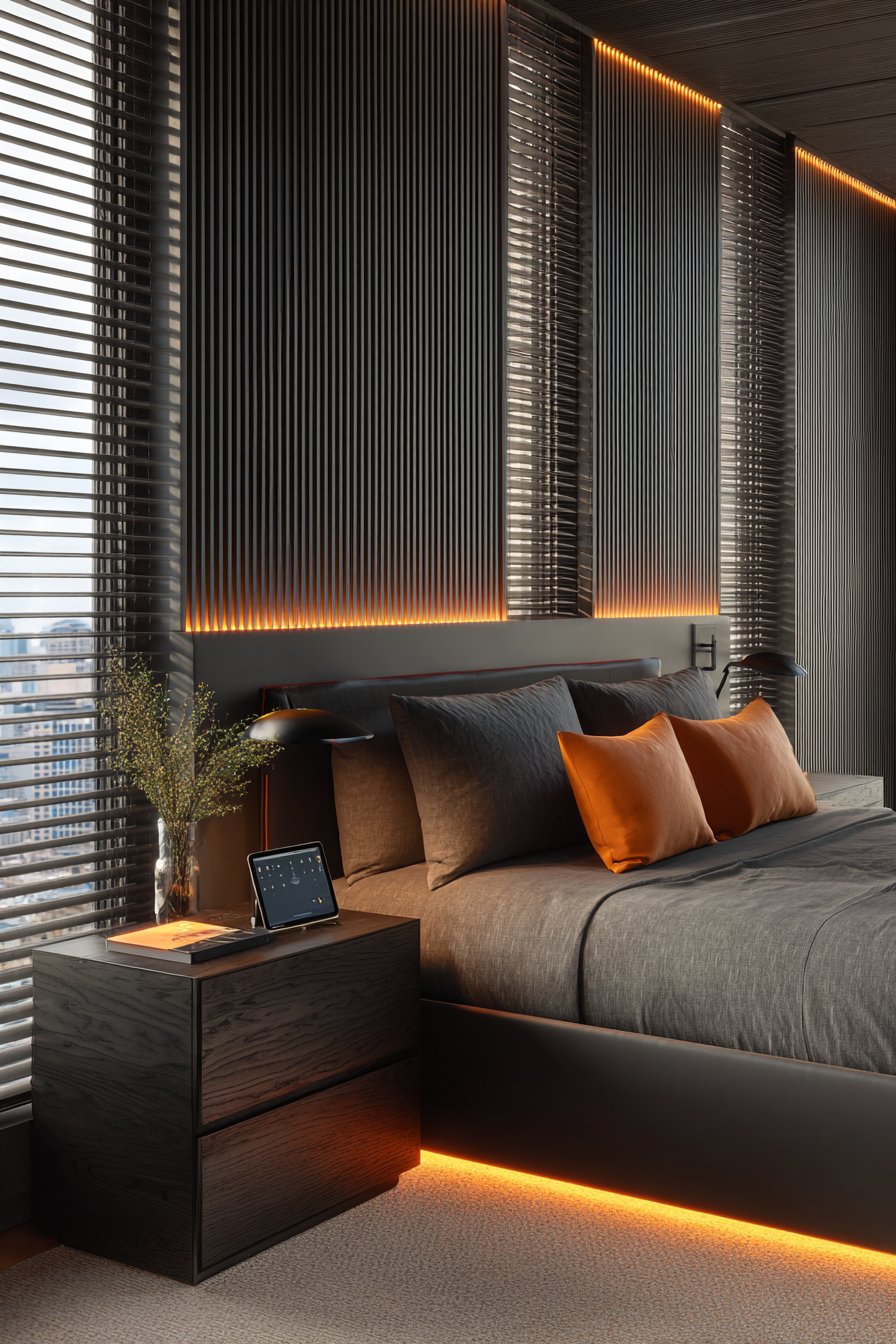
A reliably dark bedroom removes this variability from the equation. Your body learns to associate this specific environment with sleep, strengthening the psychological connection between darkness and rest. This conditioning makes falling asleep easier and more predictable.
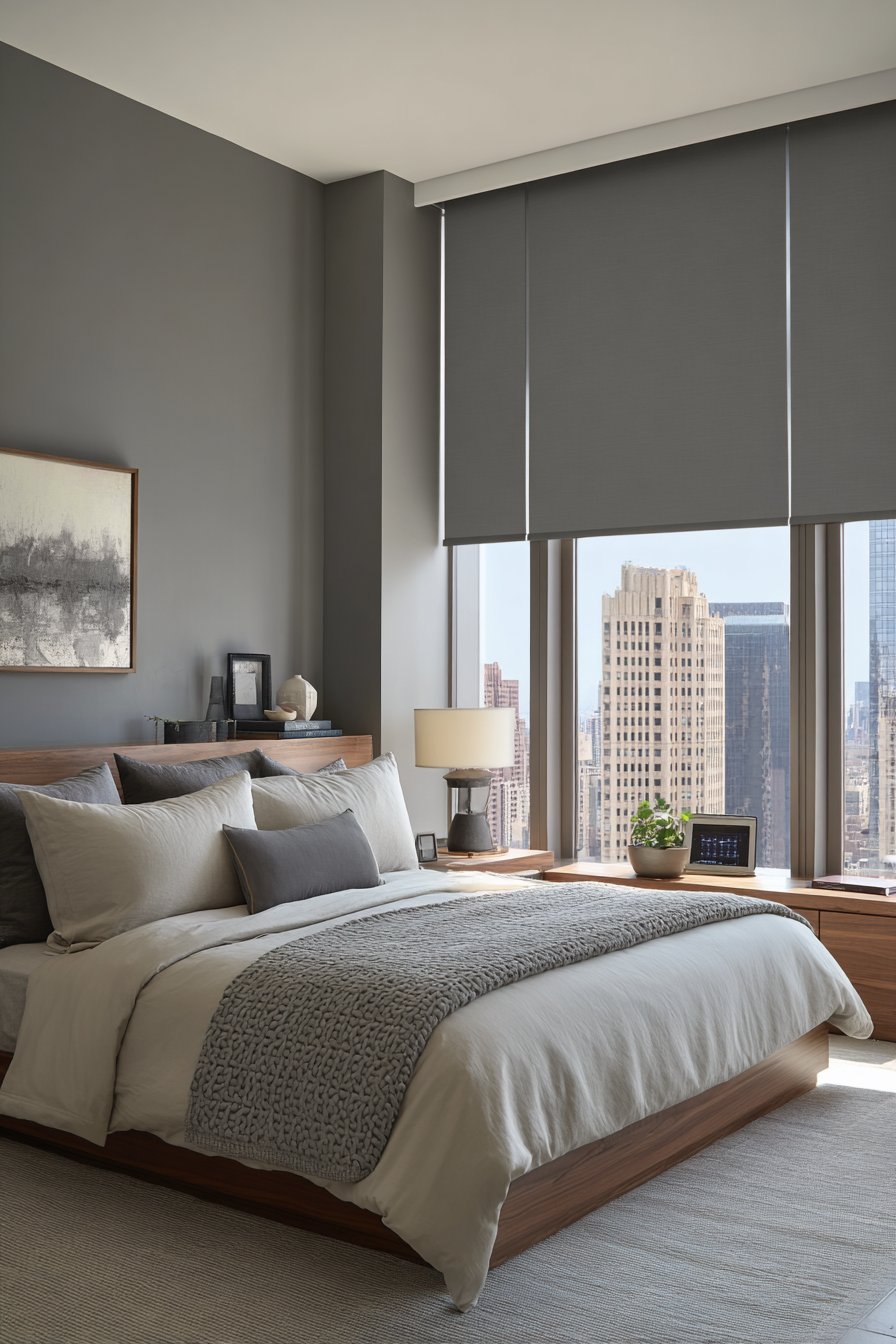
The long-term benefits of this consistency compound over time. Better sleep habits become automatic when environmental cues remain constant. Your body anticipates and prepares for sleep as evening approaches, making the entire process smoother and more natural.
- Invest in adjustable lighting controls for gradual evening dimming
- Create a pre-sleep checklist that includes darkening your room
- Document your sleep quality to identify patterns and improvements
- Address seasonal changes by adjusting window treatments accordingly
- Consider smart home integration for automated darkness control
- Maintain your dark bedroom setup even during vacations for continuity
Conclusion
Creating a dark bedroom environment represents one of the most effective yet straightforward improvements you can make for better sleep. The science clearly demonstrates that darkness supports natural hormone production, strengthens circadian rhythms, and enhances sleep quality across all stages.
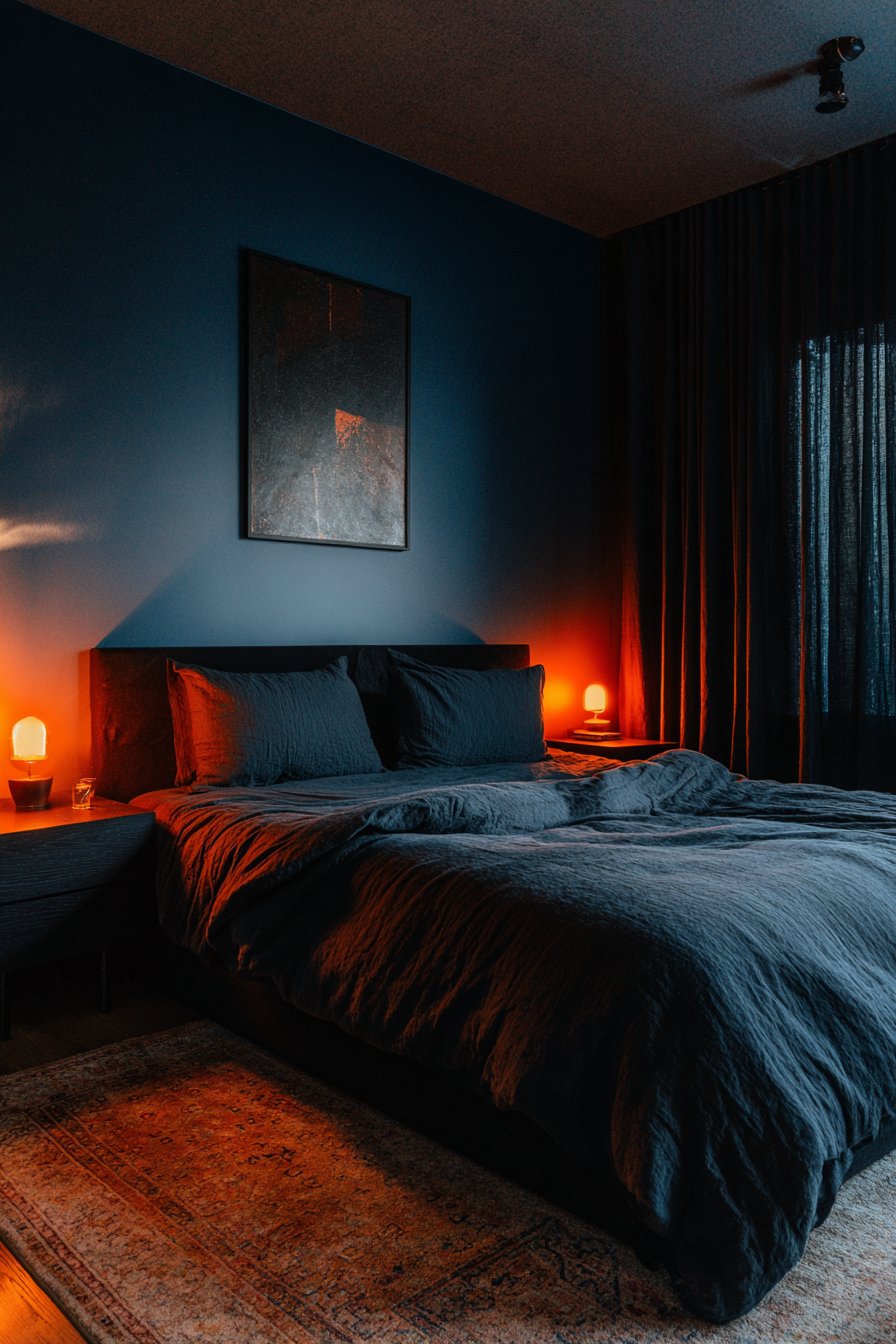
Implementing these strategies doesn’t require extensive renovation or expensive investments. Simple changes like blackout curtains, eliminating electronic lights, and choosing darker colors can dramatically improve your sleep environment. Start with the modifications that address your most significant light sources, then gradually optimize other areas. Your body will respond positively to these changes, rewarding you with deeper, more restorative rest that enhances every aspect of your waking life.
