


Creating the perfect bedroom atmosphere starts with one fundamental decision: choosing between warm and cool lighting. Your lighting choice affects everything from sleep quality to mood and even how colors appear in your space. Understanding the science and psychology behind different color temperatures empowers you to design a bedroom that truly serves your needs.
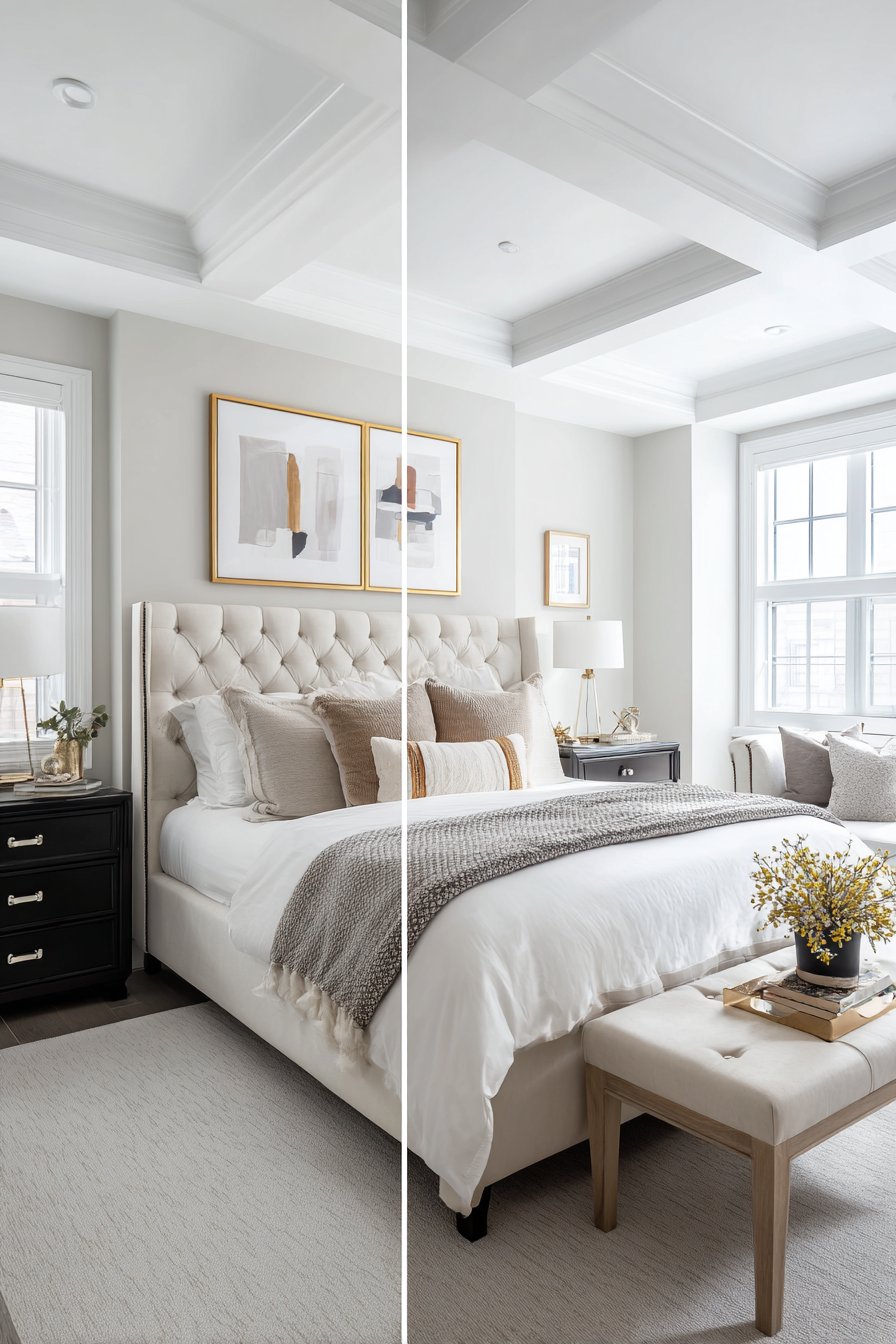
The bedroom serves as our personal sanctuary, a space where we begin and end each day. Proper lighting design transforms this essential room from merely functional to genuinely restorative. Whether you’re a morning person who needs energizing light or someone who values cozy evening ambiance, your lighting temperature plays a crucial role in supporting your lifestyle and circadian rhythm. Our bathroom lighting errors has more inspiration along these same lines.
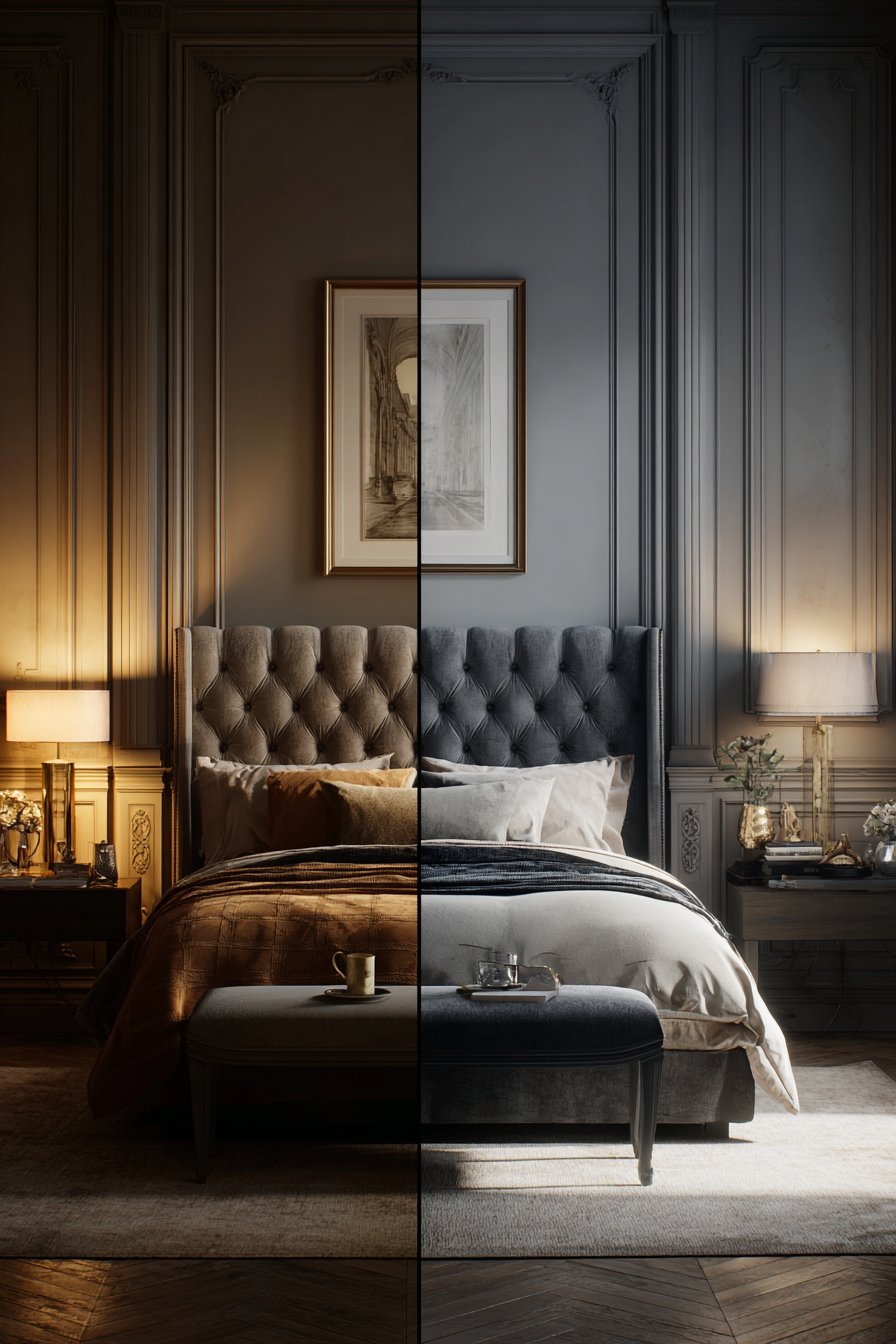
This comprehensive guide explores the distinct characteristics of warm versus cool lighting in bedroom settings. We’ll examine how each option impacts sleep patterns, visual perception, and overall comfort. By understanding these differences, you’ll make informed decisions that enhance both the aesthetics and functionality of your personal retreat.
1. Understanding Color Temperature Basics
Color temperature is measured in Kelvin (K) and determines whether light appears warm or cool. Warm lighting typically ranges from 2700K to 3000K, producing yellowish, amber tones reminiscent of candlelight or sunset. Cool lighting measures 5000K to 6500K, emitting bluish-white light similar to midday sun or overcast skies.

The color rendering index also matters when selecting bedroom lighting. This measurement indicates how accurately colors appear under different light sources. Higher CRI values ensure your bedroom colors, textiles, and artwork look true to life. Understanding these technical specifications helps you choose lighting that creates your desired atmosphere.
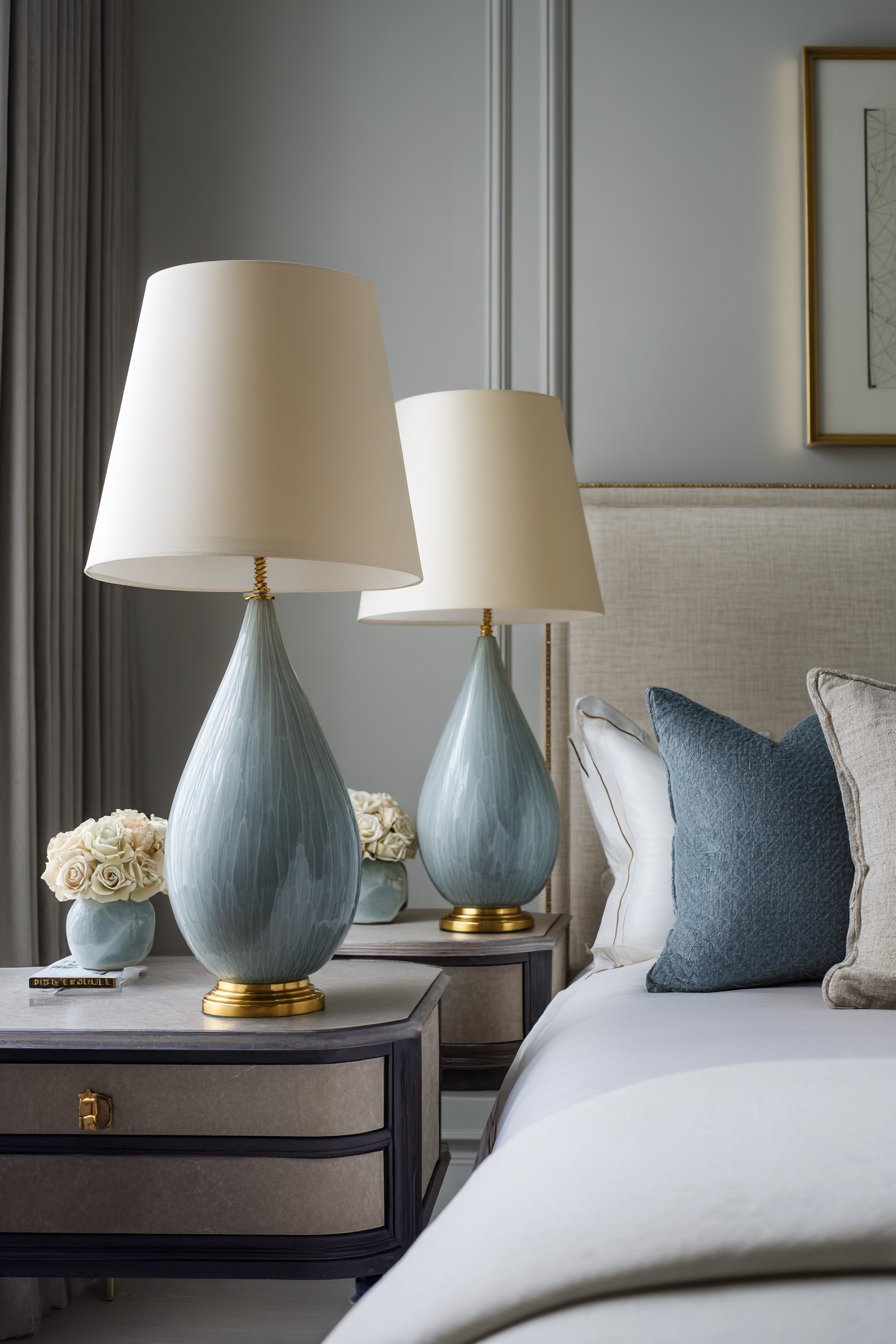
Your brain interprets different color temperatures as biological signals throughout the day. Warm tones trigger melatonin production, preparing your body for rest and sleep. Cool tones suppress melatonin, promoting alertness and focus. This natural response makes lighting choice particularly important in spaces dedicated to rest and relaxation.
- Choose bulbs labeled with specific Kelvin ratings for consistency
- Look for high CRI values above 90 for accurate color representation
- Consider dimmable options for flexible control throughout the day
- Test color temperatures before committing to whole-room installation
- Remember that lower Kelvin numbers mean warmer light
- Use color temperature strategically for different bedroom zones
2. Warm Lighting Benefits and Applications
Warm lighting creates an inviting, cozy atmosphere that naturally encourages relaxation and unwinding. The amber and golden tones soften harsh edges and create shadows that feel comfortable rather than dramatic. This lighting choice makes bedrooms feel like genuine sanctuaries where stress melts away effortlessly.
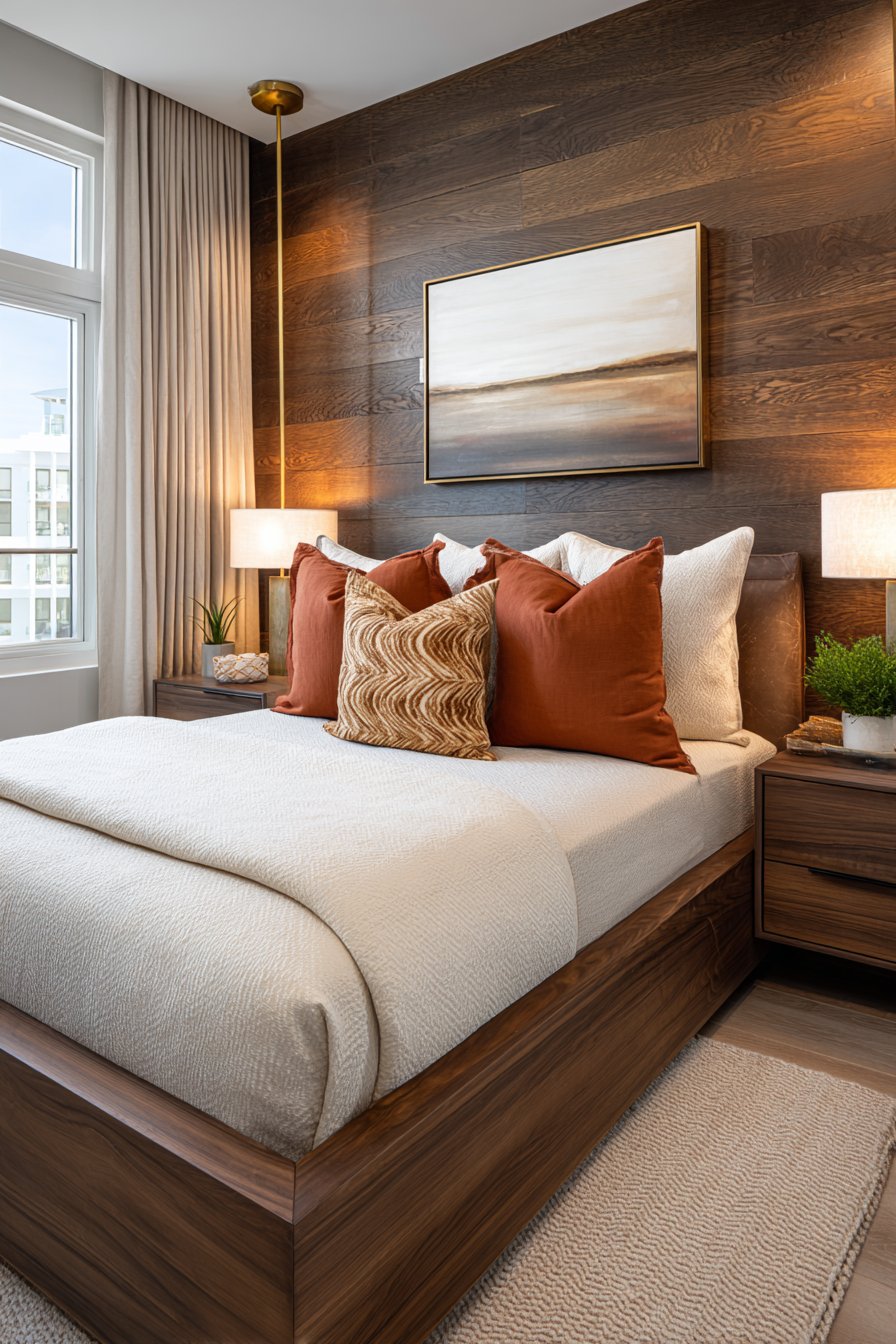
Sleep experts consistently recommend warm lighting for bedrooms because it supports healthy circadian rhythms. Using warm bulbs in the evening signals to your brain that nighttime is approaching. This biological alignment helps you fall asleep faster and achieve deeper, more restorative rest throughout the night.
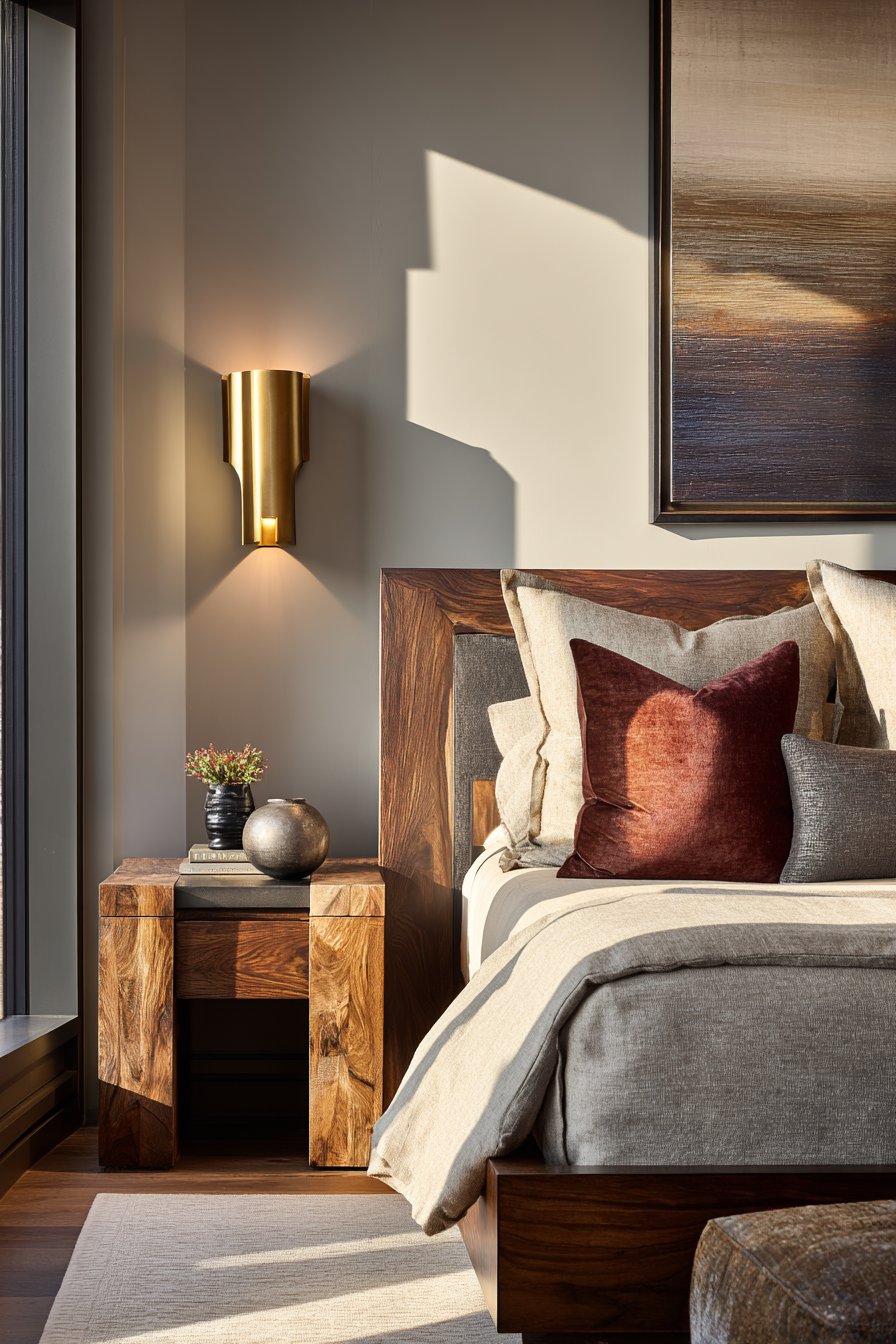
Warm lighting also enhances certain color palettes and materials beautifully. Rich wood tones, cream linens, terracotta accents, and gold fixtures all glow attractively under warm illumination. If your bedroom features these elements, warm lighting amplifies their natural beauty and creates cohesive visual harmony. Our black and gold kitchens guide has more inspiration along these same lines.
- Install warm lighting in bedside lamps for evening reading
- Use warm bulbs in overhead fixtures for general ambient lighting
- Combine with dimmer switches for ultimate control
- Choose warm LEDs to reduce energy costs without sacrificing ambiance
- Layer multiple warm light sources at different heights
- Avoid warm lighting if your room feels too small or dark
3. Cool Lighting Benefits and Applications
Cool lighting delivers crisp, energizing illumination perfect for morning routines and getting ready. The bluish-white tones create clarity and sharpness that help you see details accurately. This makes cool lighting ideal for makeup application, outfit selection, and other precision tasks.
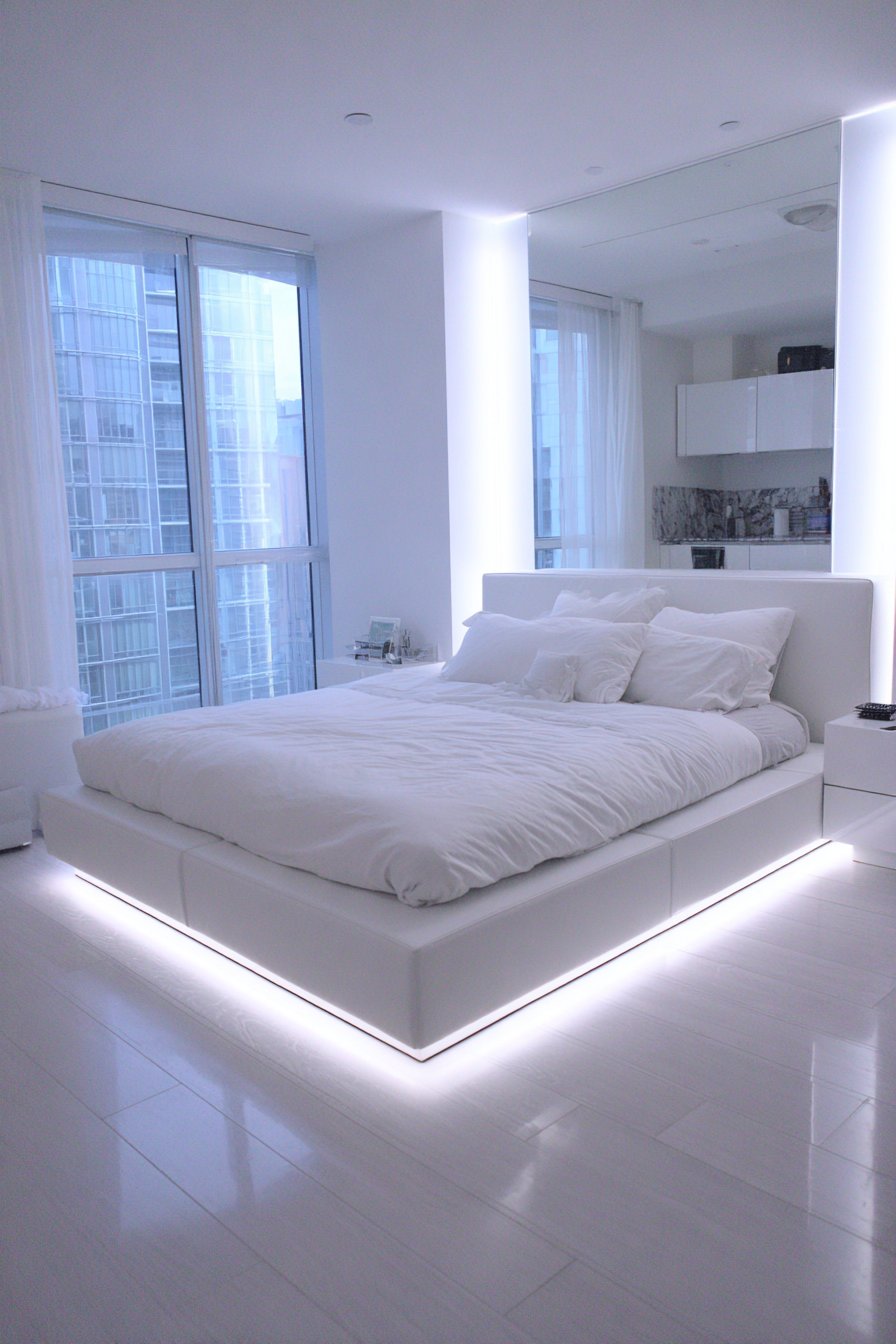
Bedrooms doubling as home offices or study spaces benefit significantly from cool lighting options. The alertness-promoting properties help maintain focus during work hours. Cool light also reduces eye strain during screen time and detailed activities, making it functionally superior for productivity-focused tasks.
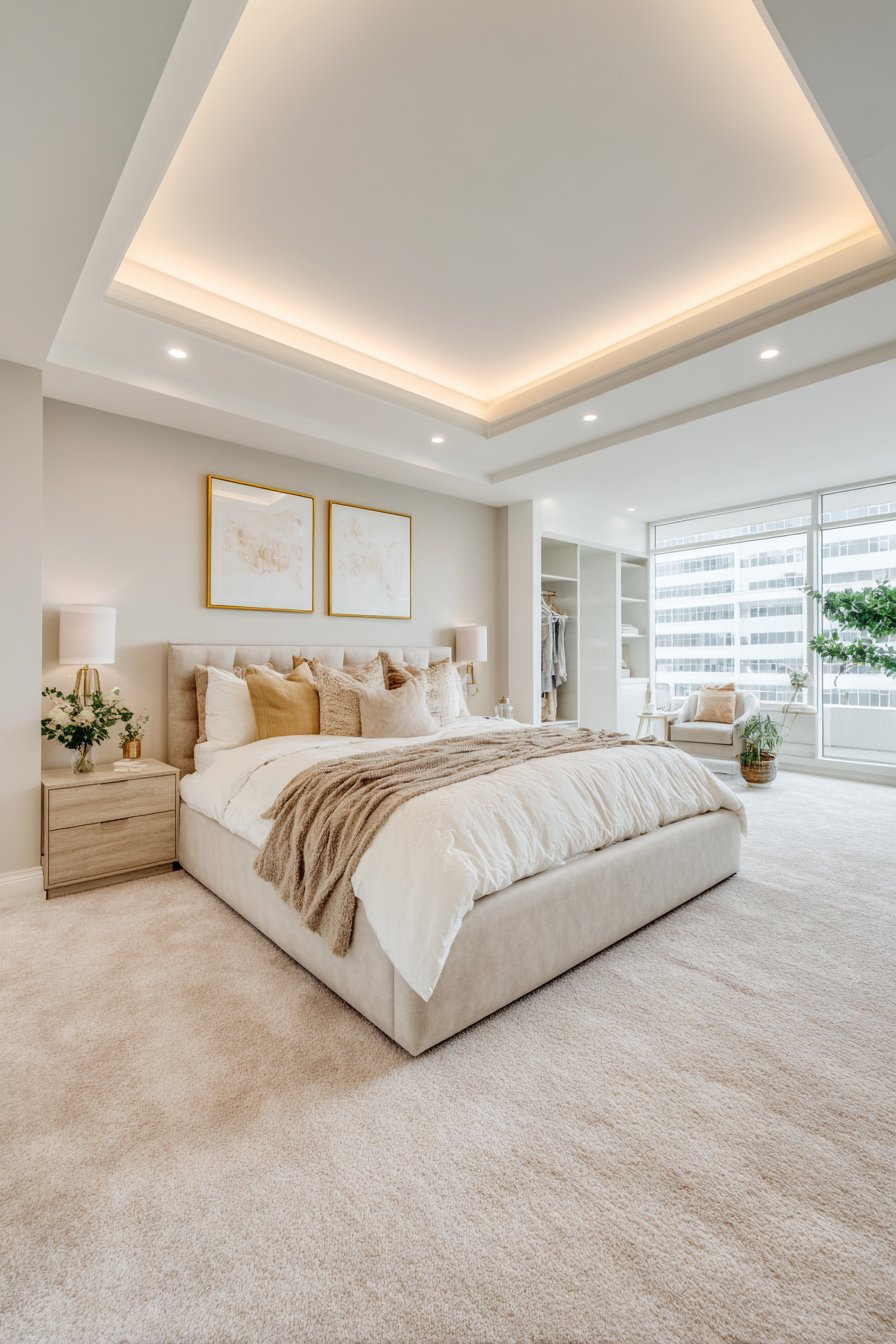
Cool lighting makes small bedrooms feel more spacious and airy. The bright, clean quality opens up tight spaces and creates an illusion of expanded square footage. Minimalist and contemporary bedroom designs often utilize cool lighting to emphasize clean lines and modern aesthetics.
- Install cool lighting in closets and dressing areas
- Use cool task lighting at desks or vanities within bedrooms
- Choose cool bulbs for north-facing rooms lacking natural light
- Combine with white or light gray color schemes for maximum effect
- Consider smart bulbs that adjust temperature throughout the day
- Limit cool lighting exposure during evening hours for better sleep
4. Impact on Sleep Quality and Health
Research shows that evening exposure to cool light disrupts melatonin production and delays sleep onset. The blue wavelengths in cool lighting trick your brain into thinking it’s still daytime. This can lead to difficulty falling asleep, reduced sleep quality, and morning grogginess.
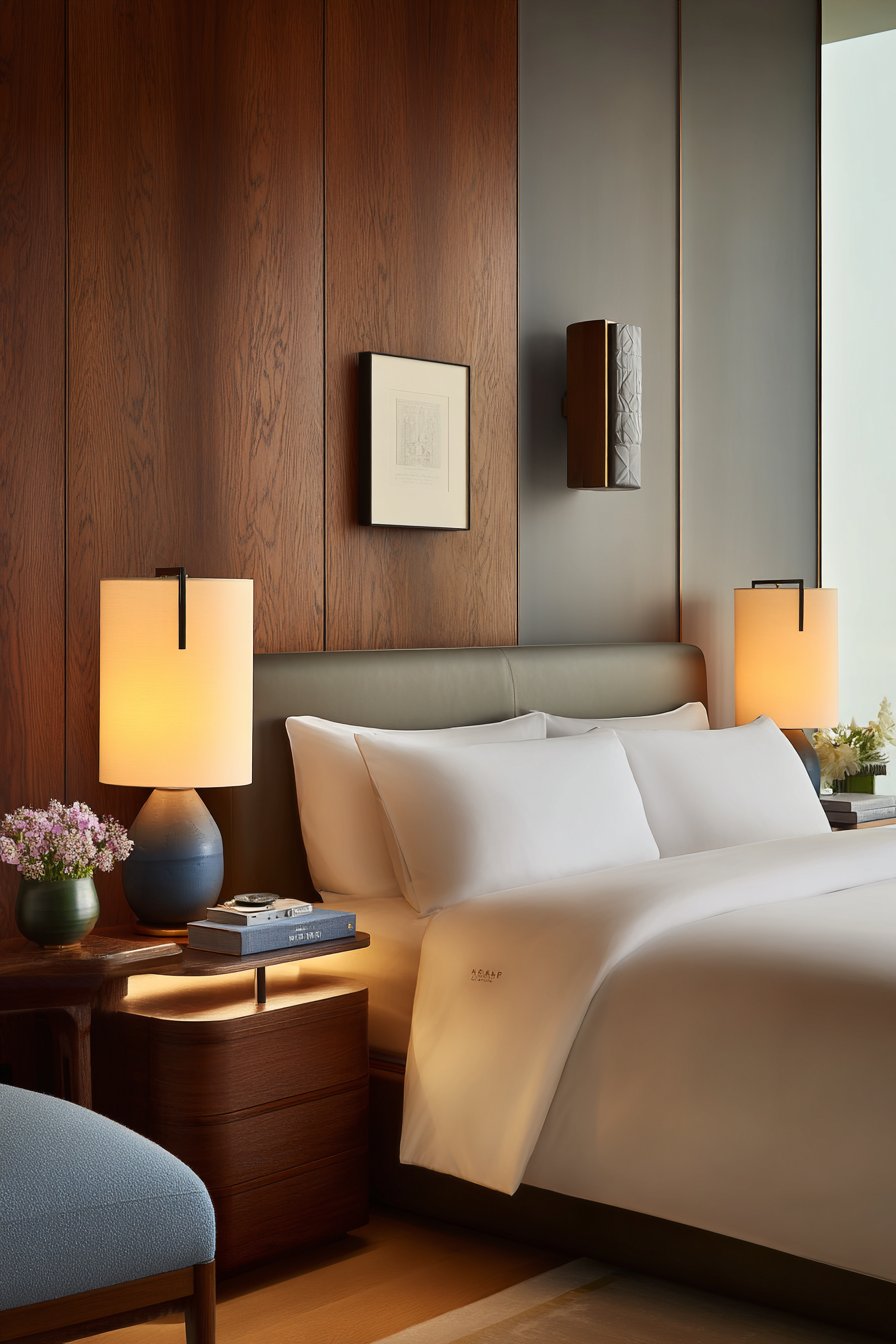
Warm lighting promotes natural sleep-wake cycles by mimicking the sunset’s color spectrum. Using warm bulbs at least two hours before bedtime helps your body transition into rest mode. This simple change can improve sleep duration, depth, and overall restorative quality significantly.
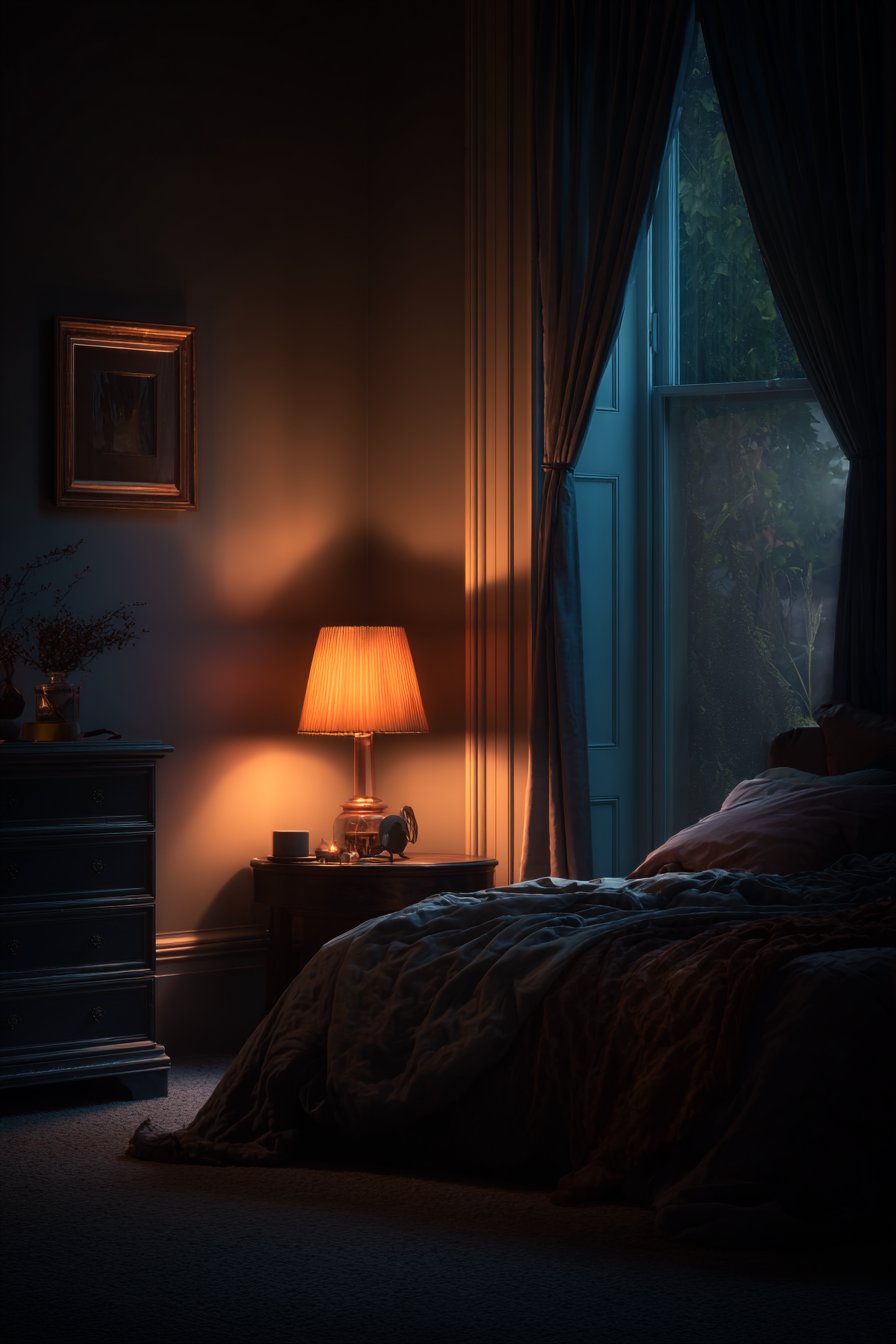
Creating a lighting schedule supports optimal health outcomes in your bedroom. Use cool lighting during morning hours to wake up naturally and boost alertness. Transition to warm lighting as evening approaches, signaling your body to prepare for sleep. This rhythm-based approach optimizes both productivity and rest.
- Eliminate all cool lighting sources at least two hours before bed
- Install warm night lights for safe midnight navigation
- Consider amber or red bulbs for minimal sleep disruption
- Use blackout curtains to prevent outdoor light interference. See our black and gold kitchen ideas for more direction in this style.
- Avoid screen time with blue light in the bedroom before sleep
- Track sleep quality changes after implementing lighting adjustments
5. Aesthetic Considerations and Design Harmony
Warm lighting complements traditional and rustic design styles exceptionally well. The golden glow enhances vintage furniture, exposed brick, and natural textures beautifully. If your bedroom features bohemian, farmhouse, or classic aesthetics, warm lighting amplifies these design choices naturally.
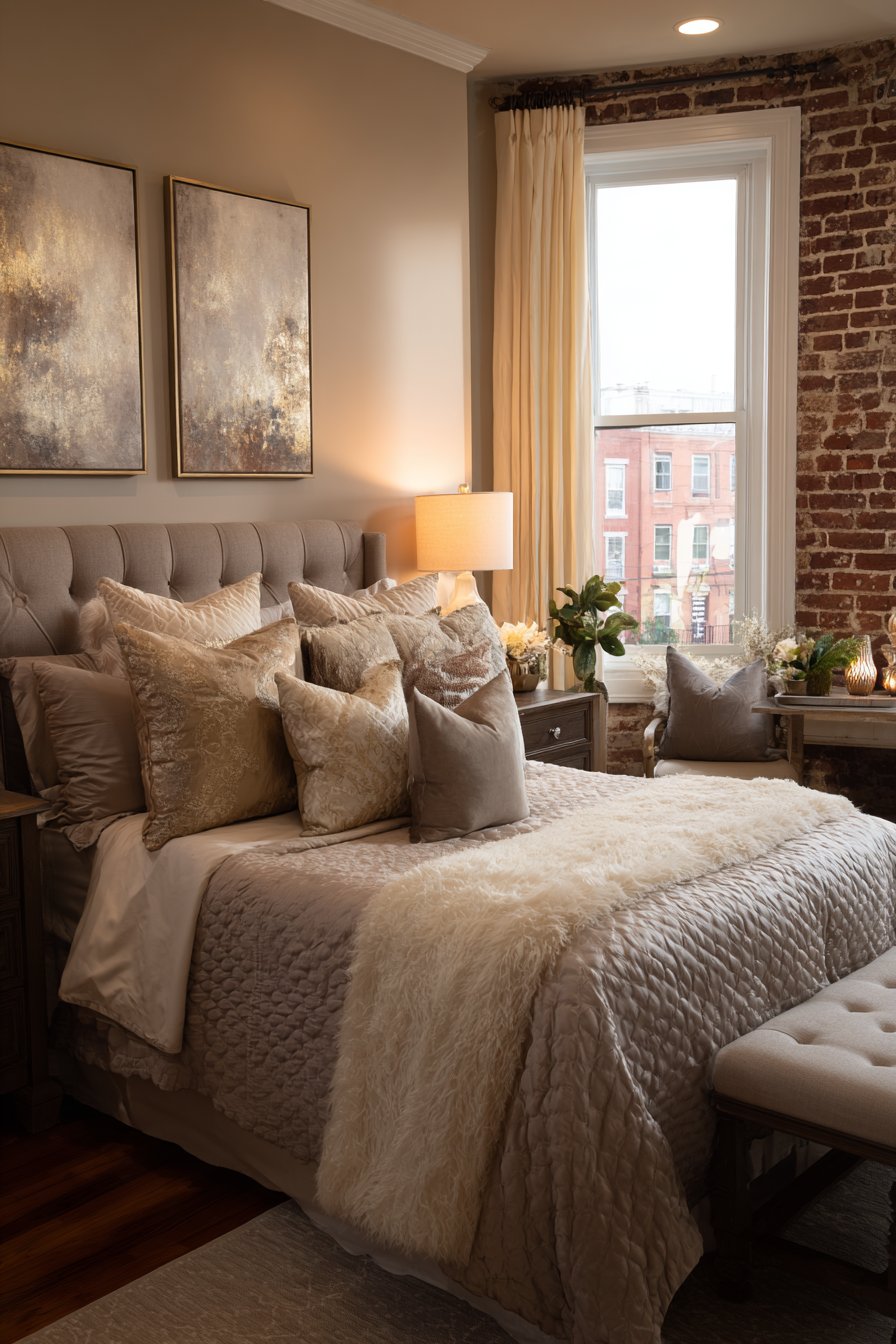
Cool lighting elevates modern and minimalist spaces with its clean, sophisticated appearance. The crisp illumination highlights architectural details, metallic finishes, and contemporary art effectively. Scandinavian, industrial, and ultra-modern bedrooms shine under cool lighting’s clarifying presence.

Mixed lighting strategies offer the best of both worlds when implemented thoughtfully. Install cool-toned recessed lighting for general illumination while using warm table lamps for ambient evening light. This layered approach provides flexibility for different activities and times of day throughout your bedroom.
- Match lighting temperature to your dominant design style
- Use consistent color temperatures within the same visual field
- Test lighting with existing paint colors before final decisions
- Consider how lighting affects artwork and textile colors
- Layer different light sources at various temperatures strategically
- Update light bulbs when changing bedroom color schemes
6. Smart Solutions and Hybrid Approaches
Tunable LED technology revolutionizes bedroom lighting by offering adjustable color temperatures. Smart bulbs allow you to shift from energizing cool light in the morning to relaxing warm tones at night. This flexibility eliminates the need to choose one temperature permanently.
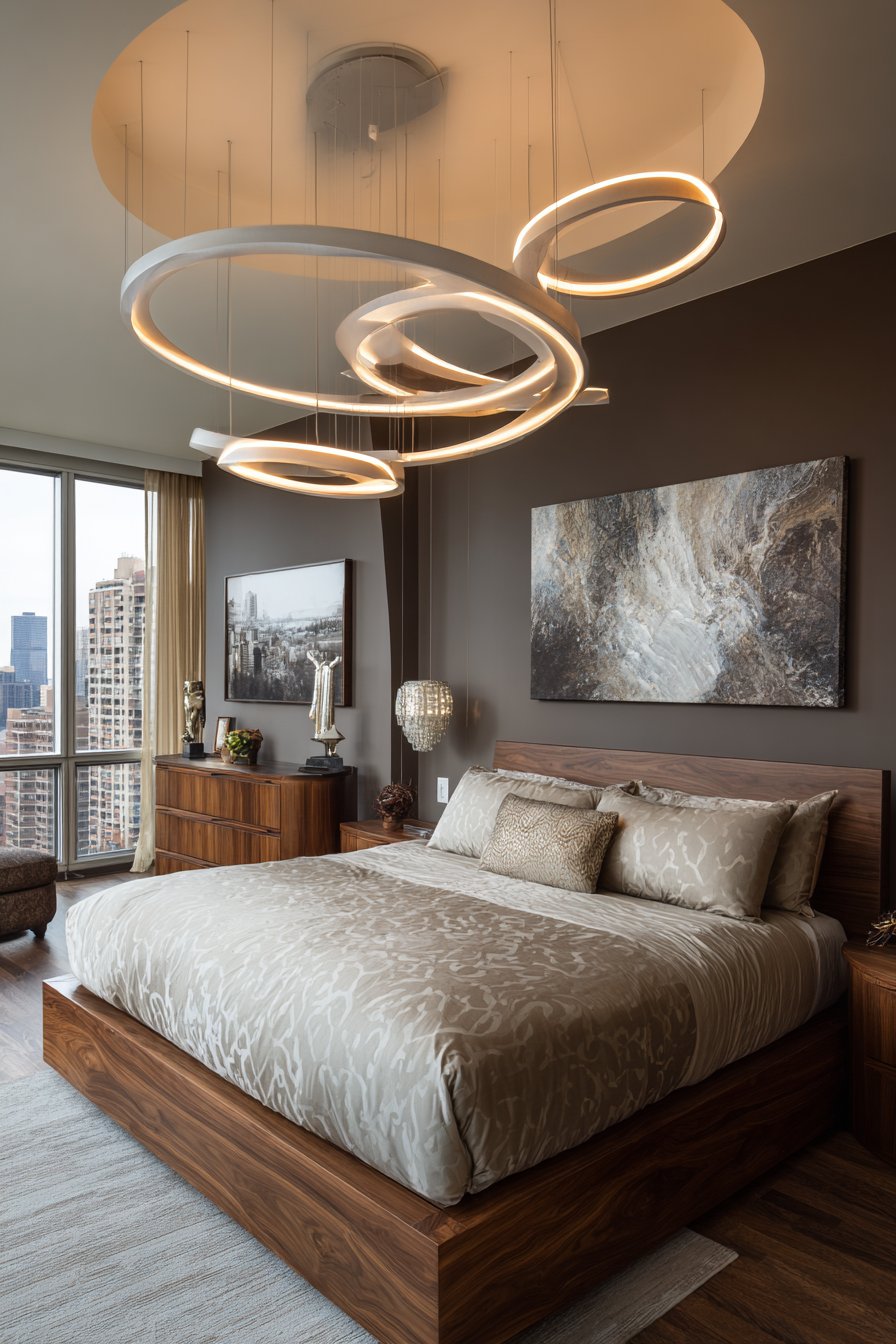
Circadian lighting systems automatically adjust color temperature based on time of day. These intelligent solutions support natural biological rhythms without requiring manual intervention. The technology creates optimal lighting conditions for wake-up, productivity, and wind-down periods automatically throughout your day.
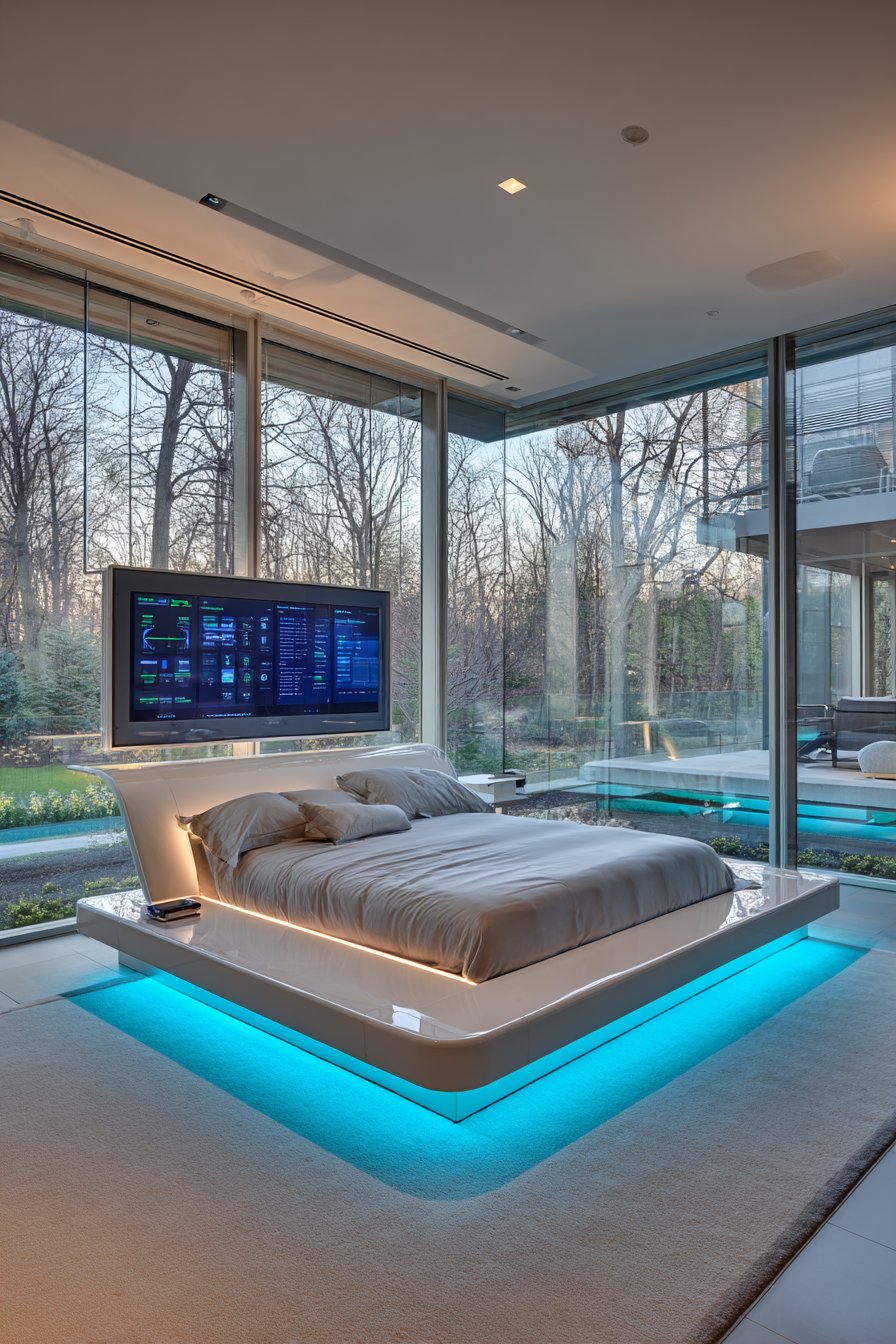
Investing in quality smart lighting provides long-term benefits beyond simple illumination. Many systems integrate with voice assistants, create custom scenes, and track usage patterns. While initial costs run higher, the health benefits, energy savings, and convenience justify the investment for serious sleep optimization.
- Research smart bulb compatibility with existing fixtures before purchasing
- Start with one smart bulb to test functionality and features
- Create automated schedules that align with your sleep-wake cycle
- Use app controls to adjust lighting without leaving bed
- Explore color-changing options for mood lighting and ambiance
- Calculate energy savings potential over five-year periods
Conclusion
Choosing between warm and cool lighting for your bedroom depends on your specific needs, design preferences, and lifestyle patterns. Warm lighting generally serves bedrooms best due to its sleep-promoting properties and cozy ambiance. However, incorporating cool lighting strategically for morning routines and task-focused activities creates a balanced, functional space.
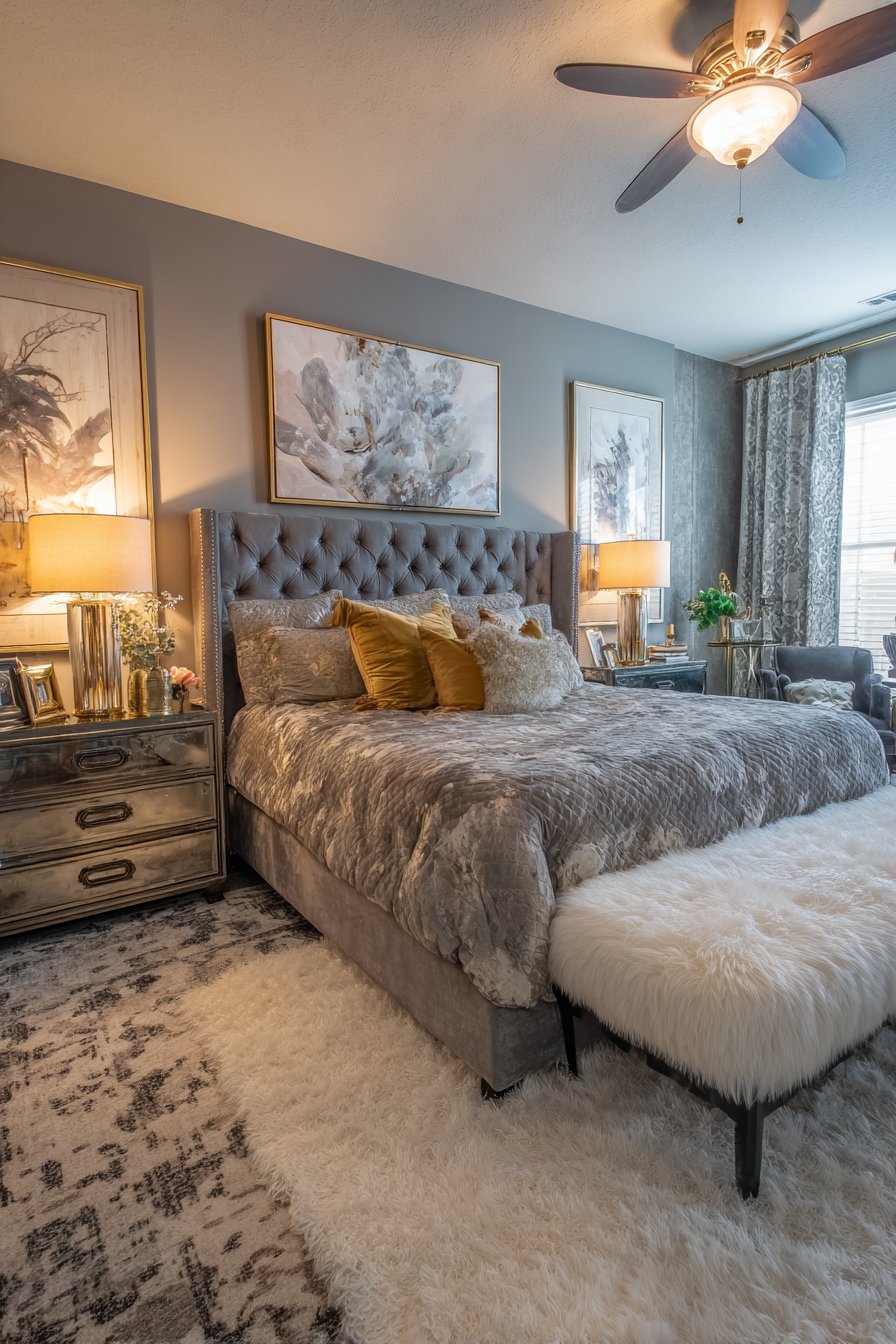
The ideal solution often involves layered lighting with adjustable temperatures that adapt throughout your day. Whether you select traditional bulbs or invest in smart technology, prioritizing your circadian rhythm and sleep quality ensures your bedroom truly serves its restorative purpose. Experiment with different options, trust your instincts, and create a lighting environment that helps you rest, recharge, and wake refreshed daily.
