


Walls represent the largest visual surface in any living room, yet they’re often the most overlooked element in interior design planning. Your walls set the foundational mood for the entire space, influencing everything from perceived room size to emotional atmosphere. Understanding wall design’s critical role transforms ordinary living rooms into extraordinary, cohesive environments that reflect personal style while maximizing aesthetic impact.
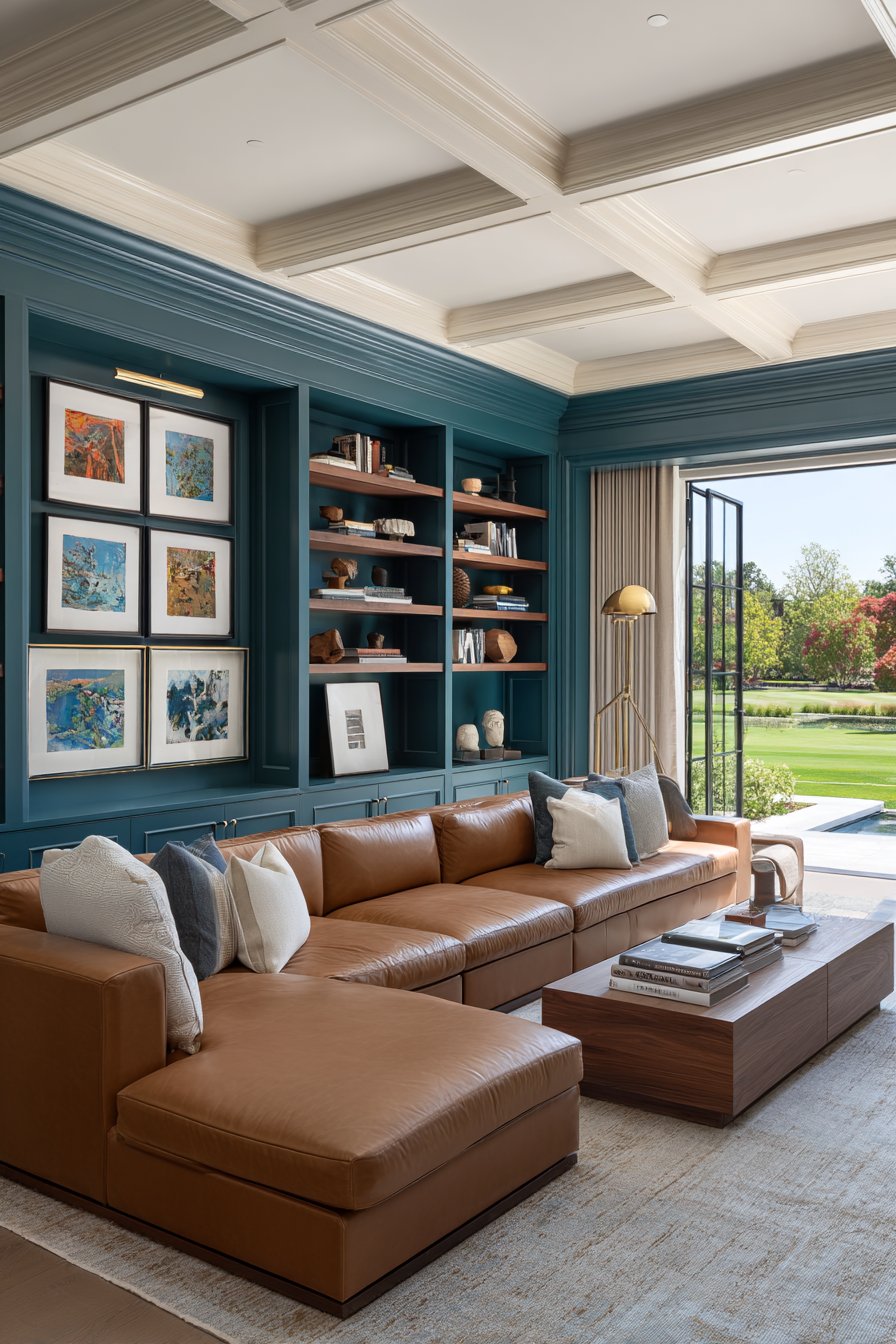
Thoughtful interior design recognizes that walls do far more than simply define spatial boundaries. They serve as canvases for creative expression , backdrops for furniture arrangements, and architectural features that shape how we experience our homes. Whether you prefer minimalist serenity, maximalist energy, or anything between, your wall treatment choices profoundly impact your living room’s overall success and livability. Our guide on this how to arrange furniture in a narrow living room walks through this step by step.
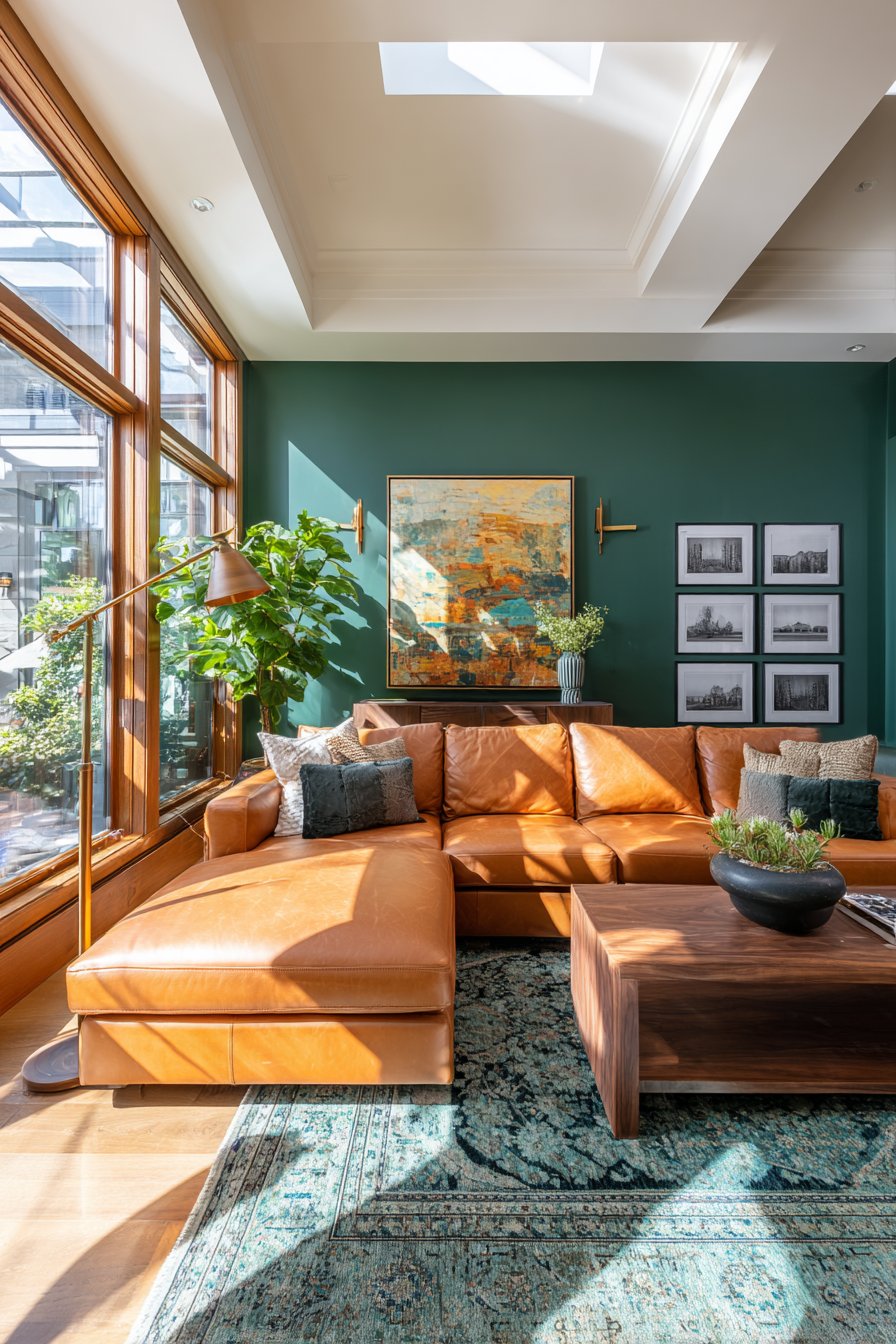
This comprehensive guide explores six essential reasons why wall design deserves your careful attention and investment. From psychological effects to practical functionality, we’ll examine how strategic wall planning elevates your living room from functional space to design masterpiece. These insights empower confident decisions that create lasting beauty and satisfaction in your most-used room.
1. Walls Establish the Room’s Visual Foundation
Wall design creates the base palette upon which all other design elements build and interact. Colors, textures, and treatments you select for walls determine whether furniture pops or disappears, whether artwork commands attention or gets lost. This foundational role makes wall decisions the most impactful single choice in your entire design scheme.
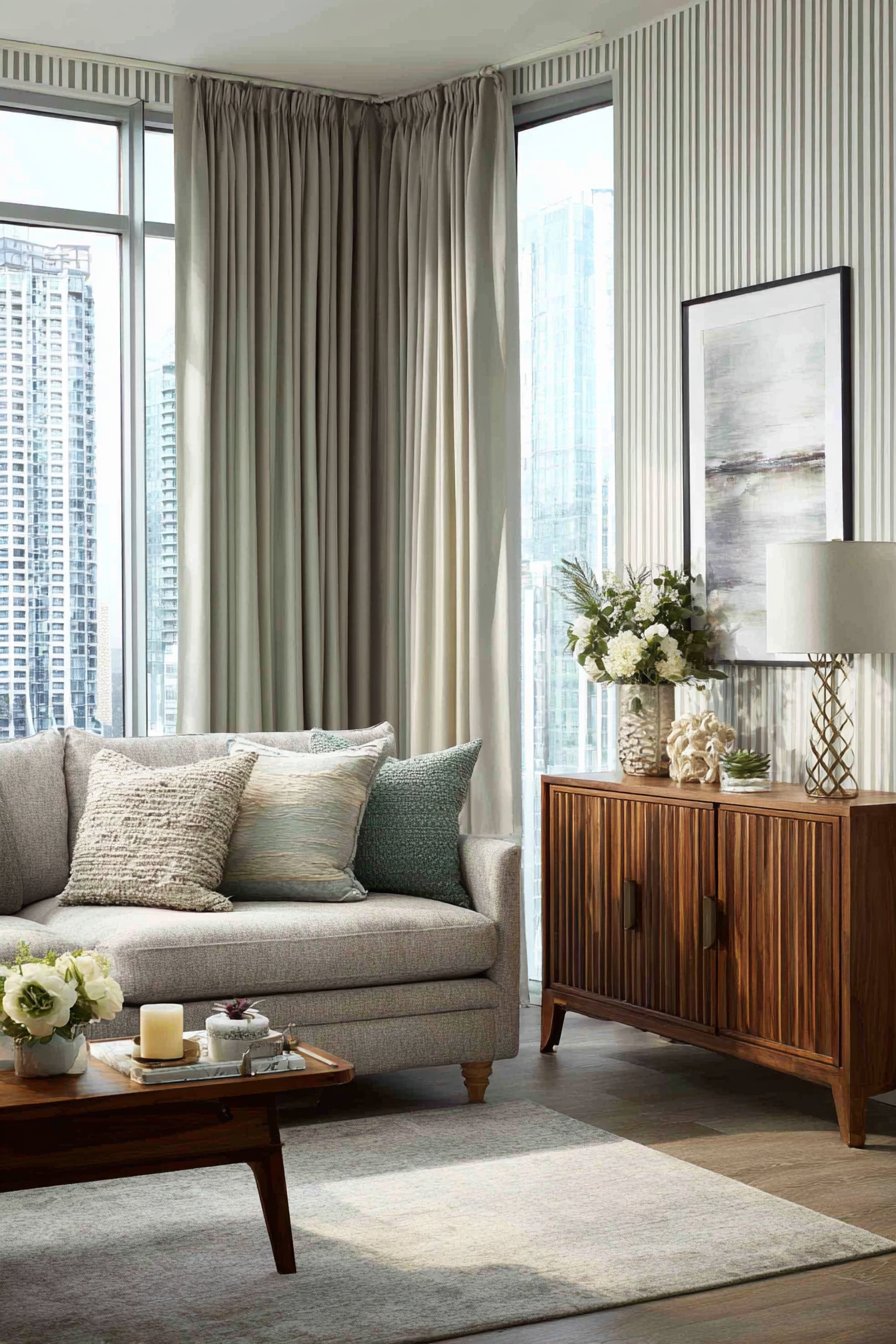
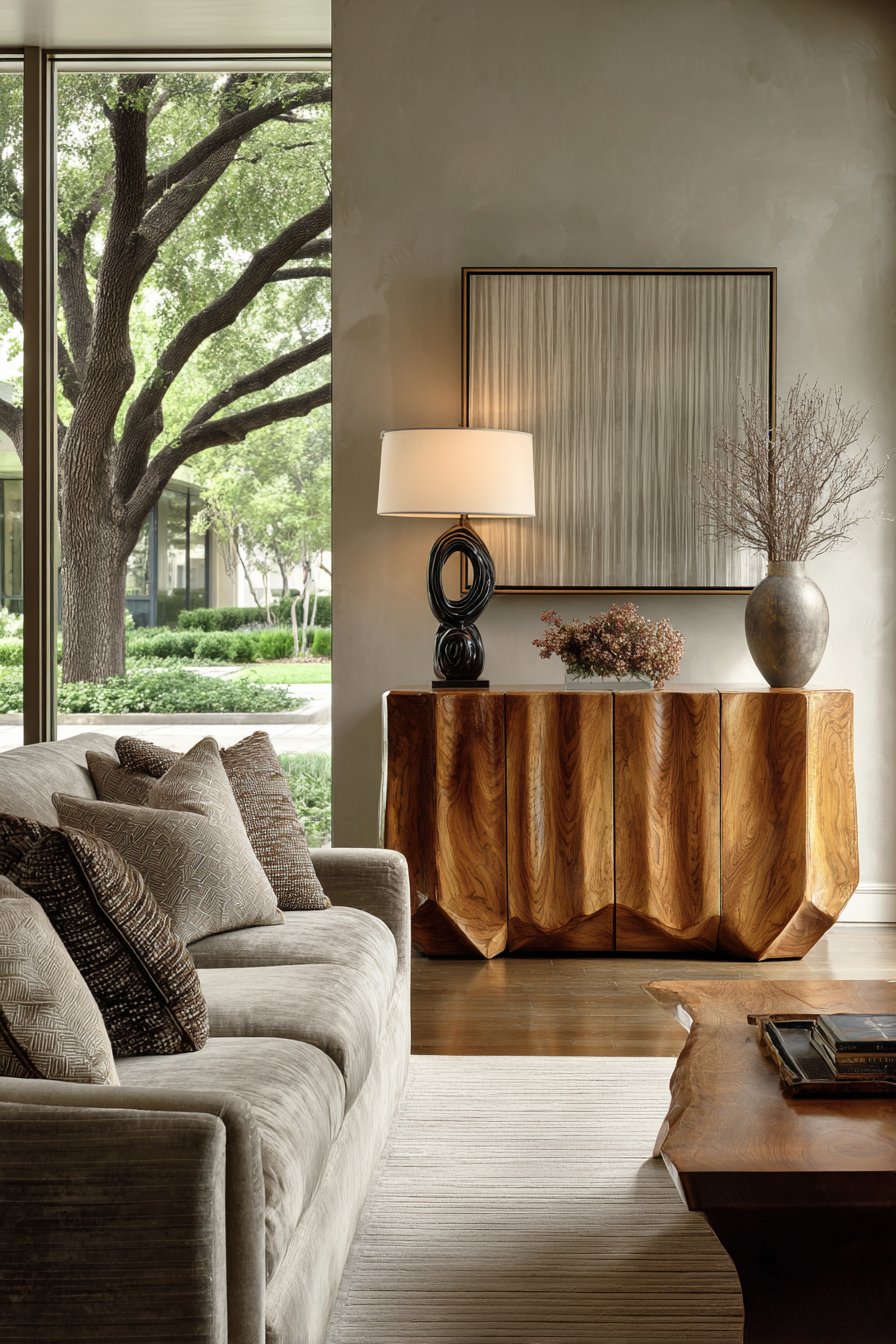
The psychology of background versus foreground proves critical in successful room composition. Light, neutral walls create expansive backdrops that showcase furniture and accessories as focal points. Bold, patterned, or dark walls become features themselves, requiring simpler furnishings to maintain visual balance. Understanding this relationship prevents common mistakes where competing elements create chaotic, uncomfortable spaces. Our these living room layout mistakes to avoid breaks down the exact measurements to plan around.
Wall design also influences spatial perception dramatically. Vertical stripes elongate walls, horizontal patterns widen spaces, and strategic color placement manipulates perceived dimensions. These optical effects prove especially valuable in smaller living rooms where physical expansion isn’t possible. Proper wall treatment literally changes how large or small your room appears to occupants.
- Choose wall colors before selecting furniture to ensure cohesive coordination
- Consider how natural and artificial lighting affects wall color perception
- Test paint samples on all walls as light changes throughout the day
- Remember that walls occupy 40-60% of visible surface area in rooms
- Plan wall treatments to either showcase or complement existing architectural features
- Account for ceiling height when selecting vertical patterns or color blocking
2. Wall Treatments Define Architectural Character
Wall design distinguishes ordinary boxes from architecturally interesting spaces with distinctive personality . Wainscoting, picture rails, crown molding, and board-and-batten treatments add dimensional depth that flat painted walls cannot achieve. These architectural details create visual interest that elevates perceived home value while providing a sophisticated backdrop for contemporary or traditional furnishings. Our this how to create depth in small apartment living rooms guide covers this in more detail.
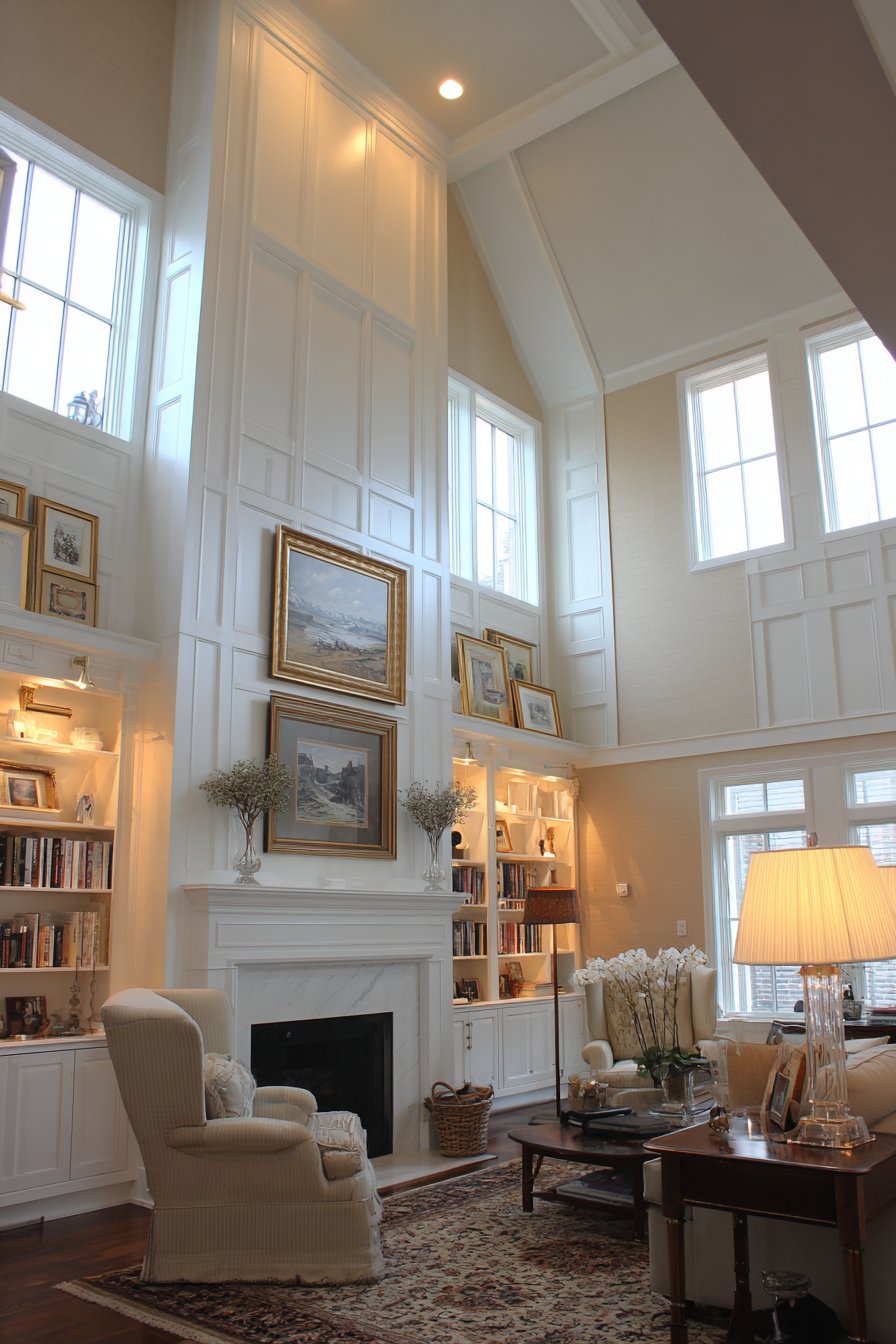
The absence or presence of architectural detailing fundamentally changes a room’s character and style compatibility. Clean, smooth walls suit modern and minimalist aesthetics, while layered moldings support traditional, transitional, or craftsman styles. Adding architectural elements through wall treatment proves more cost-effective than structural renovation while delivering comparable visual impact.
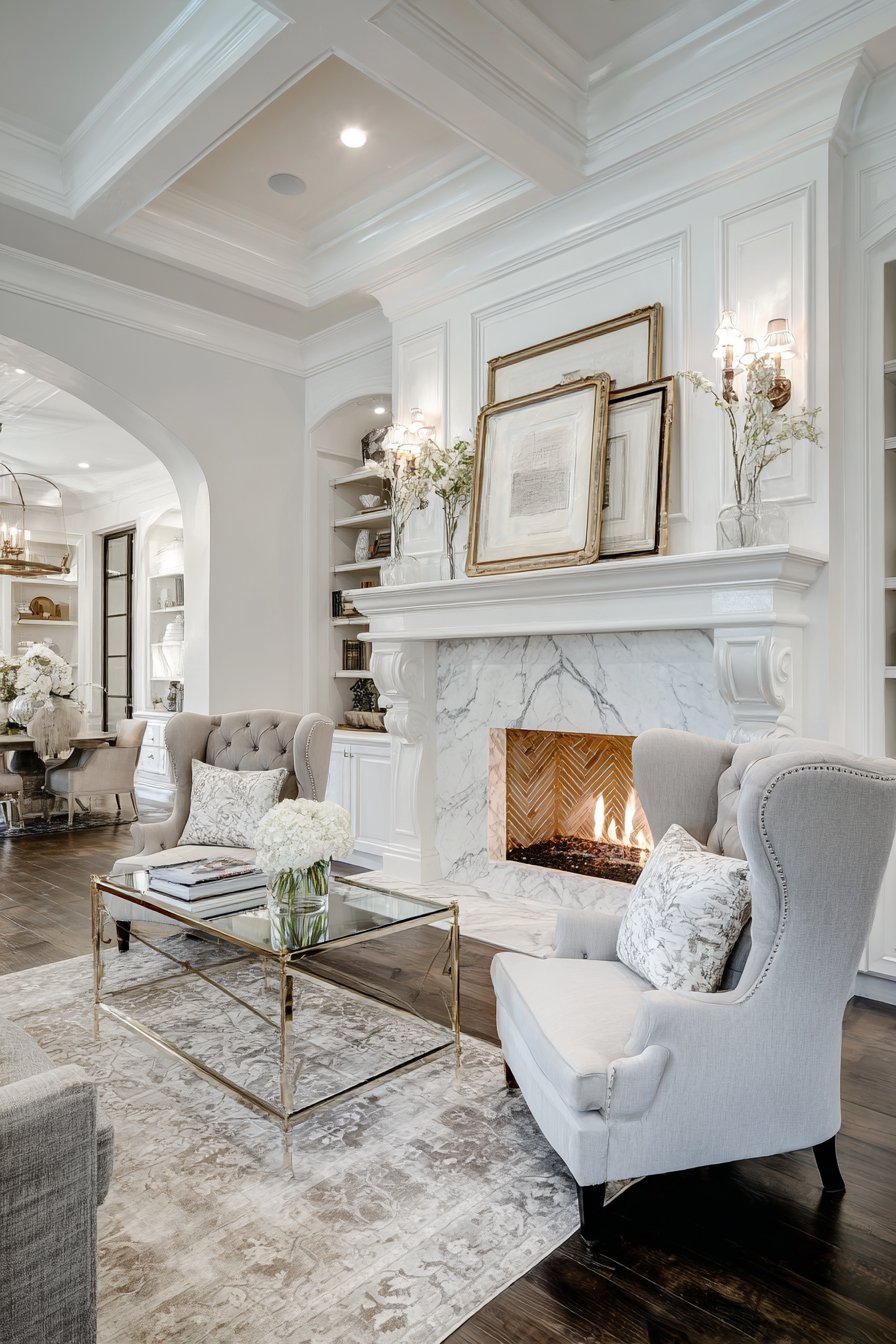
Texture application through wall treatments introduces tactile dimension that engages multiple senses beyond visual perception. Grasscloth wallpaper, venetian plaster, exposed brick, or wood paneling creates depth and richness impossible with flat paint alone. These textured surfaces catch light differently throughout the day, creating dynamic, ever-changing environments that maintain interest over time.
- Install board-and-batten below chair rail height for classic character
- Use picture rails to create flexible artwork display without wall damage
- Add crown molding to elevate standard ceiling heights visually
- Consider removable wallpaper for rental-friendly architectural interest
- Select texture treatments that complement rather than compete with furnishings
- Balance ornate wall treatments with simpler furniture for visual harmony
3. Color Psychology Impacts Emotional Well-Being
Wall colors profoundly affect mood regulation and emotional responses in ways most homeowners underestimate. Cool blues and greens promote calmness and reduce stress, while warm yellows and oranges stimulate energy and conversation. The psychological impact of surrounding yourself daily with specific colors influences everything from productivity to relaxation capacity.
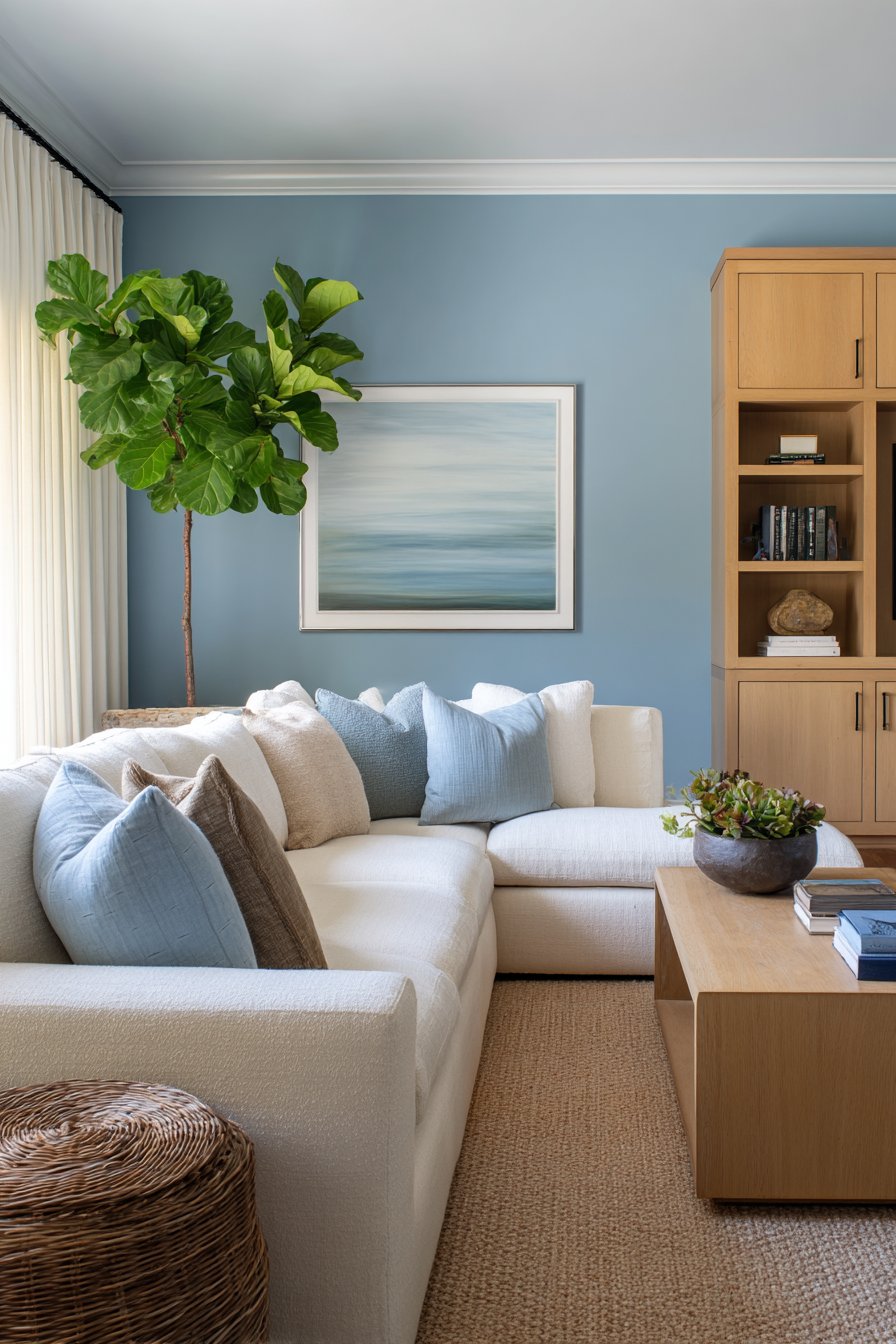
Research demonstrates that color temperature directly affects perceived room comfort and seasonal appropriateness. Warm-toned walls (reds, oranges, yellows) make spaces feel cozier and more intimate, ideal for social living rooms in cooler climates. Cool-toned walls (blues, greens, purples) create refreshing, spacious feelings perfect for warmer environments or rooms receiving abundant natural light.
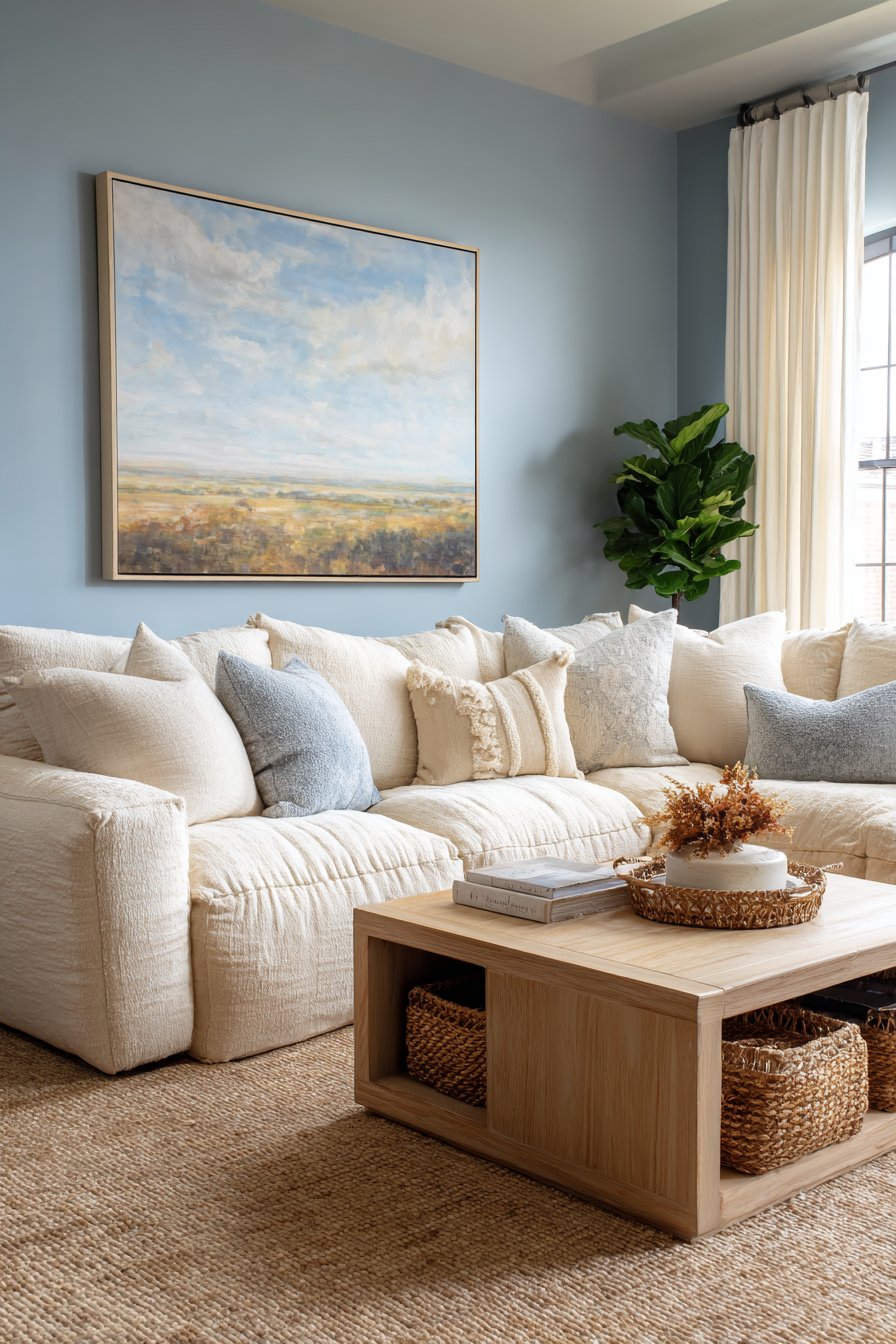
The intensity and saturation of wall colors matters as much as hue selection. Muted, desaturated tones provide sophisticated backgrounds that won’t cause visual fatigue, while vibrant saturated colors create energizing environments requiring periodic breaks. Understanding your personal sensitivity to color intensity prevents decisions that initially excite but ultimately overwhelm after extended daily exposure.
- Choose calming blues or greens for relaxation-focused living spaces
- Select warm neutrals for versatile backgrounds supporting color changes
- Avoid highly saturated colors on all walls to prevent visual fatigue
- Consider how you want to feel in your space before selecting colors
- Test colors in your specific lighting for at least one week
- Remember that color appears more intense when covering entire walls
4. Wall Design Controls Light Reflection and Distribution
Wall finish and color dramatically affect light behavior within your living room, influencing both natural and artificial illumination effectiveness. Matte finishes absorb light, creating intimate atmosphere, while glossy finishes reflect light, brightening and expanding spaces. This reflectivity directly impacts how many lamps you need and how large your room appears.
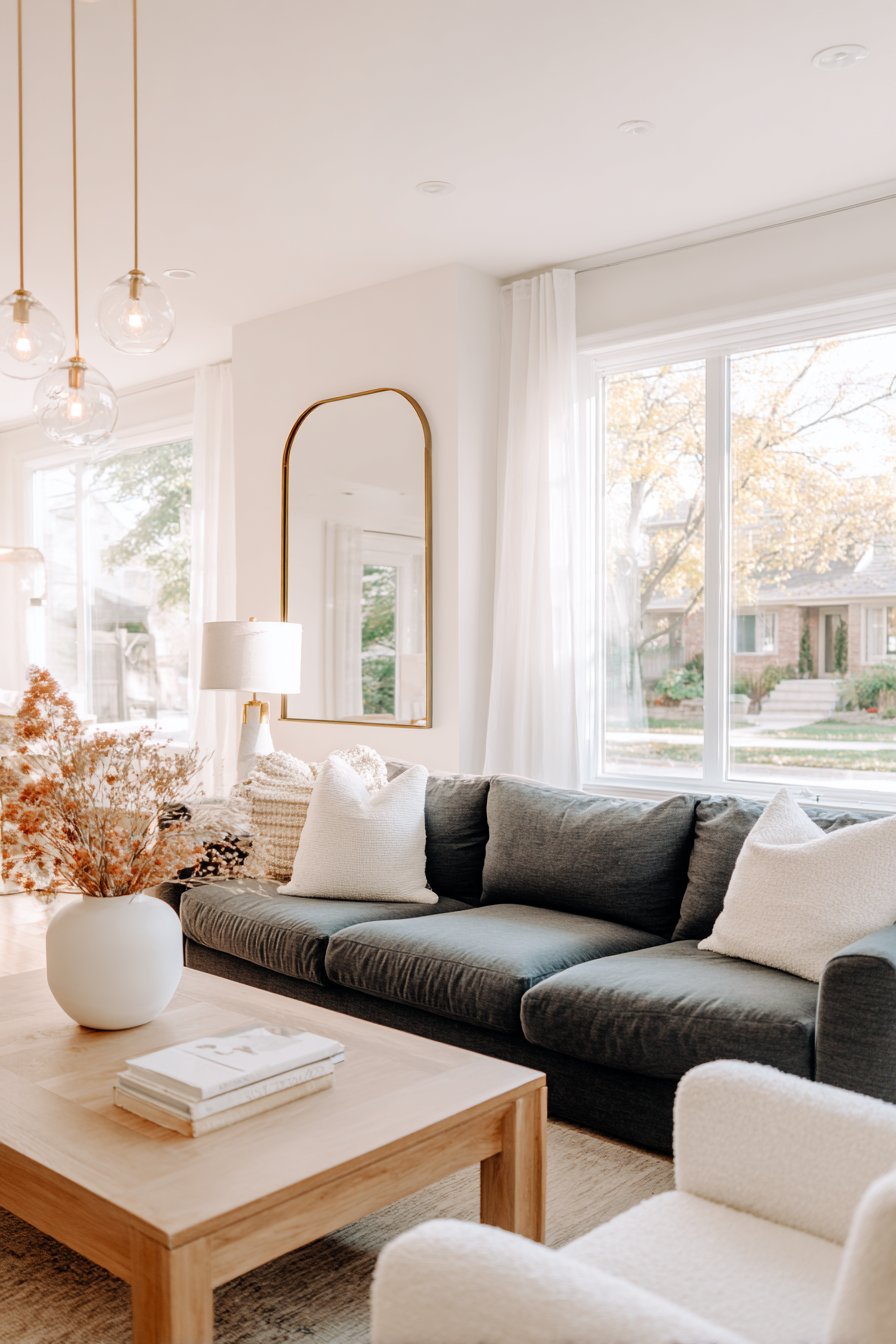
Light walls reflect 60-80% of light, significantly brightening rooms while reducing electricity needs for adequate illumination. Dark walls absorb most light, creating cozy ambiance but requiring more light sources to achieve functional brightness levels. This practical consideration affects both aesthetics and utility costs, making it worthy of serious evaluation during planning stages.
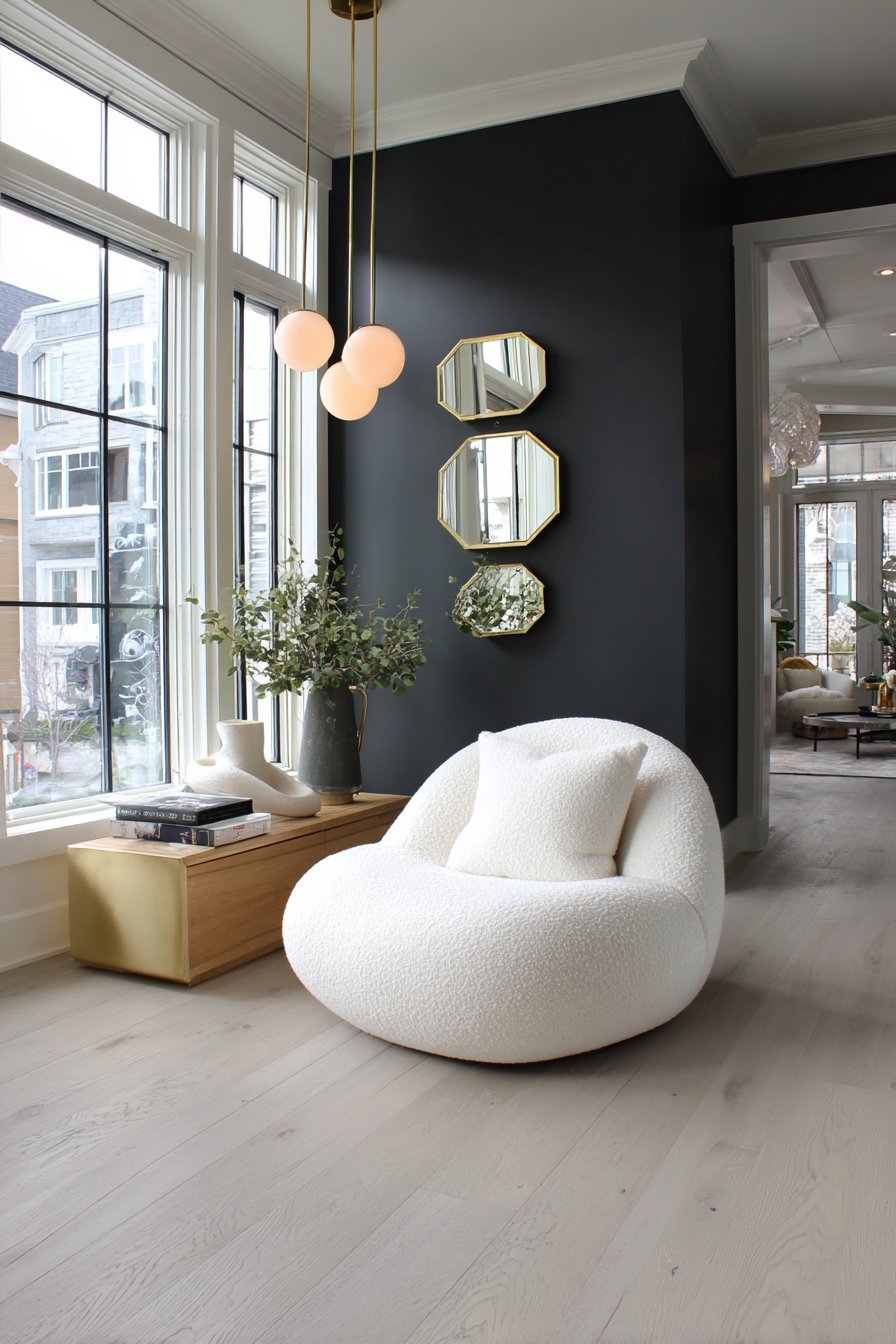
Strategic accent wall placement using darker or bolder colors manipulates light distribution to create focal points and depth. A dark wall opposite windows absorbs light, creating dramatic backdrop, while light walls adjacent to windows bounce light throughout the space. Understanding these principles allows intentional light manipulation that enhances architectural features and furniture placement.
- Paint ceilings lighter than walls to maximize light reflection downward
- Use semi-gloss or satin finishes in dim rooms for light-bouncing properties
- Select matte finishes for well-lit rooms requiring intimacy and warmth
- Position dark accent walls perpendicular to primary light sources
- Consider how seasonal light changes affect wall color appearance
- Account for artificial lighting color temperature when selecting wall colors
5. Walls Provide Functional Display and Storage Opportunities
Modern wall design extends beyond aesthetic considerations to incorporate practical functionality that maximizes space utility. Built-in shelving, wall-mounted storage systems, and integrated display niches transform walls from passive backgrounds into active, space-saving solutions. This dual-purpose approach proves especially valuable in smaller living rooms where floor space remains precious.
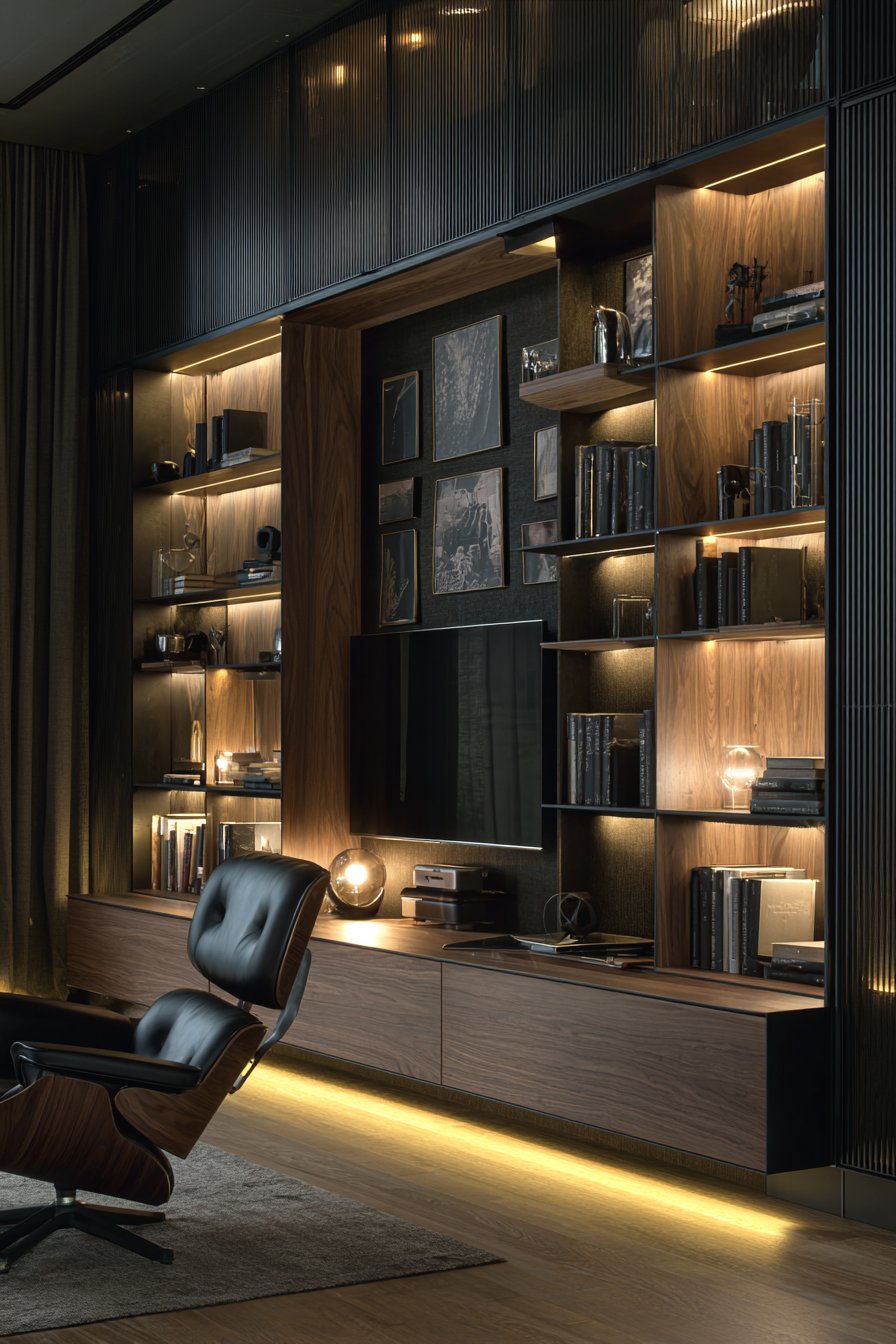
Gallery walls and curated displays turn walls into personal storytelling canvases that reflect inhabitants’ interests and experiences. Professional arrangement of artwork, photographs, and objects creates visual interest while adding personality, which is impossible to achieve through furniture alone. These displays become conversation starters and focal points that define room character more powerfully than any other single element.
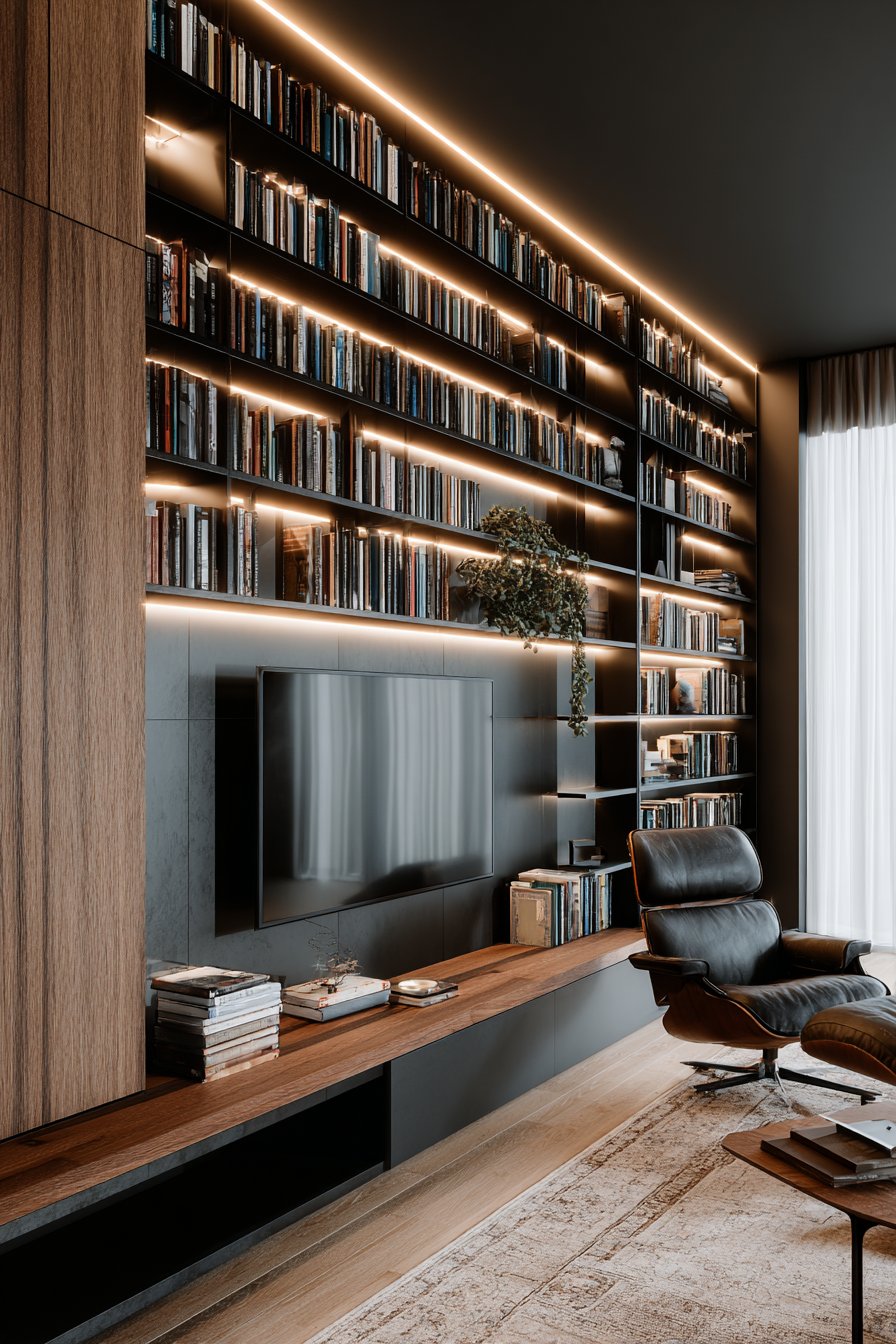
The rise of multifunctional wall systems demonstrates growing recognition of walls as valuable real estate. Modular shelving, fold-down desks, and wall-mounted media centers free floor space while maintaining full functionality. This vertical thinking proves essential in contemporary living where rooms serve multiple purposes and flexibility trumps single-function dedication.
- Install floating shelves to display collections without floor space consumption
- Create gallery walls using consistent framing for cohesive professional appearance
- Mount television and media components on walls to free furniture space
- Use command strips for rental-friendly wall displays without permanent damage
- Design symmetrical arrangements for traditional aesthetics or asymmetrical for modern looks
- Combine functional storage with decorative displays for efficient space utilization
6. Wall Investment Delivers Long-Term Design Value
Quality wall treatments provide lasting returns that justify initial investment through durability and timeless appeal. Unlike trendy furniture that requires frequent replacement, well-executed wall design remains relevant for decades when planned thoughtfully. This longevity makes wall investment among the most cost-effective design decisions measured over time.
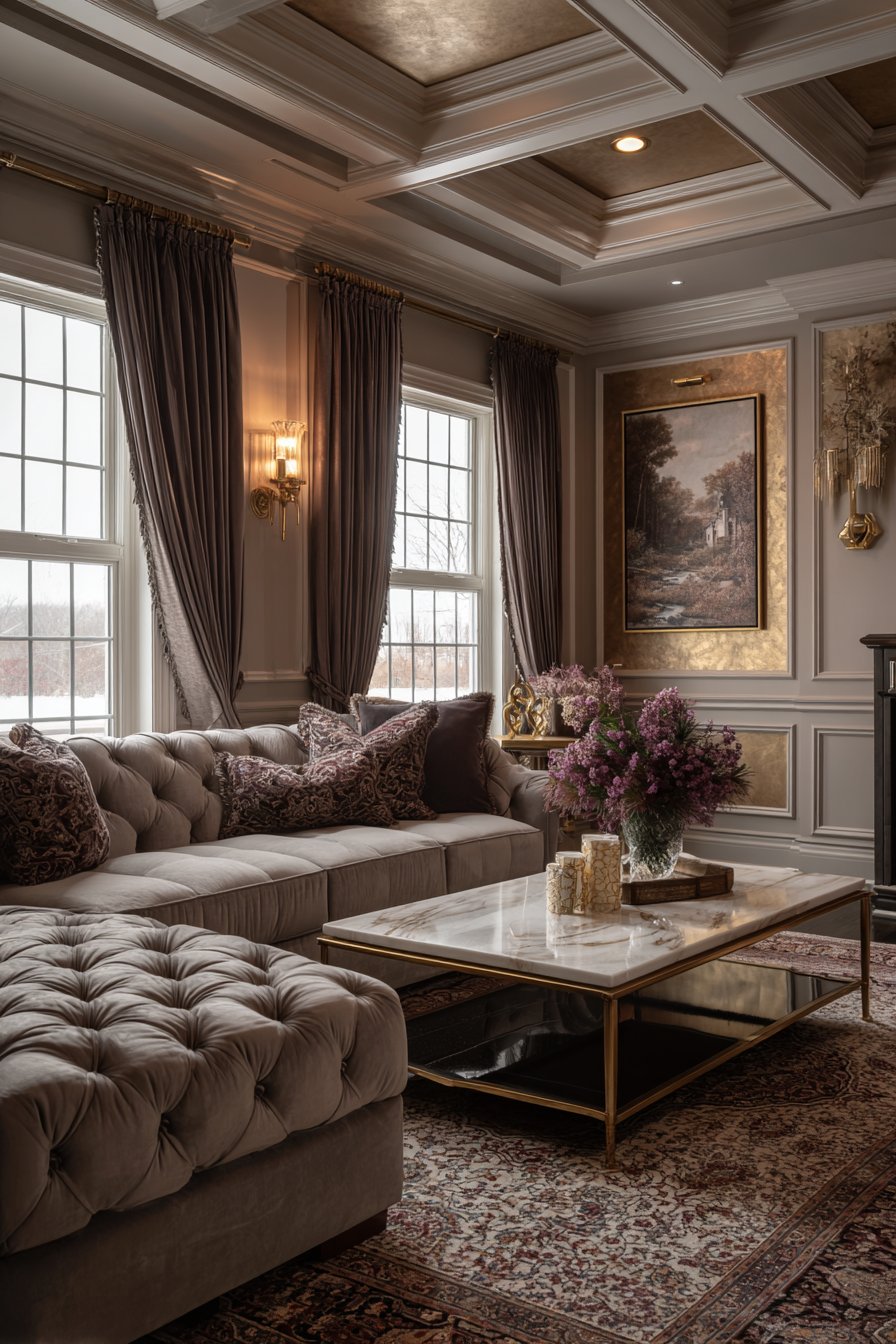
Professional wall preparation and application ensure superior finish quality that dramatically outperforms rushed DIY efforts. Proper surface preparation, premium materials, and skilled application create flawless results that maintain appearance for years. While initially more expensive, professional work eliminates costly do-overs and delivers satisfaction that budget approaches rarely achieve.
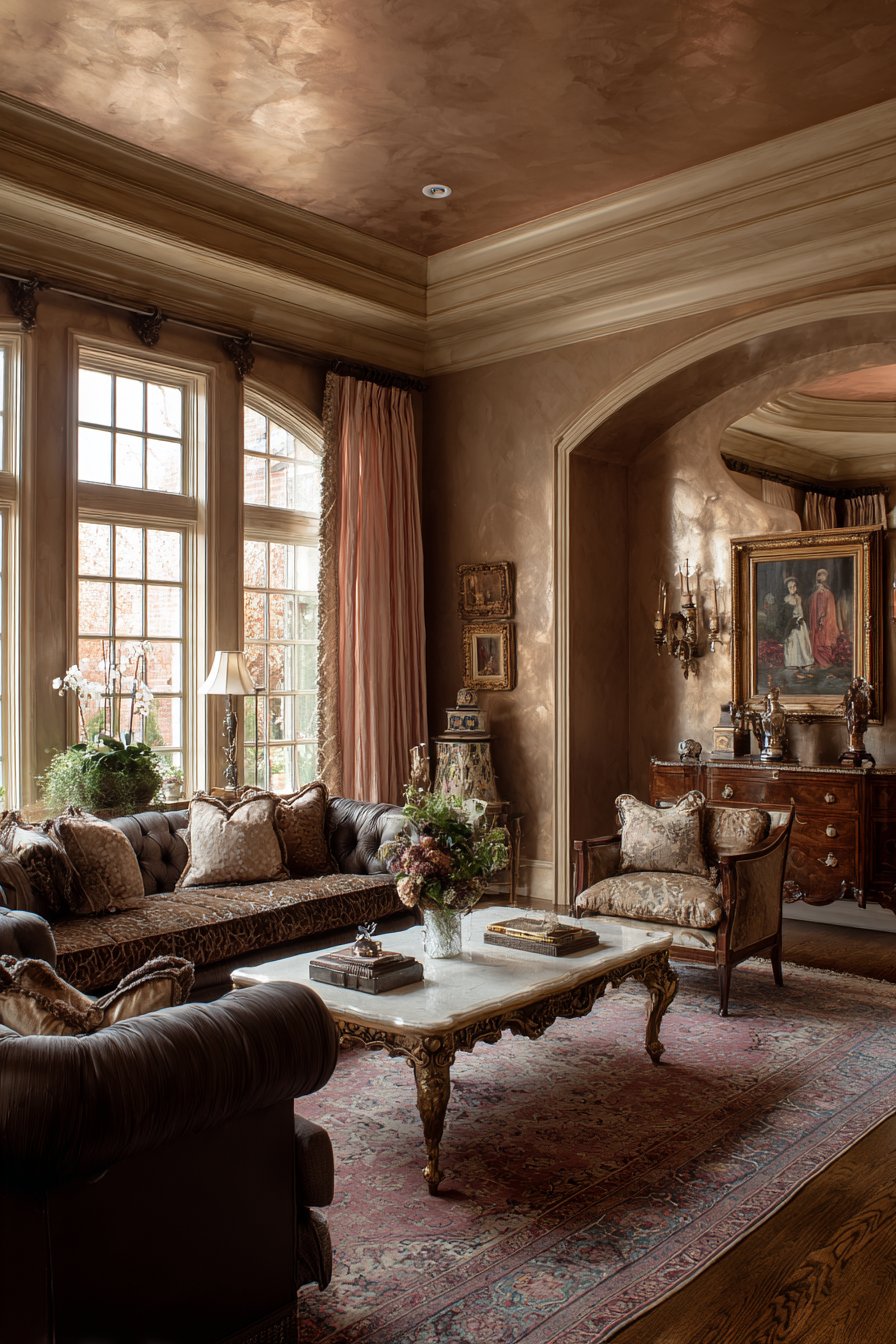
Strategic wall design increases perceived home value significantly beyond actual material costs. Potential buyers respond strongly to cohesive, well-designed wall treatments that suggest overall home quality and care. Whether you’re staying long-term or planning eventual sale, investing in thoughtful wall design pays dividends through enhanced daily enjoyment and improved resale prospects.
- Invest in proper surface preparation before any wall treatment application
- Choose classic colors and treatments over trendy options for longevity
- Consider hiring professionals for complex treatments like Venetian plaster or wallpaper
- Select washable, durable paints for high-traffic living rooms
- Plan wall designs that allow easy furniture arrangement changes over time
- Remember that quality wall treatments last 10-15 years with proper care
Conclusion
Wall design fundamentally shapes living room aesthetics through psychological impact, functional contribution, and lasting value that no other single element matches. From establishing visual foundations to controlling light behavior, walls deserve thoughtful planning and appropriate investment. Understanding these six critical reasons empowers confident decisions that transform your living room into a space you’ll love for years.
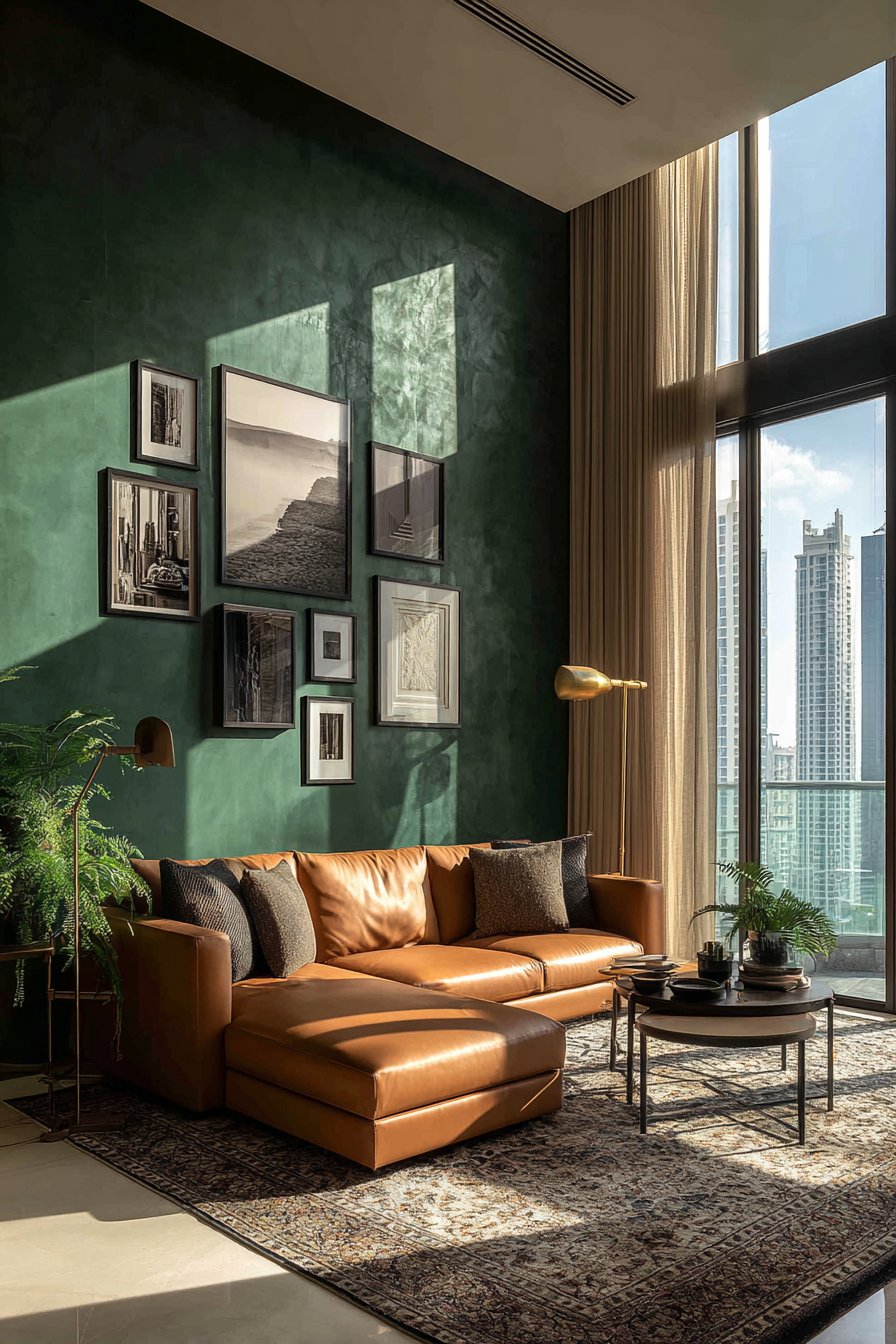
Approach your wall design with the attention and resources it deserves, recognizing that these decisions affect daily life more profoundly than most furniture choices. Experiment with colors, textures, and treatments that reflect your personality while honoring practical considerations. Your walls await transformation—make them the stunning backdrop your living room deserves, creating beauty and functionality that enhances every moment spent in your home.
