


When designing a living room, most homeowners instinctively reach for paint swatches and fabric samples based on color alone. However, professional interior designers know a secret that transforms ordinary spaces into extraordinary ones: texture creates depth, dimension, and visual interest that color simply cannot achieve on its own. A monochromatic room rich in varied textures feels infinitely more sophisticated than a colorful space lacking tactile diversity.
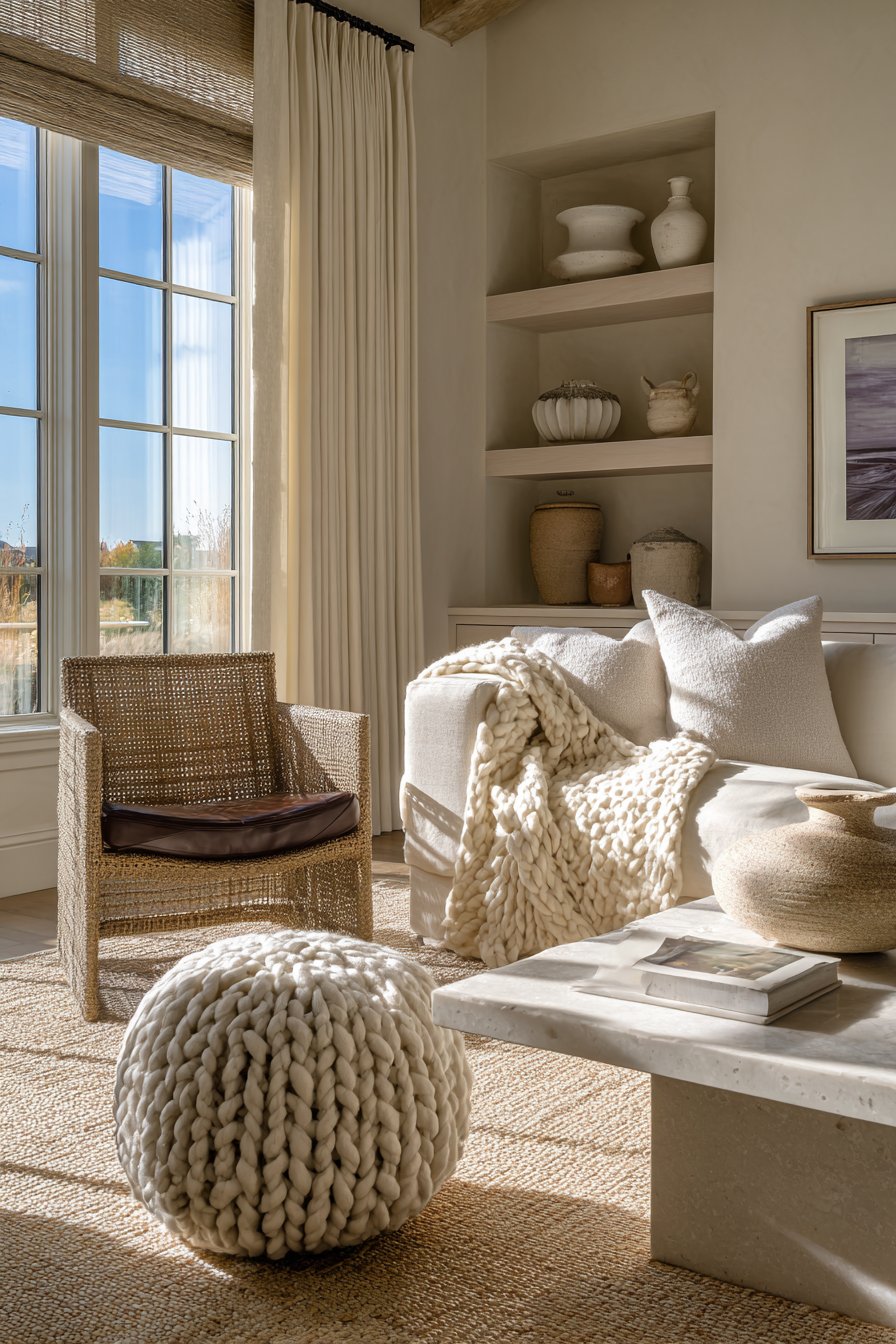
The power of texture lies in its ability to engage multiple senses simultaneously. While color appeals primarily to our visual perception, texture invites both sight and touch, creating a multi-dimensional experience that makes rooms feel more alive and inviting. This sensory richness explains why minimalist Scandinavian interiors, often featuring limited color palettes, still feel warm and welcoming through their masterful use of texture.
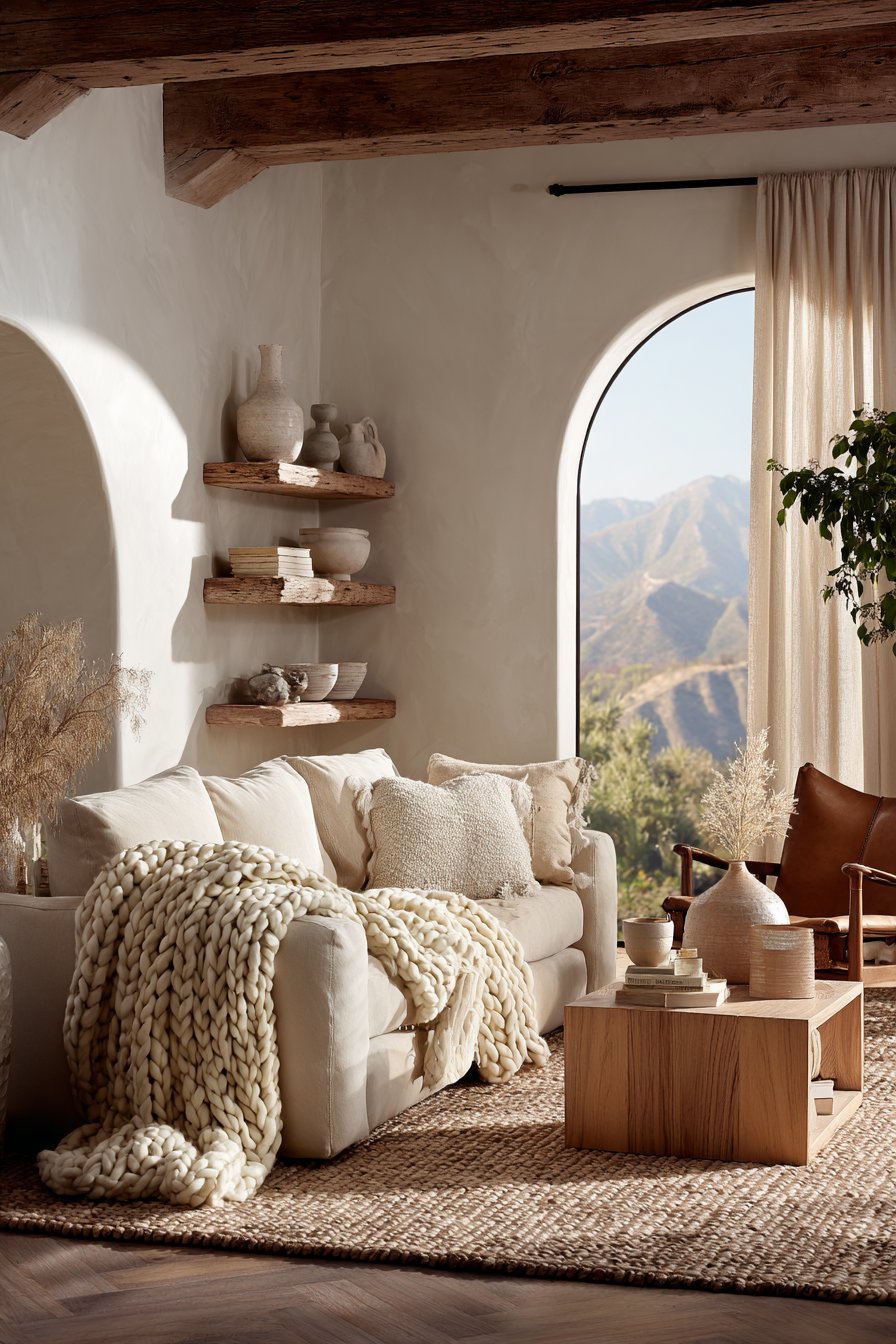
Understanding how to layer and combine different textures revolutionizes living room design. From the nubby weave of linen curtains to the smooth coolness of marble tabletops, each surface contributes to an overall tactile narrative. This article explores why texture deserves priority in your design decisions and how to implement texture-first thinking in creating living spaces that feel both timeless and deeply personal.
1. Texture Creates Visual Weight Without Overwhelming Color
Texture adds substance to a room without the visual noise that multiple colors can create. A single neutral color expressed through various textures—velvet, leather, wood, stone—provides complexity while maintaining cohesion. This approach prevents the chaotic feeling that often results from too many competing hues.
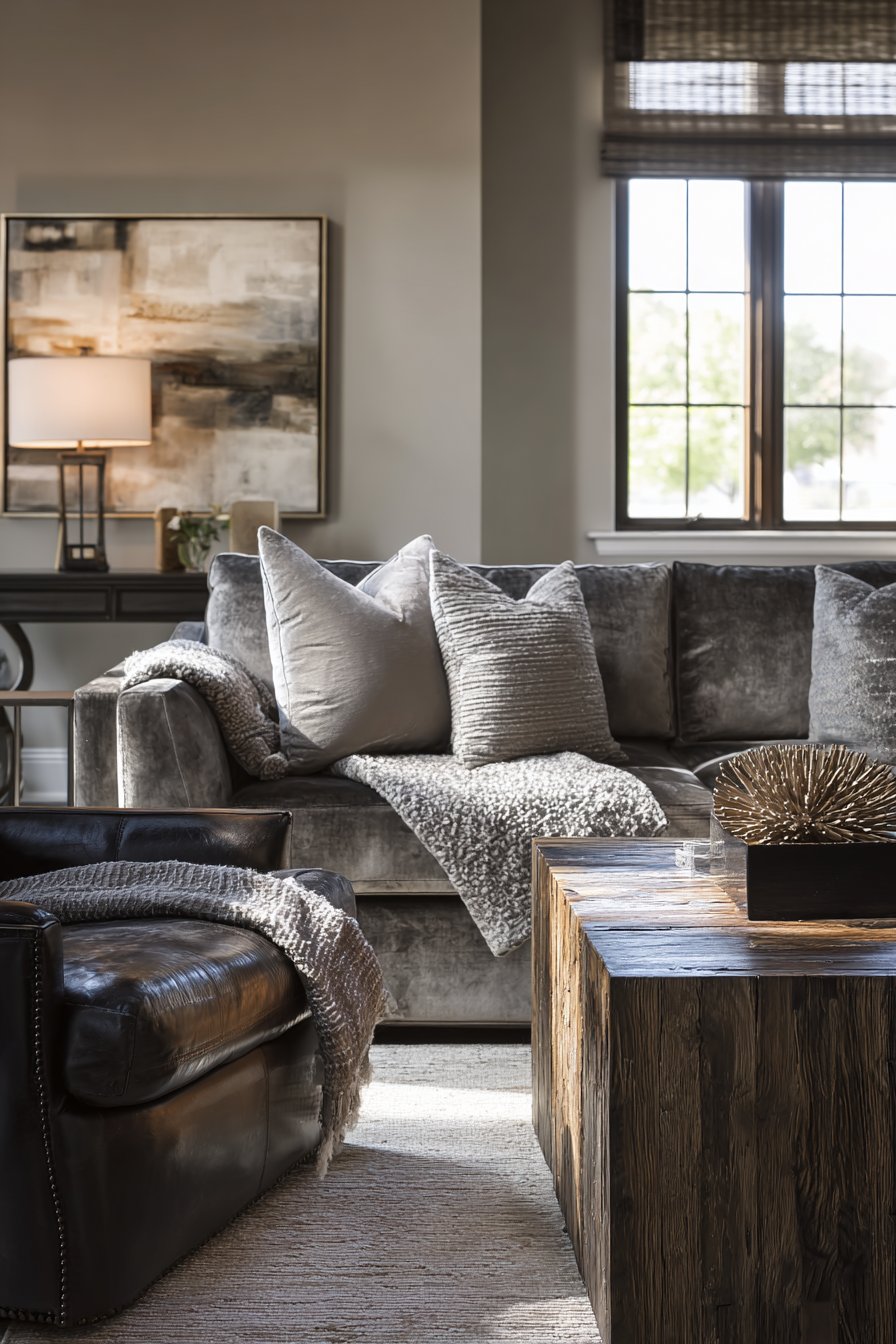
The three-dimensional quality of texture catches light differently throughout the day, creating dynamic visual interest that flat color cannot replicate. A chunky knit throw blanket casts subtle shadows in its valleys and peaks, while a smooth satin pillow reflects light uniformly. These variations keep the eye engaged without requiring bold color contrasts that might feel dated or trendy.
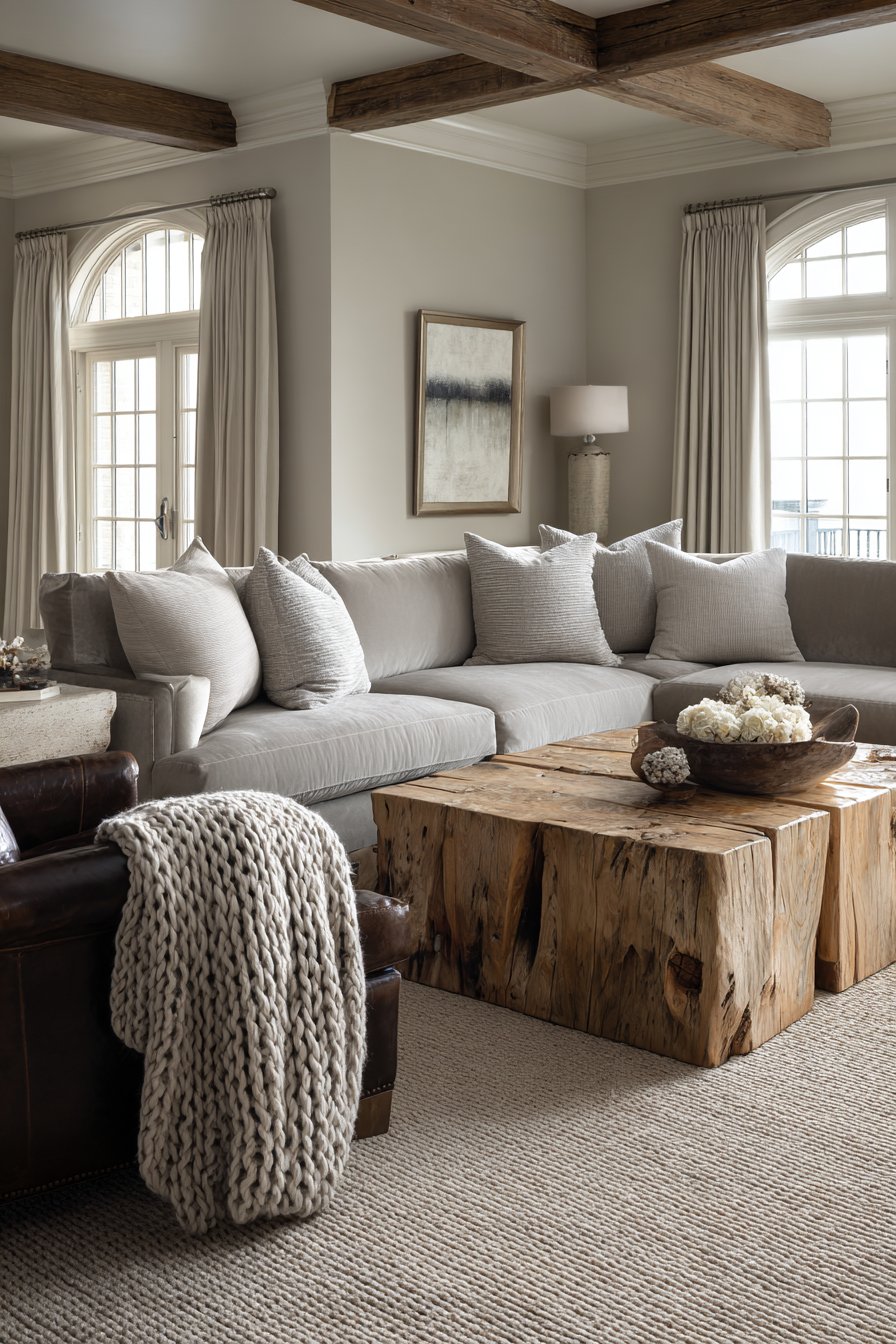
Textured surfaces also disguise imperfections and wear better than smooth, colorful ones. A distressed leather sofa or roughly woven rug hides signs of daily use, while a brightly colored smooth fabric shows every mark. This practical advantage makes texture-focused design more sustainable and forgiving over time.
- Layer at least three different textures in seating areas for depth
- Combine rough and smooth surfaces for contrast and balance
- Use textured neutrals as your foundation before adding color
- Choose furniture with visible grain, weaving, or surface variation
- Consider how different textures age and develop character
- Mix organic textures like wood and stone with manufactured materials
2. Tactile Variety Stimulates Emotional Responses
Our emotional connection to spaces depends heavily on tactile experiences. Running your hand across a chunky cable-knit blanket triggers comfort responses that viewing a blue pillow simply cannot match. These physical interactions with our environment create memorable, meaningful connections to our living spaces.
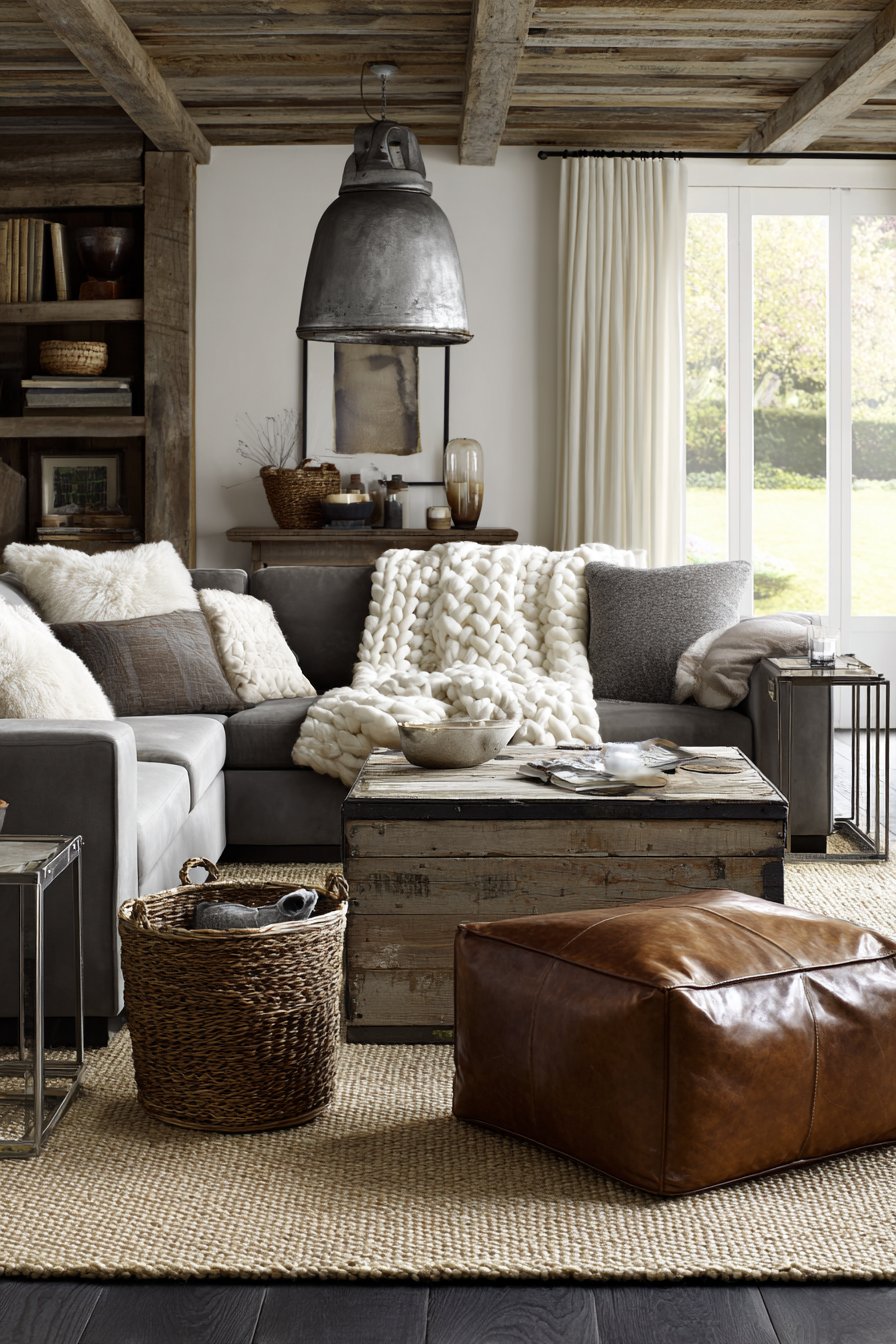
Different textures evoke distinct psychological responses that color alone struggles to achieve. Soft, plush textures like velvet or faux fur create feelings of luxury and comfort, while crisp linen and smooth leather suggest sophistication and refinement. Rough, natural textures like jute or raw wood ground us and provide organic authenticity.
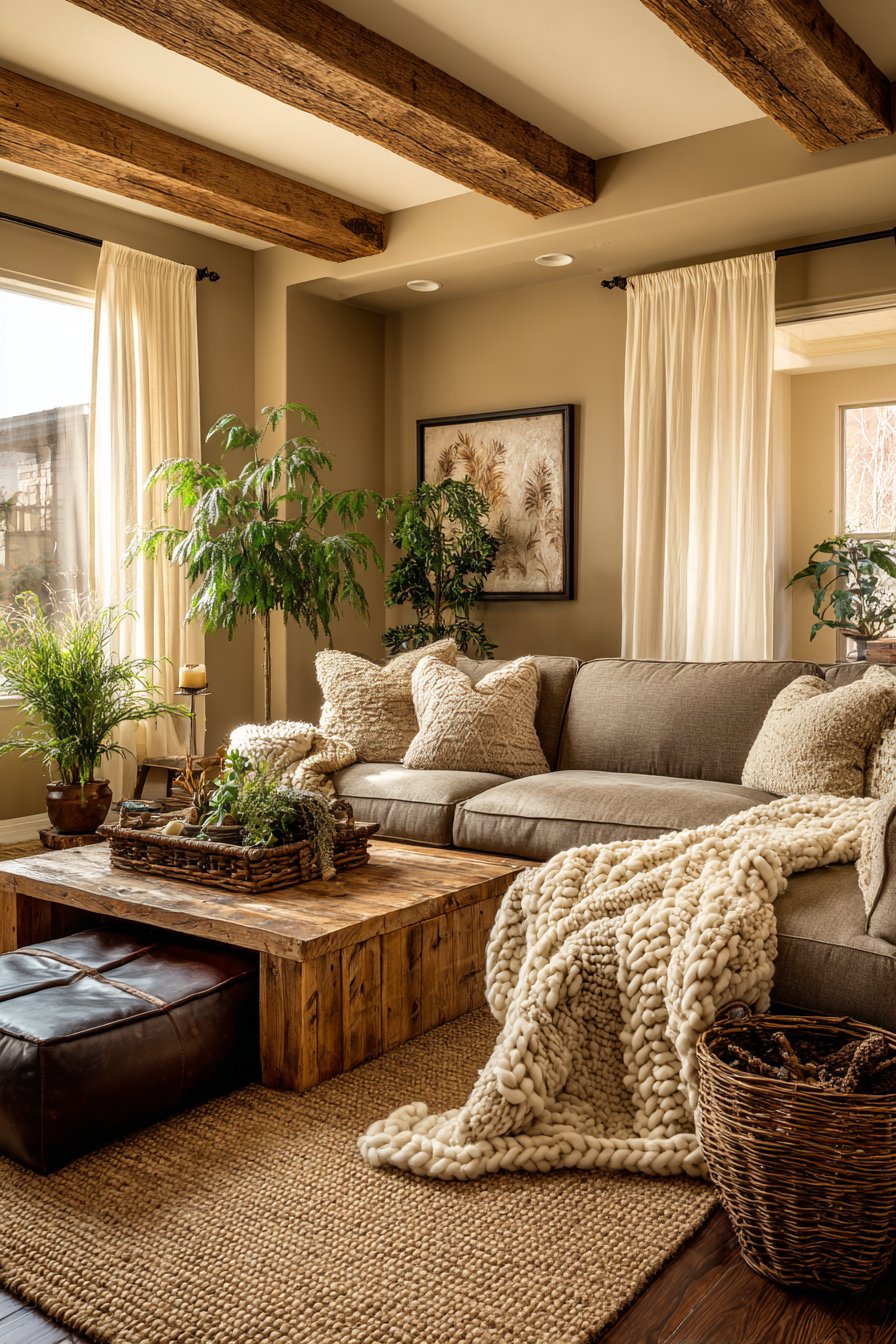
The brain processes textural information through both visual and tactile pathways, creating stronger neural responses than color perception alone. This multi-sensory engagement explains why textured rooms feel more complete and satisfying than spaces relying solely on color variation for interest.
- Include at least one ultra-soft element for comfort appeal
- Add rough, natural textures for grounding and authenticity
- Mix temperatures through materials like cool metal and warm wood
- Create touchable moments at arm’s length from seating areas
- Consider barefoot experiences when selecting floor textures
- Use texture to define zones within open-plan living spaces
3. Texture Provides Timeless Appeal Beyond Color Trends
Color trends change rapidly, making today’s fashionable palette tomorrow’s dated choice. In contrast, natural textures like wood grain, stone, and woven fibers remain perpetually stylish. A room built on textural variety transcends trend cycles and maintains visual relevance for decades.
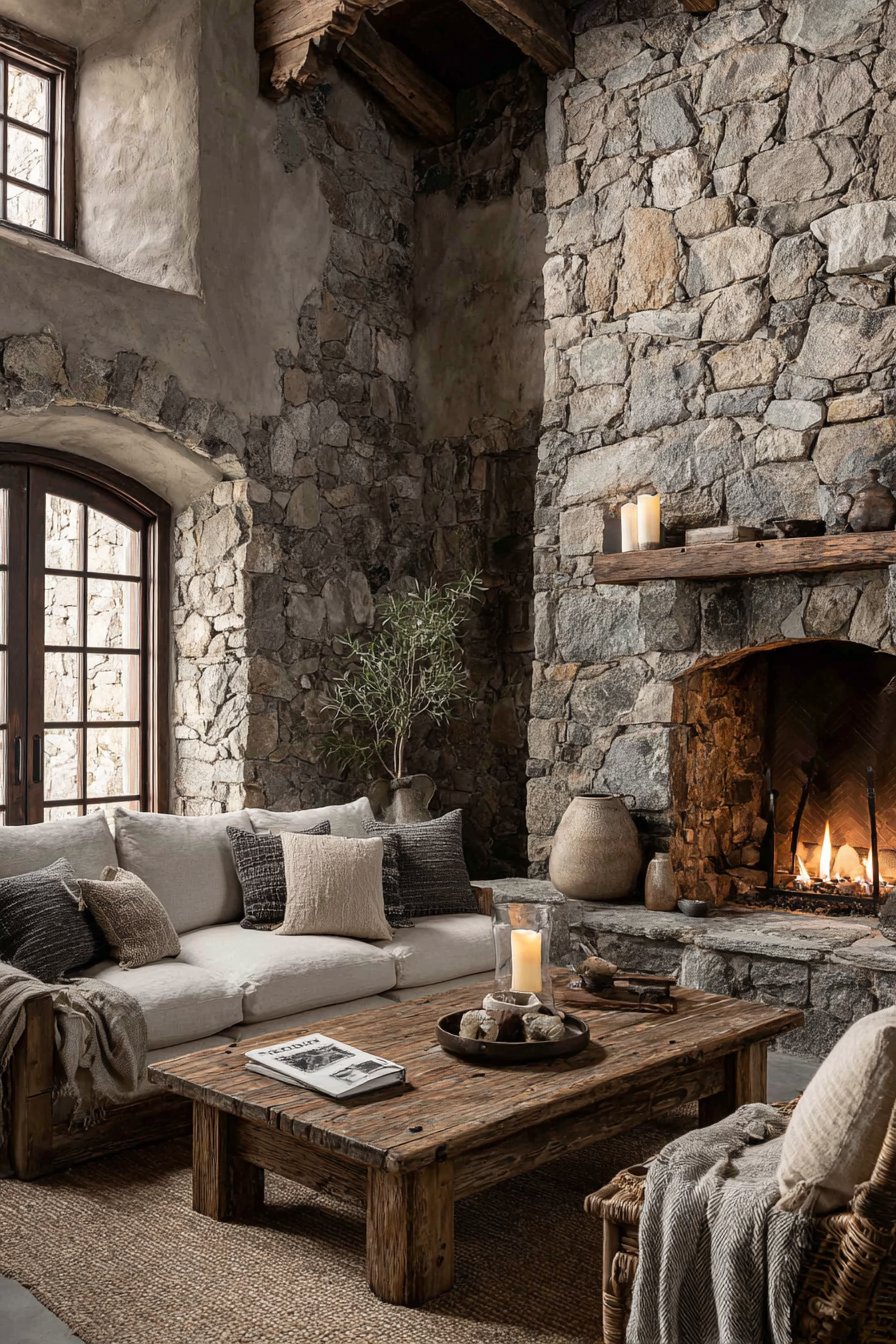
The investment value of texture-focused design significantly exceeds color-based approaches. High-quality textured materials—solid wood furniture, natural stone surfaces, handwoven textiles—appreciate in value and character over time. Meanwhile, trendy paint colors require costly updates every few years to maintain contemporary appeal.
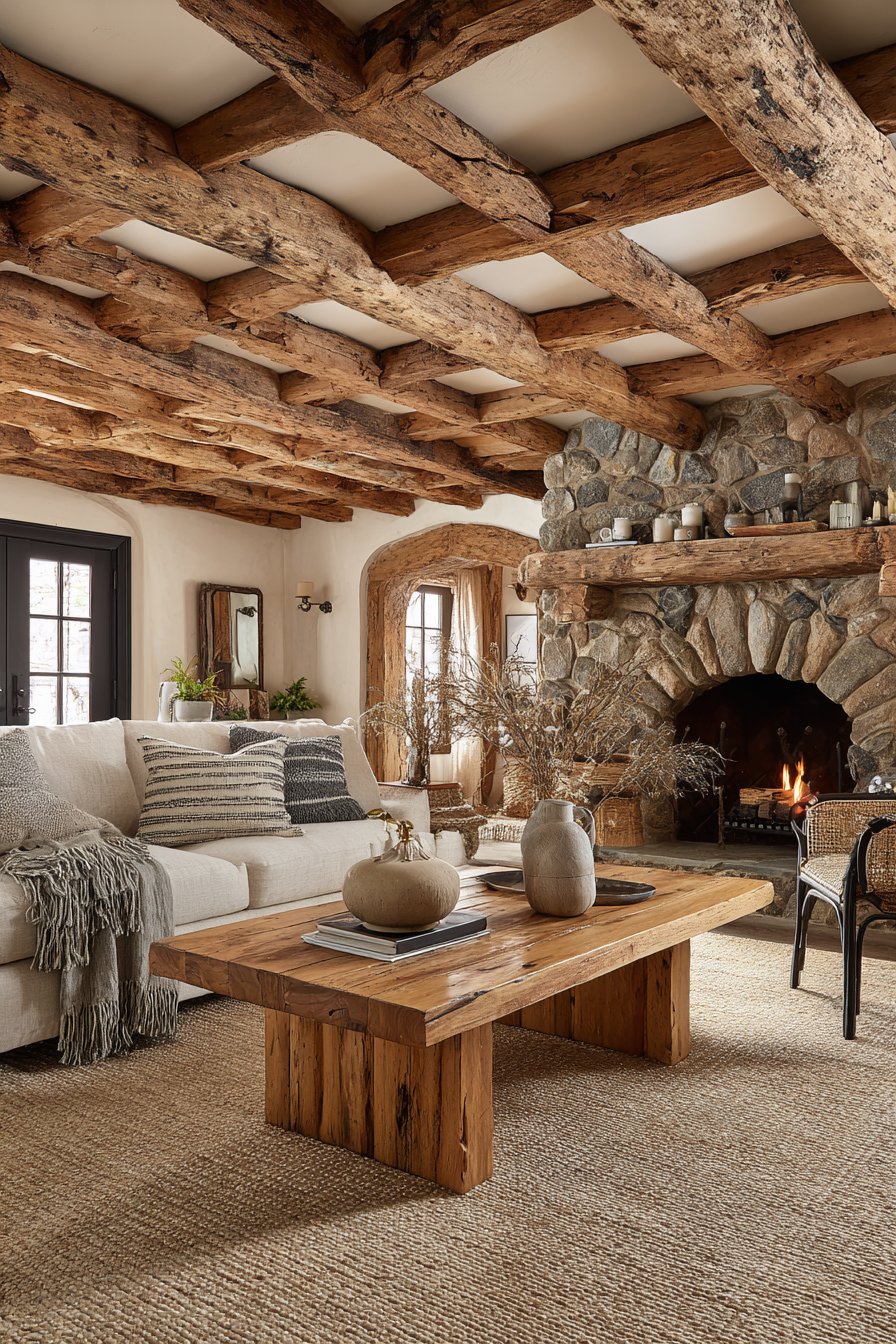
Texture also allows easier updates to refresh a space. Swapping textured accessories like pillows, throws, or area rugs completely transforms a room’s feeling without major renovation. This flexibility provides design longevity while allowing seasonal or mood-based changes through minimal investment.
- Invest in quality textured foundational pieces that improve with age
- Use color as an accent layer that’s easy to change
- Choose natural materials that develop desirable patina over time
- Avoid heavily textured pieces in trendy colors that limit longevity
- Build your core design around timeless textures like wood and linen
- Reserve bold colors for easily replaceable accessories
4. Light Interaction With Texture Creates Depth
Lighting transforms texture in ways it cannot affect flat color. The play of shadows across a textured wall creates movement and dimension that changes throughout the day. Morning light might emphasize the ribbed pattern of corduroy upholstery, while evening illumination highlights the sheen of silk curtains.
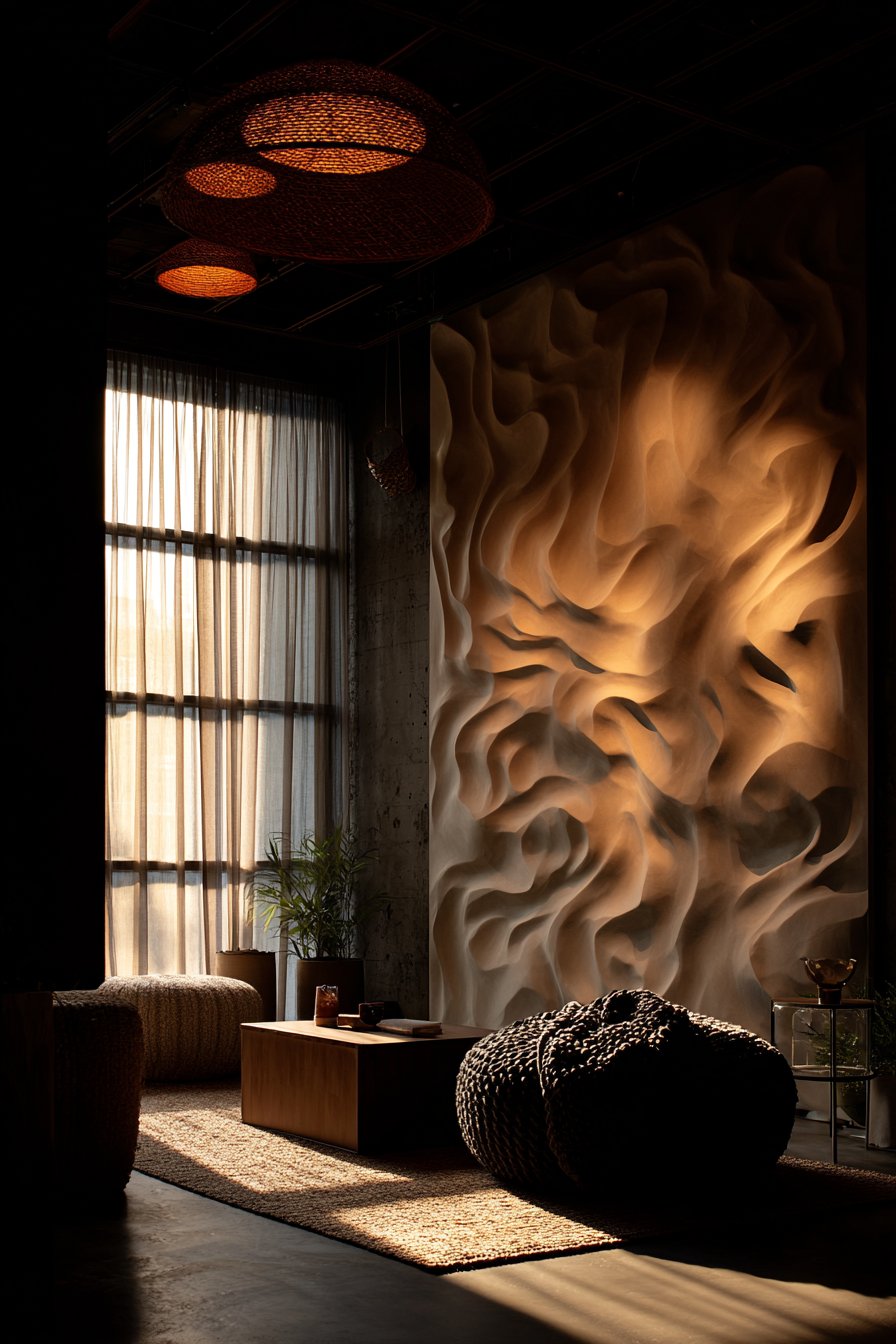
Strategic lighting placement amplifies textural impact exponentially. Grazing light—fixtures positioned to cast light parallel to textured surfaces—dramatically emphasizes dimension and creates visual drama. A simple plaster wall becomes sculptural under properly angled illumination, proving texture’s power when combined with thoughtful lighting.
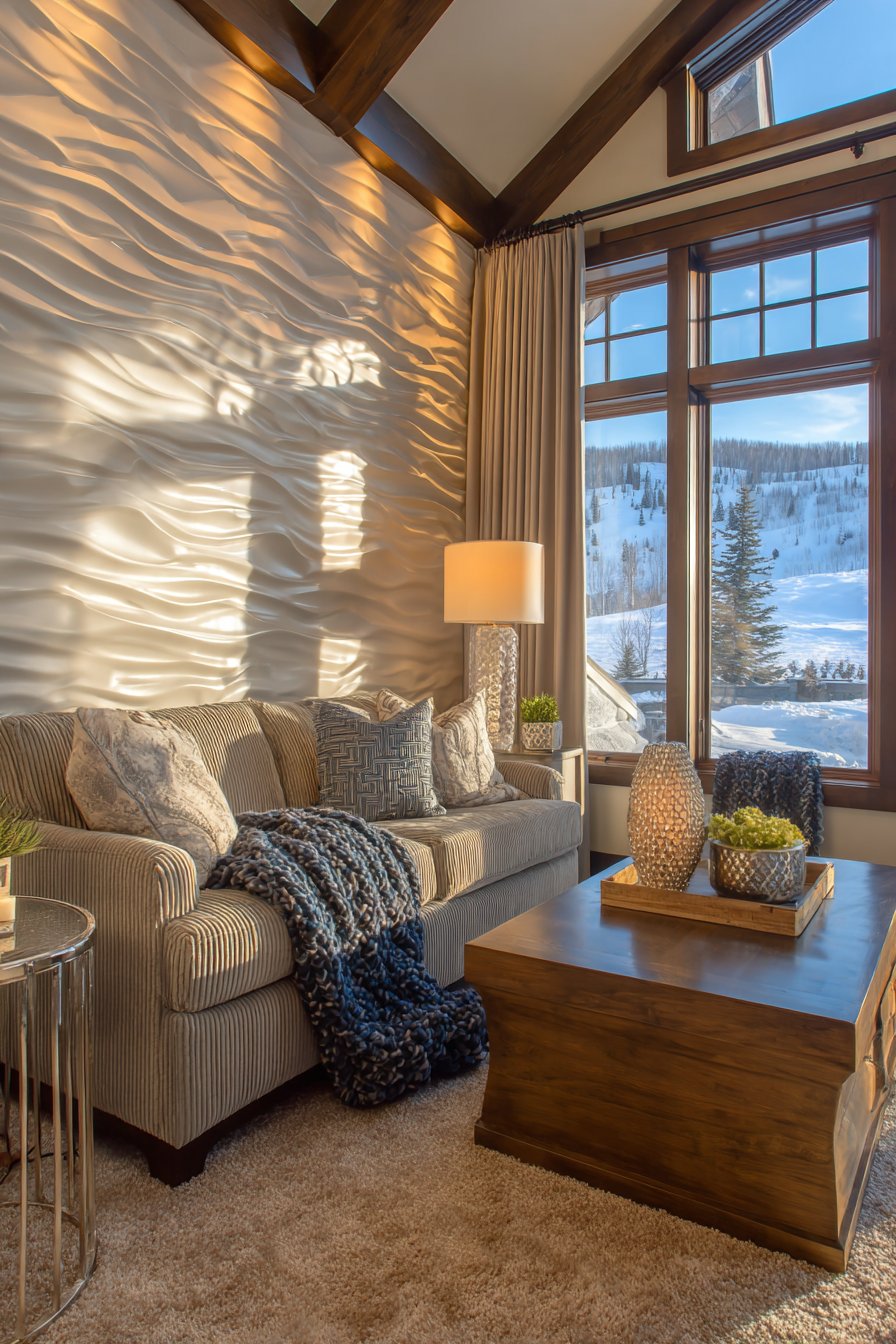
The reflective quality of different textures controls how rooms feel throughout varying light conditions. Matte textures like unfinished wood absorb light, creating cozy intimacy, while glossy surfaces like polished metal or glass reflect light to expand perceived space. This functional aspect of texture provides control over atmosphere that color alone cannot achieve.
- Install adjustable lighting to highlight textured features at different times
- Use uplighting to graze textured walls and create dramatic shadows
- Combine matte and reflective textures to balance light distribution
- Position mirrors to reflect textured elements and multiply their impact
- Consider natural light patterns when placing highly textured pieces
- Layer ambient, task, and accent lighting to showcase texture fully
5. Texture Defines Space Without Physical Barriers
Different flooring textures naturally delineate functional zones within open-plan living rooms. A plush area rug under the seating arrangement defines the conversation zone, while smooth hardwood indicates circulation paths. This subtle spatial definition maintains openness while providing clear functional boundaries.
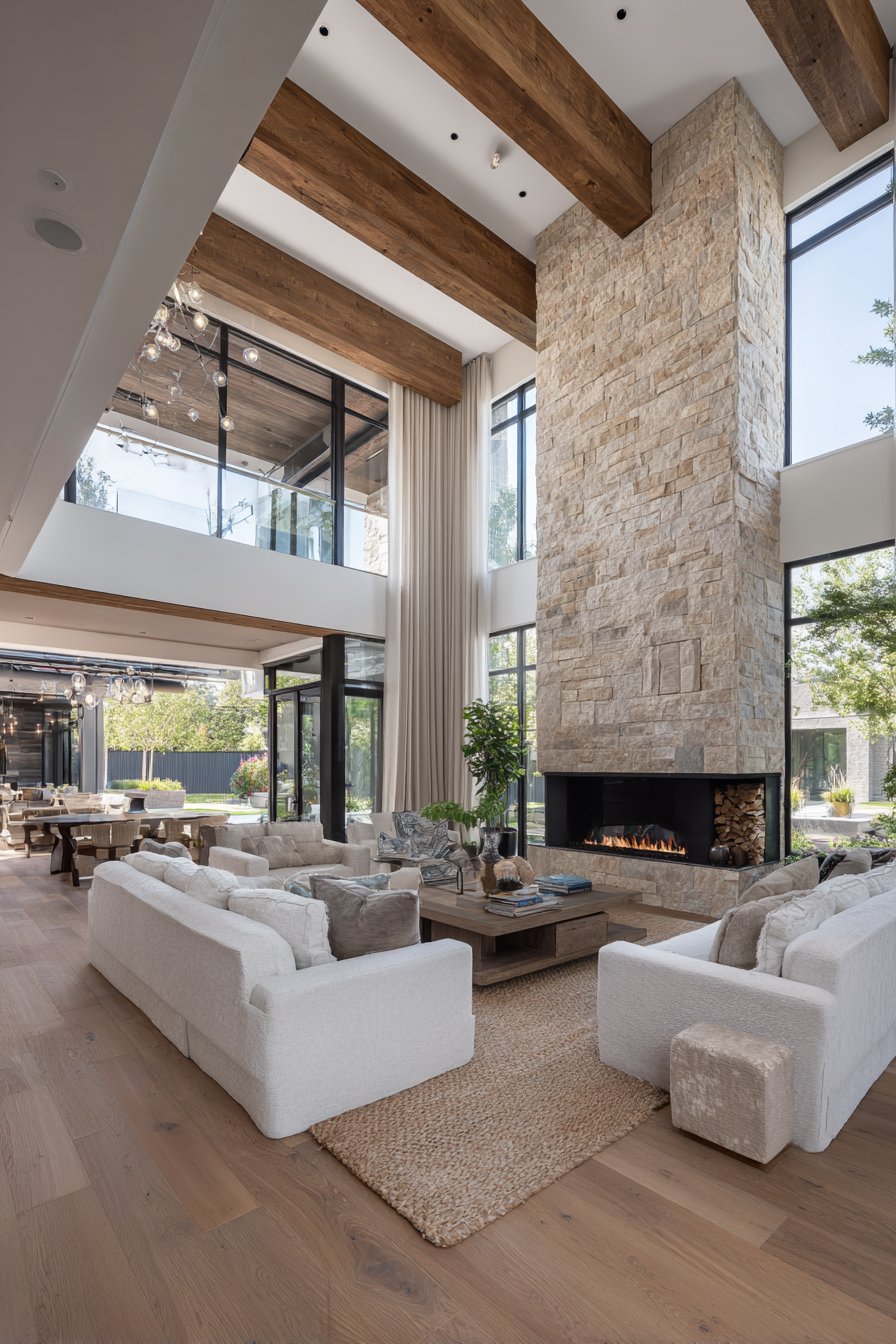
Wall textures also create visual separation without closing off spaces. A textured accent wall behind the television area distinguishes the entertainment zone from the reading nook without requiring physical partitions. This approach preserves light flow and spaciousness while organizing the room functionally.
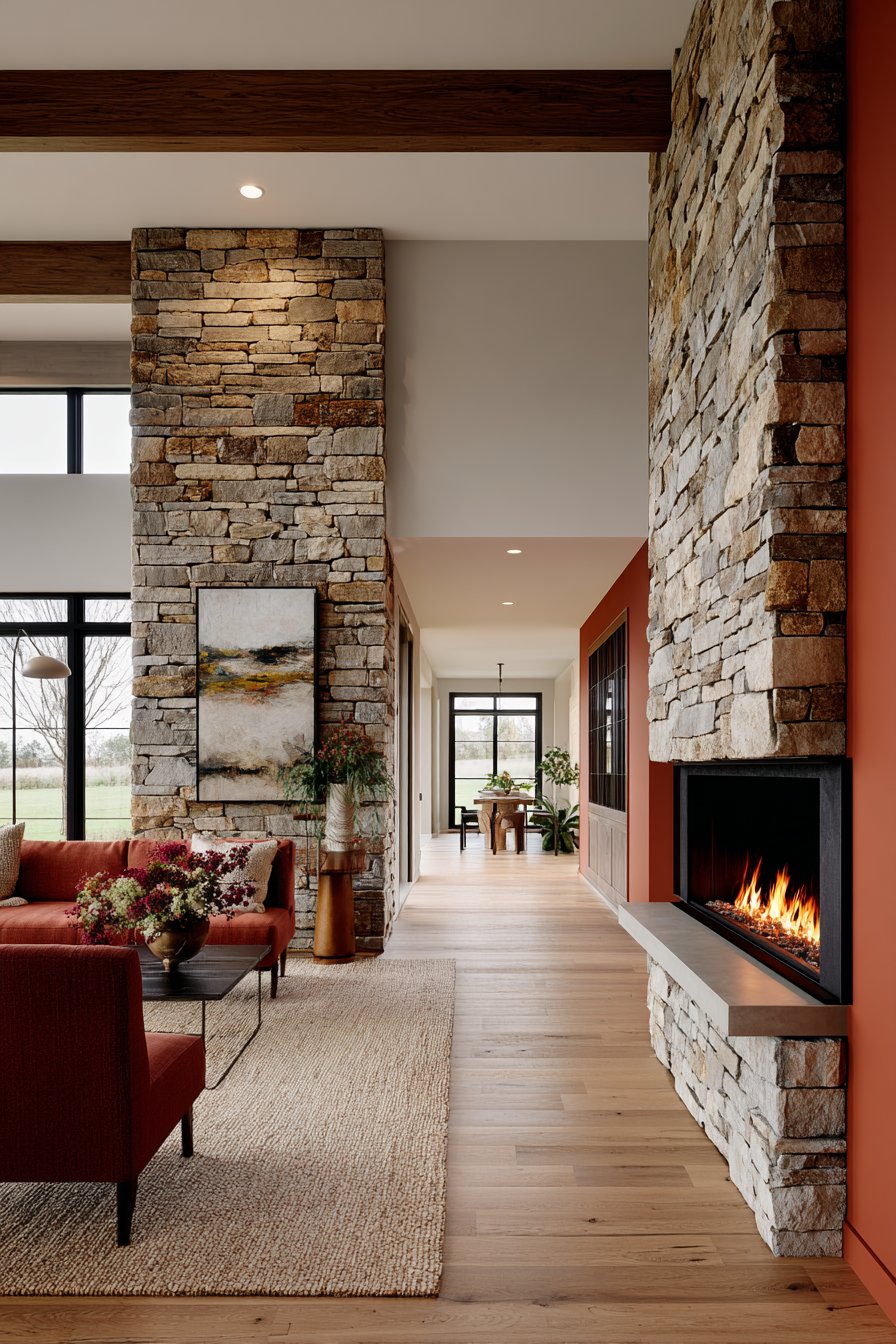
Vertical texture variations guide the eye and establish hierarchy within spaces. Rough stone from floor to mid-wall height grounds a room, while smooth plaster above creates lift and airiness. These transitions define zones and create visual movement that flat color changes cannot replicate with equal subtlety.
- Use area rugs to define conversation and activity zones
- Change wall textures at functional boundaries instead of using color
- Vary ceiling textures to differentiate areas in large spaces
- Combine flooring materials where different functions meet
- Create textural columns or vertical elements as soft dividers
- Layer textures at different heights to guide eye movement
6. Texture Balances Modern Minimalism With Warmth
Minimalist design often feels cold when executed with smooth surfaces and limited texture. Adding textural variety to streamlined spaces introduces necessary warmth without compromising clean aesthetic principles. A minimalist room rich in texture feels intentionally serene rather than unfinished or sterile.
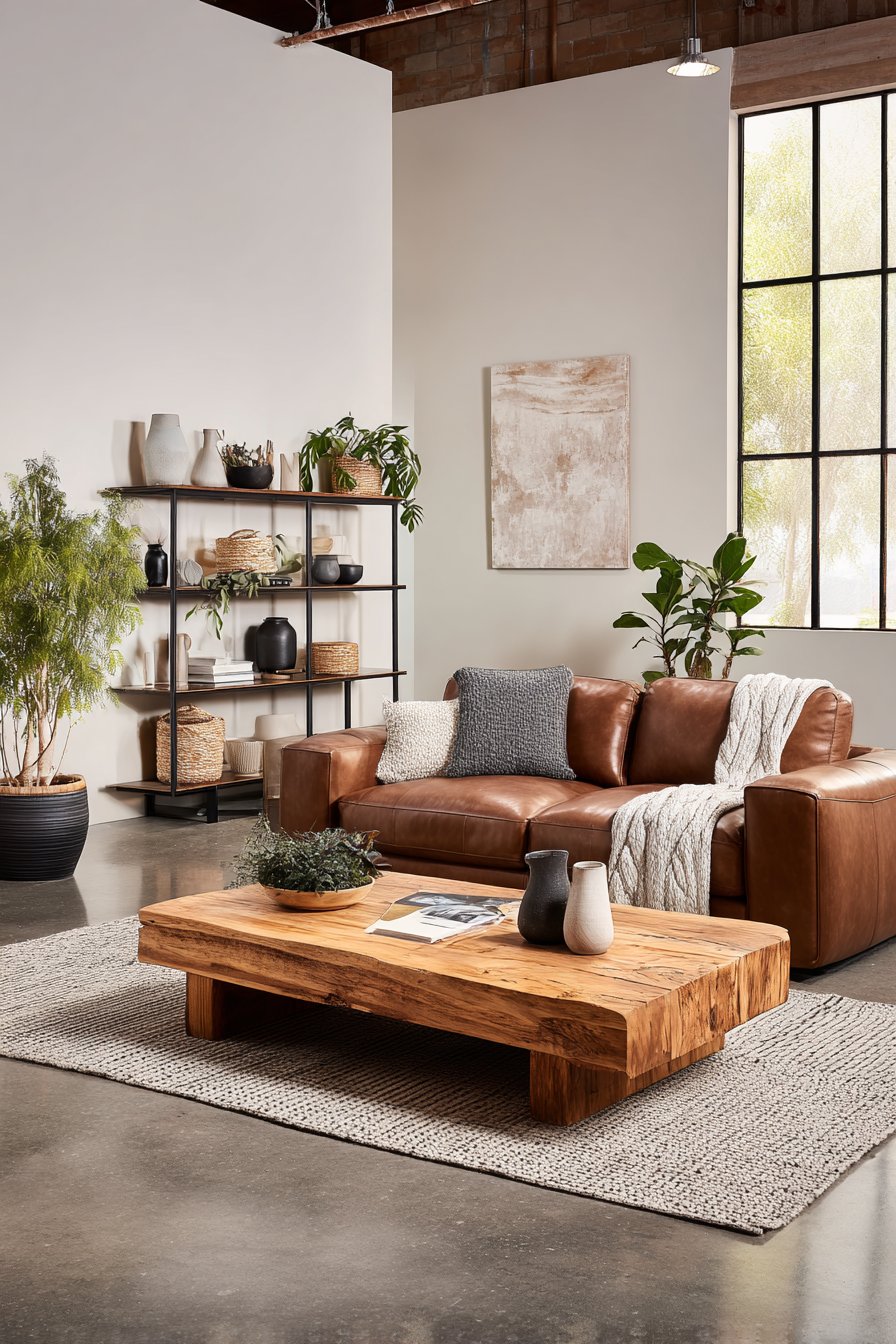
The contrast between sleek modern elements and organic textures creates visual tension that energizes contemporary spaces. Pairing a smooth leather sofa with a chunky wool throw or positioning a rough-hewn coffee table against polished concrete floors generates interest through textural juxtaposition rather than color contrast.
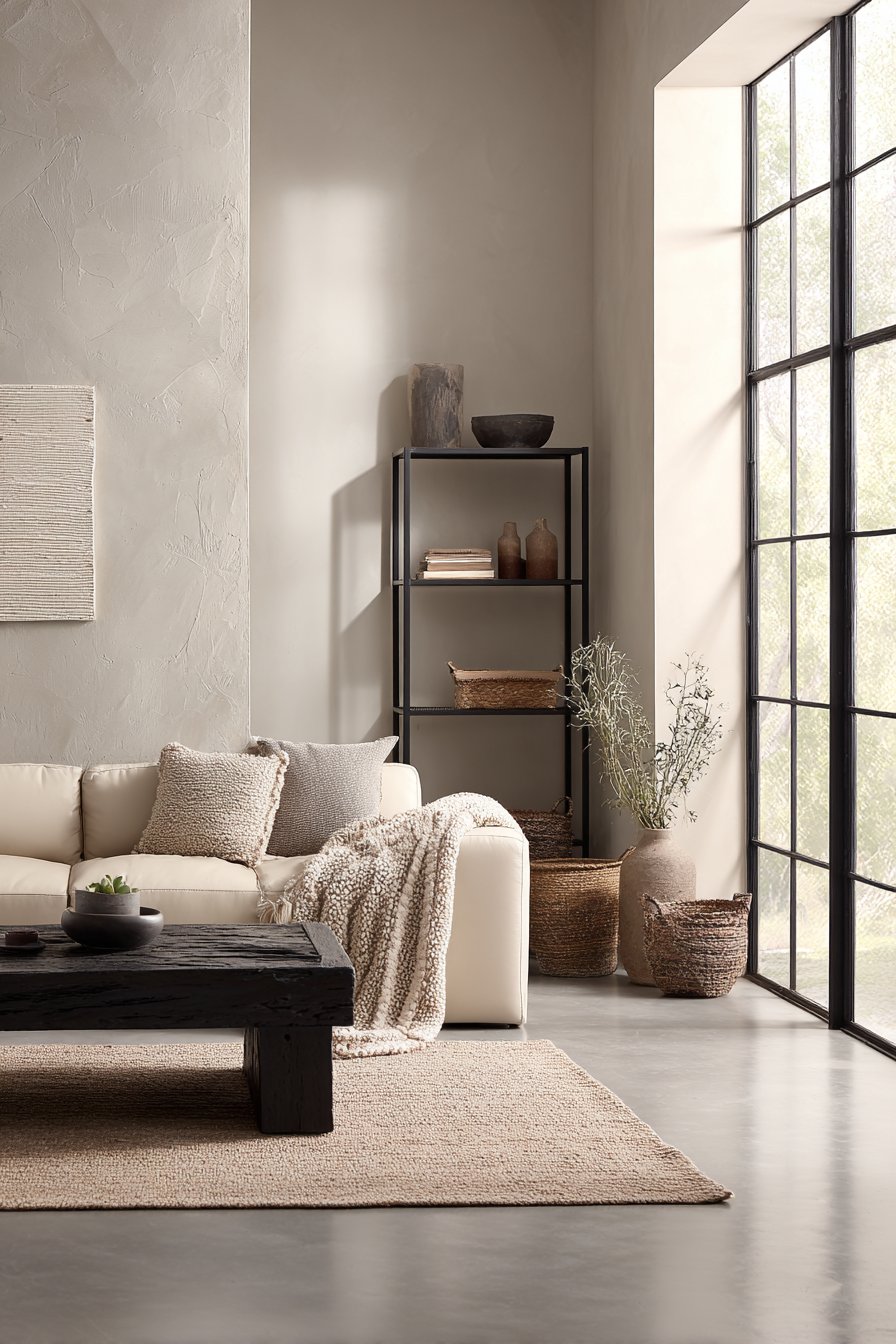
Texture provides the sensory richness that pure minimalism lacks while maintaining visual simplicity. A room with three neutral colors expressed through twelve different textures feels both clean and inviting, proving that textural complexity and visual simplicity coexist beautifully when color restraint is practiced.
- Limit color palette to three neutrals while maximizing texture variety
- Pair industrial materials with soft organic textiles for balance
- Choose furniture with interesting surfaces rather than bold colors
- Add plants for natural texture without color competition
- Use textured art and wall hangings instead of colorful prints
- Embrace negative space to let textural elements shine individually
Conclusion
Prioritizing texture over color in living room design creates spaces with enduring appeal and multi-sensory richness that purely color-based schemes cannot match. By layering diverse materials—soft and rough, smooth and nubby, natural and refined—you build rooms that engage both sight and touch while transcending fleeting design trends.
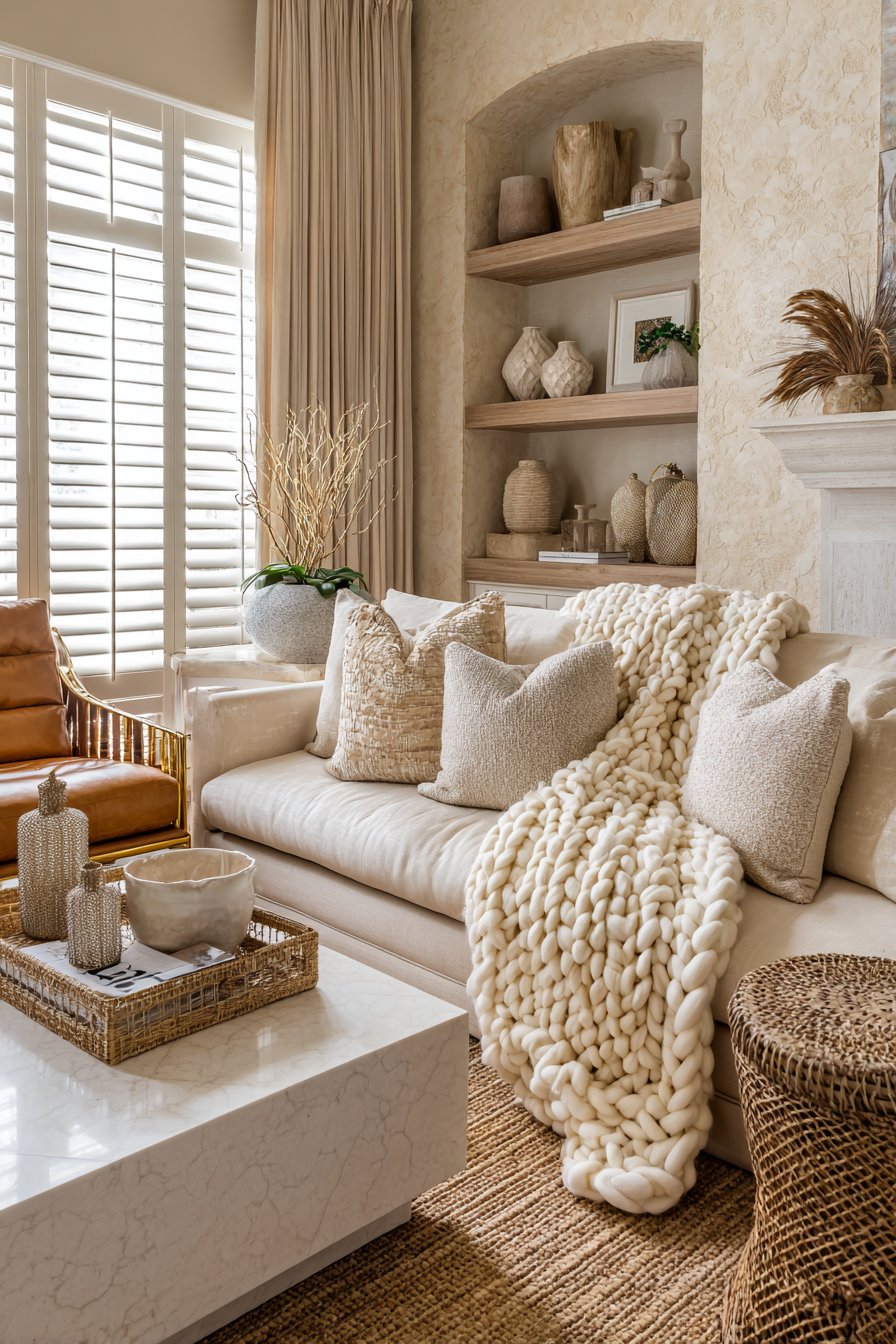
The beauty of texture-first design lies in its timeless flexibility. Start with a strong textural foundation in neutral tones, then introduce color through easily changeable accessories. This approach creates living rooms that feel both sophisticated and welcoming, spaces that improve with age rather than requiring constant updates. Embrace texture as your primary design tool, and discover how truly transformative the interplay of surfaces can be in creating your perfect living room.
