


Choosing the right cabinet color for your kitchen or bathroom represents one of the most significant design decisions you’ll make during a renovation. The debate between white and dark cabinets has persisted for years, with each option offering distinct advantages and challenges. Understanding the maintenance requirements and style implications of both choices helps homeowners make informed decisions that align with their lifestyle and aesthetic preferences.
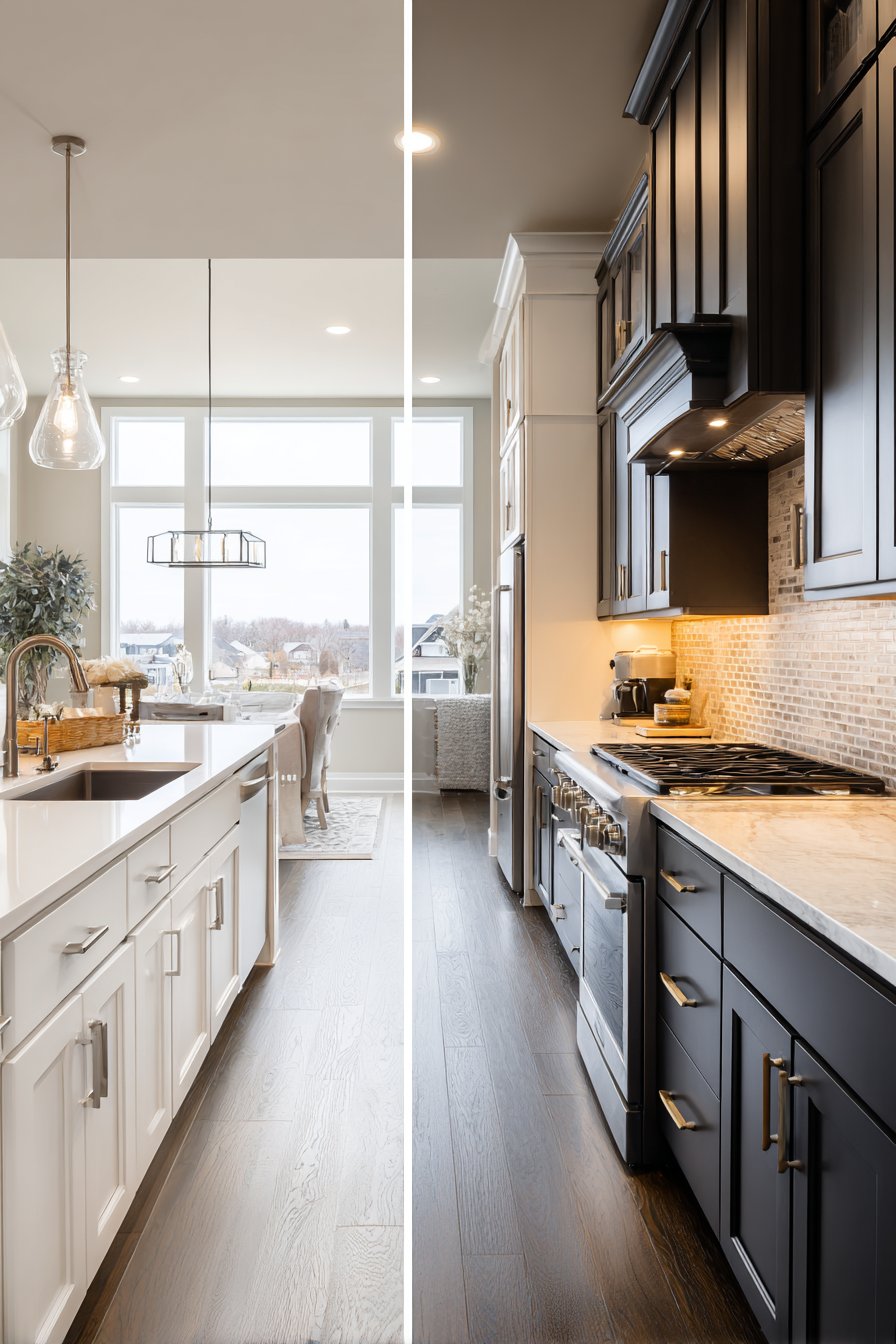
Cabinet color influences not only the visual appeal of your space but also the perceived size, lighting requirements, and long-term upkeep demands. White cabinets have dominated design trends for over a decade, offering timeless elegance and brightness. Dark cabinets, however, provide dramatic sophistication and can create stunning focal points in contemporary and traditional settings alike. This comprehensive comparison explores six essential aspects to help you determine which option best suits your home.
1. Visibility of Dirt and Fingerprints
White cabinets present a paradox when it comes to visible dirt accumulation. While they show dust and grime less obviously than dark surfaces, they reveal grease splatters, food stains, and yellowing over time more prominently. The pristine appearance of white requires consistent cleaning to maintain its fresh look. In high-traffic kitchens, daily wiping becomes necessary to prevent buildup that dulls the finish.
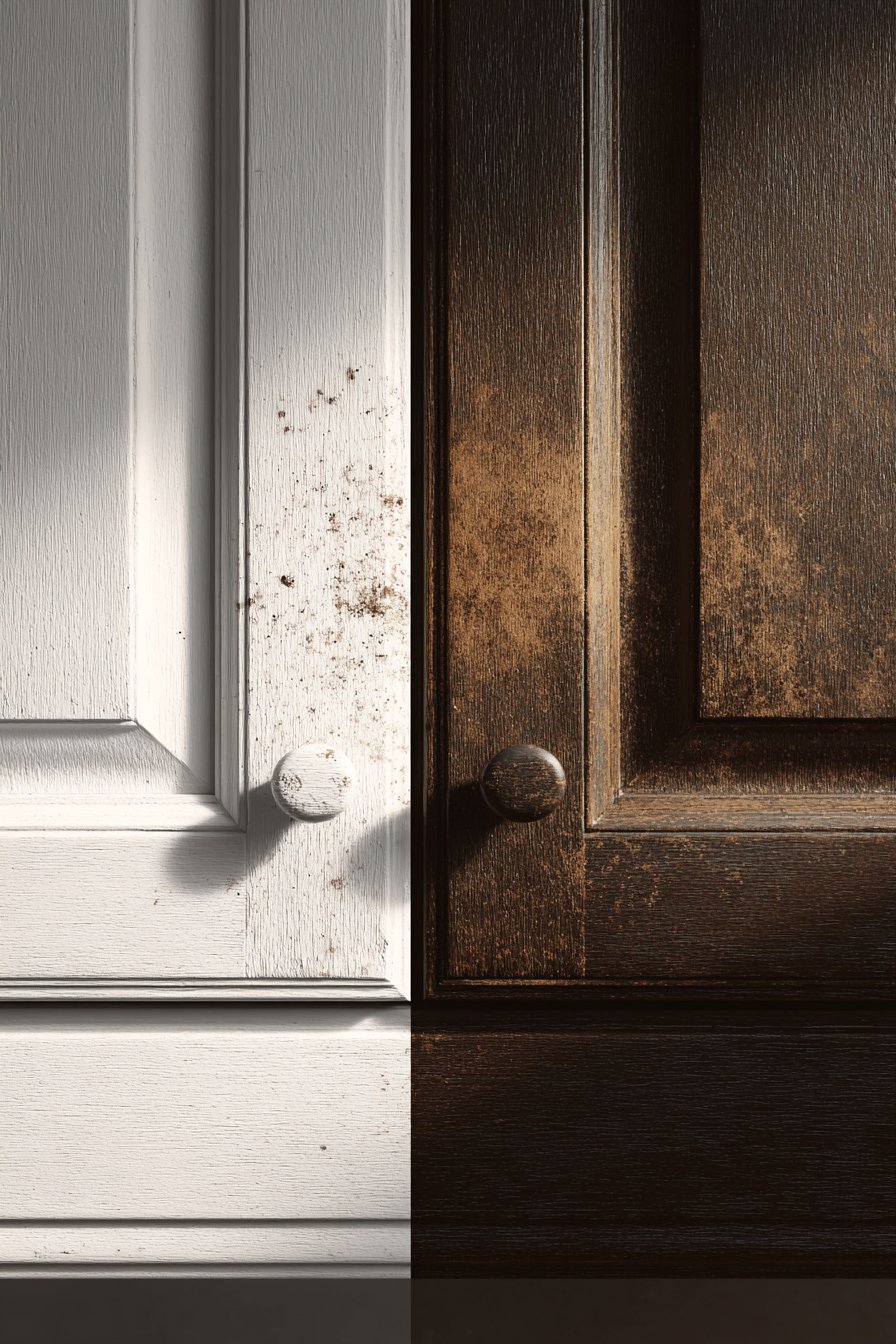
Dark cabinets, particularly those in espresso or black finishes, make fingerprints and water spots immediately visible. Every touch leaves evidence on the surface, creating a constant maintenance challenge for families with children. However, dark surfaces conceal food stains and minor discoloration better than their lighter counterparts. The trade-off involves choosing between visible smudges versus noticeable staining.
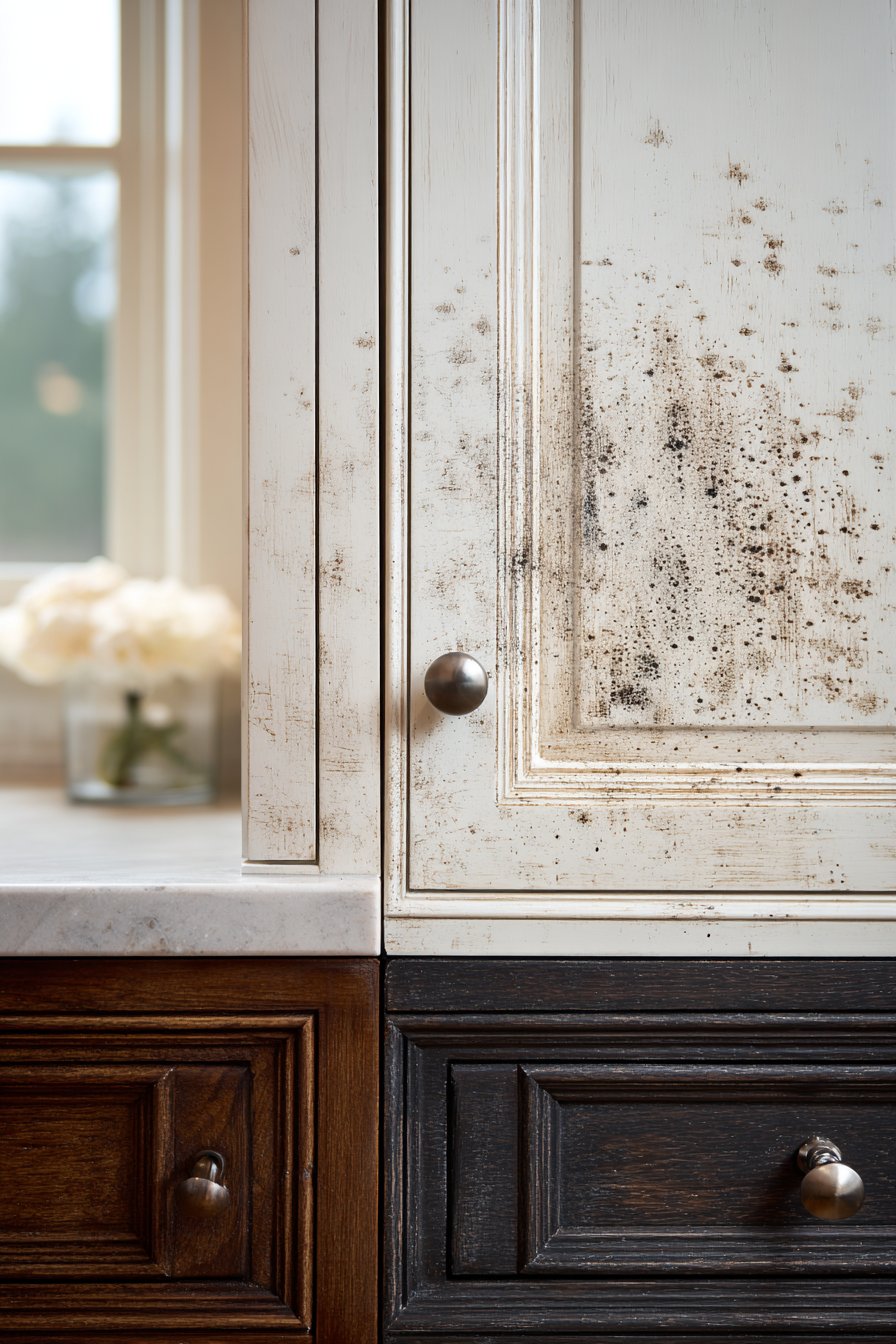
The finish type significantly impacts how dirt appears on both cabinet colors. Glossy finishes show fingerprints more readily than matte or satin options, regardless of color. Semi-gloss white cabinets strike an excellent balance between cleanability and appearance. Textured finishes on dark cabinets can minimize the visibility of daily wear while maintaining aesthetic appeal.
- Choose matte or satin finishes to reduce fingerprint visibility
- Install cabinet hardware pulls to minimize direct surface contact
- Keep microfiber cloths nearby for quick daily wipe-downs
- Consider cabinet placement away from cooking zones for less maintenance
- Apply protective topcoats specifically designed for kitchen environments
- Test finish samples with oils to assess stain resistance
2. Cleaning Product Requirements and Methods
White cabinets demand gentle cleaning solutions to prevent yellowing and finish damage. Harsh chemicals can strip protective coatings and leave permanent discoloration on painted surfaces. A simple mixture of warm water and mild dish soap proves most effective for regular maintenance. Avoid bleach-based products that promise brightening but actually accelerate degradation of white finishes.
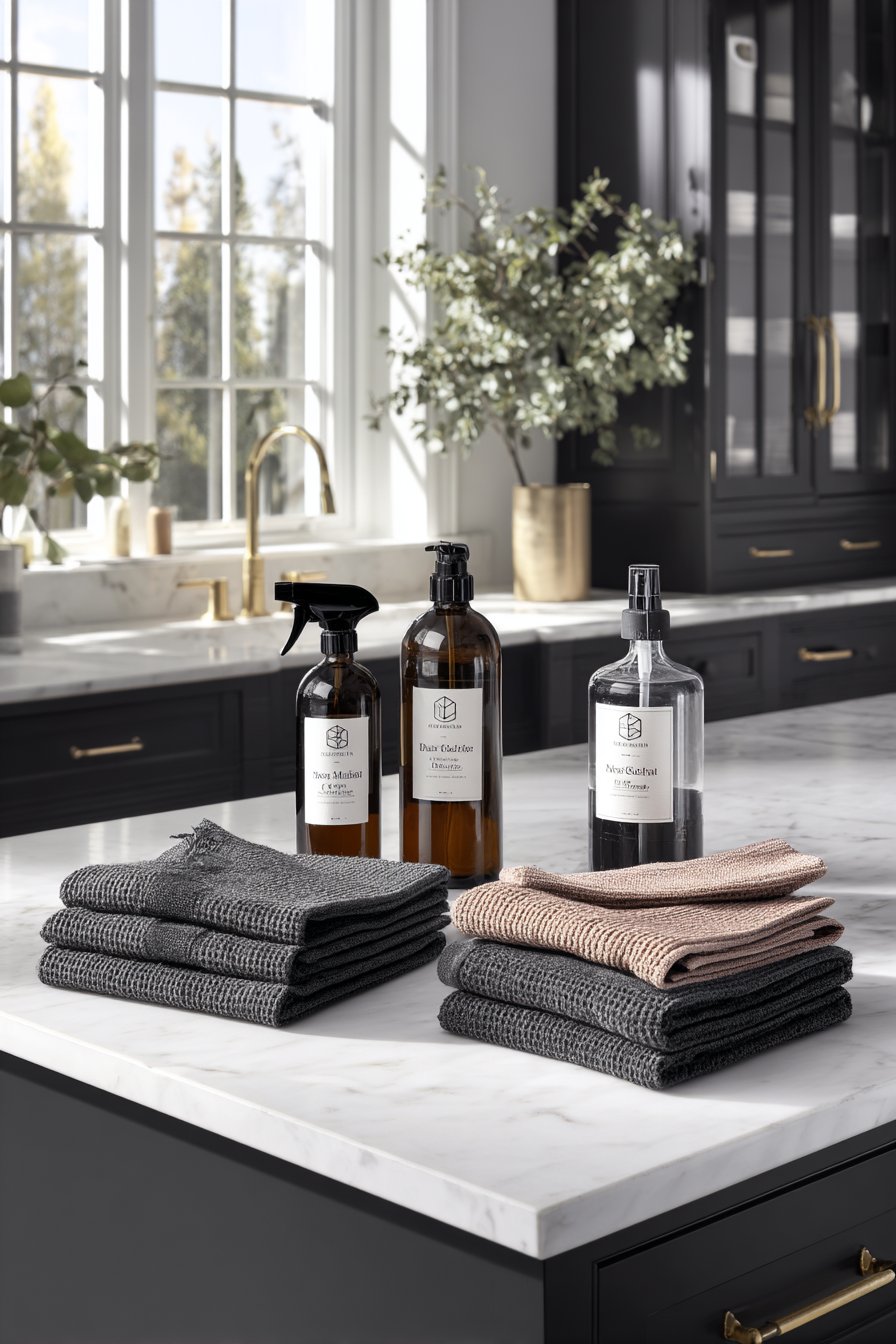
Dark cabinets require specialized cleaners that don’t leave streaks or residue. Standard all-purpose cleaners often create a hazy film on dark surfaces that becomes more visible under natural light. Products designed for wood furniture work exceptionally well on stained dark cabinets. For painted dark finishes, pH-neutral cleaners maintain the integrity of the coating while removing grease effectively.
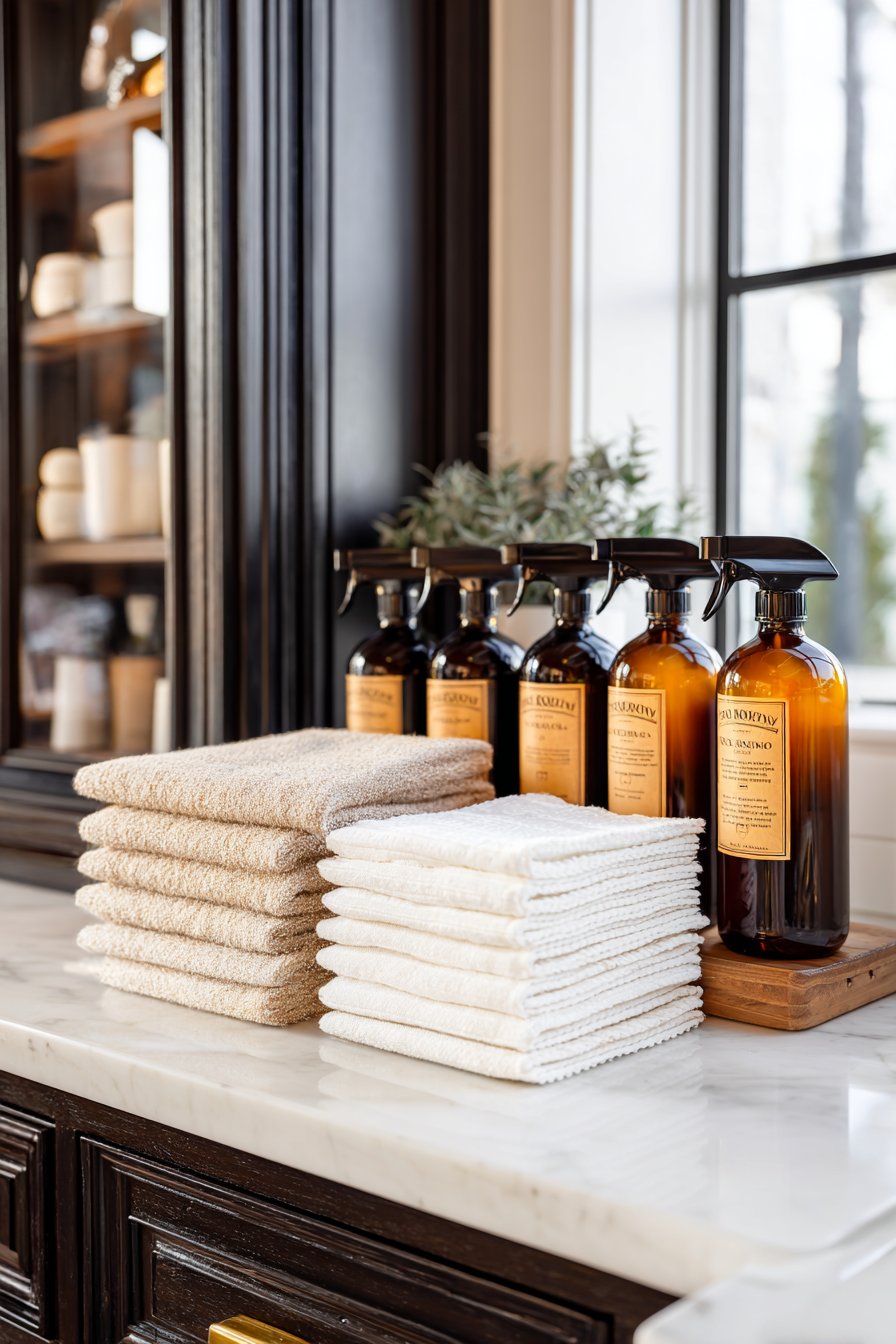
The cleaning frequency differs substantially between color choices. White cabinets benefit from weekly deep cleaning to maintain their brightness, while dark cabinets need daily attention to remove visible fingerprints. However, deep stains penetrate white surfaces more noticeably, requiring occasional intensive treatments. Dark cabinets forgive minor neglect better but show immediate surface contamination clearly.
- Invest in quality microfiber cloths for streak-free cleaning
- Create a cleaning schedule based on your cabinet color choice
- Stock appropriate cleaning products before installation
- Test new cleaners on inconspicuous areas first
- Use separate cloths for greasy areas versus general dusting
- Consider steam cleaners for deep sanitization without chemicals
3. Long-Term Wear and Aging Patterns
White cabinets show aging characteristics primarily through yellowing, particularly around handles and high-touch areas. Natural wood oils from hands gradually discolor painted surfaces over time. The crisp white appearance fades into cream or beige tones after several years, especially in kitchens without adequate ventilation. UV exposure from windows accelerates this yellowing process significantly.
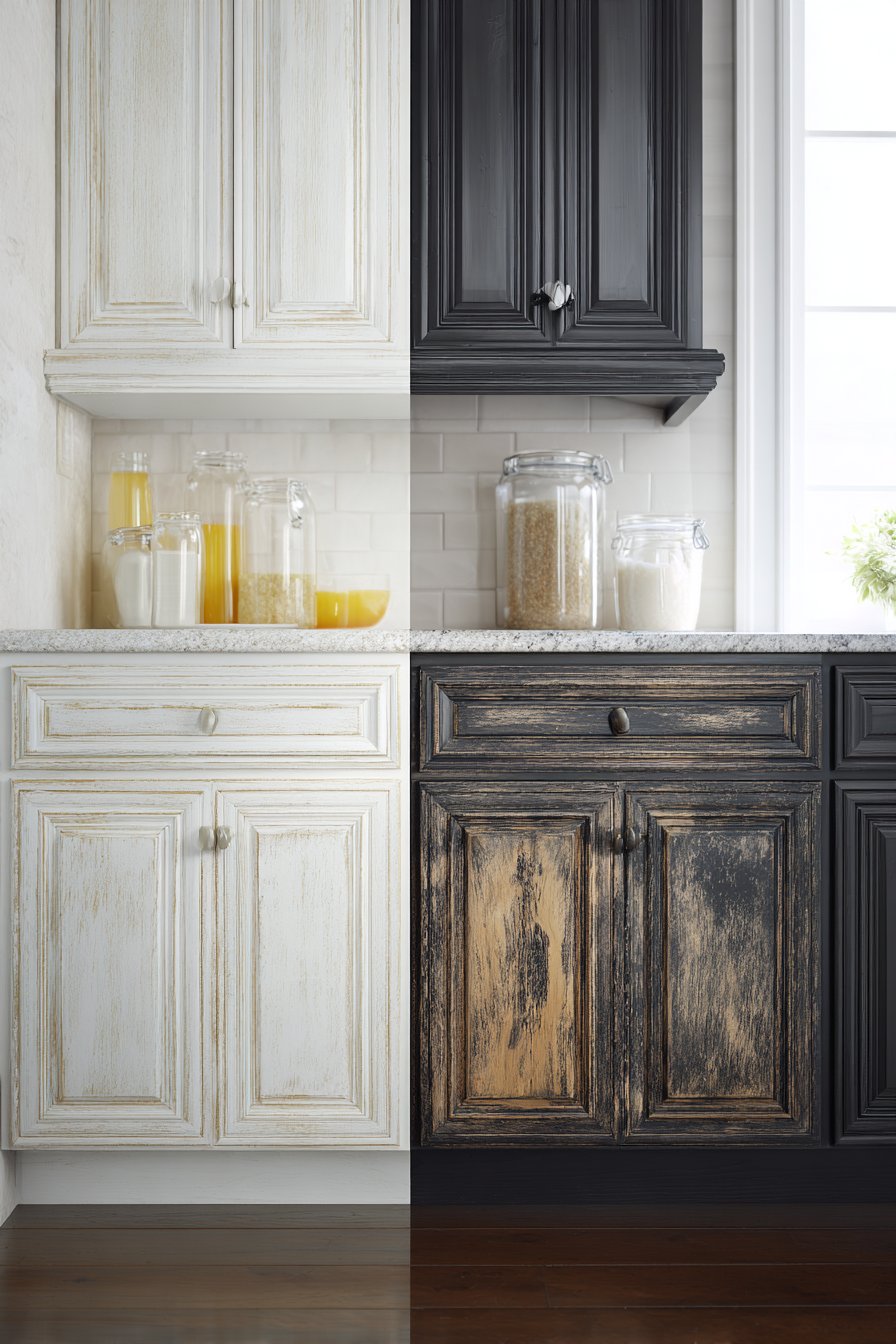
Dark cabinets reveal wear through finish deterioration rather than color change. Scratches and chips become highly visible as they expose lighter wood or substrate beneath. The protective topcoat on dark cabinets shows wear patterns more obviously than on white surfaces. However, dark stains rarely yellow, maintaining their intended color for decades with proper care.
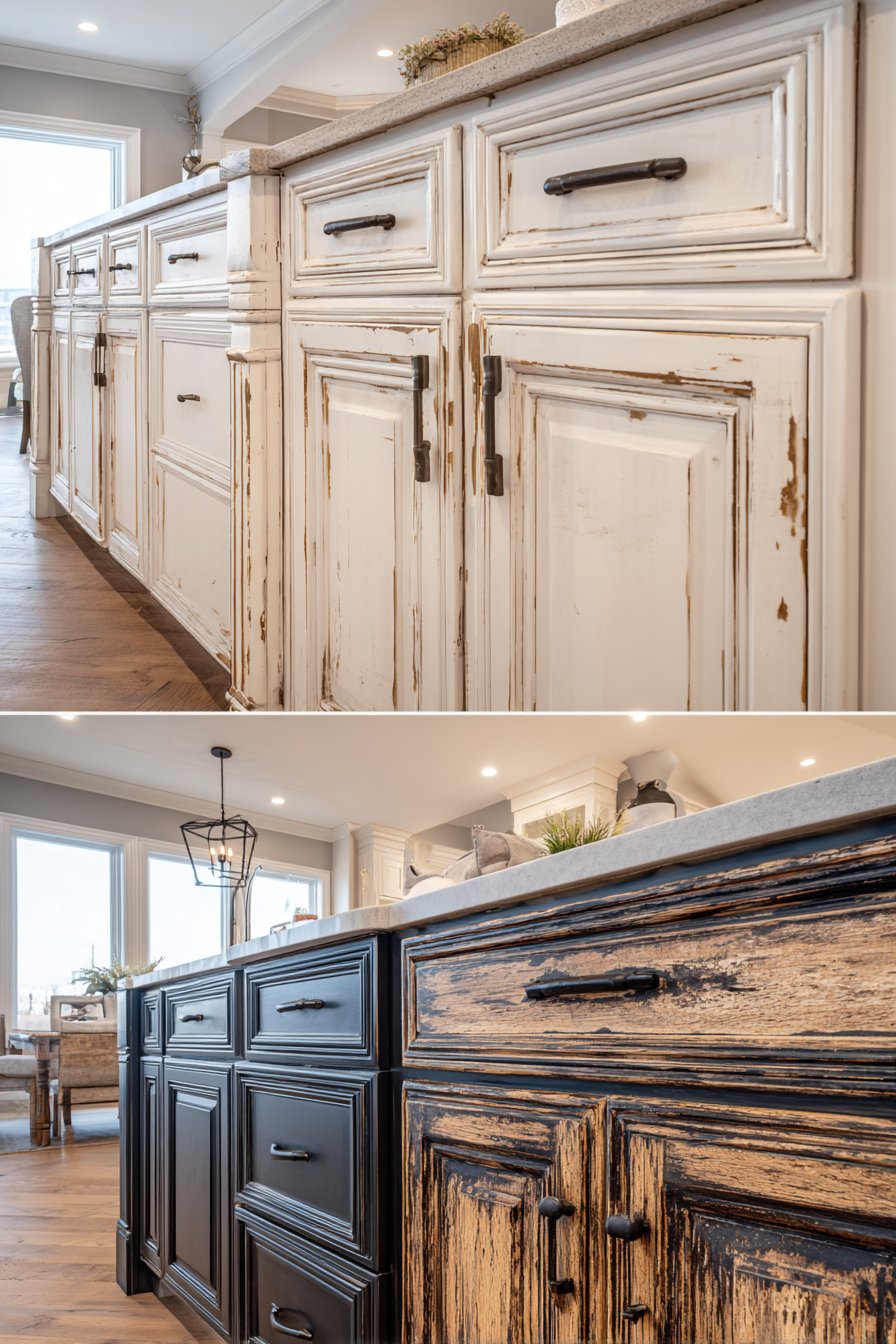
Both cabinet types benefit from preventive maintenance to extend their lifespan. White cabinets require periodic refinishing or repainting to restore brightness, typically every 8-10 years. Dark cabinets need touch-up work on high-impact areas but rarely require complete refinishing. The investment in quality finishes initially pays dividends in reduced long-term maintenance costs.
- Apply UV-protective film on windows near white cabinets
- Schedule annual deep cleaning and inspection for both types
- Address chips and scratches immediately to prevent spreading damage
- Maintain consistent humidity levels to prevent wood movement
- Keep detailed records of original finish specifications for touch-ups
- Budget for refinishing costs when planning cabinet selection
4. Impact on Room Lighting and Ambiance
White cabinets function as light reflectors, bouncing natural and artificial illumination throughout the space. This quality makes small kitchens appear larger and darker rooms feel brighter. The reflective properties reduce the need for additional lighting fixtures, potentially lowering energy costs. White surfaces create an airy atmosphere that feels clean and spacious, ideal for contemporary and transitional design styles.
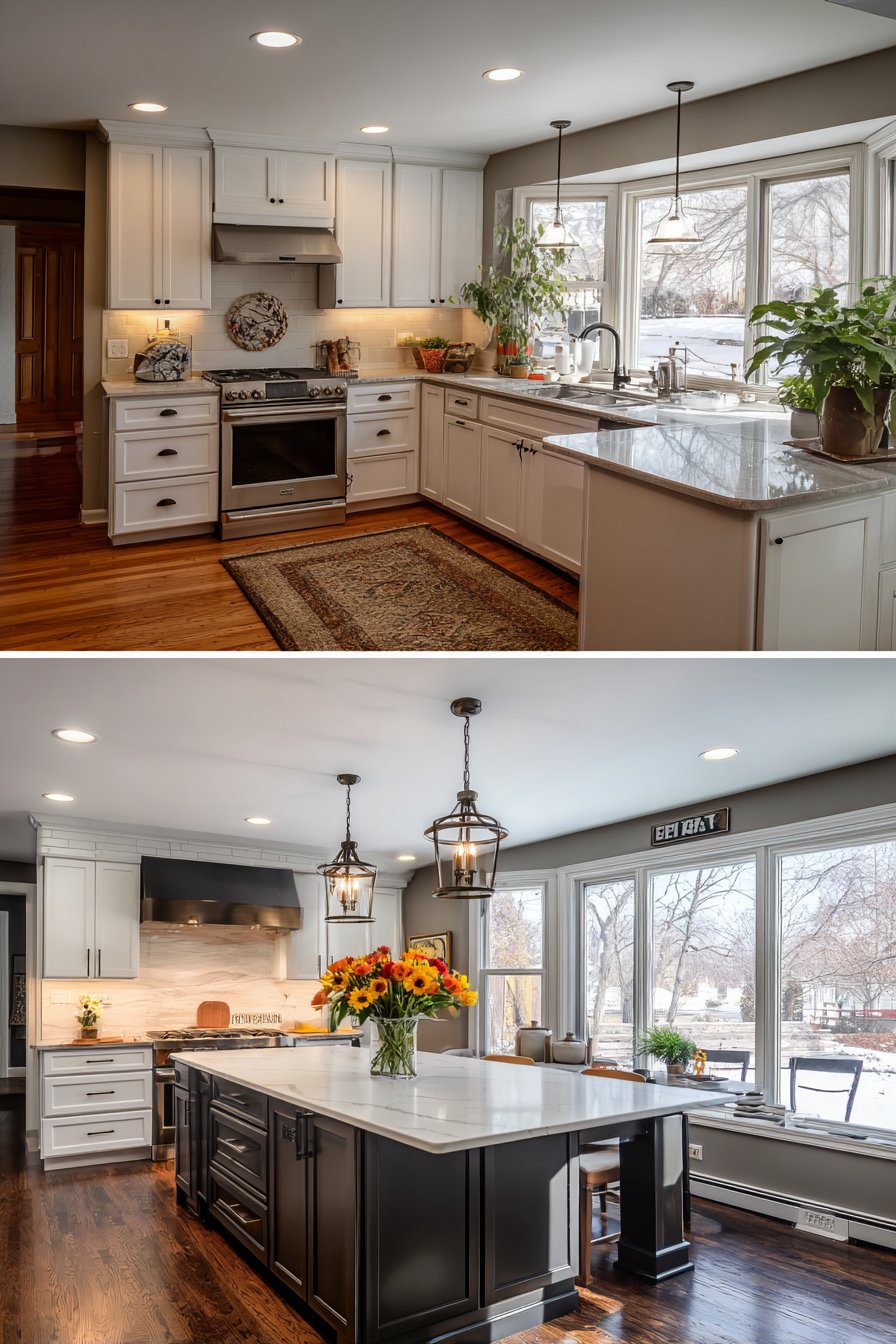
Dark cabinets absorb light, creating intimate and dramatic environments. This characteristic works beautifully in large kitchens with abundant natural light but can overwhelm smaller spaces. The moody ambiance of dark cabinetry pairs exceptionally well with statement lighting fixtures and metallic accents. Successful dark cabinet installations require strategic lighting planning to prevent cave-like feelings.
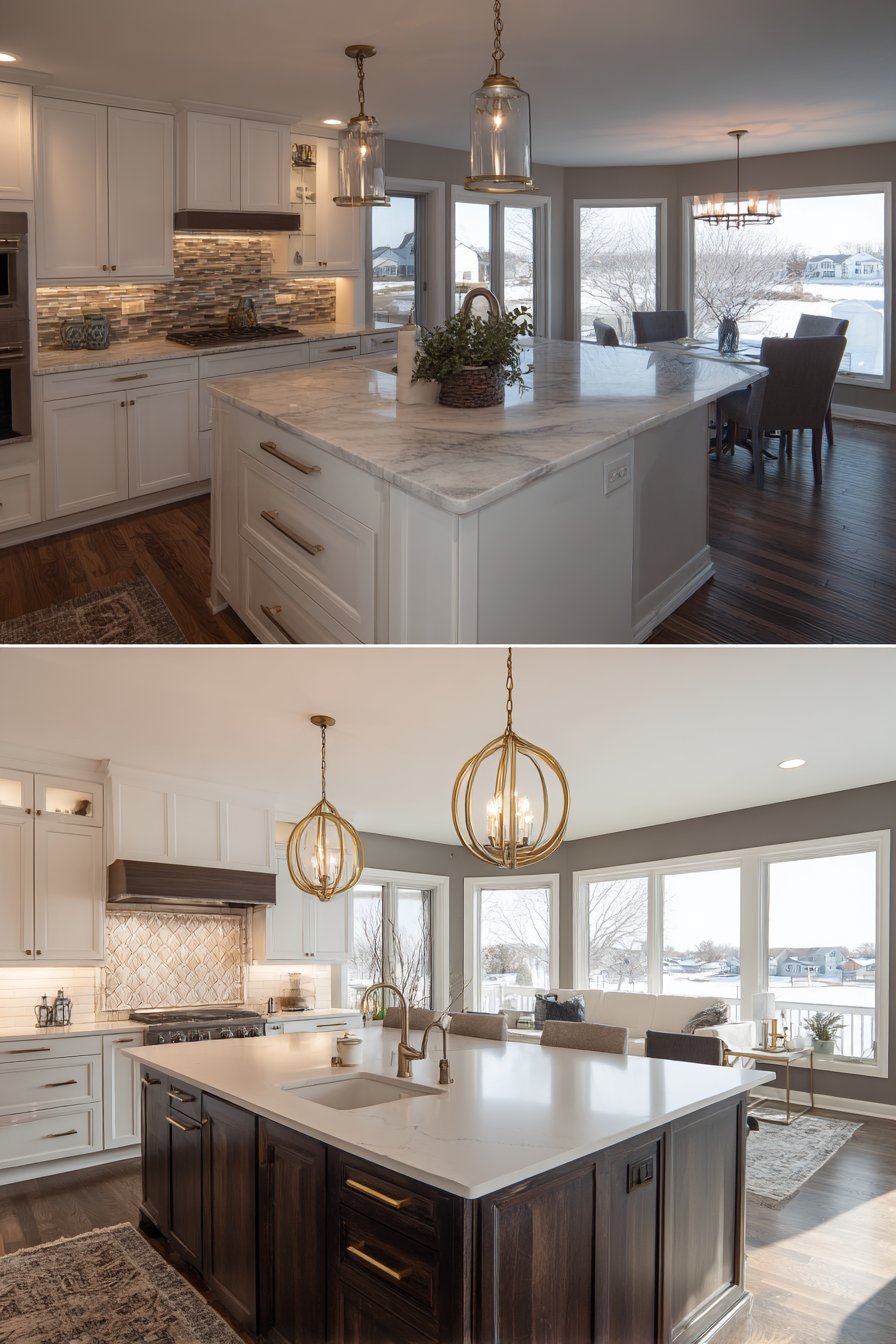
The interplay between cabinet color and lighting affects paint choices for walls and countertops. White cabinets allow flexibility with bold wall colors, while dark cabinets typically pair with lighter surroundings to maintain balance. Under-cabinet lighting becomes essential with dark cabinetry to illuminate work surfaces adequately. White cabinets enhance natural daylight without additional lighting investments.
- Install under-cabinet LED strips for task lighting with dark cabinets
- Use semi-gloss paint on walls with white cabinets to maximize reflection
- Consider pendant lights as focal points with dark cabinetry
- Add dimmer switches to control ambiance throughout the day
- Incorporate glass-front cabinet doors to break up solid expanses
- Choose countertop colors that complement rather than compete with cabinets
5. Style Versatility and Design Flexibility
White cabinets serve as a neutral canvas for evolving design preferences. They adapt seamlessly to changing hardware, backsplashes, and countertop materials without clashing. This timeless versatility makes white the safer choice for homeowners concerned about resale value. White works equally well in farmhouse, modern, coastal, and traditional aesthetics, providing unmatched flexibility.
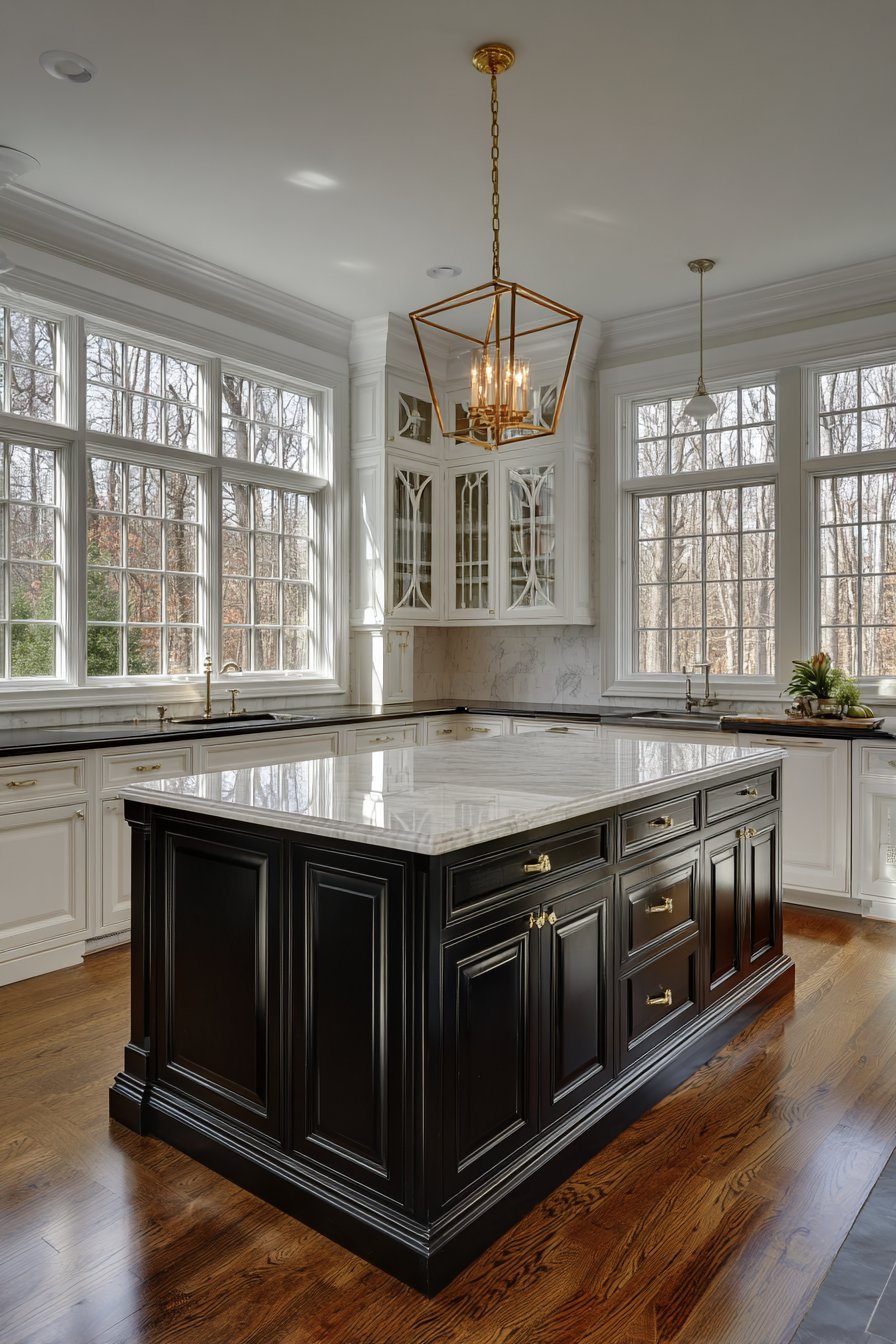
Dark cabinets make bold statements that anchor design schemes definitively. They commit the space to specific aesthetic directions, typically contemporary, traditional, or transitional styles. While less adaptable than white, dark cabinets create unforgettable visual impact when executed properly. The sophisticated presence of dark cabinetry elevates ordinary kitchens into designer showcases.
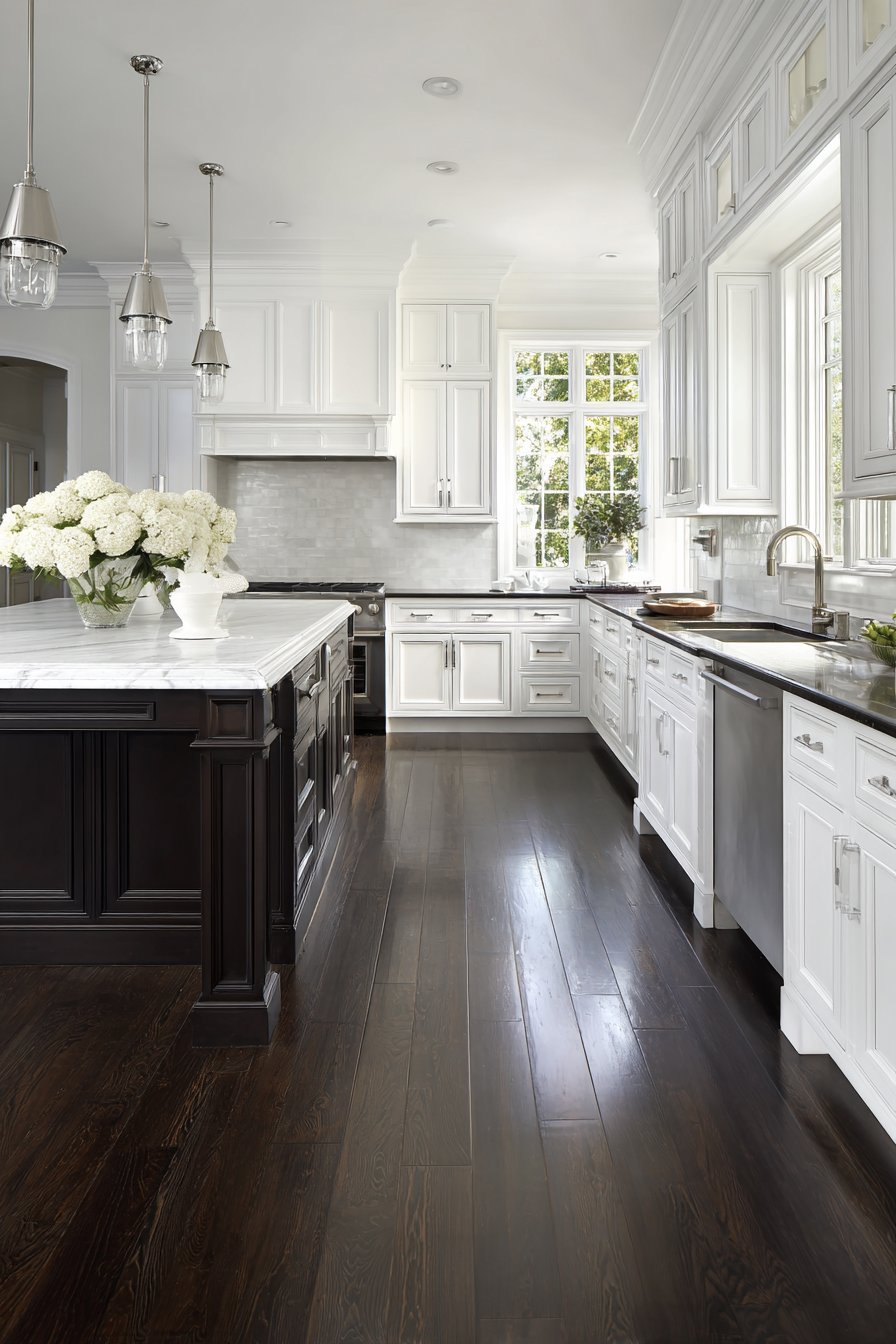
Mixing both cabinet colors in two-tone designs offers the best of both worlds. Island cabinets in dark finishes paired with white perimeter cabinets create dynamic visual interest. This approach allows homeowners to enjoy the dramatic appeal of dark wood while maintaining the brightness and versatility of white surfaces. Two-tone designs require careful planning to avoid looking disjointed.
- Research current design trends but prioritize personal preference
- Consider neighborhood home values when planning resale
- Photograph inspiration images showing both cabinet colors in similar spaces
- Consult with designers about creating cohesive two-tone schemes
- Choose hardware that complements both colors if mixing finishes
- Plan for accent colors that work with your primary cabinet choice
6. Cost Considerations and Budget Impact
White paint finishes typically cost less initially than premium dark stains, making them budget-friendly options. Quality white painted cabinets start at lower price points than custom-stained alternatives. However, the long-term maintenance costs for white cabinets can offset initial savings through more frequent cleaning product purchases and eventual refinishing needs.

Dark stained cabinets command higher upfront prices, particularly for rich walnut, cherry, or espresso finishes. The superior wood quality required for attractive dark stains increases material costs substantially. Professional-grade dark finishes need multiple application layers, adding labor expenses. Yet dark cabinets often require less frequent refinishing, potentially balancing lifetime costs.

The resale value impact varies by market and regional preferences. White cabinets appeal to broader buyer demographics, potentially facilitating faster sales. Dark cabinets attract design-conscious buyers willing to pay premiums for distinctive aesthetics. Geographic location influences these trends significantly, with coastal markets favoring white and urban areas embracing darker palettes.
- Request detailed quotes including finish specifications from multiple contractors
- Factor cleaning supplies and maintenance into total cost projections
- Research local real estate trends before making final decisions
- Consider semi-custom options to balance quality and affordability
- Allocate budget for proper lighting installations with dark cabinets
- Include refinishing reserves in long-term home maintenance planning
Conclusion
The choice between white and dark cabinets ultimately depends on your lifestyle priorities, aesthetic preferences, and maintenance willingness. White cabinets offer unmatched versatility, light reflection, and broad appeal, though they require diligent upkeep to maintain their pristine appearance. Dark cabinets provide dramatic sophistication and better conceal certain types of wear, but demand daily attention to fingerprints and strategic lighting planning.
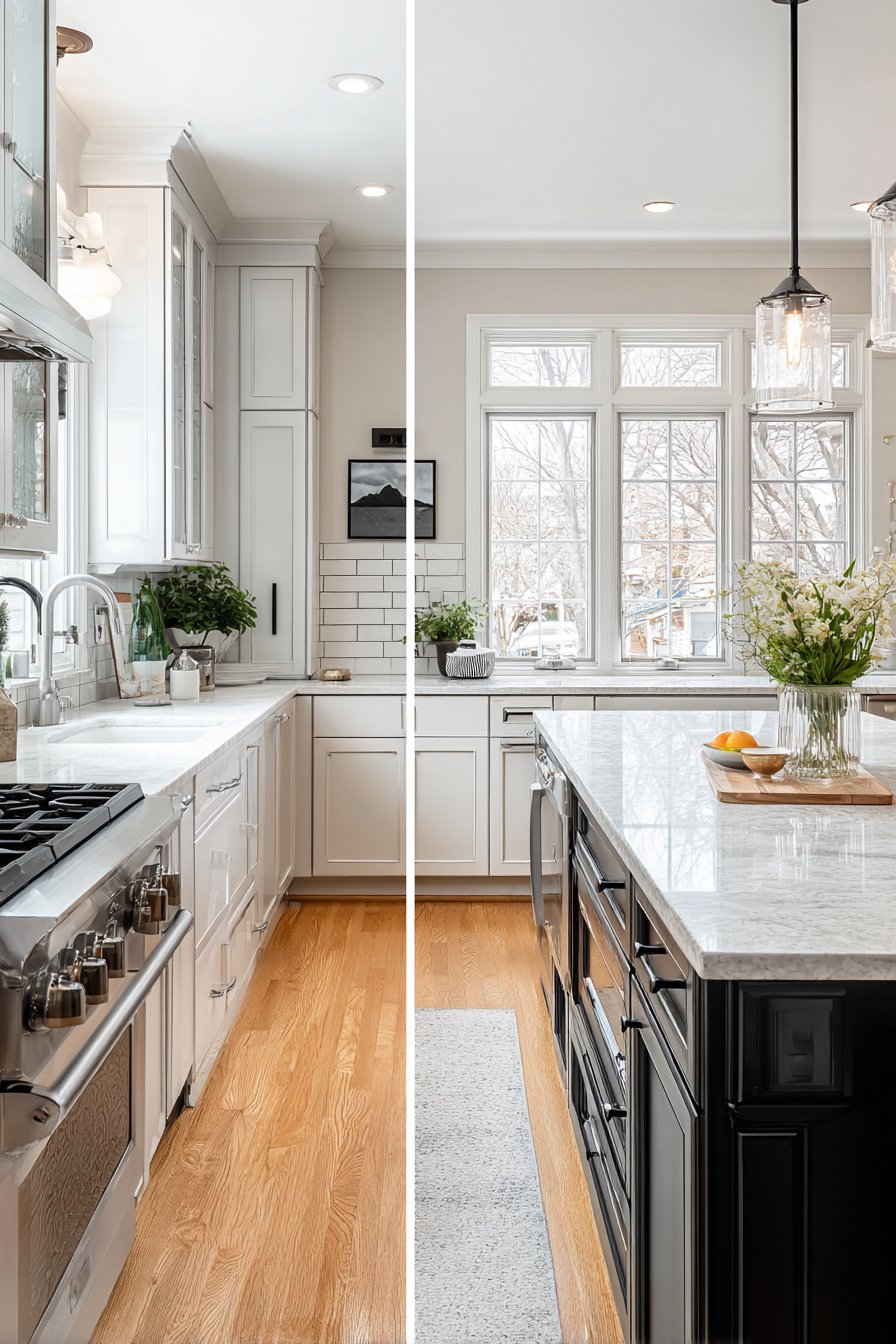
Consider your cooking habits, household size, and long-term design vision when making this significant decision. Both options can create stunning, functional kitchens when paired with appropriate materials and maintained properly. Trust your instincts, evaluate your specific circumstances honestly, and choose the cabinet color that makes you excited to spend time in your kitchen every single day.
