


The modern kitchen has undergone a remarkable transformation in recent years, with homeowners increasingly turning their attention to the charm and character of vintage design elements. This nostalgic revival represents more than just a fleeting trend—it reflects a deeper desire to create spaces that tell stories and evoke warm memories. Thoughtful interior design in the kitchen creates not only functional cooking spaces but also gathering places that inspire connection and creativity.
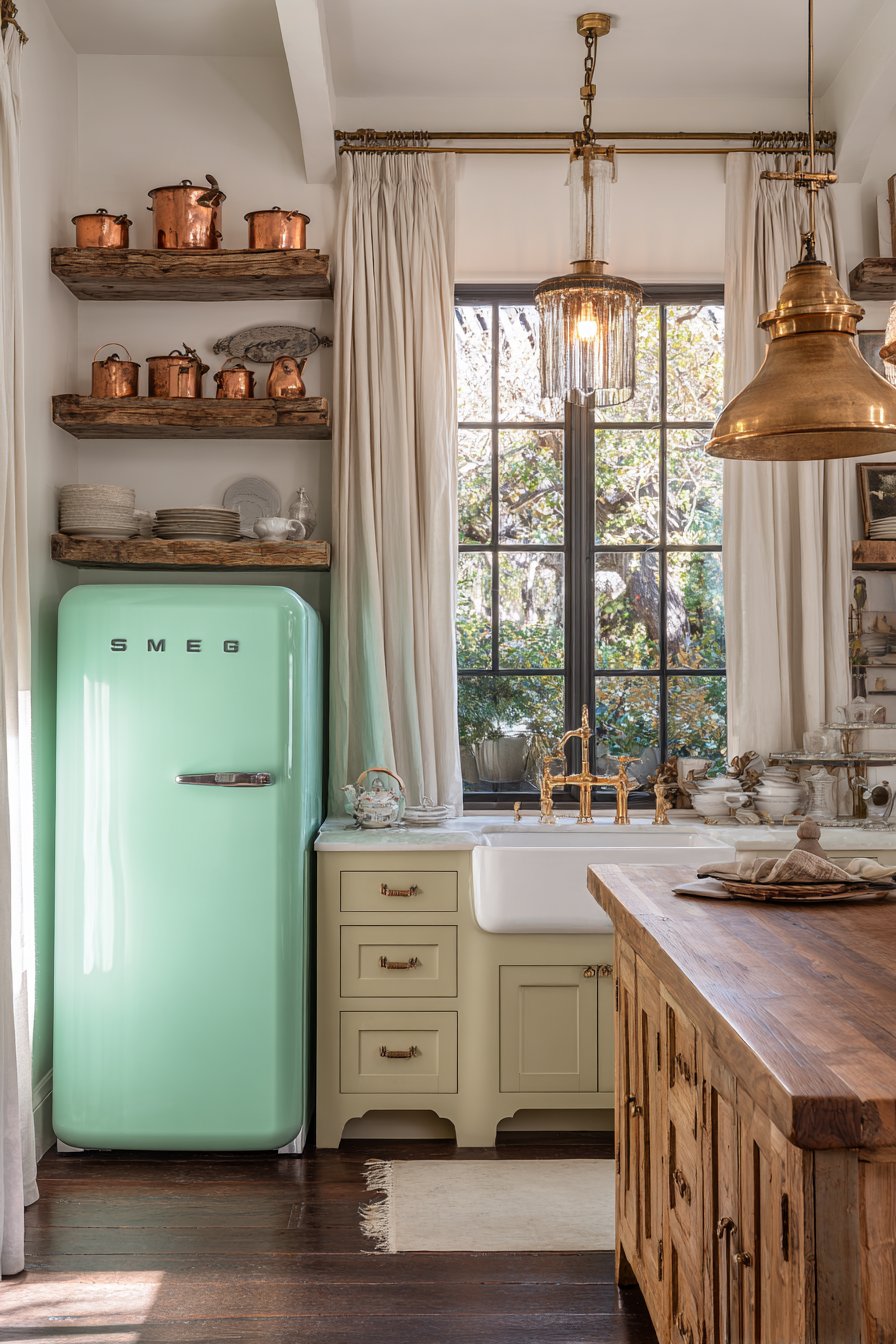
Different design styles cater to diverse personalities and lifestyles, allowing homeowners to express their unique identities through their kitchen choices. Some gravitate toward the streamlined simplicity of mid-century modern, while others embrace the ornate details of Victorian-era craftsmanship. This article explores why vintage kitchen elements have captured the imagination of contemporary designers and homeowners alike, examining the unique appeal of retro appliances, reclaimed materials, classic color palettes, and timeless fixtures that bring authentic character to modern spaces.
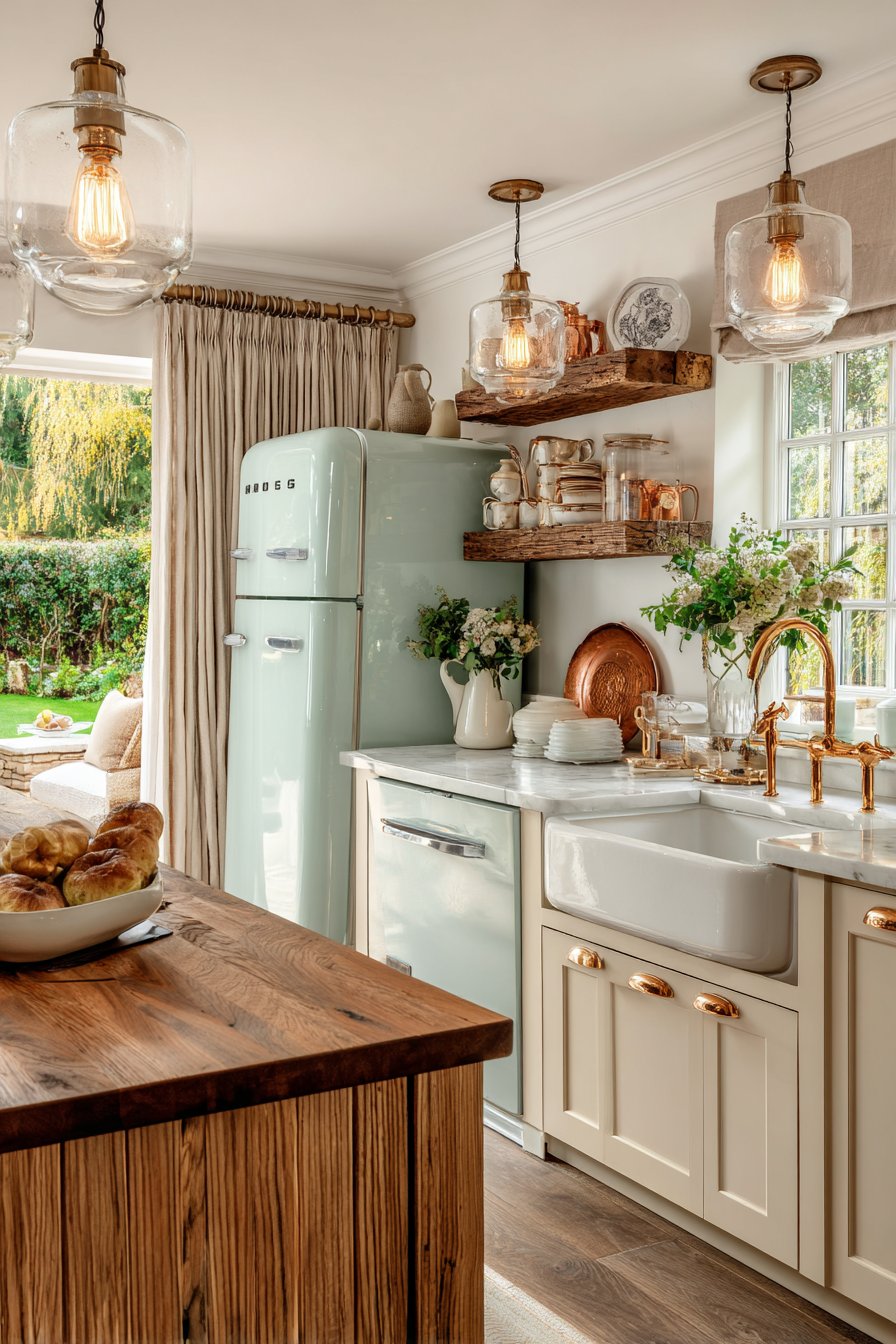
The resurgence of vintage kitchen design speaks to our collective yearning for authenticity in an increasingly mass-produced world. These time-tested elements offer durability, craftsmanship, and aesthetic appeal that contemporary alternatives often struggle to match, making them practical investments as well as beautiful additions to any home.
1. The Allure of Retro Appliances
Vintage-style appliances have become the centerpiece of many modern kitchen renovations, combining nostalgic aesthetics with contemporary functionality. Brands like SMEG and Big Chill have capitalized on this trend by producing refrigerators, ranges, and dishwashers that mimic the curves and colors of 1950s designs. These appliances serve as statement pieces that instantly elevate a kitchen’s visual interest while providing all the energy efficiency and technological features today’s homeowners demand.
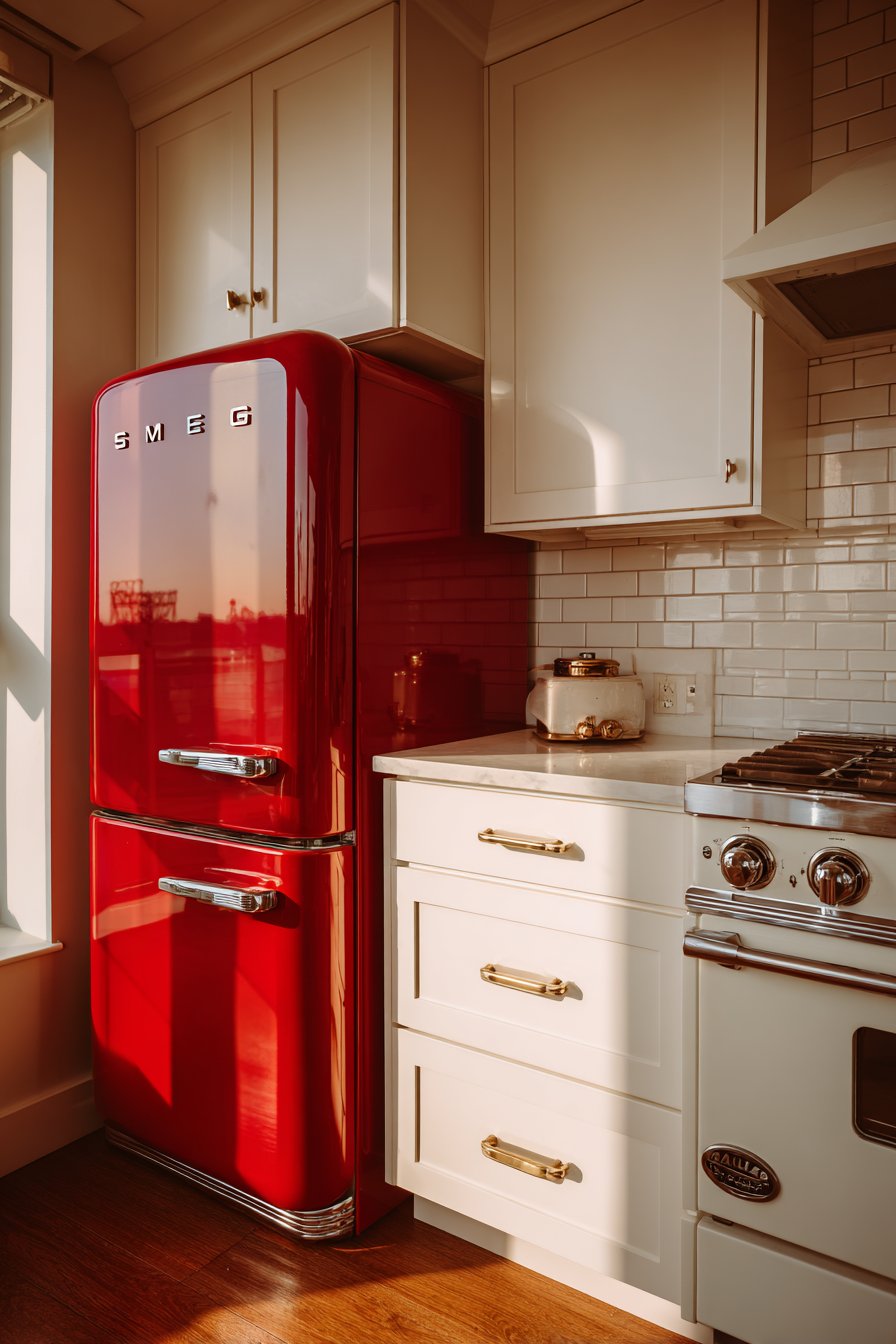
The appeal extends beyond mere appearance—these appliances represent quality craftsmanship and built-to-last durability that modern consumers crave. Many homeowners seek out authentic vintage appliances, which, when properly restored, can function reliably for decades. The rounded edges, chrome accents, and vibrant hues of retro appliances create focal points that anchor the entire kitchen design scheme.
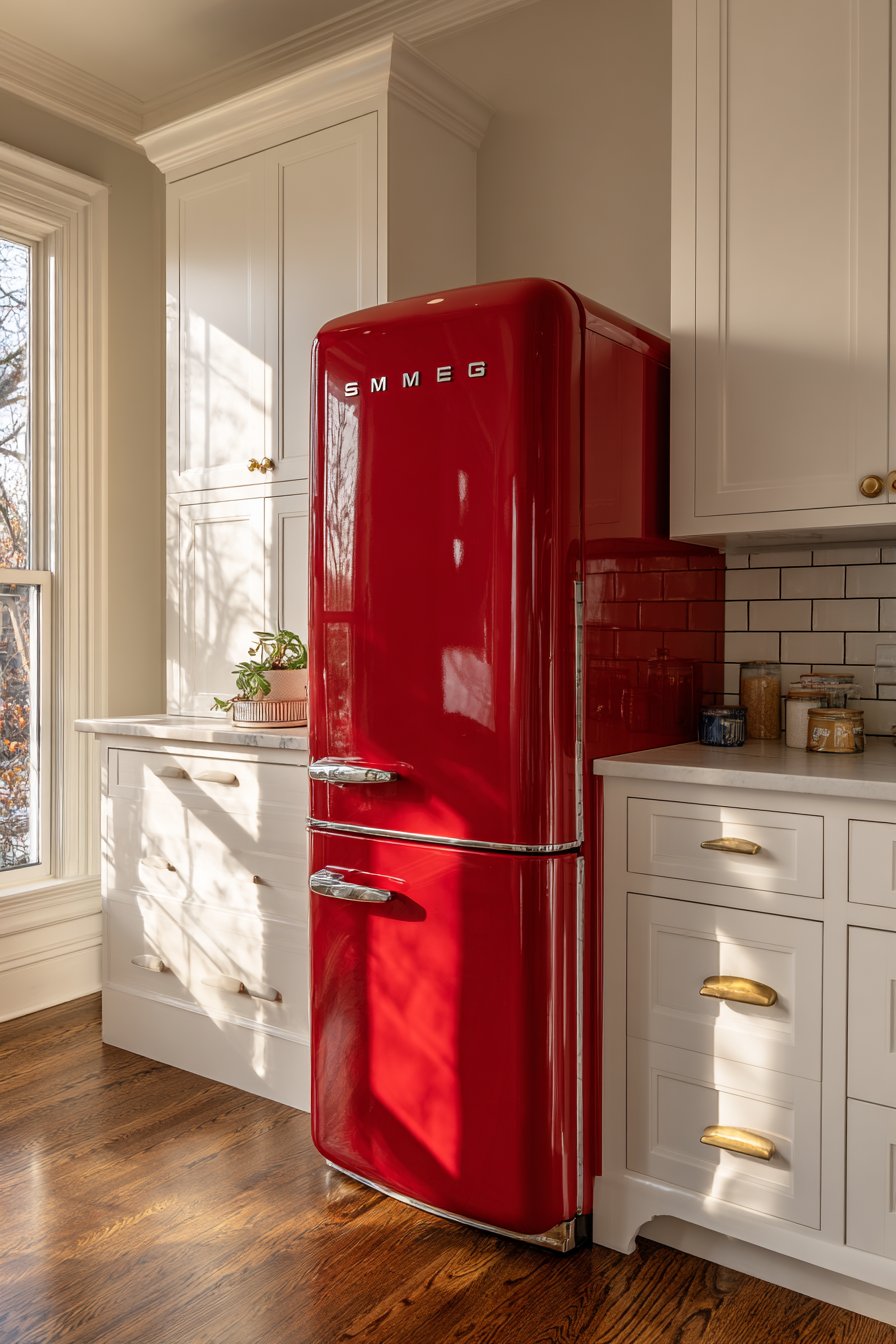
Investing in vintage-style appliances allows homeowners to express personality and create conversation starters in their homes. The bold colors available—from mint green to cherry red—enable creative expression impossible with standard stainless steel options. These pieces transform utilitarian kitchens into spaces with soul and character.
- Choose appliances with modern certifications to ensure energy efficiency
- Consider matching your retro appliance color to existing tile or cabinetry
- Research refurbishment specialists who restore authentic vintage pieces
- Mix one statement vintage appliance with modern pieces for balanced design
- Verify replacement parts availability before purchasing authentic vintage models
- Explore reproduction options that offer vintage style with warranties
2. Reclaimed Wood and Salvaged Materials
Incorporating reclaimed wood into kitchen design brings warmth, texture, and environmental consciousness to contemporary spaces. Salvaged barn wood, old factory flooring, and rescued architectural elements carry histories that new materials simply cannot replicate. Each piece features unique patina, weathering, and character marks that tell stories of previous lives and uses.
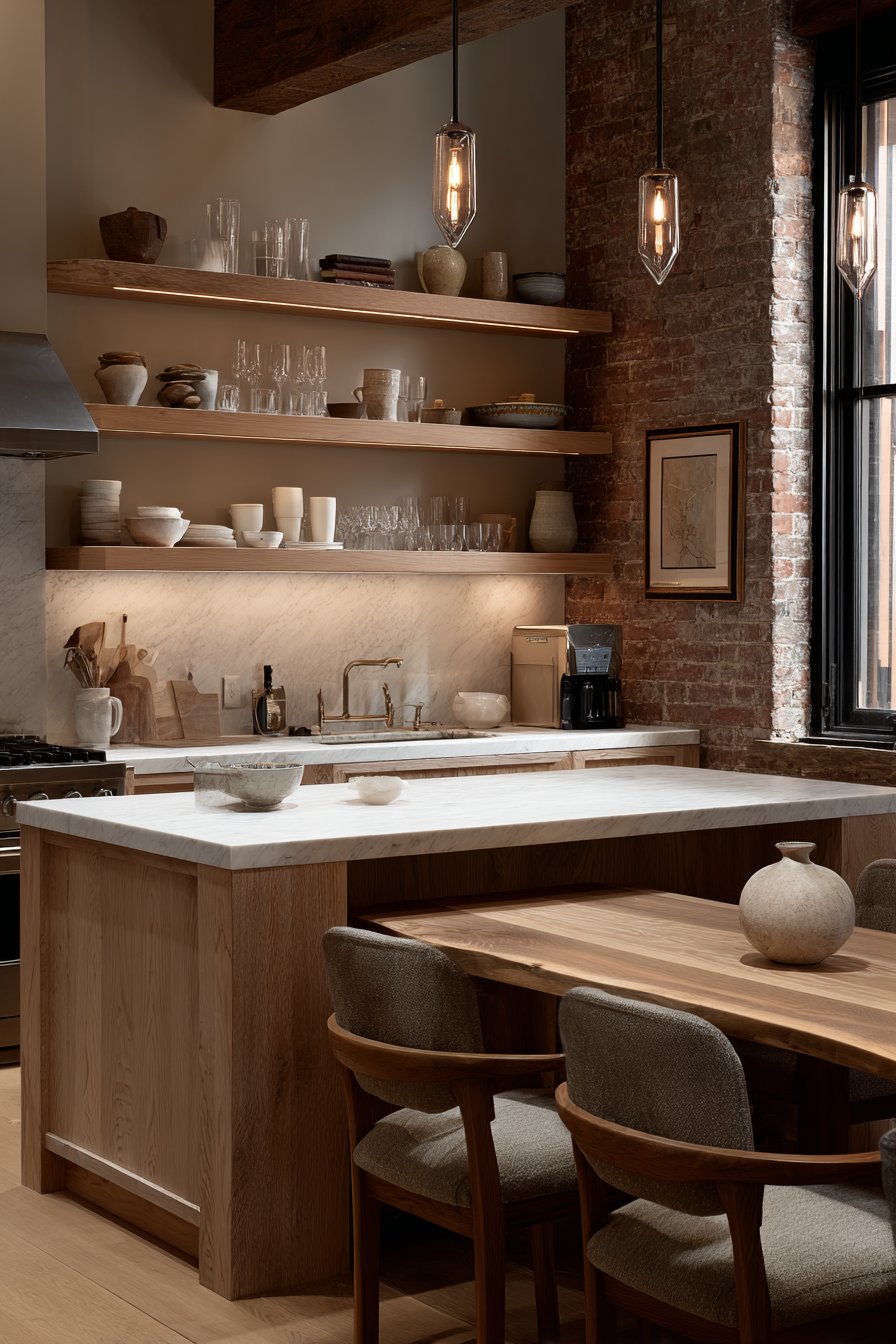
The sustainability aspect of using reclaimed materials resonates strongly with environmentally aware homeowners seeking to reduce their carbon footprint. Salvaged materials require no new resources to produce and keep valuable wood out of landfills. Beyond environmental benefits, reclaimed wood often features superior grain patterns and density compared to newer lumber, as it typically comes from old-growth forests with tighter rings and greater durability.
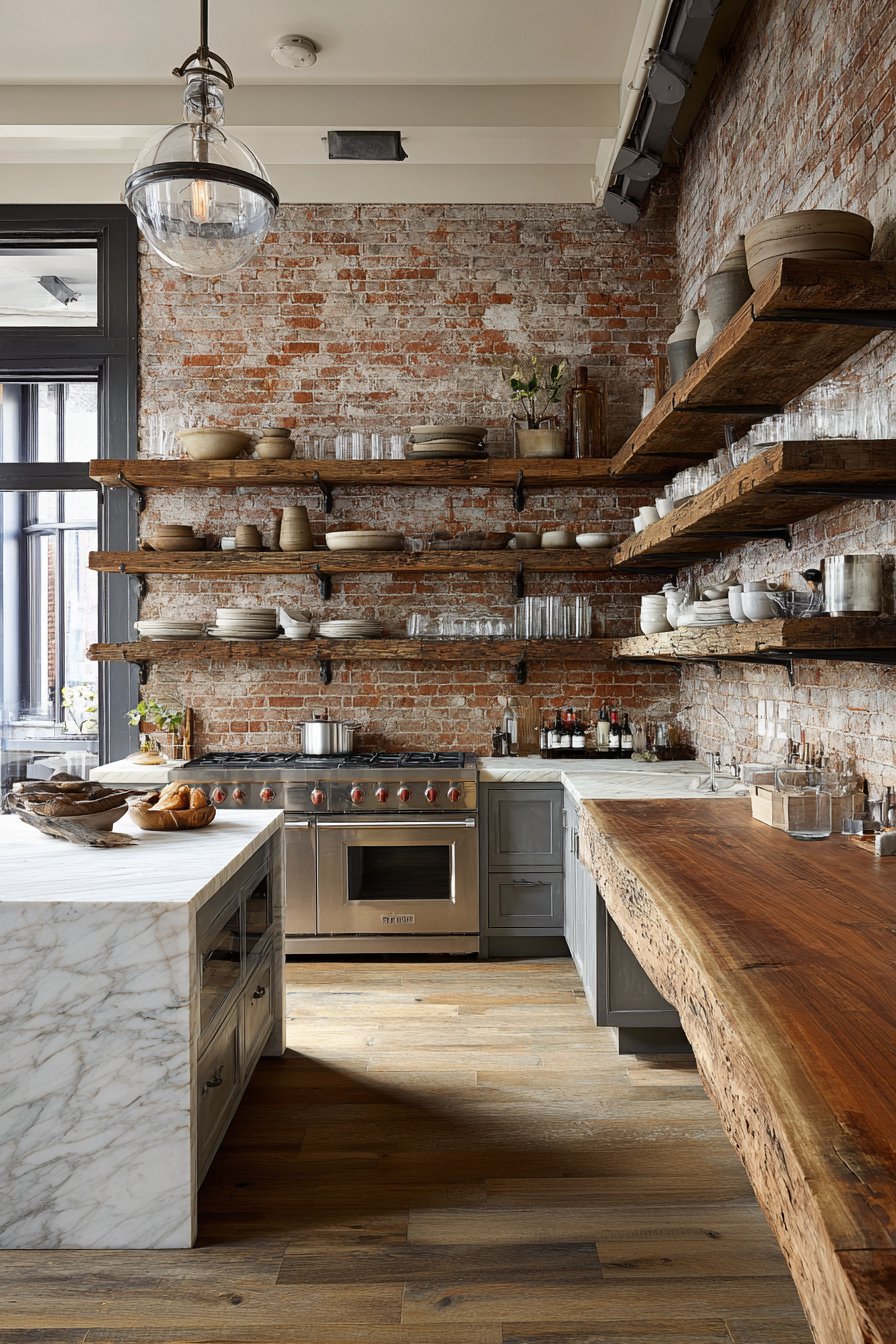
Installation of reclaimed materials as open shelving, countertops, or accent walls creates visual depth and tactile interest in kitchen spaces. The contrast between smooth modern surfaces and rough-hewn vintage wood generates dynamic tension that makes kitchens feel curated rather than catalog-ordered. These materials age gracefully, developing richer character over time.
- Source reclaimed wood from reputable dealers who verify origin and safety
- Seal reclaimed wood properly to protect against moisture and stains
- Mix reclaimed elements with polished surfaces for contemporary balance
- Consider using salvaged wood for floating shelves or range hoods
- Test for lead paint or harmful treatments before installation
- Embrace imperfections as part of the authentic vintage aesthetic
3. Classic Color Palettes Return
The vintage kitchen color renaissance has brought back hues that dominated mid-century and Victorian-era homes. Soft pastels like mint green, powder blue, and blush pink create soothing atmospheres that feel both fresh and familiar. These colors contrast sharply with the gray and white monochrome schemes that have dominated recent years, offering welcome relief and personality.
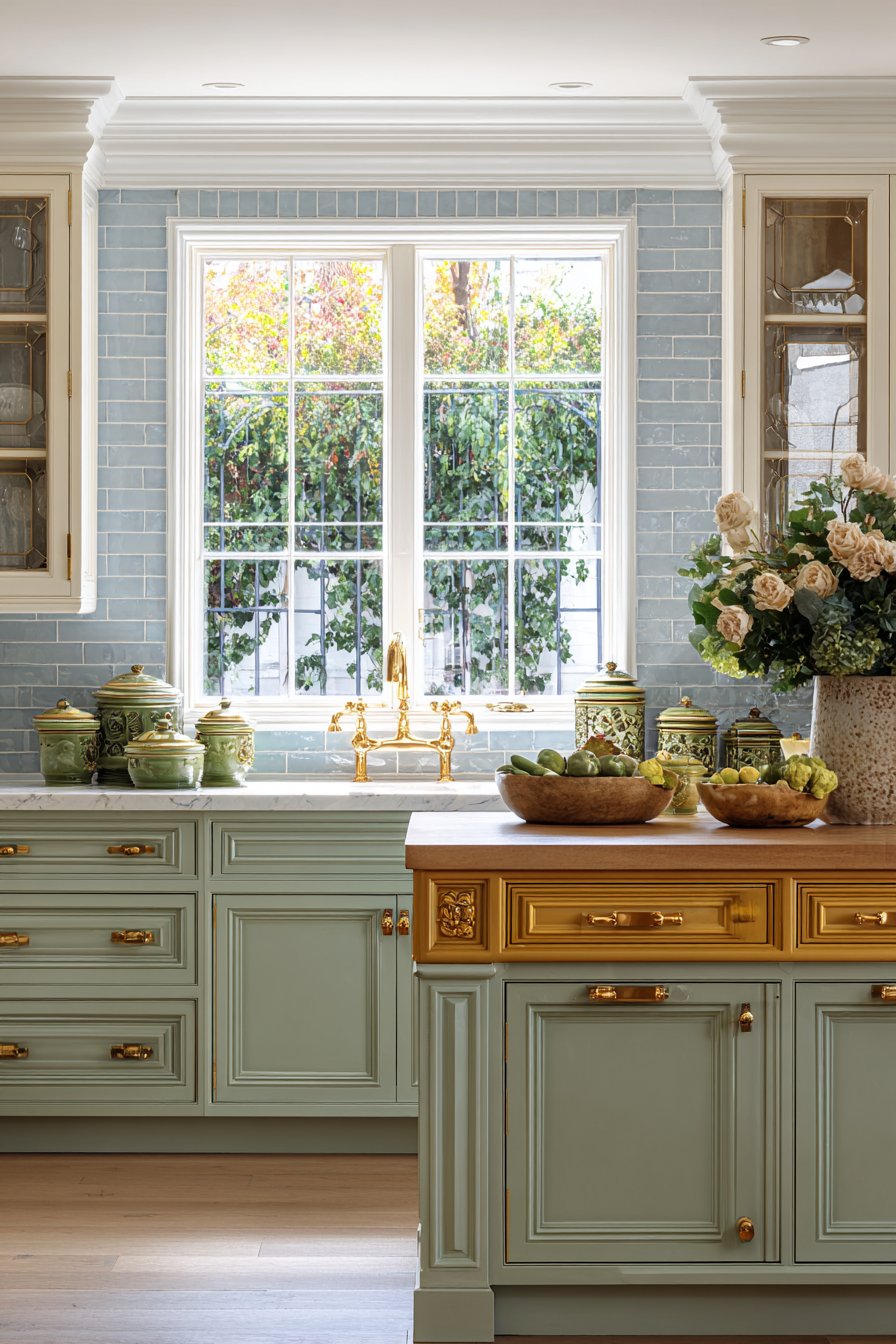
Bold accent colors drawn from vintage palettes—including mustard yellow, avocado green, and burnt orange—add unexpected vibrancy to kitchen spaces. These shades work beautifully on lower cabinets, kitchen islands, or as backsplash accents. The psychological impact of these warm, inviting colors promotes feelings of comfort and nostalgia that make kitchens feel like true gathering spaces rather than sterile work zones.
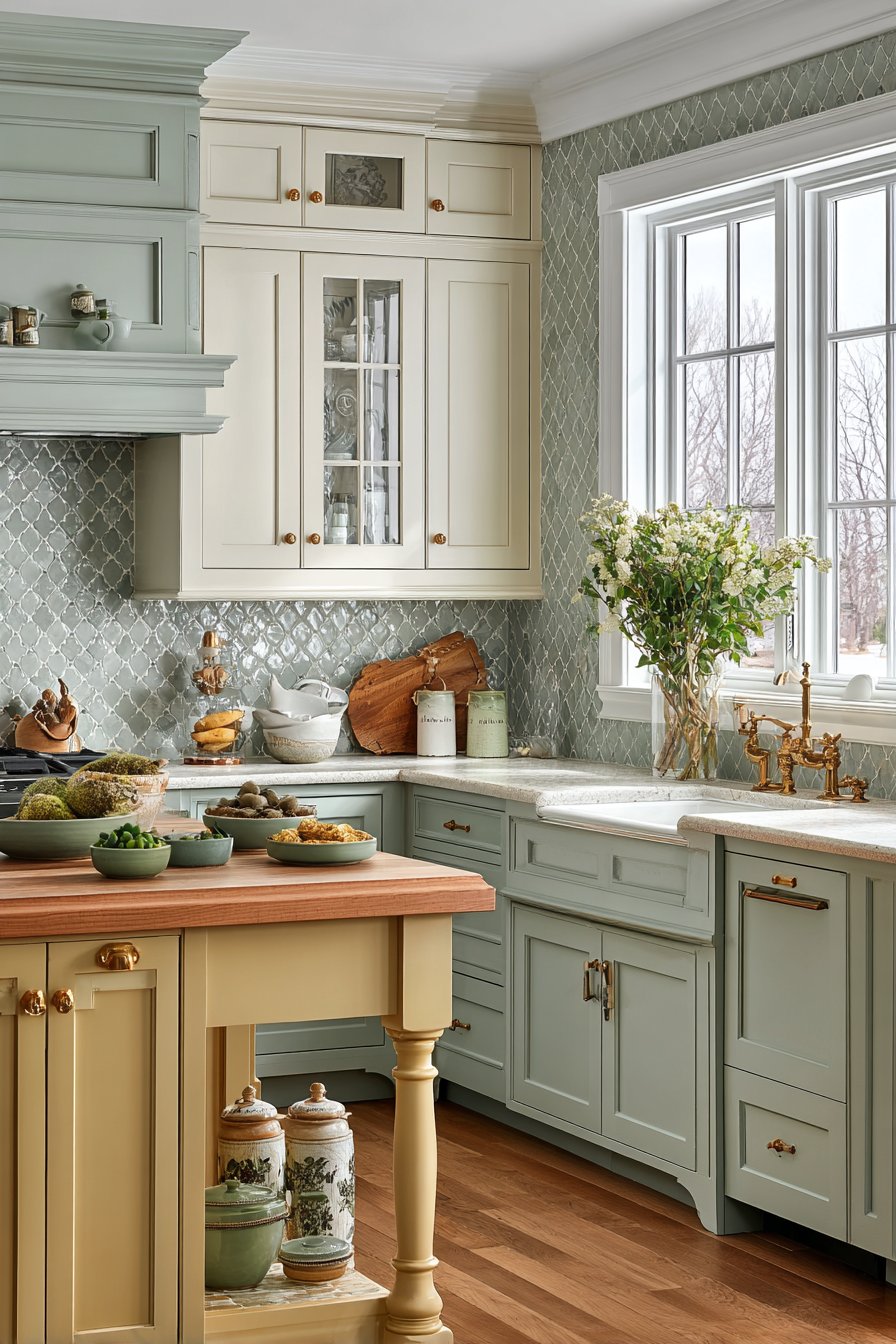
Two-tone cabinet treatments using vintage color combinations create visual interest and depth perception in kitchens of any size. Pairing cream upper cabinets with sage green lowers, for example, grounds the space while maintaining airiness. These color choices reference historical periods while feeling thoroughly modern when executed with clean lines.
- Test paint samples in different lighting conditions before committing
- Balance bold vintage colors with neutral elements to avoid overwhelming
- Consider period-appropriate hardware finishes to complement color choices
- Use vintage colors on removable elements for easy updates
- Research historical paint companies for authentic color formulations
- Limit bold vintage colors to one or two areas for cohesive design
4. Farmhouse Sinks and Classic Fixtures
The farmhouse sink has emerged as one of the most sought-after vintage elements in contemporary kitchen design. These deep, apron-front basins originated in rural homes where they served multiple purposes from washing dishes to cleaning vegetables. Their generous size and accessible design make them supremely practical for modern cooking and entertaining needs.
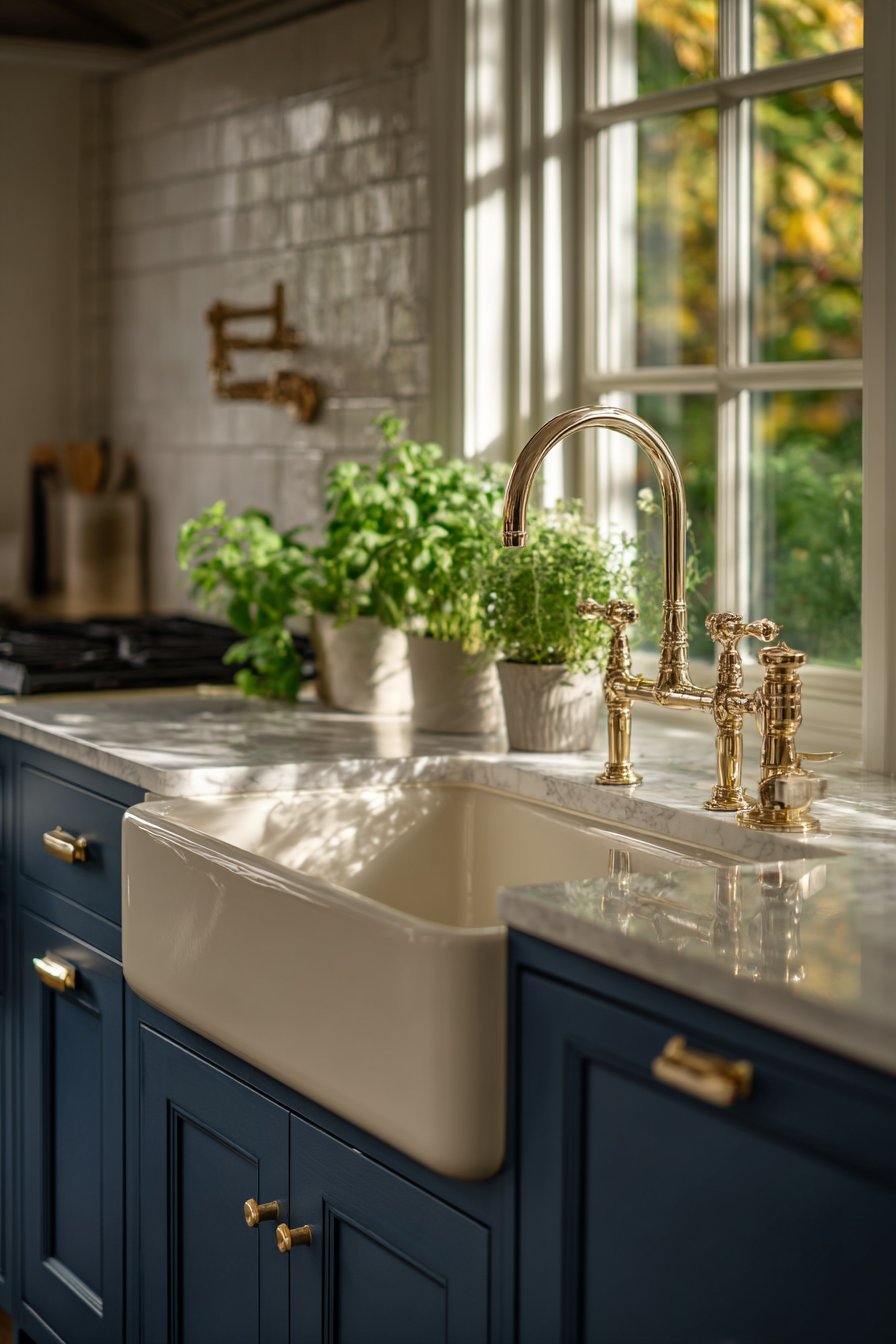
Classic fixtures including bridge faucets, wall-mounted pot fillers, and cross-handle taps bring architectural interest to kitchen workspaces. These designs reference early 20th-century craftsmanship when fixtures were built as permanent installations rather than disposable commodities. The substantial construction and timeless silhouettes ensure these pieces remain stylistically relevant across decades.
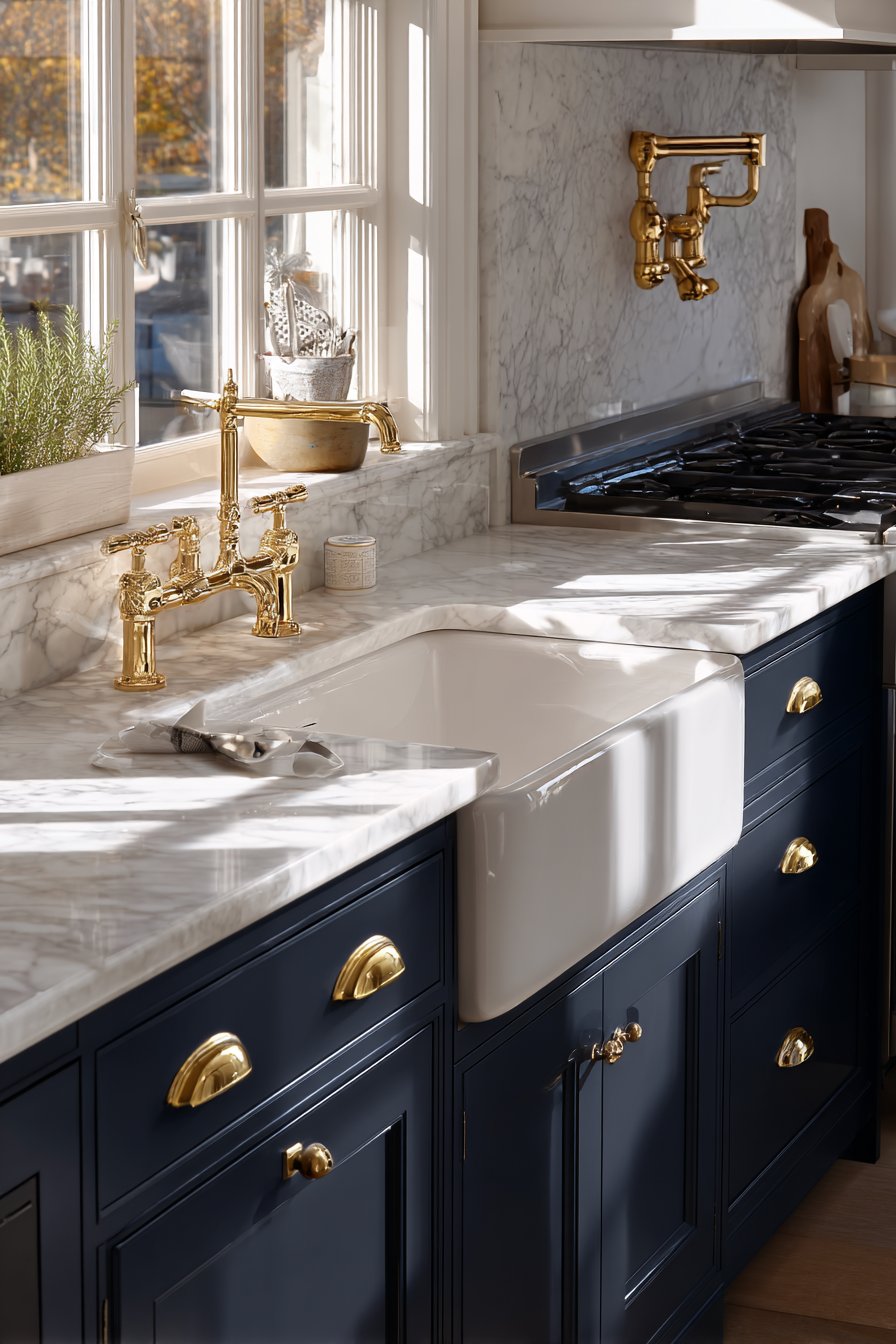
Material choices for vintage-style fixtures emphasize durability and authentic finishes like unlacquered brass, oil-rubbed bronze, and polished nickel. These finishes develop natural patina over time, actually improving in appearance with use and age. The tactile quality of solid metal fixtures provides sensory feedback that plastic and lightweight alternatives cannot match.
- Choose fireclay or cast iron farmhouse sinks for authentic weight and durability
- Ensure cabinet modifications can support heavy vintage-style sink weights
- Consider faucet reach and height for proper sink functionality
- Select finishes that coordinate with other kitchen metals
- Budget for professional installation of heavy fixtures and sinks
- Plan for ongoing maintenance of natural patina finishes
5. Open Shelving and Display Storage
Open shelving represents a return to vintage kitchen practicality where everyday items remained visible and accessible. This design choice creates opportunities to display beautiful dishware collections, vintage glassware, and artisanal pottery that add personality to kitchen spaces. The absence of upper cabinet doors opens sightlines and makes smaller kitchens feel more spacious.
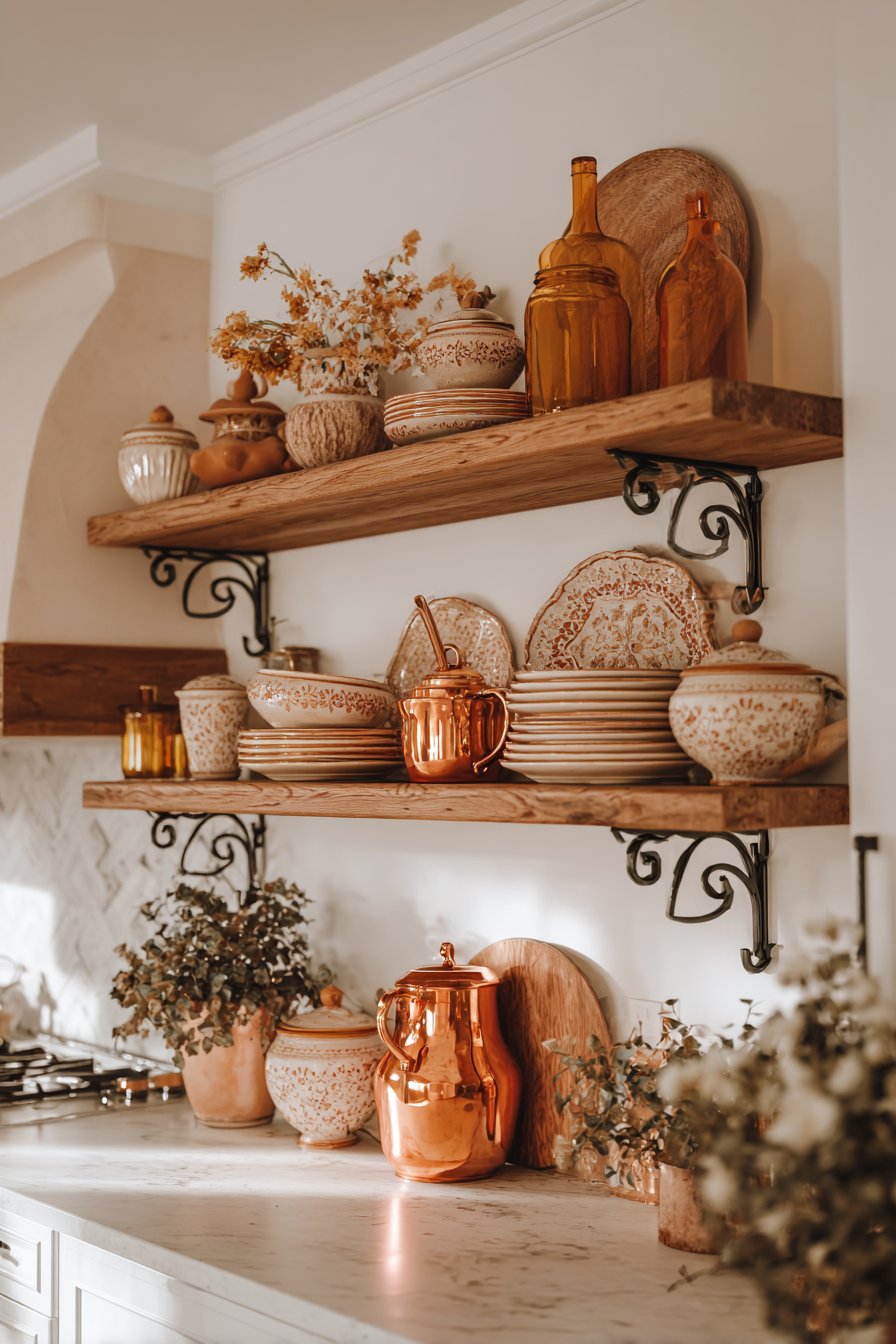
The functional benefits of open shelving include easier access to frequently used items and natural inventory management through visibility. This storage method encourages intentional curation of kitchen items, as everything remains on display. Homeowners tend to keep only pieces they truly love and use, resulting in more thoughtful, less cluttered spaces.
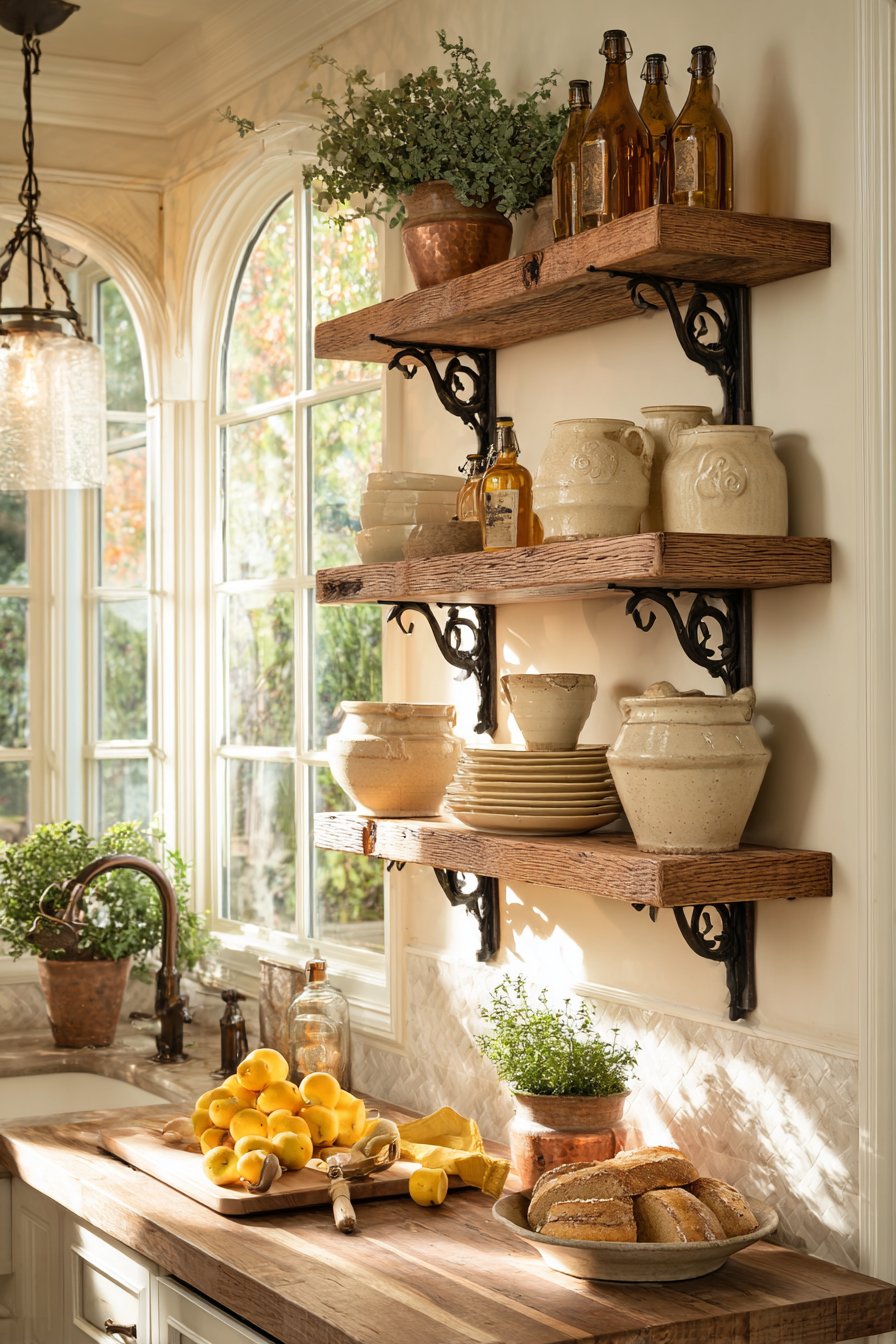
Styling open shelves requires balancing aesthetics with functionality through thoughtful arrangement and regular maintenance. Vintage-inspired shelving brackets in materials like wrought iron or brass add architectural detail while supporting display items. This storage solution works particularly well for showcasing heirloom pieces and vintage finds that deserve prominence rather than hiding behind closed doors.
- Install shelves at varied heights for visual interest and functionality
- Group items by color or type for cohesive, organized appearance
- Include lighting underneath shelves to highlight displayed items
- Mix closed and open storage for balance between display and concealment
- Choose durable shelving materials that support weight safely
- Rotate displayed items seasonally to maintain fresh appearance
6. Vintage Lighting Fixtures
Period lighting serves as jewelry for kitchen spaces, drawing the eye upward and establishing mood through carefully considered illumination. Vintage-inspired pendants, schoolhouse globes, and industrial cage lights reference specific historical eras while providing essential task and ambient lighting. These fixtures feature substantial construction and quality materials that modern mass-produced alternatives often lack.
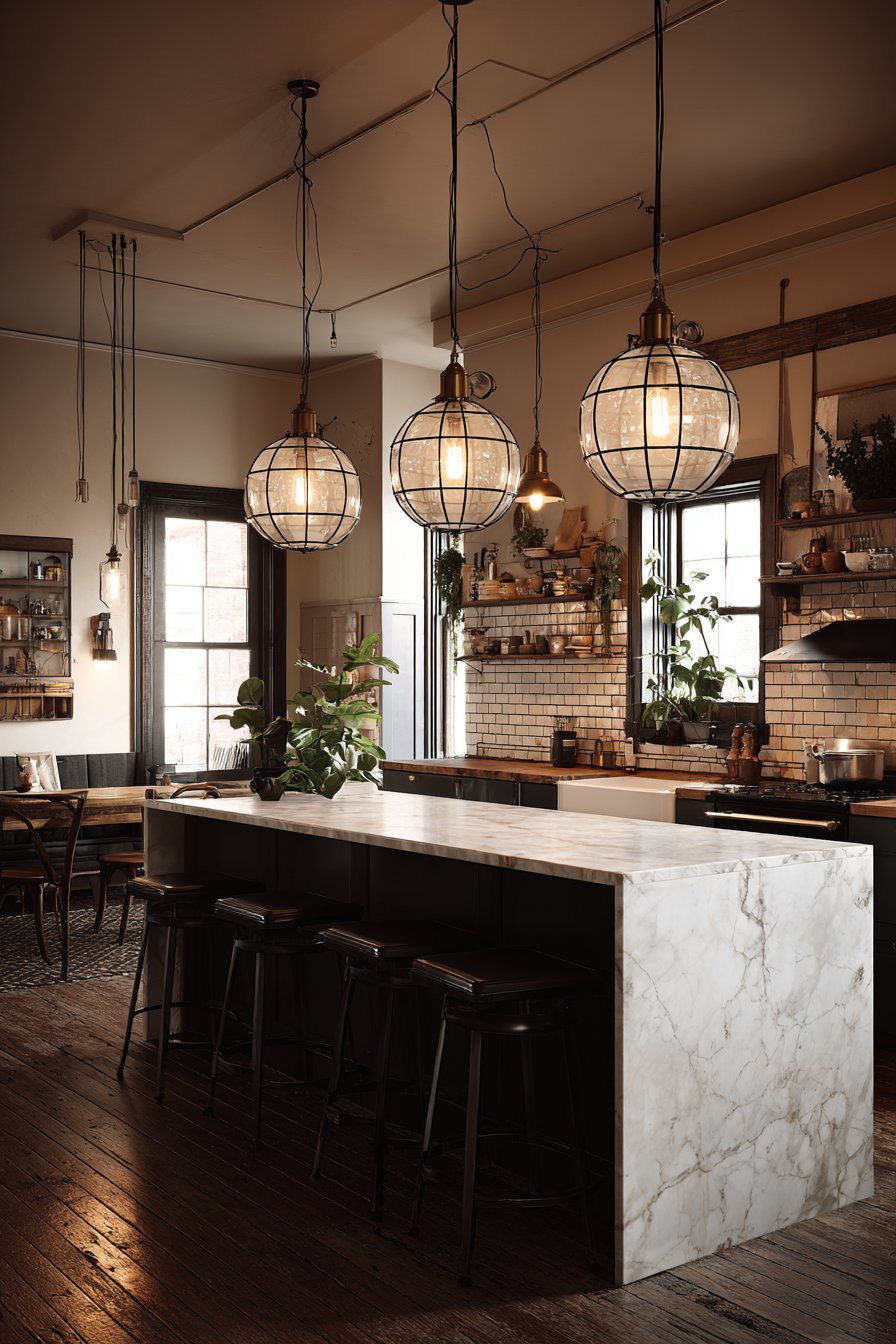
The scale and presence of vintage lighting creates dramatic impact in kitchen designs, particularly when multiple pendants hang over islands or dining areas. Edison bulbs visible through clear glass shades emphasize the handcrafted nature of vintage fixtures while providing warm, flattering light. Mixing different vintage lighting styles within one kitchen adds layered interest when unified by finish or era.
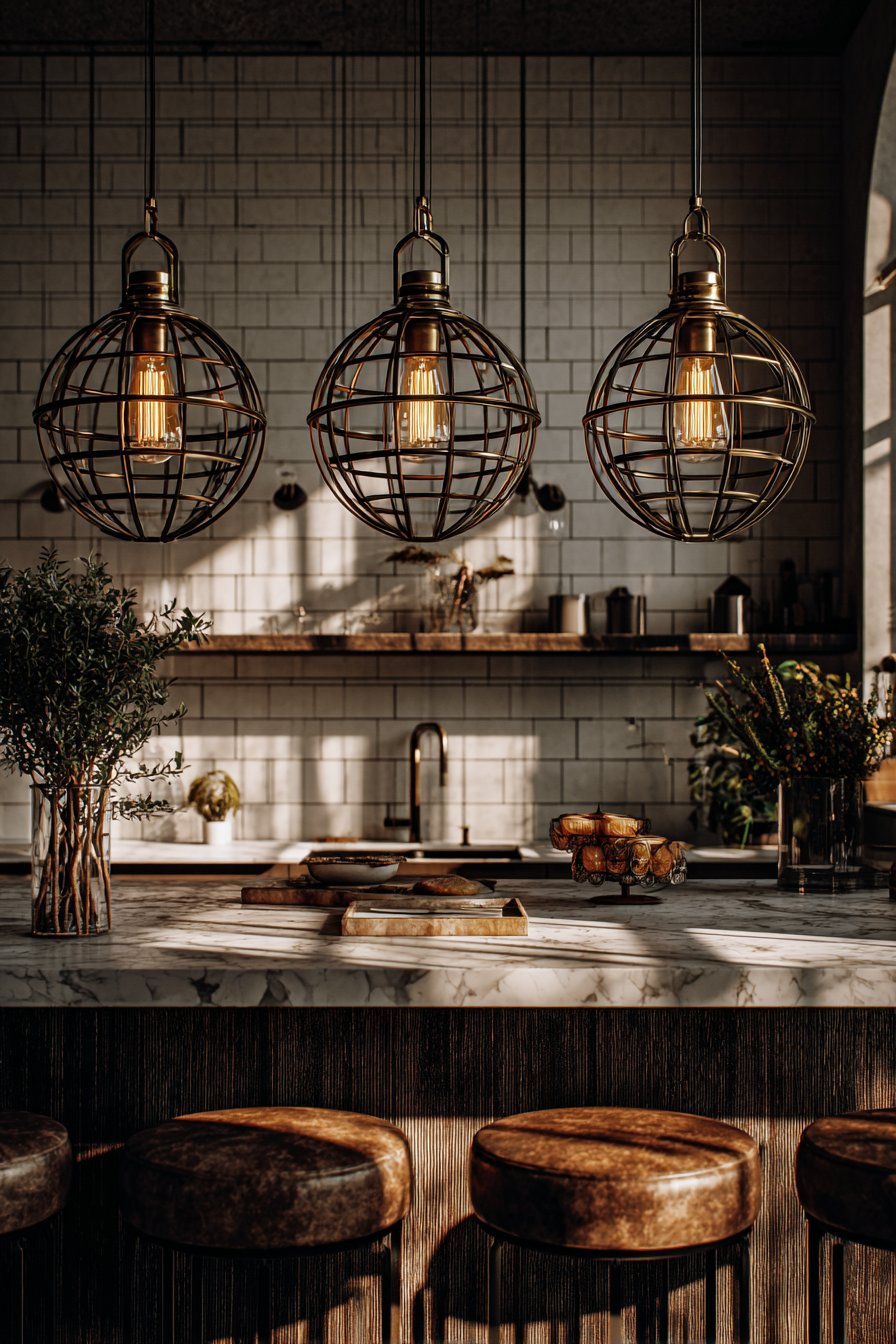
Authentic vintage lighting fixtures offer unique character impossible to replicate through reproduction pieces, though quality reproductions provide reliable electrical safety and warranty protection. The hunt for perfect vintage lights becomes part of the design journey, connecting homeowners to antique markets, architectural salvage yards, and specialized dealers. Each discovered piece brings its own history into the home.
- Verify vintage fixtures meet current electrical codes and safety standards
- Have antique lights professionally rewired before installation
- Choose bulb temperatures that complement kitchen color palette
- Scale fixture size appropriately to ceiling height and island dimensions
- Consider dimmer switches for vintage fixtures to control ambiance
- Clean glass shades regularly to maintain brightness and clarity
Conclusion
The vintage kitchen revival demonstrates that great design transcends temporary trends, with timeless elements continuing to resonate across generations. By incorporating retro appliances, reclaimed materials, classic colors, farmhouse sinks, open shelving, and period lighting, homeowners create spaces that honor the past while serving contemporary needs. These choices reflect values of sustainability, craftsmanship, and authenticity that modern consumers increasingly prioritize.
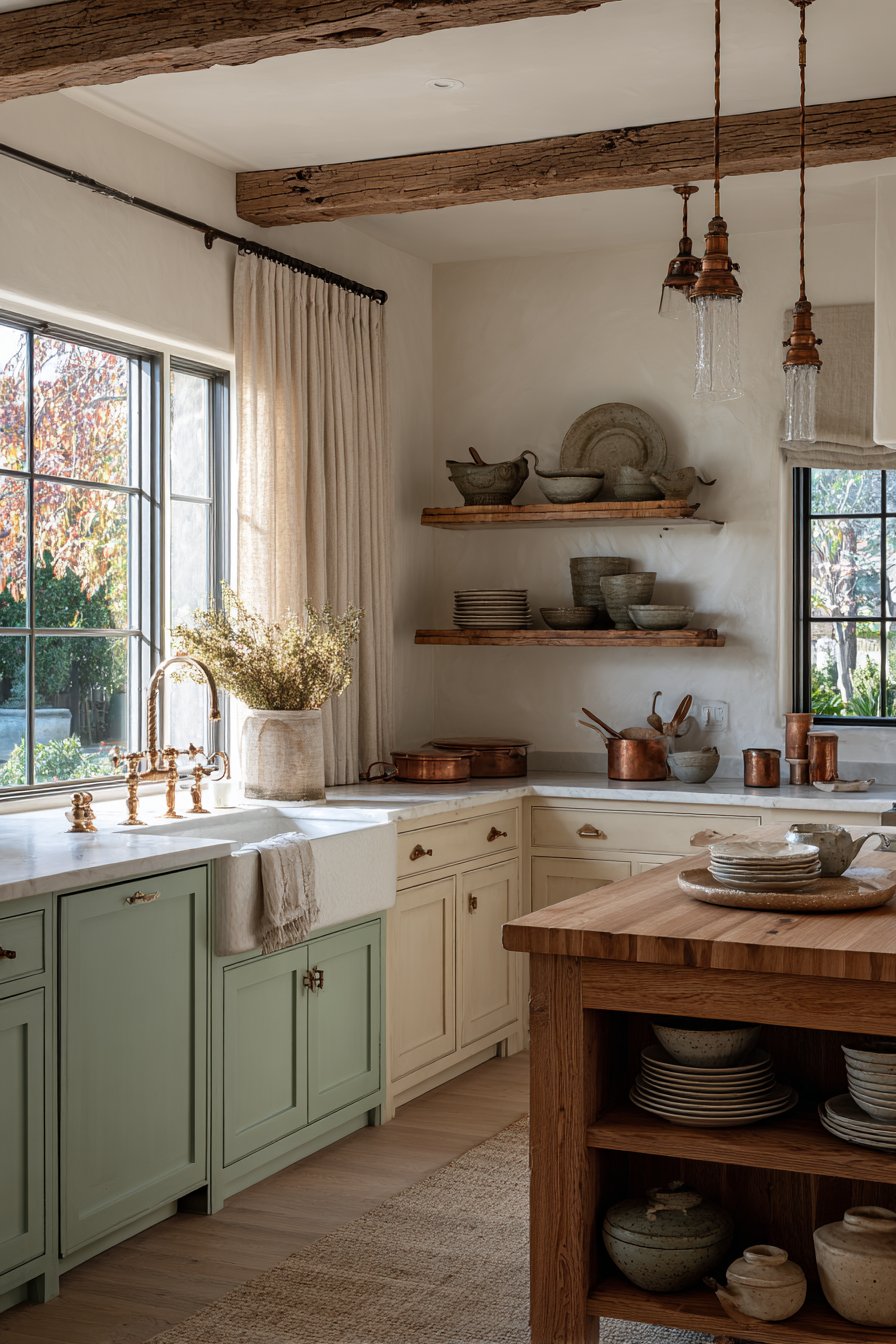
Experimenting with vintage elements in your own kitchen doesn’t require complete renovations—start with small changes like swapping hardware, adding open shelves, or introducing vintage lighting. Each authentic piece you incorporate adds layers of character and soul that make your kitchen uniquely yours. Embrace the imperfections, celebrate the history, and create a kitchen that tells your story while standing the test of time.
