


Designing a teenager’s bedroom presents a unique challenge that every parent faces at some point. Unlike children’s rooms with cartoon characters and bright primary colors, teen spaces need to balance youthful energy with sophisticated style. The key is creating an environment that feels current today while remaining relevant tomorrow.
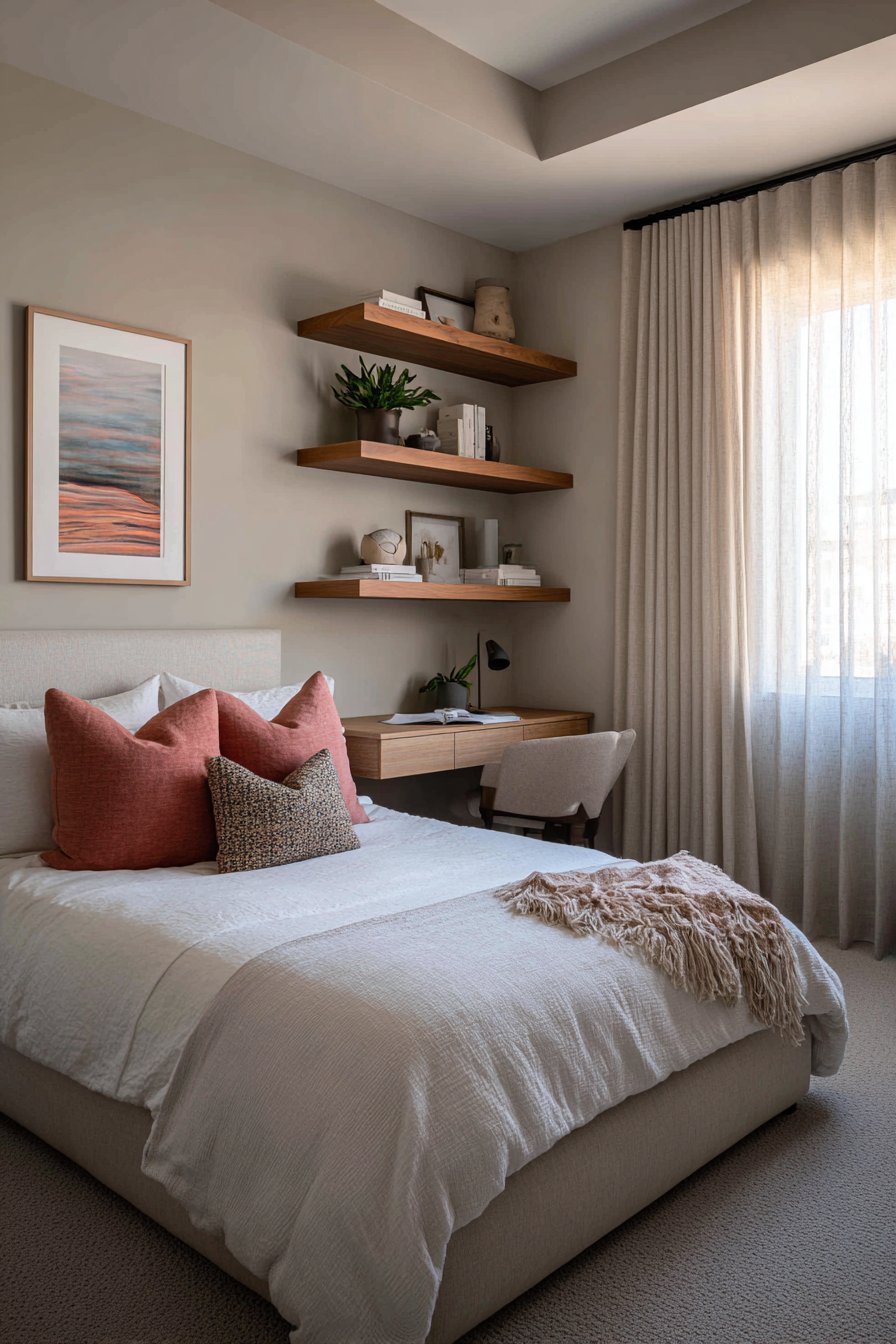
A well-designed teen bedroom serves multiple purposes beyond just sleeping. It’s their study sanctuary, social hub, and personal retreat all rolled into one. As teenagers rapidly evolve in their tastes and needs, their living space must adapt accordingly. The solution lies in implementing flexible design strategies that accommodate growth without requiring complete overhauls every few years.
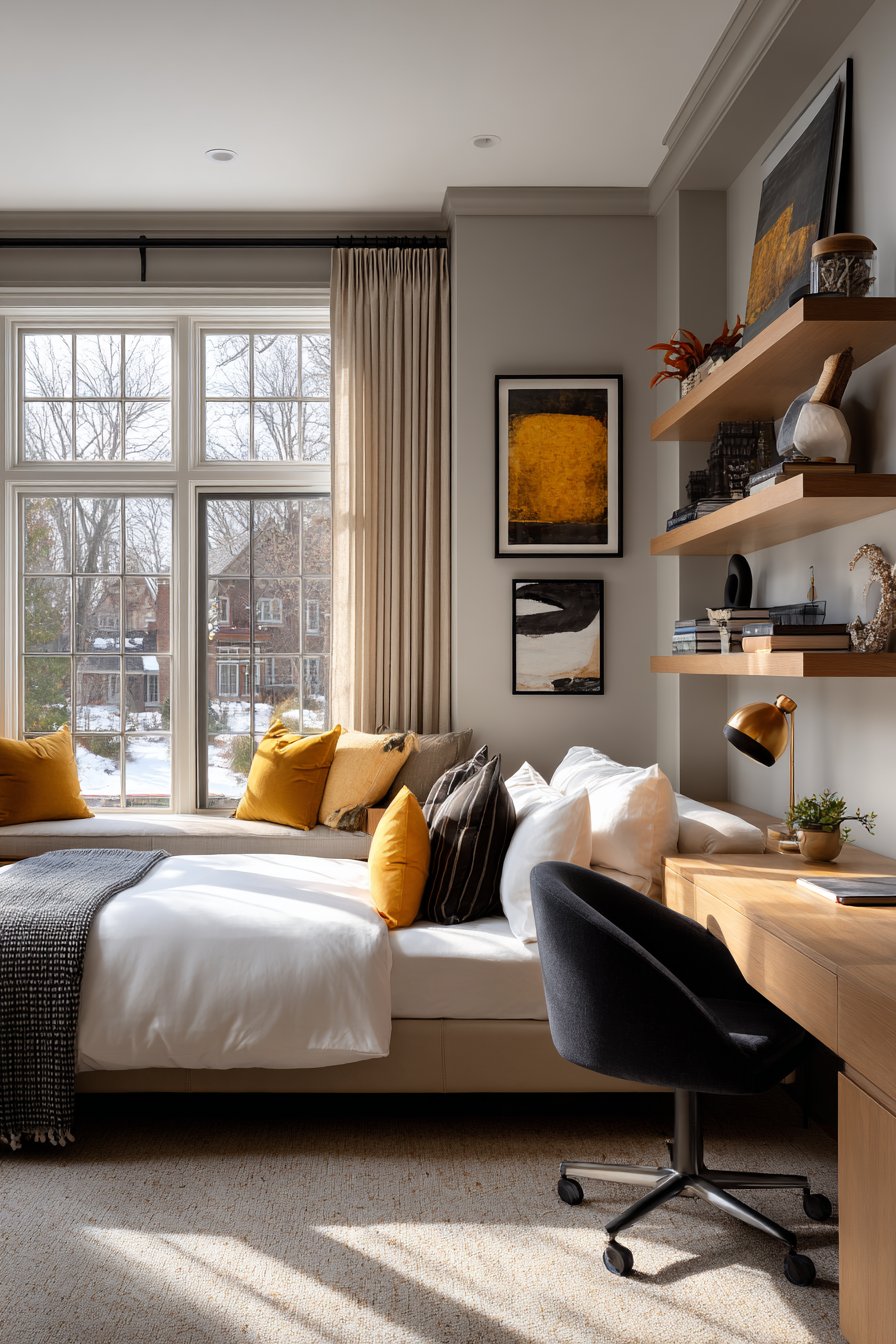
This article explores seven essential tips for creating teen bedrooms that successfully transition through the turbulent years. These strategies focus on timeless foundations with adaptable elements, ensuring the space remains functional and appealing from middle school through college and beyond. Let’s dive into practical approaches that respect both budget constraints and the ever-changing nature of teenage life.
1. Choose Neutral Base Colors With Personality
The foundation of any long-lasting teen bedroom starts with a neutral color palette. Whites, grays, beiges, and soft taupes create a sophisticated canvas that won’t feel dated in two years. These base colors provide the flexibility needed for evolving tastes without requiring expensive repainting projects.
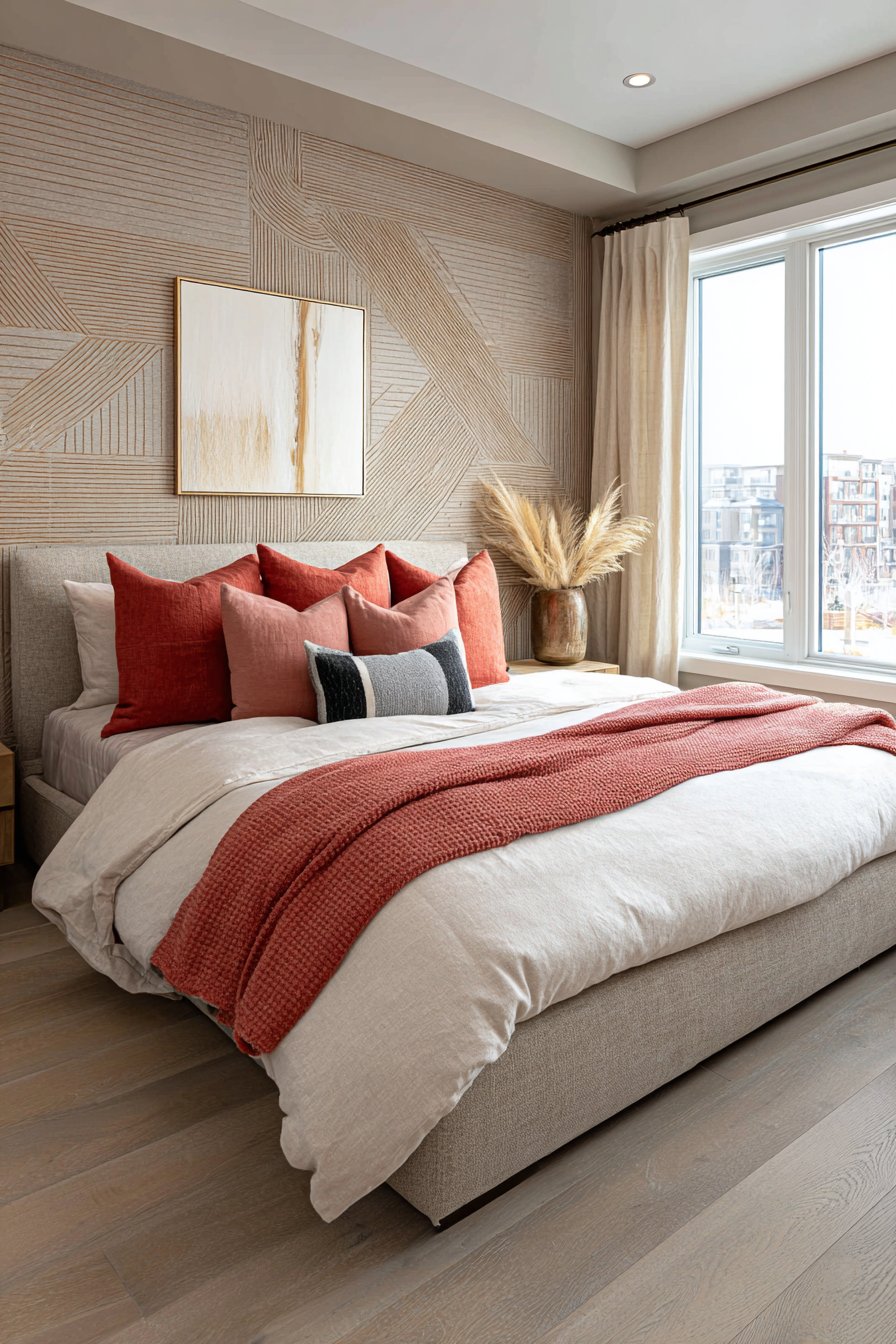
The beauty of neutral walls lies in their versatility. Your teen can express themselves through easily changeable accents like bedding, artwork, and accessories. A gray wall remains stylish whether paired with vibrant throw pillows or minimalist decor. This approach also makes the transition to young adulthood seamless, as neutral tones appeal across age ranges.
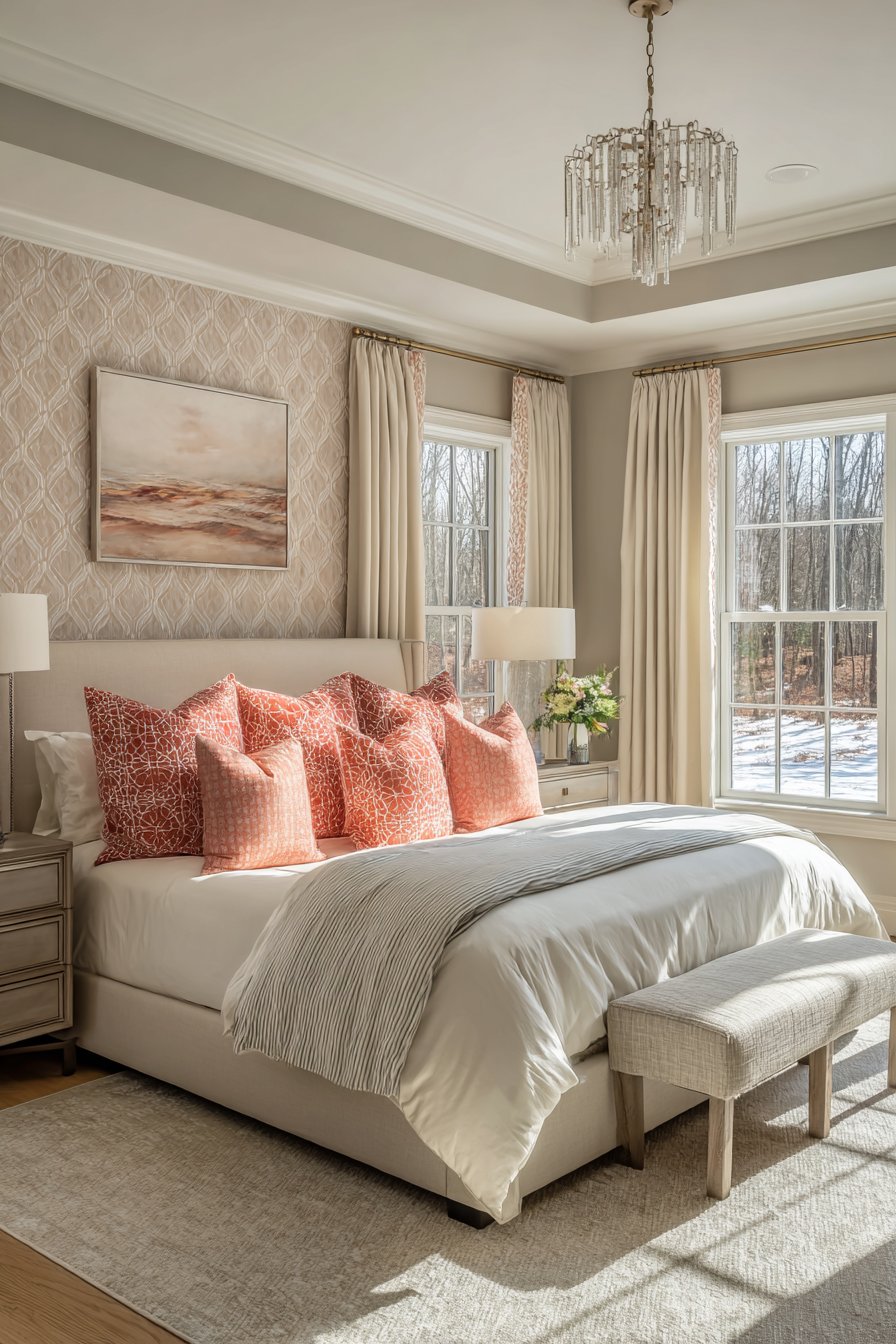
Consider adding depth through texture rather than bold color. Textured wallpaper or a subtle accent wall in the same color family adds visual interest while maintaining flexibility. The neutral foundation allows for personality without commitment, giving teens the freedom to experiment with trends through temporary elements instead.
- Select paint colors in the warm gray or greige family for maximum versatility
- Use removable wallpaper on one accent wall for easy updates
- Invest in quality neutral flooring that complements multiple color schemes
- Choose window treatments in timeless fabrics like linen or cotton
- Consider ceiling color carefully—soft whites keep spaces feeling open
- Test paint samples in different lighting conditions before committing
2. Invest in Quality, Adaptable Furniture
Furniture represents the largest expense in bedroom design, making strategic investment crucial. Choose pieces that transition seamlessly from teenage years into young adulthood. A full or queen-sized bed accommodates growth spurts and remains appropriate for college dorm alternatives or first apartments.
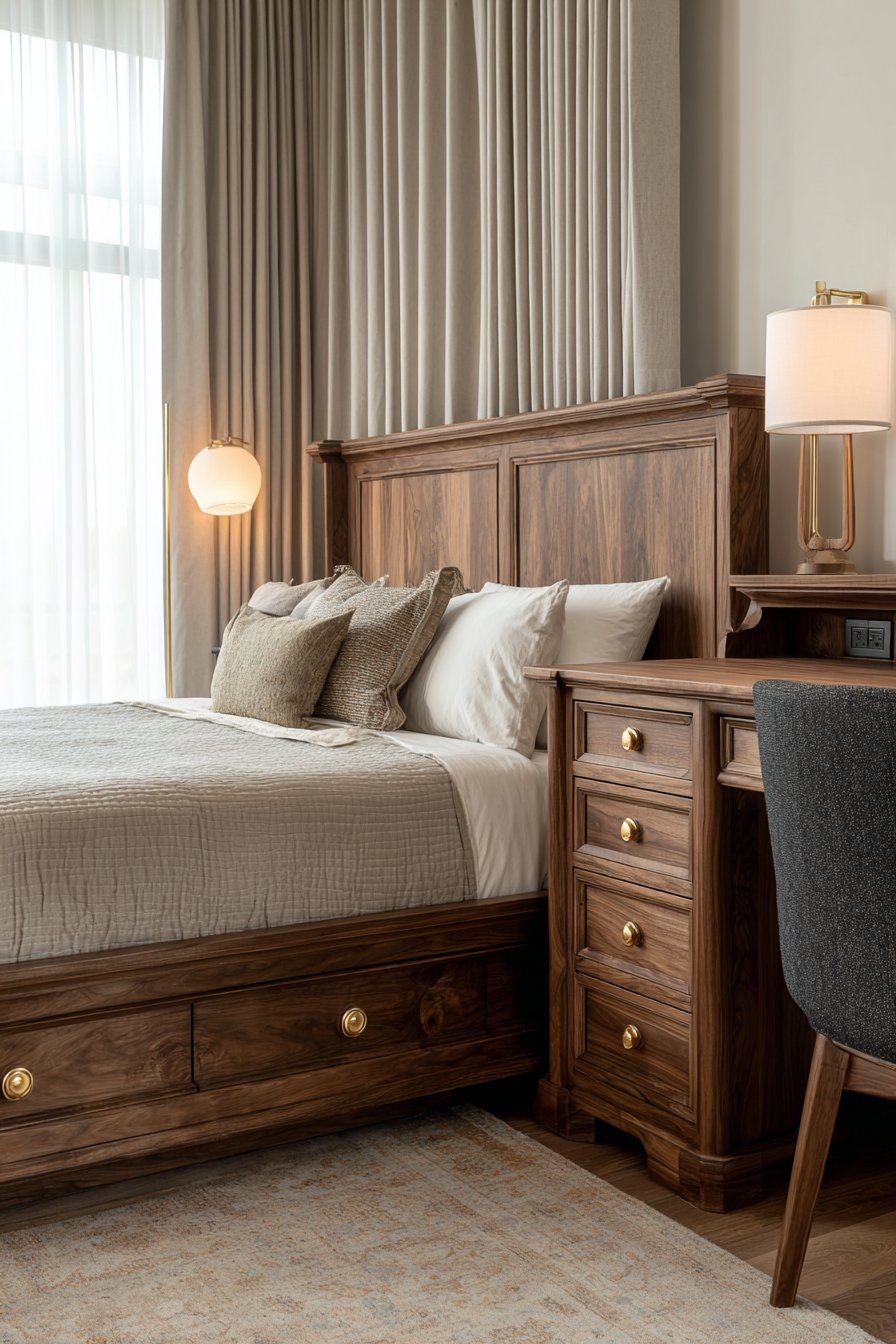
Look for furniture with clean, timeless lines rather than trendy designs. A classic dresser or desk outlasts fads and adapts to changing decor styles. Solid wood construction, while more expensive initially, provides durability and longevity that particle board simply cannot match. Quality pieces also retain value for resale or repurposing.
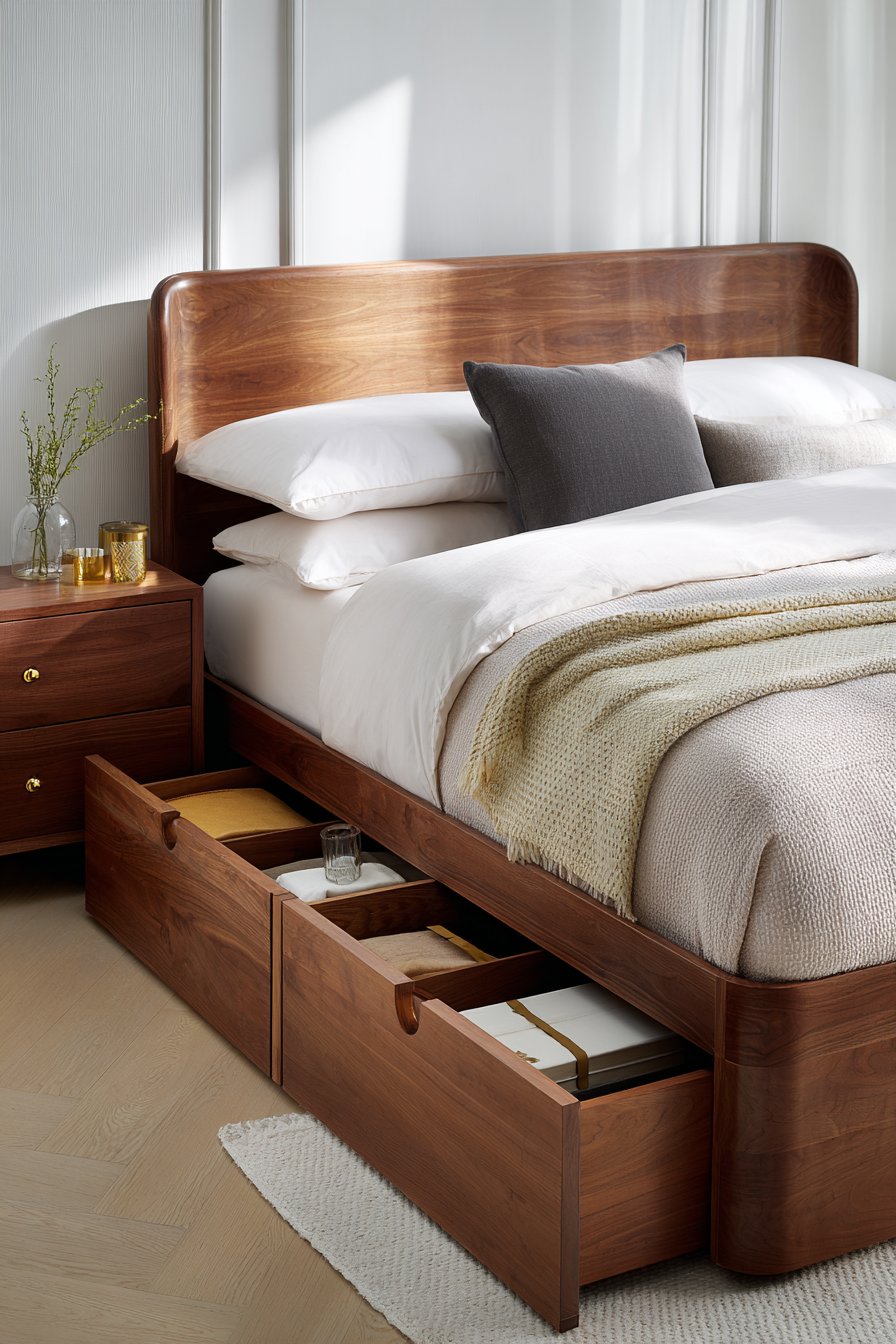
Multi-functional furniture serves double duty in teen spaces. Storage beds with built-in drawers eliminate the need for additional furniture pieces. A desk with ample storage evolves from homework station to professional workspace. Consider modular systems that reconfigure easily as needs change, offering maximum flexibility throughout the teenage years.
- Prioritize solid wood or quality engineered wood over particleboard
- Choose adjustable desk chairs that accommodate height changes
- Select dressers with removable hardware for easy style updates
- Invest in sturdy bed frames that support different mattress types
- Look for desks with cable management for evolving technology needs
- Consider convertible furniture like futons or daybeds for guest flexibility
3. Create Flexible Storage Solutions
Teenagers accumulate possessions at an alarming rate, making adequate storage essential. The key is creating systems that adapt to changing interests and belongings. Modular shelving units allow for reconfiguration as storage needs shift from toy collections to textbooks to professional wardrobes.
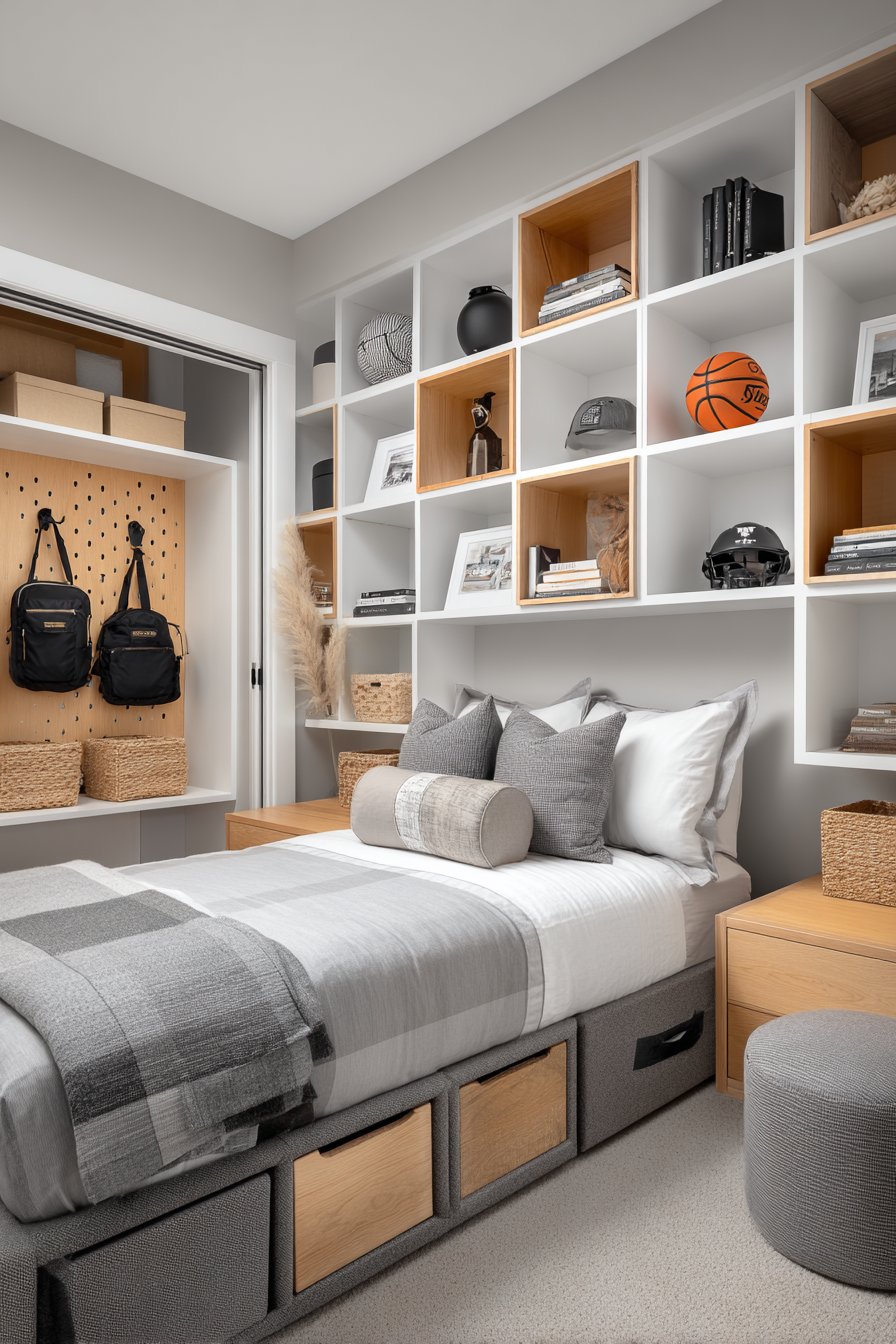
Vertical storage maximizes limited square footage. Floor-to-ceiling shelves or tall bookcases utilize often-wasted wall space. Floating shelves offer flexibility—add more as needed without major renovations. These solutions accommodate everything from sports equipment to art supplies, adapting as hobbies and interests evolve over time.
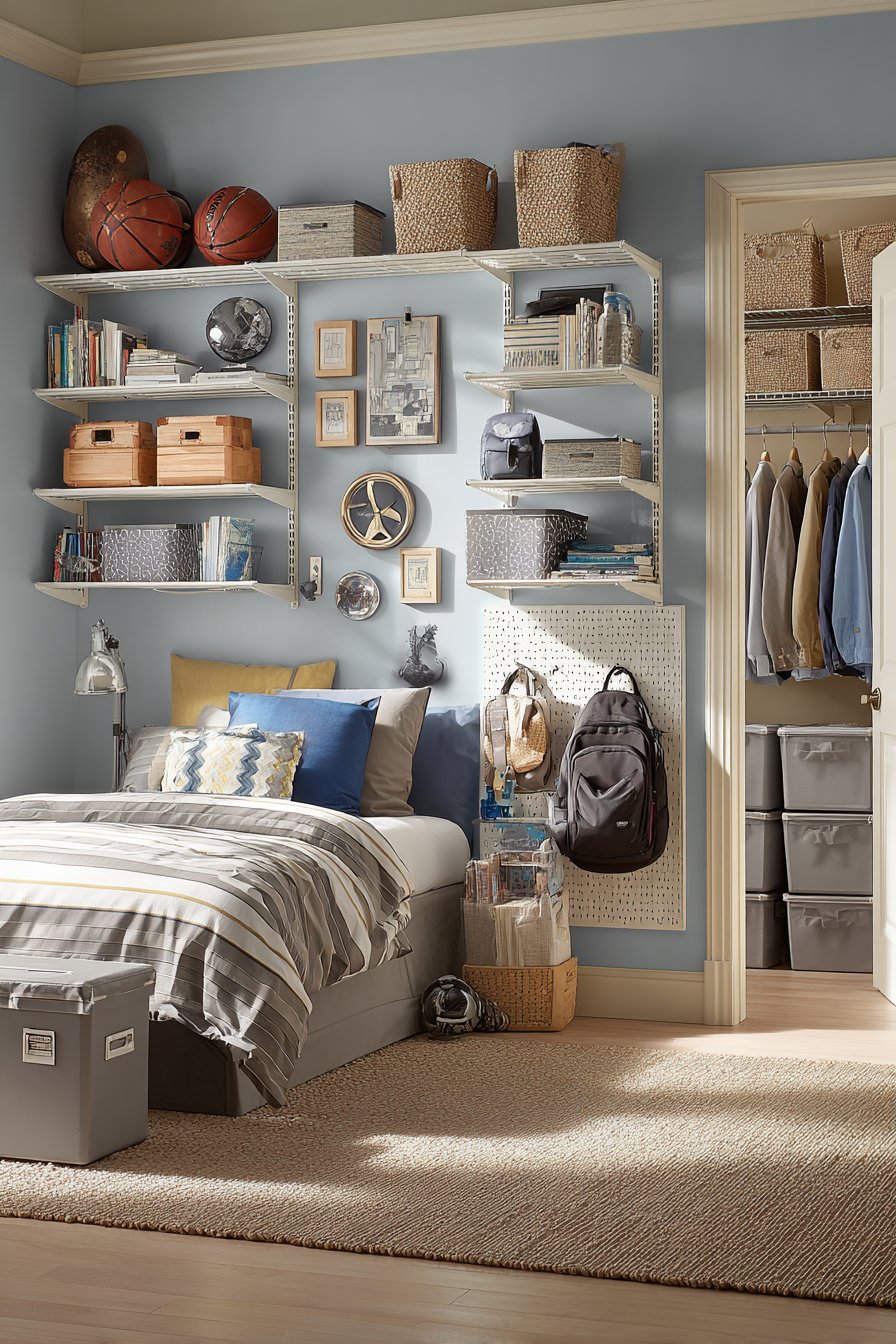
Closed storage prevents visual clutter while open shelving displays personality. Combining both types creates functional balance in the room. Use attractive storage boxes or baskets on open shelves to hide less photogenic items while maintaining accessibility. This approach keeps the space organized while allowing for personal expression through displayed collections.
- Install adjustable shelving systems that grow with changing needs
- Use under-bed storage containers for seasonal items or extra linens
- Incorporate closet organization systems that maximize hanging and folding space
- Choose storage ottomans or benches for seating with hidden storage
- Add hooks and pegboards for flexible wall storage options
- Label storage containers clearly for easy organization maintenance
4. Design Dedicated Zones for Multiple Activities
Teen bedrooms must accommodate diverse activities within limited space. Creating distinct zones helps organize the room functionally. A dedicated study area with proper lighting and minimal distractions supports academic success. This workspace should feel separate from the sleeping area to promote better focus.
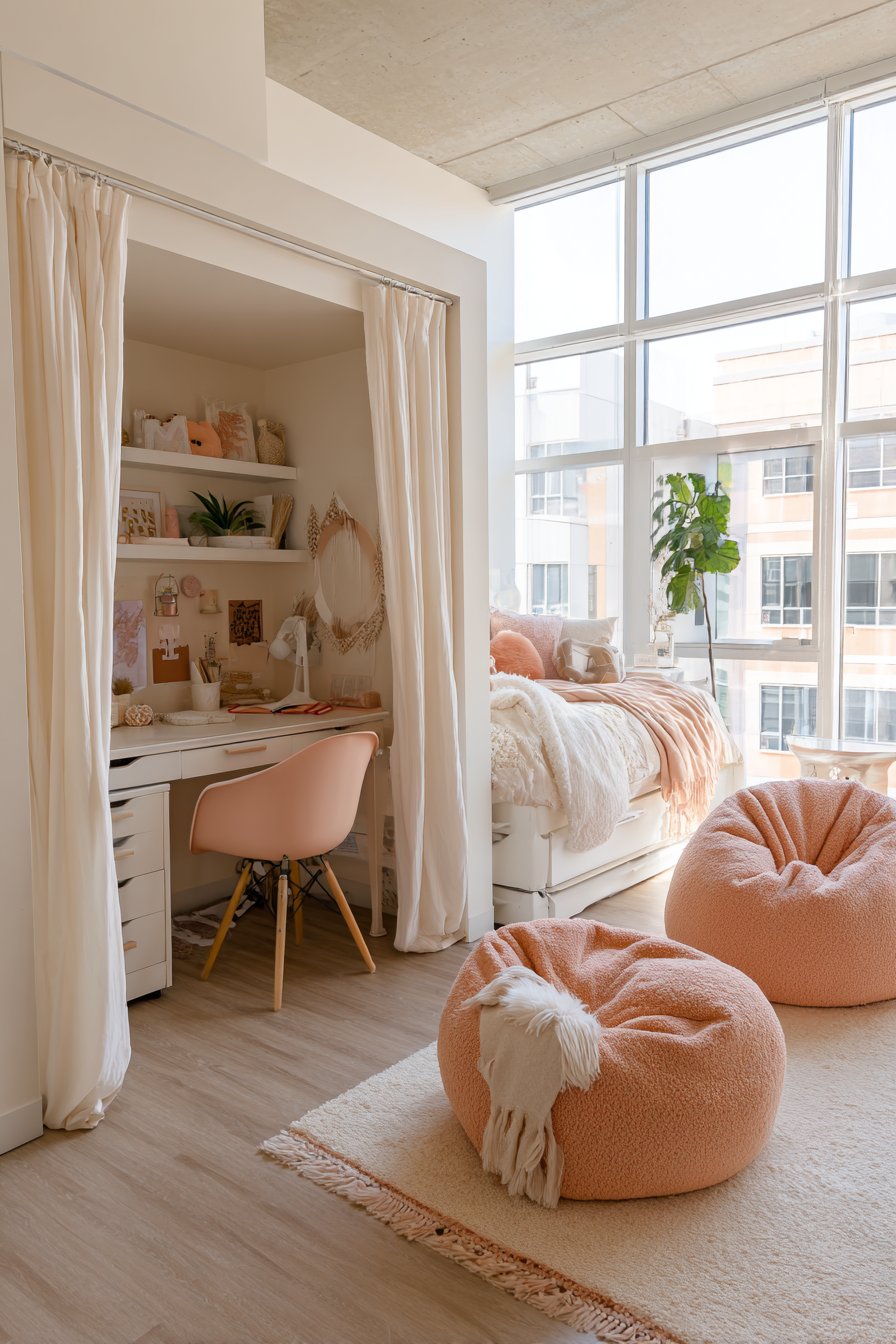
The sleeping zone requires careful consideration beyond just the bed. Blackout capabilities and comfortable temperature control contribute to healthy sleep habits. Keep this area free from electronic distractions when possible. A reading nook or relaxation corner provides a third zone for downtime without screen involvement.
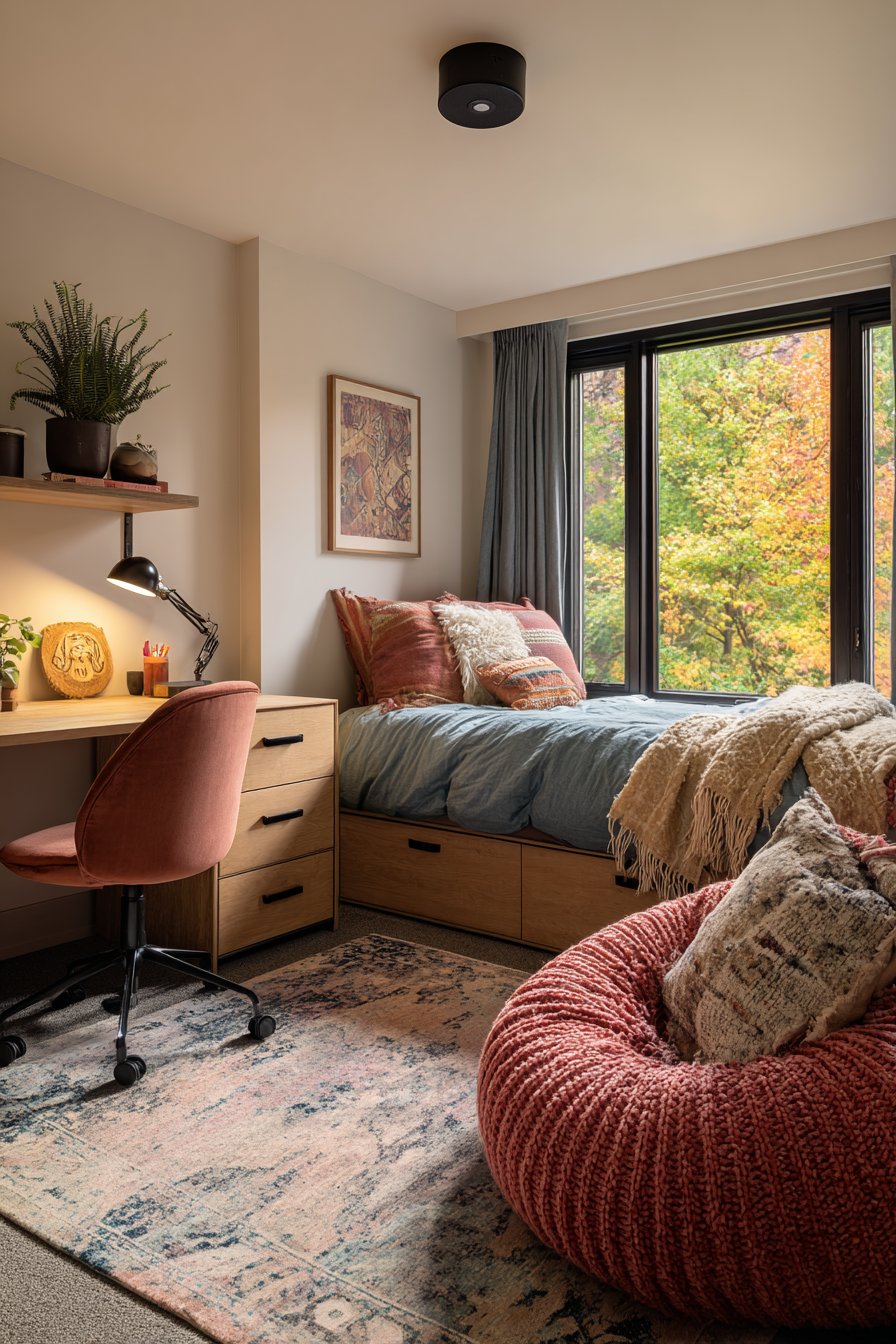
Social space matters too, even if limited. Floor cushions or a small seating area accommodates friends without overcrowding. These zones don’t need physical barriers—strategic furniture placement and lighting variations create psychological separation. As teens mature, these zones adapt from homework and hangouts to professional development and self-care practices.
- Position the desk near natural light sources for optimal studying conditions
- Create separation between sleep and work areas using furniture arrangement
- Install task lighting at the desk and ambient lighting elsewhere
- Use area rugs to visually define different zones within the space
- Ensure the study zone has adequate electrical outlets for devices
- Keep the sleeping area minimal and calming with appropriate window treatments
5. Incorporate Removable and Temporary Decor Elements
Teenagers’ tastes change rapidly, making permanent decor a risky investment. Removable options allow for self-expression without long-term commitment. Peel-and-stick wallpaper transforms walls temporarily, offering trendy patterns that can be changed when interests shift. These products have evolved significantly in quality and appearance.
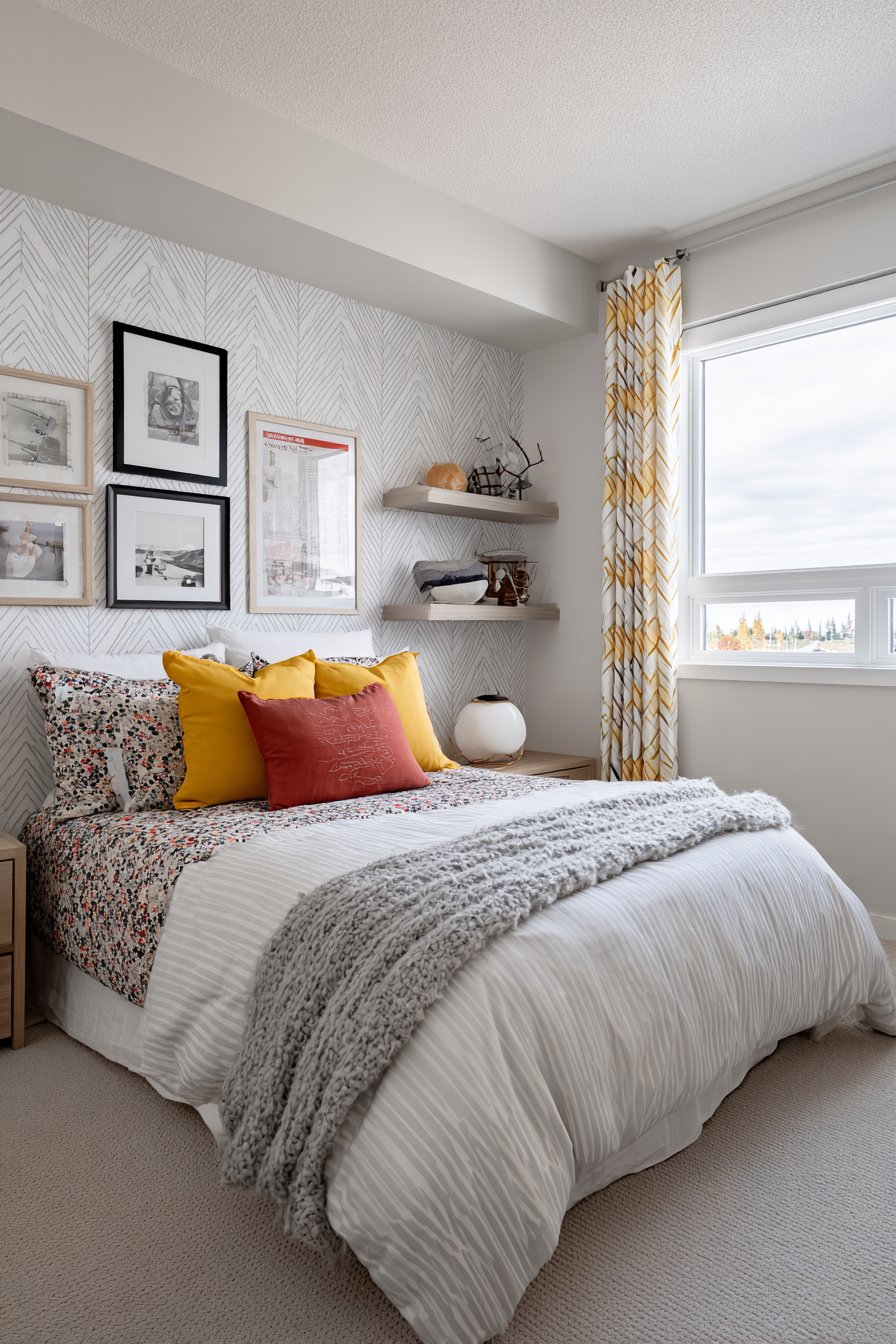
Gallery walls using removable picture hangers showcase personality without damaging walls. Mix framed posters, artwork, and photographs in a curated arrangement. As tastes mature, simply swap out pieces while maintaining the overall layout structure. This approach costs minimal money while providing maximum impact and flexibility.
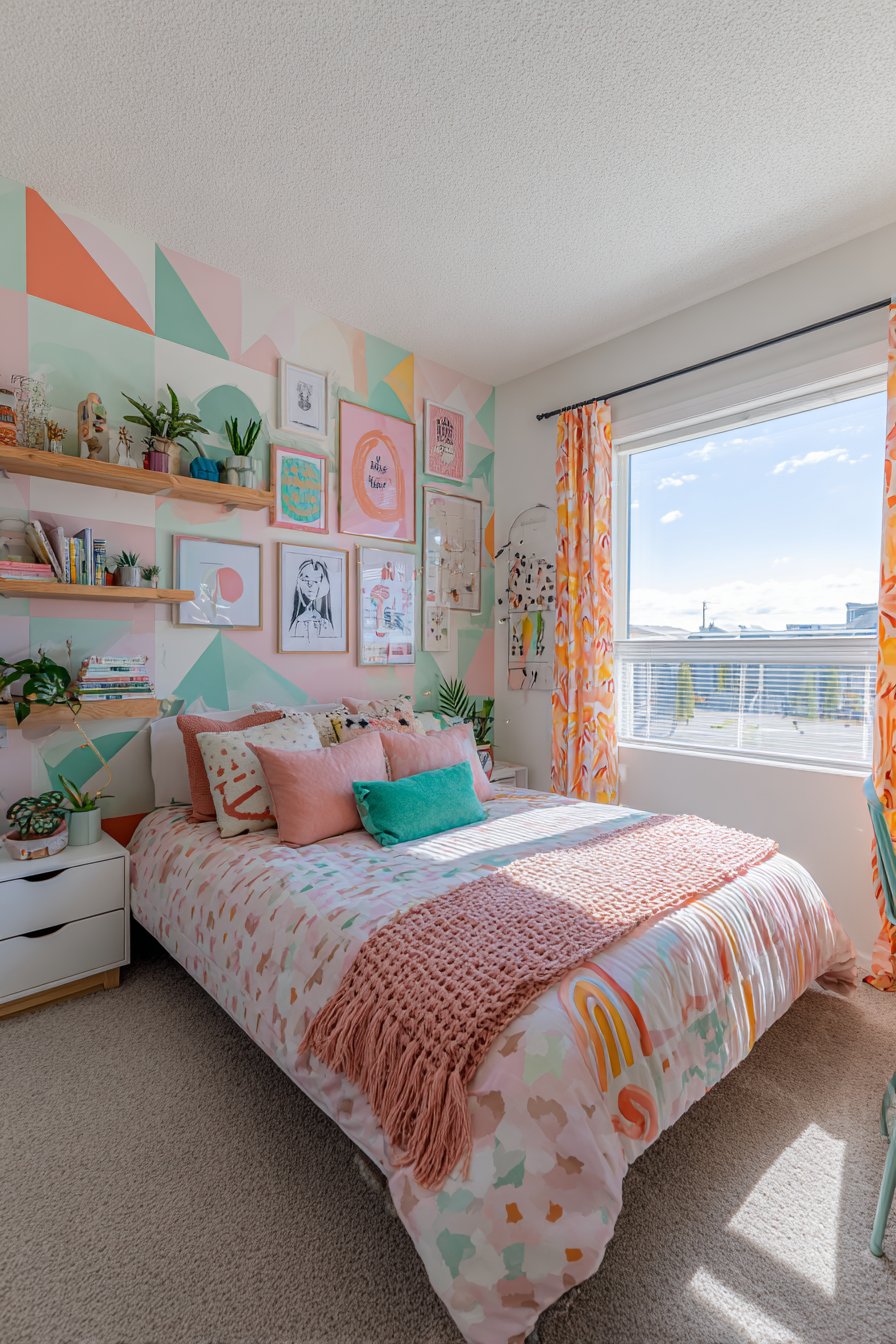
Textile elements offer the easiest updates. Throw pillows, blankets, and curtains inject color and pattern without permanence. A new duvet cover completely transforms the room’s aesthetic for under $100. Consider these items as seasonal updates rather than permanent fixtures, allowing teens to experiment with style while learning valuable design principles.
- Use Command strips or similar products for hanging artwork and decorations
- Change throw pillow covers seasonally for fresh looks without replacing inserts
- Select bed linens in coordinating patterns rather than matching sets
- Display collections on floating shelves that can be easily rearranged
- Use washi tape or removable decals for creative wall designs
- Rotate displayed items regularly to keep the space feeling current
6. Plan for Technology Integration
Modern teen life revolves around technology, requiring thoughtful integration into bedroom design. Adequate charging stations eliminate tangled cords and device searching. Built-in USB outlets or dedicated charging docks keep devices organized and accessible. Consider future technology needs when planning electrical outlet placement.
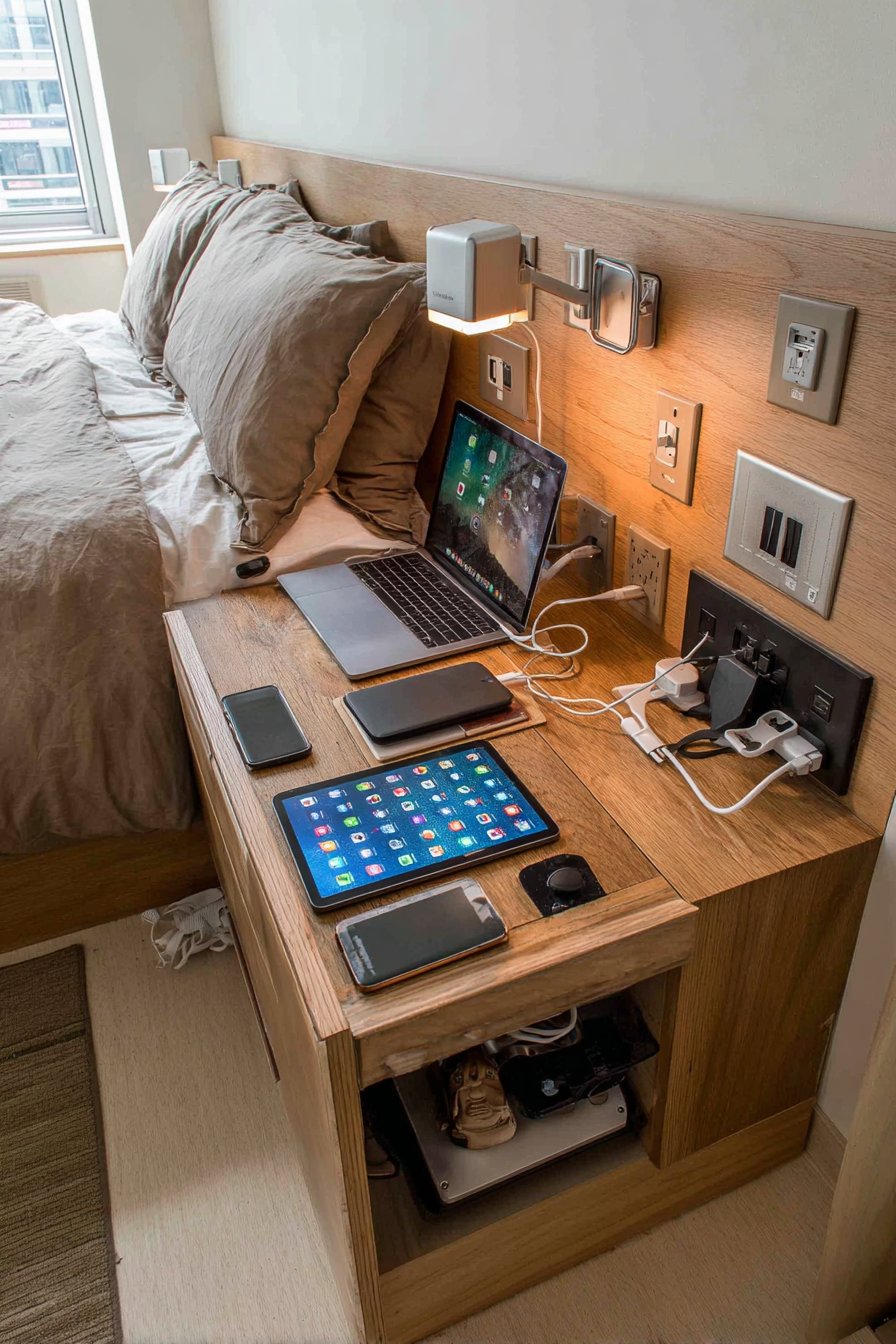
Cable management maintains visual cleanliness despite multiple devices. Cord organizers and cable clips prevent the messy appearance of tangled wires. Desk designs with built-in cable channels hide cords while keeping them accessible. These solutions create a cleaner aesthetic while accommodating laptops, tablets, phones, and gaming equipment.
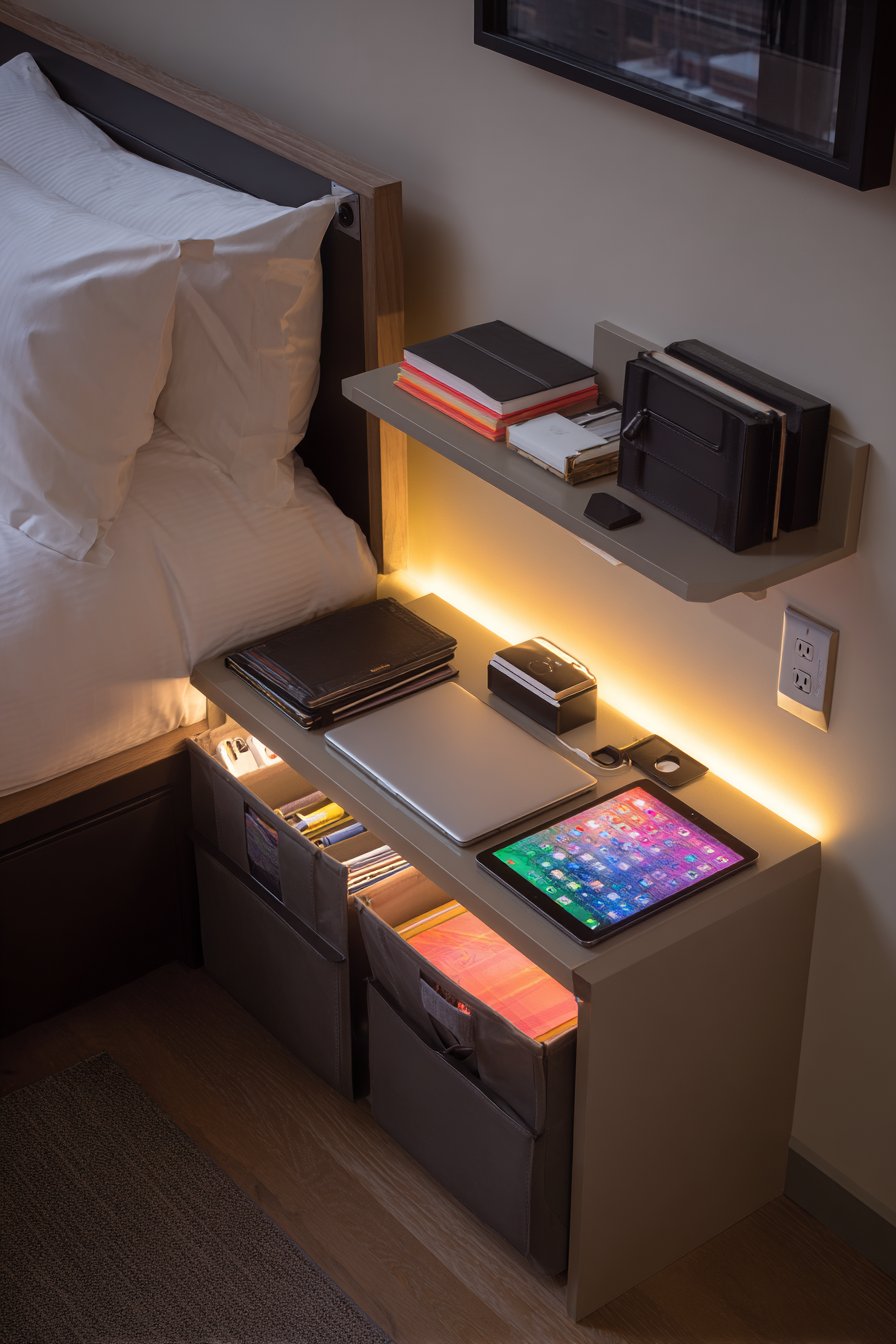
Lighting must support both screen use and eye health. Adjustable task lighting reduces screen glare and eyestrain during study sessions. Consider smart lighting systems that adjust color temperature throughout the day. These programmable options support healthy sleep cycles by reducing blue light exposure in evening hours, promoting better rest.
- Install additional outlets near the desk and bedside for device charging
- Use cable management boxes to hide power strips and excess cords
- Choose desk lamps with USB charging ports for convenience
- Consider wire-free charging pads for compatible devices
- Create a device docking station away from the bed to improve sleep
- Install dimmer switches for adjustable ambient lighting levels
7. Involve Your Teen in the Design Process
The most crucial tip is collaboration. Including teens in design decisions ensures the space reflects their personality while teaching valuable life skills. Discuss budget constraints openly, helping them understand cost-versus-value relationships. This conversation builds financial literacy while managing expectations about what’s achievable.
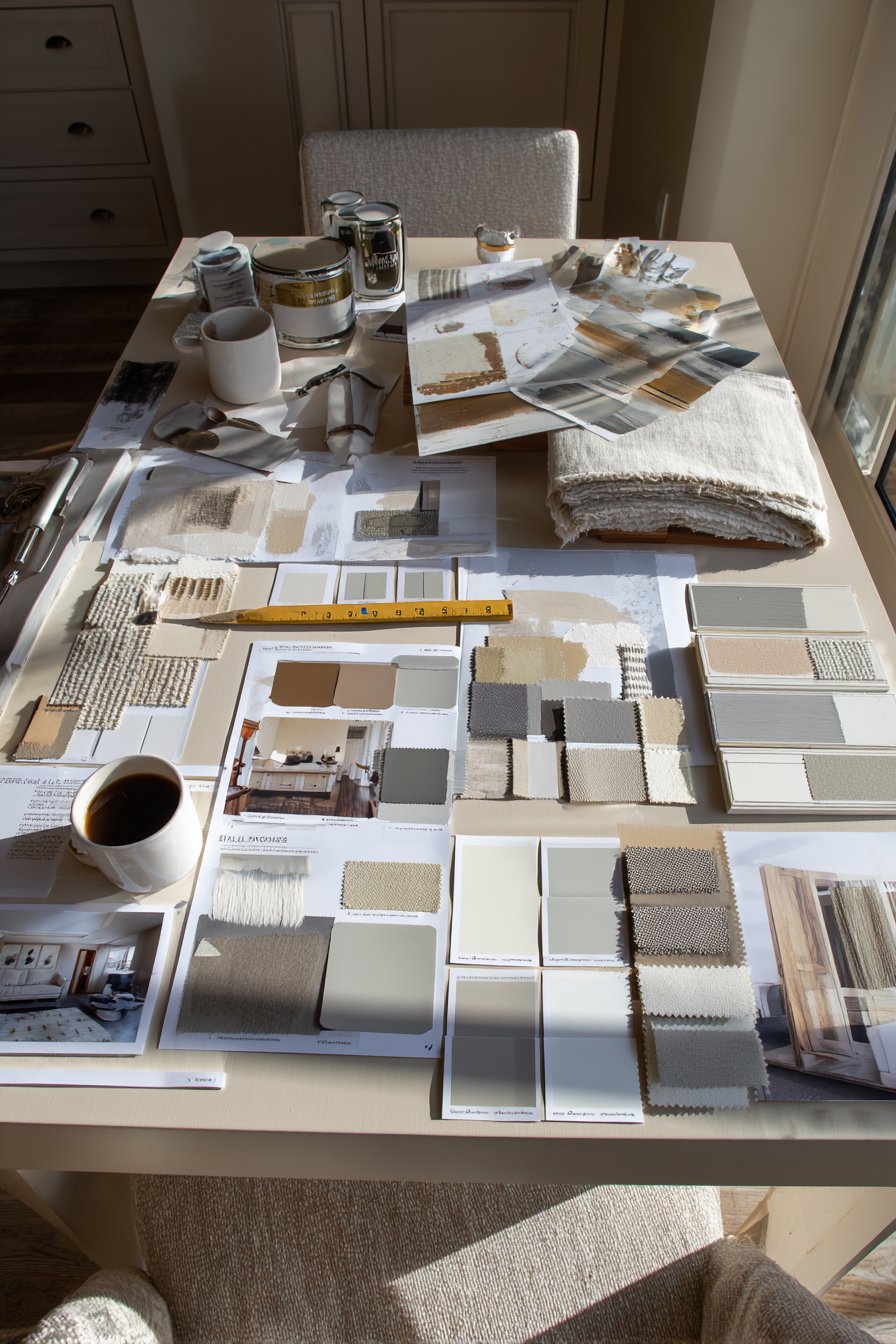
Present options rather than making unilateral decisions. Show three paint colors instead of one, allowing guided choice within acceptable parameters. This approach gives teens ownership while maintaining parental oversight. They’re more likely to respect and maintain spaces they’ve helped create, reducing conflicts about cleanliness and organization.
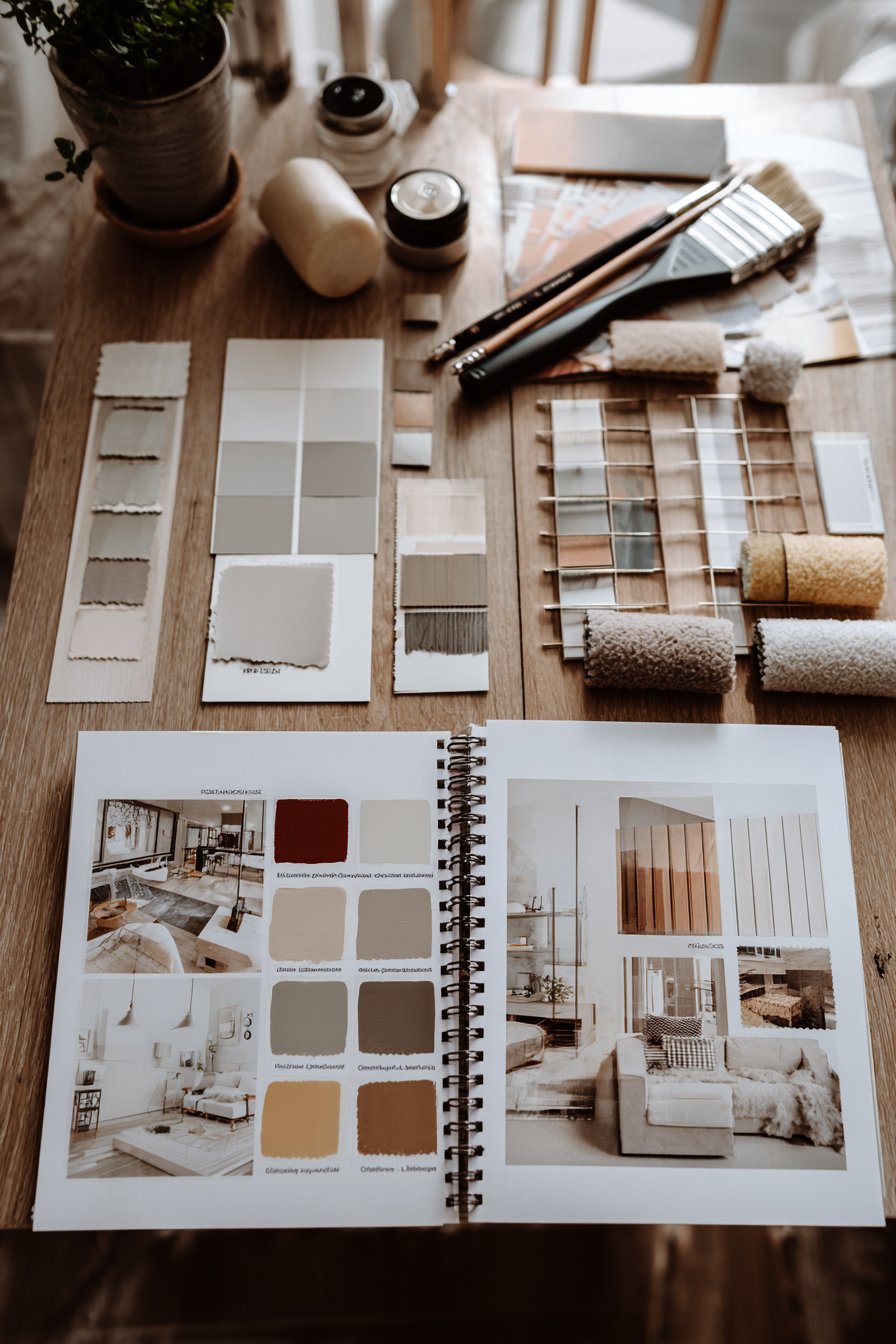
Use this opportunity to teach design principles like balance, proportion, and color theory. Explain why certain choices work better than others, fostering critical thinking. These lessons extend beyond bedroom design into broader life skills. The collaborative process strengthens relationships while creating a space that truly serves its young inhabitant’s needs.
- Set a clear budget together and research costs collaboratively
- Create mood boards using Pinterest or design apps to visualize ideas
- Visit furniture stores together to understand quality differences
- Compromise on elements that matter most to each party
- Establish timelines and priorities for implementing changes
- Celebrate the completed project together to acknowledge their contribution
Conclusion
Designing teen bedrooms that grow with them requires balancing current needs with future flexibility. By choosing neutral foundations, quality furniture, and adaptable storage solutions, you create spaces that evolve gracefully. Remember that involvement in the process teaches valuable lessons while ensuring the result reflects their unique personality.
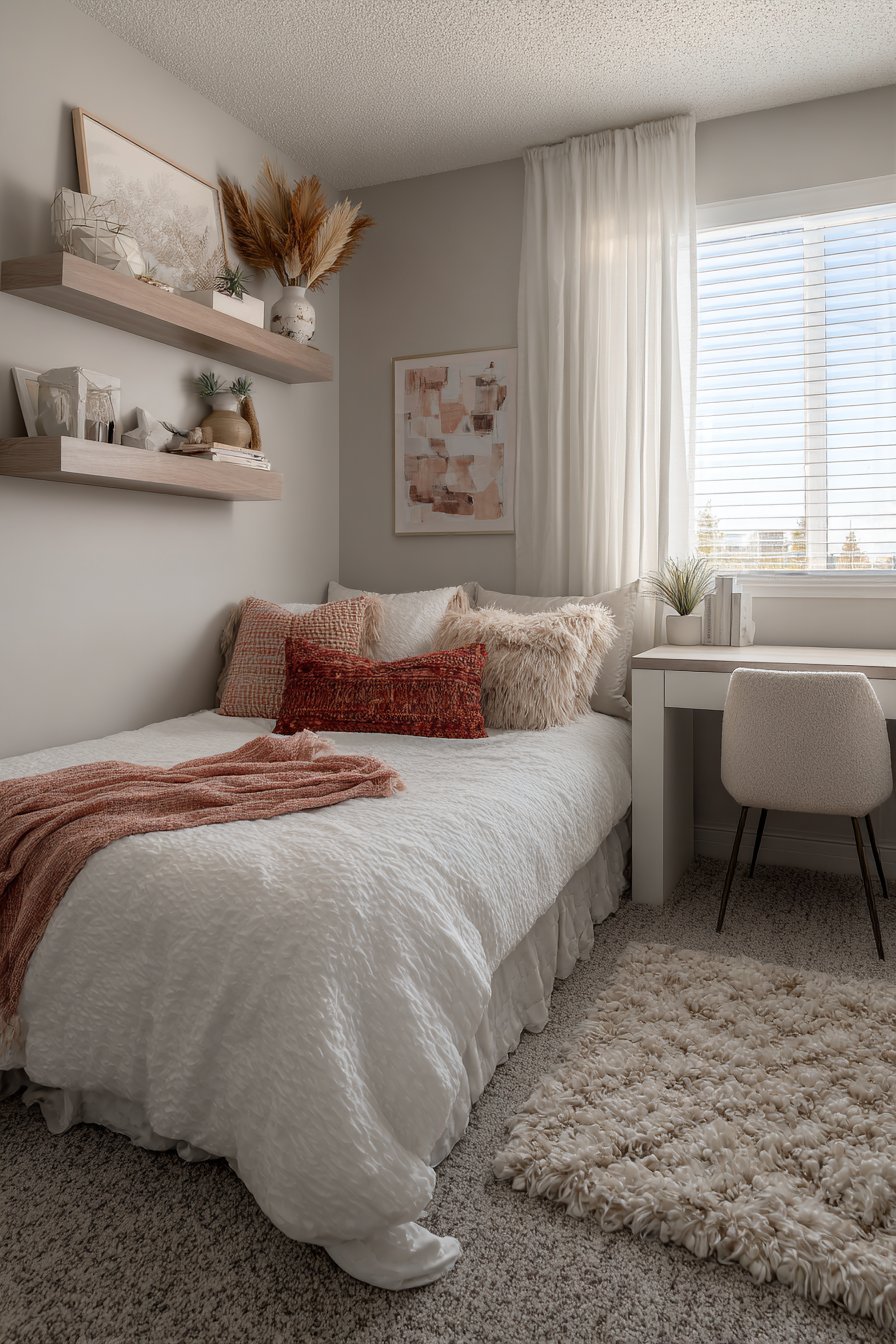
The key is building a timeless framework that accommodates changing tastes through easily updated elements. This approach respects both your budget and your teen’s developing identity. Start implementing these tips today to create a bedroom that successfully transitions from teenage years into young adulthood, serving as a comfortable sanctuary throughout this transformative period.
