


Small kitchens can feel cramped and cluttered without proper organization. The challenge of limited space often leads to frustration and inefficiency in meal preparation. However, with strategic storage solutions, even the tiniest kitchen can become a functional and beautiful space that meets all your culinary needs.
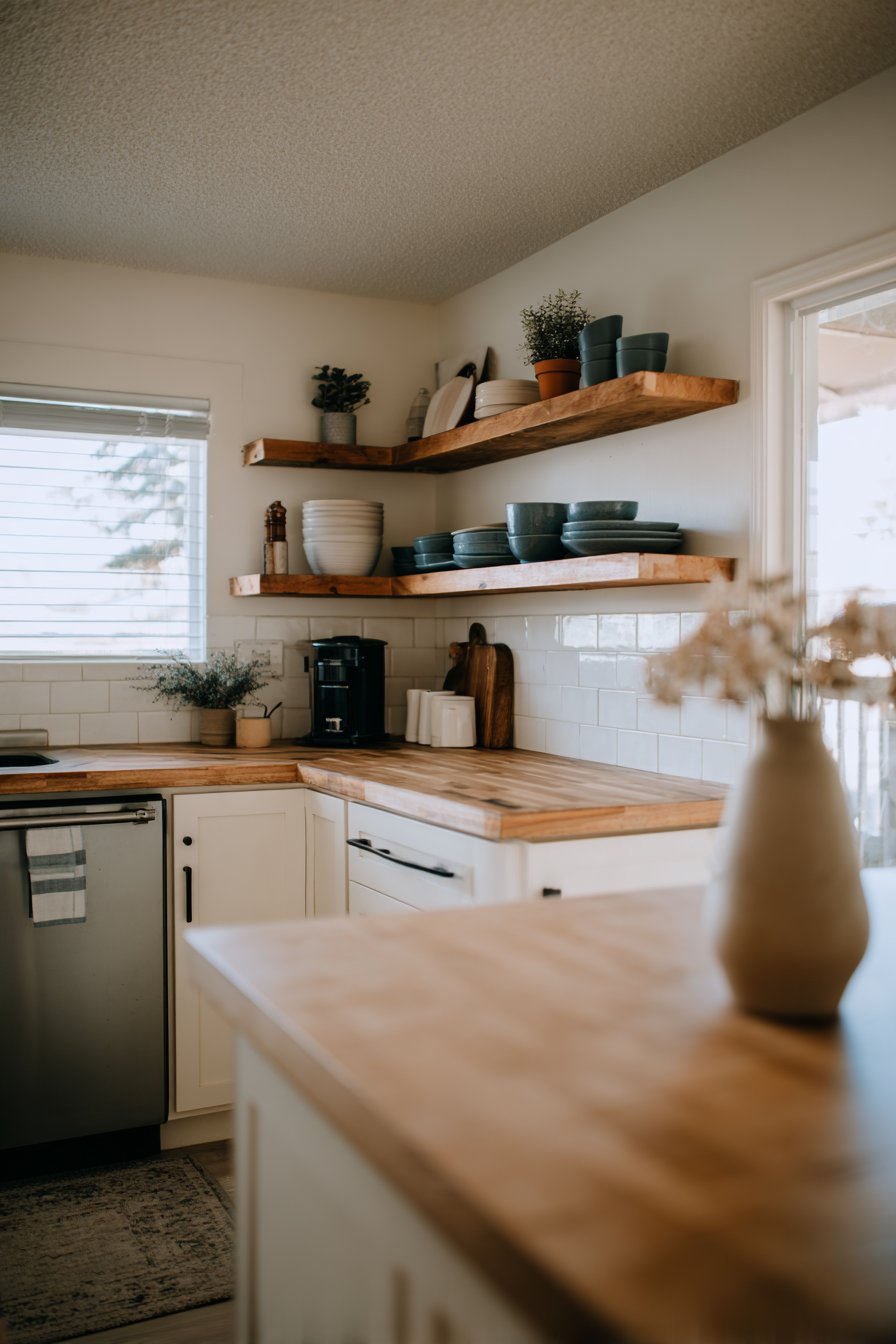
Maximizing storage in a small kitchen requires creativity and smart planning. The key is to utilize every available inch while maintaining a clean aesthetic. From vertical space to hidden compartments, modern design offers countless solutions for compact cooking areas. These seven tips will transform your kitchen from chaotic to organized, making cooking more enjoyable and efficient.
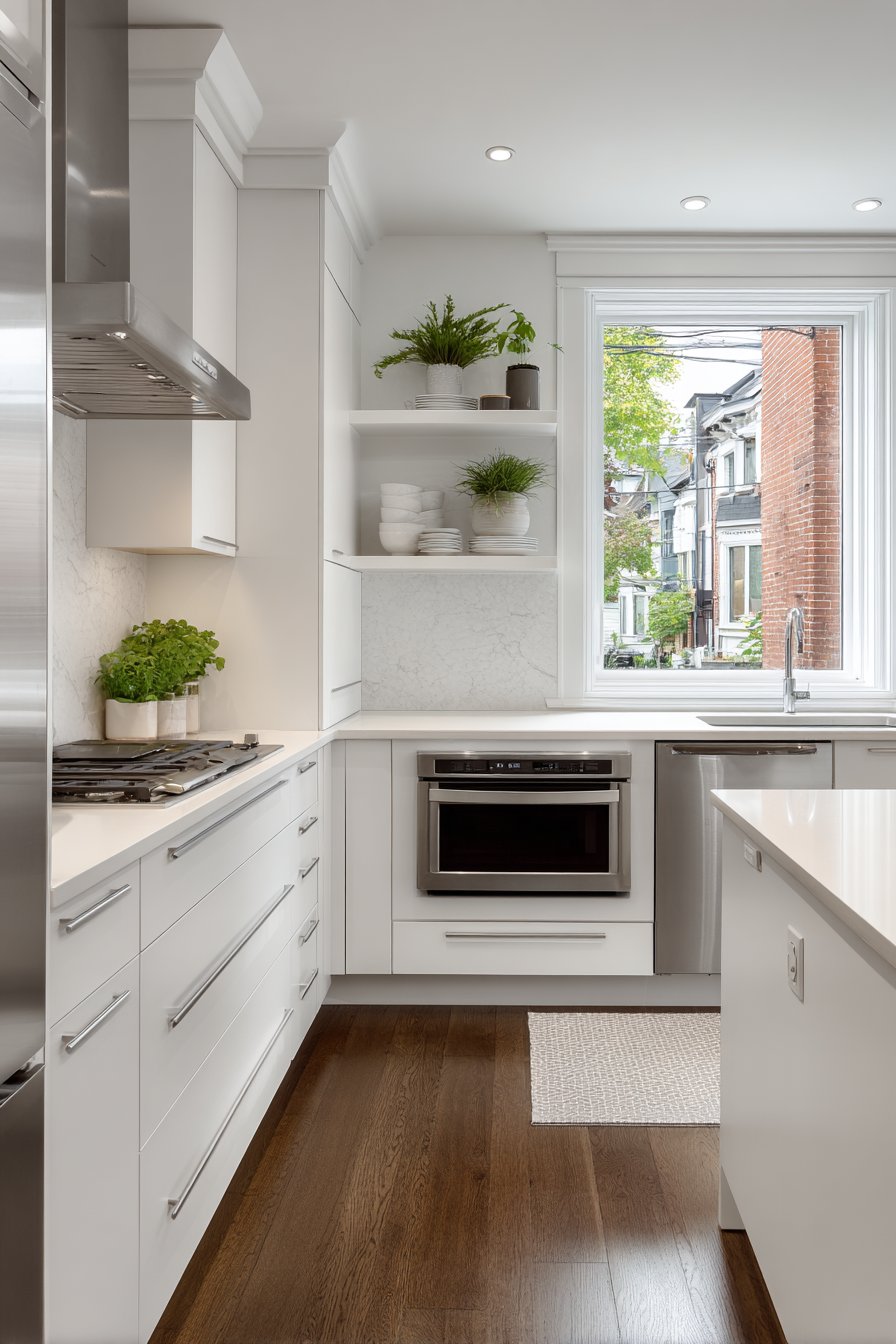
Whether you’re living in an apartment or working with a modest kitchen footprint, these strategies work universally. Understanding space optimization principles helps create a kitchen that feels spacious despite its size. The following sections explore practical approaches that combine functionality with style, ensuring your small kitchen works harder for you.
1. Utilize Vertical Space with Wall-Mounted Solutions
Many homeowners overlook the potential of vertical storage, leaving valuable wall space unused. The area between your countertop and ceiling offers tremendous storage opportunities. Installing wall-mounted shelves, magnetic strips, and hanging rails can dramatically increase your storage capacity without consuming precious floor space.
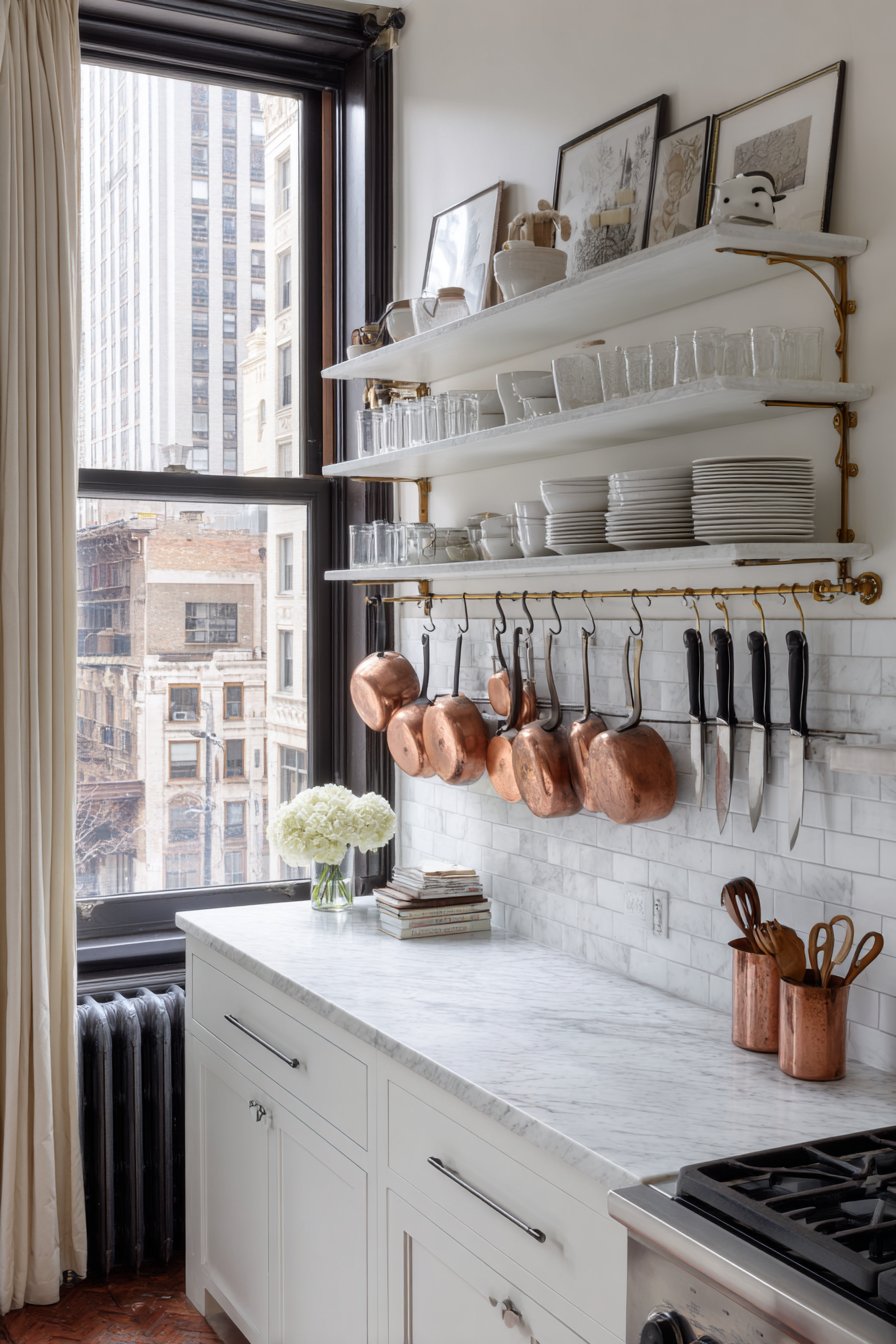
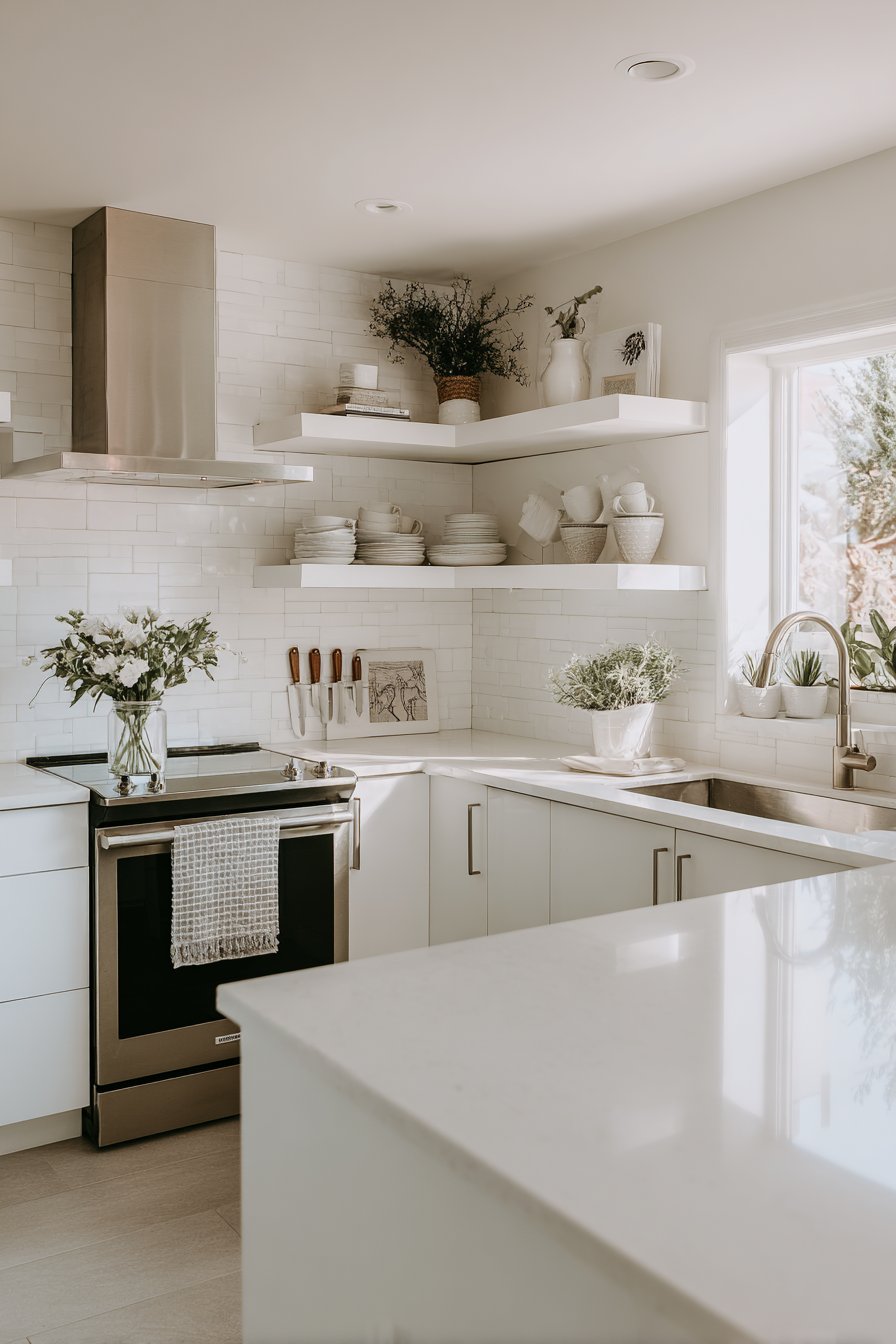
Open shelving creates an airy feel while providing easy access to frequently used items. Display attractive dishware and glassware on floating shelves to combine storage with decoration. This approach makes your kitchen feel larger while keeping essentials within reach. Consider the visual weight of items and arrange them thoughtfully to avoid a cluttered appearance.
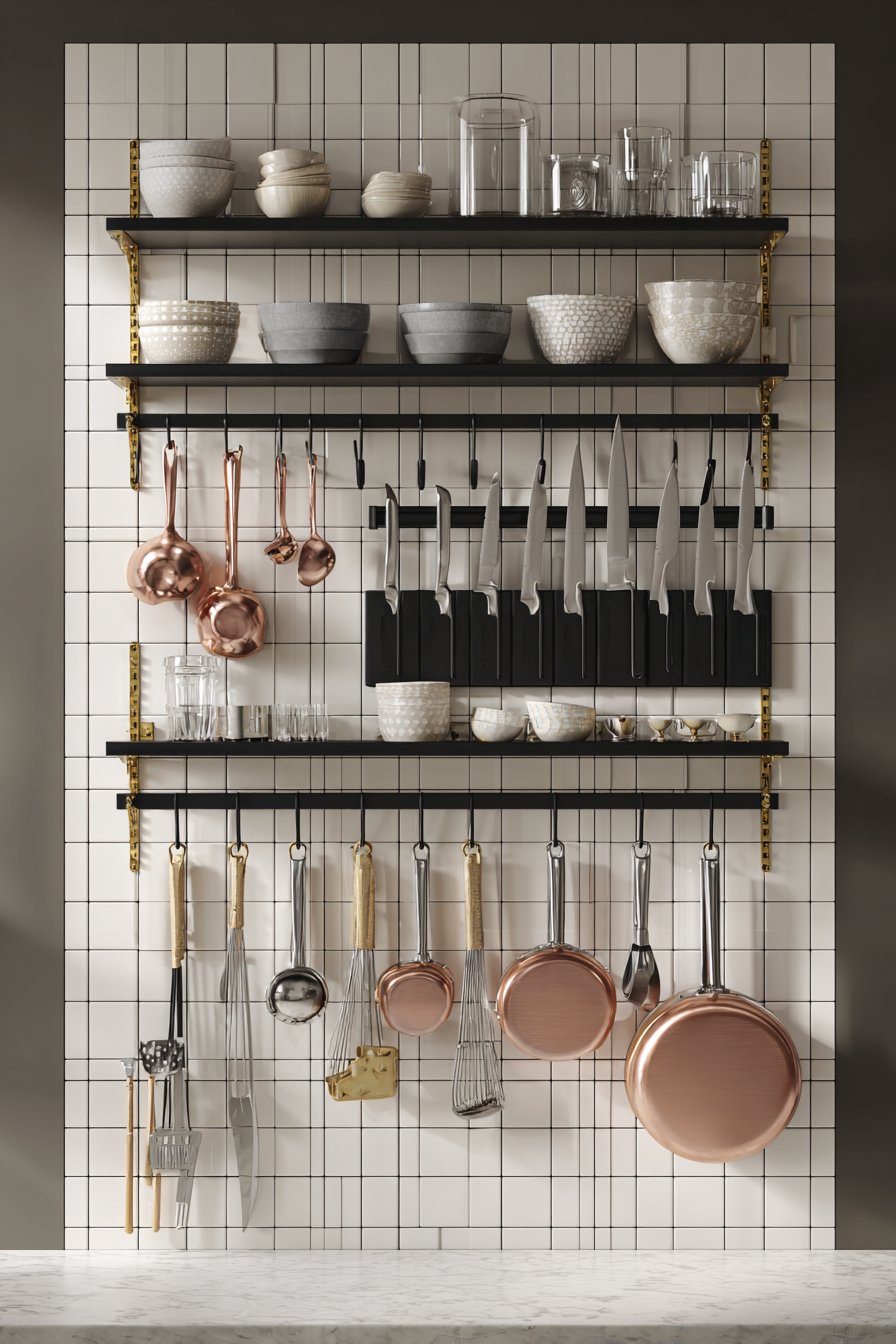
Magnetic knife strips and utensil rails maximize wall efficiency for daily-use items. These solutions keep countertops clear and tools organized. Installing hooks beneath cabinets creates additional hanging space for mugs, measuring cups, and small baskets. The vertical approach fundamentally changes how you think about kitchen storage.
- Install floating shelves above countertops for frequently used dishes and spices
- Use magnetic strips for knives, scissors, and metal utensils
- Add pegboards to create customizable storage for various kitchen tools
- Mount rail systems with S-hooks for hanging pots, pans, and cooking utensils
- Install under-cabinet hooks for coffee mugs and small colanders
- Consider tension rods inside cabinets for vertical tray and cutting board storage
2. Invest in Multi-Functional Furniture and Appliances
Space-saving furniture serves multiple purposes while reducing clutter in compact kitchens. A kitchen island with built-in storage provides both workspace and organization. Rolling carts offer flexibility, moving where needed and tucking away when not in use. These pieces maximize functionality without permanently occupying valuable floor space.
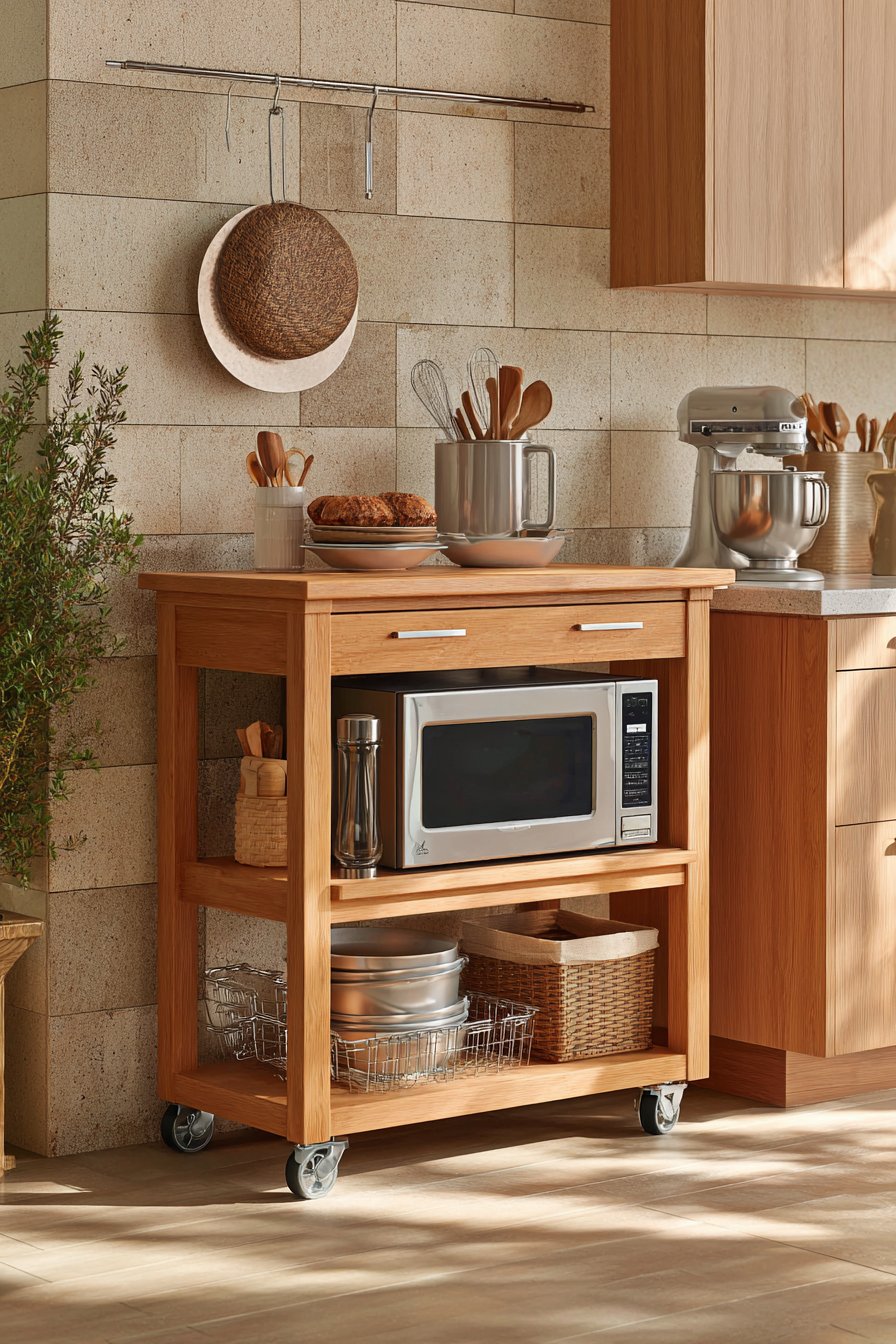
Appliances that serve multiple functions reduce the number of items cluttering your counters. A combination microwave-convection oven replaces two separate appliances. Food processors with multiple attachments eliminate the need for several single-purpose tools. This consolidation approach creates more storage space while maintaining full functionality.
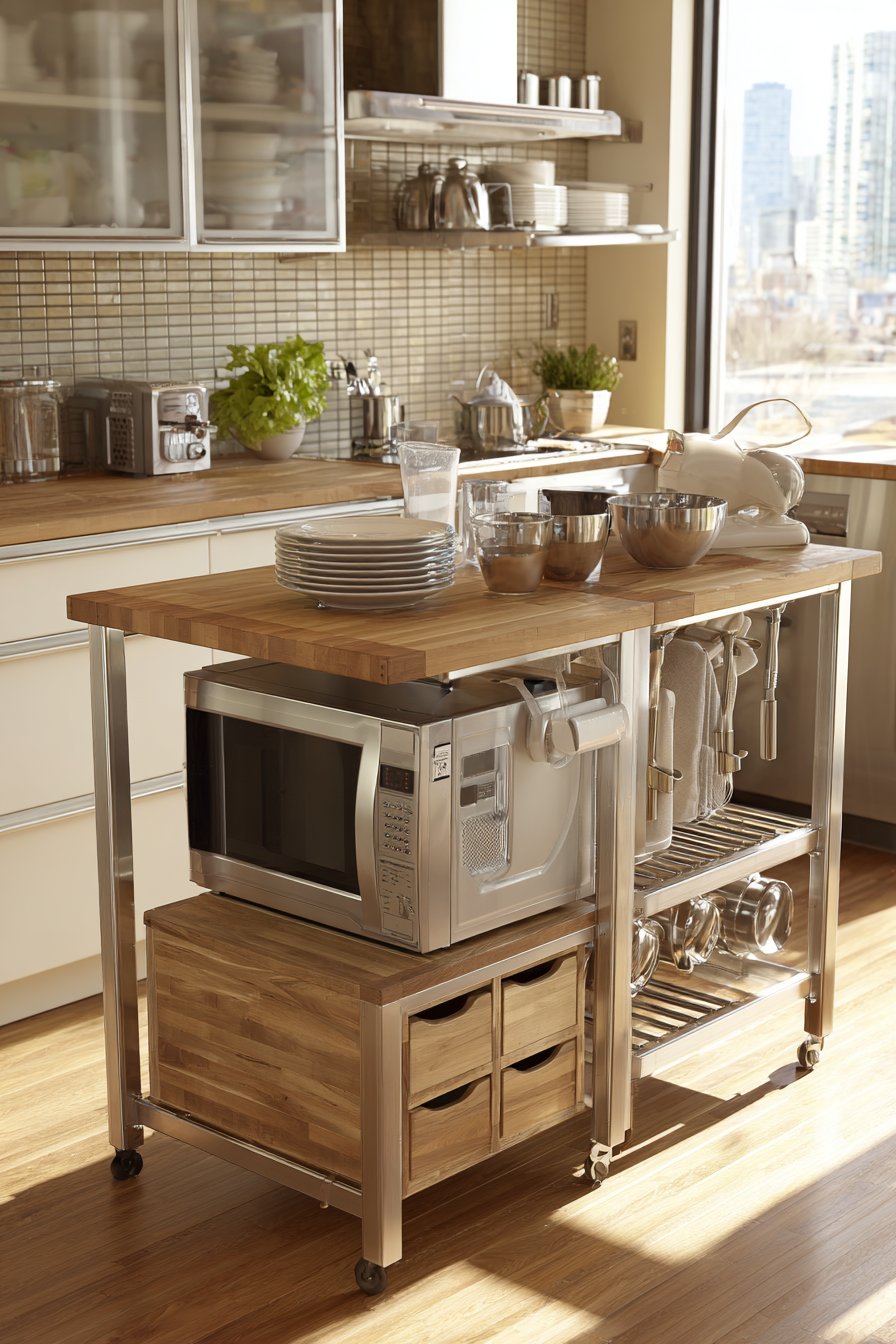
Foldable and collapsible items provide solutions when storage is at a premium. Drop-leaf tables extend for meal prep and fold flat against walls afterward. Nesting bowls and collapsible colanders take up minimal space while offering full functionality. The key is choosing items that work smarter, not bigger.
- Choose kitchen islands or carts with shelves, drawers, and hanging racks
- Select stackable or nesting cookware to minimize cabinet space usage
- Invest in appliances with multiple functions like air fryer-toaster oven combos
- Use foldable dish racks that store flat when not in use
- Consider collapsible silicone containers for food storage
- Install pull-out cutting boards that hide within cabinet spaces
3. Maximize Cabinet Space with Organizational Inserts
Cabinet interiors often contain wasted vertical space that proper organization can reclaim. Without dividers and organizers, items pile haphazardly, making access difficult. Strategic inserts transform cabinets into highly efficient storage zones where everything has its designated place.
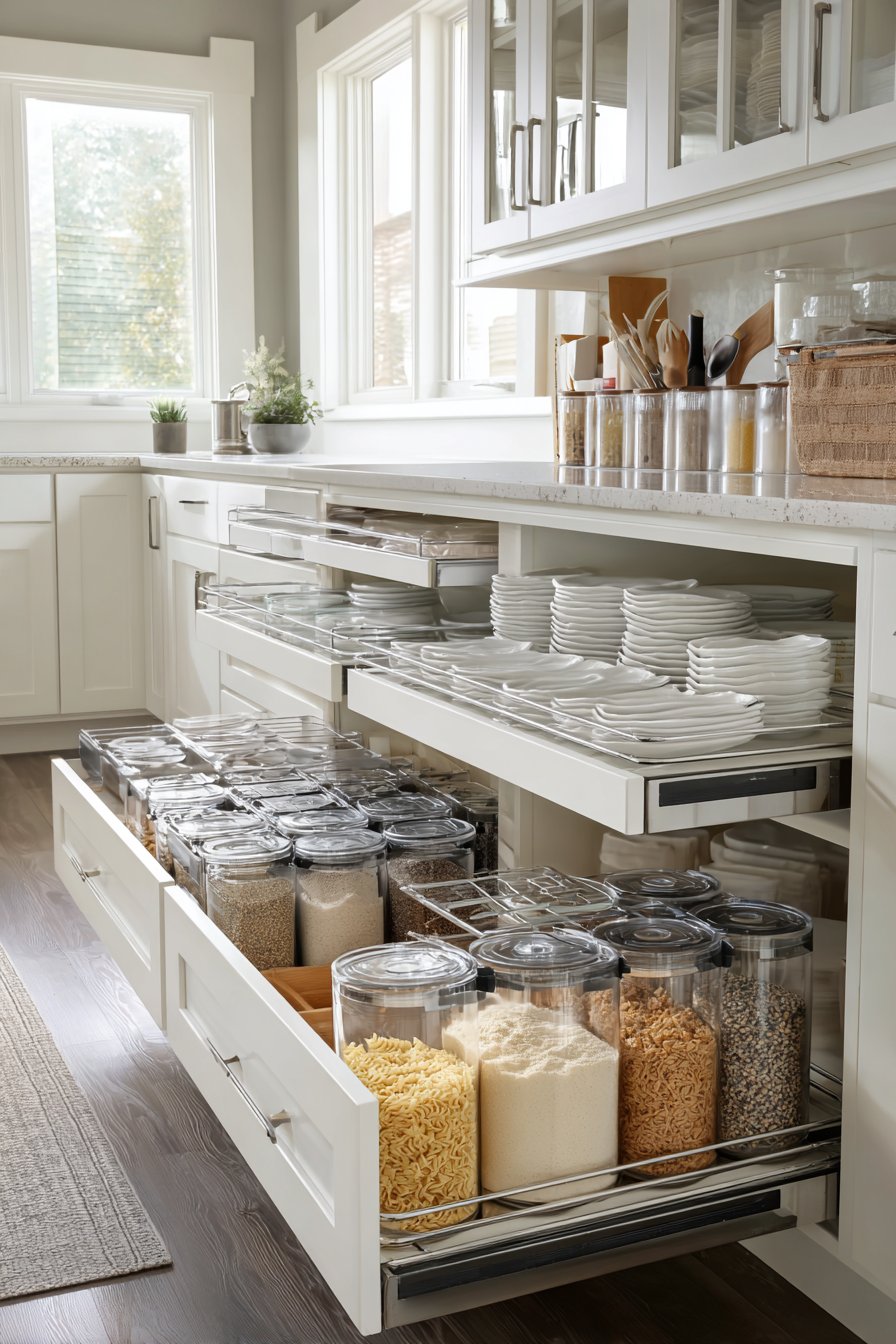
Tiered shelf organizers allow you to stack items without creating difficult-to-reach piles. These risers let you see everything at a glance and grab what you need quickly. Pull-out drawers installed within cabinets bring back-corner items to you rather than requiring you to dig. This accessibility improvement changes how you use your cabinets daily.
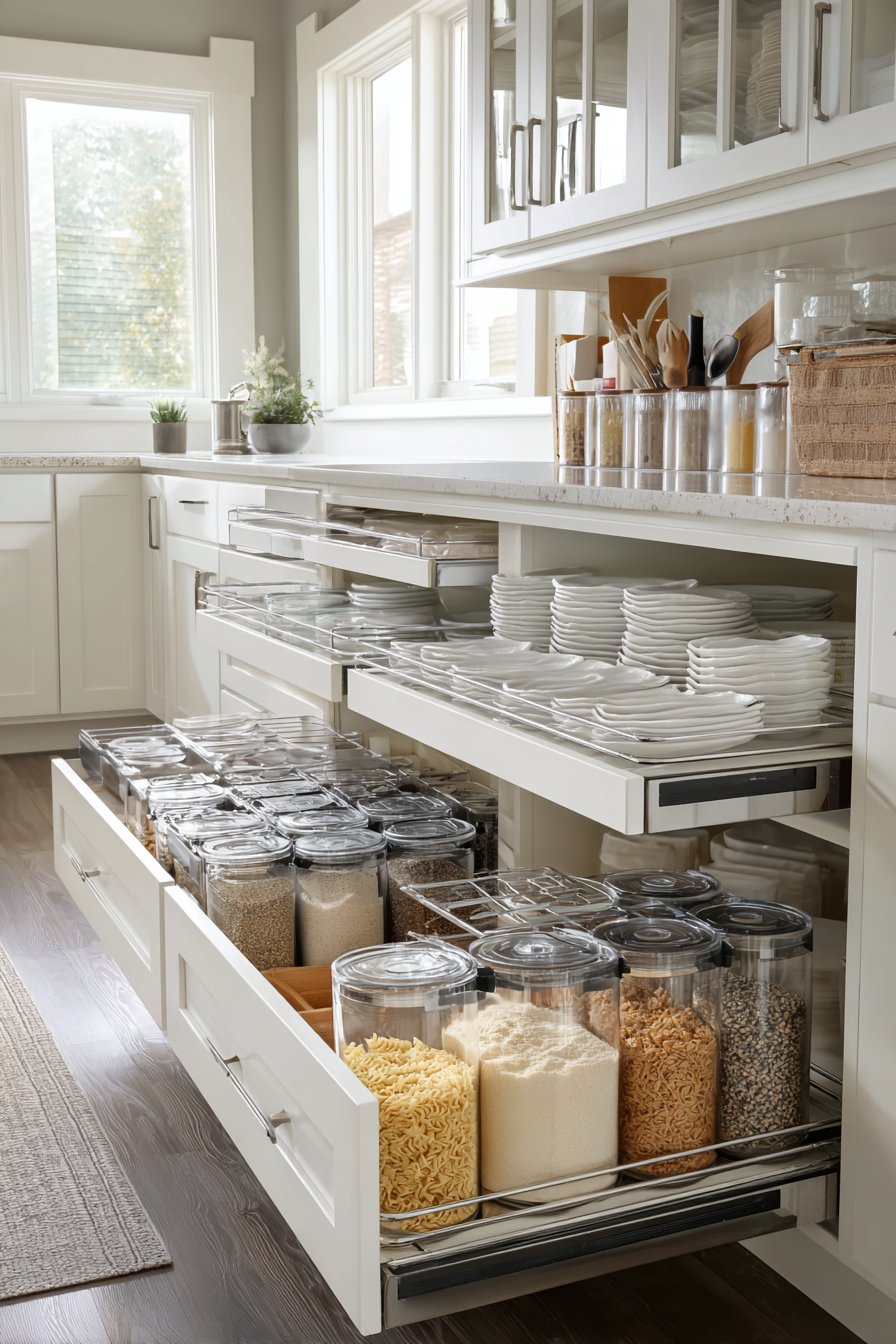
Door-mounted organizers capture unused space on cabinet interior doors. These additions hold spices, cleaning supplies, and small items that otherwise clutter shelves. Drawer dividers separate utensils, tools, and gadgets, preventing the jumbled mess that wastes time. Organized cabinets hold significantly more while feeling less chaotic.
- Install stackable shelf risers to create two levels of storage
- Add pull-out sliding drawers or baskets in deep lower cabinets
- Mount organizers on cabinet doors for spices, foil, and plastic wrap
- Use drawer dividers to separate and organize utensils and gadgets
- Install vertical dividers for storing baking sheets, cutting boards, and trays
- Add under-shelf baskets to utilize vertical space between shelves
4. Create Hidden Storage in Unexpected Places
Small kitchens require creative thinking to uncover every possible storage location. Spaces often dismissed as unusable can become valuable storage with clever solutions. The toe-kick area beneath cabinets, narrow gaps between appliances, and unused corners all offer potential.
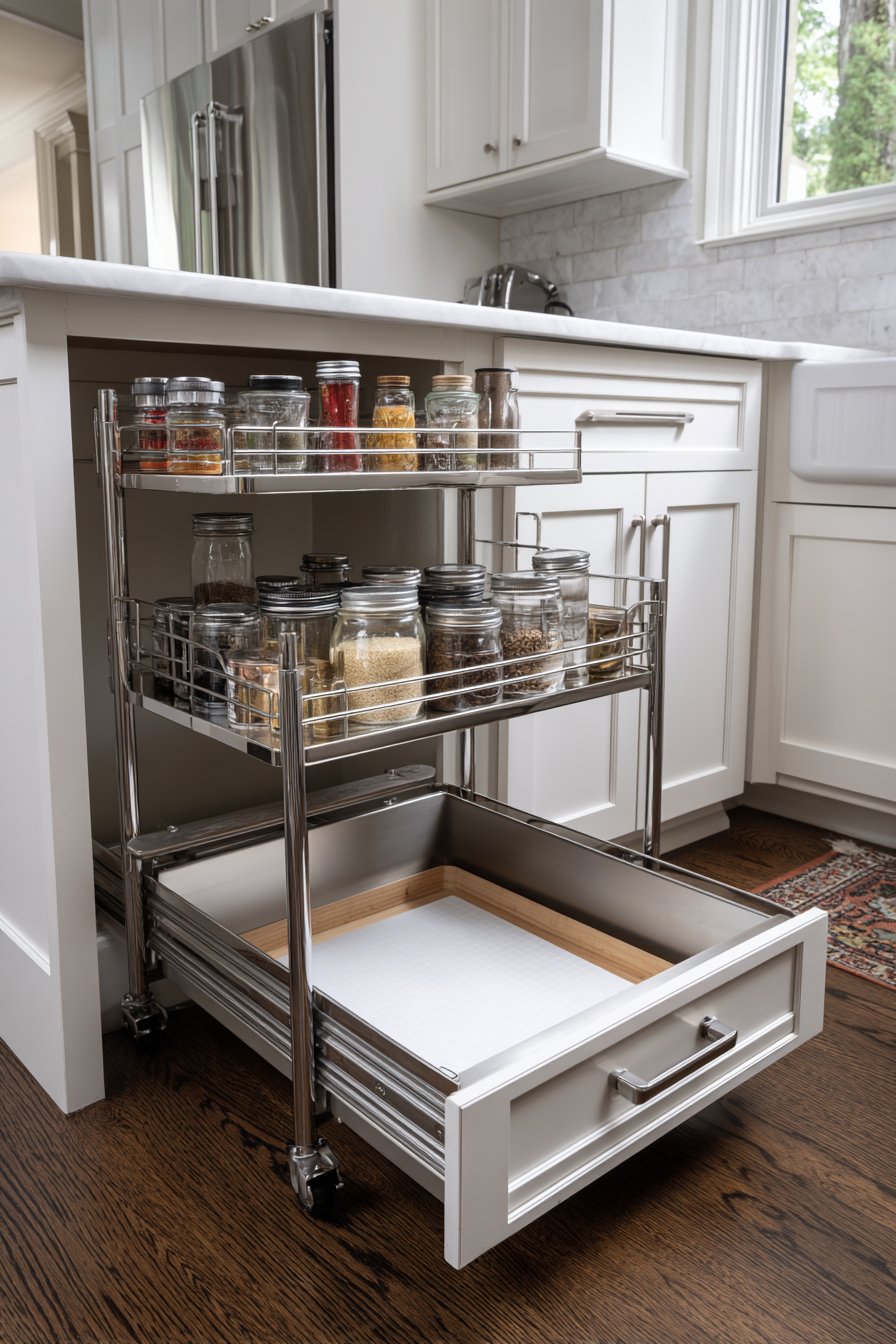
Toe-kick drawers utilize the recessed space beneath lower cabinets for flat items. These shallow drawers are perfect for baking sheets, cutting boards, and serving platters. Pull-out spice racks fit into narrow spaces between appliances or at the end of cabinet runs. These slim solutions make use of every available inch.
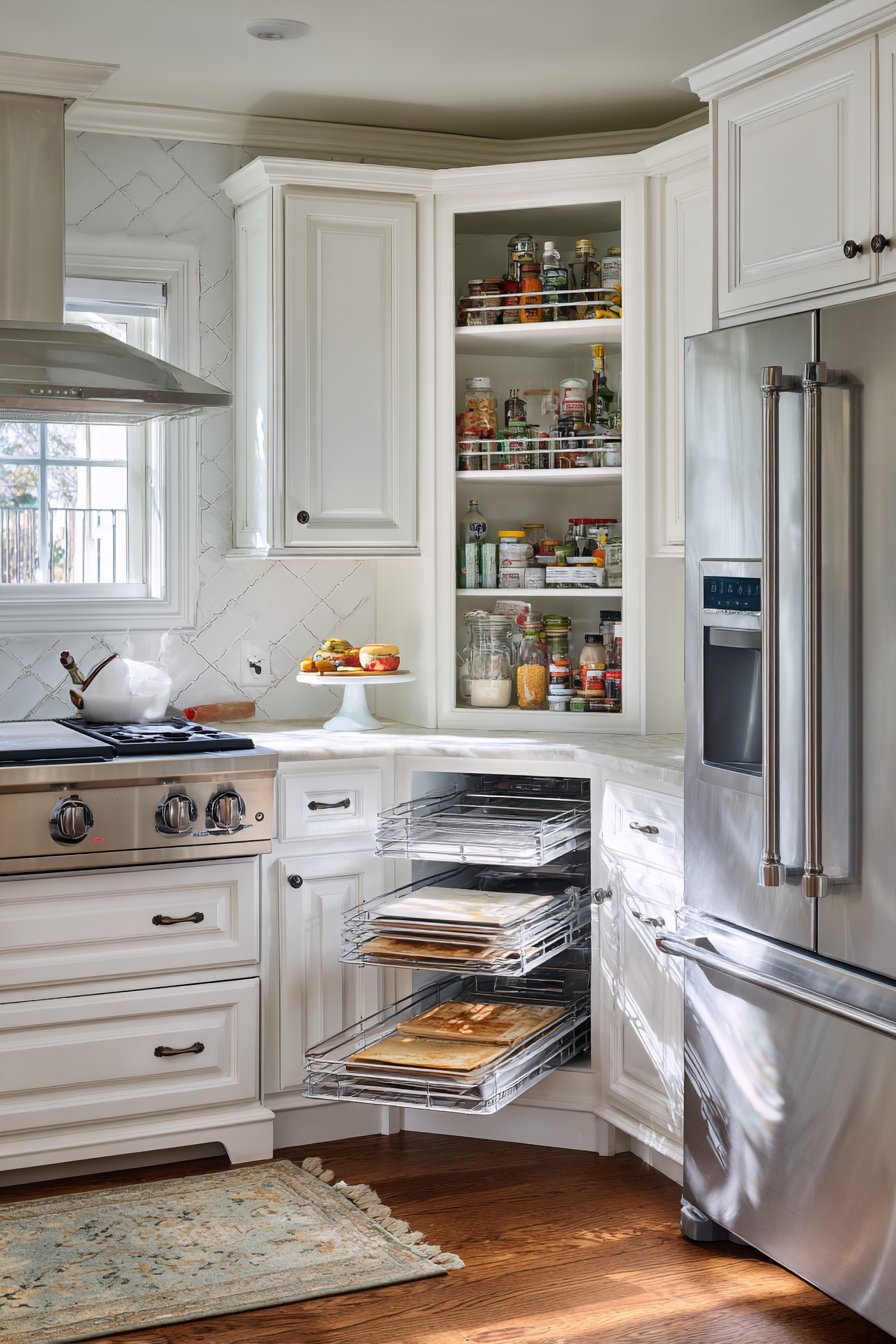
Corner spaces notoriously waste cabinet volume with hard-to-reach depths. Lazy Susans and corner pull-out systems bring items to you, eliminating the dreaded black hole effect. Installing narrow rolling carts that slide between appliances creates additional pantry space. The philosophy is simple: no space goes unused.
- Install toe-kick drawers for storing flat items like baking sheets
- Use narrow pull-out pantries for spaces between appliances or cabinets
- Add lazy Susans in corner cabinets for easy access to items
- Install rolling storage carts that fit in narrow gaps
- Use the space above the refrigerator for rarely-used items in baskets
- Consider adding shelving inside pantry doors for spices and small packages
5. Implement Smart Pantry Organization Systems
A disorganized pantry wastes space through inefficient stacking and poor visibility. Items get lost in the back, leading to duplicate purchases and expired food. A well-organized pantry system maximizes capacity while making everything easily accessible and visible.
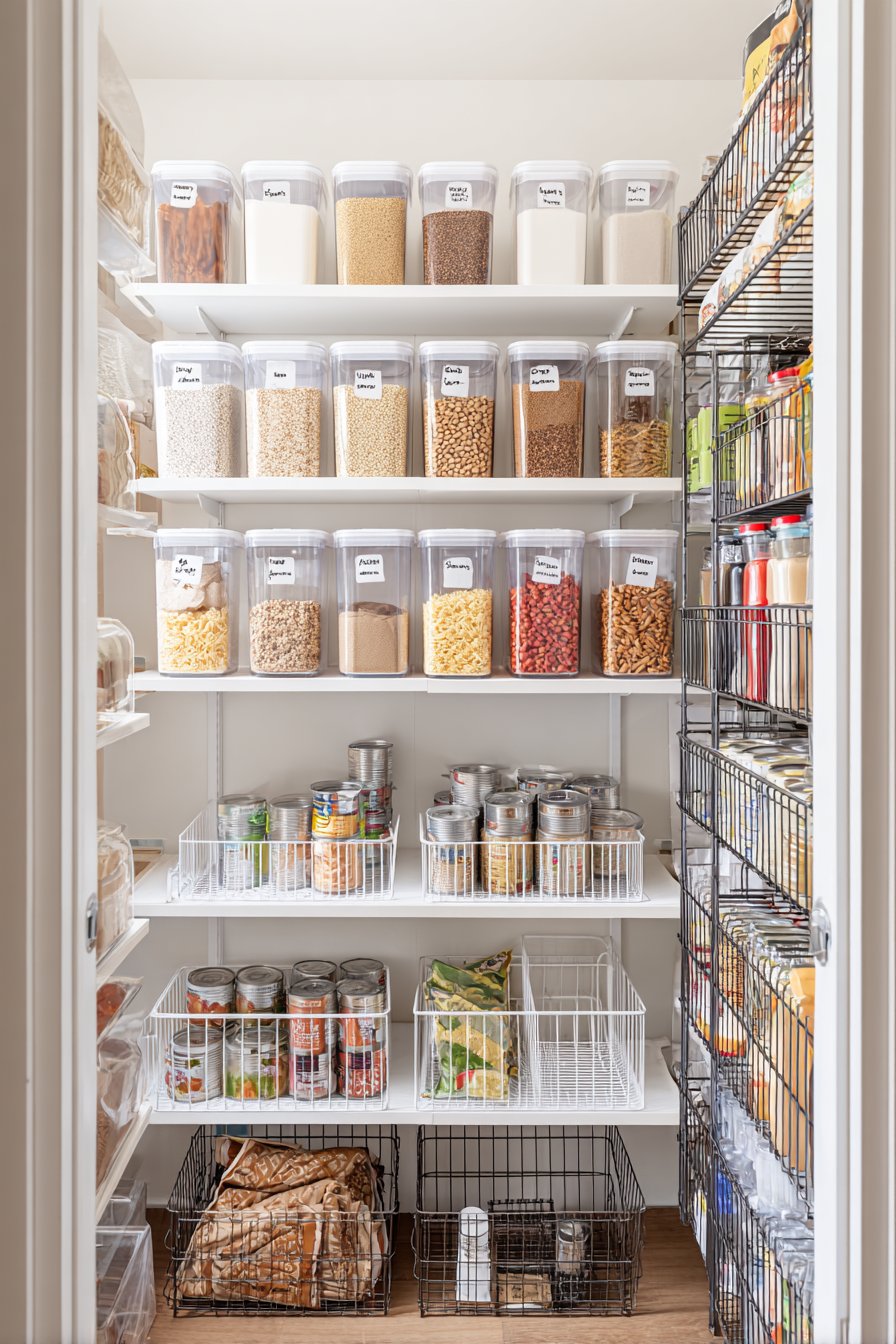
Clear storage containers allow you to see contents at a glance and stack efficiently. Transferring dry goods to uniform containers eliminates bulky packaging that wastes space. These containers stack perfectly, creating clean lines and maximizing vertical space. Label everything clearly to maintain the system long-term.
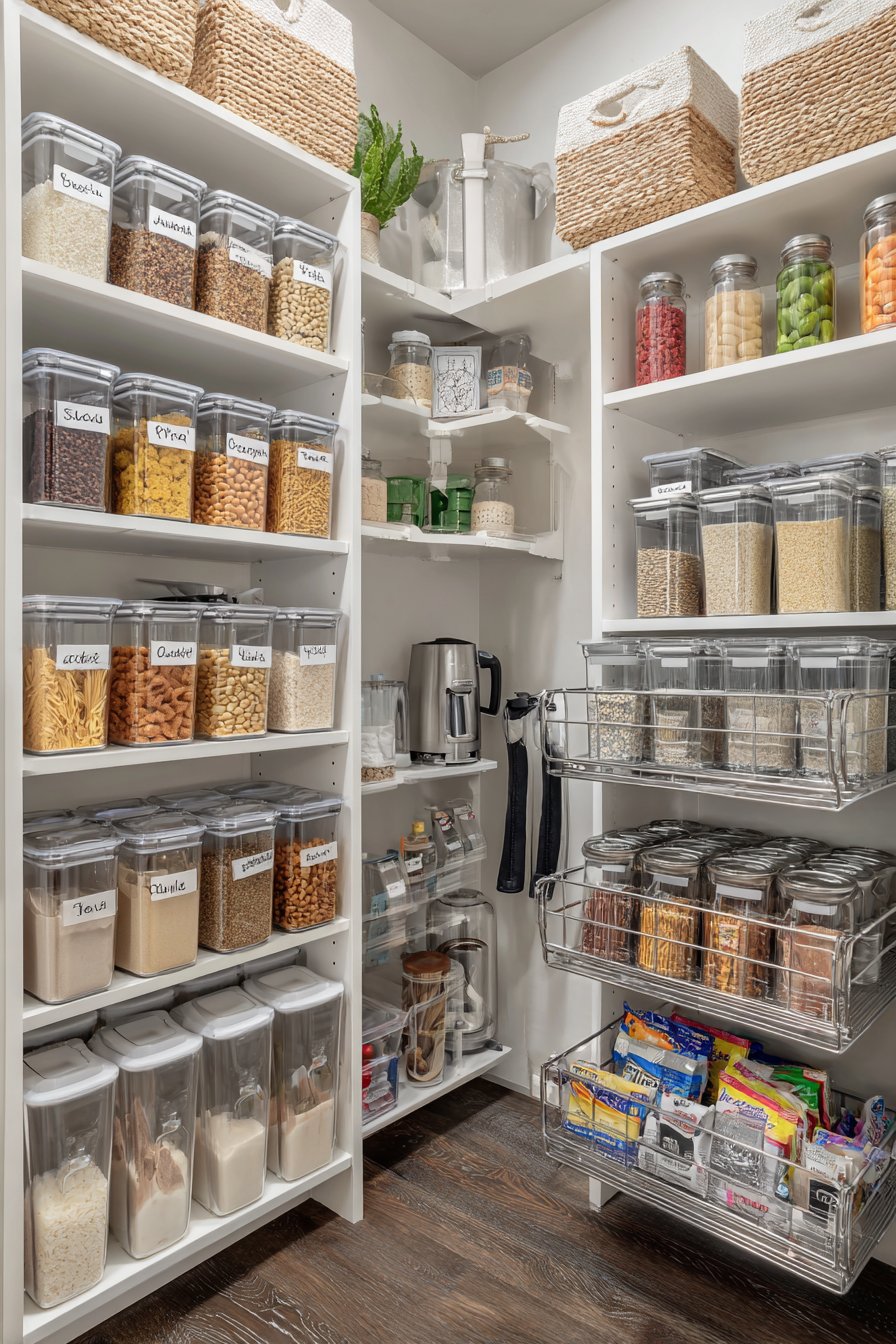
Tiered organizers in pantries create stadium-style visibility for canned goods and jars. This arrangement prevents items from hiding behind others. Pull-out shelving in deeper pantries brings back items forward for easy access. Using bins to group similar items creates zones that make finding ingredients quick and intuitive.
- Transfer dry goods to clear, stackable airtight containers
- Use tiered can organizers for easy visibility and access
- Install pull-out shelving systems for deep pantry cabinets
- Group similar items together in labeled bins or baskets
- Add over-the-door organizers for spices, snacks, and small items
- Utilize vertical dividers for storing awkward items like water bottles
6. Optimize Drawer Space with Strategic Dividers
Kitchen drawers quickly become chaotic jumbles without proper organization systems. When everything mixes together, finding what you need wastes time and creates frustration. Divided drawers hold more items while making everything immediately accessible.
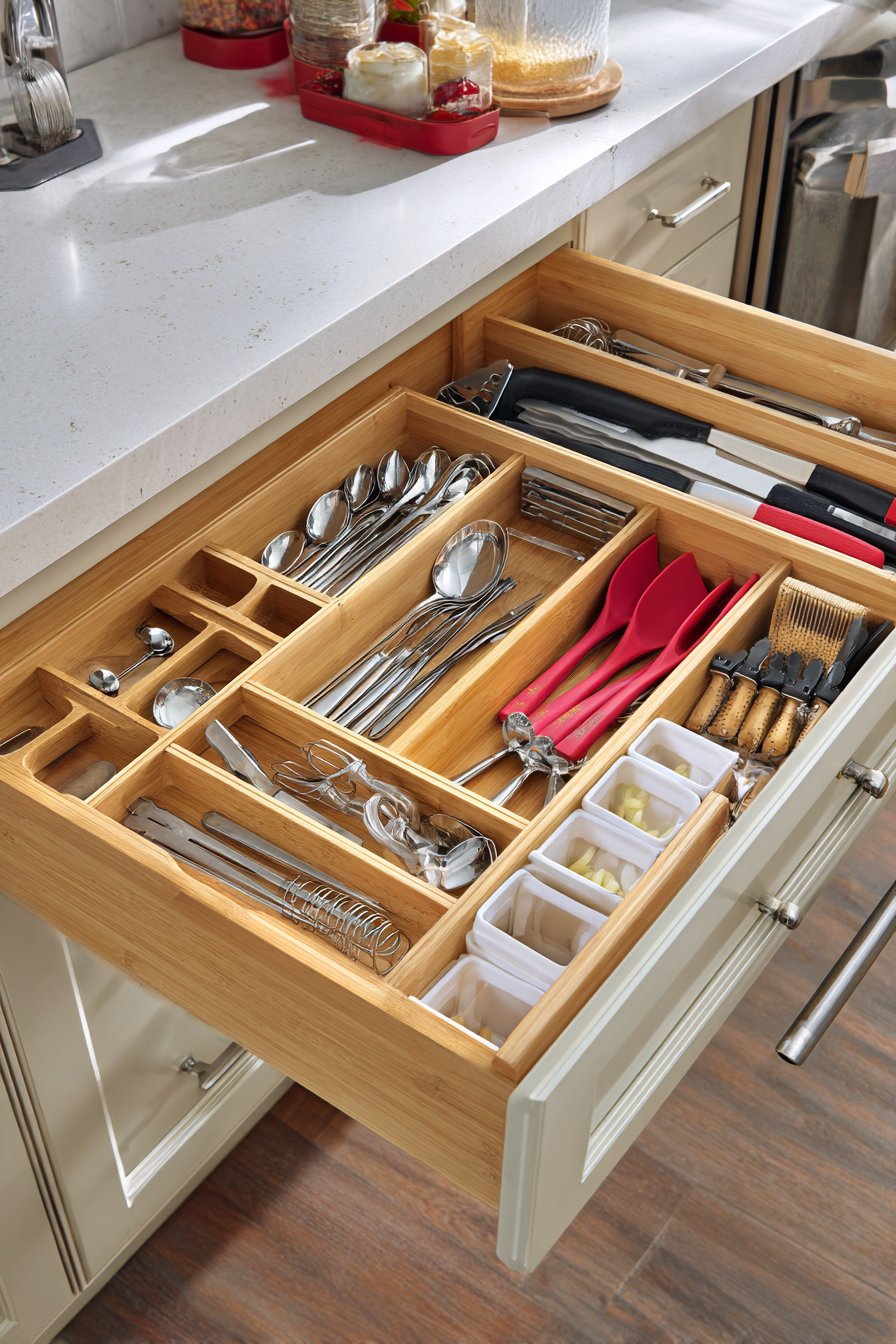
Customizable drawer dividers create designated spaces for every item type. Separate sections for measuring spoons, whisks, spatulas, and knives keep tools organized. Deep drawers benefit from multi-level organizers that stack functionality vertically. This approach transforms drawers into highly efficient storage.
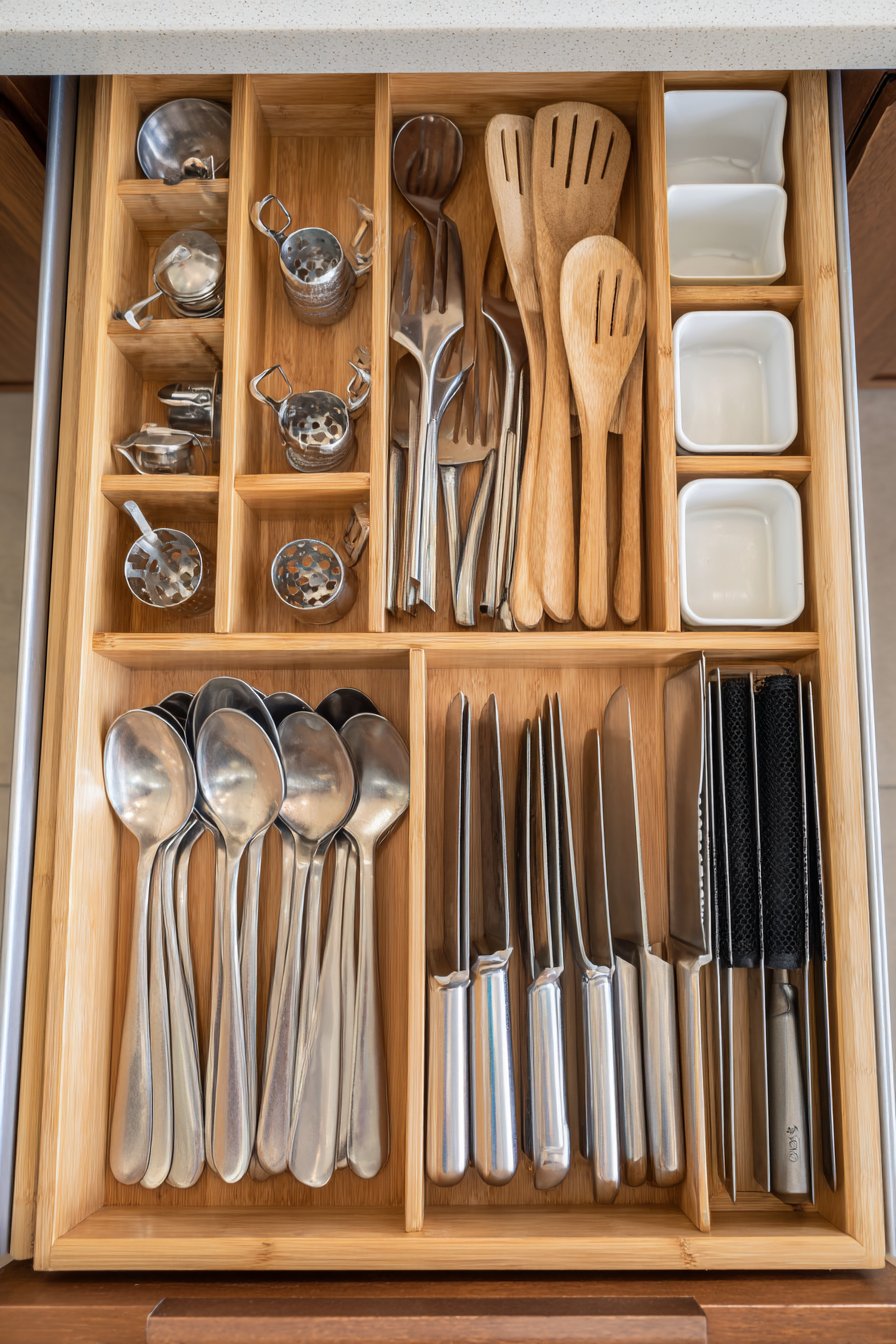
Consider your workflow when organizing drawer contents. Place frequently used items in the most accessible drawers near your primary work area. Store occasionally used specialty tools in less convenient locations. This strategic placement improves cooking efficiency and reduces unnecessary movement around your kitchen.
- Install adjustable drawer dividers to create custom compartments
- Use bamboo or plastic organizers specifically designed for utensils
- Add deep drawer peg systems for customizable pot and pan storage
- Store knives in in-drawer knife blocks to free up counter space
- Use small containers within drawers for loose items like bag clips
- Install drawer organizers with non-slip bases to prevent shifting
7. Declutter Regularly and Embrace Minimalism
The most effective storage solution is owning less. Regular decluttering prevents accumulation of unused items that waste valuable space. Evaluate your kitchen tools and appliances honestly, keeping only what you actually use regularly.
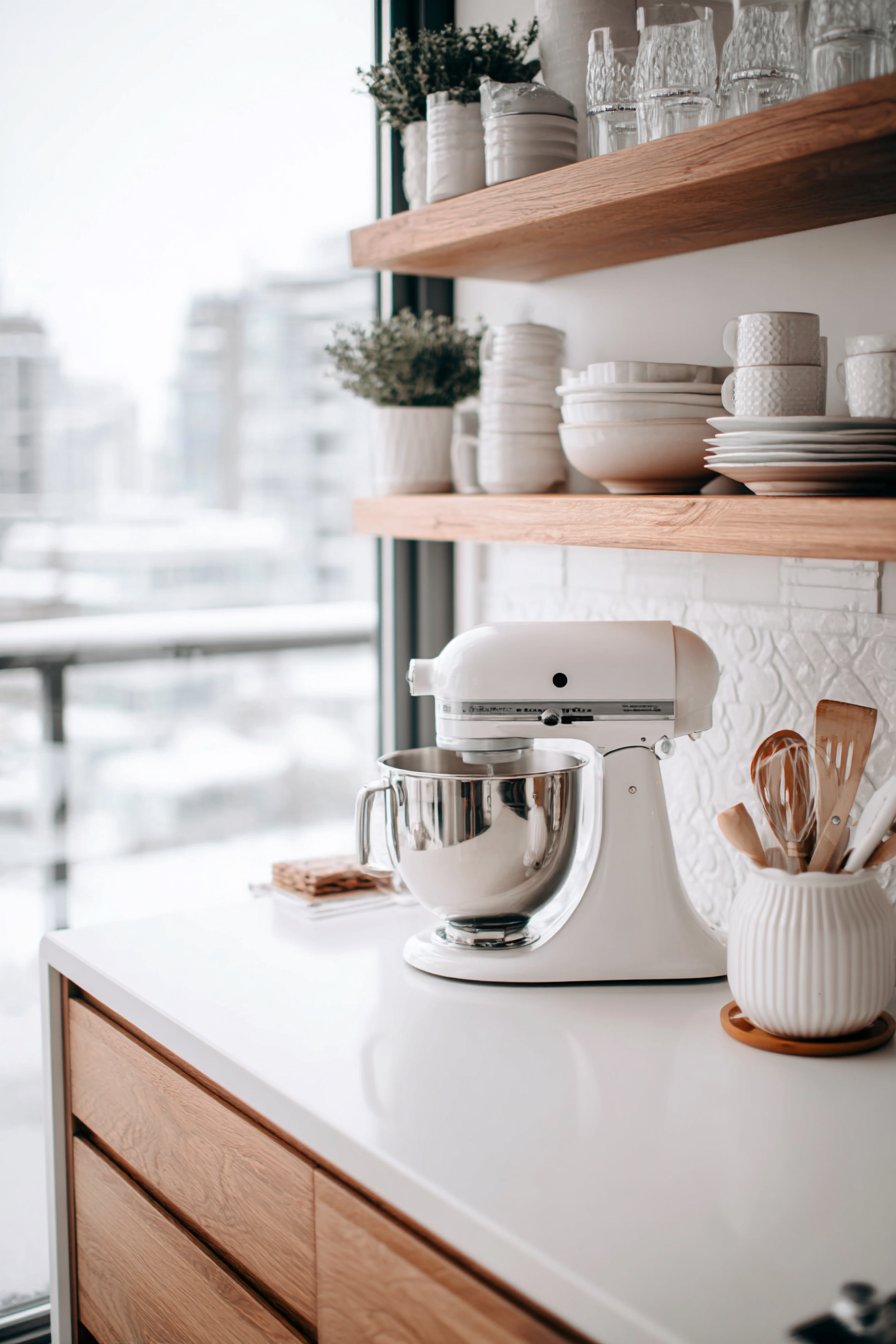
Quality over quantity should guide your kitchen tool collection. One excellent chef’s knife serves better than five mediocre ones taking up drawer space. Multi-purpose tools eliminate the need for numerous single-use gadgets. This mindful approach creates space while improving functionality.
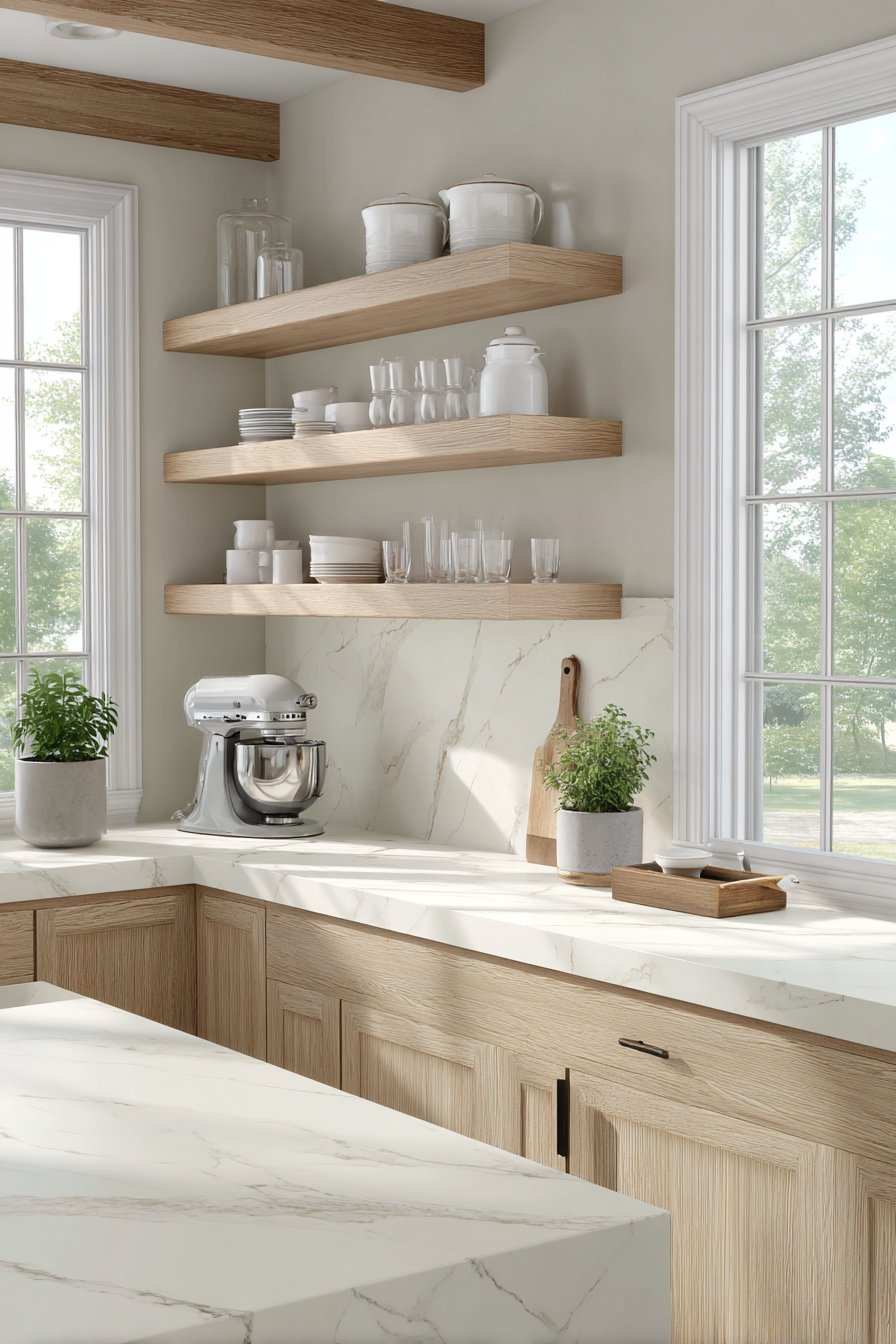
Establish a regular review schedule to maintain your organized kitchen. Every few months, reassess what you’ve actually used and what remains untouched. Donate duplicate items and gadgets that seemed useful but never get used. An intentional, curated collection of kitchen essentials maximizes your small space’s potential.
- Conduct quarterly reviews of all kitchen items and purge unused ones
- Follow the “one in, one out” rule when acquiring new kitchen items
- Keep only appliances and tools you use at least monthly
- Store rarely-used specialty items elsewhere if possible
- Donate duplicate tools and equipment you don’t need
- Resist impulse purchases of single-purpose gadgets
Conclusion
Maximizing small kitchen storage requires combining strategic organization with thoughtful design choices. These seven tips provide a comprehensive approach to transforming cramped cooking spaces into efficient, functional areas. From vertical solutions to hidden storage opportunities, every strategy contributes to a more organized kitchen.
Implementing these changes doesn’t require a complete renovation or significant expense. Start with one area and gradually work through your kitchen. The result will be a space that feels larger, works better, and brings joy to your daily cooking. Your small kitchen has more potential than you imagined—unlock it with these proven storage solutions.
