


Creating a beautiful and functional small bedroom requires thoughtful planning, clever design strategies, and an understanding of how space, light, and color work together. In today’s urban living environments, many people face the challenge of decorating compact sleeping quarters that must serve multiple purposes while maintaining comfort and style. The key lies in maximizing every square inch without sacrificing aesthetic appeal or personal expression.
Small bedroom decor is not about compromising on design—it’s about making intentional choices that enhance both form and function. From selecting appropriately scaled furniture to implementing smart storage solutions, every decision contributes to creating a space that feels open, organized, and uniquely yours. The right combination of colors, textures, and lighting can transform even the tiniest bedroom into a serene retreat that rivals larger spaces in comfort and visual appeal.
This comprehensive guide explores ten innovative small bedroom decor approaches, each offering unique solutions to common spatial challenges. Whether you’re drawn to minimalist Scandinavian aesthetics, cozy layered textiles, or multi-functional furniture designs, you’ll discover practical strategies and inspiring ideas to reimagine your compact sleeping space. These carefully curated designs demonstrate how strategic planning, vertical thinking, and creative problem-solving can make any small bedroom feel spacious, inviting, and perfectly suited to modern living.
1. Platform Bed with Built-In Storage Solutions
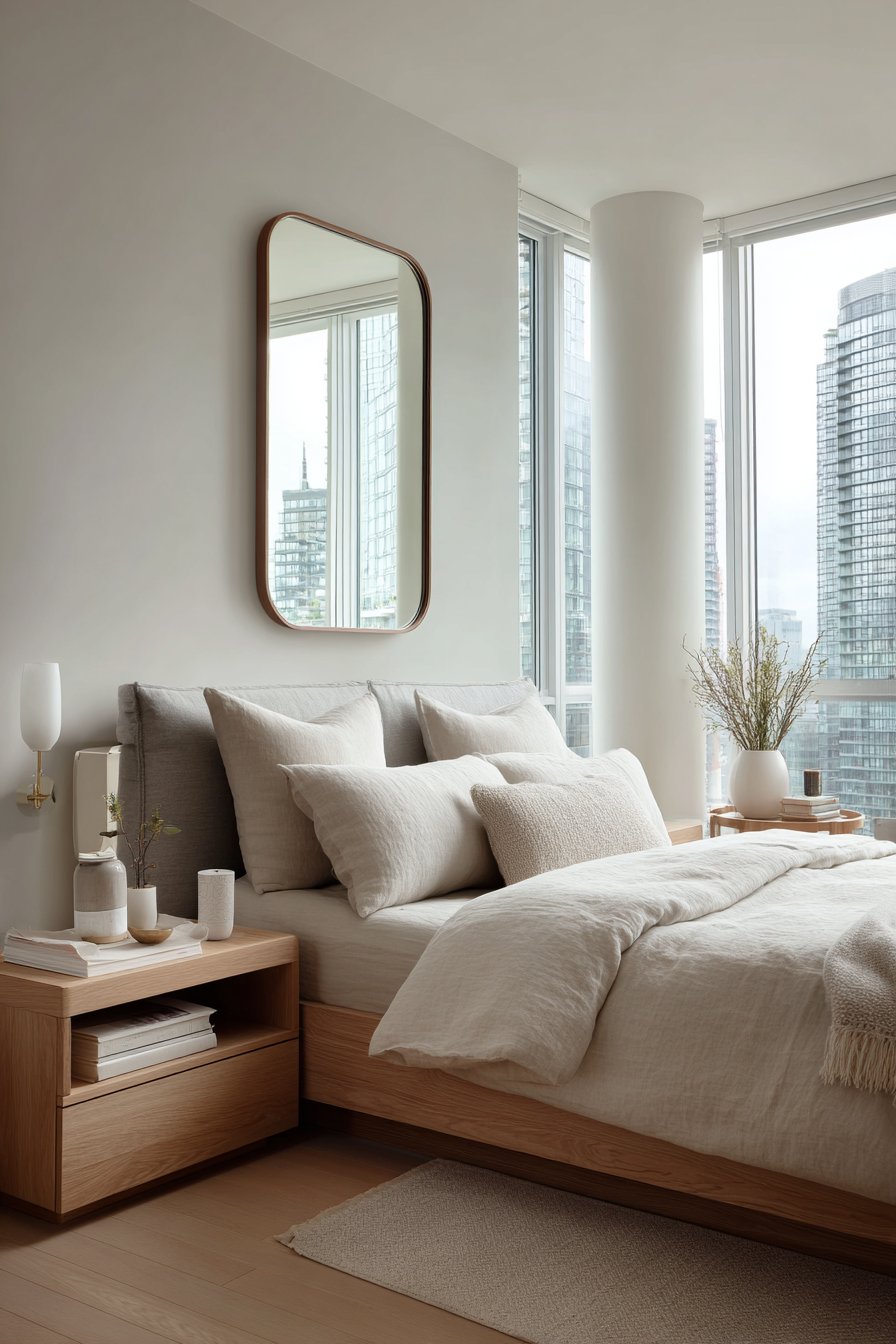
The foundation of efficient small bedroom decor begins with furniture that works double duty. A platform bed featuring built-in storage drawers represents a transformative approach to space management. Positioned against the main wall, this light oak wood frame creates a clean, streamlined look while concealing ample storage beneath the sleeping surface. The natural wood grain adds warmth without overwhelming the space, establishing a calming foundation for the entire room.
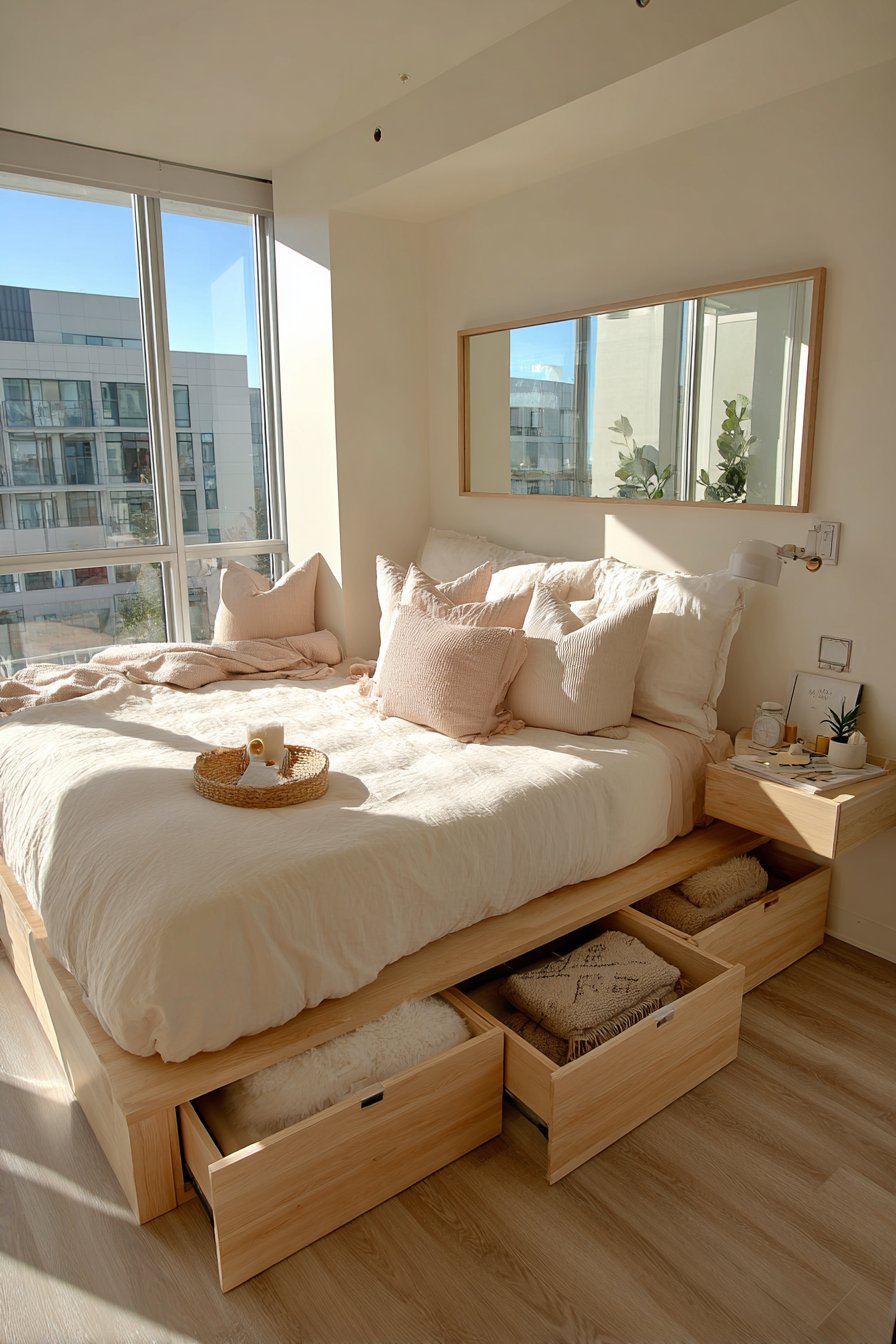
Soft linen bedding in neutral tones enhances the airy atmosphere this design aims to achieve. The fabric’s natural texture adds subtle visual interest while maintaining the light, open feel essential for small spaces. By selecting bedding in cream, beige, or soft grey tones, you create visual continuity that prevents the eye from stopping abruptly at color boundaries. This technique makes walls appear more distant and rooms feel larger than their actual dimensions.
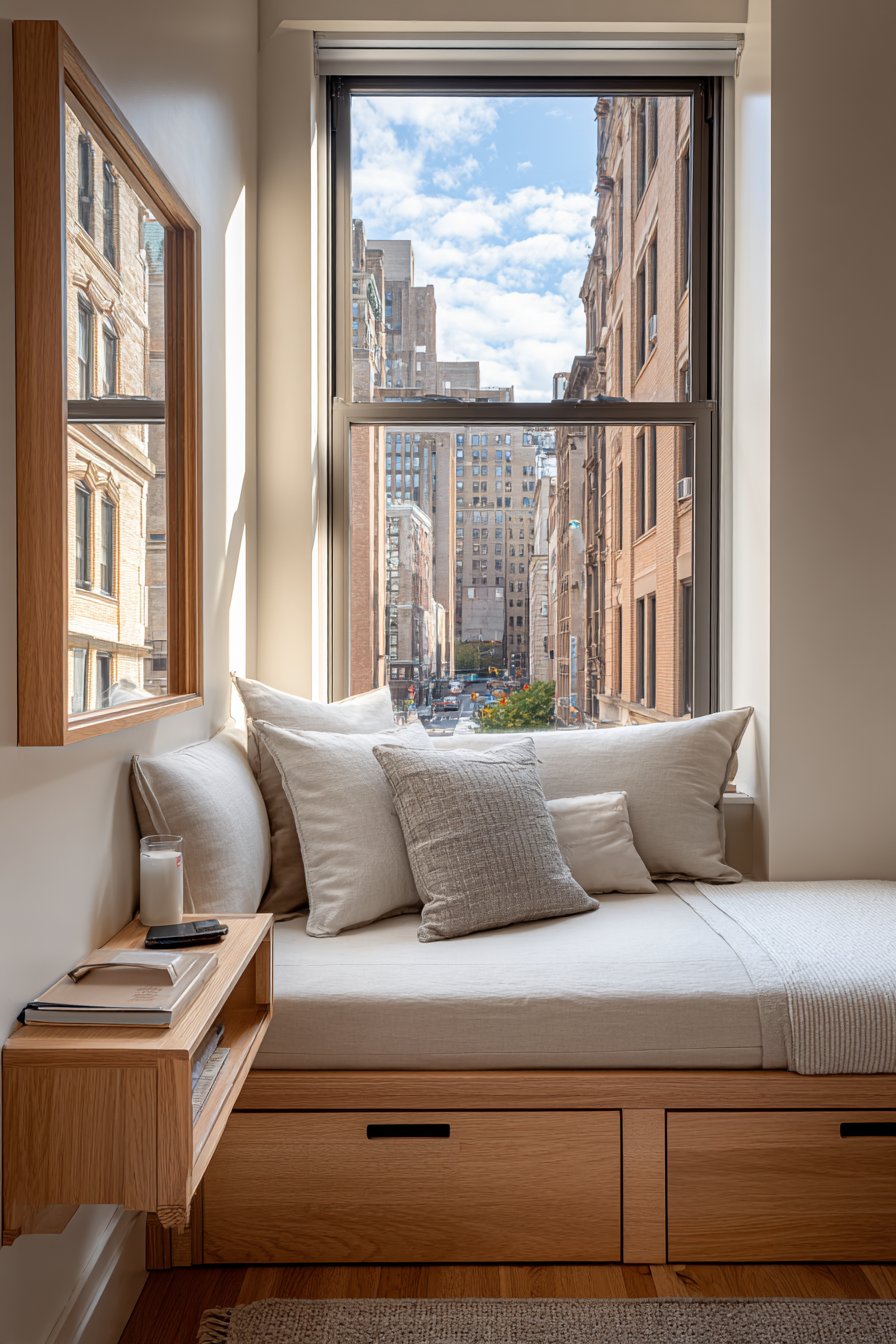
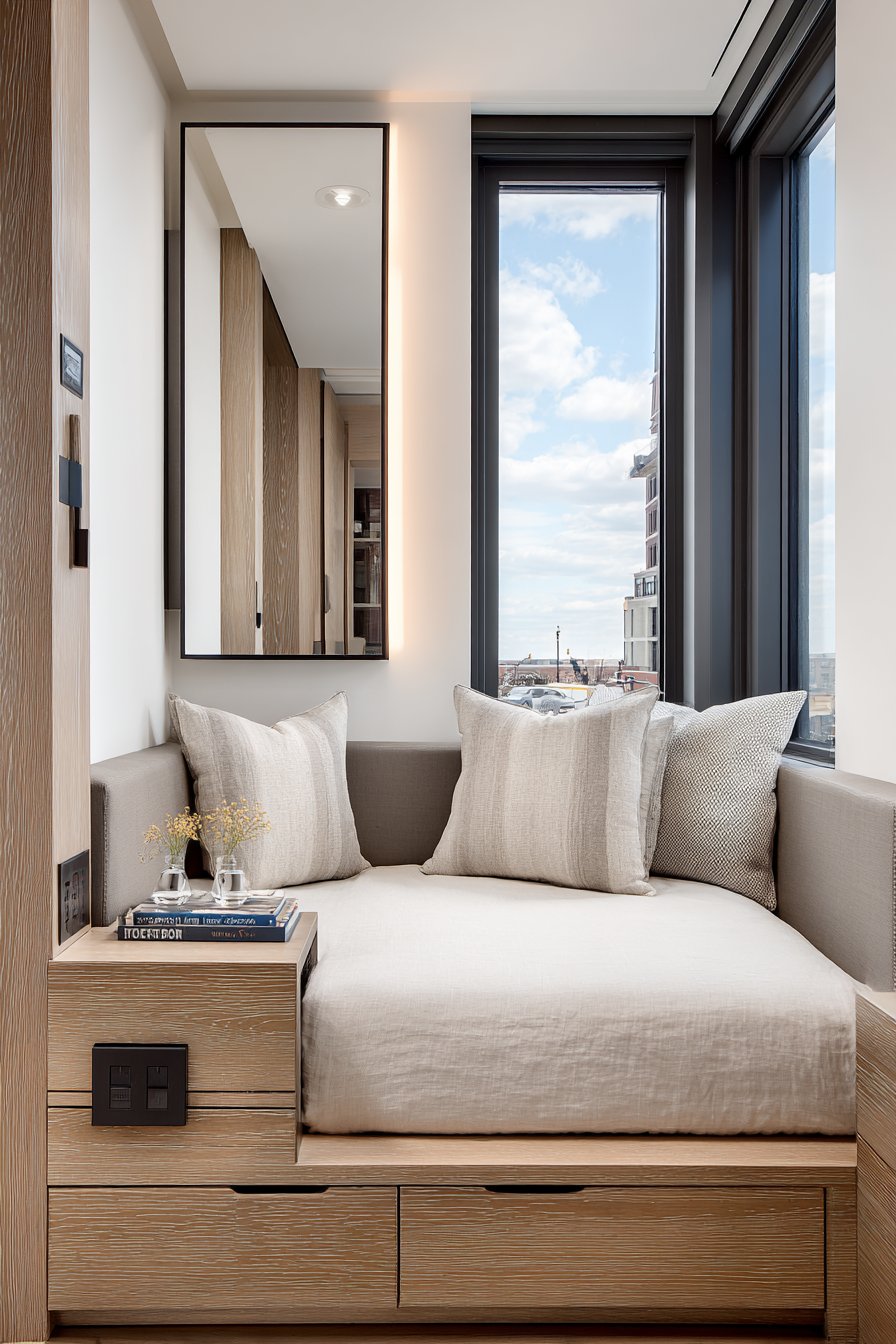
The compact floating nightstand serves as both a practical surface and a design statement. Integrated USB charging ports eliminate bedside cord clutter while providing modern convenience. This wall-mounted approach frees up valuable floor space, creating better traffic flow and reducing visual bulk. The strategic placement of a large mirror opposite the window works as a powerful spatial illusion, reflecting natural light throughout the room and effectively doubling the perceived brightness and openness.
Key Design Tips:
- Select platform beds with deep storage drawers to maximize hidden storage capacity
- Choose light wood finishes that reflect rather than absorb available light
- Position mirrors strategically to reflect windows and multiply natural illumination
- Install floating nightstands to maintain clear floor space and enhance spaciousness
- Use neutral bedding colors to create visual continuity and prevent spatial fragmentation
2. Vertical Storage Solutions with Floor-to-Ceiling Shelving
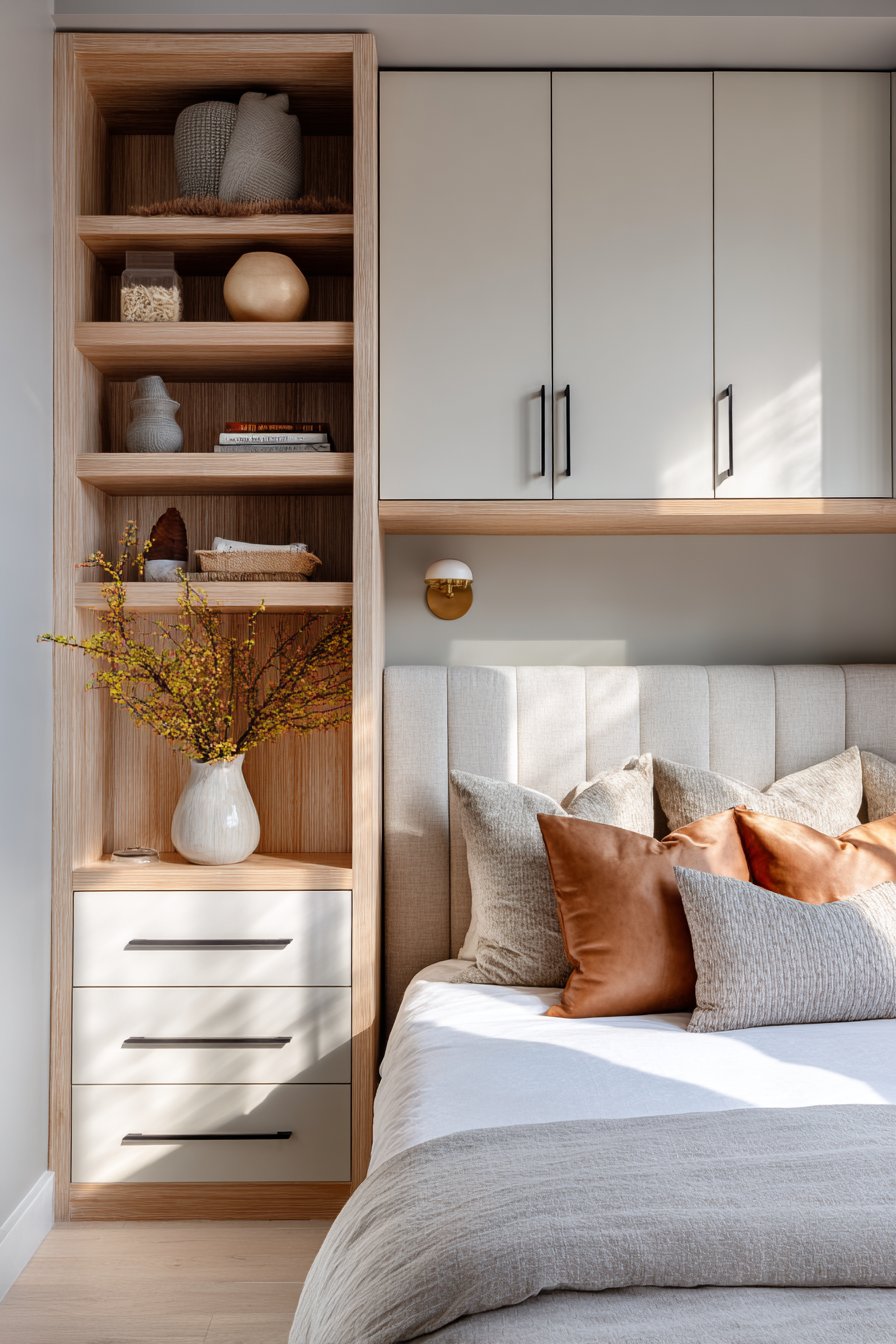
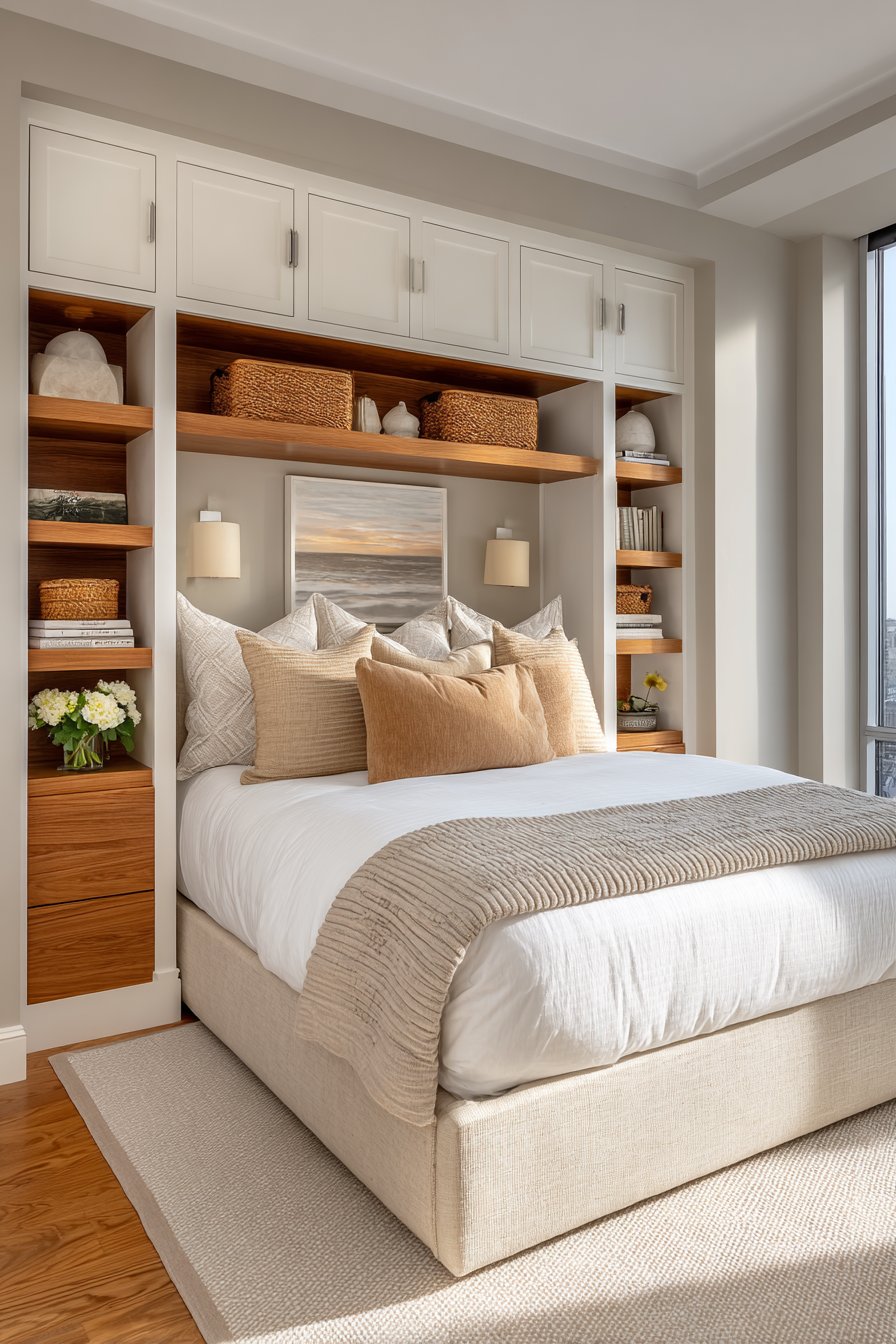
When floor space becomes precious, the answer lies in looking upward. Floor-to-ceiling built-in shelving transforms vertical wall space into valuable storage real estate while creating an impressive architectural feature. Flanking a low-profile upholstered bed, white painted shelving units establish a cohesive framework that draws the eye upward, emphasizing ceiling height and creating an illusion of greater volume within the room.
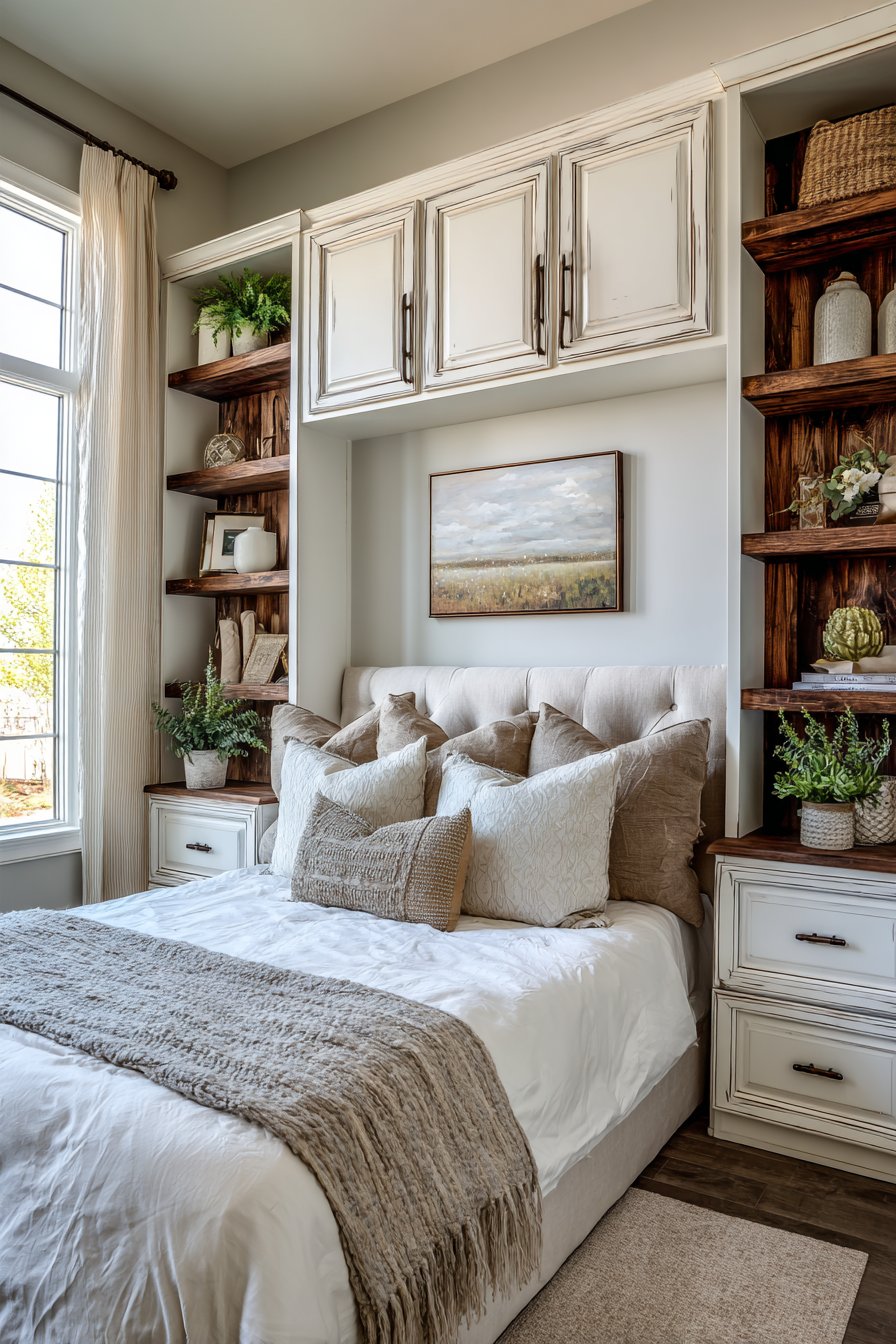
The strategic mix of open and closed storage within these units offers both display opportunities and concealment for less attractive necessities. Curated decor items, beloved books, and personal treasures occupy open shelves, adding personality without creating clutter.
Closed cabinets hide everyday essentials, maintaining the clean lines essential for small bedroom decor. This balance between display and discretion prevents the space from feeling either sterile or chaotic.
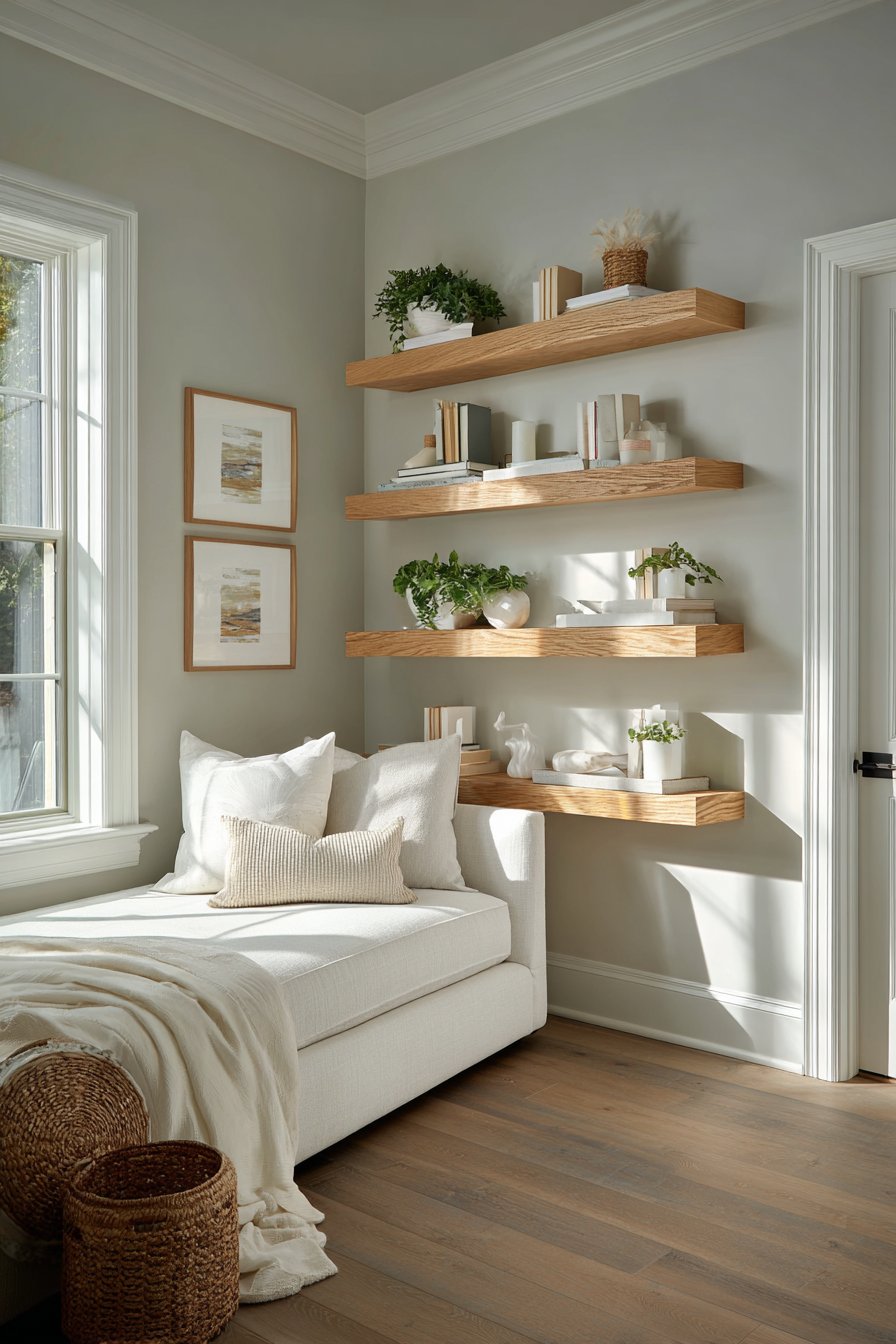
Warm wood accents on floating shelves provide textural contrast against pale grey walls, preventing the all-white scheme from feeling clinical. These natural elements introduce organic warmth and visual interest at eye level.
The low-profile bed maintains sight lines across the room, allowing the shelving to frame rather than overwhelm the sleeping area. Natural diffused lighting from nearby windows creates gentle shadows that add depth and dimension to the organized display.
Key Design Tips:
- Maximize ceiling height with floor-to-ceiling storage to utilize often-wasted vertical space
- Paint built-in shelving in room colors to create integrated, seamless architecture
- Mix open and closed storage for balanced functionality and visual appeal
- Keep bed profiles low to maintain uninterrupted sight lines across the room
- Use warm wood accents to soften all-white color schemes and add natural texture
3. Murphy Bed with Integrated Home Office Functionality
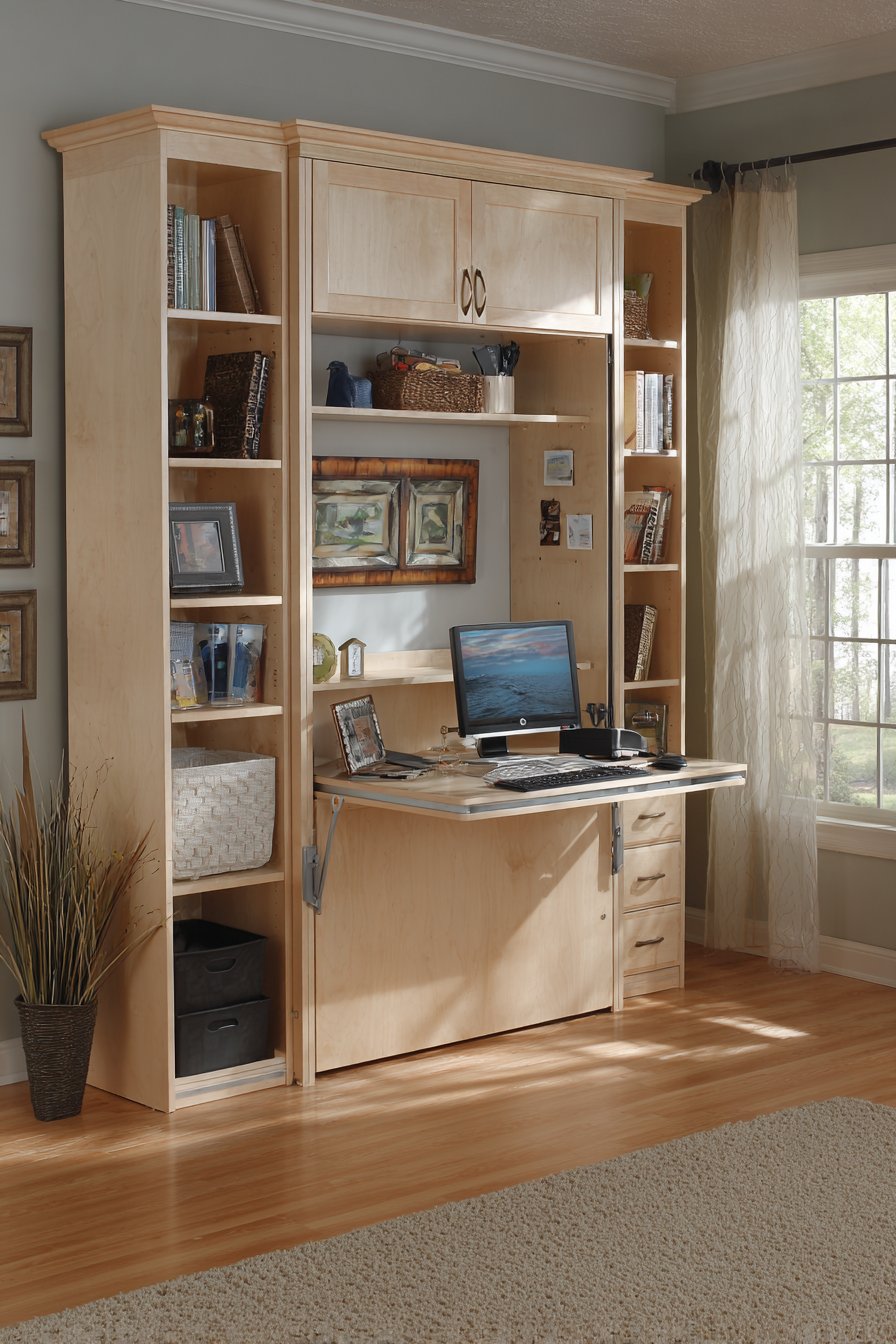
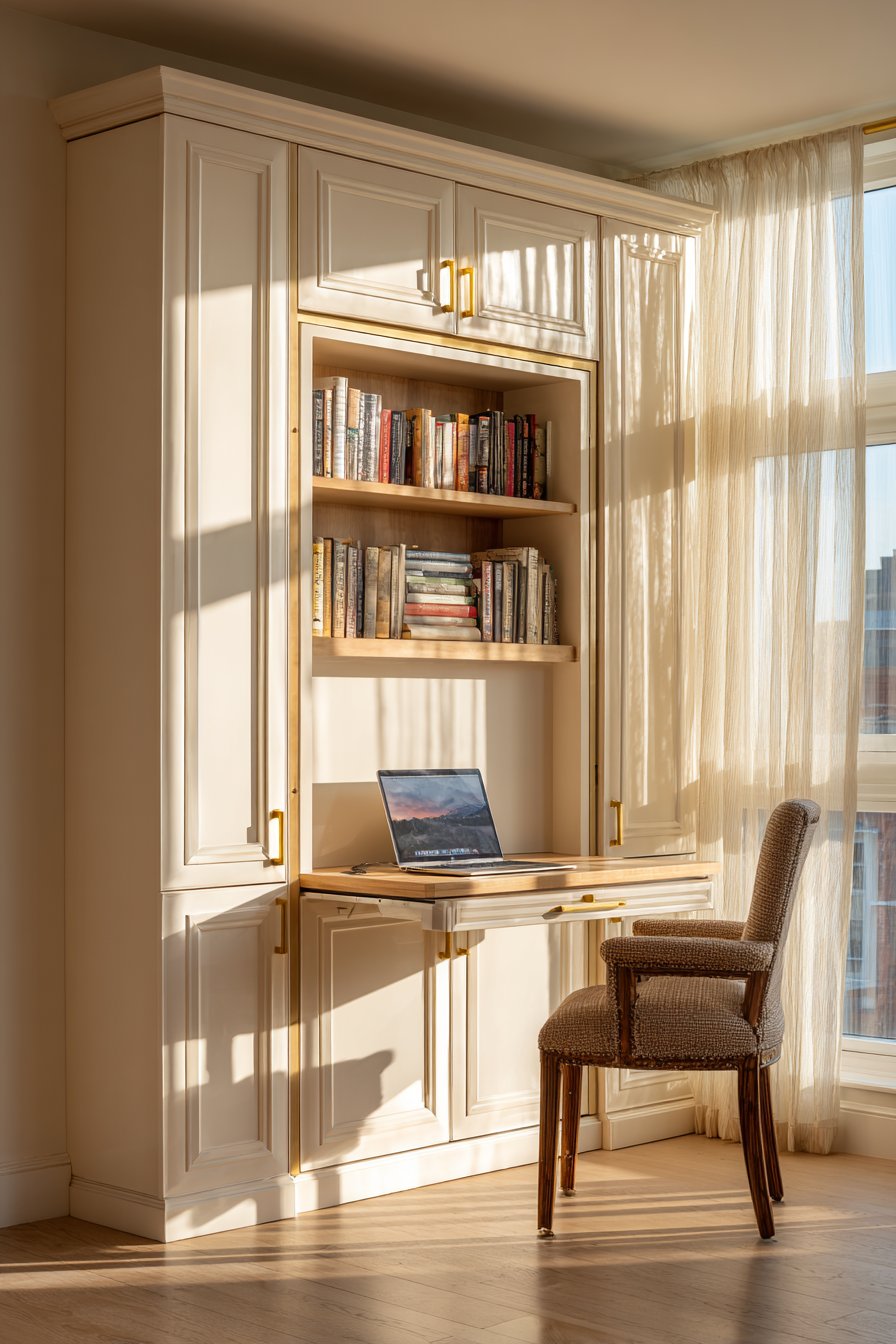
The ultimate space-saving solution for small bedroom decor arrives in the form of Murphy bed technology combined with contemporary design aesthetics. When elevated into its upright position, this transformative furniture piece reveals a fully functional home office complete with a fold-down desk and integrated shelving. Light maple wood construction exudes quality and refinement, while brass hardware details add sophisticated metallic accents that catch and reflect light throughout the space.
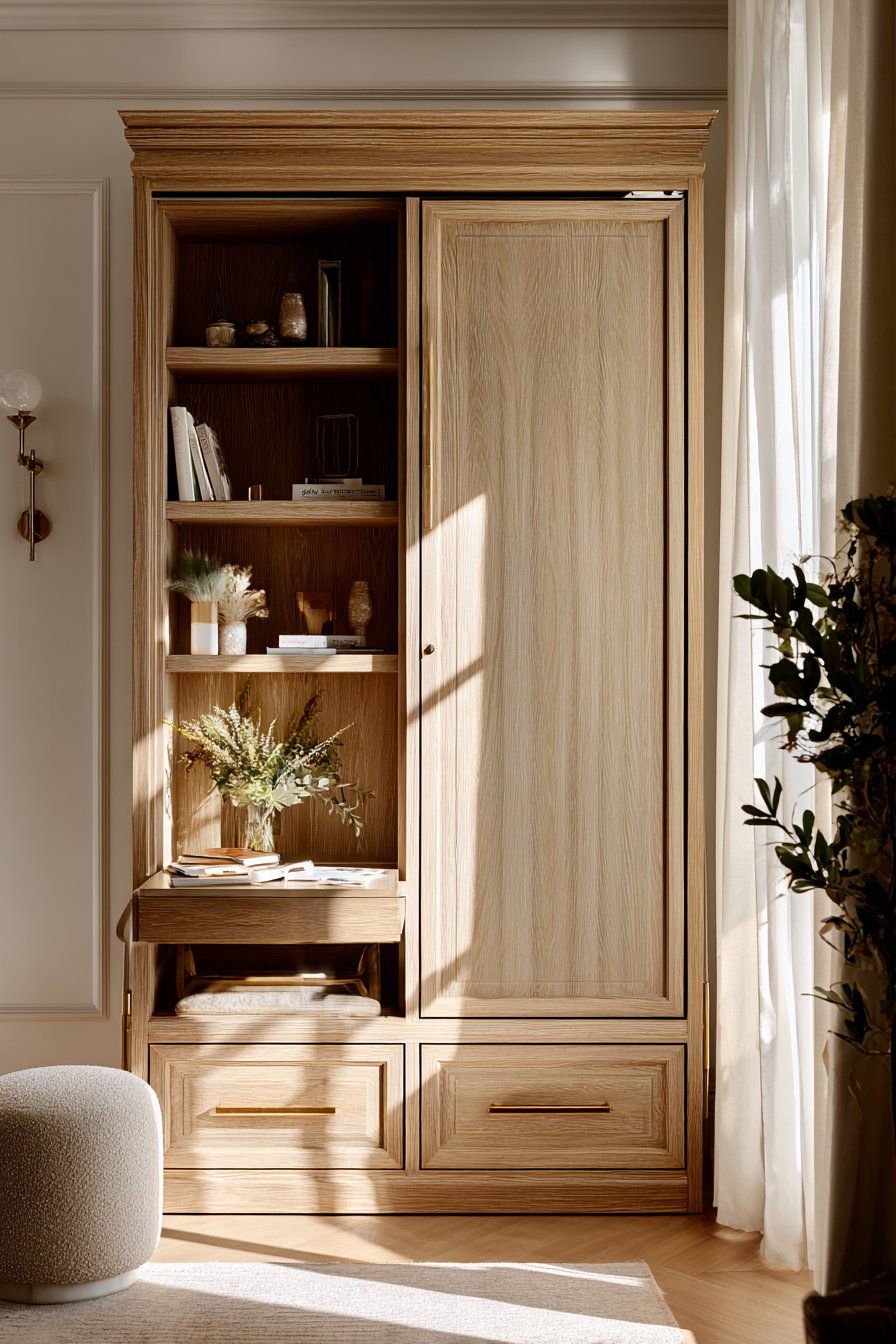
Surrounding walls painted in warm white maximize light reflection, crucial for the dual-purpose nature of this design. The color choice ensures the space feels bright and energized for daytime productivity while maintaining the serene quality necessary for nighttime rest. This careful color selection demonstrates how wall paint can influence both functionality and mood throughout different times of day and various activities within the same compact footprint.
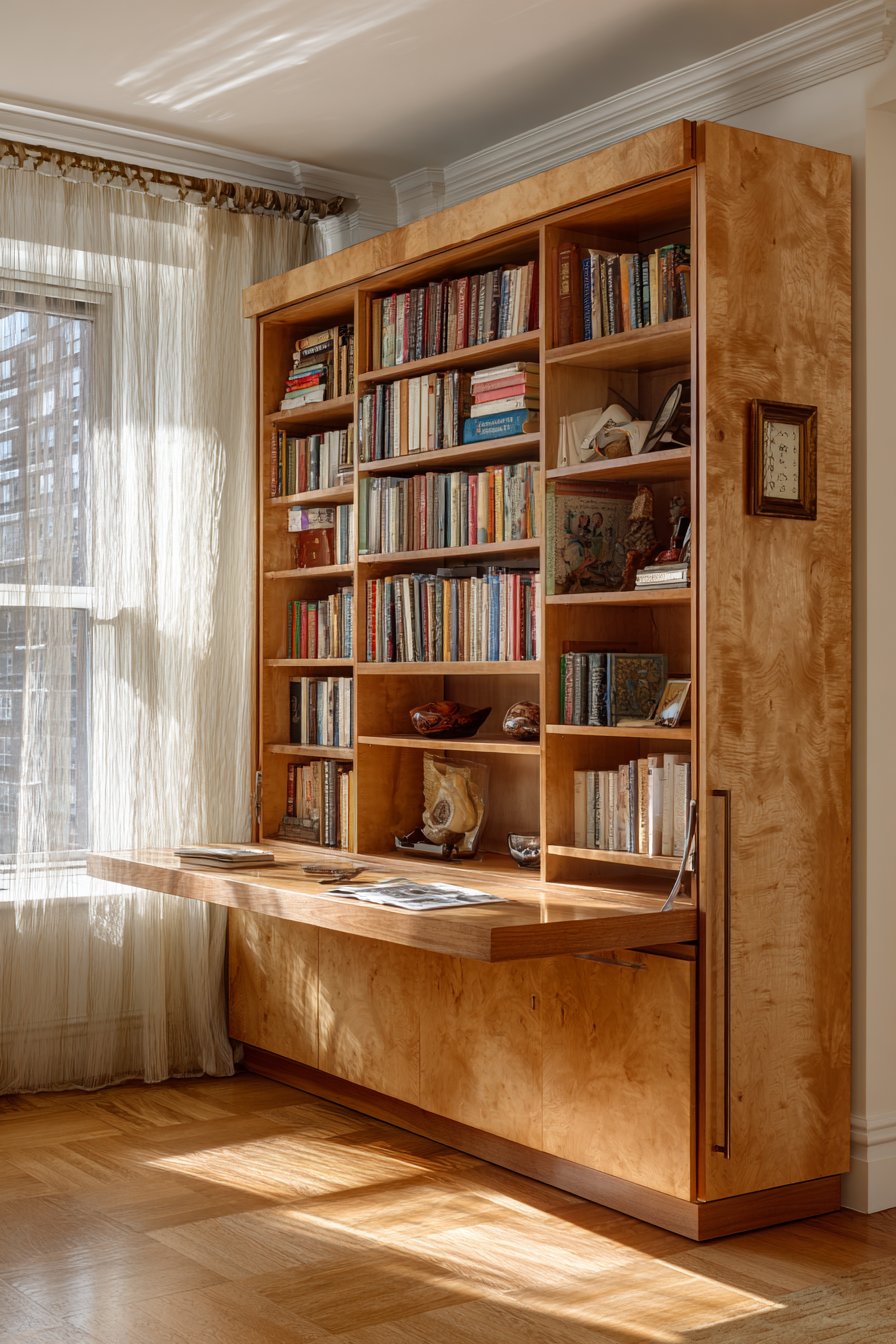
The clever engineering behind modern Murphy beds eliminates the bulky, cumbersome mechanisms of earlier generations. Smooth operation allows easy transformation between sleeping and working configurations, making the transition effortless for daily use.
Natural afternoon light streaming through sheer curtains highlights the practical elegance of this dual-function design, perfect for studio apartments or compact urban living spaces where every square foot must justify its existence through multiple uses.
Key Design Tips:
- Invest in quality Murphy bed systems with smooth mechanisms for daily reliability
- Choose light wood finishes and brass hardware for timeless, refined aesthetics
- Paint walls in warm whites to support both productive work and restful sleep
- Install sheer curtains to filter natural light while maintaining privacy
- Ensure adequate lighting for both desk work and bedside reading needs
4. Monochromatic Color Scheme in Soft Sage Green
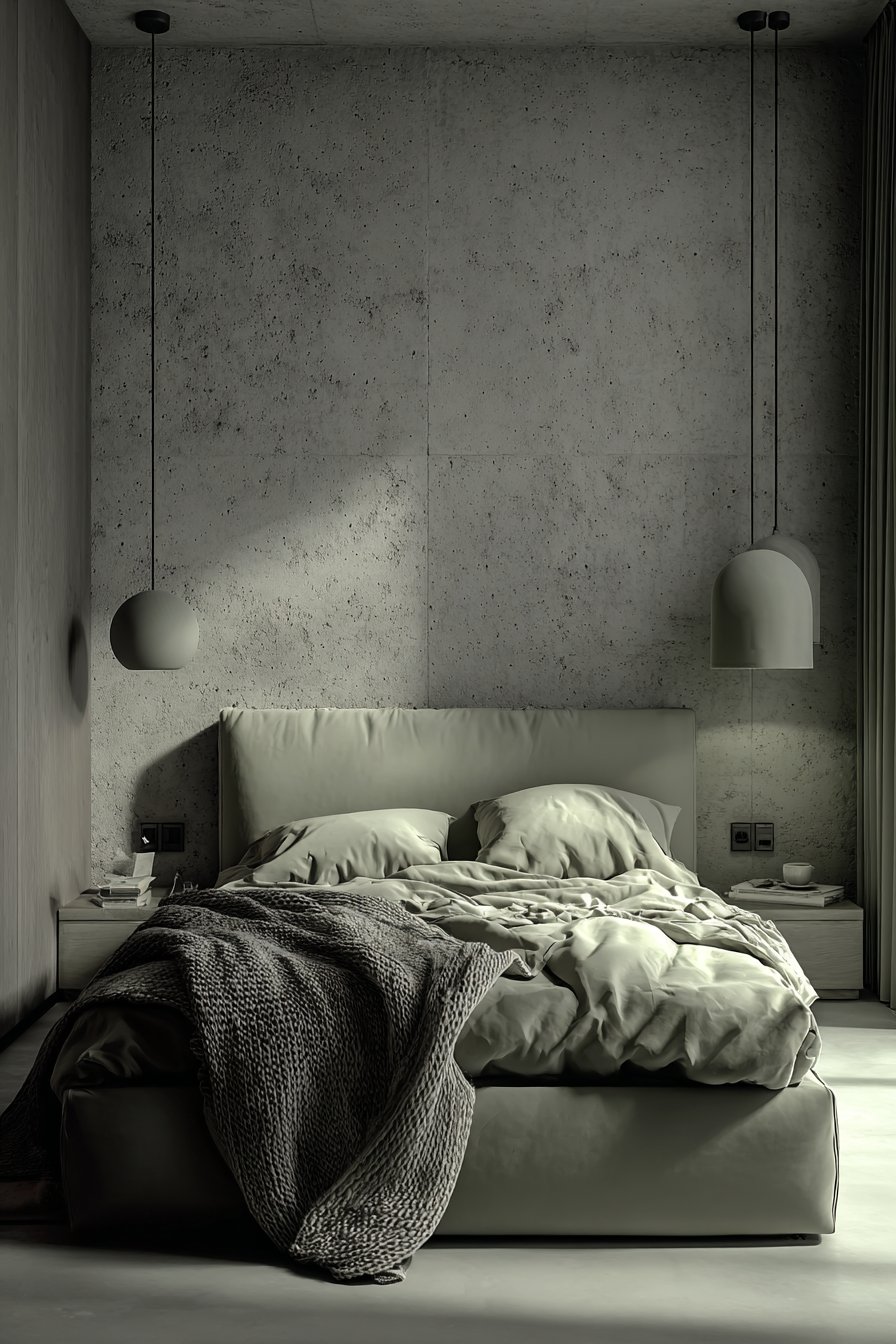
Color psychology plays a powerful role in small bedroom decor, and a monochromatic palette creates remarkable visual continuity. Soft sage green tones throughout this design establish a cohesive color story that eliminates visual disruption and allows the eye to travel smoothly across surfaces. This approach makes spatial boundaries less defined, creating an impression of greater square footage than actually exists.
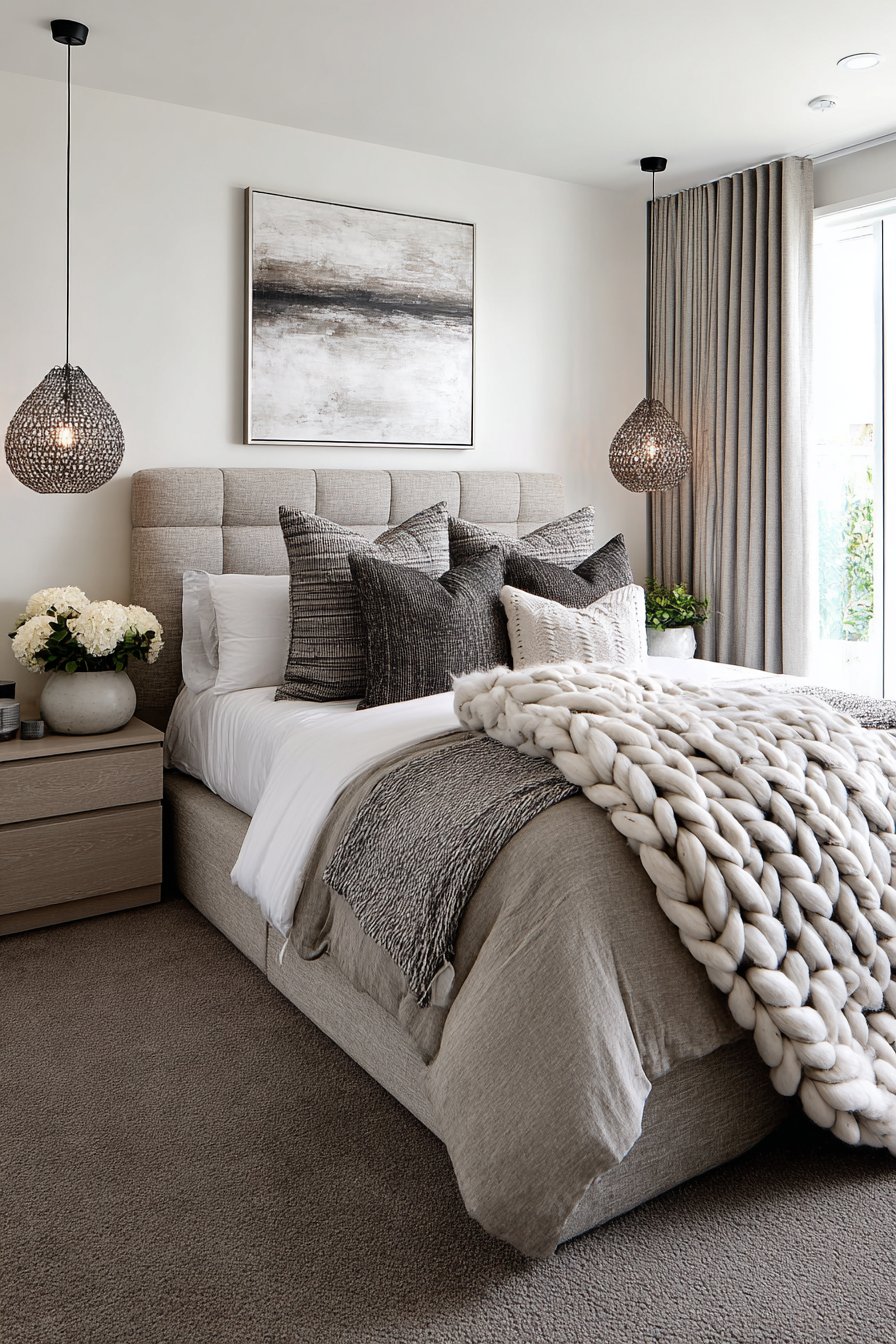
The queen-size bed features an upholstered linen headboard in the signature sage tone, serving as the room’s focal point while maintaining the monochromatic vision. Centered on the main wall, the bed anchors the space without competing for visual attention.
Wall-mounted pendant lights flanking the bed replace traditional table lamps, freeing precious nightstand surface area while adding vertical visual interest. This lighting choice demonstrates how functional elements can serve aesthetic purposes when selected thoughtfully.
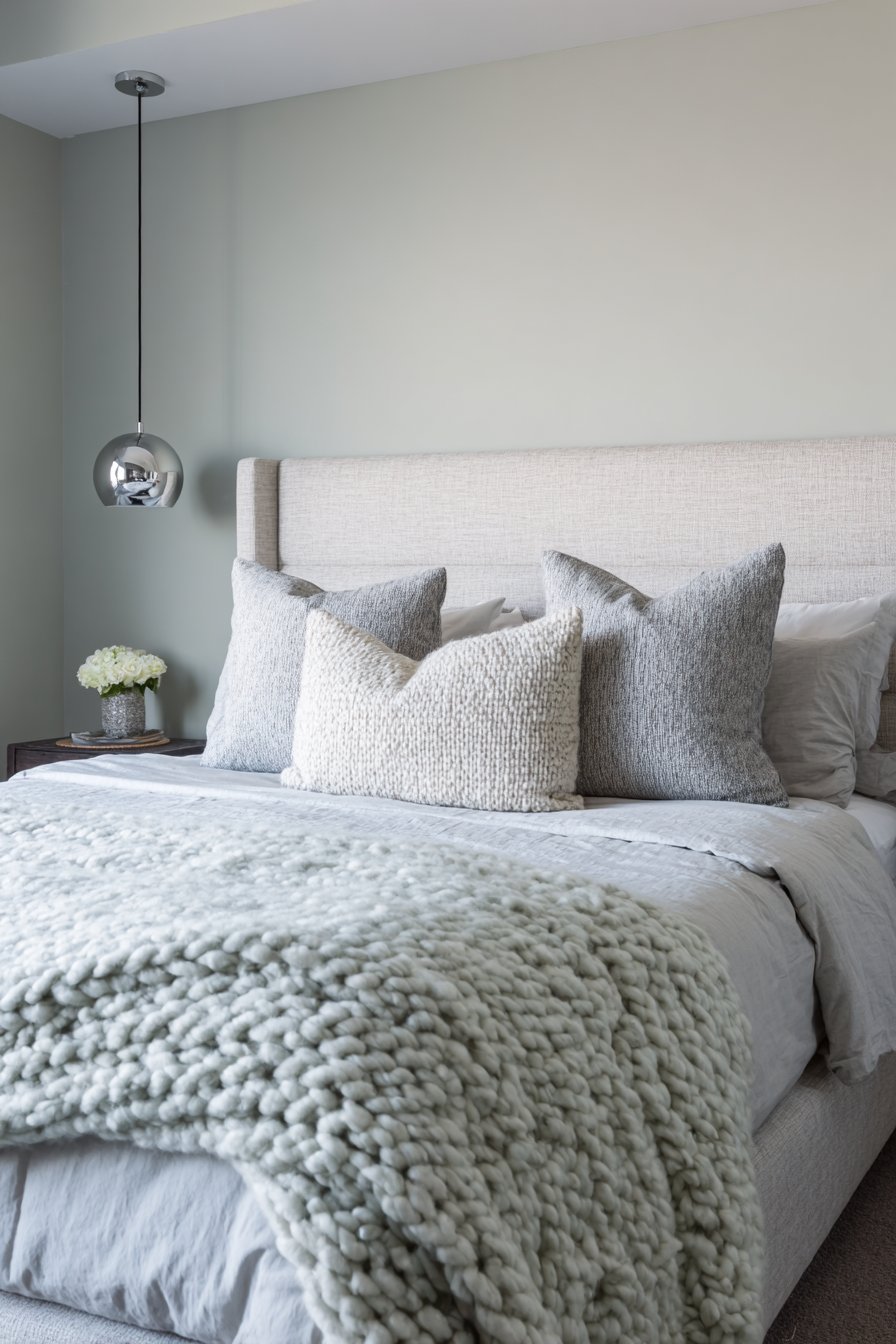
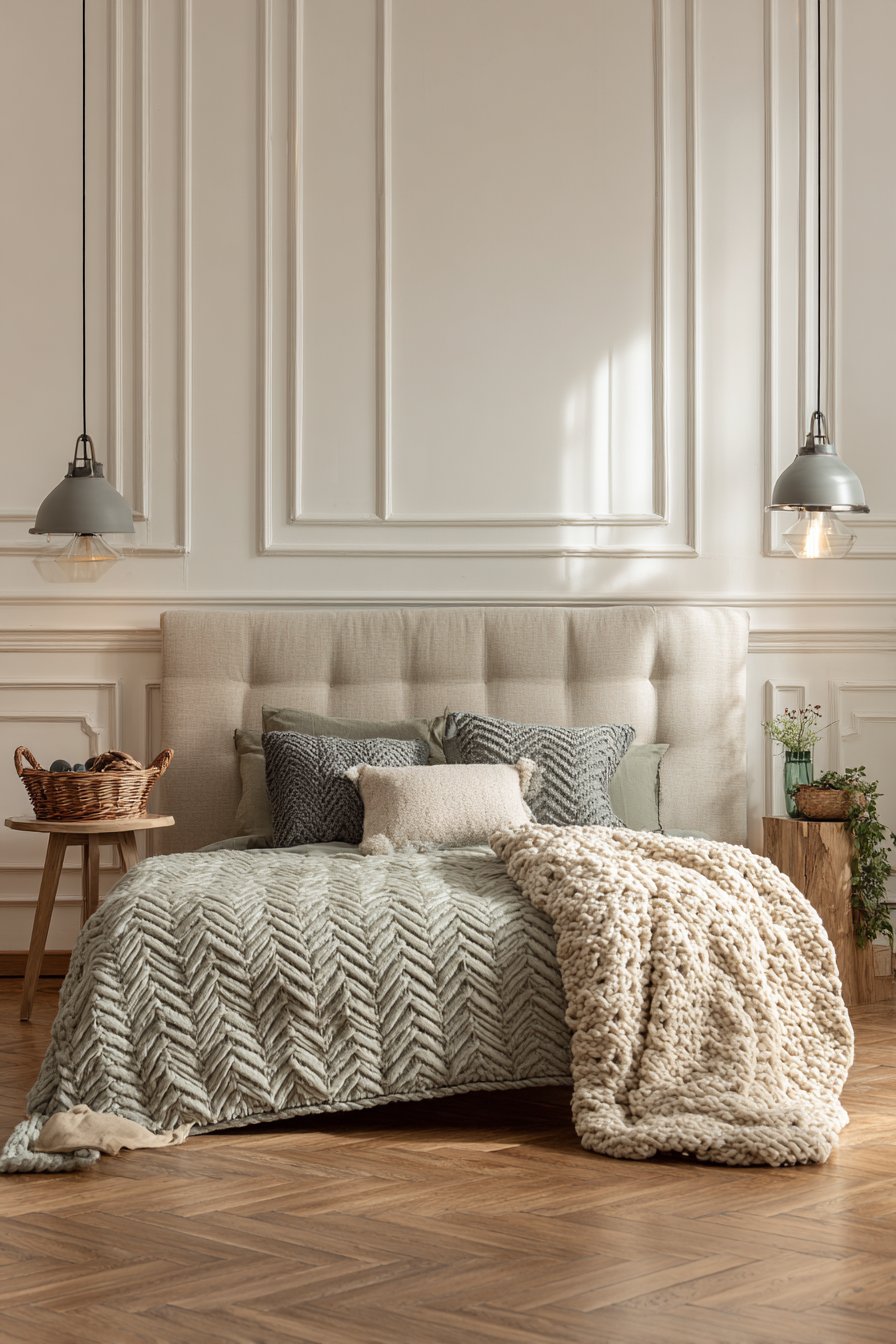
Textured throw pillows and a chunky knit blanket introduce depth and tactile variety within the monochromatic scheme. Different textures prevent the single-color approach from appearing flat or boring, creating sophisticated layers that invite touch and enhance comfort. These textile variations catch light differently throughout the day, revealing subtle shifts in tone and shadow that keep the space visually engaging despite the limited color palette.
Key Design Tips:
- Select one color family and explore various shades within that spectrum
- Use texture variation to create visual interest within monochromatic schemes
- Choose wall-mounted lighting to preserve surface space and add vertical elements
- Layer textiles in similar tones but different materials for depth and sophistication
- Consider how natural light changes color appearance throughout the day
5. Under-Bed Storage with Natural Woven Baskets

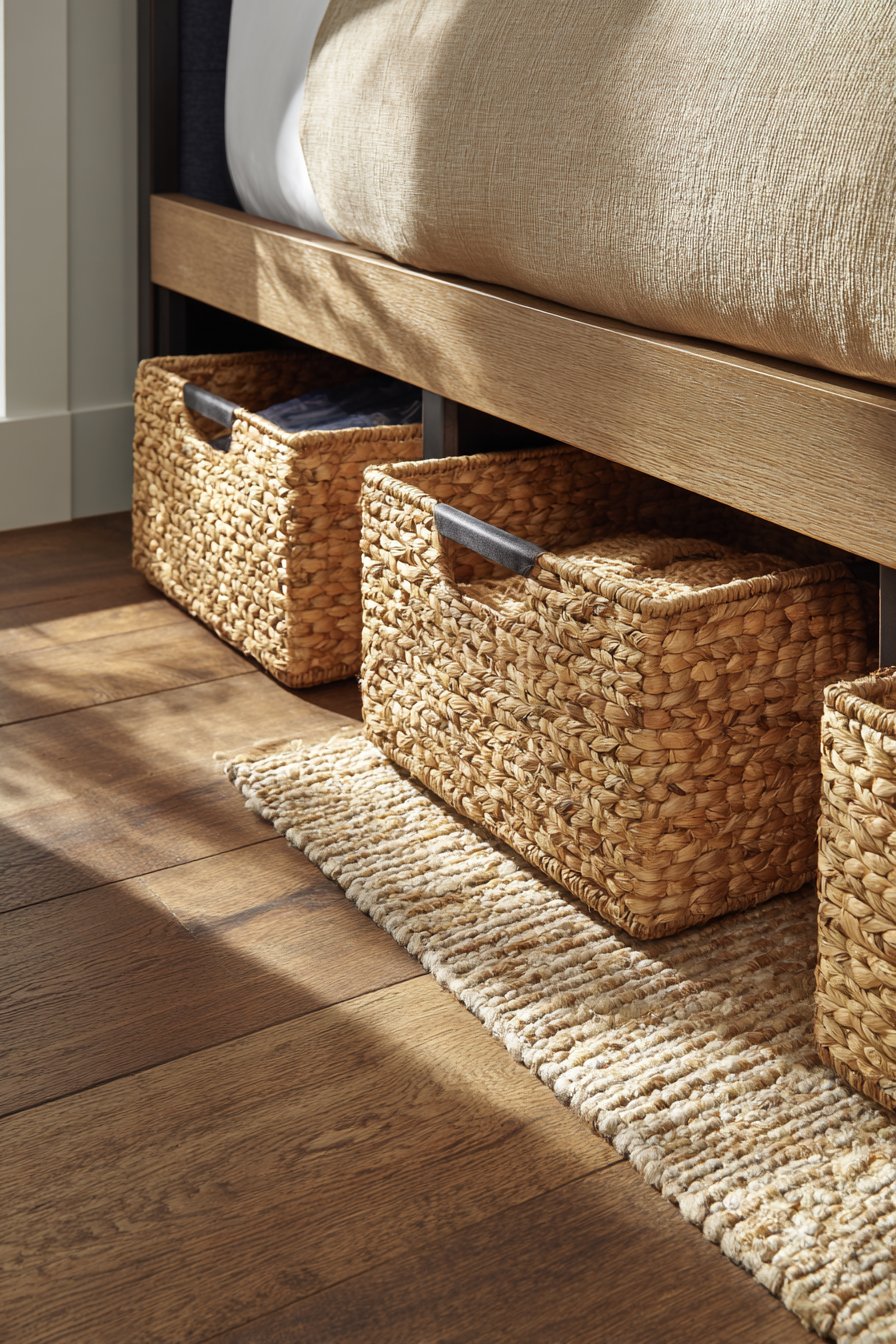
Practical organization solutions form the backbone of successful small bedroom decor, and under-bed storage represents one of the most underutilized opportunities in compact spaces. Pull-out woven baskets in natural rattan transform the void beneath the bed into accessible, attractive storage. The organic texture of rattan adds warmth and visual interest while maintaining an organized, intentional appearance that elevates the entire room’s design aesthetic.
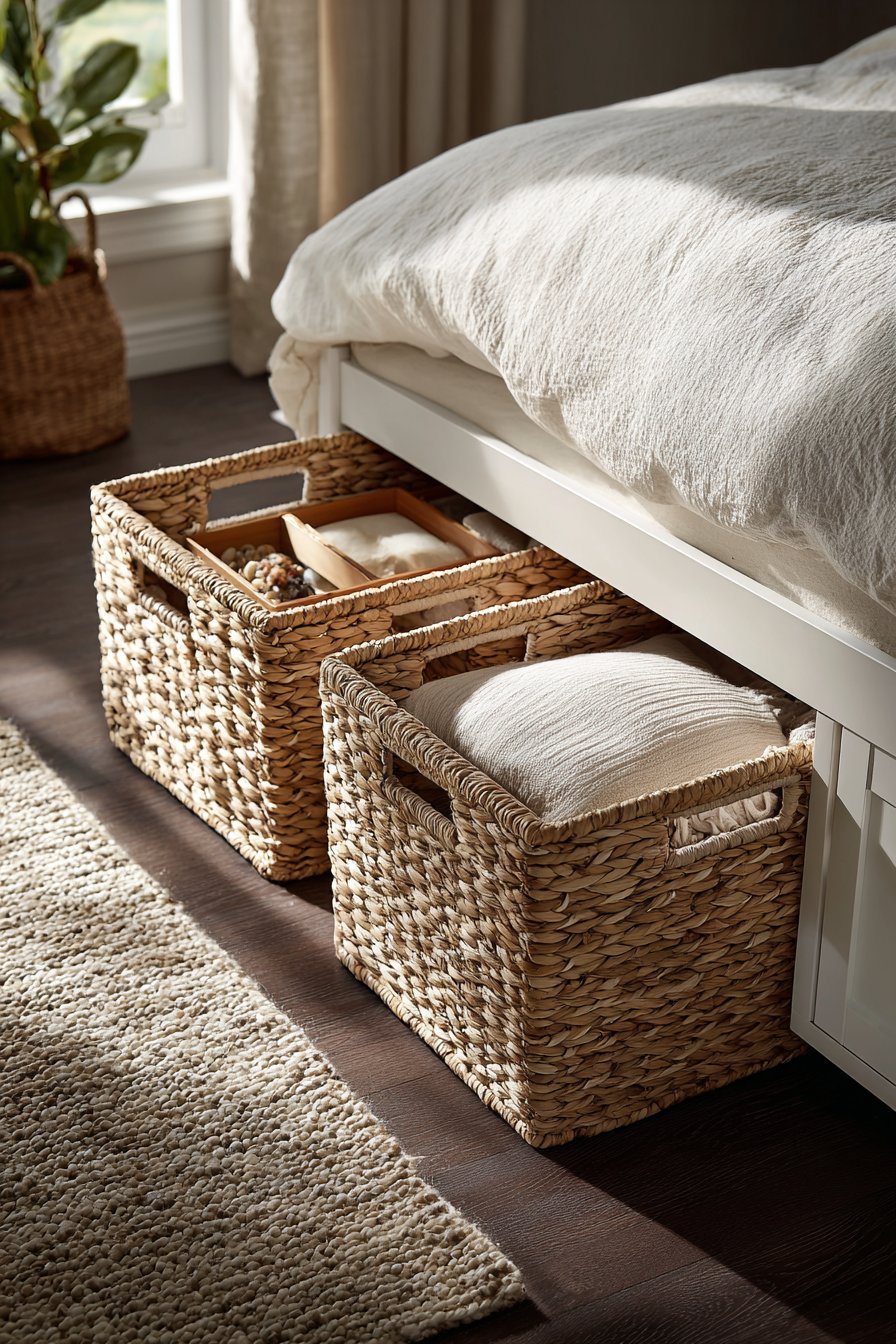
The low-profile bed frame intentionally provides visible storage access, making retrieval and replacement of stored items effortless. This accessibility ensures the storage system actually gets used rather than becoming a forgotten catch-all for random items.
Hardwood flooring provides a durable, easy-to-clean surface that won’t snag basket bases during pulling and pushing. A small wool area rug adds softness underfoot and defines the sleeping zone within the larger floor plan.
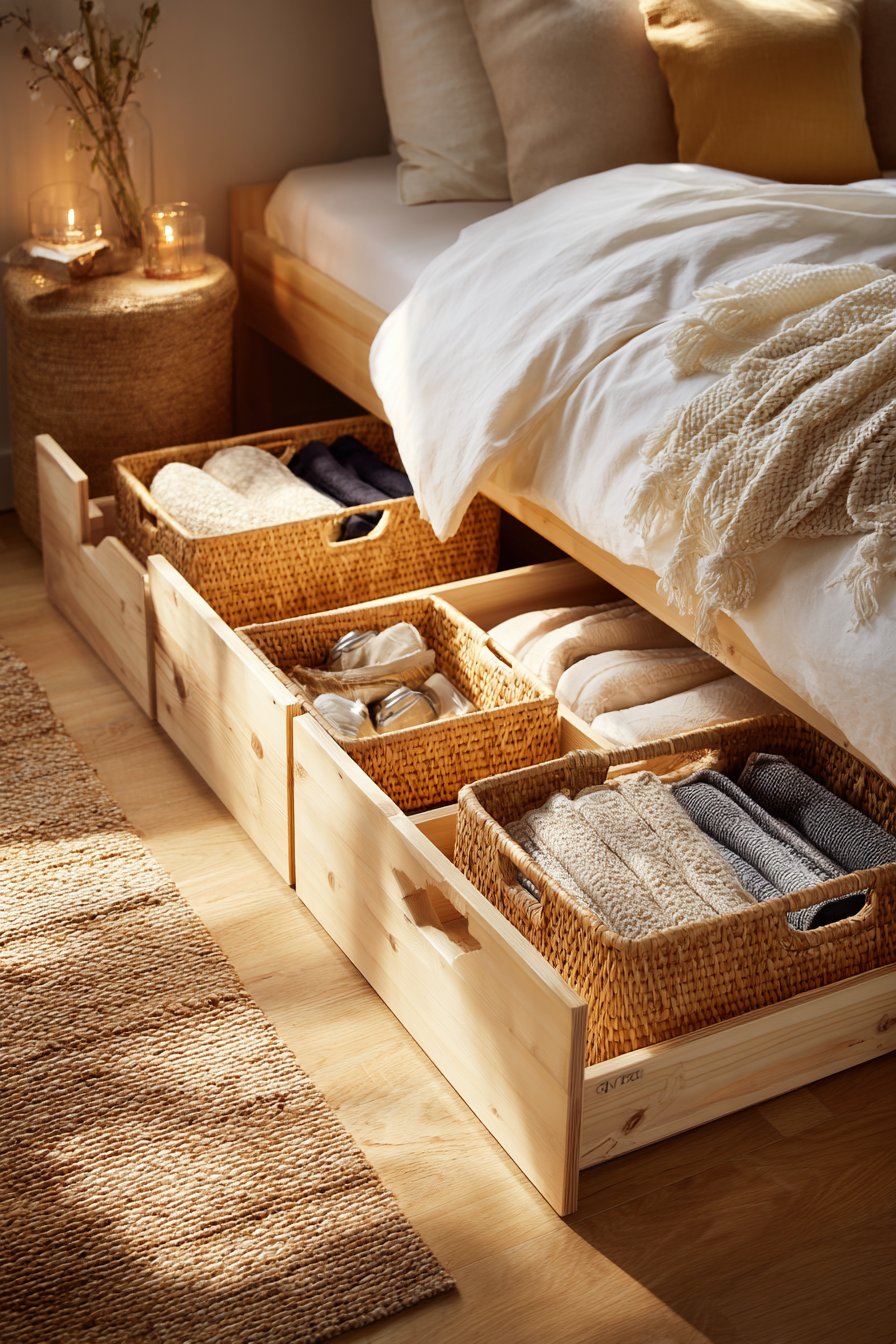
Natural materials like rattan introduce organic elements that soften the hard edges of furniture and architecture. The woven texture creates visual warmth and tactile appeal, connecting the indoor space with natural outdoor elements. This biophilic design approach promotes relaxation and well-being, particularly important in sleeping environments where stress reduction supports quality rest. The visible organization system also provides psychological comfort, reducing anxiety about clutter and disorder.
Key Design Tips:
- Choose bed frames with adequate clearance for standard storage containers
- Select natural materials like rattan or wicker for visual warmth and texture
- Use consistent basket sizes for a cohesive, intentional appearance
- Label storage baskets for easy identification and maintained organization
- Position area rugs to define sleeping zones while leaving storage access clear
6. Daybed Design for Multi-Functional Living
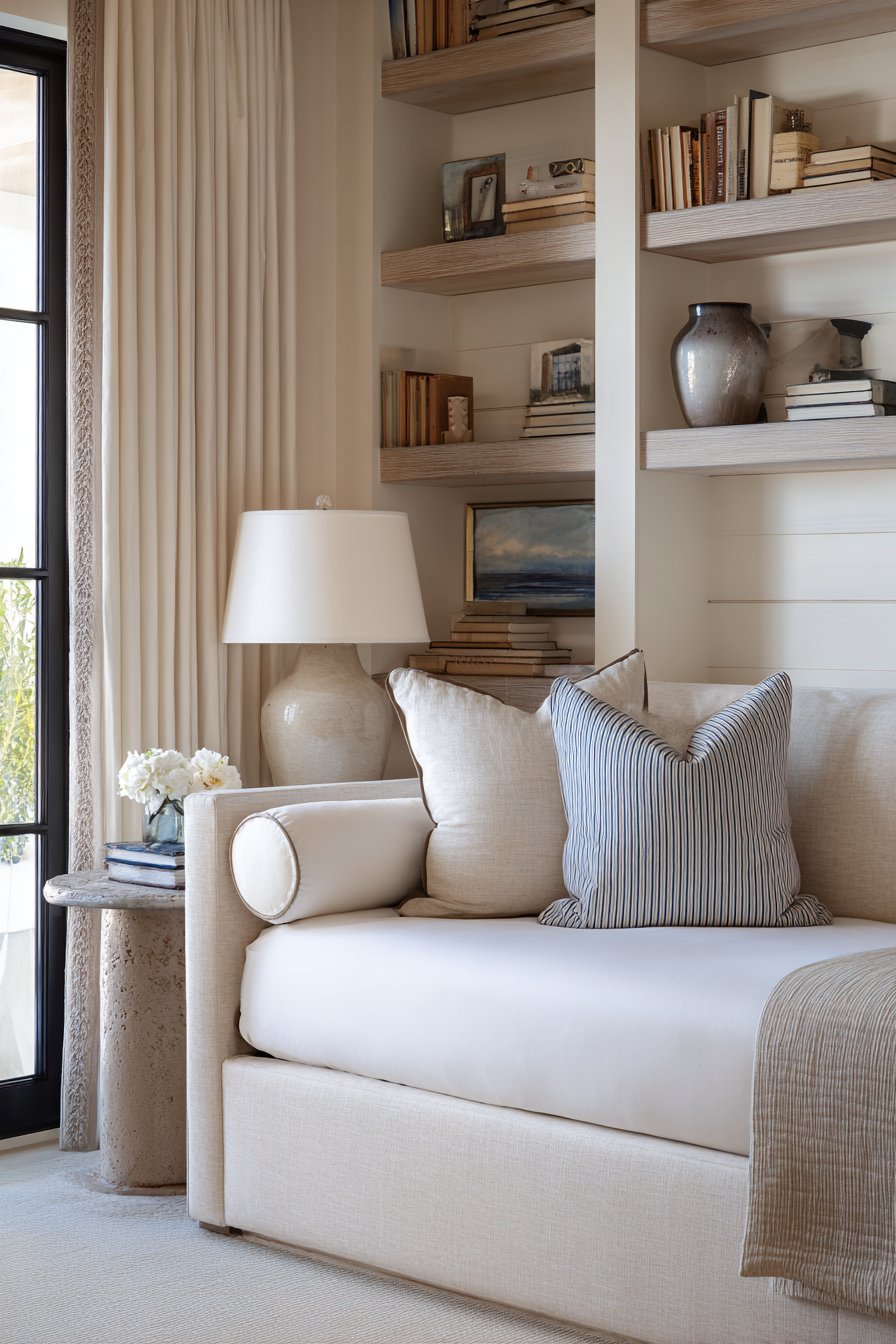
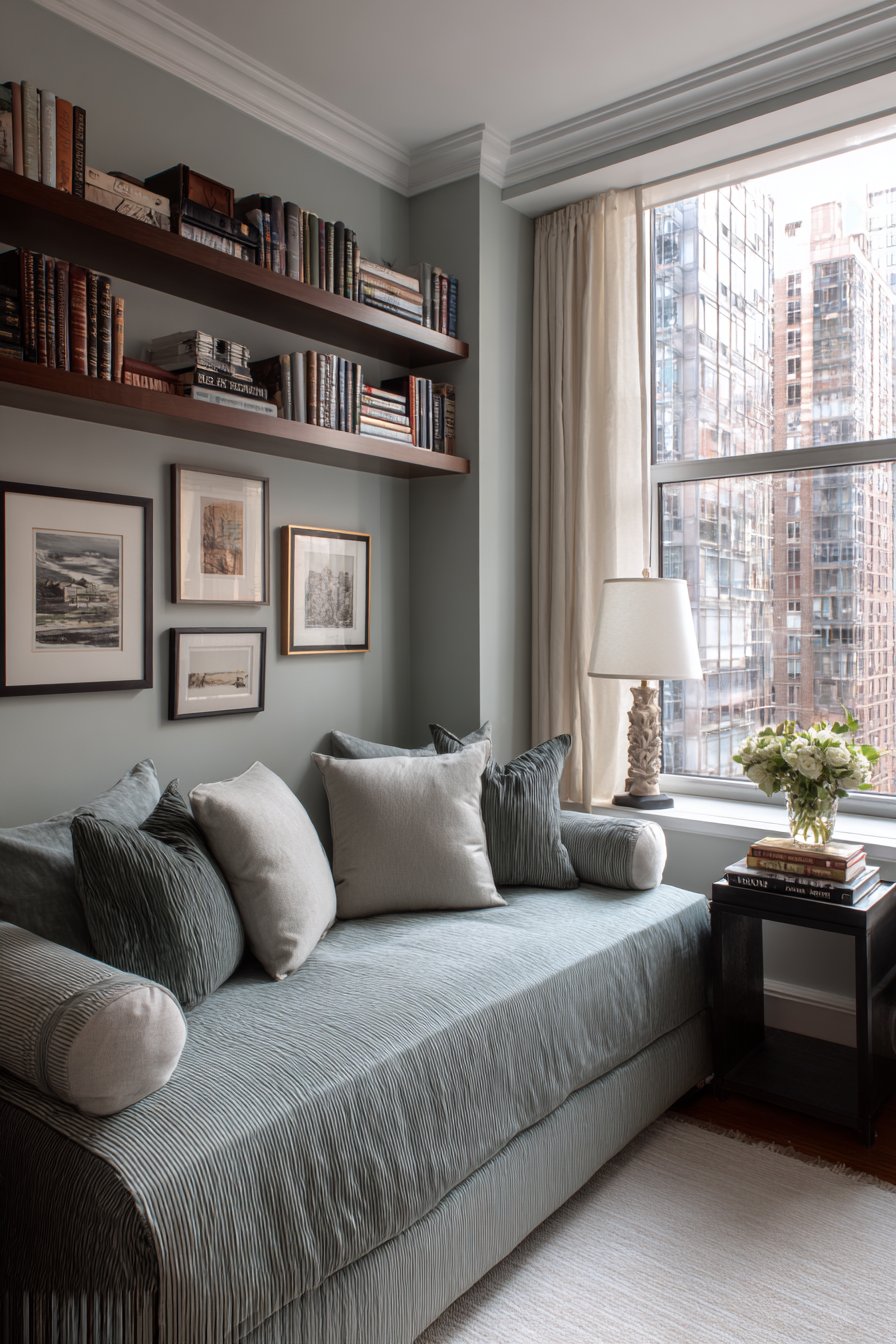
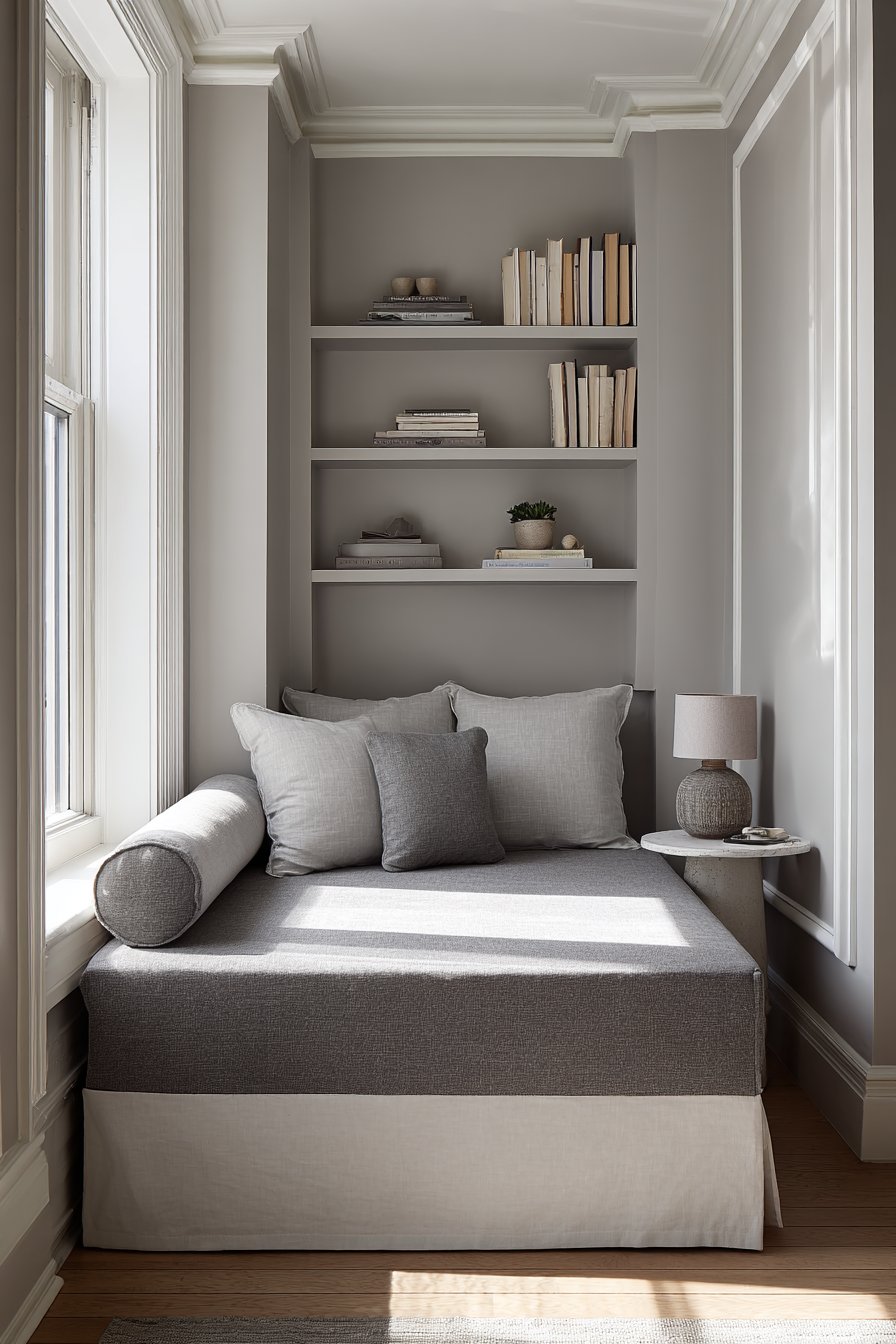
Small bedroom decor often requires furniture that adapts to multiple needs throughout the day. A daybed positioned against the wall serves as both sleeping surface and seating area, maximizing functionality within minimal square footage. Tailored bolster pillows and a fitted cover in durable cotton canvas create a sofa-like appearance during daytime hours, transforming the bedroom into a versatile living space suitable for reading, relaxing, or entertaining guests.
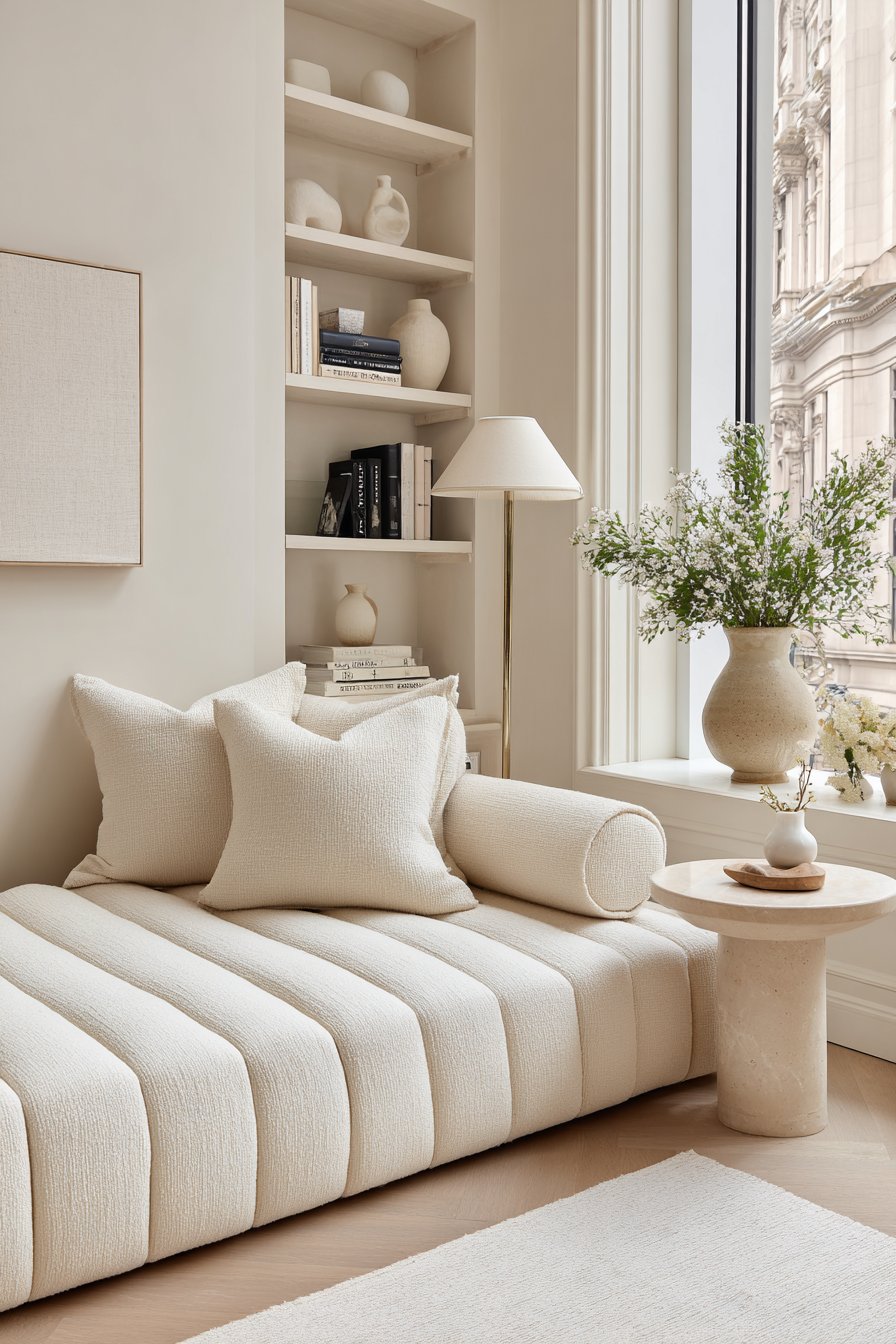
Open shelving mounted above the daybed provides display and storage without consuming floor space. Books, personal collections, and decorative objects occupy these shelves, adding personality and visual interest at an elevated sight line. A compact side table with a ceramic lamp offers ambient lighting and surface space for beverages or reading materials. The combination creates a complete seating vignette that rivals traditional living room arrangements in comfort and functionality.
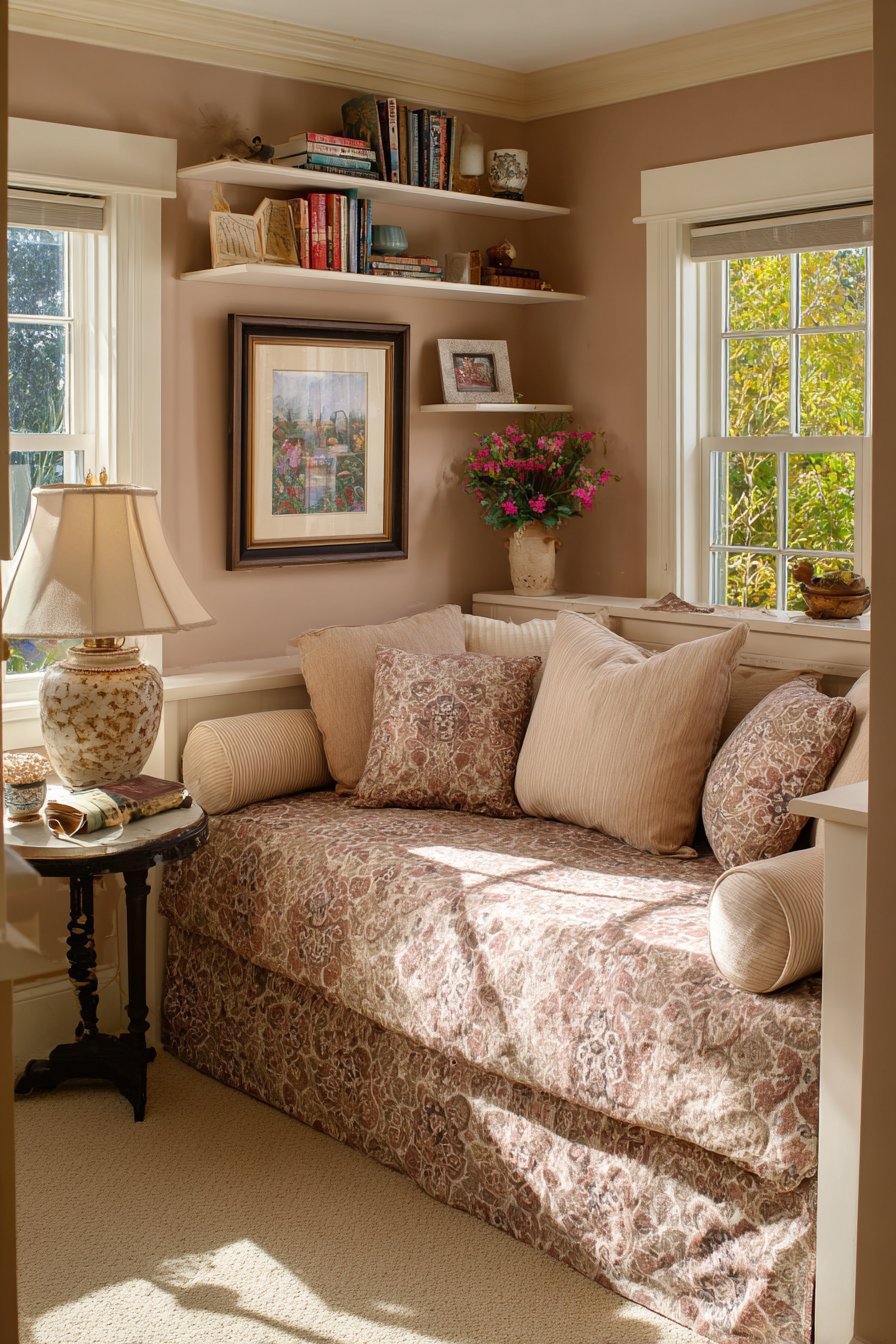
Walls painted in soft greige with crisp white trim establish a serene, sophisticated backdrop that complements various decor styles. This neutral foundation allows flexibility in accent colors and seasonal decorating changes without requiring major overhauls.
Natural window light from the left side creates dimensional shadows that emphasize the multi-functional layout, demonstrating how a single piece of furniture can eliminate the need for both a bed and a sofa in compact living situations.
Key Design Tips:
- Choose daybeds with comfortable mattresses suitable for nightly sleep
- Use tailored covers and bolster pillows to create sofa-like daytime aesthetics
- Install open shelving above furniture to utilize vertical wall space
- Select durable, washable fabrics that withstand daily use as seating
- Position side tables for easy access from both sitting and lying positions
7. Corner Workspace Integration for Home Office Needs
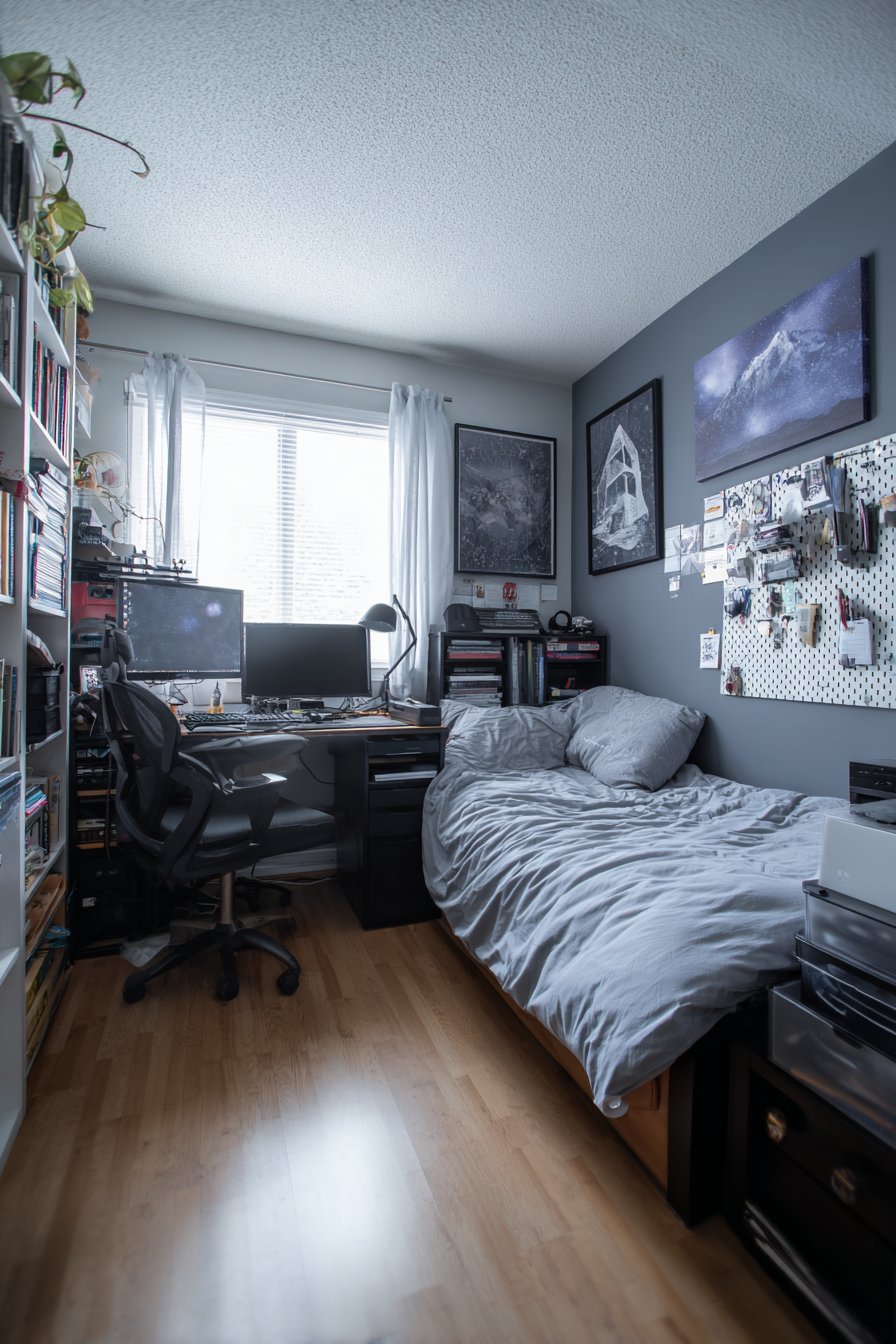
Modern small bedroom decor must often accommodate remote work requirements, and corner spaces offer ideal locations for integrated workspace solutions. A narrow floating desk mounted beneath a window captures maximum natural light for focused work while leaving the room’s center open and unobstructed. The wall-mounted installation eliminates bulky desk legs, creating a streamlined appearance that doesn’t visually dominate the sleeping environment.
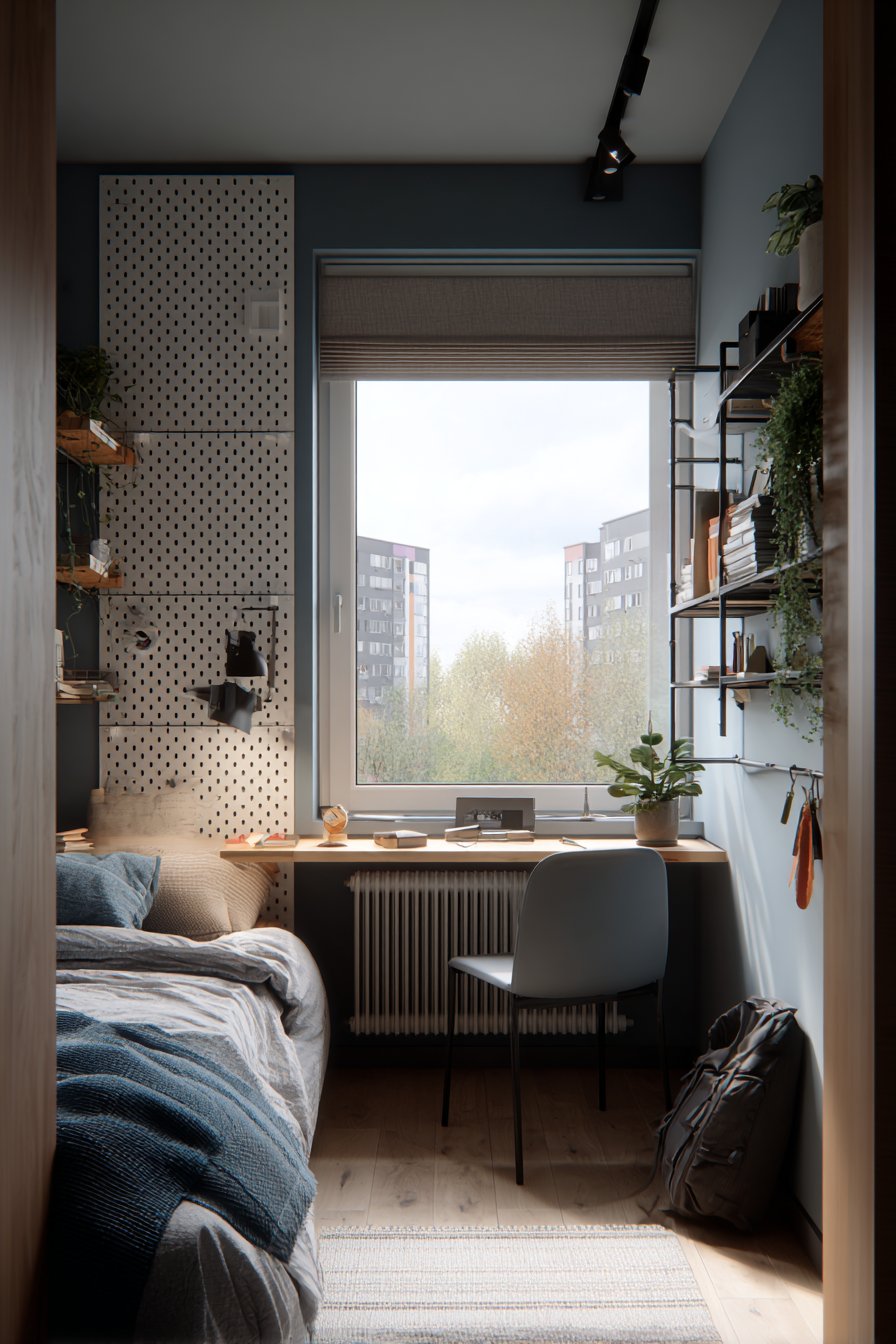
A slim profile task chair tucks completely under the desk when not in use, disappearing from view and freeing circulation space. This compact furniture selection ensures the workspace doesn’t overwhelm the bedroom’s primary function.
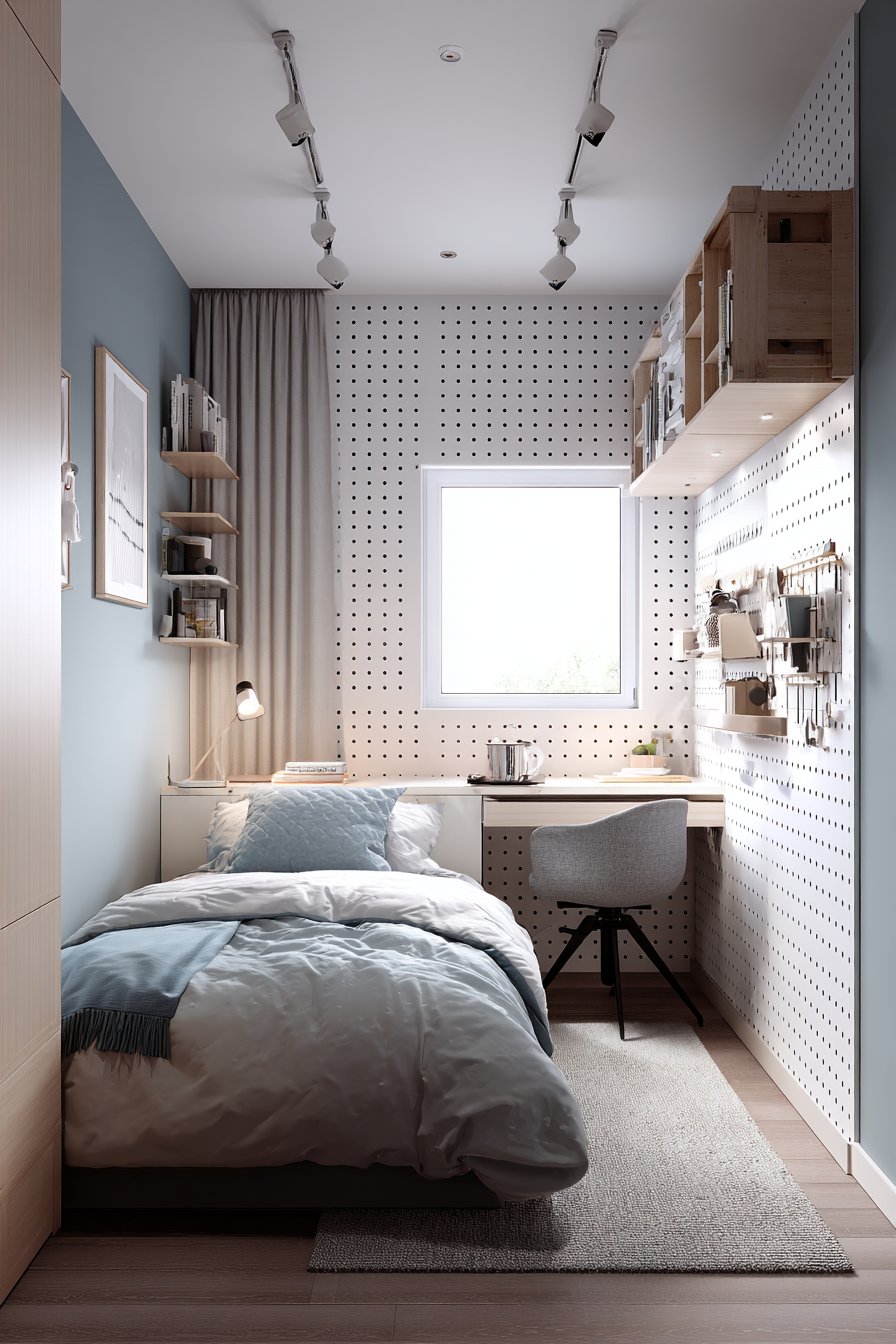
An adjacent pegboard organization system keeps supplies accessible and visible without consuming valuable floor real estate. Hooks, small shelves, and containers attached to the pegboard create customizable storage that adapts to changing needs and work requirements.
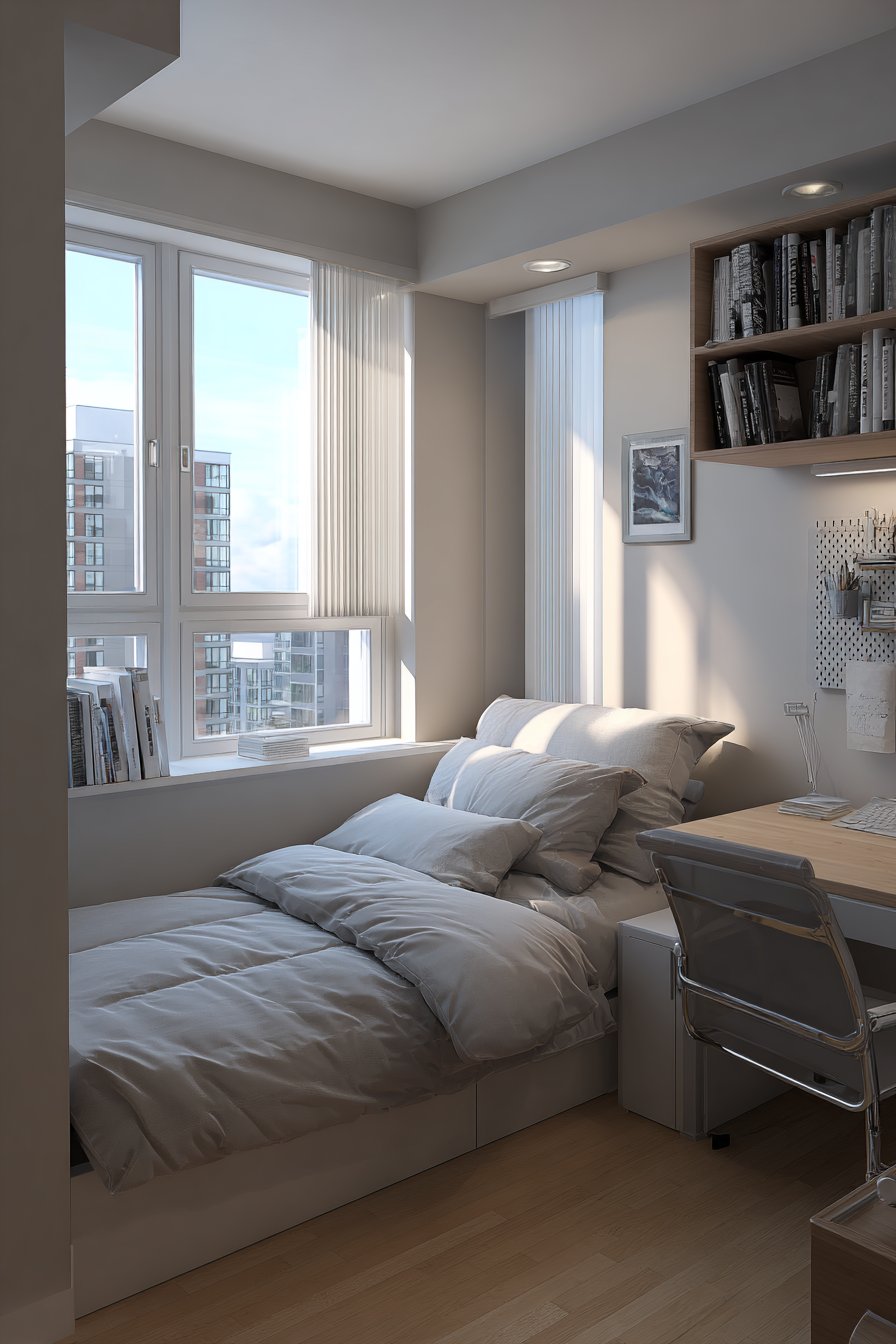
Muted blue-grey walls create a calming atmosphere conducive to both productive work and restful sleep. This versatile color supports focus during work hours while promoting relaxation during evening unwinding. The strategic corner placement maximizes an often-underutilized area while maintaining clear traffic flow through the main bedroom space. Morning light demonstrates the practical dual-purpose design, proving that small bedrooms can successfully serve multiple functions without feeling cramped or compromised.
Key Design Tips:
- Position desks beneath windows to maximize natural light for work tasks
- Choose floating desks to eliminate visual bulk from supporting legs
- Select chairs that tuck completely under desks when not in use
- Install pegboard systems for flexible, customizable storage solutions
- Use calming wall colors that support both work focus and sleep relaxation
8. Strategic Mirror Placement for Spatial Expansion
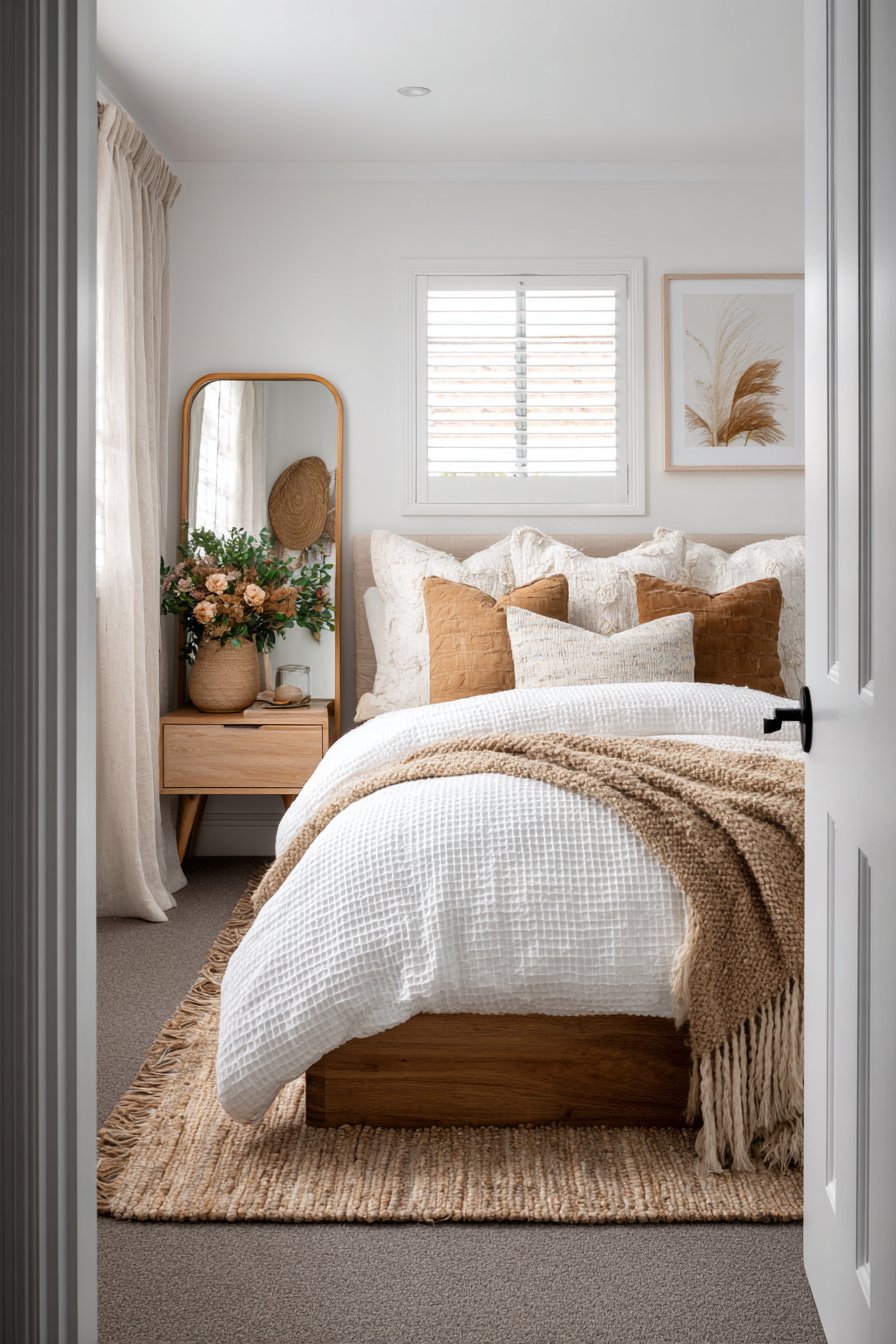
Mirror placement represents one of the most powerful tools in small bedroom decor, capable of dramatically altering spatial perception. A full-length leaning mirror positioned to reflect the window creates a stunning illusion that visually doubles both the perceived space and available natural light. This simple intervention transforms the room’s atmosphere, making compact dimensions feel substantially more open and airy without any structural changes or expensive renovations.
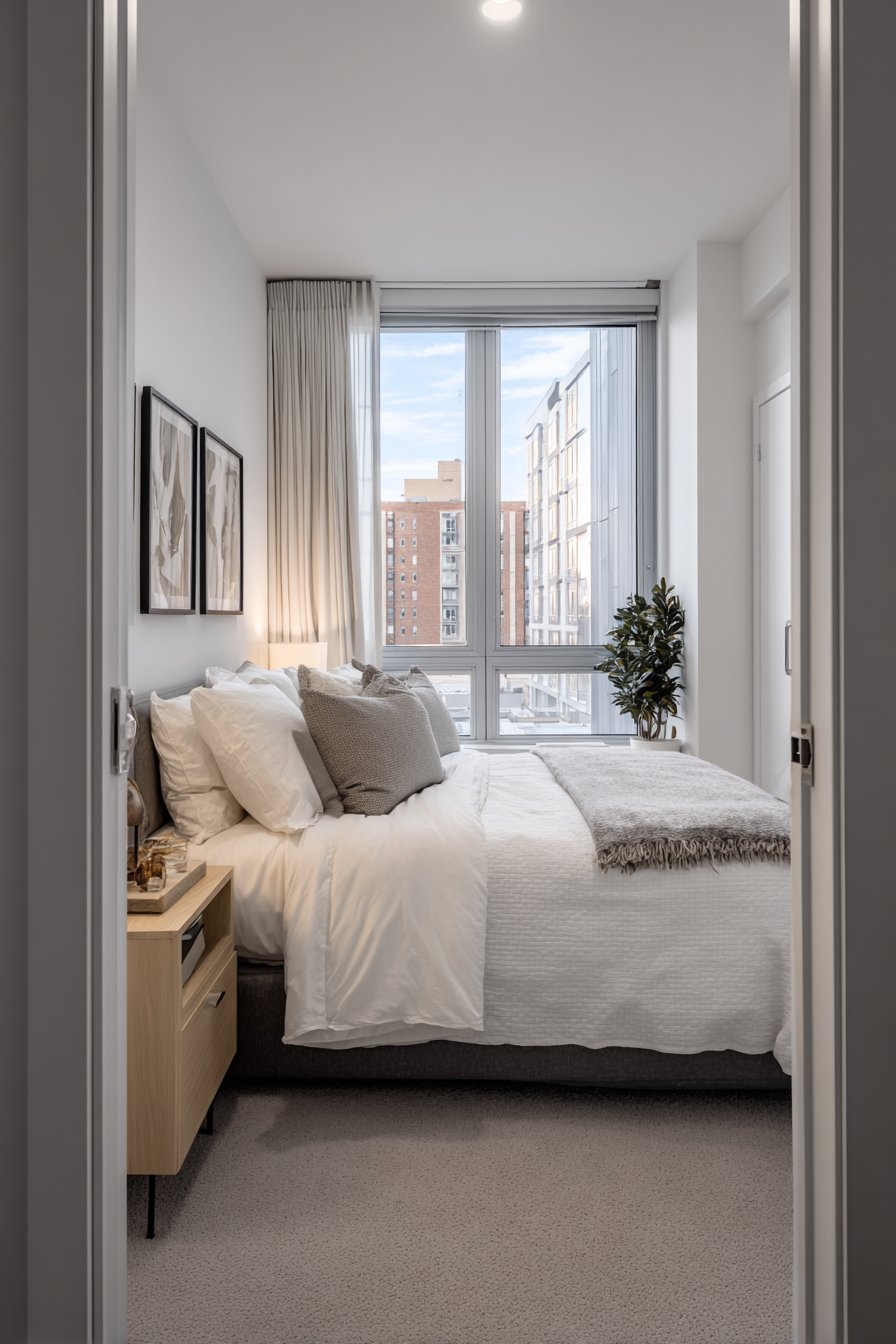
The bed dressed in crisp white cotton bedding with waffle-weave texture maintains visual simplicity while adding tactile interest. White bedding reflects maximum light while creating a hotel-like freshness that promotes cleanliness and calm. A minimal nightstand in light wood holds only essential items, preventing surface clutter that would counteract the spacious illusion created by the mirror. Every element works in concert to maintain the light, open atmosphere.
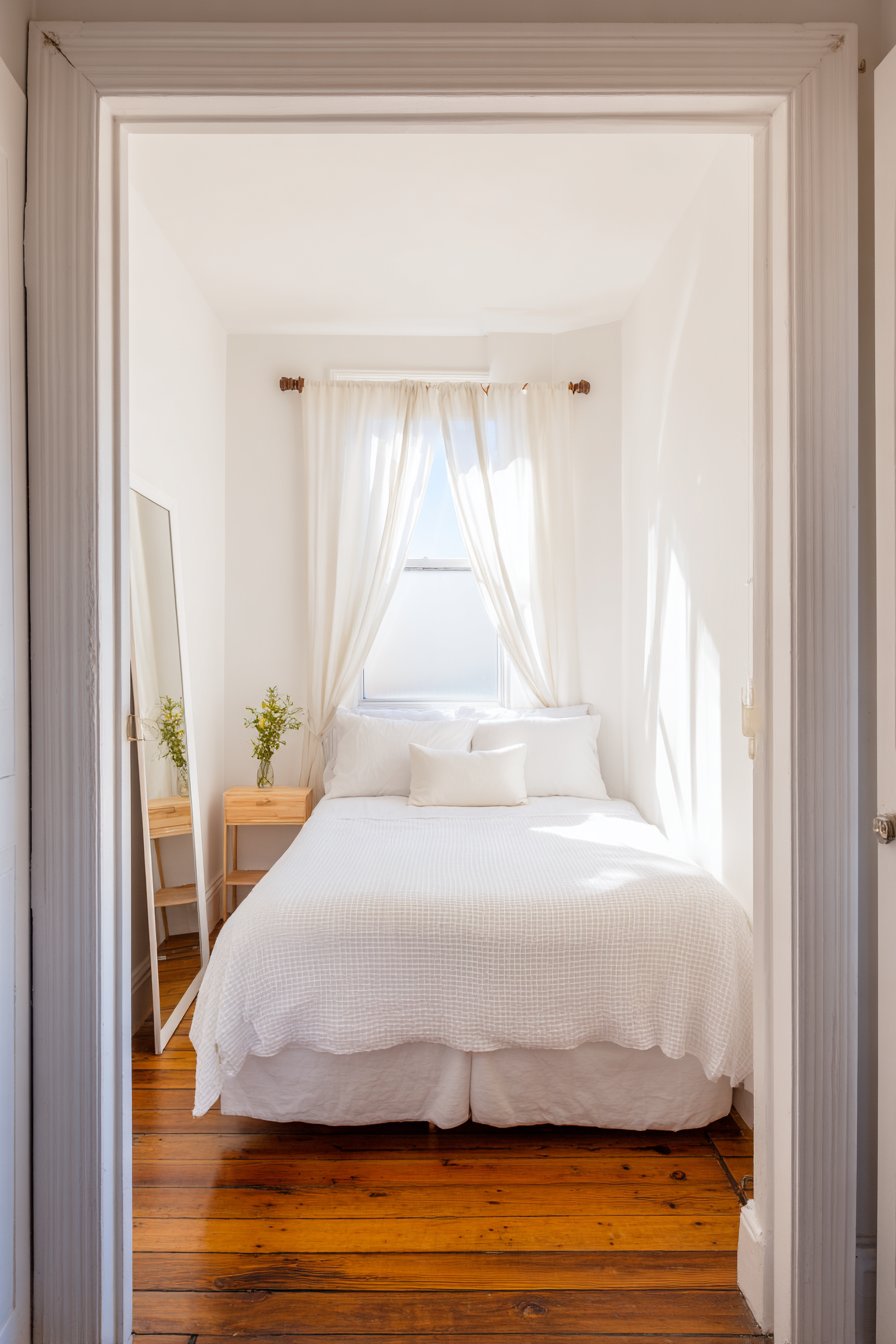
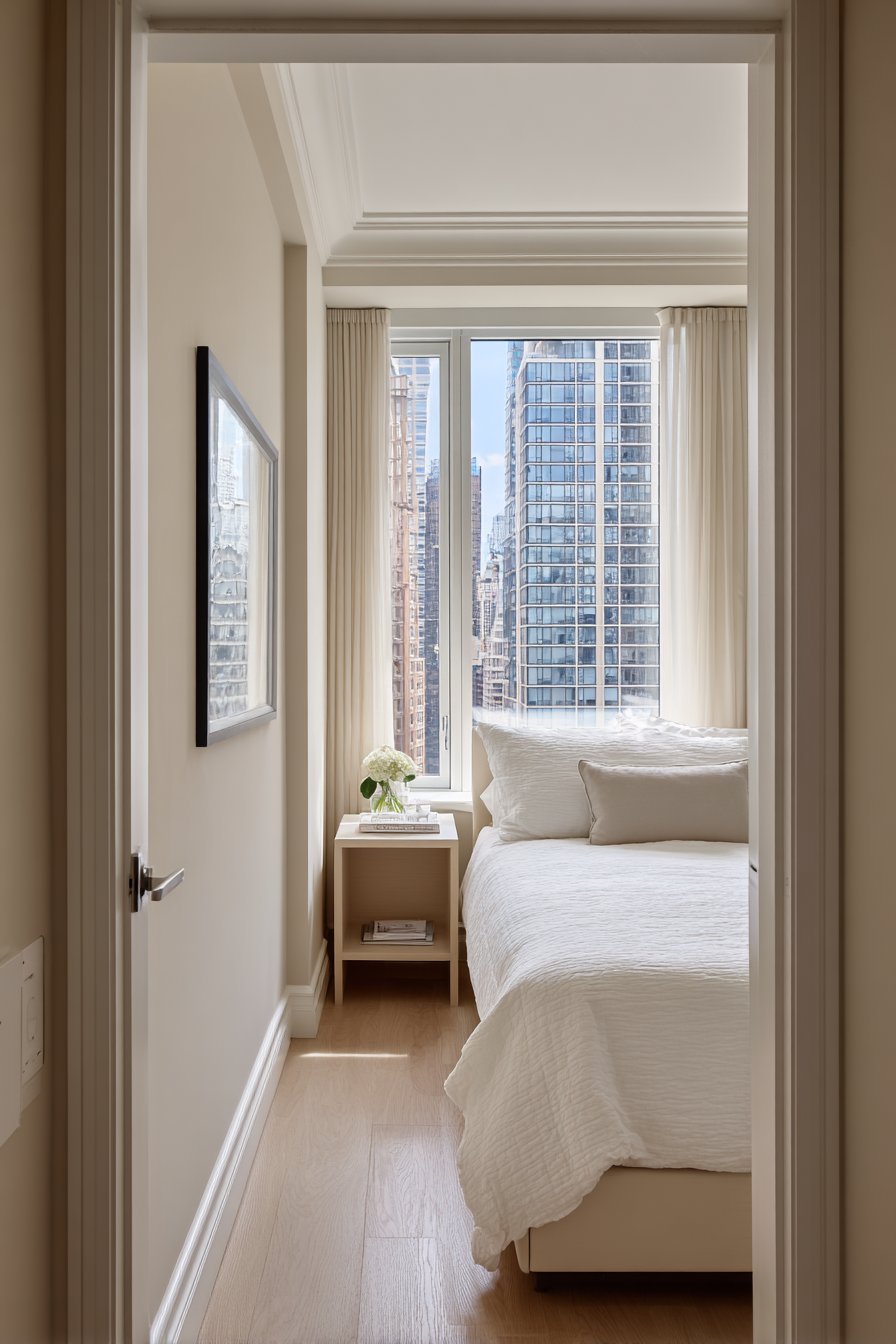
Sheer linen curtains filter daylight while preserving privacy, creating soft, diffused illumination that flatters the space throughout the day. The fabric’s natural texture adds subtle visual interest without blocking precious light. Viewing the room from the doorway perspective reveals how reflective surfaces and light colors collaborate to make the compact bedroom feel significantly more spacious and bright, demonstrating that strategic design choices can transform spatial perception more effectively than square footage alone.
Key Design Tips:
- Position mirrors to reflect windows and multiply natural light sources
- Choose full-length mirrors for maximum spatial expansion effect
- Use white or very light bedding to reflect maximum available light
- Minimize nightstand clutter to maintain clean, spacious sight lines
- Install sheer curtains to filter light while preserving privacy and brightness
9. Minimalist Scandinavian Aesthetic for Visual Clarity
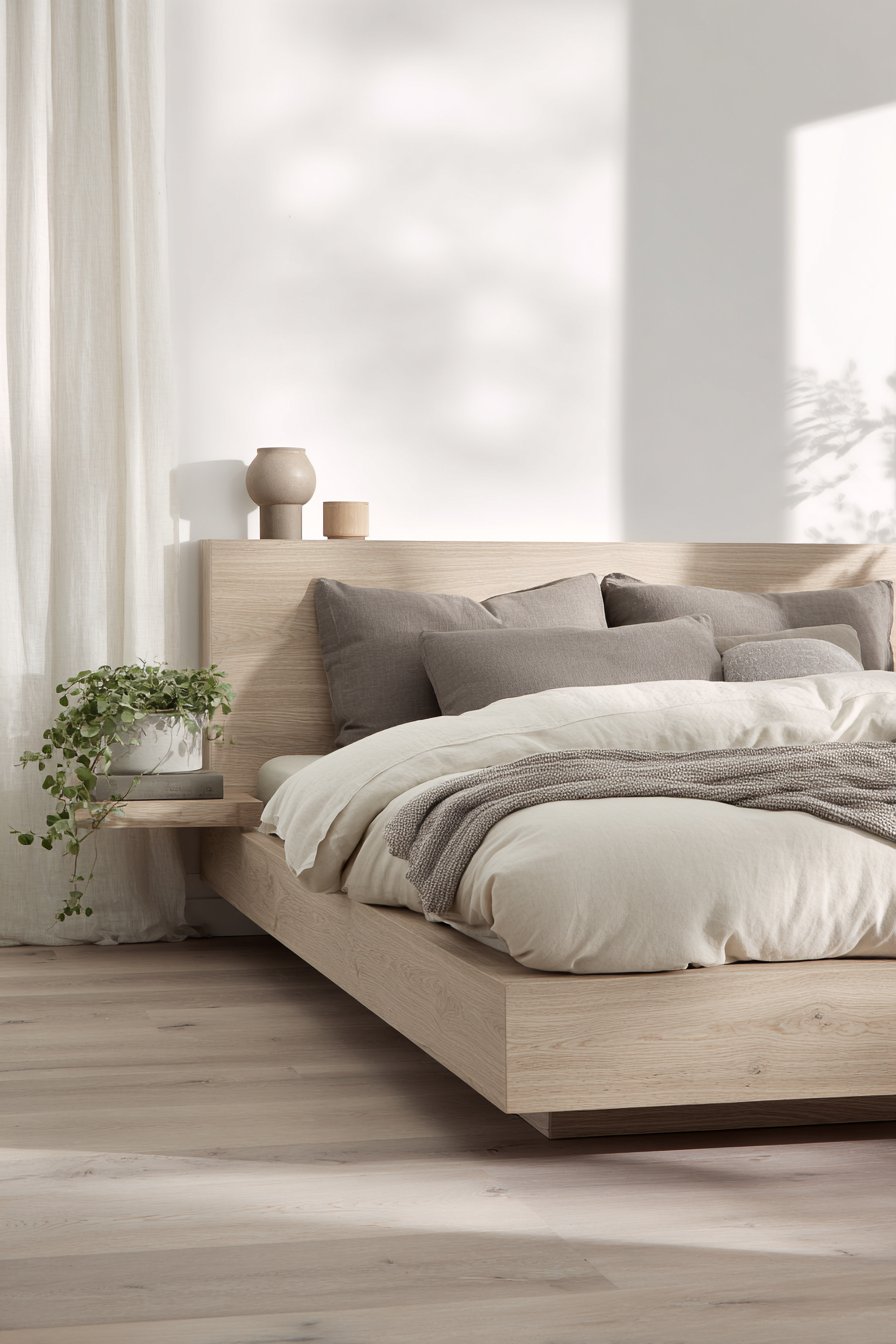
Scandinavian design principles offer ideal solutions for small bedroom decor through their emphasis on functionality, natural materials, and intentional simplicity. A simple platform bed frame in natural ash wood establishes clean lines and honest construction that celebrates rather than conceals its materiality. Dressed with organic cotton bedding in off-white and grey tones, the bed becomes a study in restrained elegance and quality over quantity.
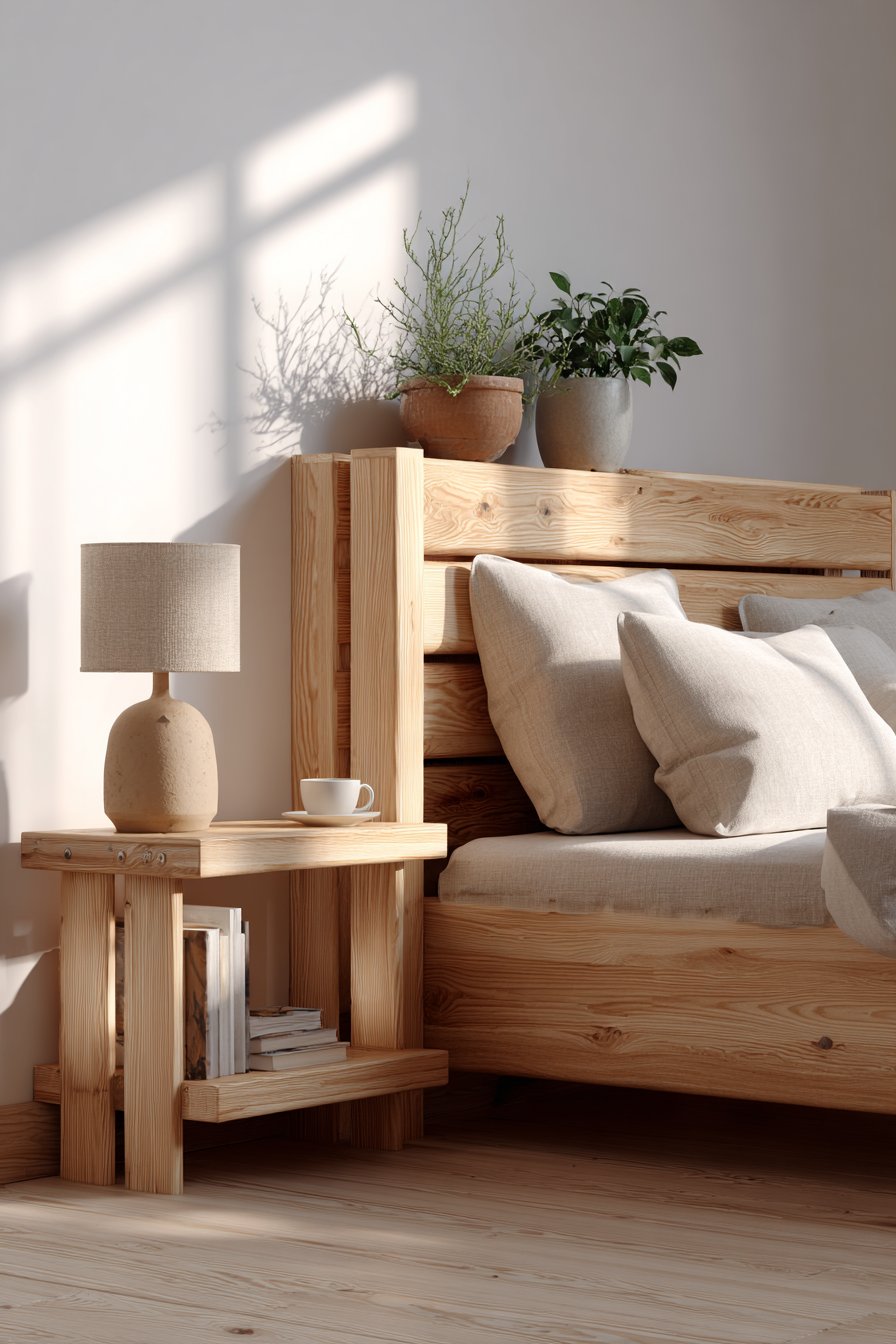
A single floating shelf serves as a streamlined nightstand, holding only a ceramic lamp and small potted plant. This minimal approach prevents surface clutter while providing essential bedside functionality. The shelf’s wall-mounted installation maintains floor clarity, crucial for the unencumbered aesthetic central to Scandinavian design philosophy. Light blonde hardwood floors and white walls maximize brightness, reflecting and bouncing natural light throughout the space to combat any sense of confinement.
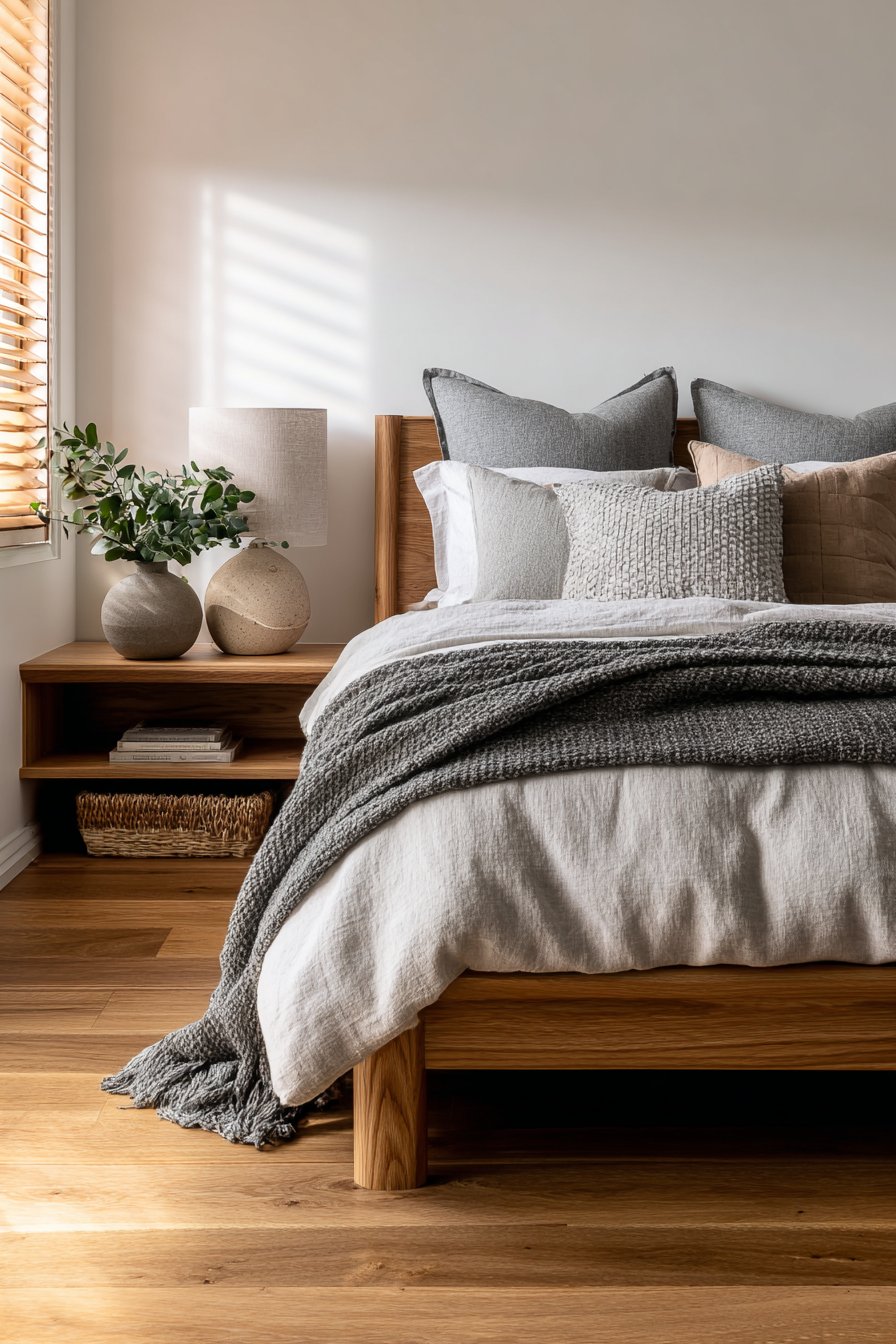
Natural north-facing window light creates soft, even illumination without harsh shadows or dramatic contrasts. This quality of light perfectly complements the minimalist aesthetic, emphasizing clean lines and quality materials while preventing visual clutter. The intentionally sparse design prevents the limited space from feeling overwhelming or chaotic, proving that restraint and curation often create more impactful environments than abundance and decoration.
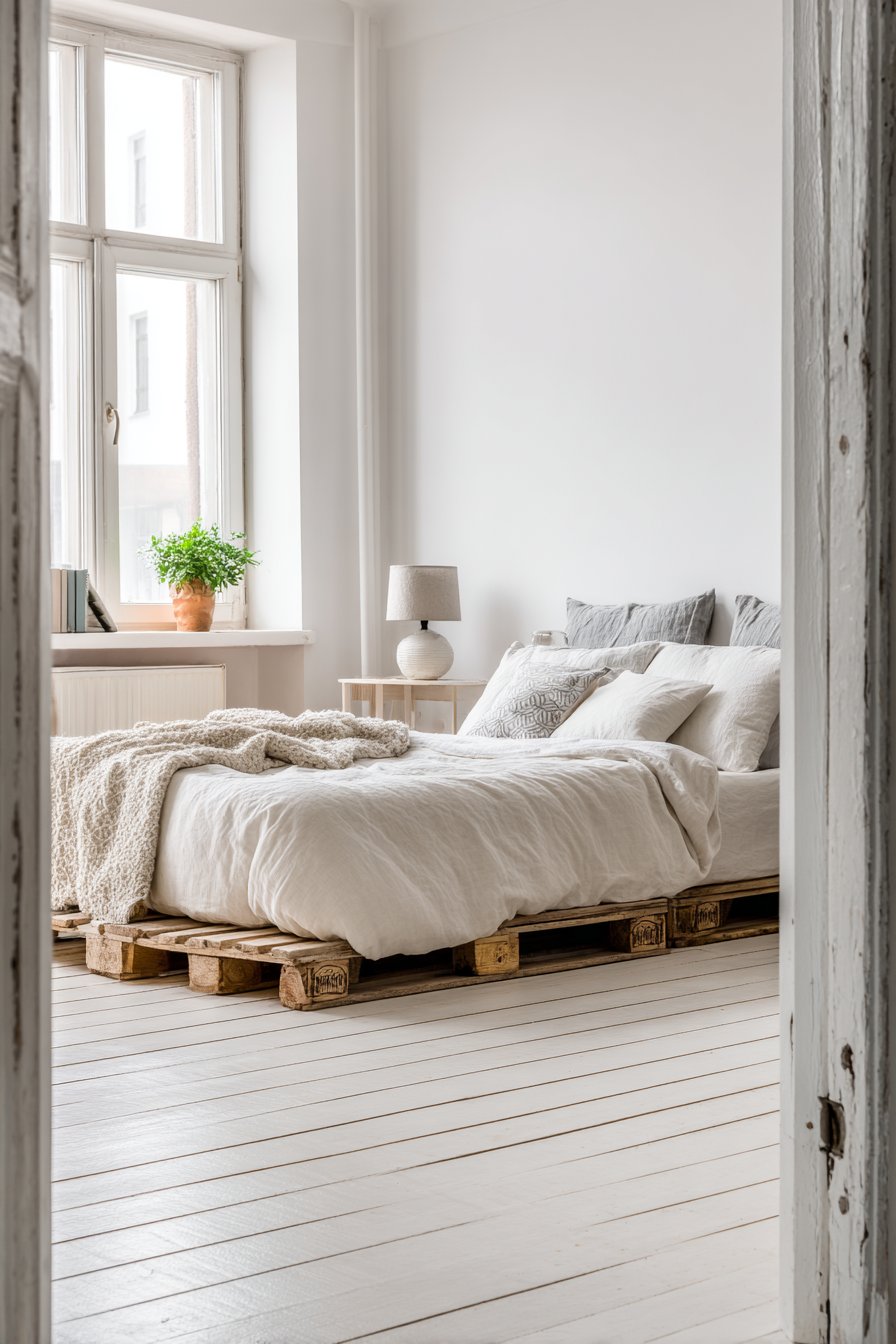
Key Design Tips:
- Choose natural wood furniture in light finishes for Scandinavian authenticity
- Limit bedside items to absolute essentials to prevent visual clutter
- Use organic, natural materials like cotton, linen, and wood exclusively
- Paint walls white or very pale neutrals to maximize light reflection
- Select quality over quantity in every furniture and decor decision
10. Layered Textiles for Cozy Warmth and Character
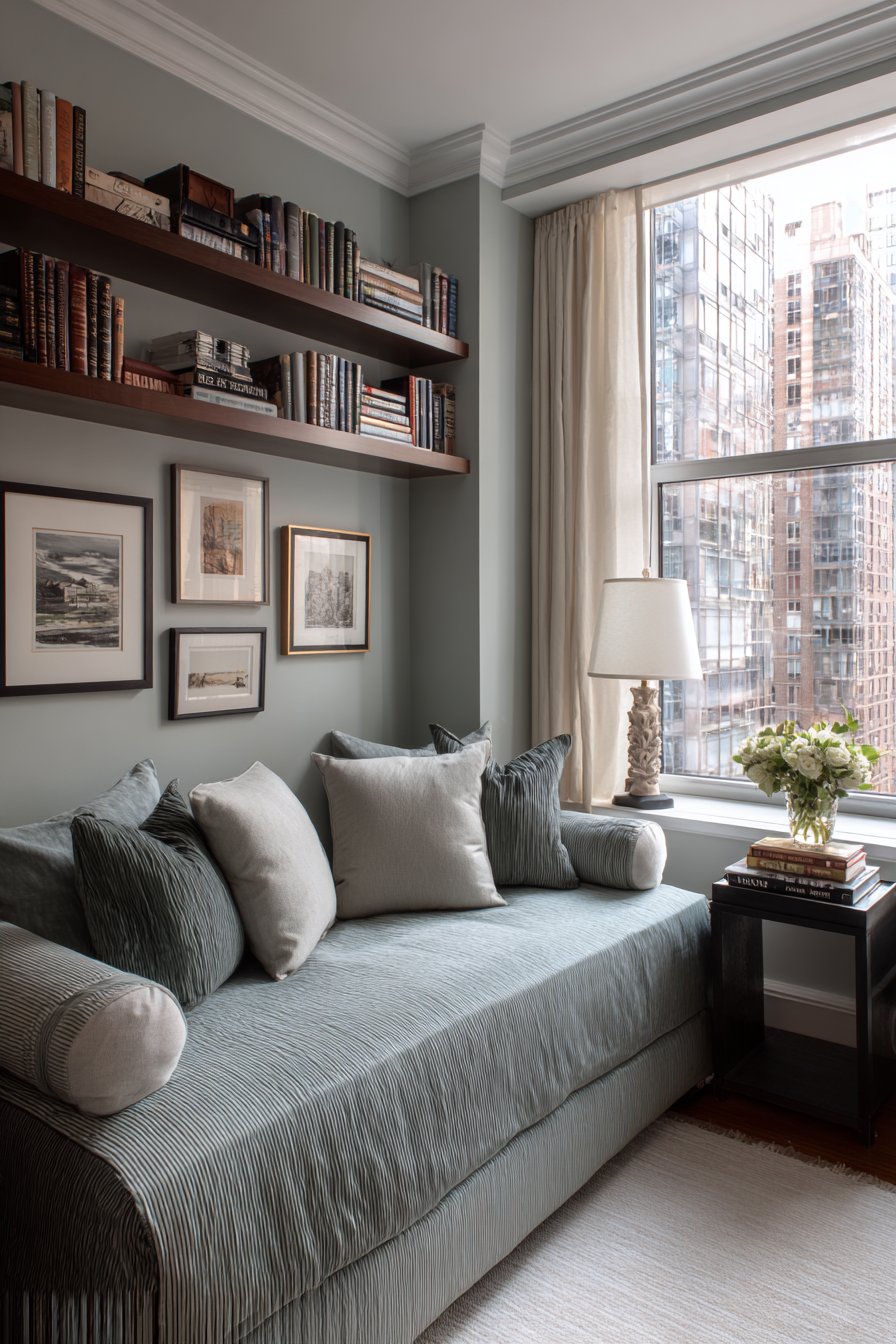
Small bedroom decor need not sacrifice warmth and personality in pursuit of spatial efficiency. A layered textile approach creates inviting, lived-in atmosphere while adding visual depth and tactile comfort. A wrought iron bed frame provides architectural interest and vintage charm, while multiple textile layers, including linen sheets, quilted cotton coverlet, and velvet accent pillows create rich textural variety within coordinating earth tones.
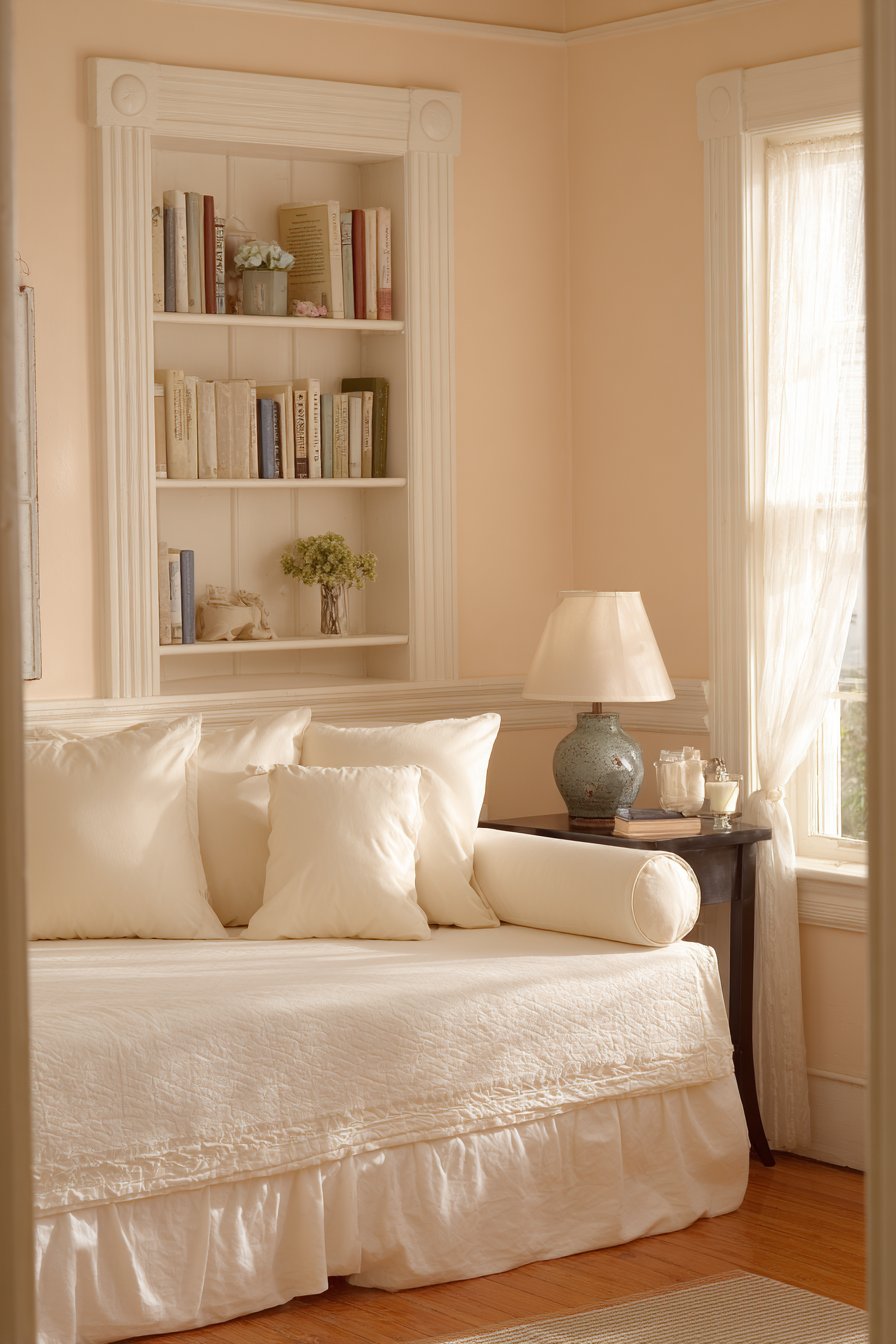
A vintage-style wooden ladder serves as creative vertical storage for throws and accessories, turning a practical need into a decorative feature. This repurposed element adds character and provides accessible storage without requiring wall installation or floor space. String lights draped along the headboard contribute warm ambient lighting that transforms the room’s mood during evening hours, creating a cozy retreat perfect for relaxation and unwinding.
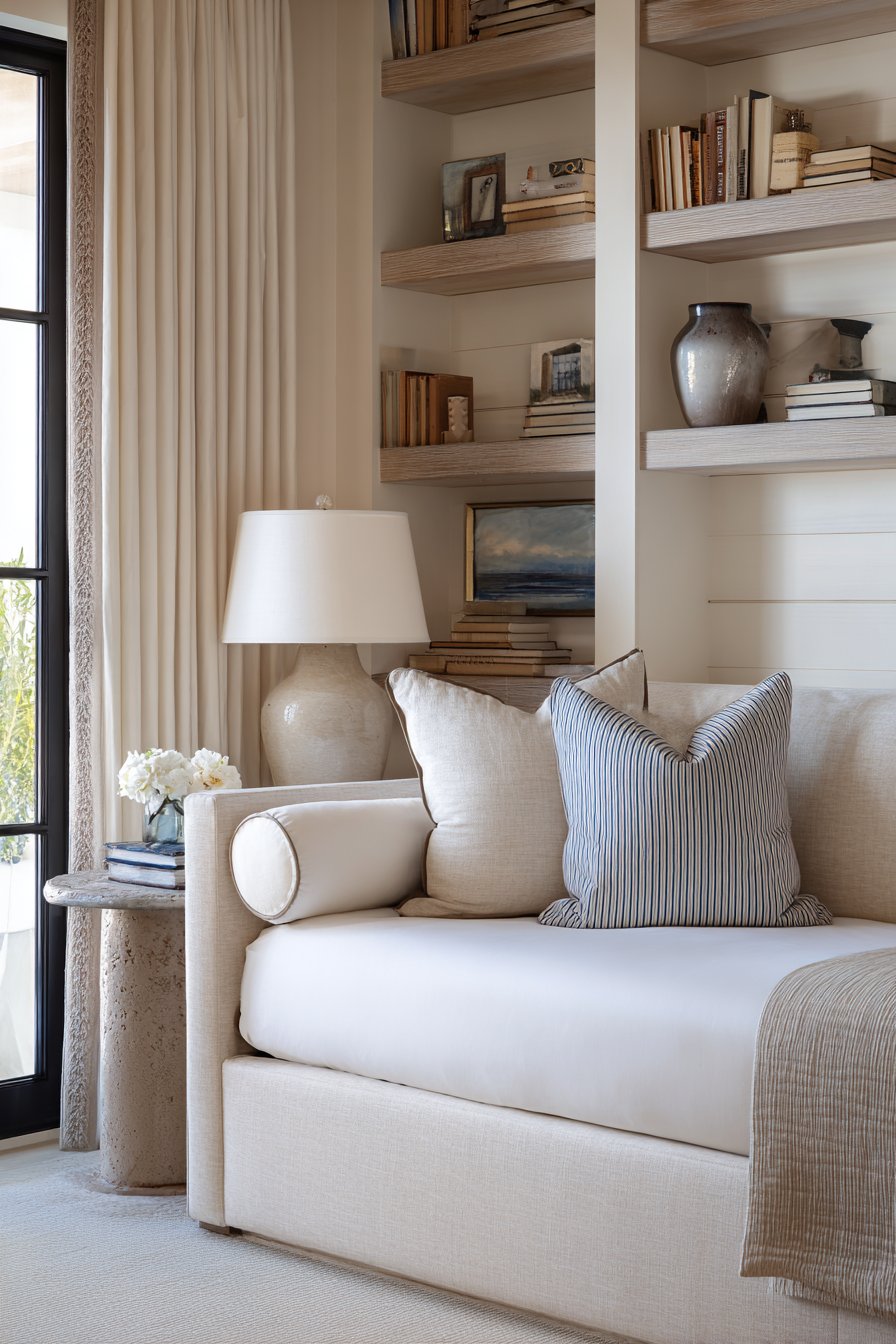
Walls painted in warm cream with an exposed brick accent create architectural interest and character often lacking in small, modern spaces. The combination of soft paint and textured brick adds dimension and visual intrigue without overwhelming the compact footprint.
Golden hour natural light filtering through gauze curtains captures the inviting atmosphere, demonstrating how layering textures and warm tones can make a small bedroom feel intimate and embracing rather than cramped and restrictive.
Key Design Tips:
- Layer multiple textile textures for visual depth and tactile comfort
- Use coordinating earth tones to maintain cohesion across various materials
- Repurpose vintage items like ladders for creative storage solutions
- Add string lights for warm, adjustable ambient lighting options
- Choose gauze or sheer curtains to filter light while maintaining soft illumination
Why These Small Bedroom Decor Designs Represent the Best Solutions
These ten small bedroom decor approaches represent the pinnacle of contemporary interior design thinking for compact living spaces. Each solution addresses fundamental challenges inherent in small bedroom design while offering distinct aesthetic directions that accommodate diverse personal preferences and lifestyle requirements. The collection demonstrates that spatial limitations need not restrict design ambition or personal expression when approached with creativity and strategic planning.
The platform bed with built-in storage exemplifies how furniture selection fundamentally impacts spatial efficiency in compact bedroom design. Multi-functional furniture eliminates the need for additional storage pieces, freeing precious floor space while maintaining clean, contemporary aesthetics. Vertical storage solutions recognize that wall height represents valuable real estate in small bedroom decor, transforming often-wasted vertical space into practical storage that doesn’t compromise floor area or traffic flow.
Murphy bed designs showcase technological innovation serving spatial optimization, particularly crucial for studio apartments and compact urban dwellings where single rooms must accommodate multiple life functions. The monochromatic color approach demonstrates sophisticated color theory application, using single-hue palettes to create visual continuity that expands perceived space through psychological rather than physical means. These color strategies cost nothing to implement yet deliver dramatic spatial transformation.
Under-bed storage solutions and daybed configurations prove that every furniture piece should justify its footprint through multiple functions or hidden storage capacity. Corner workspace integration addresses contemporary remote work realities without sacrificing bedroom tranquility, while strategic mirror placement harnesses optical illusion to multiply both space and light perception. The minimalist Scandinavian aesthetic offers a refined, timeless approach that prioritizes quality and intentionality over accumulation and decoration.
Finally, the layered textile approach proves that small bedroom decor can embrace warmth, personality, and visual richness without creating overwhelming clutter. These varied solutions incorporate essential small bedroom design keywords including space-saving furniture, vertical storage, multi-functional design, light color palettes, mirror placement strategies, built-in storage, floating furniture, minimalist aesthetics, texture layering, and natural materials. Together, they form a comprehensive toolkit for transforming any compact sleeping space into a functional, beautiful retreat that rivals larger bedrooms in comfort and style.
Conclusion
Creating beautiful, functional small bedroom decor requires understanding fundamental design principles while remaining open to creative problem-solving. The ten approaches explored in this guide demonstrate that spatial constraints inspire rather than limit exceptional interior design. From platform beds with integrated storage to Murphy beds that transform into home offices, from monochromatic color schemes to richly layered textiles, each solution offers proven strategies for maximizing both function and aesthetics within compact footprints.
The key takeaways center on multi-functionality, vertical thinking, light maximization, and intentional curation. Select furniture that serves multiple purposes, utilize wall height for storage and display, choose light colors and reflective surfaces to expand perceived space, and curate belongings thoughtfully to prevent clutter. These principles apply universally across different aesthetic preferences, whether you’re drawn to minimalist Scandinavian simplicity or cozy, textile-rich warmth.
We encourage you to experiment with these ideas in your own small bedroom, adapting and combining elements that resonate with your personal style and practical needs. Remember that successful small bedroom decor emerges from thoughtful planning, strategic furniture selection, and confidence that compact spaces can offer the same comfort, beauty, and personal expression as their larger counterparts. Your small bedroom holds tremendous potential—these design approaches provide the roadmap for unlocking it.
