


The design world has witnessed a profound shift toward understated elegance, where quiet luxury reigns supreme. This aesthetic represents more than just a trend; it embodies a philosophy of refined simplicity that speaks volumes through whispers rather than shouts. In a world saturated with visual noise, quiet luxury offers a sanctuary of sophisticated restraint.
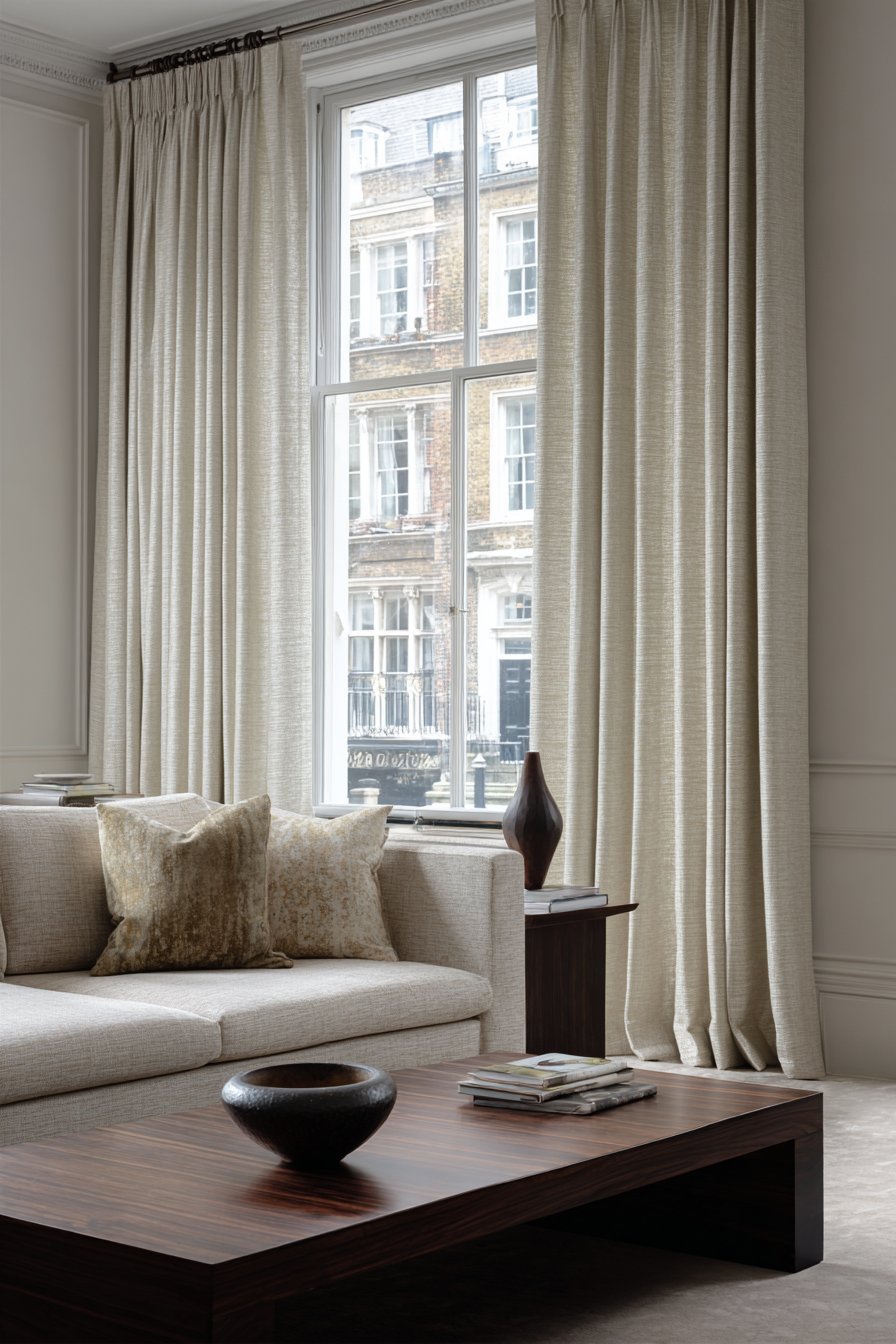
Thoughtful interior design transforms houses into homes by creating spaces that nurture both functionality and soul. The quiet luxury aesthetic caters to those who appreciate timeless quality over fleeting trends, seeking environments that exude confidence without ostentation. This approach resonates with professionals, minimalists, and anyone desiring a home that reflects cultivated taste rather than conspicuous consumption.
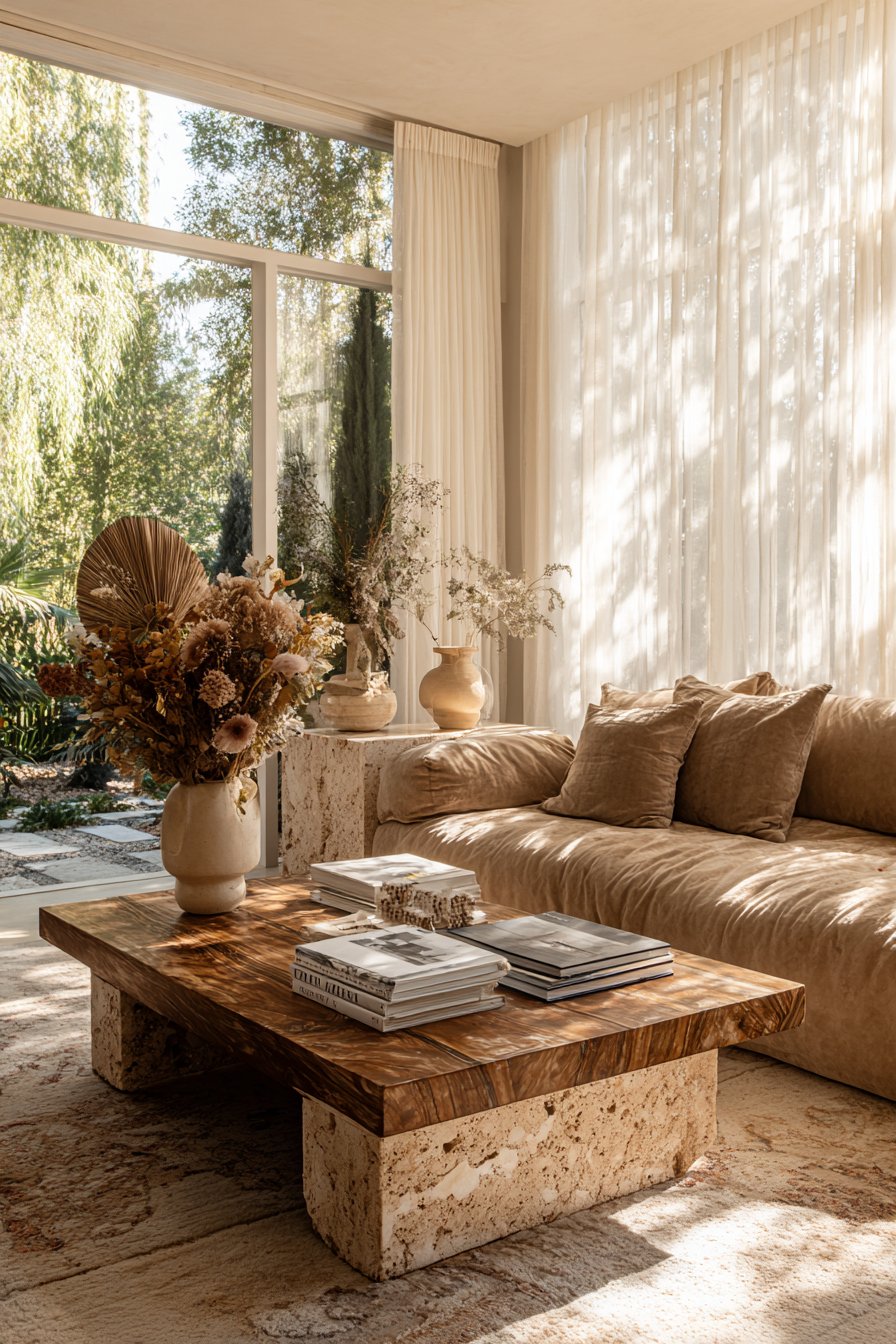
This comprehensive guide explores the essential elements of quiet luxury design, from material selection to spatial composition. We’ll delve into the principles that define this aesthetic, examining how subtle sophistication creates lasting impact. Each section offers actionable insights to help you cultivate an atmosphere of effortless elegance in your own home.
1. The Foundation of Material Excellence
The cornerstone of quiet luxury lies in exceptional materials that reveal their quality through touch and longevity. Natural fibers like linen, cashmere, and wool create tactile experiences that synthetic alternatives cannot replicate. These materials age gracefully, developing character rather than showing wear. Investment in superior textiles demonstrates discernment that visitors feel instinctively.
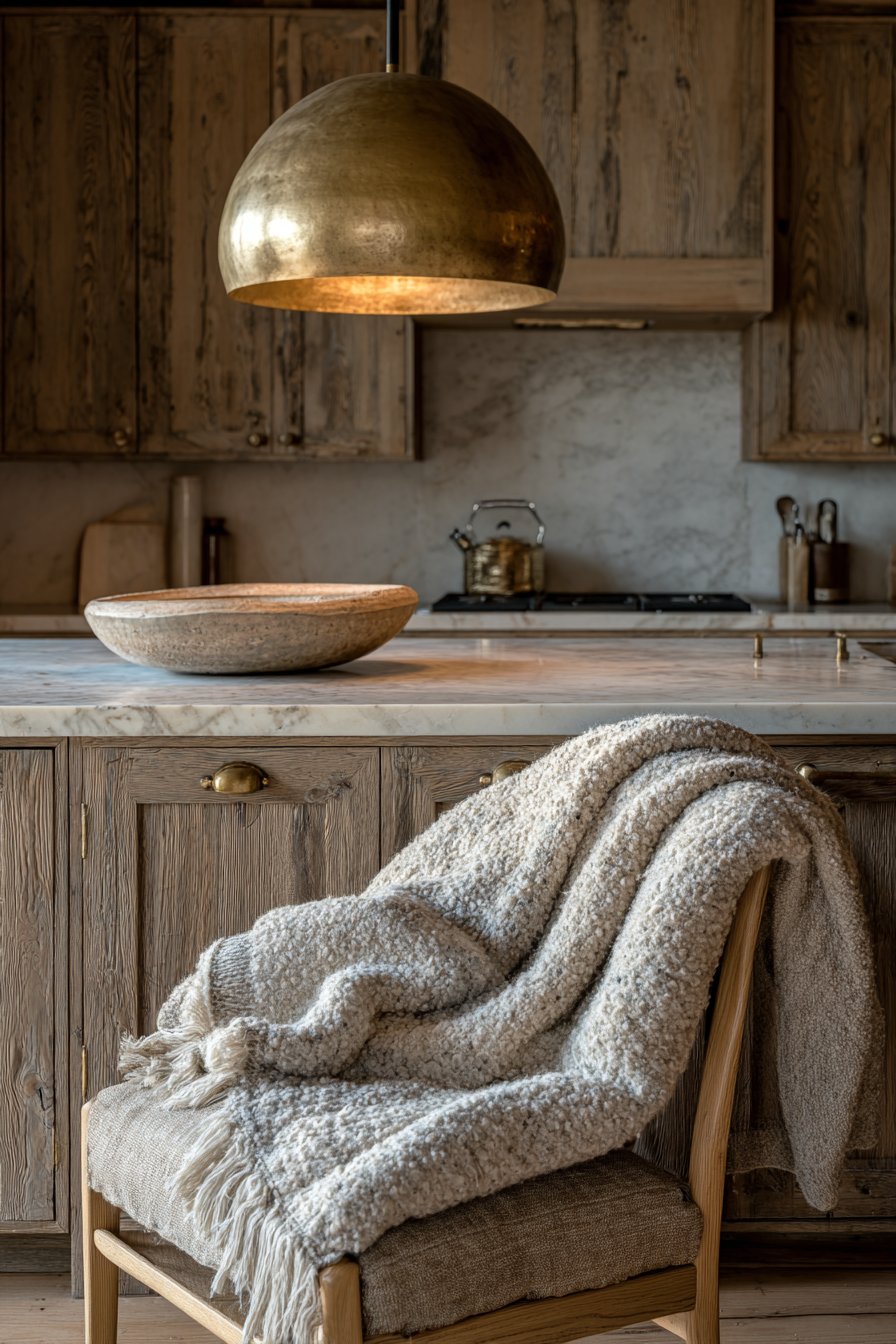
Stone surfaces such as marble, limestone, and travertine bring geological permanence into living spaces. Their natural variations tell stories spanning millennia, offering organic patterns impossible to manufacture. Wood species like walnut, oak, and teak provide warmth while maintaining structural integrity across generations. The grain patterns and rich tones create visual interest without demanding attention.
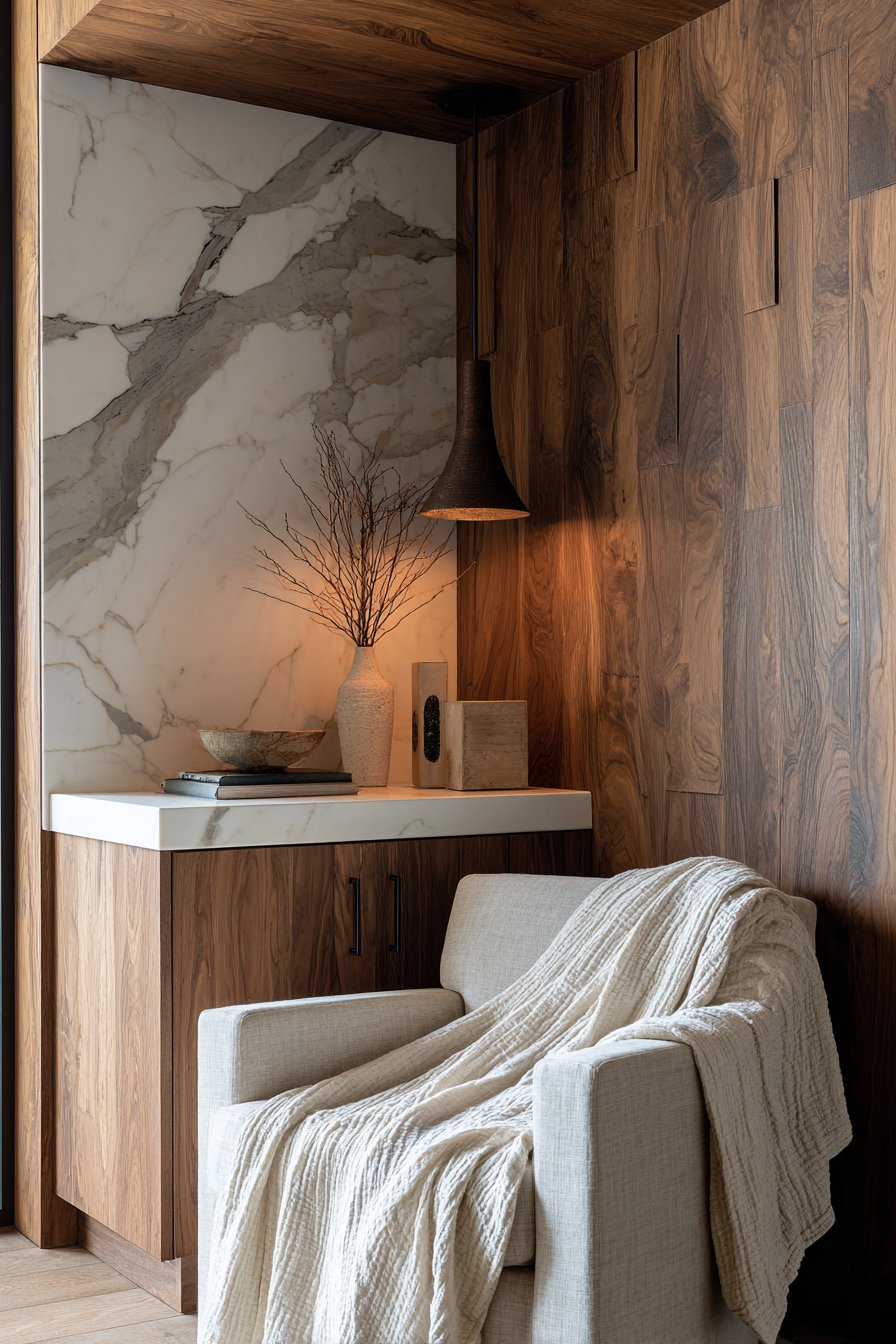
Metal finishes in brushed brass, aged bronze, or matte black add subtle architectural detail to spaces. These elements frame views, define transitions, and provide functional beauty. The key lies in restraint and consistency, allowing materials to shine individually while harmonizing collectively.
- Select natural materials that improve with age and use
- Prioritize tactile quality over visual flash in fabric choices
- Invest in stone surfaces for high-traffic areas requiring durability
- Choose wood species with distinctive grain for warmth without pattern overload
- Limit metal finishes to two or three throughout the space
- Source materials from reputable suppliers ensuring ethical production
2. The Art of Neutral Color Palettes
Quiet luxury embraces sophisticated neutrals that create depth through layering rather than contrast. Shades of cream, taupe, greige, and warm white form the foundation of this aesthetic. These colors reflect natural light beautifully while providing versatile backdrops for living. The absence of bold hues doesn’t mean sterility; it means intentionality.
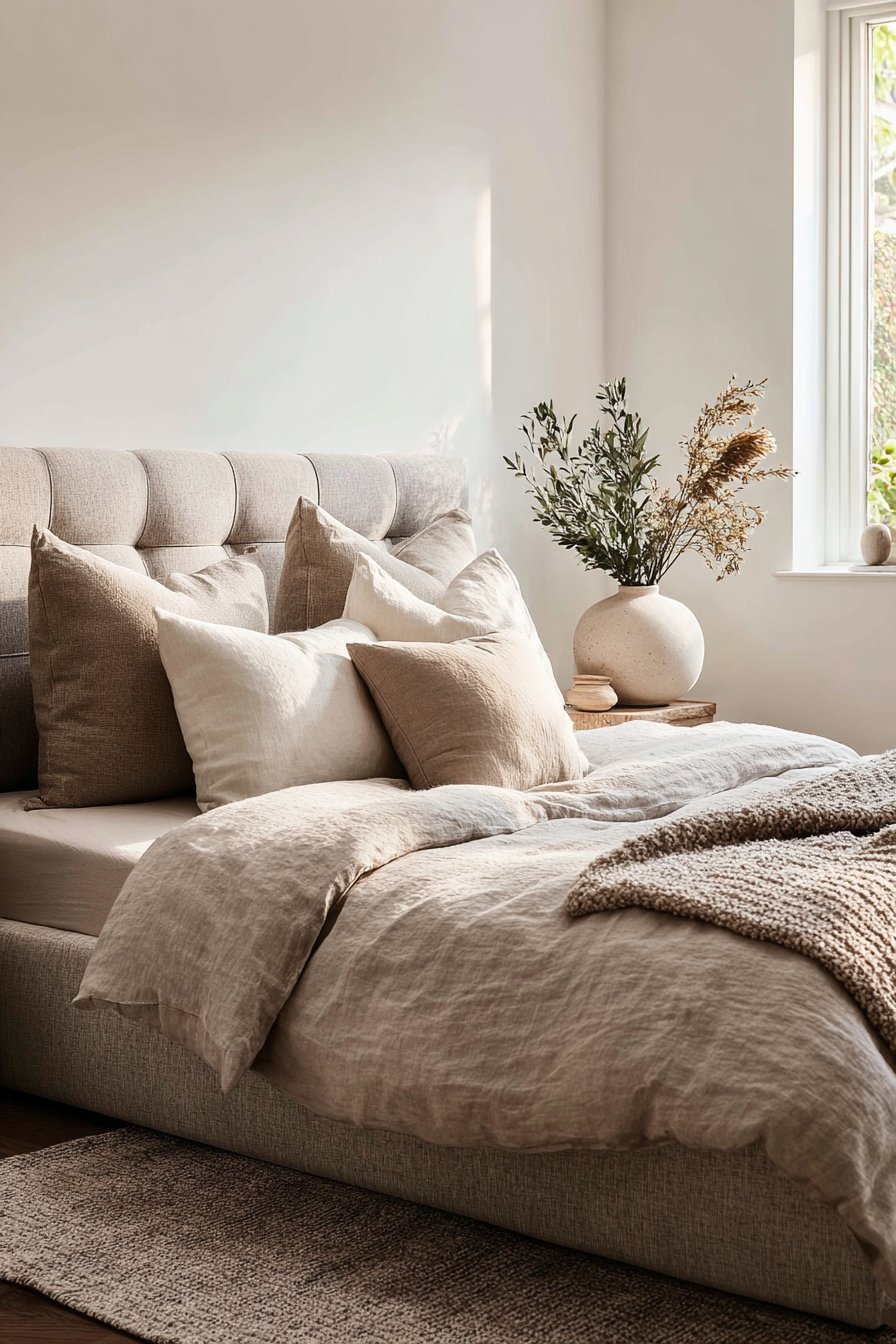
Monochromatic schemes gain dimension through tonal variation within the same color family. A room featuring ivory walls, linen upholstery, and sand-colored rugs creates subtle complexity. Texture becomes crucial when color recedes, with materials providing the visual interest typically supplied by hue. This approach requires confident restraint that many find liberating.
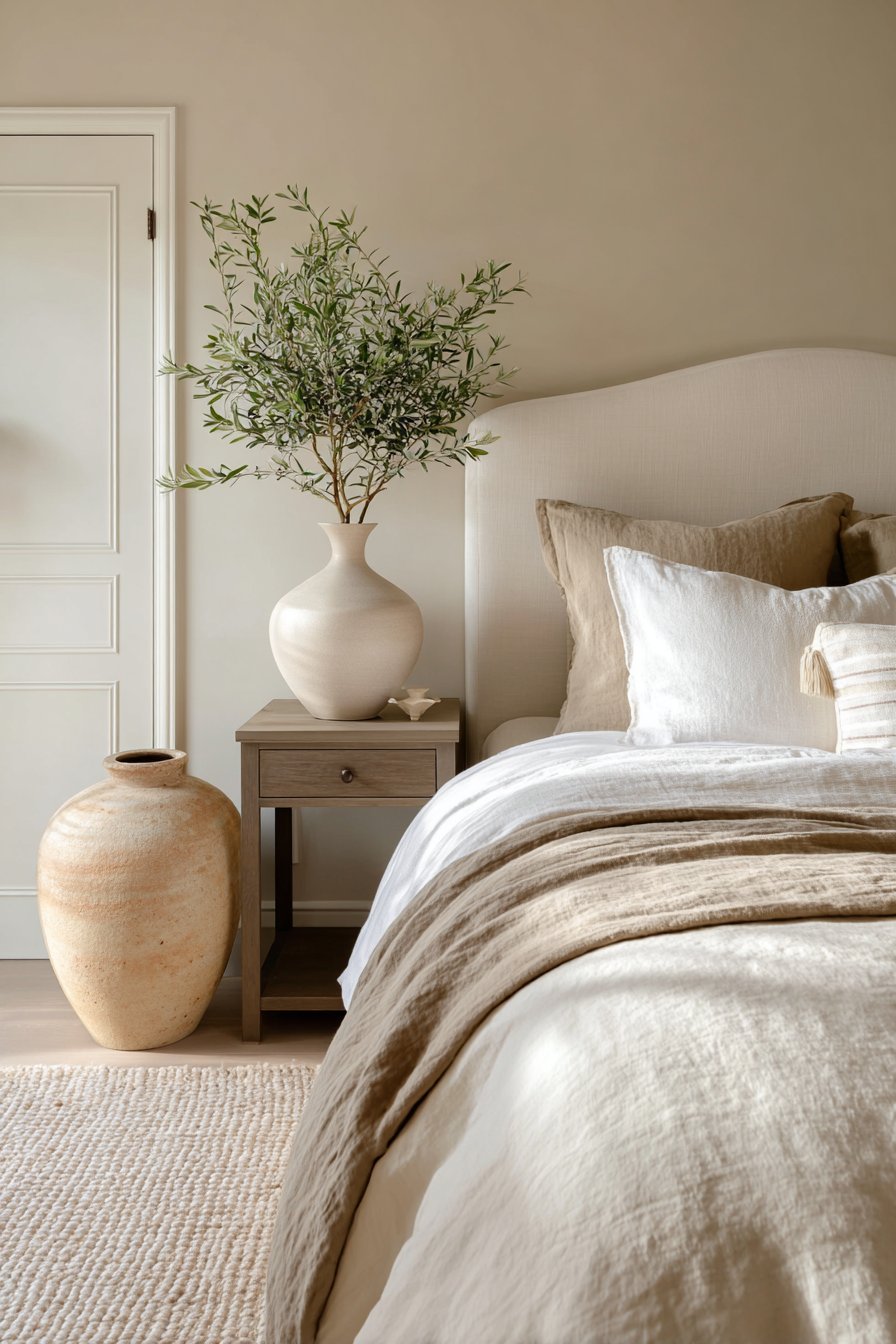
Accent colors appear sparingly through natural elements like greenery or aged leather. These organic touches introduce color without disrupting the serene atmosphere that defines quiet luxury. The palette should feel cohesive yet never monotonous.
- Build your palette around three to five neutral shades maximum
- Test paint colors in different lighting conditions before committing
- Use texture to create visual interest within monochromatic schemes
- Incorporate natural elements like plants for subtle color accents
- Choose artwork with restrained palettes that complement rather than compete
- Consider how adjacent rooms flow to maintain visual continuity
3. Minimalist Spatial Composition
Quiet luxury demands generous space around each element, allowing objects to breathe and command attention. Overcrowding dilutes impact, while thoughtful placement elevates every piece. This principle applies equally to furniture arrangement and decorative accessories. Empty space functions as a design element itself, not merely absence.
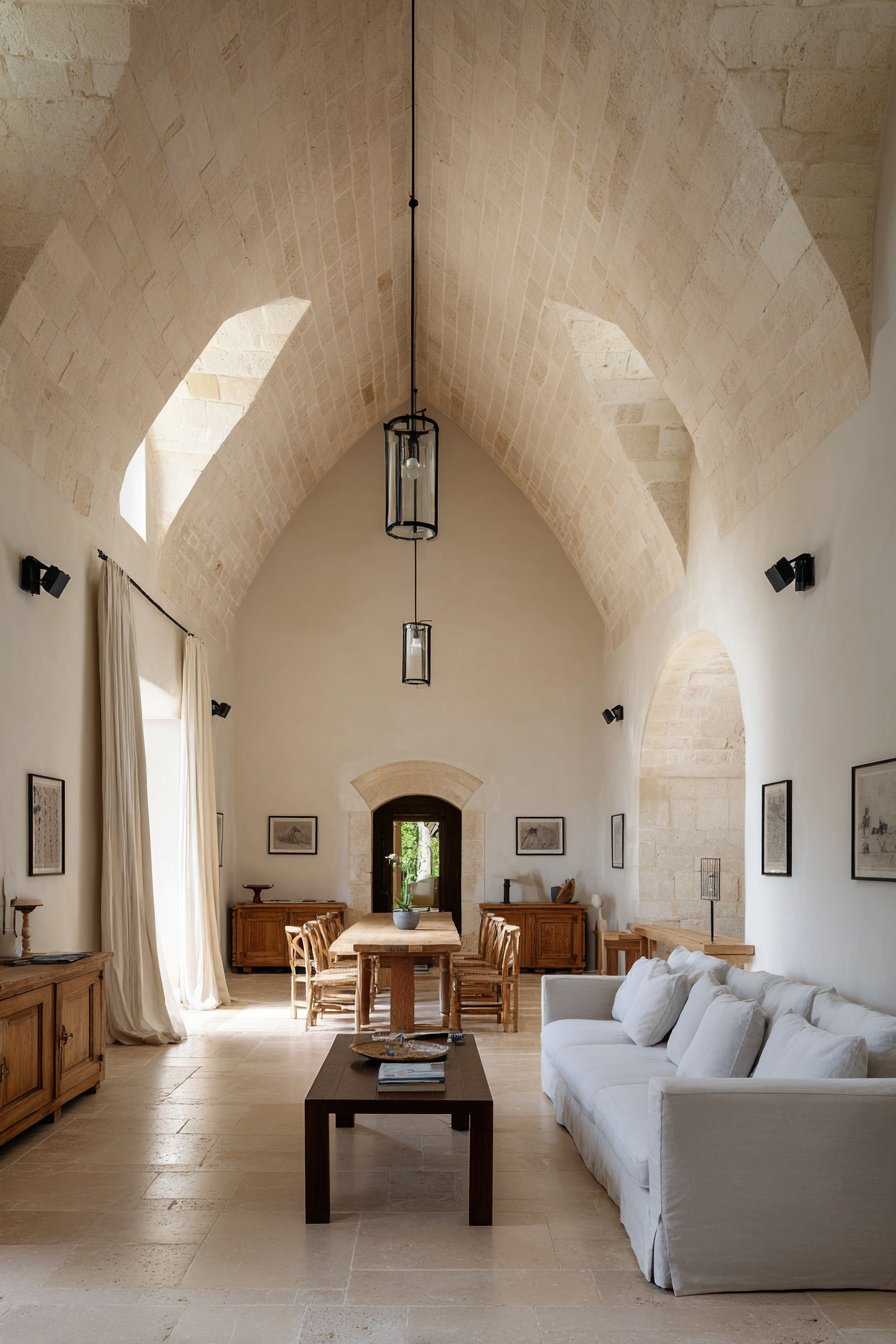
The concept of negative space becomes essential in achieving this balance. Walls need not be filled; floors require strategic rather than total coverage. Each item should earn its presence through beauty, function, or meaning. This editing process challenges us to question every possession’s value. The result feels intentionally curated rather than accidentally sparse.
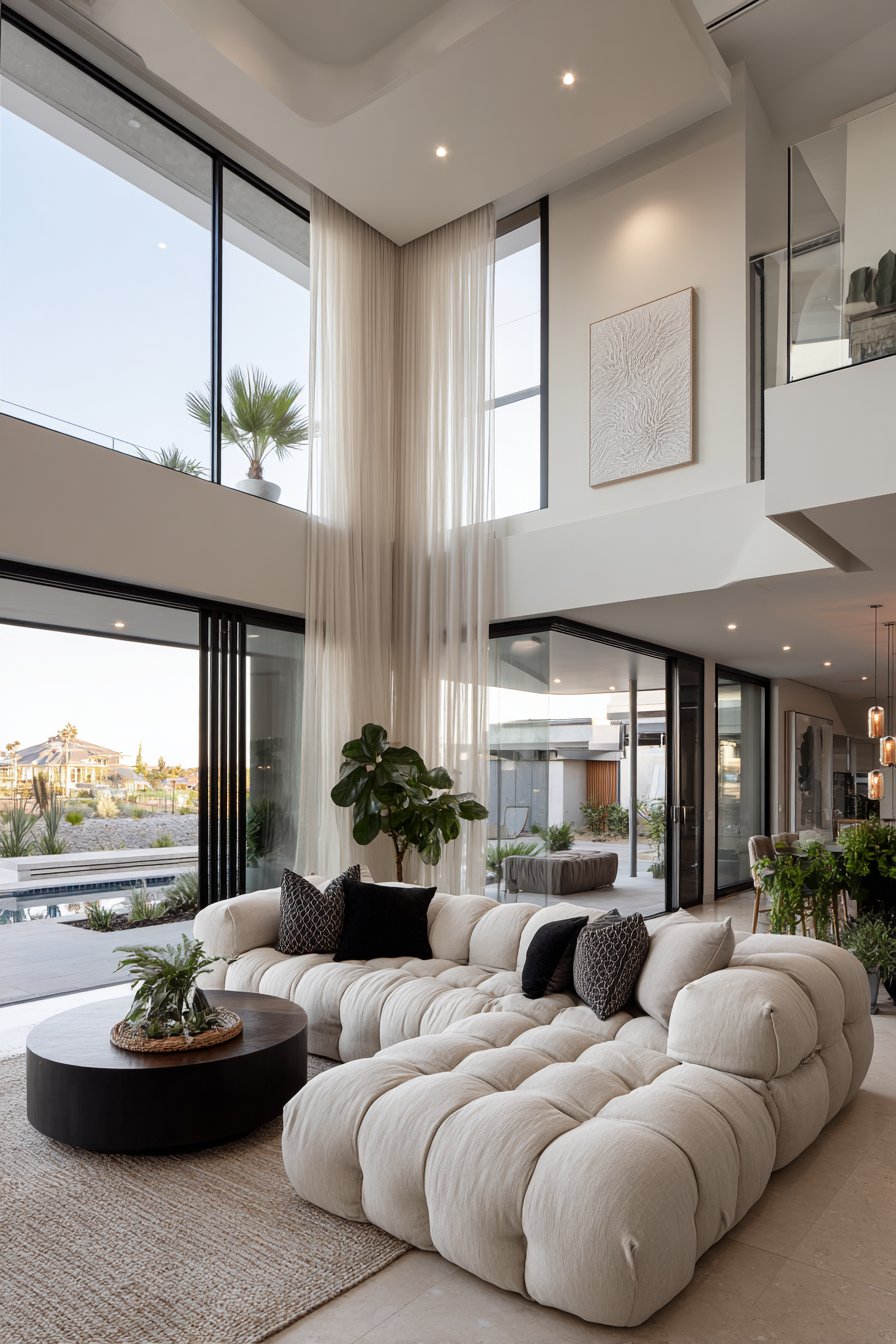
Traffic flow improves dramatically when rooms aren’t cluttered with unnecessary furniture. Sightlines open up, creating visual connections between spaces. This openness enhances both functionality and psychological comfort, making homes feel larger without adding square footage.
- Remove one item from each room to assess whether you miss it
- Maintain clear pathways of at least 36 inches throughout the home
- Group smaller accessories into purposeful vignettes rather than scattering them
- Invest in fewer, larger pieces instead of many small items
- Use vertical space deliberately, avoiding the urge to fill every wall
- Create focal points through placement rather than proliferation
4. Investment in Timeless Furniture
Quiet luxury favors classic silhouettes that transcend seasonal trends and maintain relevance across decades. Mid-century modern, Scandinavian, and traditional European designs share this timeless quality. These pieces feature clean lines and honest construction that reveal their makers’ skill. Quality joinery, solid wood frames, and expert upholstery justify higher price points.
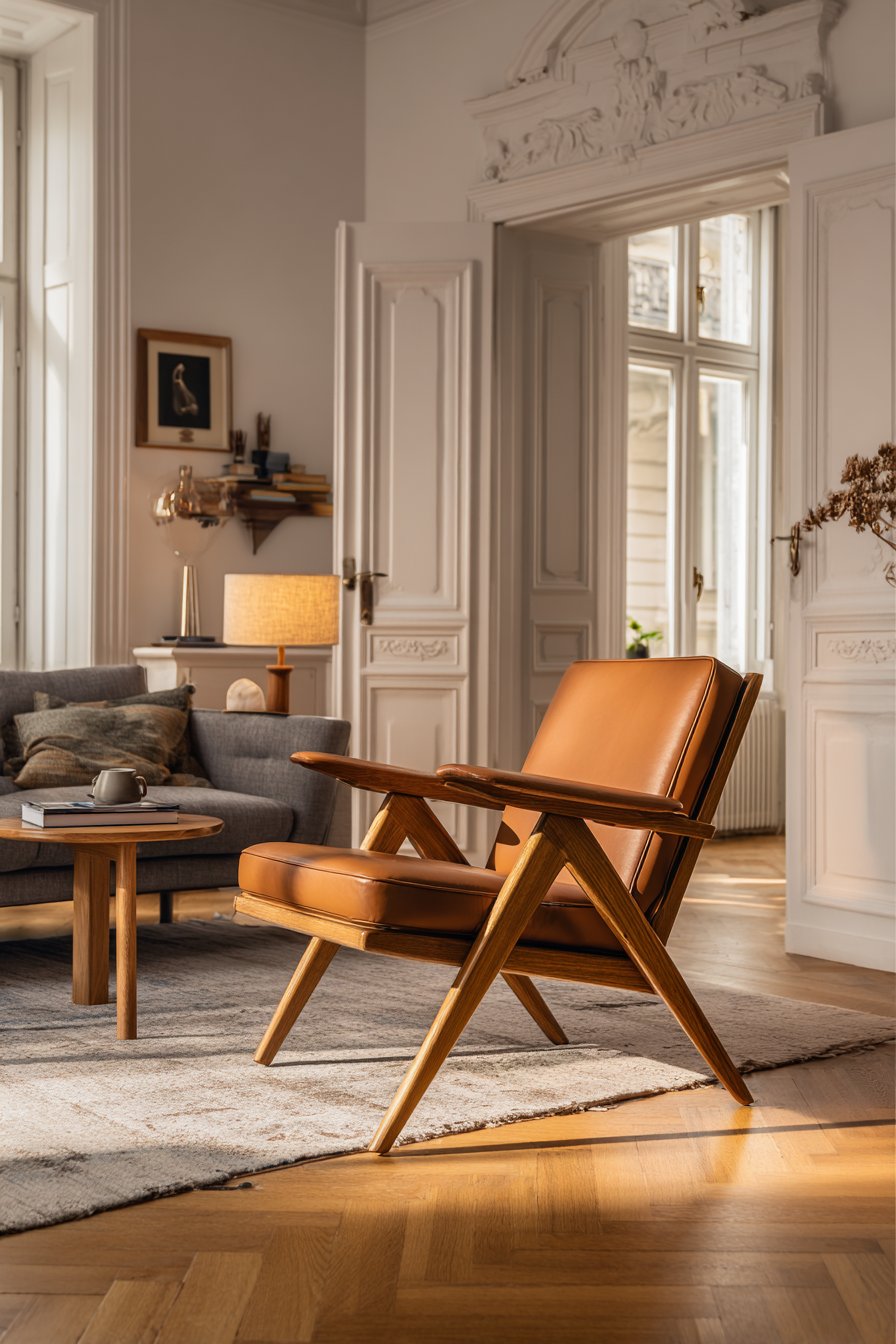
Custom or semi-custom furniture allows for perfect proportions within your specific space. Standard pieces often compromise comfort or scale, while bespoke options ensure ideal fit. This tailored approach creates rooms that feel cohesive and intentional. The investment typically costs less than repeatedly replacing inferior pieces.
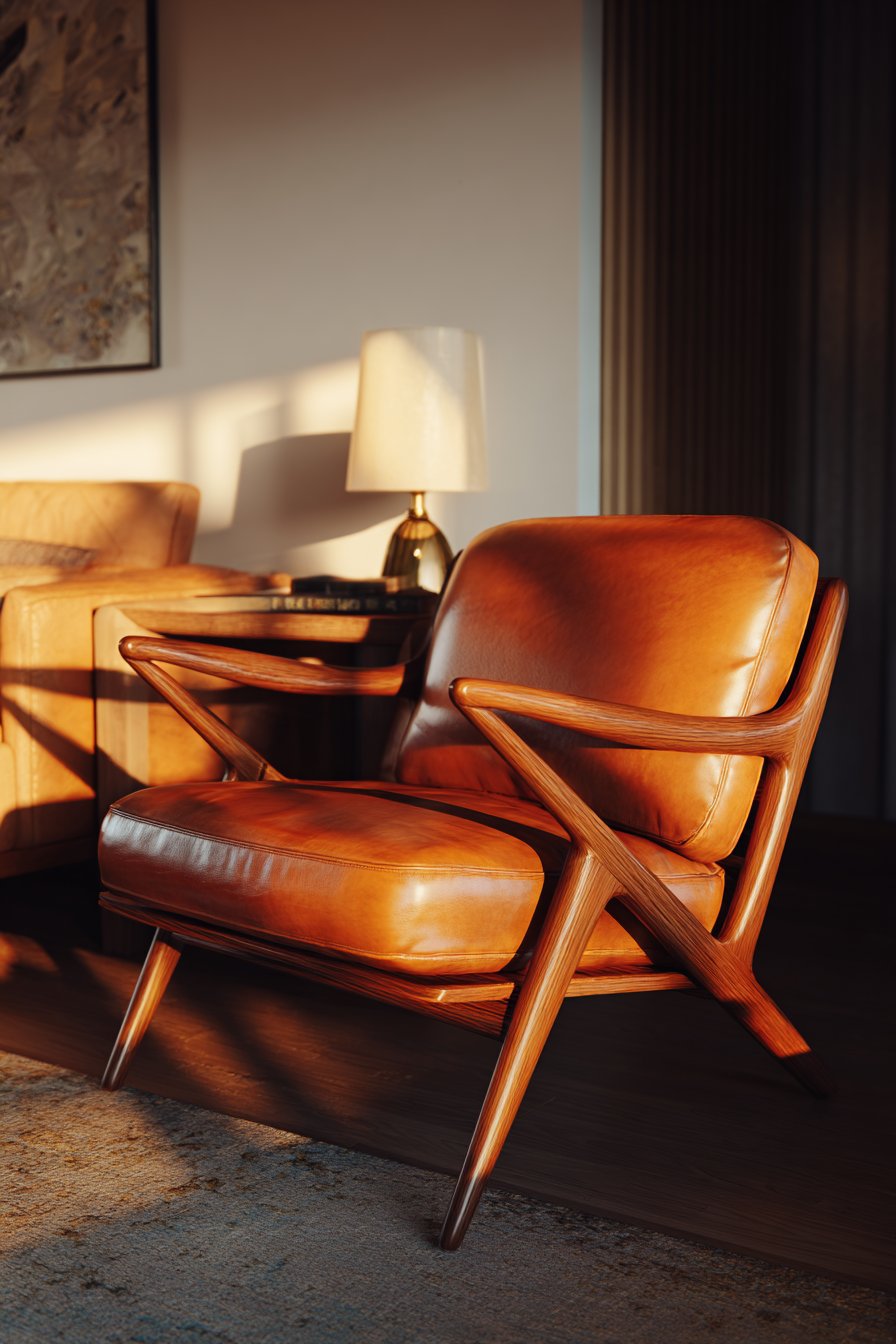
Comfort must equal beauty in furniture selection. A stunning chair that causes back pain fails regardless of aesthetic merit. Test pieces thoroughly before purchasing, considering long-term usability alongside immediate appeal. Your furniture should invite use, not serve as untouchable sculpture.
- Research furniture makers known for construction quality and timeless design
- Allocate larger budget portions to pieces you use daily
- Consider reupholstering vintage pieces with quality bones in premium fabrics
- Ensure sofa depth and seat height match your physical proportions
- Select dining tables that accommodate your typical and maximum guest counts
- Avoid trendy shapes or colors that may feel dated within five years
5. Lighting as Invisible Architecture
Sophisticated lighting creates ambient layers that adapt to different times and activities. Harsh overhead fixtures destroy the atmosphere quiet luxury requires. Instead, combine recessed lighting, table lamps, and floor lamps for flexible illumination. Dimmer switches prove essential, allowing precise mood control throughout the day.
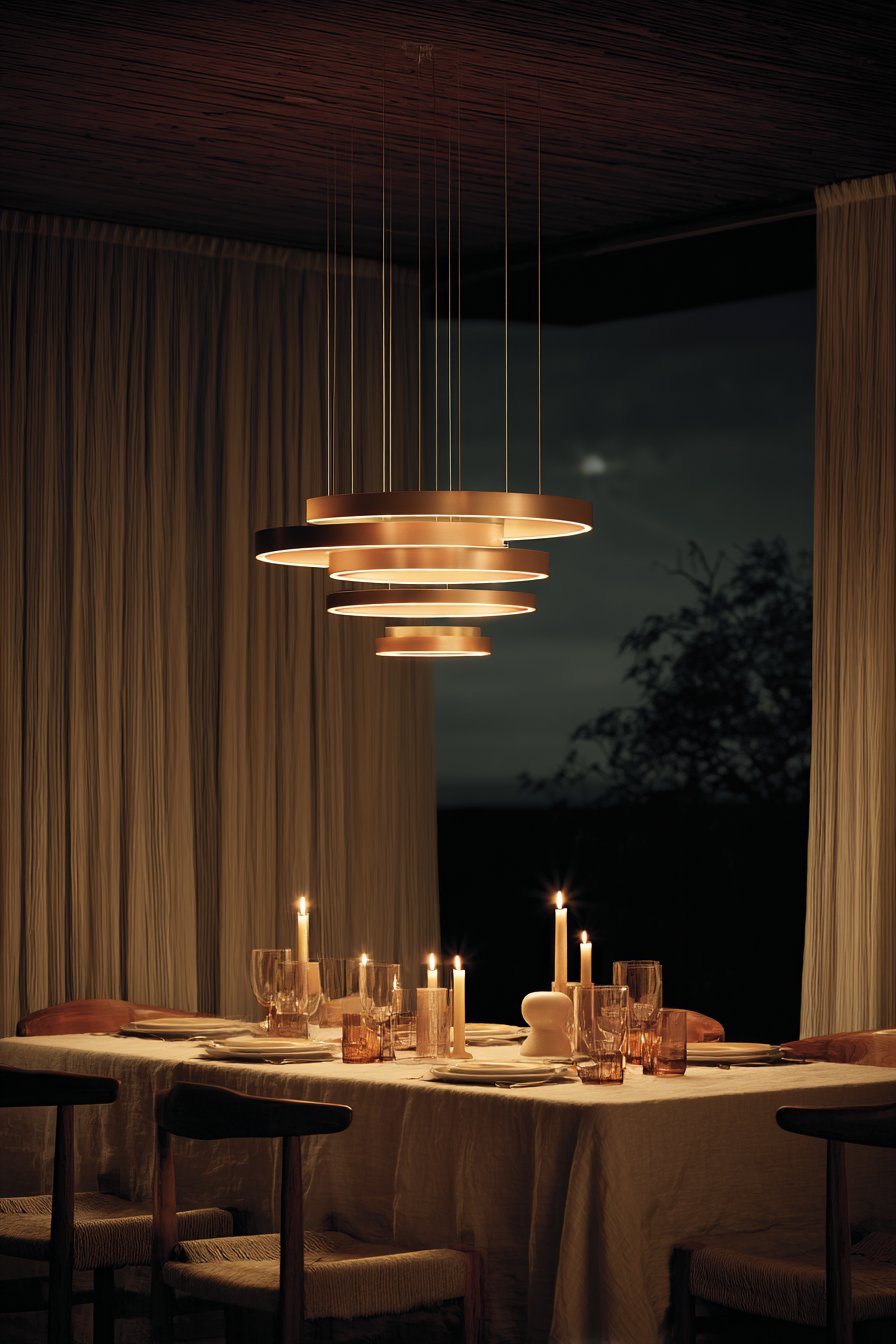
Natural light receives priority through window treatments that filter rather than block. Sheer linen curtains, woven shades, or minimal shutters preserve privacy while maximizing daylight. Architecture influences lighting design; respect the building’s bones rather than fighting them. Southern exposures need different treatment than northern ones.
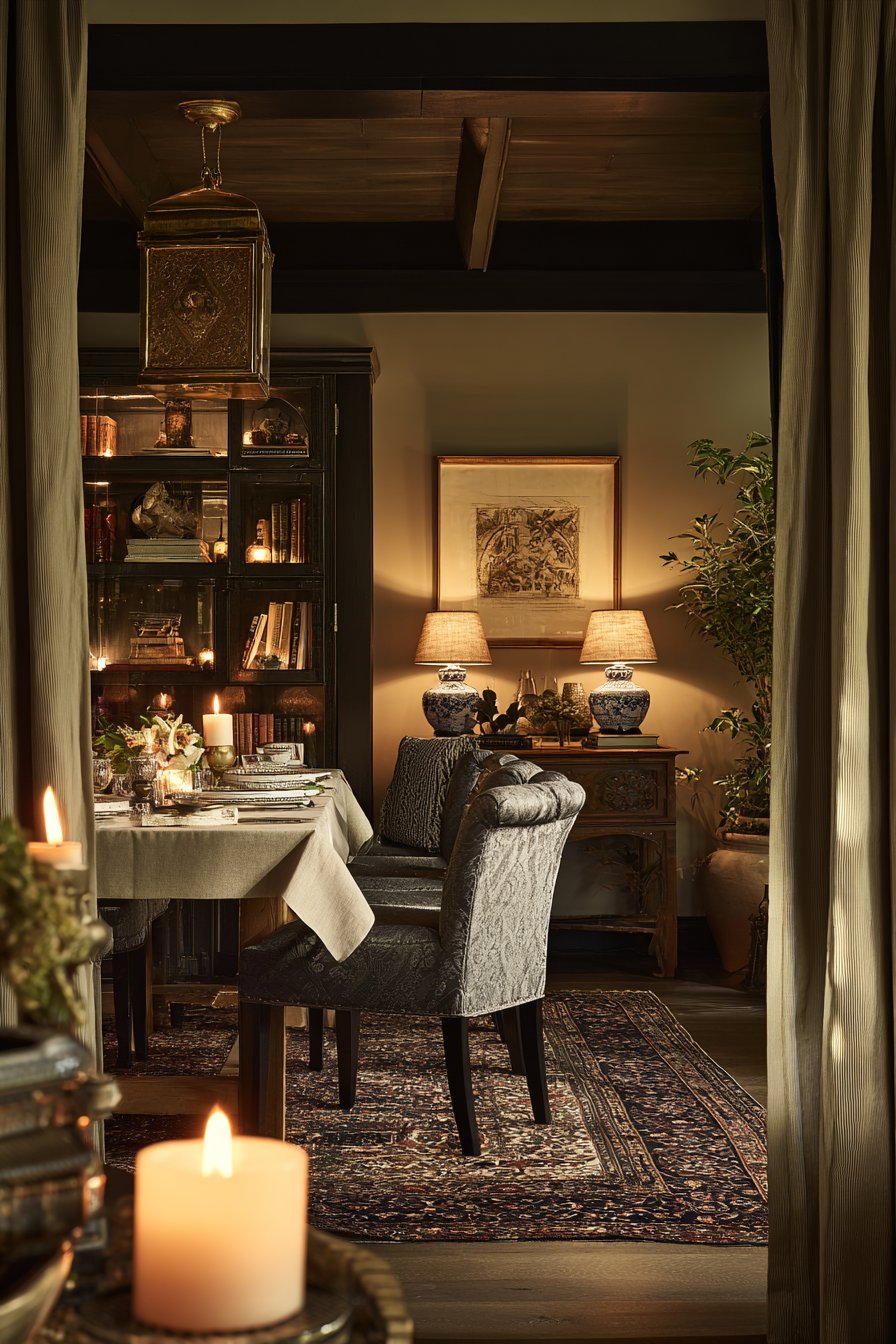
Warm color temperatures between 2700K and 3000K create inviting atmospheres that flatter skin tones and materials. Cool white lighting feels institutional, undermining the warmth quiet luxury cultivates. Layer different sources at varying heights to eliminate shadows while preventing glare.
- Install dimmers on every light switch for maximum flexibility
- Use three light sources minimum per room for adequate layering
- Position task lighting to eliminate shadows in work areas
- Choose fixtures with warm-toned materials like brass or natural linen
- Assess lighting plans at morning, afternoon, and evening stages
- Consider how lighting interacts with your chosen color palette
6. The Power of Restraint in Accessories
Thoughtful curation distinguishes quiet luxury from minimalism; it’s selective rather than severe. Display items that carry personal meaning or artistic merit, avoiding purely decorative clutter. Books, ceramics, and sculptural objects contribute intellectual depth when chosen carefully. Each piece should withstand prolonged contemplation without revealing shallowness.
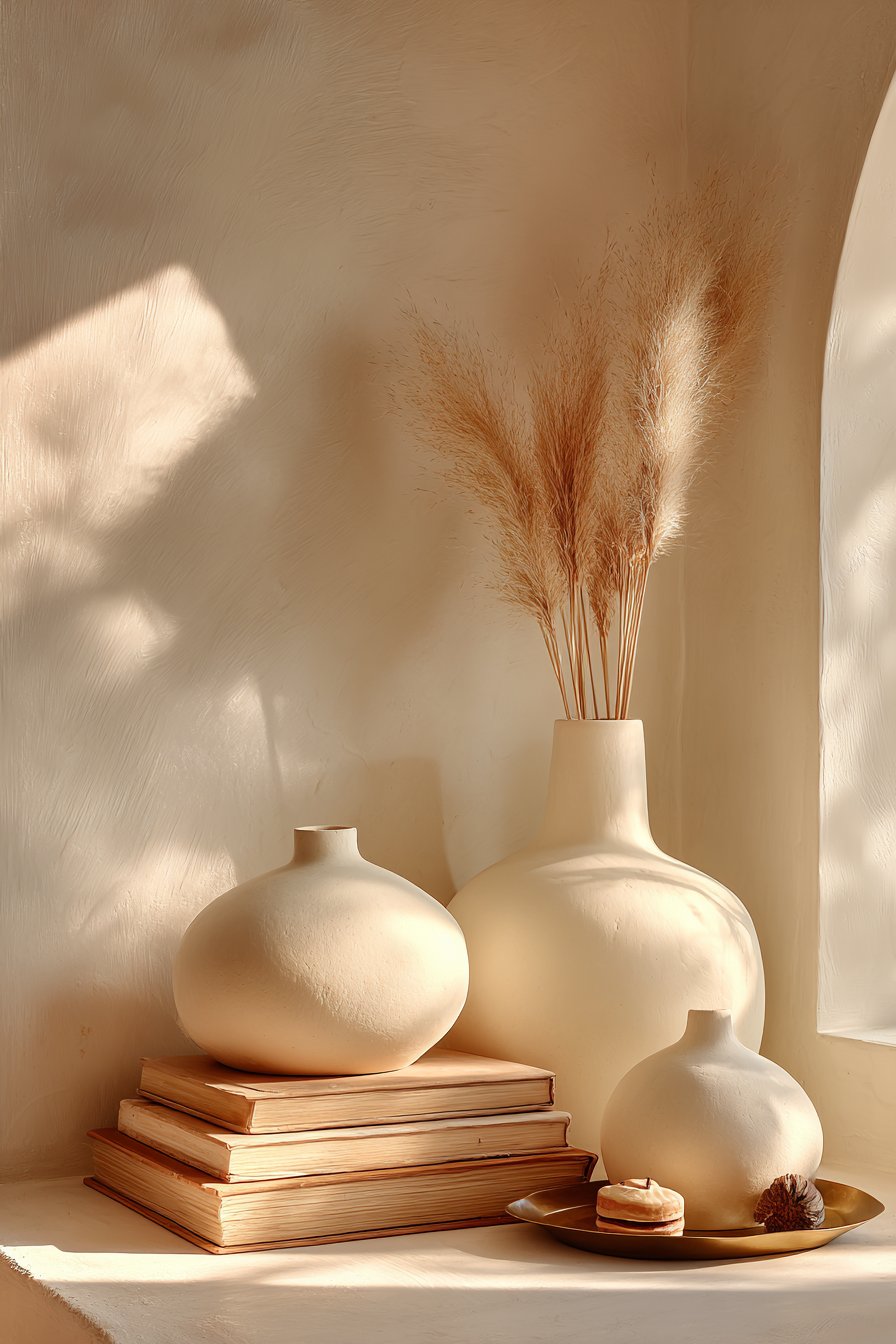
Collections gain impact through consistent presentation rather than random distribution. Group similar items together, creating intentional displays that feel museum-quality. This approach transforms everyday objects into design elements worthy of appreciation. Edit ruthlessly, rotating items seasonally to maintain freshness.
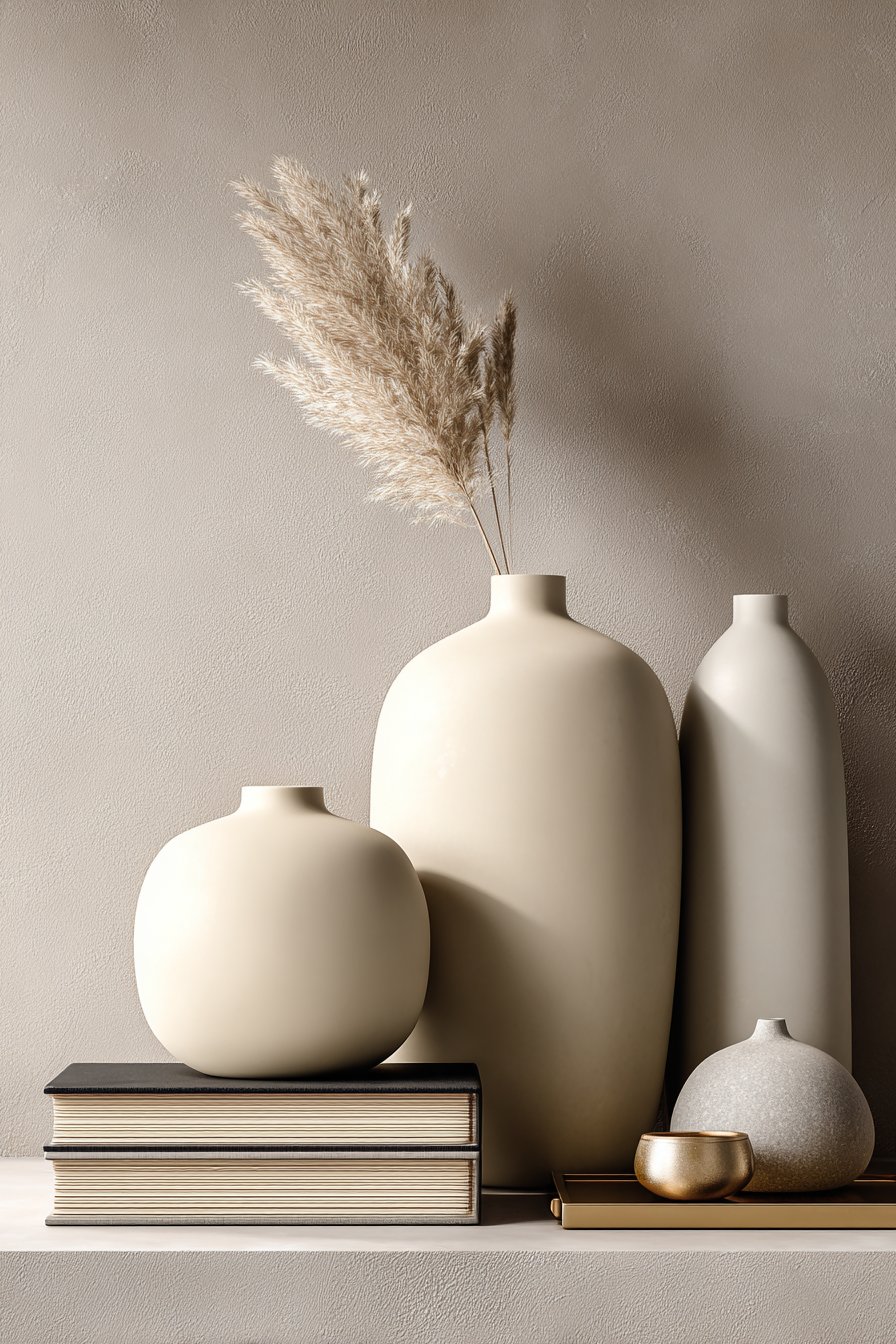
Fresh flowers and plants introduce life without permanent commitment. Their natural imperfection contrasts beautifully with the refined surroundings, preventing spaces from feeling sterile. Greenery also improves air quality while providing organic color.
- Limit decorative objects to pieces you genuinely love or use
- Display books with attractive spines outward on shelves
- Invest in quality vases and vessels for rotating floral displays
- Use trays to corral small items into cohesive groupings
- Rotate artwork and accessories seasonally to prevent visual fatigue
- Choose frames and pedestals that complement rather than compete with contents
Conclusion
Quiet luxury represents thoughtful intentionality in every design decision, favoring quality over quantity and meaning over spectacle. This aesthetic rewards patience, encouraging investment in pieces that endure both physically and stylistically. The result creates homes that feel both deeply personal and universally appealing.
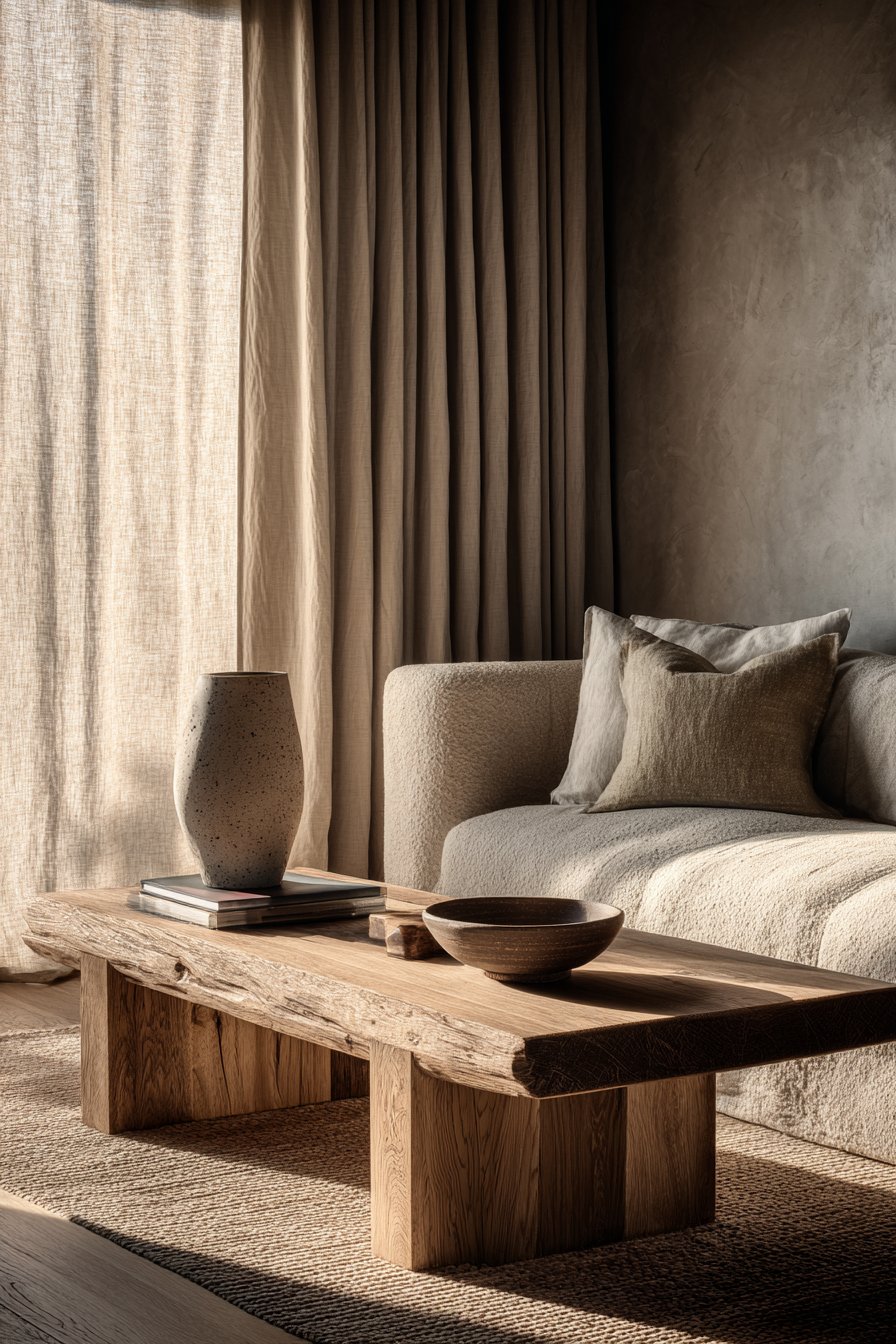
Implementing these principles requires courage to resist trends and trust your instincts. Start with one room, applying these concepts gradually rather than attempting wholesale transformation. Your home should evolve organically, reflecting your journey toward refined simplicity. Embrace the process, understanding that true luxury whispers rather than shouts, creating spaces that nourish your soul through understated excellence.
