


The art of outdoor living has evolved far beyond simple backyard barbecues, transforming into sophisticated culinary spaces that rival indoor kitchens in both functionality and style. Today’s outdoor kitchens represent the perfect marriage of culinary passion and architectural design, creating environments where cooking becomes an immersive experience that connects us with nature, family, and friends. These thoughtfully designed spaces extend our living areas beyond traditional boundaries, offering year-round opportunities for entertaining and creating memorable dining experiences under the open sky.
The beauty of outdoor kitchen design lies in its versatility and adaptability to diverse lifestyles, budgets, and spatial constraints. Whether you’re working with a sprawling backyard estate or a compact urban patio, the right outdoor kitchen design can maximize your space’s potential while reflecting your personal style and cooking preferences. From rustic stone pizza ovens that transport you to the Italian countryside to sleek contemporary designs featuring cutting-edge smart technology, outdoor kitchens offer endless possibilities for customization and creativity.
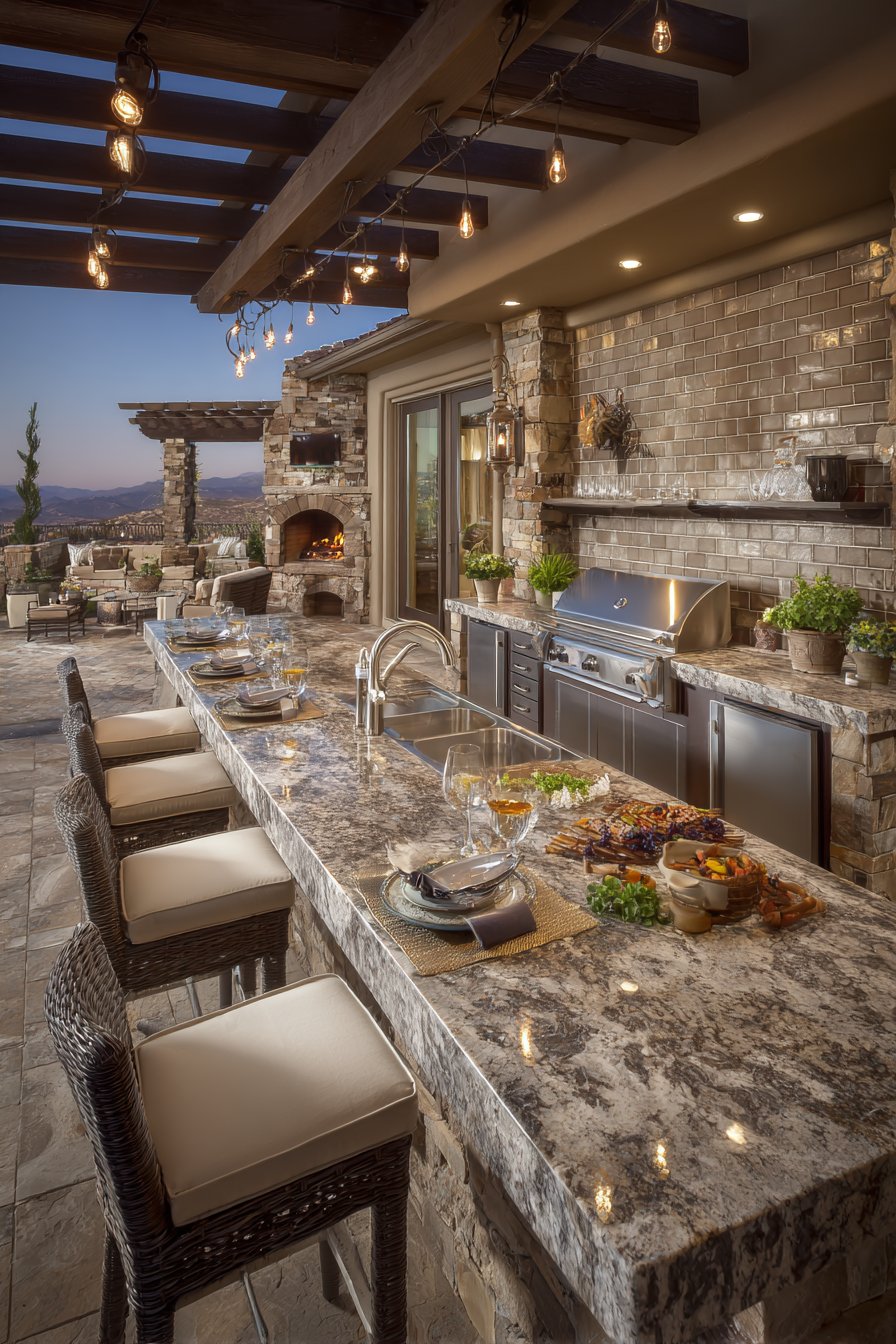
In this comprehensive guide, we’ll explore twenty distinct outdoor kitchen concepts that showcase the incredible range of design possibilities available to today’s homeowners. Each design represents a unique approach to outdoor culinary spaces, incorporating different materials, layouts, technological innovations, and aesthetic philosophies. These ideas will inspire you to envision your own outdoor kitchen transformation, whether you’re drawn to Mediterranean charm, modern minimalism, sustainable design, or budget-conscious creativity.
1. Built-in Stainless Steel Grill Island Paradise
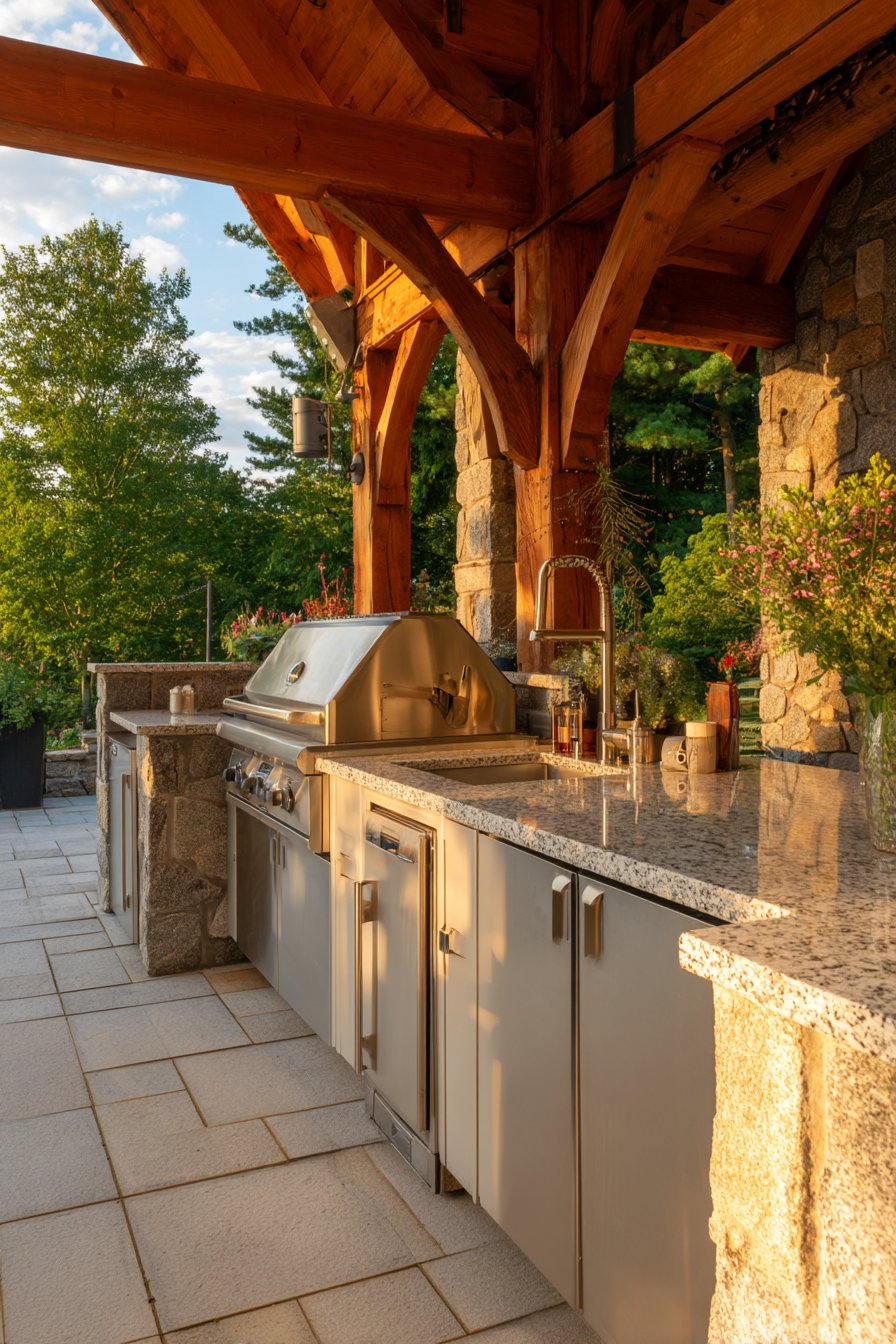
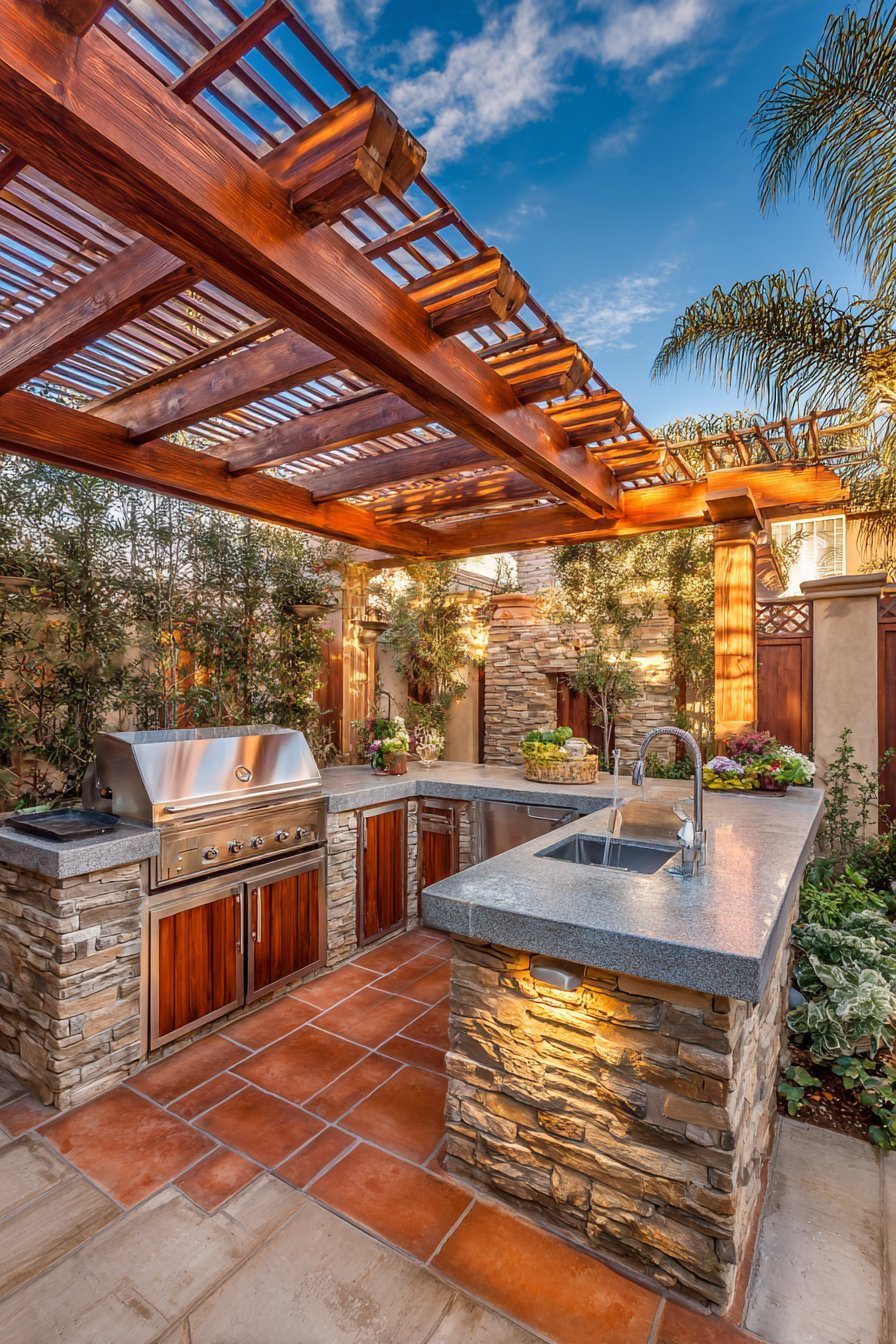
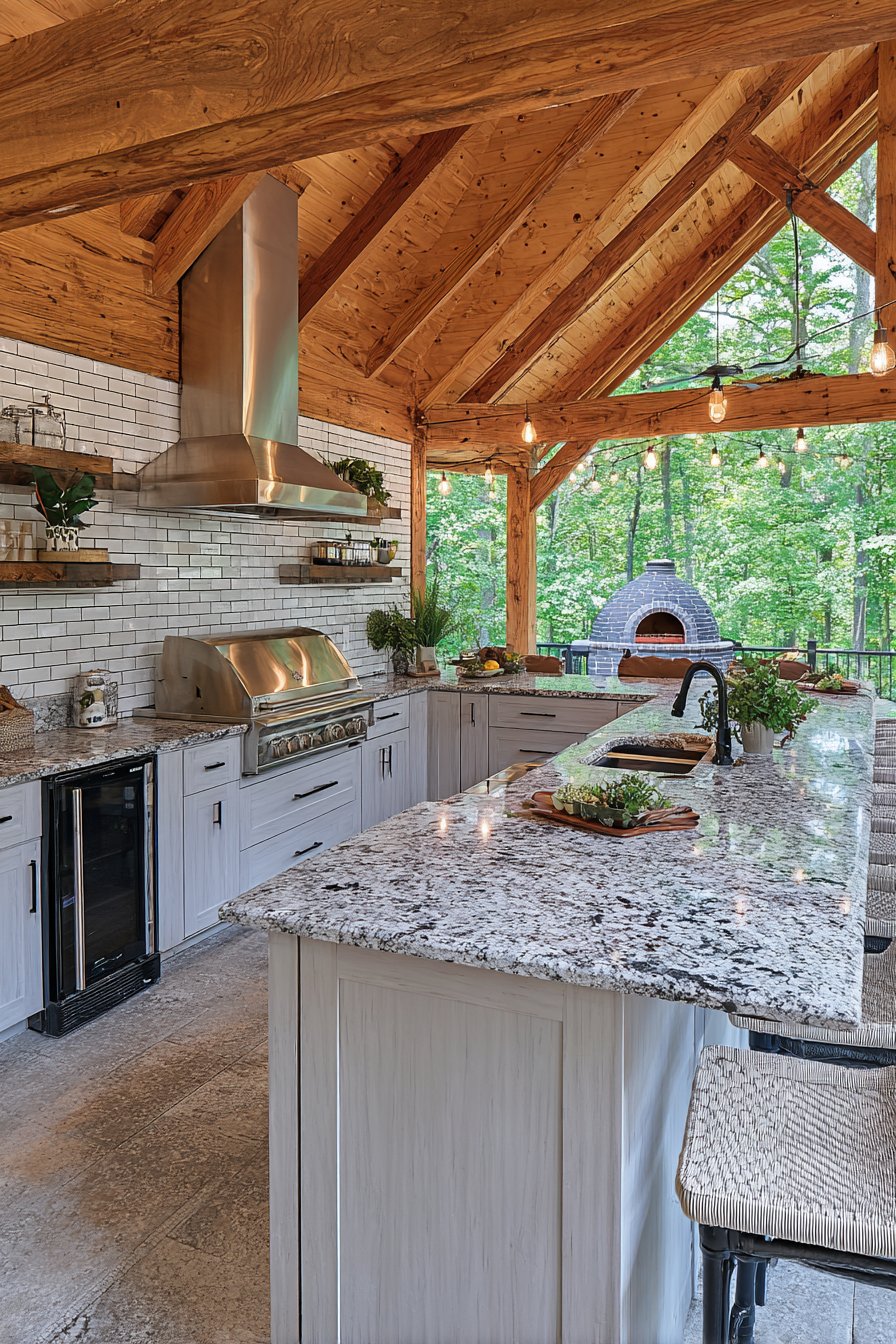
The foundation of exceptional outdoor cooking begins with a well-designed built-in grill island that seamlessly integrates premium stainless steel appliances with durable granite countertops. This classic outdoor kitchen design creates a professional-grade cooking environment that withstands the elements while providing generous prep space for elaborate outdoor feasts. The weatherproof cabinetry features marine-grade hardware specifically engineered to resist corrosion and maintain smooth operation despite exposure to moisture and temperature fluctuations.
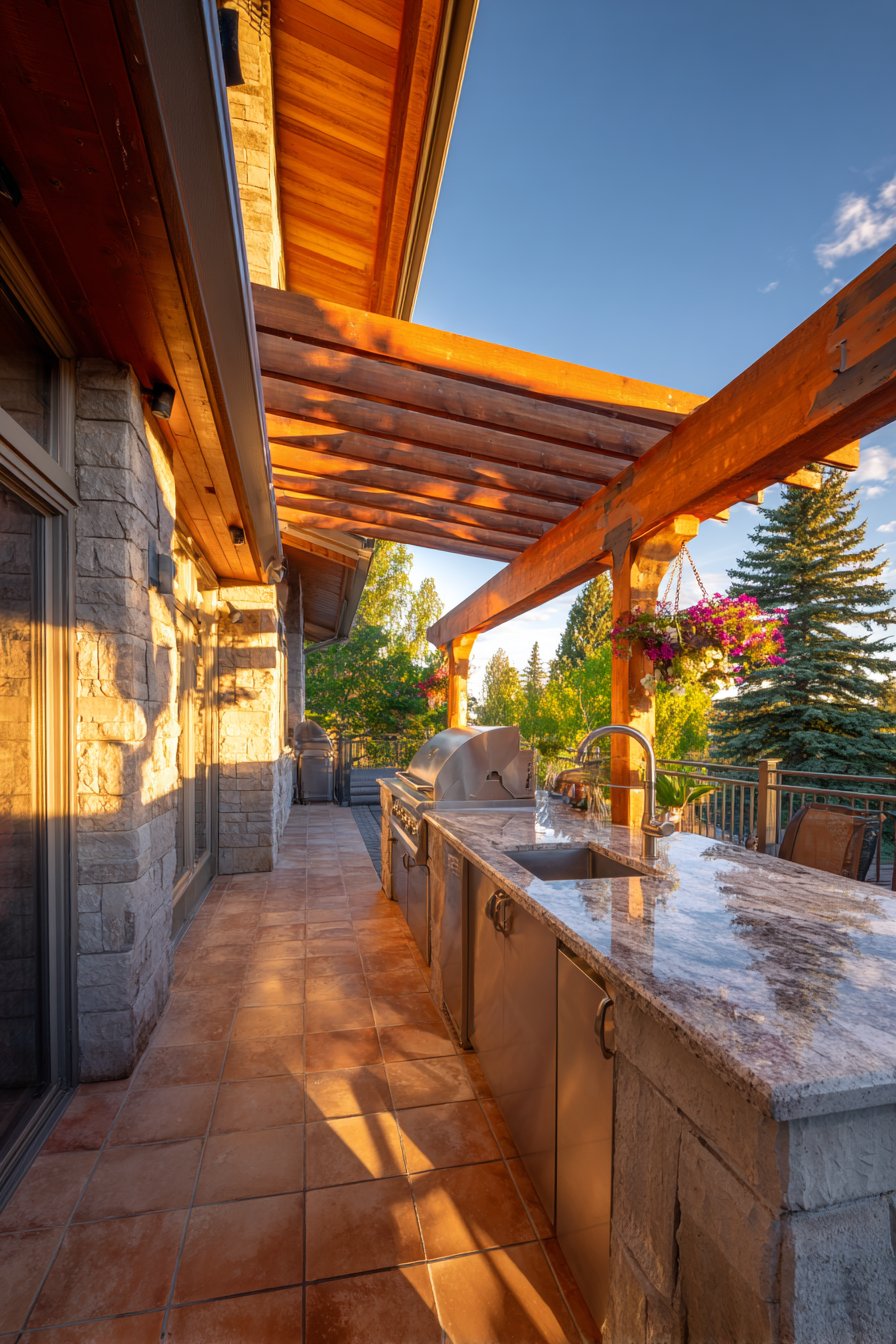
Natural stone flooring creates a seamless transition from covered patio areas, establishing visual continuity that makes the outdoor kitchen feel like a natural extension of your home’s interior spaces. The incorporation of a mini refrigerator and strategically planned storage ensures that all outdoor cooking essentials remain within arm’s reach, eliminating the need for constant trips back to the indoor kitchen. This thoughtful organization transforms meal preparation from a logistical challenge into an enjoyable social experience.
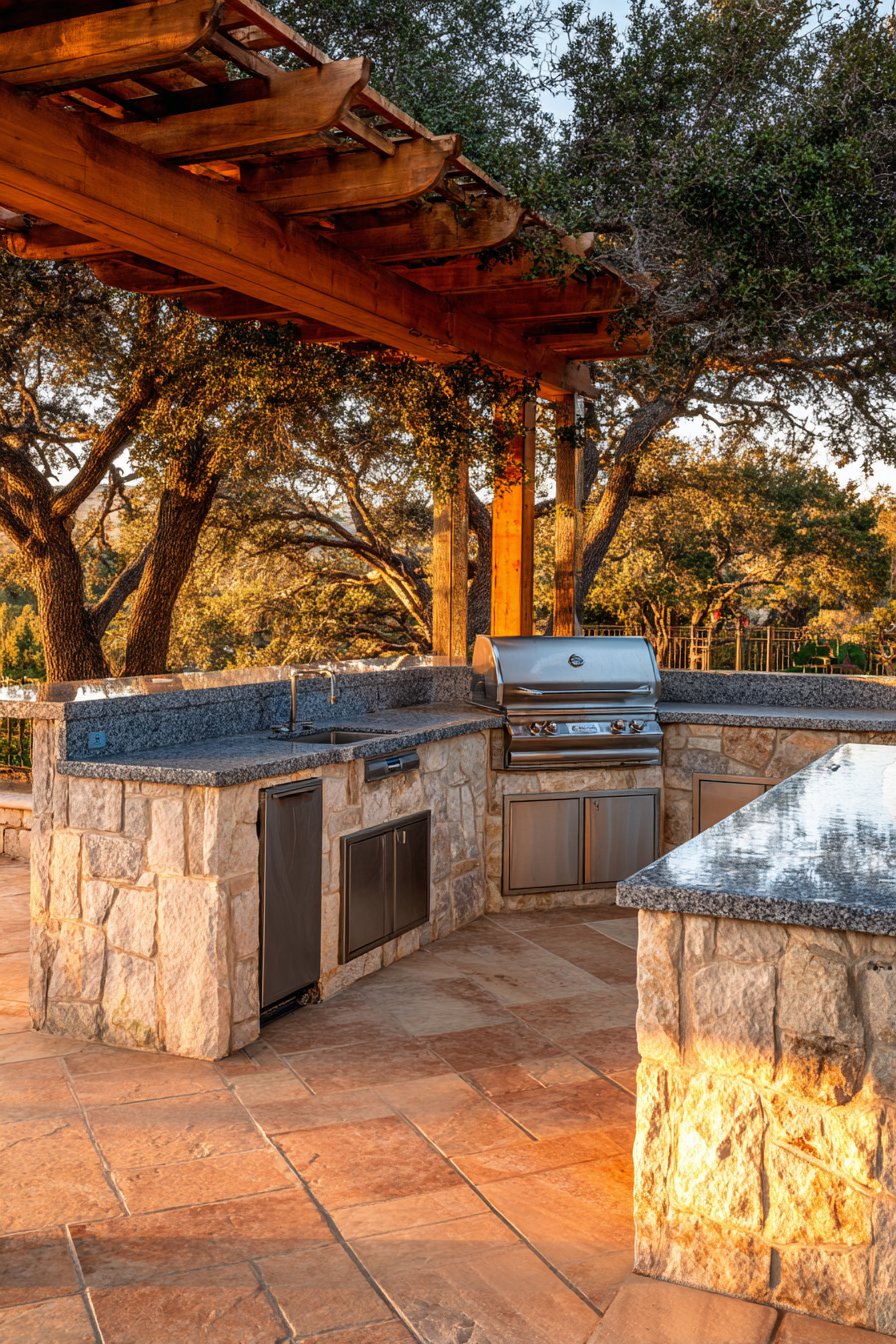
The magic of this design comes alive in the evening hours when overhead string lights cast a warm, inviting glow across the cooking surface. This ambient lighting creates an intimate atmosphere perfect for dinner parties and family gatherings while providing adequate task lighting for safe food preparation. The combination of functional illumination and decorative appeal demonstrates how practical considerations can enhance rather than compromise aesthetic goals.
Key Design Tips:
- Select marine-grade hardware for all cabinet pulls and hinges to ensure longevity in outdoor environments
- Install adequate drainage behind the grill island to prevent water accumulation and structural damage
- Choose granite with sealed edges to prevent moisture penetration and staining
- Position the mini refrigerator away from direct heat sources to maintain energy efficiency
- Include electrical outlets with weatherproof covers for small appliances and device charging
2. Rustic Stone Pizza Oven Centerpiece
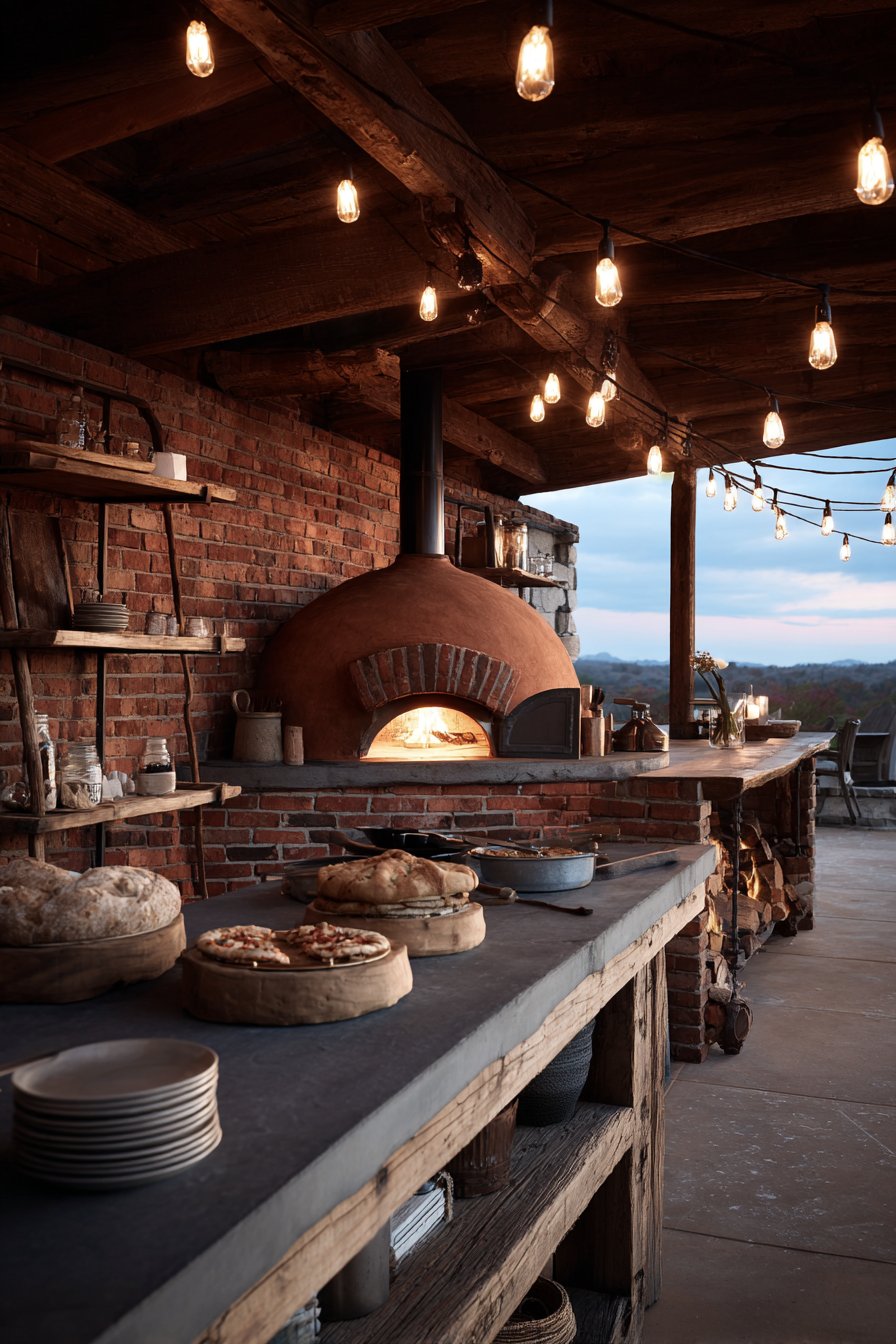
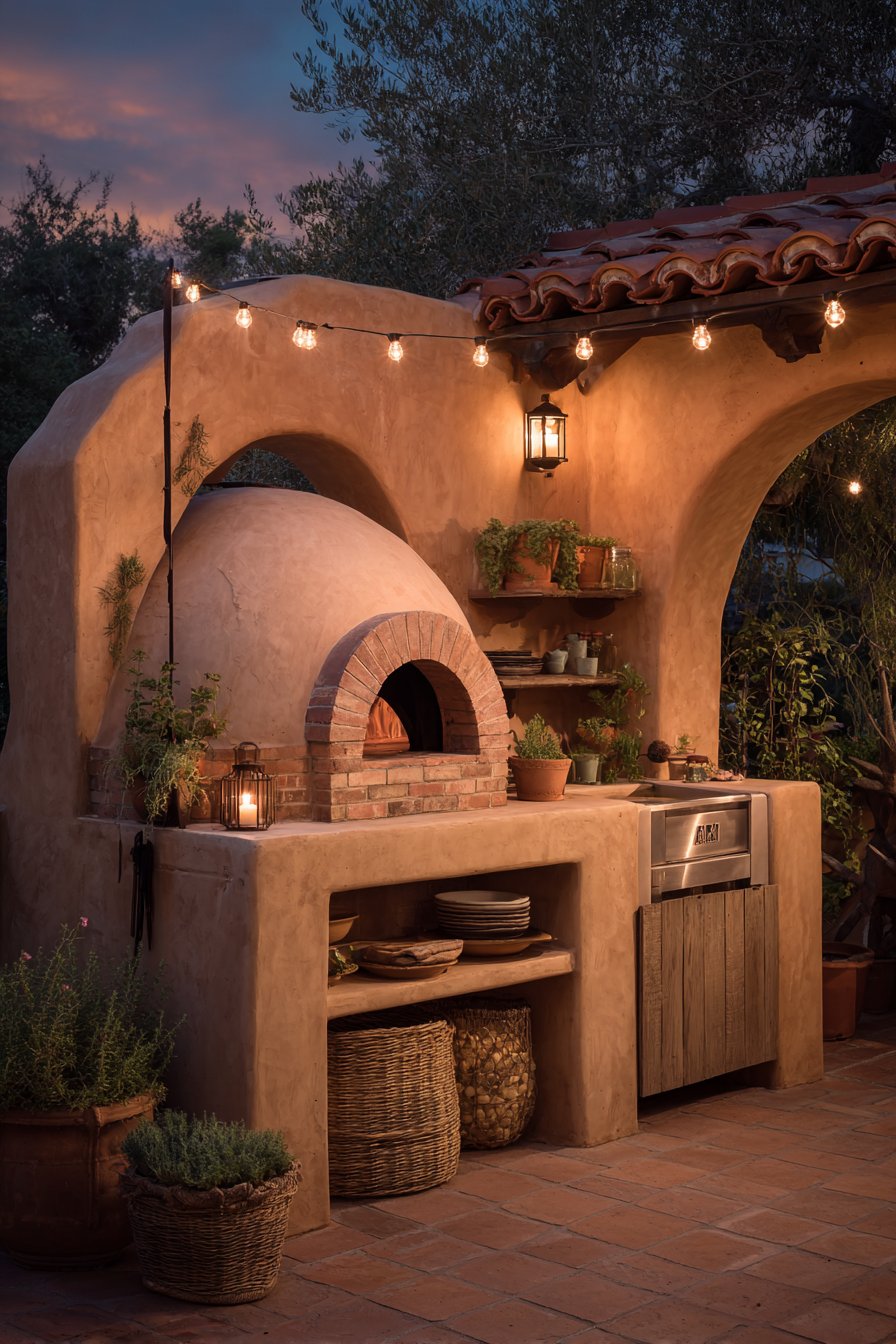
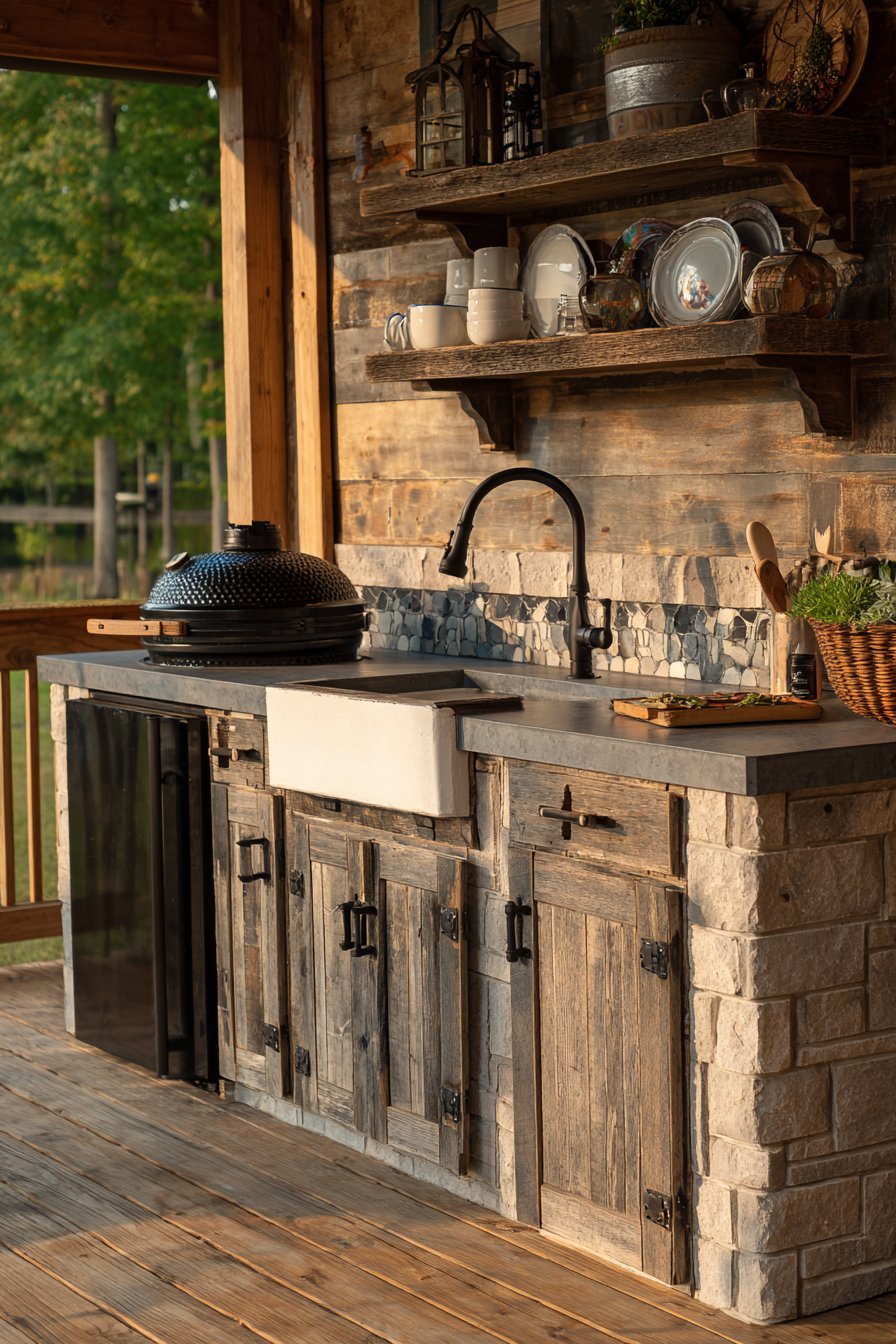
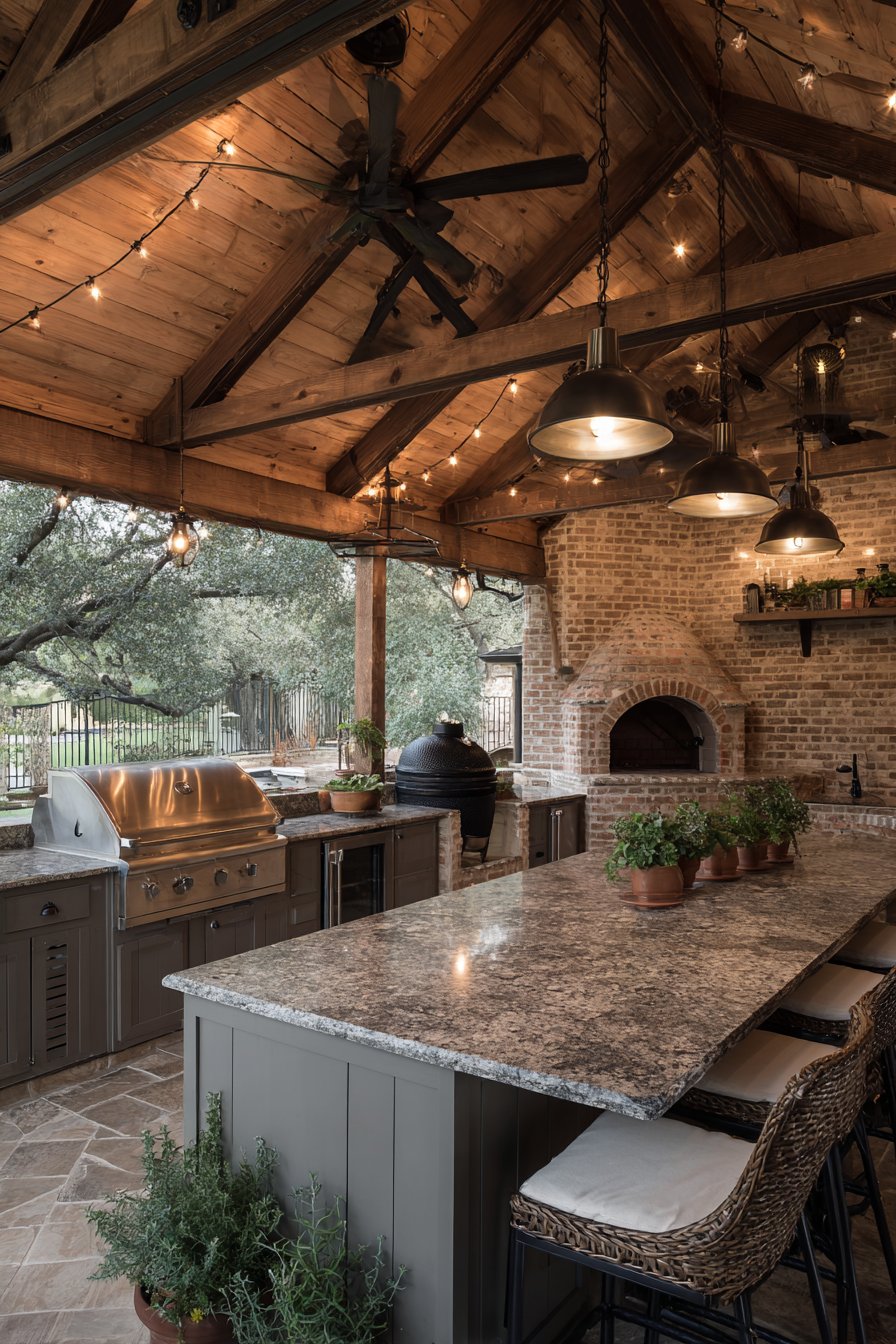
Transform your backyard into an authentic Italian-inspired cooking destination with a magnificent stone pizza oven that serves as both functional cooking appliance and stunning architectural focal point. This timeless outdoor kitchen design celebrates artisanal craftsmanship through the use of natural flagstone countertops and carefully selected reclaimed wood shelving that tells stories of previous lives while adding character and warmth to the space.
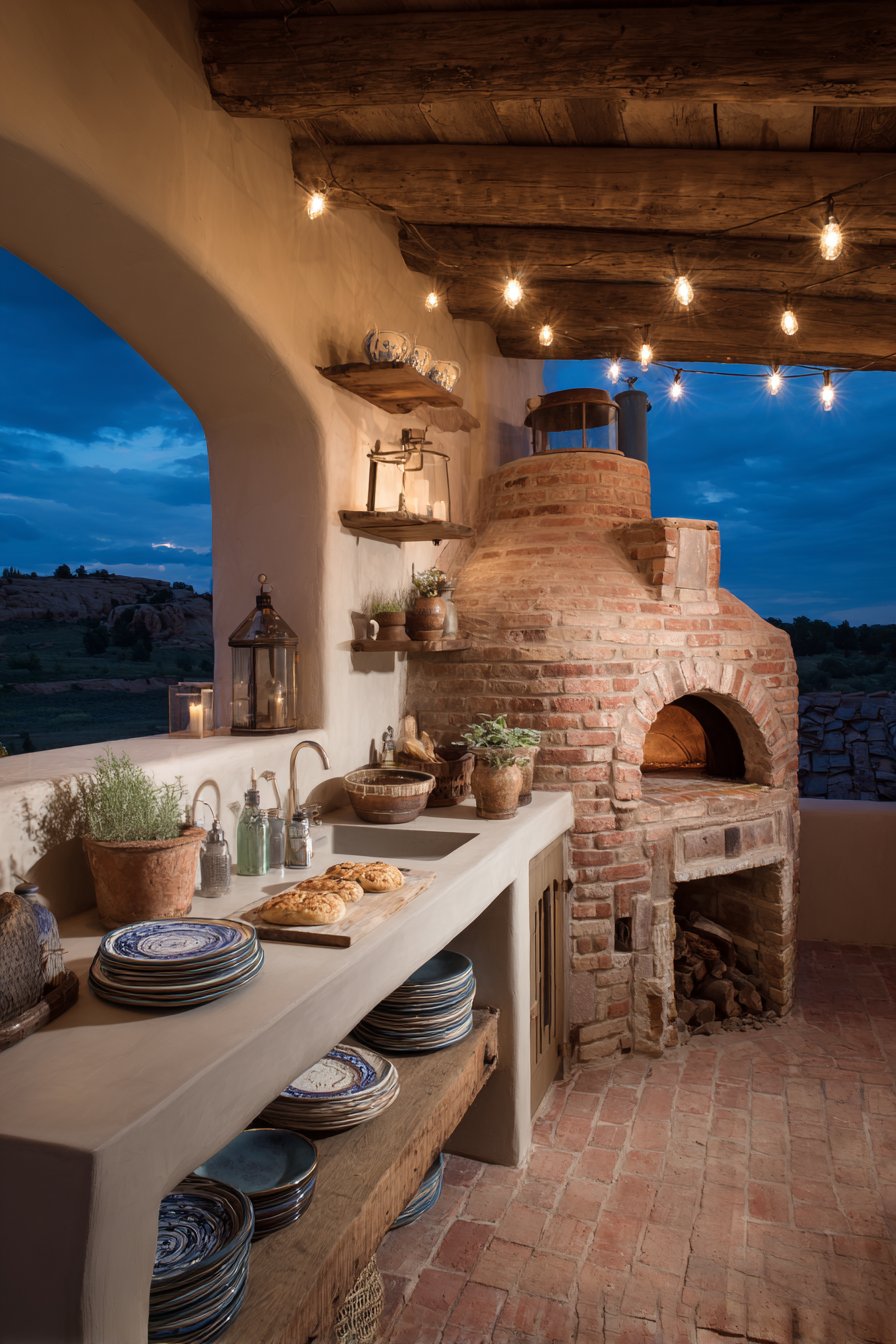
The integration of a prep sink with copper fixtures elevates the functionality while maintaining the rustic aesthetic through the natural patina development that copper undergoes when exposed to outdoor elements. Open storage solutions provide convenient access to firewood and essential cooking tools while contributing to the authentic, lived-in atmosphere that makes this design so appealing. The exposed wooden beams overhead add architectural interest and create defined spaces within the larger outdoor environment.
Edison bulb pendant lighting suspended from these rustic beams creates pools of intimate illumination that enhance the cozy, gathering-focused atmosphere. This lighting choice perfectly complements the artisanal quality of the materials while providing adequate visibility for food preparation and cooking tasks. The warm amber glow of Edison bulbs against weathered wood and natural stone creates an irresistibly inviting environment that draws people together.
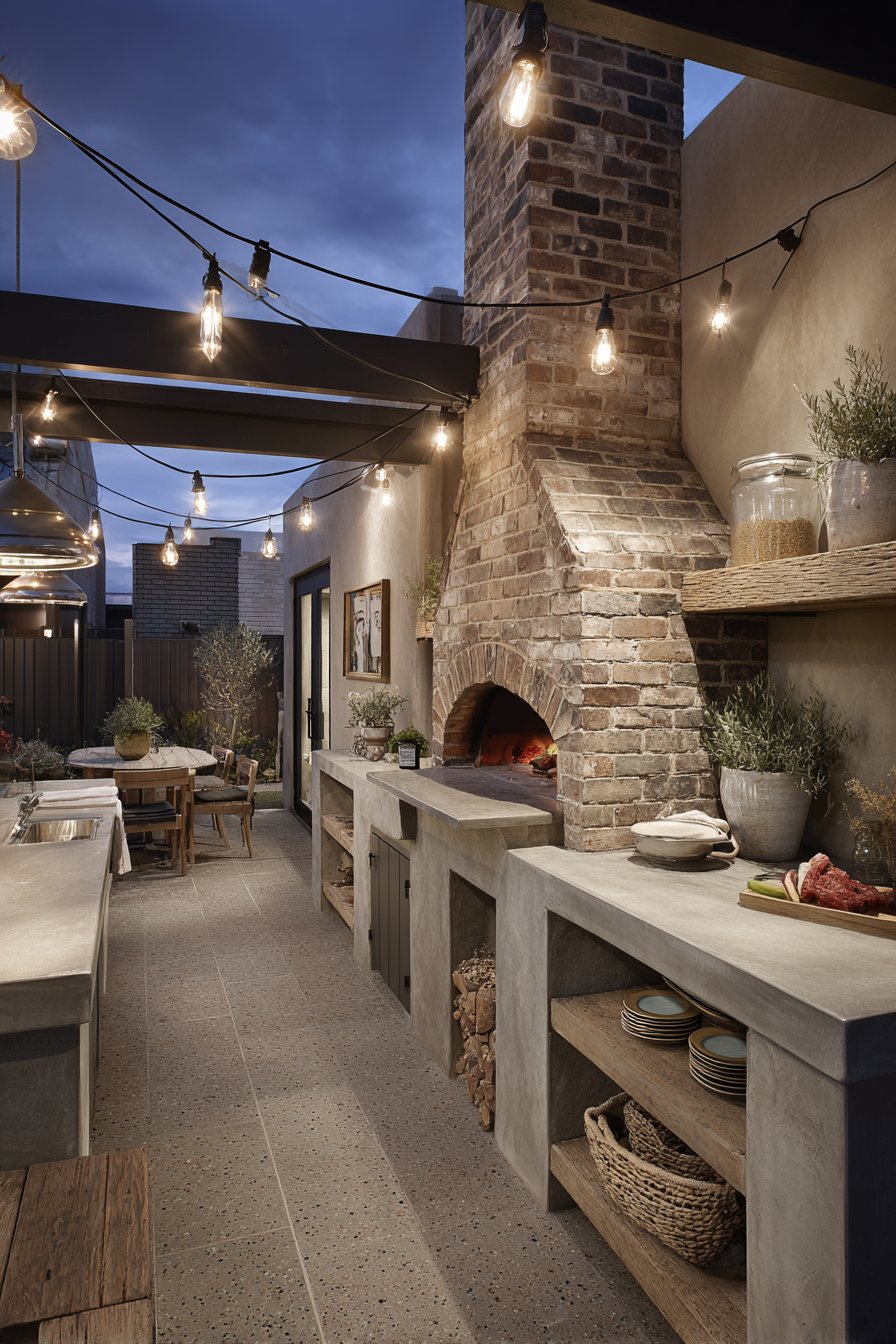
The authentic textures throughout this design tell a story of traditional craftsmanship and time-honored cooking methods. Every surface invites touch and interaction, from the smooth-worn flagstone to the rough-hewn wooden shelves that develop increasing character with age and use. This tactile quality creates an emotional connection between the cook and their environment that enhances the entire culinary experience.
Key Design Tips:
- Season new wood surfaces with appropriate outdoor finishes to prevent weathering and insect damage
- Install proper ventilation around the pizza oven to ensure safe operation and prevent smoke accumulation
- Create adequate clearance around the oven door for safe loading and removal of cooking items
- Use heat-resistant materials within three feet of the oven opening to prevent fire hazards
- Position firewood storage in a dry location with adequate air circulation to maintain proper burning conditions
3. Linear Pergola Integration
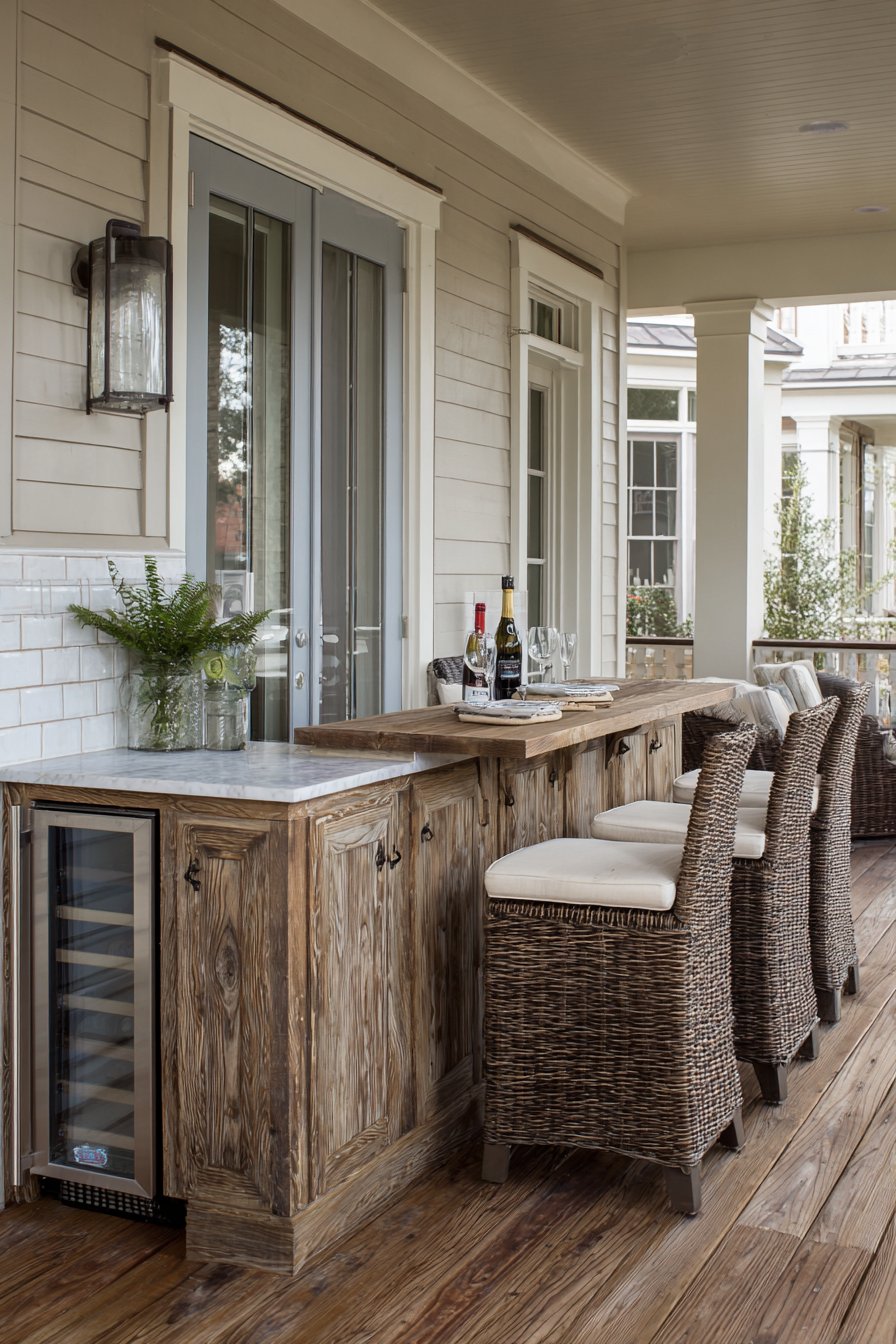
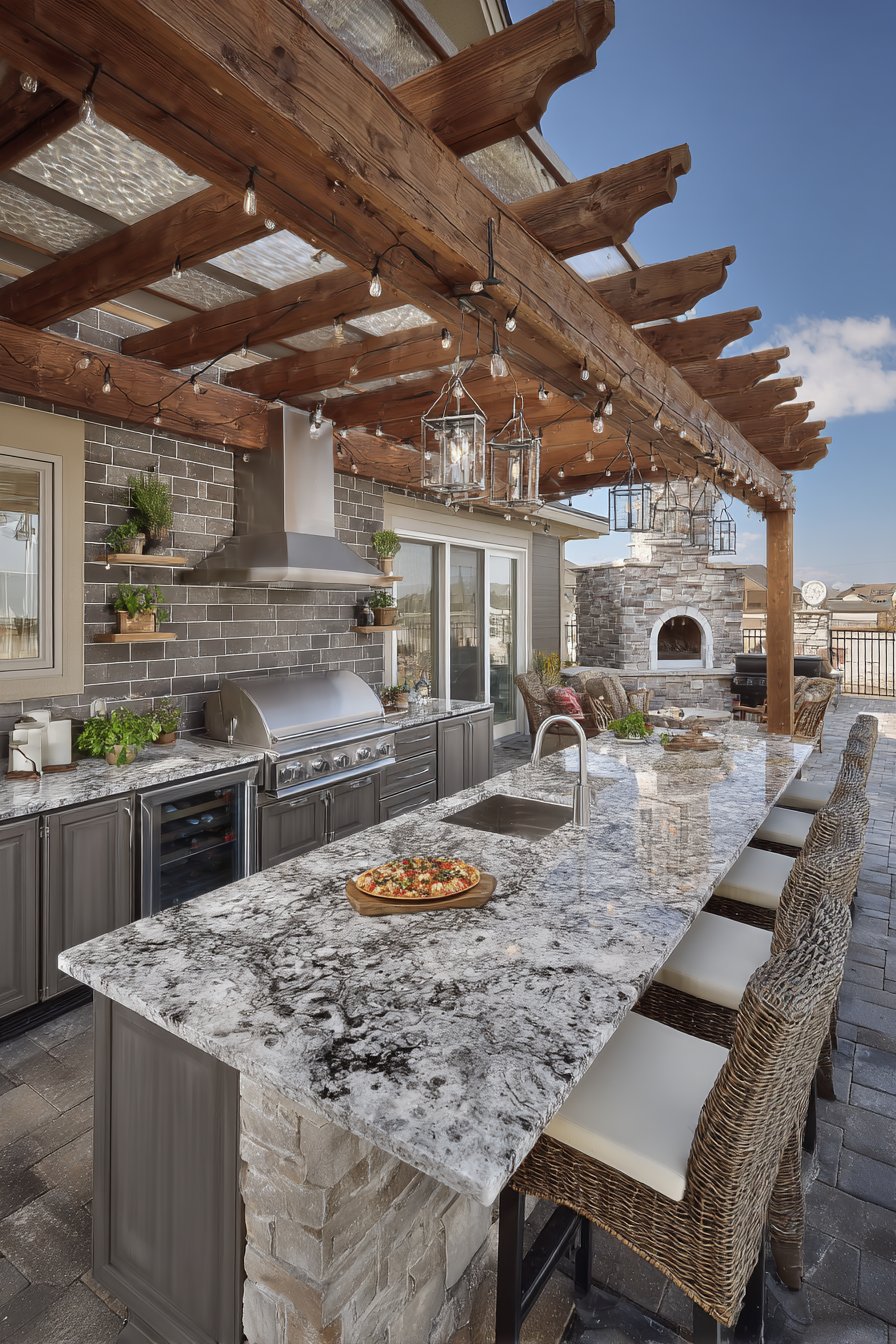
Maximize your outdoor entertaining potential with a sleek linear kitchen arrangement that takes full advantage of covered pergola protection while maintaining an open, airy atmosphere. This contemporary approach to outdoor kitchen design creates defined zones for different cooking activities while preserving sightlines and encouraging social interaction throughout the space. The retractable weather screens provide flexible protection against wind and rain without permanently enclosing the area.
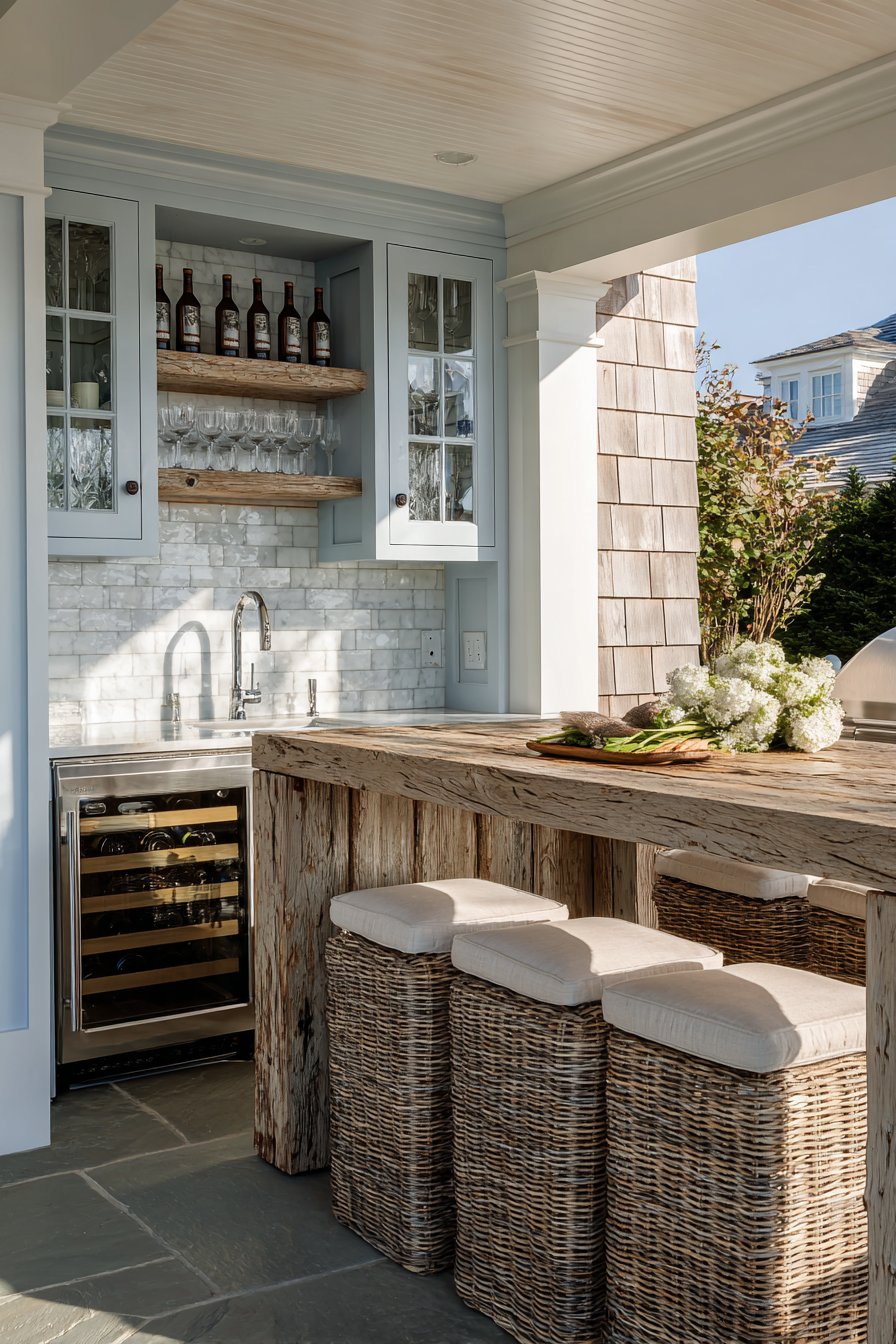
The gas grill station, strategically positioned side burners, and expansive island with integrated seating for six create a restaurant-quality cooking environment that can handle everything from intimate family dinners to large-scale entertaining. The linear arrangement ensures efficient workflow between prep, cooking, and serving areas while maintaining clear pathways for both the cook and guests. This thoughtful layout prevents the common problem of overcrowding around cooking areas during parties.
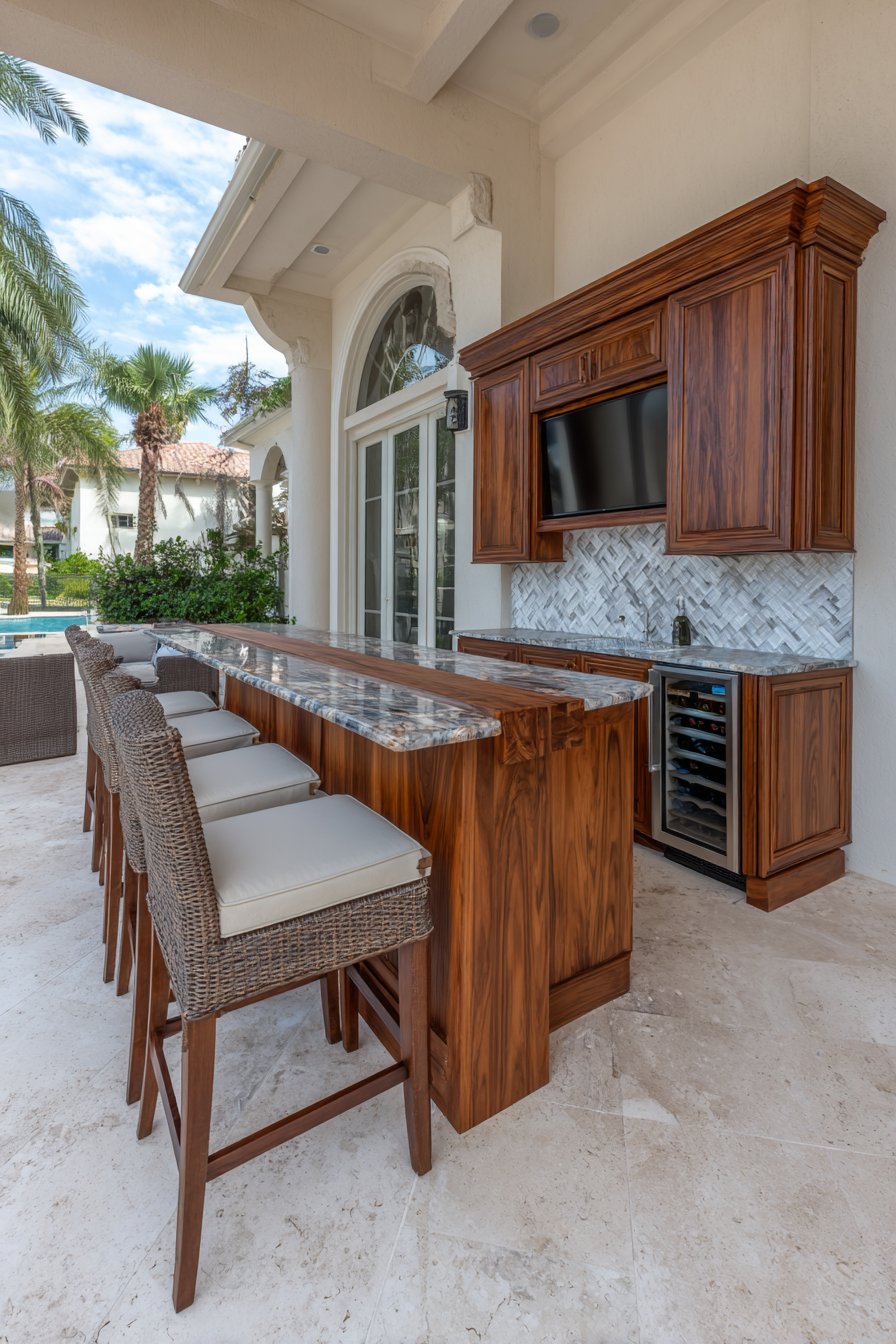
Durable concrete countertops provide the perfect balance of industrial sophistication and practical functionality, offering excellent heat resistance and easy maintenance while creating visual continuity throughout the space. The modern steel frame structure adds architectural definition while supporting overhead elements like lighting, fans, and the pergola framework itself. This structural integration demonstrates how functional elements can enhance rather than compromise aesthetic goals.
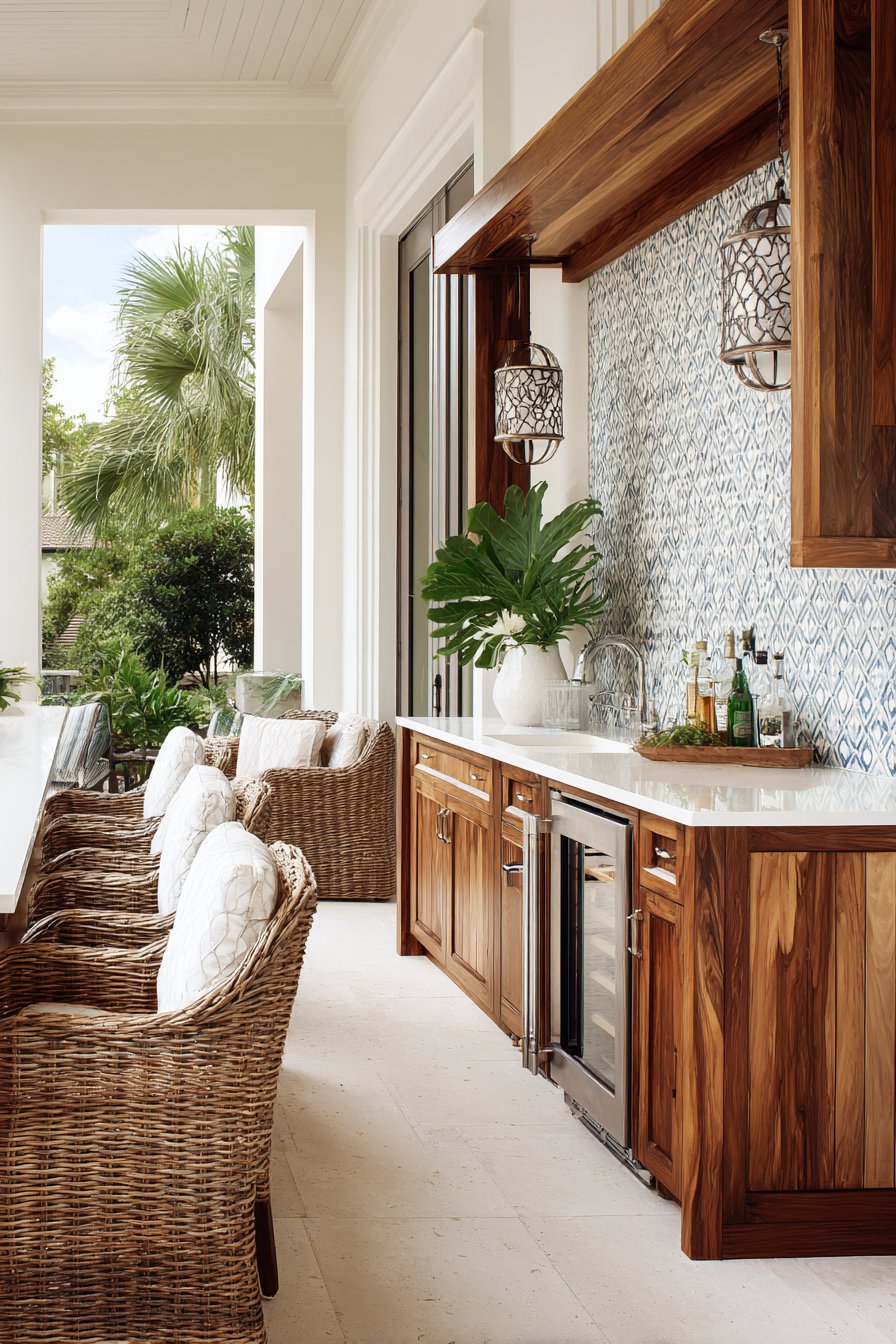
The integrated planters filled with fresh herbs represent both practical convenience and design sophistication. Having cooking herbs within arm’s reach elevates every dish while adding natural color and fragrance to the cooking environment. Natural daylight filtering through pergola slats creates dynamic shadow patterns that change throughout the day, adding visual interest and connecting the space to the natural rhythms of outdoor living.
Key Design Tips:
- Install adequate drainage around concrete surfaces to prevent water pooling and staining
- Choose retractable screens with easy-operation mechanisms that encourage regular use
- Plan electrical and gas lines during initial construction to avoid expensive retrofitting
- Select weather-resistant seating fabrics that maintain appearance despite outdoor exposure
- Include task lighting under upper cabinets and over prep areas for safe evening cooking
4. Compact Patio Solution
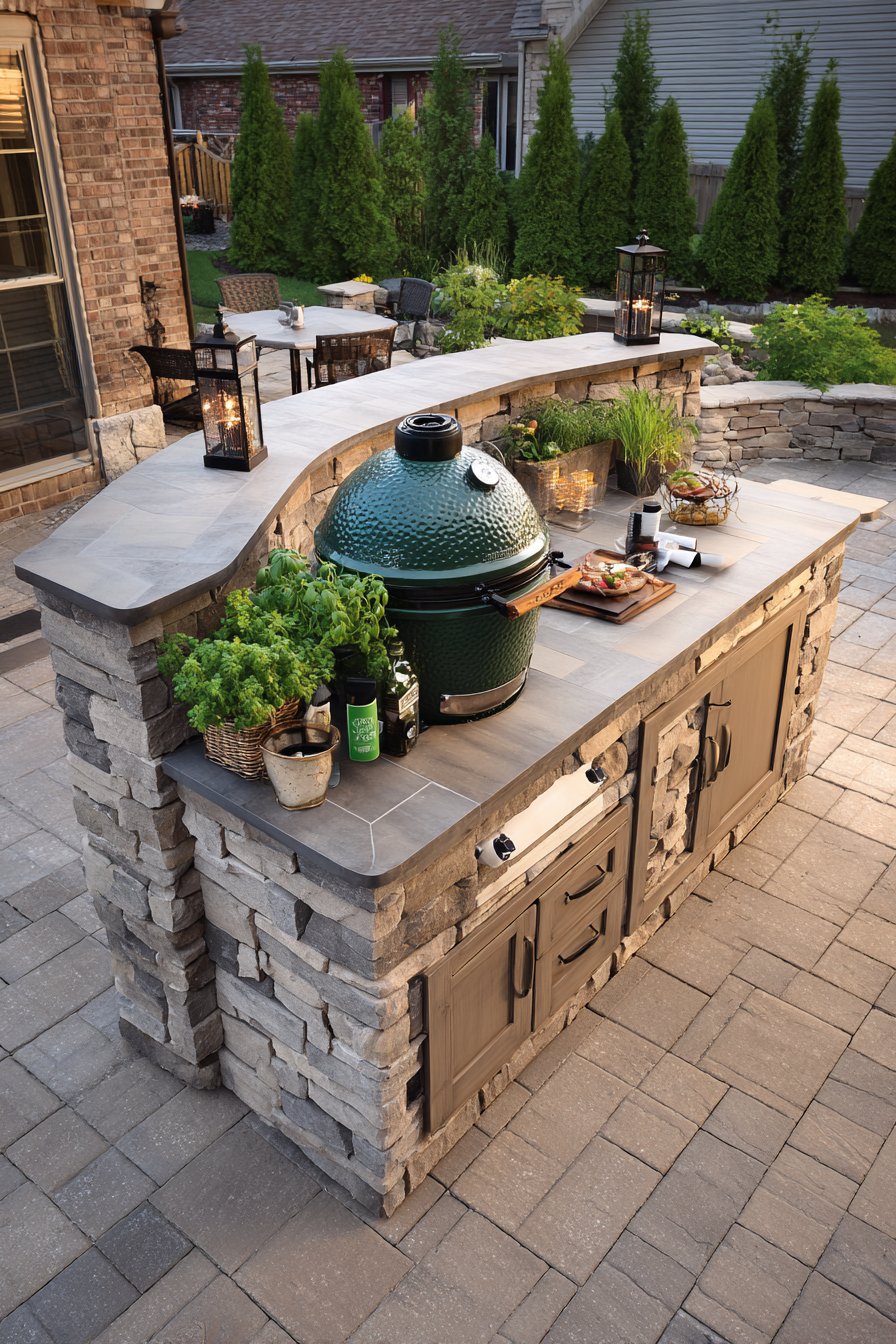
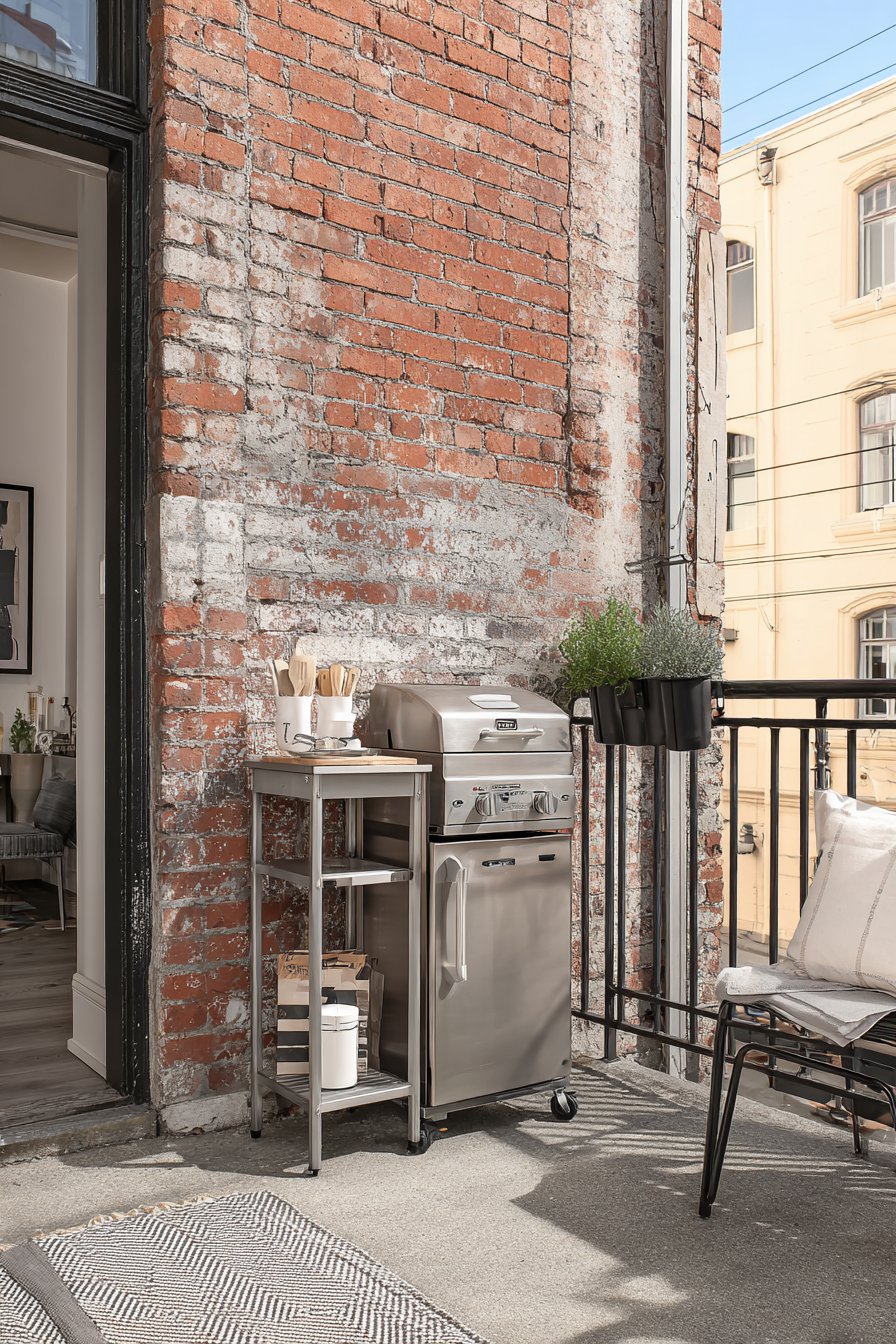
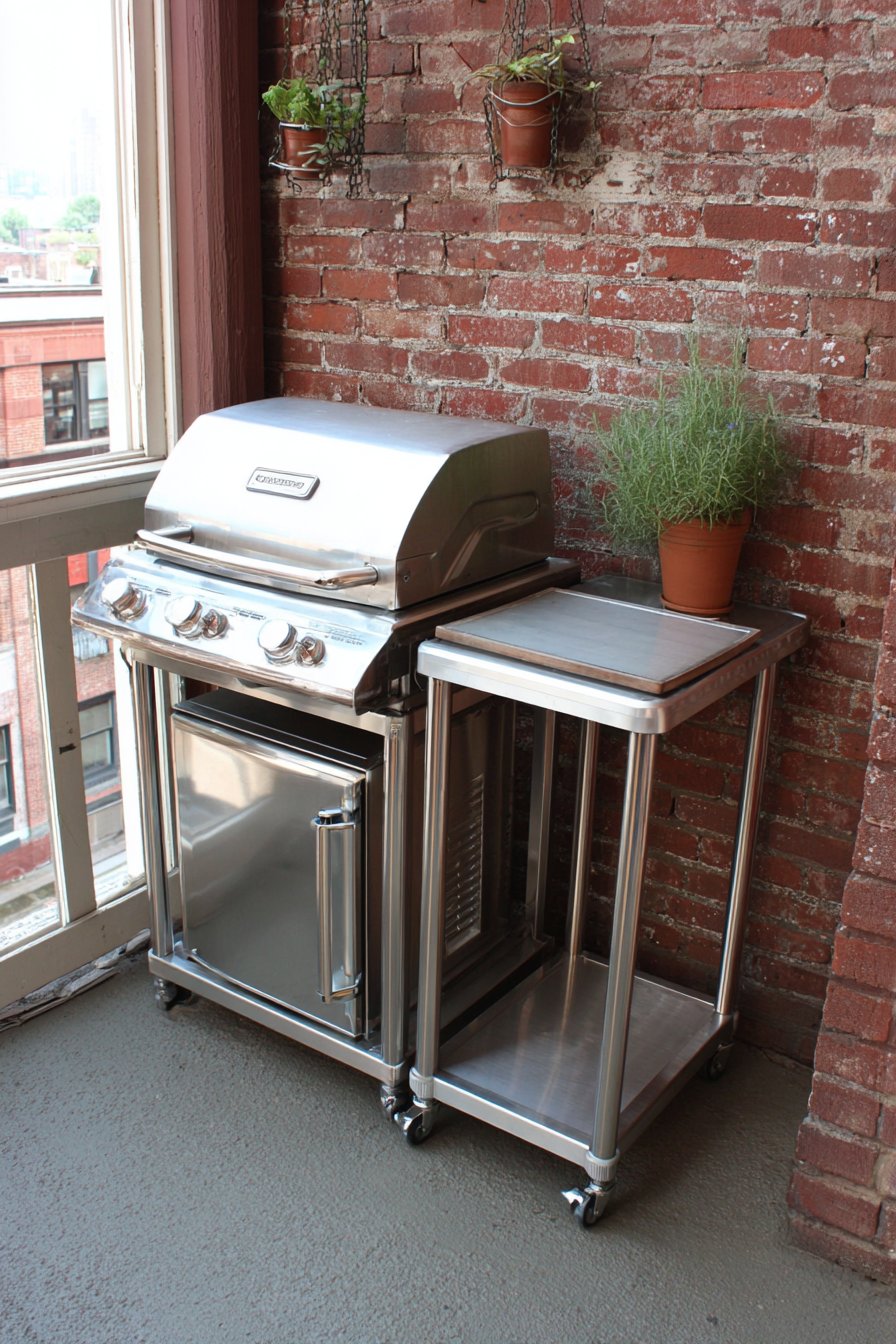
Small outdoor spaces deserve thoughtfully designed cooking solutions that maximize functionality without overwhelming the available area. This ingenious compact outdoor kitchen design centers around a portable kitchen cart that transforms limited patio space into a fully functional cooking environment. The beauty of this approach lies in its flexibility and adaptability to changing needs and seasonal requirements.
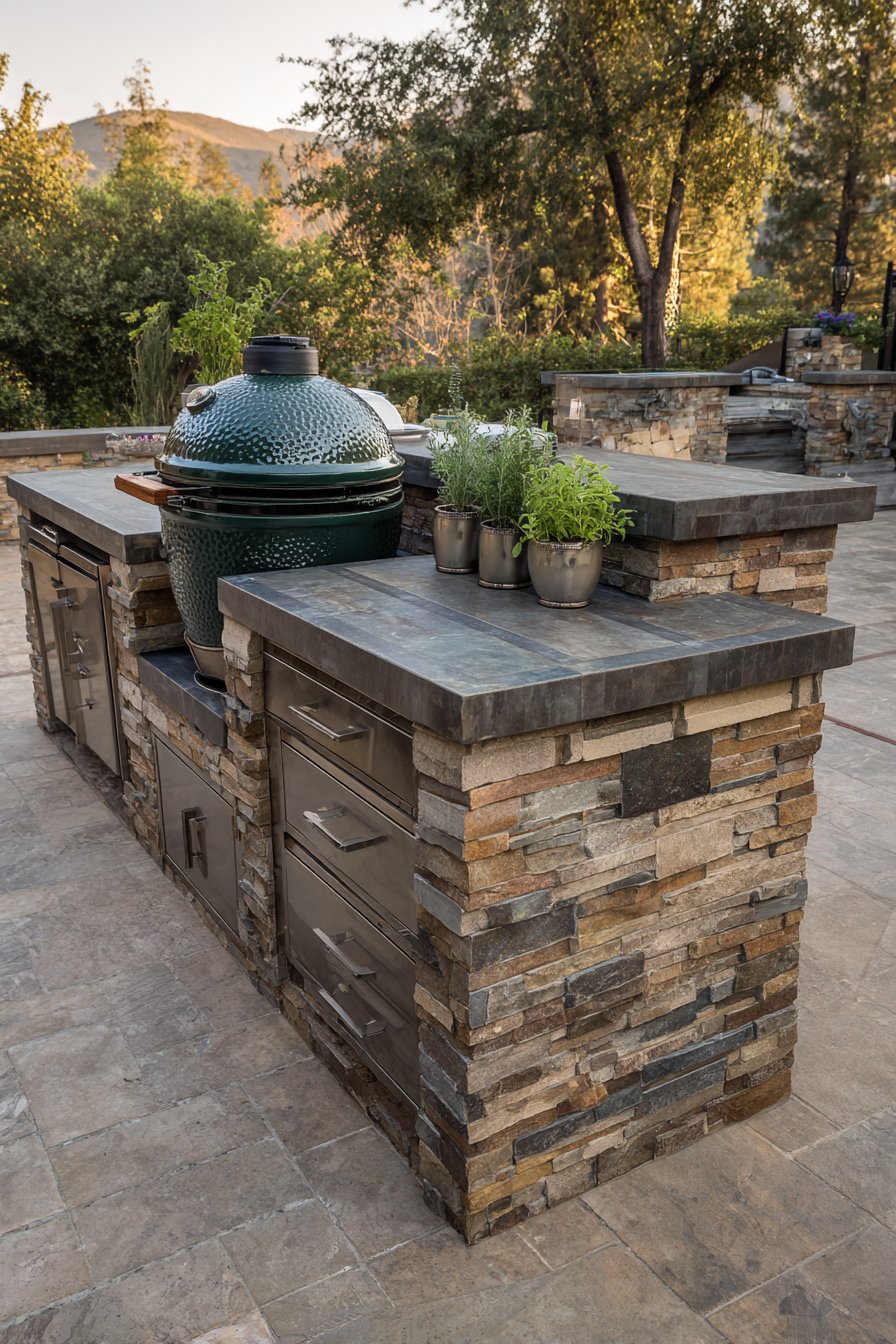
The fold-out prep surfaces and built-in storage demonstrate how clever design can multiply the utility of compact spaces. When expanded, the cart provides ample workspace for meal preparation, but it can quickly fold down to restore patio space for other activities. This versatility makes it perfect for renters or homeowners who want outdoor cooking capabilities without permanent installations that might limit future flexibility.
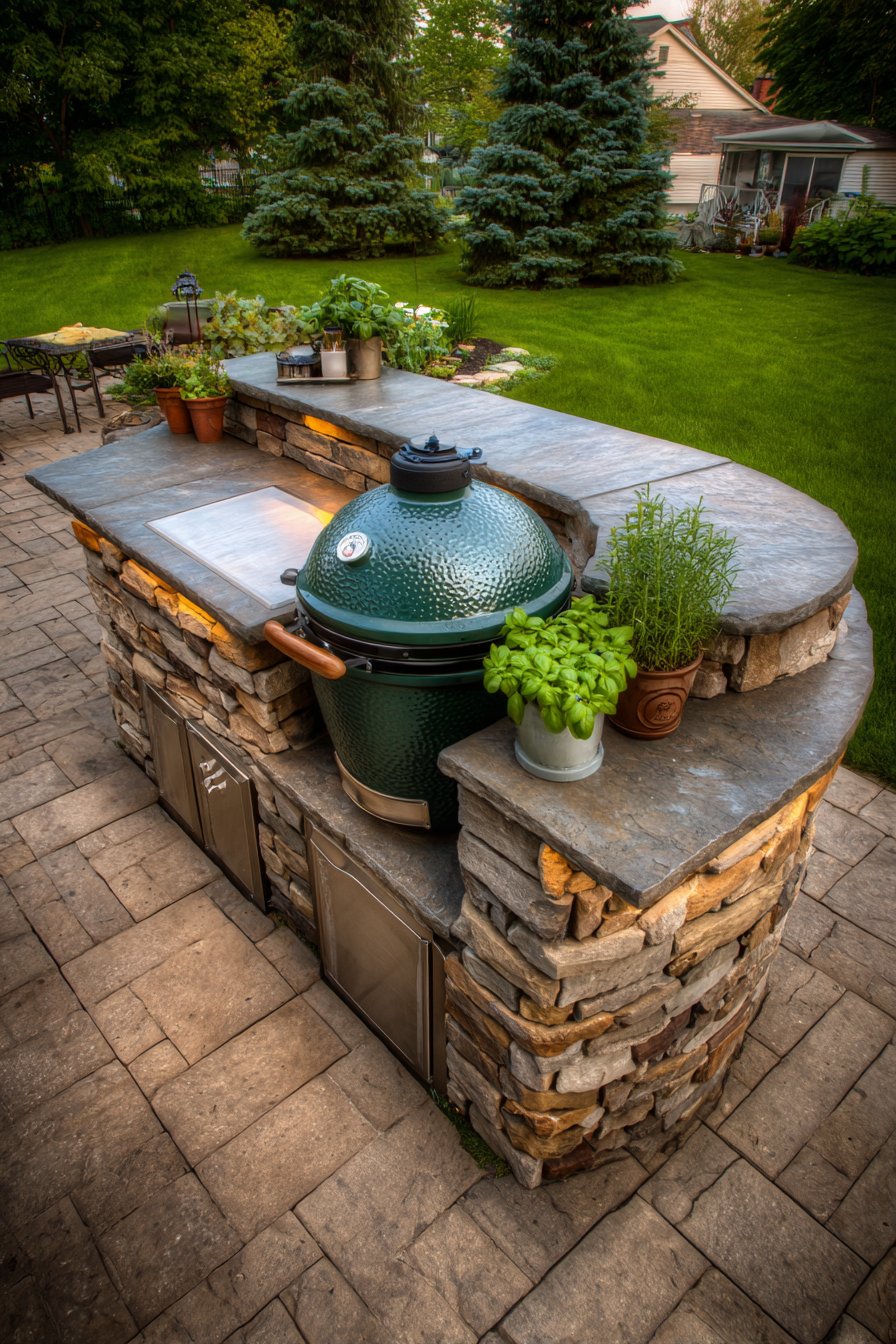
Weather-resistant teak construction ensures longevity while providing the warm, natural aesthetic that makes outdoor spaces feel welcoming and connected to nature. The stainless steel accents add contemporary flair while providing practical benefits like easy cleaning and resistance to corrosion. This material combination creates a sophisticated appearance that proves compact doesn’t mean compromising on style or quality.
The compact gas grill provides serious cooking capability despite its space-efficient design, while the cutting board insert and utensil hooks demonstrate how every available surface can serve multiple purposes. This level of organization transforms cooking from a cluttered struggle into a streamlined, enjoyable process that maximizes the small space’s potential.
Key Design Tips:
- Invest in high-quality wheels or casters that can handle the weight when fully loaded
- Choose multi-purpose accessories that serve double duty in compact spaces
- Include weatherproof covers for extended outdoor storage during harsh conditions
- Select a grill size appropriate for your typical cooking needs to avoid overpowering the space
- Organize storage with clear containers and labels to maximize efficiency in small compartments
5. Built-in Smoker Integration
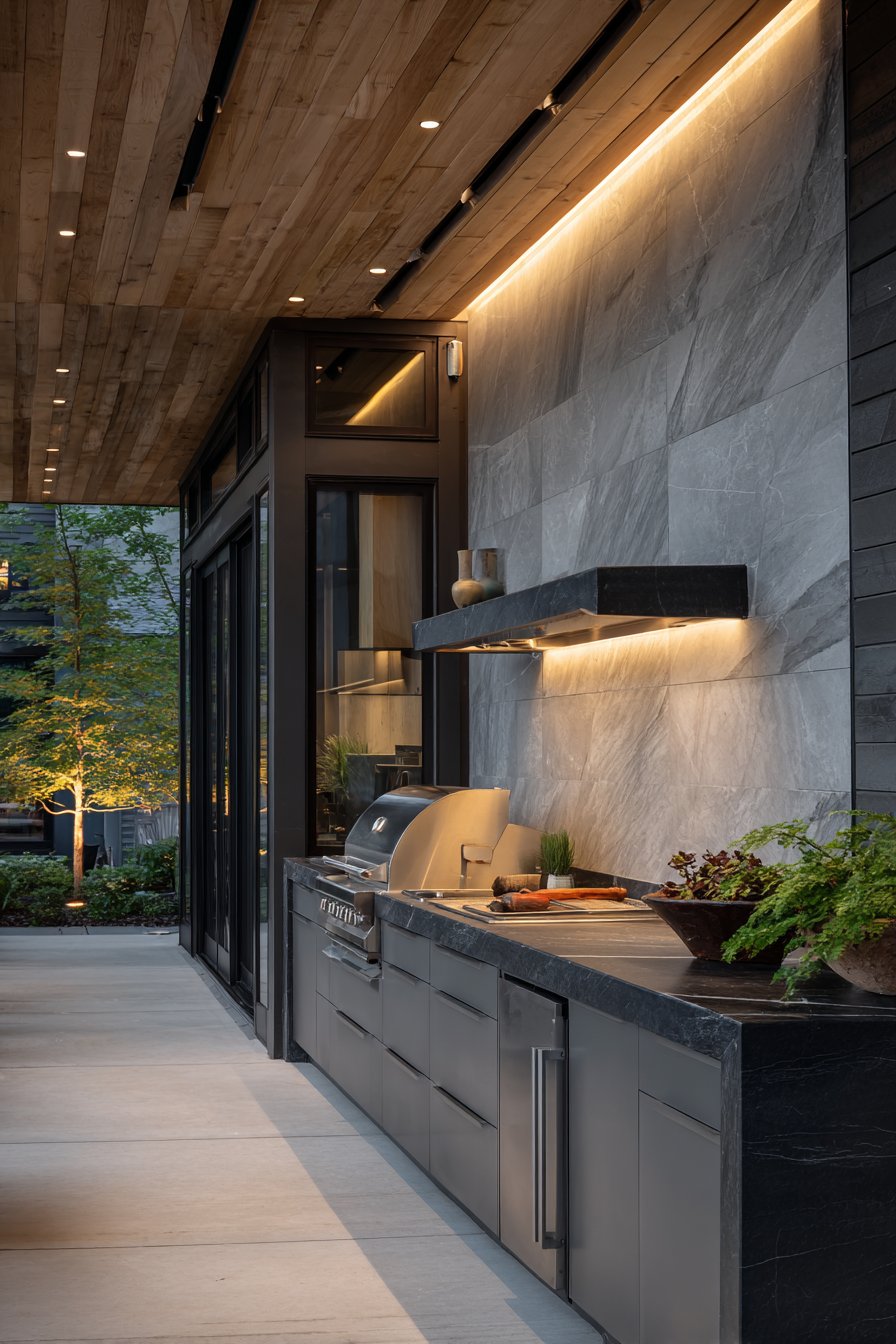
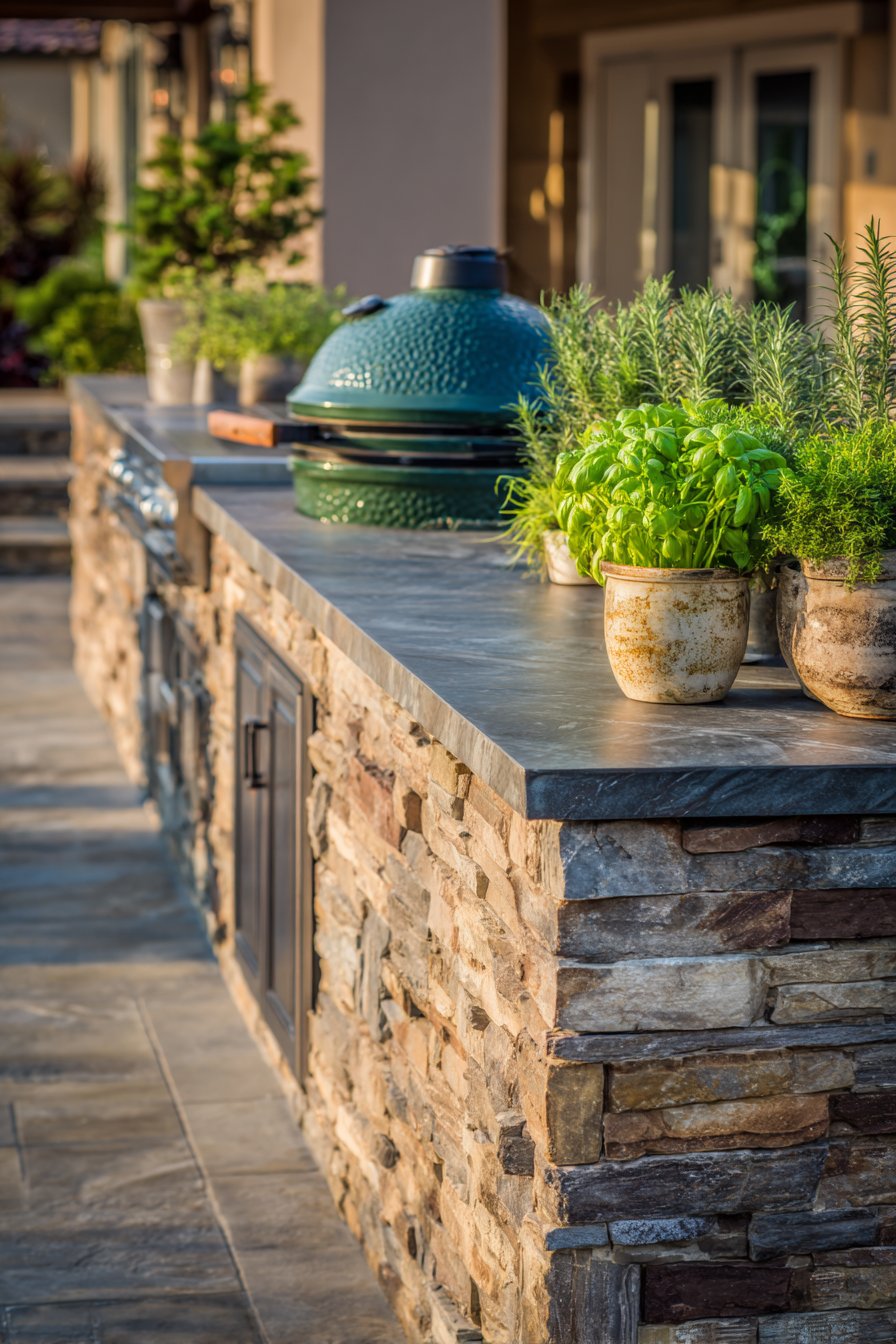
Elevate your outdoor cooking game with a specialized design that incorporates a built-in smoker alongside traditional grilling equipment, creating a comprehensive outdoor cooking environment for serious barbecue enthusiasts. This design recognizes that different cooking methods require different equipment and approaches, providing dedicated zones for various outdoor cooking techniques within a cohesive design framework.
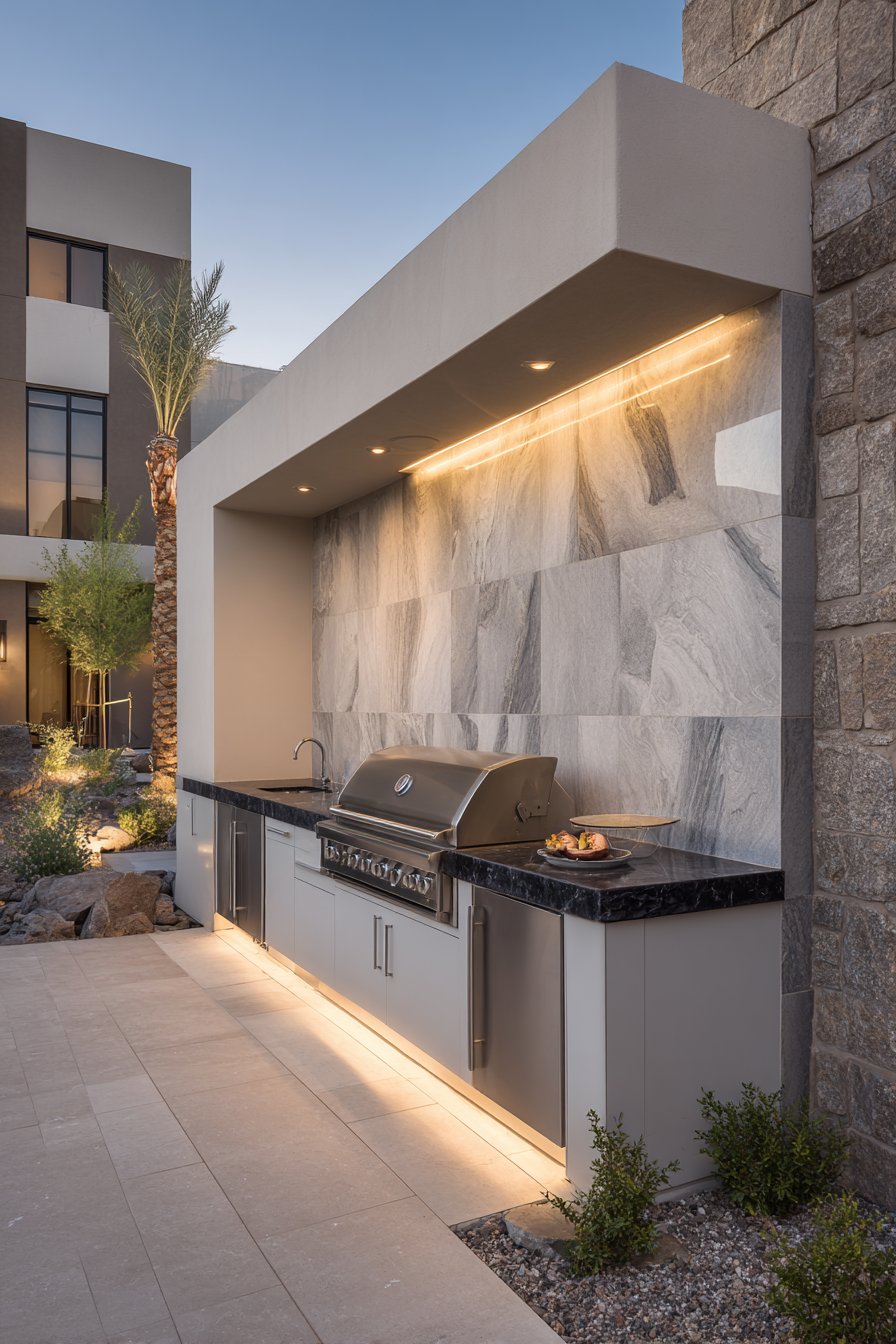
The stone and stucco surround provides both aesthetic appeal and practical benefits, offering excellent insulation properties that help maintain consistent temperatures in smoking applications while creating visual continuity with many architectural styles. Multiple cooking zones ensure that different dishes can be prepared simultaneously without compromising flavor profiles or cooking times, essential for hosting large gatherings or preparing complex meals.
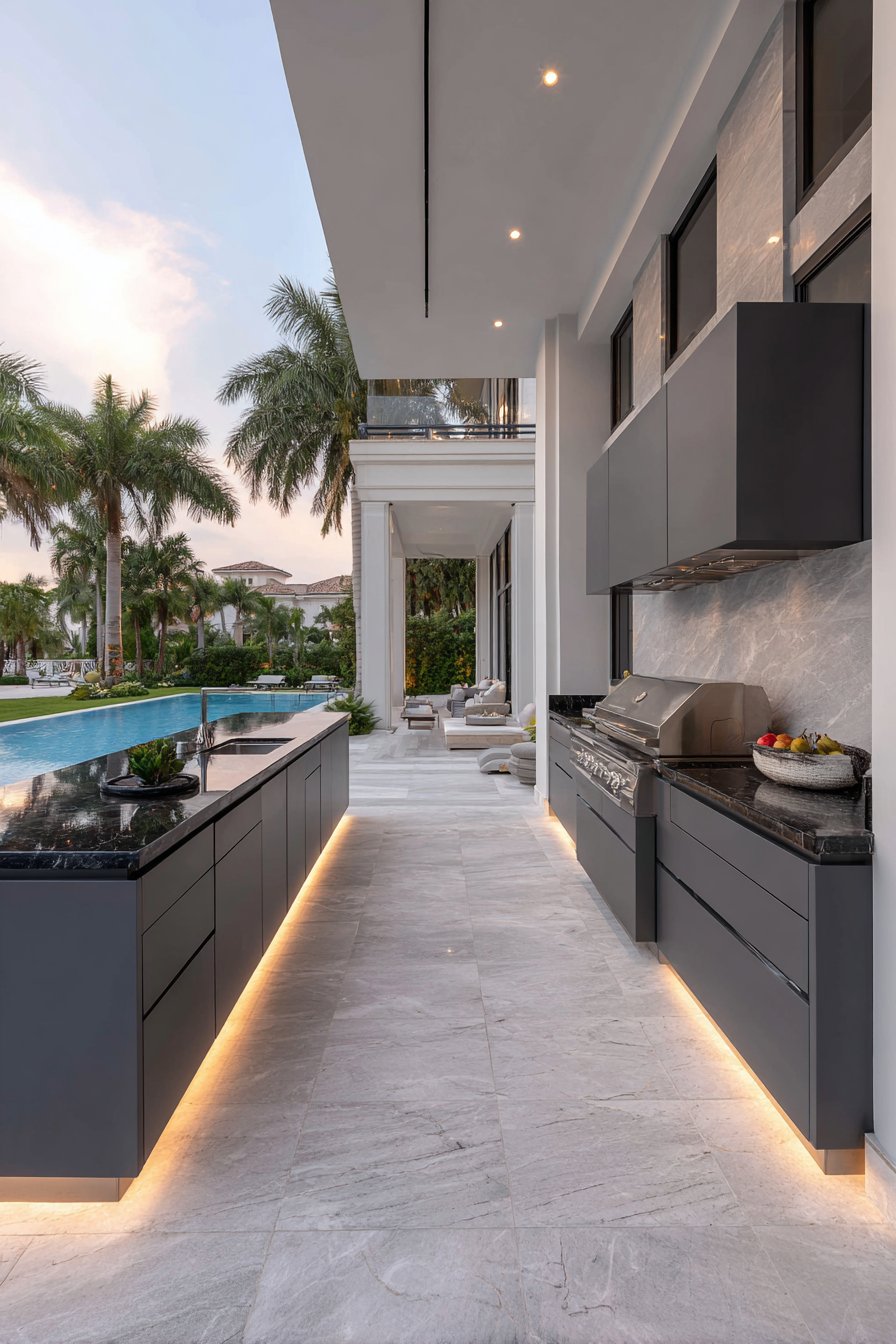
Adequate ventilation becomes crucial when incorporating multiple heat sources and smoking equipment, requiring careful planning during the design phase to ensure safe operation and comfortable cooking conditions. The storage solutions must accommodate different fuel types, from charcoal and wood chips to propane tanks, while keeping everything organized and easily accessible during cooking sessions.
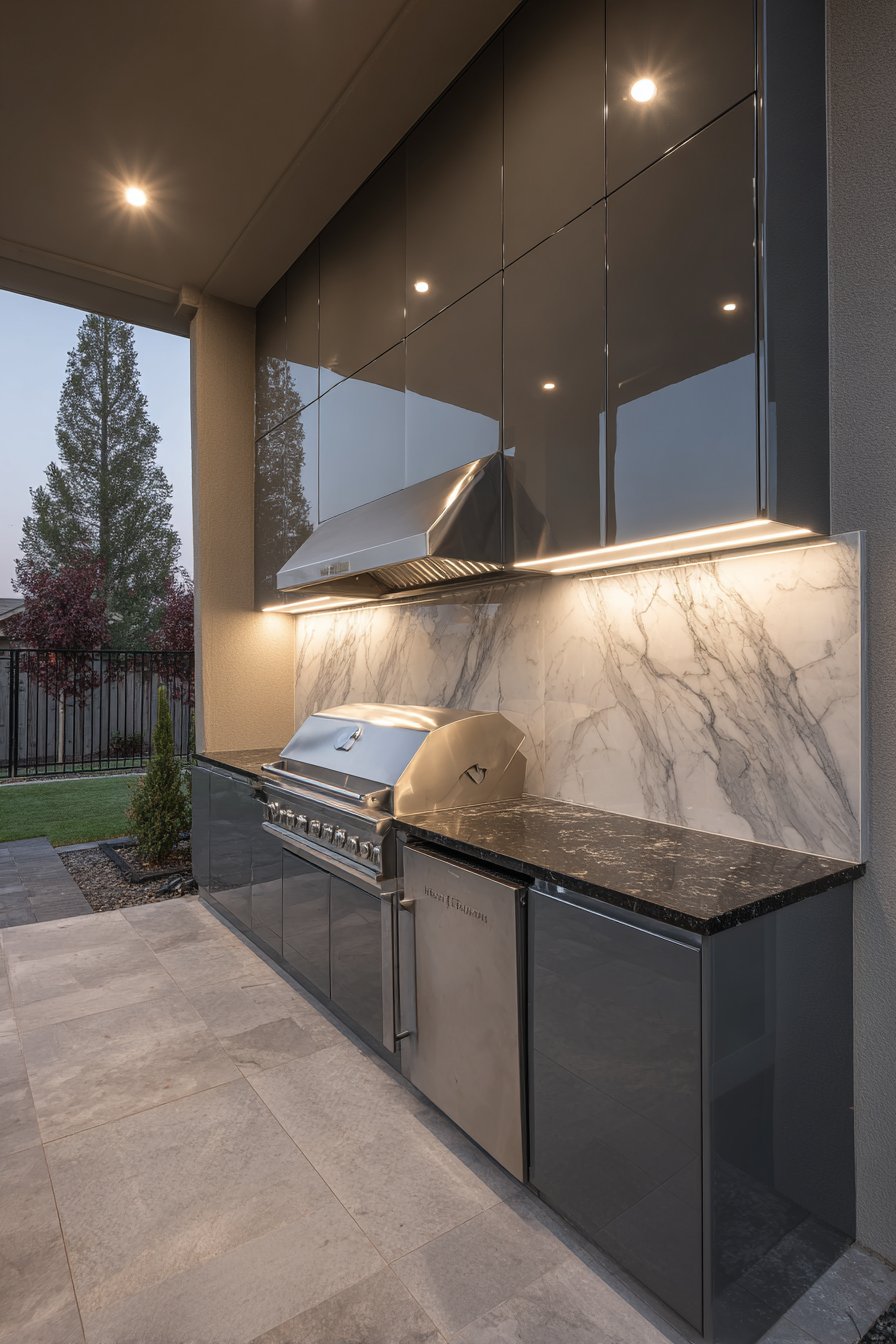
Quartzite countertops provide exceptional heat resistance and durability, essential qualities when working with high-temperature cooking methods like smoking and grilling. The tile backsplash adds color and personality while providing an easy-to-clean surface that can handle splashes and stains from active cooking. This combination of materials ensures the kitchen remains beautiful and functional despite heavy use.
Key Design Tips:
- Install dedicated electrical circuits for smoker controllers and temperature monitoring equipment
- Create separate storage areas for different wood types to maintain distinct flavor profiles
- Include adequate clearance around smoking equipment for safe loading and maintenance
- Choose ventilation systems rated for the combined output of all cooking appliances
- Plan for easy ash disposal and cleanup areas near smoking equipment
6. Luxury Full-Service Design
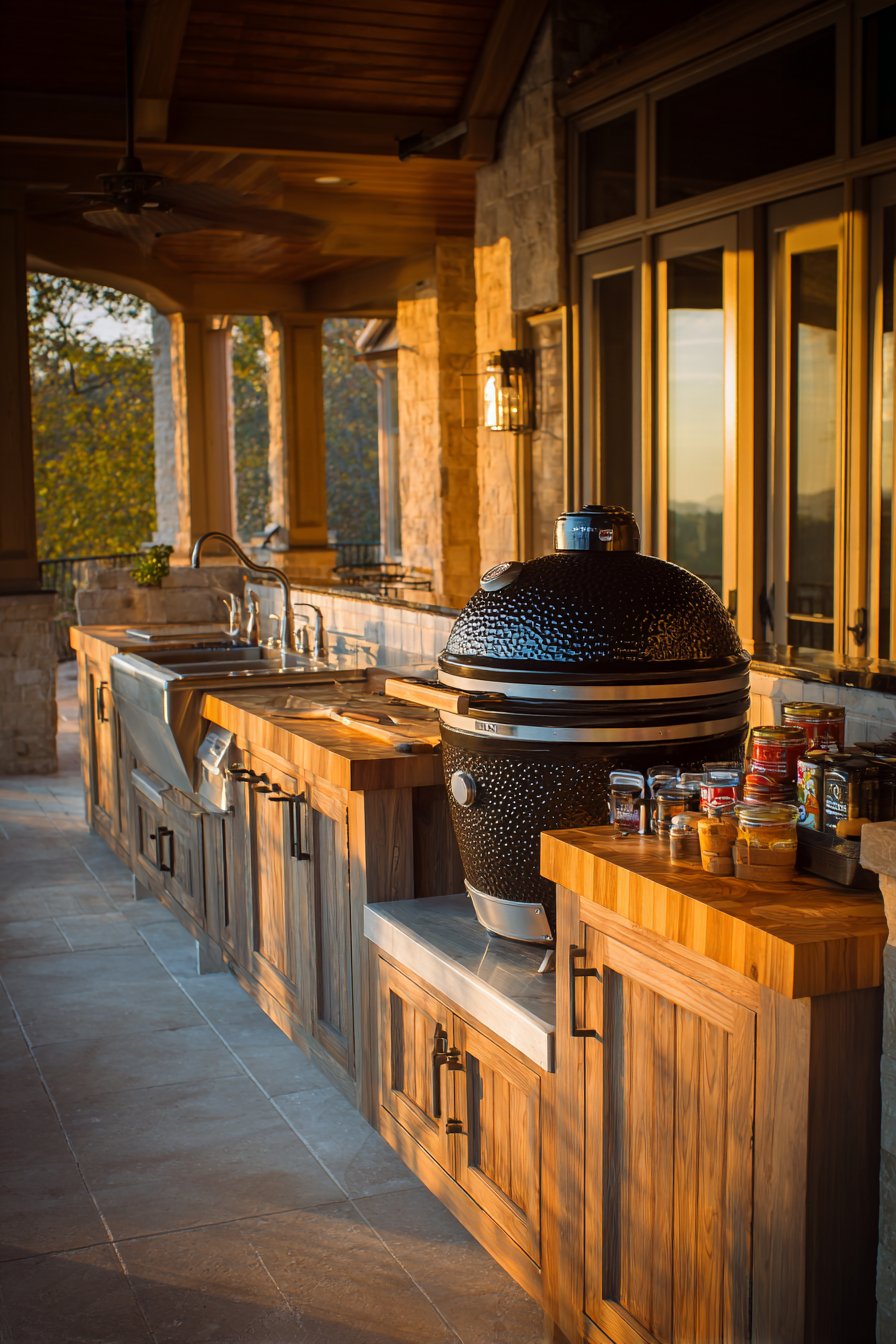
Create the ultimate outdoor culinary experience with a comprehensive kitchen design that rivals the most sophisticated indoor cooking environments. This luxury approach incorporates a full outdoor range with multiple burners, griddle, and rotisserie attachment, all protected by a custom range hood designed specifically for outdoor use. The result is a cooking environment that can handle any culinary challenge while providing the fresh air and social atmosphere that makes outdoor cooking special.
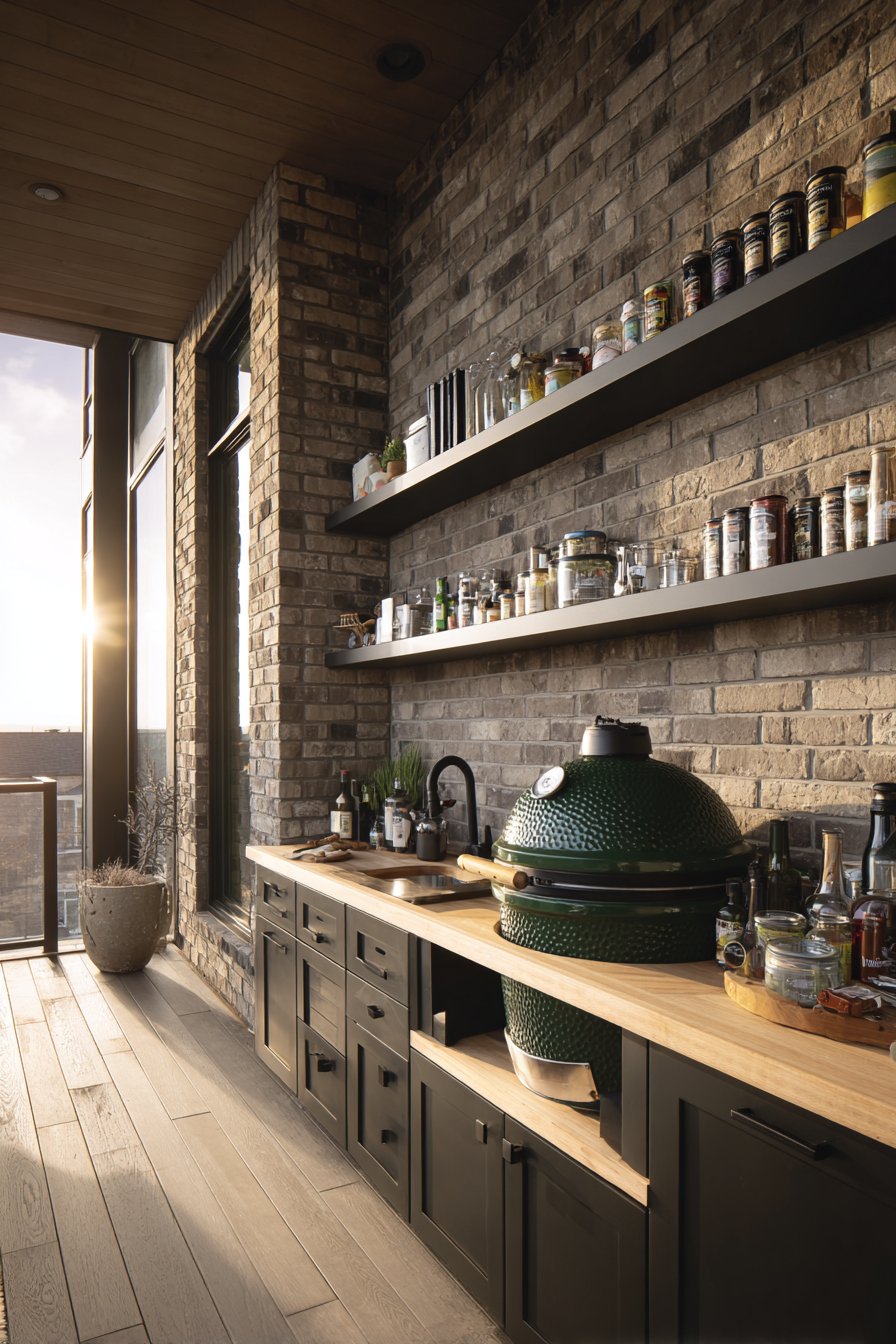
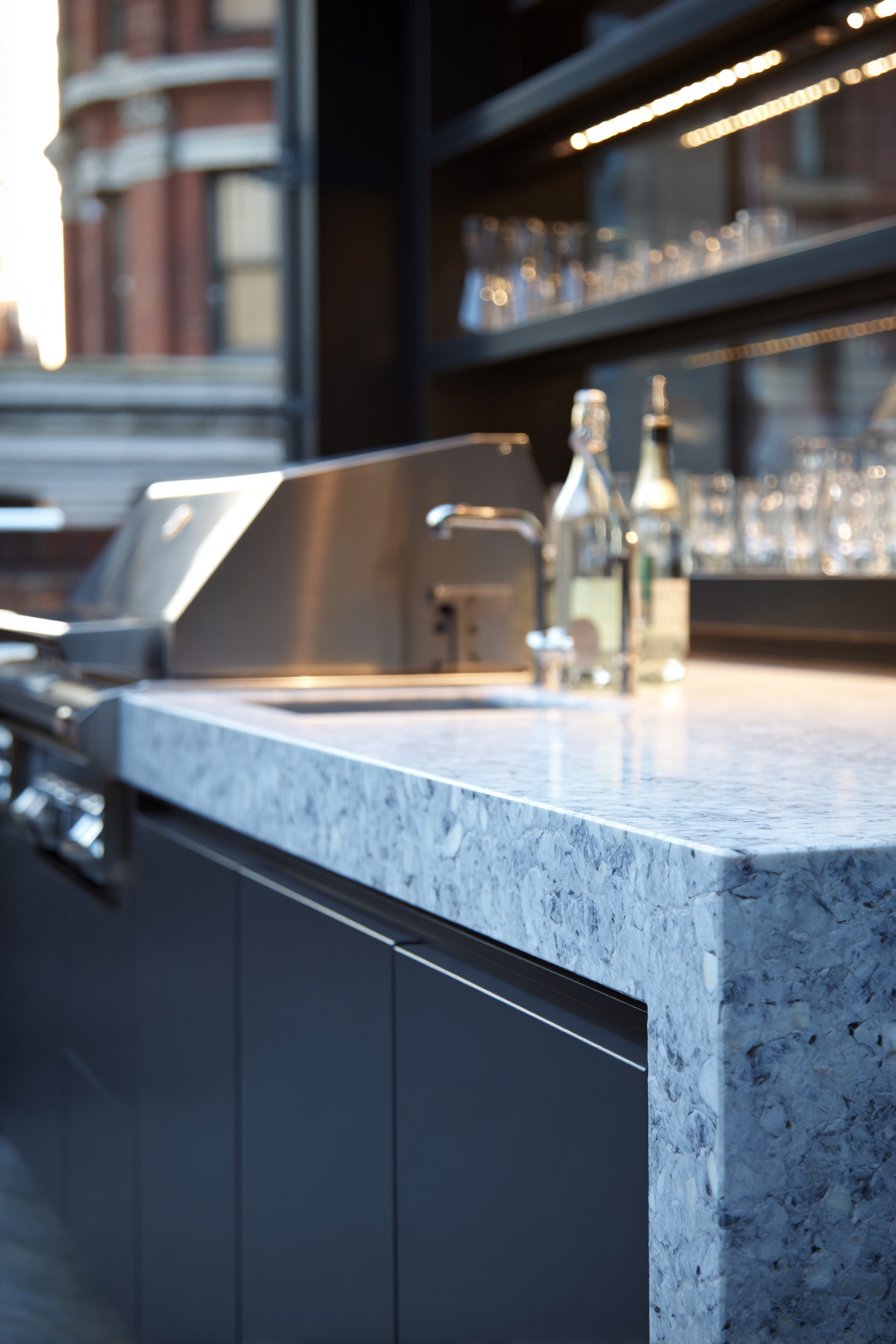
Extensive counter space with waterfall edge quartz creates both visual drama and practical functionality, providing ample room for meal preparation while making a bold design statement. The waterfall edge detail adds contemporary sophistication while protecting cabinet edges from weather exposure. Wine storage and beverage centers ensure that entertaining flows smoothly, eliminating trips to indoor storage during parties and gatherings.
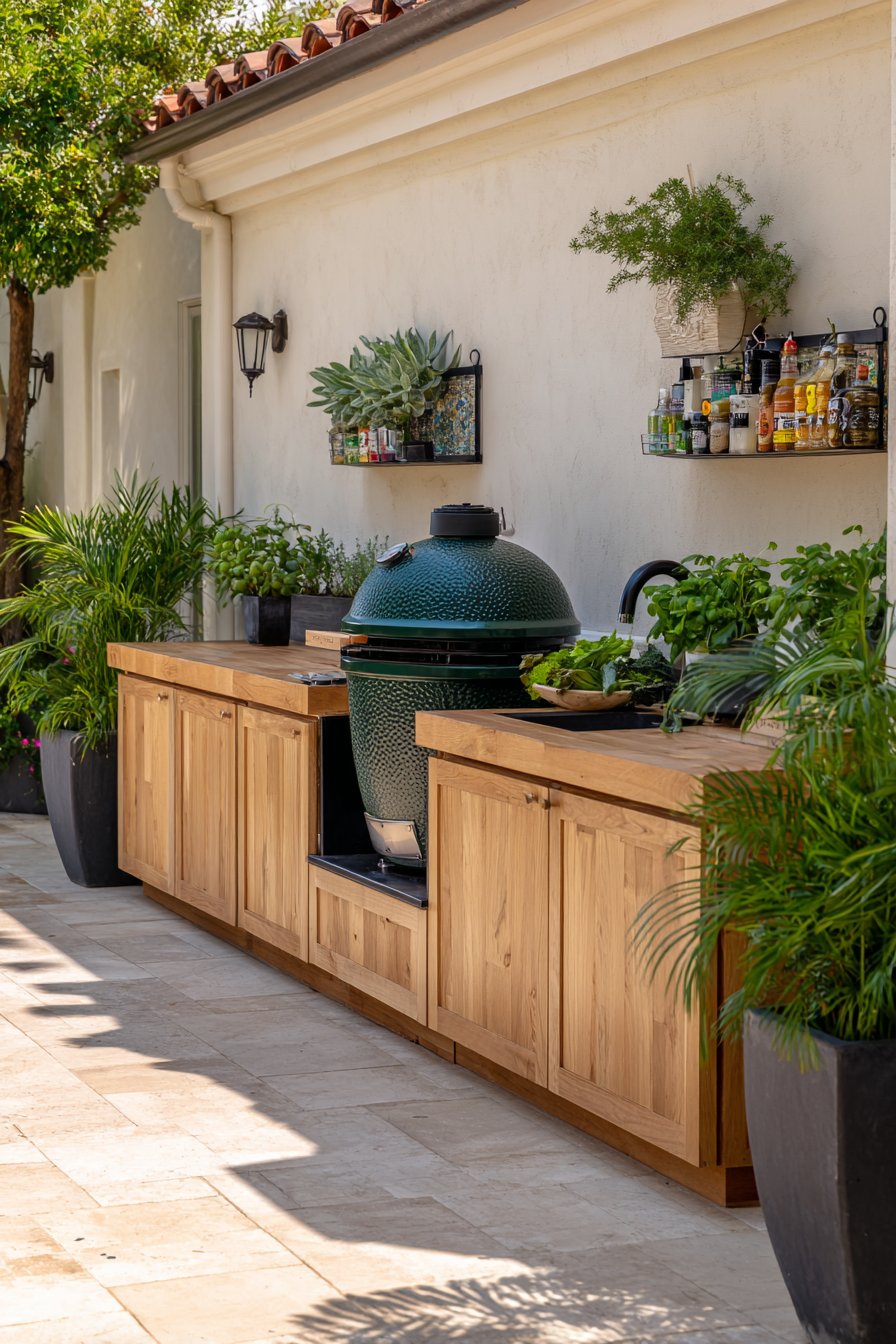
The contrast between stainless steel appliances and warm wood cabinetry creates visual interest while balancing the industrial functionality of professional equipment with the organic warmth that makes outdoor spaces feel inviting. Natural stone accents add texture and connection to the landscape while providing durable surfaces that age gracefully in outdoor environments.
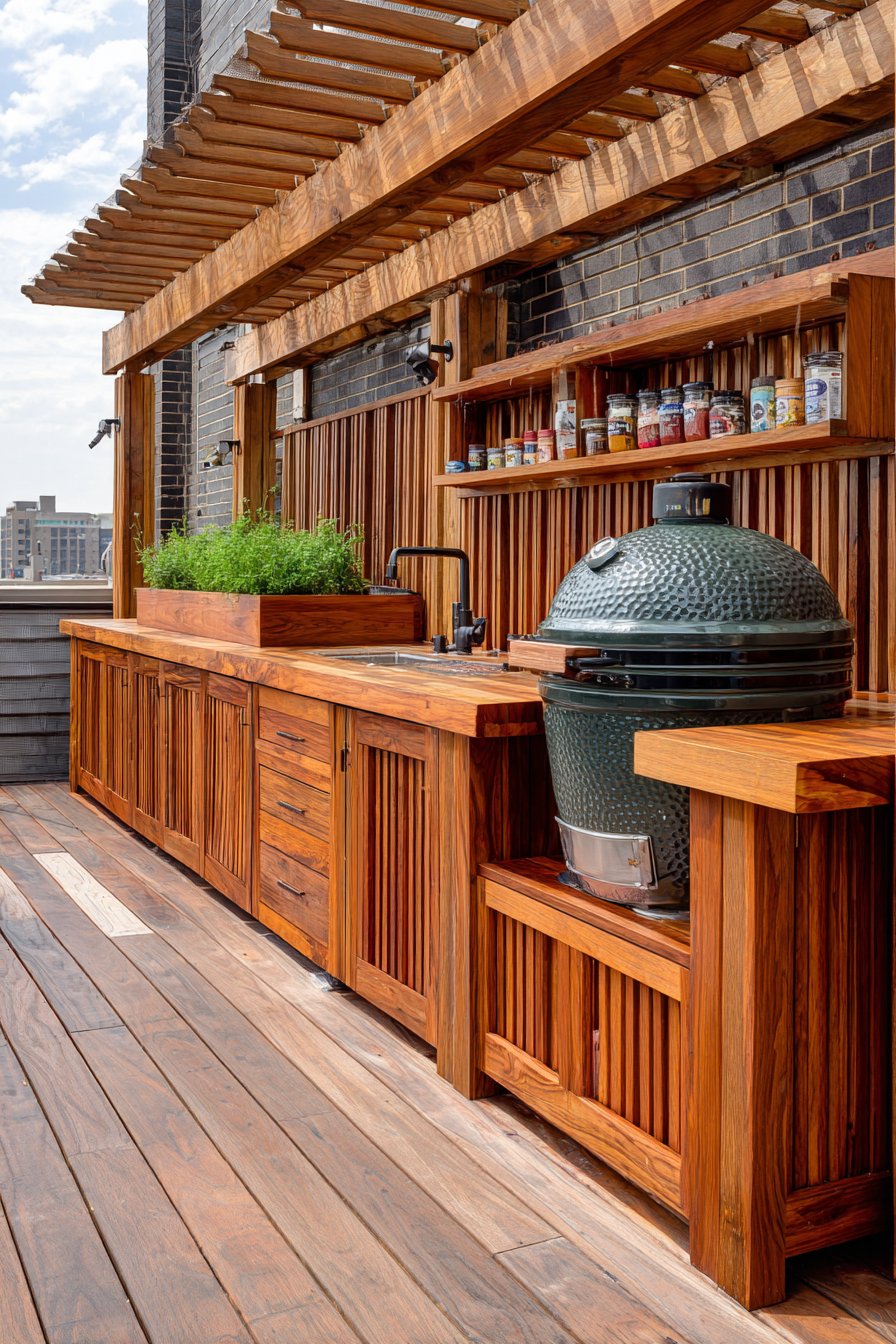
Restaurant-quality equipment demands professional-level planning and installation, including adequate gas supply, electrical service, and ventilation systems that can handle the increased capacity. This level of functionality transforms outdoor entertaining from simple grilling to comprehensive culinary experiences that can rival fine dining establishments.
Key Design Tips
- Consult with professional chefs to optimize workflow and equipment placement
- Install commercial-grade ventilation systems to handle increased cooking capacity
- Include multiple electrical circuits to handle the power demands of professional equipment
- Choose materials that can withstand intense heat and heavy use without deteriorating
- Plan for adequate storage of specialty cooking tools and professional-grade accessories
7. Hillside Integration Design
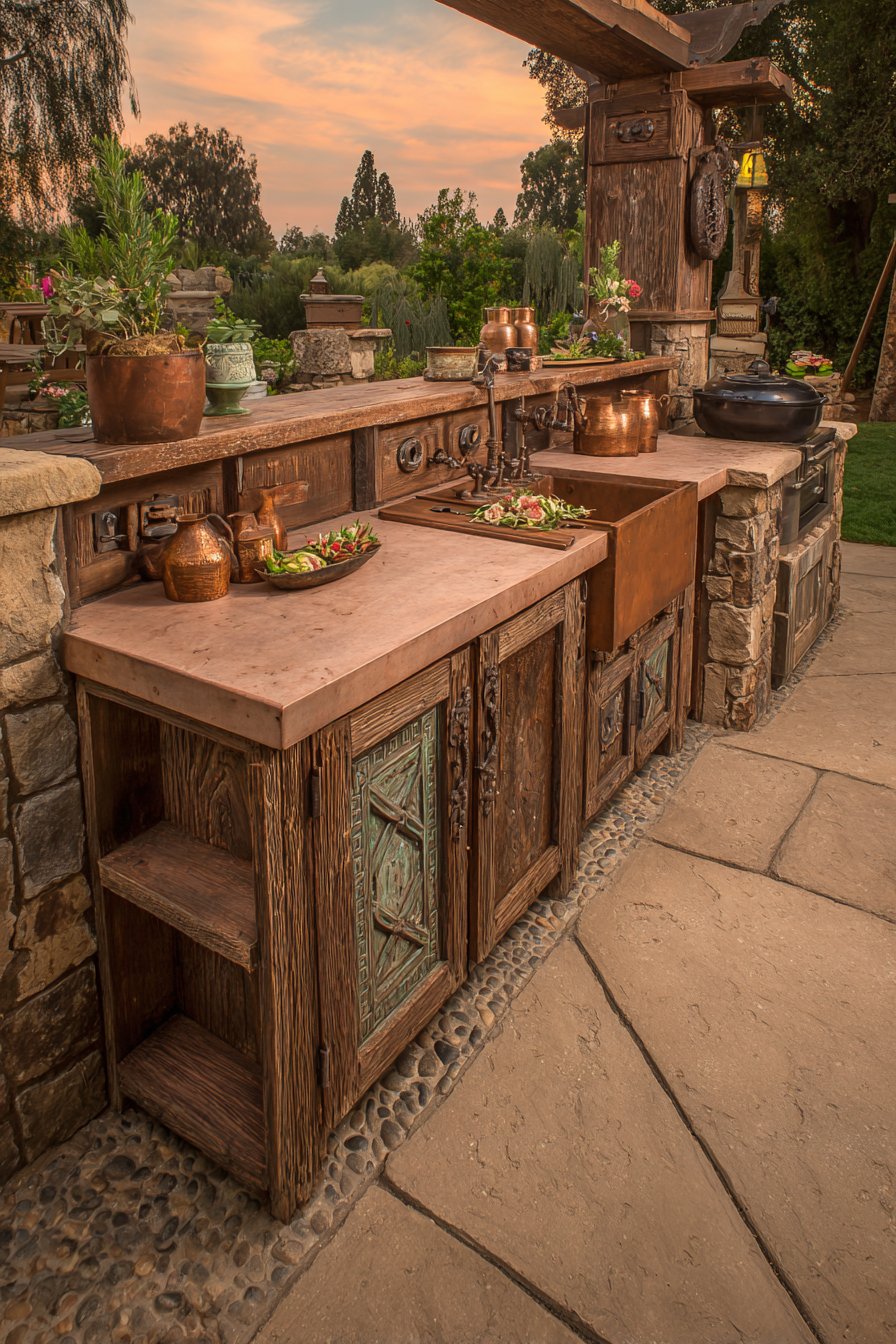
Work with your landscape’s natural topography to create an outdoor kitchen that feels organically integrated into its surroundings rather than imposed upon them. This environmentally sensitive approach uses curved stone countertops that follow the natural contours of the hillside, creating flowing lines that echo the landscape’s inherent beauty. The result is an outdoor kitchen that appears to have grown from the site itself.
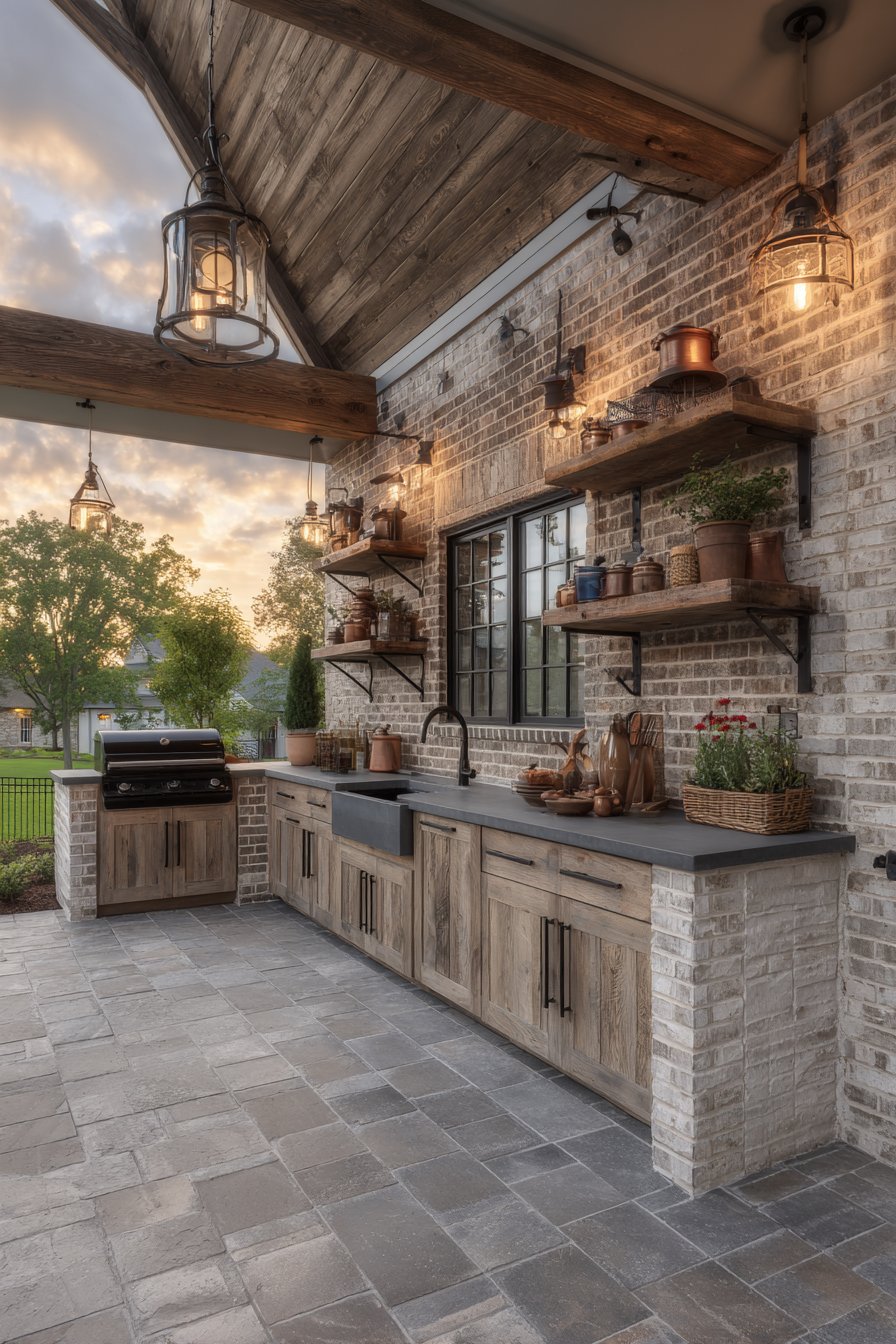
Building cooking and storage elements into the retaining wall structure demonstrates how functional necessities can become design opportunities. The built-in grill, prep sink, and storage carved directly into the stone structure eliminate the need for freestanding elements that might compete with the natural setting. This integration creates clean lines while maximizing the available space on sloped terrain.
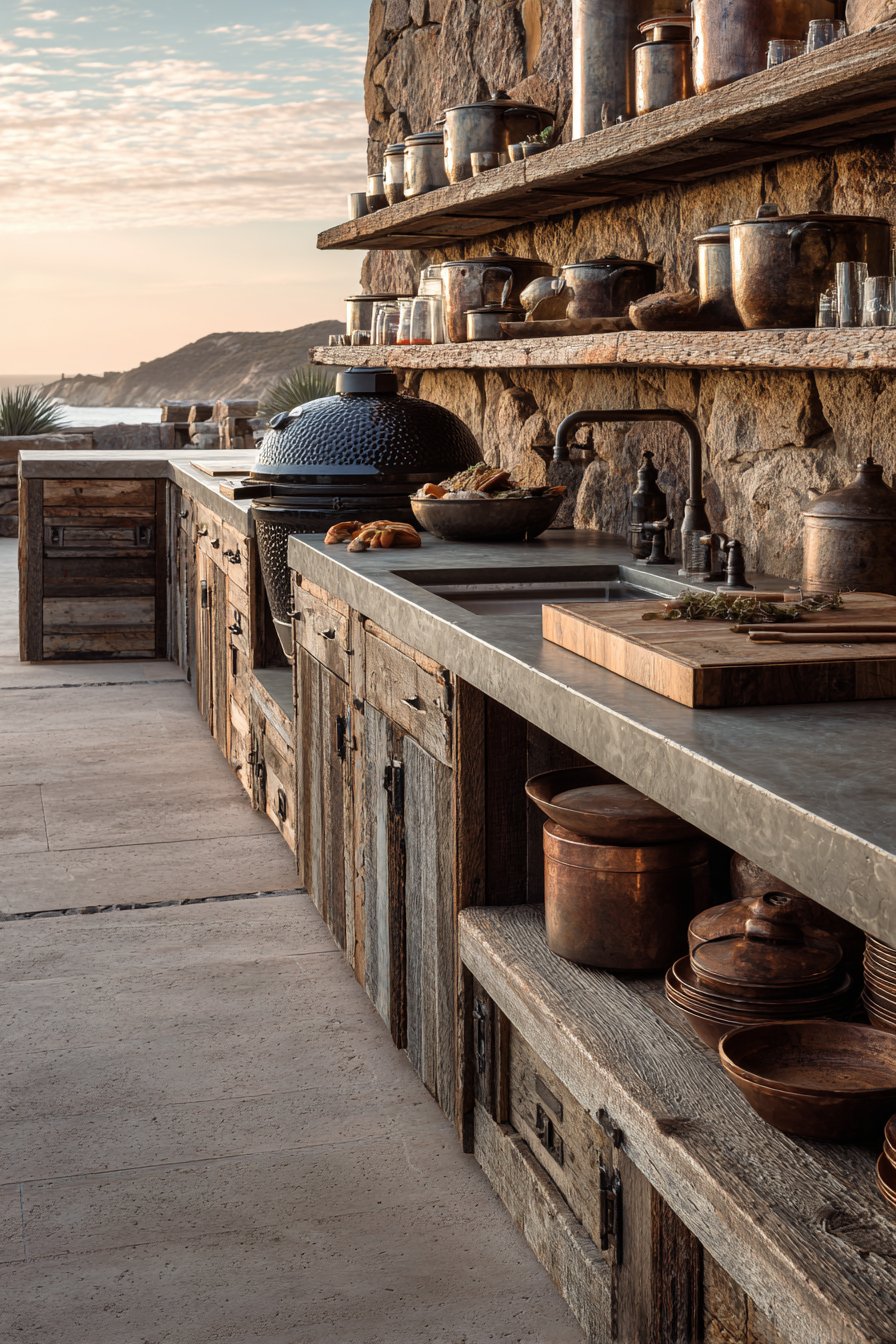
Native stone materials ensure that the kitchen blends seamlessly with the surrounding environment, using colors and textures that already exist in the landscape. This material choice reduces visual impact while ensuring that the structure ages gracefully, developing patina and character that enhances rather than detracts from its natural setting over time.
Integrated LED lighting provides necessary task illumination while minimizing light pollution and preserving the natural nighttime environment. The careful placement of these fixtures ensures safe cooking conditions while maintaining the magic of outdoor dining under starlit skies. This lighting approach demonstrates how technology can enhance natural beauty rather than competing with it.
Key Design Tips:
- Conduct soil stability tests before beginning construction on sloped sites
- Use local stone suppliers to ensure material compatibility with existing landscape
- Install proper drainage behind retaining walls to prevent structural problems
- Choose LED fixtures with warm color temperatures that complement natural settings
- Plan access routes that work with the natural topography rather than fighting against it
8. Poolside Entertainment Hub
Create the ultimate summer entertaining experience with a poolside outdoor kitchen designed specifically for water-centered activities and relaxation. The swim-up bar design with underwater seating transforms the traditional concept of outdoor dining, allowing guests to remain cool and comfortable while enjoying freshly prepared food and drinks. This innovative approach demonstrates how outdoor kitchens can be tailored to specific lifestyle activities.
The cooking station positioned for entertaining swimmers requires special consideration of splash-resistant surfaces and water-safe electrical installations. Built-in grills, ice makers, and blender stations must be designed with pool environments in mind, using materials and installation methods that can handle increased humidity and occasional splashing from pool activities.
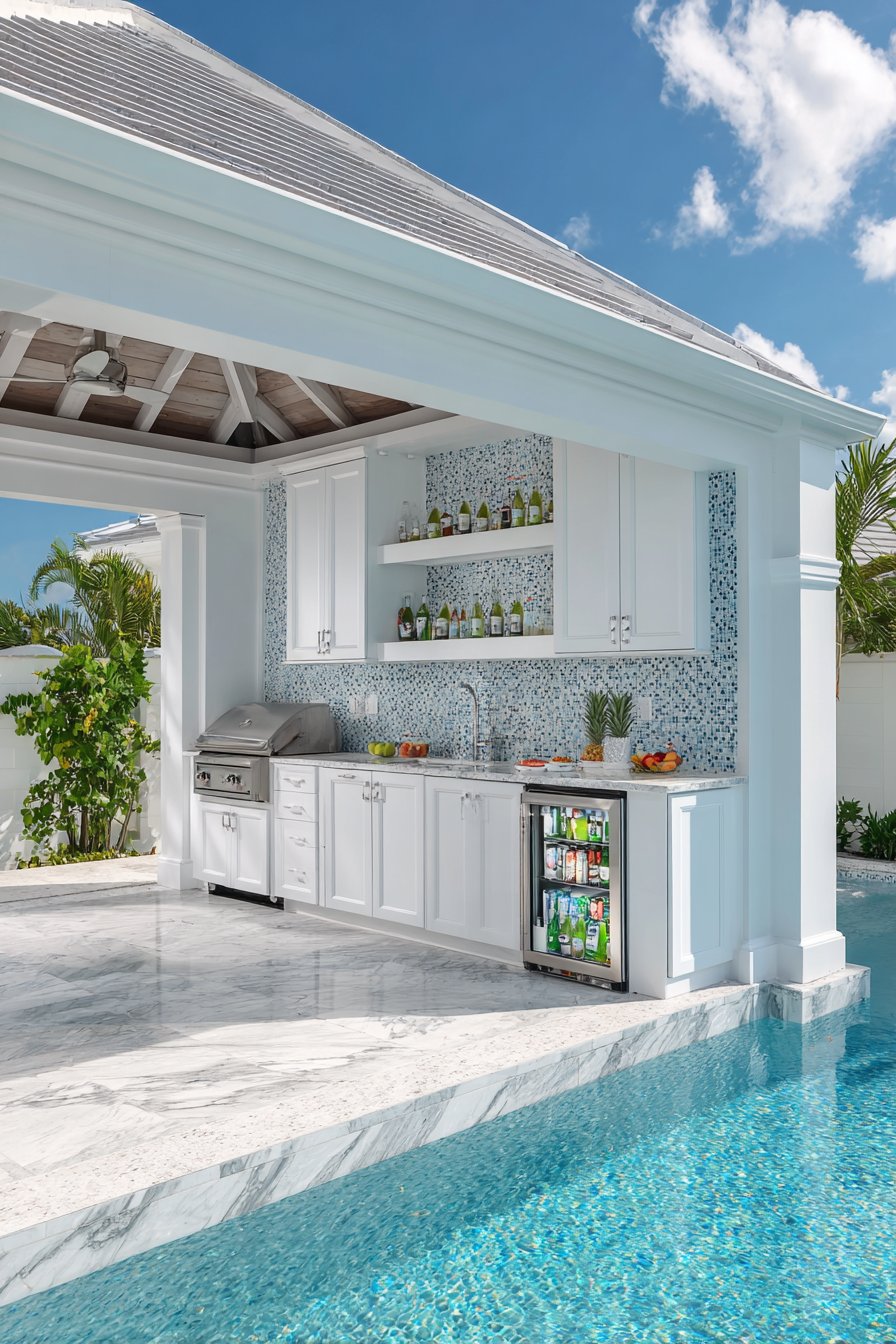
Travertine decking provides slip-resistant surfaces that remain cool underfoot even in direct sunlight, essential for poolside safety and comfort. The natural stone’s neutral colors complement the blue tones of pool water while providing a sophisticated backdrop for outdoor entertaining. Mosaic tile accents add visual interest and can incorporate colors that tie the kitchen design to the pool’s aesthetic.
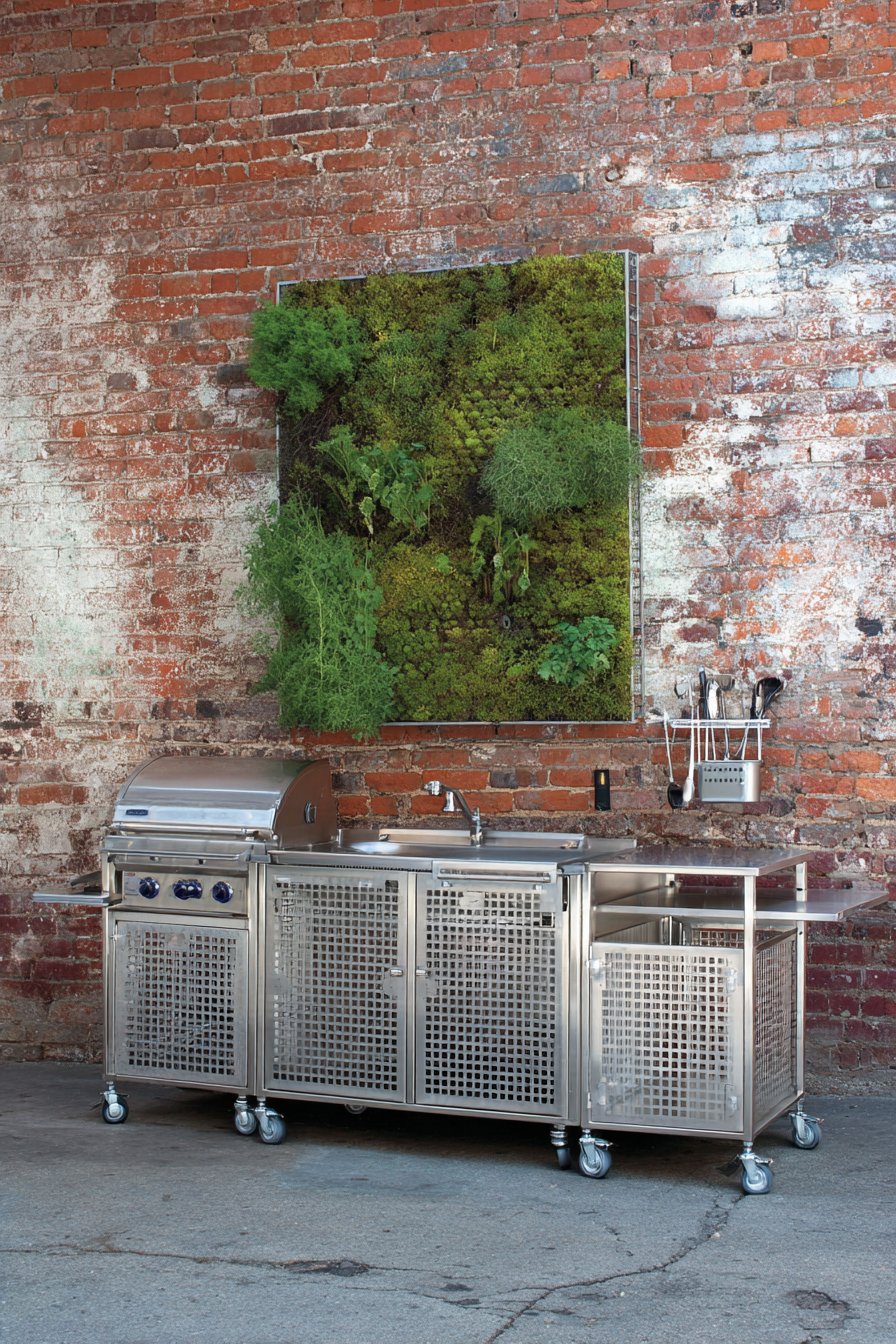
The pergola providing shade over the cooking area becomes essential for both food safety and cook comfort in poolside environments. This overhead protection prevents direct sun exposure on food preparation surfaces while creating defined spaces within the larger outdoor entertainment area. The interplay between shade and sun creates dynamic environments that change throughout the day.
Key Design Tips:
- Install GFCI outlets for all electrical components in pool environments
- Choose slip-resistant flooring materials that remain cool in direct sunlight
- Include adequate shade over all food preparation and cooking areas
- Select appliances rated for high-humidity outdoor environments
- Plan drainage systems that direct water away from cooking areas and towards pool deck drains
9. Year-Round Climate Adaptation
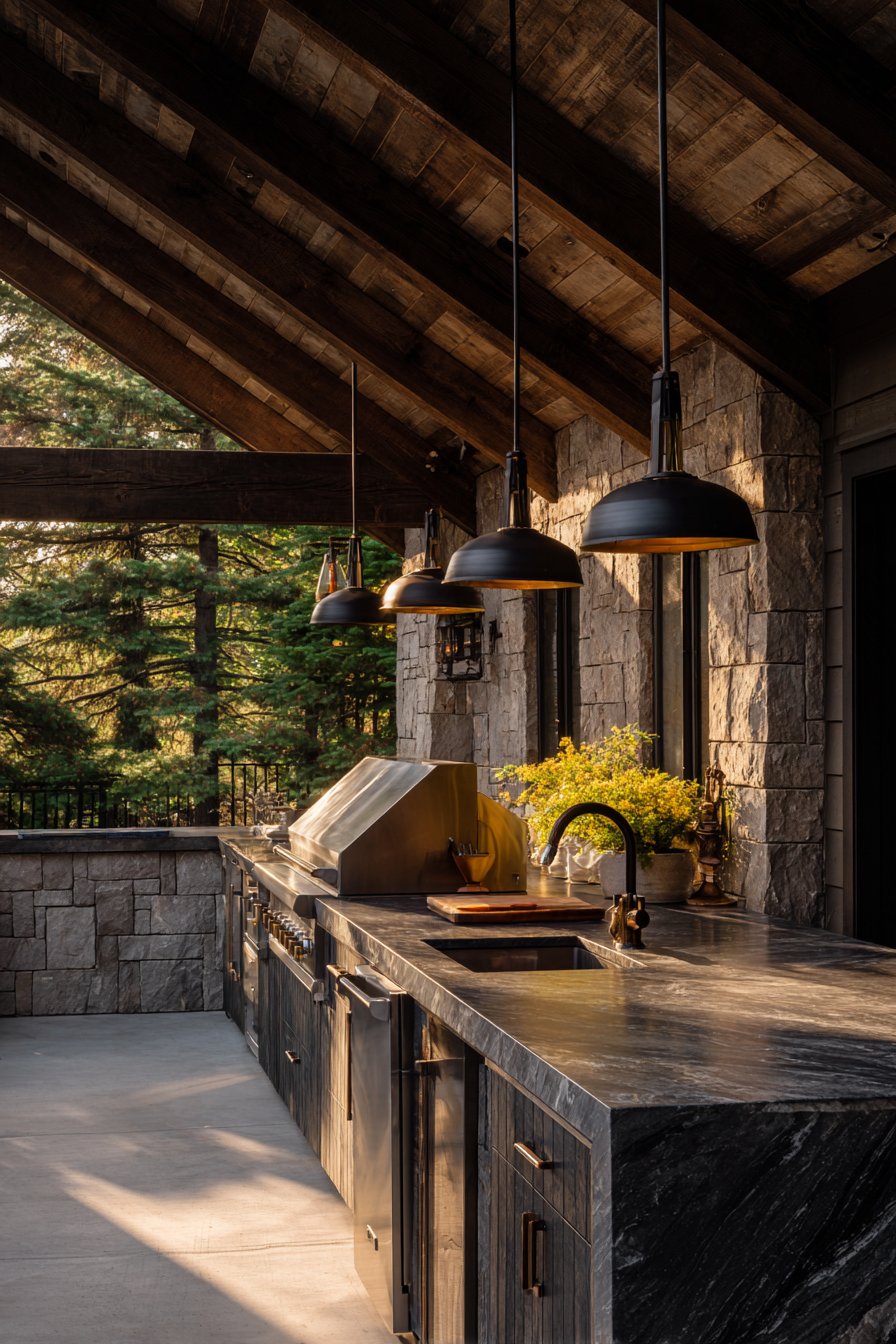
Extend your outdoor cooking season with a sophisticated design that adapts to changing weather conditions without sacrificing the essential outdoor experience. The three-season enclosure with retractable glass panels provides protection from wind, rain, and cold temperatures while maintaining the open-air feeling that makes outdoor cooking special. This flexibility allows for comfortable use throughout most of the year in temperate climates.
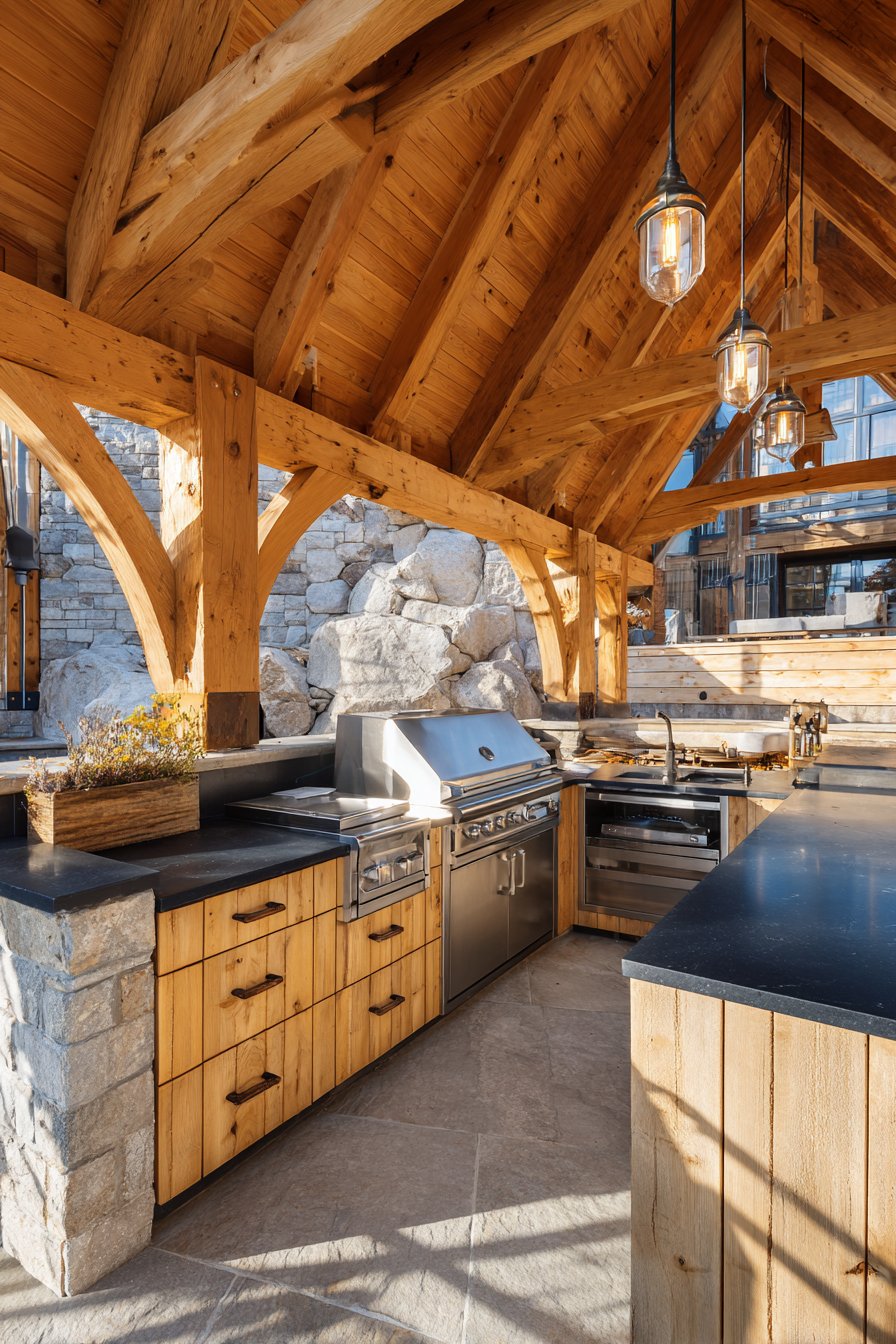
Cold-weather appropriate appliances ensure consistent performance regardless of ambient temperature, while insulated storage protects equipment and supplies from freezing conditions that could cause damage. The inclusion of radiant heating in the flooring provides comfortable conditions for extended cooking sessions during cooler months, making the space truly functional year-round.
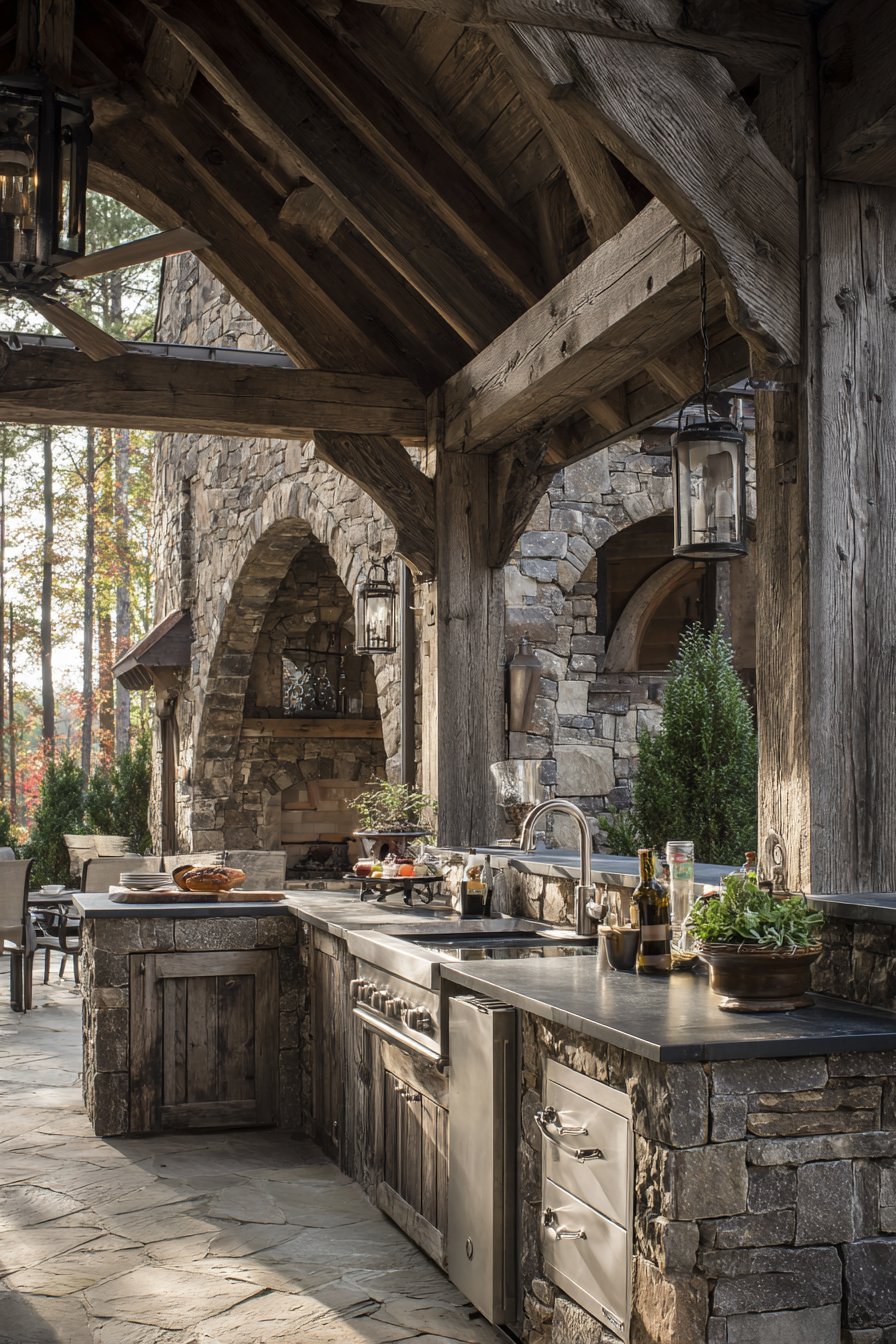
The fireplace serves dual purposes, providing both practical warmth and atmospheric ambiance that extends the usability of the space into evening hours and cooler seasons. This heating source creates a natural gathering point that maintains the social aspects of outdoor cooking even when temperatures drop. The fireplace becomes a focal point that anchors the design and provides visual warmth even when not in use.
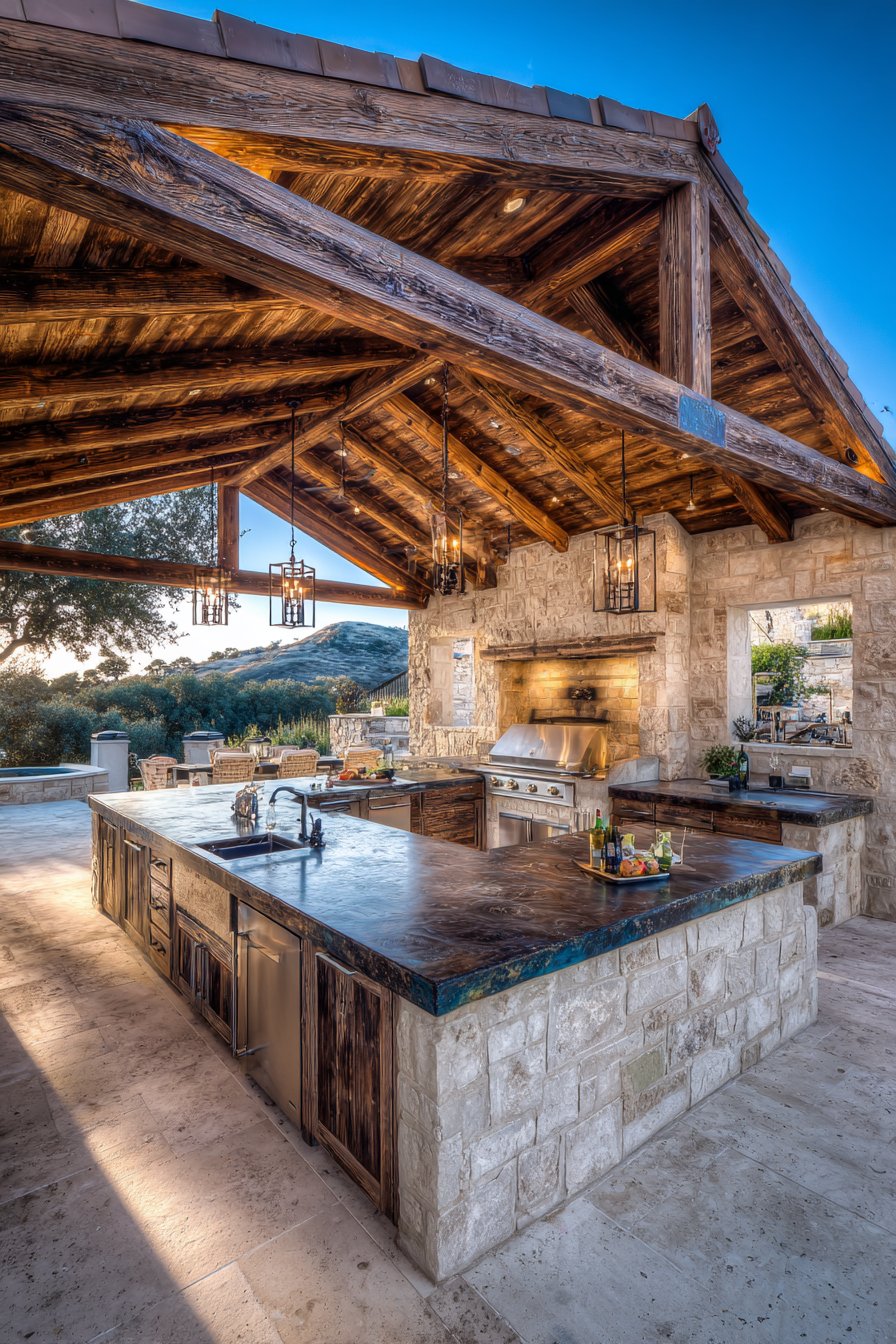
Durable porcelain countertops and weather-sealed cabinetry ensure that the kitchen maintains both appearance and functionality despite exposure to temperature extremes and varying weather conditions. These material choices represent long-term investments in durability that pay dividends through reduced maintenance and replacement costs over time.
Key Design Tips:
- Install adequate insulation in all enclosed areas to prevent condensation problems
- Choose appliances with extended temperature operation ranges for consistent performance
- Include proper ventilation even in enclosed spaces to prevent moisture buildup
- Select heating systems that provide even temperature distribution throughout the space
- Plan for snow load and wind resistance in structural design elements
10. Minimalist Contemporary Elegance
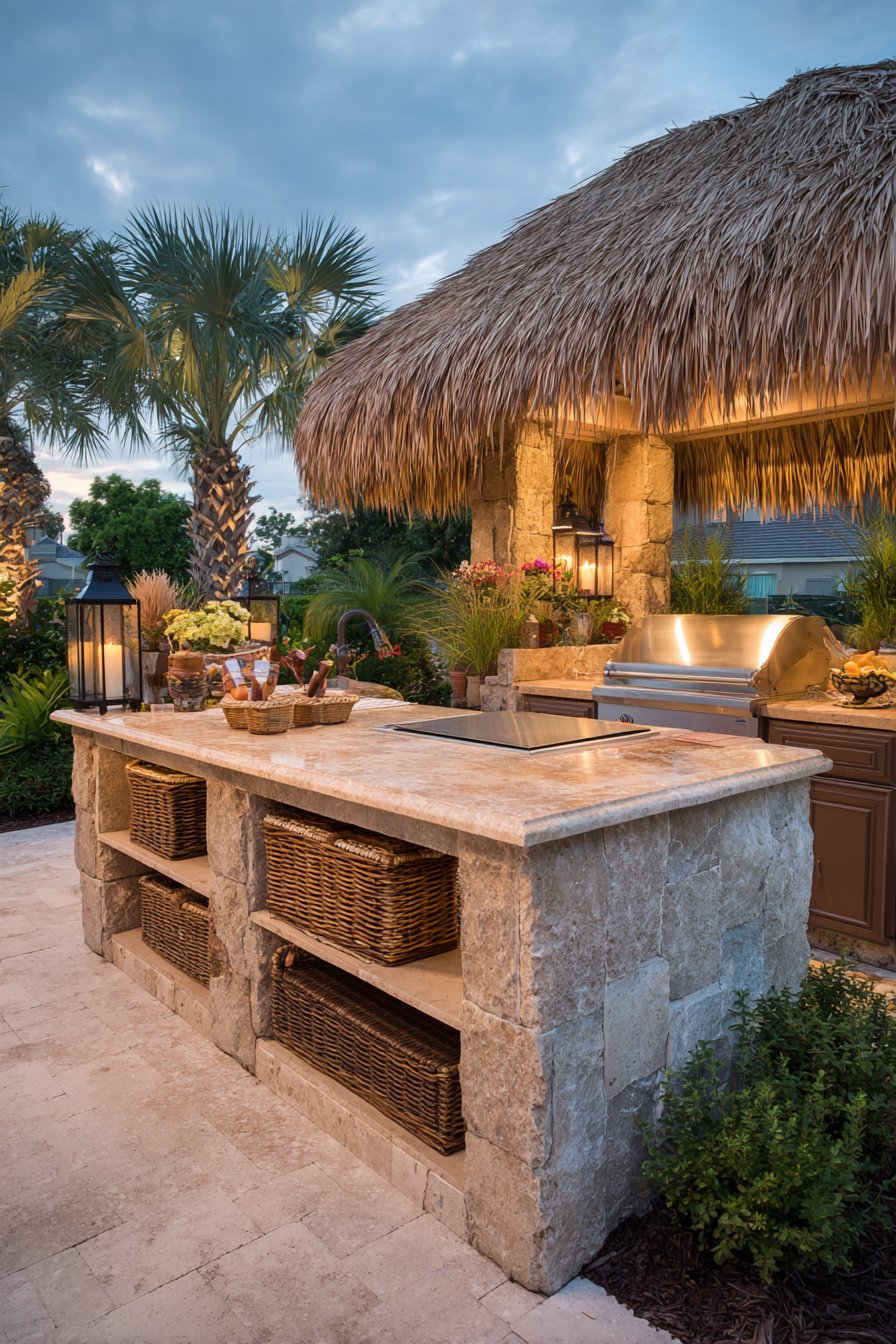
Embrace the beauty of simplicity with a minimalist outdoor kitchen design that focuses on clean lines, integrated appliances, and sophisticated material palettes. This contemporary approach demonstrates how restraint in design can create maximum visual impact, using geometric forms and monochromatic colors to create spaces that feel both dramatic and serene.
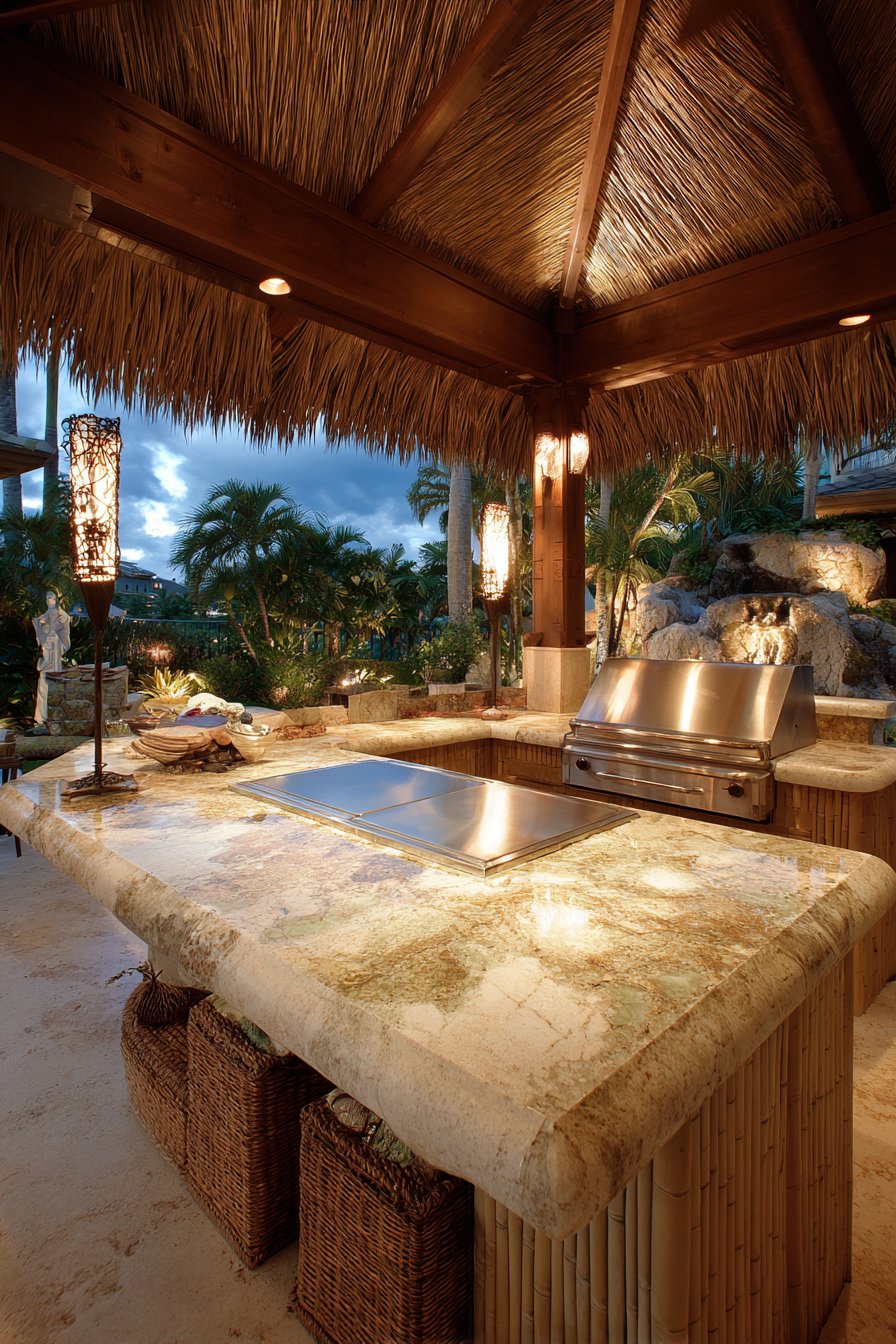
The flush-mounted grill and concealed storage hidden within sleek concrete panels create seamless surfaces that emphasize the architectural quality of the design. This integration eliminates visual clutter while maintaining full functionality, proving that minimalism doesn’t require sacrificing practical features. The hidden storage solutions keep necessary items accessible but out of sight, preserving the clean aesthetic.
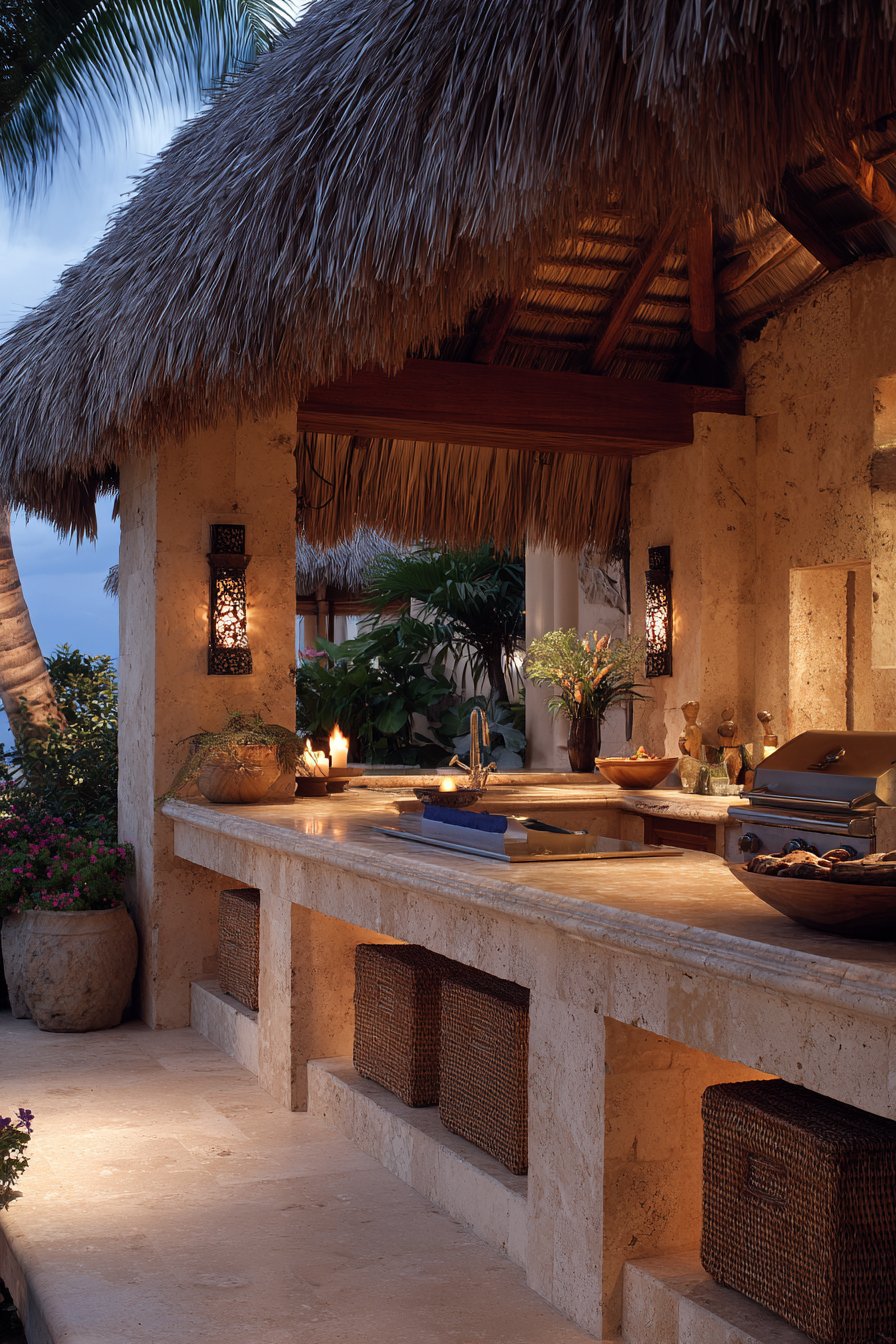
The waterfall edge island with built-in seating creates a sculptural element that serves as both functional workspace and dramatic focal point. This detail demonstrates how contemporary design can create emotional impact through material manipulation and geometric precision. The continuous surface treatment emphasizes the quality of the materials while creating visual flow throughout the space.
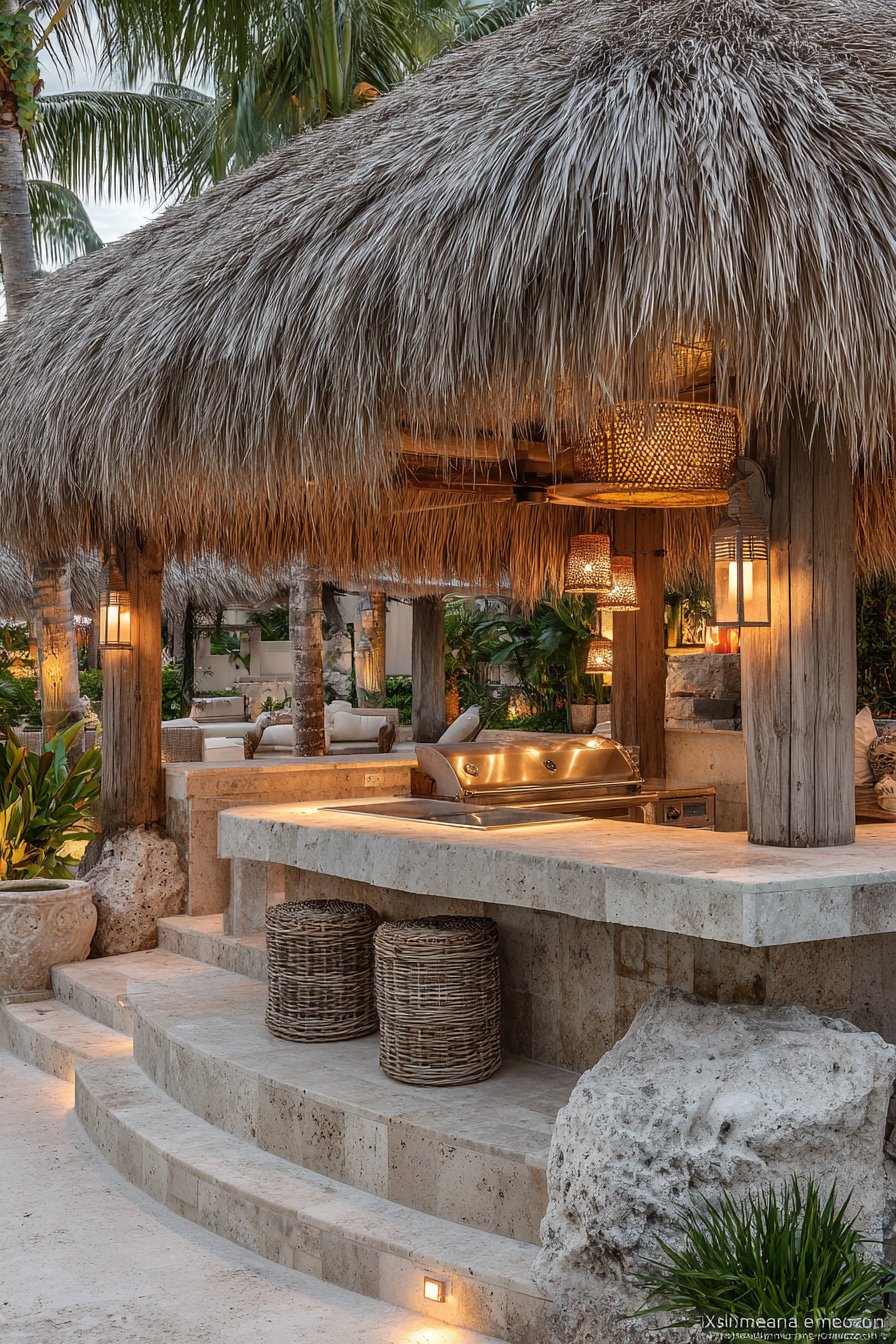
Geometric planters with architectural plants add natural elements that complement rather than compete with the structured design approach. The plant selections emphasize form and texture over color, maintaining the monochromatic palette while adding organic softness that balances the hard surfaces and geometric lines.
Key Design Tips:
- Invest in high-quality materials since flaws are more visible in minimalist designs
- Plan hidden storage solutions during the design phase to avoid visible clutter
- Choose plants with architectural qualities that complement the geometric design approach
- Install high-quality hardware that operates smoothly and maintains appearance over time
- Include adequate task lighting that can be concealed within the design elements
11. Sustainable Material Innovation
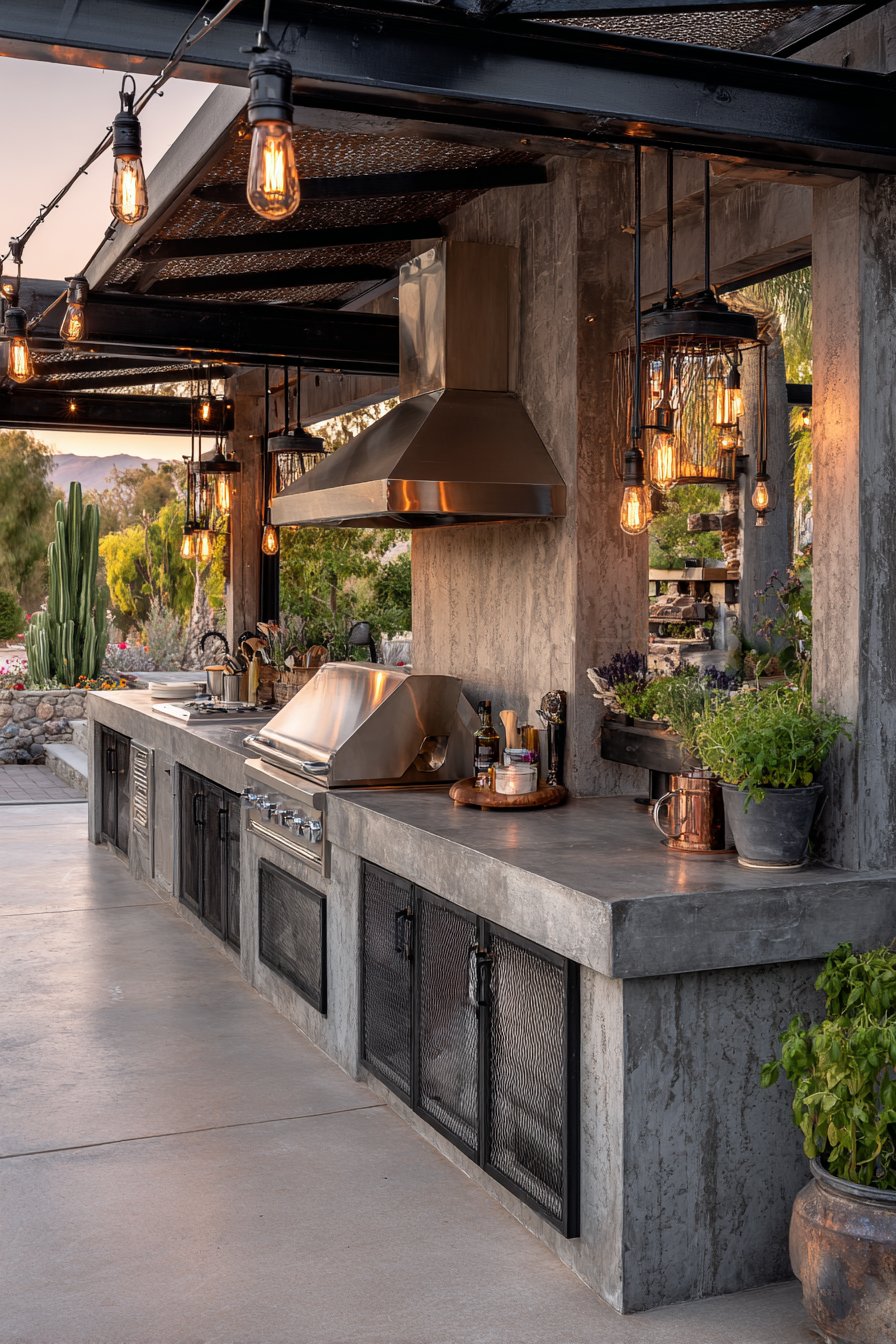
Lead the way in environmentally responsible outdoor design with a kitchen that showcases innovative sustainable materials and energy-efficient systems. This approach proves that environmental consciousness can enhance rather than compromise design quality, using recycled steel countertops and reclaimed wood cabinetry finished with natural oils that highlight rather than hide the materials’ authentic character.
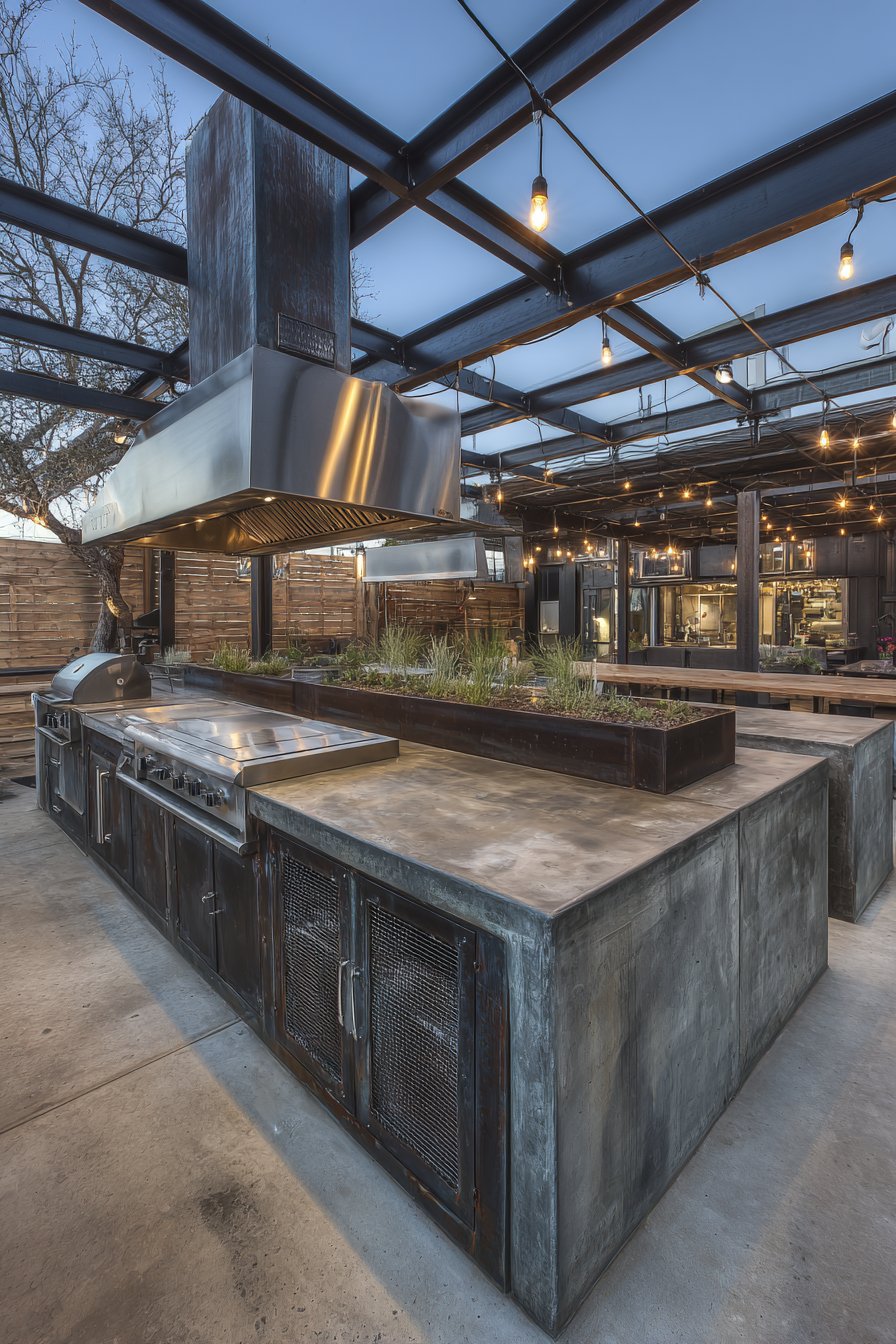
Energy-efficient appliances reduce environmental impact while often providing superior performance characteristics compared to conventional alternatives. The rainwater collection system for the prep sink demonstrates how functional systems can become design elements that tell a story about environmental stewardship and resource conservation.
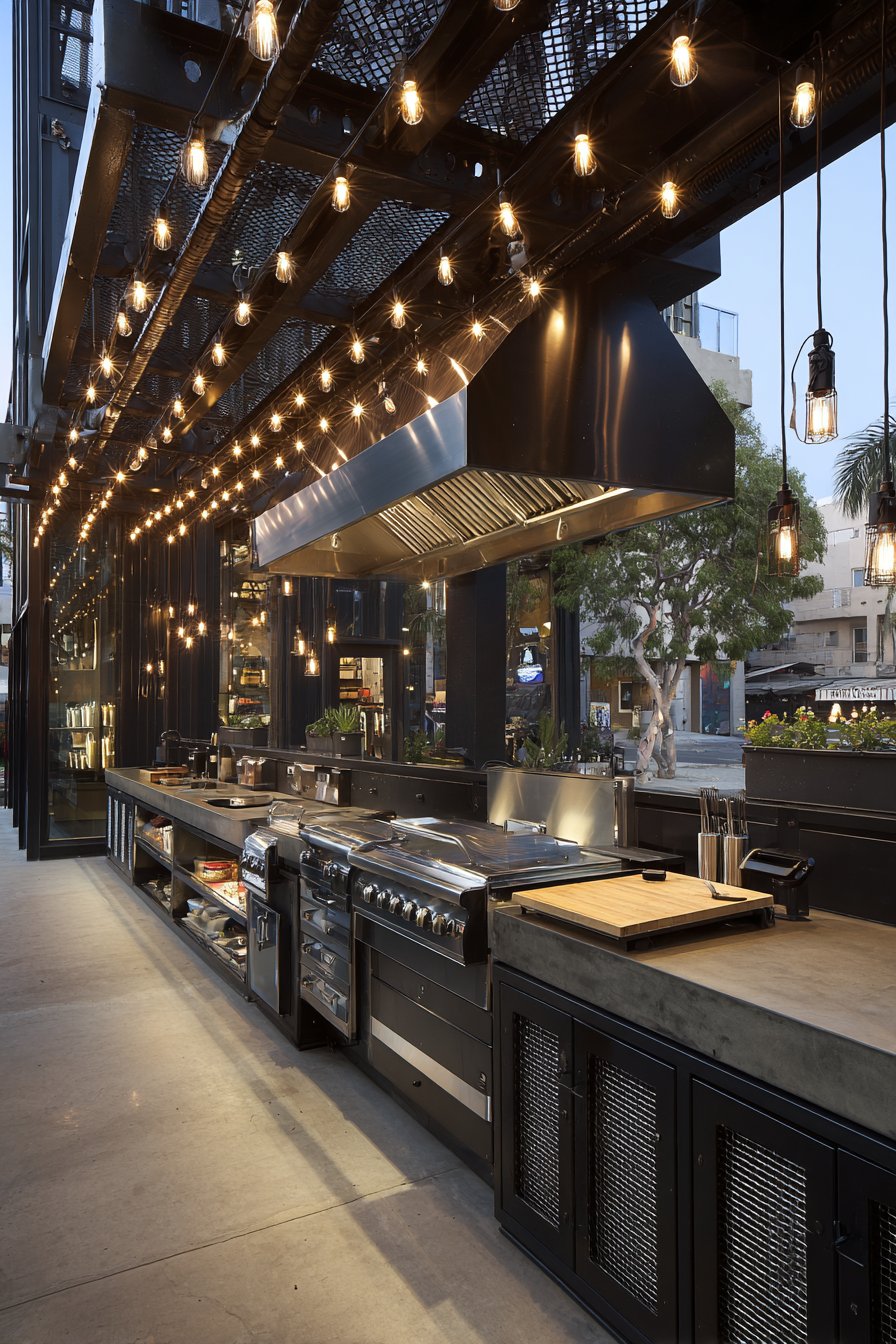
Integrated composting storage transforms food waste from disposal problem into a gardening resource, completing the sustainable cycle while keeping organic matter out of landfills. This feature demonstrates how sustainable design thinking can influence every aspect of kitchen functionality, from food preparation through waste management.
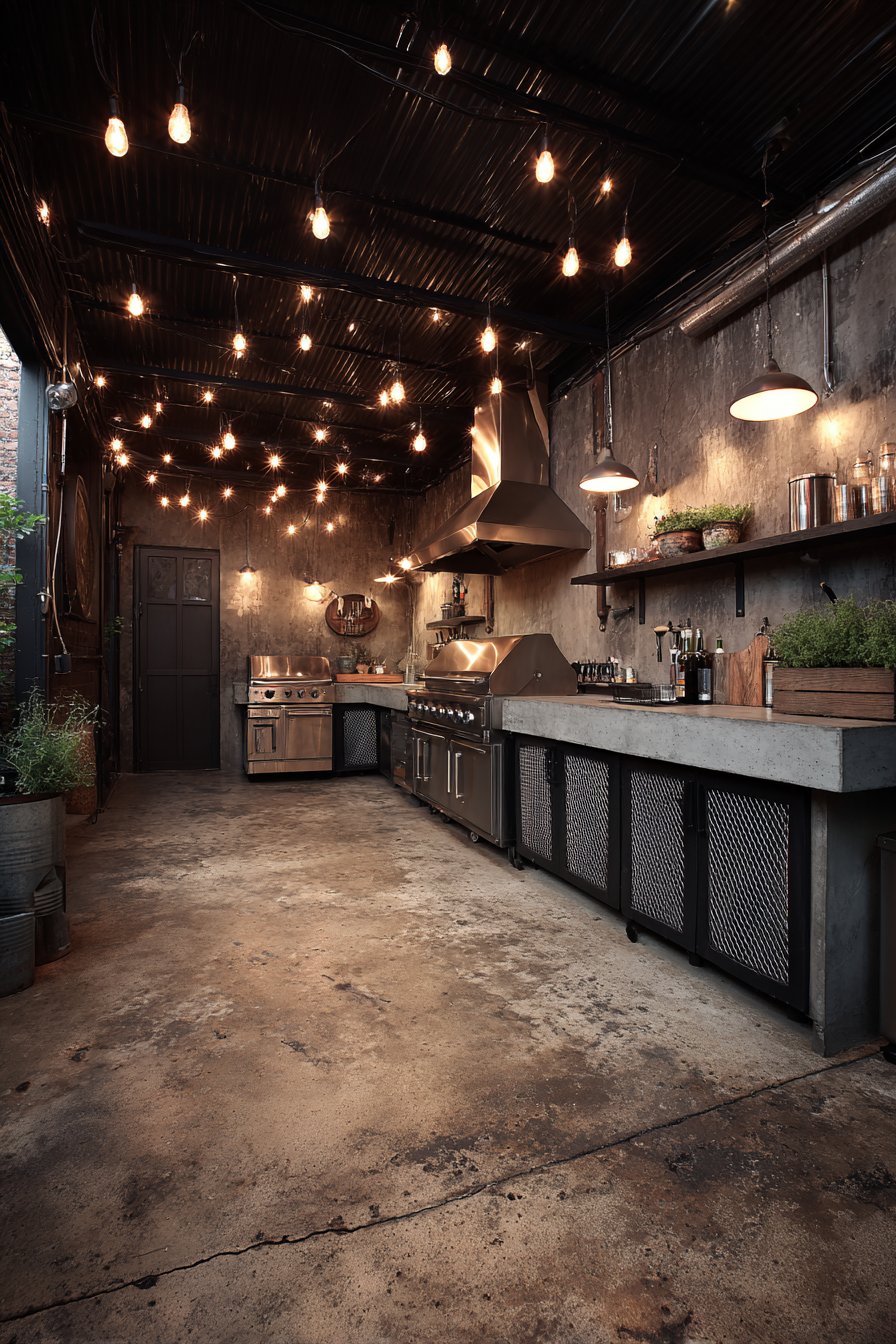
Solar-powered LED lighting eliminates electrical consumption while providing reliable illumination for evening cooking and entertaining. The native plant landscaping reduces water consumption while creating habitat for local wildlife and maintaining visual connection to the regional ecosystem. These choices demonstrate how sustainable design can benefit both homeowners and the broader environment.
Key Design Tips:
- Research local recycling sources for sustainable material options
- Choose native plants that require minimal irrigation and maintenance
- Install solar systems with battery backup for reliable lighting operation
- Use natural finishes that can be easily maintained and renewed over time
- Plan composting systems with adequate ventilation and pest-resistant design
12. Mediterranean Romance
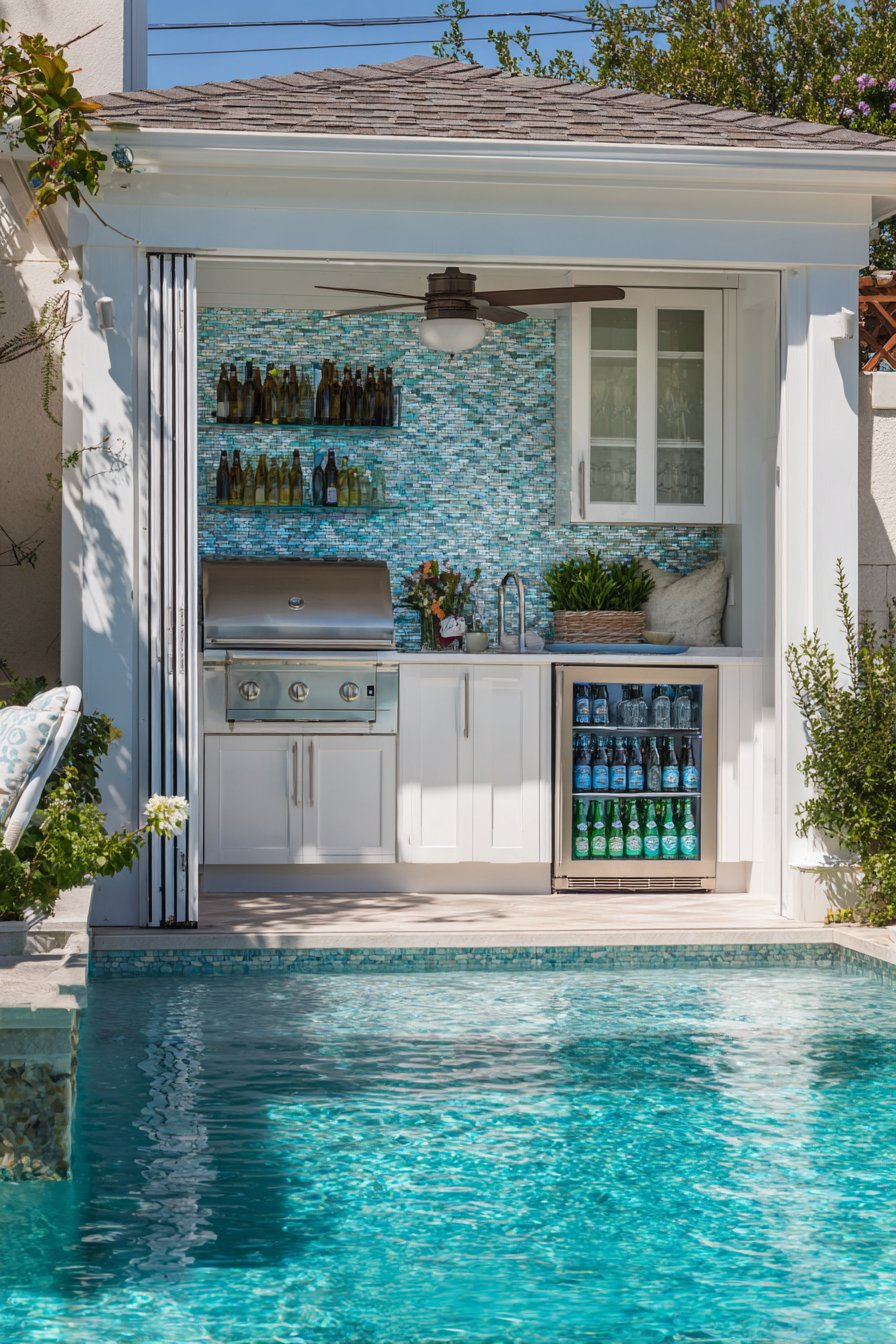
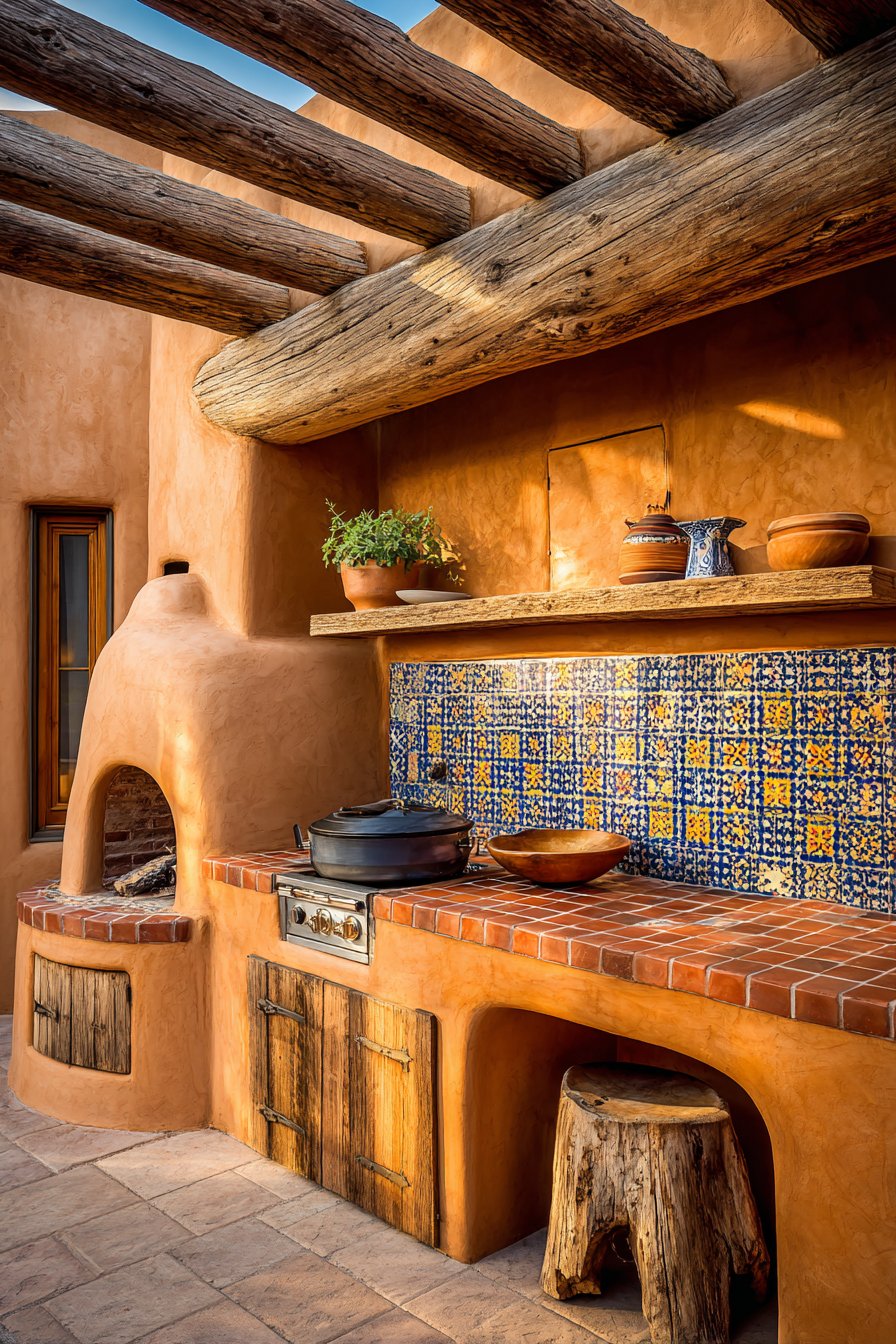
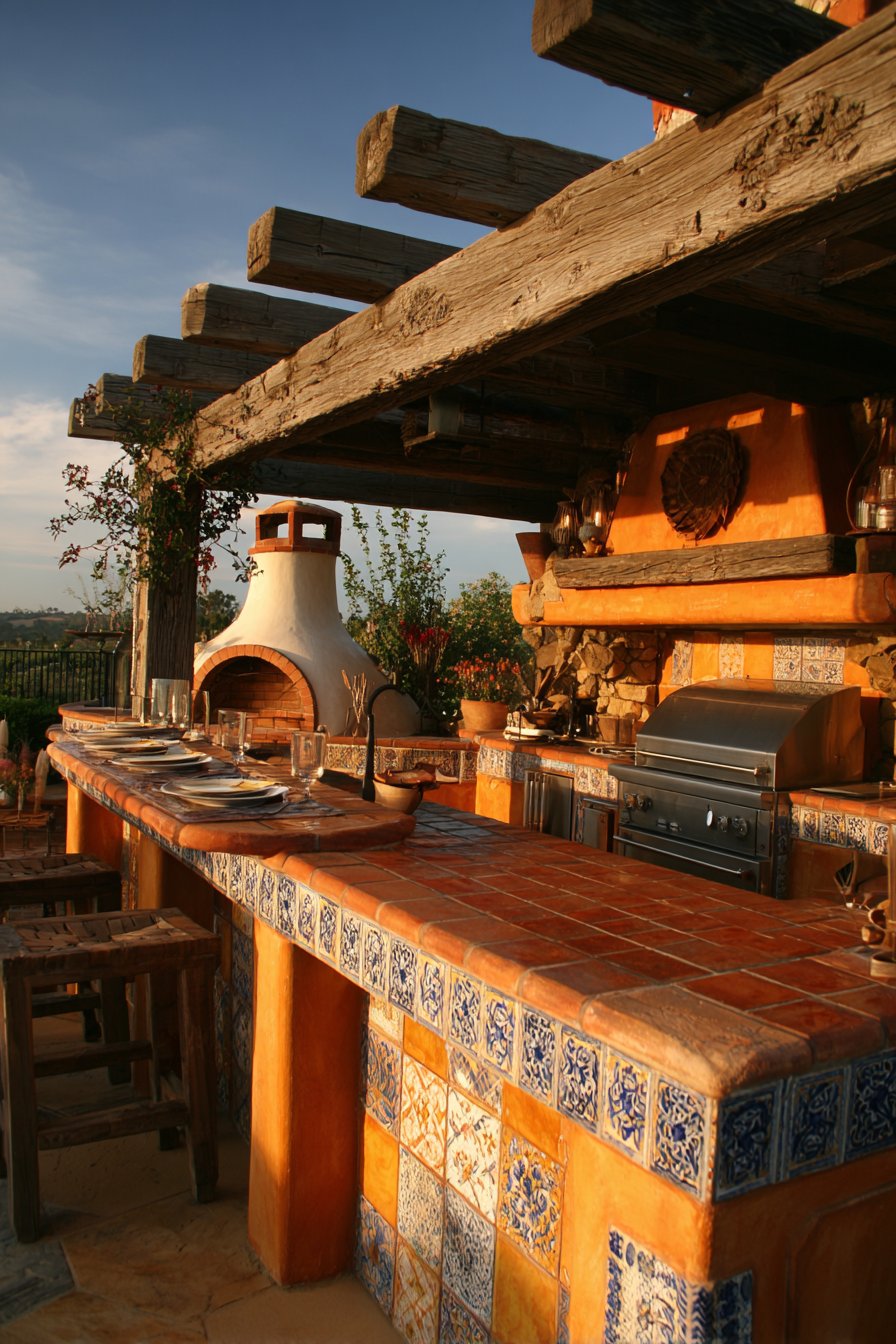
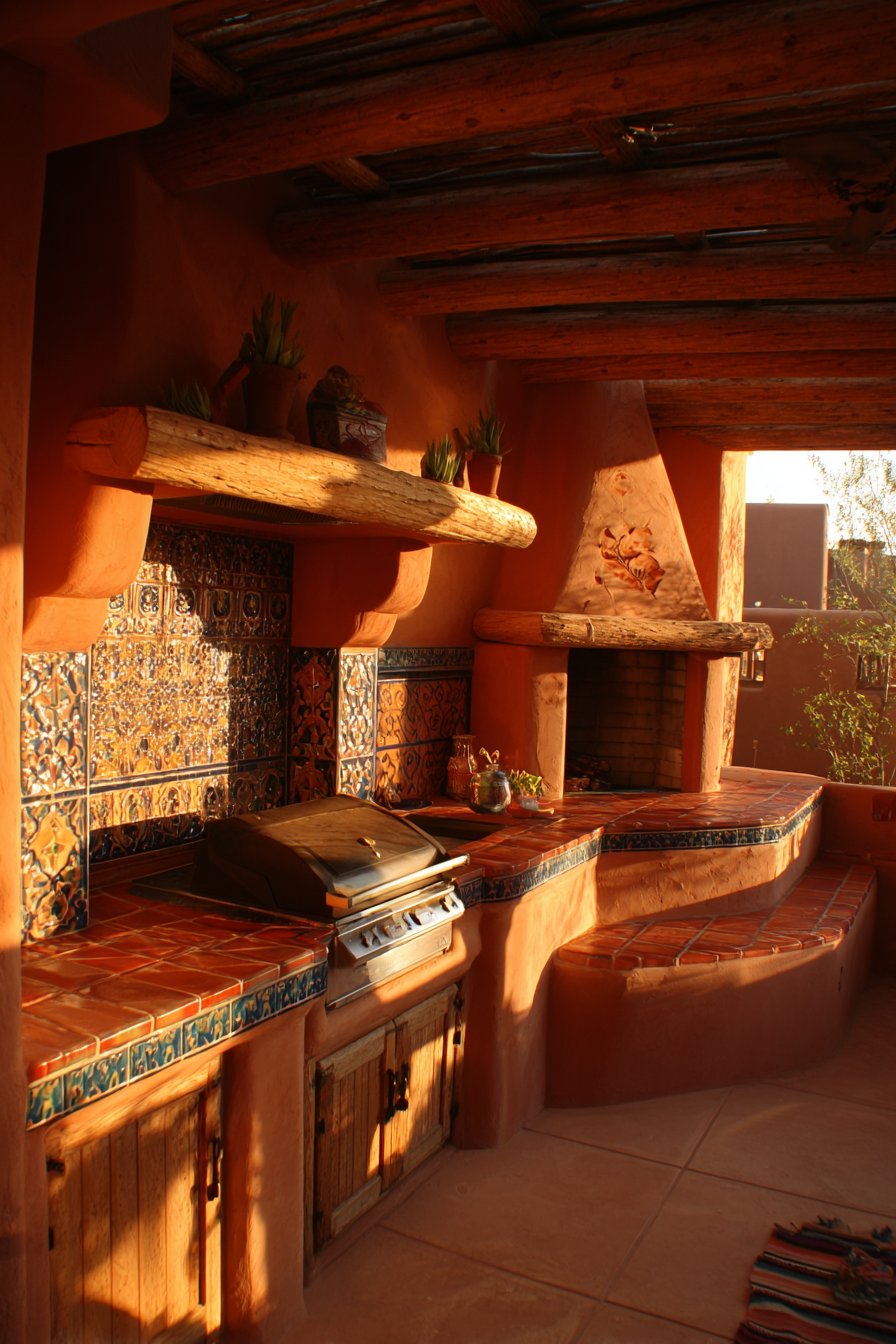
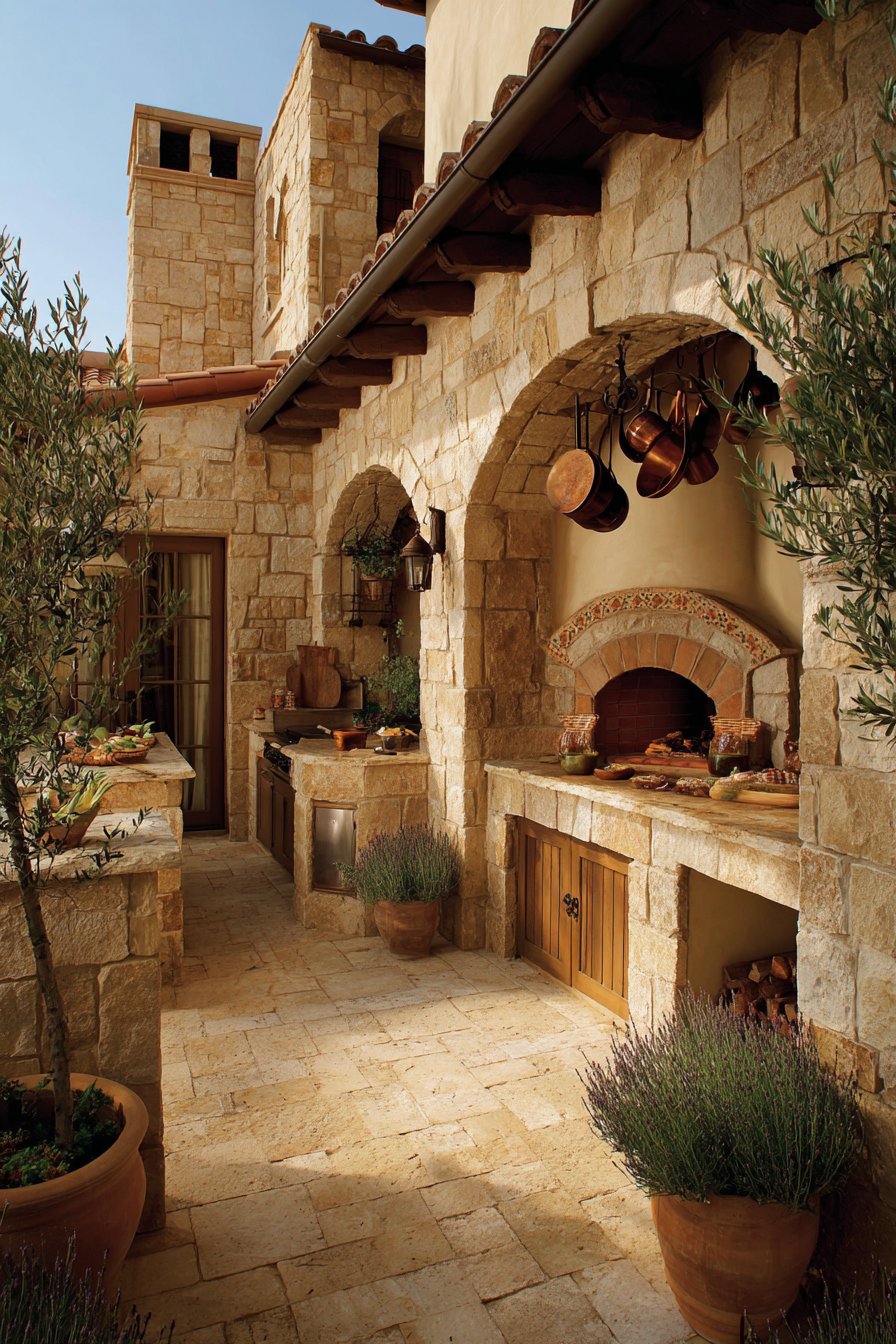
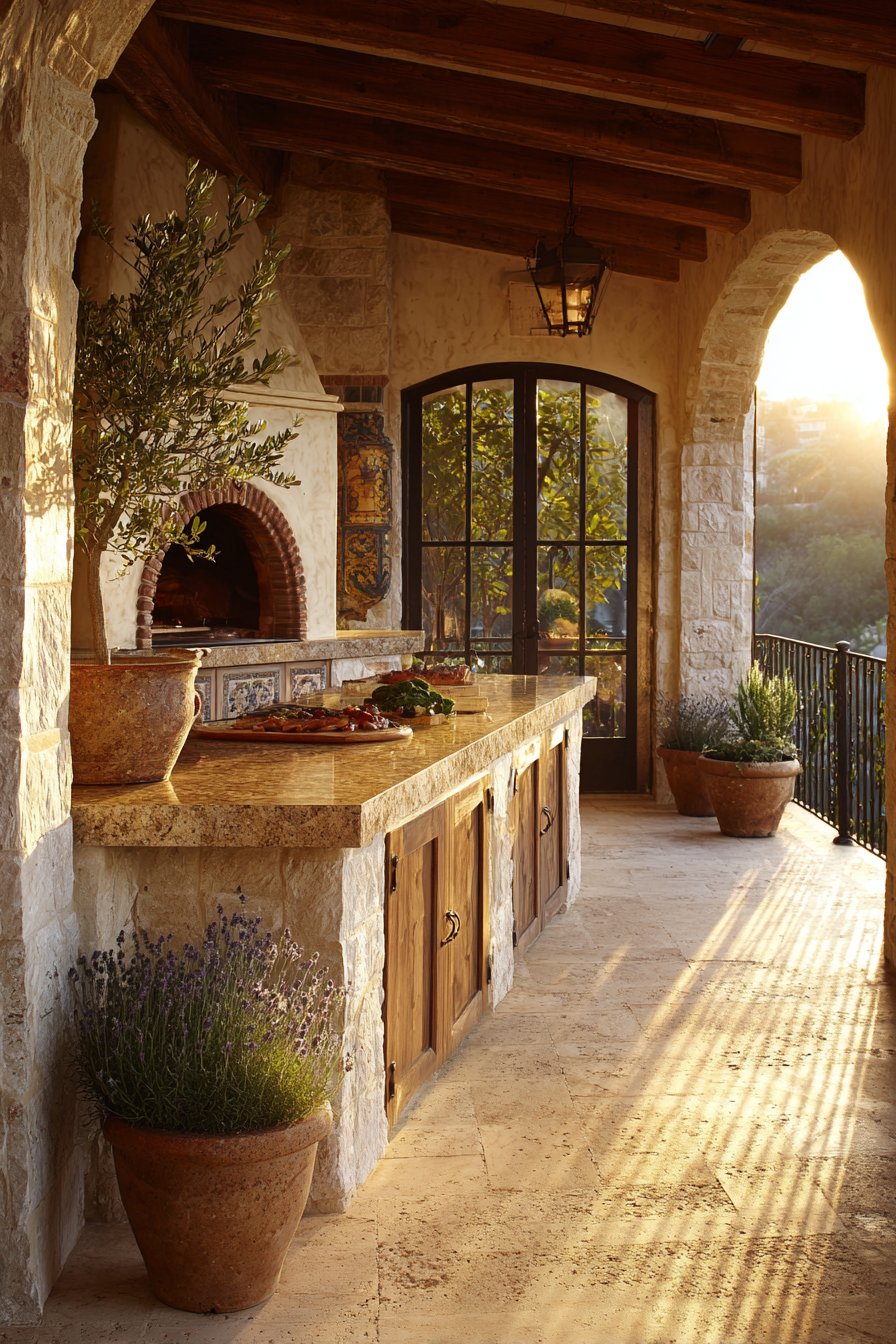
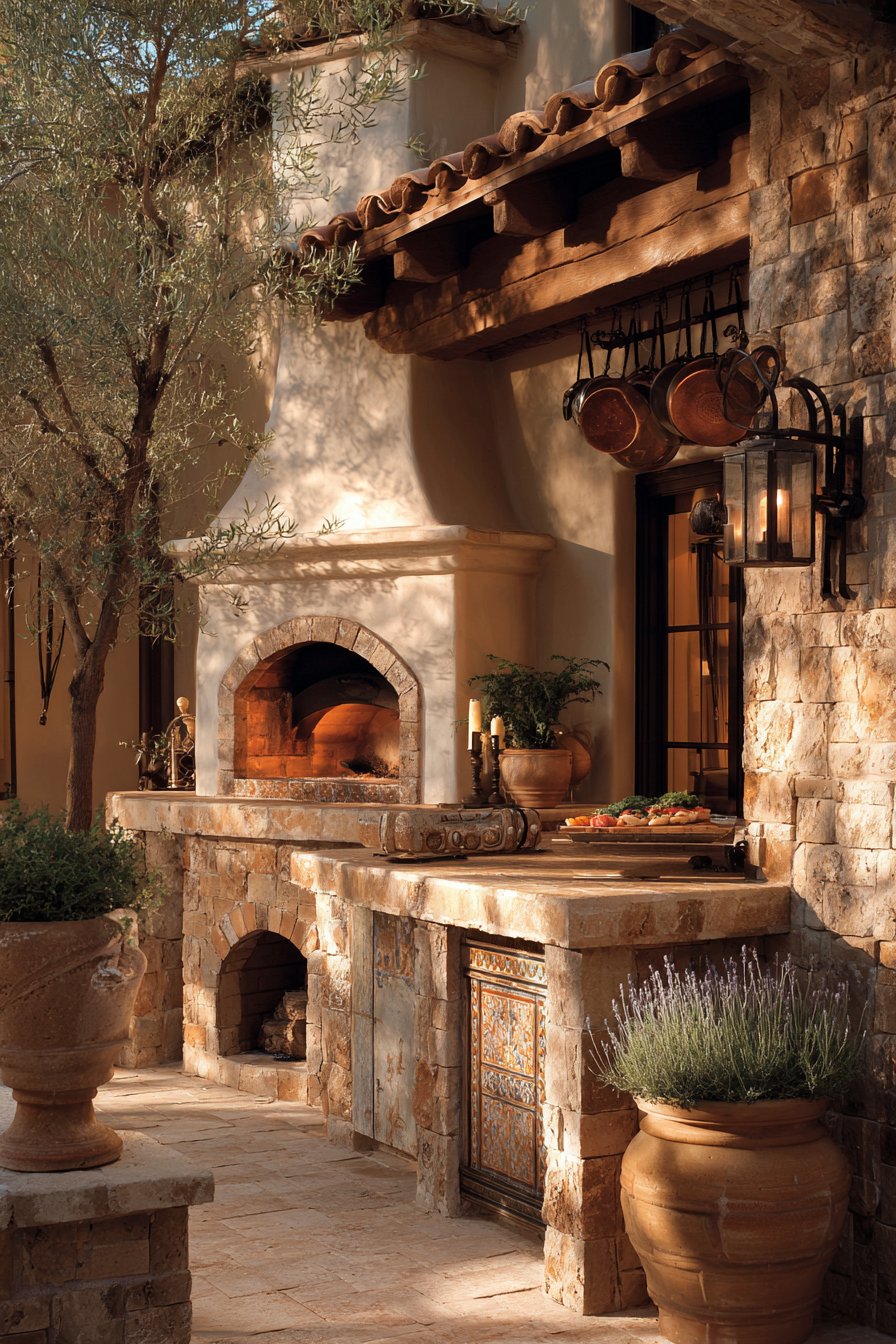
Transport yourself to the sun-soaked countryside of Mediterranean Europe with an outdoor kitchen design that celebrates traditional materials, time-honored cooking methods, and the leisurely pace of outdoor dining. The traditional wood-fired oven with decorative tile surround becomes the heart of this design, providing both exceptional cooking capabilities and stunning visual focal point that anchors the entire space.
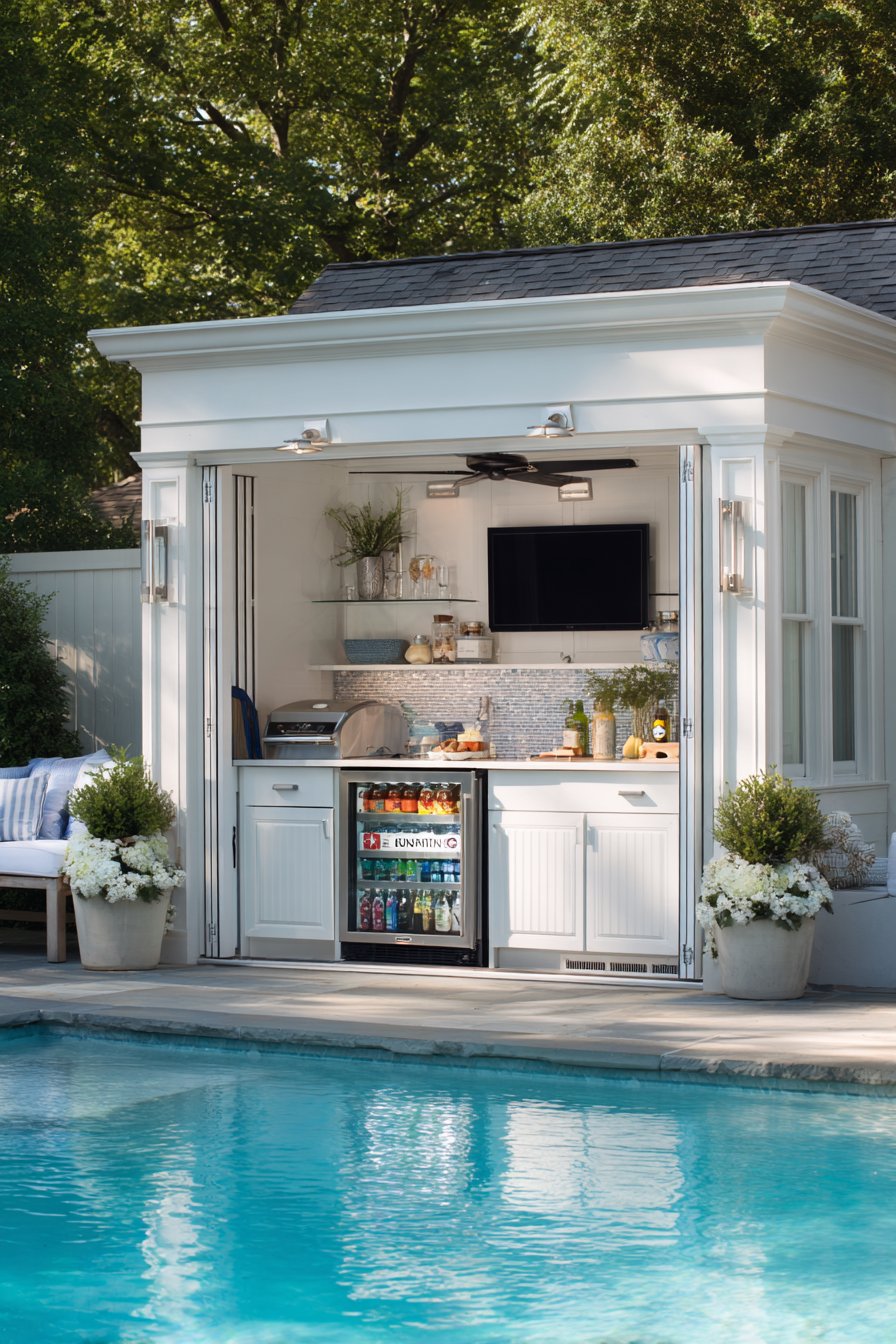
Wrought iron details add authentic period character while providing practical benefits like pot hanging, tool storage, and architectural definition. These metal elements develop beautiful patina over time, adding to the authentic aged appearance that makes Mediterranean designs so appealing. The handcrafted quality of wrought iron work creates visual interest and textural variety that mass-produced elements cannot match.
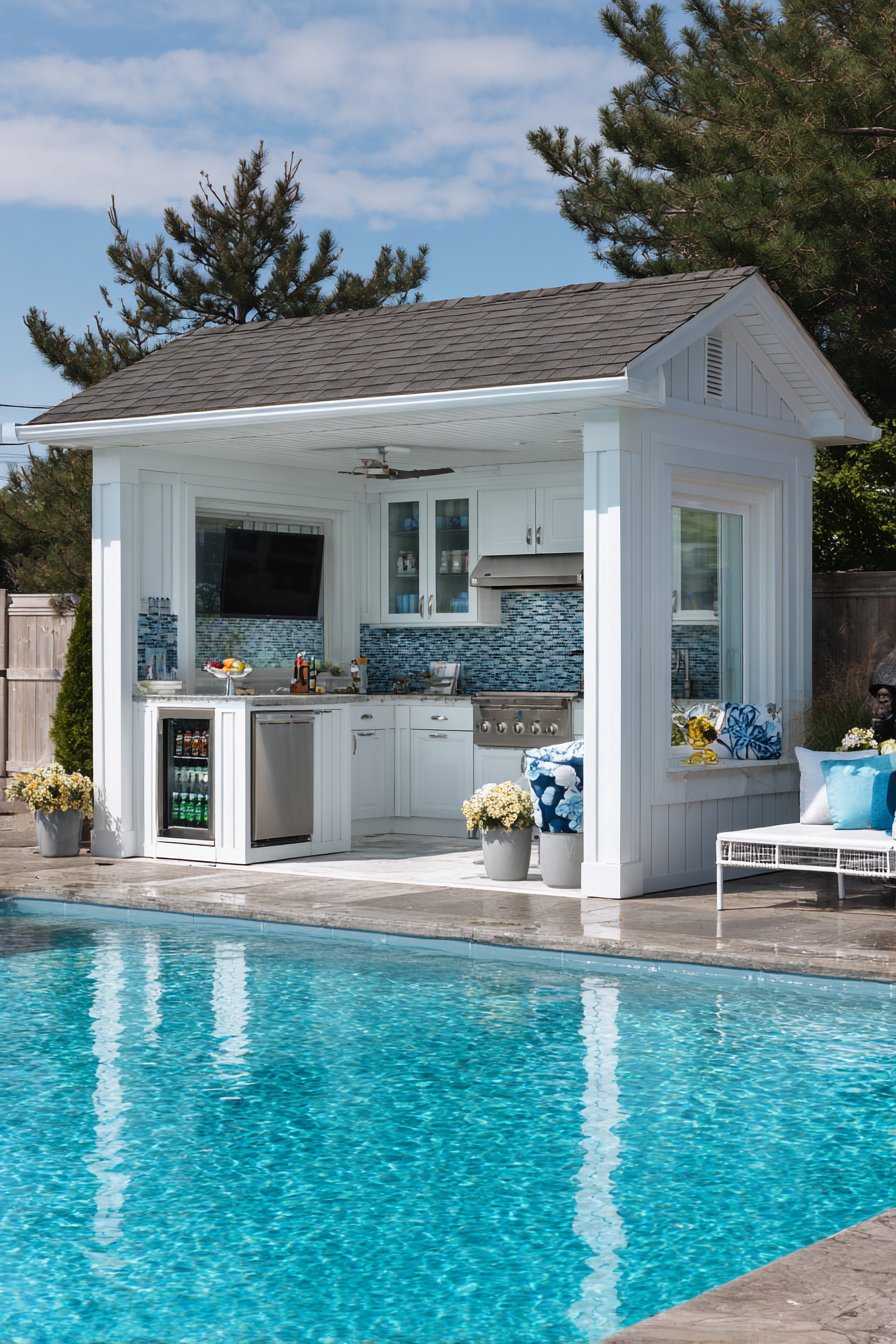
Natural stone countertops provide durable work surfaces that improve with age and use, developing the worn patina that gives Mediterranean kitchens their lived-in charm. Open shelving displays colorful pottery and fresh herbs, creating visual interest while keeping frequently used items within easy reach. This display storage approach transforms functional items into decorative elements.
Climbing vines on the pergola overhead create natural shade that changes with the seasons while adding organic softness that balances the stone and metal elements. The warm-toned lighting enhances the old-world atmosphere while providing adequate illumination for safe cooking and comfortable dining. This lighting approach creates pools of intimate illumination that encourage lingering conversations over extended meals.
Key Design Tips:
- Source authentic materials from specialty suppliers for genuine Mediterranean character
- Plan adequate support structures for heavy stone and tile elements
- Include proper drainage around stone surfaces to prevent moisture damage
- Choose climbing plants appropriate for your climate and maintenance preferences
- Install dimmers on all lighting circuits to create flexible ambiance options
13. Large-Scale Entertainment Design
Design for serious entertaining with a comprehensive outdoor kitchen that can handle large groups without compromising cooking quality or guest experience. The U-shaped layout maximizes efficiency by creating dedicated zones for different cooking activities while maintaining clear workflow patterns that prevent bottlenecks during busy cooking periods. This restaurant-inspired approach brings professional functionality to residential entertaining.
Multiple cooking stations including grill, smoker, and seafood boiler provide specialized capabilities that allow for diverse menu options and simultaneous preparation of different dishes. This variety ensures that hosts can accommodate different dietary preferences and cooking methods without overwhelming any single cooking area. The specialized equipment elevates outdoor entertaining from simple grilling to comprehensive culinary experiences.
Expansive granite countertops provide generous workspace for multiple cooks working simultaneously, essential when preparing food for large groups. The durable surface can handle heavy use and high temperatures while maintaining its appearance despite intensive cooking activities. The large island offers additional seating and storage while creating a natural gathering point that keeps guests engaged with the cooking process.
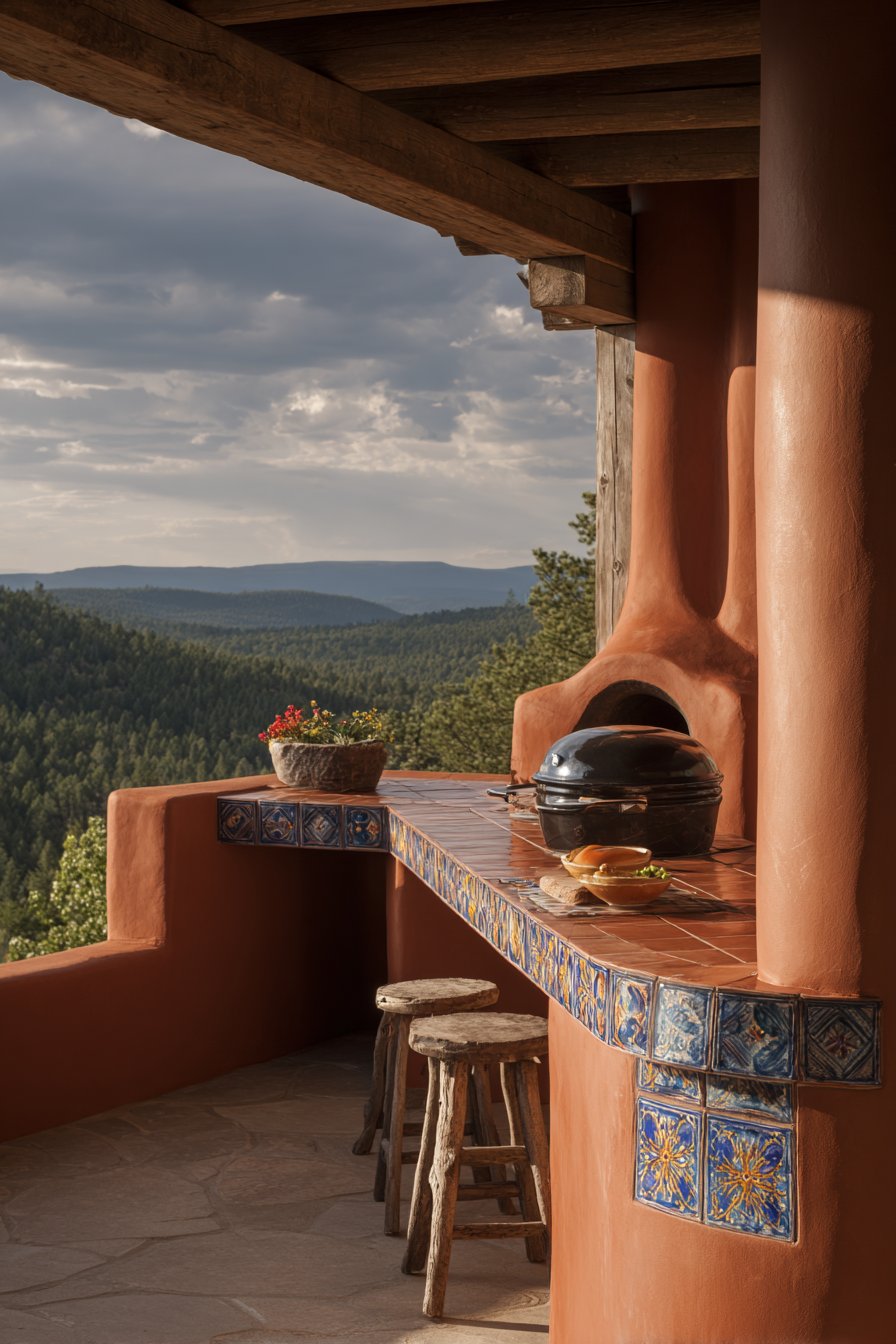
The commercial-scale functionality requires careful planning of utilities including gas supply, electrical service, and ventilation systems adequate for the increased cooking capacity. This infrastructure investment ensures reliable performance even during peak usage periods while meeting safety requirements for multiple high-output appliances.
Key Design Tips:
- Plan workflow patterns to minimize conflicts between multiple cooks
- Install commercial-grade utilities to handle increased capacity demands
- Include adequate refrigeration for food storage during large events
- Choose durable materials that can handle intensive use without deteriorating
- Plan flexible seating arrangements that can accommodate varying group sizes
14. Urban Rooftop Innovation
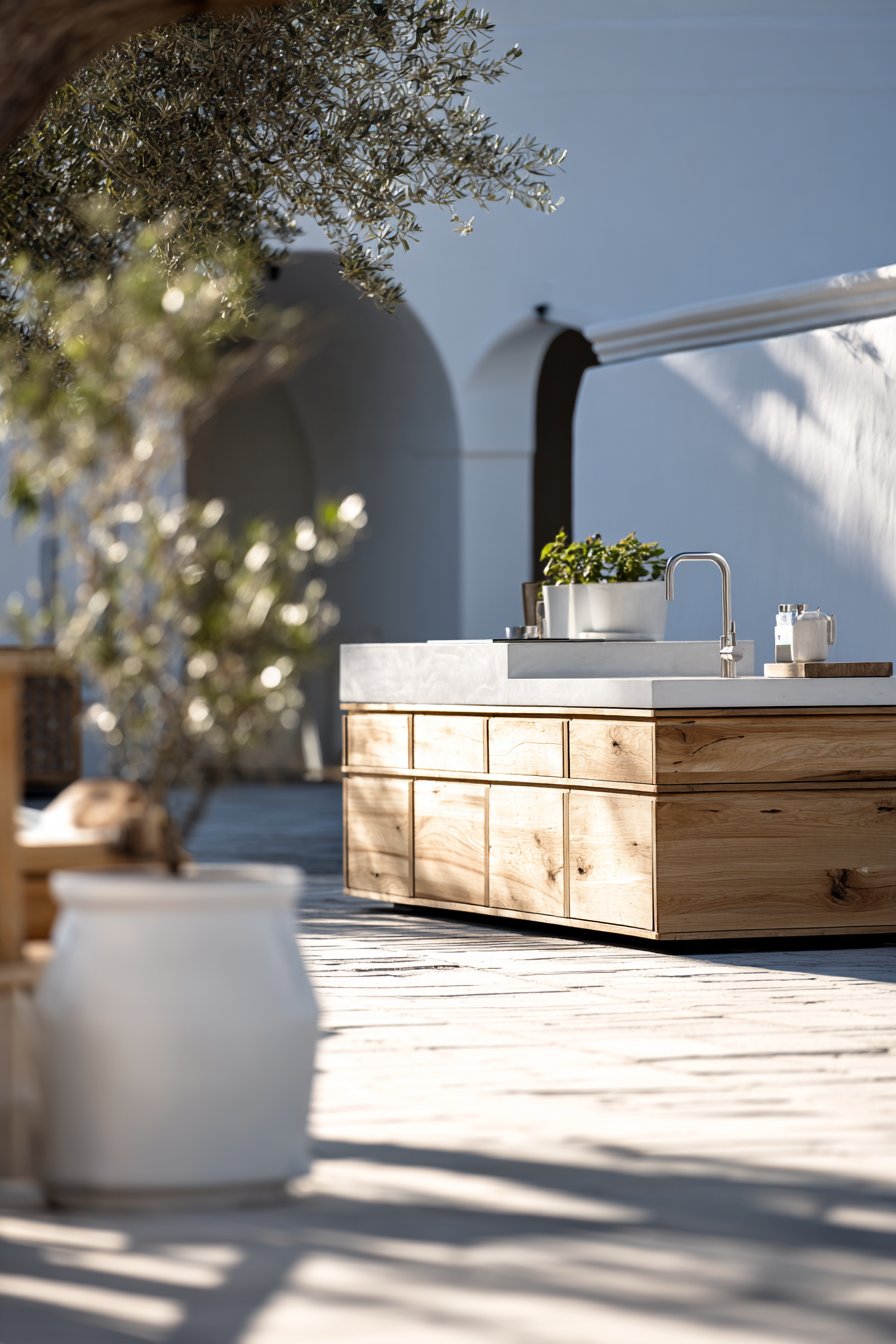
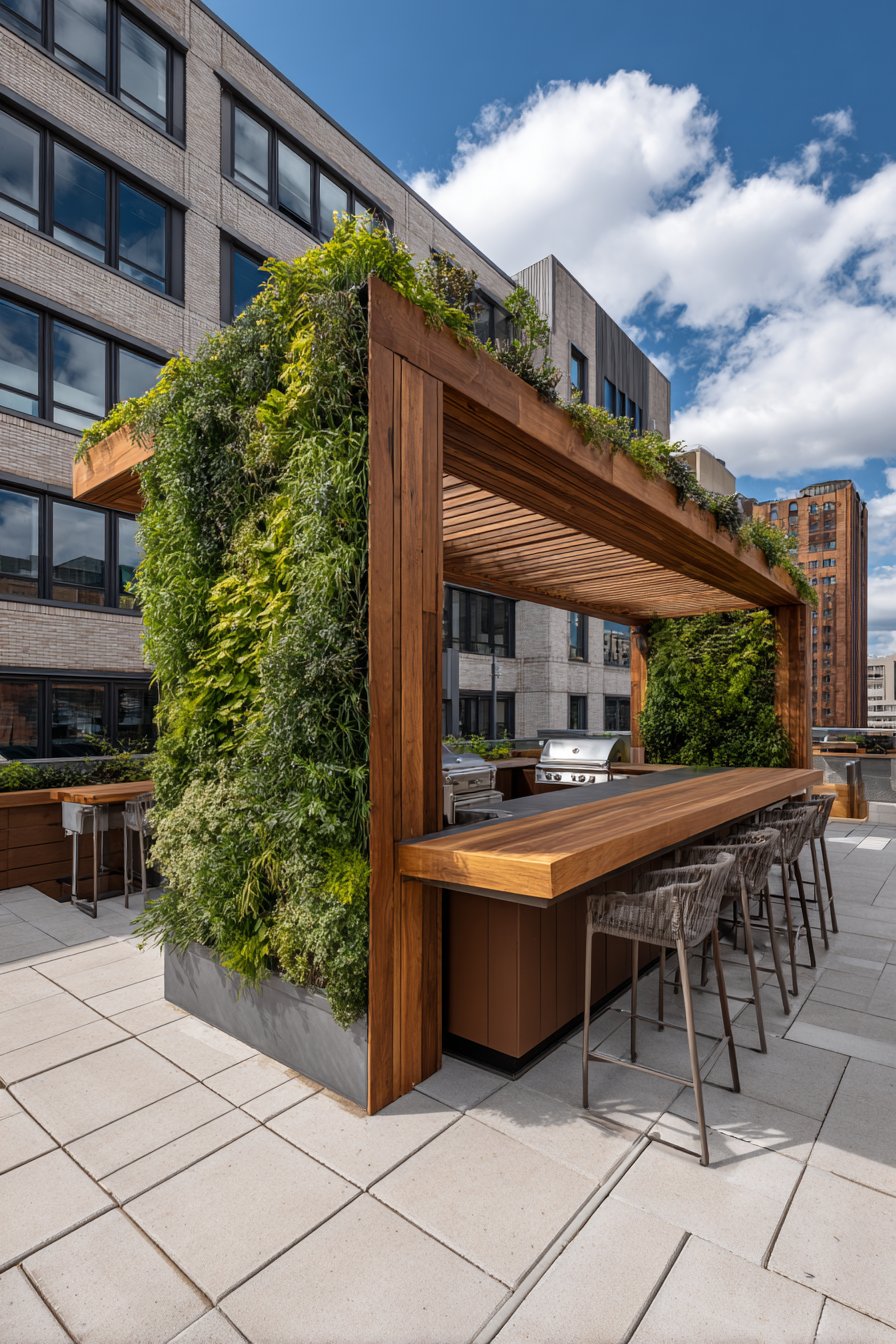
Maximize urban outdoor living potential with a sophisticated rooftop kitchen design that transforms limited space into a premium outdoor cooking environment with spectacular city views. The wind-resistant construction becomes essential at rooftop heights, requiring specialized engineering and material choices that can handle increased wind loads and temperature extremes common in urban environments.
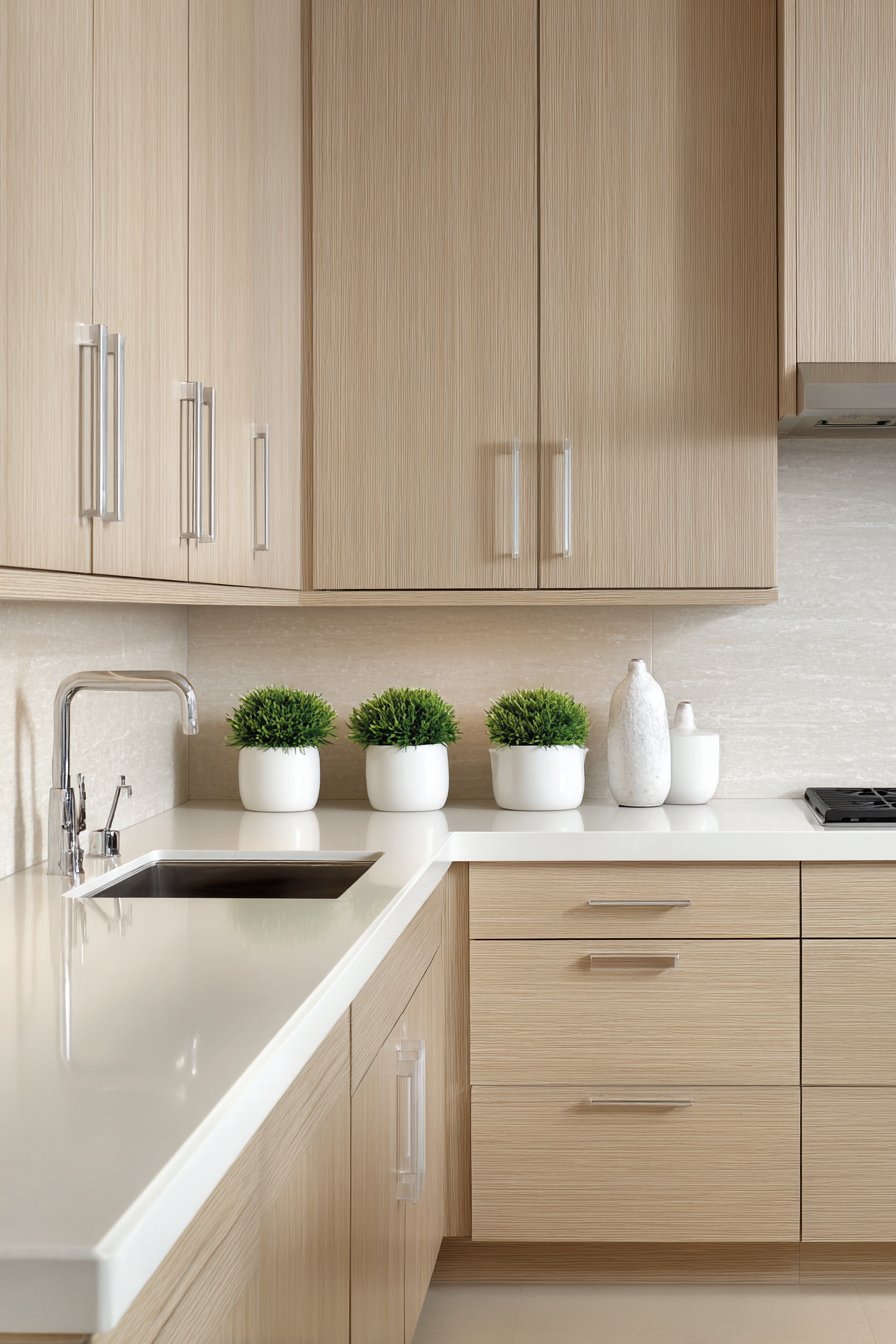
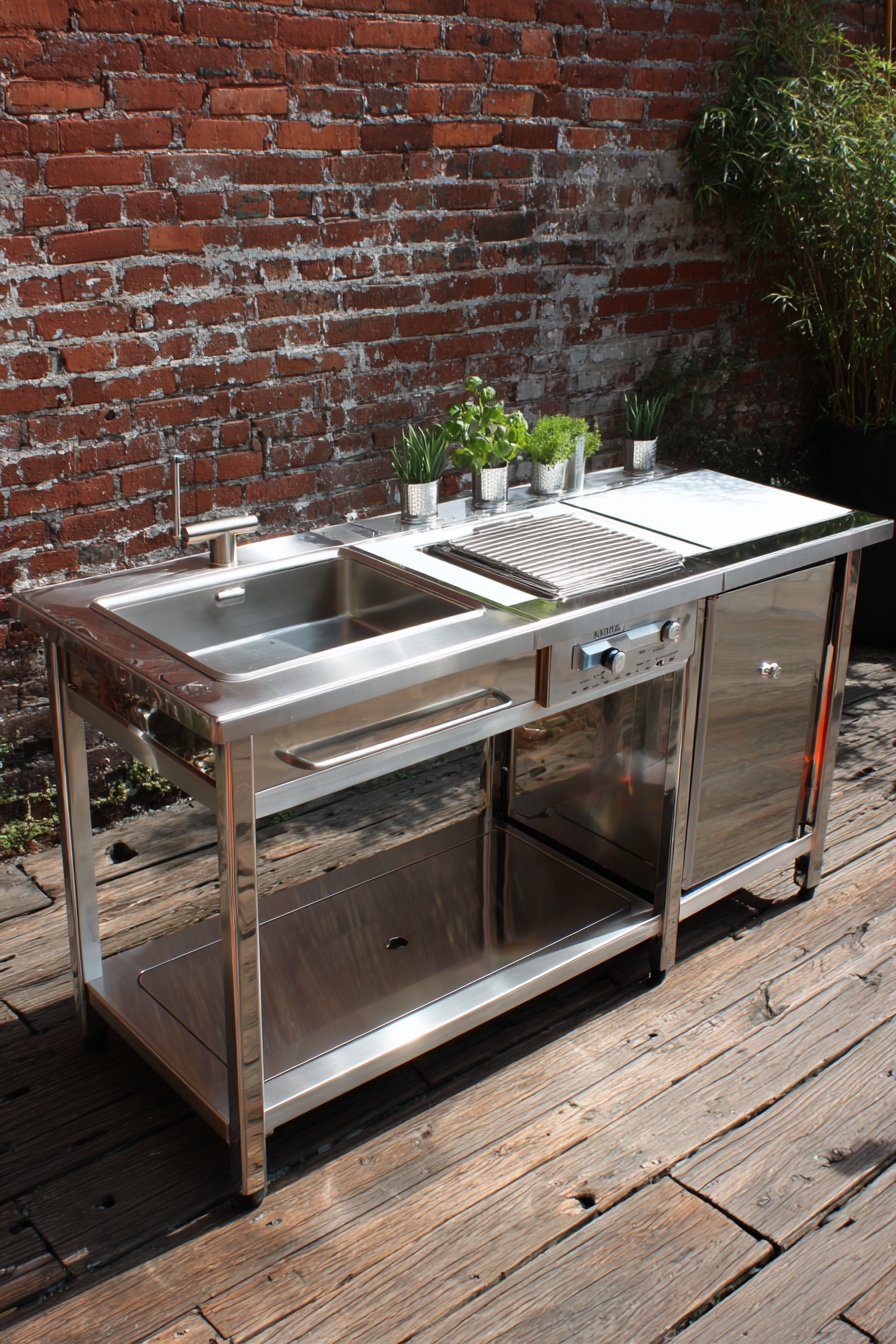
The compact layout makes efficient use of every available square foot through clever design solutions like built-in appliances, weather-sealed storage, and fold-down dining tables that maximize functionality while preserving flexibility. This space efficiency demonstrates how thoughtful design can create comprehensive cooking capabilities even within severe spatial constraints.
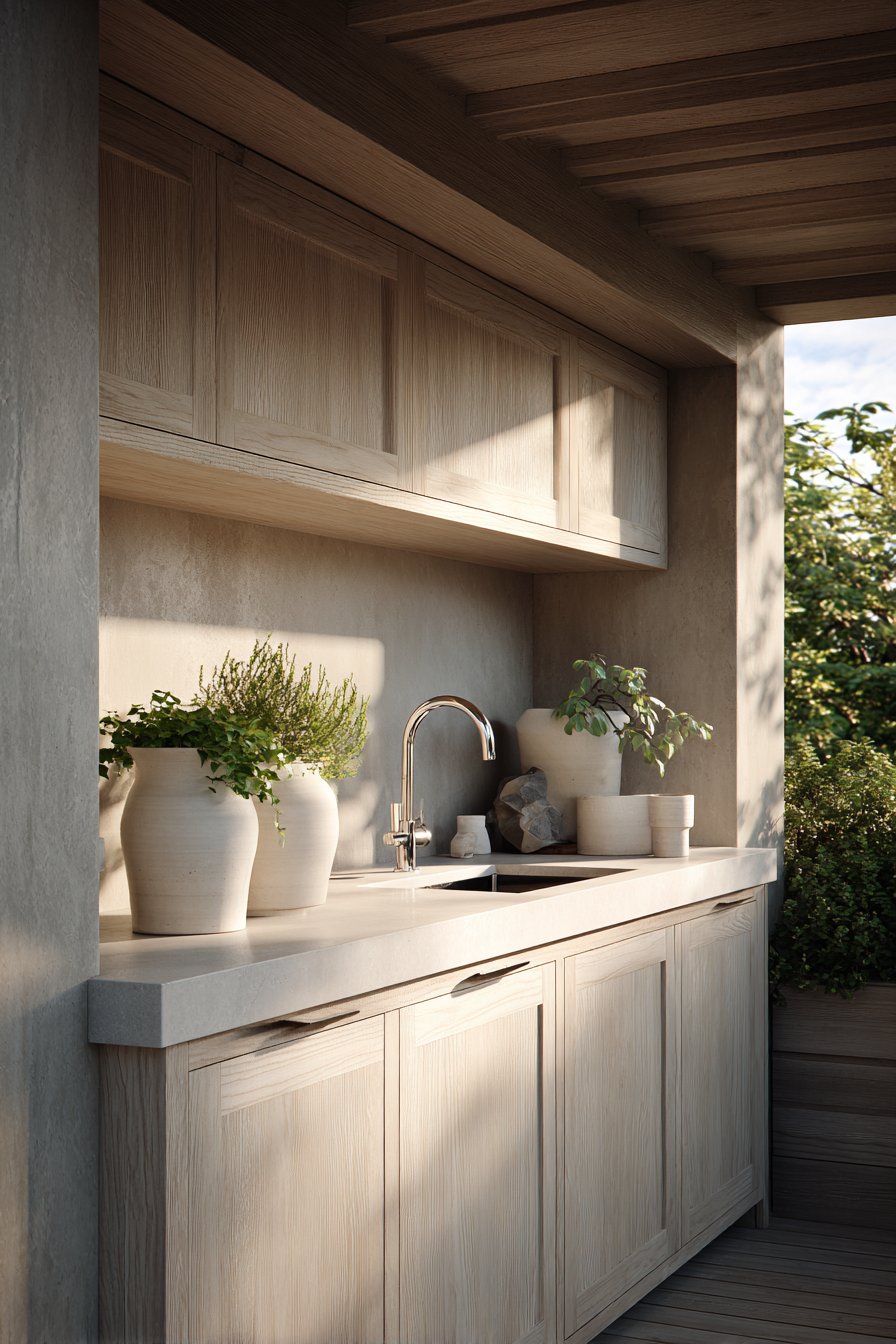
Industrial materials like steel and concrete complement the urban environment while providing the durability necessary for rooftop installations. These material choices create visual continuity with the surrounding cityscape while offering practical benefits like low maintenance requirements and resistance to weather extremes. The urban aesthetic celebrates rather than fights against the city setting.
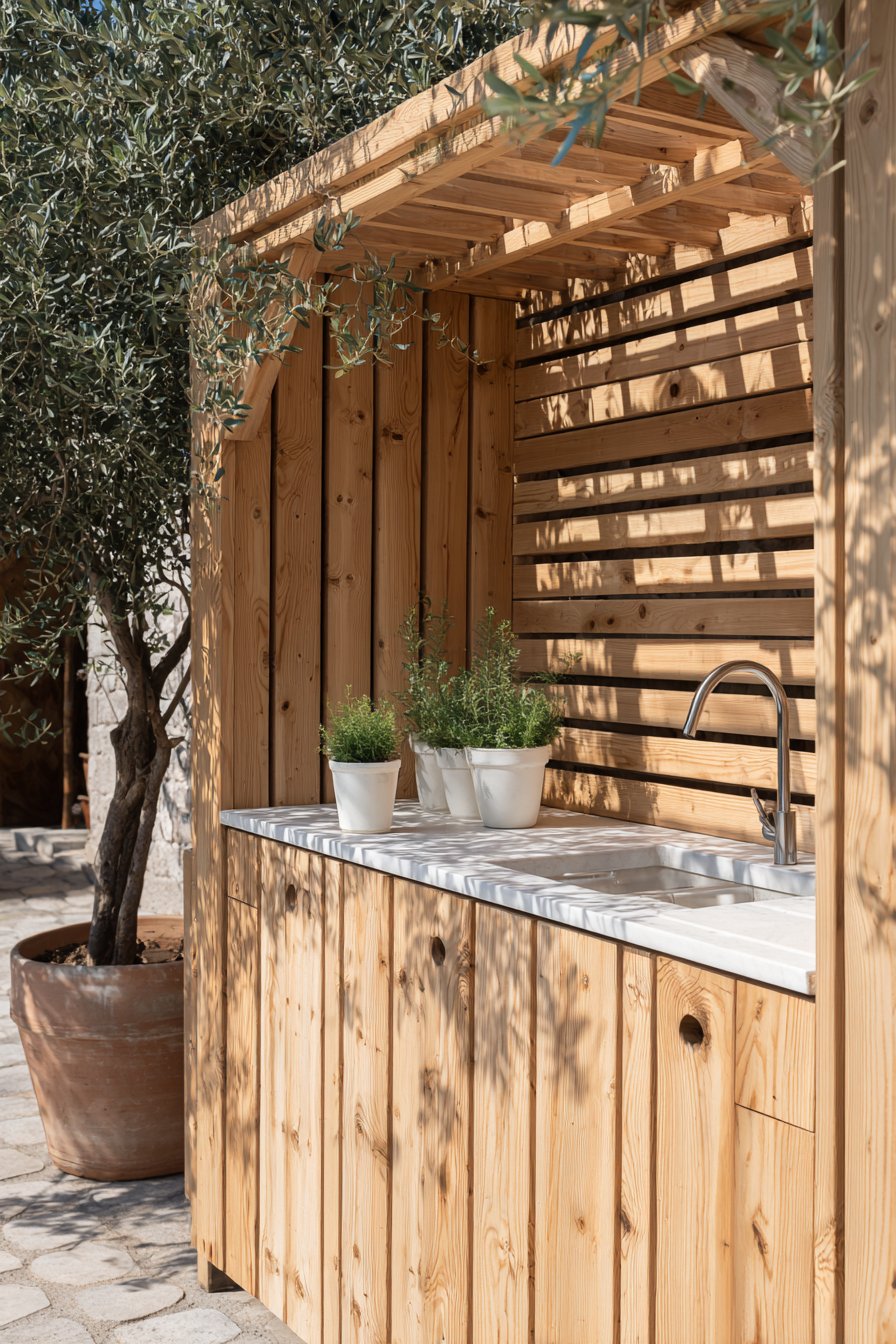
Integrated planters soften the hard edges of urban materials while providing space for fresh herbs and vegetables that enhance the cooking experience. These green elements create microclimates that moderate temperature extremes while adding natural beauty to the industrial setting. The dramatic city backdrop creates an ever-changing panorama that transforms dining into a spectacular urban experience.
Key Design Tips:
- Consult structural engineers to verify weight limits for rooftop installations
- Choose wind-resistant appliances and accessories designed for exposed locations
- Install adequate drainage systems to handle rooftop water management
- Include storage solutions that protect equipment from extreme weather conditions
- Plan for utility access that minimizes impact on building systems
15. Smart Technology Integration
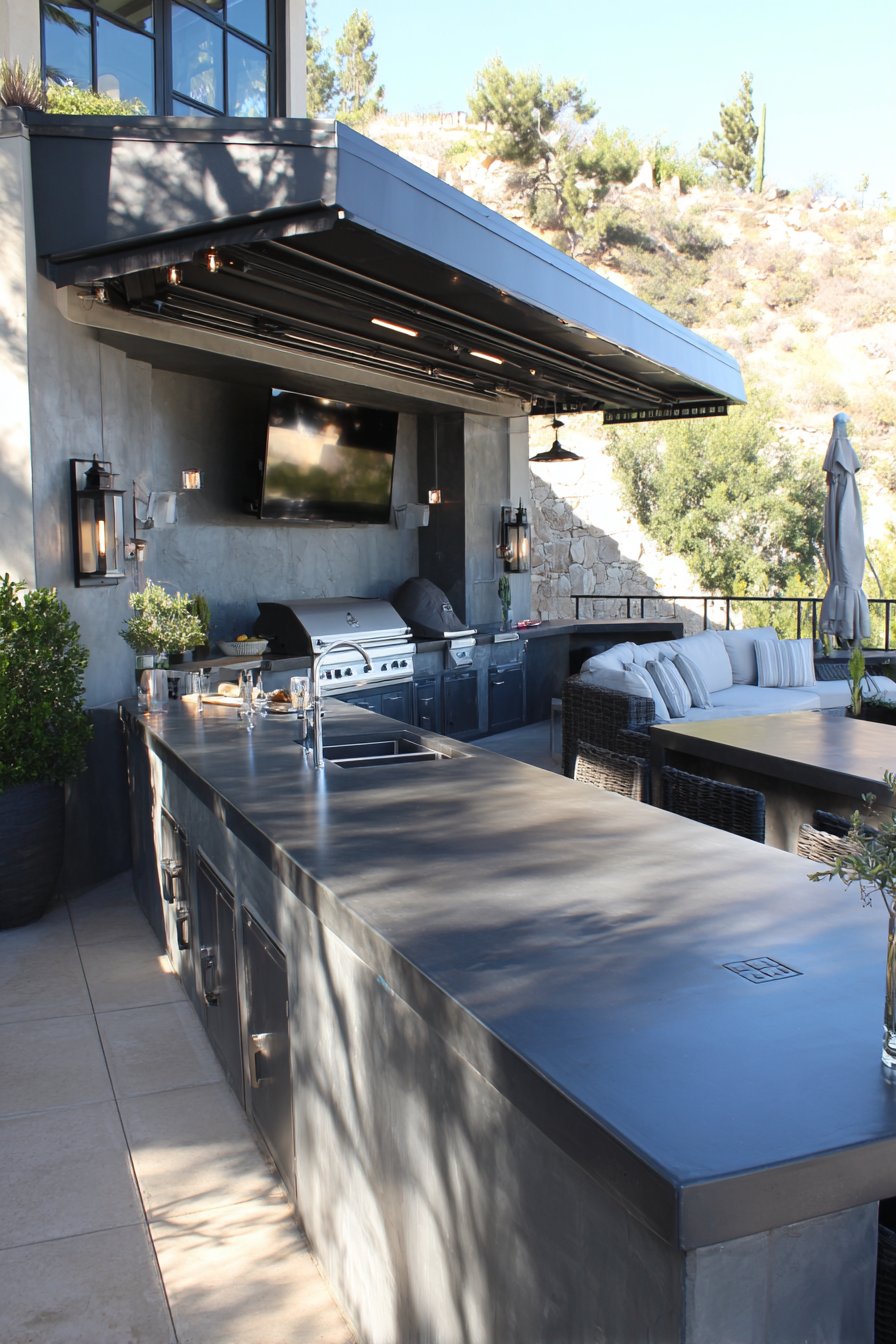
Embrace the future of outdoor cooking with cutting-edge smart home technology that brings convenience, precision, and control to outdoor culinary experiences. App-controlled grills allow for precise temperature monitoring and adjustment from anywhere, ensuring perfect results while allowing cooks to socialize with guests rather than constantly monitoring equipment. This technology integration demonstrates how innovation can enhance rather than complicate outdoor cooking.
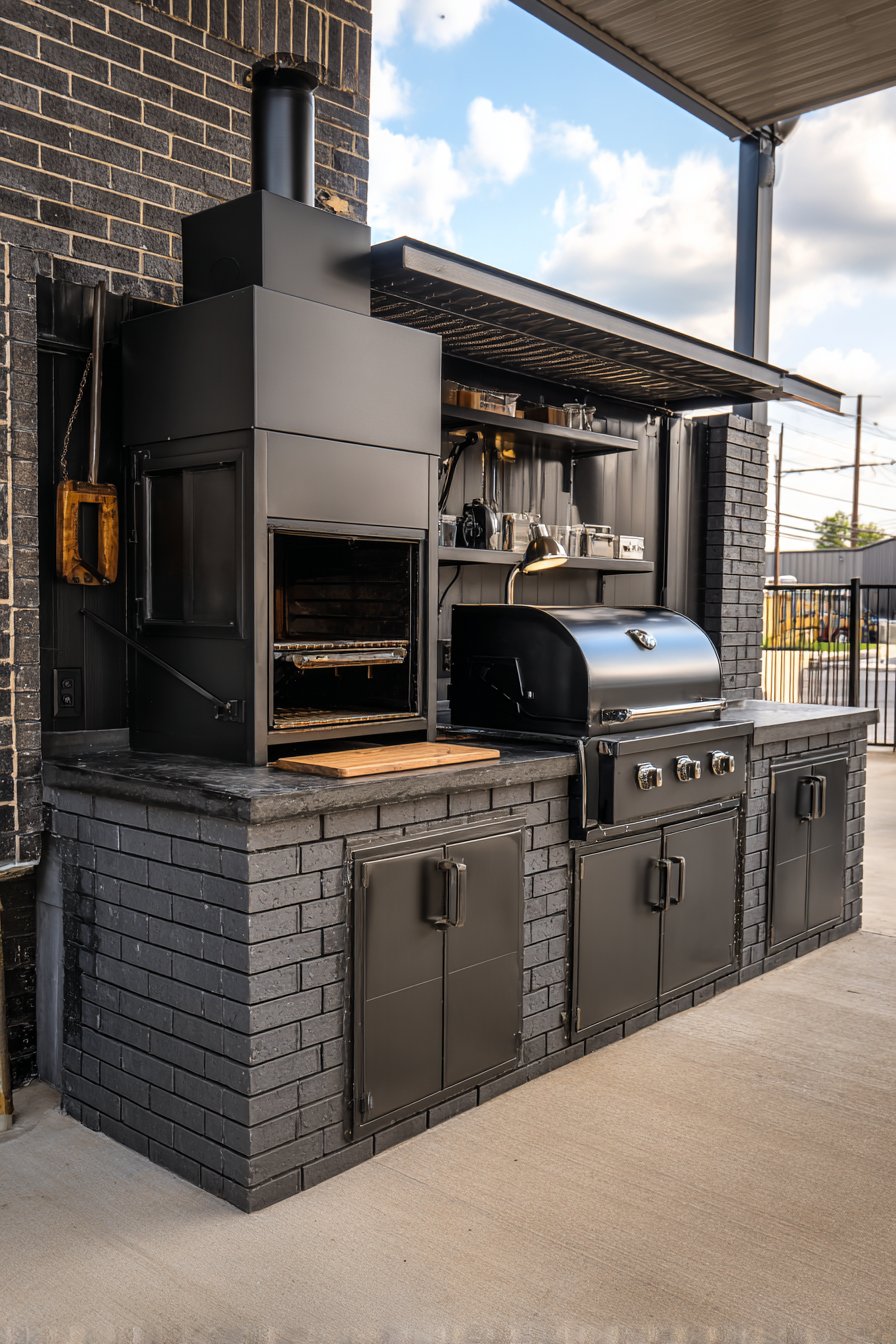
Automated lighting systems respond to changing conditions and usage patterns, providing optimal illumination for different activities while reducing energy consumption through intelligent programming. Weather monitoring systems provide real-time updates and alerts, allowing for proactive protection of equipment and adjustment of cooking plans based on changing conditions.
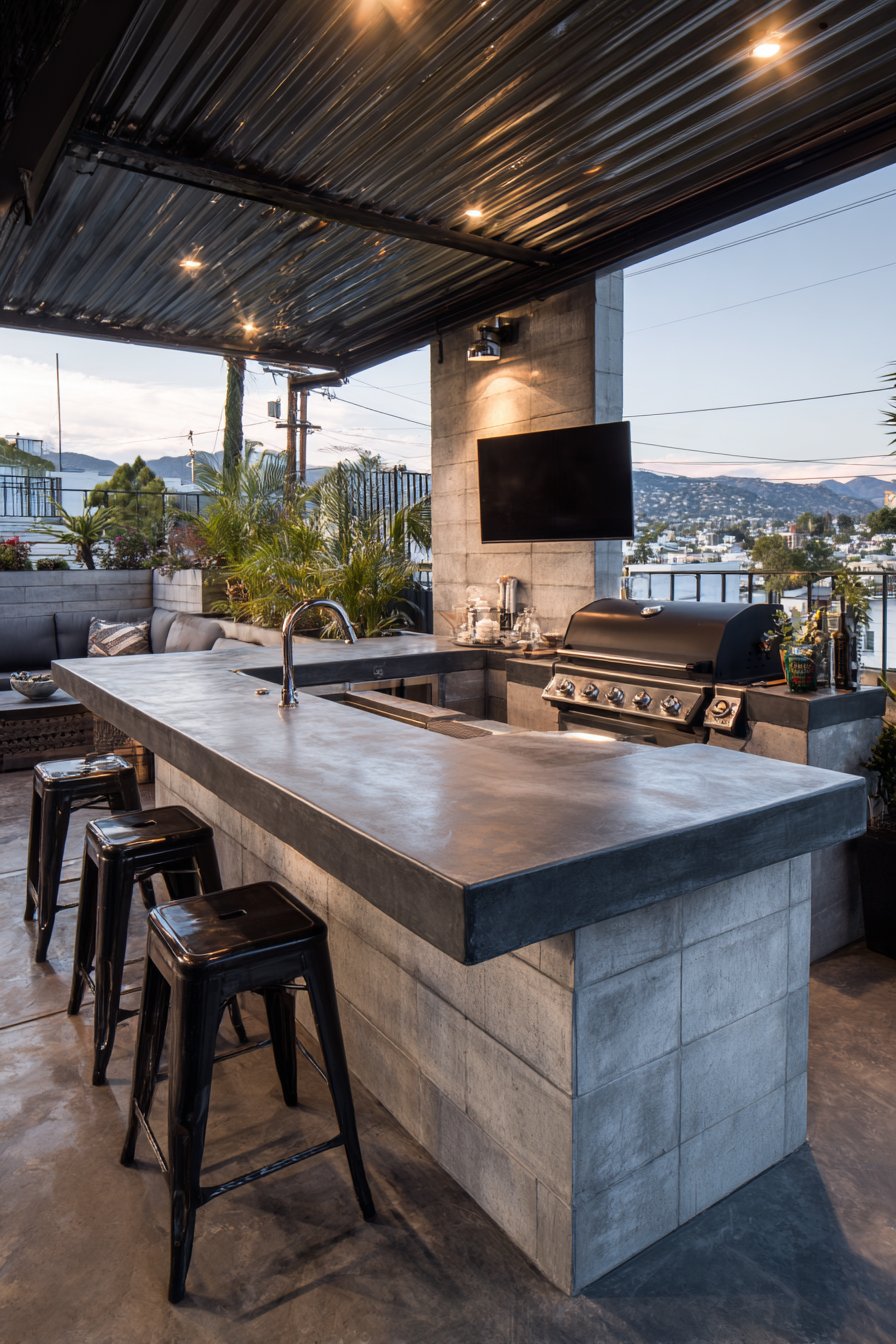
Sleek surfaces with integrated charging stations ensure that mobile devices remain powered and accessible for recipe lookup, music streaming, and social media sharing that has become integral to modern entertaining. Weather-resistant smart displays provide recipe access, timer management, and entertainment options without requiring trips indoors for information or control functions.
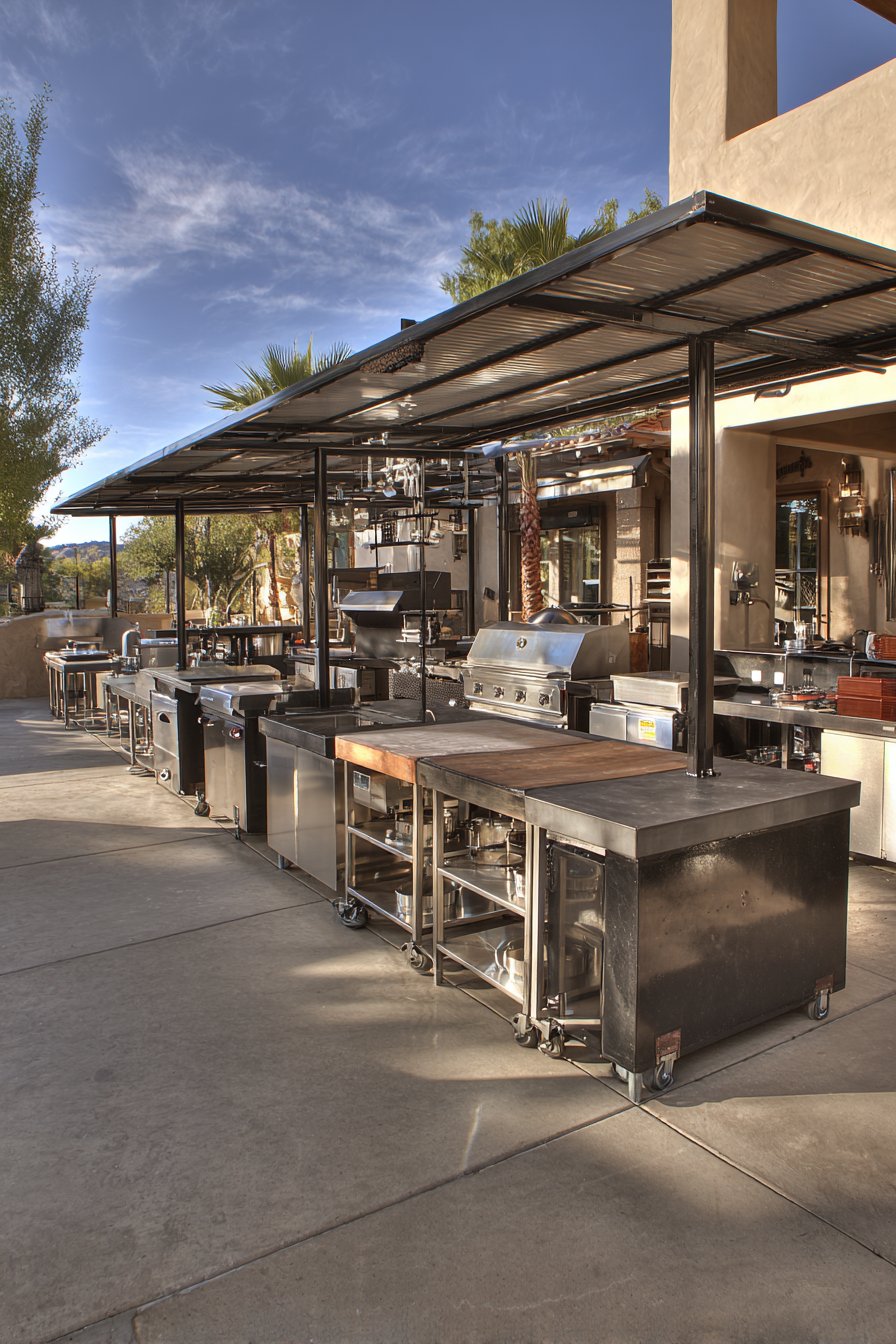
Modern materials like engineered quartz and powder-coated steel create the sophisticated aesthetic that complements high-tech functionality while providing practical benefits like easy cleaning and resistance to staining. These material choices ensure that the kitchen maintains its futuristic appearance while handling the practical demands of active cooking.
Key Design Tips:
- Install dedicated WiFi access points to ensure reliable connectivity in outdoor environments
- Choose smart devices with weather-resistant ratings appropriate for outdoor use
- Include adequate electrical circuits with surge protection for sensitive electronics
- Plan for regular software updates and technology refresh cycles
- Select systems with intuitive interfaces that guests can easily understand and operate
16. Rustic Fireplace Tradition
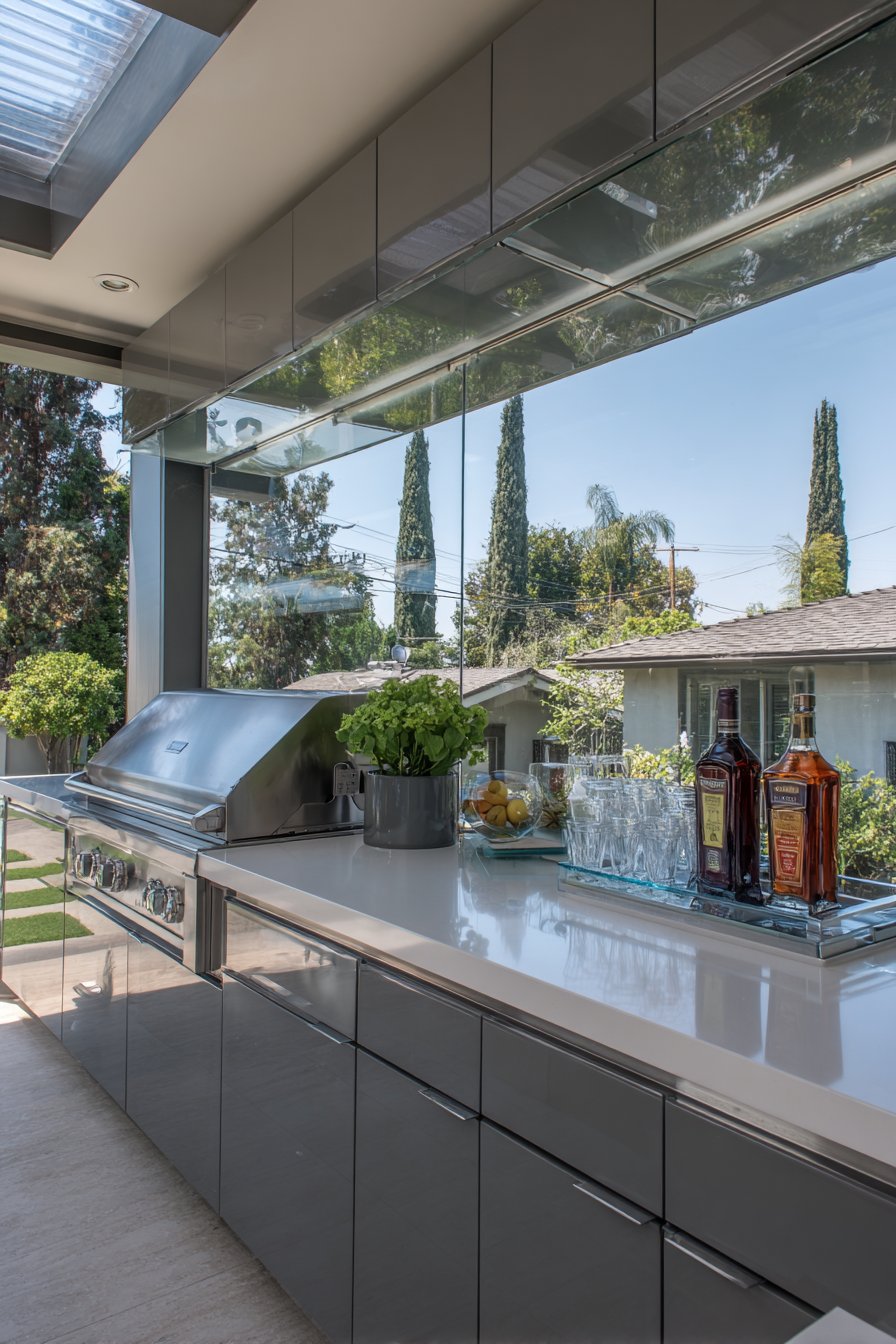
Celebrate traditional outdoor cooking methods with a massive natural stone fireplace that serves as both cooking appliance and dramatic architectural centerpiece. This timeless approach connects modern outdoor entertaining with ancient cooking traditions, creating environments that feel both sophisticated and authentically connected to human culinary heritage.
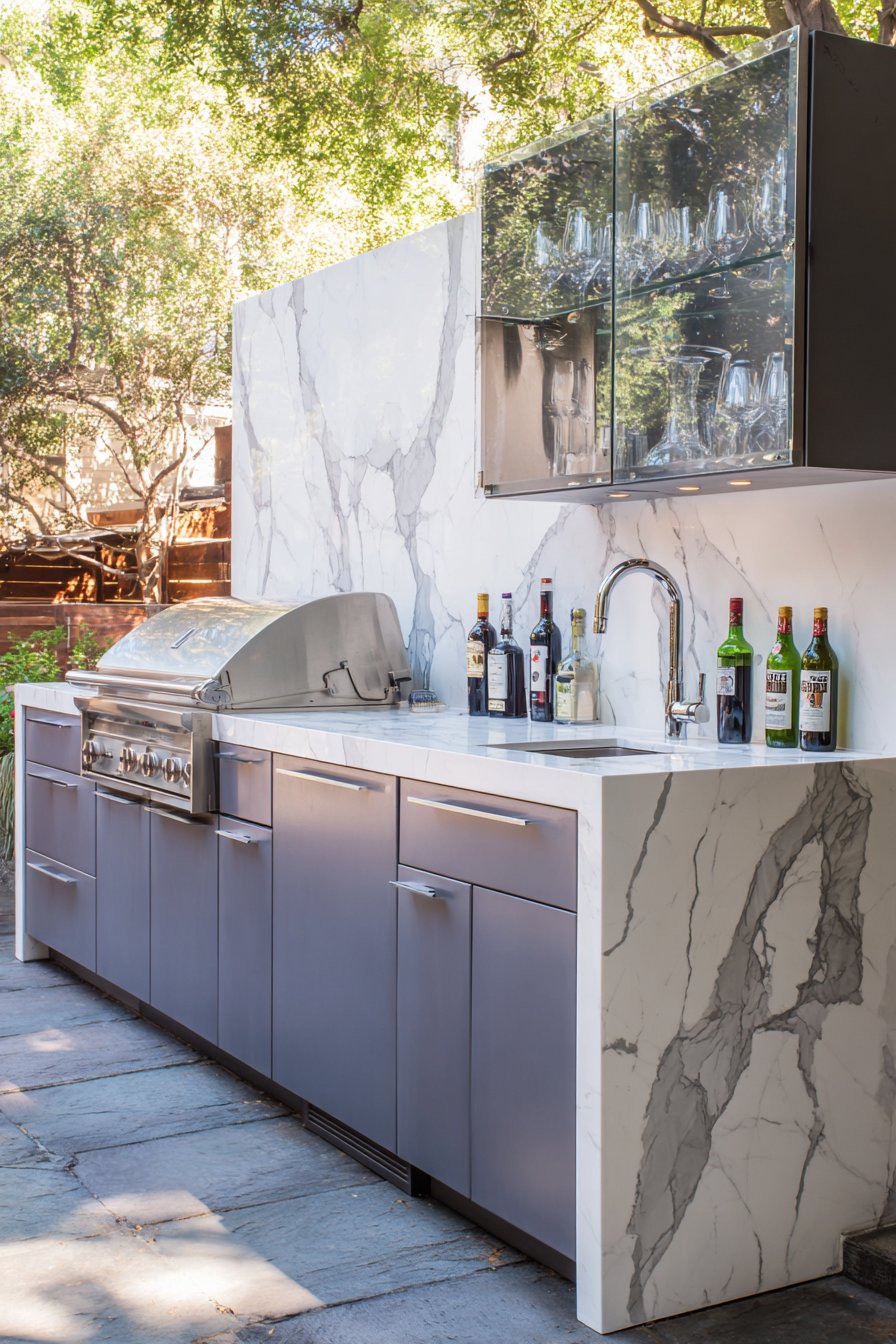
Built-in wood storage and cooking grates transform the fireplace from decorative element into fully functional cooking environment capable of handling everything from simple grilled items to complex slow-cooked dishes. The integration of these practical elements into the stone structure creates clean lines while maintaining the rustic character that makes this approach so appealing.
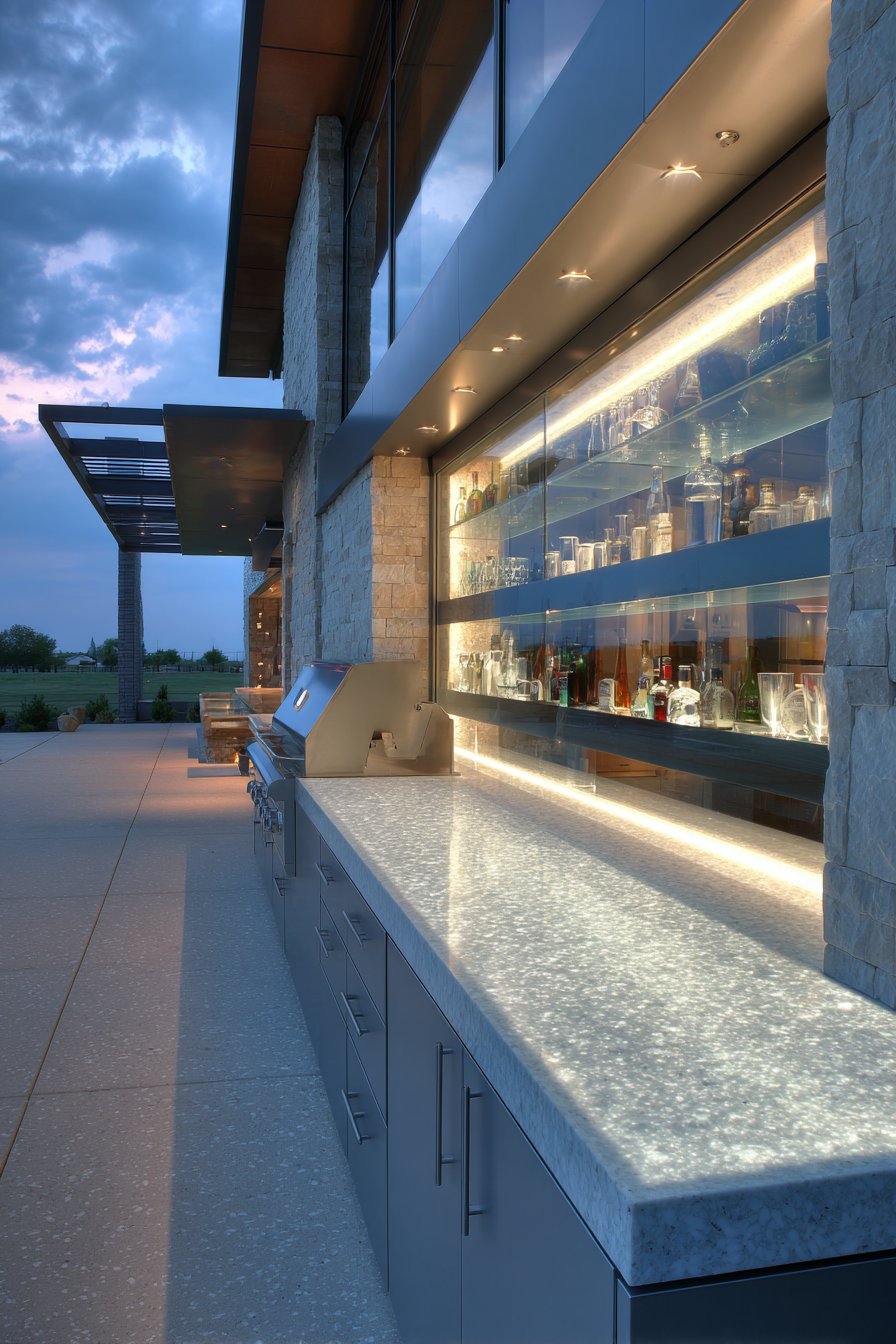
Rough-hewn timber countertops and wrought iron hardware add authentic period character while providing practical functionality for food preparation and tool storage. These handcrafted elements develop increasing character with age and use, creating spaces that improve rather than deteriorate over time. The vintage-inspired accessories complete the authentic atmosphere while providing modern functionality.
The covered pavilion with exposed beam construction provides essential weather protection while maintaining the outdoor connection that makes this cooking method special. Warm ambient lighting creates cozy gathering spots that encourage extended socializing around the fire, connecting people through the primal appeal of cooking over open flames.
Key Design Tips:
- Install proper chimney systems for safe smoke evacuation and fire management
- Choose seasoned hardwoods appropriate for cooking applications
- Include adequate ventilation in covered areas to prevent smoke accumulation
- Plan storage areas that keep wood dry and easily accessible during cooking
- Install safety equipment including fire extinguishers and emergency water supplies
17. Budget-Conscious Creativity
Prove that outstanding outdoor kitchens don’t require luxury budgets through creative material repurposing and strategic DIY approaches that prioritize function and character over expensive finishes. This resourceful design demonstrates how imagination and effort can create compelling outdoor cooking environments that rival high-end installations through clever problem-solving and authentic personal touches.
Creative repurposing of materials like concrete blocks, reclaimed wood, and galvanized steel creates unique character while keeping costs manageable. These unconventional material choices often provide superior functionality compared to expensive alternatives while adding personality that mass-produced elements cannot match. The key lies in understanding how different materials can serve multiple purposes through thoughtful application.
Simple construction techniques accessible to motivated DIY enthusiasts make this approach feasible for homeowners willing to invest time and effort rather than large amounts of money. The satisfaction of creating functional outdoor cooking spaces through personal effort adds emotional value that cannot be purchased, creating deeper connection between homeowners and their outdoor environments.
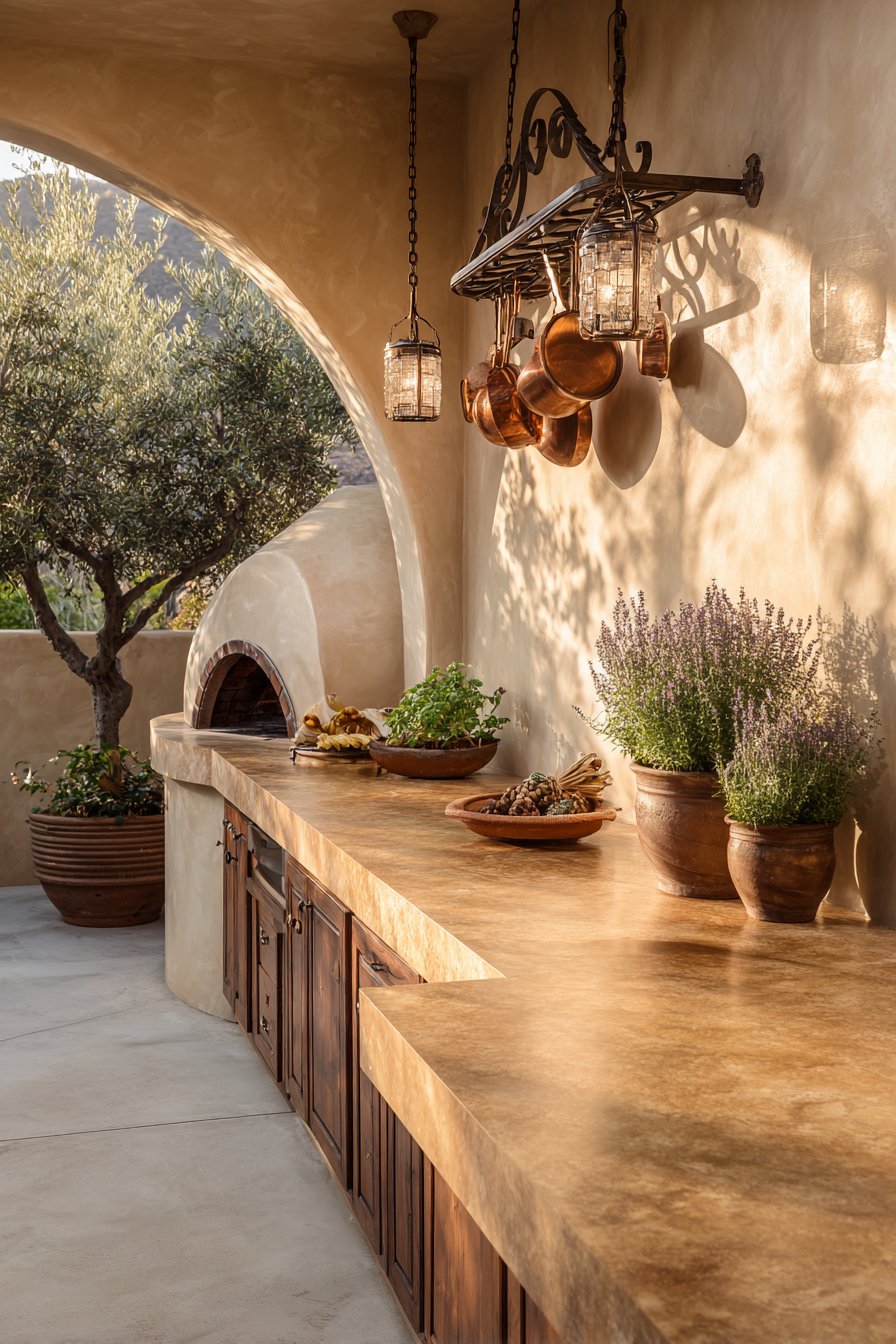
Mason jar lighting and potted herb gardens add charm and functionality without significant financial investment while demonstrating how simple elements can create substantial visual and practical impact. These details prove that thoughtful design choices matter more than expensive materials in creating appealing outdoor spaces.
Key Design Tips:
- Research local sources for reclaimed and surplus building materials
- Focus investment on critical elements like appliances and safety systems
- Plan construction phases that allow for incremental improvement over time
- Choose finishes that improve with age rather than deteriorating
- Prioritize functionality over appearance when making budget allocation decisions
18. Tropical Paradise Design
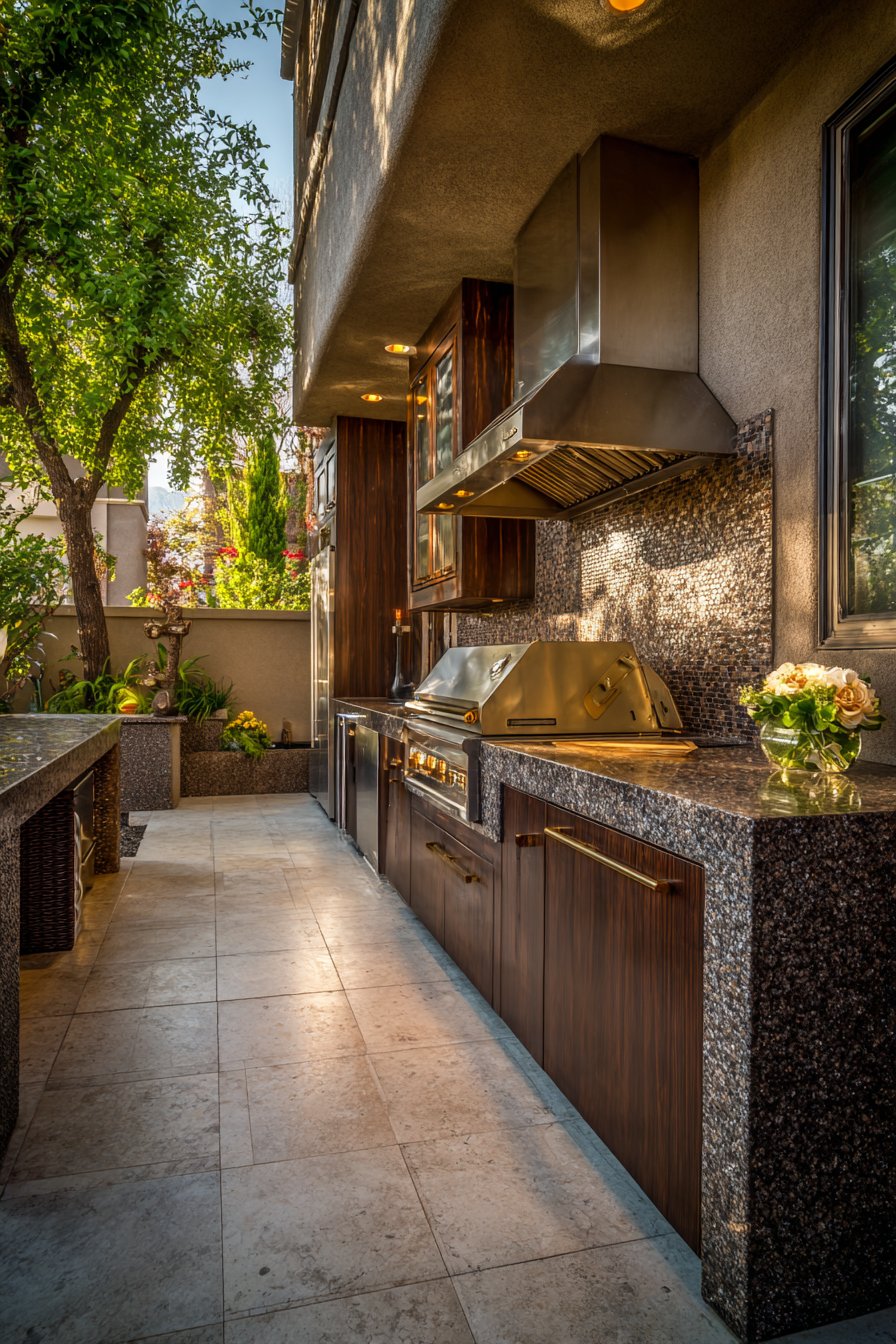
Create an island-inspired cooking environment that celebrates tropical materials, natural ventilation, and the relaxed pace of coastal living. Bamboo cabinetry provides sustainable material choice while creating authentic tropical character that improves with age and weather exposure. The natural flexibility of bamboo makes it ideal for outdoor applications where dimensional movement occurs with changing weather conditions.
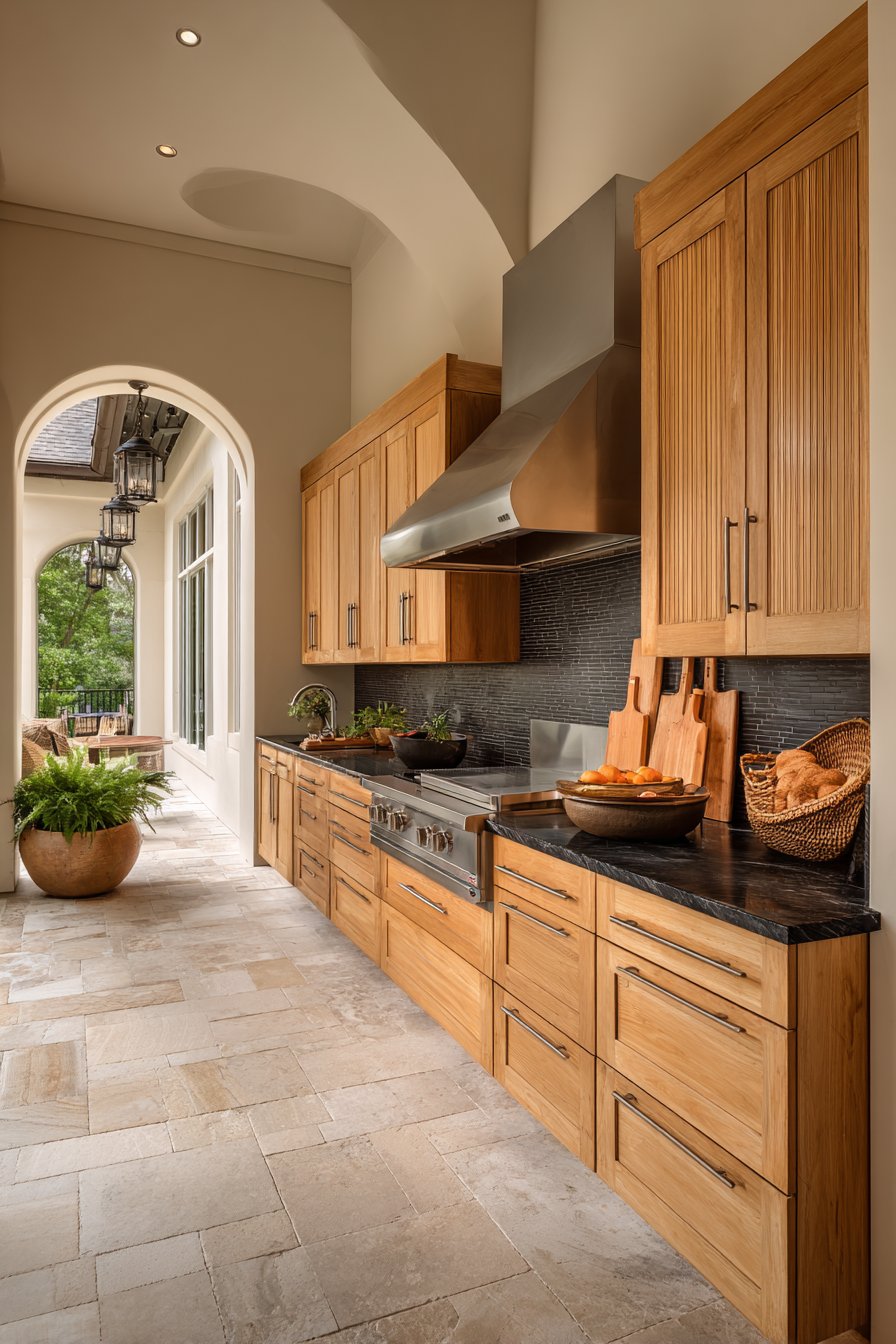
Thatched roof elements add authentic island character while providing natural insulation and rain protection that works with rather than against tropical climate conditions. These traditional roofing materials create distinctive visual character while demonstrating time-tested approaches to tropical construction that remain relevant in contemporary applications.
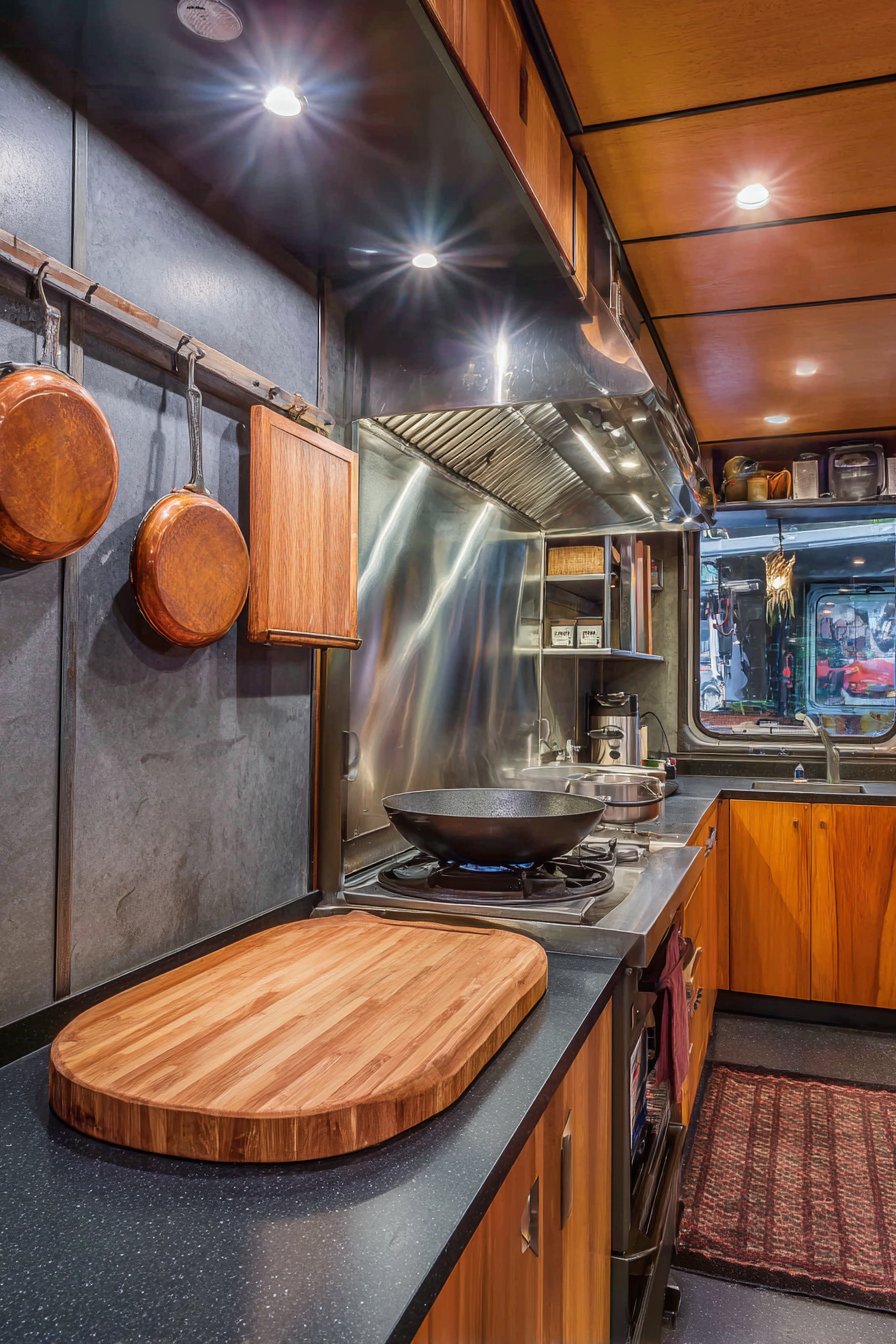
Large prep areas designed specifically for fresh seafood and tropical fruits accommodate the generous proportions and specialized handling requirements of tropical cuisine. Integrated ice storage and quick-drain surfaces ensure food safety while making cleanup efficient in hot, humid conditions where bacteria growth accelerates rapidly.
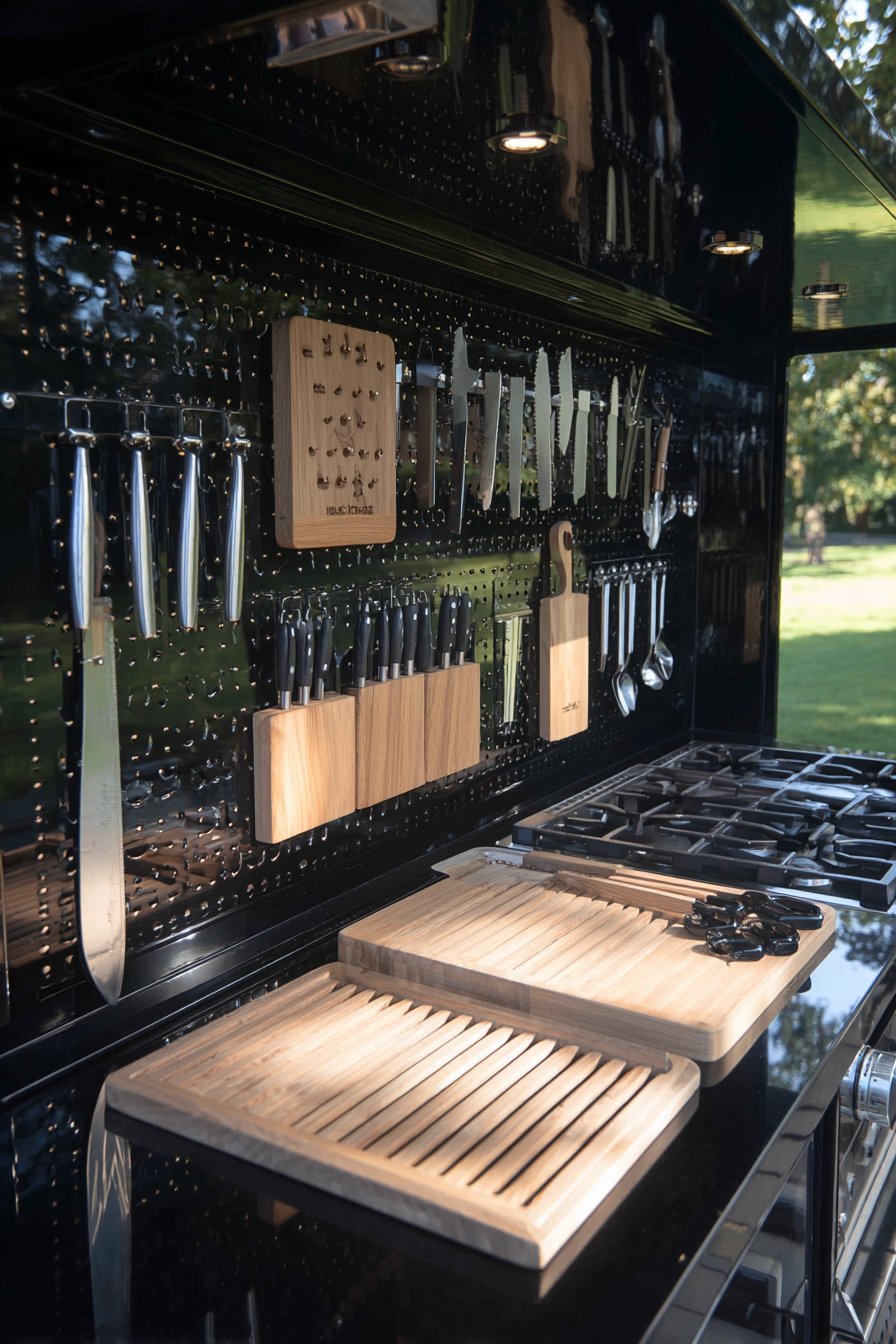
Ceiling fans and cross-breezes provide essential cooling through natural ventilation rather than energy-intensive mechanical systems. This passive cooling approach works with local climate conditions while reducing operating costs and environmental impact. Colorful tile accents reflect vibrant local culture while providing easy-to-clean surfaces that can handle the intensive use common in tropical entertaining.
Key Design Tips:
- Choose materials that naturally resist humidity, insects, and salt air exposure
- Plan adequate ventilation to prevent moisture accumulation in enclosed areas
- Include pest control strategies appropriate for tropical environments
- Select finishes that can handle intense UV exposure without degrading
- Design drainage systems that can handle tropical rainfall intensities
19. Cold Climate Adaptation
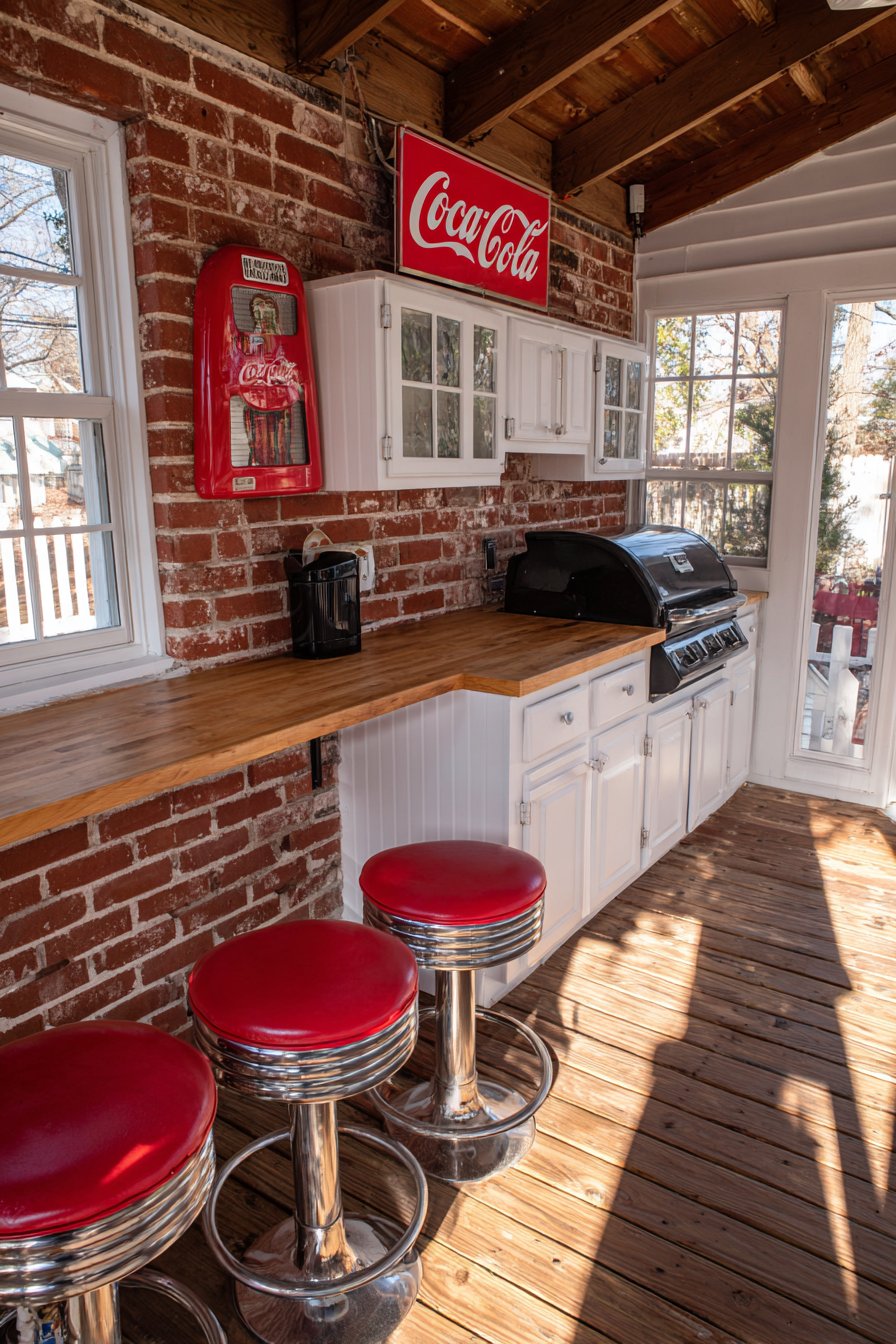
Extend outdoor cooking seasons in challenging climates through specialized design strategies that handle snow, ice, and extreme temperature variations. Insulated construction prevents freezing damage to plumbing and appliances while maintaining comfortable cooking conditions even when temperatures drop significantly below freezing. This climate adaptation demonstrates how thoughtful design can overcome environmental challenges.
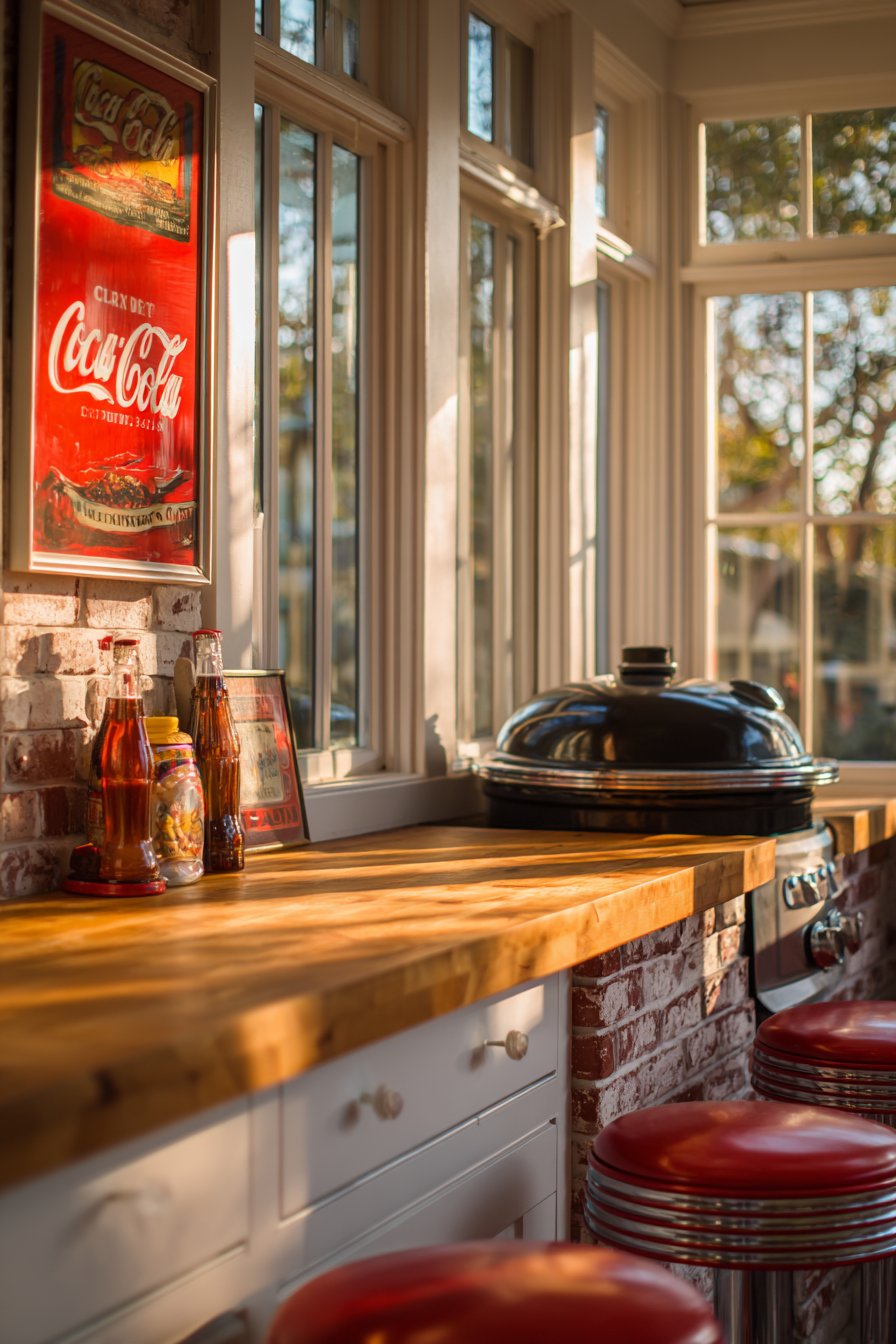
Wind barriers become essential in cold climates where wind chill can make outdoor cooking uncomfortable or dangerous. These protective elements must balance weather protection with adequate ventilation for safe appliance operation while maintaining the outdoor experience that makes this cooking method appealing despite challenging conditions.
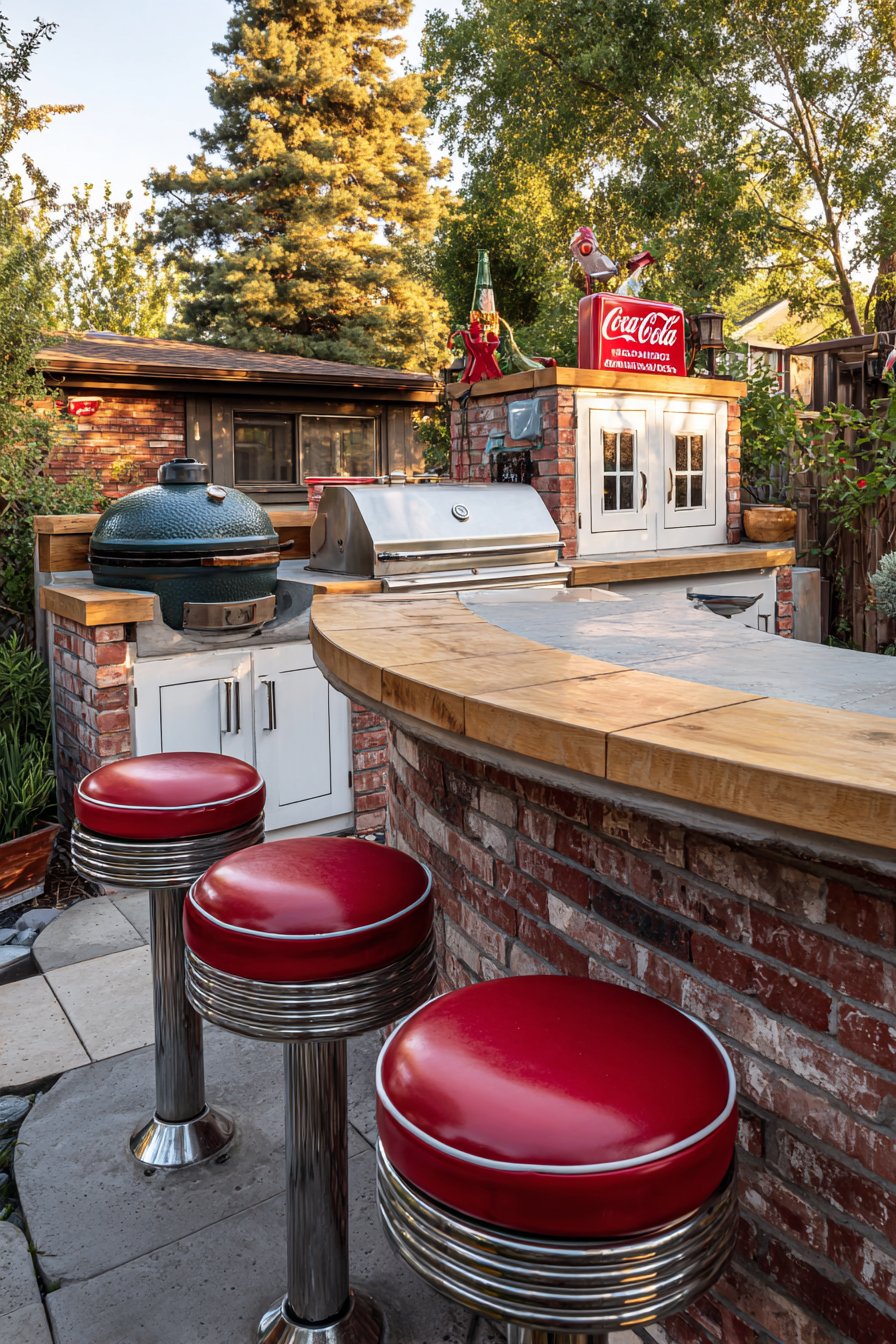
Enclosed storage prevents freezing of water lines and protects equipment from ice damage while keeping cooking essentials accessible during winter months. Easy-to-clean surfaces designed for snow and ice removal ensure that the kitchen remains functional throughout winter weather cycles that can create maintenance challenges for unprepared installations.
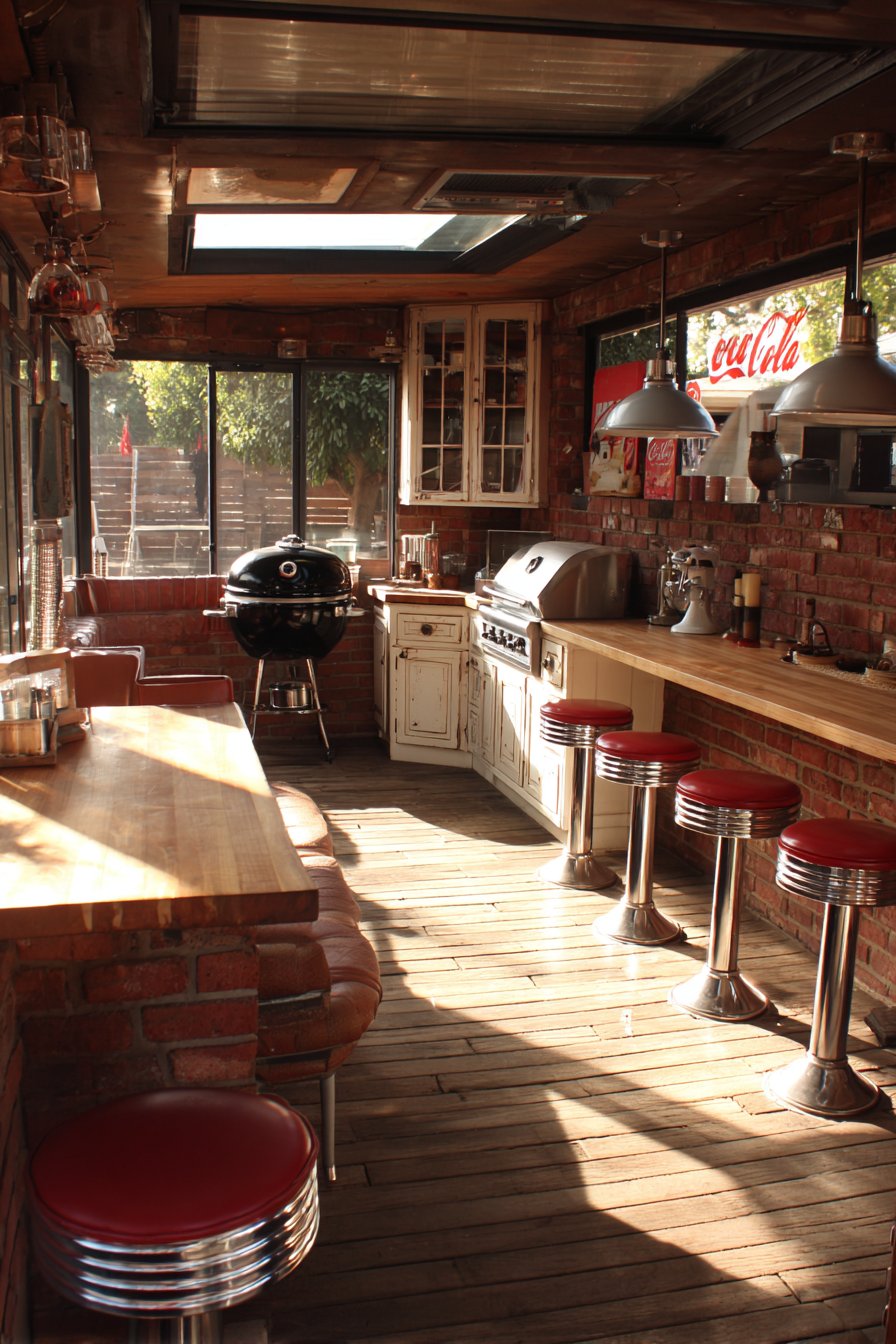
Durable materials like granite and stainless steel withstand temperature extremes and freeze-thaw cycles that can damage lesser materials over time. These material choices represent long-term investments in durability that reduce replacement costs while maintaining functionality and appearance despite harsh weather exposure.
Key Design Tips:
- Install adequate insulation and vapor barriers to prevent freeze damage
- Choose appliances rated for extended temperature operation ranges
- Include built-in heaters to maintain minimum temperatures in storage areas
- Plan for snow removal and ice management in design layout
- Select materials with proven performance records in extreme climate conditions
20. Contemporary Architectural Statement
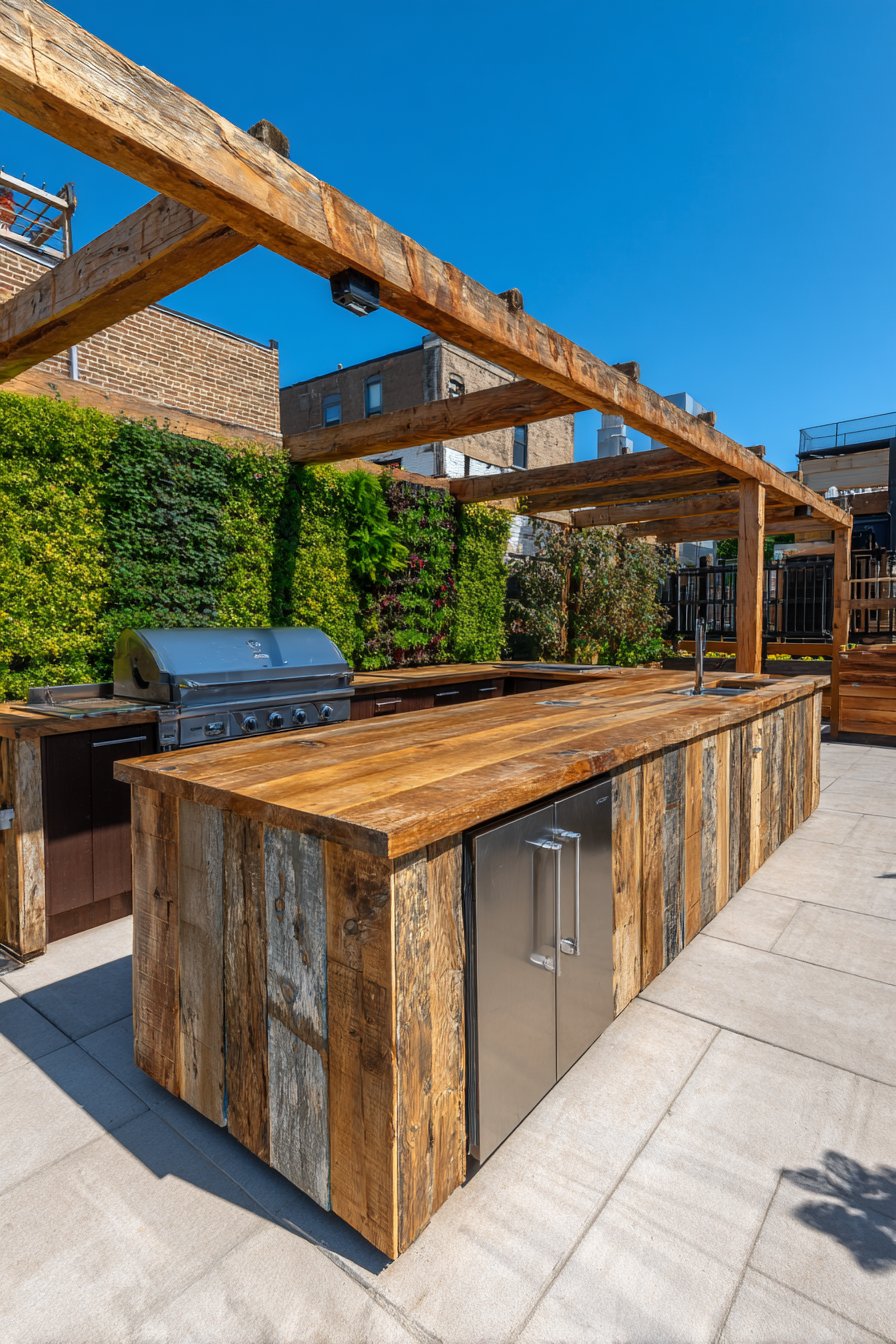
Create a dramatic architectural focal point with a contemporary outdoor kitchen that pushes design boundaries through innovative engineering and sophisticated material applications. The floating cantilevered island creates visual drama while demonstrating advanced structural engineering that makes bold design statements possible. This approach treats outdoor kitchens as sculptural elements that enhance landscape architecture.
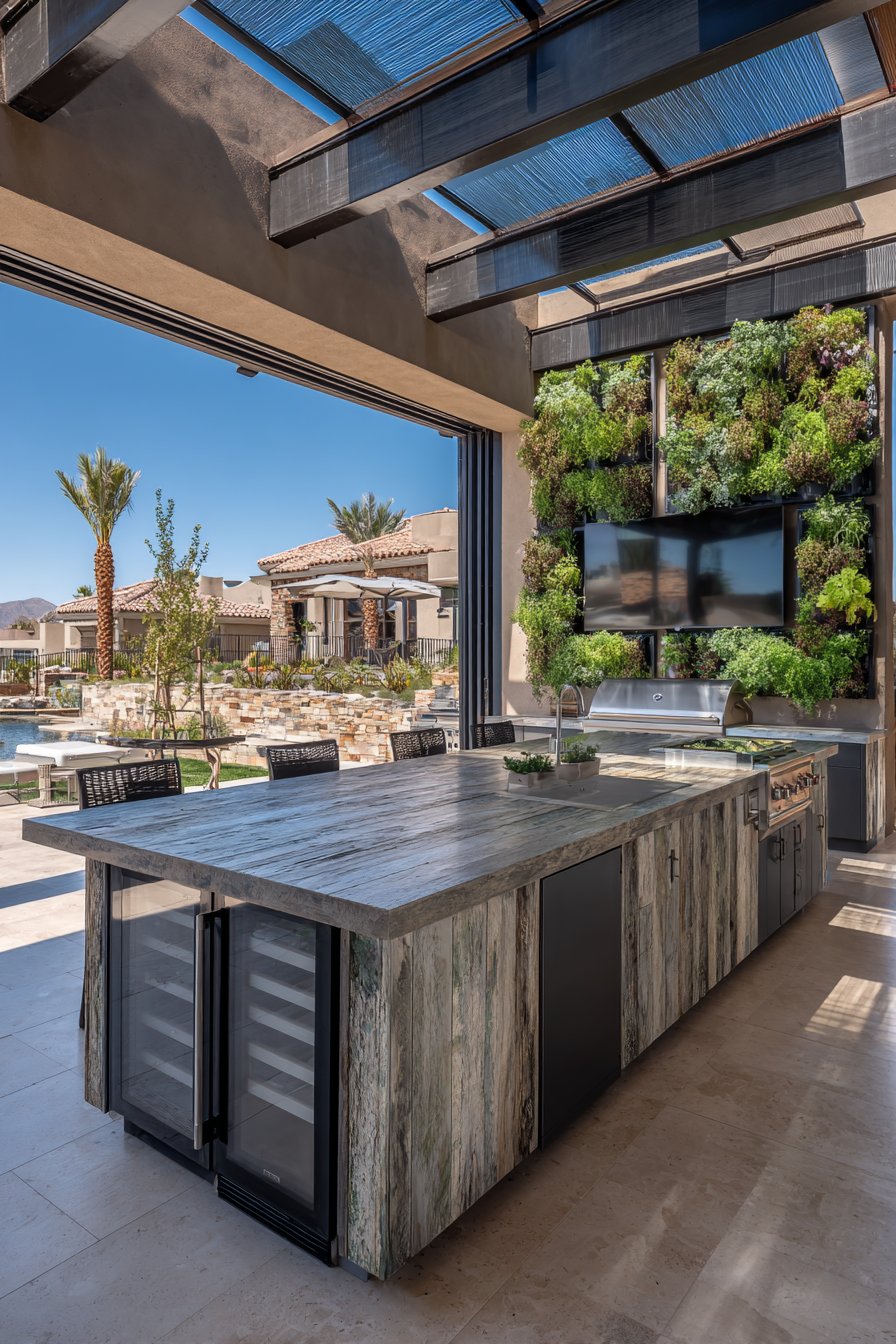
High-end appliances with seamless installation and hidden mechanical systems maintain clean aesthetic lines while providing superior functionality. The integration of these systems requires careful planning and precise execution but results in outdoor kitchens that rival the most sophisticated indoor installations. This level of integration demonstrates how technology can enhance rather than compromise design quality.
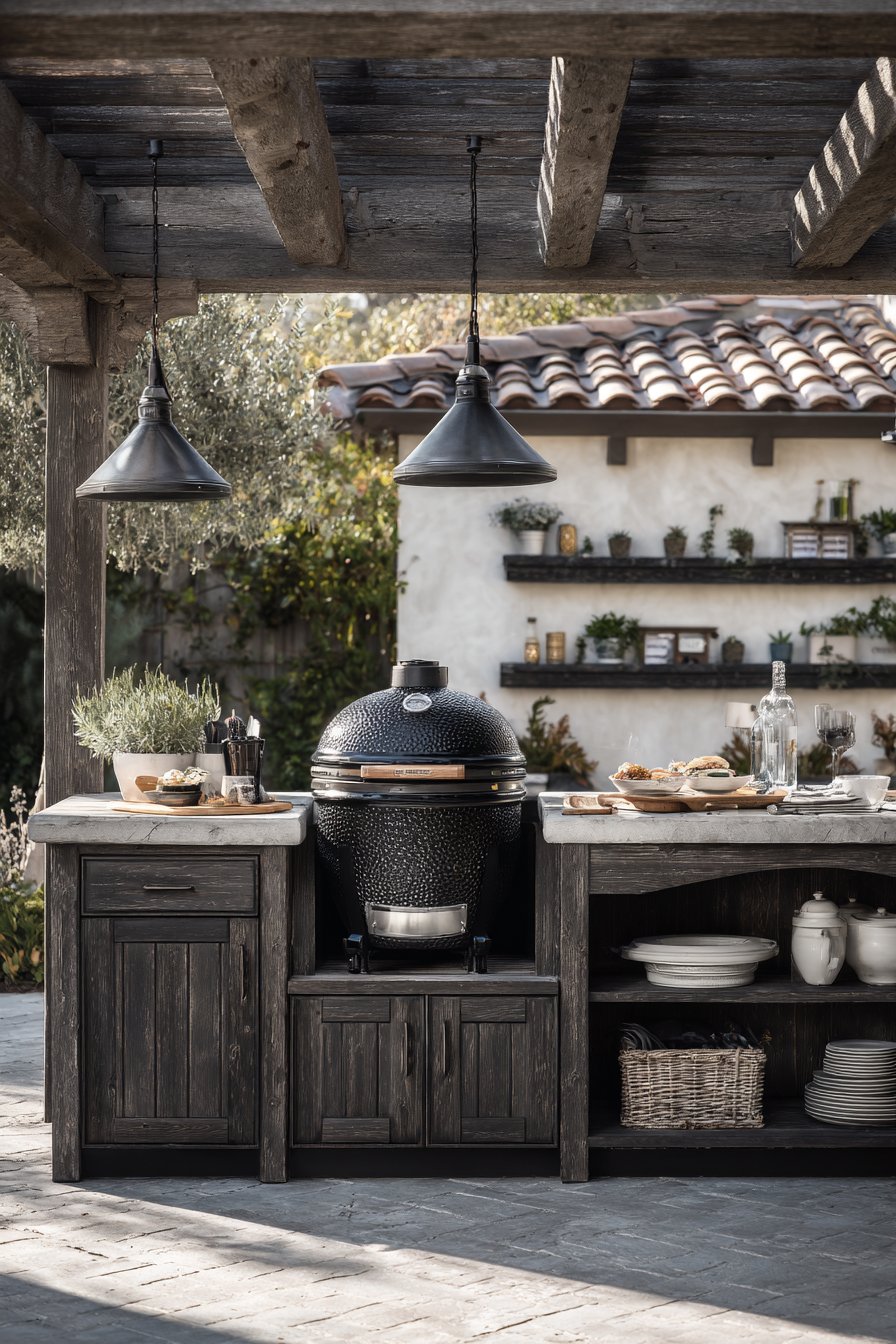
Sleek materials like honed granite and brushed aluminum create sophisticated palettes that complement contemporary architectural styles while providing practical benefits like durability and low maintenance requirements. These material choices age gracefully while maintaining the crisp appearance essential to contemporary design approaches.
Integrated landscape lighting provides dramatic evening ambiance while highlighting the sculptural qualities of the design. This lighting approach treats the outdoor kitchen as nighttime art installation while providing practical illumination for cooking and entertaining. The interplay between artificial lighting and architectural forms creates dynamic visual experiences that change throughout evening hours.
Key Design Tips:
- Consult structural engineers for complex cantilever and floating element designs
- Invest in highest quality materials since flaws are magnified in contemporary designs
- Plan mechanical system integration during design phase to avoid visible compromises
- Choose lighting designers experienced with architectural illumination techniques
- Include adequate structural support for cantilevered elements with appropriate safety margins
Why These Outdoor Kitchen Designs Represent the Best Options
These twenty outdoor kitchen designs represent the pinnacle of contemporary outdoor living because they address the full spectrum of homeowner needs, preferences, and constraints while pushing the boundaries of what outdoor cooking spaces can accomplish. Each design demonstrates mastery of specific aspects that make outdoor kitchens successful: functionality, durability, aesthetic appeal, and integration with lifestyle requirements.
The built-in stainless steel grill island design exemplifies professional-grade functionality with its marine-grade hardware, weatherproof cabinetry, and strategic appliance placement that creates efficient workflow patterns. This approach prioritizes durability and performance while maintaining clean aesthetic lines that complement various architectural styles. The integration of ambient lighting demonstrates how practical elements can enhance rather than compromise atmospheric goals.
Rustic stone pizza oven designs celebrate artisanal craftsmanship while providing specialized cooking capabilities that cannot be replicated indoors. The use of natural materials like flagstone and reclaimed wood creates authentic character that improves with age while providing excellent thermal mass for consistent cooking temperatures. This approach connects modern outdoor entertaining with traditional cooking methods that have proven their effectiveness over centuries.
Linear pergola integration maximizes functionality within defined architectural frameworks while maintaining flexibility through retractable weather screens and modular components. This design approach demonstrates how outdoor kitchens can adapt to changing weather conditions and usage requirements without sacrificing aesthetic quality or functional efficiency. The integration of fresh herb planters shows how practical elements can enhance both cooking quality and visual appeal.
Compact patio solutions prove that space limitations need not prevent outstanding outdoor cooking experiences through clever design strategies that maximize utility within minimal footprints. The portable cart approach provides flexibility that appeals to renters and homeowners who value adaptability while maintaining professional-quality cooking capabilities. This design philosophy prioritizes functionality over size while creating sophisticated aesthetic results.
Built-in smoker integration addresses the growing popularity of specialized cooking techniques by providing dedicated equipment and storage for serious barbecue enthusiasts. This approach recognizes that different cooking methods require different tools and environments while maintaining design coherence through coordinated materials and layout strategies. The multiple cooking zones enable complex meal preparation that rivals restaurant capabilities.
The luxury full-service design demonstrates how outdoor kitchens can rival the most sophisticated indoor installations through comprehensive appliance integration and premium material applications. This approach treats outdoor cooking as serious culinary pursuit deserving of professional-grade equipment and workspace design. The restaurant-quality functionality enables complex entertaining scenarios while maintaining the fresh-air advantages of outdoor cooking.
Hillside integration designs showcase environmental sensitivity by working with rather than against natural topography while creating unique architectural solutions that cannot be replicated on flat sites. This approach demonstrates how challenging site conditions can become design opportunities that create distinctive outdoor living environments. The use of native materials ensures long-term compatibility with local environmental conditions.
Poolside entertainment hubs address the specific requirements of water-oriented lifestyles through specialized material choices and layout strategies that accommodate unique safety and functionality requirements. This integration demonstrates how outdoor kitchens can enhance rather than compete with existing outdoor amenities while creating comprehensive entertainment environments.
Year-round climate adaptation extends the utility of outdoor cooking investments through sophisticated environmental control systems that maintain comfort and functionality despite challenging weather conditions. The retractable glass panels and radiant heating demonstrate how modern technology can preserve the outdoor cooking experience while providing protection from elements that would otherwise limit seasonal use. This approach maximizes return on investment by extending usability throughout most of the year.
Minimalist contemporary designs showcase how restraint and precision can create maximum visual impact through sophisticated material applications and seamless appliance integration. This approach appeals to homeowners who appreciate clean aesthetic lines and architectural quality while maintaining full cooking functionality. The hidden storage solutions and integrated elements demonstrate how contemporary design can eliminate visual clutter without sacrificing practical features.
Sustainable material innovations represent the future of responsible outdoor design through creative use of recycled materials and energy-efficient systems that reduce environmental impact while often providing superior performance characteristics. This approach demonstrates how environmental consciousness can enhance rather than compromise design quality while creating unique character through authentic material applications.
Mediterranean-inspired designs transport users to European countryside settings through authentic material applications and time-honored design principles that have proven their appeal across cultures and centuries. The traditional wood-fired ovens and wrought iron details create romantic atmospheres while providing specialized cooking capabilities that cannot be replicated with conventional appliances. This approach celebrates cultural cooking traditions while adapting them to contemporary outdoor living requirements.
Large-scale entertainment designs address the needs of serious entertainers through commercial-inspired layouts and multiple cooking stations that can handle extensive meal preparation without workflow conflicts. The U-shaped configuration and specialized equipment demonstrate how residential outdoor kitchens can achieve restaurant-level functionality while maintaining the intimate atmosphere that makes home entertaining special.
Urban rooftop innovations maximize limited urban outdoor space through space-efficient design strategies and wind-resistant construction that addresses the unique challenges of elevated urban environments. This approach proves that spectacular outdoor cooking experiences are possible even within severe spatial and environmental constraints while taking advantage of dramatic city views that create unique dining atmospheres.
Smart technology integration represents the cutting edge of outdoor cooking convenience through app-controlled appliances and automated systems that enhance precision while reducing the hands-on monitoring traditionally required for outdoor cooking. This approach demonstrates how modern technology can improve cooking results while allowing hosts to remain engaged with guests rather than constantly tending equipment.
Rustic fireplace traditions connect modern outdoor entertaining with ancient cooking methods that appeal to our primal connections with fire and communal cooking experiences. The massive stone construction and authentic materials create gathering spaces that encourage extended socializing while providing cooking capabilities that produce unique flavors impossible to achieve with conventional appliances.
Budget-conscious creativity proves that outstanding outdoor kitchens are achievable regardless of financial constraints through resourceful material applications and DIY approaches that prioritize character over expensive finishes. This approach demonstrates how imagination and effort can create compelling results while building personal connection through hands-on creation processes.
Tropical paradise designs celebrate coastal and island living through natural materials and passive cooling strategies that work with rather than against hot, humid climate conditions. The bamboo cabinetry and natural ventilation demonstrate how regional materials and traditional construction methods remain relevant in contemporary applications while creating authentic cultural connections.
Cold climate adaptations prove that outdoor cooking can remain viable even in harsh winter conditions through specialized insulation and heating strategies that protect equipment while maintaining user comfort. This approach extends the outdoor cooking season significantly while demonstrating how thoughtful design can overcome environmental challenges that might otherwise limit outdoor kitchen utility.
Contemporary architectural statements push design boundaries through innovative engineering and sophisticated material applications that treat outdoor kitchens as sculptural landscape elements. The floating cantilevered islands and integrated lighting demonstrate how outdoor kitchens can serve as nighttime art installations while providing superior cooking functionality.
These diverse design approaches collectively represent the best outdoor kitchen options because they address every conceivable combination of climate conditions, spatial constraints, aesthetic preferences, functional requirements, and budget considerations that homeowners might encounter. Each design demonstrates mastery of specific challenges while contributing unique solutions that expand the possibilities for outdoor living and entertaining.
The variety of material applications showcased across these designs provides tested solutions for different climate conditions and maintenance preferences, from tropical bamboo that thrives in humid conditions to granite and steel combinations that withstand harsh winter weather. The range of layout strategies accommodates everything from compact urban patios to expansive suburban entertainment areas while maintaining functional efficiency and aesthetic appeal.
The integration of specialized cooking equipment across these designs addresses the growing sophistication of outdoor cooking preferences, from traditional pizza ovens that connect users with artisanal baking traditions to smart technology that brings precision and convenience to outdoor grilling. These equipment choices demonstrate how outdoor kitchens can accommodate serious culinary pursuits while maintaining the social and atmospheric advantages of outdoor cooking.
The attention to environmental integration showcased in designs like the hillside integration and sustainable material innovations demonstrates how outdoor kitchens can enhance rather than detract from natural settings while minimizing environmental impact. These approaches prove that outstanding outdoor cooking spaces can be created through environmentally responsible methods that often provide superior long-term performance and character development.
Conclusion
The journey through these twenty distinctive outdoor kitchen designs reveals the incredible potential that exists within every outdoor space, regardless of size, budget, or environmental challenges. From compact patio solutions that prove small spaces can deliver big results to luxury installations that rival professional restaurant kitchens, these designs demonstrate that the perfect outdoor kitchen exists for every homeowner’s unique combination of needs, preferences, and constraints.
The key to successful outdoor kitchen design lies not in following rigid formulas but in understanding how different elements can be combined and adapted to create spaces that enhance your specific lifestyle and cooking preferences. Whether you’re drawn to the romantic charm of Mediterranean stone and wrought iron, the cutting-edge convenience of smart technology integration, or the environmental responsibility of sustainable material innovations, the foundation of great design remains the same: thoughtful planning that prioritizes both functionality and the unique atmospheric qualities that make outdoor cooking special.
These designs collectively prove that outdoor kitchens have evolved far beyond simple grilling stations to become comprehensive living environments that extend our homes into the natural world while bringing families and friends together through the universal language of shared meals. The investment in a well-designed outdoor kitchen pays dividends not just in increased home value but in countless hours of enhanced outdoor living and the creation of memories that last lifetimes.
As you consider your own outdoor kitchen transformation, remember that the best design will be one that reflects your personal cooking style, entertaining preferences, and aesthetic sensibilities while working harmoniously with your home’s architecture and landscape. Take inspiration from these diverse approaches, but don’t be afraid to combine elements from different designs or adapt specific features to better suit your unique situation. The most successful outdoor kitchens are those that feel like natural extensions of both your home and your personality, creating spaces where cooking becomes celebration and meals become memories.
