


The way we design our living spaces profoundly impacts our daily lives, influencing everything from family interactions to personal well-being. The debate between open concept and closed living rooms has become increasingly relevant as homeowners seek to create environments that align with their unique lifestyles and preferences. This design decision isn’t merely aesthetic—it affects functionality, privacy, energy efficiency, and even property value.
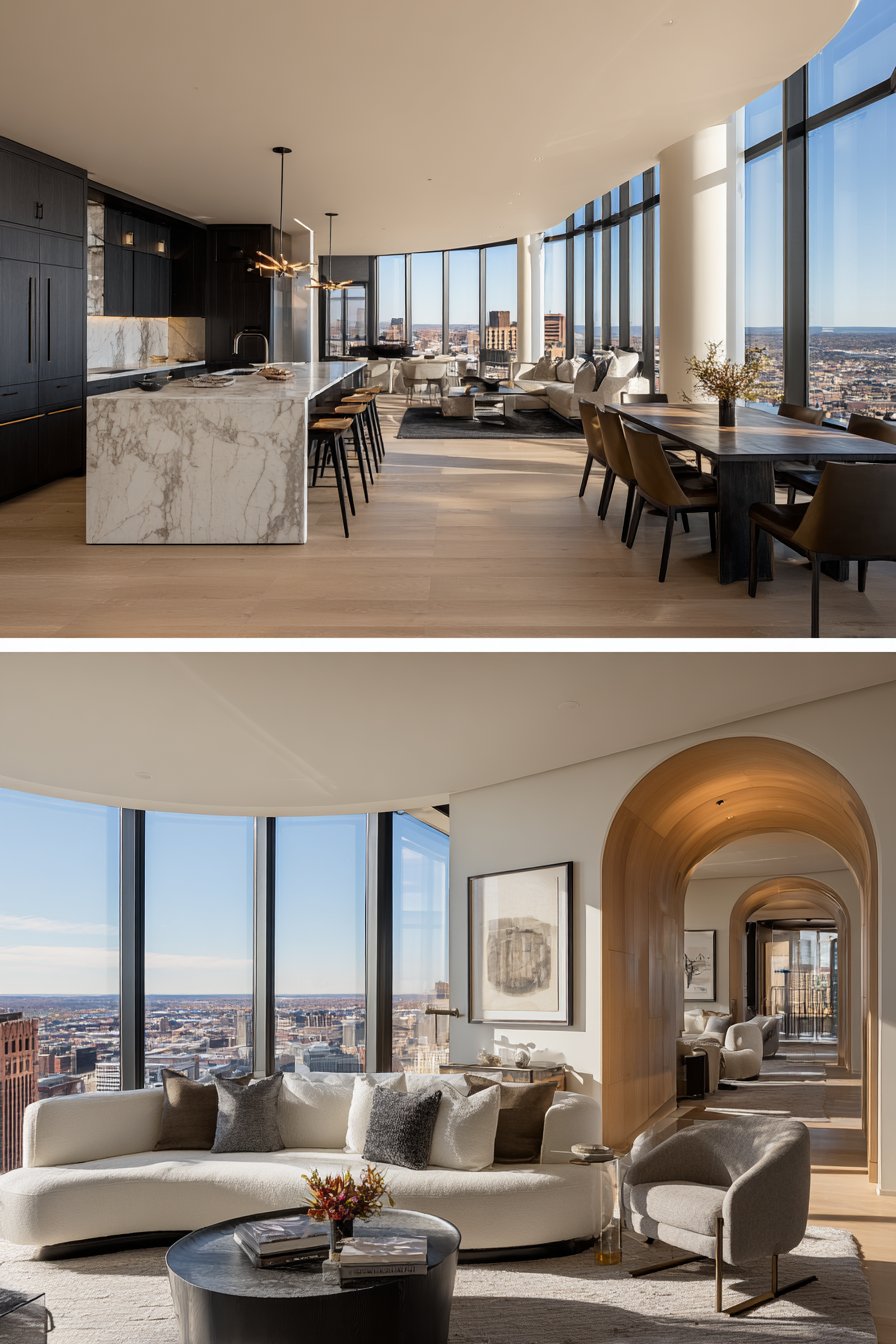
Understanding the nuances of both layout styles empowers you to make informed decisions about your home’s architecture. Whether you’re renovating an existing space or planning a new build, recognizing the strengths and limitations of each approach ensures your living room serves your specific needs. This comprehensive guide explores six critical aspects of open versus closed living rooms, providing insights that blend design expertise with practical considerations for modern homeowners.
1. Spatial Flow and Family Connectivity
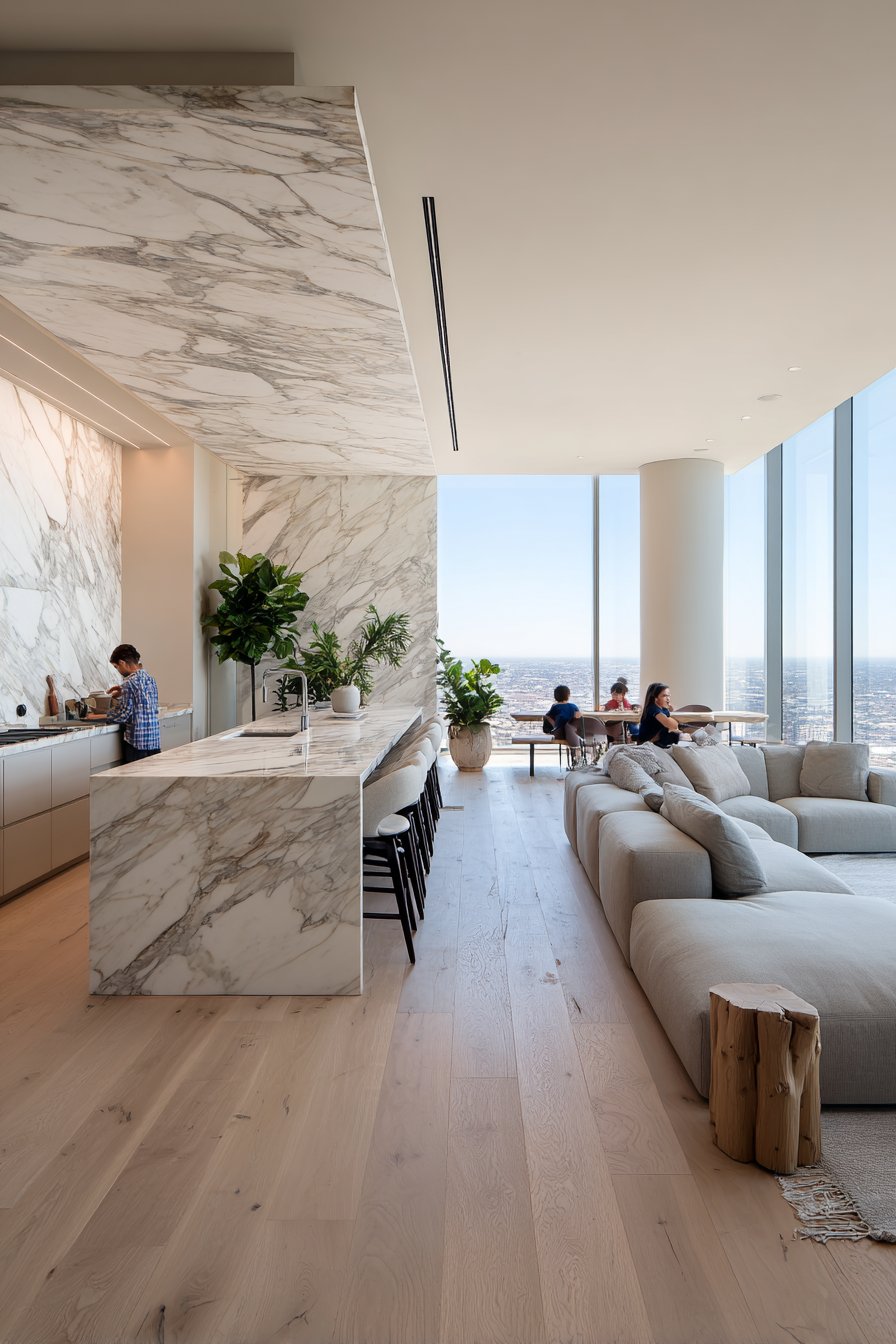
Open concept living rooms create seamless transitions between kitchen, dining, and living areas, fostering a sense of spaciousness that smaller homes particularly benefit from. This layout eliminates visual barriers, allowing natural light to penetrate deeper into your home while creating sightlines that make spaces feel larger than their actual square footage. Families with young children especially appreciate the ability to supervise activities from multiple vantage points simultaneously.
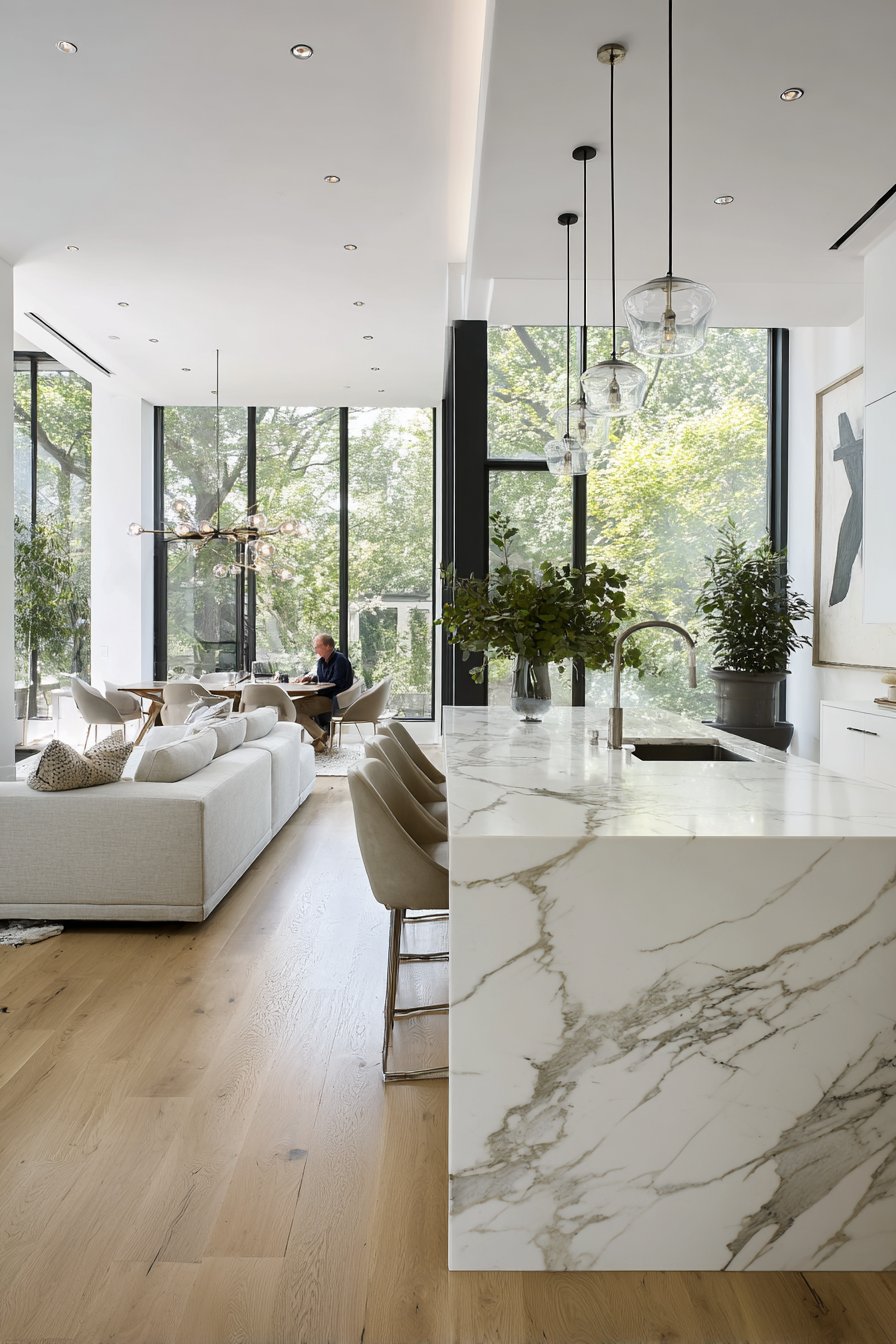
The psychological impact of open layouts shouldn’t be underestimated—they promote inclusive gatherings where cooking, entertaining, and relaxing happen in one unified zone. However, this connectivity comes with trade-offs regarding noise control and defined functional zones. The absence of walls means conversations, television sounds, and kitchen activities blend together, which can overwhelm those seeking quiet retreats within their homes.
Conversely, closed living rooms provide distinct boundaries that allow different activities to coexist without interference. Parents can watch television while children complete homework in adjacent rooms, and dinner conversations remain undisturbed by cooking sounds. This separation creates opportunities for simultaneous activities that respect individual preferences and needs.
- Install partial walls or columns to define zones without complete separation
- Use area rugs and furniture placement to create visual boundaries in open spaces
- Consider pocket doors that offer flexibility between open and closed configurations
- Implement acoustic panels or sound-dampening materials in open layouts
- Design traffic patterns that don’t bisect conversation areas
- Add ceiling treatments that visually distinguish different functional zones
2. Privacy and Personal Space Considerations
Closed living rooms excel at providing dedicated privacy that modern families increasingly value in our connected world. When walls separate your living area from other spaces, you create sanctuary-like environments where individuals can decompress, take phone calls, or enjoy media without disturbing others. This architectural privacy becomes especially important in multigenerational households where varying schedules and preferences must coexist harmoniously.
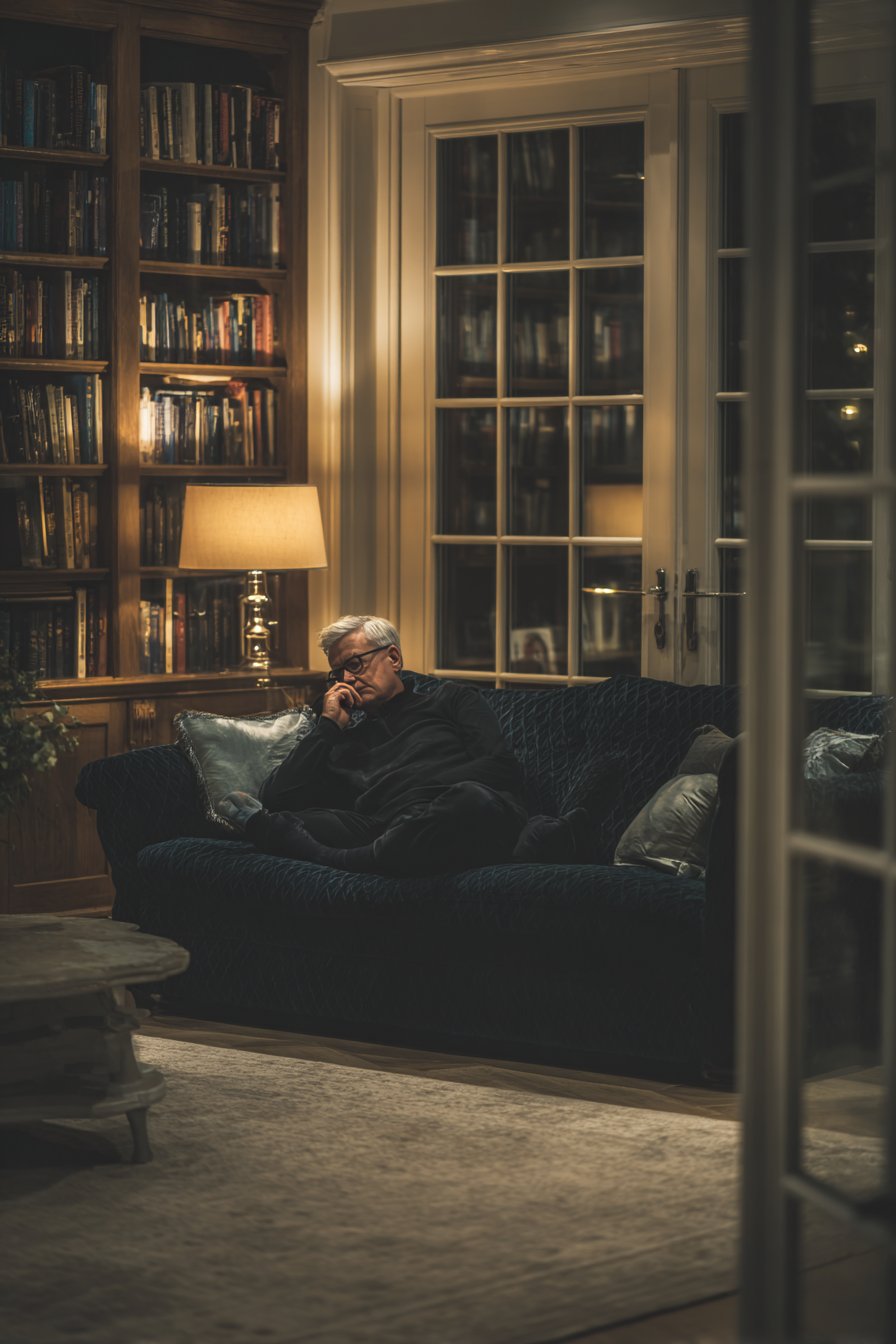
The ability to close a door transforms how we use living spaces throughout the day. Morning routines can happen quietly while others sleep, and evening relaxation doesn’t require negotiating volume levels or activity choices with the entire household. For remote workers, closed rooms offer professional backgrounds for video calls and minimize household noise during important meetings.
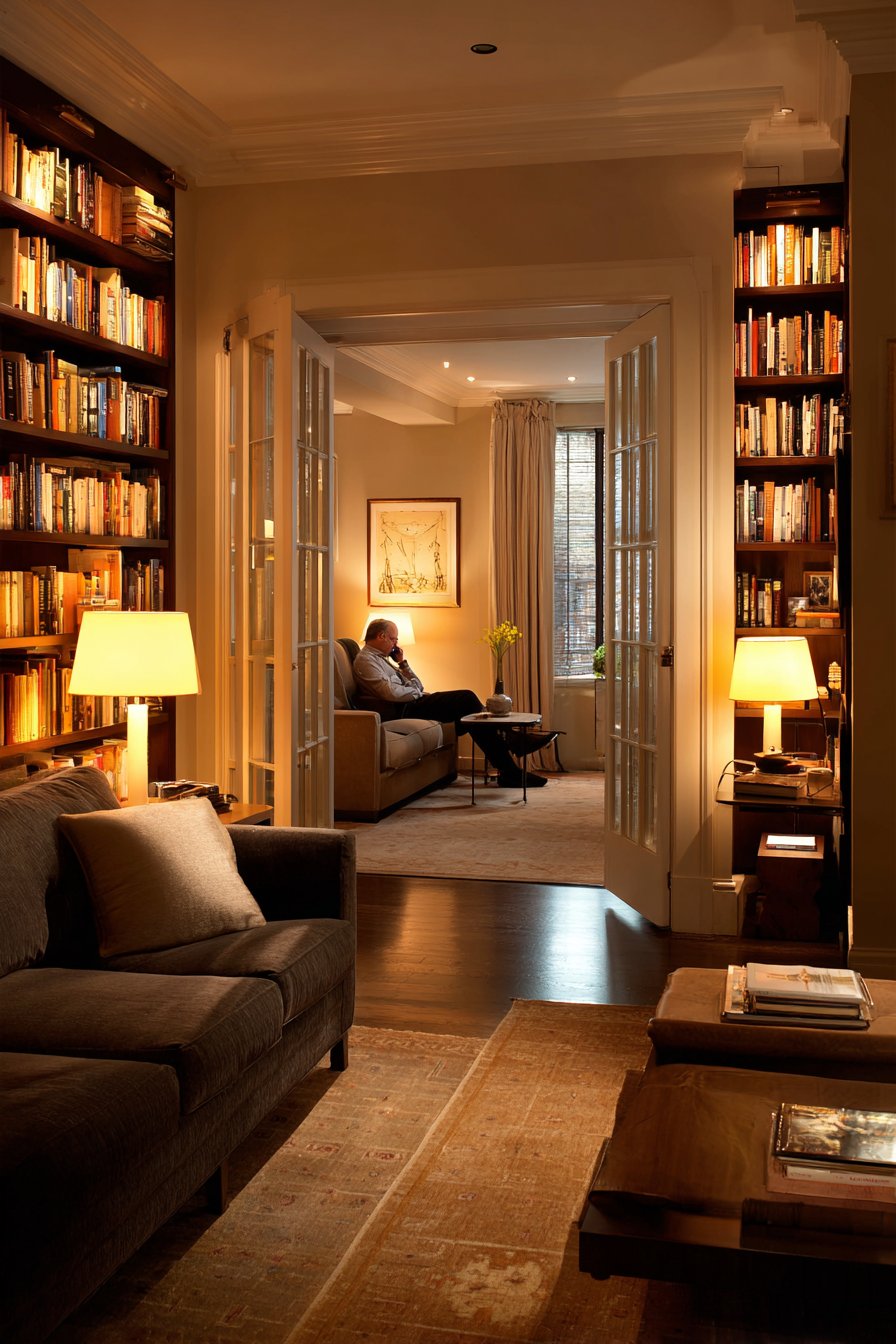
Open concepts, while promoting togetherness, can create privacy challenges that affect everything from personal phone conversations to maintaining tidy appearances for unexpected visitors. Every corner of your main living space remains visible, requiring consistent organization and limiting opportunities for temporary clutter that closed doors would otherwise hide from view.
- Install frosted glass partitions to maintain light flow while adding privacy
- Create semi-private nooks using strategic furniture arrangement and tall shelving
- Designate specific quiet hours for open concept homes with multiple residents
- Use room dividers or curtains that can be deployed when privacy is needed
- Ensure bedrooms offer adequate privacy to compensate for open common areas
- Consider soundproofing techniques for walls adjacent to shared spaces
3. Climate Control and Energy Efficiency
Heating and cooling efficiency differs dramatically between open and closed layouts, with significant implications for utility costs and environmental impact. Closed living rooms allow targeted climate control where you heat or cool only occupied spaces, potentially reducing energy consumption by twenty to thirty percent compared to conditioning entire open floor plans simultaneously. Smaller enclosed volumes reach desired temperatures faster and maintain them with less energy input.
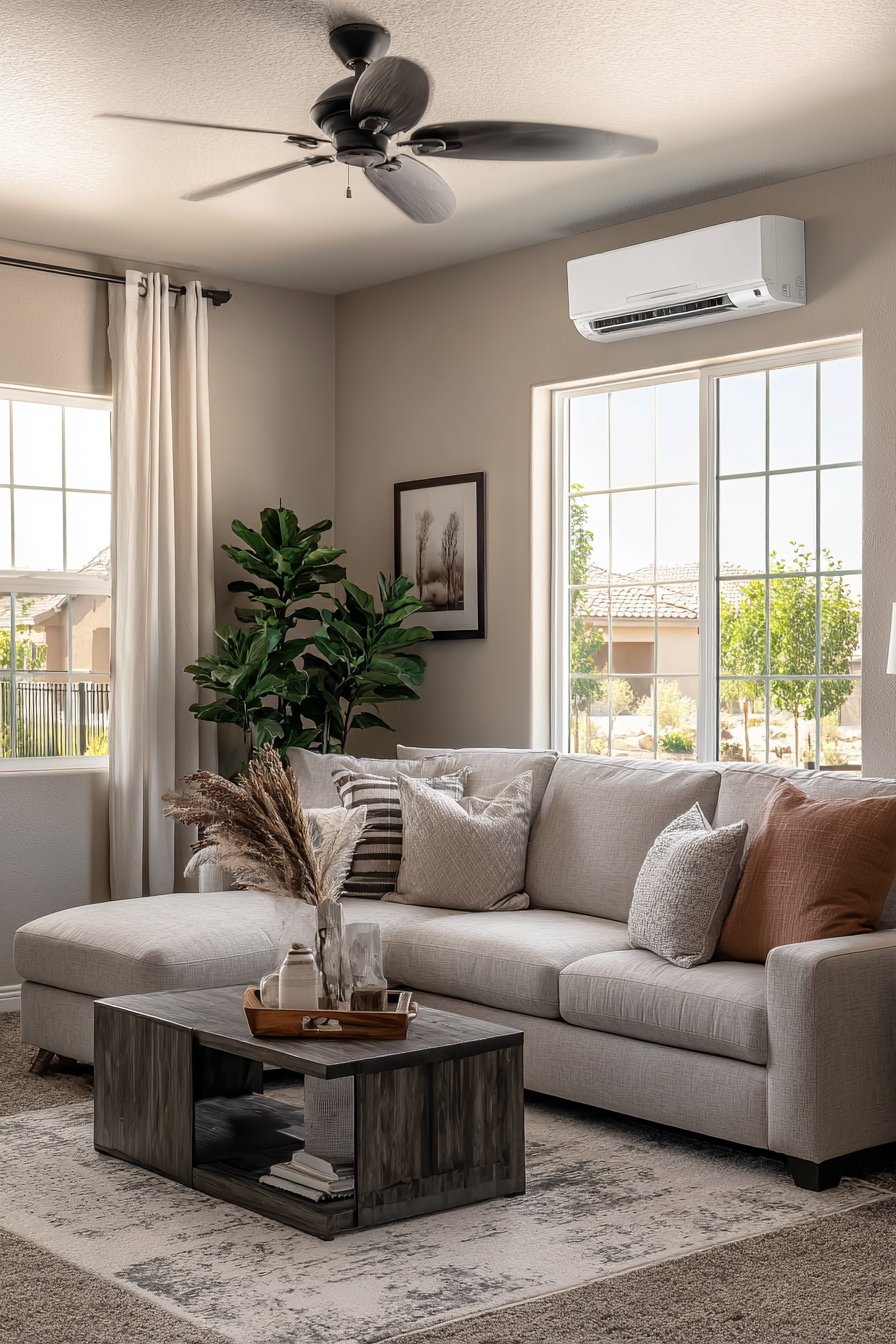
Open concepts require HVAC systems to manage larger cubic footage, often necessitating more powerful equipment and higher operating costs. However, modern zoned heating and cooling systems partially address this challenge by creating virtual zones within open spaces. The thermal mass and air circulation in open layouts can work beneficially in moderate climates where natural ventilation provides comfortable temperatures without mechanical assistance.
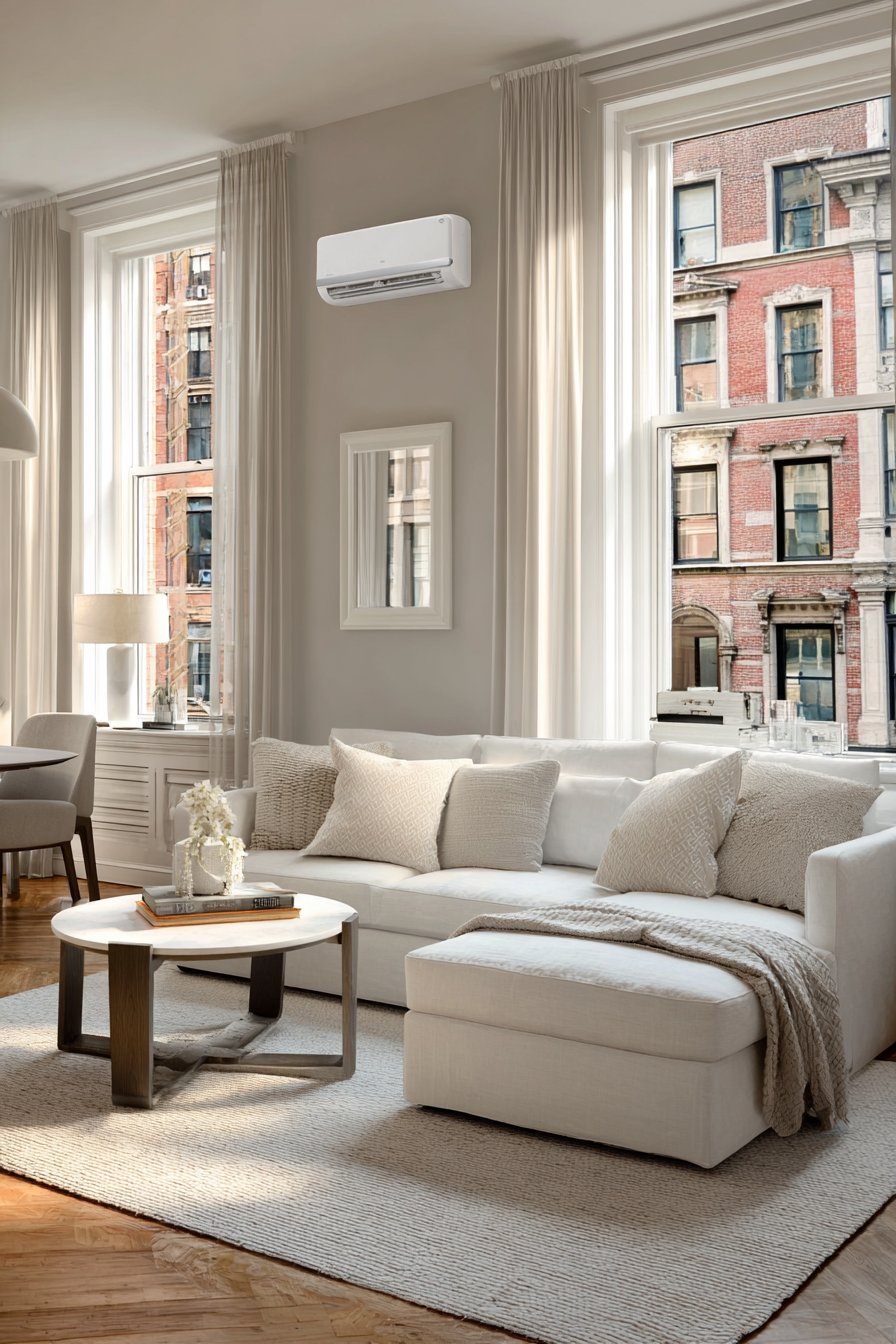
Window placement becomes crucial in both layouts but affects them differently. Closed rooms can optimize solar gain independently, while open spaces must balance diverse sun exposure and heat distribution across connected areas. Strategic window treatments and ceiling fans help equalize temperatures in open concepts, though they rarely achieve the precision control possible with separate rooms.
- Install programmable thermostats with multiple zones for temperature customization
- Use ceiling fans to improve air circulation in open concept spaces
- Add insulated window treatments to control heat gain and loss effectively
- Consider mini-split systems for flexible heating and cooling in specific areas
- Seal doorways and transitions in closed layouts to prevent air leakage
- Evaluate your climate zone before committing to expansive open layouts
4. Entertainment and Social Dynamics
Open living rooms transform hosting capabilities by creating fluid entertaining spaces where guests naturally mingle between kitchen and seating areas. The cook no longer feels isolated during gatherings, and conversation flows organically as people move through connected zones. This layout suits casual, interactive entertaining styles where food preparation becomes part of the social experience rather than a backstage activity.
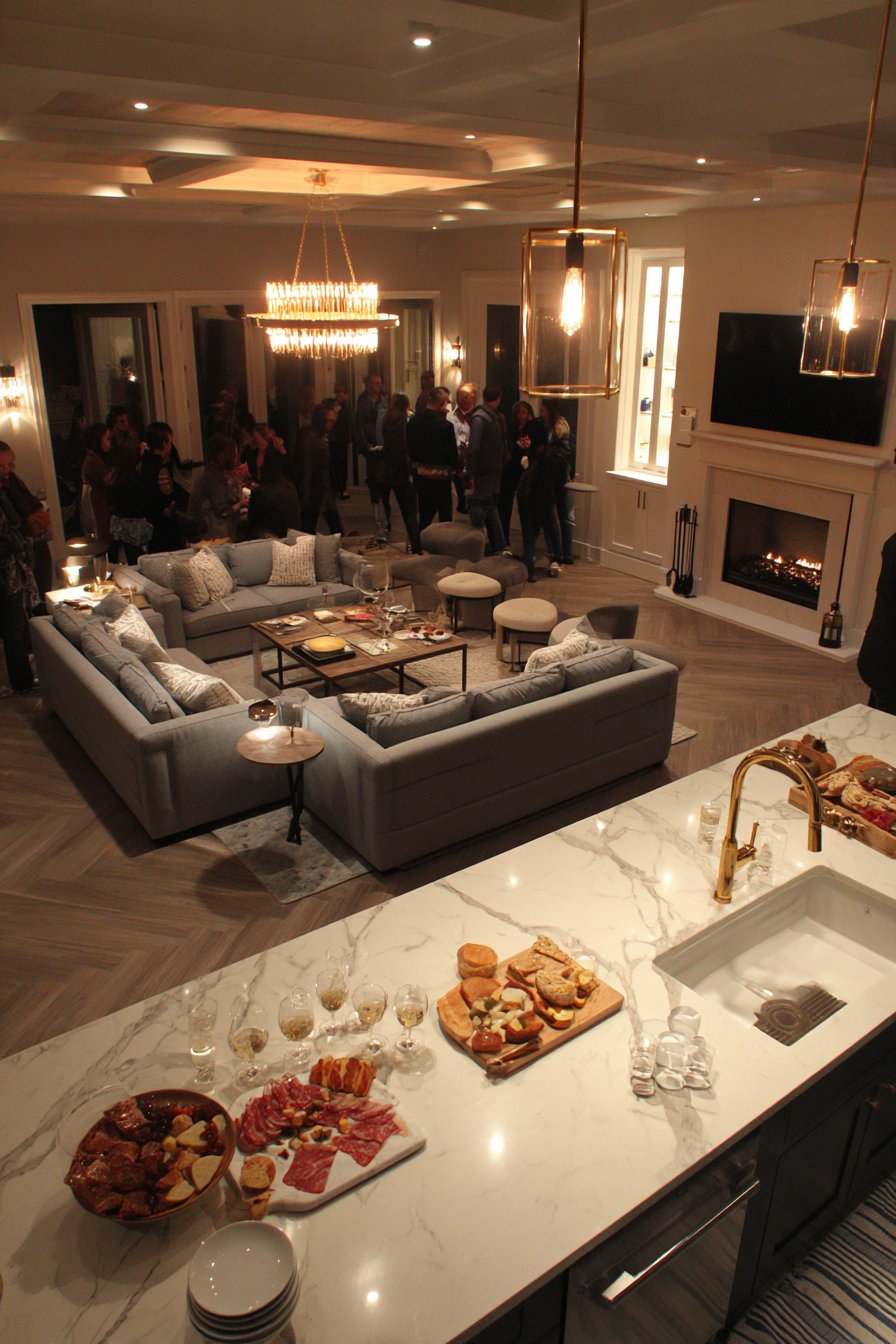
The visual connection open concepts provide allows hosts to manage multiple areas simultaneously—monitoring appetizers, refreshing drinks, and participating in conversations without leaving any zone unattended. This spatial arrangement particularly benefits informal gatherings where the boundary between host and guest blurs into collaborative experiences. Modern entertaining increasingly favors this inclusive approach over formal, segregated hosting.
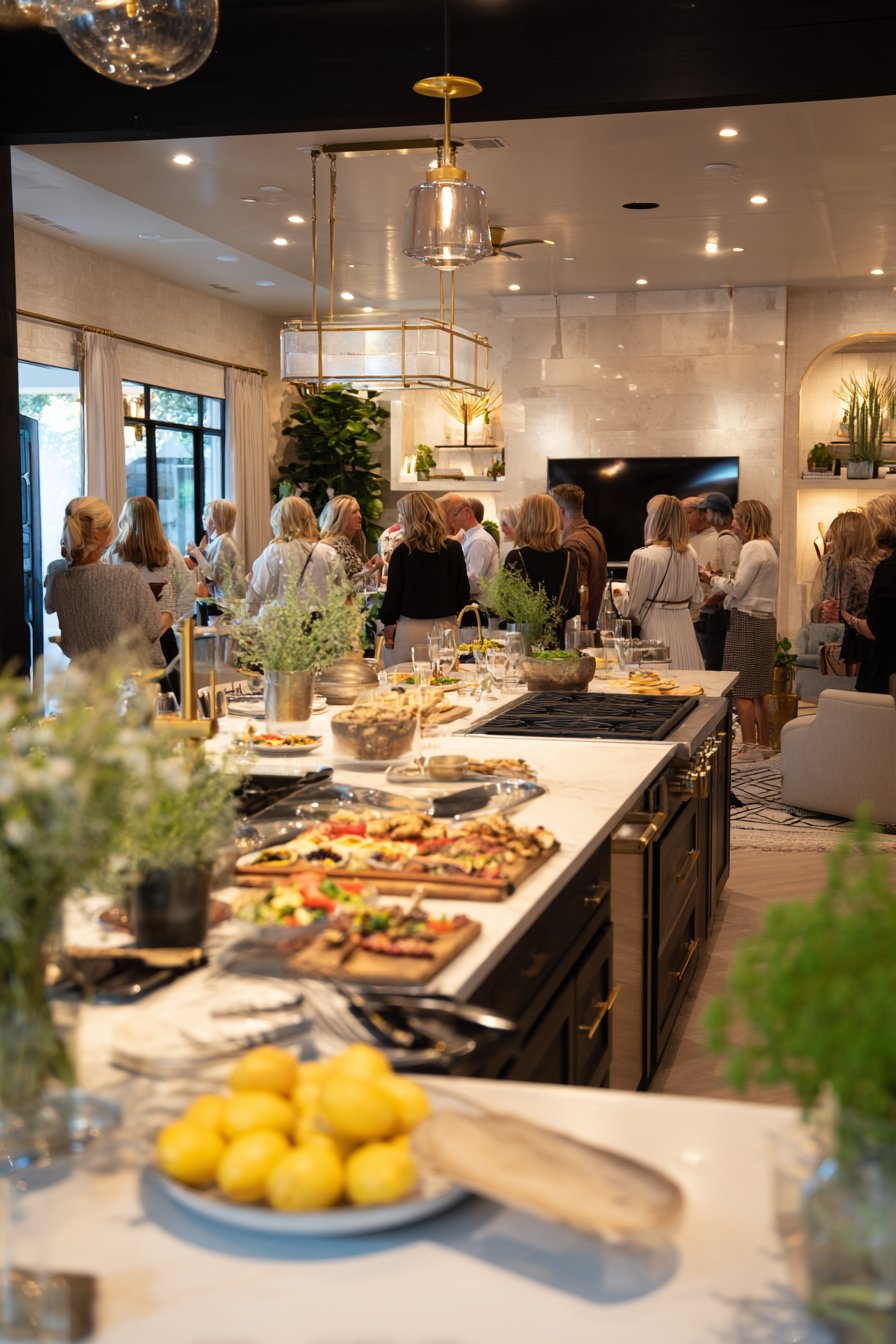
Closed living rooms support different entertaining styles that emphasize intimate conversations and focused activities. Formal dinner parties benefit from separated spaces where dinner conversation remains distinct from kitchen cleanup sounds. The ability to stage different experiences in separate rooms allows more complex entertaining scenarios, though this requires larger overall square footage to avoid feeling cramped.
- Arrange furniture to create conversation clusters even in open layouts
- Use kitchen islands as natural gathering points in open concepts
- Designate specific areas for different activities during large gatherings
- Install dimmers to adjust ambiance independently in various zones
- Keep open concept sightlines clear by organizing storage strategically
- Consider how your actual entertaining frequency justifies layout choices
5. Resale Value and Market Trends
Real estate markets currently show strong preference for open concept layouts, particularly among younger homebuyers who prioritize modern aesthetics and flexible living. Properties featuring open floor plans often command premium prices and sell faster than comparable homes with traditional compartmentalized layouts. This trend reflects changing lifestyle preferences and the visual impact of spacious, light-filled interiors in listing photographs.
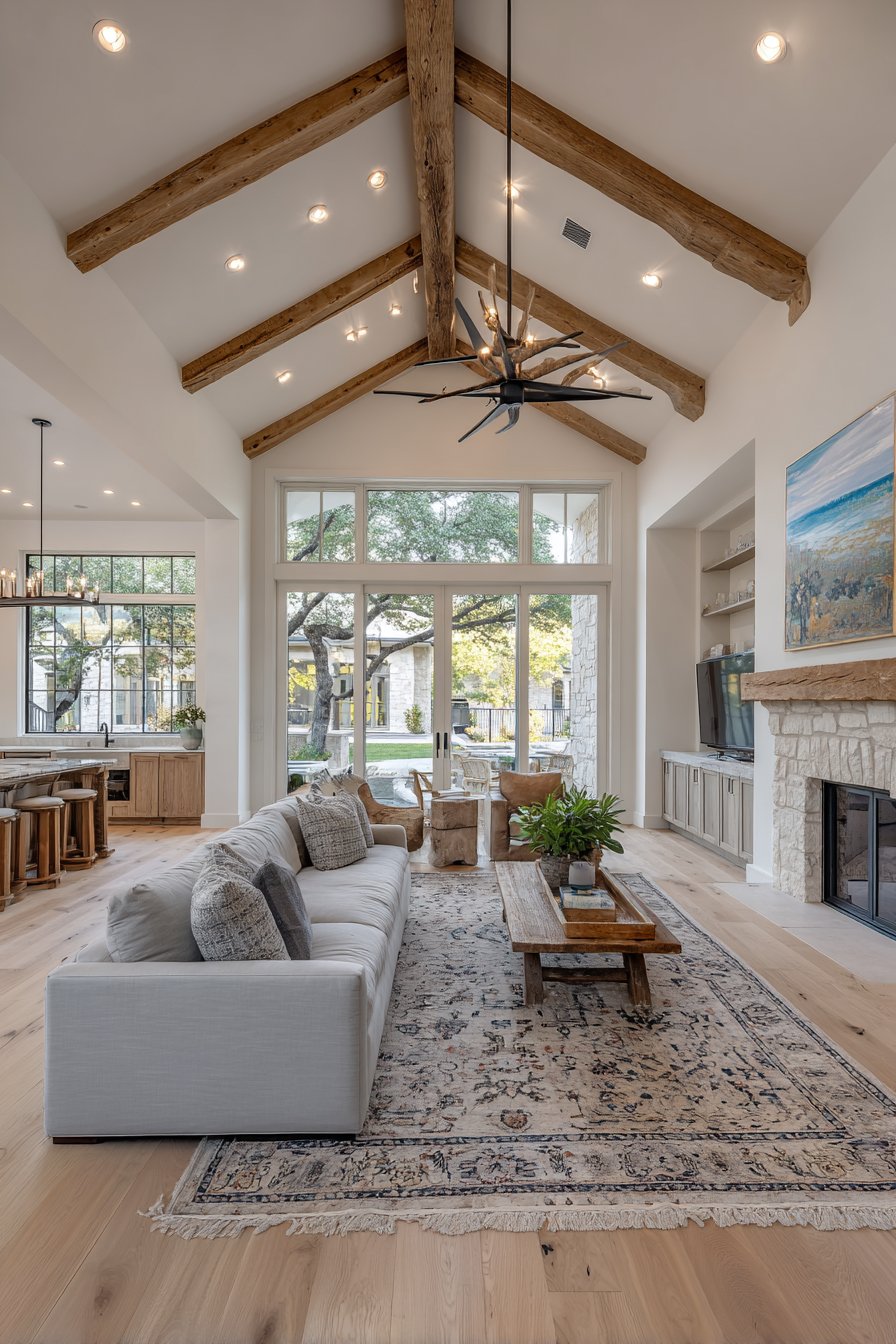
However, market preferences vary by demographic and region, with some buyers specifically seeking closed layouts for privacy and formal living arrangements. Luxury markets increasingly value homes offering both options—open entertaining spaces complemented by private retreats and studies. Understanding your target market becomes crucial when making irreversible architectural decisions that affect property value.
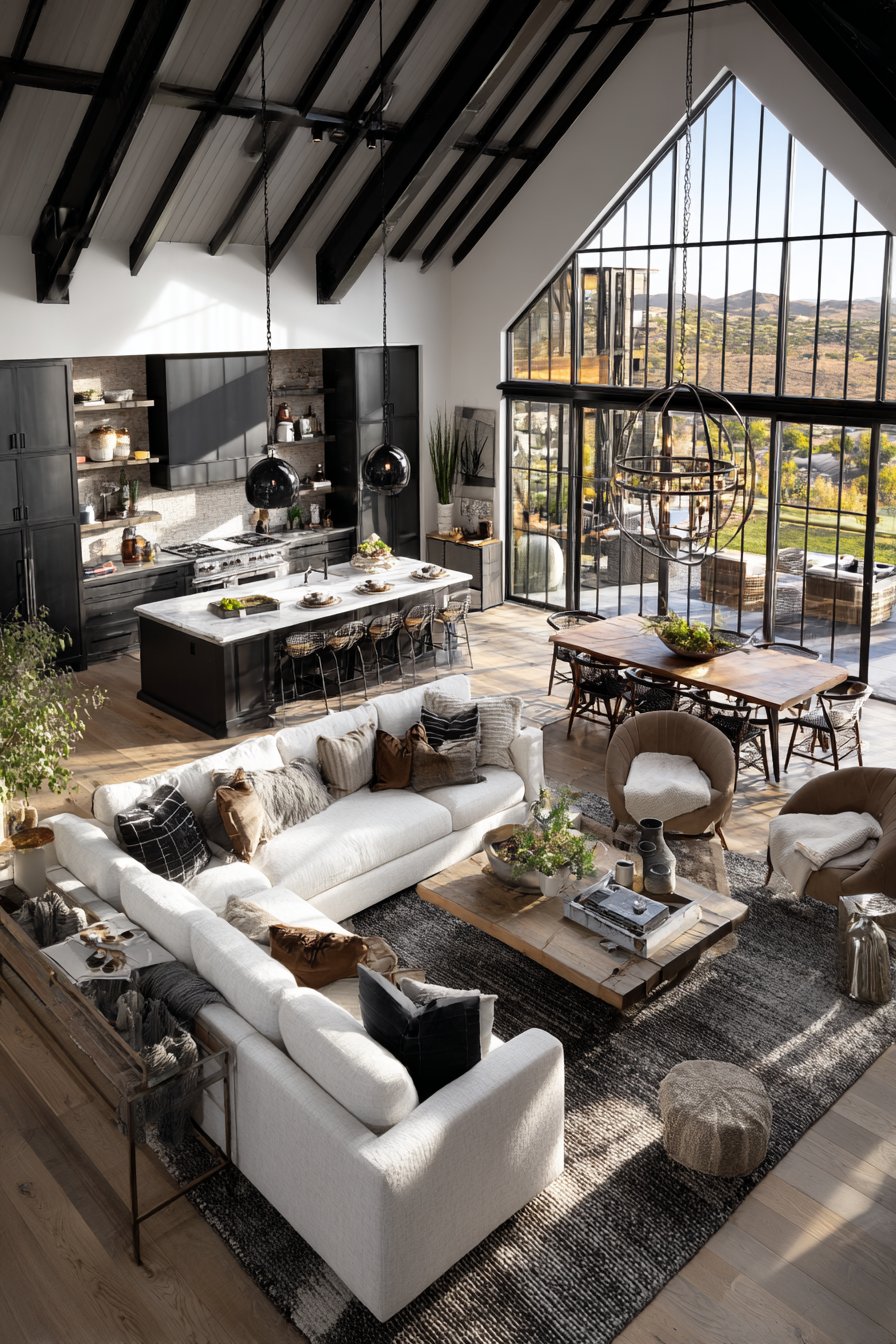
The renovation trend of removing walls to create open concepts dominated the past two decades, but emerging preferences suggest buyers appreciate homes with flexible configurations. Properties featuring well-designed closed rooms that serve clear purposes may regain appeal as remote work and multigenerational living become more common. Balance considerations of current enjoyment with potential future marketability.
- Research local market trends before committing to major layout changes
- Preserve structural integrity and maintain proper support when removing walls
- Consider reversible design elements that future owners could modify
- Maintain at least one formal closed space for versatility
- Document any structural changes with proper permits for resale transparency
- Consult real estate professionals about regional buyer preferences
6. Maintenance and Practical Living
Open concepts demand consistent cleanliness since the entire main living area remains visible from multiple vantage points throughout the day. Kitchen messes, children’s toys, and general household clutter lack hiding places, requiring more frequent tidying and organizational systems. This visibility pressure affects daily routines and may increase stress levels for those who struggle with constant organization demands.
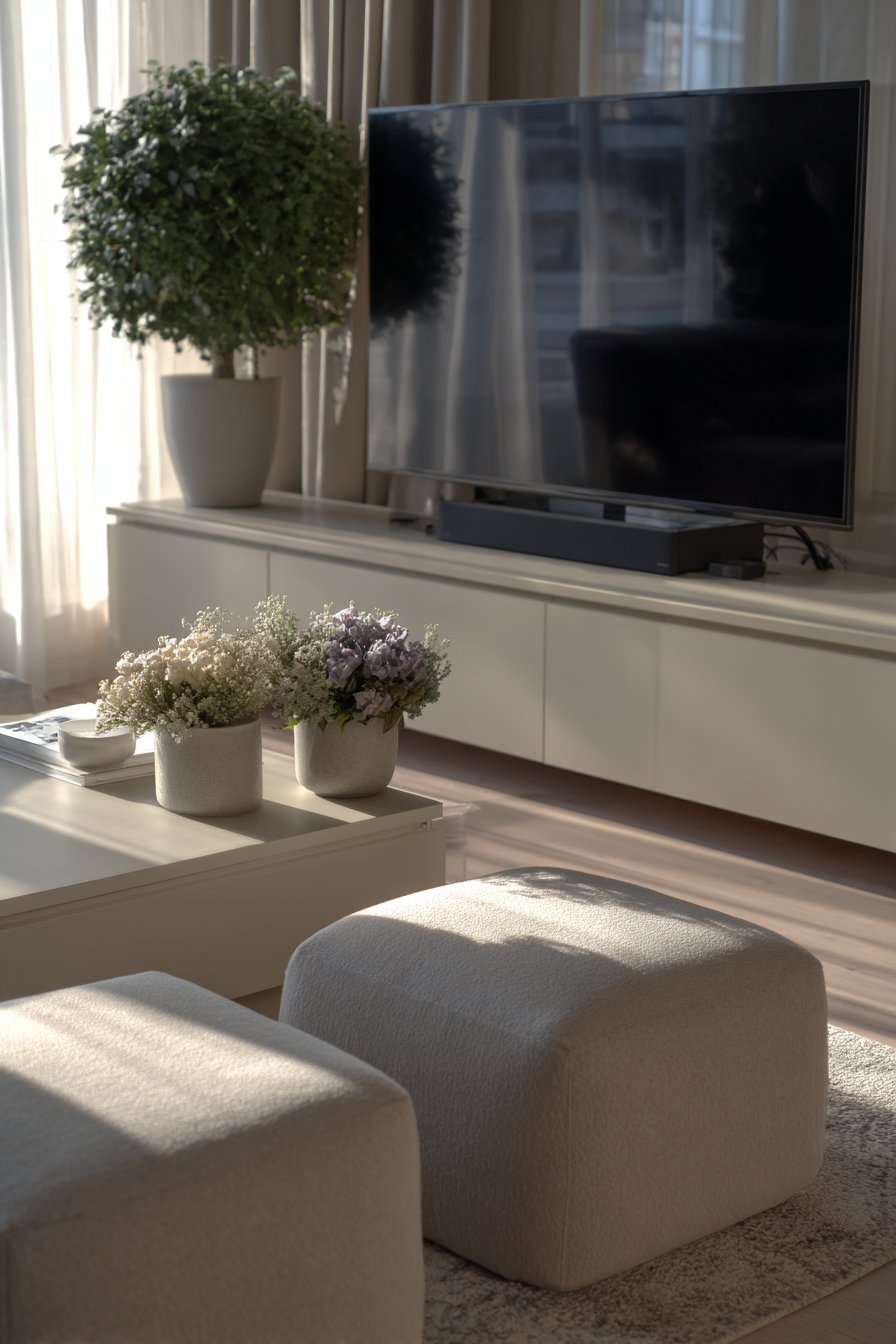
The acoustic challenges of open layouts extend to everyday sounds beyond entertainment and conversation—blenders, dishwashers, and vacuums broadcast throughout your living space without walls to muffle them. Closed rooms allow cleaning and maintenance activities to happen without disrupting other household members, providing practical flexibility that open concepts cannot match despite their aesthetic appeal.
Closed layouts simplify renovation and redecorating by allowing room-by-room updates without affecting adjacent spaces visually or functionally. You can paint, replace flooring, or update furnishings in stages without creating jarring transitions between connected zones. This approach provides budget flexibility and reduces the pressure to maintain cohesive design across extensive open areas simultaneously.
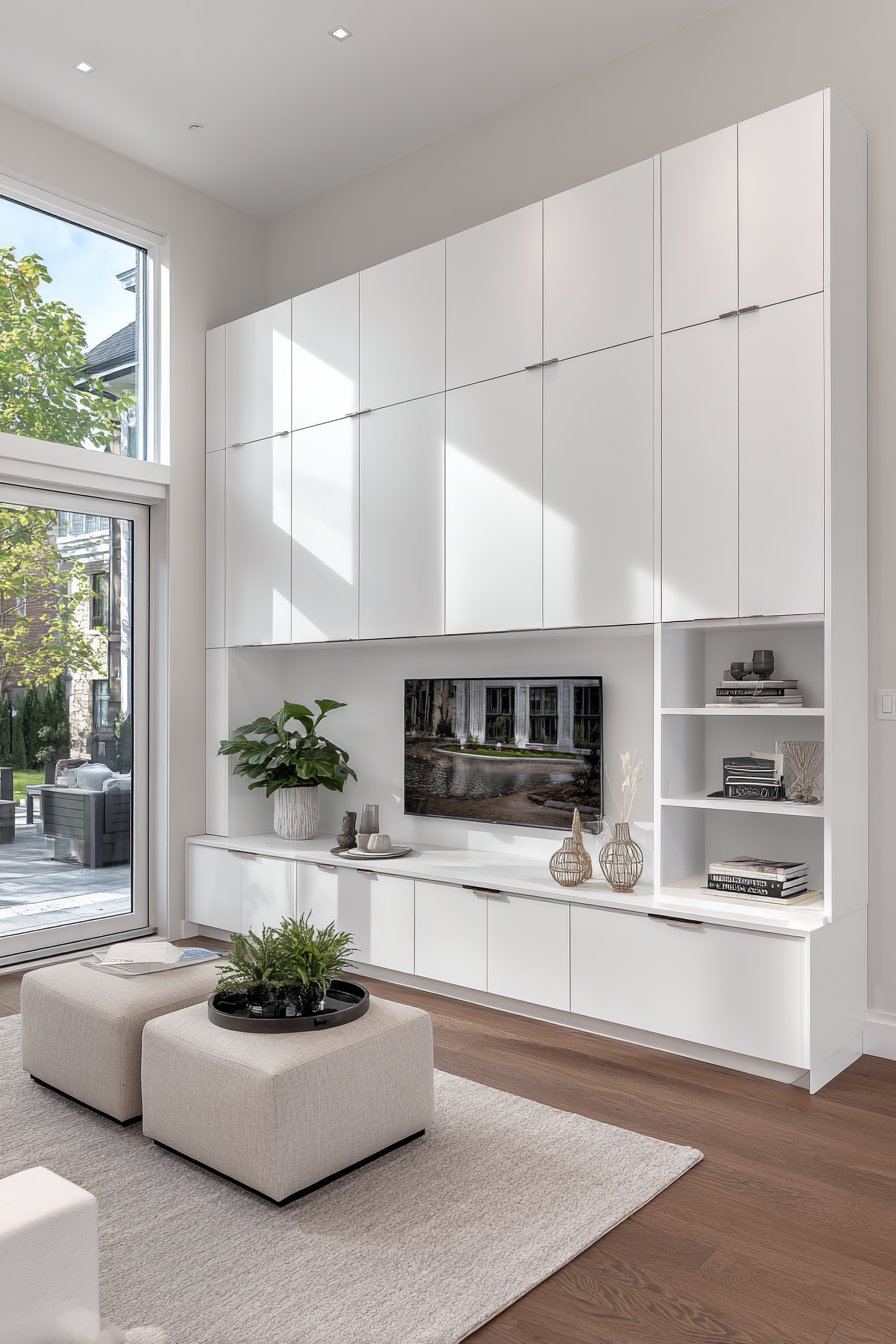
- Invest in attractive storage solutions that minimize visible clutter in open spaces
- Establish daily tidying routines to maintain open concept appearance standards
- Choose durable, easy-clean materials for high-visibility open areas
- Use white noise machines or sound systems to mask household sounds
- Create dedicated storage areas just outside main living spaces
- Plan design updates holistically for open concepts to maintain visual coherence
Conclusion
The choice between open concept and closed living rooms ultimately depends on your specific lifestyle, household composition, and personal priorities. Neither option inherently surpasses the other—each serves different needs and preferences effectively. Consider how you actually use your space daily rather than aspirational ideas about how you might use it.
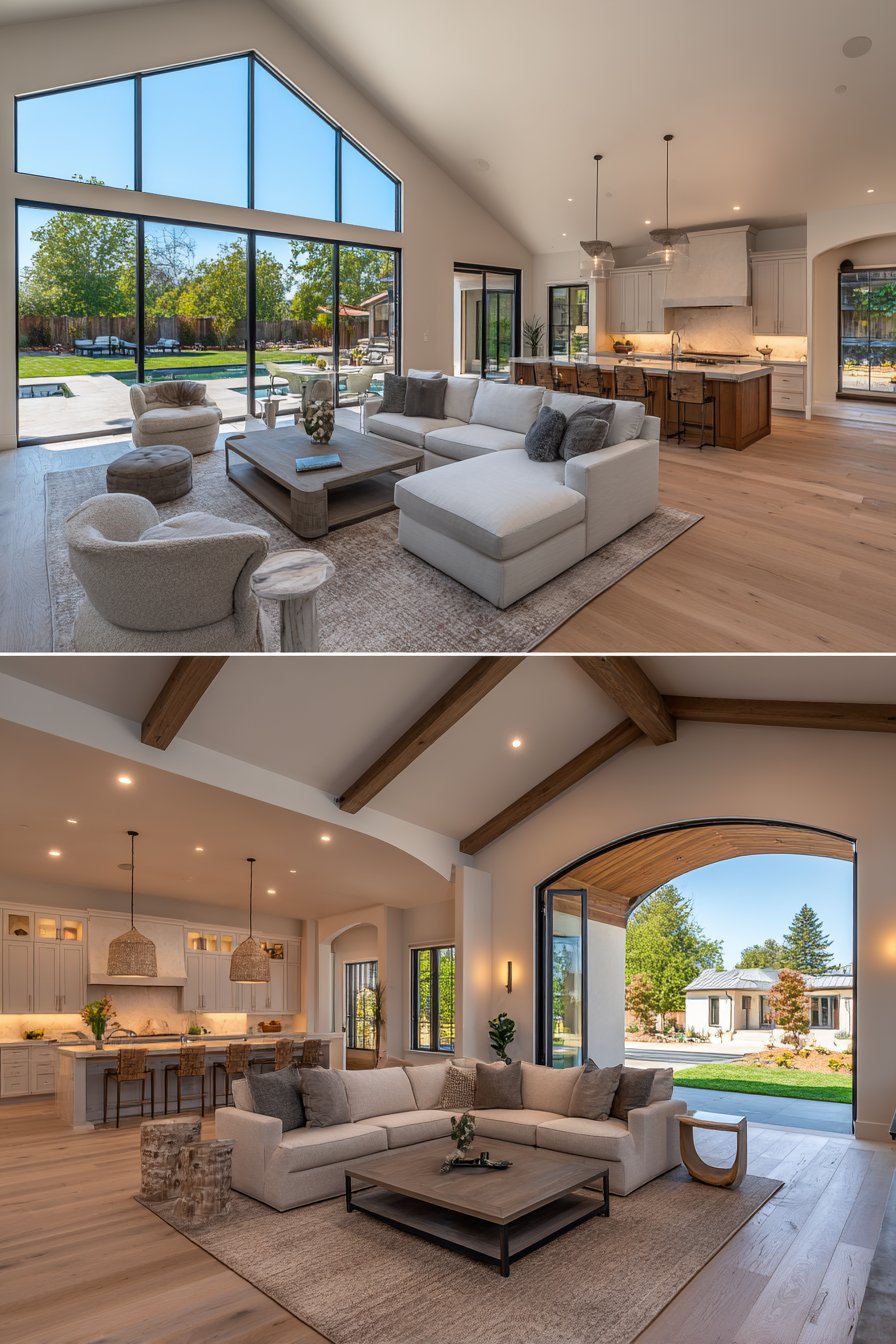
The most successful homes often incorporate elements of both approaches, creating flexible spaces that adapt to changing needs over time. Whether you prioritize entertaining flow, energy efficiency, privacy, or resale value, understanding these trade-offs empowers you to design living spaces that genuinely enhance your quality of life and bring lasting satisfaction to your home environment.
