


The bathroom has evolved from a purely functional space into a personal sanctuary where design meets wellness. Modern homeowners increasingly seek colors that bring nature indoors while creating a calming atmosphere. Olive green has emerged as a sophisticated choice that balances earthy warmth with contemporary elegance, transforming ordinary bathrooms into spa-like retreats.
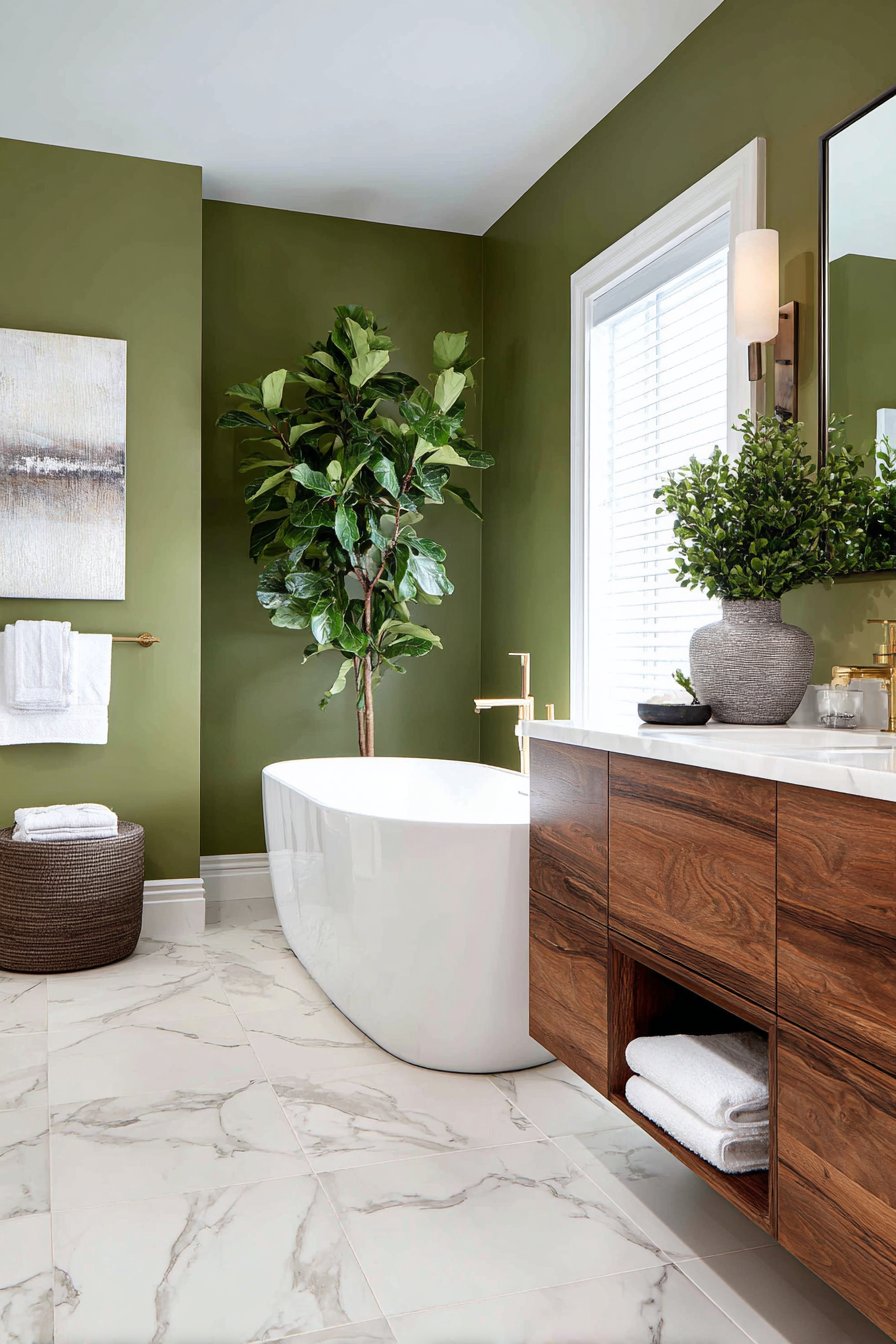
Choosing the right color palette for your bathroom requires understanding how hues affect mood and spatial perception. Olive green offers unique versatility that adapts to various design styles, from minimalist modern to rustic farmhouse. This verdant shade connects us to nature’s tranquility while maintaining enough neutrality to pair beautifully with multiple accent colors and materials.
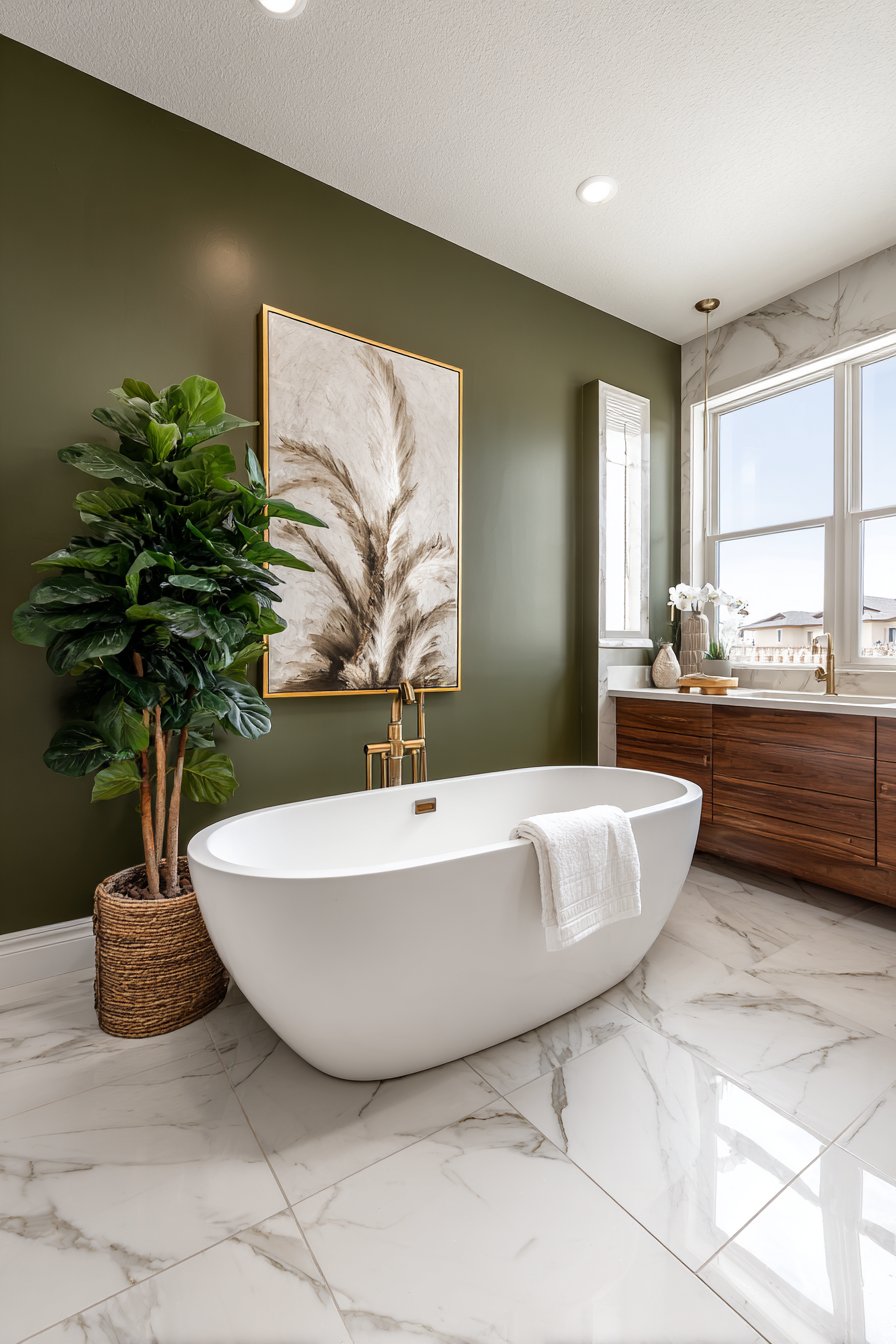
Throughout this article, we’ll explore six compelling reasons why olive green bathrooms consistently deliver stunning results. You’ll discover practical strategies for incorporating this timeless color into your space, learn which materials complement it best, and understand how to avoid common design pitfalls. Whether you’re planning a complete renovation or a simple refresh, these insights will help you create a bathroom that feels both current and enduring.
1. The Psychological Impact of Olive Green
Olive green taps into our innate connection with the natural world, triggering psychological responses that promote relaxation and renewal. Studies show that green tones reduce stress levels and create feelings of balance. In a bathroom setting, this translates to a space that supports your morning routines and evening wind-down rituals with equal effectiveness.
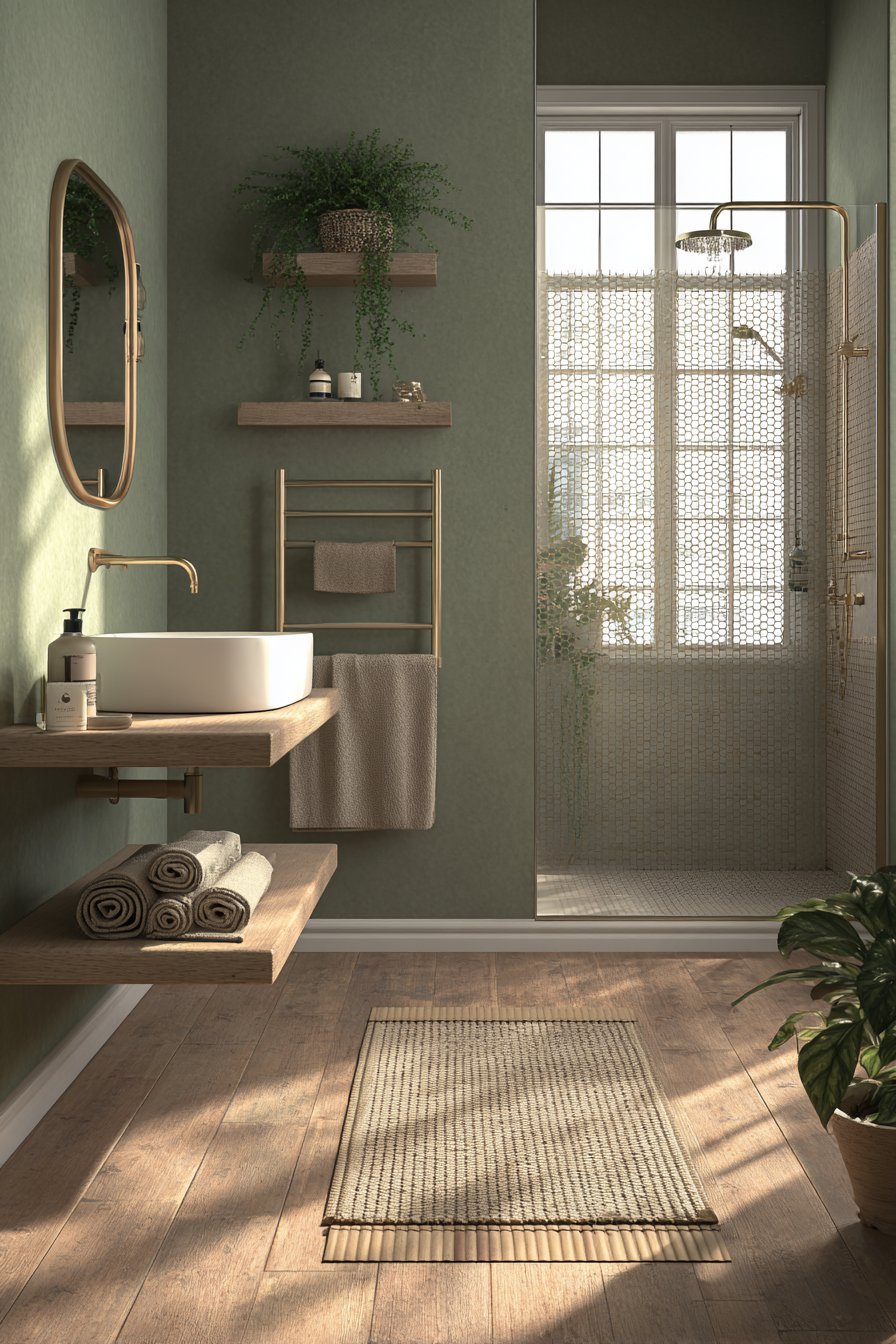
The specific undertones in olive green make it particularly effective for bathroom environments. Unlike brighter greens that can feel overwhelming in small spaces, olive’s muted earthiness provides visual interest without overstimulation. This sophisticated shade contains enough gray to feel grounded while retaining sufficient color to prevent the sterile feel that pure neutrals sometimes create.
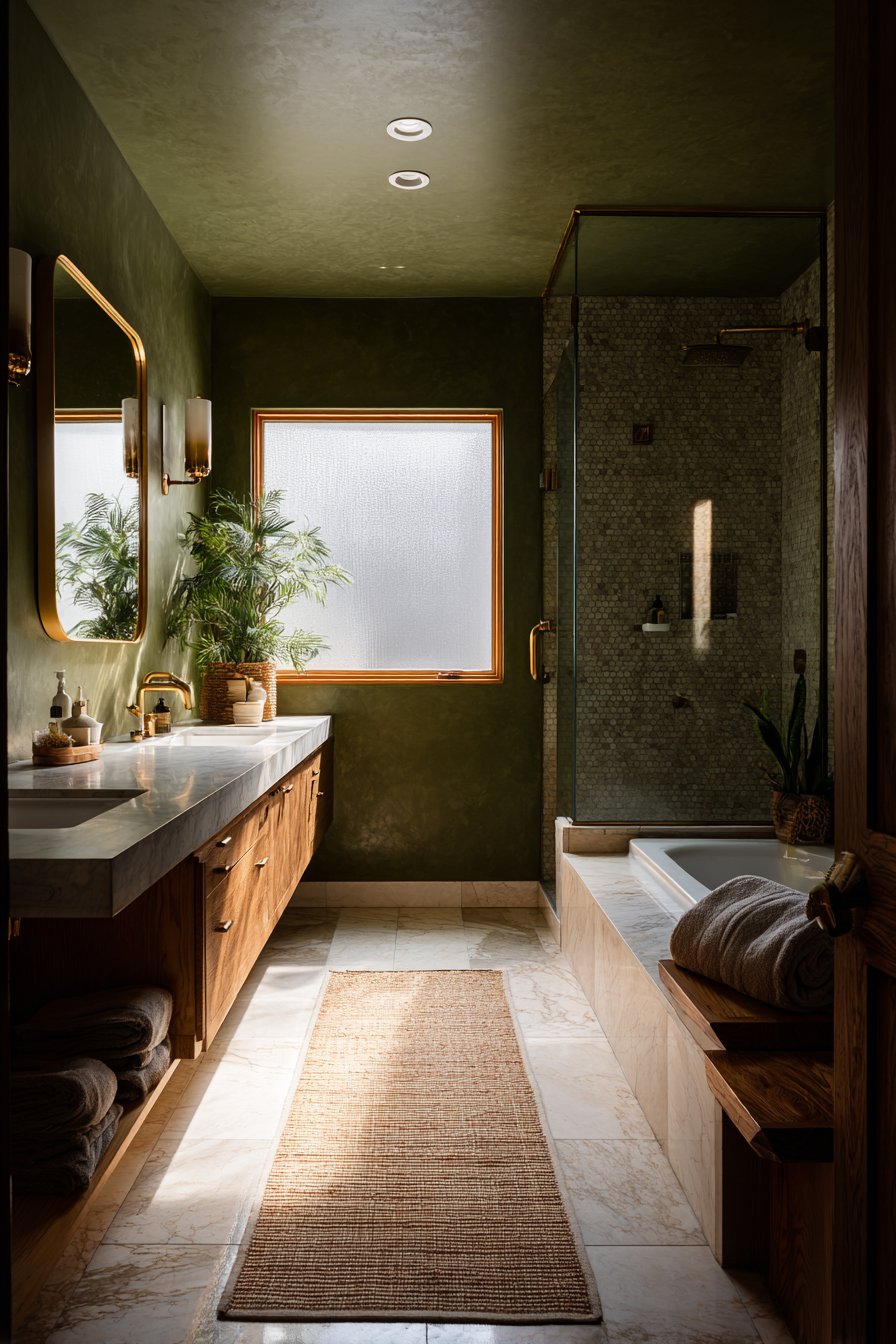
Color psychology experts note that olive green encourages mindfulness and presence. When you step into an olive green bathroom, the color gently commands attention without demanding it, creating an environment conducive to self-care practices. This makes it ideal for bathrooms designed to serve as personal wellness spaces rather than purely functional rooms.
- Choose olive green for main walls to create an enveloping, cocoon-like atmosphere
- Use lighter olive tints on ceilings to maintain airiness in smaller bathrooms
- Consider olive green tiles for shower surrounds to establish a focal point
- Pair with natural wood tones to amplify the connection to nature
- Add brass or gold fixtures to enhance the warm undertones
- Incorporate living plants to reinforce the organic color story
2. Material Pairings That Elevate Olive Green
The success of an olive green bathroom depends heavily on the materials you select as companions. Natural stone, particularly marble and travertine, creates a luxurious contrast while sharing organic origins. The veining in marble introduces movement and visual complexity that prevents olive from feeling flat or one-dimensional.
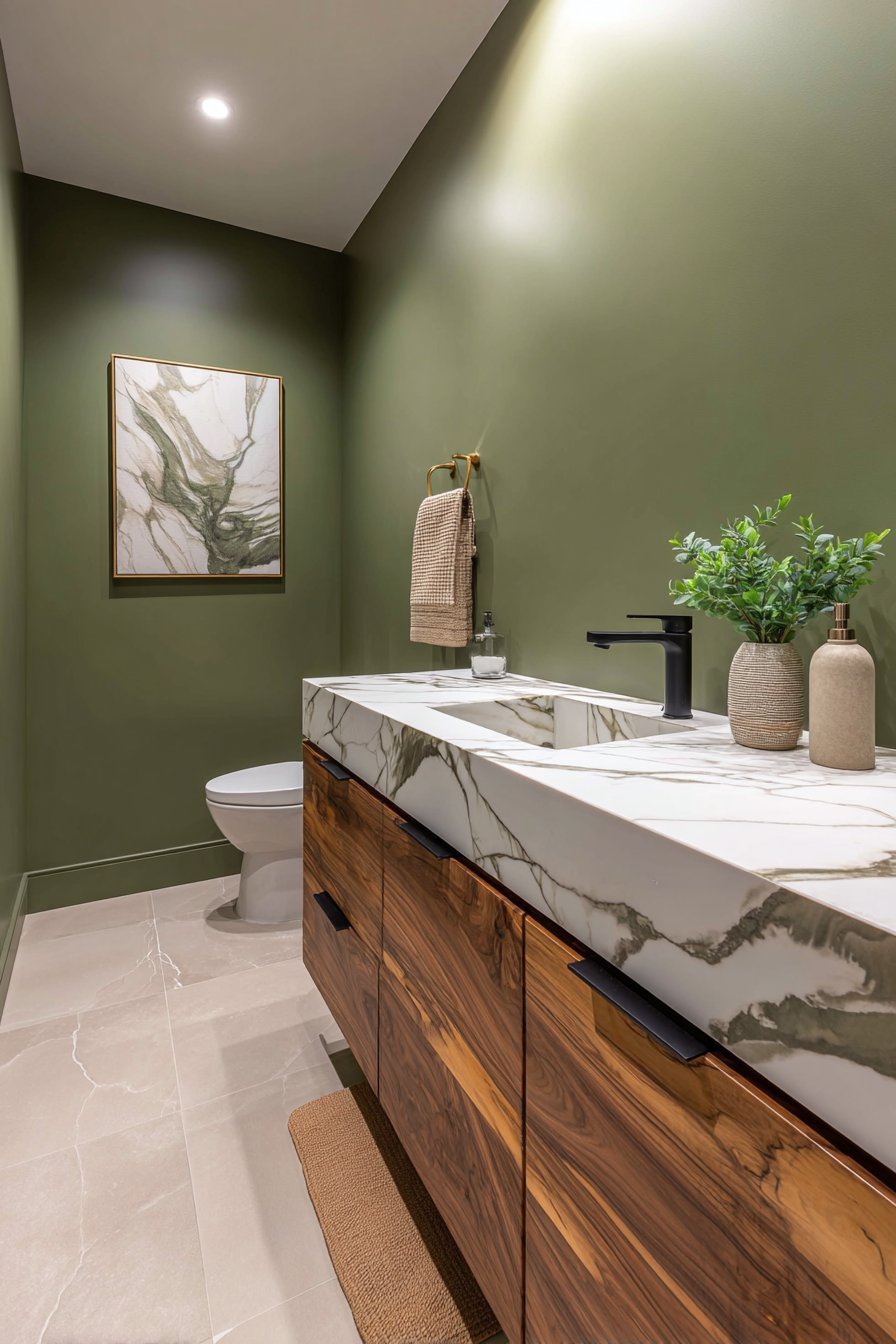
Wood elements bring textural warmth that complements olive’s earthy character perfectly. Consider a wooden vanity with visible grain patterns, floating shelves in walnut or oak, or even a teak bath mat. These natural materials create dialogue with the green tones, establishing a cohesive design narrative that feels intentional and refined.
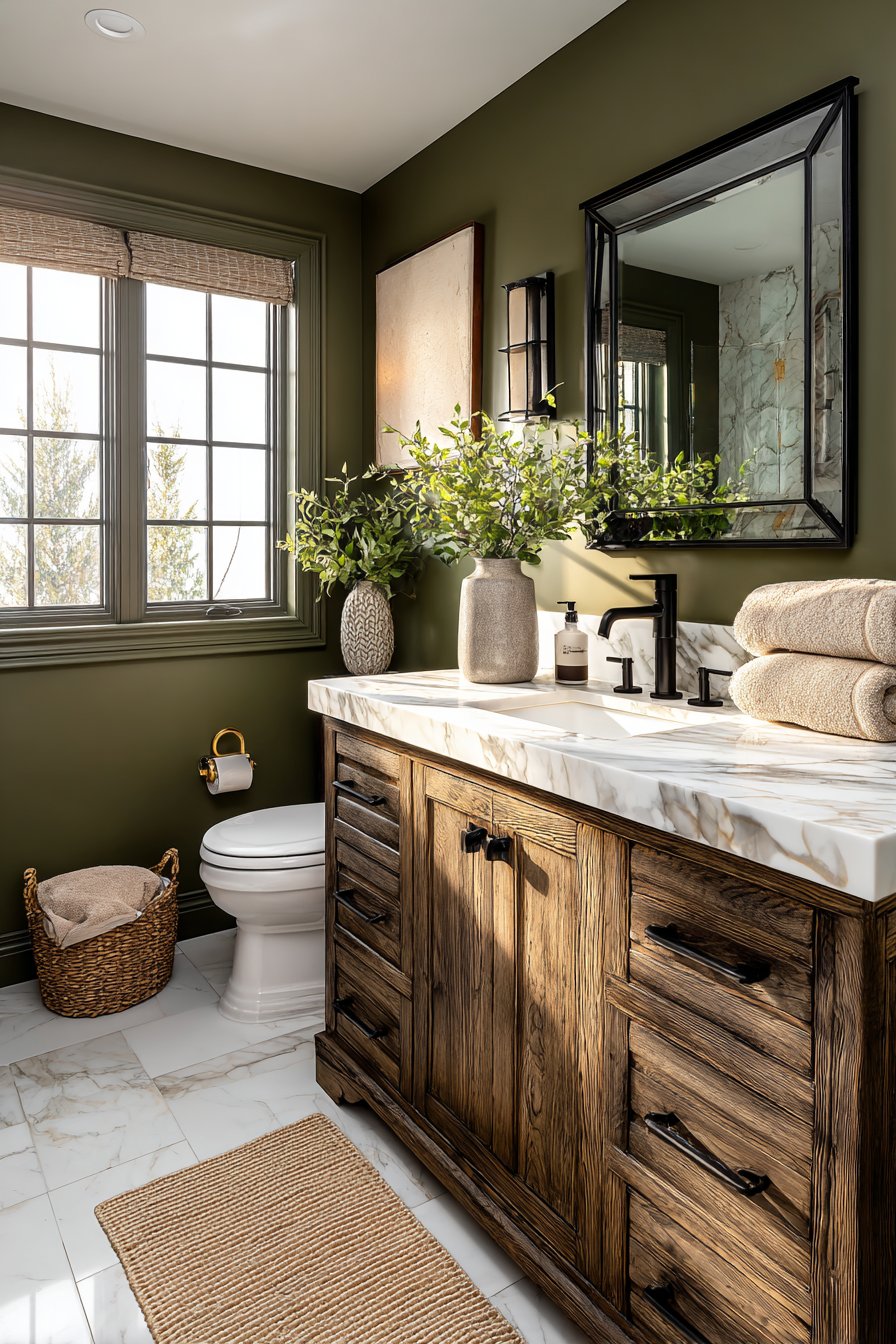
Metallic finishes dramatically influence how olive green reads in your space. Brushed brass and aged gold fixtures emphasize the warm, yellow undertones in olive, creating a vintage-inspired or traditional aesthetic. Alternatively, matte black hardware provides sharp contrast that pushes the design toward contemporary minimalism. Chrome and polished nickel offer middle-ground options that keep things fresh and clean.
- Select large-format porcelain tiles in complementary neutrals for flooring
- Use natural stone countertops to add luxury and permanence
- Install wooden elements through vanities, mirrors, or open shelving
- Choose matte or satin finish fixtures rather than high-gloss chrome
- Incorporate textured fabrics like linen towels and cotton bath mats
- Add ceramic or concrete accessories for sculptural interest
3. Lighting Strategies for Olive Green Spaces
Lighting transforms how olive green appears throughout the day, making it essential to plan illumination carefully. Natural light brings out the true character of olive, revealing its complexity and depth. Position mirrors strategically to bounce daylight around the room, amplifying brightness without additional fixtures.
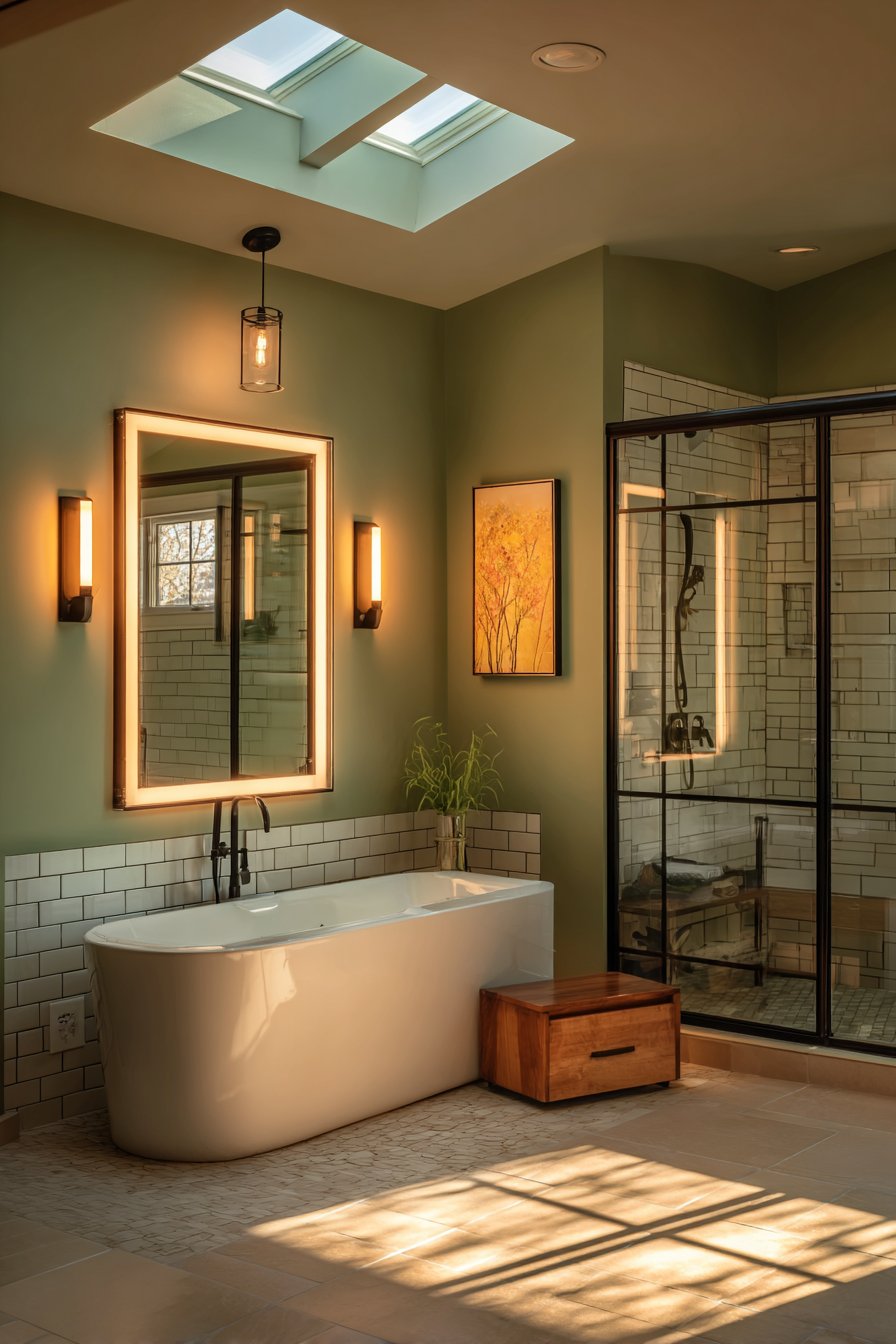
Artificial lighting requires thoughtful layering to prevent olive from appearing muddy or dull. Warm white bulbs (2700-3000K) enhance the yellow undertones and create an inviting glow. Avoid cool white or daylight bulbs that can make olive appear flat or institutional. Install dimmer switches to adjust intensity based on time of day and mood.
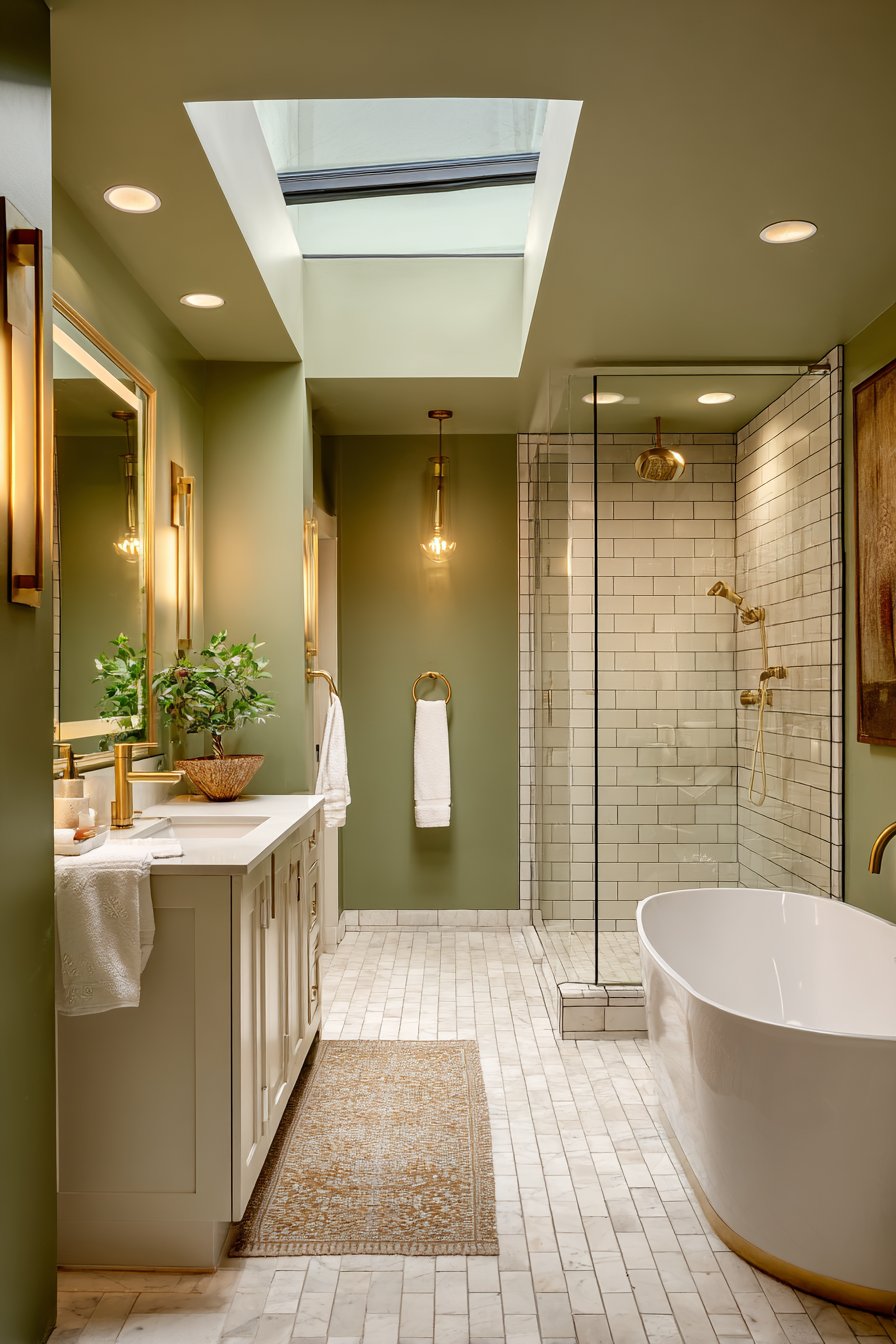
Task lighting at the vanity serves both functional and aesthetic purposes. Vertical sconces flanking the mirror eliminate shadows on faces while adding architectural interest. Consider LED strips behind mirrors for a modern edge, or choose vintage-inspired fixtures for traditional spaces. The key is ensuring adequate illumination for grooming tasks while maintaining atmospheric warmth.
- Install a combination of ambient, task, and accent lighting
- Use warm-toned LED bulbs between 2700K and 3000K
- Position sconces at eye level on both sides of mirrors
- Add a statement pendant or chandelier for visual drama
- Incorporate dimmer switches for adjustable ambiance
- Consider skylights or larger windows to maximize natural light
4. Scale and Proportion Considerations
How you apply olive green significantly impacts the overall effect in your bathroom. Full-wall coverage creates drama and sophistication, especially in larger bathrooms where the color can breathe. This bold approach works best when balanced with ample white or cream elements through fixtures, countertops, and accessories.
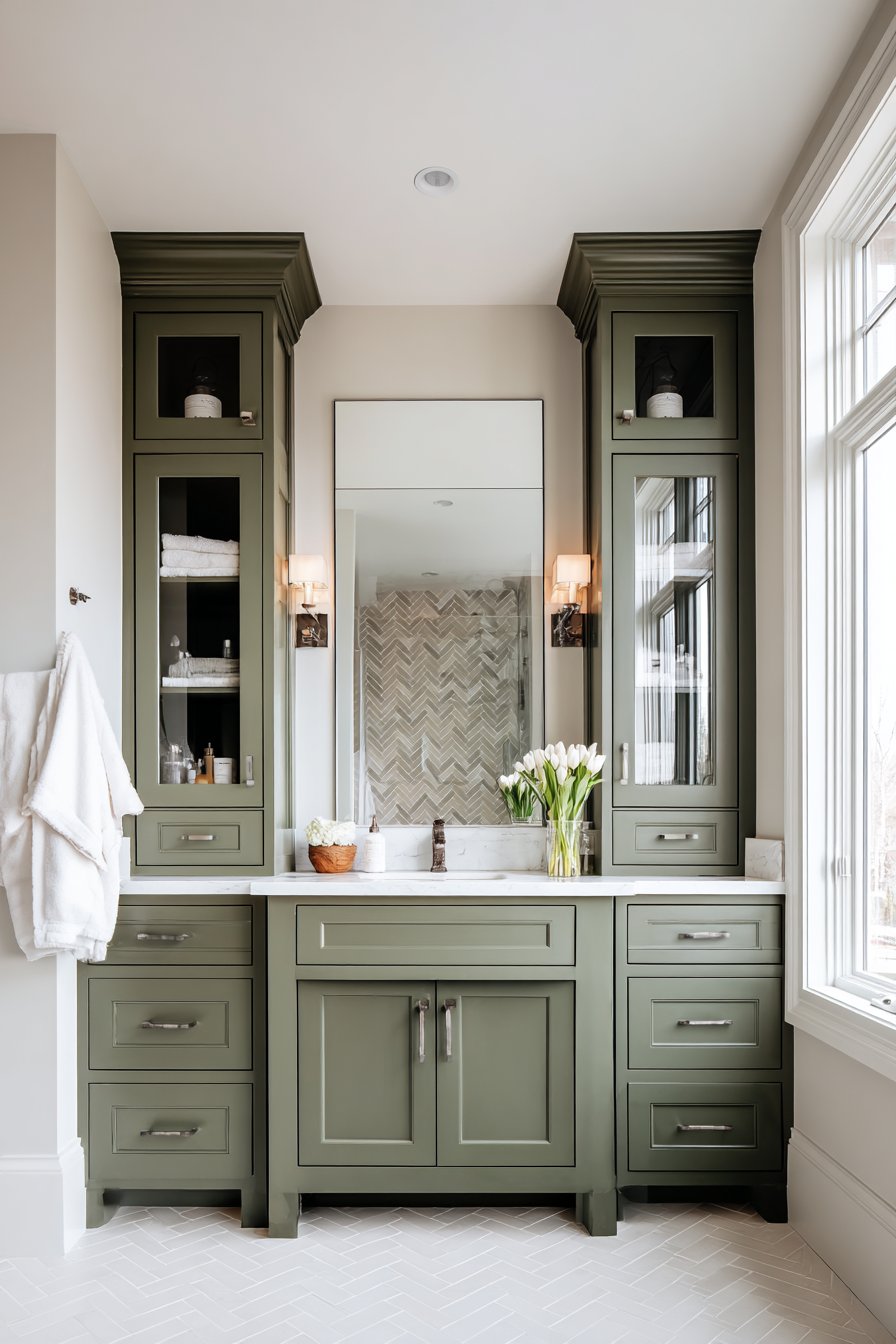
For smaller bathrooms, strategic placement prevents the space from feeling cramped. Consider an accent wall behind the vanity or in the shower area rather than painting all surfaces. This approach provides color impact while maintaining visual openness. Alternatively, use olive green tiles as a backsplash or wainscoting detail for a more measured introduction of color.
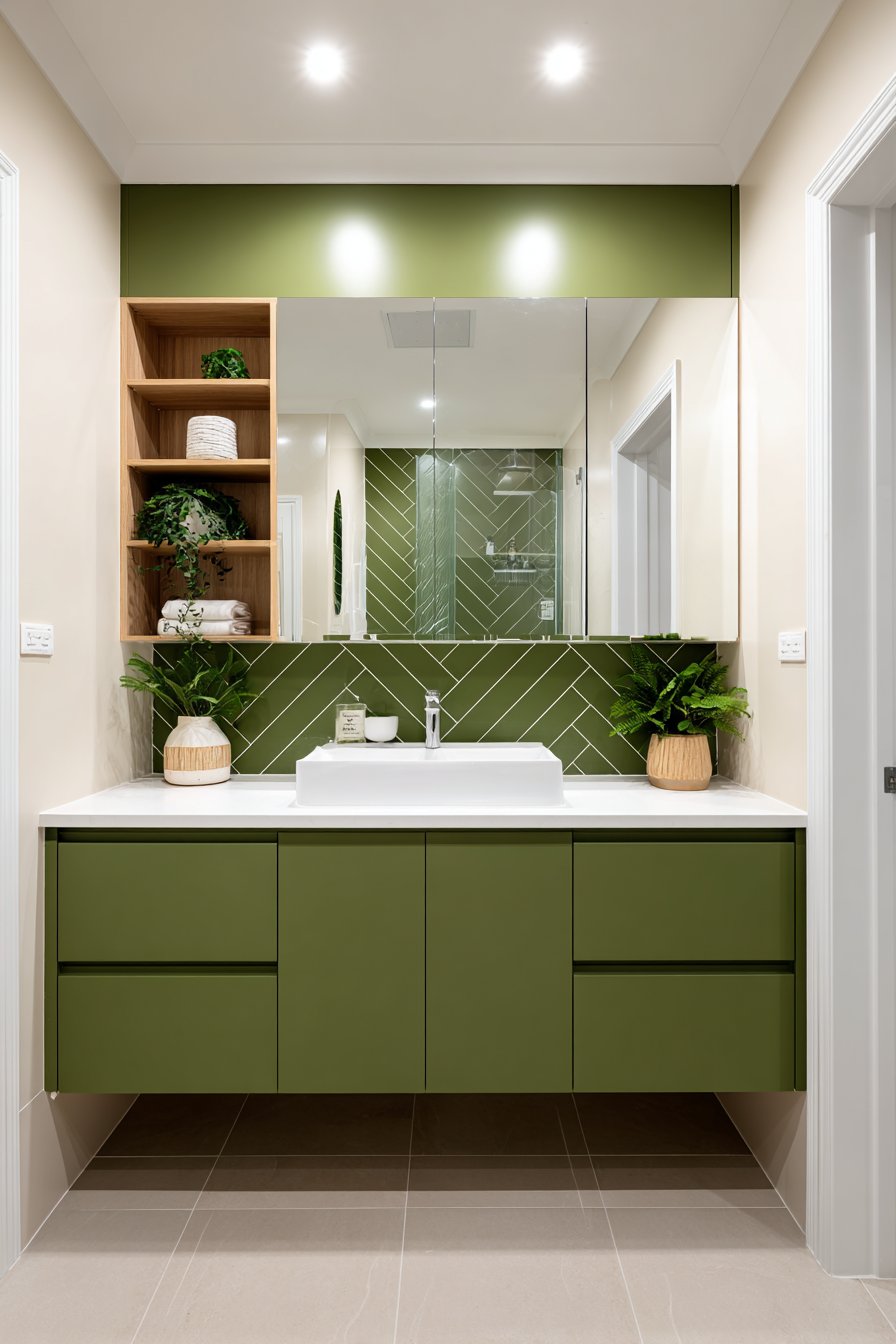
The proportion of olive to neutral tones determines whether your bathroom feels intimate or spacious. A general rule suggests using the 60-30-10 ratio: 60% neutral, 30% olive green, and 10% accent color. This balance ensures the green enhances rather than overwhelms, creating harmony that feels professionally designed.
- Paint only the lower half of walls in olive for wainscoting effect
- Use olive green cabinetry with white countertops and walls
- Create a feature wall behind a freestanding tub
- Apply olive tiles in a herringbone or geometric pattern for visual interest
- Keep ceilings white to maintain height perception
- Balance dark olive areas with reflective surfaces and mirrors
5. Complementary Color Schemes
Olive green serves as an excellent foundation for multiple color combinations, each creating distinct moods. Pairing olive with warm whites and creams establishes a serene, spa-like environment that feels both fresh and grounded. This classic combination allows the green to shine while maintaining brightness and cleanliness essential for bathroom spaces.
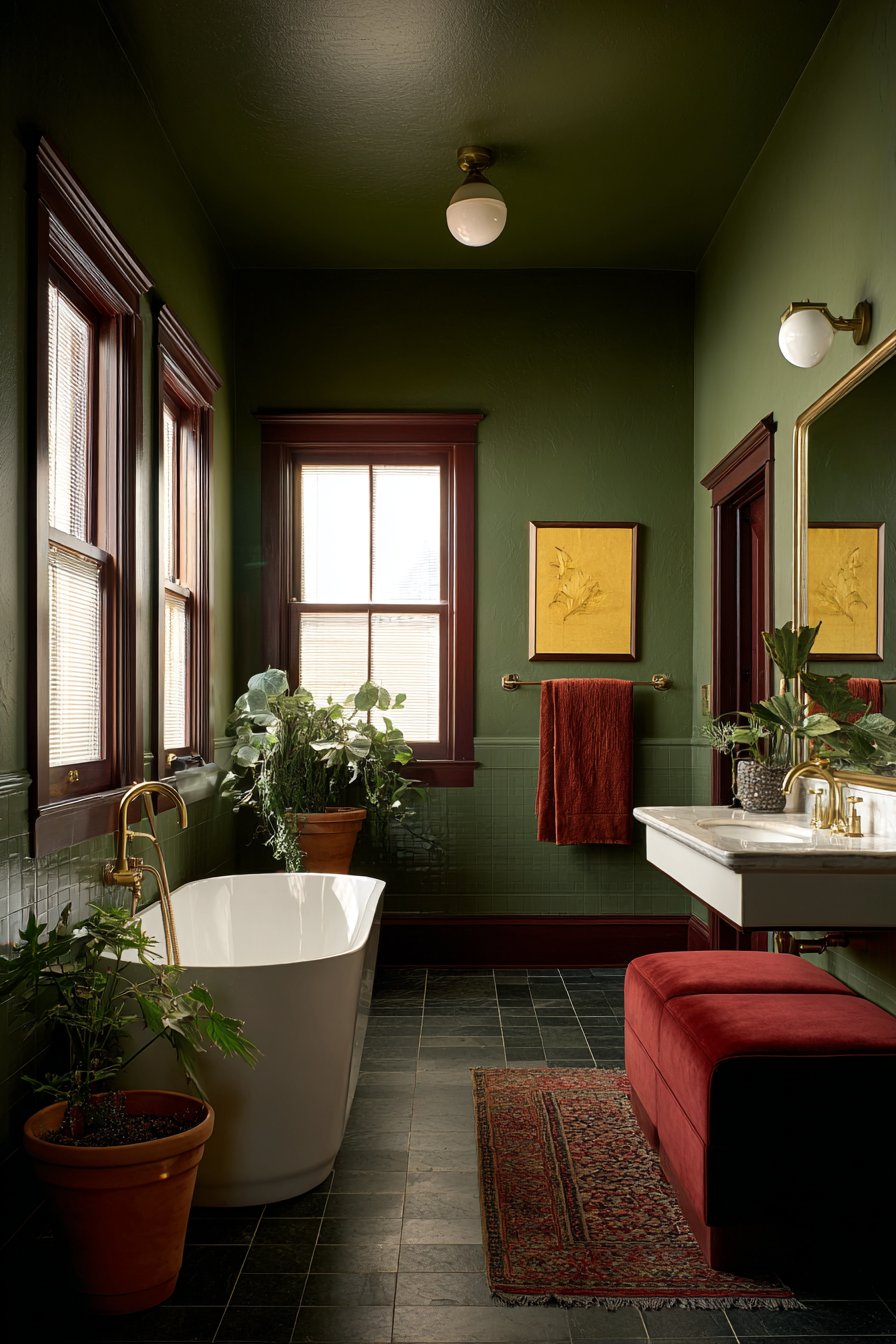
For bolder statements, consider jewel-tone accents like deep burgundy, navy blue, or mustard yellow. These rich colors create depth and sophistication, particularly effective in powder rooms or guest bathrooms where dramatic impact matters more than soothing simplicity. Use these accents sparingly through towels, artwork, or decorative objects.
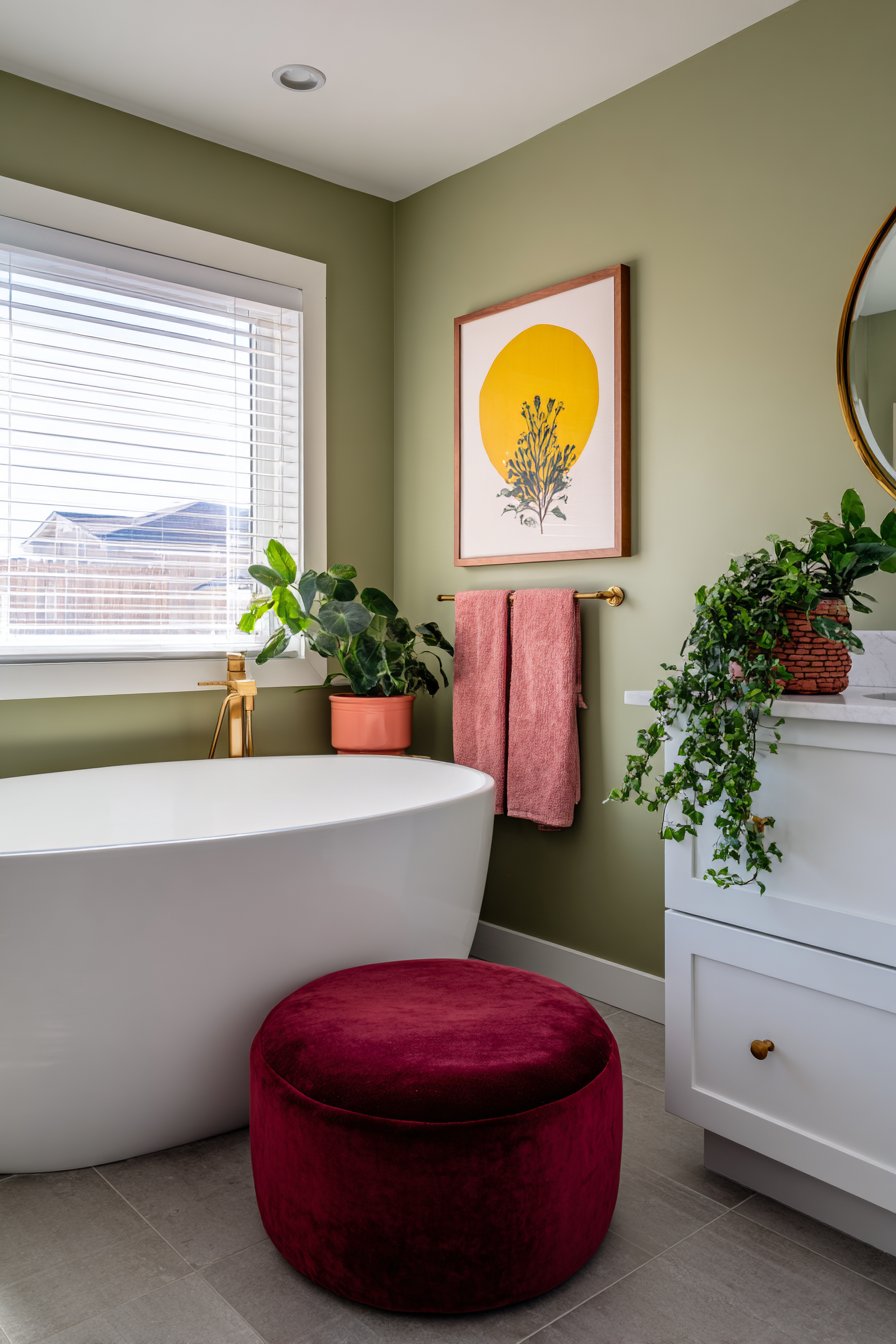
Terracotta and rust tones create an earthy palette that feels organic and intentional. This combination evokes Mediterranean or Southwestern aesthetics, working beautifully with natural materials and handcrafted elements. Add woven baskets, ceramic vessels, or copper accessories to reinforce this warm, grounded color story.
- Combine olive with soft pink or blush for unexpected sophistication
- Use charcoal gray as a grounding neutral alongside olive
- Add white subway tiles to create classic, timeless appeal
- Incorporate natural wood tones for warmth and texture
- Consider black accents for modern, high-contrast drama
- Use ivory or cream instead of stark white for softer transitions
6. Avoiding Common Olive Green Mistakes
The most frequent error with olive green bathrooms involves inadequate lighting planning. Without sufficient light, olive can appear murky or oppressive rather than sophisticated. Always test paint samples under various lighting conditions before committing. View them in morning light, afternoon sun, and evening artificial illumination to understand how the color shifts.
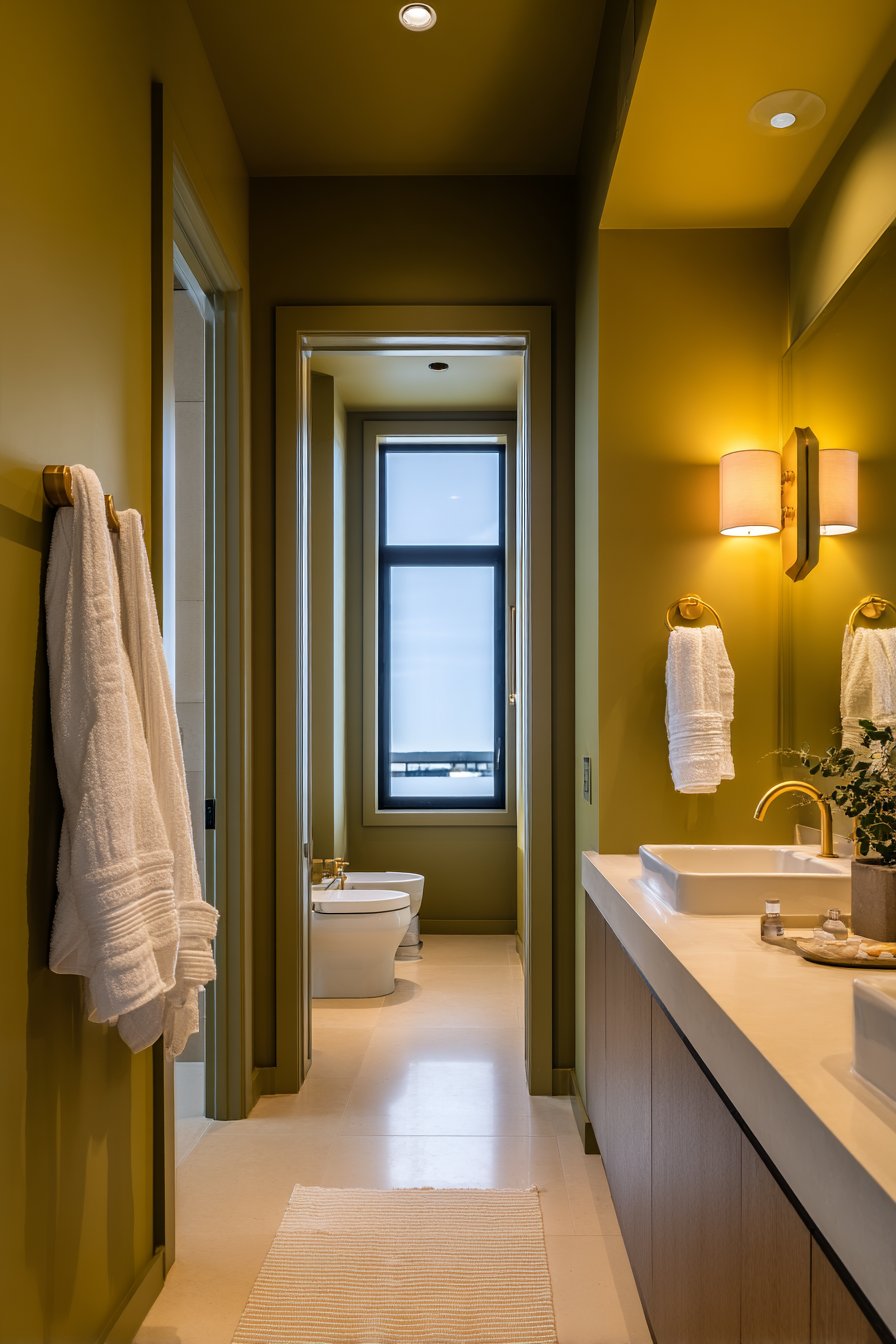
Another common pitfall involves using olive in overly small spaces without proper balance. A tiny powder room painted entirely in dark olive feels claustrophobic rather than cozy. Instead, limit olive to a single wall or use it through accessories and textiles. Alternatively, choose a lighter olive tint that maintains color interest without visual weight.
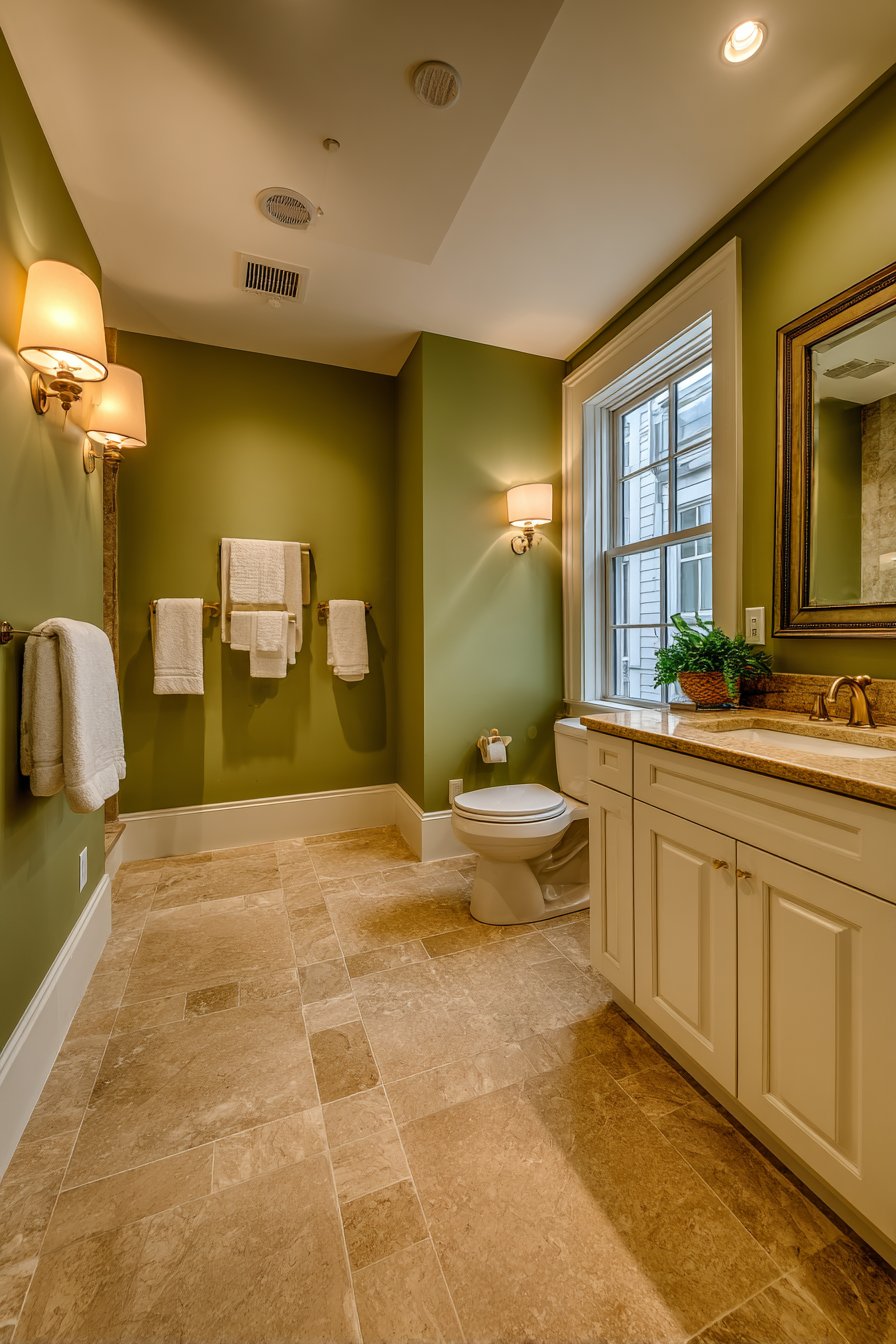
Clashing undertones create subtle discord that undermines design harmony. Olive green contains yellow-based warmth, so pairing it with cool-toned grays or blues can feel disjointed. Stick with warm neutrals, natural materials, and metals with warm finishes. When in doubt, bring physical samples together in your bathroom to assess compatibility before purchasing.
- Test multiple olive shades to find the right depth for your space
- Avoid combining olive with cool-toned materials and colors
- Don’t skip the primer when painting over existing colors
- Resist the urge to match everything perfectly—embrace subtle variation
- Never underestimate the importance of proper ventilation in colored bathrooms
- Update regularly with fresh white towels and linens to maintain brightness
Conclusion
Olive green bathrooms succeed because they combine aesthetic sophistication with psychological comfort, creating spaces that support both function and wellbeing. By carefully considering lighting, materials, proportions, and complementary colors, you can harness this versatile shade’s full potential. The key lies in balance—allowing olive to create atmosphere without overwhelming your space.
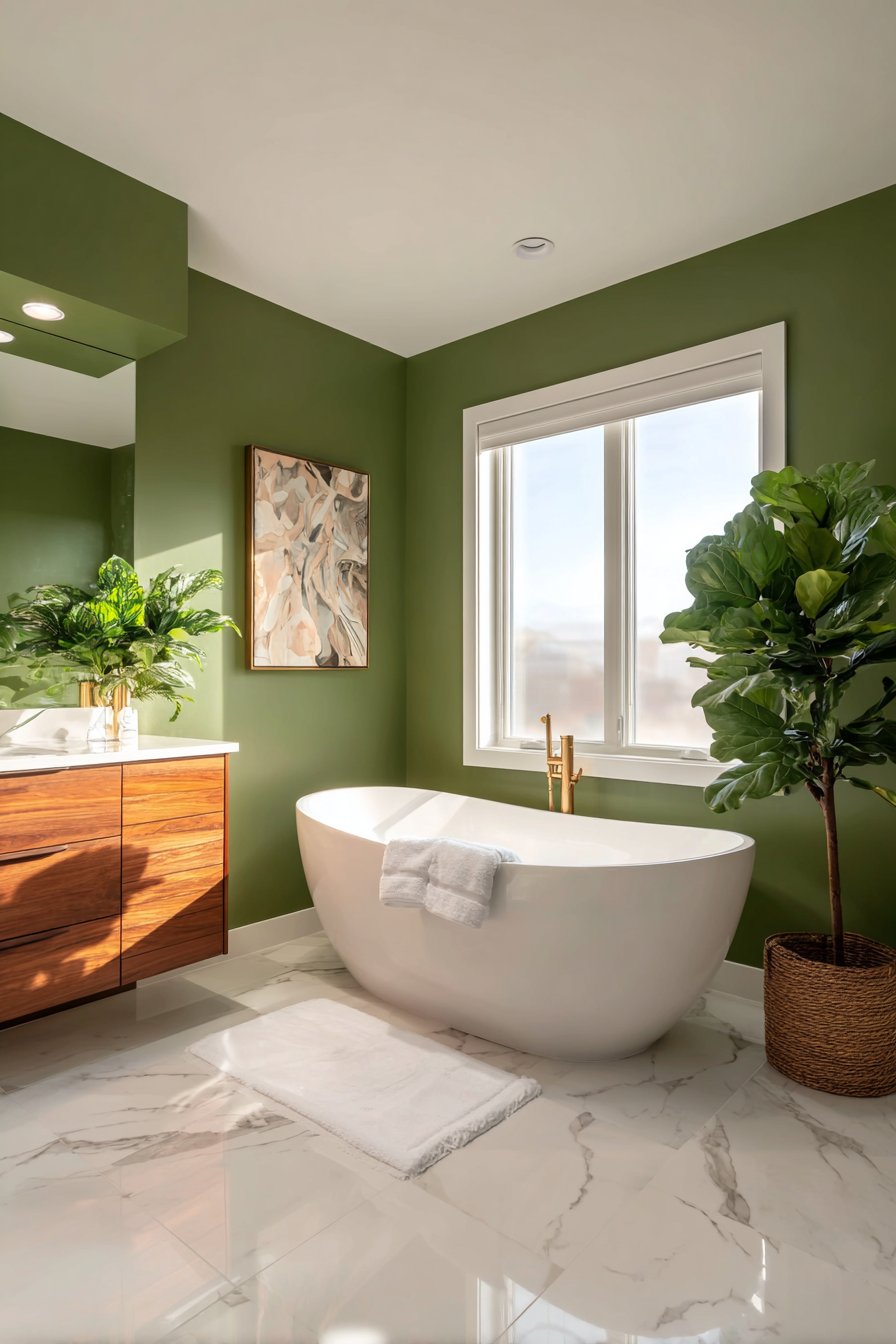
Start small if you’re hesitant, perhaps with olive towels, a painted vanity, or accent wall. As confidence builds, expand the color into larger applications. Remember that successful design reflects your personal style while respecting fundamental principles of color theory and spatial harmony. Your bathroom should feel like a retreat that welcomes you home every day, and olive green offers a timeless path to achieving exactly that.
