


Choosing the perfect blue shade for your bathroom can transform an ordinary space into a stunning sanctuary. The difference between navy and midnight blue might seem subtle at first glance, but these two sophisticated hues create distinctly different atmospheres in bathroom design. Understanding their unique characteristics helps homeowners make informed decisions that align with their personal style and functional needs.
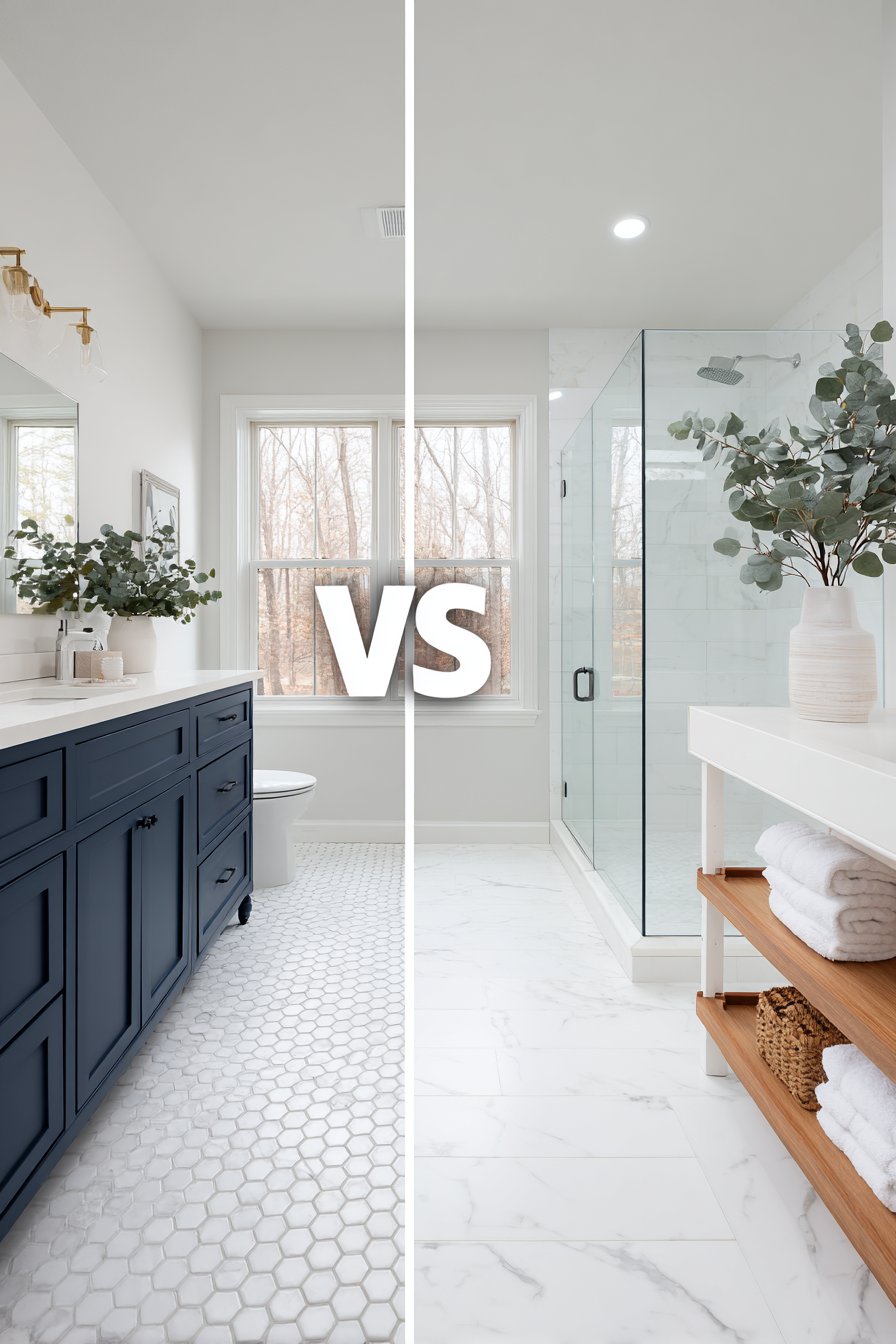
Both colors belong to the deep blue family, yet each carries its own personality and visual impact. Navy blue brings a crisp, nautical energy that feels fresh and timeless. Midnight blue offers a mysterious depth that leans toward dramatic elegance. The choice between these shades influences everything from lighting requirements to fixture selections, making it crucial to understand their individual strengths before committing to a bathroom renovation.
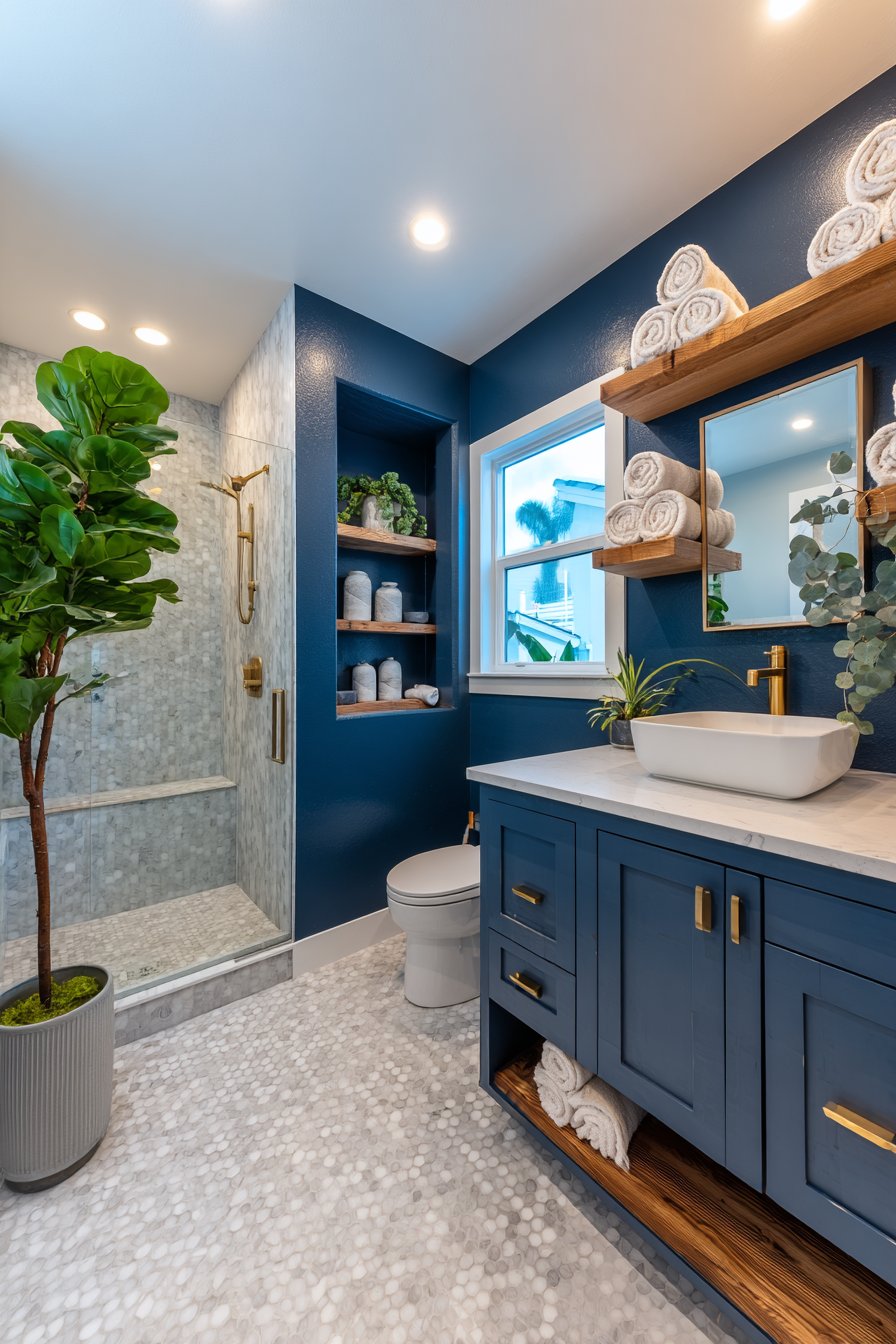
This comprehensive guide explores the nuances of navy versus midnight blue in bathroom applications. We’ll examine how each color performs under different lighting conditions, pairs with various materials, and creates specific moods. Whether you’re planning a complete bathroom overhaul or a simple refresh, this comparison will help you select the shade that best suits your vision.
1. Understanding Color Composition and Undertones
Navy blue is a true blue shade with minimal black pigment, creating a clean and vibrant appearance. This color maintains its brightness even in smaller bathrooms, reflecting light more effectively than darker alternatives. The undertones in navy typically lean toward pure blue or slight green, giving it that classic maritime feel that works beautifully with white fixtures and chrome hardware.
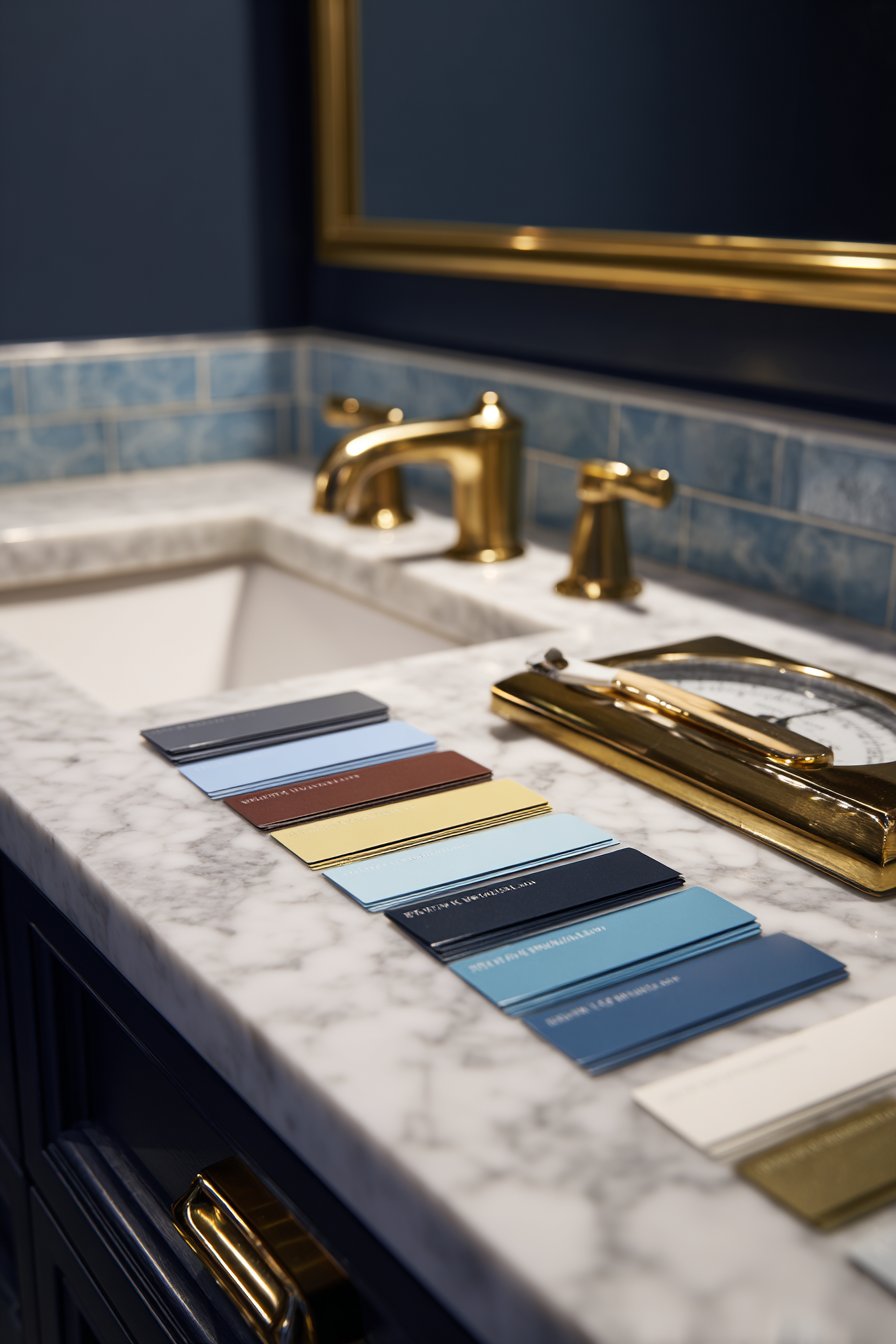
Midnight blue contains higher black content, resulting in a color that appears almost black in low light conditions. The undertones often include purple or indigo hints, adding complexity and sophistication to the overall appearance. This depth makes midnight blue ideal for creating moody, spa-like environments where relaxation takes priority over energizing brightness.
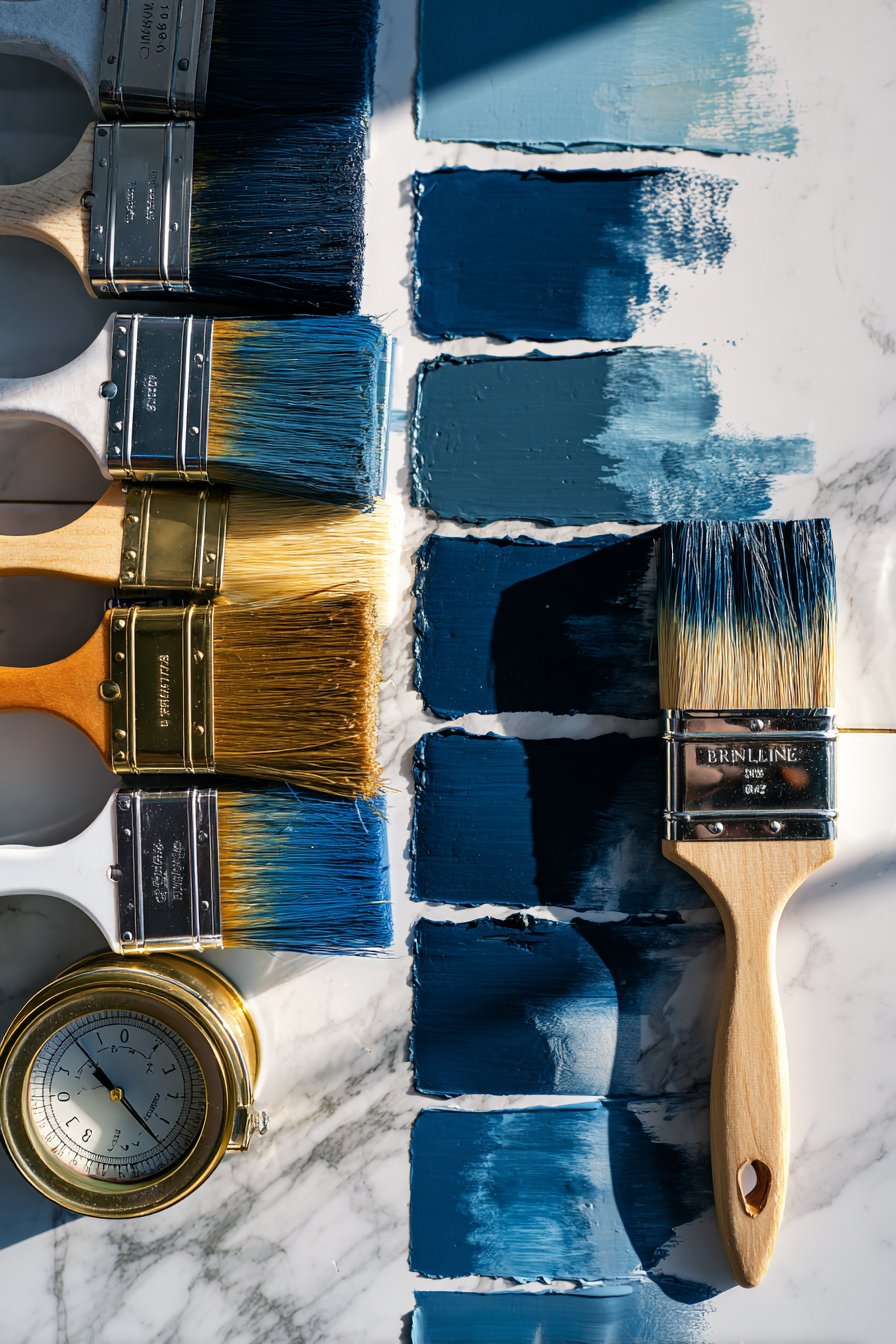
The pigment composition directly affects how each color ages and maintains its appearance over time. Navy blue tends to show wear and fading more noticeably, requiring quality paint products with excellent durability ratings. Midnight blue’s darker nature conceals minor imperfections and water spots more effectively, making it a practical choice for high-moisture environments.
- Choose navy blue for bathrooms with limited natural light to maintain brightness
- Select midnight blue when creating dramatic, hotel-inspired bathroom designs
- Test paint samples in various lighting conditions before making final decisions
- Consider undertones when coordinating with existing tile and fixture colors
- Apply primer designed for bathroom use to ensure color longevity
- Factor in ceiling height when selecting darker shades
2. Impact on Perceived Space and Light
Navy blue creates an optical illusion that makes bathrooms feel more spacious than midnight blue alternatives. The lighter pigment reflects approximately 10-15% more light, preventing the space from feeling cramped or cave-like. This quality makes navy the superior choice for small powder rooms or bathrooms without windows where natural light is limited.
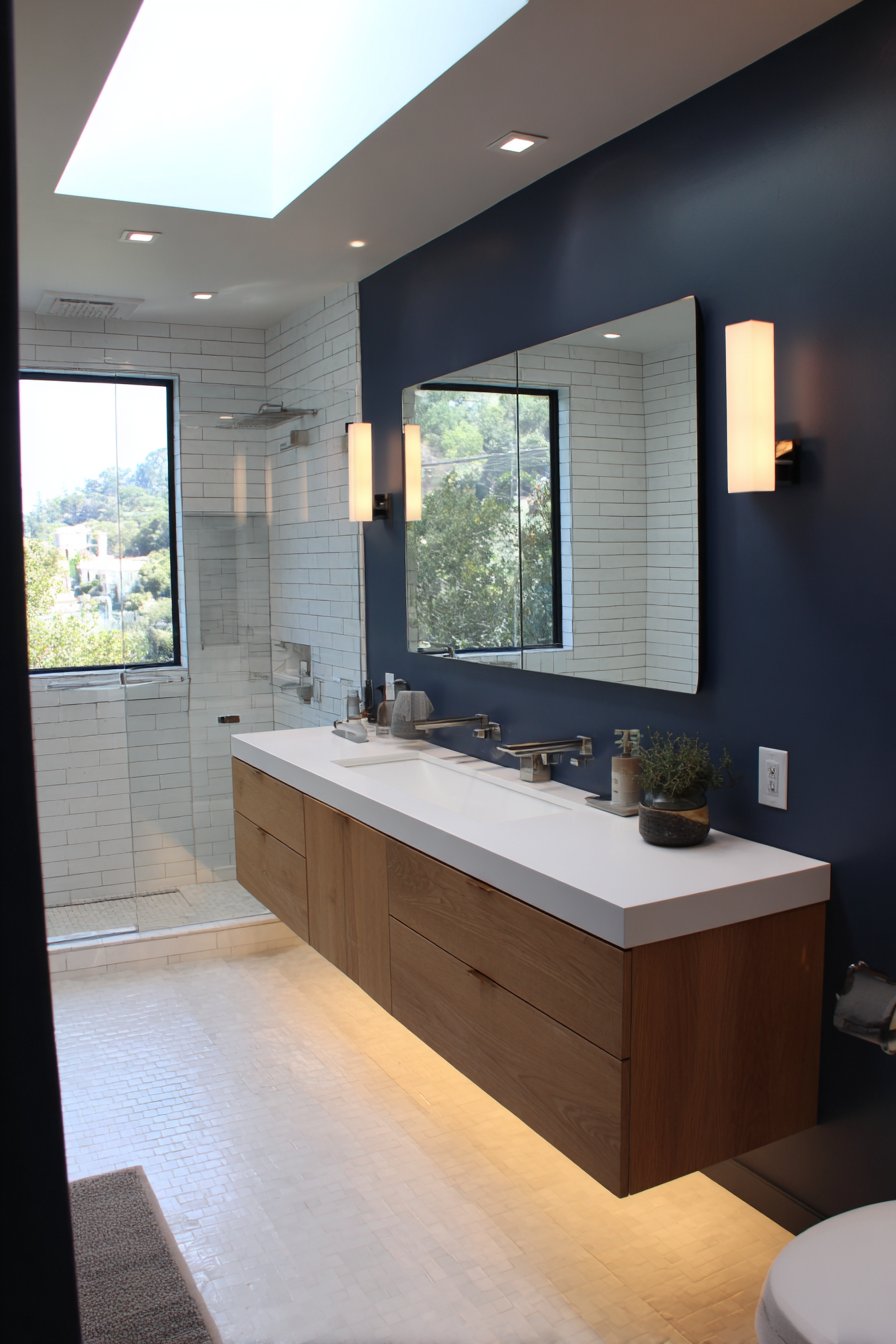
Midnight blue absorbs light dramatically, creating an intimate cocoon effect that works exceptionally well in larger bathrooms. The color eliminates visual boundaries, making the space feel infinite rather than confined. This works particularly well in master bathrooms where creating a retreat-like atmosphere takes precedence over maximizing perceived square footage.
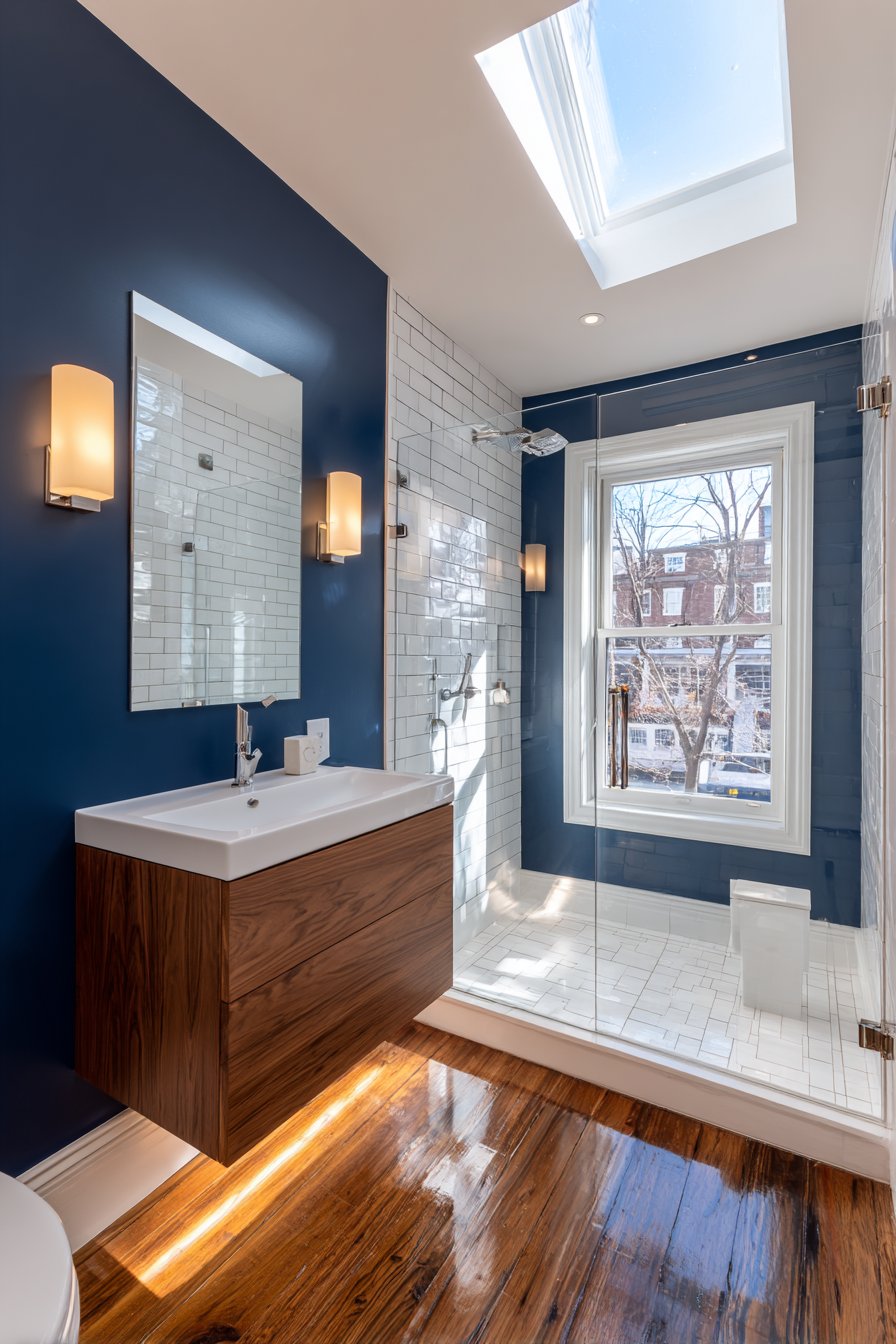
Artificial lighting becomes crucial with both colors, but midnight blue requires more strategic placement. Task lighting near mirrors must be brighter and more focused to compensate for the light-absorbing properties of the walls. Navy blue accommodates standard bathroom lighting configurations more easily, requiring fewer adjustments to existing electrical setups.
- Install dimmer switches to control ambiance with darker blue shades
- Add LED strip lighting under floating vanities for depth and dimension
- Position wall sconces 60-65 inches from floor for optimal face illumination
- Use warm white bulbs (2700-3000K) with midnight blue for inviting warmth
- Incorporate reflective surfaces like large mirrors to bounce available light
- Consider skylight installation for naturally lit spaces with dark walls
3. Pairing with Fixtures and Hardware
Navy blue provides versatile compatibility with both modern and traditional bathroom fixtures. This shade complements brushed nickel, polished chrome, and brass hardware equally well, offering flexibility in design direction. The color acts as a neutral backdrop that allows statement fixtures to shine without competing for attention.
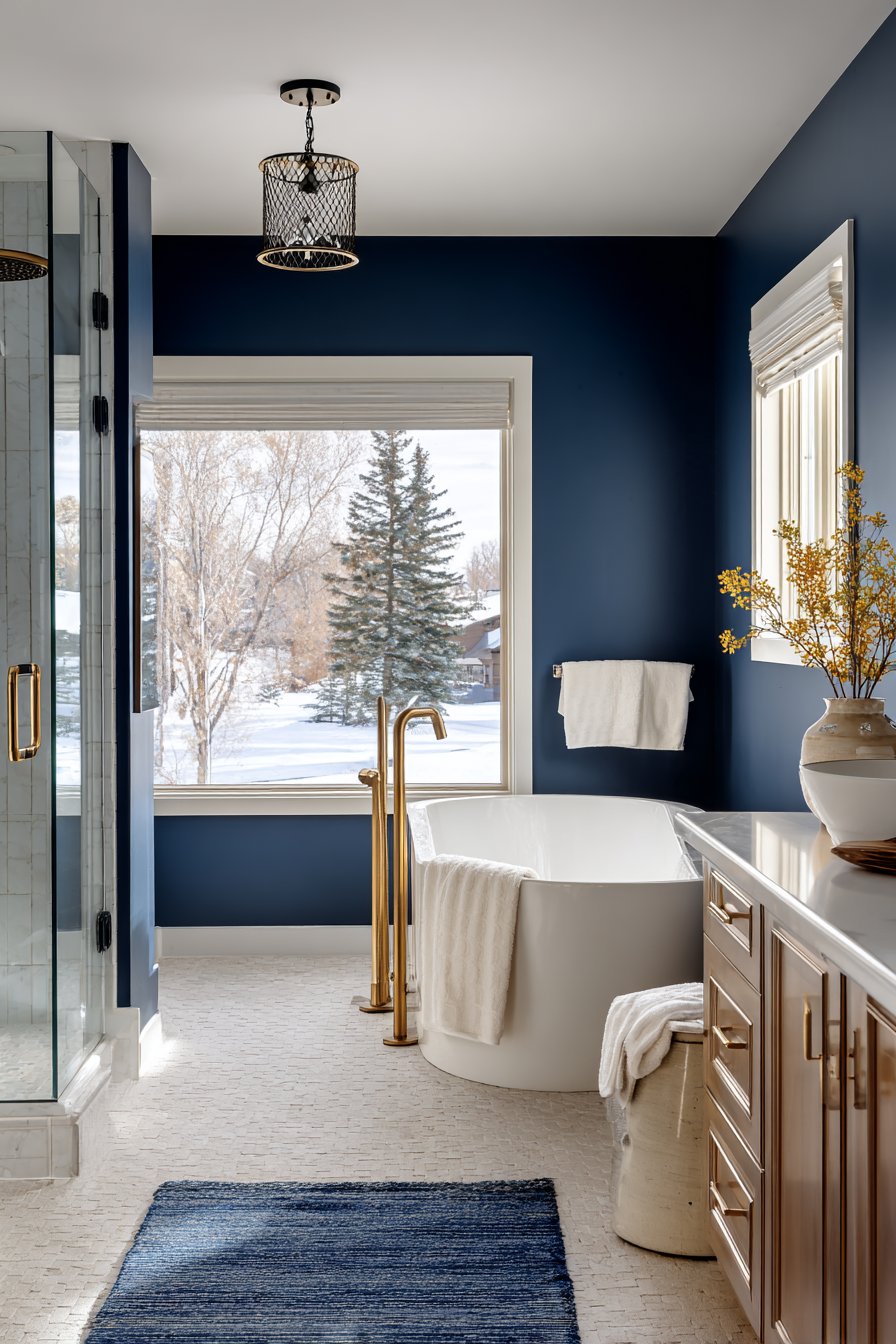
Midnight blue demands more intentional fixture selection to prevent the space from feeling too heavy or dated. Matte black fixtures create a sophisticated monochromatic look, while gold or brass accents provide striking contrast that elevates the entire design. White porcelain fixtures stand out dramatically against midnight blue walls, creating a high-contrast aesthetic reminiscent of luxury hotels.
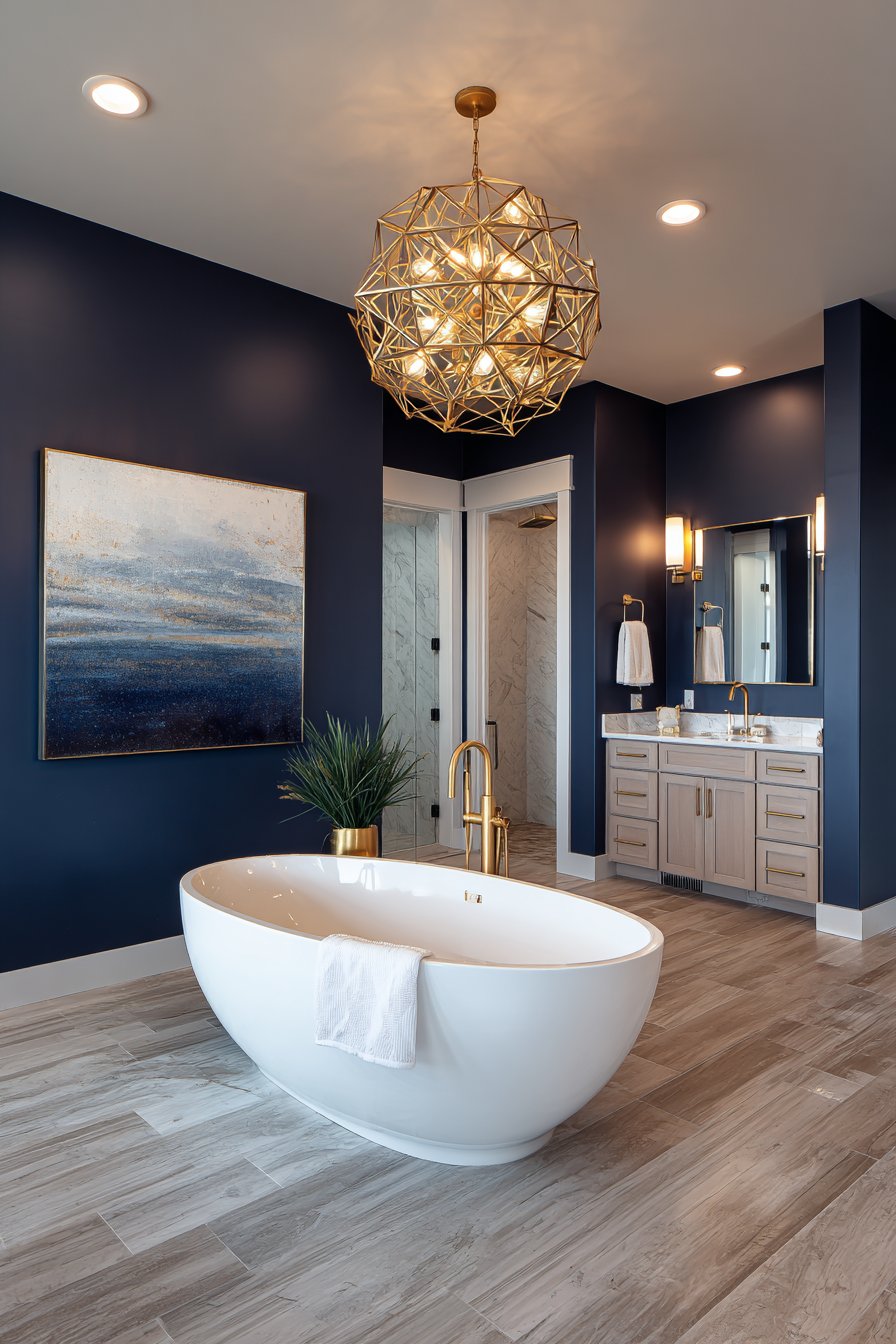
The finish of your fixtures affects how each blue reads in the space. Shiny, reflective finishes help balance the light-absorbing qualities of both shades. Matte finishes work better with navy blue, as midnight blue already provides sufficient visual weight without additional heavy elements competing for attention.
- Match metal finishes throughout the bathroom for cohesive design
- Choose white or light-colored countertops to prevent overwhelming darkness
- Consider frameless glass shower enclosures to maintain visual openness
- Select faucets with clean lines that complement the color’s sophistication
- Avoid mixing more than two metal finishes in the same bathroom
- Prioritize quality over quantity when selecting statement hardware pieces
4. Maintenance and Practical Considerations
Navy blue shows water spots and soap residue more visibly than midnight blue, requiring more frequent cleaning attention. The lighter pigment reveals imperfections, fingerprints, and dust accumulation that would remain hidden on darker surfaces. This means homeowners must commit to regular maintenance routines to keep navy bathrooms looking pristine.
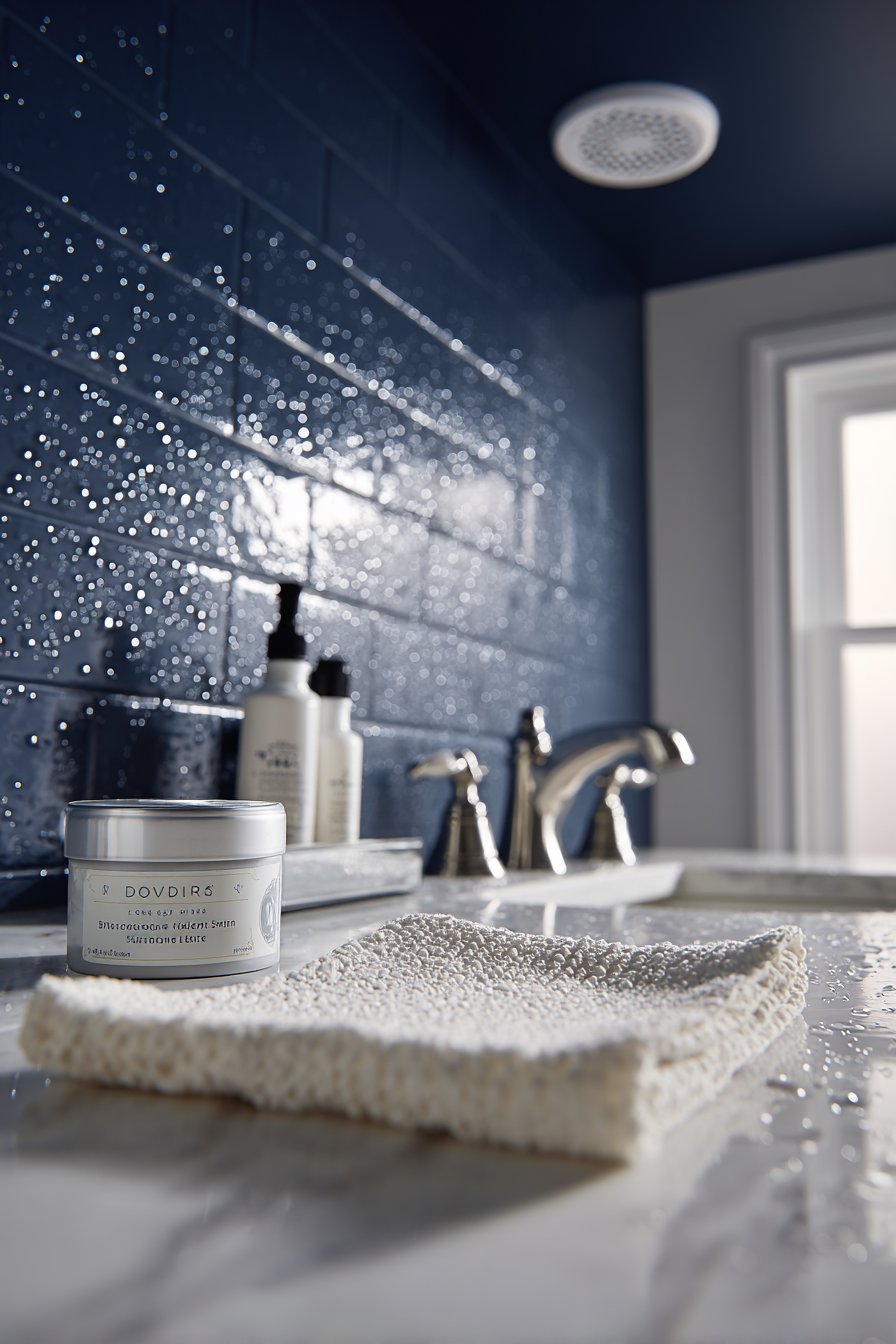
Midnight blue conceals minor flaws and daily wear exceptionally well, making it the low-maintenance champion between these two options. The deep color camouflages toothpaste splatters, hair products, and minor scuffs that inevitably occur in active bathrooms. However, hard water stains on fixtures show more prominently against the dark background, requiring diligent fixture cleaning.
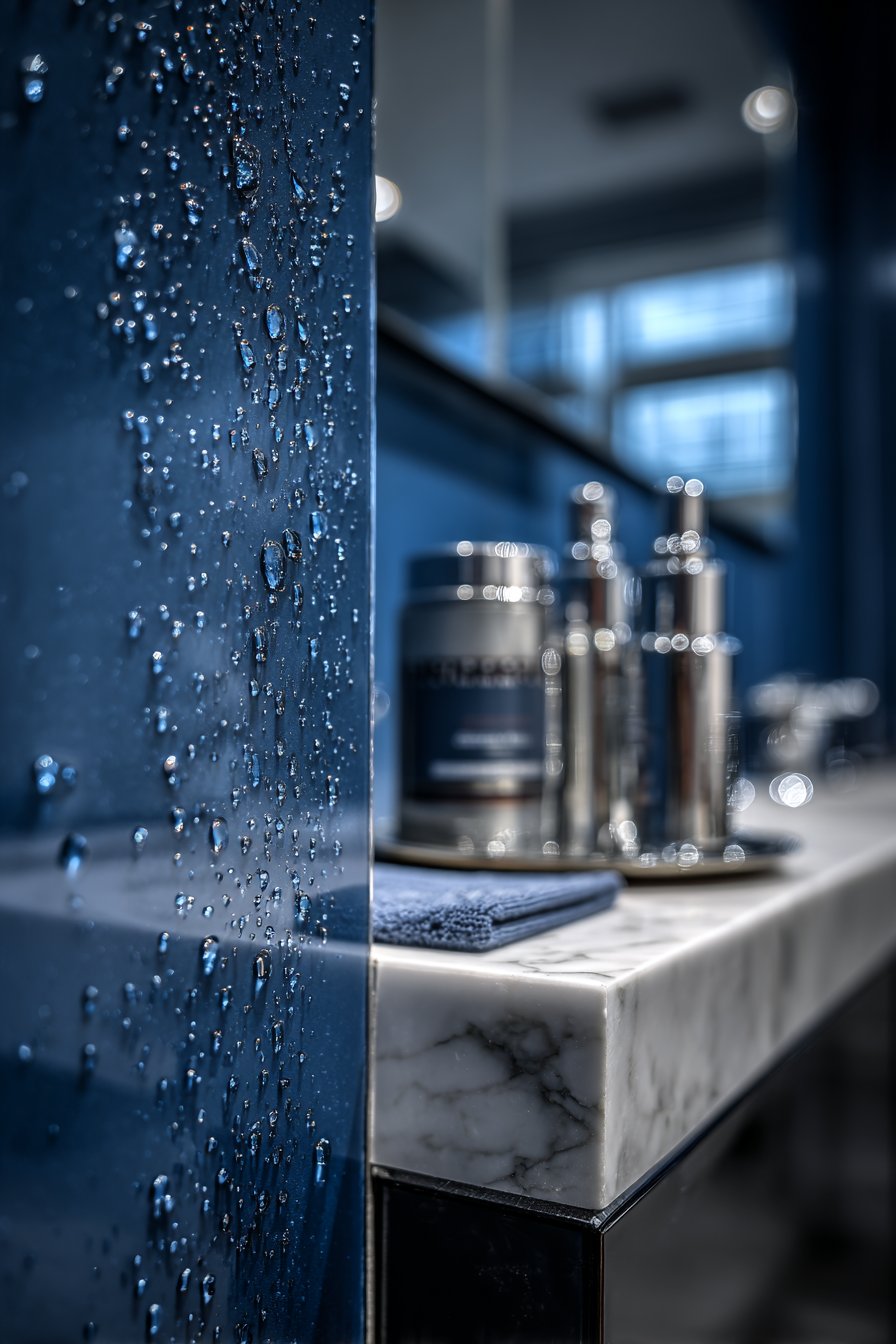
Both colors benefit from semi-gloss or satin finishes designed specifically for high-humidity environments. Flat finishes absorb moisture and develop mildew more easily, while high-gloss options can highlight wall imperfections and create glare. The sheen level affects both appearance and practicality, making finish selection just as important as color choice.
- Use mildew-resistant paint formulated for bathroom environments
- Wipe down walls weekly with microfiber cloths to prevent buildup
- Install proper ventilation fans rated for bathroom square footage
- Apply paint with primer in a single product for better adhesion
- Touch up chips and scratches promptly to prevent moisture penetration
- Deep clean grout lines quarterly to maintain professional appearance
5. Creating Mood and Atmosphere
Navy blue evokes energizing nautical vibes that make morning routines feel refreshing and invigorating. The color carries associations with open water, clear skies, and crisp maritime aesthetics that promote alertness and clarity. This makes navy ideal for family bathrooms or powder rooms where the goal is creating bright, welcoming spaces for daily use.
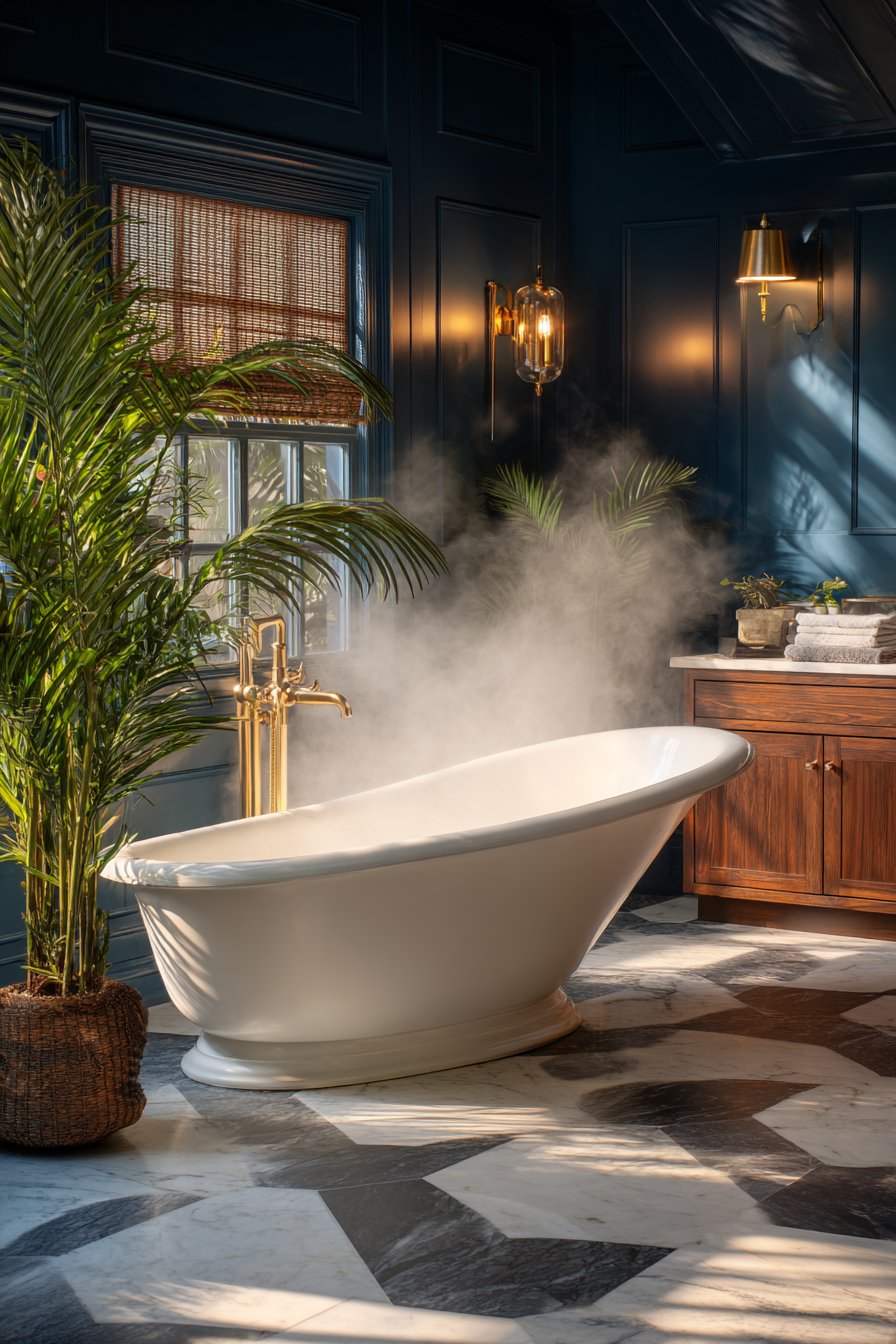
Midnight blue cultivates dramatic tranquility perfect for unwinding after long days. The color encourages relaxation by mimicking twilight skies and creating a sense of protective enclosure. This makes it the preferred choice for master bathroom suites where soaking tubs and steam showers serve as personal wellness retreats.
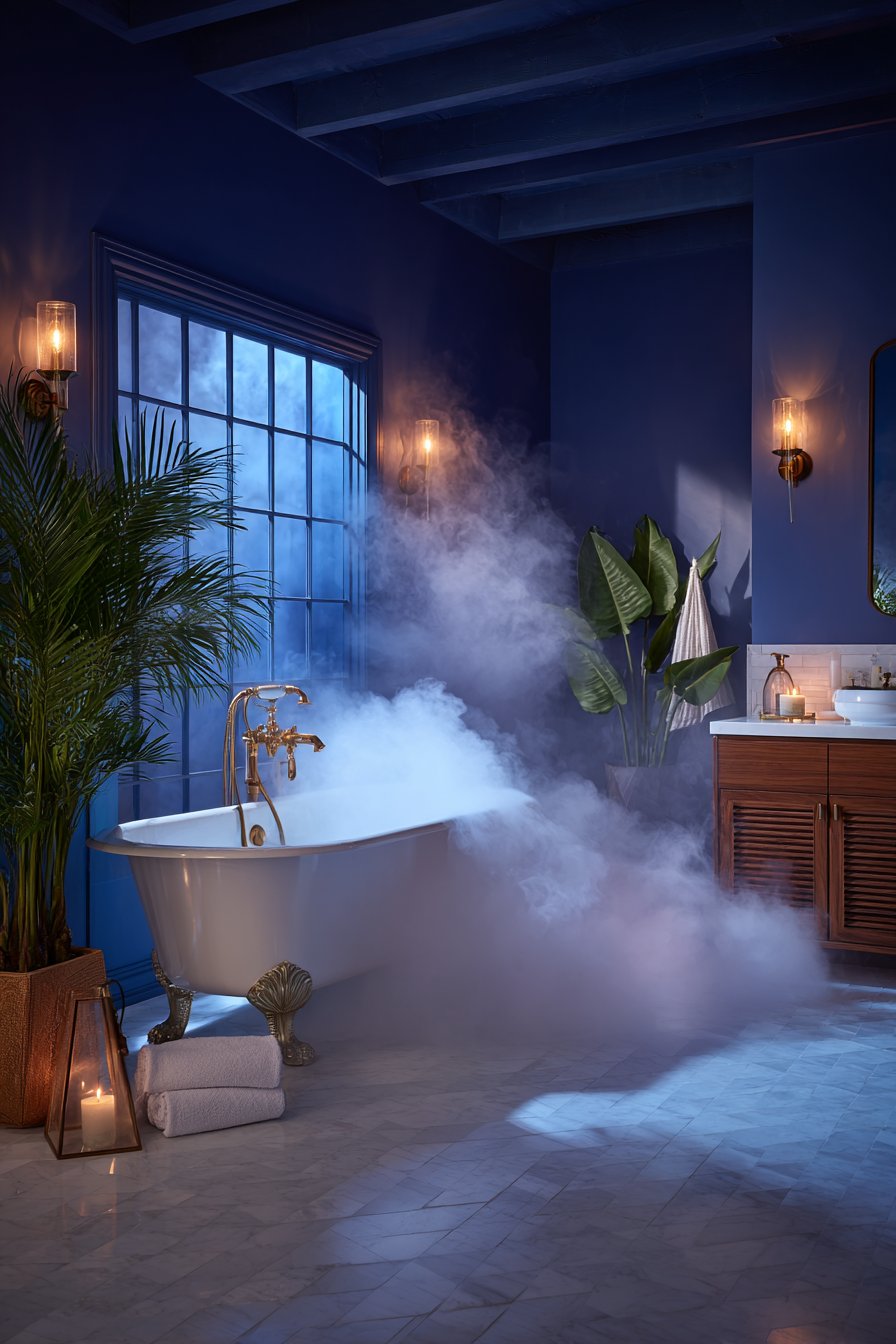
The psychological impact of color shouldn’t be underestimated in bathroom design. Navy blue promotes confidence and mental clarity, while midnight blue encourages introspection and calm. Consider how the space will be used and at what times of day when selecting between these mood-altering shades.
- Combine navy with white and natural wood for coastal-inspired designs
- Pair midnight blue with marble and brass for luxury hotel aesthetics
- Add plants to soften the intensity of darker blue shades
- Incorporate texture through tiles, textiles, and accessories for visual interest
- Use artwork strategically to introduce complementary color accents
- Consider the view from adjacent rooms when selecting paint colors
6. Budget and Long-Term Value
Navy blue offers greater resale flexibility as it appeals to broader buyer demographics. The color reads as fresh and contemporary without feeling overly trendy or polarizing. Real estate professionals often recommend classic navy over more dramatic alternatives when preparing homes for market, as it photographs well and shows beautifully during viewings.
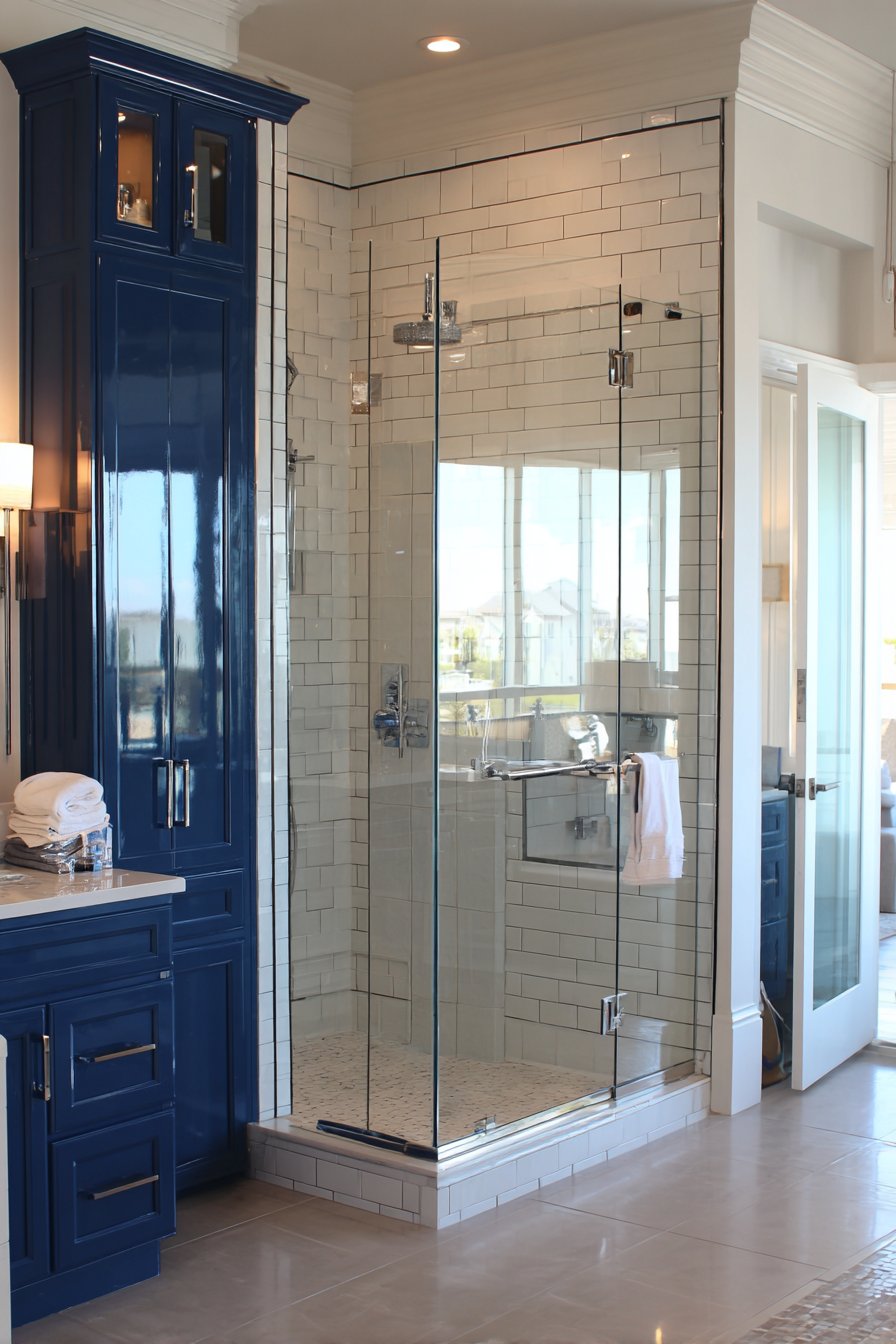
Midnight blue represents a bold design commitment that may limit appeal to potential buyers. However, when executed well with quality materials and thoughtful details, it can become a major selling point that distinguishes your home from comparable properties. The key lies in ensuring the rest of the bathroom feels luxurious and cohesive rather than dark or oppressive.
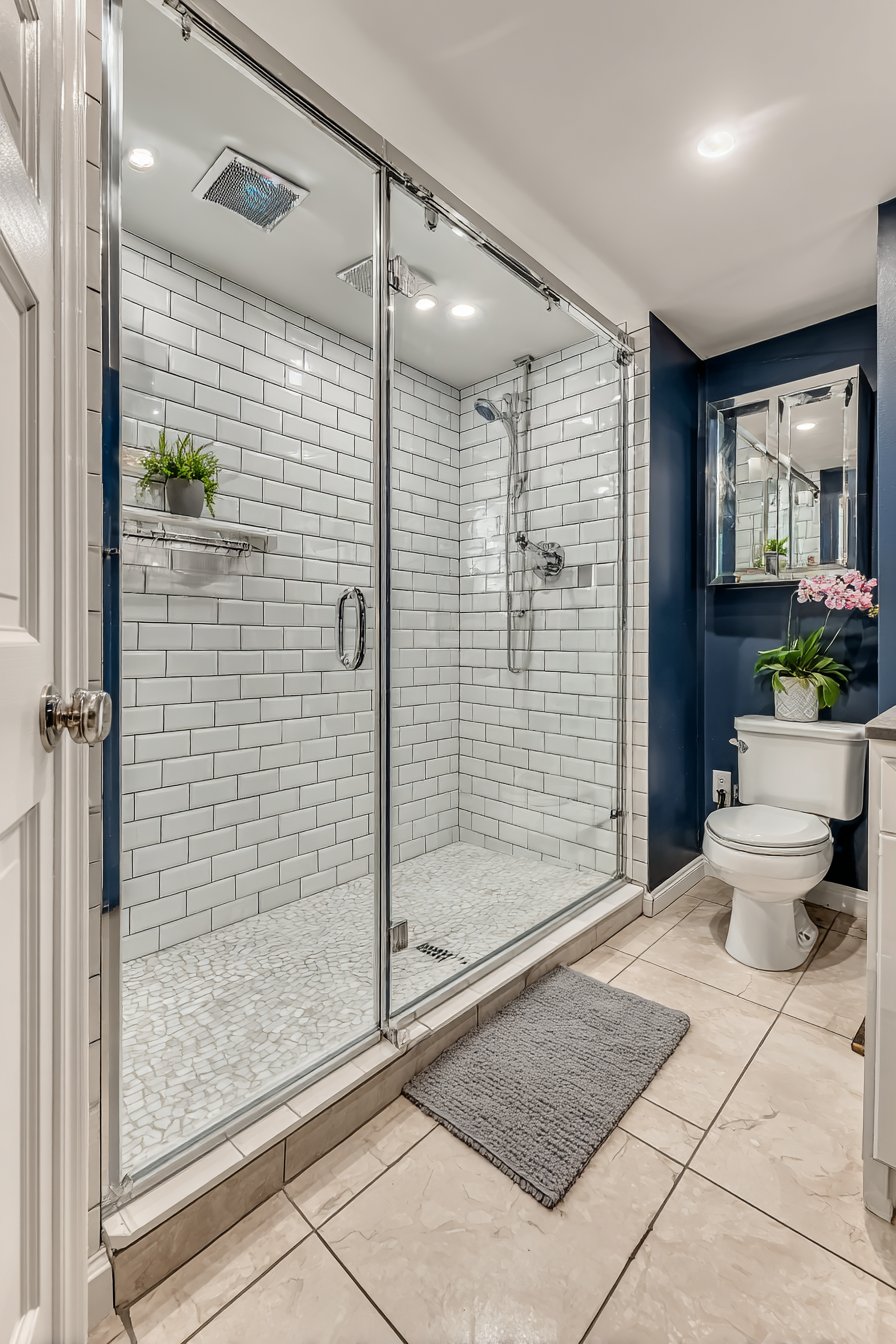
Both colors require premium paint products to achieve professional results. Expect to invest in high-quality bathroom paint that resists moisture, mildew, and fading. Cheaper alternatives may save money initially but often require more frequent repainting, ultimately costing more over time while creating unnecessary disruption to your daily routine.
- Budget $200-400 for paint and supplies for average-sized bathrooms
- Hire professional painters for flawless results with darker colors
- Invest in quality painter’s tape to protect fixtures and trim
- Plan for two coats minimum with proper drying time between applications
- Calculate total project costs including new accessories and hardware
- Consider staging consultations if planning to sell within five years
Conclusion
The choice between navy and midnight blue ultimately depends on your bathroom’s size, lighting, and intended atmosphere. Navy blue offers versatility and brightness that works in various settings, while midnight blue provides dramatic sophistication for those willing to embrace bolder design choices. Both colors create stunning bathrooms when paired with appropriate fixtures, lighting, and accessories.
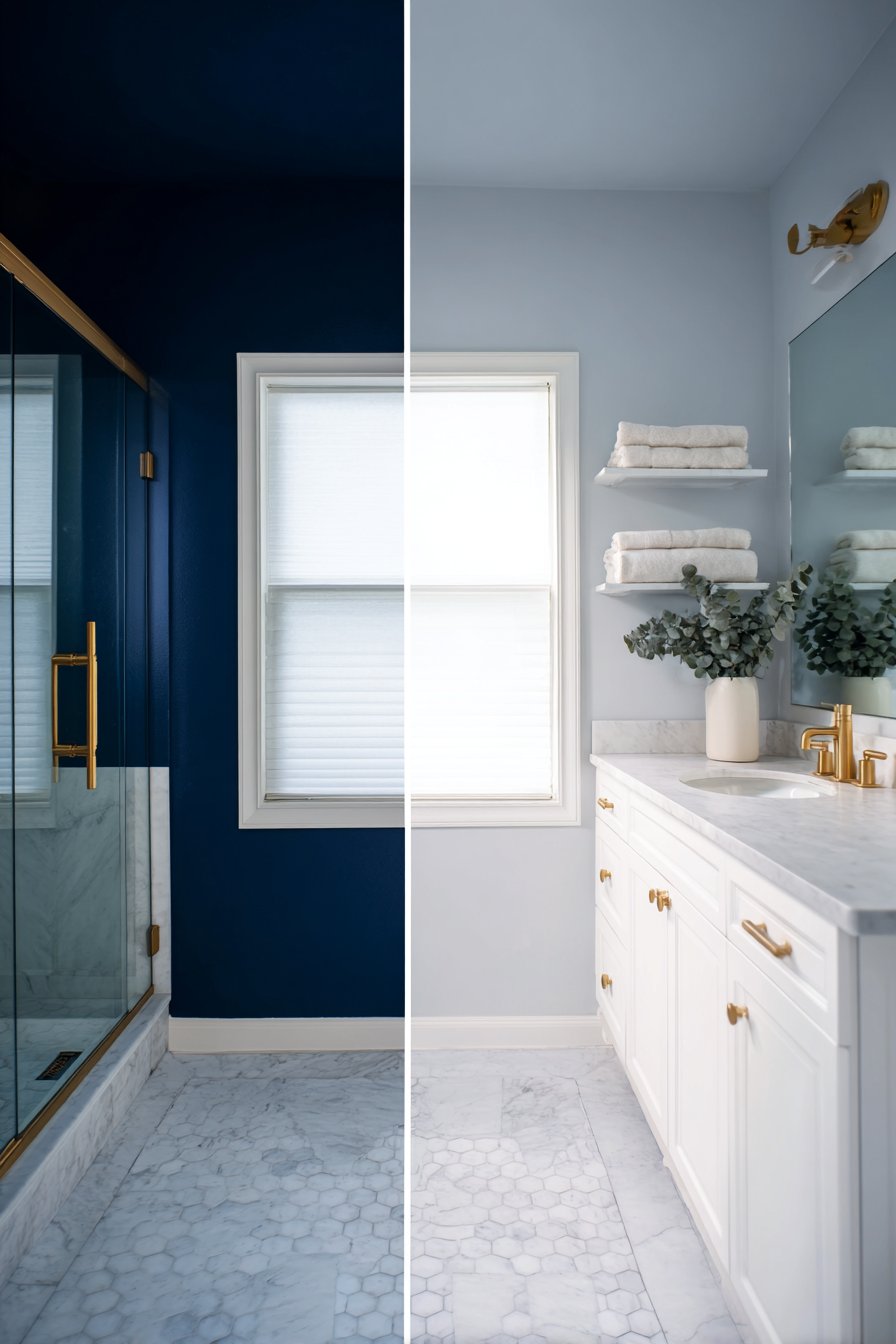
Don’t rush this important decision. Live with paint samples on your walls for several days, observing how each shade performs throughout different times and lighting conditions. Trust your instincts, consider practical maintenance requirements, and choose the blue that makes your bathroom feel like home. Whether you select navy’s energizing clarity or midnight’s serene depth, you’re investing in a space that reflects your personal style and enhances daily life.
