


Choosing the right bed frame is one of the most important decisions in bedroom design. Your bed frame serves as the foundation for quality sleep and acts as a central design element in your personal sanctuary. While aesthetics matter, durability determines whether your investment will last five years or fifty years.
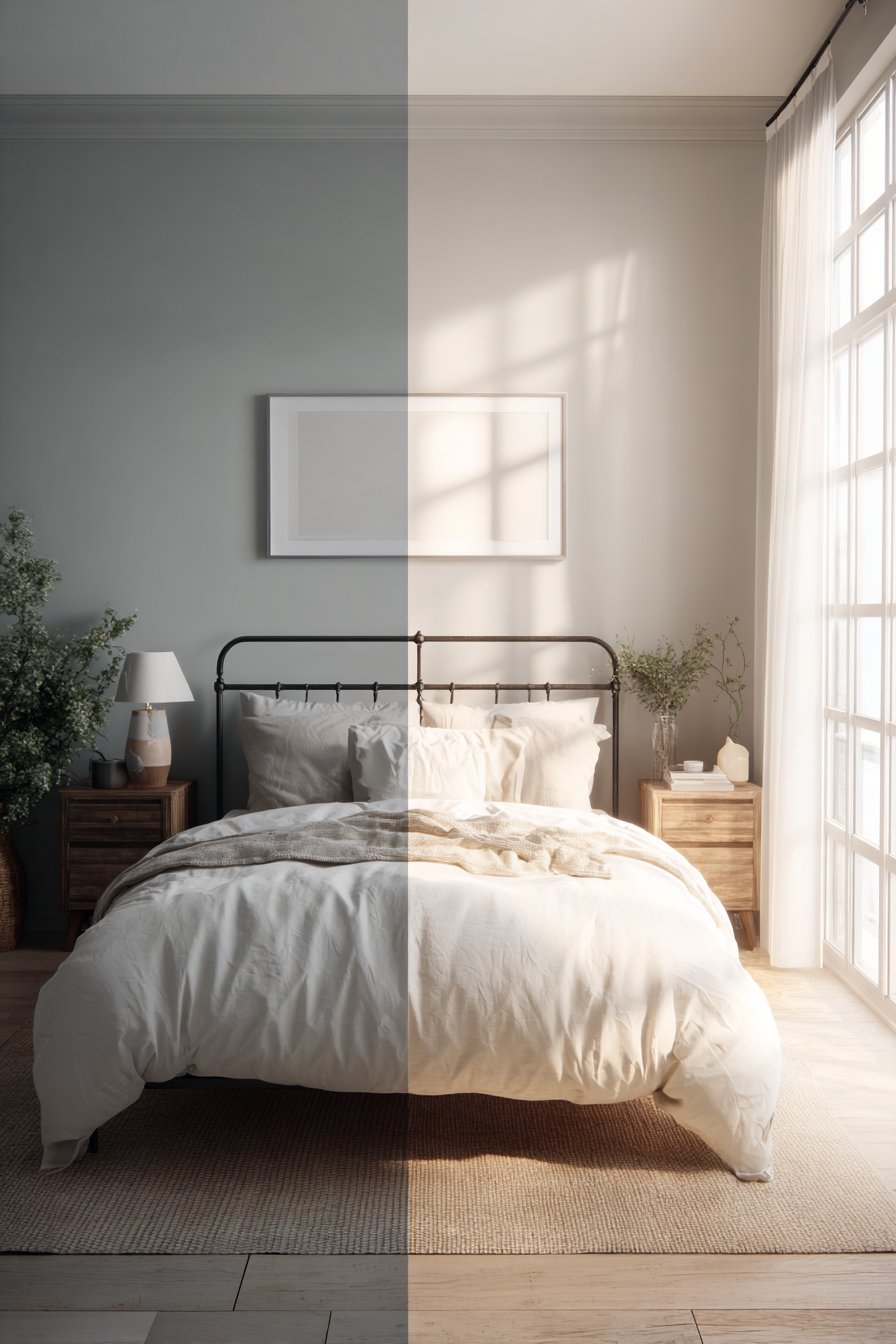
The debate between metal and wood bed frames has intensified as homeowners seek long-term value and sustainable choices. Both materials offer distinct advantages in durability, maintenance, and longevity. Understanding these differences helps you make an informed decision that aligns with your lifestyle, budget, and design preferences. This comprehensive comparison explores six critical factors that determine which frame type will serve you best.
1. Material Composition and Structural Integrity
Metal bed frames typically use steel or wrought iron, offering exceptional strength from the molecular level. The uniform composition of metal means consistent performance across the entire frame. Steel frames can support tremendous weight without warping or bending when properly engineered. The material density provides inherent stability that resists structural compromise over decades.
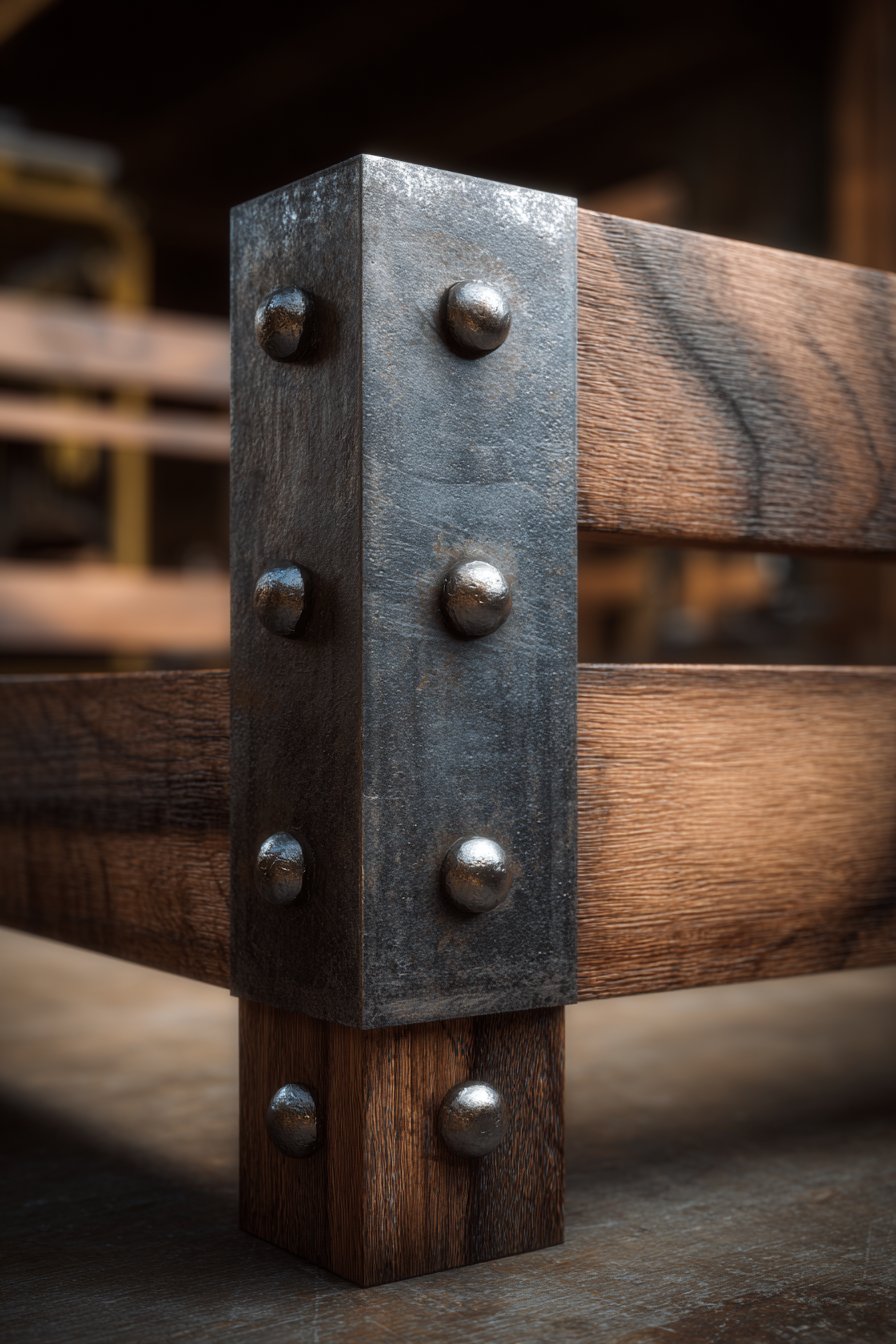
Wood bed frames derive strength from natural grain patterns and fiber density. Hardwoods like oak, maple, and walnut offer superior durability compared to softwoods like pine. The cellular structure of wood provides natural flexibility that absorbs stress without cracking. However, wood quality varies significantly based on growth conditions and harvesting methods.

The manufacturing process affects durability regardless of material choice. Welded metal joints create stronger connections than bolted assemblies in metal frames. Wood frames benefit from mortise-and-tenon joinery or dowel construction over simple screws. Understanding these construction methods helps identify quality craftsmanship that ensures longevity.
- Inspect welding quality on metal frames for smooth, uniform joints
- Choose hardwoods with tight grain patterns for maximum strength
- Verify frame thickness exceeds industry minimum standards
- Look for reinforced corner brackets on both material types
- Consider weight capacity ratings that exceed your needs by 50%
- Request information about metal gauge or wood density specifications
2. Resistance to Wear and Environmental Factors
Metal frames demonstrate remarkable resistance to common household damage. They won’t crack from dry air or warp from humidity fluctuations. Steel frames resist impacts that would dent or scratch wood surfaces. The protective coating on quality metal frames prevents rust and corrosion in most environments.
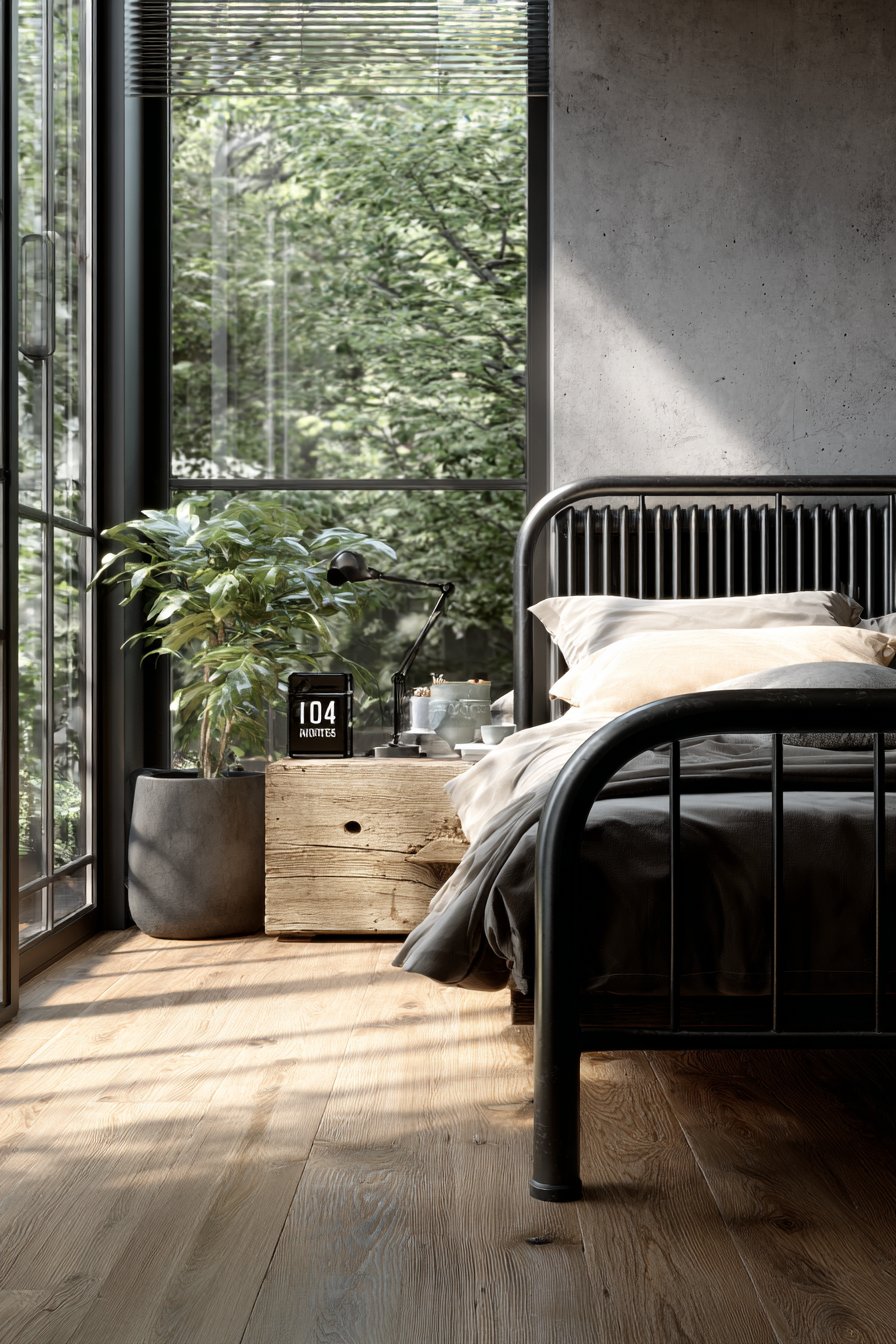
Wood frames face unique environmental challenges that affect longevity. Humidity changes cause wood to expand and contract, potentially loosening joints over time. Direct sunlight can fade natural wood finishes and dry out protective oils. However, properly sealed wood develops a patina that many consider more beautiful with age.
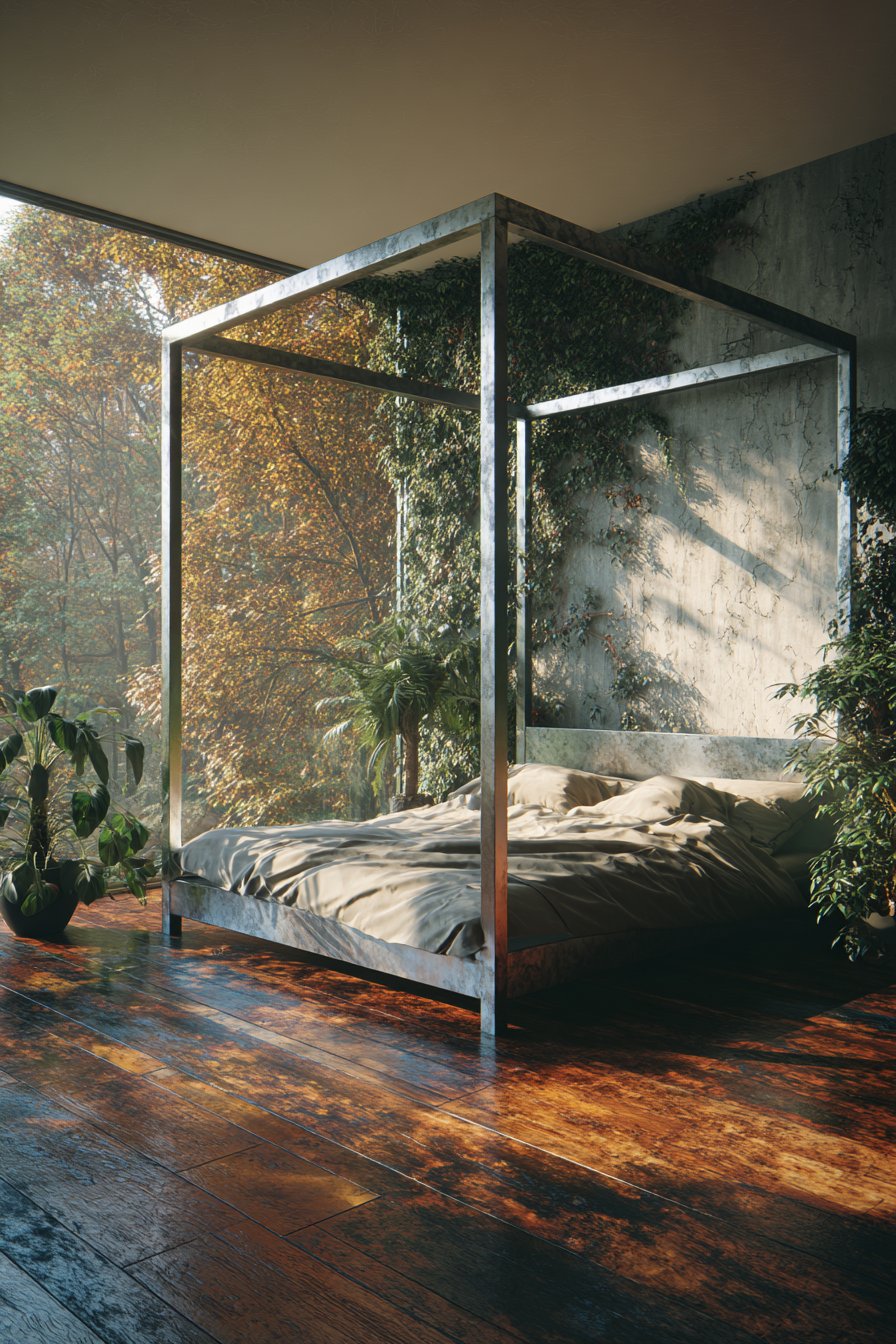
Temperature extremes affect both materials differently but predictably. Metal conducts temperature rapidly, becoming cold in winter or warm in summer. Wood provides natural insulation, maintaining consistent surface temperature regardless of room conditions. This thermal stability contributes to wood’s comfort factor and long-term dimensional stability.
- Apply protective sealants to wood frames every 2-3 years
- Position beds away from heating vents and direct sunlight
- Use dehumidifiers in humid climates to protect wood frames
- Check metal frames annually for rust spots or coating damage
- Maintain consistent indoor humidity levels between 30-50%
- Consider powder-coated metal for enhanced environmental protection
3. Maintenance Requirements and Long-term Care
Metal bed frames require minimal maintenance to preserve their structural integrity. Regular dusting and occasional tightening of bolts constitute the primary care routine. Scratches or chips in protective coatings should be addressed promptly with touch-up paint to prevent rust development. Most metal frames maintain their appearance with simple cleaning solutions.
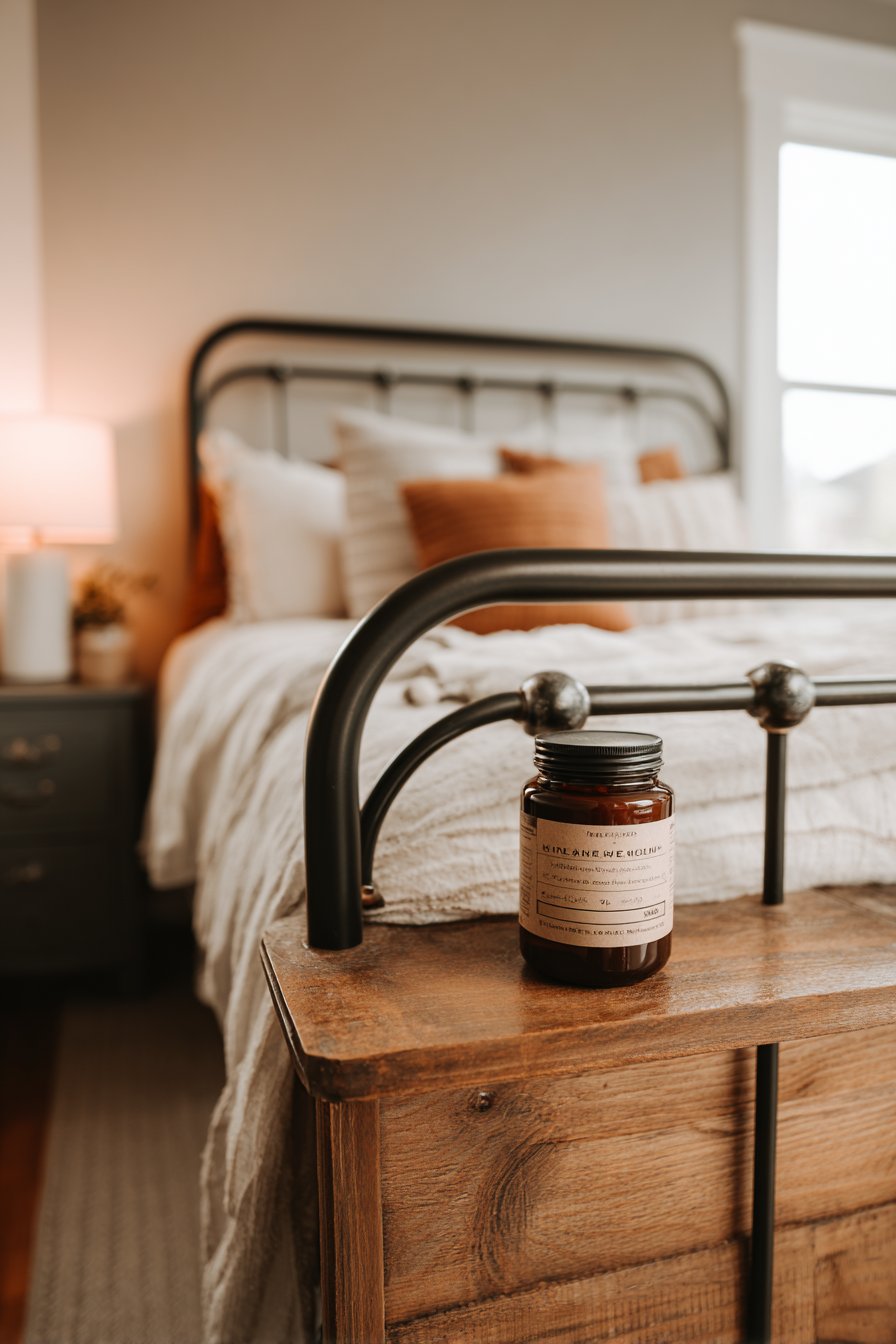
Wood frames demand more attentive care to maximize their lifespan. Periodic conditioning with appropriate oils or waxes keeps wood moisturized and prevents cracking. Scratches and dents can often be repaired with wood filler or sanding techniques. This maintenance investment pays dividends in preserved beauty and structural soundness.
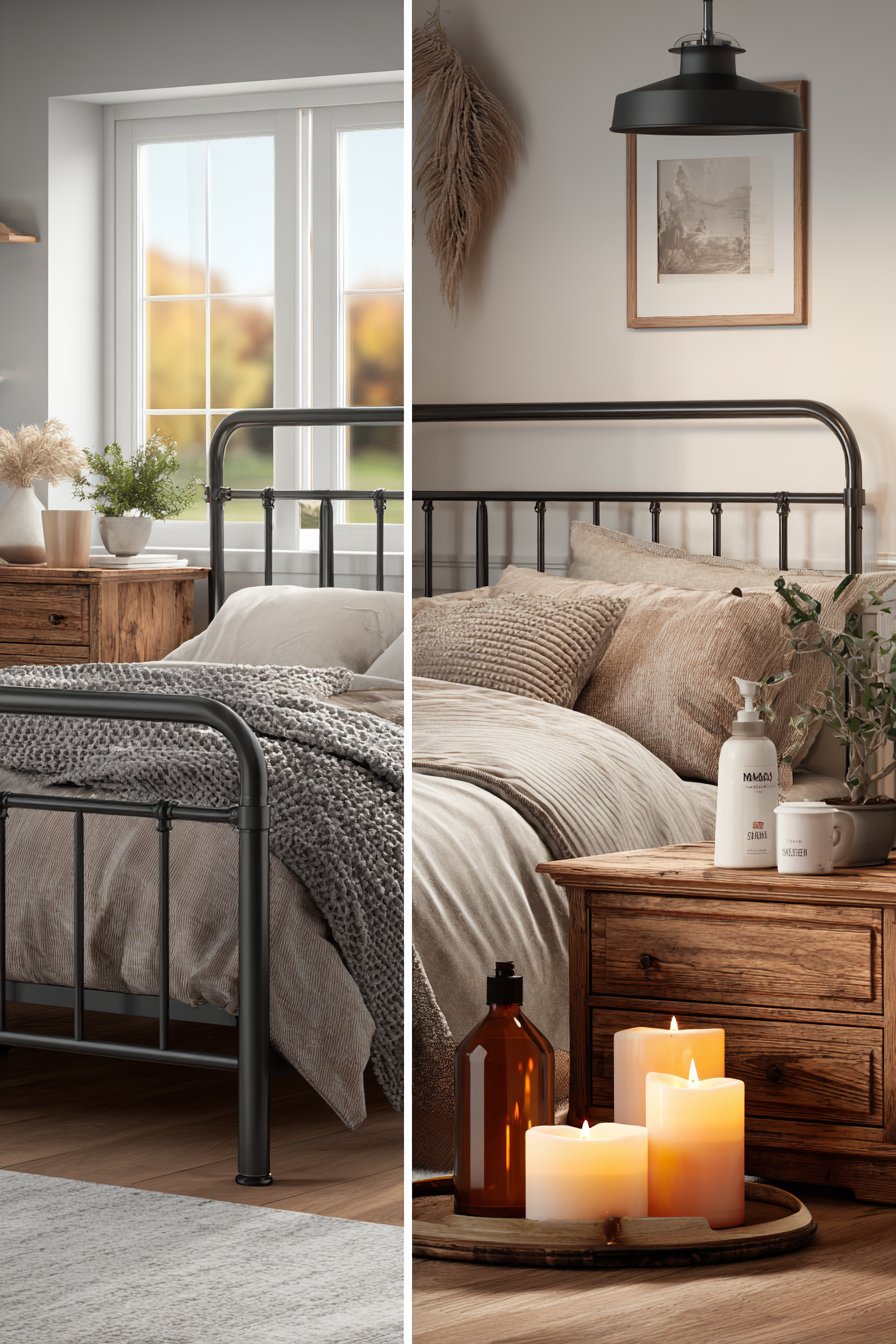
The ease of repair differs significantly between materials. Metal frames typically require professional welding for structural damage, making DIY repairs challenging. Wood frames allow homeowners to sand, refinish, or replace individual components without specialized equipment. This accessibility makes wood frames more practical for those who value hands-on maintenance capabilities.
- Establish quarterly inspection routines for all connection points
- Keep wood conditioning products specifically formulated for your finish type
- Document maintenance history to track frame performance over time
- Address minor issues immediately before they become structural problems
- Use felt pads under metal legs to protect flooring surfaces
- Store maintenance supplies and touch-up materials for quick access
4. Weight Capacity and Load Distribution
Steel bed frames excel in weight-bearing capacity, often supporting 1000 pounds or more. The rigid structure distributes weight evenly across support beams and legs. This makes metal frames ideal for heavier mattress types or individuals requiring extra support. The frame won’t sag or bow under sustained weight over many years.
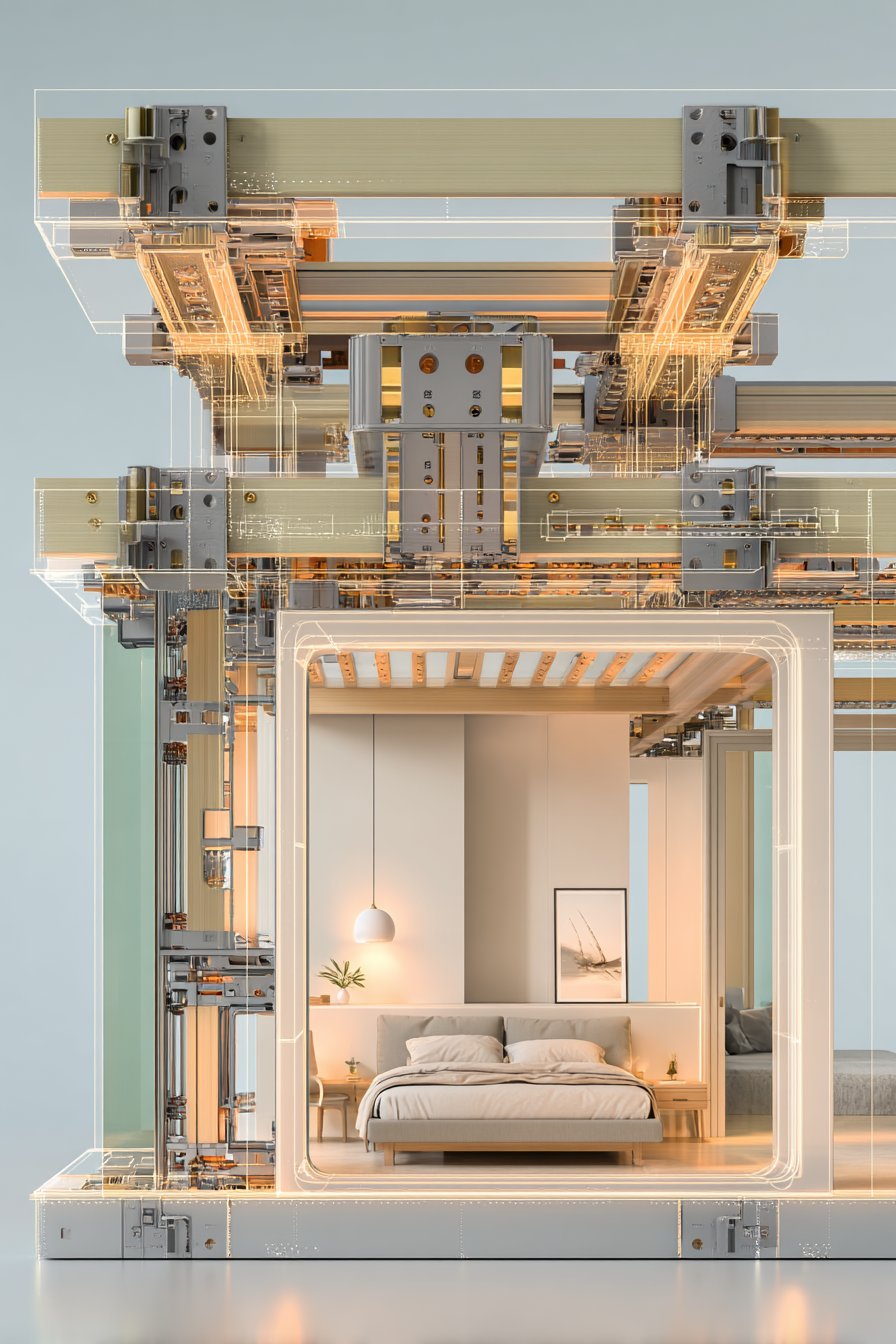
Quality hardwood frames also provide impressive weight capacity, typically ranging from 500 to 800 pounds. The natural flexibility of wood allows some give under pressure without permanent deformation. Solid wood slat systems distribute weight effectively across the mattress surface. However, engineered wood products may have lower weight limits than solid hardwood construction.
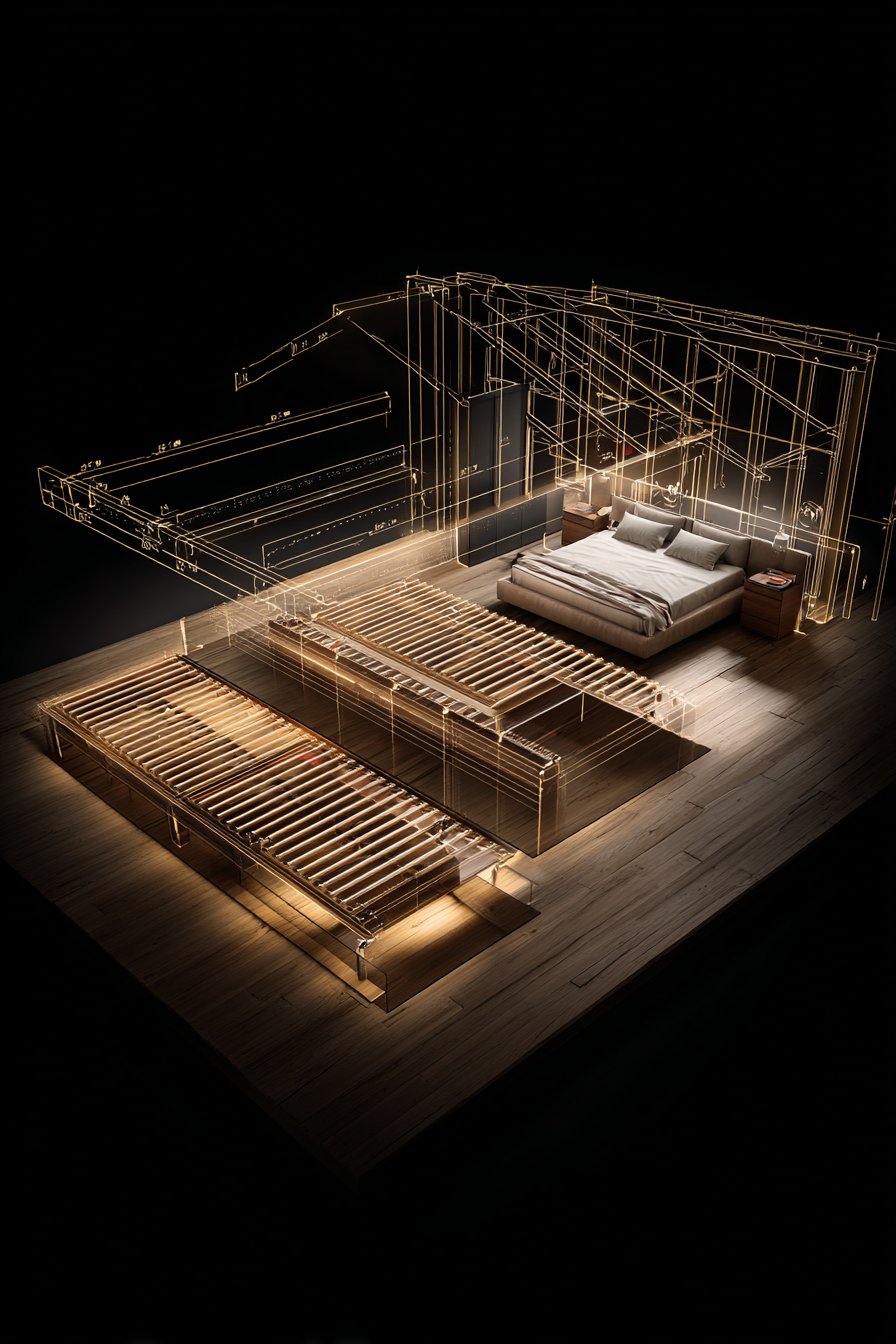
Load distribution mechanics affect long-term durability regardless of total capacity. Center support beams become crucial for queen and king-size frames of both materials. Proper slat spacing prevents mattress sagging and extends frame life. Understanding these structural requirements ensures your frame performs optimally throughout its lifespan.
- Verify weight capacity includes mattress, occupants, and bedding combined
- Add center support legs for frames longer than 75 inches
- Space slats no more than 3 inches apart for optimal support
- Consider platform-style frames for enhanced weight distribution
- Check manufacturer warranties regarding weight limit compliance
- Reinforce high-stress areas with additional support brackets
5. Noise Production and Joint Stability
Metal frames can develop annoying squeaks as joints loosen over time. The rigid nature of metal means movement creates friction at connection points. Plastic washers or felt pads help reduce noise but may require periodic replacement. Well-designed metal frames incorporate noise-dampening features that maintain quiet operation.
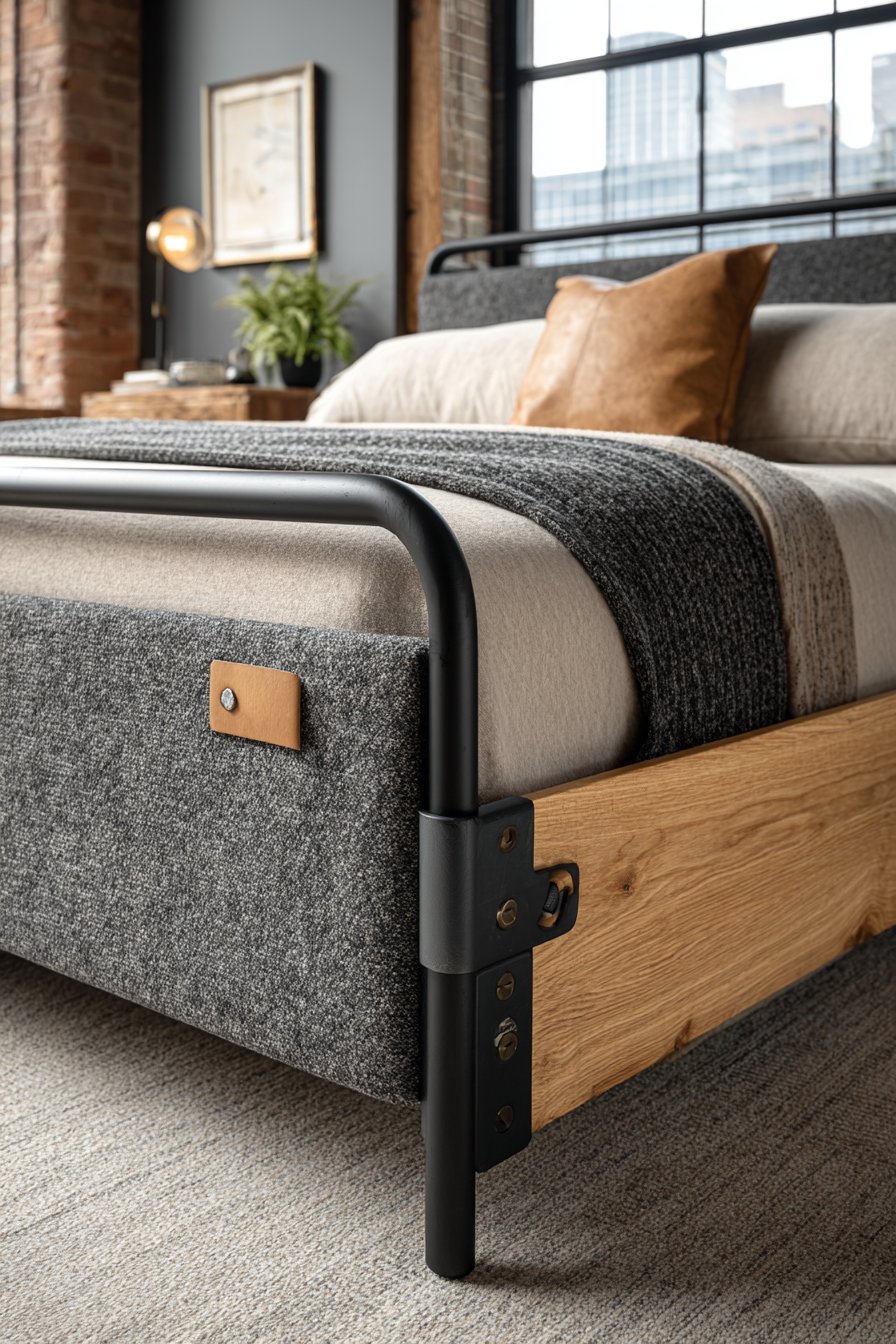
Wood frames typically operate more quietly due to the material’s natural dampening properties. The slight flexibility in wood joints absorbs movement without creating friction noise. However, loose wood joints can produce creaking sounds that intensify over years. Tightening hardware and applying lubricant to metal fasteners usually resolves these issues.
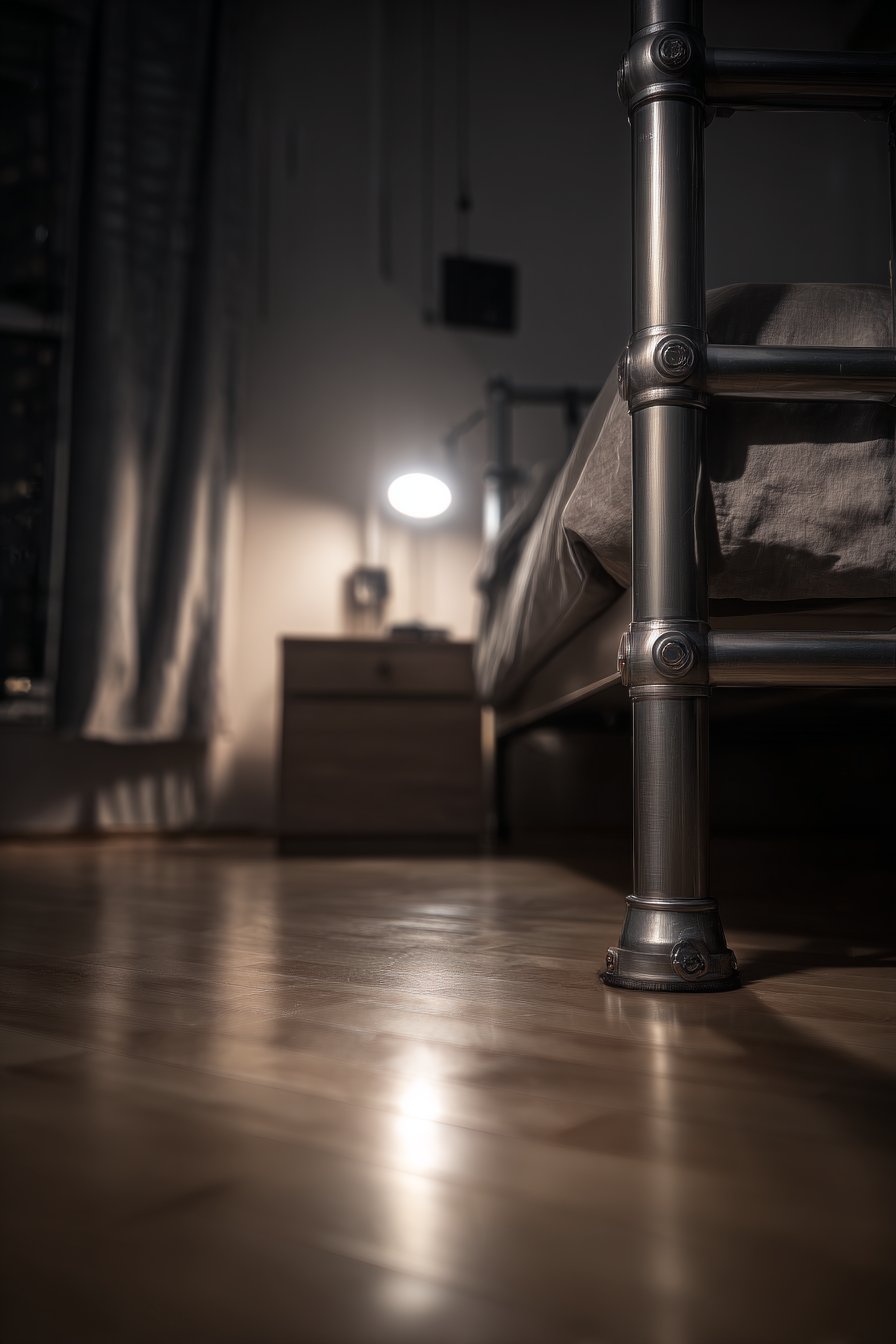
Joint design significantly impacts long-term noise levels in both frame types. Bolted connections require regular tightening regardless of material choice. Welded metal frames eliminate many potential noise sources entirely. Glued wood joints maintain silence but can’t be easily tightened if they loosen. Understanding these characteristics helps set realistic expectations for frame performance.
- Tighten all bolts and screws every 6 months minimum
- Apply beeswax or paraffin to wood joints that develop creaks
- Use rubber washers between metal components to reduce noise
- Check slat connections as these often cause squeaking sounds
- Consider frames with reinforced joints for noise reduction
- Replace worn plastic grommets or bushings promptly
6. Longevity and Investment Value
Metal bed frames routinely last 20 to 30 years with minimal maintenance. The material doesn’t degrade from age alone, only from environmental damage or physical abuse. A quality steel frame often outlives multiple mattresses, making it an excellent long-term investment. Resale value remains relatively stable due to durability reputation.
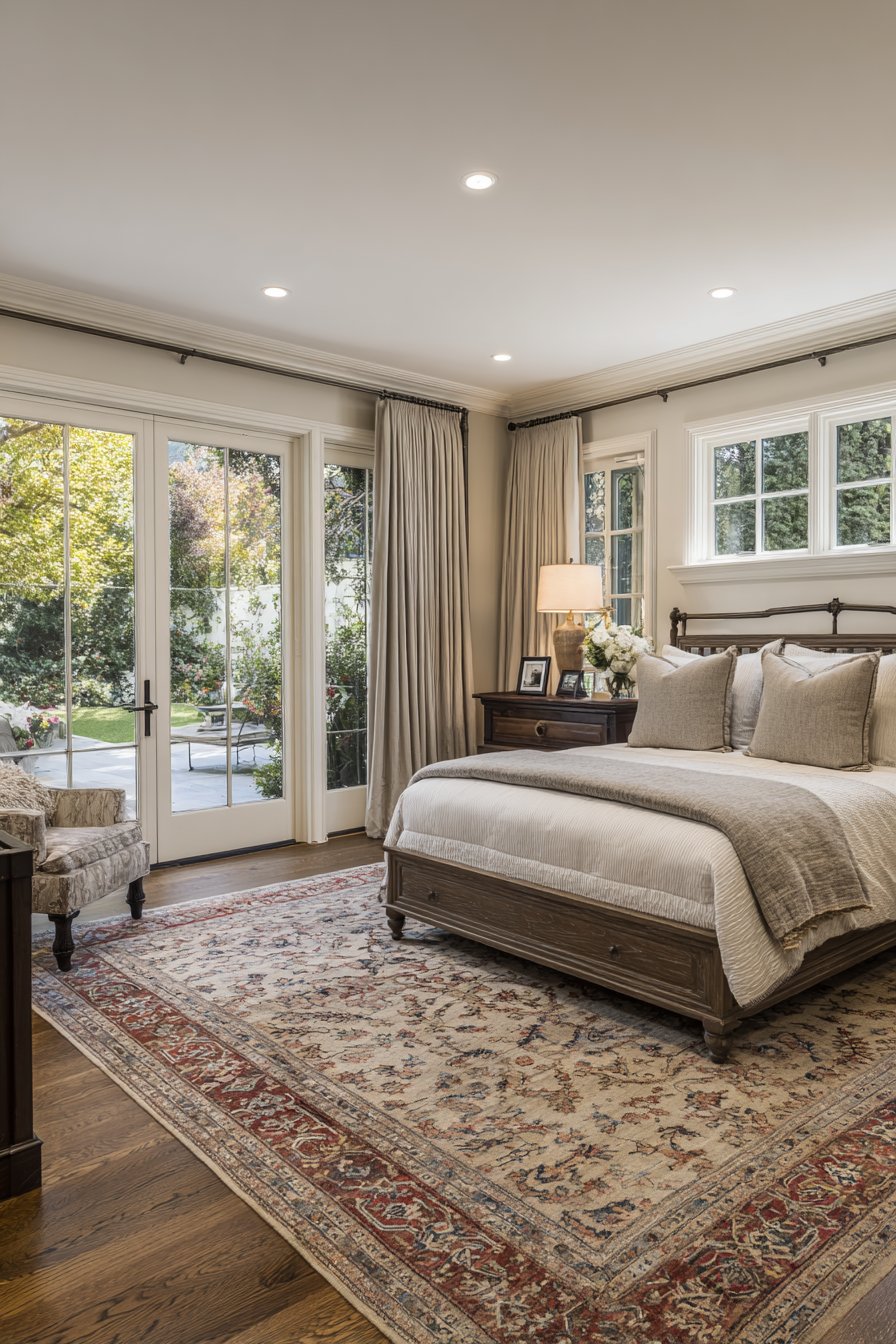
Hardwood bed frames can last 50 years or longer when properly maintained. The material actually strengthens as it ages and stabilizes. Antique wood frames demonstrate this longevity, often becoming family heirlooms. However, softwood or engineered wood frames may need replacement within 10-15 years.
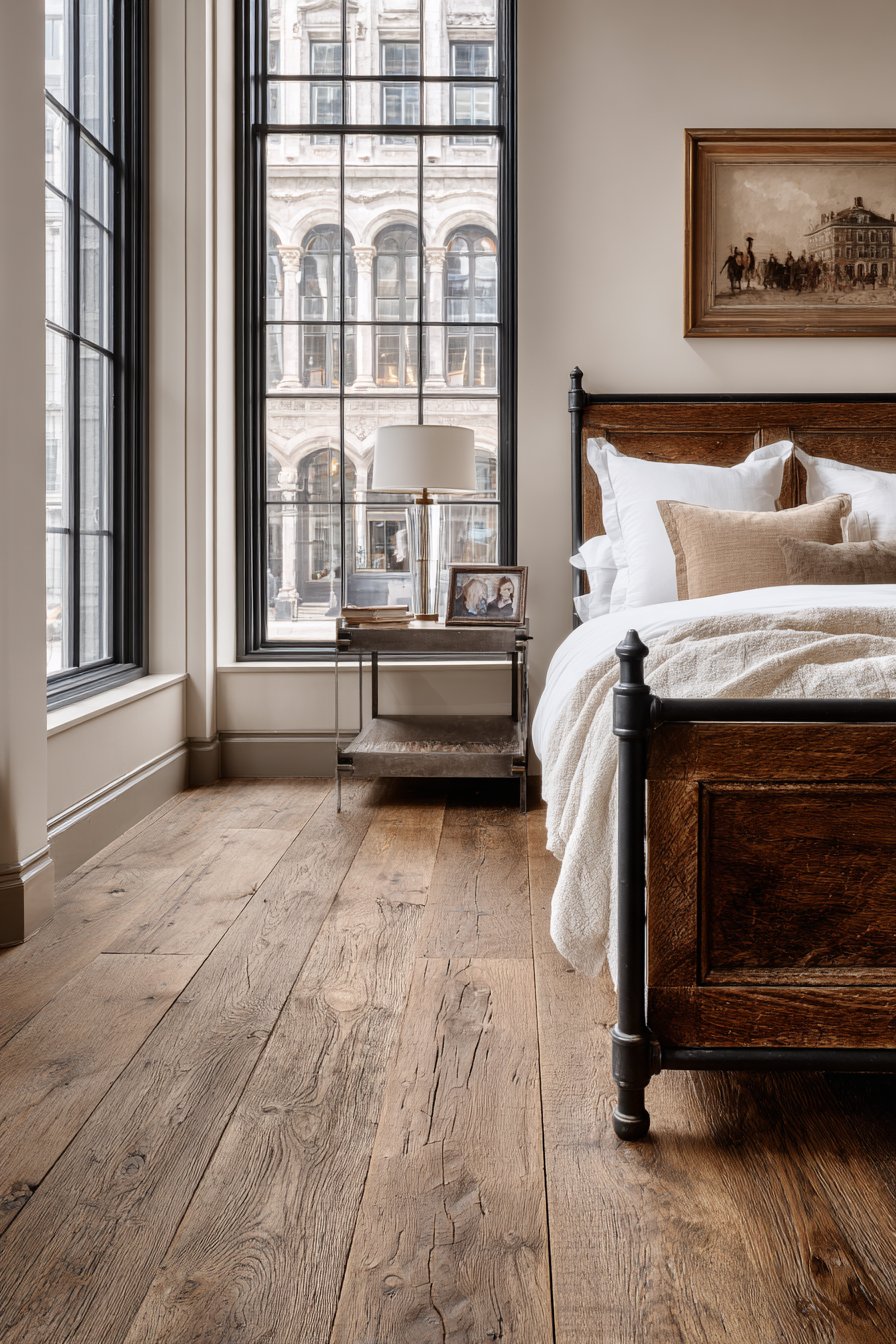
The total cost of ownership extends beyond the initial purchase price. Metal frames require less maintenance expense but offer limited repair options when damaged. Wood frames accept refinishing, allowing style updates without replacement. This adaptability makes quality wood frames potentially more economical over multi-decade ownership despite higher initial costs.
- Calculate cost per year of expected use when comparing prices
- Consider resale value if you move or redecorate frequently
- Choose timeless designs that won’t feel dated in 10 years
- Invest in quality construction over trendy aesthetic features
- Factor maintenance costs into total ownership expenses
- Select frames with replaceable parts for extended serviceability
Conclusion
Both metal and wood bed frames offer impressive durability when manufactured with quality materials and proper construction techniques. Metal frames provide maintenance-free longevity with superior weight capacity and environmental resistance. Wood frames deliver timeless beauty with excellent repairability and potential for multi-generational service.
Your ideal choice depends on lifestyle factors, aesthetic preferences, and maintenance willingness. Consider your climate, bedroom environment, and long-term design vision when making this important decision. Whichever material you choose, investing in quality construction ensures your bed frame will provide reliable service for decades. Let durability guide your decision, knowing that both materials can exceed expectations when selected thoughtfully and cared for properly.
