


A bedroom shared by a married couple is more than just a place to sleep. It’s a personal sanctuary where two individuals with different habits, preferences, and routines must find harmony. Creating a functional bedroom requires thoughtful planning that balances aesthetics with practicality. The space should accommodate both partners’ needs while fostering intimacy and relaxation.
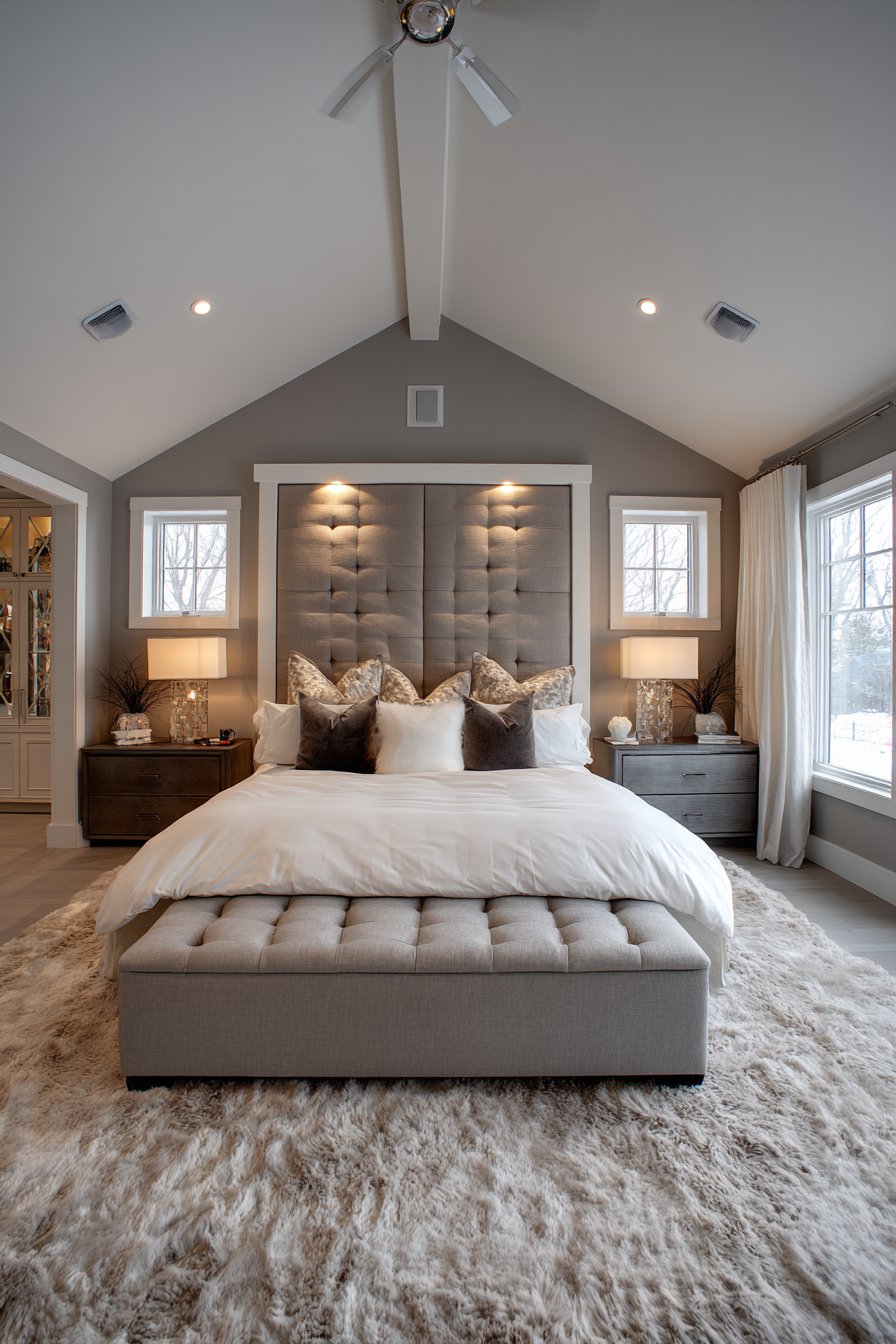
Thoughtful interior design transforms ordinary bedrooms into functional retreats that support daily routines and strengthen relationships. When couples invest time in creating a well-organized space, they reduce daily friction and enhance their quality of life. From storage solutions to lighting choices, every decision impacts how smoothly the room functions.
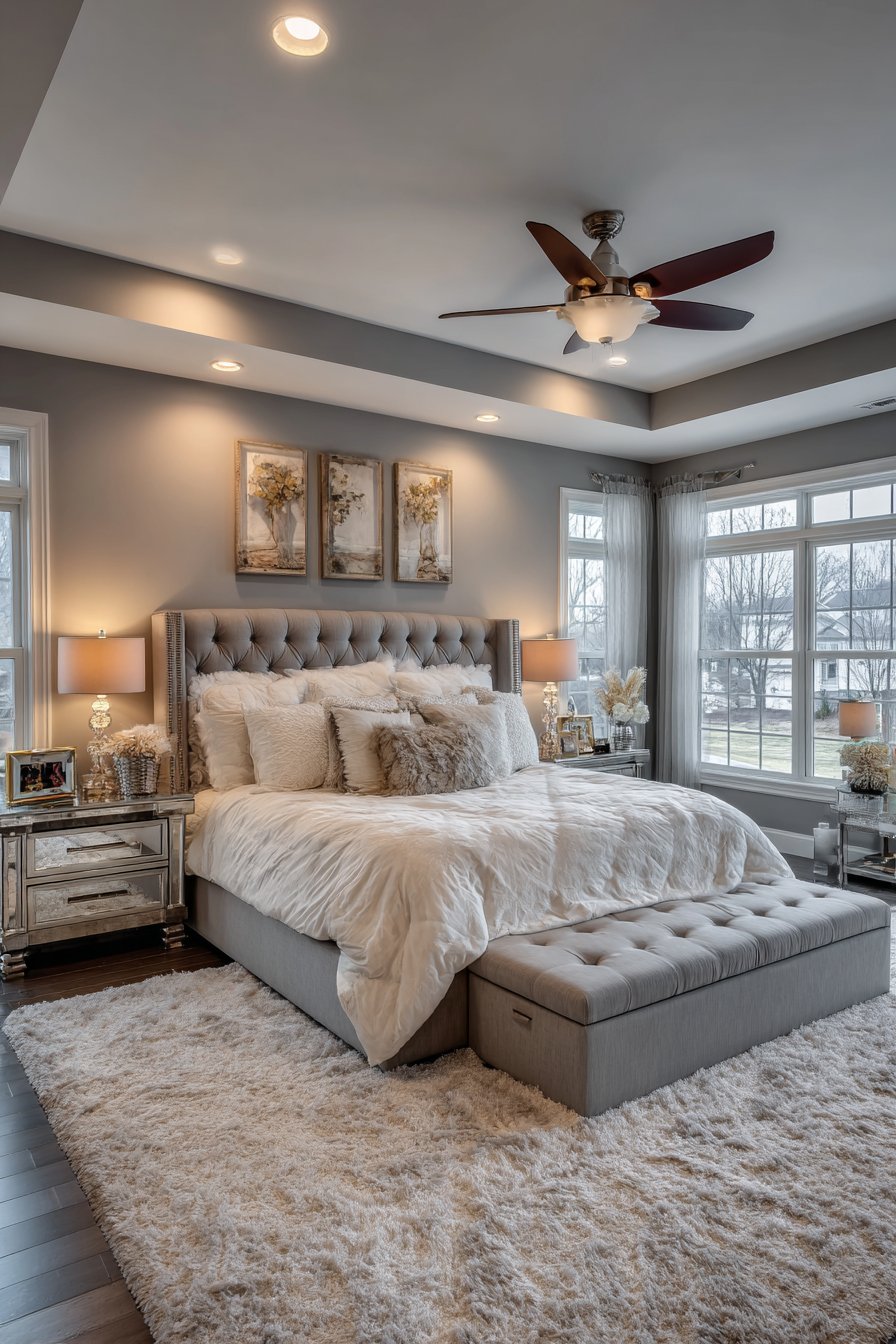
This article explores six essential elements that make married couple bedrooms truly functional. Each section provides actionable insights drawn from professional design principles and real-world experience. Whether you’re setting up your first shared bedroom or renovating an existing space, these ideas will help you create a room that works for both of you.
1. Strategic Storage Solutions for Two
Shared bedrooms demand double the storage compared to single-occupant spaces. Each partner needs adequate room for clothing, accessories, and personal items. Without proper storage, clutter accumulates quickly and creates visual chaos. Smart storage prevents arguments about messy spaces and lost belongings.
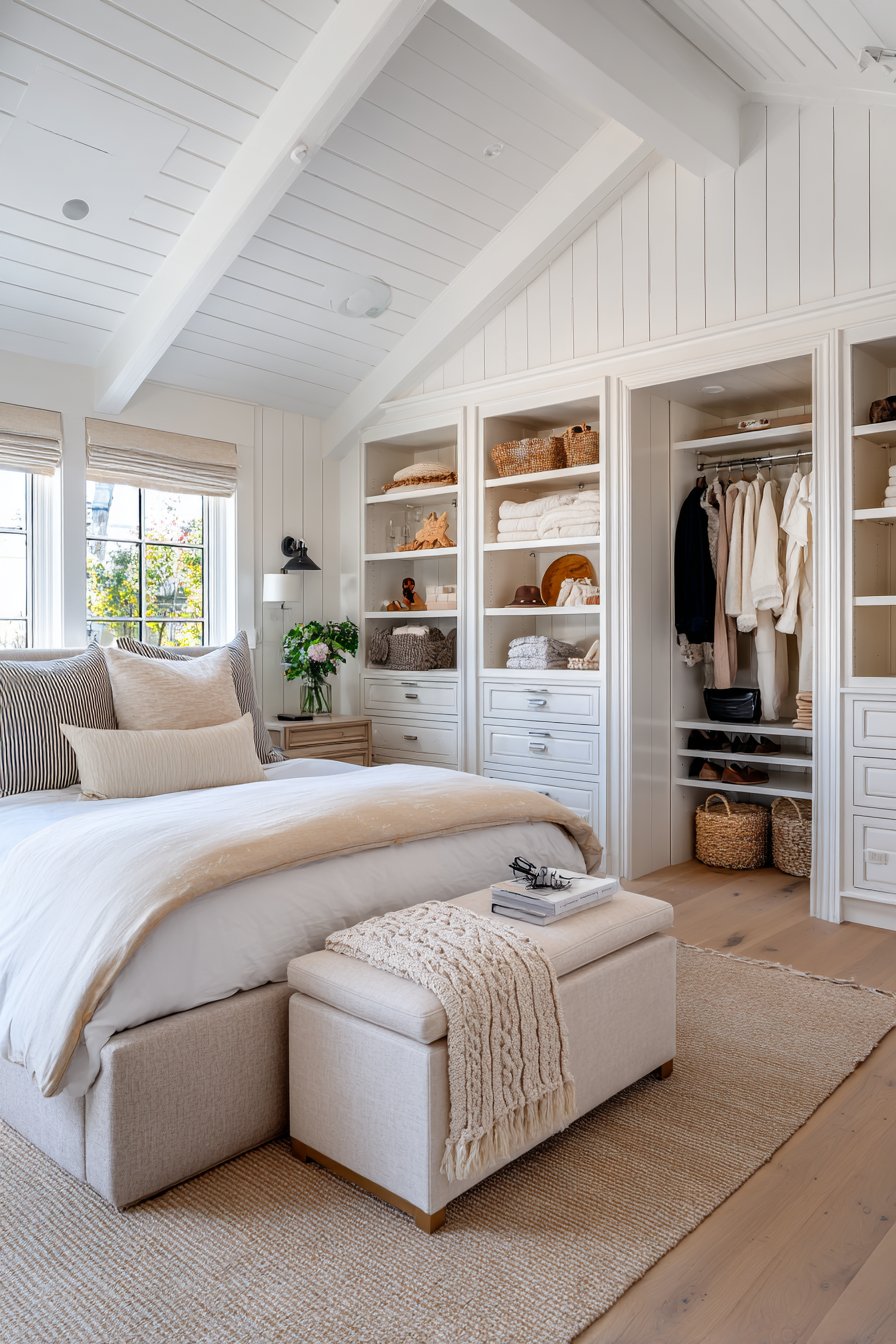
Built-in wardrobes offer the most efficient use of vertical space while maintaining a streamlined appearance. Dedicate separate sections for each partner to establish clear boundaries. Consider installing adjustable shelving that adapts to changing needs over time. Custom solutions might cost more initially but deliver superior functionality.
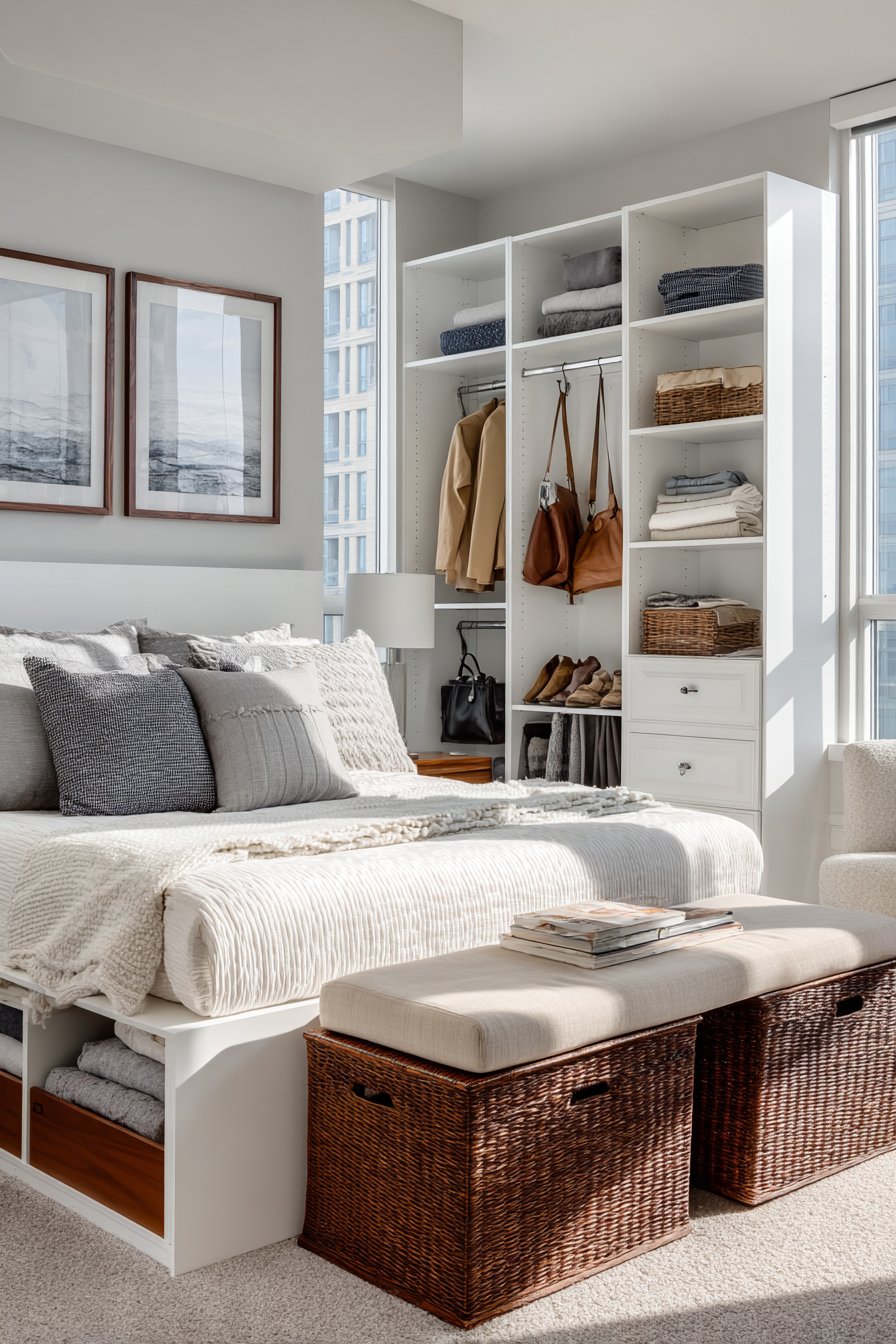
Under-bed storage provides hidden space for seasonal items and extra linens without consuming valuable floor area. Choose beds with built-in drawers or invest in rolling storage containers. This approach keeps less-used items accessible yet out of sight. Remember to measure your bed height before purchasing storage solutions.
- Install dual closet systems with individual hanging rods and shelves
- Use drawer dividers to maximize dresser organization
- Add wall-mounted hooks for robes, bags, and frequently worn items
- Incorporate storage ottomans at the foot of the bed
- Utilize closet door backs with over-door organizers
- Consider a storage bench for shoes and accessories
2. Temperature and Climate Control
Couples often have conflicting temperature preferences that can disrupt sleep quality. One partner feels cold while the other overheats, creating nightly discomfort. Modern climate control solutions address these differences without compromise. Investing in proper temperature management improves sleep for both individuals.
Dual-zone electric blankets allow each person to customize their side’s warmth independently. These blankets feature separate controls that prevent temperature disputes. Pair them with breathable bedding materials like cotton or bamboo. Layer blankets strategically so each partner adjusts coverage without disturbing the other.
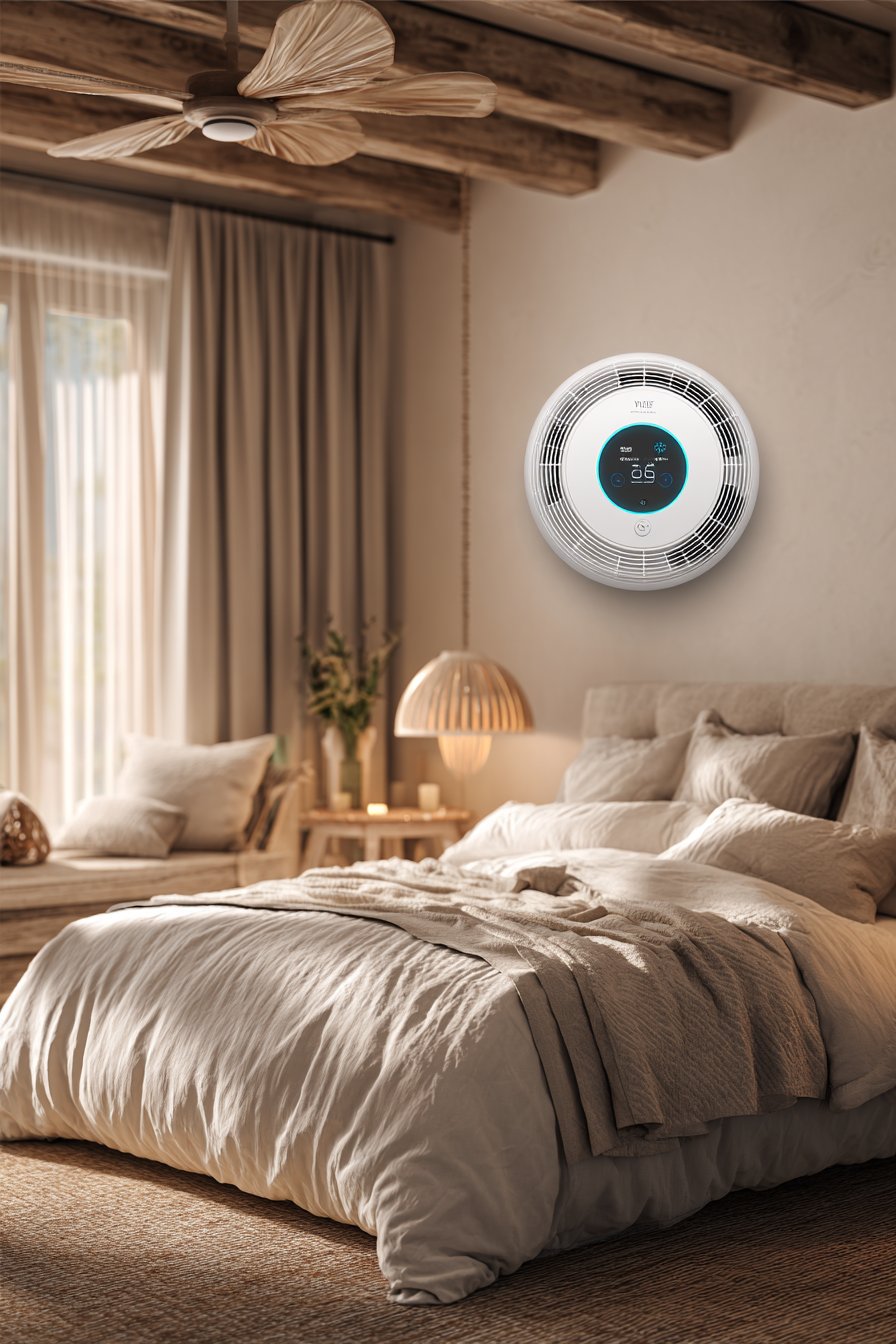
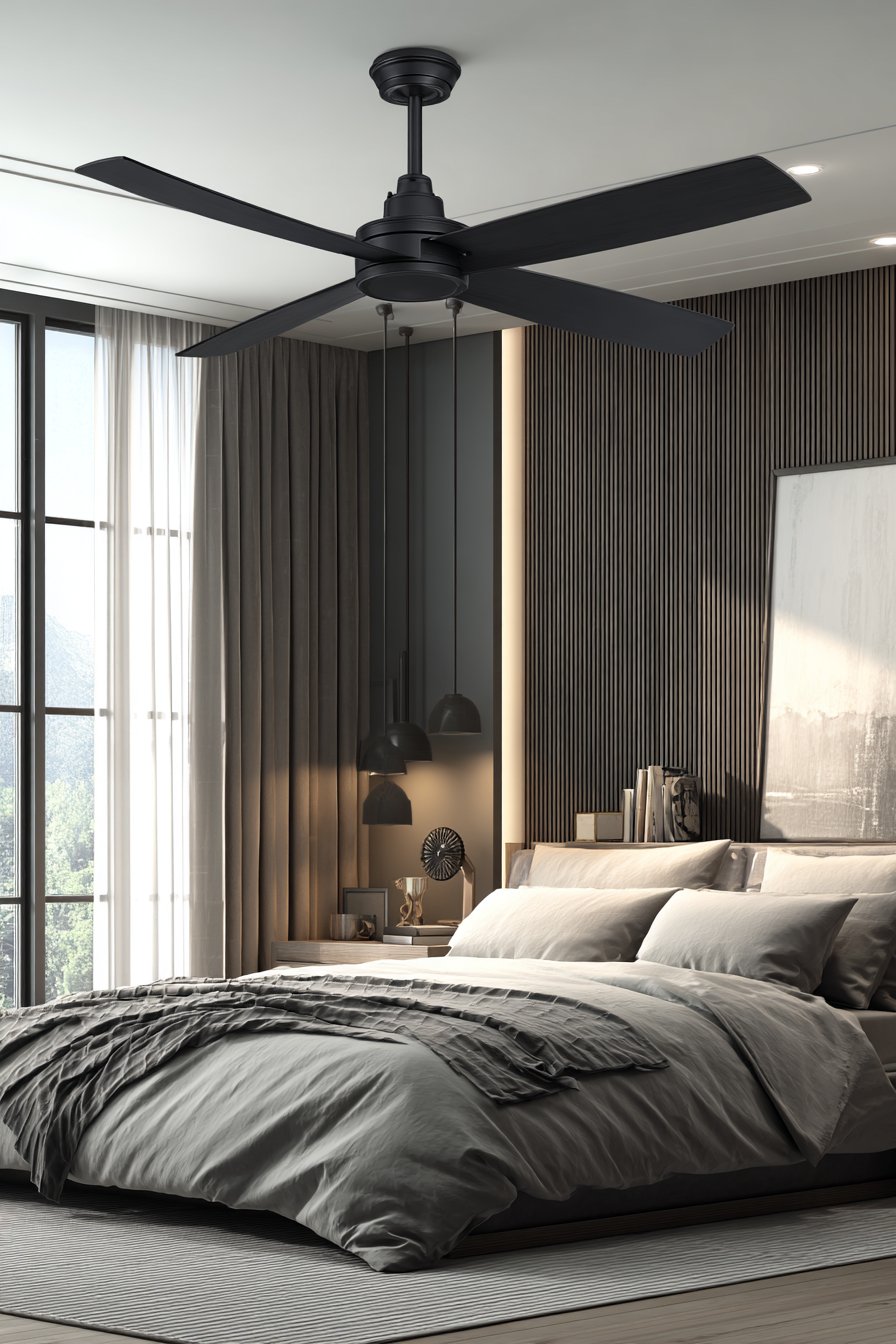
Ceiling fans with reverse settings provide year-round comfort and energy efficiency. Use counterclockwise rotation in summer for cooling breezes and clockwise in winter to circulate warm air. Position the fan centrally for even air distribution. Add a programmable thermostat that adjusts temperatures throughout the night automatically.
- Install a ceiling fan with remote control for easy adjustments
- Use separate blankets or comforters instead of sharing one
- Add blackout curtains to regulate room temperature naturally
- Consider a smart thermostat with scheduling capabilities
- Place a small fan on each nightstand for personal airflow
- Invest in moisture-wicking sheets for temperature regulation
3. Personalized Lighting Layers
Proper lighting is crucial for functional bedroom design because couples have different schedules and reading habits. One partner might wake early while the other sleeps in. Task lighting prevents disturbing the sleeping partner during late-night reading. Multiple light sources create flexibility throughout the day.
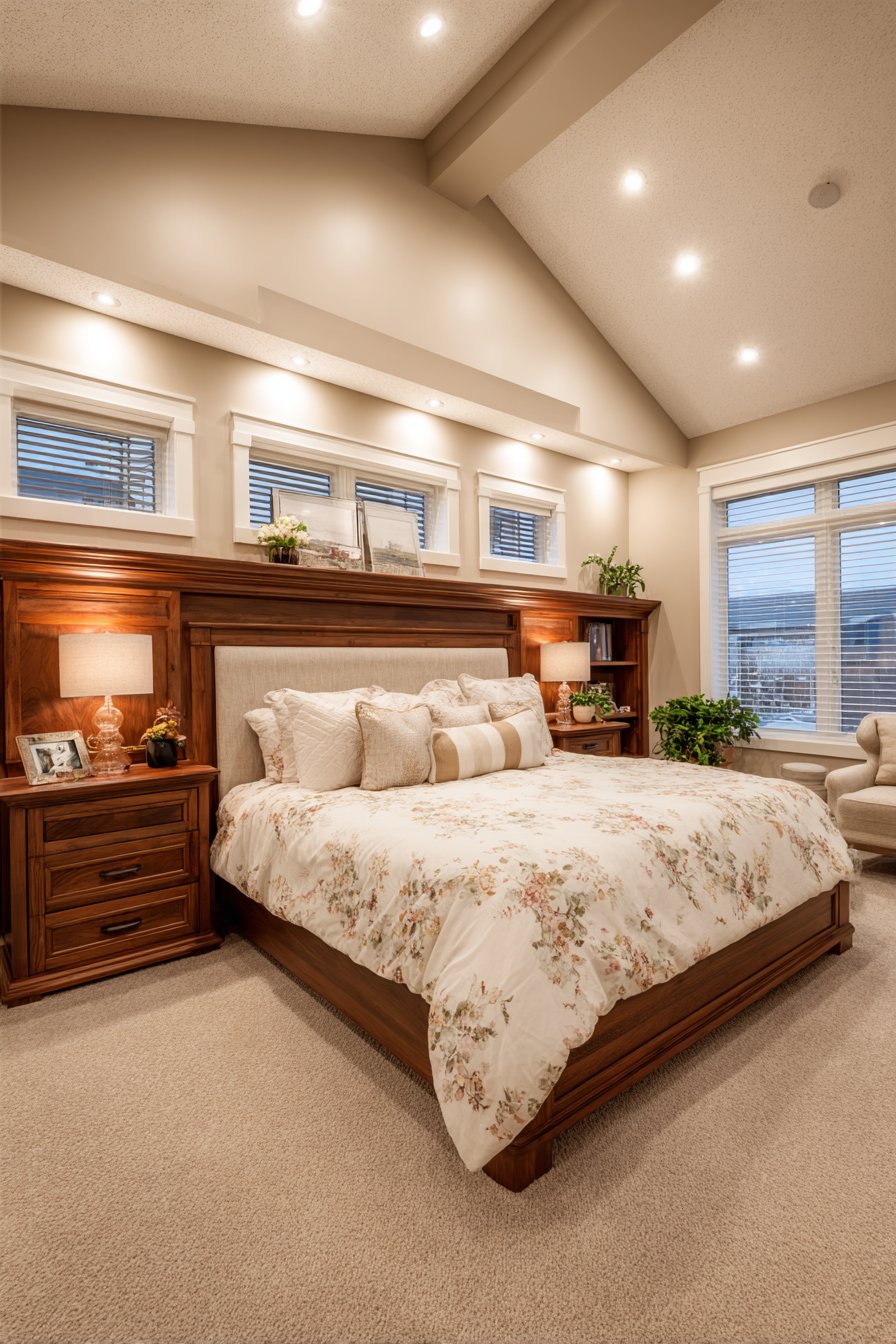
Bedside table lamps with adjustable brightness allow individual control without central overhead lights. Choose lamps with three-way bulbs or dimmer switches for versatility. Position them at the correct height to prevent glare on screens or books. Warm-toned bulbs create a relaxing atmosphere better than cool white light.
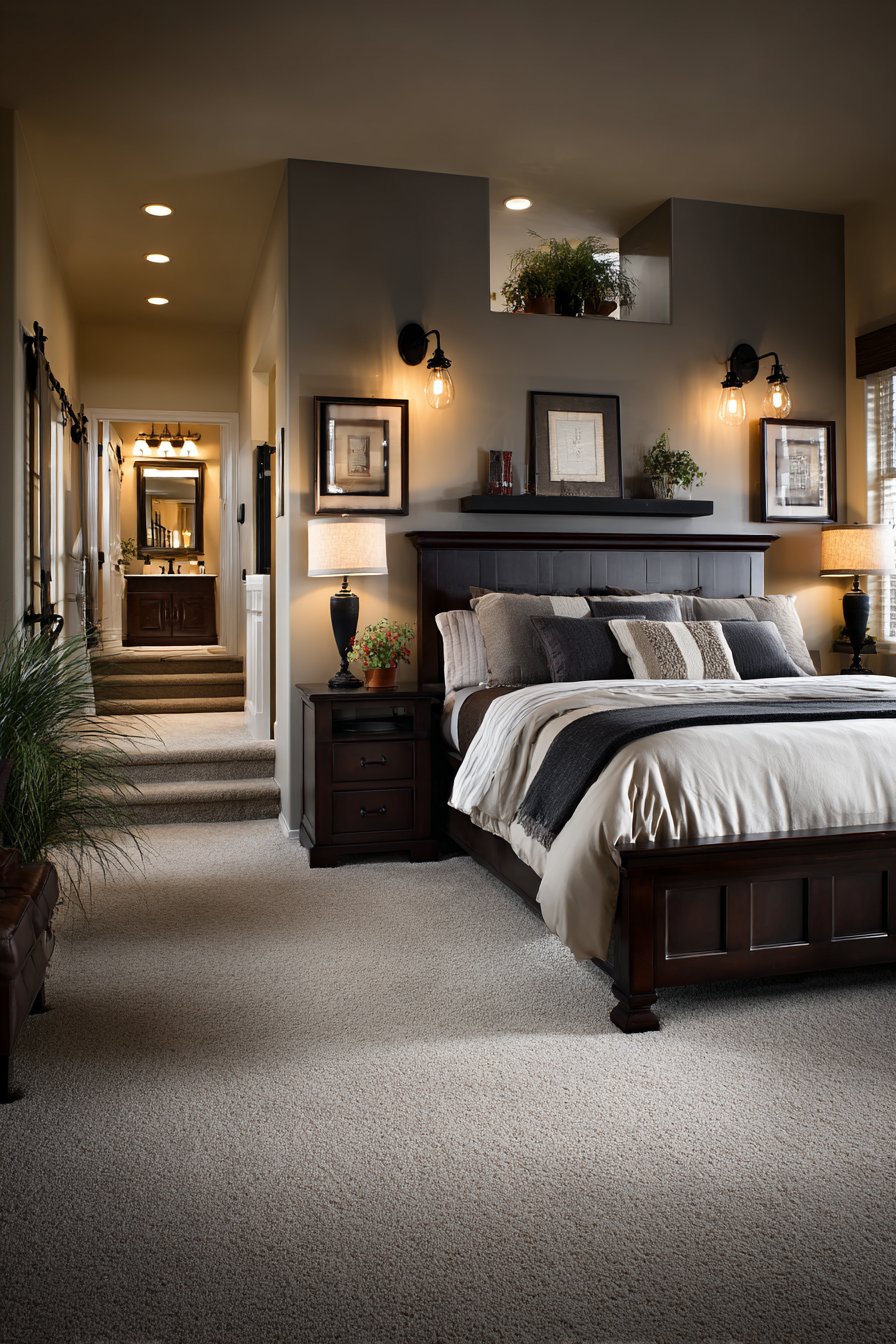
Install ambient lighting like wall sconces or LED strips for soft illumination during nighttime navigation. Motion-activated nightlights in pathways to bathrooms prevent accidents without waking anyone. Layer your lighting to serve different purposes throughout the evening. Consider smart bulbs that adjust color temperature based on time of day.
- Use bedside lamps with individual switches for each partner
- Install dimmer switches on overhead lights
- Add reading lights mounted on walls to save nightstand space
- Choose warm LED bulbs (2700-3000K) for bedroom areas
- Include accent lighting to highlight artwork or architectural features
- Use blackout shades to control natural light during sleep hours
4. Noise Management and Privacy
Sound control becomes essential when partners have different sleep schedules or sensitivity levels. Snoring, early alarms, and nighttime movements disrupt sleep quality. Creating a quieter environment benefits both individuals significantly. Simple acoustic solutions reduce stress and improve rest.
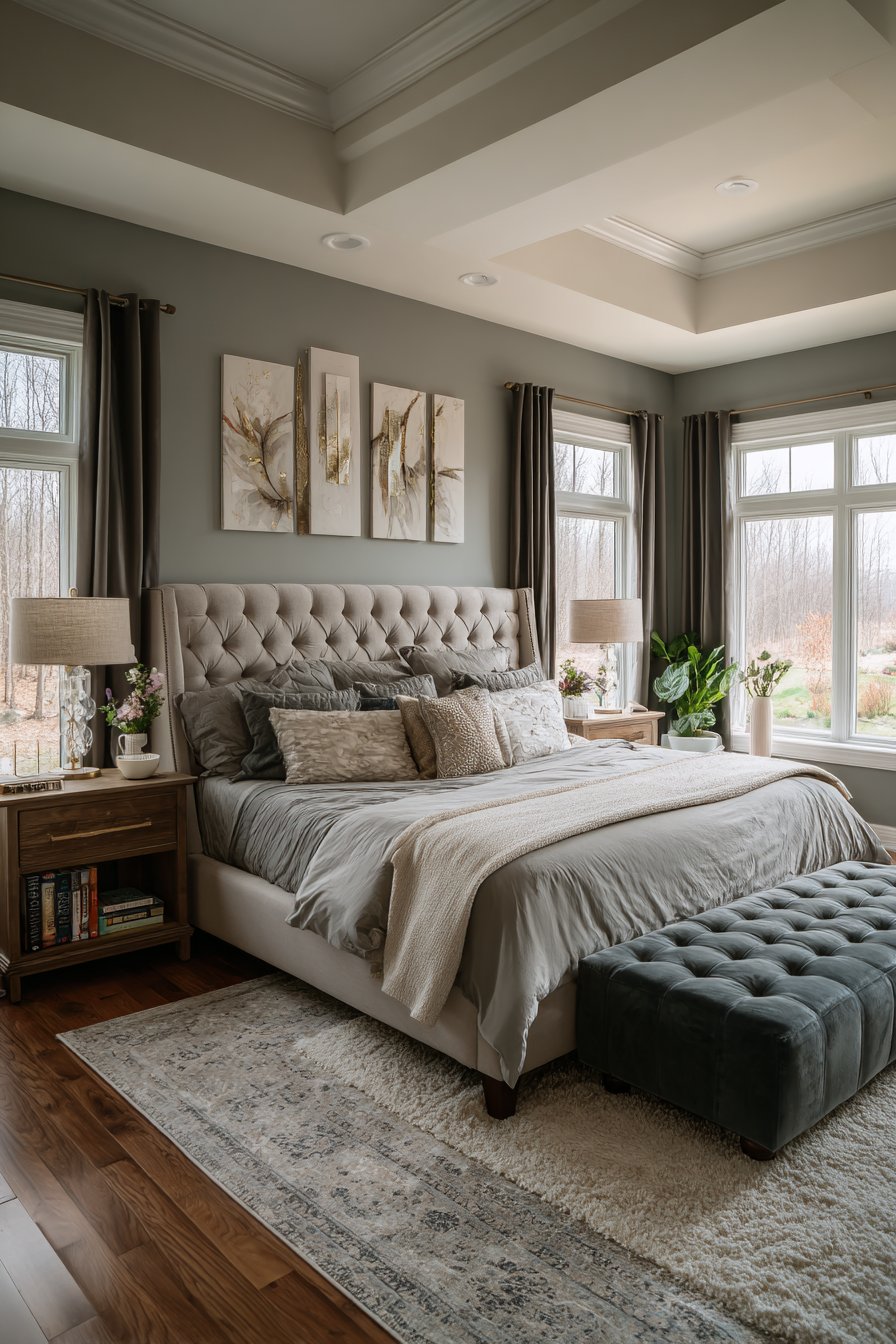
White noise machines or apps provide consistent background sound that masks disruptive noises effectively. These devices help sensitive sleepers fall asleep faster and stay asleep longer. Place speakers strategically to distribute sound evenly throughout the room. Experiment with different sound profiles like rain, ocean waves, or pure white noise.
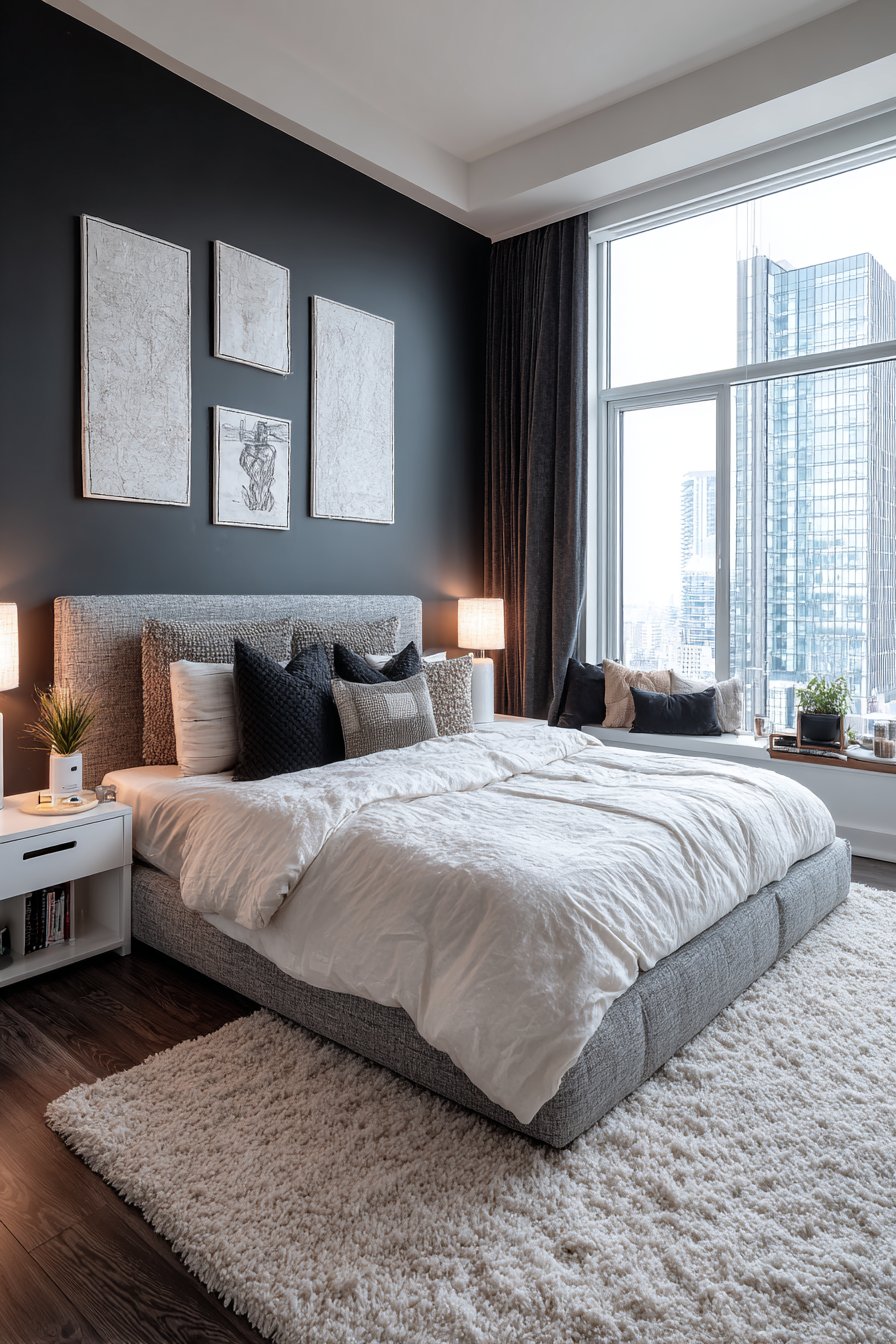
Soft furnishings act as natural sound absorbers that reduce echo and dampen noise transmission. Heavy curtains, upholstered headboards, and plush rugs all contribute to quieter spaces. Wall-to-wall carpeting offers superior sound dampening compared to hardwood floors. Add fabric wall panels in high-traffic areas for additional acoustic control.
- Install carpeting or large area rugs to absorb sound
- Use heavy, lined curtains instead of blinds alone
- Add an upholstered headboard to dampen wall-transmitted noise
- Place bookshelves against shared walls as sound barriers
- Use door sweeps to prevent hallway noise intrusion
- Consider acoustic panels disguised as decorative wall art
5. Multi-Functional Furniture Selection
Space efficiency matters tremendously in shared bedrooms where two people’s belongings compete for limited square footage. Multi-functional furniture reduces clutter while serving multiple purposes. Smart furniture choices maximize usability without sacrificing style. Every piece should earn its place through functionality.
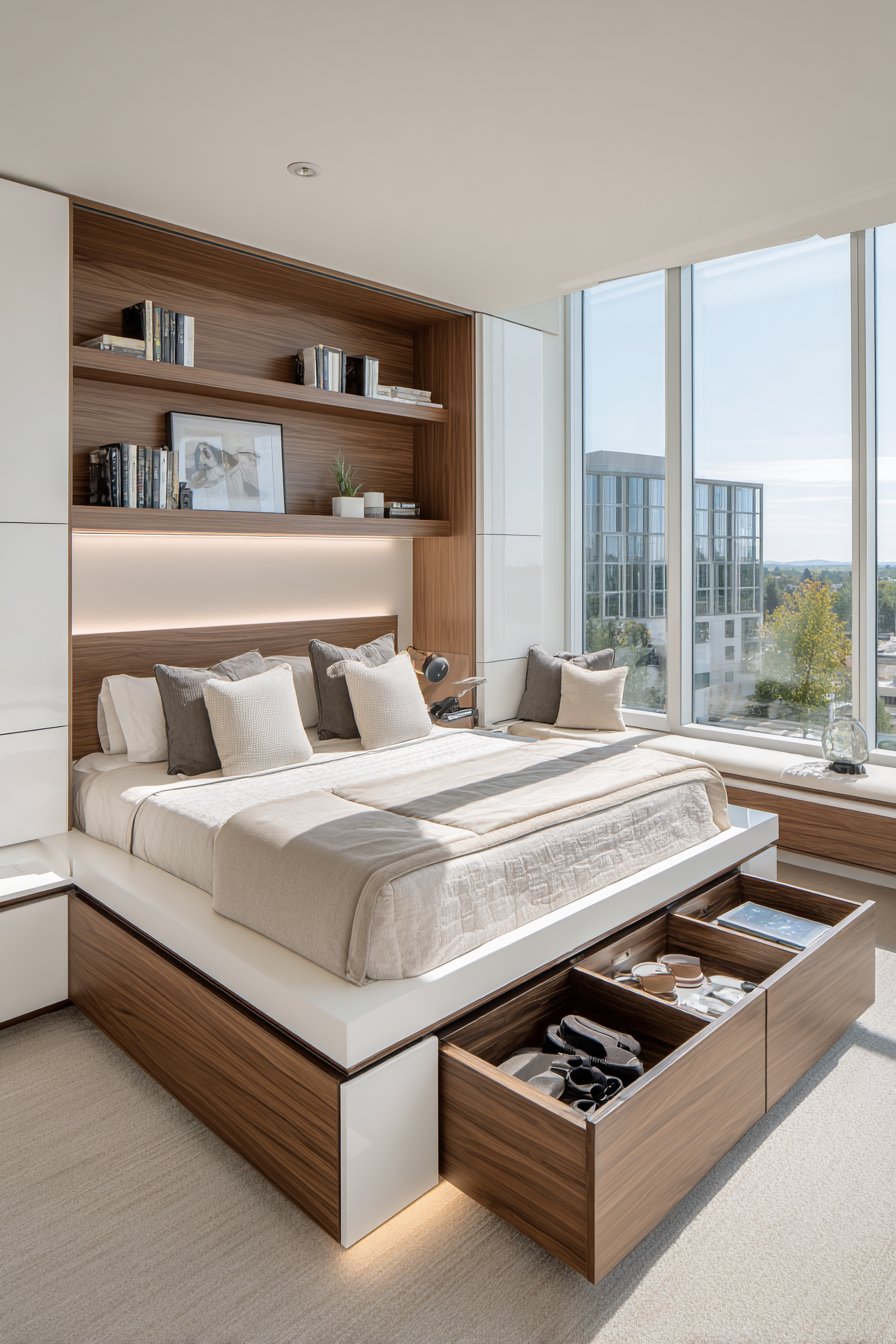
Platform beds with integrated storage drawers eliminate the need for separate dressers in smaller rooms. These beds provide substantial hidden storage for clothing, shoes, or extra bedding. Choose solid construction that withstands daily drawer use. Hydraulic lift beds offer even more storage but require careful measurement of ceiling height.
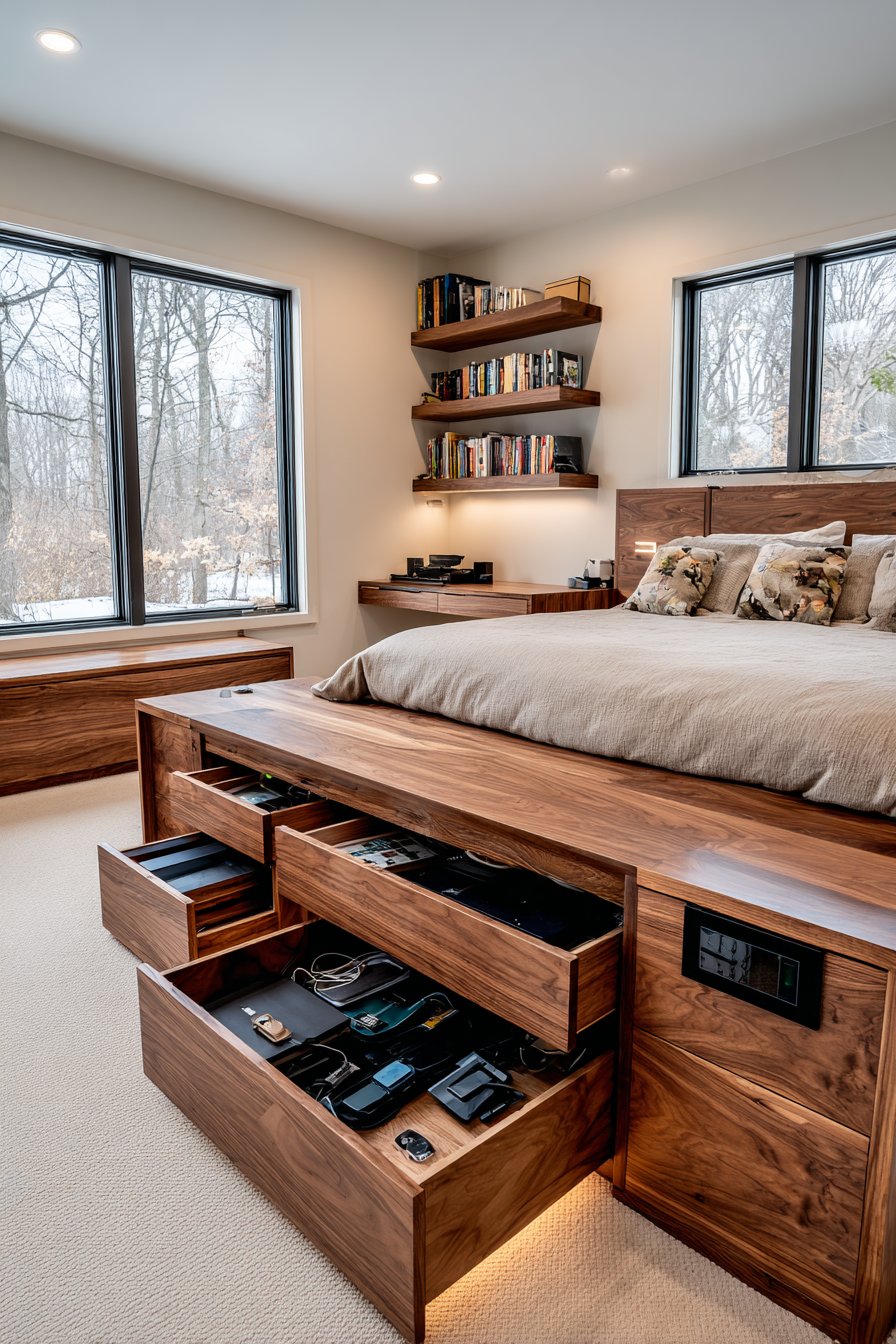
Nightstands with charging stations and cable management keep devices organized and powered without tangled cords. Look for models with built-in USB ports and wireless charging pads. Include at least one drawer for personal items like medications or journals. Ensure both nightstands match in functionality even if styles differ slightly.
- Choose beds with built-in storage compartments or drawers
- Select nightstands with multiple drawers and shelving
- Use a storage bench instead of traditional chairs
- Consider wall-mounted folding desks for small spaces
- Install floating shelves above the bed for books and decor
- Opt for dressers that double as TV stands or vanities
6. Separate Personal Zones Within Shared Space
Even the most compatible couples need individual territory within their shared bedroom environment. Personal zones reduce conflict and honor each person’s need for autonomy. Designating specific areas prevents encroachment and maintains harmony. Boundaries create respect and preserve the relationship.

Assign each partner their own nightstand side with equal surface area and drawer space. Avoid letting one person dominate more territory than the other. Make deliberate decisions about which side suits each person’s handedness and room access. Once established, respect these boundaries consistently to build trust.
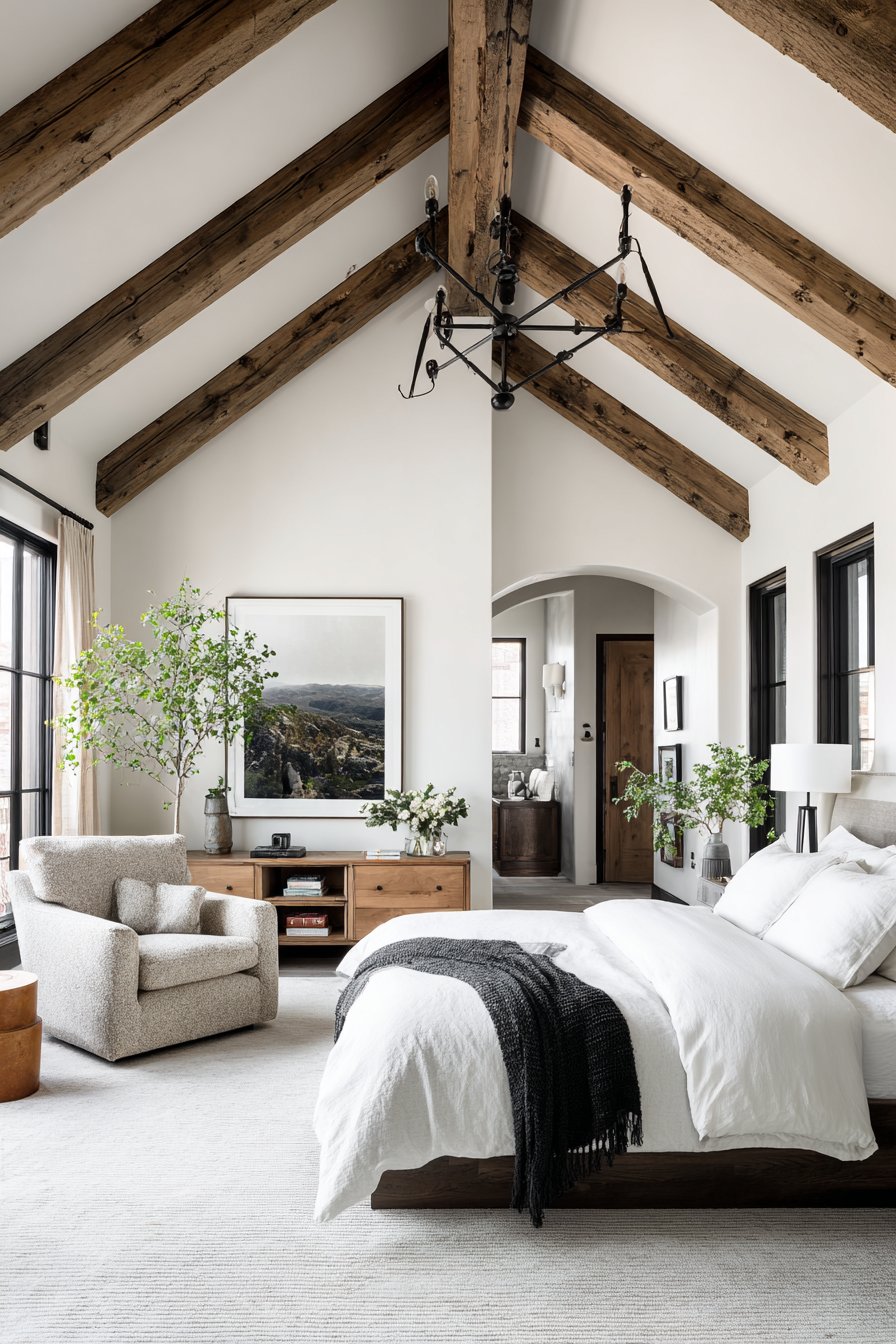
Create reading nooks or sitting areas if space permits where one partner can relax without disturbing the other. A comfortable chair near a window with good natural light serves this purpose well. Add a small side table and adequate lighting for complete functionality. These zones become valuable retreats during disagreements or different activity preferences.
- Designate specific sides of the bed permanently for each partner
- Allocate equal closet and drawer space regardless of wardrobe sizes
- Create individual display areas for personal items and photos
- Respect each other’s organizational systems and preferences
- Allow different decor styles on personal nightstands
- Establish bathroom counter zones if an ensuite is present
Conclusion
Functional married couple bedrooms result from intentional design decisions that prioritize both partners’ needs equally. Storage, climate control, lighting, noise management, furniture selection, and personal zones all contribute to daily harmony. When couples invest in these foundational elements, they create spaces that support their relationship rather than strain it.

Start implementing these changes gradually, focusing on the areas causing the most friction in your current setup. Remember that functionality evolves as your relationship and needs change over time. The goal isn’t perfection but creating a bedroom that works for both of you, helping you rest better and connect more meaningfully in your shared sanctuary.
