


The living room serves as the heart of your home, where families gather and memories unfold. Yet many homeowners overlook one crucial element that can transform this space from ordinary to extraordinary: layered lighting. A well-designed lighting scheme does more than illuminate a room—it creates ambiance, enhances functionality, and showcases your personal style.
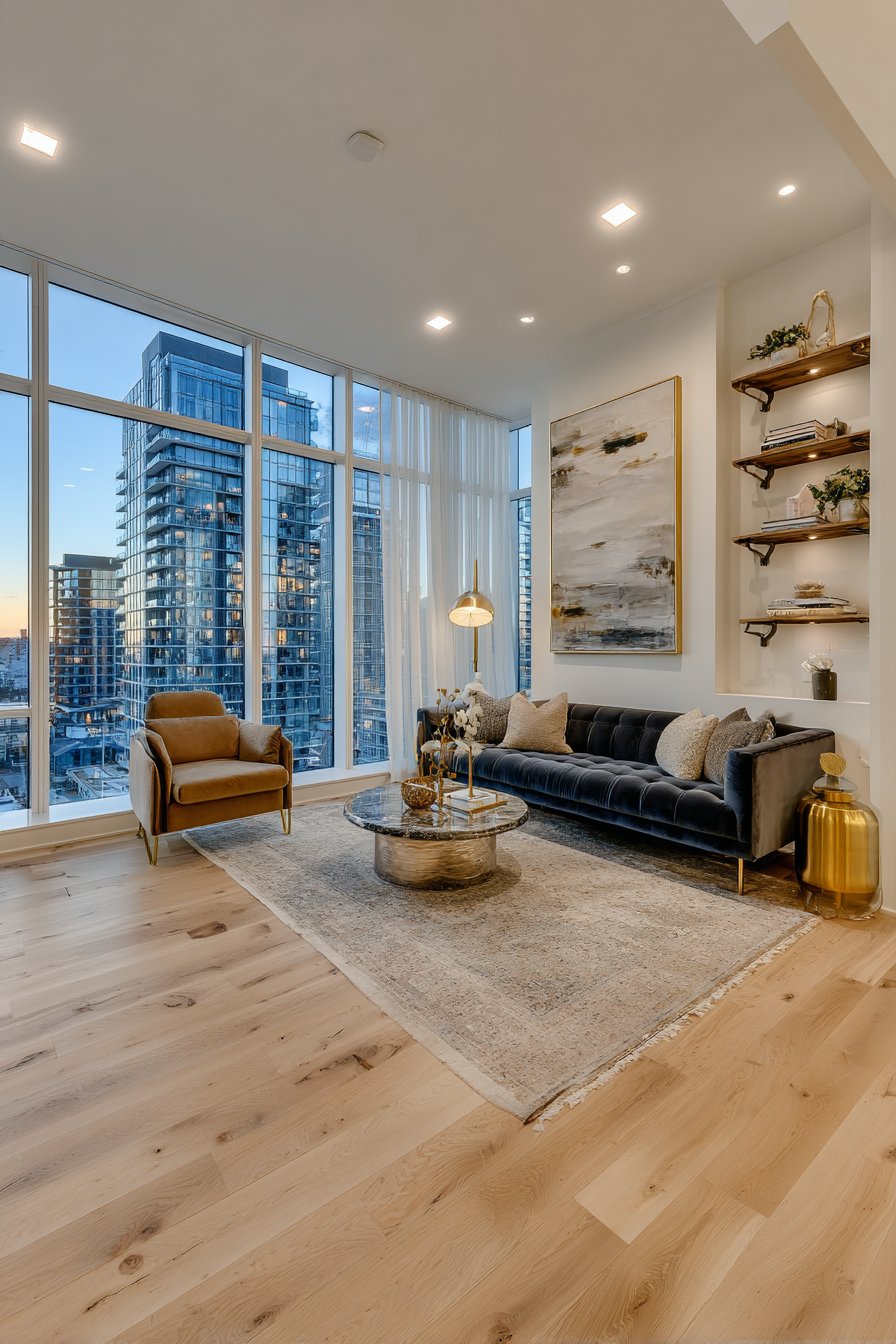
Thoughtful lighting design considers how different light sources work together to serve various needs throughout the day. From morning coffee to evening entertainment, your living room requires flexible illumination that adapts to changing activities and moods. The art of layering lighting involves combining three essential types: ambient, task, and accent lighting, each playing a distinct role in creating a harmonious and inviting environment.
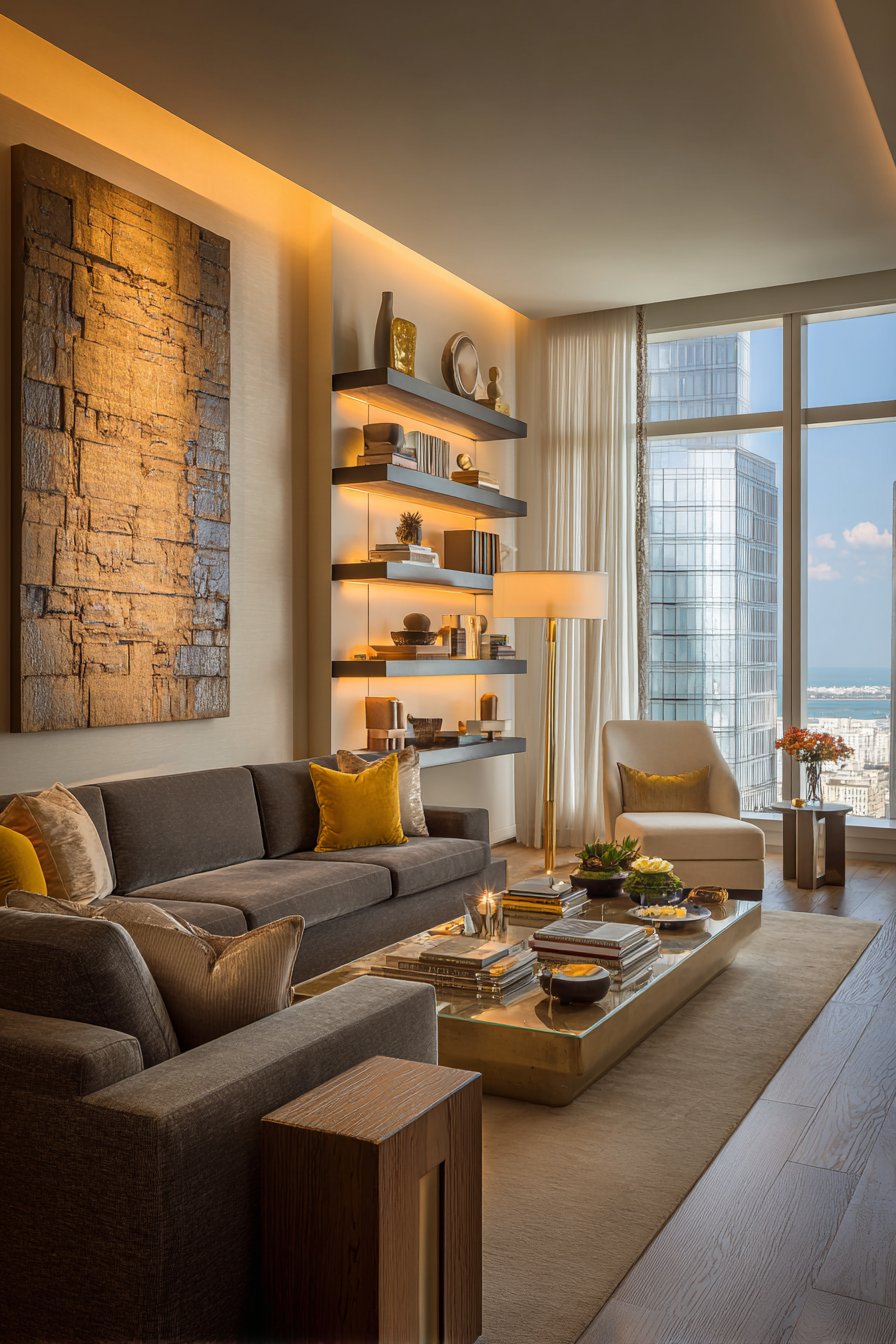
This comprehensive guide explores six fundamental strategies for mastering lighting layers in your living room. Whether you’re starting from scratch or upgrading your current setup, these expert insights will help you create a sophisticated lighting plan that enhances both the beauty and functionality of your most-used living space.
1. Understanding the Three Lighting Layers
Every successful lighting design begins with understanding the fundamental three-layer approach that professional designers use. Ambient lighting provides overall illumination, task lighting focuses on specific activities, and accent lighting adds drama and visual interest. These layers work together like instruments in an orchestra, each contributing to the complete sensory experience of your living room.
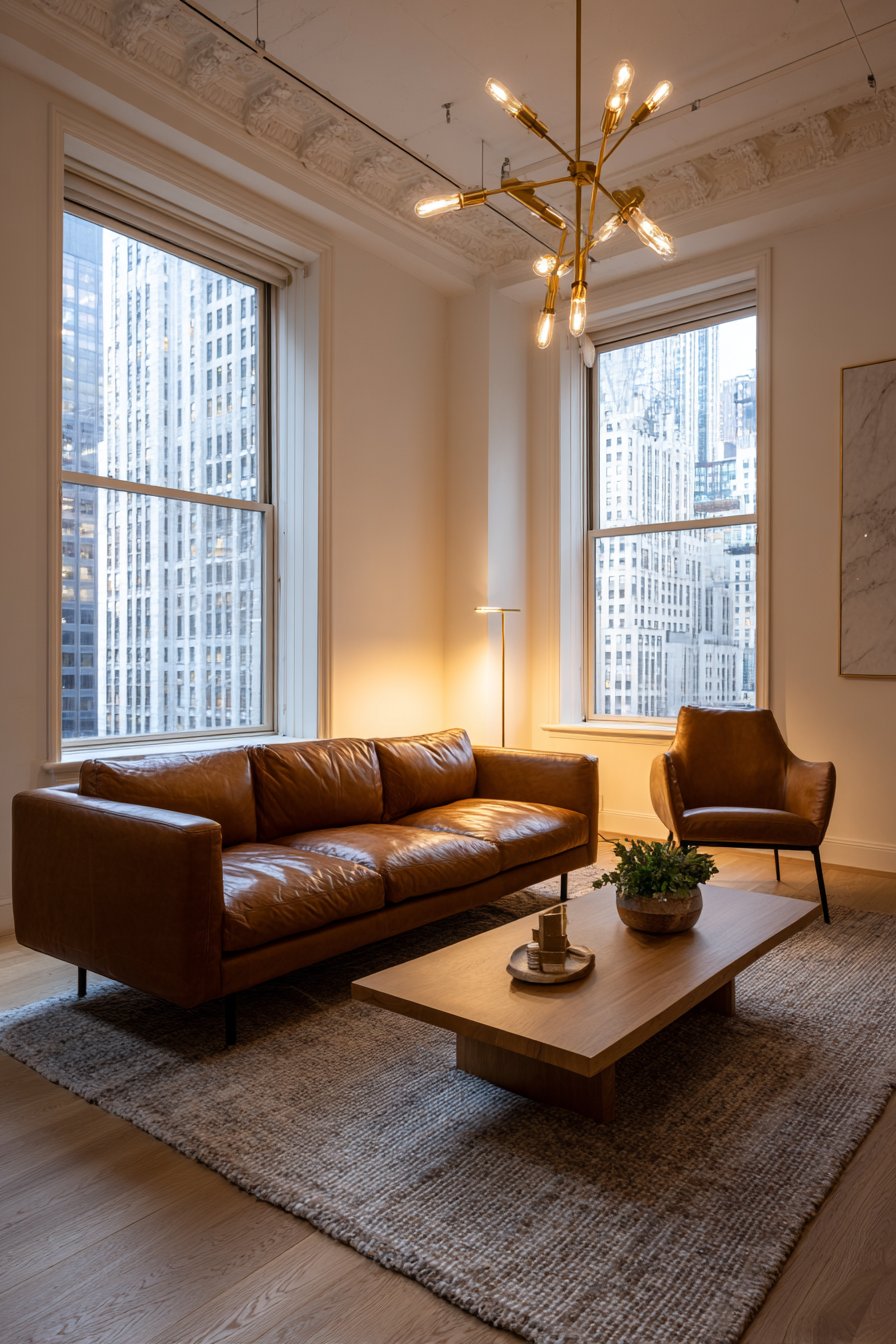
The key to effective layering lies in ensuring each type of lighting can be controlled independently through separate switches or dimmers. This flexibility allows you to adjust the mood and functionality based on your immediate needs. During movie nights, you might rely solely on accent lighting, while reading sessions require bright task lighting combined with soft ambient glow.
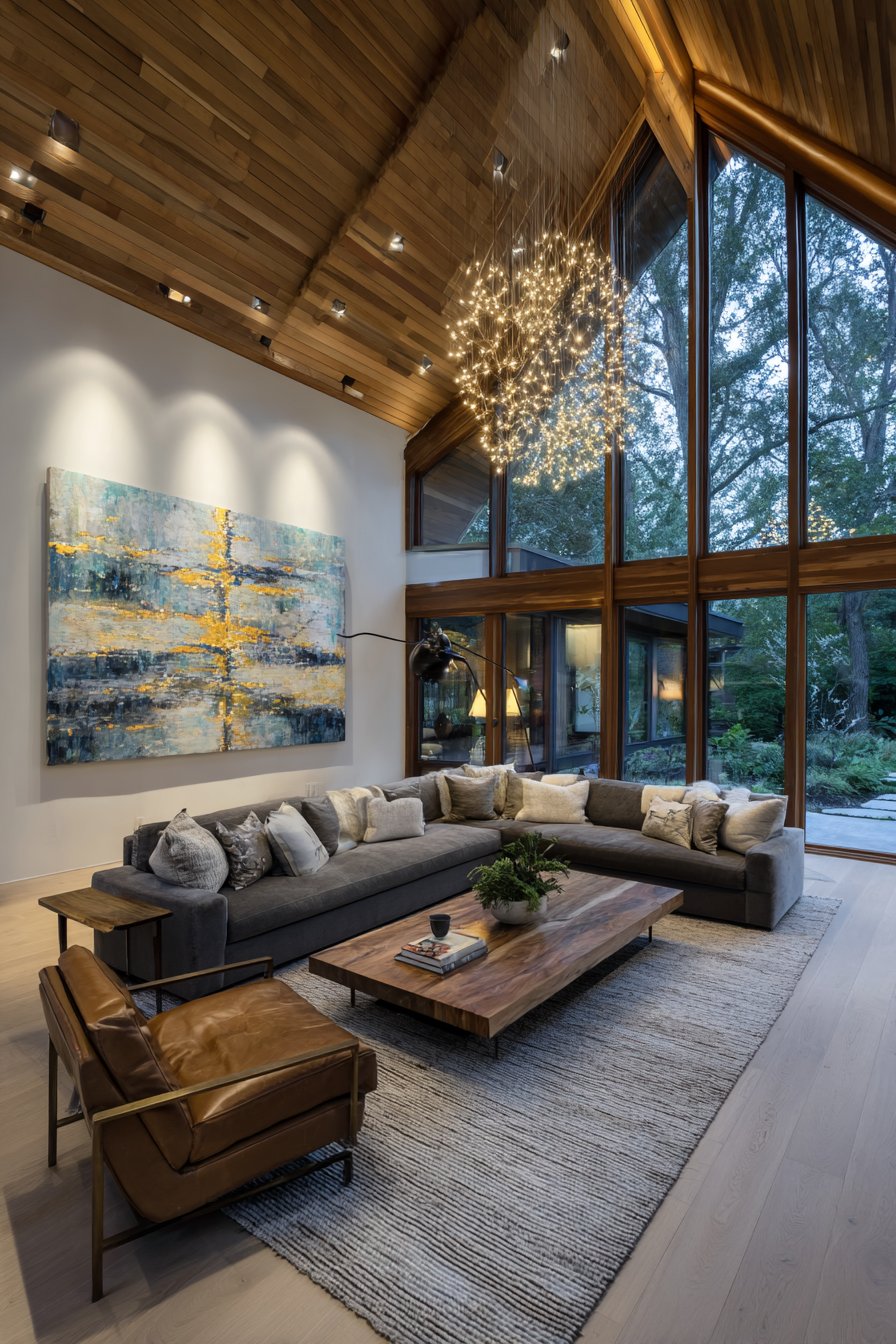
Understanding these distinctions helps you make informed decisions about fixture placement and bulb selection. The balanced combination of all three layers creates depth, dimension, and visual comfort that single-source lighting simply cannot achieve. This approach transforms flat, uninspiring spaces into dynamic environments that respond to your lifestyle.
- Install dimmer switches for each lighting layer to control intensity independently
- Choose fixtures that complement your room’s architectural features and design style
- Plan for at least three different light sources in your living room
- Consider the color temperature of bulbs to maintain consistency across layers
- Map out your lighting plan before purchasing fixtures to avoid costly mistakes
- Test different combinations to discover your preferred lighting scenarios
2. Ambient Lighting as Your Foundation
Ambient lighting forms the foundational layer that provides general illumination throughout your living room. This primary light source typically comes from ceiling-mounted fixtures, recessed lights, or large pendants that distribute light evenly across the space. The goal is creating comfortable visibility without harsh shadows or glaring bright spots.
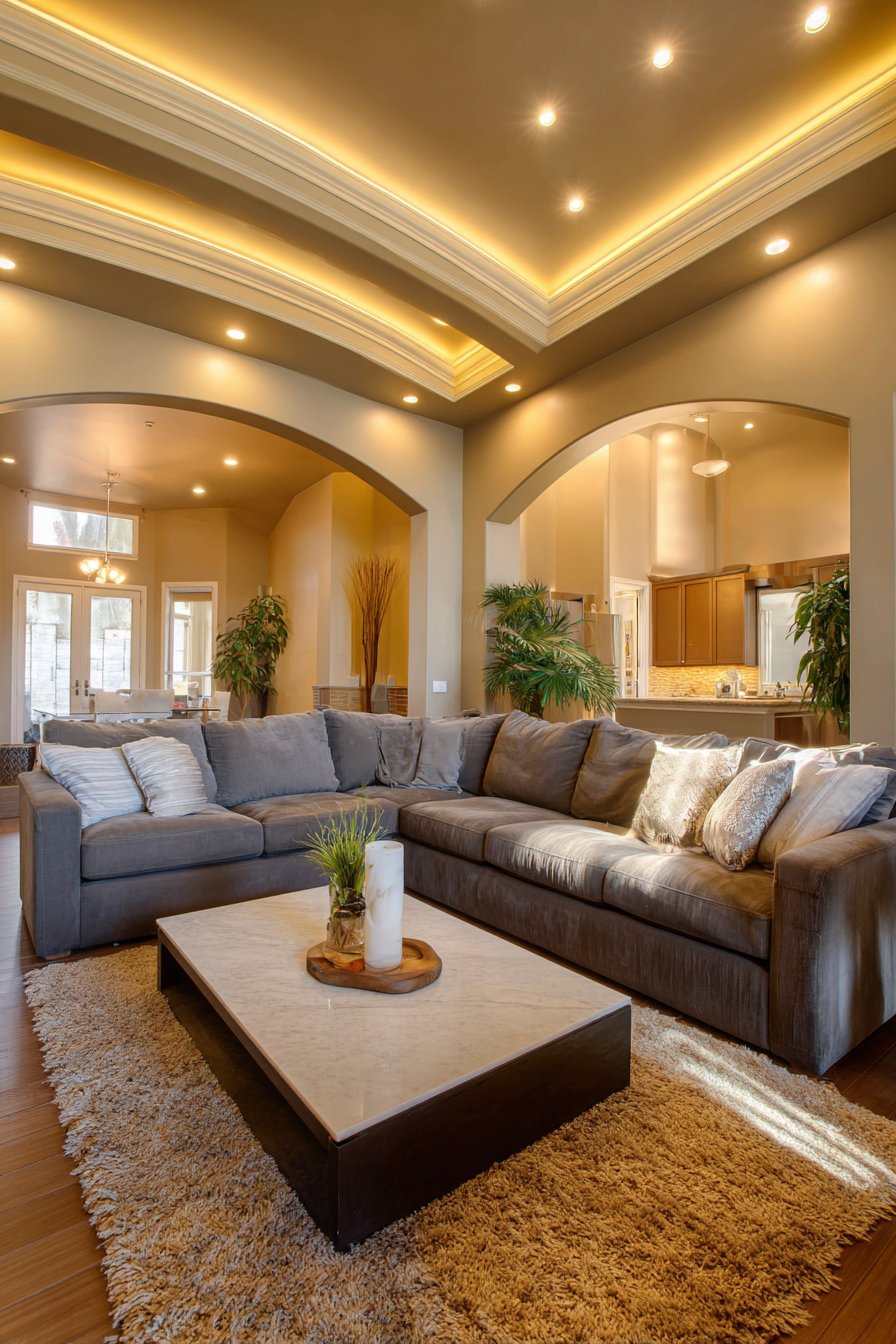
Chandeliers and flush-mount fixtures work exceptionally well for ambient lighting, especially in rooms with standard ceiling heights. For larger living rooms, consider installing multiple recessed lights spaced evenly to eliminate dark corners and ensure uniform brightness. The wattage should be sufficient to make the room functional during daytime activities while remaining soft enough to avoid eye strain.
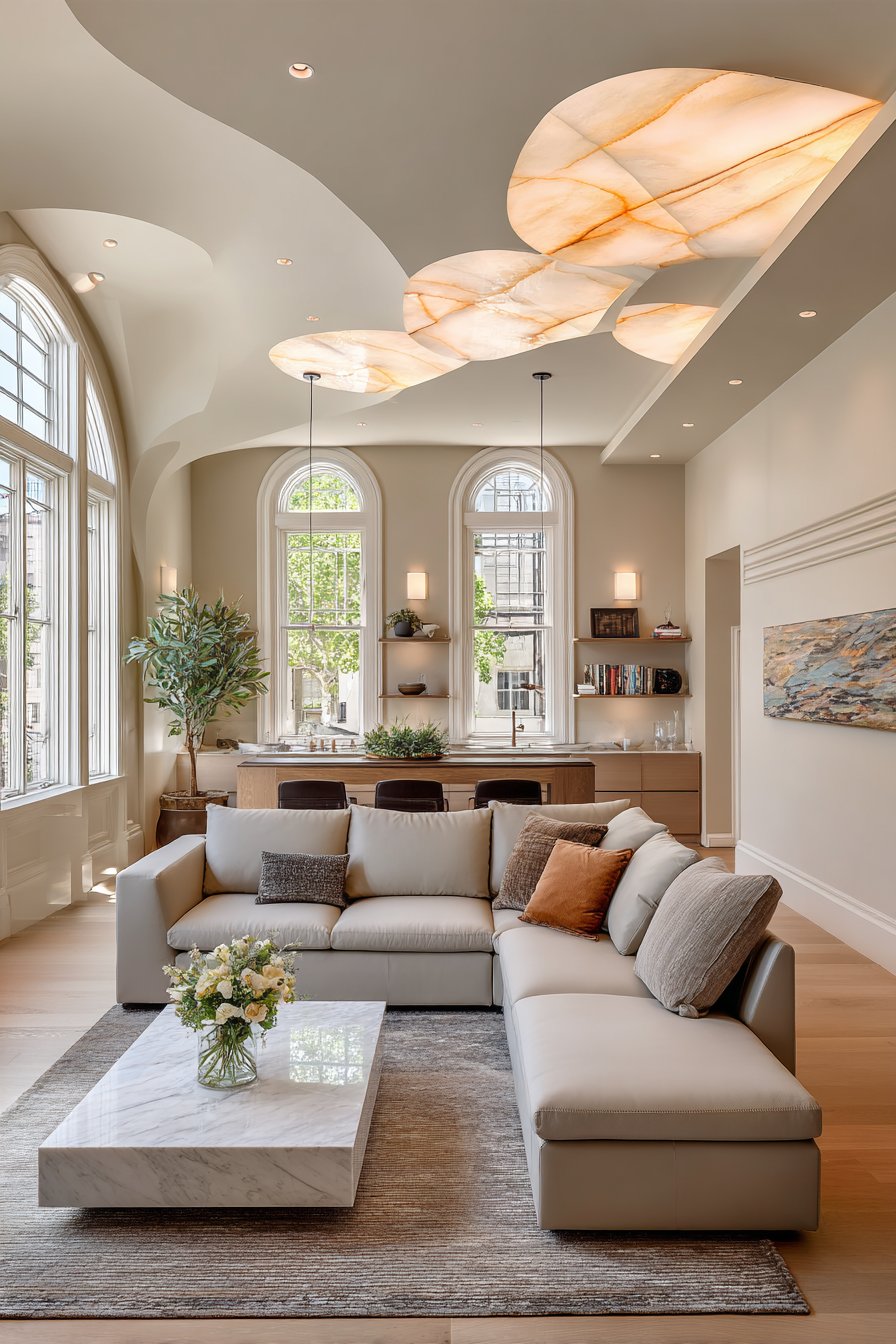
Natural light integration significantly enhances your ambient lighting strategy during daylight hours. Position your artificial light sources to complement windows and skylights, creating seamless transitions from day to night. This layered approach reduces energy consumption while maintaining consistent illumination levels throughout changing conditions.
- Install ceiling fixtures on dimmer switches for maximum control
- Calculate the appropriate lumens based on room size (multiply square footage by 20)
- Choose fixtures with frosted or white glass to diffuse light evenly
- Position recessed lights 4-6 feet apart for optimal coverage
- Consider track lighting for flexible ambient illumination options
- Avoid placing ambient fixtures directly above seating areas to prevent glare
3. Task Lighting for Functional Spaces
Task lighting addresses specific activities that require focused illumination beyond what ambient lighting provides. Reading, working on laptops, crafting, or playing board games all demand concentrated light sources positioned strategically near where these activities occur. Floor lamps beside reading chairs and table lamps on side tables serve as primary task lighting solutions.
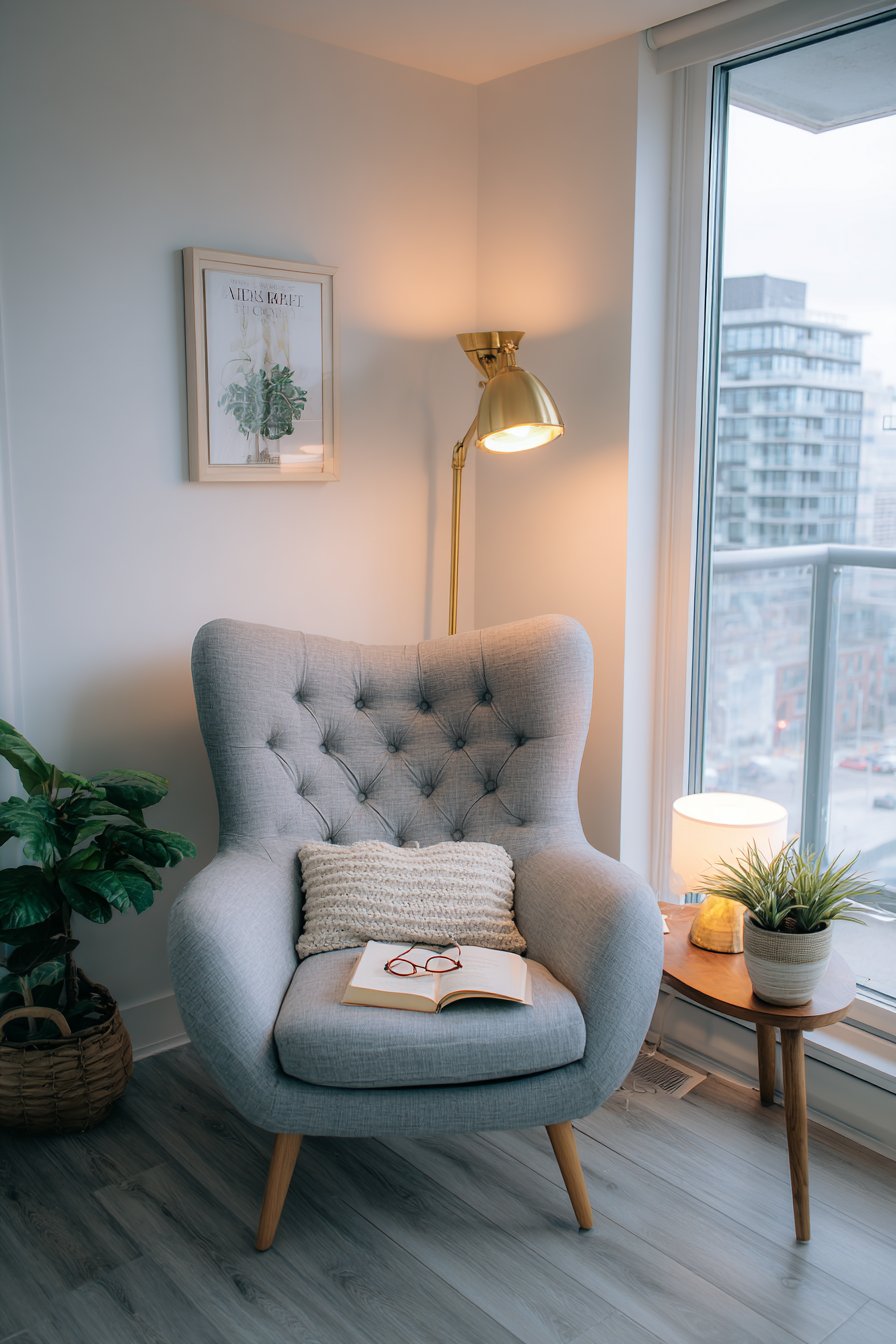
The intensity and direction of task lighting matter significantly for reducing eye strain and improving productivity. Adjustable fixtures allow you to direct light precisely where needed, minimizing shadows on work surfaces while avoiding glare on screens. LED desk lamps with flexible arms or swing-arm wall sconces offer excellent versatility for changing task requirements.
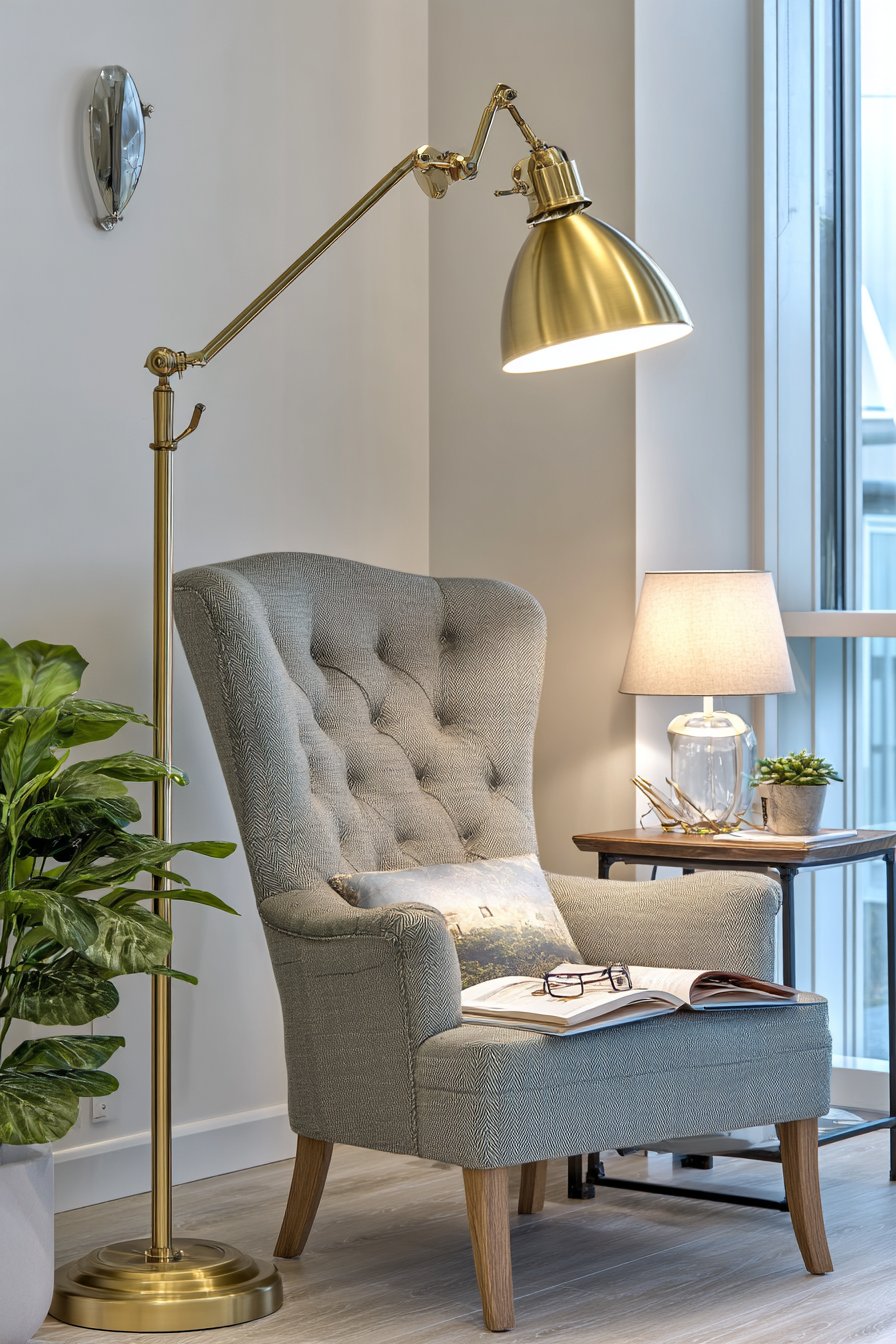
Positioning task lights correctly prevents the common mistake of creating harsh contrasts between illuminated work areas and surrounding darkness. Maintain some ambient background lighting even when task lights are in use to reduce eye fatigue. This balanced approach ensures comfort during extended periods of focused activities.
- Place reading lamps 15-20 inches from the side of seating for optimal angle
- Choose adjustable fixtures that allow directional control
- Use bulbs with 4000-5000K color temperature for task areas requiring focus
- Install swing-arm wall lamps to save floor and table space
- Ensure task lighting doesn’t create glare on television or computer screens
- Select lamps with shades that direct light downward toward work surfaces
4. Accent Lighting for Drama and Depth
Accent lighting creates visual interest by highlighting architectural features, artwork, or decorative elements that deserve special attention. This layer adds personality and sophistication while creating dimensional depth that makes rooms feel more expansive and engaging. Picture lights, wall sconces, and directional spotlights serve as effective accent lighting tools.
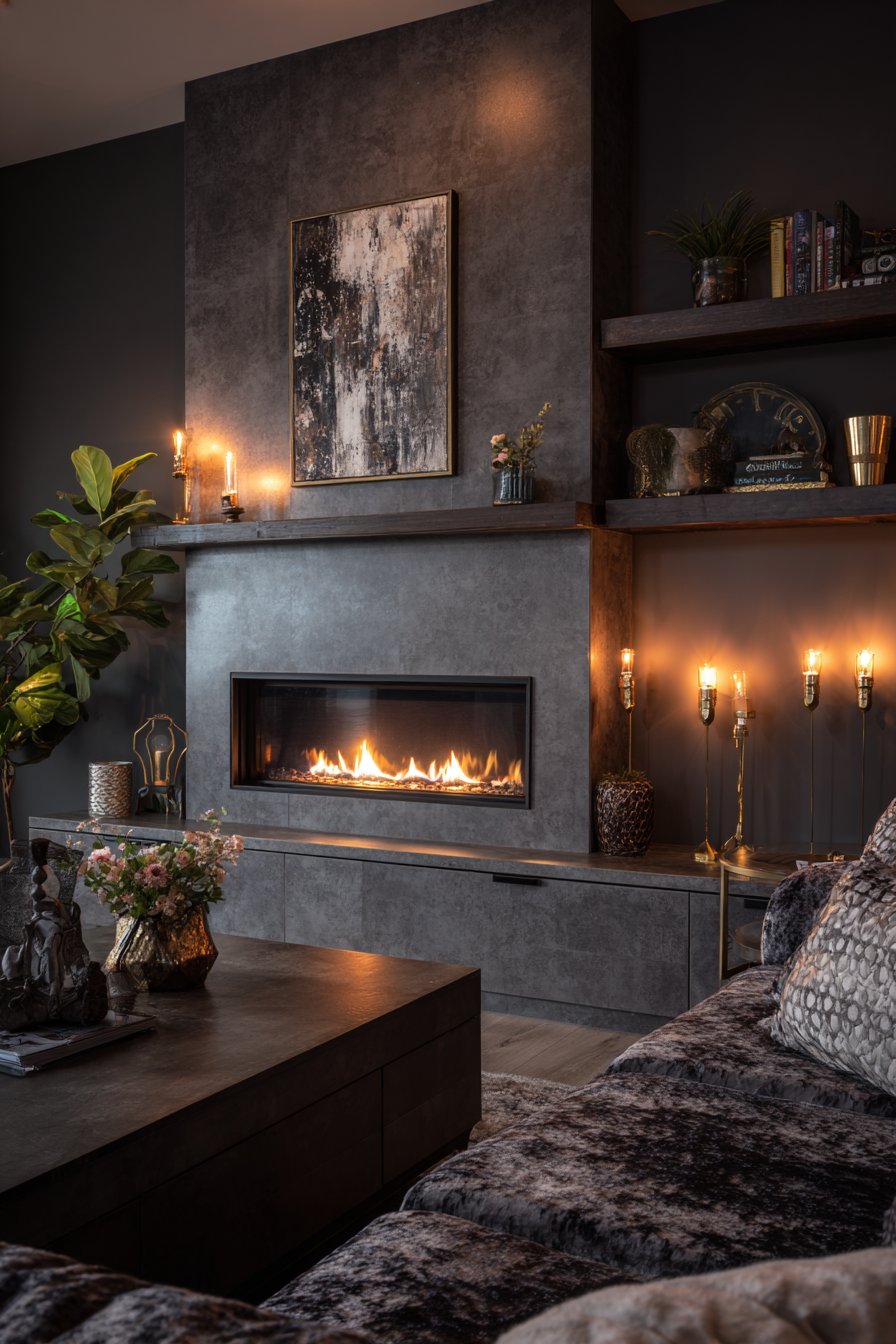
The rule of thumb for accent lighting requires it to be three times brighter than ambient lighting to create sufficient contrast and draw the eye effectively. LED strip lights behind floating shelves, under cabinets, or along crown molding provide subtle yet impactful architectural emphasis. These hidden sources create a floating effect that adds modern elegance to any living room.
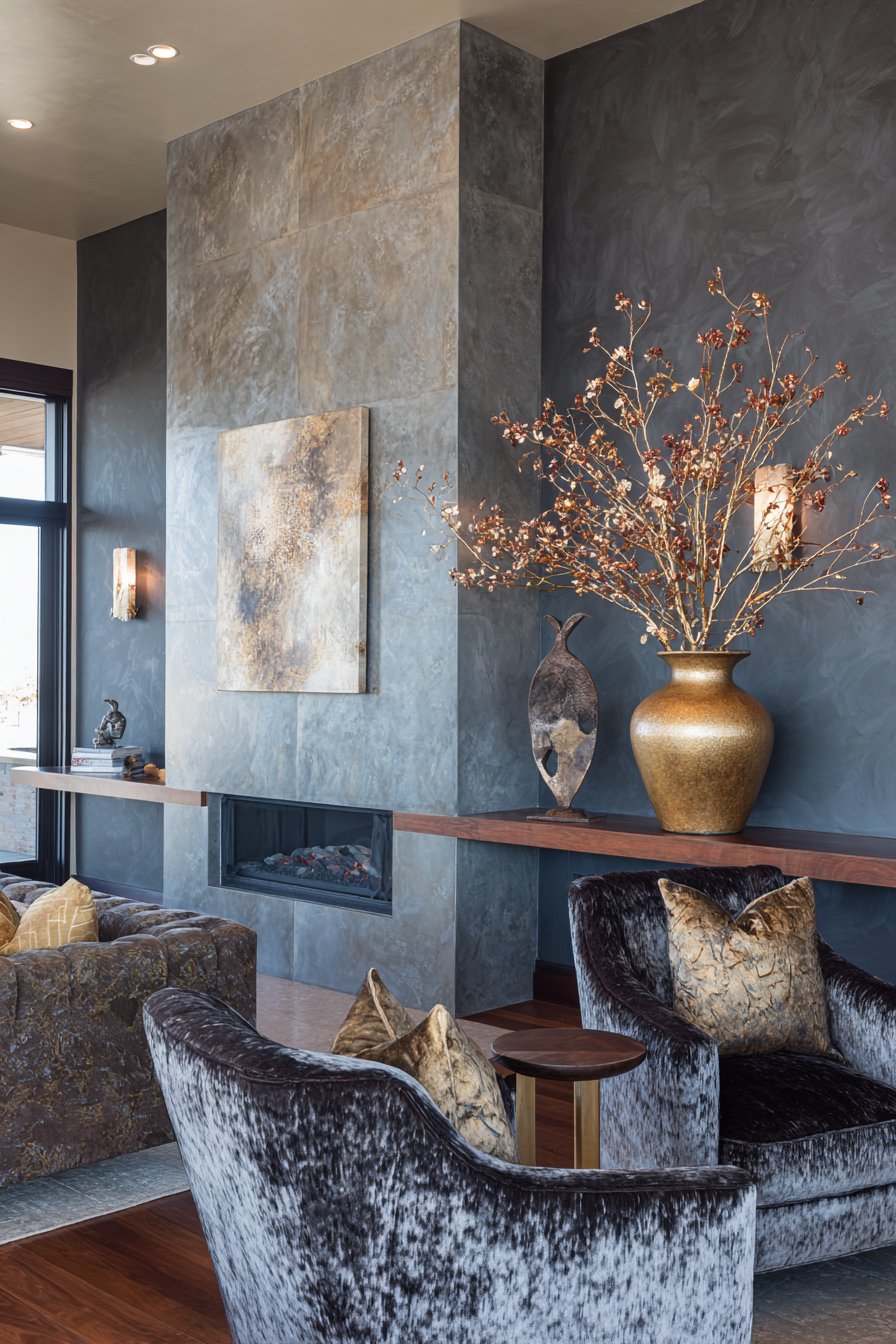
Strategic accent lighting transforms ordinary rooms into gallery-like spaces that showcase your personal style and treasured possessions. Consider uplighting plants or spotlighting textured walls to create dramatic shadows and highlights. This layer operates independently from functional lighting, allowing you to create ambiance even when other lights are dimmed.
- Use picture lights to illuminate artwork with focused beams
- Install LED strips under floating shelves for a contemporary appeal
- Position uplights behind large plants to cast dramatic shadows
- Highlight textured walls with grazing light to emphasize depth
- Add wall sconces to frame fireplaces or architectural niches
- Use narrow beam spotlights to create focal points on decorative objects
5. Choosing the Right Fixtures and Bulbs
Fixture selection dramatically impacts both aesthetic appeal and lighting effectiveness in your layered design scheme. Each fixture type serves specific purposes while contributing to your room’s overall style narrative. Mixing metals, finishes, and sizes creates visual variety without appearing chaotic when guided by a cohesive design vision.
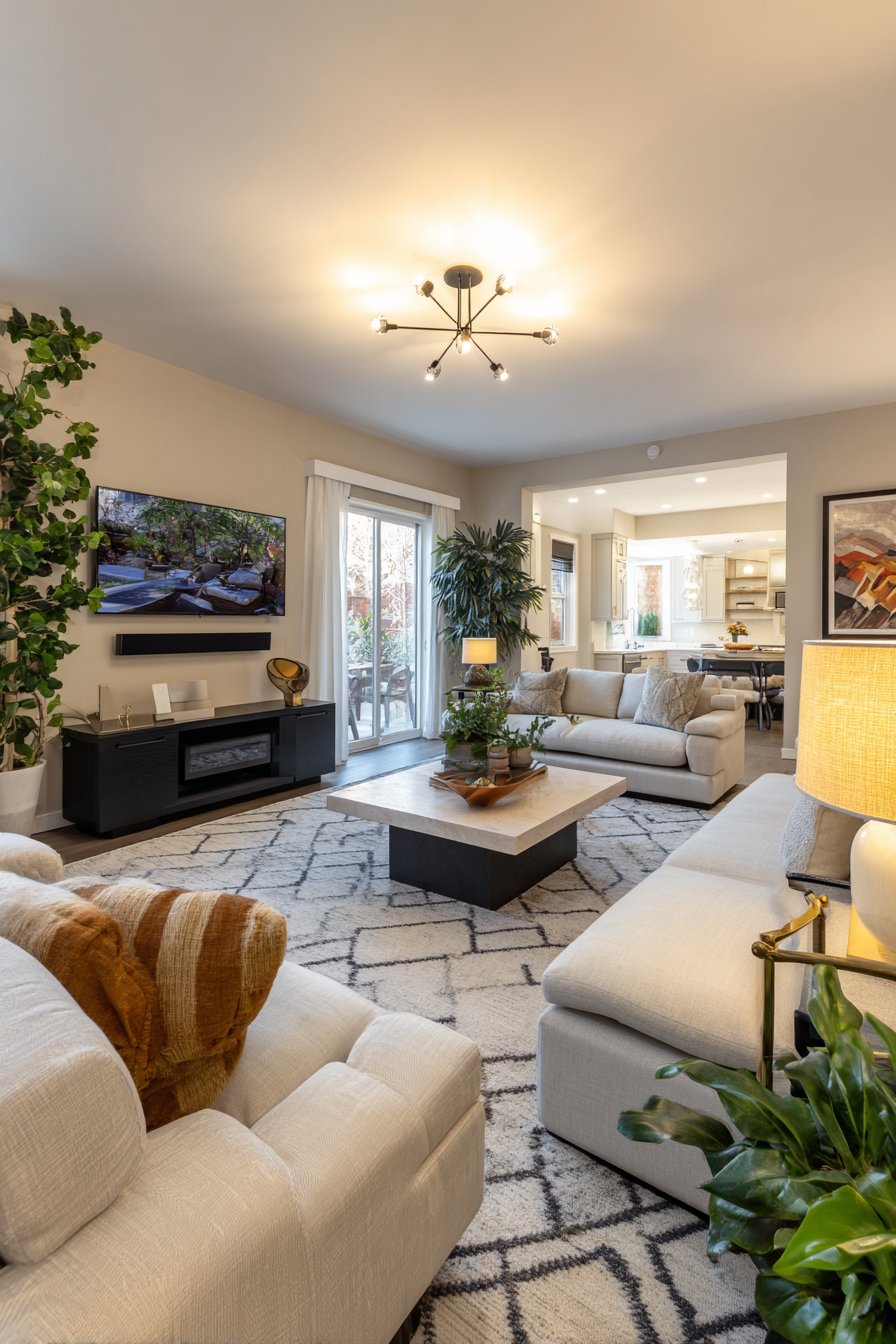
Understanding bulb technology helps you maximize energy efficiency while achieving desired lighting effects. LED bulbs offer superior longevity and consume significantly less energy than traditional incandescent options, making them ideal for frequently used living room fixtures. Color temperature matters enormously—warm whites (2700-3000K) create cozy atmospheres while cooler temperatures promote alertness and focus.
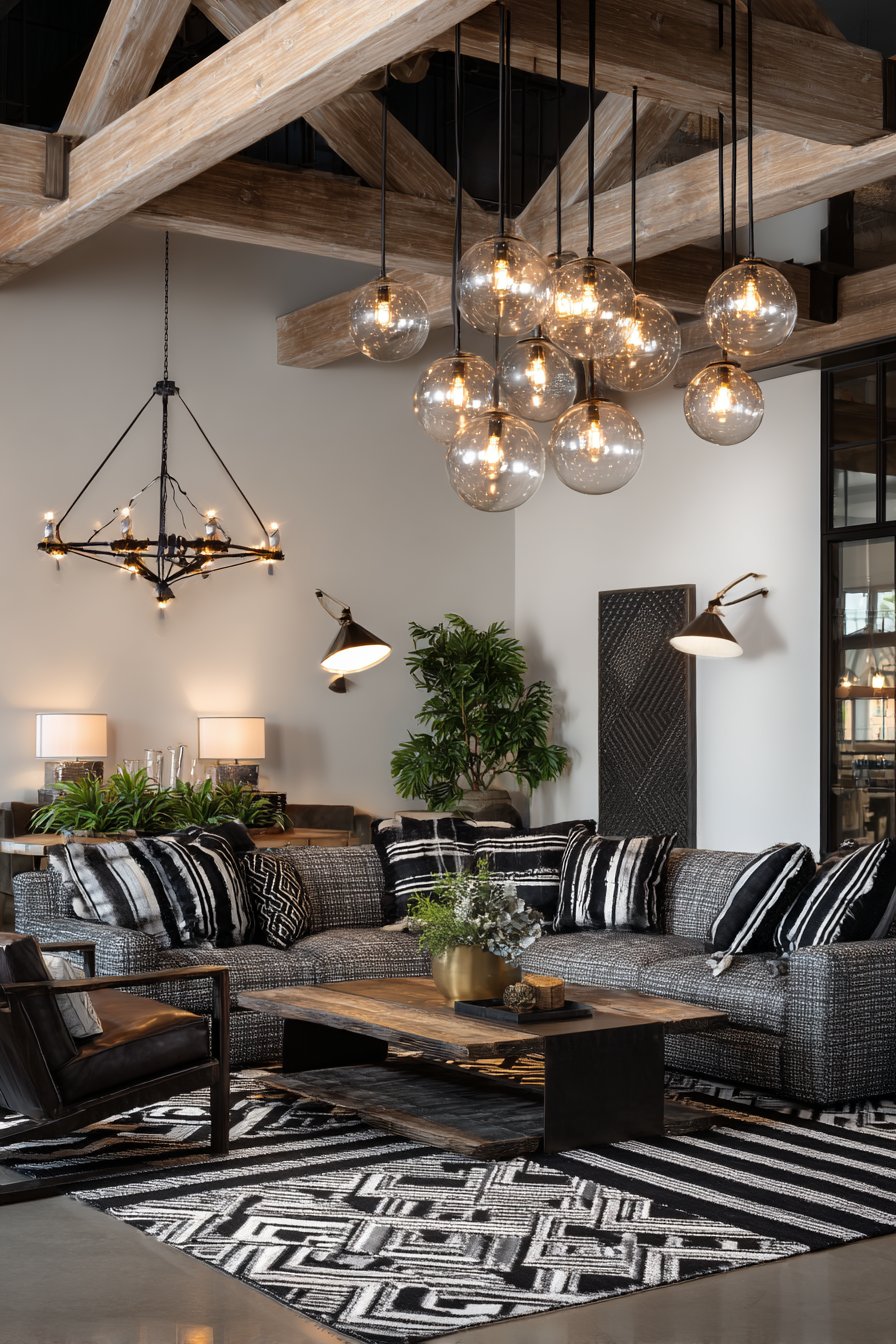
Smart bulbs and fixtures introduce unprecedented control flexibility through smartphone apps and voice commands. Program different lighting scenes for various activities: movie watching, entertaining guests, or quiet reading. This technology allows you to adjust color temperature and intensity throughout the day to support circadian rhythms and mood preferences.
- Match metal finishes across fixtures for cohesive design or intentionally mix for eclectic style
- Choose LED bulbs with high CRI (90+) for accurate color rendering
- Install smart switches to control traditional fixtures remotely
- Select fixtures appropriate for ceiling height (flush-mount for low, pendants for high)
- Use warm white bulbs (2700-3000K) for relaxation areas
- Invest in quality dimmers compatible with LED technology
6. Creating Lighting Zones and Control Systems
Dividing your living room into distinct lighting zones allows precise control over different areas based on their specific functions and uses. A conversation area requires different illumination than a reading nook or entertainment center. Zoning enables you to activate only necessary lights while keeping unused areas dimmed, saving energy and creating intentional focus.
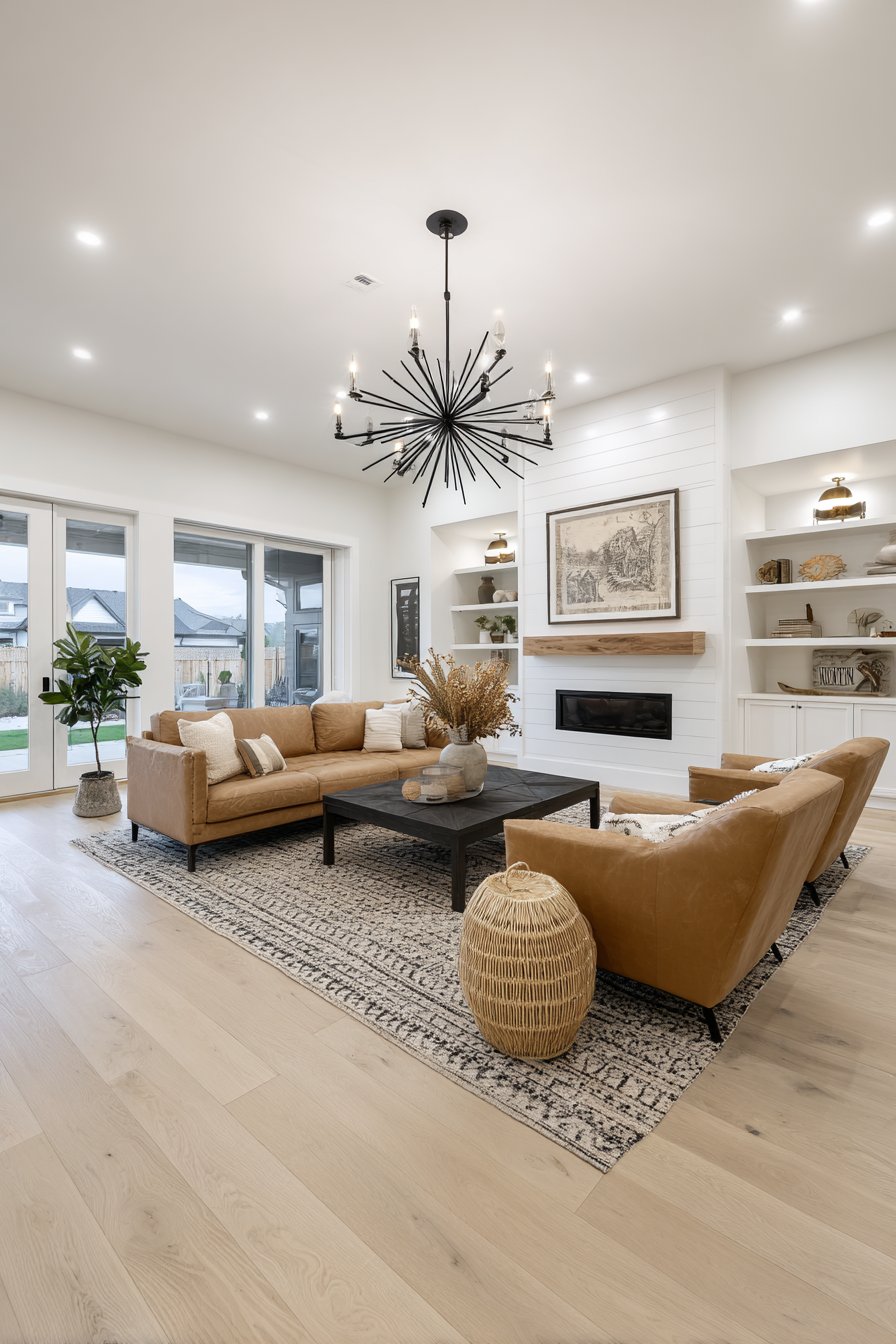
Advanced control systems unite your layered lighting approach through centralized management that simplifies daily adjustments. Smart home integration allows you to create preset scenes activated with single commands—”movie night” might dim ambient lights, turn off task lighting, and activate gentle accent lights. These programmable options eliminate the hassle of adjusting multiple switches.
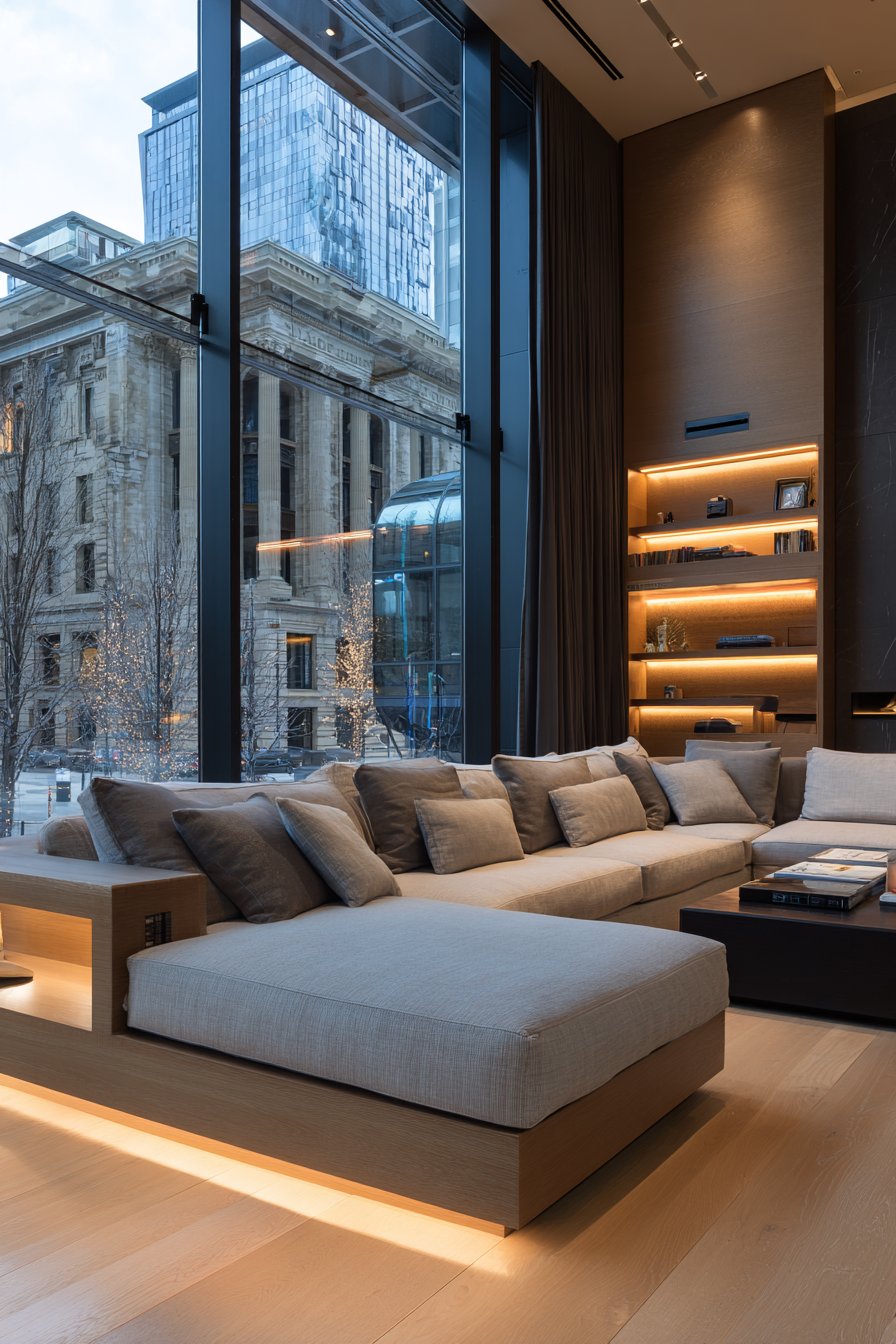
Consider installing multiple circuits during renovations or new construction to separate lighting zones effectively. This infrastructure investment pays dividends in flexibility and convenience for years to come. Even existing homes benefit from wireless smart switches that don’t require rewiring but still provide sophisticated zone control capabilities.
- Create at least three zones: conversation area, task areas, and accent features
- Install scene controllers that activate multiple lights with one button
- Use motion sensors for accent lighting in transitional spaces
- Program circadian lighting that adjusts color temperature throughout the day
- Label switches clearly to avoid confusion in multi-fixture setups
- Consider wireless control systems for easier installation in existing homes
Conclusion
Mastering the art of layered lighting transforms your living room from a simple gathering space into a dynamic environment that adapts beautifully to every activity and mood. By thoughtfully combining ambient, task, and accent lighting with smart fixture choices and flexible controls, you create a sophisticated lighting scheme that enhances both functionality and aesthetic appeal.
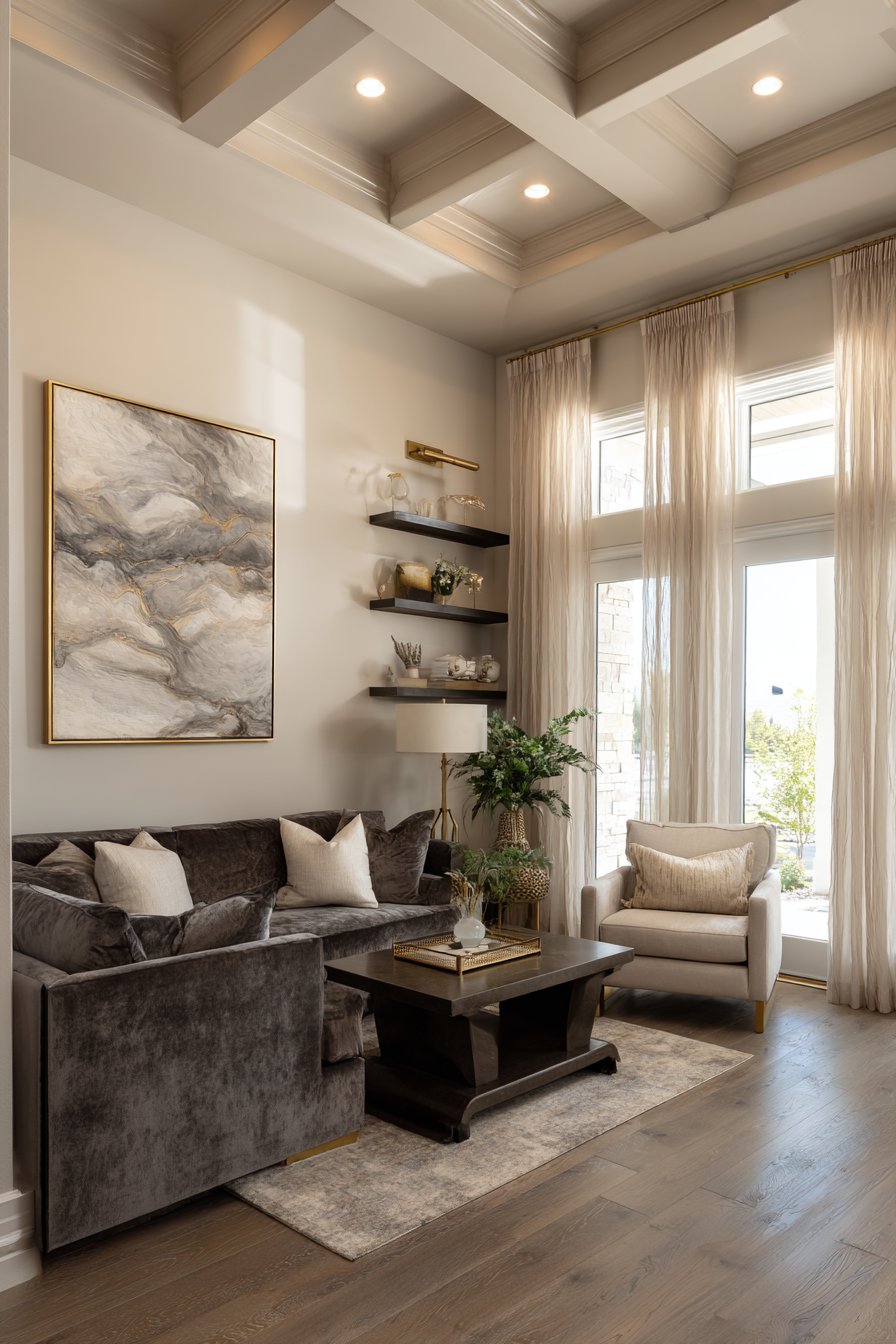
Start implementing these strategies gradually, beginning with the foundational ambient layer and building toward more nuanced accent lighting. Experiment with different combinations and don’t hesitate to adjust as you discover what works best for your space and lifestyle. With proper planning and execution, your living room will become a perfectly illuminated sanctuary that welcomes you home every single day.
