


The kitchen has evolved from a mere cooking space into the heart of modern homes. Today’s homeowners demand storage solutions that blend functionality with aesthetics, creating spaces that inspire culinary creativity while maintaining impeccable organization. The latest trends in kitchen storage reflect our changing lifestyles, from remote work to sustainable living, and they’re transforming how we interact with our kitchens daily.
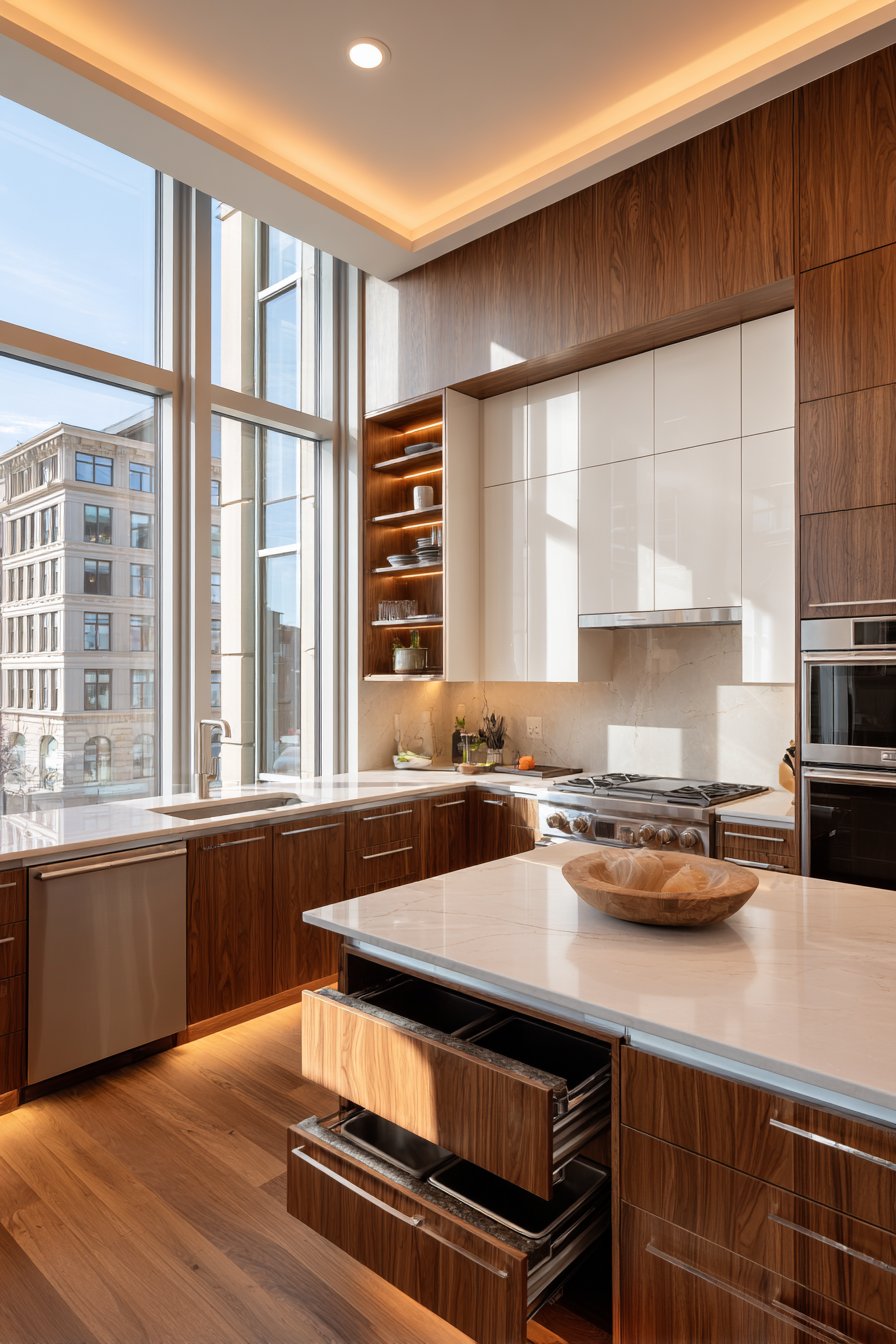
Smart storage isn’t just about hiding clutter anymore. It’s about creating intuitive systems that make cooking enjoyable and entertaining effortless. The 2026-2027 trends showcase innovative approaches that maximize every inch of space while adding visual interest to your kitchen. Whether you’re renovating or simply refreshing your storage strategy, these cutting-edge solutions promise to revolutionize your culinary haven.
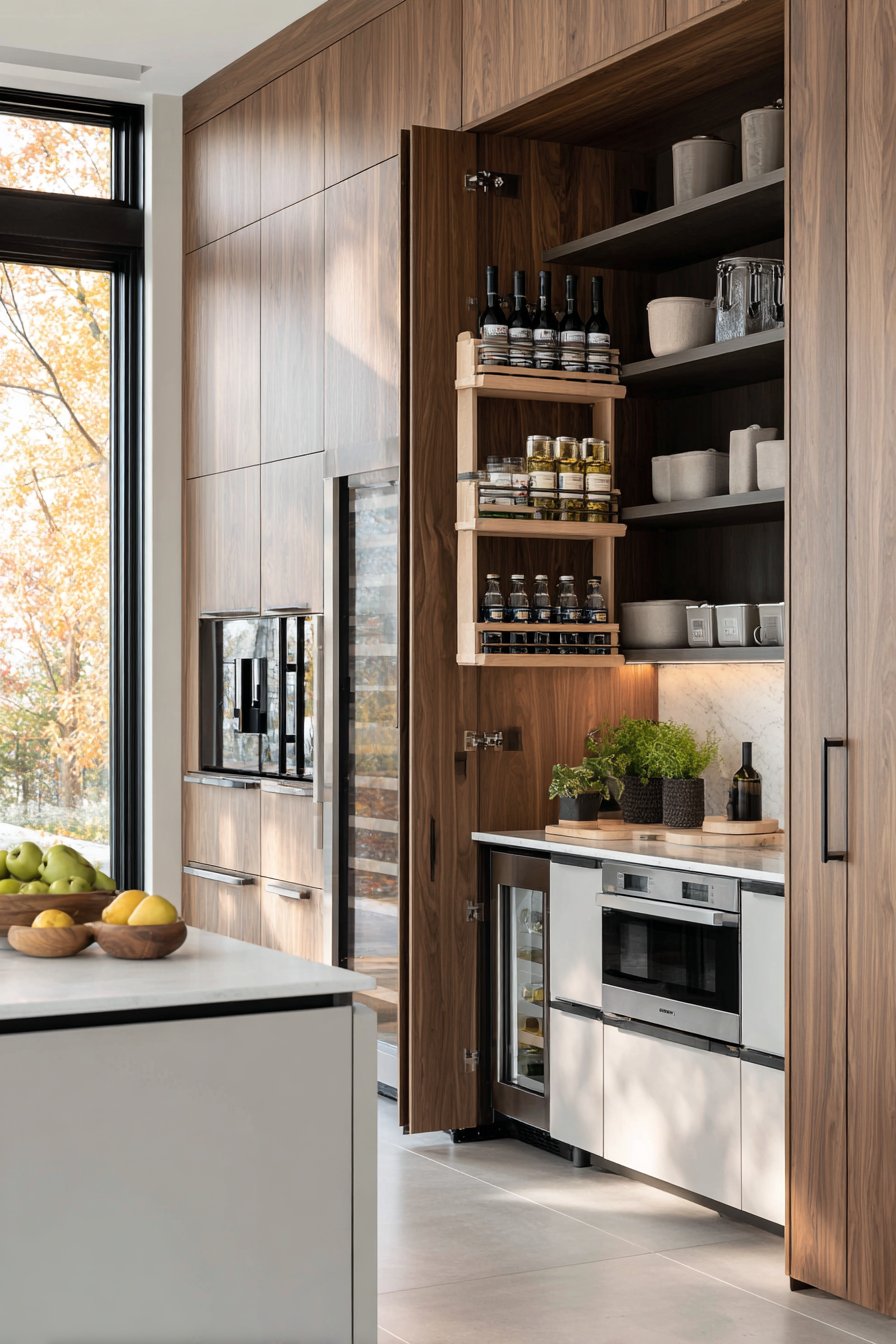
From tech-integrated cabinetry to sustainable materials and space-maximizing innovations, this comprehensive guide explores the hottest kitchen storage trends. Each solution has been carefully selected for its practical benefits and design excellence. These aren’t fleeting fads but thoughtful innovations that address real-world needs while elevating your kitchen’s aesthetic appeal.
1. Smart Motorized Cabinetry Systems
The integration of motorized mechanisms into kitchen cabinetry represents a quantum leap in convenience and accessibility. These intelligent systems respond to touch, voice commands, or smartphone apps, bringing futuristic functionality to everyday storage. They’re particularly valuable for upper cabinets, eliminating the need for step stools and making items easily accessible.
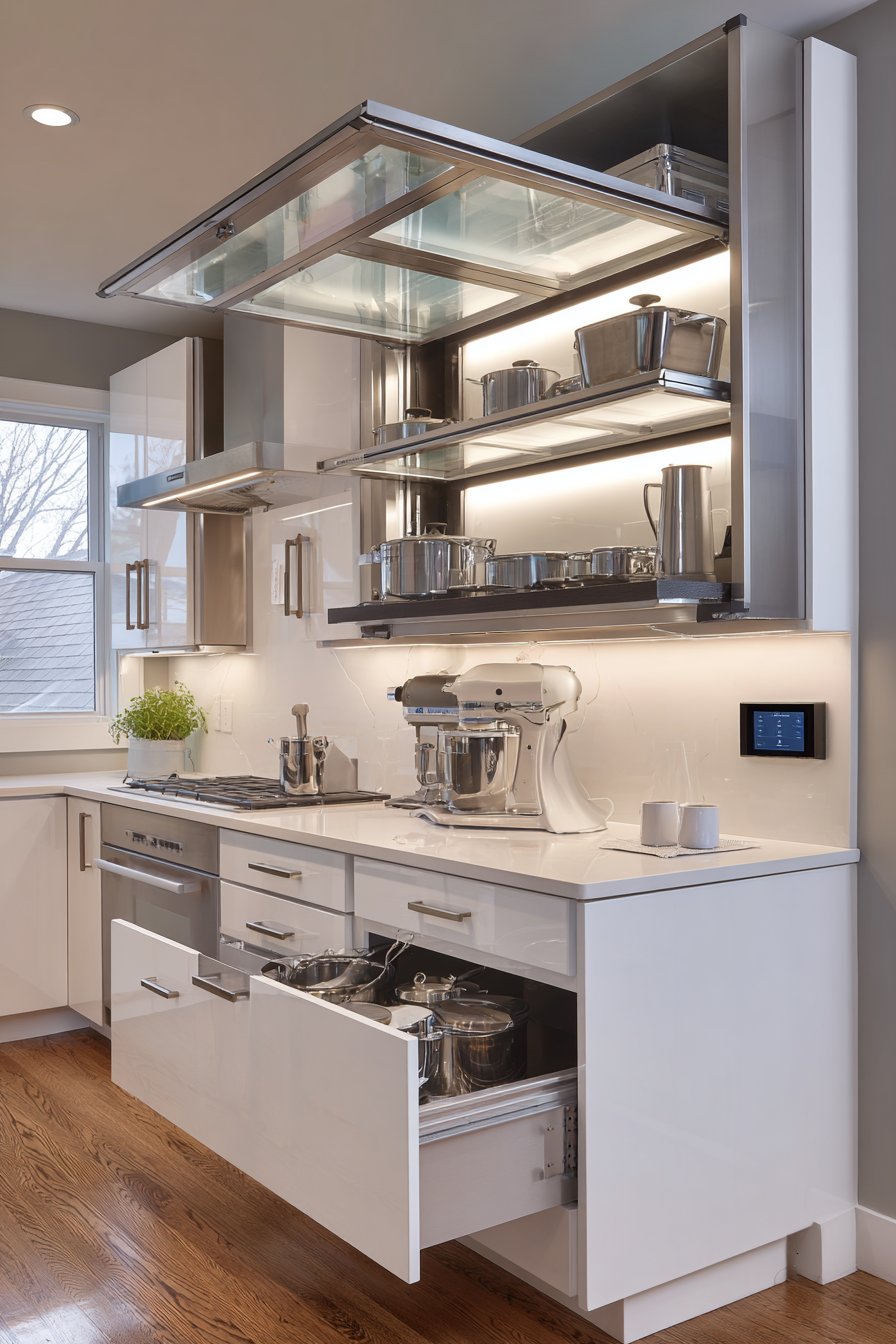
Modern motorized cabinets feature soft-close technology and customizable height settings that adapt to different family members. The whisper-quiet motors ensure seamless operation without disrupting your kitchen’s tranquility. These systems often include LED lighting that activates automatically, illuminating contents as drawers or shelves descend to your preferred level.
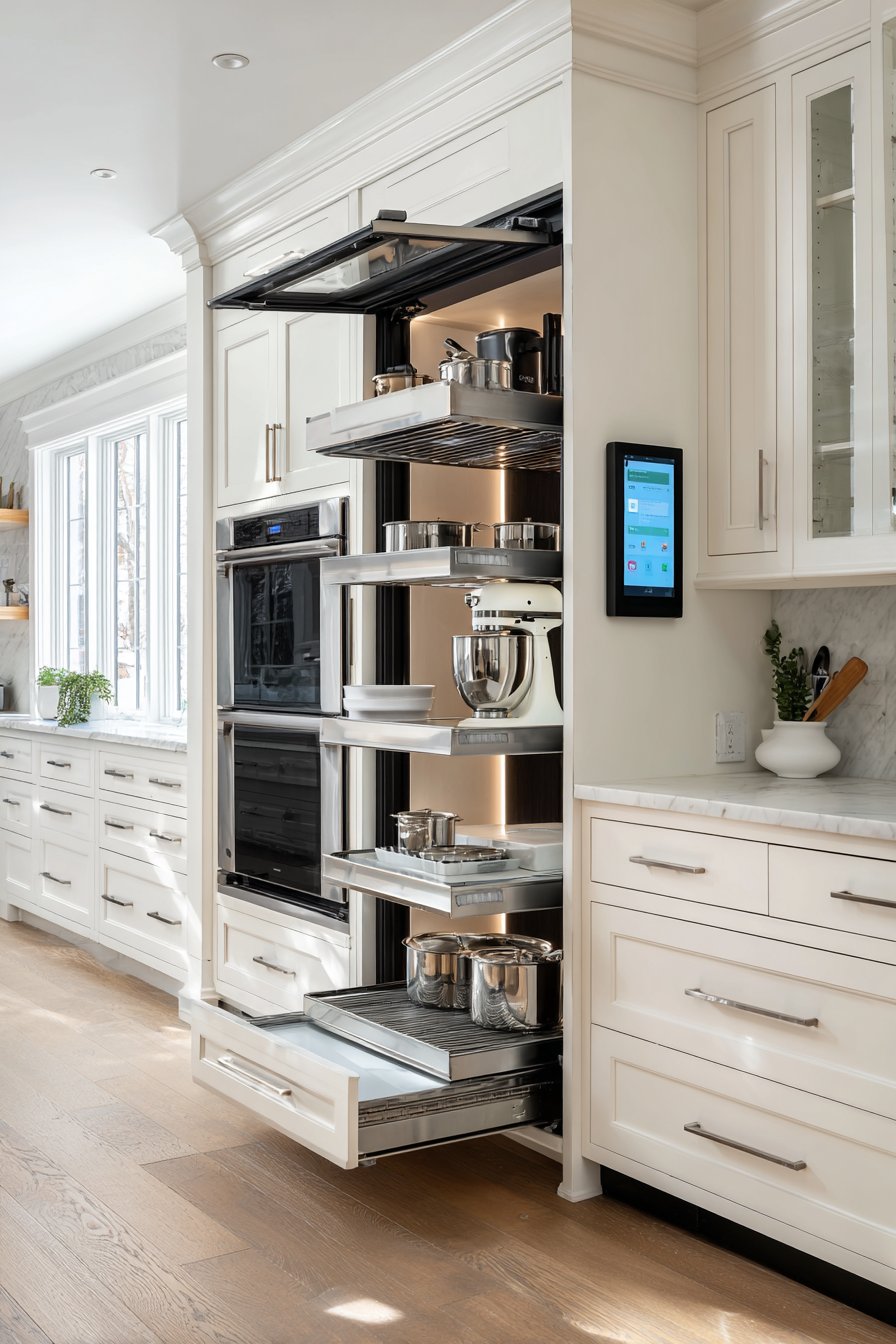
Beyond convenience, motorized storage promotes universal design principles, making kitchens more inclusive for elderly individuals and those with mobility challenges. The technology integrates seamlessly with smart home ecosystems, allowing you to open cabinets hands-free while cooking. Investment in motorized systems adds significant resale value while dramatically improving daily functionality.
- Install motorized lift systems in upper cabinets for heavy appliances and cookware
- Choose models with battery backup to ensure functionality during power outages
- Integrate voice control through Alexa or Google Home for hands-free operation
- Select soft-close mechanisms to protect cabinet integrity and reduce noise
- Consider motorized corner carousel units to maximize awkward spaces
- Opt for systems with adjustable speed settings for safety and control
2. Vertical Pull-Out Pantry Solutions
Vertical pull-out pantries have emerged as game-changers for narrow spaces and galley kitchens. These slender units, typically ranging from 6 to 12 inches wide, slide out completely to reveal multiple tiers of storage. They transform previously unusable gaps between appliances into highly functional storage areas that hold surprising amounts of goods.
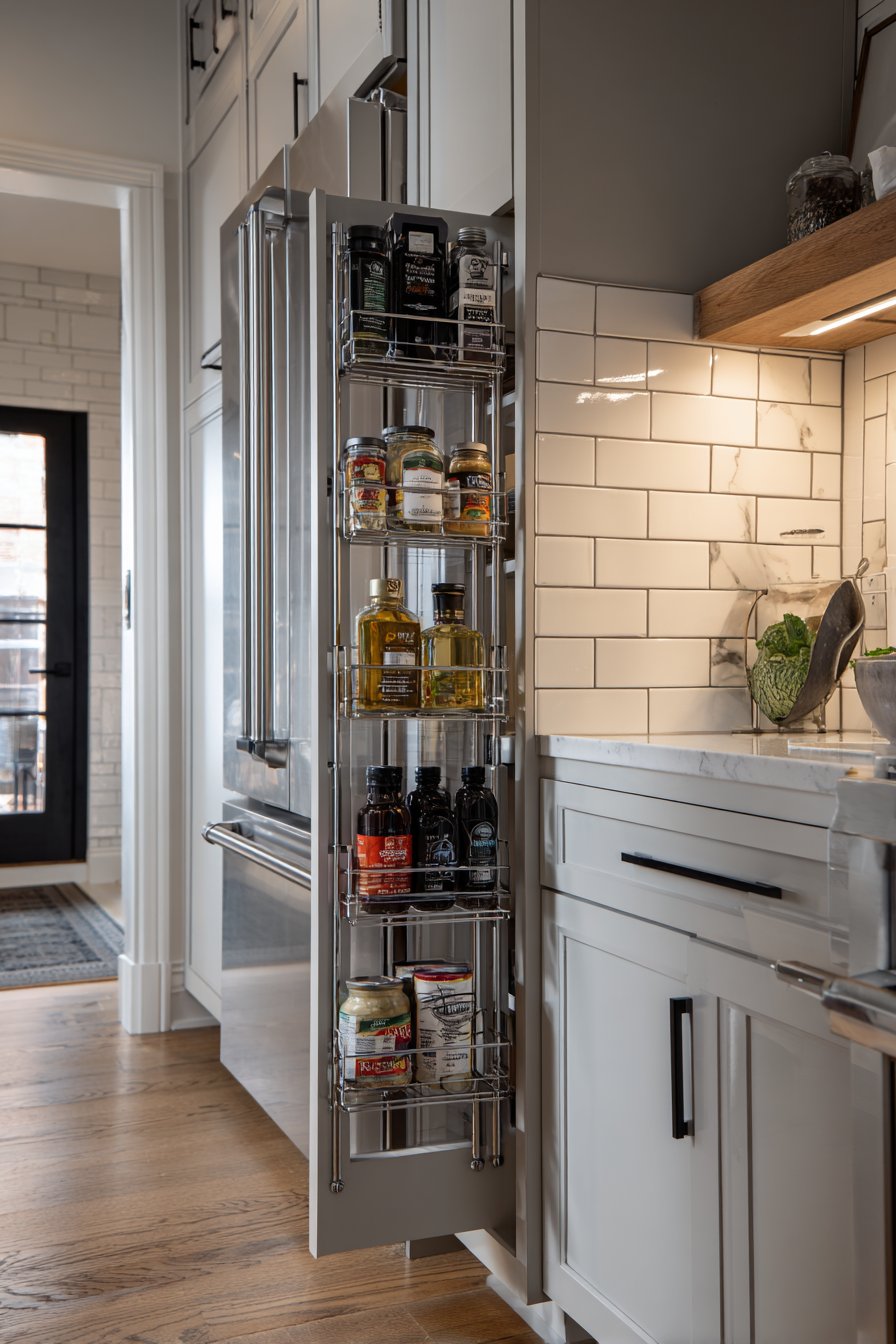
The beauty of vertical pantries lies in their full visibility – every item remains in clear view without the need to dig through deep shelves. Modern designs incorporate adjustable shelving, allowing you to customize configurations for different bottle heights, can sizes, and packaging types. Many units feature built-in organizers for spices, oils, and condiments.
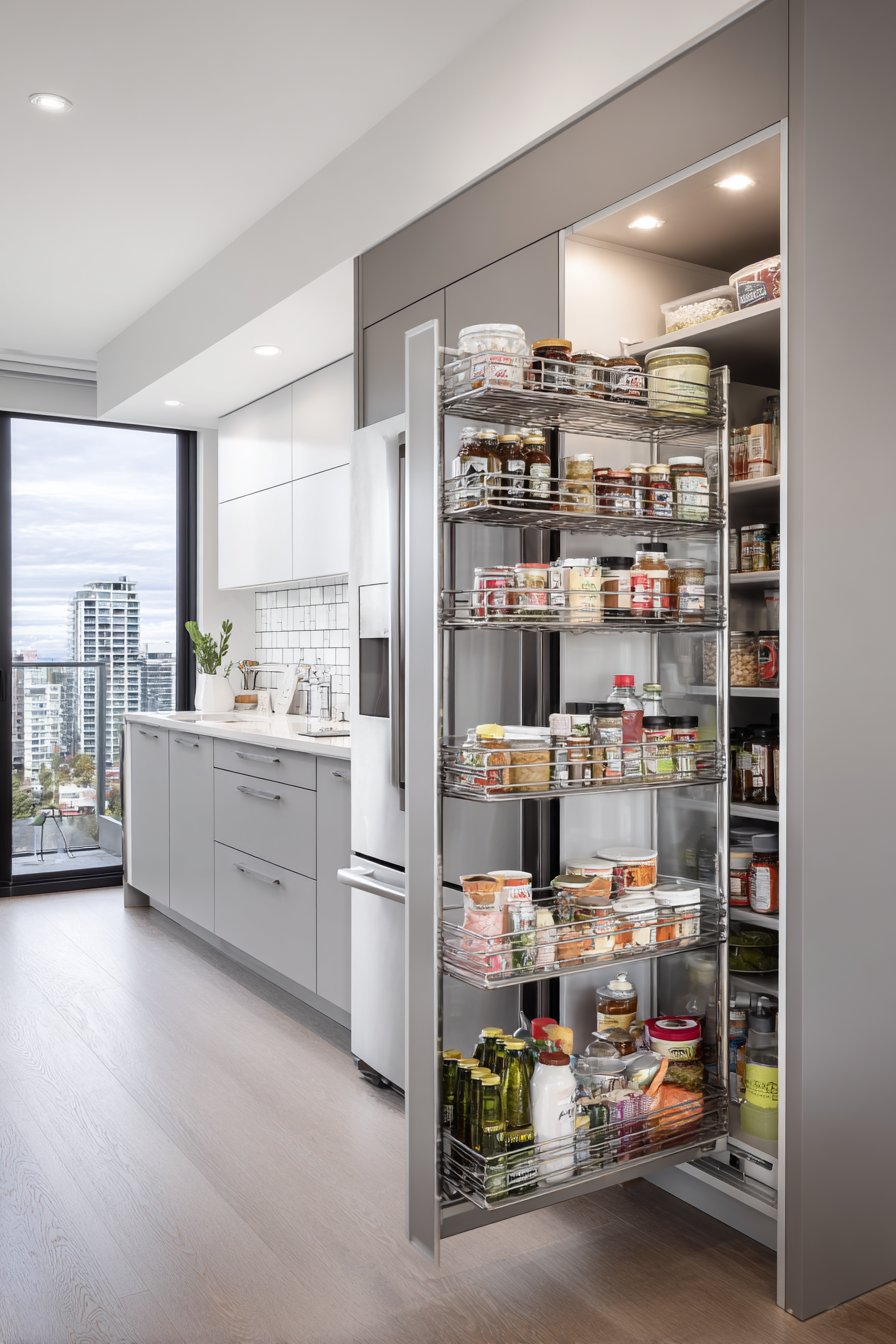
Installation flexibility makes vertical pantries suitable for both new builds and retrofits. They work exceptionally well alongside refrigerators or at the end of cabinet runs, utilizing spaces that typically become dead zones. The smooth-glide hardware ensures effortless operation even when fully loaded, and premium models include soft-close mechanisms for durability and quiet operation.
- Measure your available space carefully to select the optimal width and depth
- Choose units with chrome or stainless steel shelving for easy cleaning
- Install them near cooking zones for quick access to frequently used ingredients
- Select models with removable baskets for flexible organization options
- Consider units with clear acrylic fronts to quickly identify contents
- Ensure hardware is rated for the weight capacity you need
3. Hidden Appliance Garages with Charging Stations
The appliance garage concept has been revolutionized with integrated charging capabilities and sleek retractable doors. These dedicated zones keep countertops clutter-free while ensuring small appliances remain plugged in and ready to use. The 2026-2027 iterations feature sophisticated tambour doors, pocket doors, or lift-up mechanisms that disappear when opened.
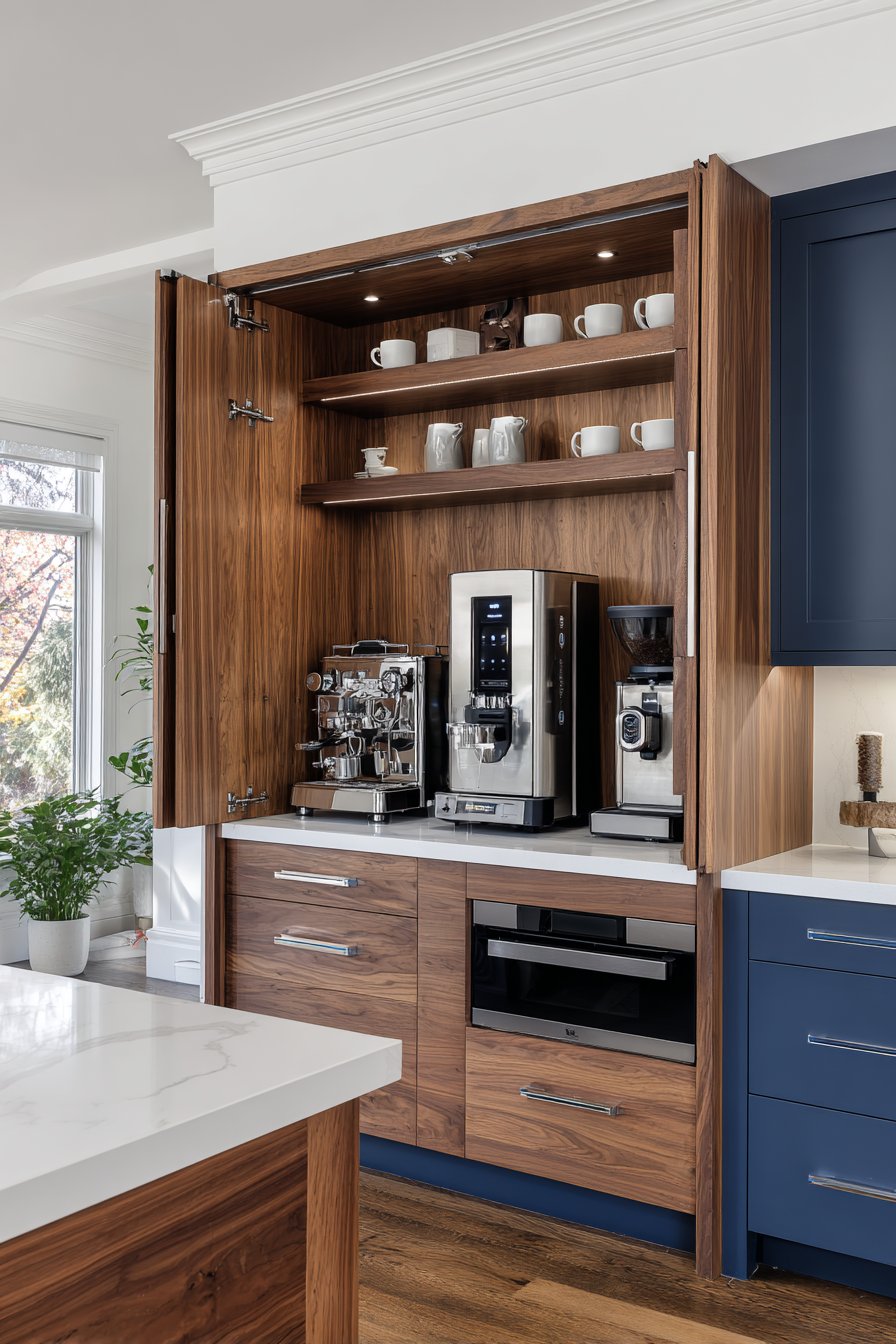
Interior power outlets and USB charging ports eliminate the hassle of constant plugging and unplugging. Some premium models include surge protection and smart power management that reduces phantom energy consumption. The enclosed design also minimizes dust accumulation on appliances, keeping them cleaner and extending their lifespan significantly.
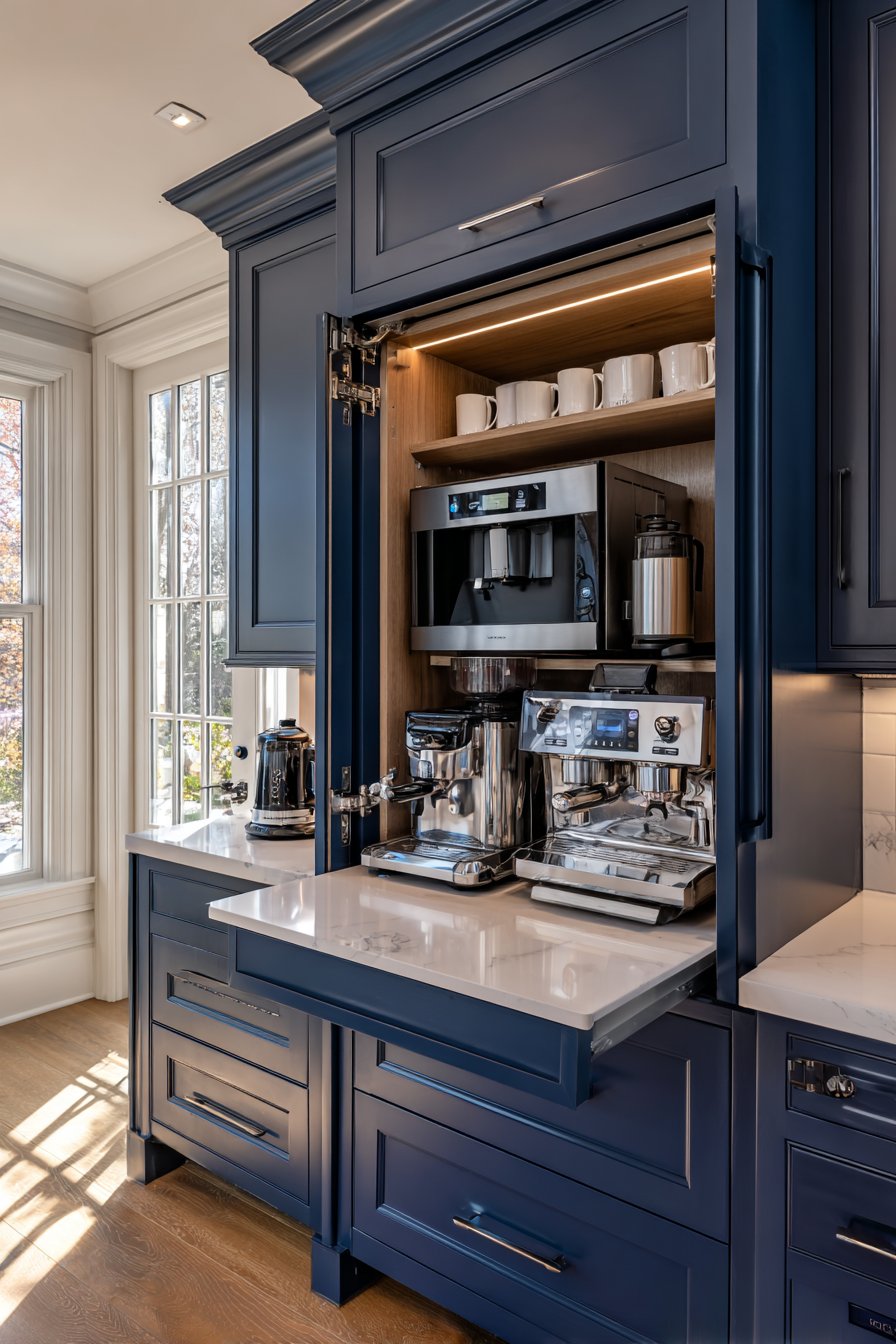
Modern appliance garages incorporate task lighting within the compartment, ensuring adequate illumination for safe operation. Ventilation slats prevent heat buildup from appliances like toasters and coffee makers. These units can be positioned at various heights, from counter-level to upper cabinets, depending on your workflow preferences and accessibility needs.
- Design garages at countertop height for heavy appliances like stand mixers
- Include multiple outlets on separate circuits to prevent overloading
- Choose tambour doors for space-saving operation in tight kitchens
- Install motion-activated interior lighting for enhanced functionality
- Select moisture-resistant materials for garages near sinks or beverage stations
- Ensure adequate depth to accommodate your largest appliances comfortably
4. Drawer Divider Systems with Modular Inserts
Customizable drawer organizers have evolved from basic dividers to sophisticated modular systems that adapt to changing needs. These intelligent inserts feature adjustable compartments that can be reconfigured in minutes without tools. The latest designs use premium materials like bamboo, walnut, and powder-coated steel that combine durability with visual appeal.
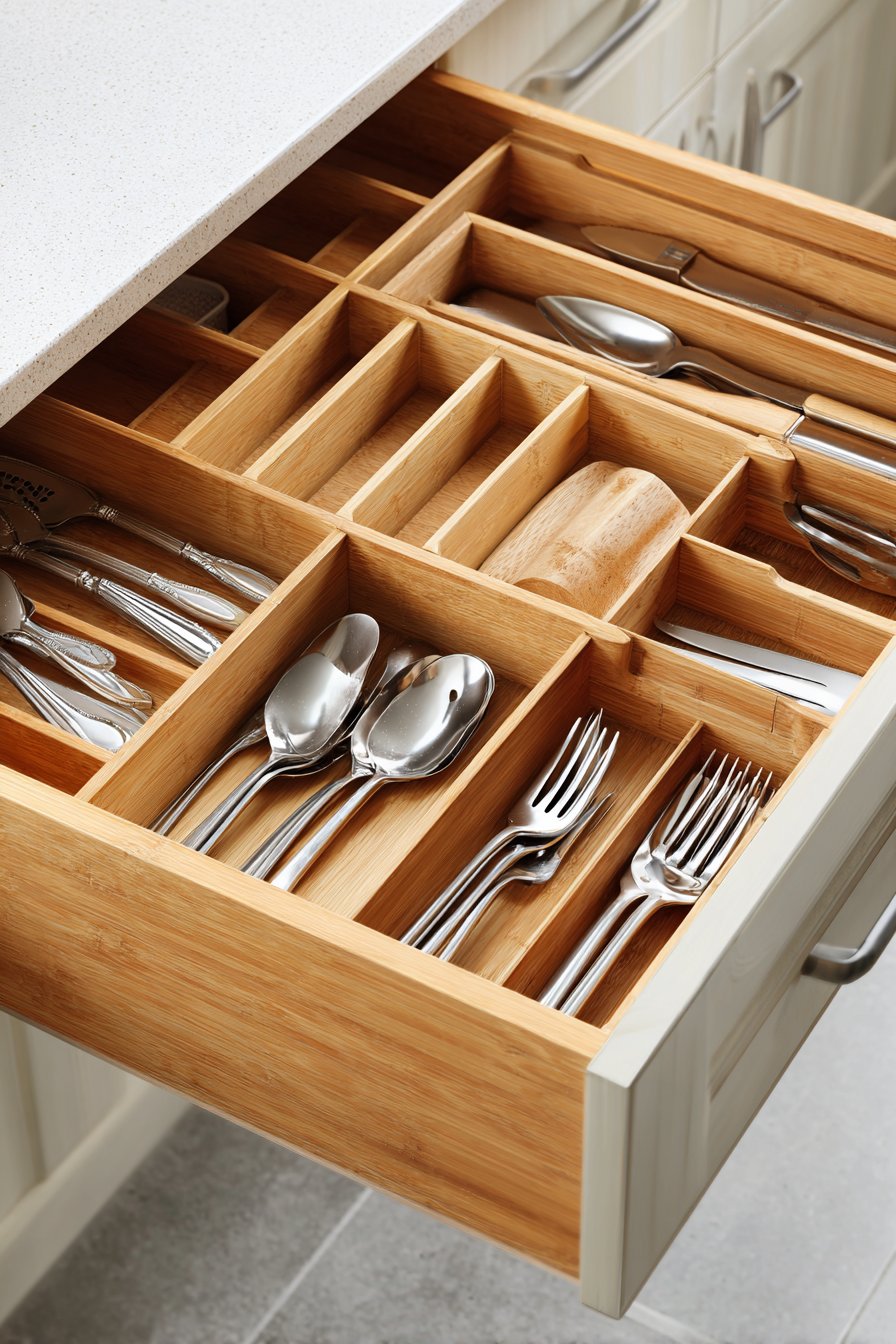
The modular approach allows you to create perfectly sized compartments for everything from utensils to spices to baking supplies. Unlike fixed dividers, these systems grow with your collection and adapt when you replace items. Many incorporate non-slip bases that keep organizers stable even in smooth-glide drawers, preventing frustrating shifting during daily use.
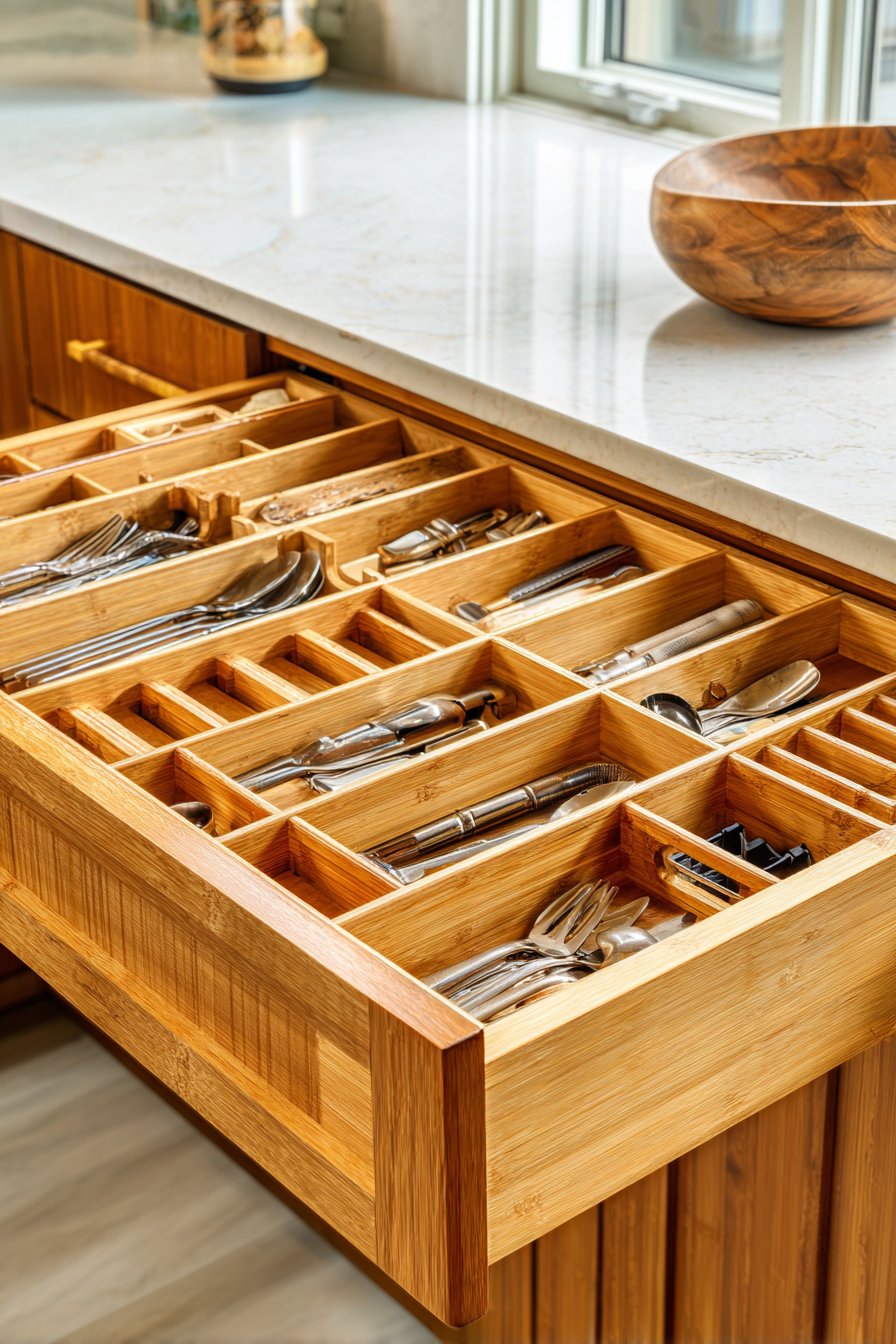
Deep drawer systems now include tiered inserts that maximize vertical space while maintaining accessibility. Specialized inserts for knife storage, cutting boards, and lid organization have become standard features in high-end designs. The ability to remove individual compartments for cleaning represents a significant hygiene improvement over traditional fixed organizers.
- Invest in high-quality bamboo or hardwood inserts for longevity and aesthetics
- Measure drawer interiors precisely before purchasing modular systems
- Choose expandable dividers that can adjust to different drawer widths
- Select non-slip materials to prevent movement when opening drawers
- Consider clear acrylic inserts for smaller items to improve visibility
- Create dedicated zones for daily-use items versus occasional equipment
5. Integrated Recycling and Waste Management Centers
Sustainable waste sorting has become a design priority as environmental consciousness grows. Modern built-in systems accommodate multiple bins for trash, recycling, compost, and specialized waste streams. These solutions hide unsightly bins while making eco-friendly sorting effortless and intuitive for all household members.
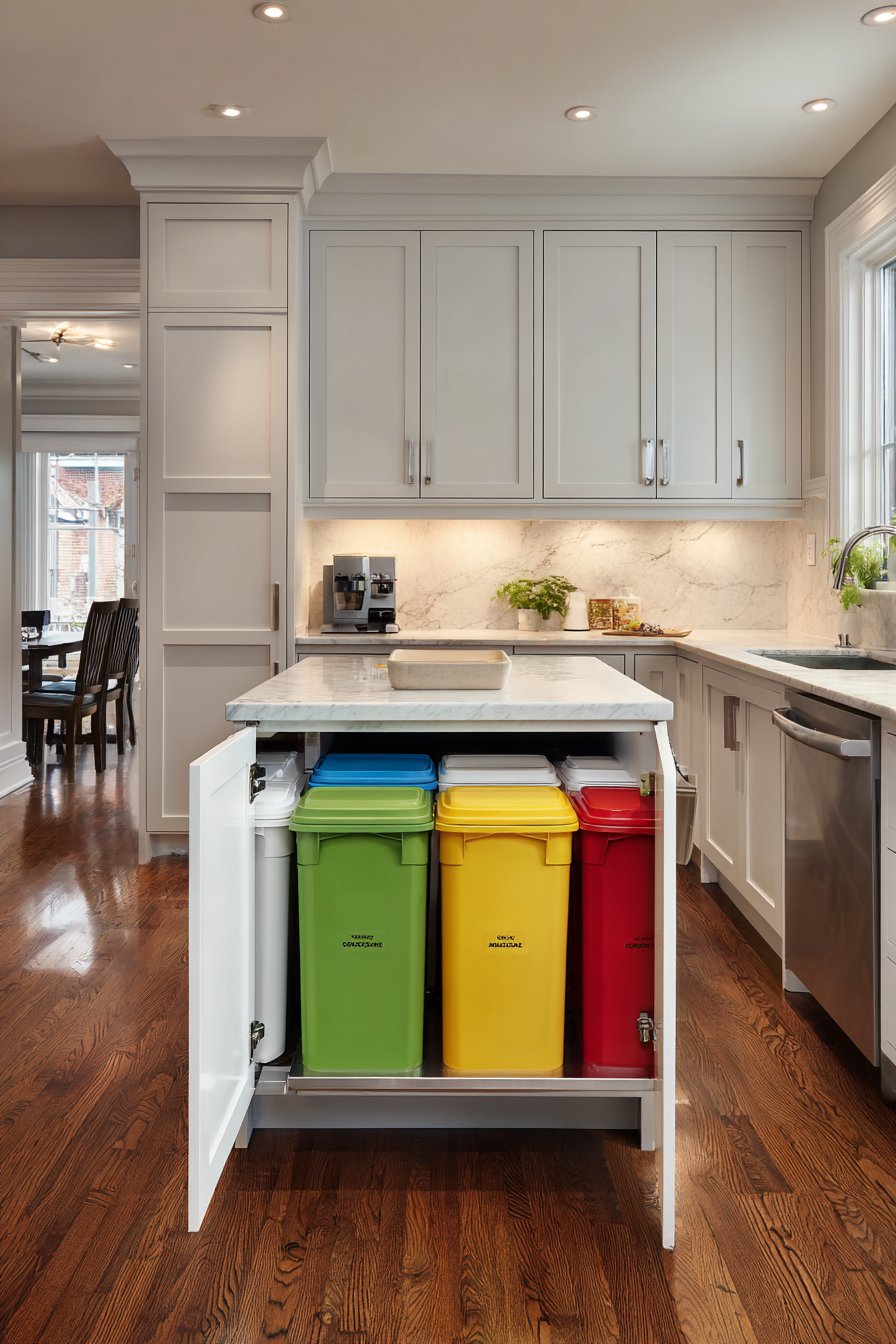
Pull-out systems range from simple double bins to elaborate five-container configurations that handle glass, plastic, paper, metals, and organic waste separately. Premium models include odor-control features like charcoal filters and sealed lids that contain smells effectively. Some incorporate bin-washing systems or removable liners that simplify deep cleaning.
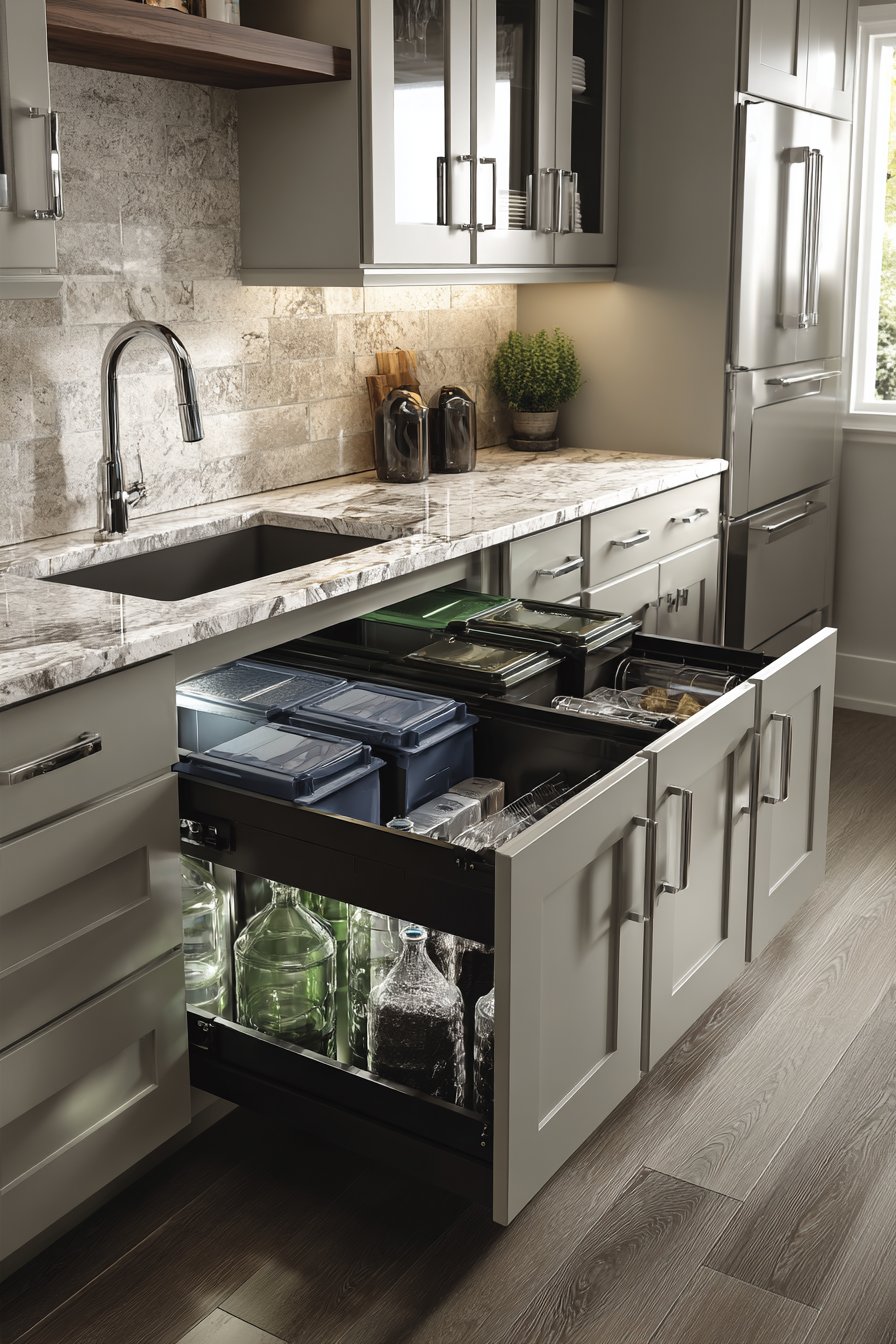
Smart sensors in cutting-edge models can identify waste types and suggest appropriate bins, making recycling education seamless. Integration with local waste management apps provides collection reminders and proper disposal guidelines. The systems typically install in base cabinets near prep areas or under sinks, with soft-close mechanisms ensuring quiet operation.
- Calculate your household’s waste volume to determine necessary bin sizes
- Choose systems with color-coded bins to simplify sorting for everyone
- Install units near primary food prep areas for convenient disposal
- Select models with removable containers for easy emptying and cleaning
- Consider touchless lid-opening mechanisms for improved hygiene
- Ensure adequate ventilation to prevent moisture and odor buildup
6. Open Shelving with Integrated LED Lighting
Floating shelves with backlighting create dramatic visual impact while providing practical storage for everyday items. This trend combines the accessibility of open storage with sophisticated lighting design that transforms functional shelves into architectural features. The illumination highlights beautiful dishware, glassware, and decorative items while making contents easy to identify.
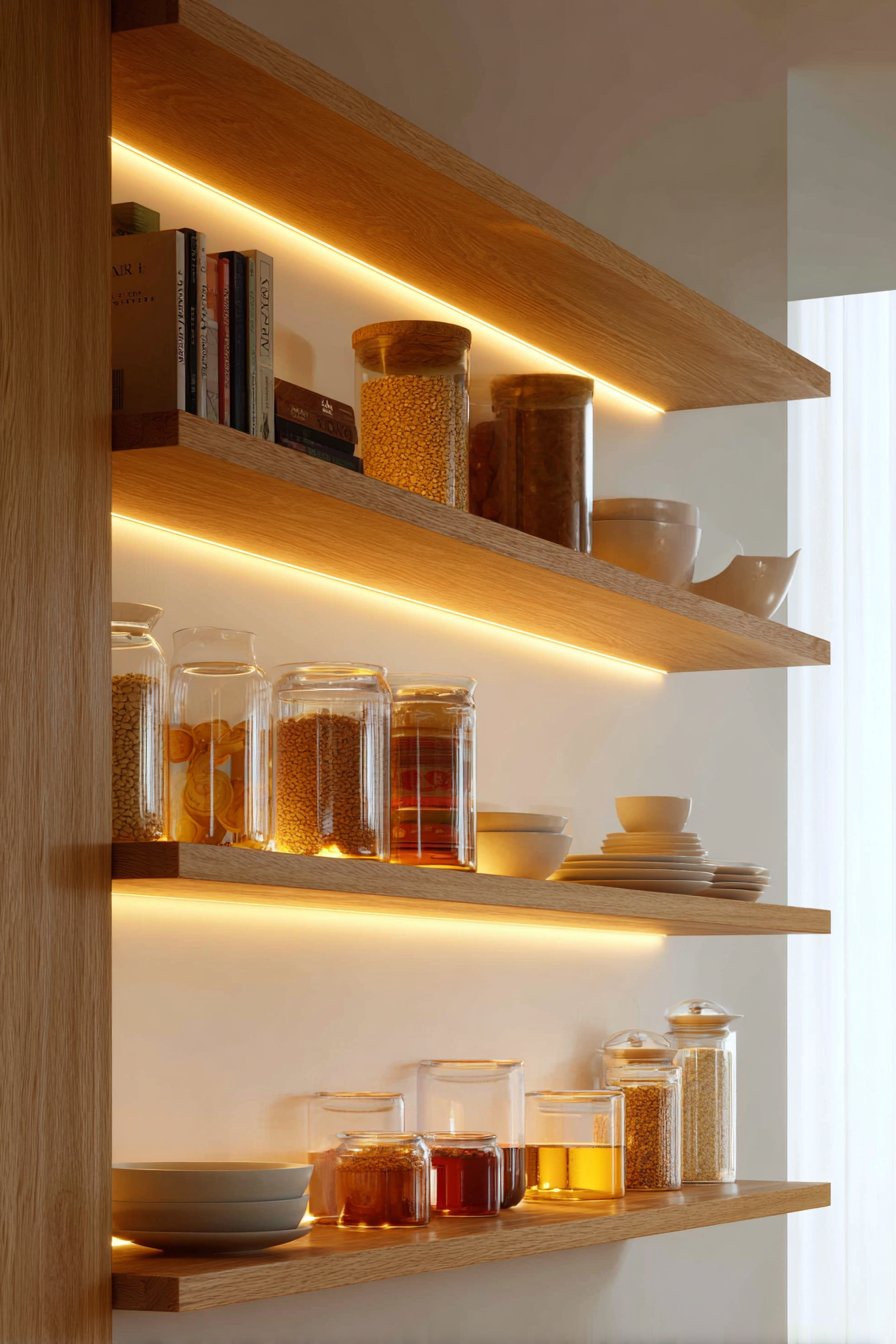
Under-shelf LED strips offer multiple color temperature options, from warm ambient lighting to bright task illumination. Smart systems allow you to adjust brightness and color via smartphone apps, creating different moods for cooking, dining, or entertaining. Motion sensors can activate lights automatically when you approach, combining convenience with energy efficiency.
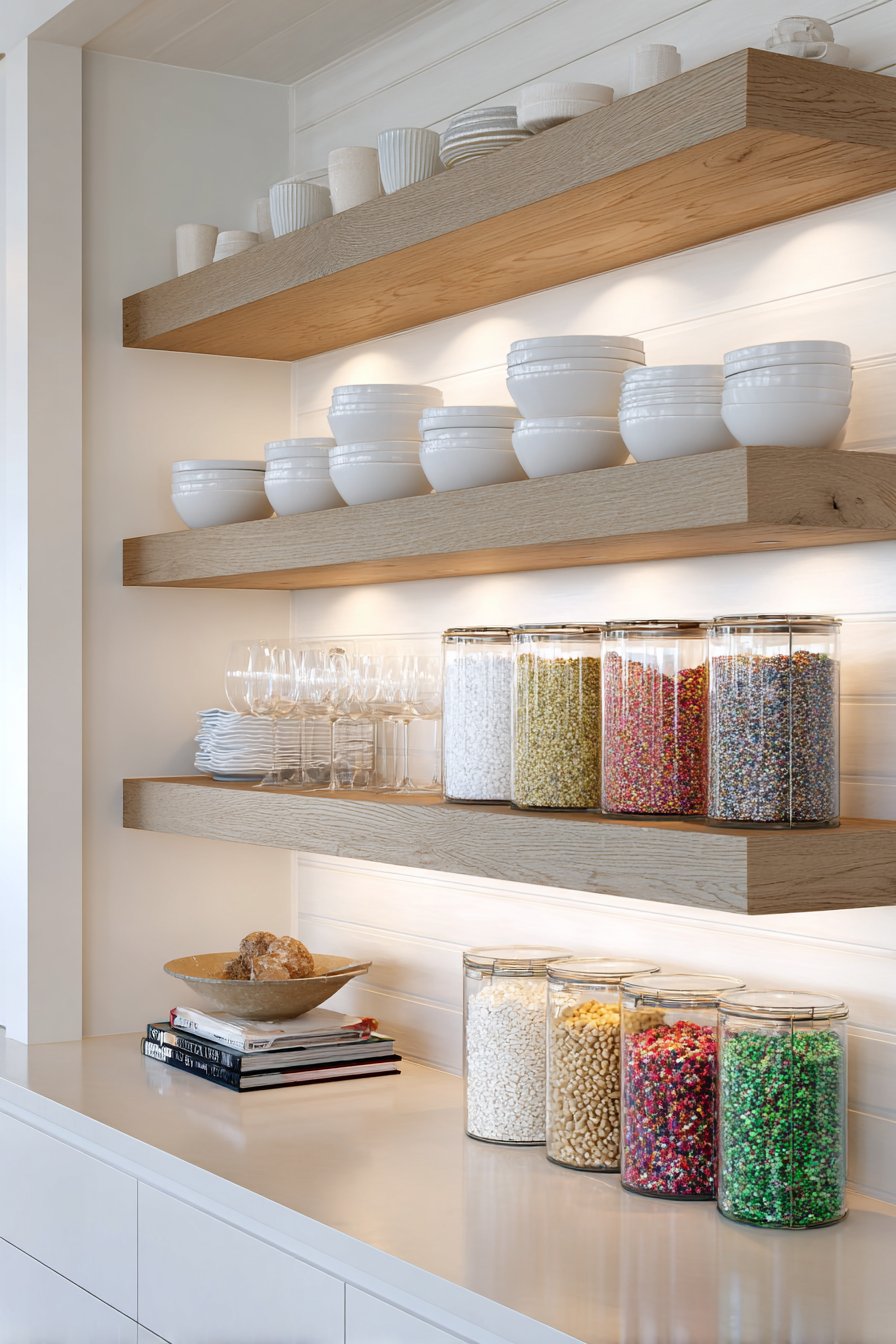
The key to successful open shelving lies in curated organization – displaying only items that are both functional and aesthetically pleasing. Glass containers for dry goods, matching dinnerware sets, and artfully arranged cookbooks create visual interest. Regular maintenance keeps shelves dust-free and organized, ensuring they remain beautiful focal points rather than cluttered eyesores.
- Limit open shelving to 20-30% of total kitchen storage to avoid clutter
- Select LED strips with minimum 90 CRI for accurate color rendering
- Install dimmer switches for flexible lighting control throughout the day
- Use uniform containers and cohesive color schemes for visual harmony
- Consider waterproof LED systems in areas near sinks or cooktops
- Arrange items by height with taller pieces at the back for visibility
Conclusion
The kitchen storage solutions trending in 2026-2027 represent a perfect marriage of innovation and practicality. These designs acknowledge that modern life demands spaces that work harder while looking better. From motorized convenience to sustainable waste management, each trend addresses specific pain points while elevating your kitchen’s overall functionality and appeal.
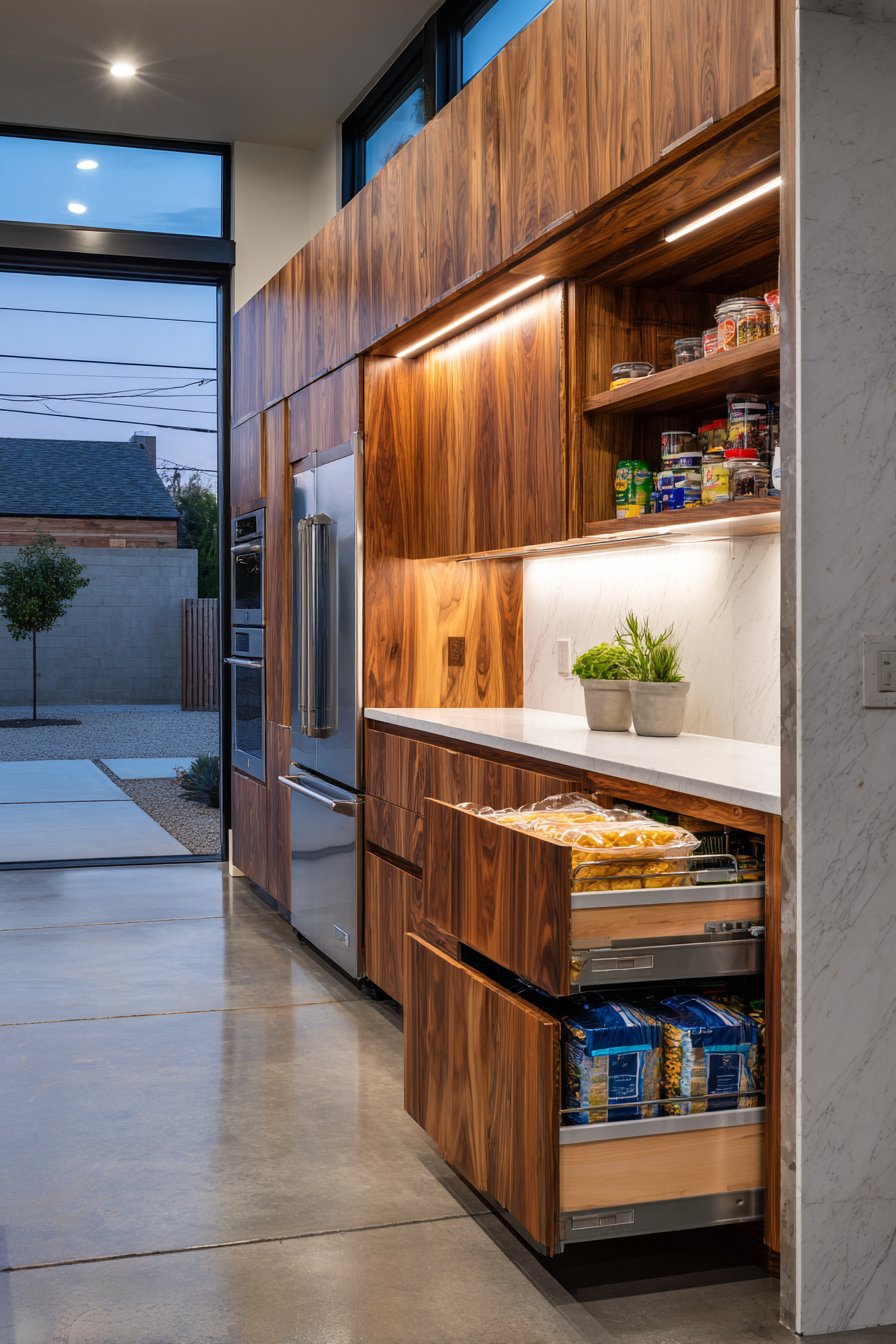
Implementing even one or two of these storage innovations can dramatically transform your culinary experience. Start with the solution that addresses your biggest challenge, whether that’s accessibility, organization, or sustainability. Remember that great kitchen storage isn’t about following every trend but selecting solutions that genuinely improve your daily life and reflect your personal style.
