


The kitchen has evolved from a purely functional space into the heart of modern homes, where design meets technology and efficiency merges with aesthetics. As we approach 2026-2027, kitchen cabinet innovations are revolutionizing how we interact with our culinary spaces, offering solutions that blend seamless functionality with stunning visual appeal. These advancements aren’t just about storage anymore—they’re about creating intelligent, personalized environments that adapt to our lifestyles.
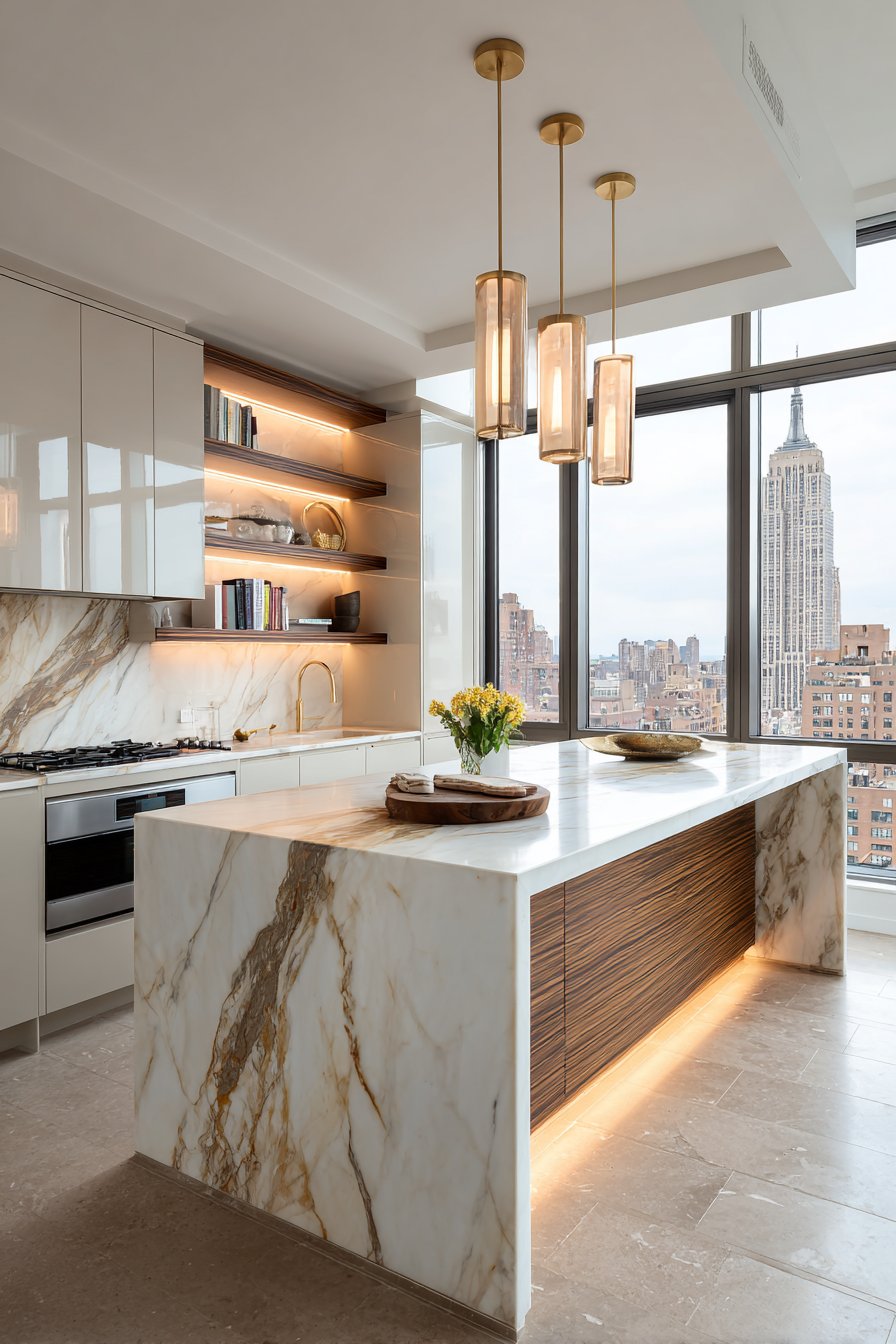
Today’s homeowners demand more from their kitchens than ever before. They seek cabinets that maximize every inch of space while maintaining a clean, sophisticated aesthetic that complements their home’s overall design. The innovations emerging for 2026-2027 address these needs through smart integration, sustainable materials, and revolutionary organizational systems. Whether you’re planning a complete kitchen renovation or simply updating your cabinetry, understanding these cutting-edge trends will help you create a space that’s both beautiful and brilliantly functional.
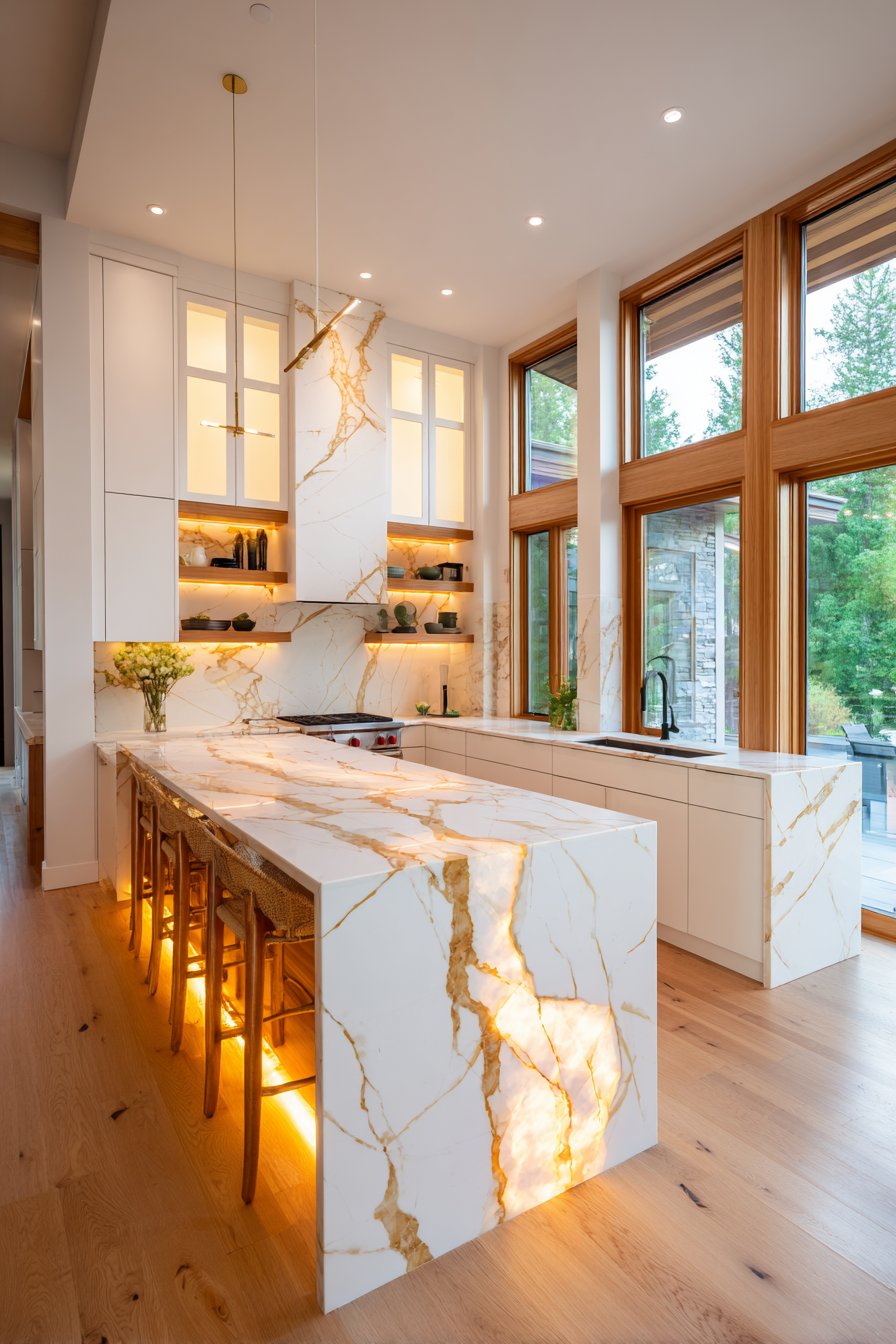
This article explores six groundbreaking cabinet innovations that are reshaping kitchen design. From touch-activated technology to eco-conscious materials, these trends represent the future of kitchen storage and organization. Each innovation offers unique benefits that cater to different lifestyles, budgets, and design preferences, ensuring there’s something for every homeowner looking to elevate their kitchen experience.
1. Touch-to-Open Mechanical Systems
Touch-to-open cabinet systems represent a game-changing advancement in kitchen hardware that eliminates the need for visible handles or pulls. These mechanical push-to-open mechanisms respond to gentle pressure, allowing cabinets to glide open with a simple touch. The result is a streamlined, handleless aesthetic that creates clean lines and modern sophistication throughout your kitchen space.
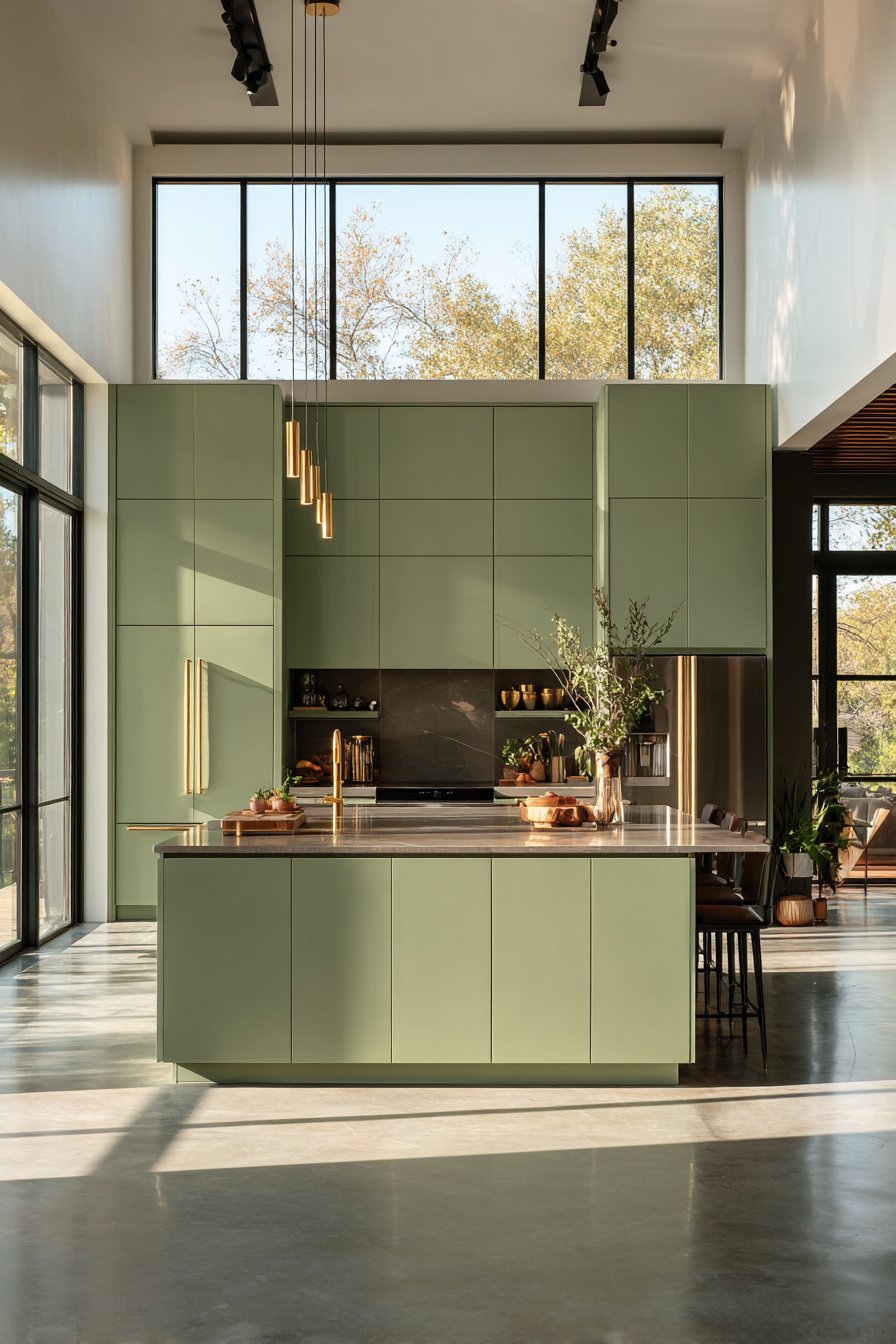
Beyond their stunning appearance, these systems offer practical advantages for busy households. When your hands are full of groceries or covered in cooking ingredients, effortless cabinet access becomes invaluable. The technology has evolved significantly, with improved dampening systems that prevent slamming and extend cabinet life. Modern versions feature adjustable tension settings, allowing you to customize the opening resistance to your preference.
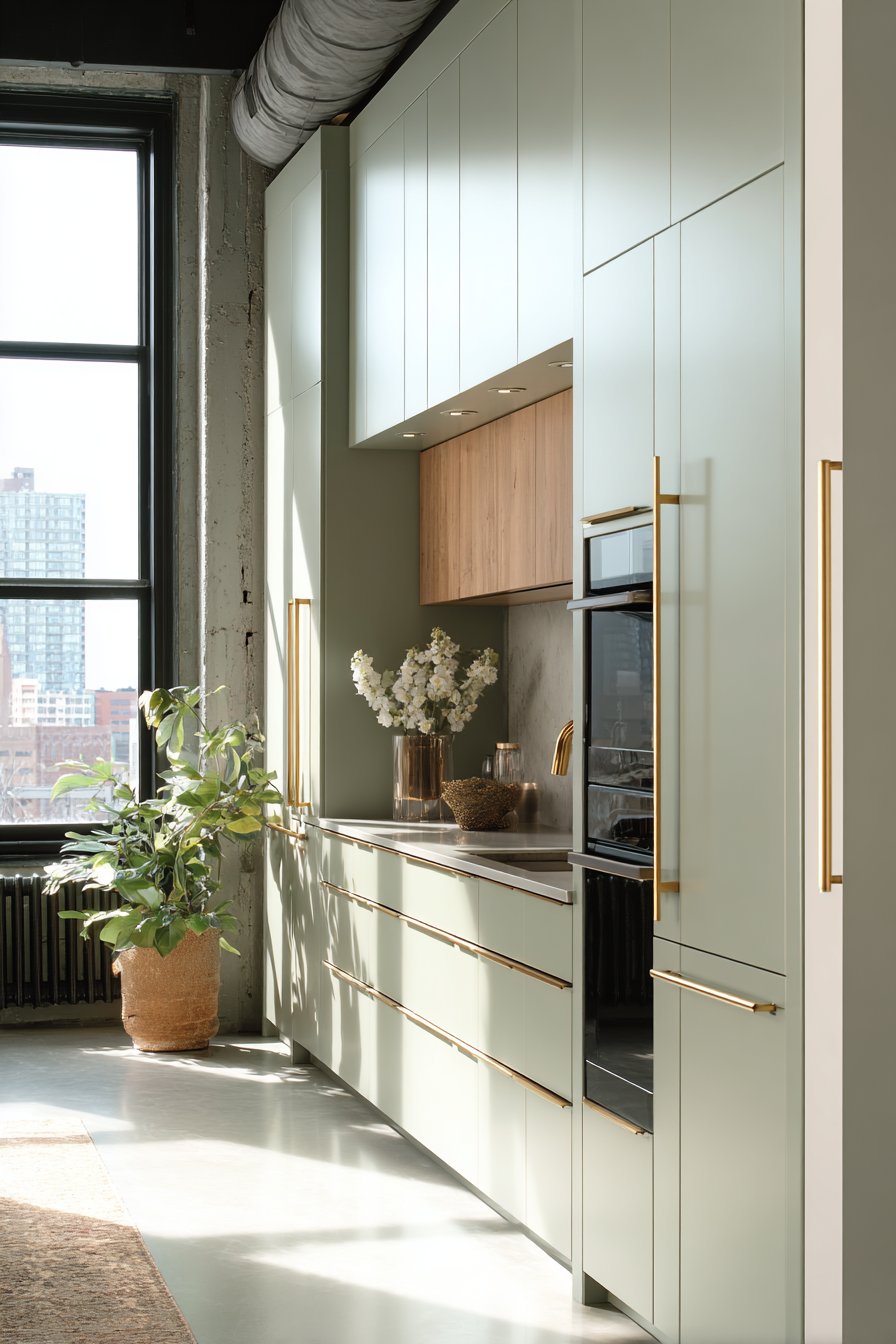
Installation costs have become more accessible, with quality systems now available at various price points. The minimalist design also makes cleaning easier, as there are no handles to collect dust or grime. Consider that handleless cabinets create a safer environment for homes with young children, eliminating protruding hardware that poses collision risks.
- Choose soft-close mechanisms to prevent wear and reduce noise levels
- Install systems with adjustable tension for personalized opening pressure
- Select models with durable springs rated for 100,000+ cycles
- Consider combining with interior LED lighting for enhanced functionality
- Opt for brands offering lifetime warranties on mechanical components
- Test different activation points before final installation to ensure comfort
2. Integrated Charging Stations and USB Ports
Modern kitchens are becoming command centers for family life, making integrated charging solutions an essential cabinet innovation. Built-in USB ports and wireless charging pads discretely hidden within cabinets keep devices powered without cluttering countertops. These systems allow you to charge smartphones, tablets, and smart watches while maintaining the kitchen’s aesthetic integrity and organized appearance.
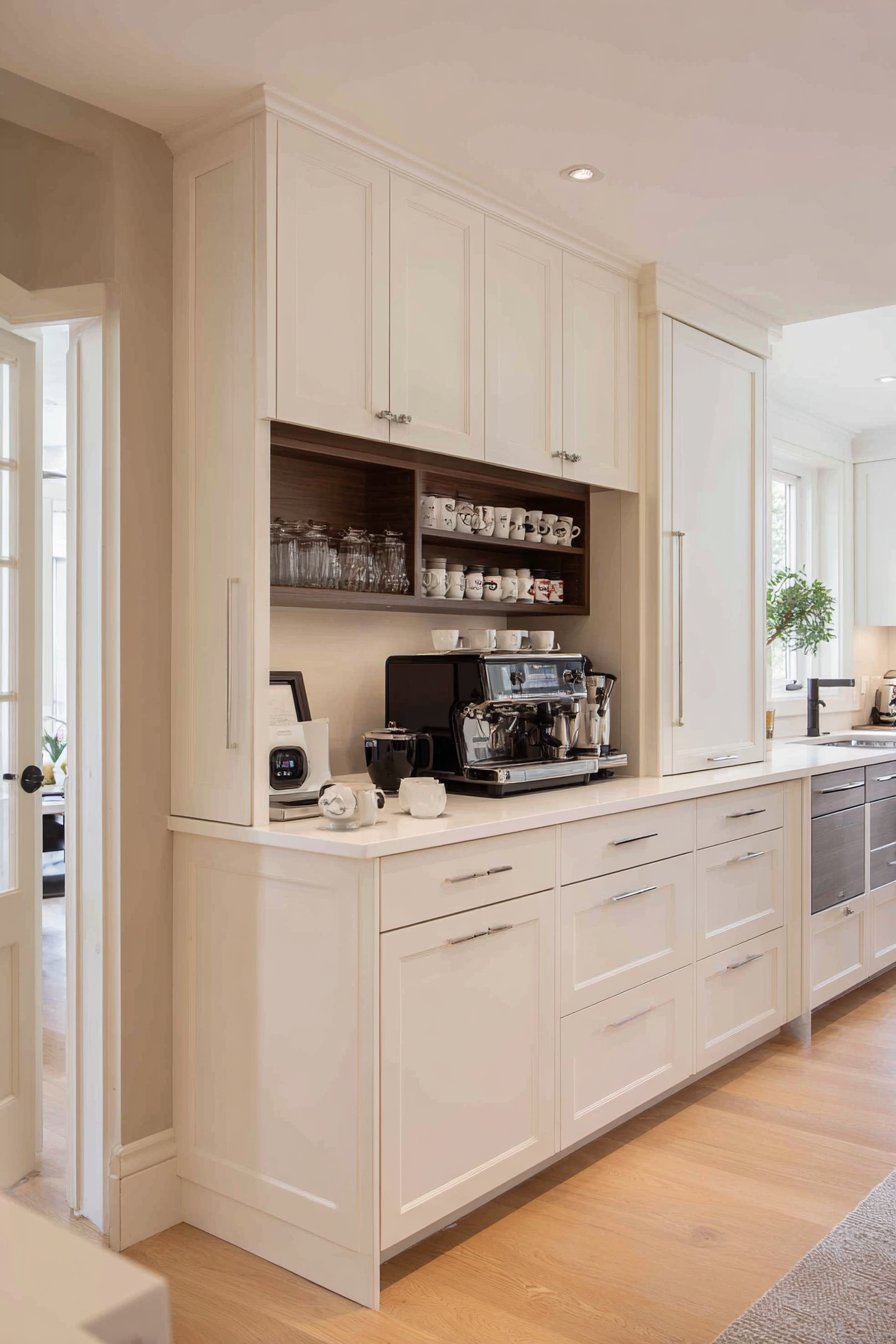
The strategic placement of charging stations transforms how families interact in kitchen spaces. Install them inside cabinets designated for device storage, creating dedicated zones where technology lives when not in use. This approach reduces visual clutter while ensuring devices remain fully charged and readily accessible. Many systems now include both USB-A and USB-C ports, accommodating various device types without adapters.
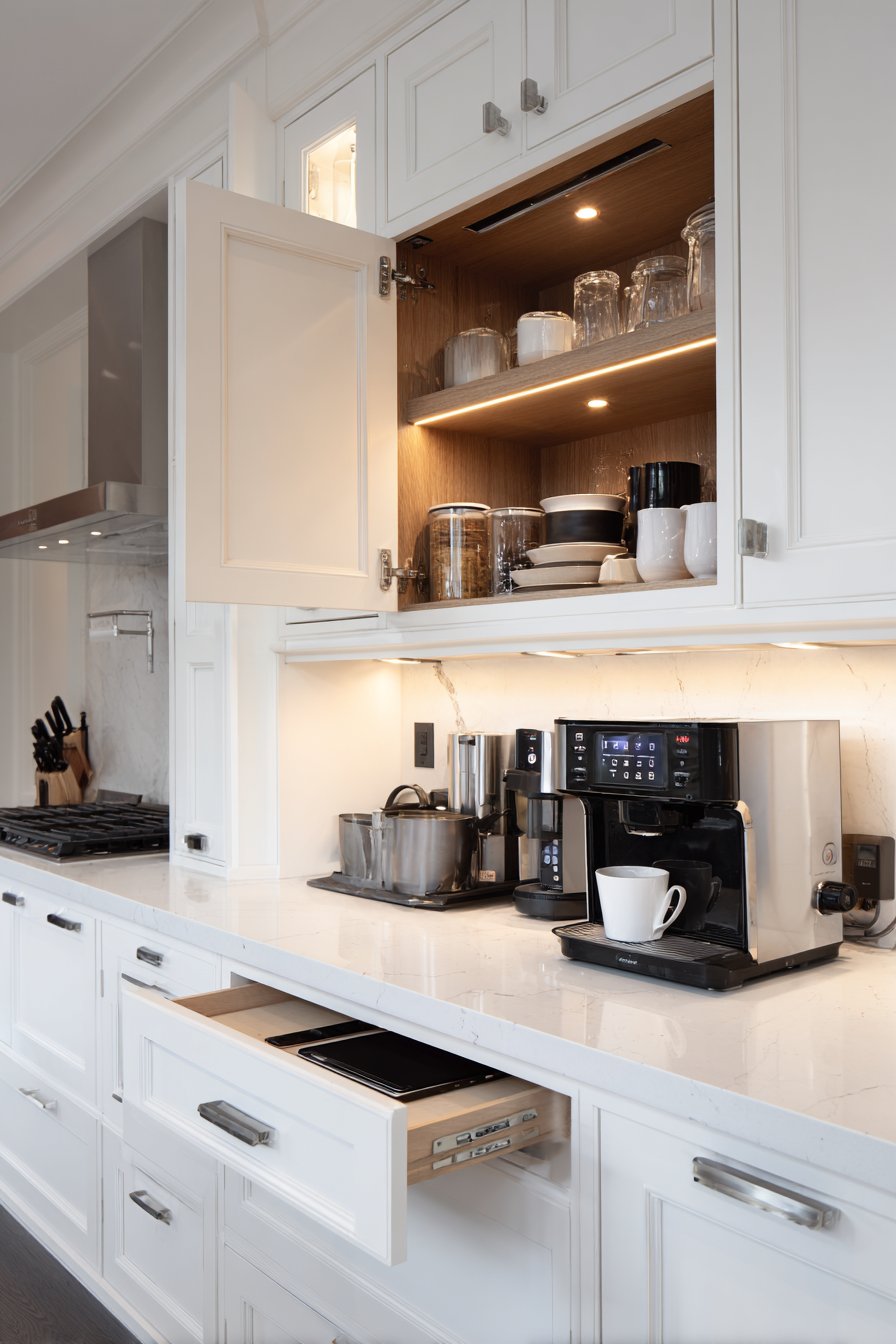
Advanced models feature surge protection and smart charging capabilities that automatically adjust power output. Some innovative designs incorporate pop-up charging stations that emerge from countertops or cabinet surfaces when needed and disappear when not in use. These solutions are particularly valuable in open-concept spaces where maintaining clean sightlines is crucial.
- Install charging stations in upper cabinets near kitchen desks or planning areas
- Choose systems with multiple port options to accommodate family needs
- Include wireless charging pads for Qi-enabled devices and convenience
- Position outlets inside drawers for charging small appliances like tablets
- Select low-profile designs that don’t reduce usable cabinet space
- Consider adding timer functions to manage energy consumption efficiently
3. Antimicrobial Cabinet Finishes and Materials
Health-conscious design has driven the development of antimicrobial cabinet surfaces that actively inhibit bacterial growth. These innovative finishes incorporate silver ion technology or copper-infused coatings that create inhospitable environments for microbes. In an era where kitchen hygiene is paramount, these materials offer continuous protection between cleaning sessions, providing peace of mind for health-focused families.
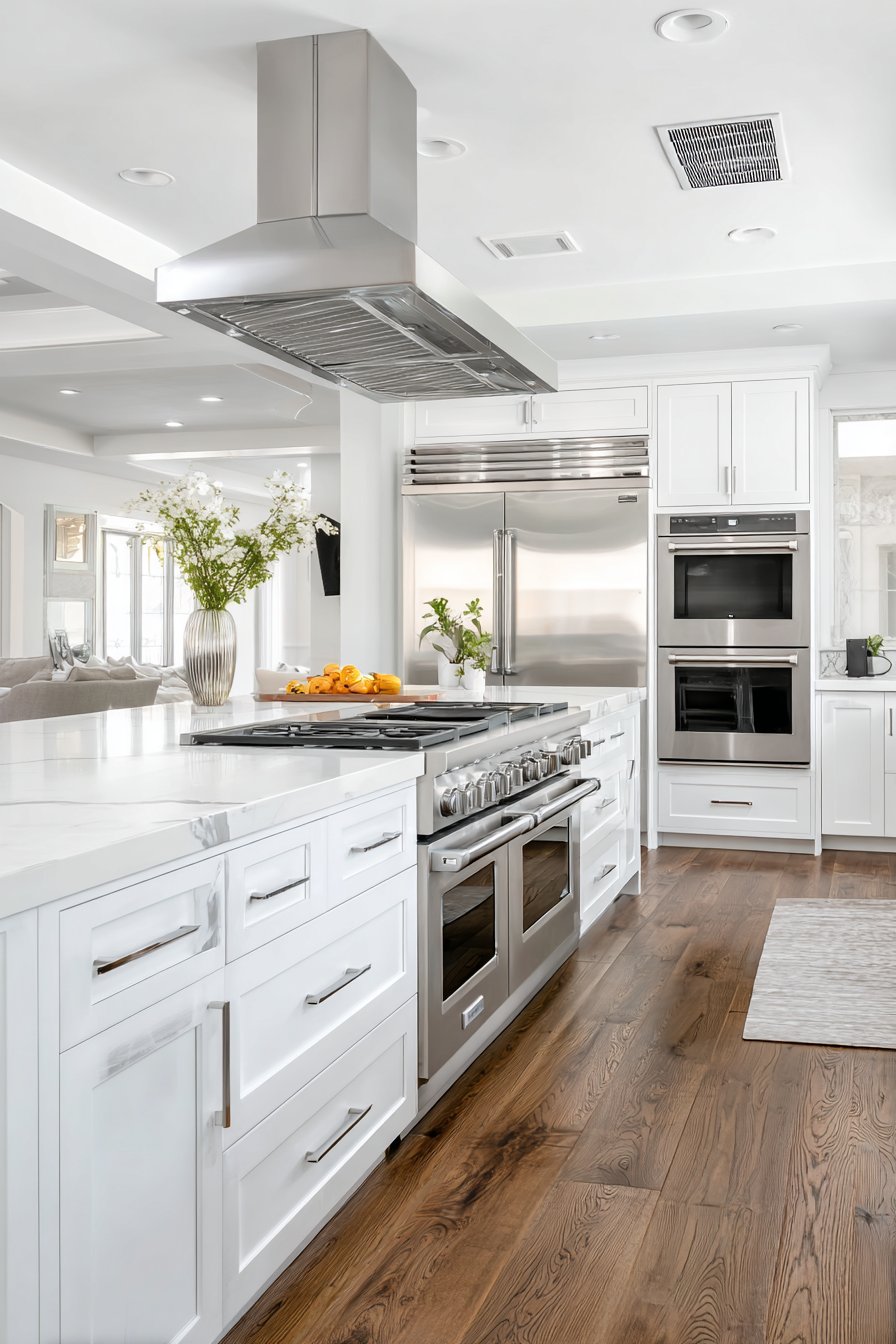
The technology works at a molecular level, with antimicrobial agents embedded throughout the finish rather than just surface-applied. This means the protective properties remain effective even if the surface becomes scratched or worn over time. Studies show these finishes can reduce bacterial presence by up to 99.9% within hours, making them particularly valuable for cabinets near food preparation areas and sinks.
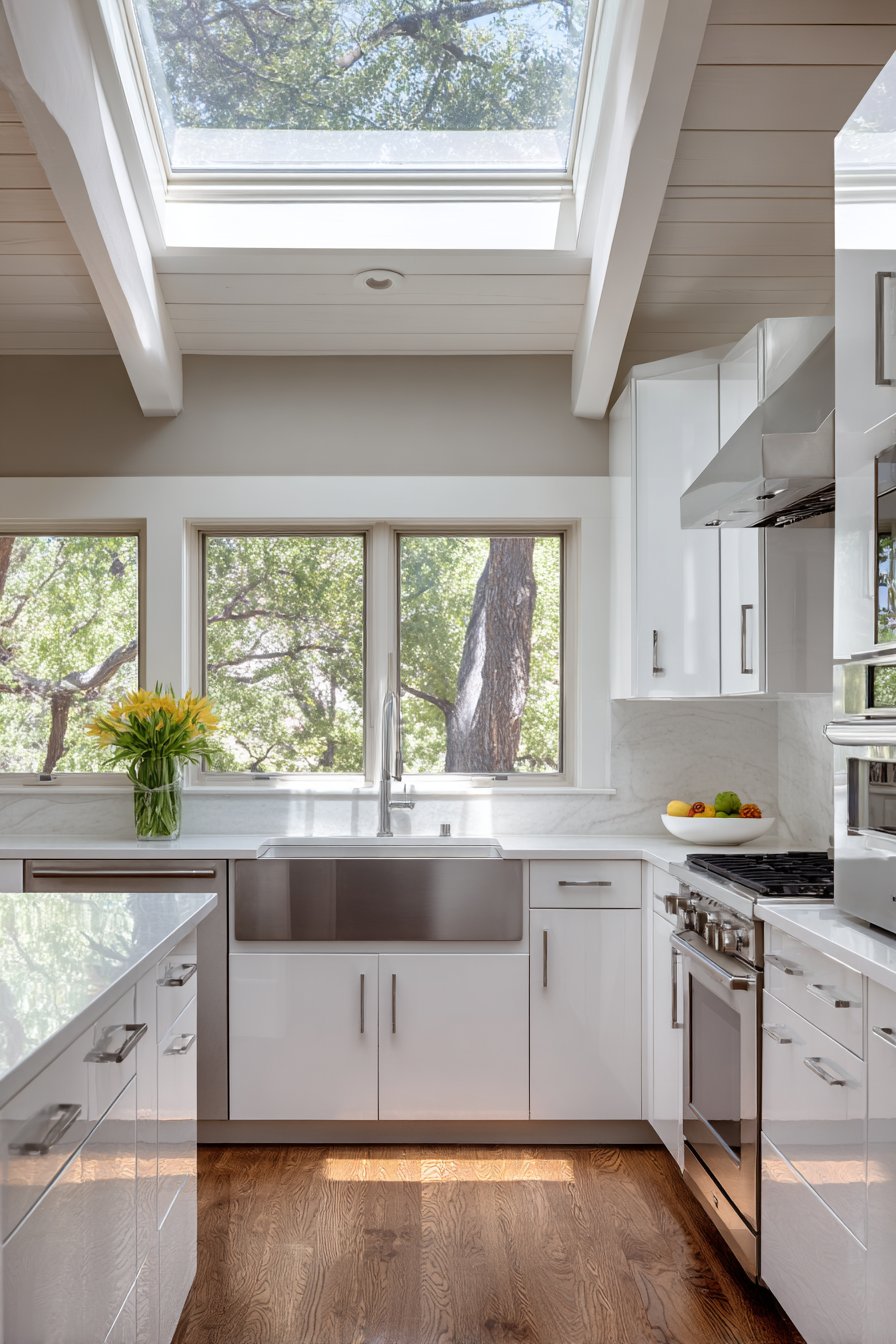
Modern antimicrobial finishes are available in various styles and colors, from matte textures to high-gloss sheens. They’re compatible with both traditional wood veneers and contemporary laminate materials. The added protection doesn’t compromise aesthetic appeal, and many homeowners appreciate the dual benefit of beauty and enhanced sanitation in their cooking spaces.
- Select antimicrobial finishes for high-touch areas like lower cabinets
- Choose certified products with EPA-registered antimicrobial technology
- Maintain regular cleaning routines as finishes supplement rather than replace hygiene
- Look for finishes with long-lasting protection ratings of 10+ years
- Consider combining with fingerprint-resistant coatings for optimal cabinet appearance
- Request manufacturer documentation on efficacy testing and safety certifications
4. Modular and Reconfigurable Interior Systems
Adaptability defines modern living, and modular cabinet interiors deliver unprecedented flexibility in kitchen organization. These systems feature adjustable shelving, removable dividers, and customizable insert configurations that evolve with changing storage needs. Unlike traditional fixed interiors, modular designs allow you to reconfigure space layouts without professional installation, making personalization effortless and cost-effective.
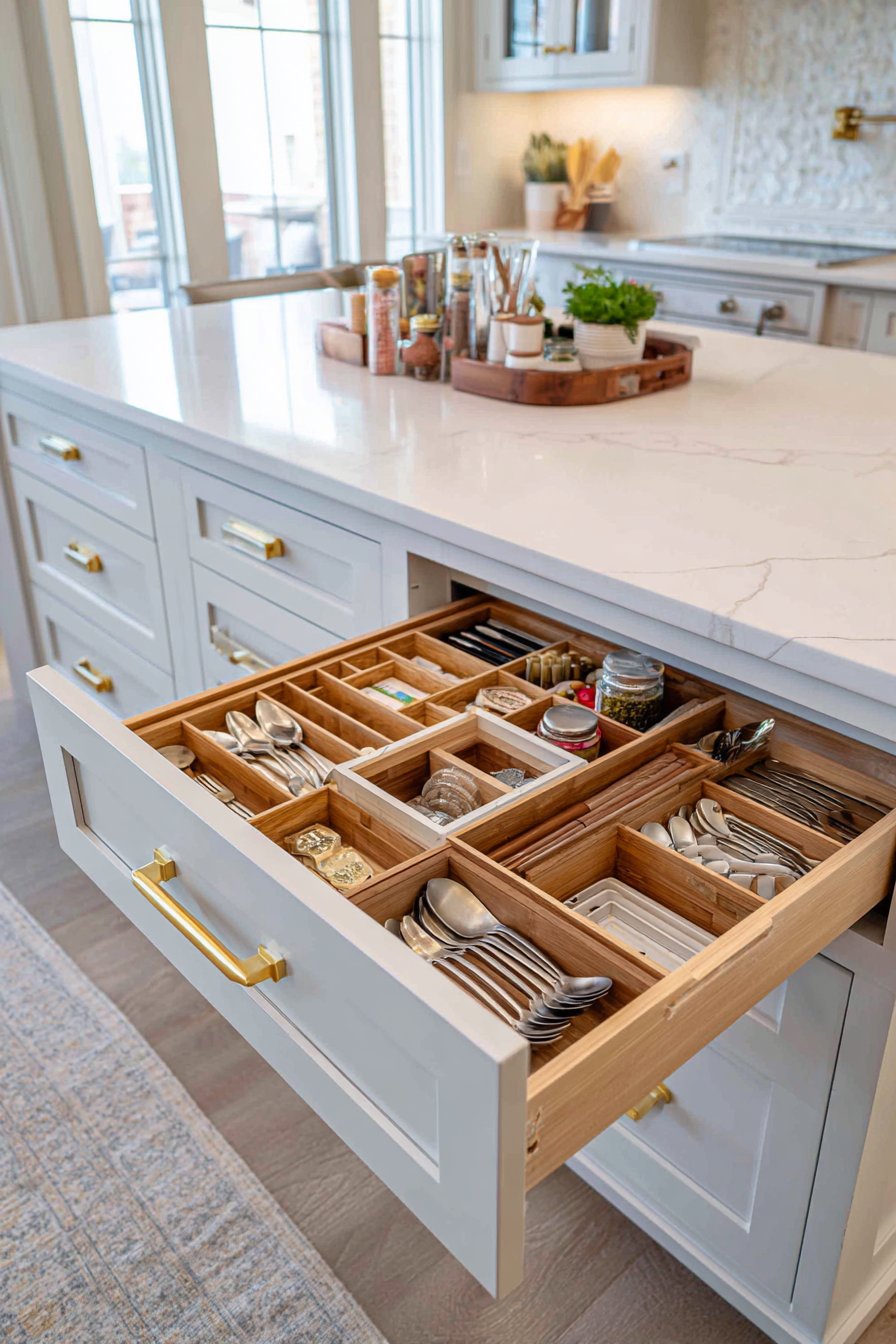
The beauty of these systems lies in their problem-solving capabilities. As your cookware collection grows or storage priorities shift, simply rearrange components to create optimal configurations. Many manufacturers now offer interchangeable accessories like spice rack inserts, pull-out trash bins, and specialized organizers that snap into standardized mounting points. This approach maximizes every cubic inch while maintaining organized, accessible storage.
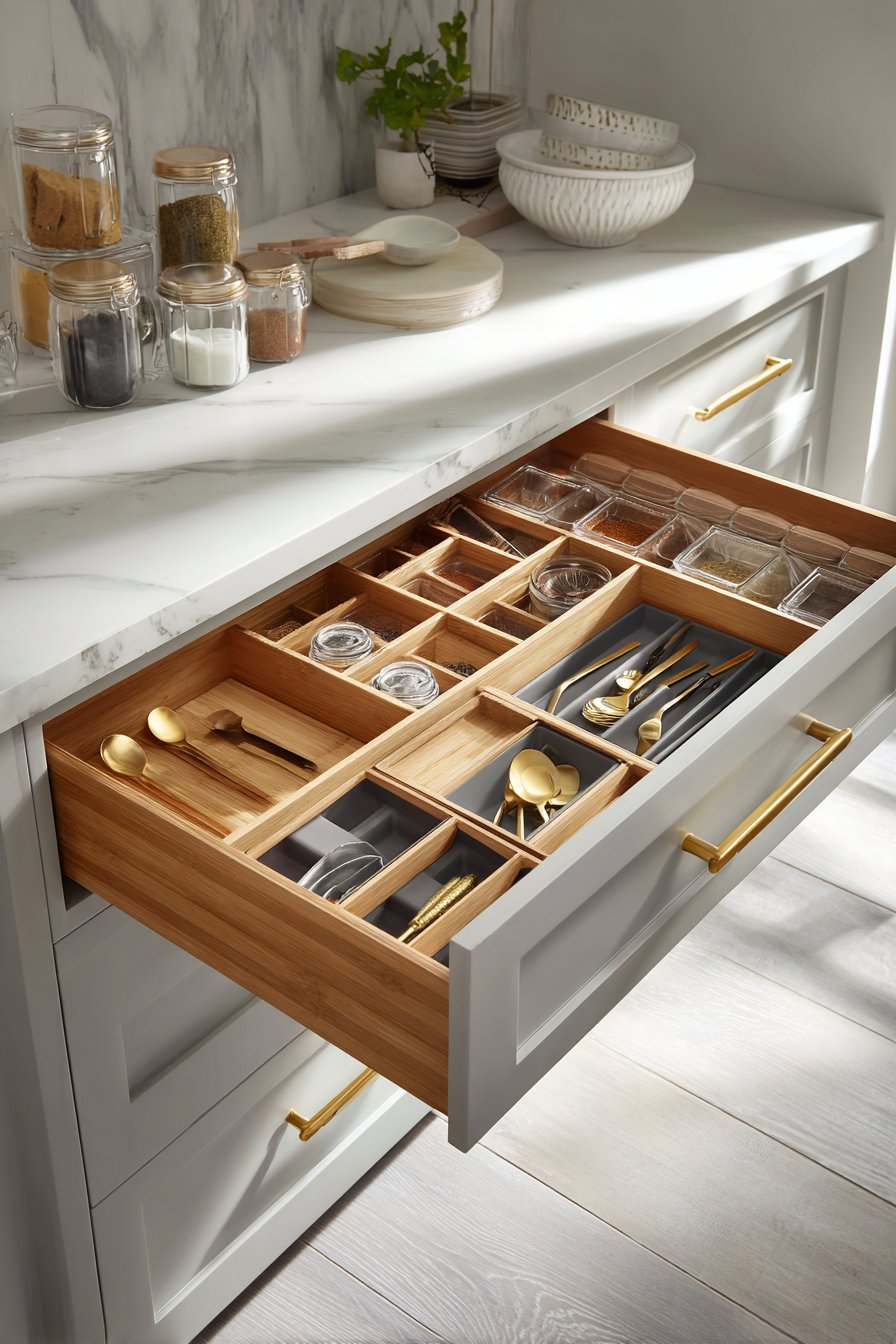
Investment in modular systems pays dividends over time through enhanced functionality. Rather than replacing entire cabinet units when needs change, you simply adjust internal components. This sustainability aspect appeals to environmentally conscious homeowners seeking long-term solutions. The systems work equally well in pantries, base cabinets, and upper storage areas.
- Measure cabinet dimensions carefully before purchasing modular components
- Start with basic organizational needs and expand gradually as budget allows
- Choose systems from manufacturers offering extensive accessory catalogs
- Install mounting rails that accommodate various insert types and sizes
- Consider color-coordinated organizers that complement overall cabinet aesthetics
- Label adjusted configurations with photos for easy future reference and modifications
5. Smart Lighting Integration with Motion Sensors
Illumination technology has revolutionized cabinet functionality through intelligent lighting systems that automatically activate when needed. Motion-sensor LED strips installed inside cabinets provide instant visibility without fumbling for switches. These energy-efficient solutions consume minimal power while delivering brilliant illumination that makes finding items effortless, even in deep cabinets or corner spaces.
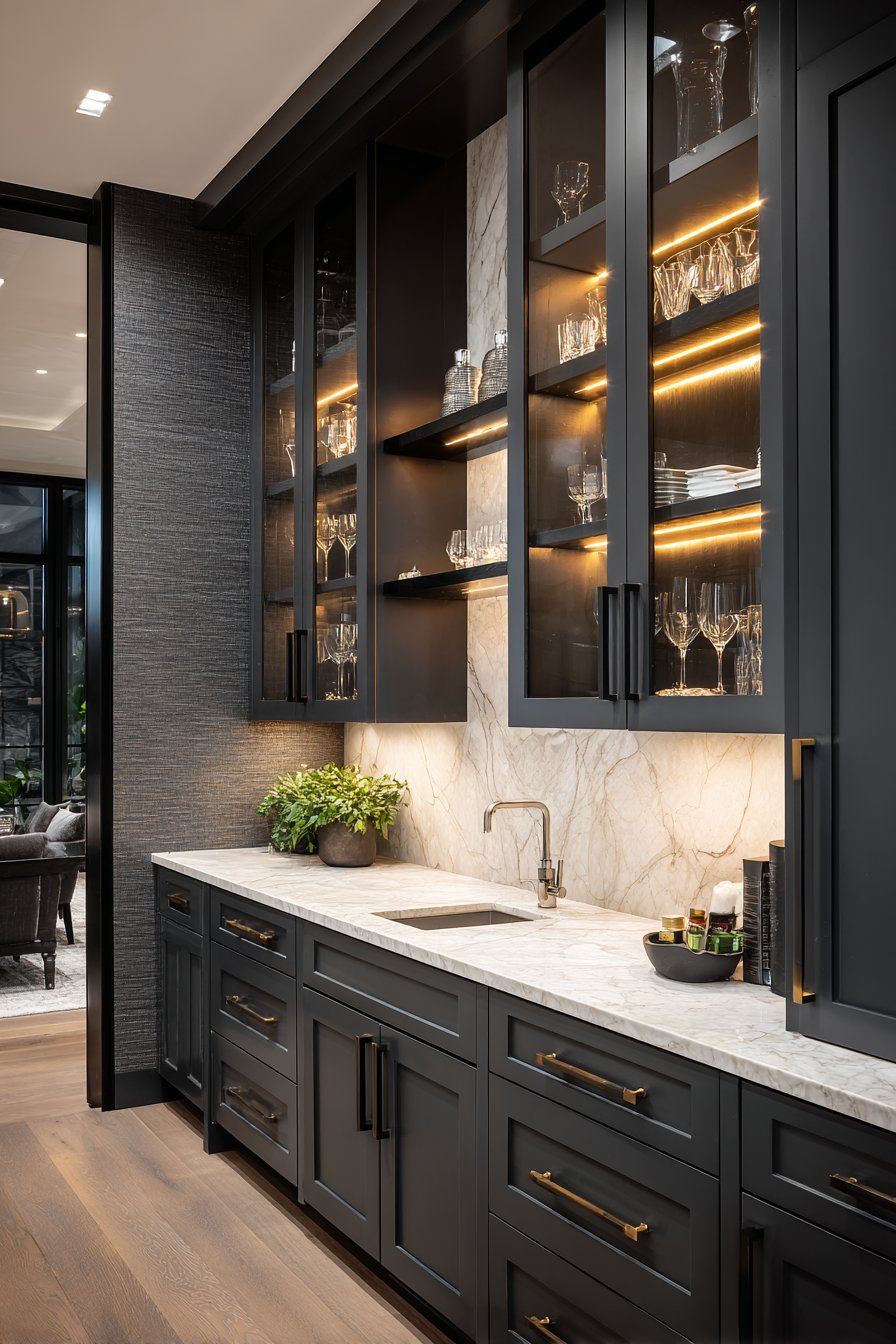
The strategic placement of motion-activated lighting transforms cabinet usability during evening hours. Under-cabinet sensors detect when you approach the counter, automatically illuminating work surfaces for food preparation. Interior cabinet lights activate as doors open, eliminating dark corners and making inventory management simple. Battery-powered options offer installation flexibility without rewiring requirements.
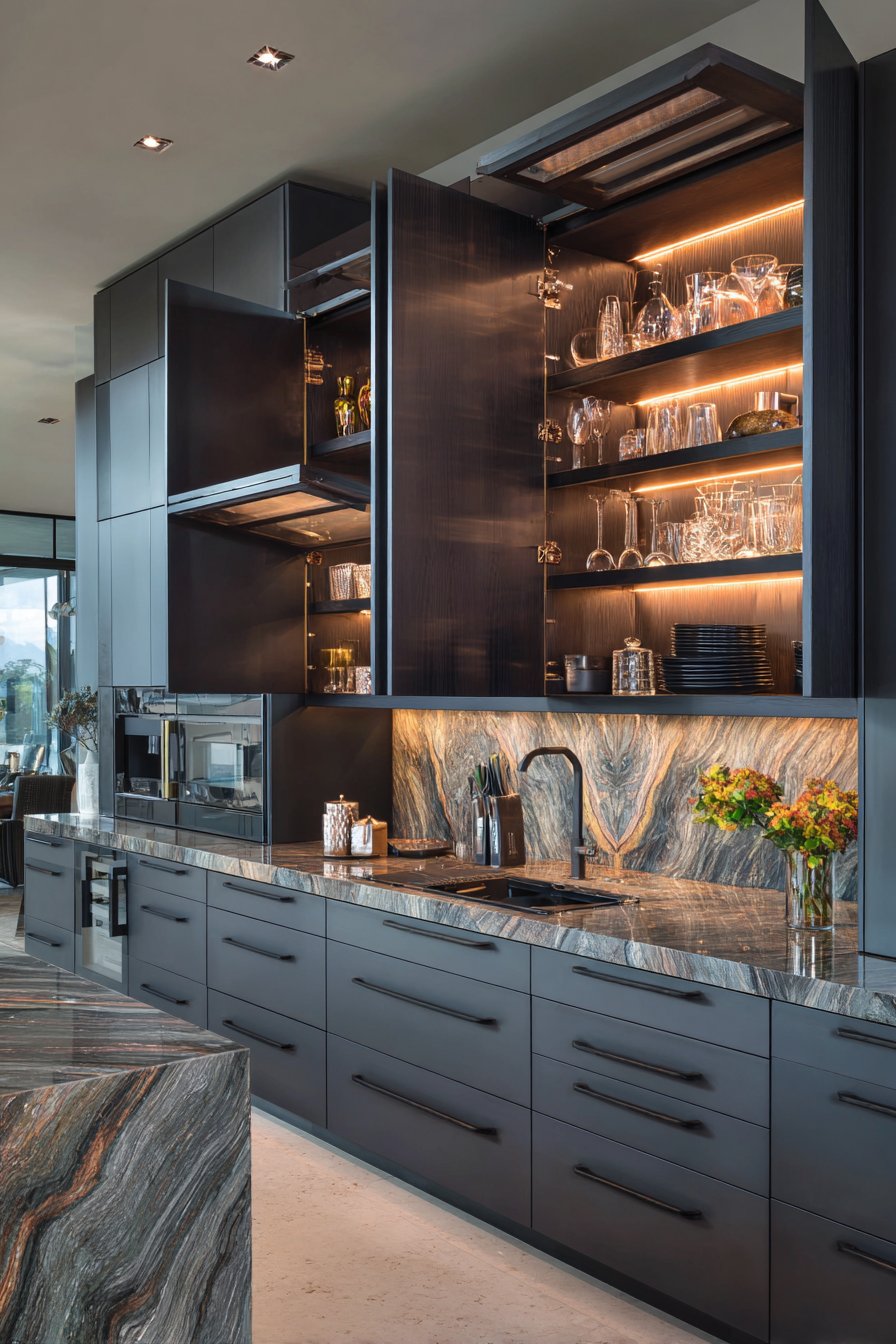
Advanced systems connect to smart home platforms, allowing voice control and scheduling capabilities. You can program lights to activate at specific times or adjust brightness levels based on ambient conditions. Some innovative designs incorporate color-changing LEDs that create mood lighting for entertaining while serving practical purposes during cooking activities.
- Install motion sensors with adjustable sensitivity to prevent false triggering
- Choose LED strips with high color rendering index ratings for accurate visibility
- Position sensors at cabinet entrances rather than deep inside for optimal response
- Select battery-operated systems with low-battery indicators for maintenance ease
- Consider linking cabinet lighting to main kitchen lighting circuits for unified control
- Use warm white LEDs in food storage areas for appealing color temperature
6. Sustainable Materials and Carbon-Neutral Manufacturing
Environmental responsibility drives the most significant cabinet innovation of our era: eco-conscious materials and manufacturing processes. Bamboo, reclaimed wood, and recycled composite materials are replacing traditional options, offering comparable durability with dramatically reduced environmental impact. These sustainable choices appeal to homeowners who refuse to compromise between aesthetic excellence and ecological stewardship.
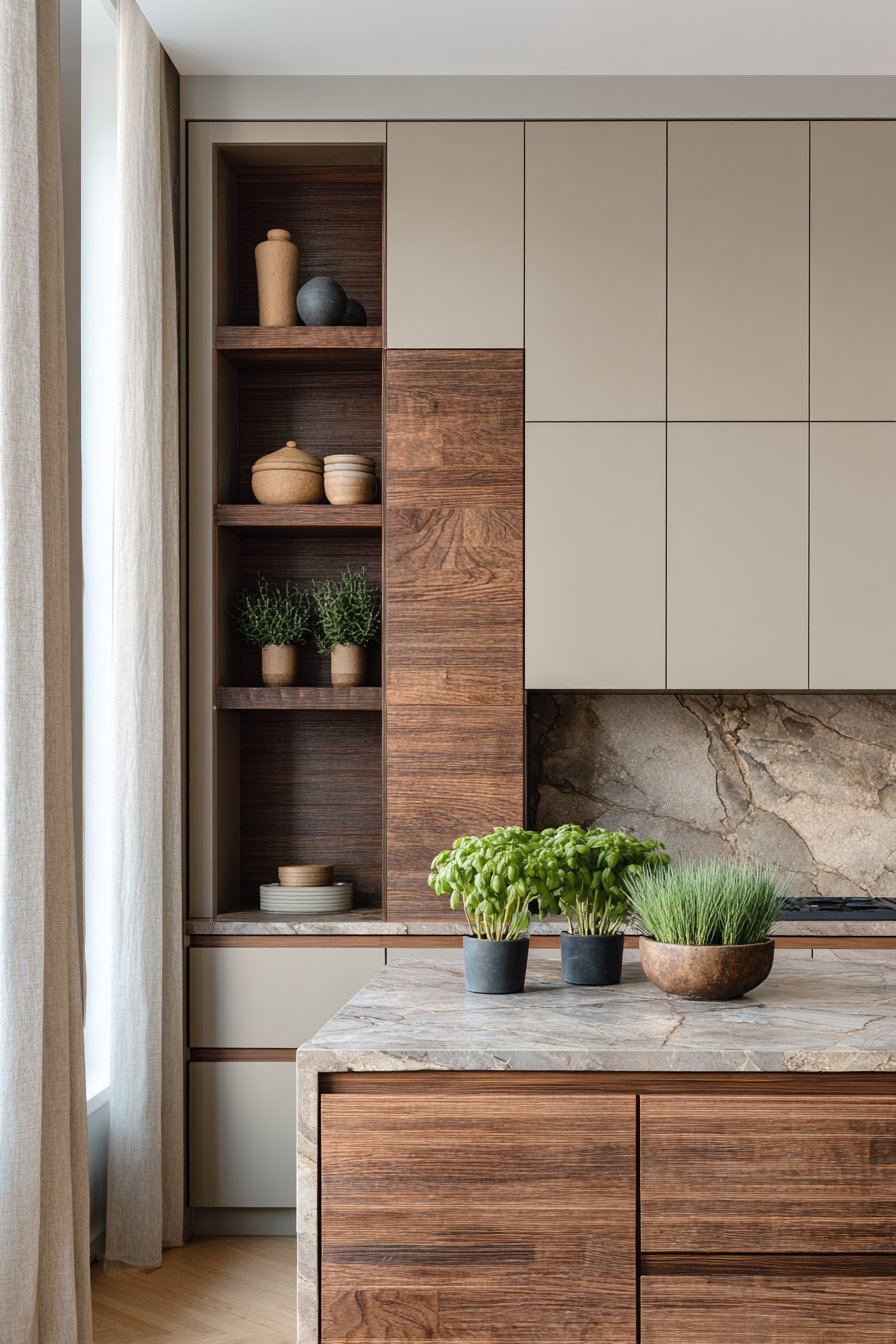
Carbon-neutral manufacturing processes are becoming industry standards among leading cabinet makers. Companies now track and offset emissions throughout production, from material sourcing through delivery. FSC-certified woods ensure responsible forest management, while water-based finishes eliminate harmful VOC emissions. These practices create healthier indoor air quality while protecting environmental resources for future generations.
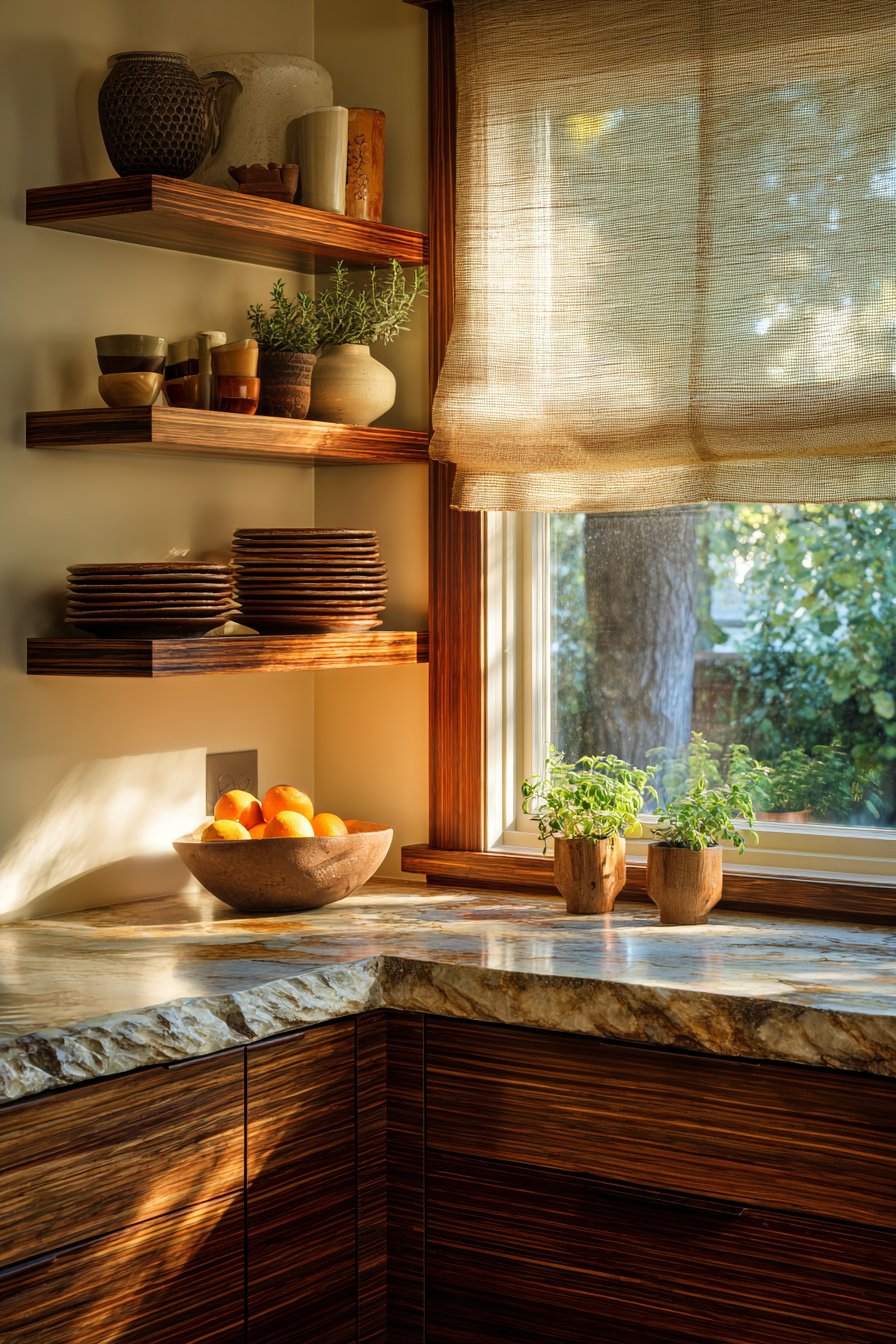
The performance of sustainable materials has improved remarkably, with engineered bamboo proving more stable than many hardwoods in humid environments. Recycled content doesn’t mean recycled quality—modern composites offer exceptional strength and moisture resistance. Many sustainable options also qualify for green building certifications, potentially increasing home resale value while reducing your carbon footprint.
- Request documentation proving carbon-neutral manufacturing claims and certifications
- Choose FSC-certified wood products that support sustainable forestry practices
- Look for low-VOC or zero-VOC finishes to improve indoor air quality
- Consider locally manufactured cabinets to reduce transportation emissions significantly
- Select materials with high recycled content percentages when appropriate for application
- Investigate manufacturer take-back programs for responsible disposal at renovation end
Conclusion
The kitchen cabinet innovations emerging for 2026-2027 represent a perfect convergence of technology, sustainability, and design sophistication. These advancements offer solutions for every homeowner, whether you prioritize smart functionality, environmental responsibility, or streamlined aesthetics. From touch-activated systems to antimicrobial surfaces, each innovation addresses real-world needs while elevating the overall kitchen experience.
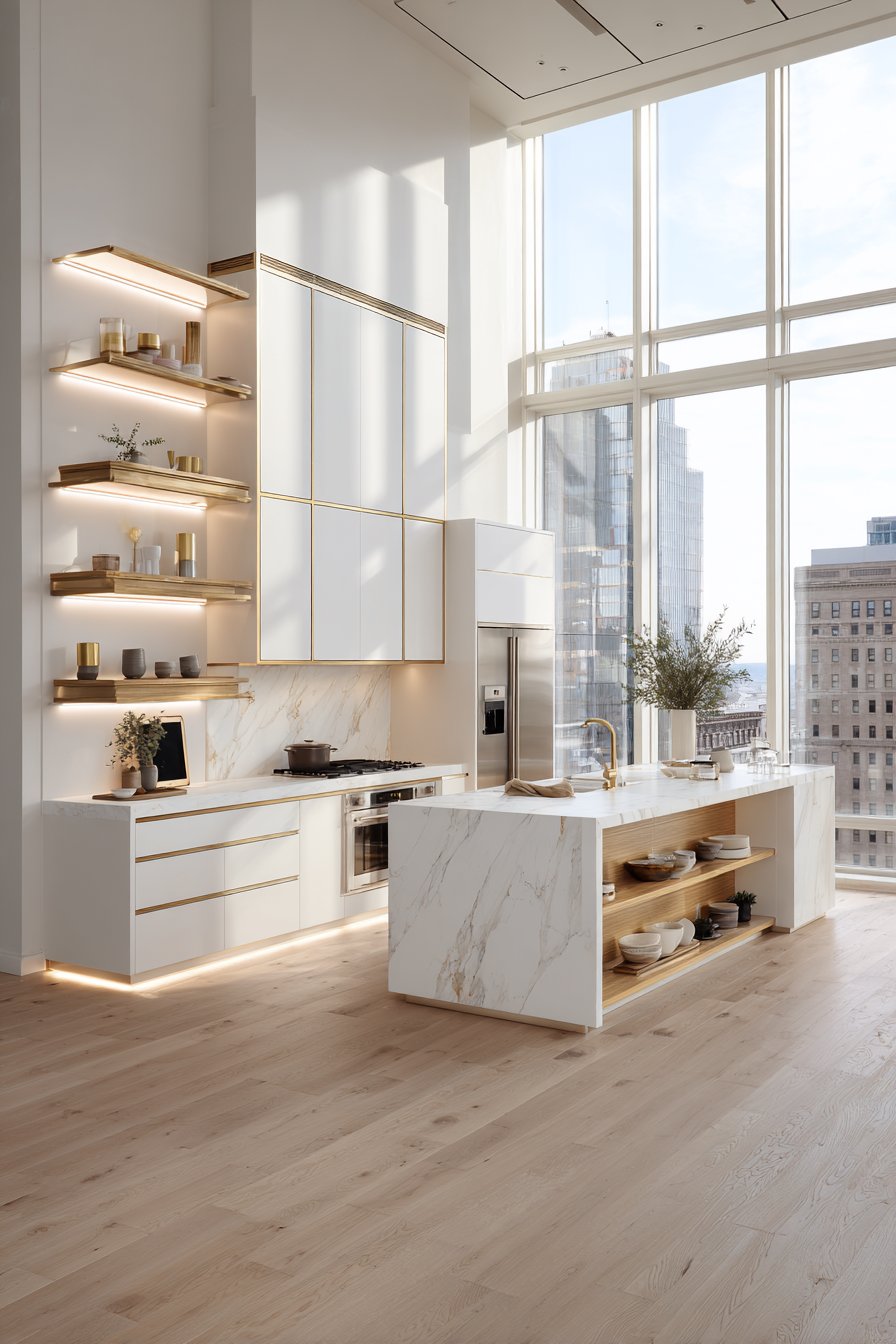
Implementing these innovations doesn’t require a complete renovation—many can be integrated into existing kitchens through strategic updates. Start by identifying which features align with your lifestyle priorities and budget constraints. Whether you choose one innovation or embrace several, you’ll be creating a kitchen that’s more efficient, healthier, and beautifully future-ready. Your kitchen deserves to be as innovative as the meals you create within it.
