


The intersection of Japanese minimalism and Scandinavian functionality has created one of the most sought-after interior design trends in recent years. Japandi style represents a harmonious blend of two distinct design philosophies that share surprisingly similar values. This fusion celebrates simplicity, natural materials, and the art of creating peaceful living spaces that promote wellbeing and mindfulness.
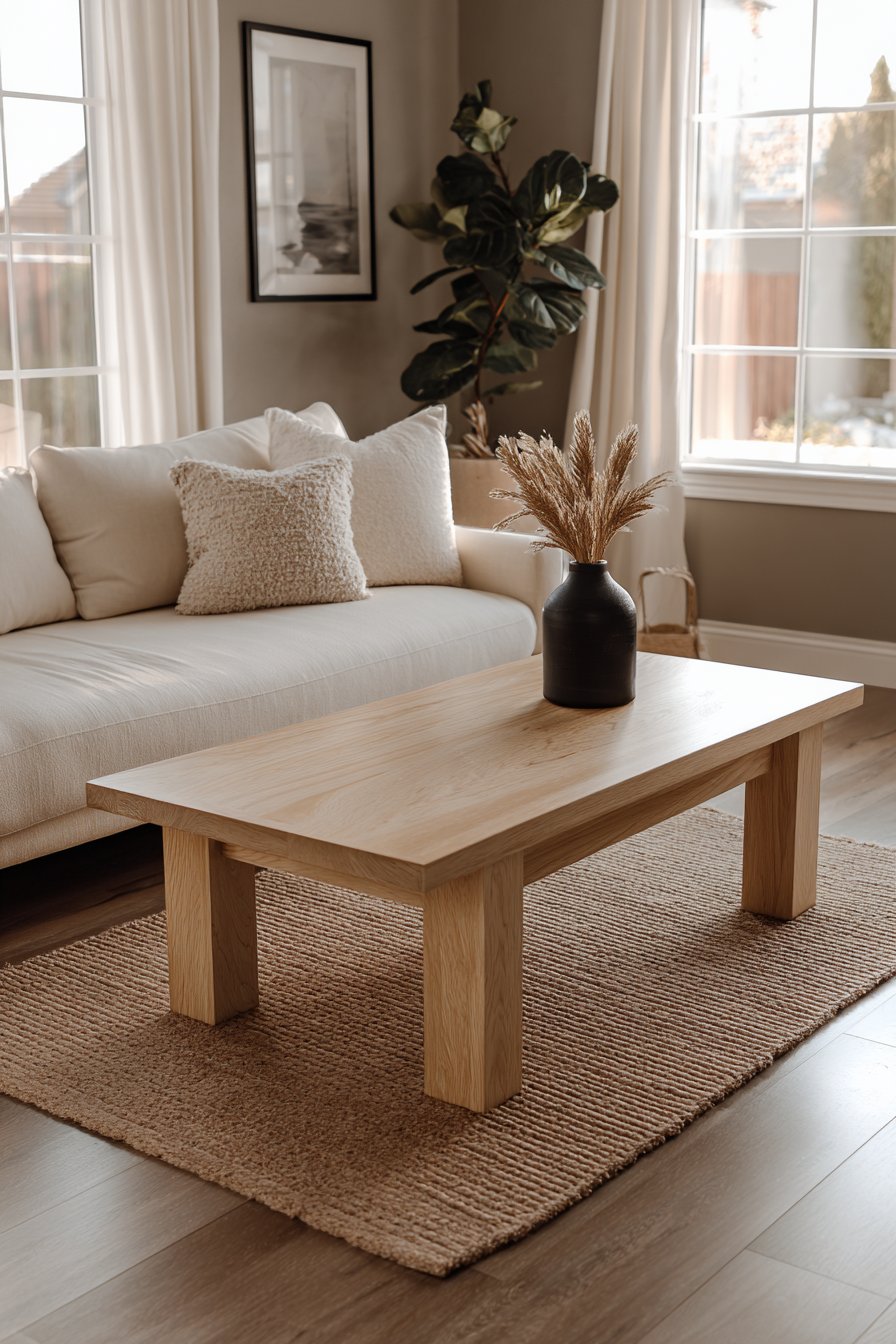
Understanding Japandi design goes beyond simply mixing furniture from different cultures. It requires an appreciation for the underlying principles that make both Japanese and Scandinavian aesthetics so timeless and appealing. The style emphasizes quality over quantity, inviting you to curate your space with intention and care. Whether you’re redesigning your entire home or simply refreshing a single room, Japandi principles offer a pathway to creating environments that feel both calming and purposeful.
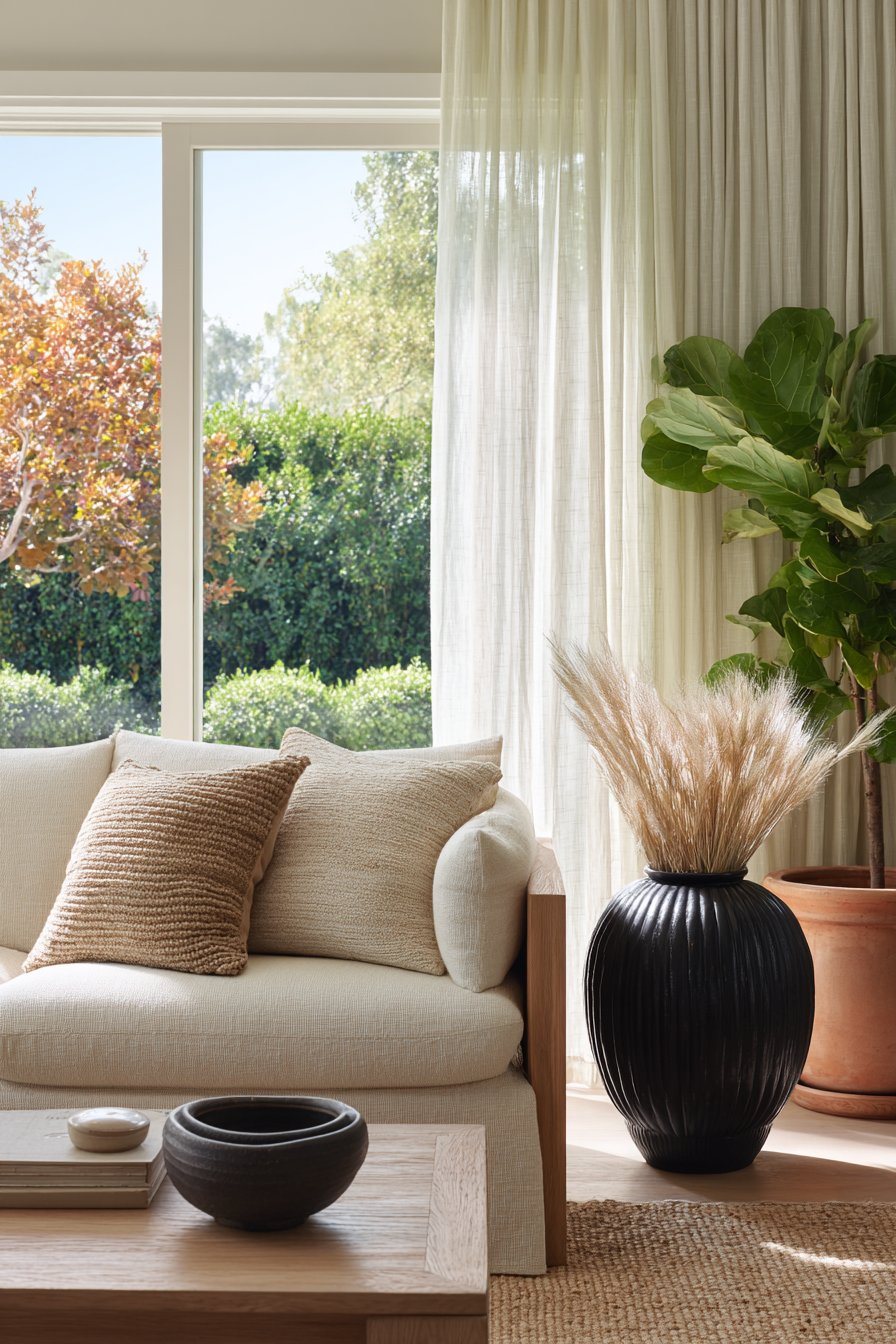
This comprehensive guide explores the essential elements that define Japandi style. From color palettes to furniture selection, each aspect contributes to the overall aesthetic harmony. You’ll discover practical tips for incorporating this design philosophy into your home, regardless of your budget or space constraints. The beauty of Japandi lies in its accessibility and adaptability to various living situations.
1. Understanding the Japandi Philosophy
Japandi design philosophy centers on the concept of mindful living and intentional space creation. The Japanese principle of “wabi-sabi” embraces imperfection and natural aging, while Scandinavian “hygge” focuses on comfort and coziness. Together, these philosophies create spaces that feel lived-in yet refined. The approach encourages you to eliminate excess and focus on items that serve both functional and aesthetic purposes.
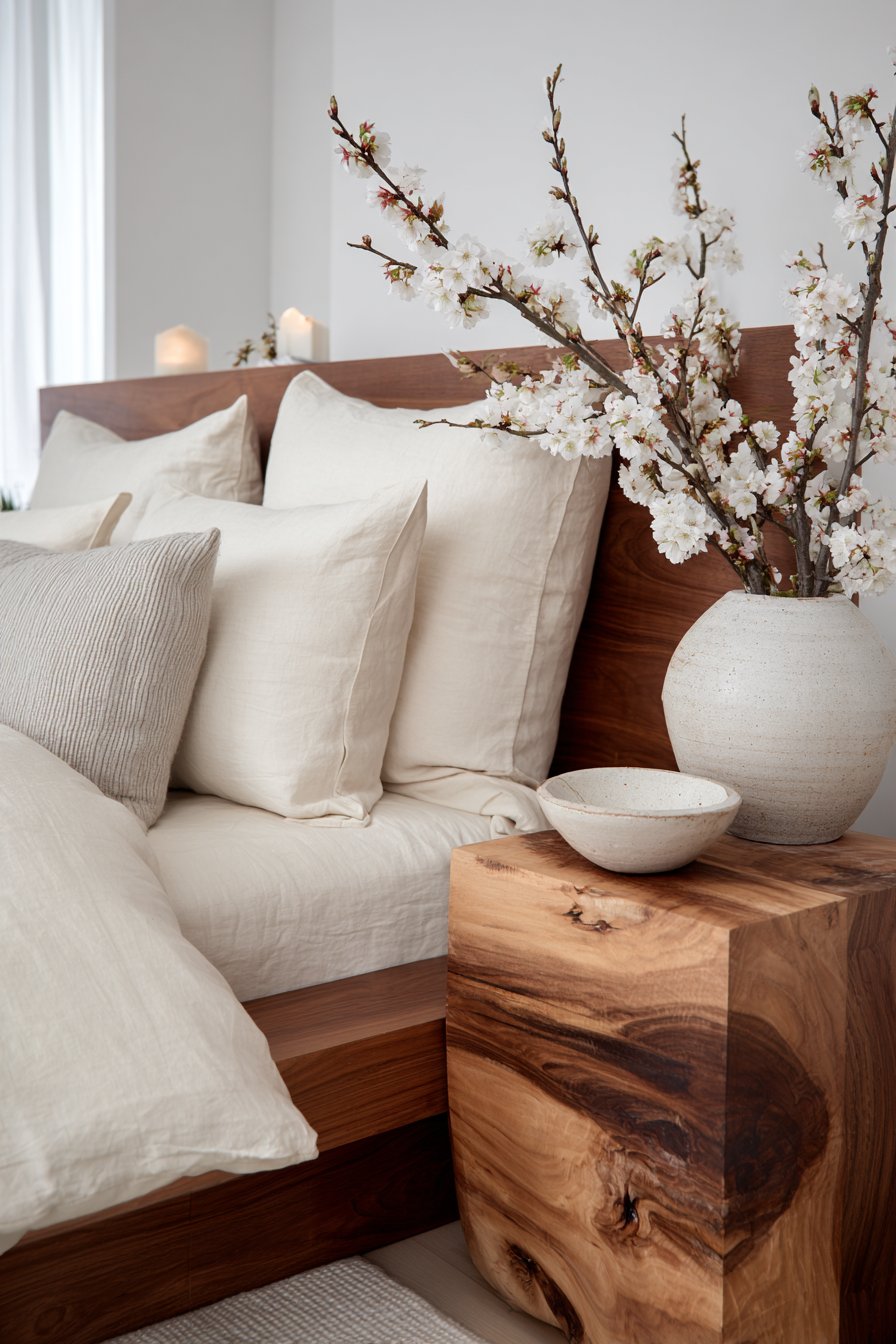
The foundation of Japandi style rests on sustainable practices and lasting quality. Rather than following fleeting trends, this design approach values timeless pieces that age gracefully. You invest in furniture and decor that will remain relevant for years to come. This commitment to longevity reduces waste and creates a more environmentally conscious home environment.
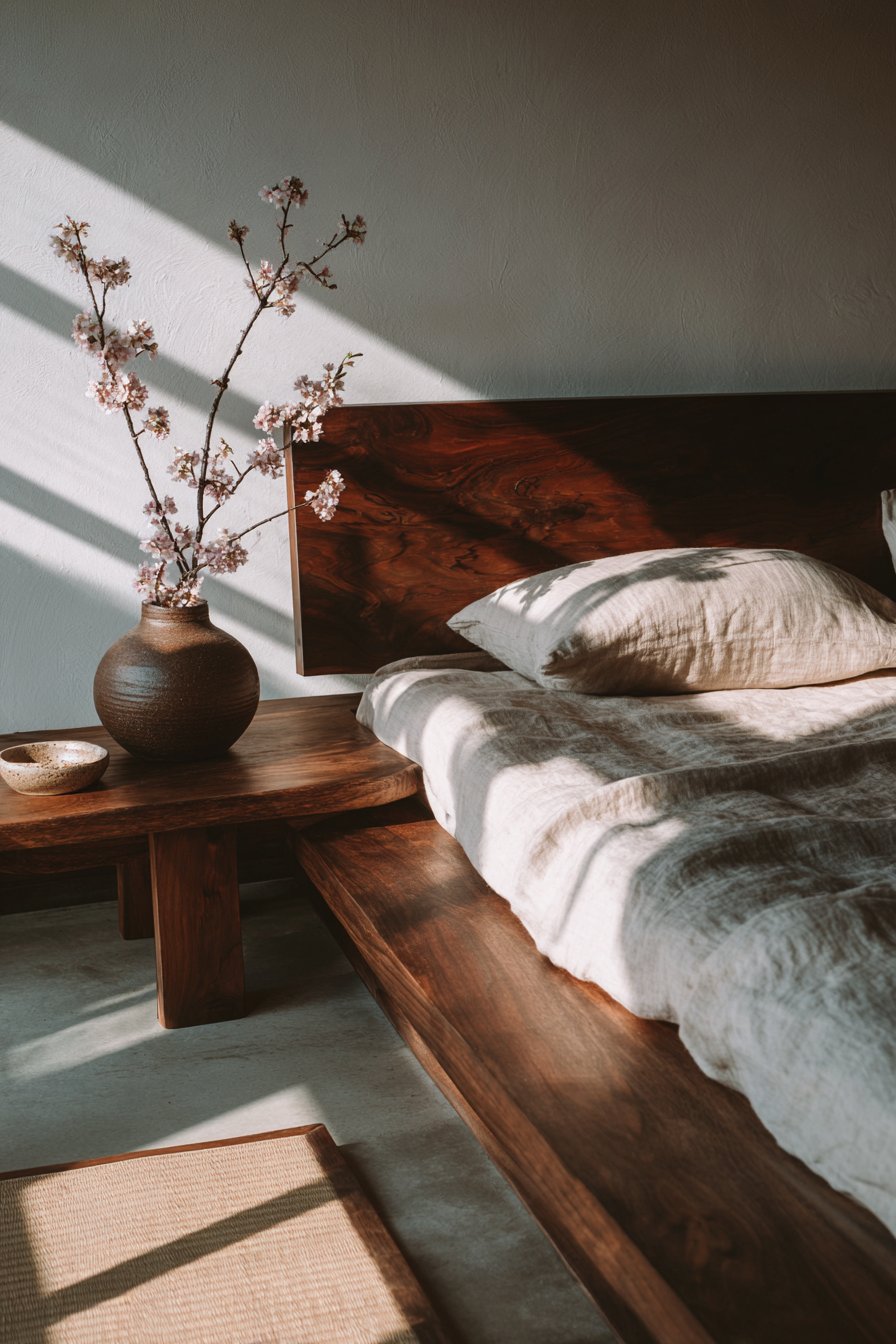
Creating a Japandi space means finding balance between minimalism and warmth. Unlike stark minimalist designs that can feel cold, Japandi incorporates natural textures and soft elements. The goal is achieving serenity without sacrificing comfort or livability.
- Choose furniture pieces that serve multiple purposes and eliminate redundancy
- Invest in high-quality items made from natural, sustainable materials
- Display only meaningful objects that bring joy or serve practical functions
- Embrace imperfections in natural wood grains and handcrafted items
- Create open spaces that allow for easy movement and visual breathing room
- Focus on experiences and functionality rather than excessive decoration
2. The Japandi Color Palette
The Japandi color scheme revolves around neutral earth tones that create a calming atmosphere. Soft whites, warm beiges, gentle grays, and muted greens form the foundation. These colors reflect light beautifully while maintaining a grounded, natural feel. The palette draws inspiration from nature, mimicking the colors found in stone, sand, and natural wood.
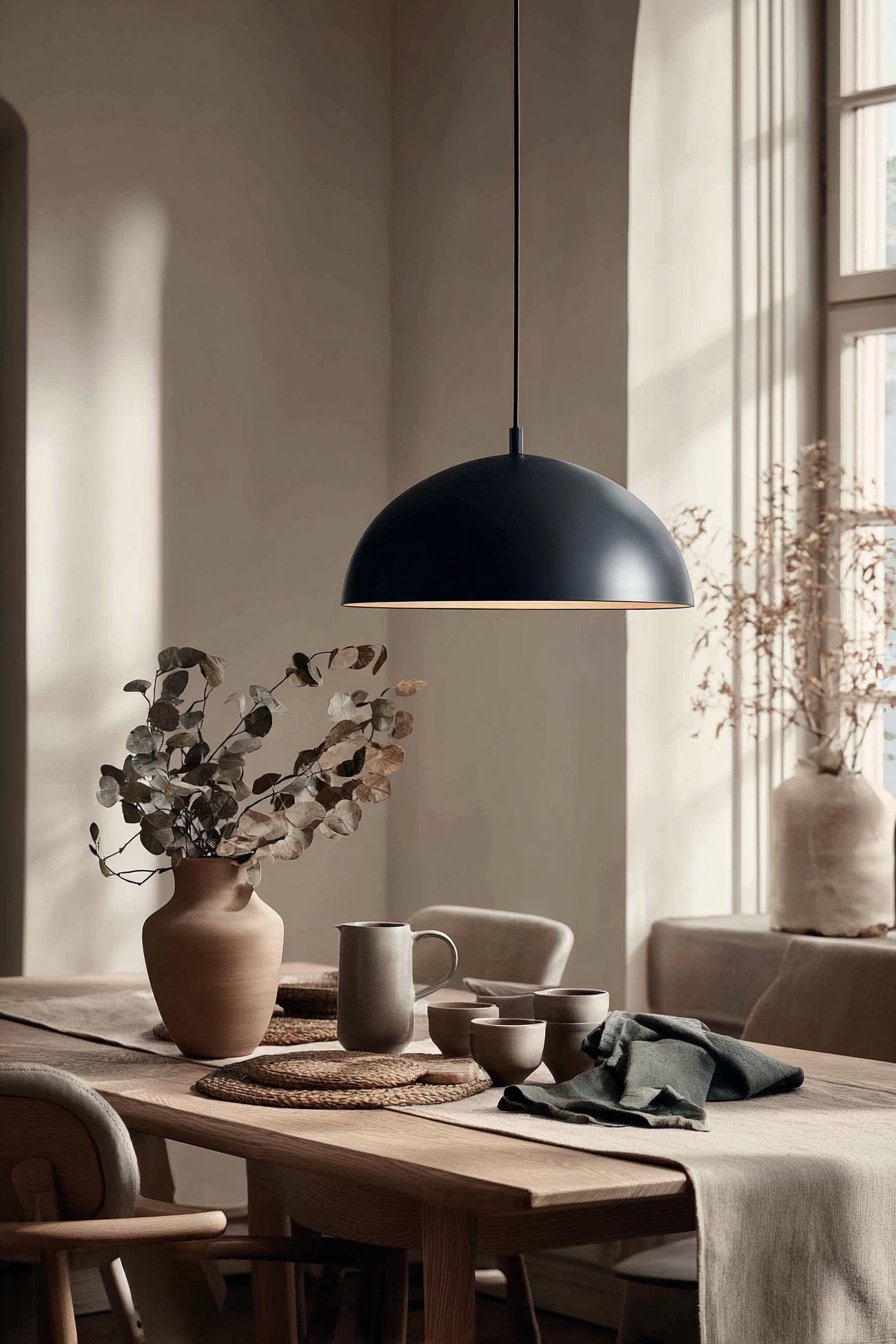
Accent colors in Japandi design remain subdued and organic. Deep charcoal, forest green, terracotta, and dusty blue add depth without overwhelming the space. These accent shades appear sparingly through textiles, pottery, or artwork. The key is maintaining a cohesive flow where no single color dominates or disrupts the overall harmony.
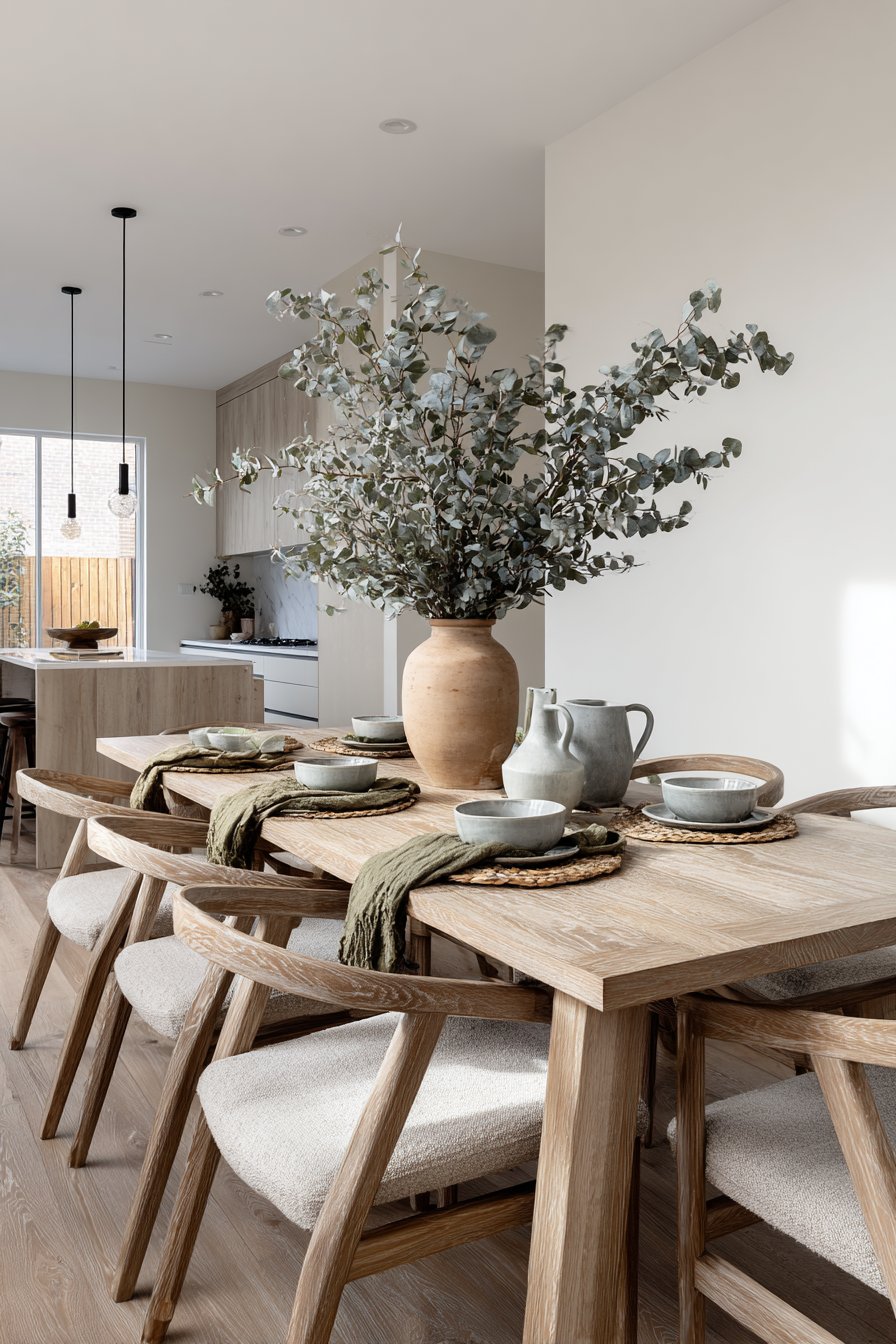
Understanding color temperature helps achieve the perfect balance in Japandi interiors. Scandinavian influences bring cooler tones, while Japanese aesthetics introduce warmer elements. Combining these thoughtfully prevents spaces from feeling too stark or overly warm.
- Use off-white or cream as your primary wall color for versatility
- Incorporate warm wood tones through flooring, furniture, and accessories
- Add black accents sparingly for definition and visual contrast
- Layer different shades of the same neutral for depth and interest
- Choose muted versions of colors rather than bright, saturated hues
- Test paint samples in different lighting conditions before committing
3. Essential Furniture Selection
Japandi furniture emphasizes clean lines and functional simplicity. Low-profile pieces with minimal ornamentation create an uncluttered aesthetic. Furniture should feel substantial yet not heavy, with designs that showcase natural materials. The focus remains on craftsmanship and quality construction rather than elaborate details or embellishments.
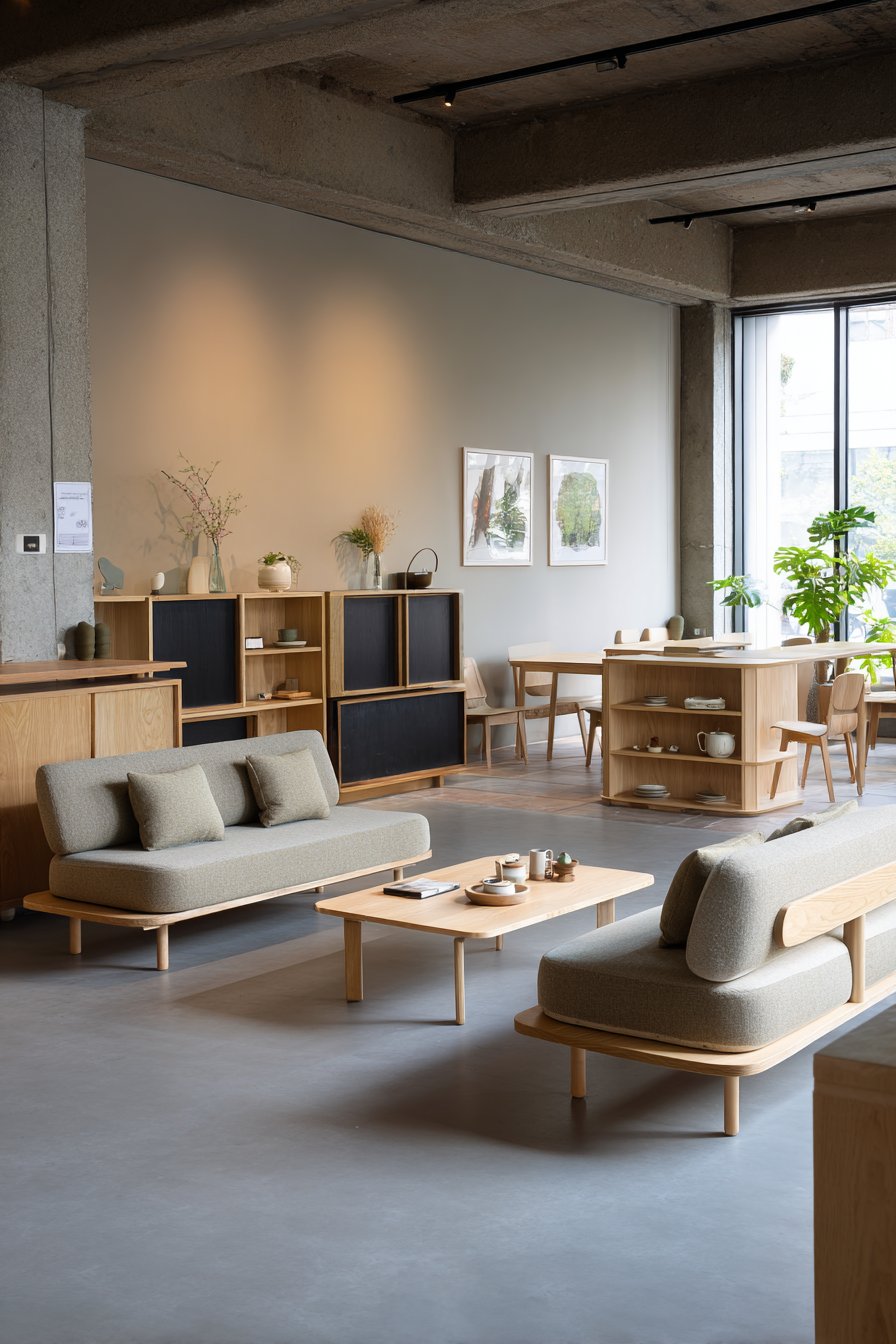
Material selection plays a crucial role in authentic Japandi design. Light woods like oak, ash, and beech dominate Scandinavian pieces, while darker woods such as walnut appear in Japanese-inspired furniture. Mixing these wood tones creates visual interest while maintaining cohesion. Avoid highly polished finishes in favor of matte or lightly oiled surfaces.
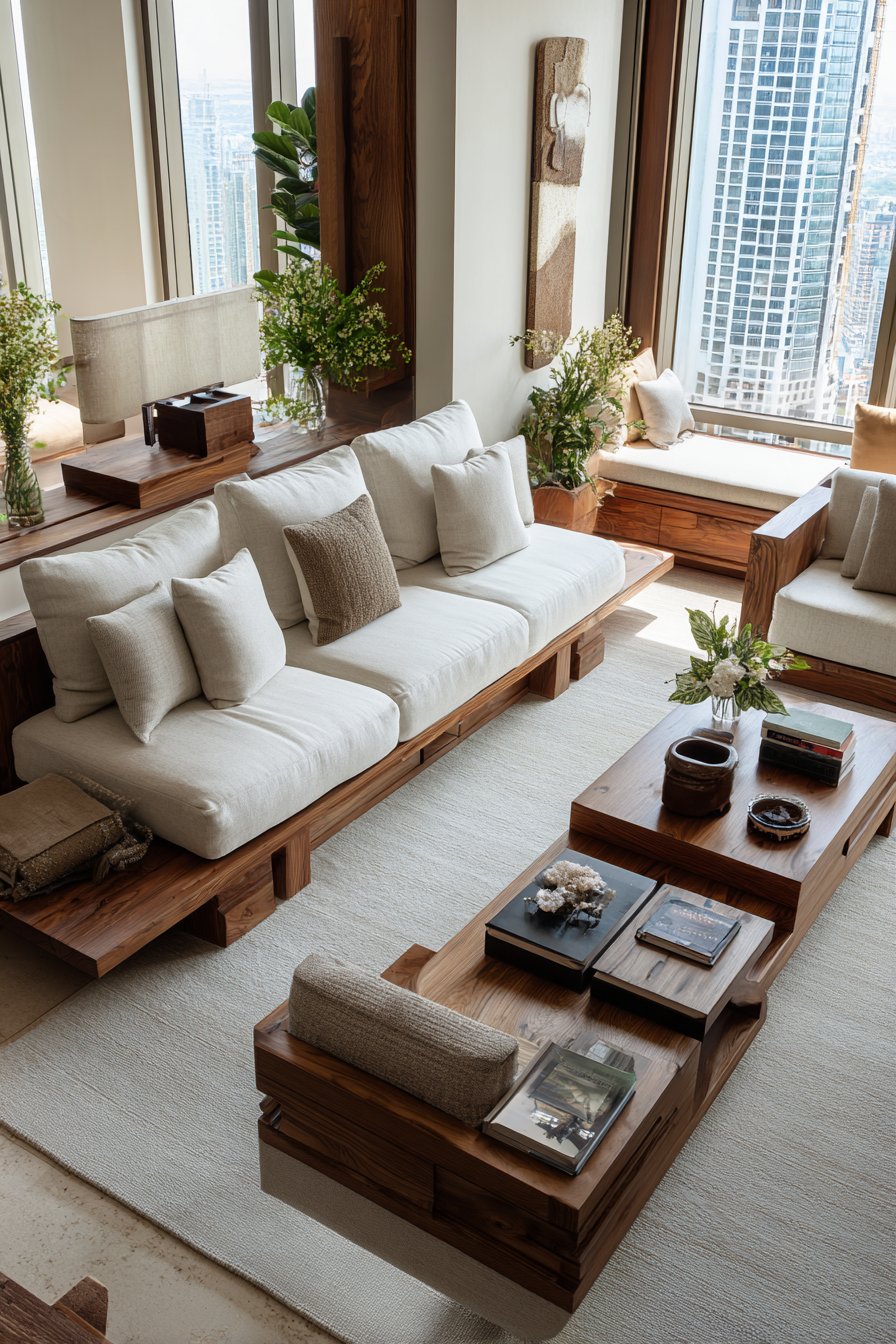
The principle of space and proportion guides furniture arrangement in Japandi interiors. Each piece needs adequate breathing room to be appreciated individually. Overcrowding defeats the purpose of minimalist design and creates visual chaos.
- Select furniture with exposed wooden legs to enhance lightness and airflow
- Choose pieces with hidden storage to maintain clean surfaces
- Invest in a low platform bed frame for authentic Japanese influence
- Opt for modular furniture that adapts to changing needs
- Ensure all furniture pieces serve clear functional purposes
- Maintain consistent wood tones within each room for harmony
4. Natural Materials and Textures
Incorporating organic materials forms the heart of Japandi aesthetic appeal. Wood, bamboo, rattan, stone, and clay connect interior spaces to nature. These materials age beautifully, developing character and patina over time. The tactile quality of natural materials adds warmth that synthetic alternatives cannot replicate.
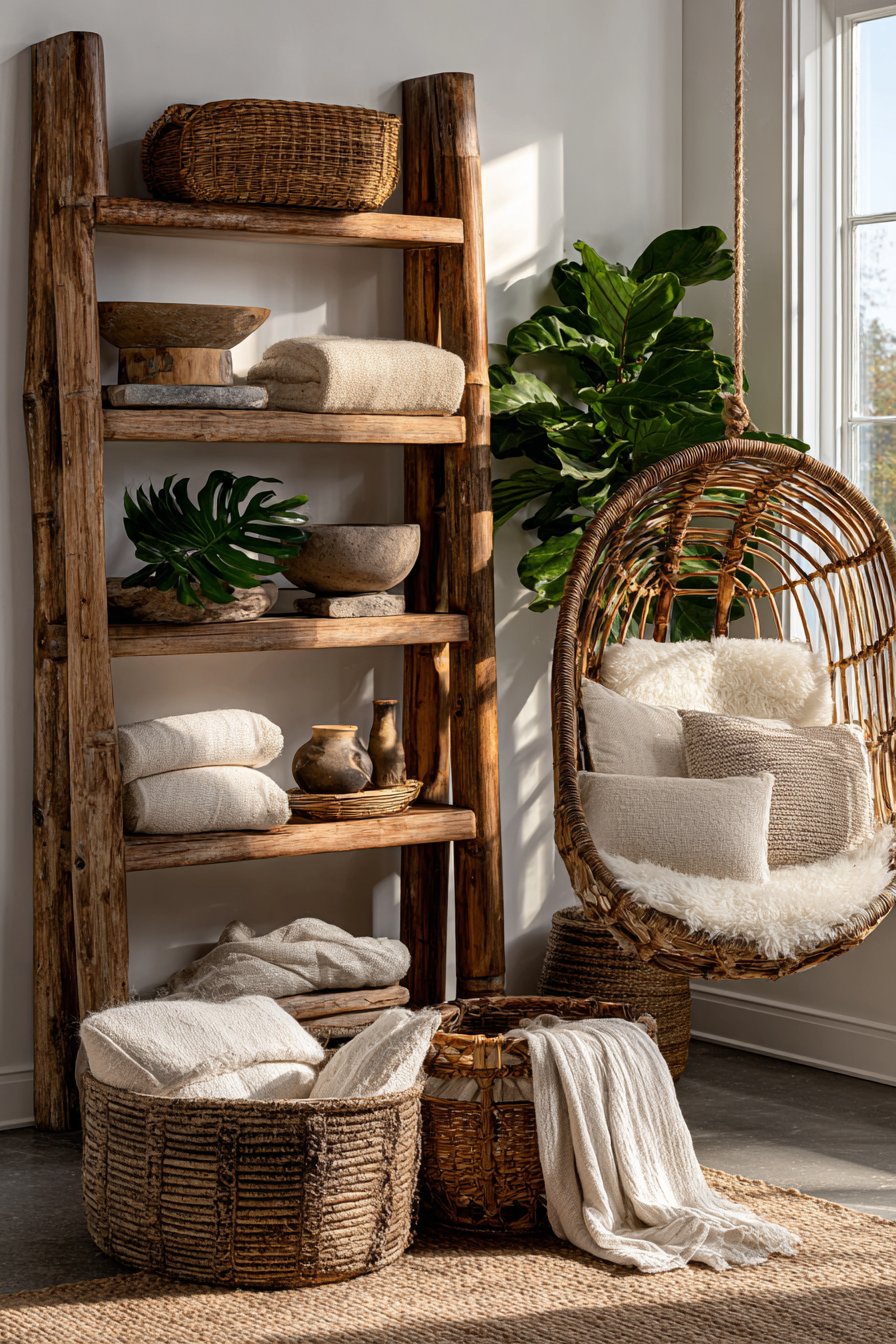
Textile choices should emphasize natural fibers like linen, cotton, wool, and jute. These materials feel pleasant to touch and regulate temperature naturally. Layer different textures through cushions, throws, and area rugs to create depth. The combination of smooth and rough textures prevents monotony while maintaining the overall calm aesthetic.
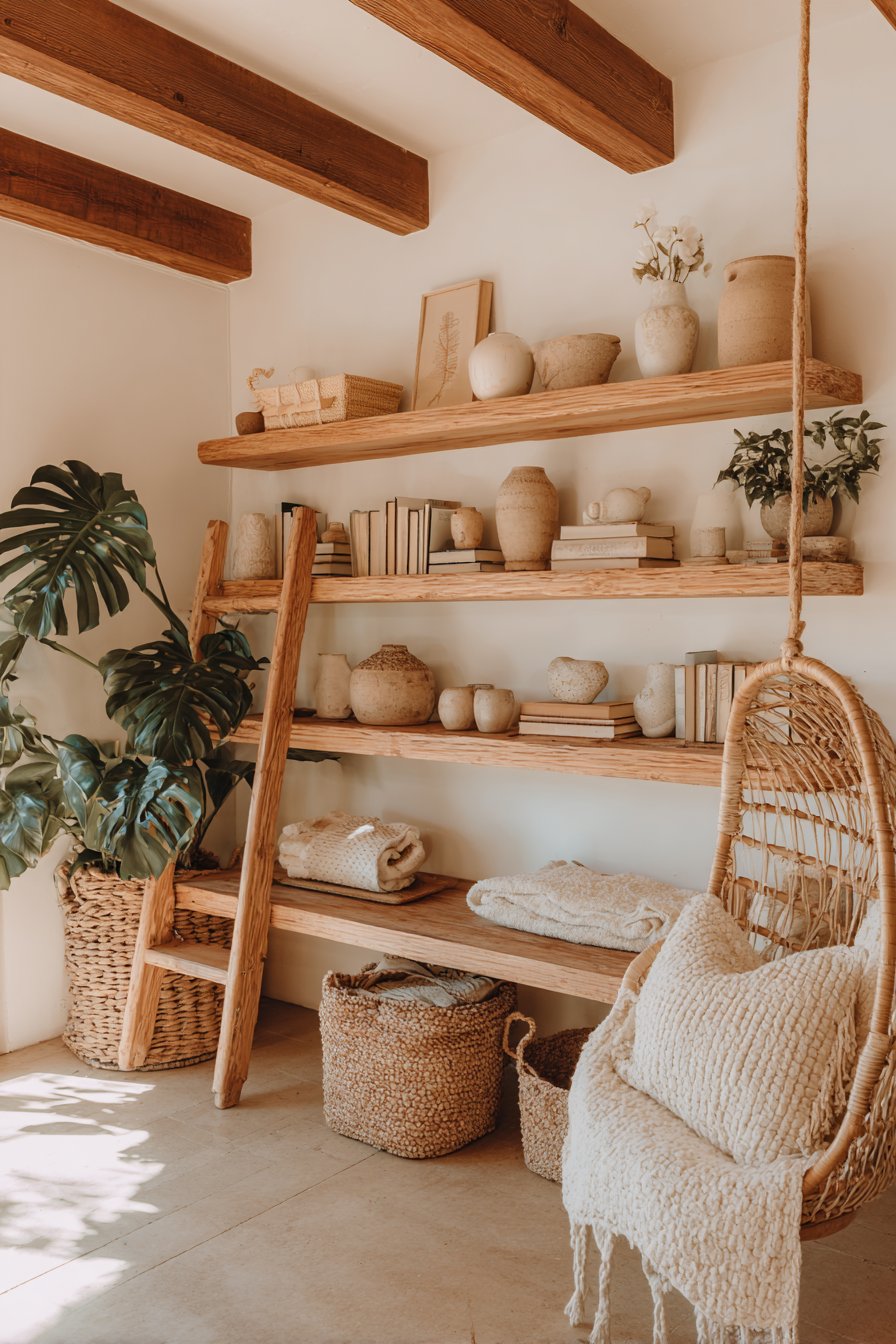
Understanding how materials interact with light and shadow enhances the Japandi ambiance. Natural materials absorb and reflect light differently throughout the day. This creates subtle shifts in atmosphere that keep spaces feeling dynamic yet peaceful.
- Use linen curtains to filter natural light softly
- Incorporate woven baskets for storage and textural interest
- Choose ceramic or stoneware for tableware and decorative objects
- Add wool or cotton rugs to define spaces and add warmth
- Include live plants in ceramic or terracotta pots
- Display wooden cutting boards or bowls as functional art
5. Lighting Design Principles
Japandi lighting focuses on creating soft, ambient illumination rather than harsh overhead brightness. Multiple light sources at varying heights establish a layered lighting scheme. Paper lanterns, pendant lights, and floor lamps provide gentle illumination that enhances the peaceful atmosphere. Avoid stark white LED bulbs in favor of warm-toned lighting.
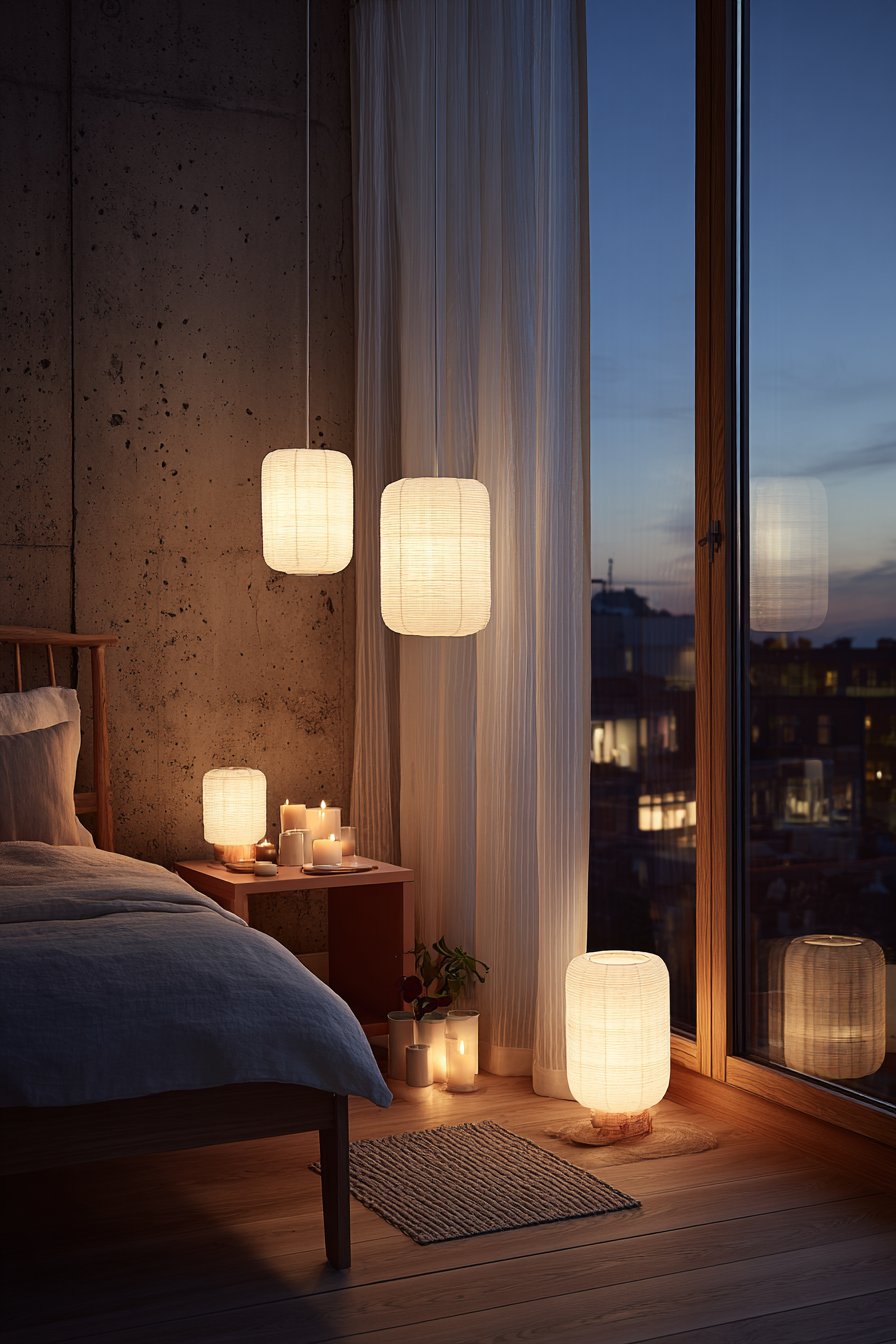
Natural light remains the most valued light source in Japandi interiors. Large windows without heavy treatments allow maximum daylight penetration. Sheer curtains or simple blinds provide privacy while maintaining connection to the outdoors. The goal is bringing the changing qualities of natural light into your daily experience.
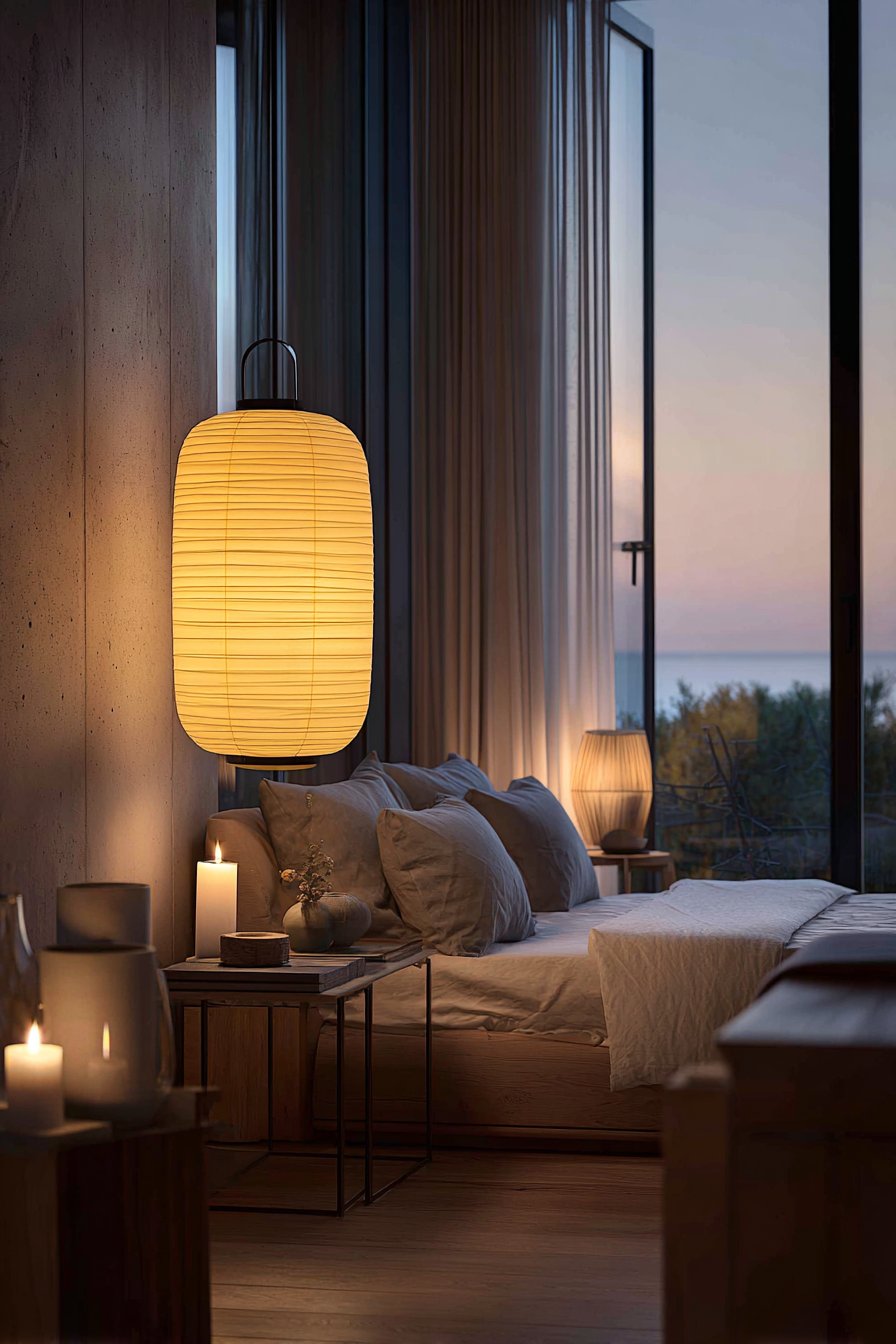
Strategic placement of task lighting ensures functionality without compromising aesthetics. Reading lamps, under-cabinet lights, and focused work lights serve specific purposes. These practical elements blend seamlessly into the overall design scheme.
- Install dimmer switches to control light intensity throughout the day
- Choose light fixtures made from natural materials like wood, paper, or linen
- Position floor lamps in corners to create warm, indirect lighting
- Use candles in simple holders for evening ambiance
- Avoid colorful or decorative light bulbs that alter color perception
- Maximize natural light by keeping window areas clear
6. Creating Balance and Harmony
Achieving visual balance requires thoughtful arrangement of furniture and objects. Symmetry and asymmetry both have places in Japandi design, depending on the space. The Japanese concept of “ma” emphasizes negative space as an active design element. Empty space allows the eye to rest and appreciate individual objects more fully.
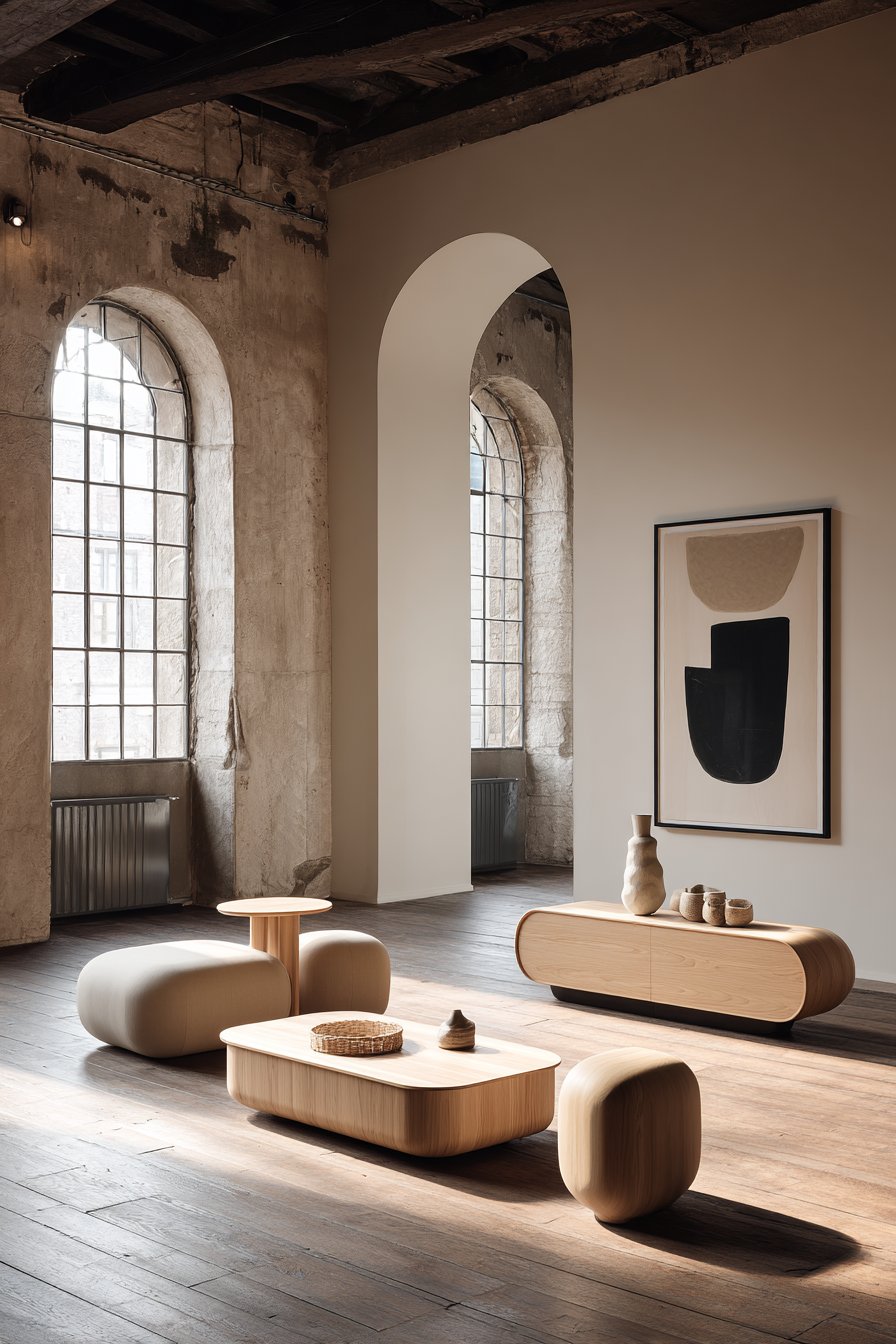
The practice of mindful curation prevents accumulation of unnecessary items. Each object in a Japandi interior should earn its place through beauty, function, or meaning. Regular editing of possessions maintains the clean aesthetic over time. This approach to design extends beyond aesthetics into a lifestyle philosophy.
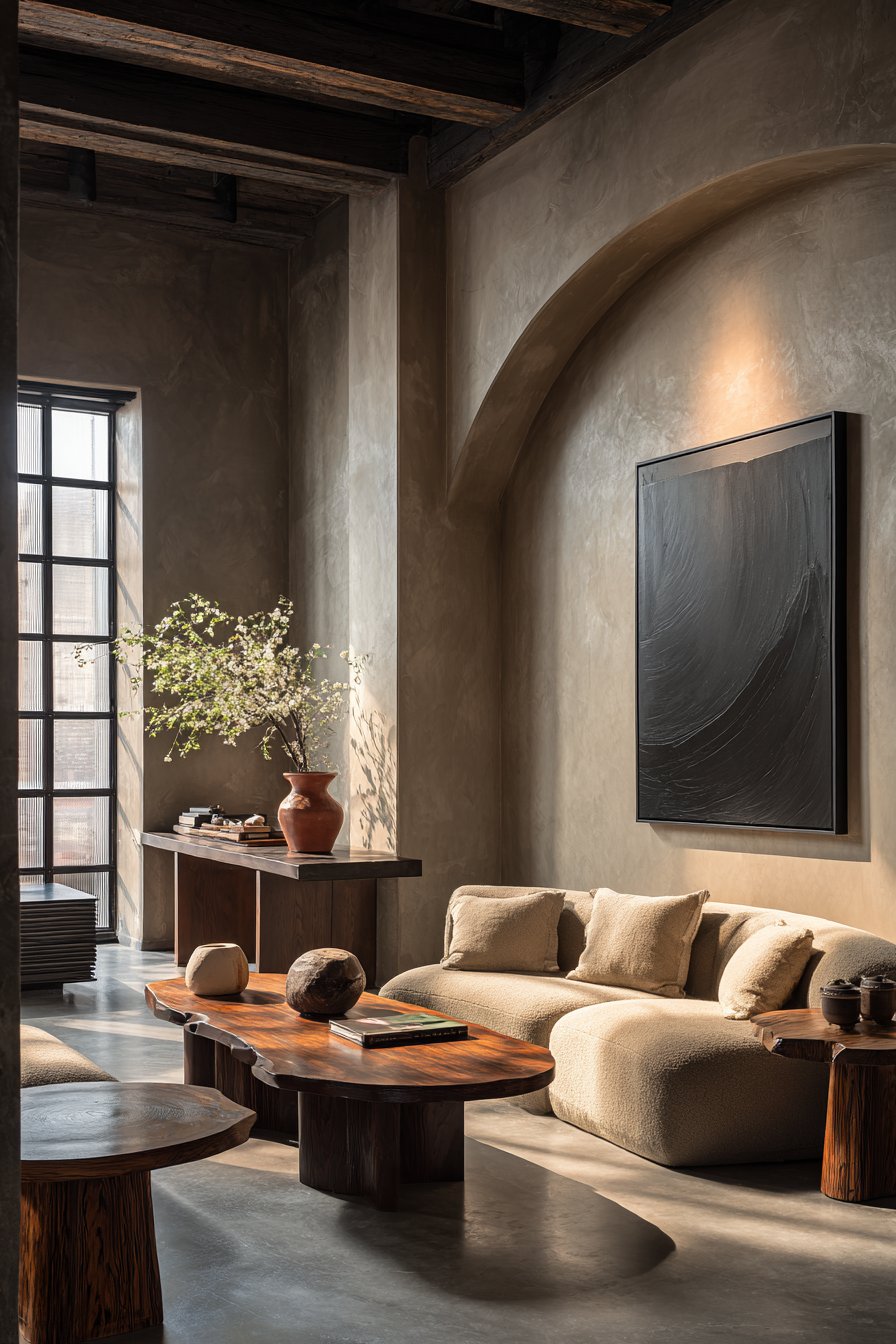
Maintaining harmony means considering how elements relate to each other. Colors, textures, shapes, and materials should create a cohesive story. Nothing should feel out of place or jarring to the overall composition.
- Arrange furniture to encourage natural flow and conversation
- Leave walls partially bare to emphasize negative space
- Group objects in odd numbers for visual interest
- Maintain clear surfaces on tables and countertops
- Edit seasonal decorations to align with Japandi principles
- Create focal points without cluttering surrounding areas
Japandi style offers a timeless approach to creating homes that nurture both body and mind. By embracing the principles of simplicity, natural materials, and intentional design, you can transform any space into a peaceful sanctuary. The beauty of this aesthetic lies in its flexibility and adaptability to individual needs and preferences.
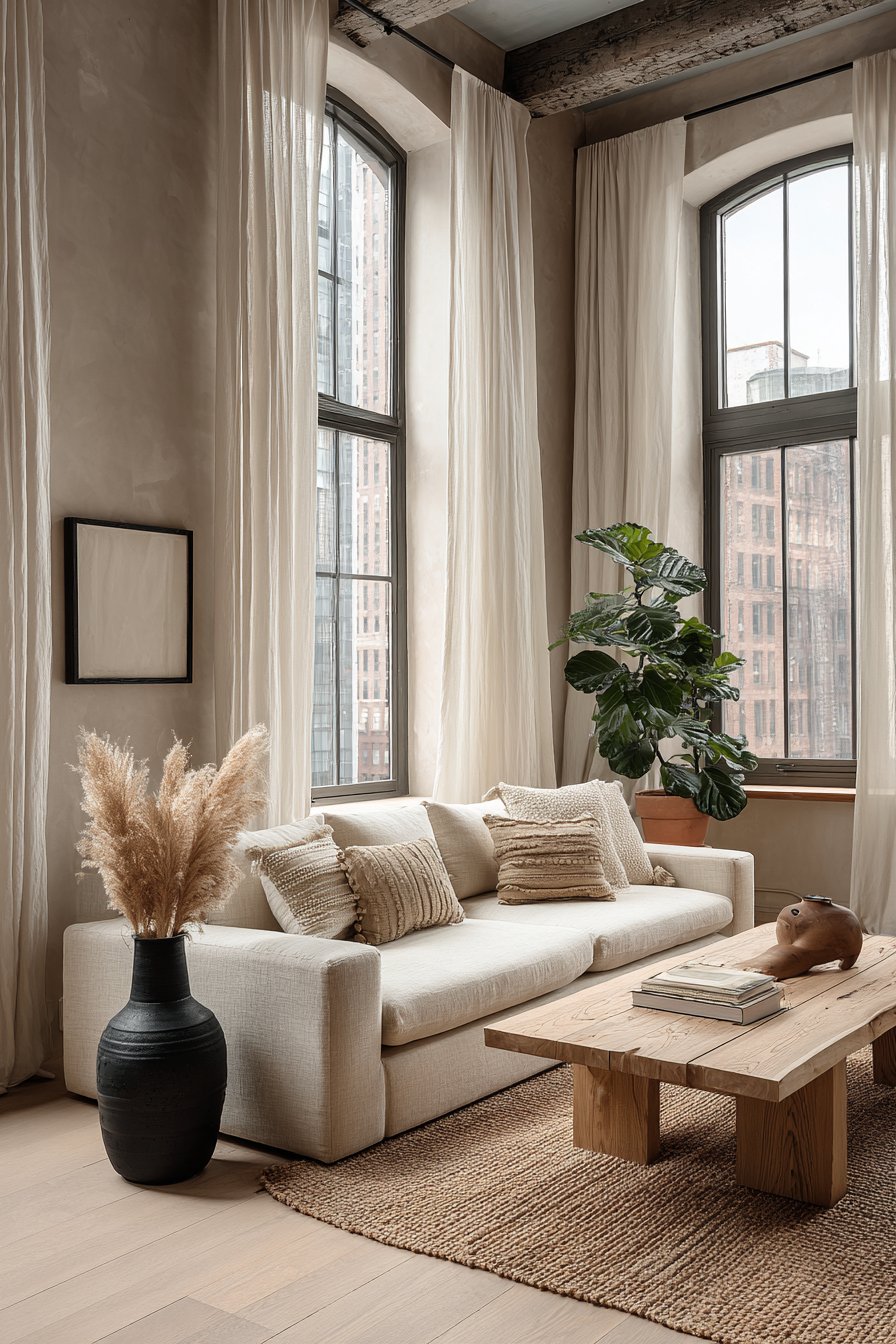
Begin your Japandi journey by gradually incorporating these elements into your existing space. Focus on quality over quantity, and allow your home to evolve naturally over time. The result will be a living environment that supports your wellbeing while reflecting your personal style and values.
