


Small apartment living rooms present unique design challenges that require creative solutions and strategic planning. The perception of spatial depth transforms cramped quarters into visually expansive, welcoming environments that feel surprisingly generous. Understanding how to manipulate visual cues, layering techniques, and dimensional elements turns limitations into opportunities for sophisticated, thoughtful design.
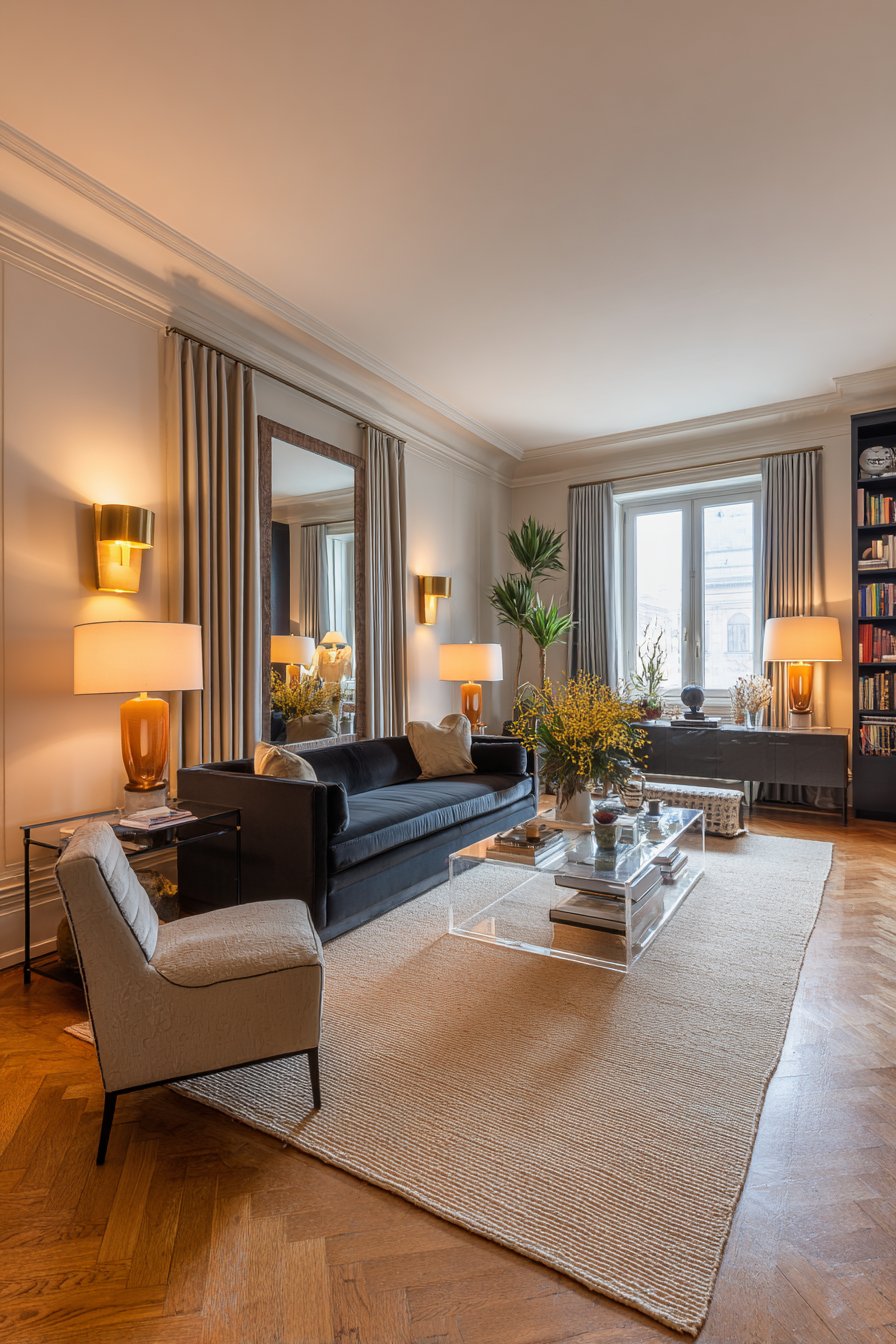
Thoughtful interior design proves especially critical in compact spaces where every square foot matters. Your living room serves as a multipurpose hub for relaxation, entertainment, and daily activities, making it essential to maximize both functional capacity and aesthetic appeal. Smart depth-creating strategies ensure your small space feels open, airy, and inviting rather than confined or claustrophobic.
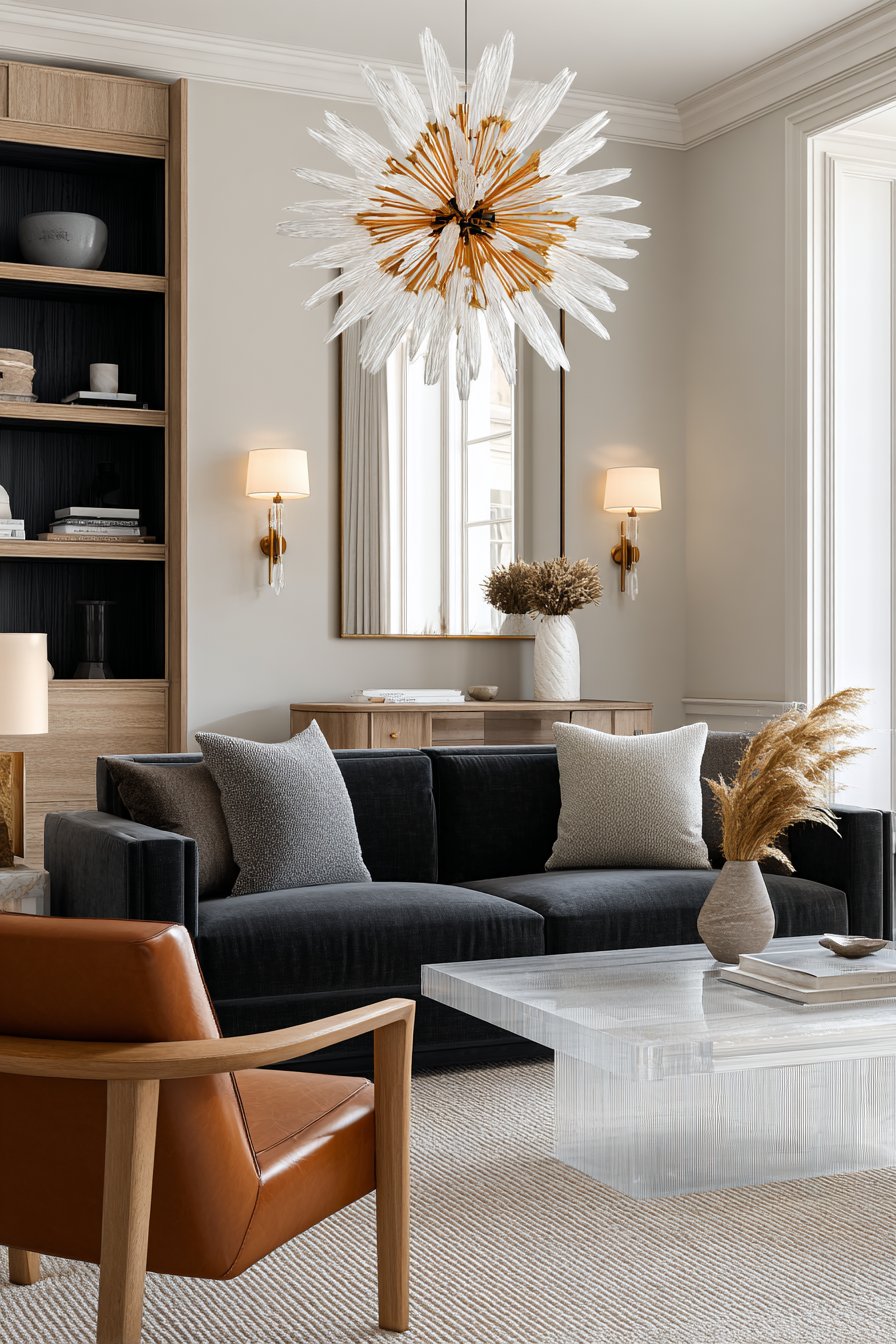
This comprehensive guide explores six proven techniques for creating remarkable depth in small apartment living rooms. From strategic color placement to clever furniture arrangement, these methods work together to expand your space visually while maintaining practical functionality. Whether you’re working with minimal square footage or awkward layouts, these approaches deliver transformative results that enhance your daily living experience.
1. Master Strategic Color Layering
Color layering creates visual recession that tricks the eye into perceiving greater distance and dimension. Light colors naturally recede while dark colors advance, making strategic placement essential for depth creation. Painting far walls in lighter shades than adjacent walls establishes focal points while pushing boundaries outward visually, expanding perceived room dimensions significantly.
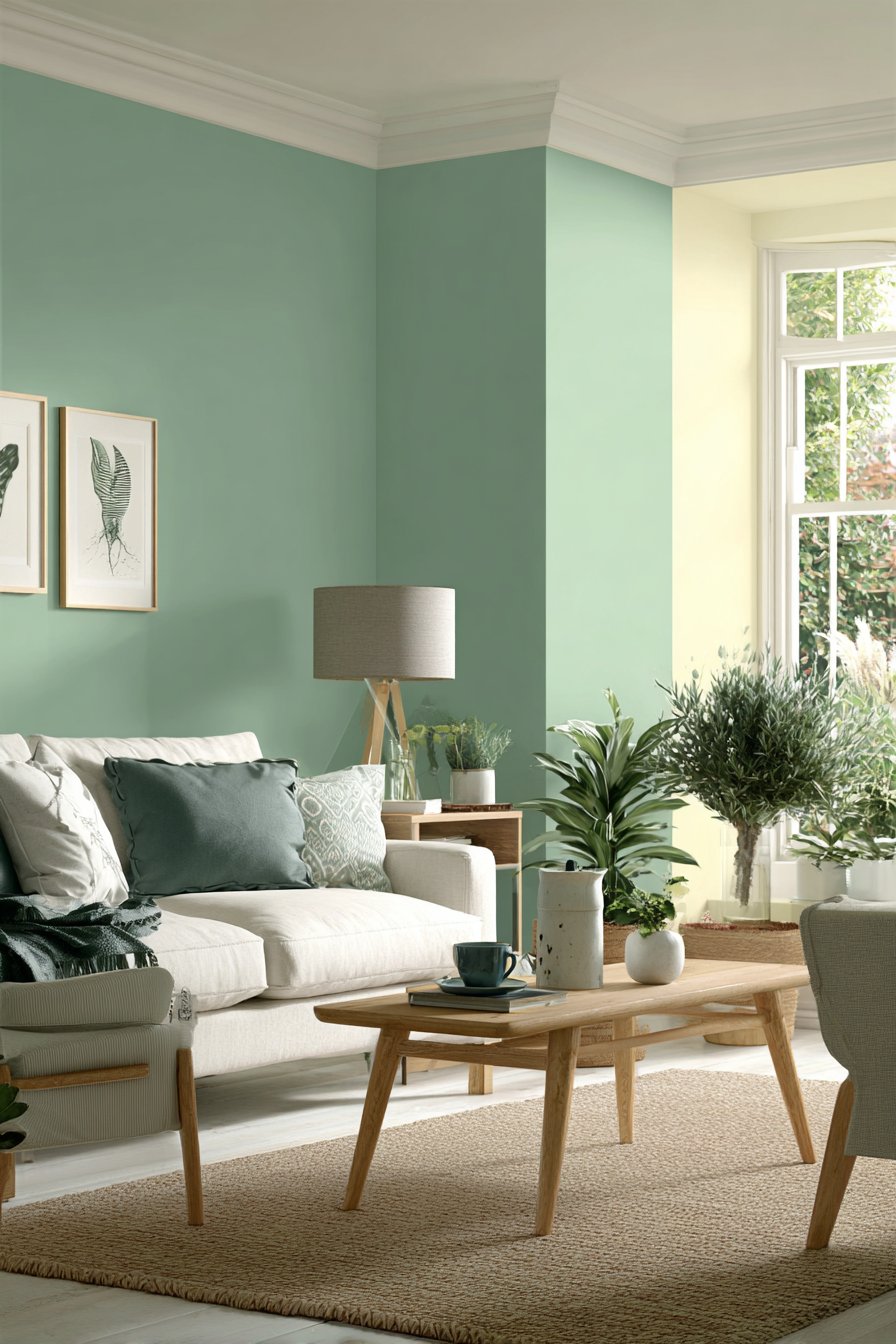
The gradient technique works exceptionally well in small spaces with monochromatic palettes. Start with your darkest tone on the nearest wall, gradually lightening shades as you move toward the farthest wall. This creates atmospheric perspective similar to how distant objects appear lighter in nature. The subtle transition guides eyes through the space, creating a journey and depth.
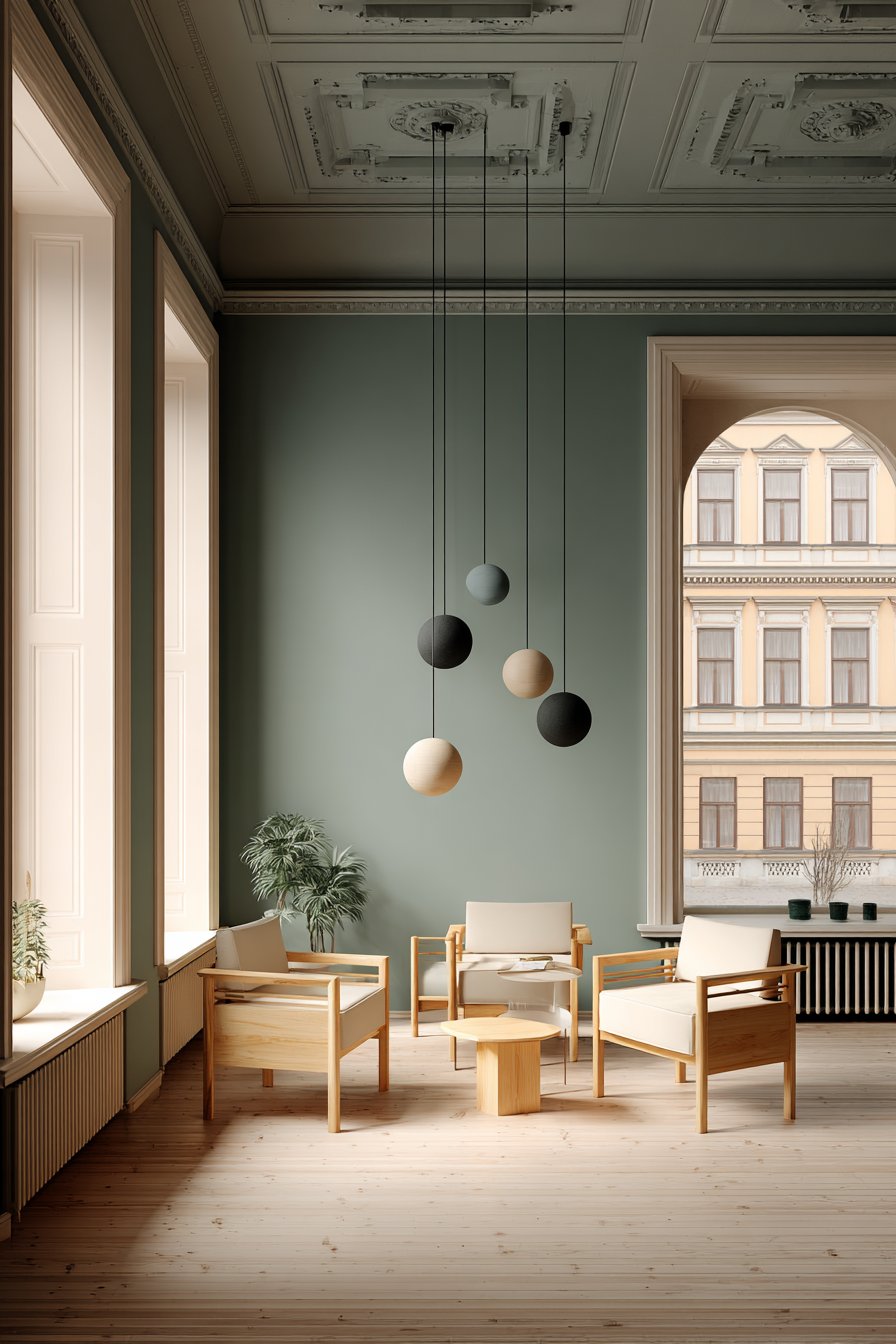
Accent walls deserve careful consideration in-depth, creating strategies. Contrary to popular belief, darker accent walls positioned on far surfaces can create dramatic depth when surrounded by lighter tones. This focal point draws eyes across the room, creating visual travel that establishes distance perception. Balance remains crucial—surrounding elements must remain light to maintain the illusion.
- Use light neutrals on side walls and ceilings for maximum expansion
- Paint the farthest wall 2-3 shades lighter than foreground elements
- Create tonal gradients using the same color family in varying intensities
- Avoid high-contrast patterns on walls that can flatten spatial perception
- Consider cool tones like blues and greens for natural recession effects
- Test paint samples in your specific lighting before committing to colors
2. Implement Layered Lighting Design
Layered lighting creates dimensional complexity that single overhead fixtures cannot achieve in compact spaces. Multiple light sources at varying heights and intensities establish depth through shadow, highlight, and ambient glow. This approach transforms flat, one-dimensional rooms into dynamic, multi-layered environments with professional polish and sophistication.
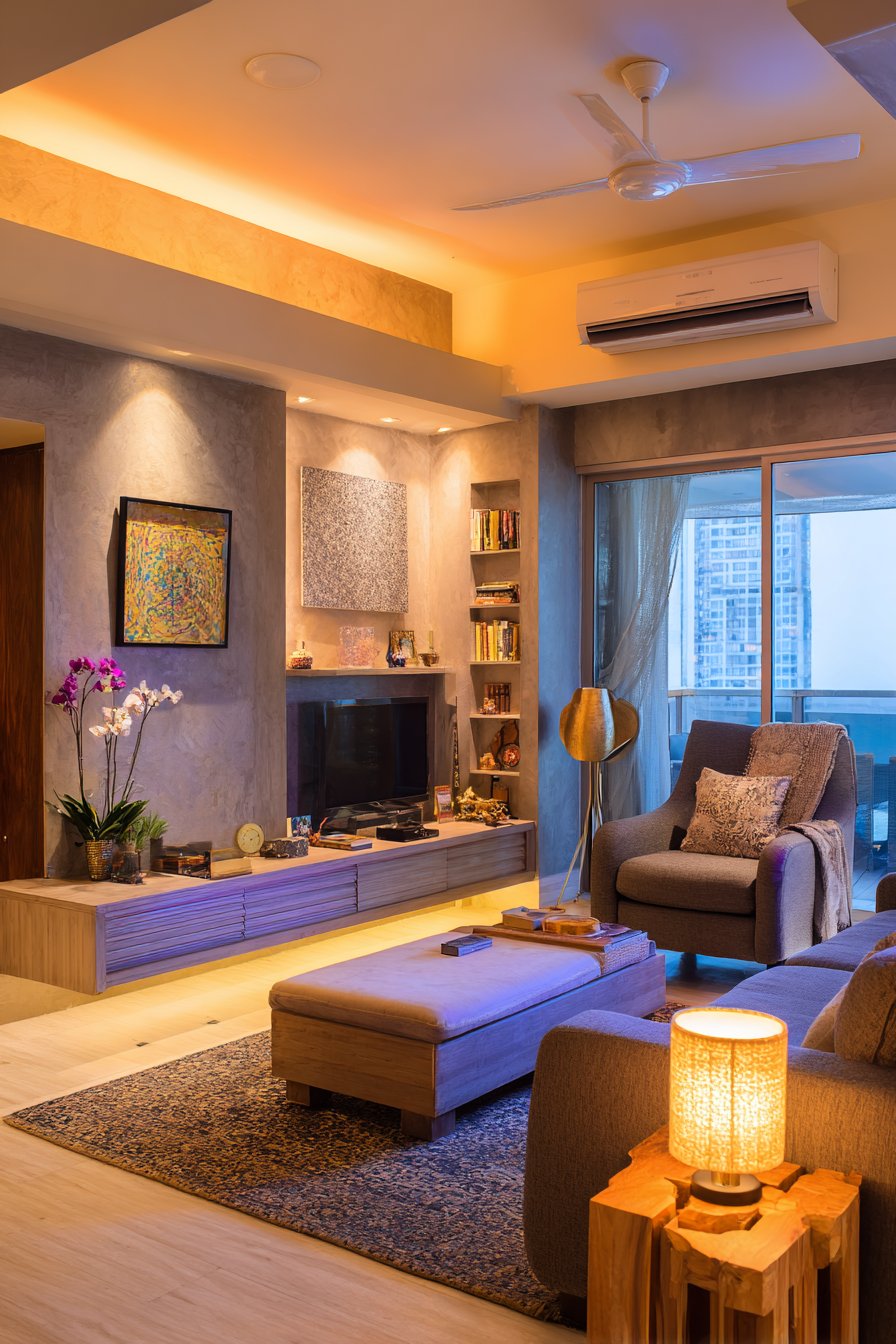
Foreground, middle ground, and background lighting establish distinct spatial zones that guide visual perception. Table lamps in the foreground create intimate near-space, floor lamps illuminate middle areas, and wall sconces or picture lights activate backgrounds. This strategic placement creates depth perception similar to theatrical lighting, where layered illumination suggests dimensional space.
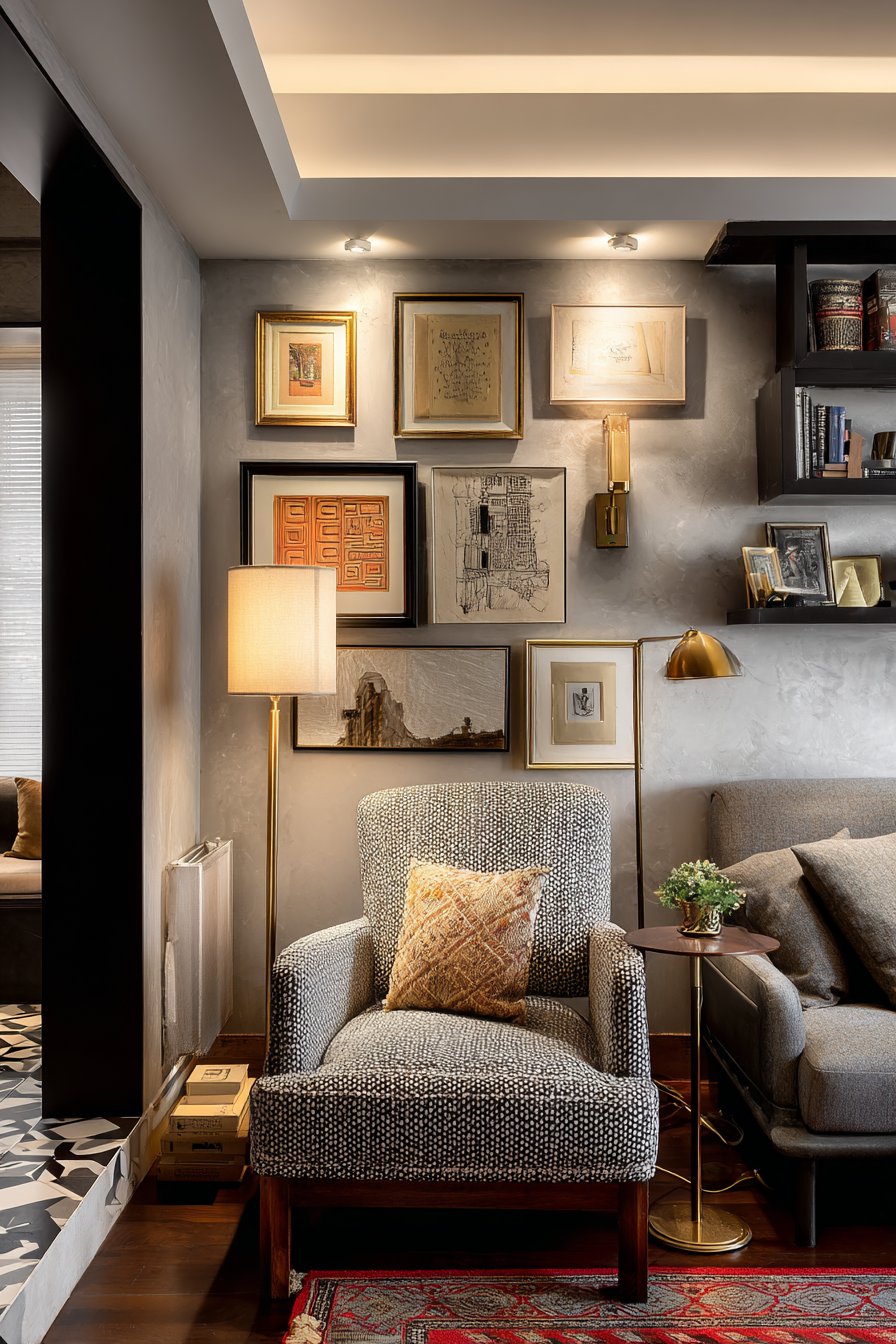
Directional lighting proves particularly effective for depth creation in small apartments. Uplighting behind furniture creates floating effects that separate objects from walls, establishing negative space. Wall-washing techniques illuminate vertical surfaces uniformly, pushing walls backward visually while making ceilings appear higher. Avoid central overhead lighting alone, which flattens spaces and eliminates shadow depth.
- Install dimmer switches for adjustable lighting layers and mood control
- Place floor lamps behind seating to create separation from walls
- Use wall sconces at varying heights to establish vertical dimension
- Position table lamps at different levels to avoid horizontal monotony
- Add LED strip lighting under furniture for floating, spacious effects
- Choose warm white bulbs (2700-3000K) for inviting depth without harshness
3. Arrange Furniture in Diagonal Configurations
Diagonal furniture placement creates visual movement that leads eyes on longer journeys through space. Unlike parallel arrangements that emphasize room limitations, angled positioning establishes dynamic sight lines that suggest greater square footage. This technique works especially well with sofas, chairs, and coffee tables positioned at subtle angles.
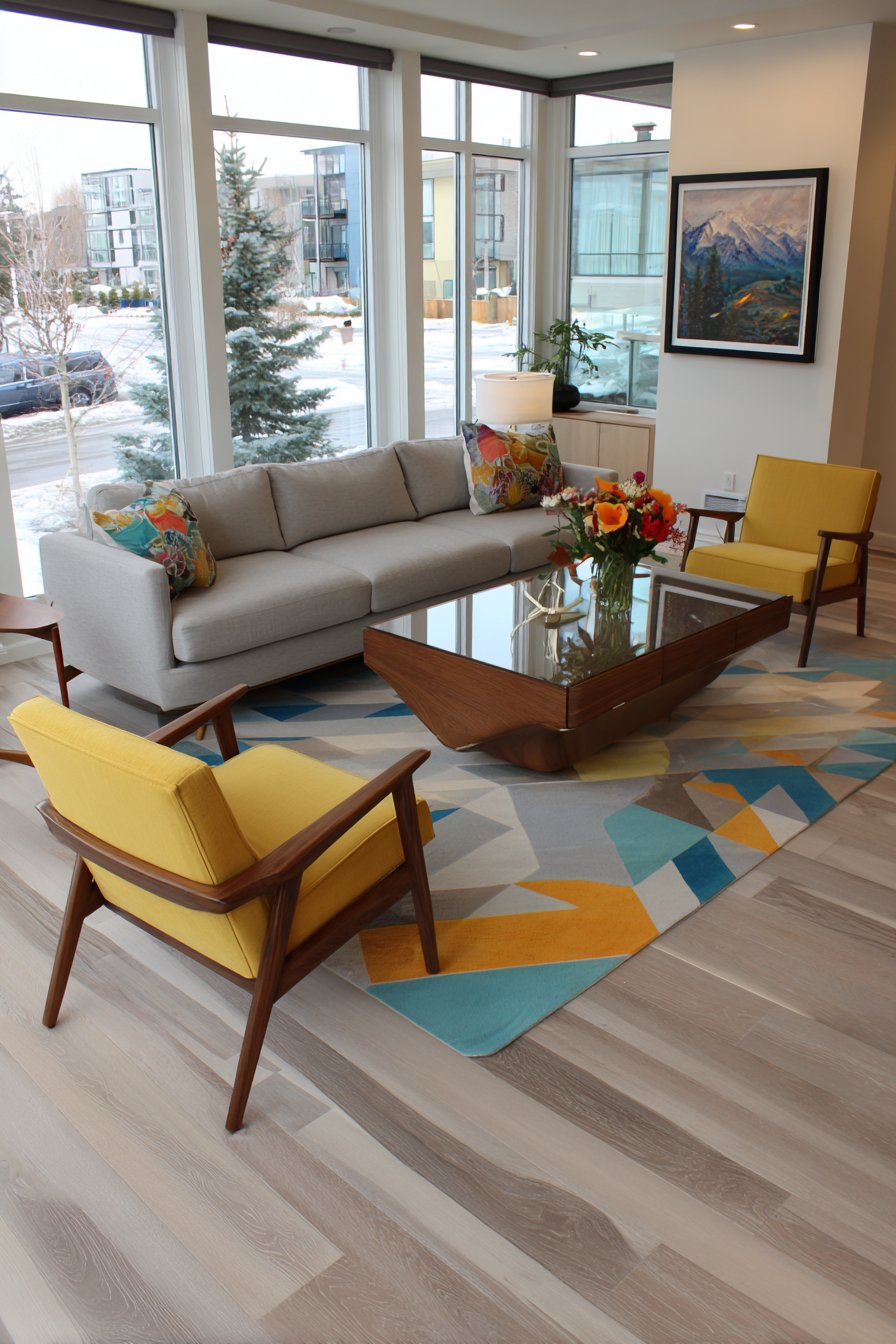
The principle leverages geometry and perception to maximize visual travel distance. When furniture aligns with walls, eyes quickly measure room dimensions and register smallness. Diagonal placement forces eyes to travel along longer, angled paths, creating a perception of expanded space. Even small 15-20 degree angles produce noticeable dimensional improvements.
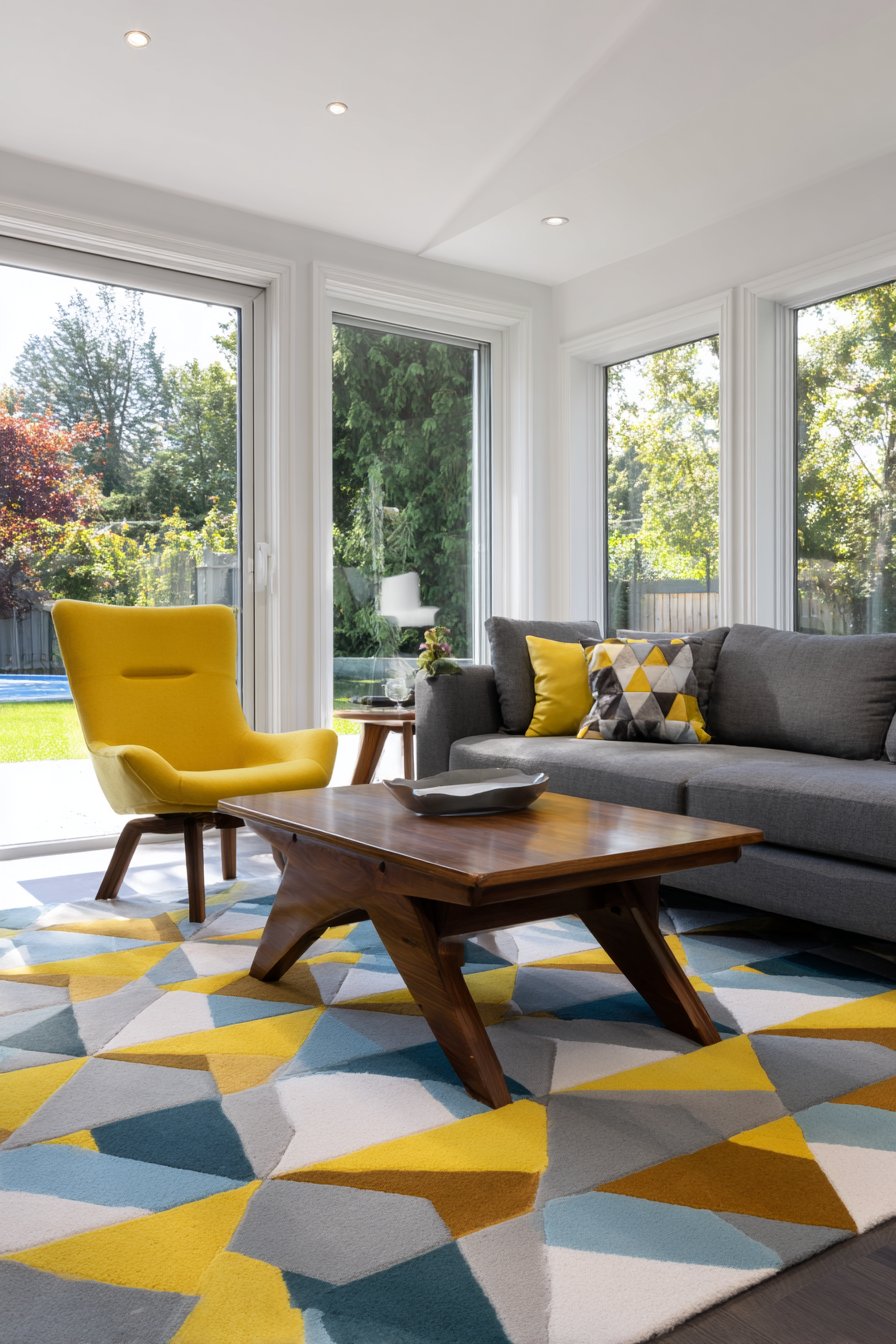
Floating furniture away from walls enhances diagonal arrangement effectiveness. Creating negative space behind furniture establishes multiple layers—foreground seating, middle circulation space, and background wall zones. This layering proves essential for depth creation, as it prevents the flat, pushed-against-walls appearance that emphasizes small apartment limitations.
- Angle your sofa 15-30 degrees from the longest wall
- Float seating at least 6-12 inches away from walls when possible
- Create diagonal pathways through the room for visual flow
- Use area rugs placed diagonally to reinforce angled arrangements
- Ensure traffic flow remains unobstructed despite angled placement
- Start with one major piece at an angle rather than all the furniture
4. Incorporate Reflective and Transparent Elements
Mirrors and reflective surfaces create instant depth by duplicating space and bouncing light throughout rooms. Strategic mirror placement effectively doubles visual square footage while brightening dark corners. Large mirrors positioned opposite windows maximize natural light while creating the illusion of additional architectural openings that expand perceived boundaries.
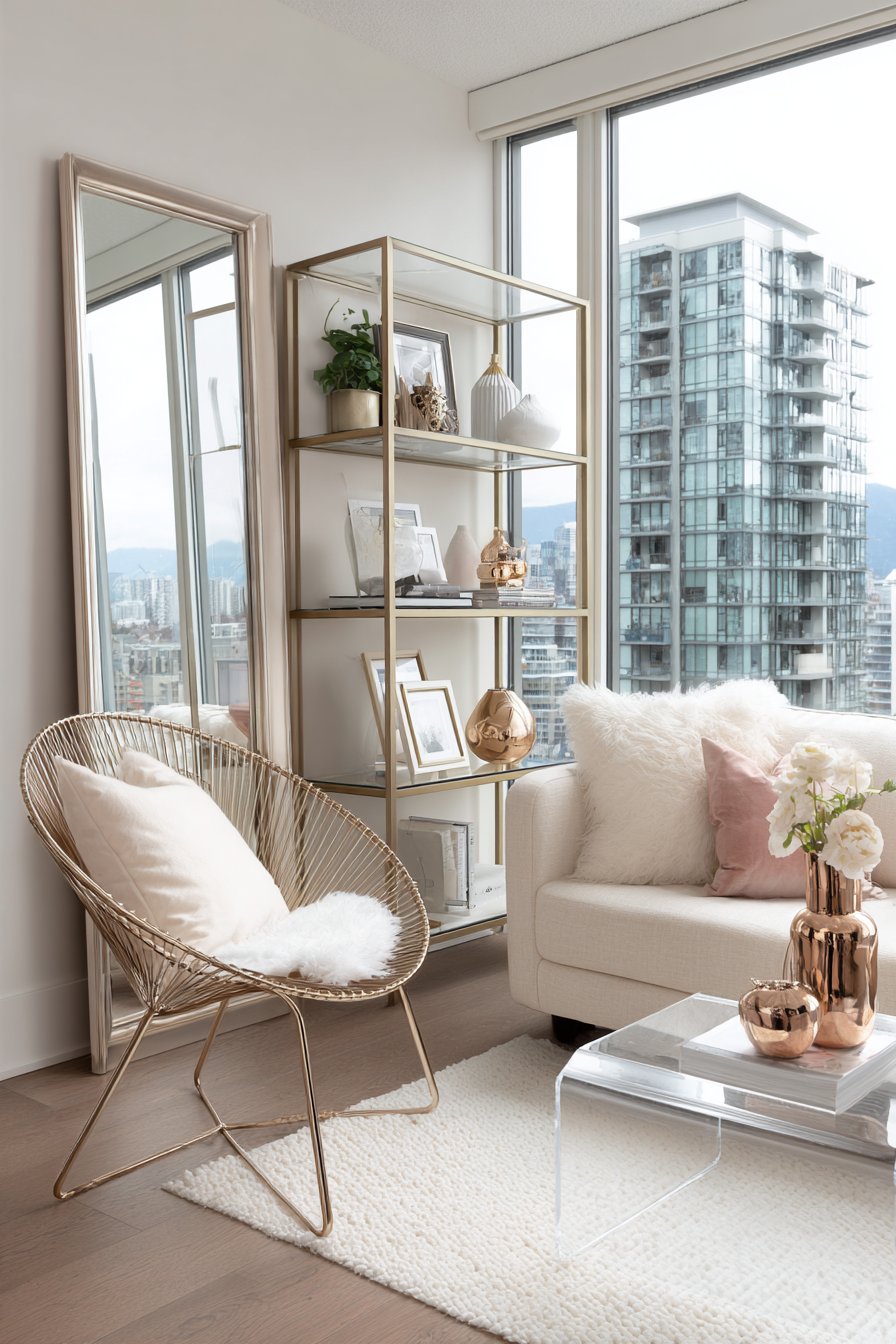
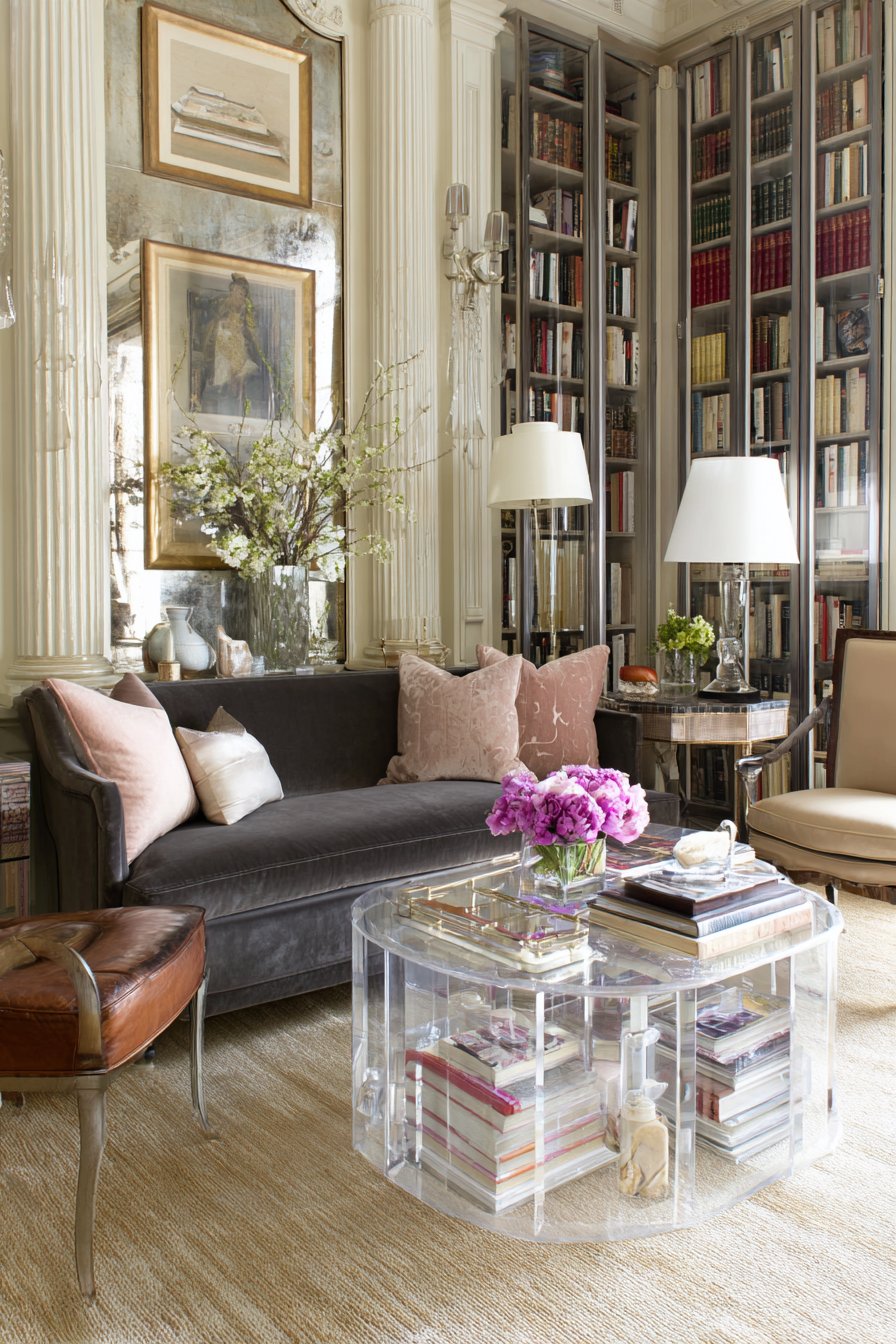
Transparent furniture introduces visual continuity that allows sight lines to travel uninterrupted through spaces. Acrylic coffee tables, glass side tables, and open-frame chairs maintain functionality without blocking views. This transparency creates layered depth as eyes perceive objects both in front of and behind transparent pieces simultaneously, establishing dimensional complexity.
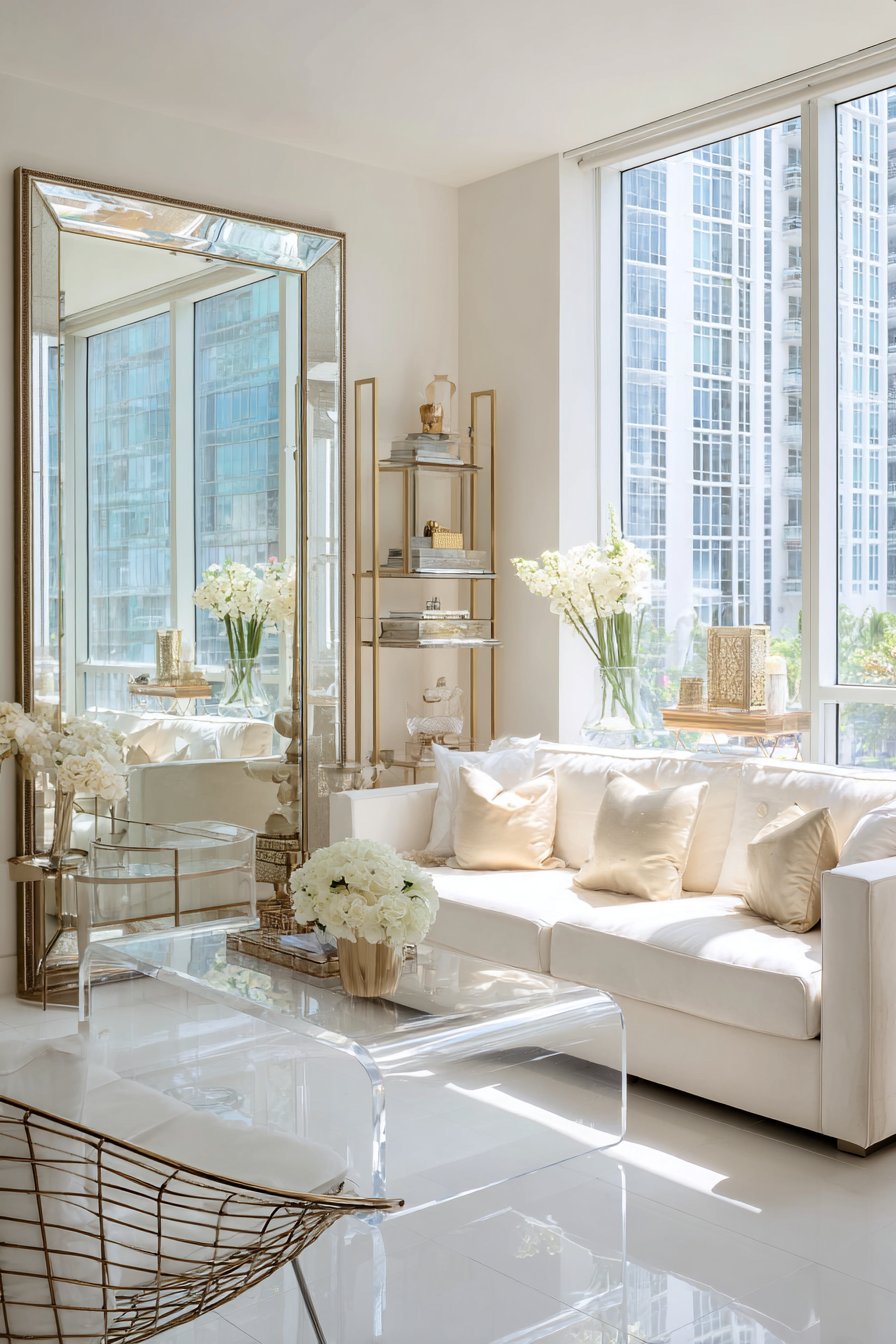
Metallic and glossy finishes contribute subtle light reflection that enhances depth without mirror-like obviousness. Chrome, brass, or glass accessories catch and redirect light, creating highlights and lowlights that suggest dimension. Even small reflective elements—picture frames, vases, or hardware—accumulate to create overall luminosity that expands spatial perception.
- Hang large mirrors (36 inches minimum) opposite windows for maximum effect
- Use mirrored furniture sparingly to avoid overwhelming reflective surfaces
- Select acrylic or glass coffee tables to maintain sight lines
- Position metallic accessories to catch and redistribute natural light
- Avoid mirror placement that reflects clutter or unflattering angles
- Choose furniture with glass shelving for layered transparency
5. Create Vertical Visual Pathways
Vertical emphasis draws eyes upward, creating perceived height that contributes significantly to overall spatial depth. Floor-to-ceiling elements like tall bookcases, vertical artwork arrangements, or dramatic drapes establish upward movement that makes ceilings feel higher. This vertical expansion works synergistically with horizontal depth to create comprehensive dimensional perception.
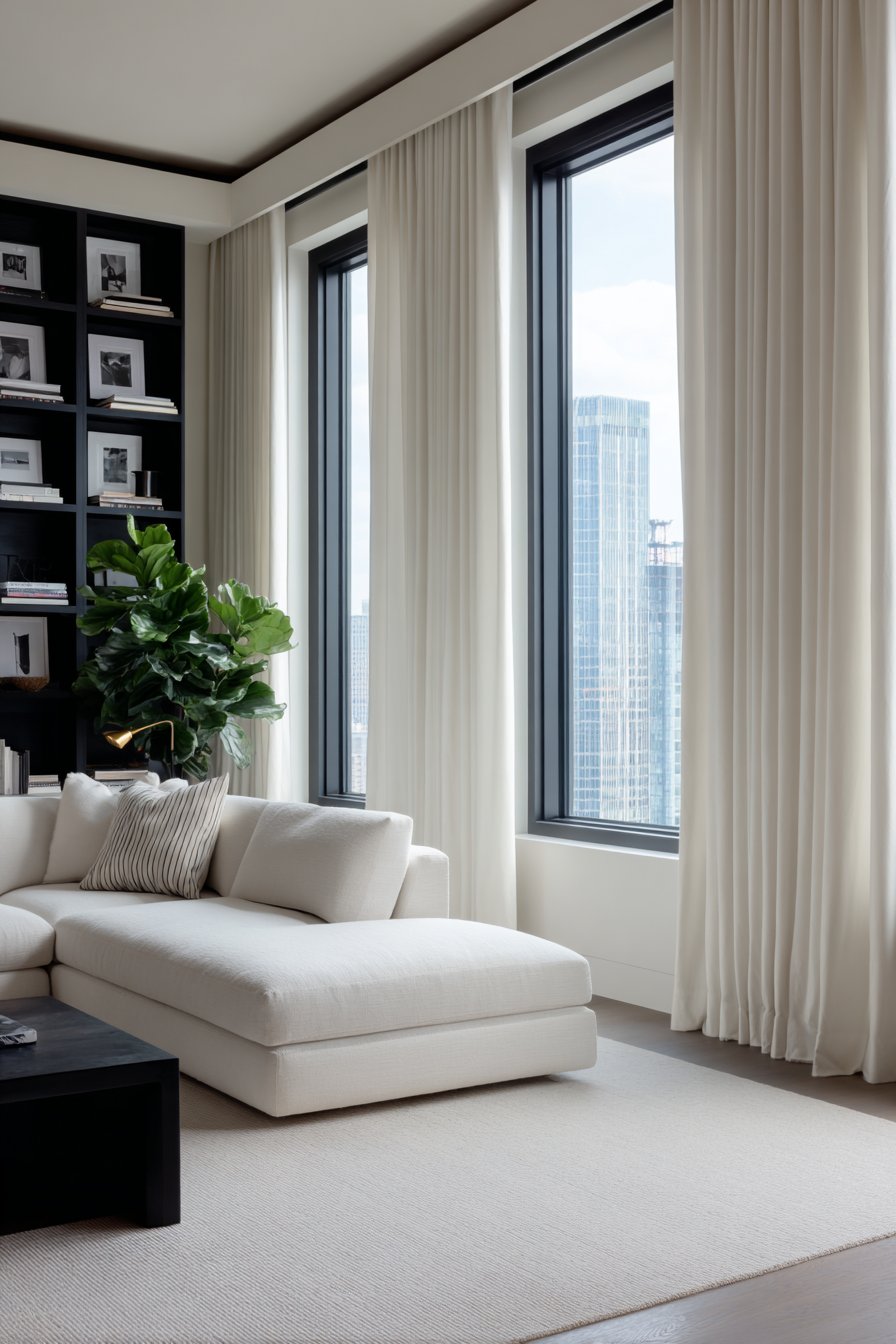
Vertical striping in wallpaper, artwork, or decorative elements reinforces upward momentum that lengthens walls visually. The human eye naturally follows vertical lines, making rooms feel taller when vertical elements dominate horizontal ones. This proves especially effective in apartments with standard 8-foot ceilings that benefit from height-maximizing strategies.
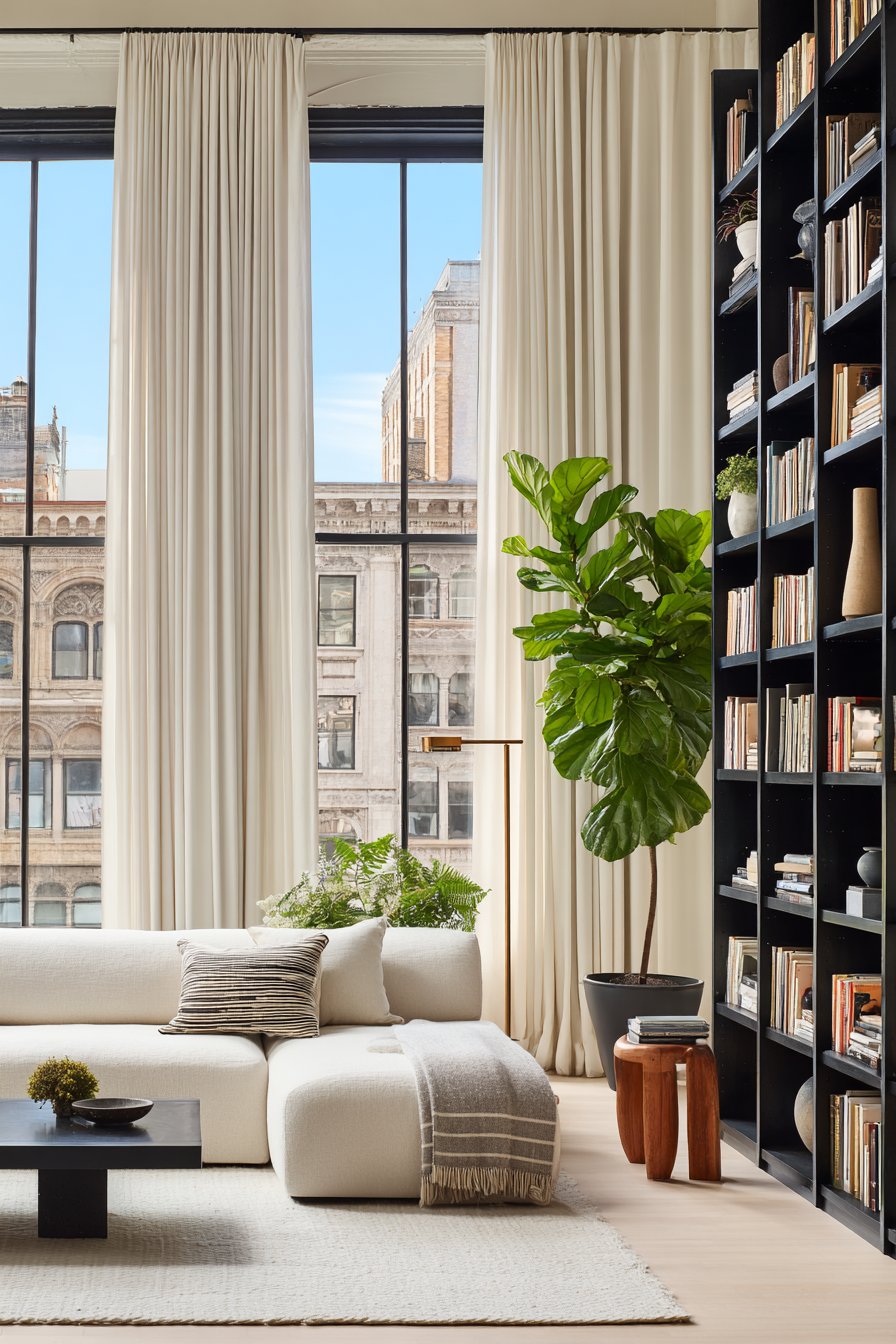
Tall, narrow furniture pieces create better depth perception than low, wide alternatives in small spaces. Vertical storage solutions, tall plant stands, and slim floor lamps emphasize height while minimizing floor space consumption. This approach establishes visual variety through varied heights rather than competing horizontal planes that flatten dimensional perception.
- Hang curtains at ceiling height rather than just above windows
- Create vertical gallery walls extending from floor toward ceiling
- Choose tall, narrow bookcases over short, wide storage units
- Use vertical-striped textiles sparingly for height enhancement
- Add tall plants in corners to activate ceiling height
- Paint vertical stripes (if using) in similar tones for subtle effect
6. Layer Textures and Materials Strategically
Textural variation creates tactile depth that engages multiple senses while establishing visual dimensionality. Combining smooth, rough, soft, and hard surfaces throughout your space creates complexity that suggests layered, collected environments. This multi-dimensional approach prevents the flat, one-note appearance that often plagues small apartment living rooms.
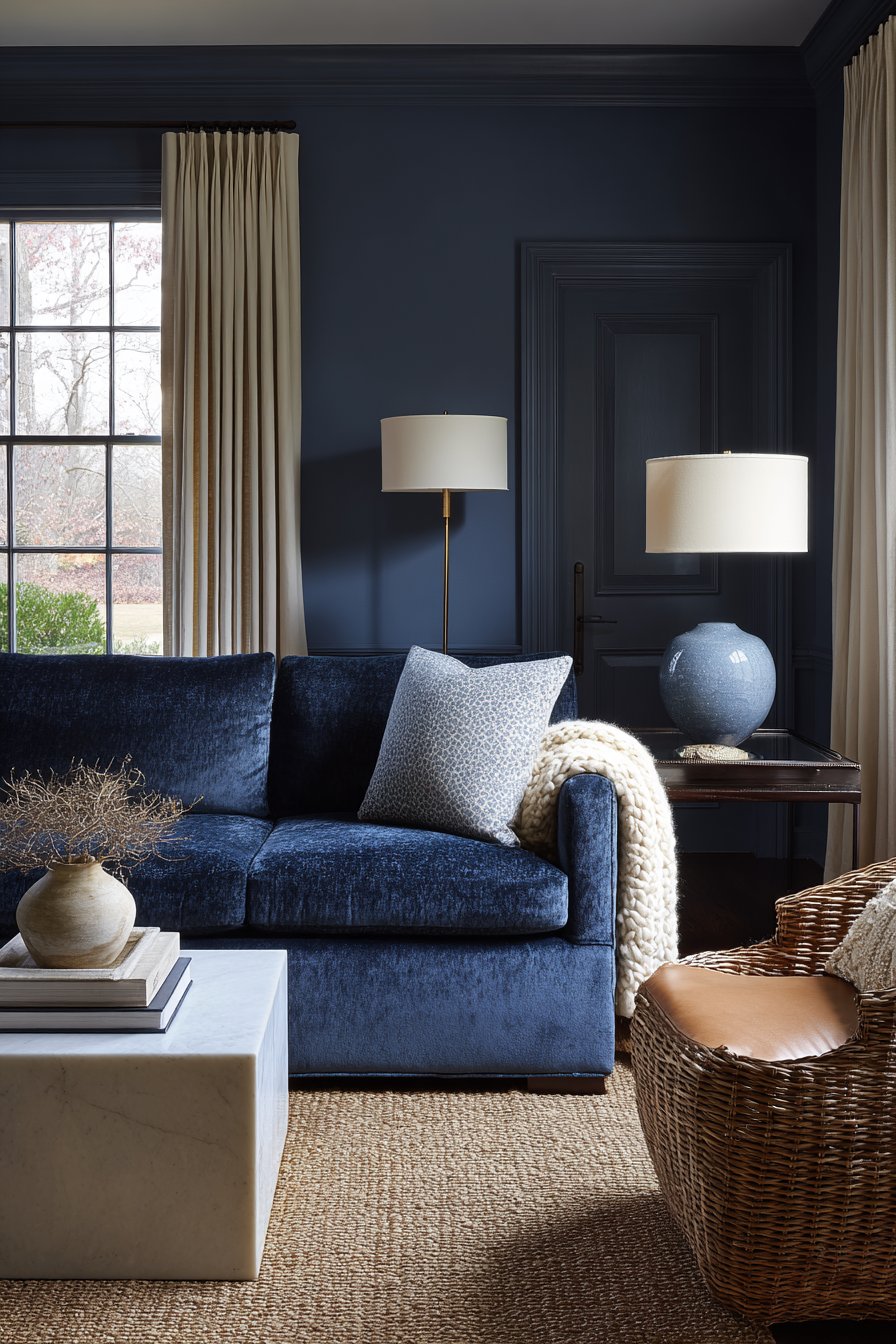
Foreground textures should contrast with background elements to establish clear layering. Plush velvet pillows against smooth leather sofas, chunky knit throws over sleek surfaces, or rough jute rugs beneath polished furniture create depth through juxtaposition. Each textural layer adds dimension while preventing visual monotony that makes spaces feel smaller.
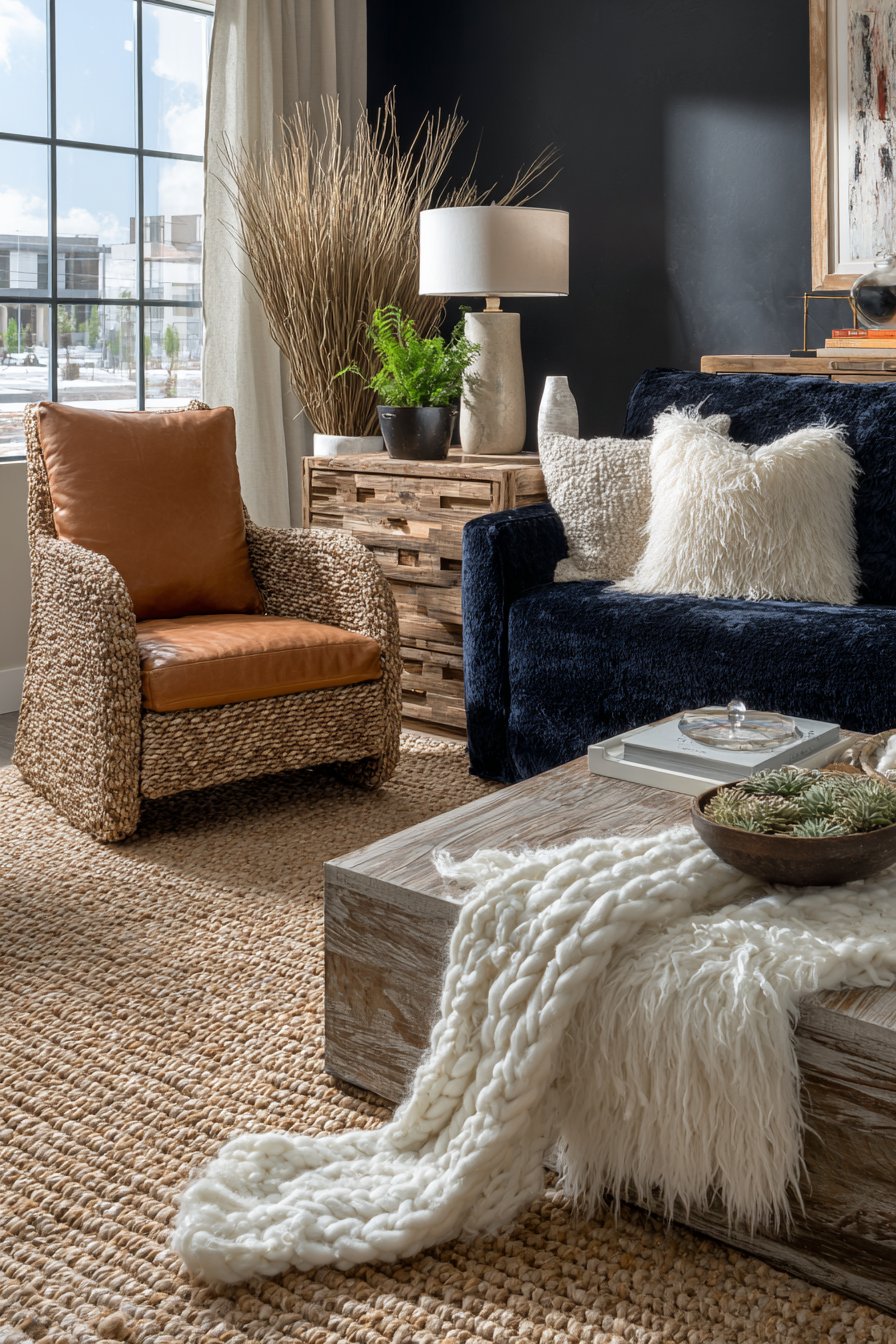
Material diversity introduces subtle depth cues through varying light absorption and reflection properties. Matte surfaces absorb light and recede visually, while glossy materials reflect light and advance. Strategic placement—matte backgrounds with glossy foreground accents—creates natural depth perception. Natural materials like wood, stone, and plants add organic complexity that suggests dimensional richness.
- Mix at least 4-5 different textures in every room arrangement
- Layer soft textiles in the foreground with harder materials behind
- Use matte paint finishes on walls with glossy accent pieces
- Incorporate natural materials for organic textural variety
- Add tactile elements like woven baskets, ceramic vases, and metal accents
- Avoid matching all textures to a single finish or material type
Conclusion
Creating depth in small apartment living rooms combines strategic planning with creative execution across color, lighting, furniture arrangement, and material selection. These six techniques work synergistically to transform compact spaces into visually expansive environments that feel welcoming and sophisticated. The key lies in consistent application of depth-creating principles throughout every design decision.
Experiment with these strategies gradually, implementing one or two techniques initially before layering additional approaches. Remember that successful small space design balances visual expansion with functional necessity, ensuring your living room serves practical needs while appearing remarkably spacious. Your small apartment living room holds tremendous potential—unlock it through thoughtful, depth-conscious design that celebrates compact living’s unique opportunities.
