


Transforming a narrow living room into a functional, beautiful space doesn’t have to feel like solving an impossible puzzle. Whether you’re dealing with a long, corridor-like room or a compact urban apartment, the right furniture arrangement can completely change how your space looks and feels. A well-planned narrow living room layout maximizes every square foot while creating an inviting atmosphere that doesn’t feel cramped or cluttered.
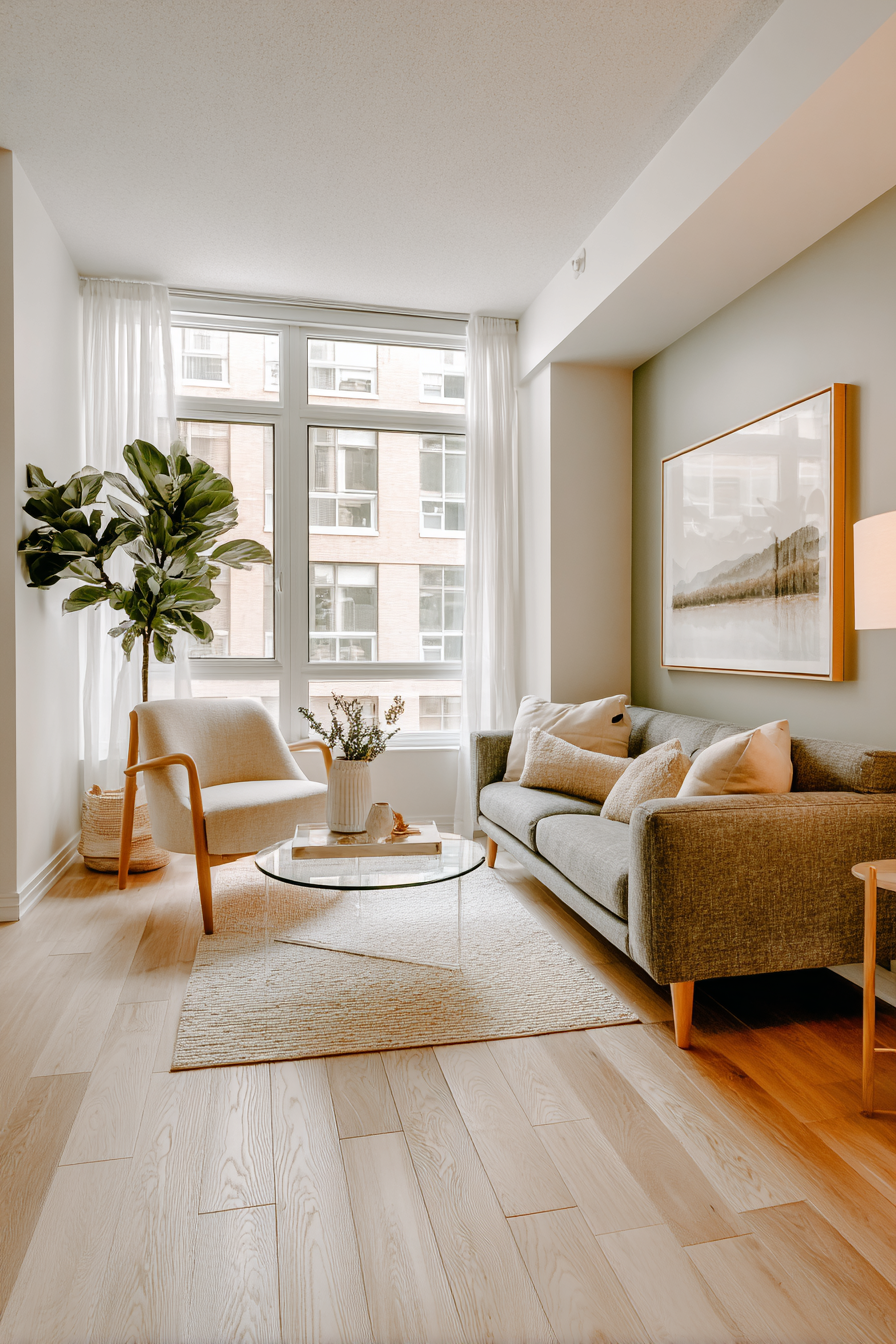
After two decades of helping homeowners reimagine challenging spaces, I’ve learned that narrow rooms actually offer unique opportunities for creative design. The key lies in understanding proportion, flow, and strategic placement. In this comprehensive guide, I’ll walk you through proven techniques that will help you make the most of your slender space, from choosing the right furniture pieces to arranging them in ways that enhance both function and style.
Understanding Your Narrow Living Room Space
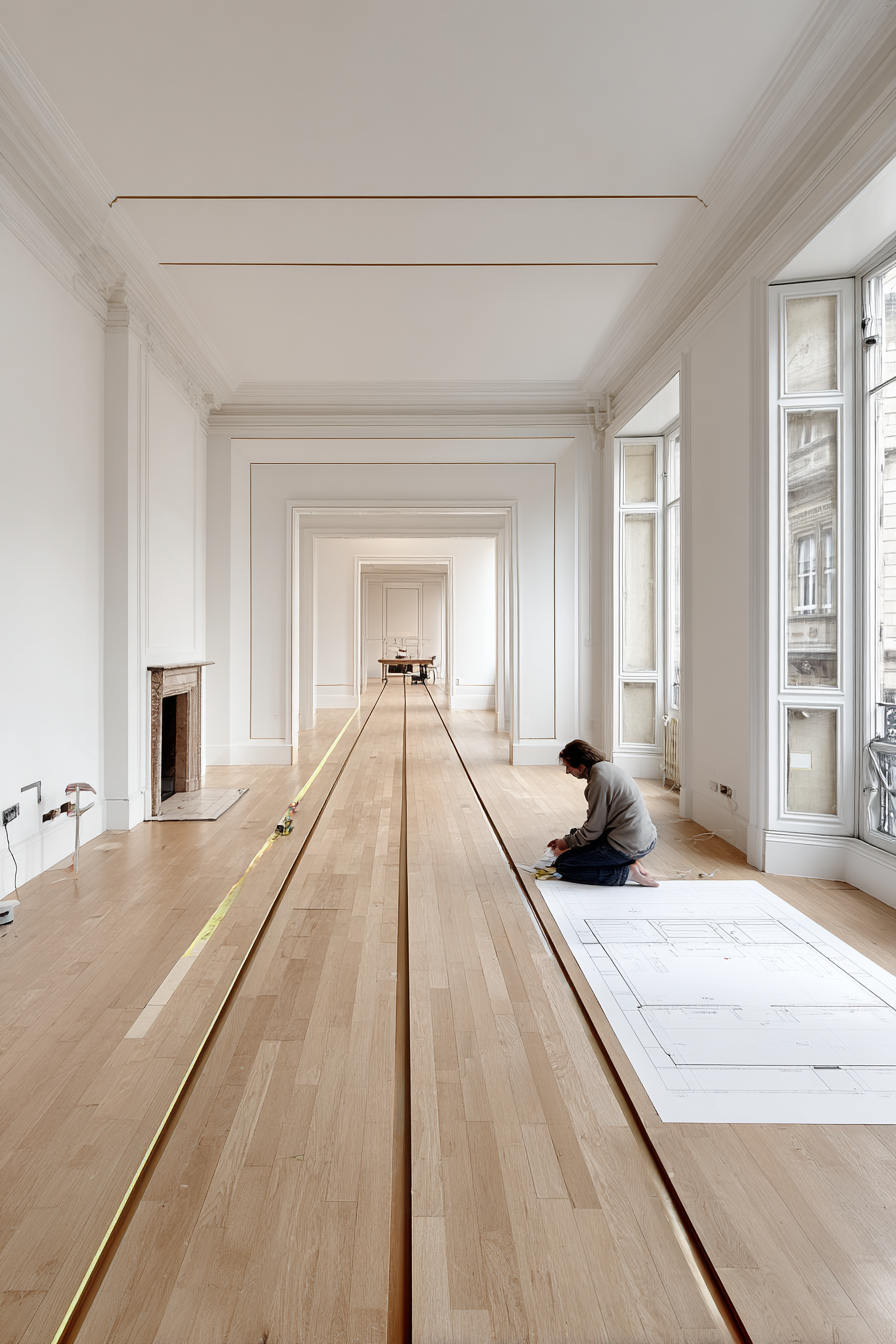
Before moving a single piece of furniture, take time to truly assess your room’s dimensions and characteristics. Measure the length, width, and height of your space, noting the locations of windows, doors, electrical outlets, and architectural features like fireplaces or built-in shelving.
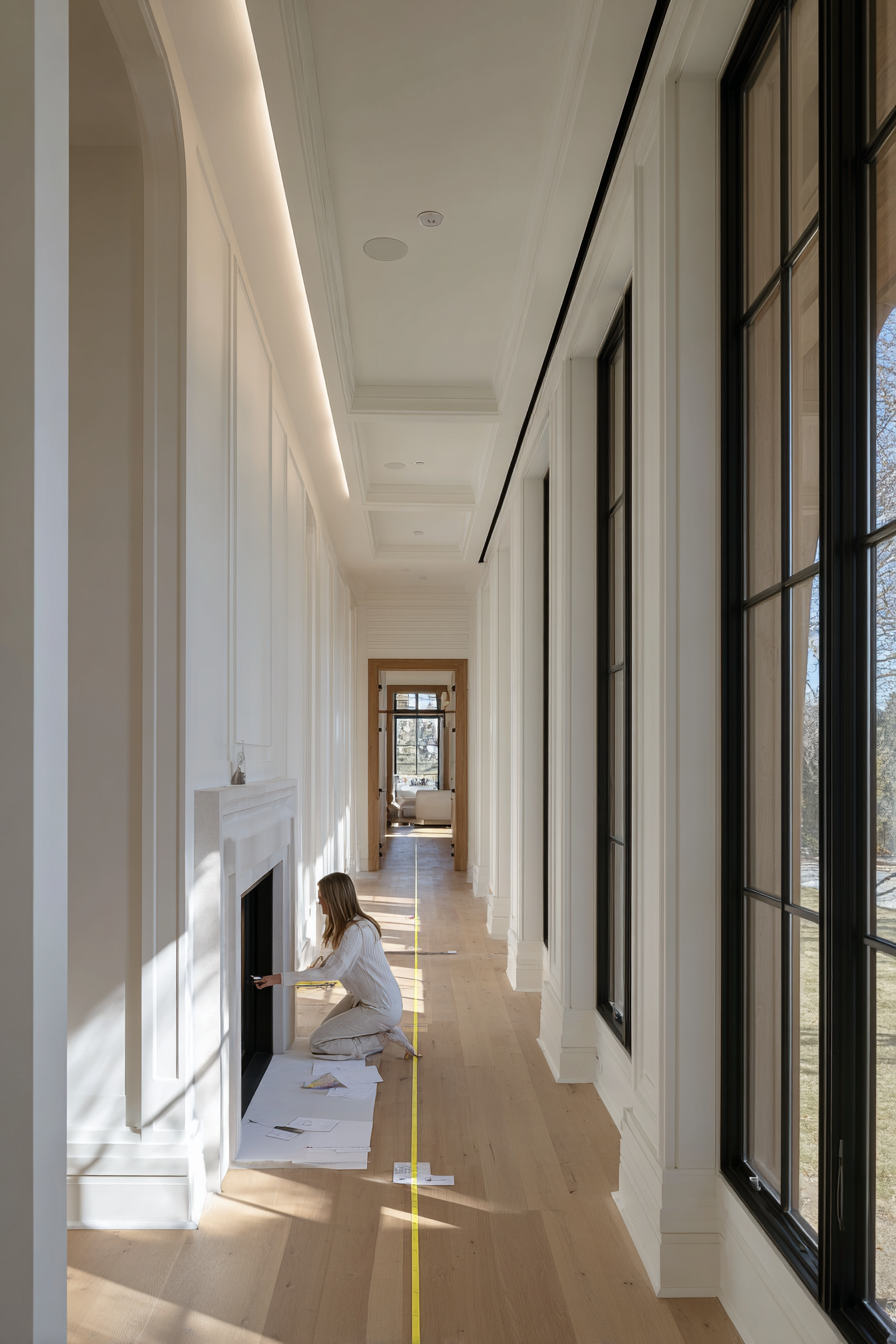
Most narrow living rooms fall into one of two categories: the “bowling alley” layout (long and thin with entries at either end) or the “railroad” style (where the room connects other spaces, creating a traffic pathway). Identifying your room type helps determine the most effective furniture arrangement strategy.
Consider how natural light enters the room and where it’s strongest throughout the day. Light plays a crucial role in making narrow spaces feel more open and inviting. Also, think about your lifestyle needs—do you primarily use this space for entertaining, relaxing with family, watching television, or multiple purposes? Your daily habits should drive your design decisions.
Selecting the Right Furniture Scale and Proportions
Furniture selection is absolutely critical when working with a narrow living room. Oversized pieces can quickly overwhelm the space, while furniture that’s too small may look lost and create an awkward, unbalanced feeling.
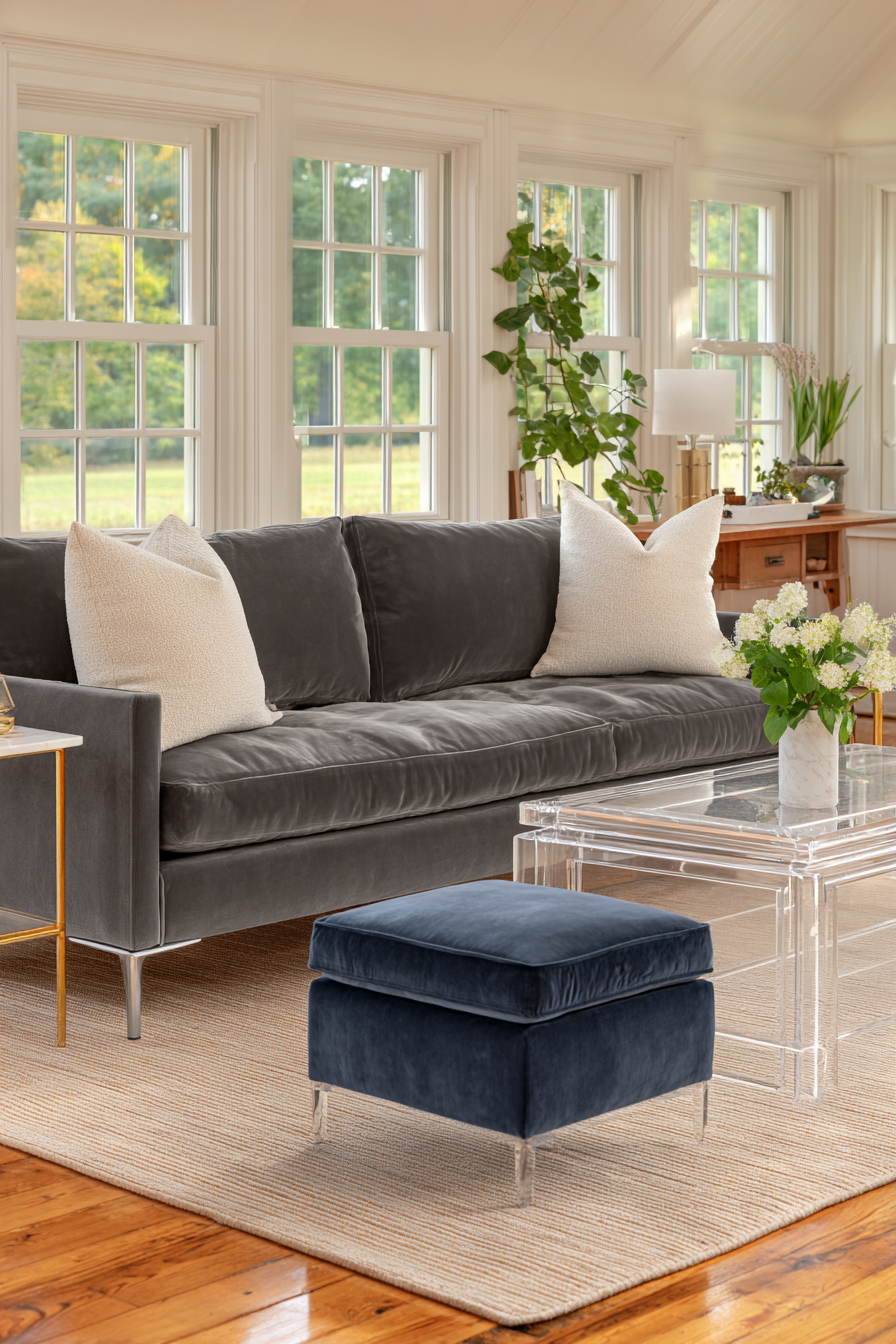
Look for streamlined sofas with raised legs rather than skirted bases that sit directly on the floor. Exposed legs create visual breathing room underneath furniture, making the entire space feel less heavy and more spacious. A sofa measuring between 72 and 84 inches works well in most narrow rooms, providing adequate seating without dominating the entire length of the wall.
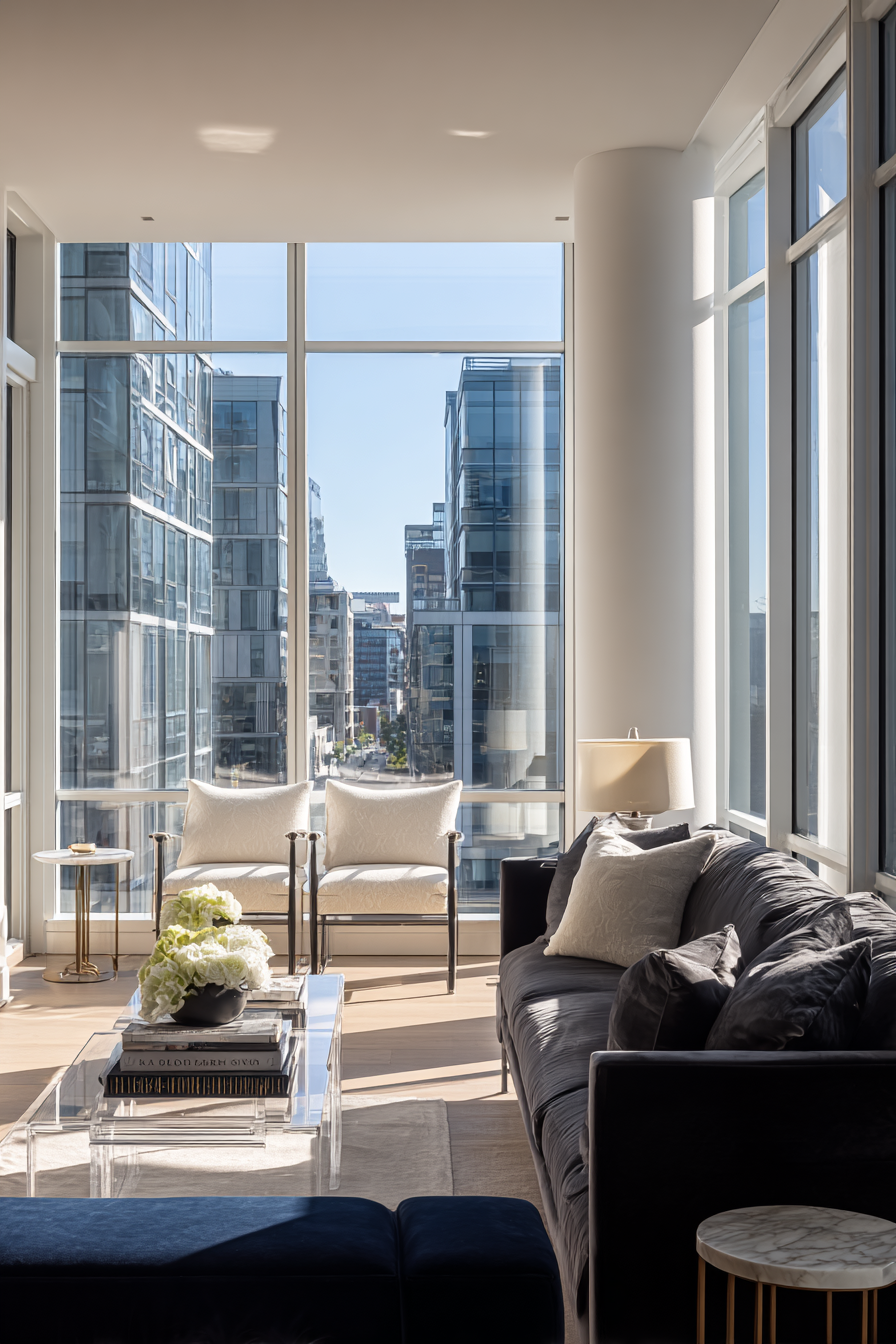
Choose armchairs with slim profiles and open arms instead of bulky club chairs. Consider armless accent chairs or slipper chairs, which offer comfortable seating while taking up minimal visual and physical space. Glass or acrylic coffee tables work beautifully because they provide function without blocking sightlines across the room.
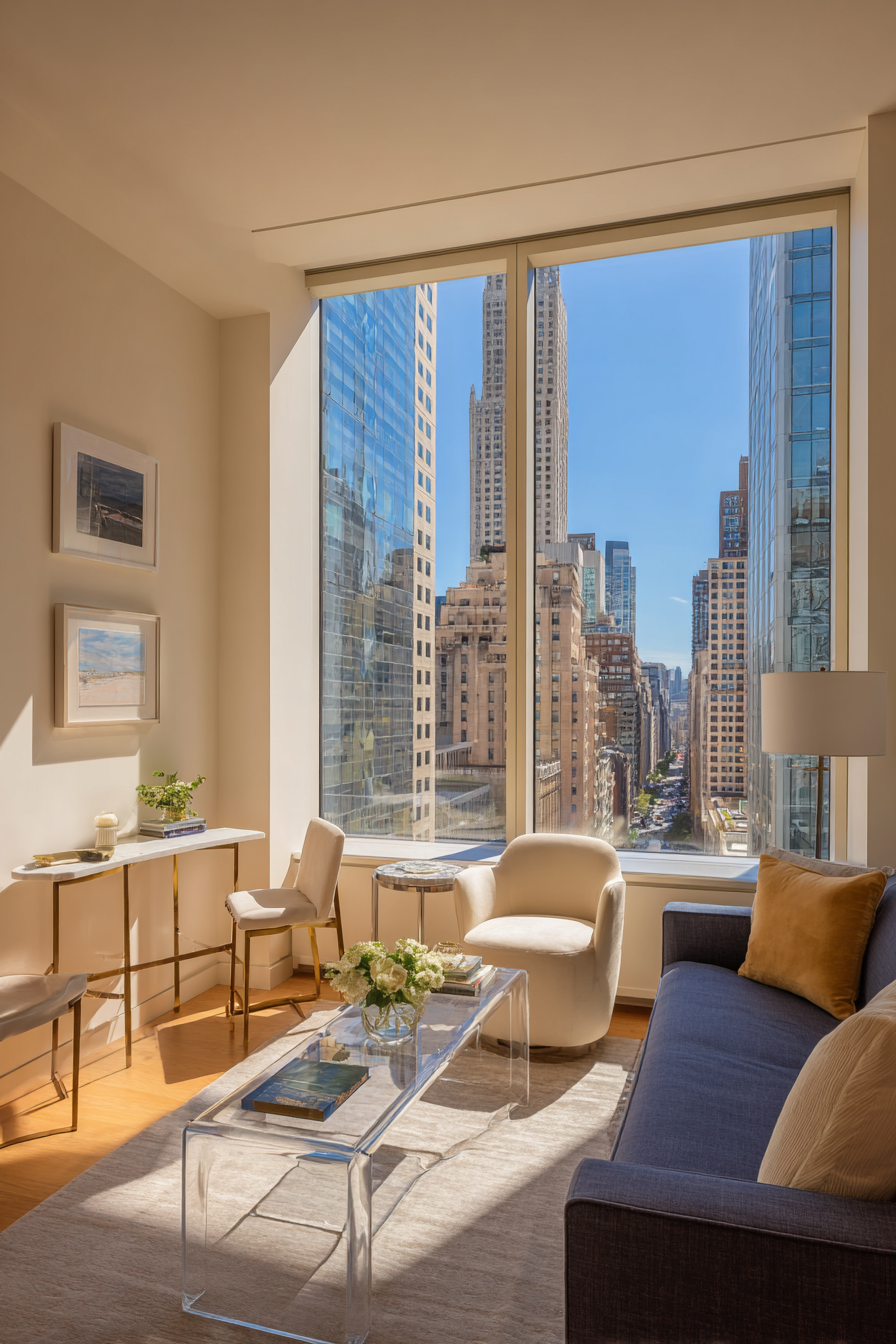
Multi-functional furniture becomes your best friend in compact layouts. Ottomans with hidden storage, nesting tables that can be separated when needed, and console tables that double as desk space all maximize utility without cluttering your narrow living room.
Strategic Furniture Placement Techniques
The biggest mistake people make in narrow living rooms is pushing all furniture against the walls. While this seems logical for maximizing floor space, it actually creates a tunnel effect that emphasizes the room’s narrowness rather than minimizing it.
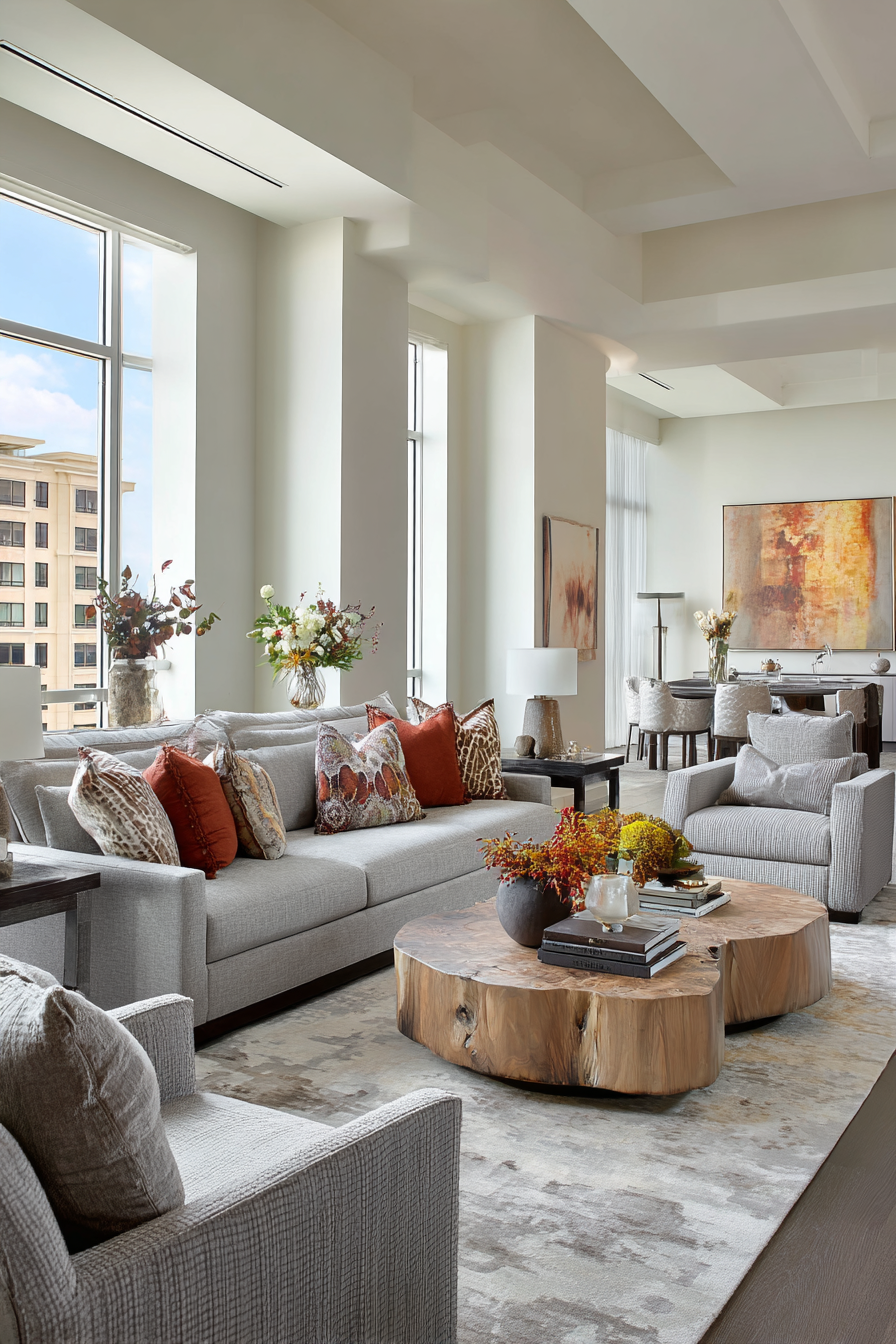
Instead, try floating your sofa a few inches away from the wall. This creates depth and breaks up the linear feeling of the space. If your room is particularly long, consider creating two distinct seating zones rather than one large arrangement. Place a sofa and coffee table at one end for conversation and television viewing, and create a reading nook or workspace at the opposite end with a comfortable chair and side table.
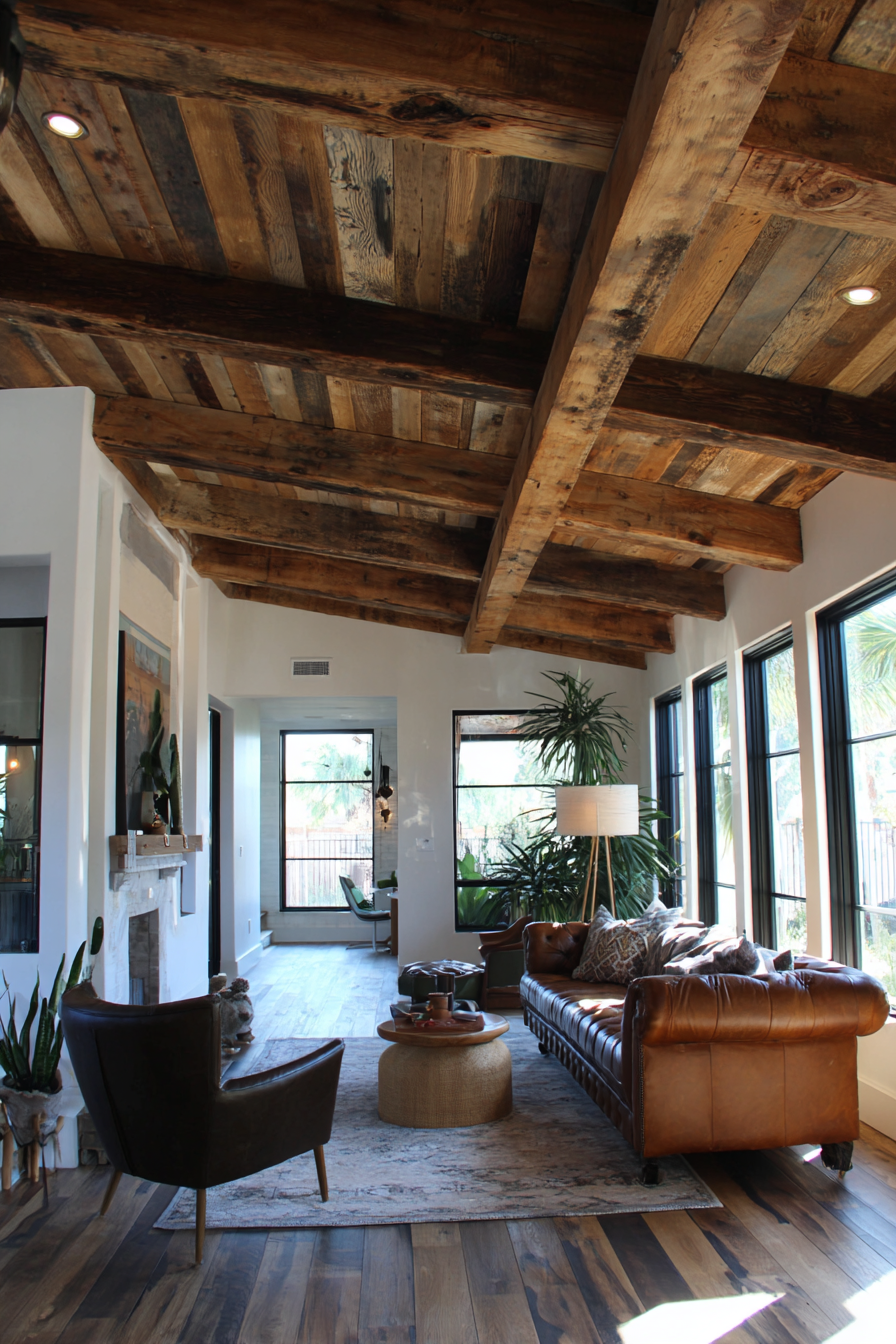
Arrange seating pieces perpendicular to the longest walls when possible. Positioning a sofa or loveseat across the width of the room, even if it doesn’t span the entire distance, helps counteract the narrow proportions and makes the space feel wider. Pair it with chairs angled slightly toward the sofa to create an intimate conversation area.
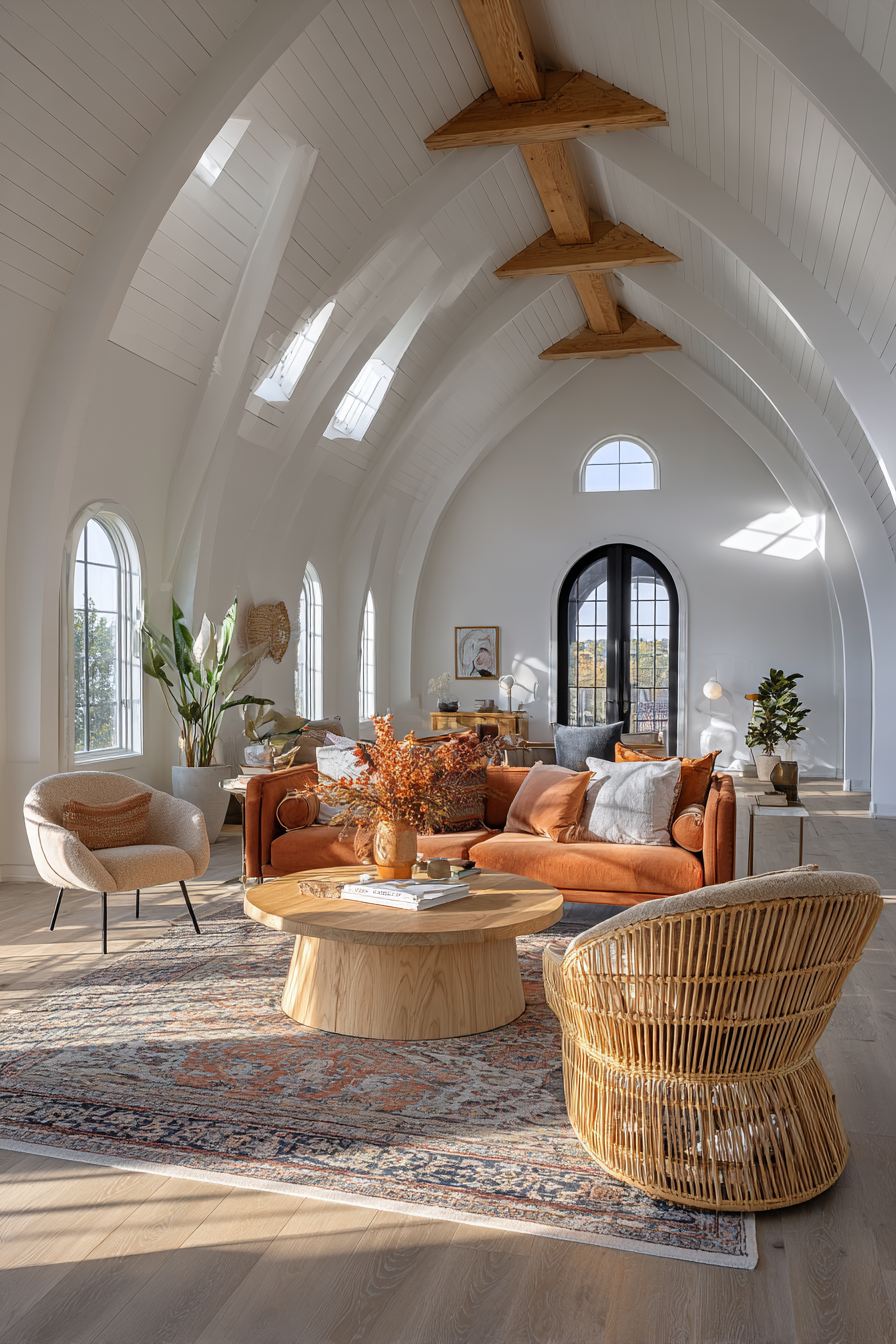
Avoid blocking natural traffic flow through the room. Maintain clear pathways of at least 30 inches wide for comfortable movement. If your narrow living room connects other spaces, respect this circulation pattern and arrange furniture to channel traffic smoothly without creating obstacles.
Creating Visual Width Through Design Tricks
Beyond physical furniture placement, several design strategies can make your narrow living room appear wider and more spacious.
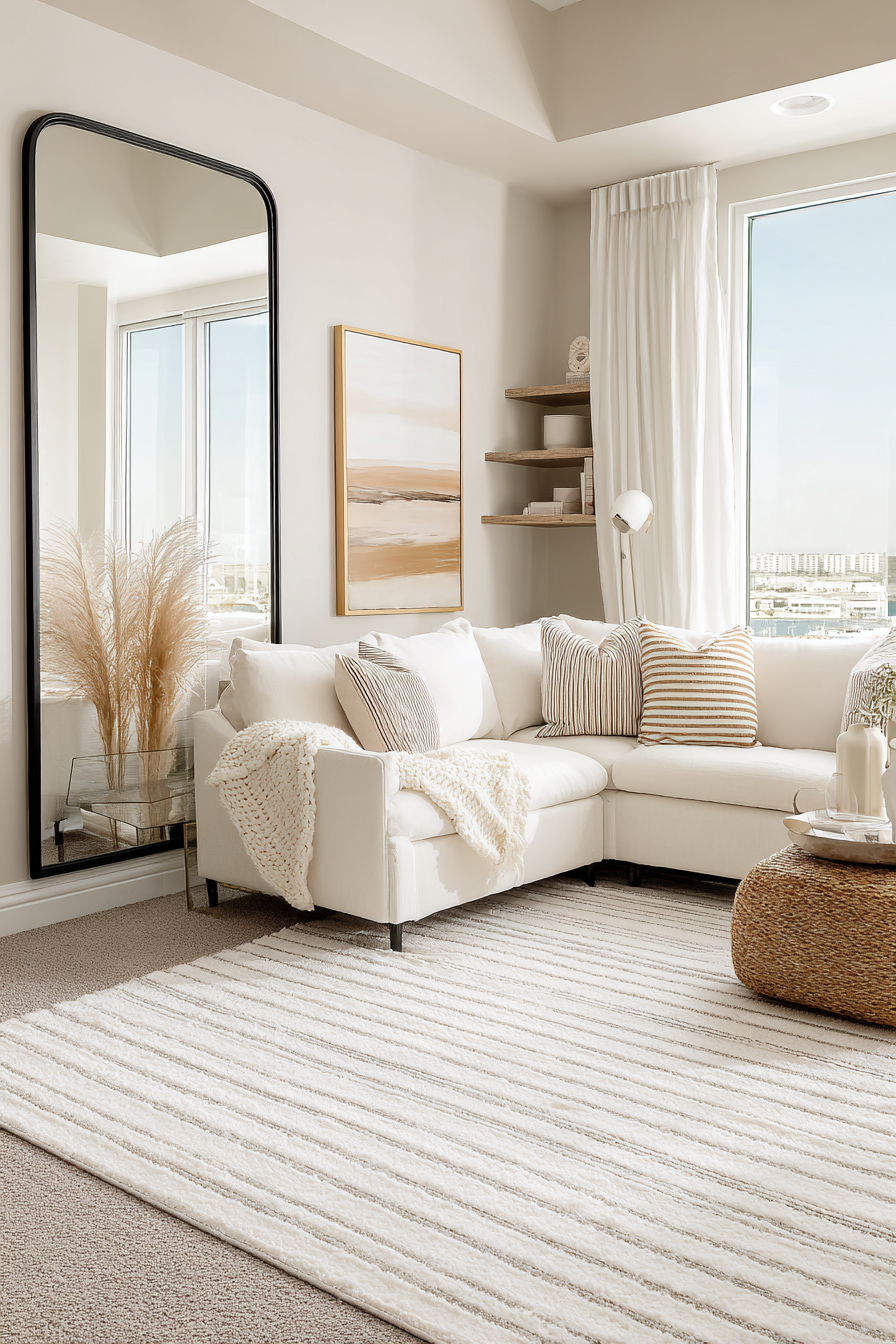
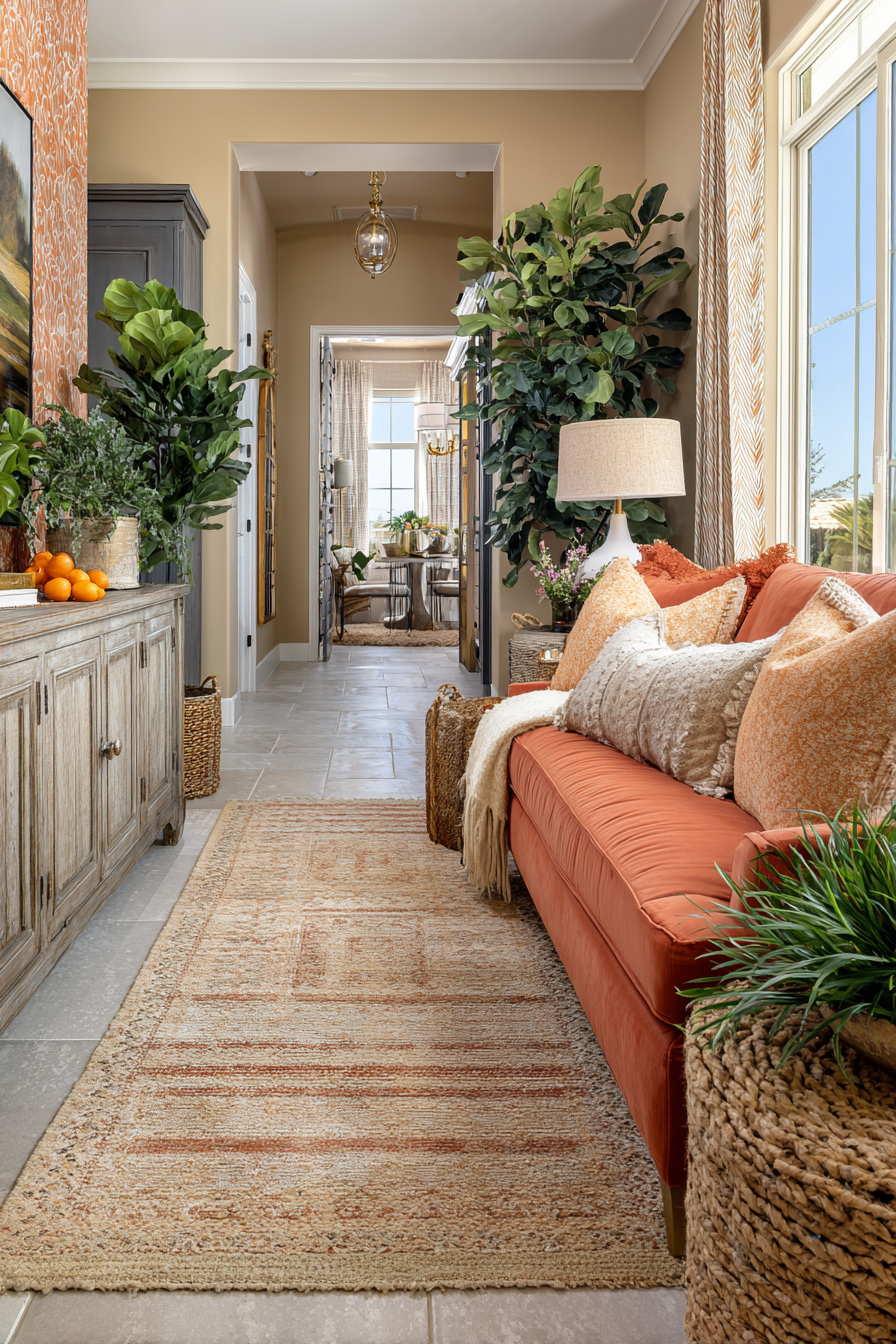
Incorporate horizontal elements that draw the eye across the width of the room rather than down its length. Hang artwork in landscape orientation, install floating shelves that span the shorter walls, or use a horizontal-striped area rug to create the illusion of added width.
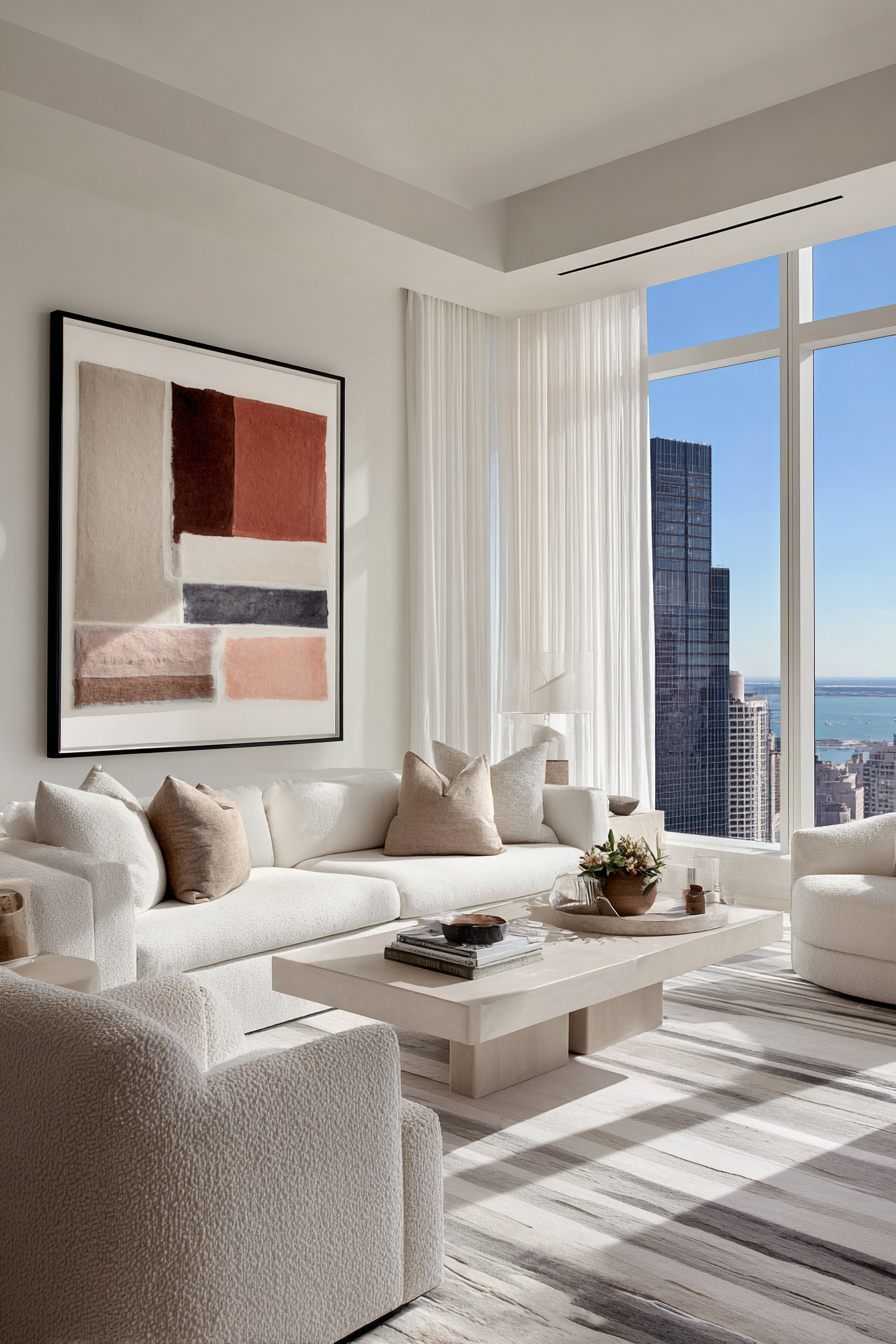
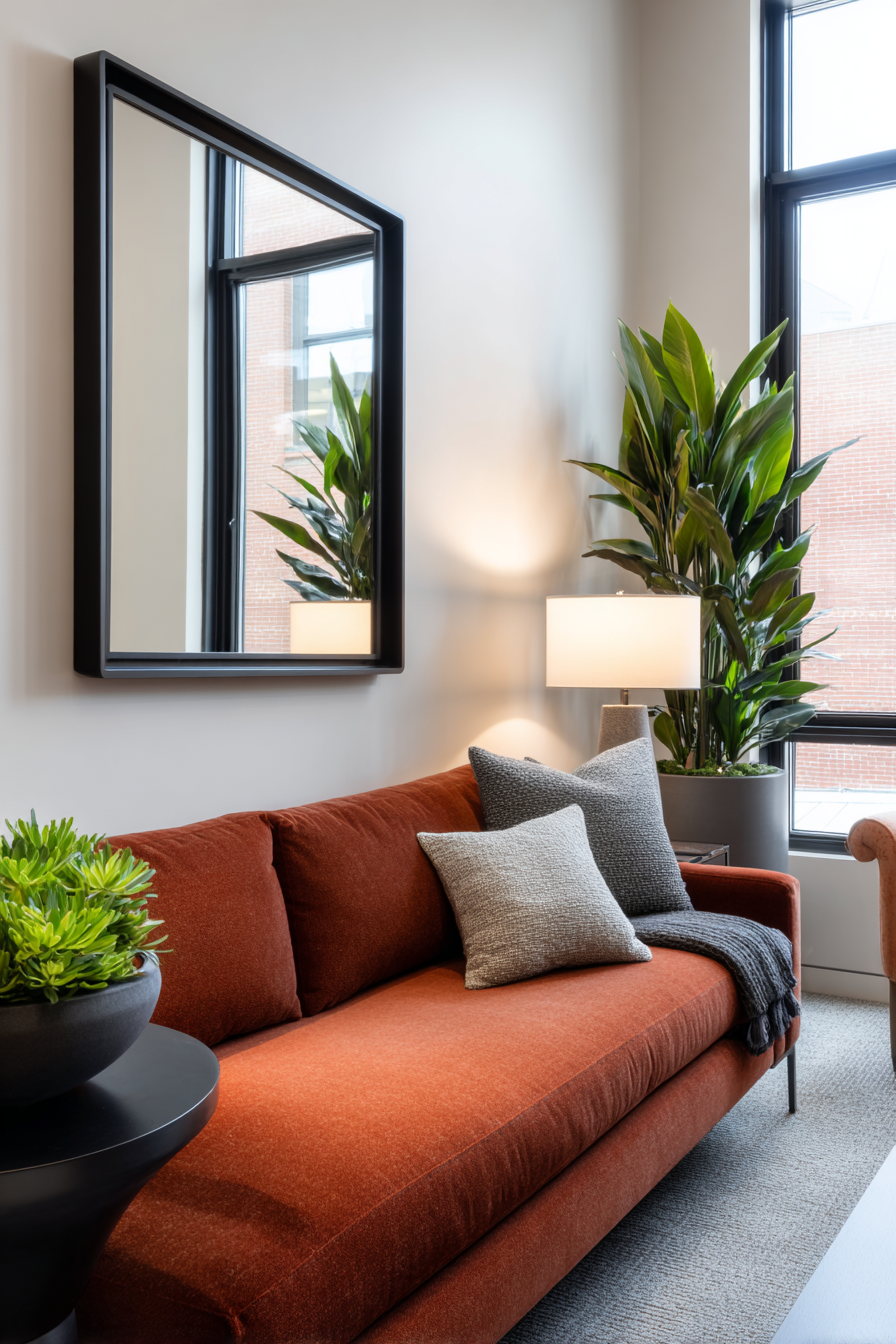
Mirrors are magical in narrow spaces. Position a large mirror on one of the long walls to reflect light and create the perception of doubled width. For maximum impact, place the mirror opposite a window so it bounces natural light throughout the room.
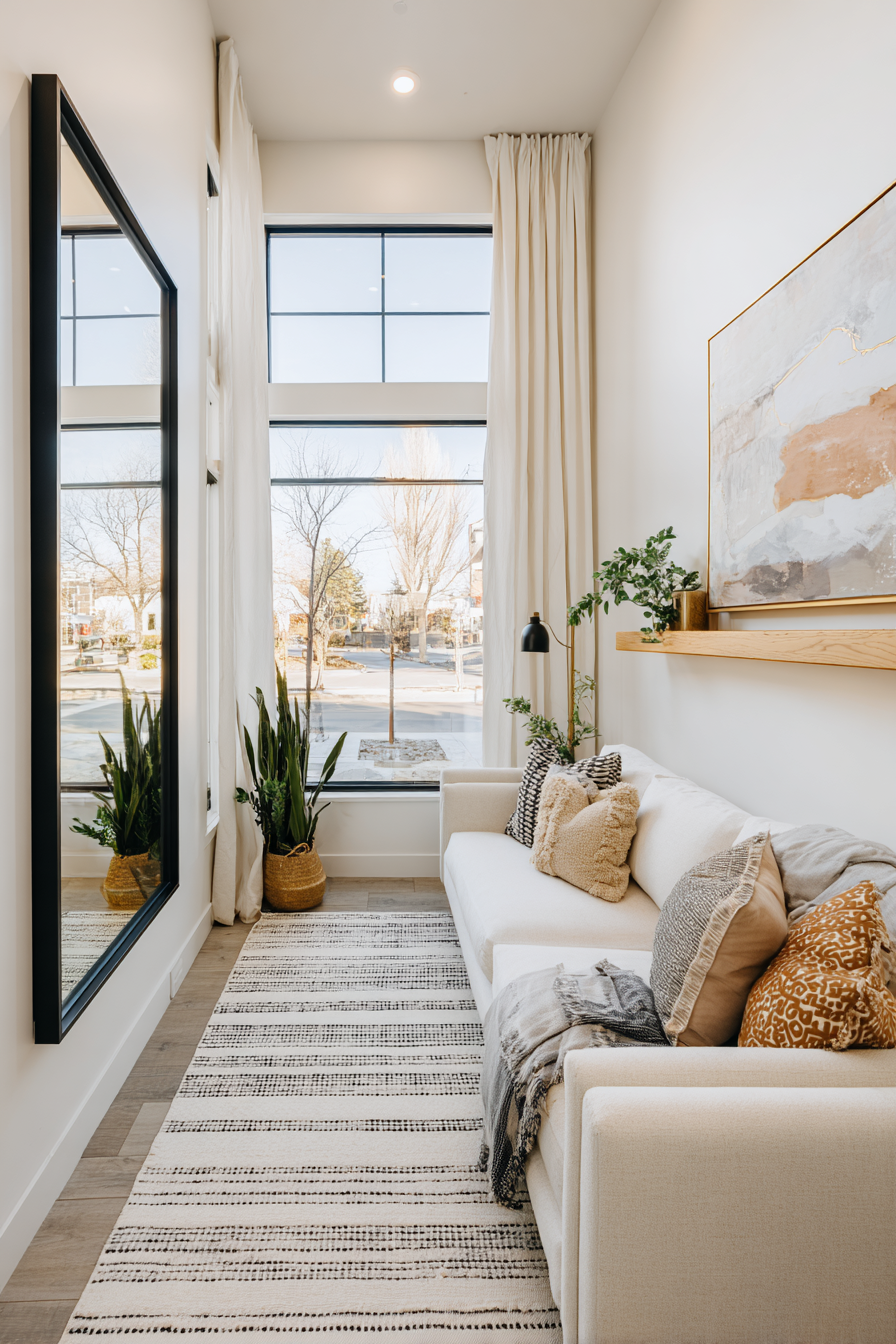
Paint the shorter end walls in a slightly deeper or bolder color than the long walls. This visual trick “pulls in” the ends of the room, making it feel less stretched out. Alternatively, keeping all walls in light, neutral tones maximizes the sense of airiness and openness.
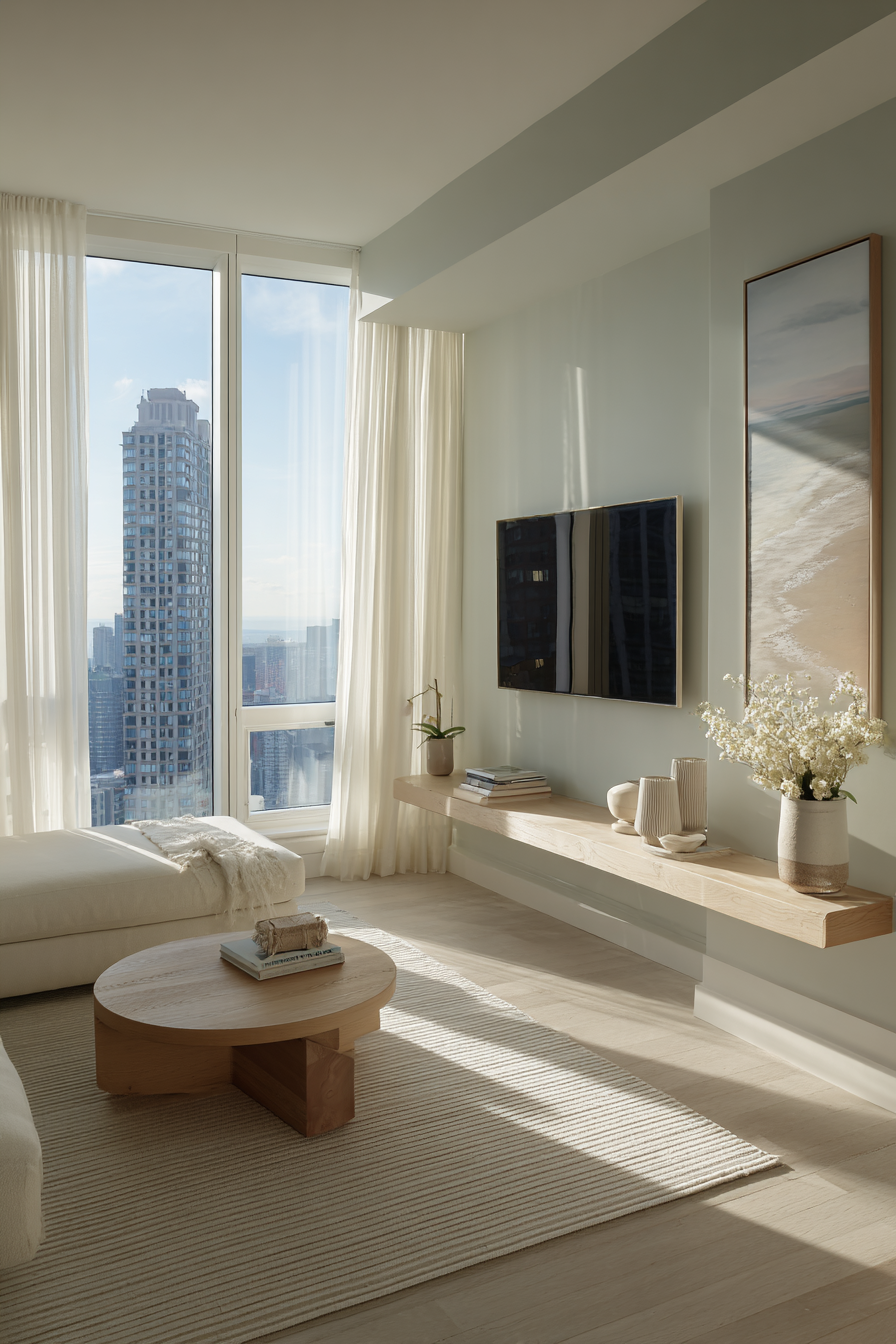
Use vertical storage solutions to draw attention upward rather than emphasizing the room’s length. Tall, narrow bookcases or floor-to-ceiling curtains create the illusion of height, which psychologically balances out the narrow width.
Lighting Solutions for Narrow Spaces
Proper lighting transforms how a narrow living room feels and functions. Relying solely on overhead fixtures creates harsh shadows and emphasizes unflattering proportions.
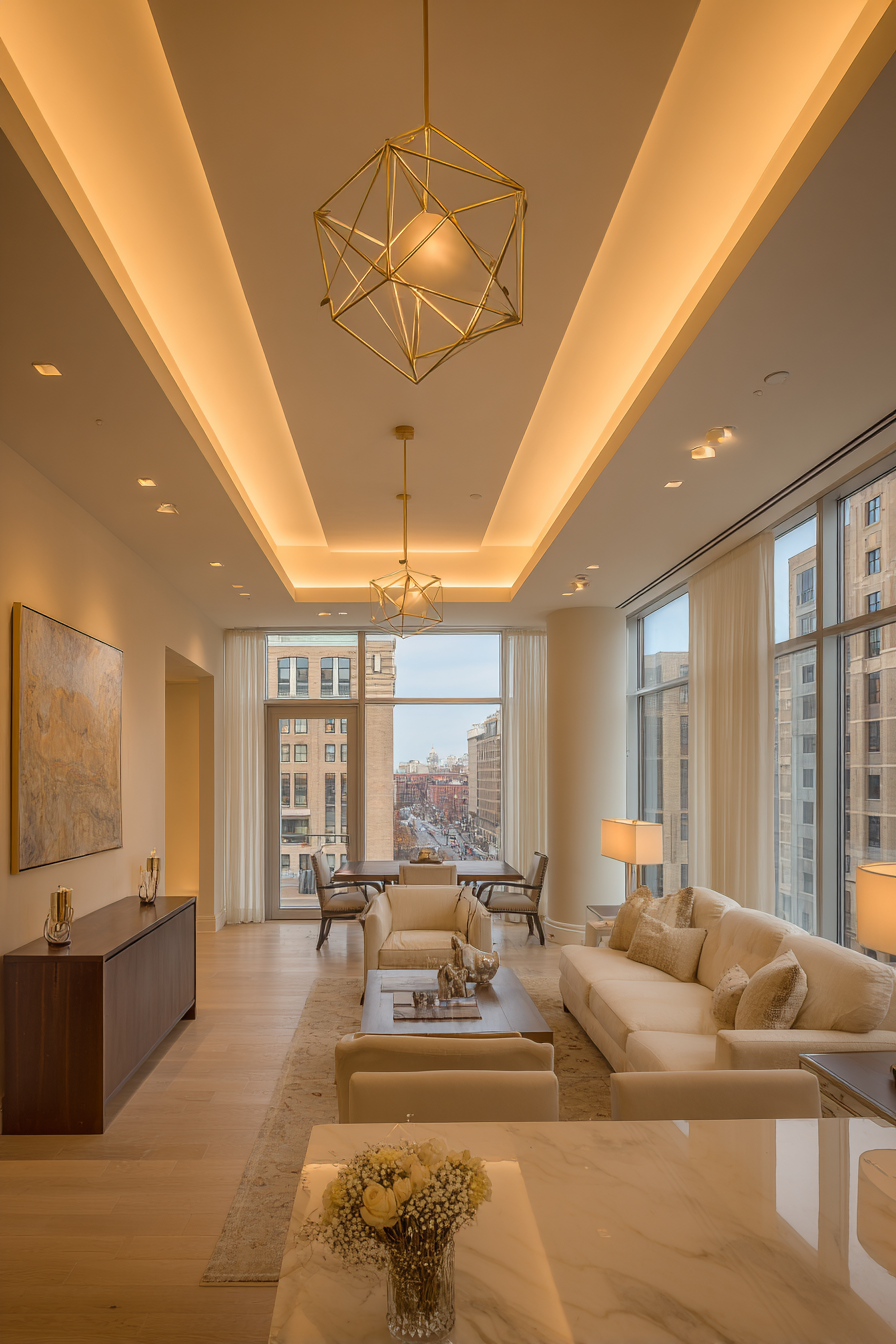
Layer your lighting with multiple sources at different heights. Combine ambient lighting (overhead or ceiling fixtures), task lighting (reading lamps or desk lights), and accent lighting (wall sconces or picture lights) to create depth and dimension.
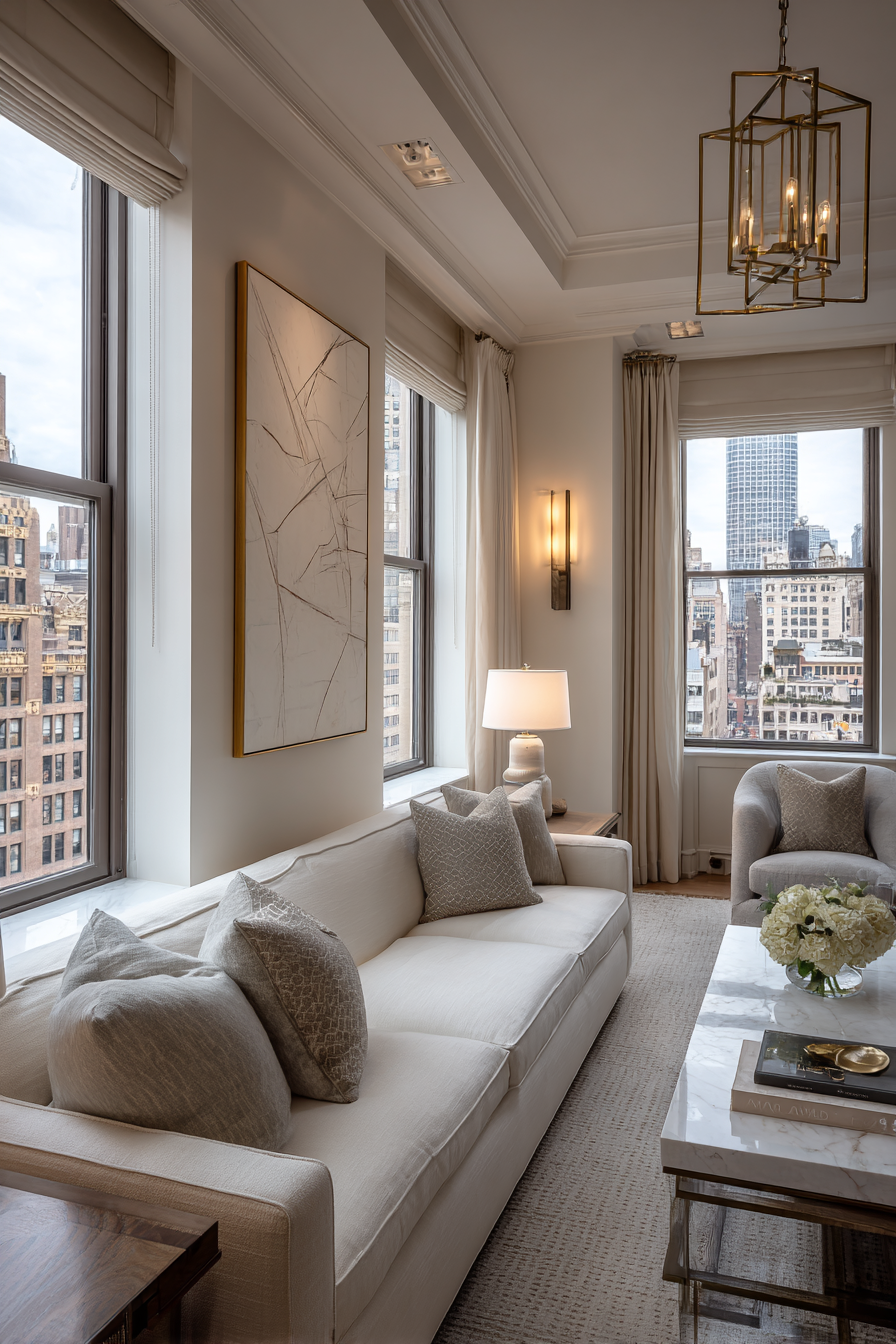
Wall-mounted sconces save precious surface area on side tables while providing beautiful ambient light. Install them at eye level on the long walls to guide the eye horizontally across the space. Pendant lights or a linear chandelier can also work well if your ceiling height allows, especially when hung over a coffee table or seating area.
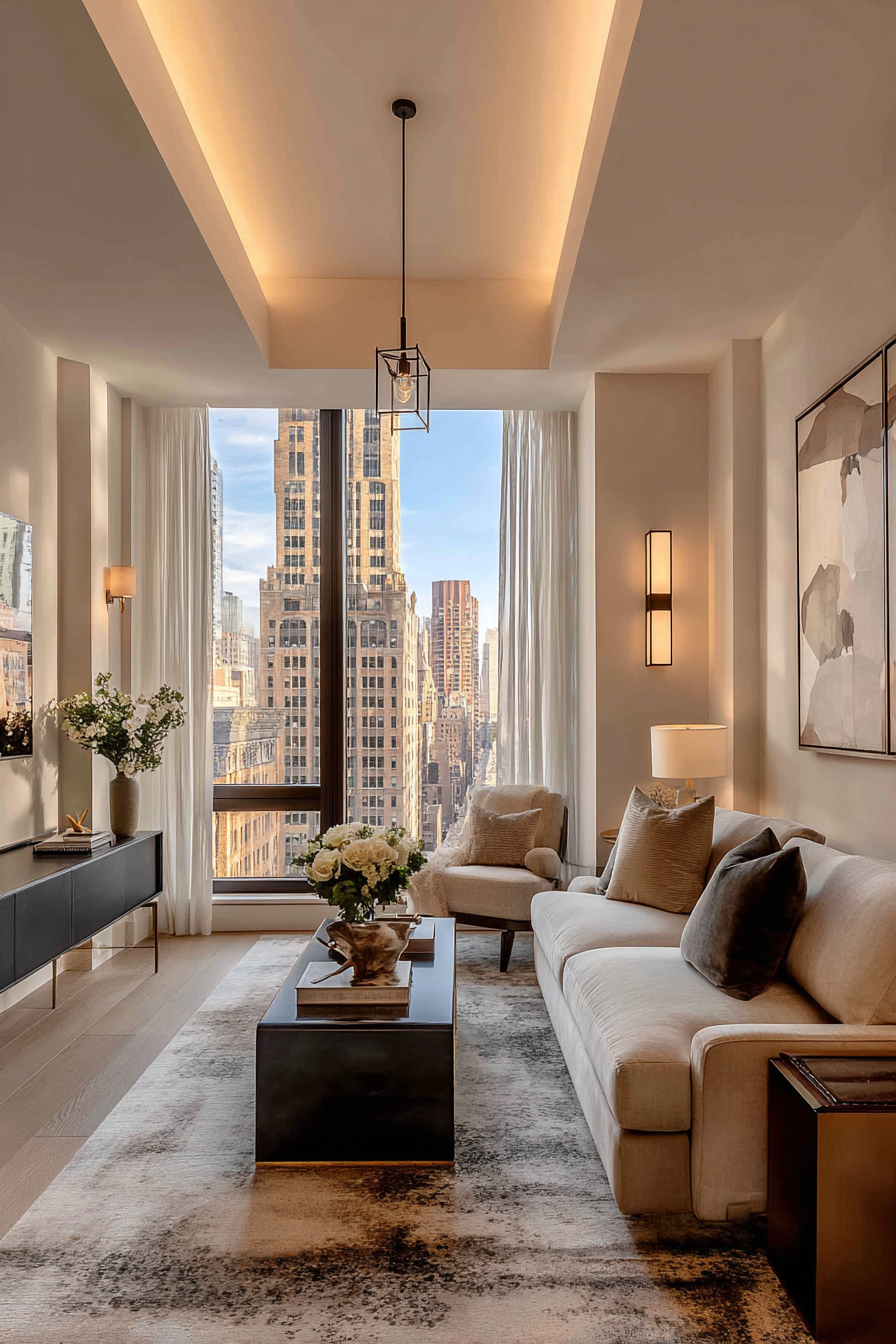
Table lamps on narrow console tables behind the sofa or on end tables add warmth without requiring bulky furniture pieces. Choose lamps with slender bases and translucent or light-colored shades that allow light to filter through rather than blocking it.
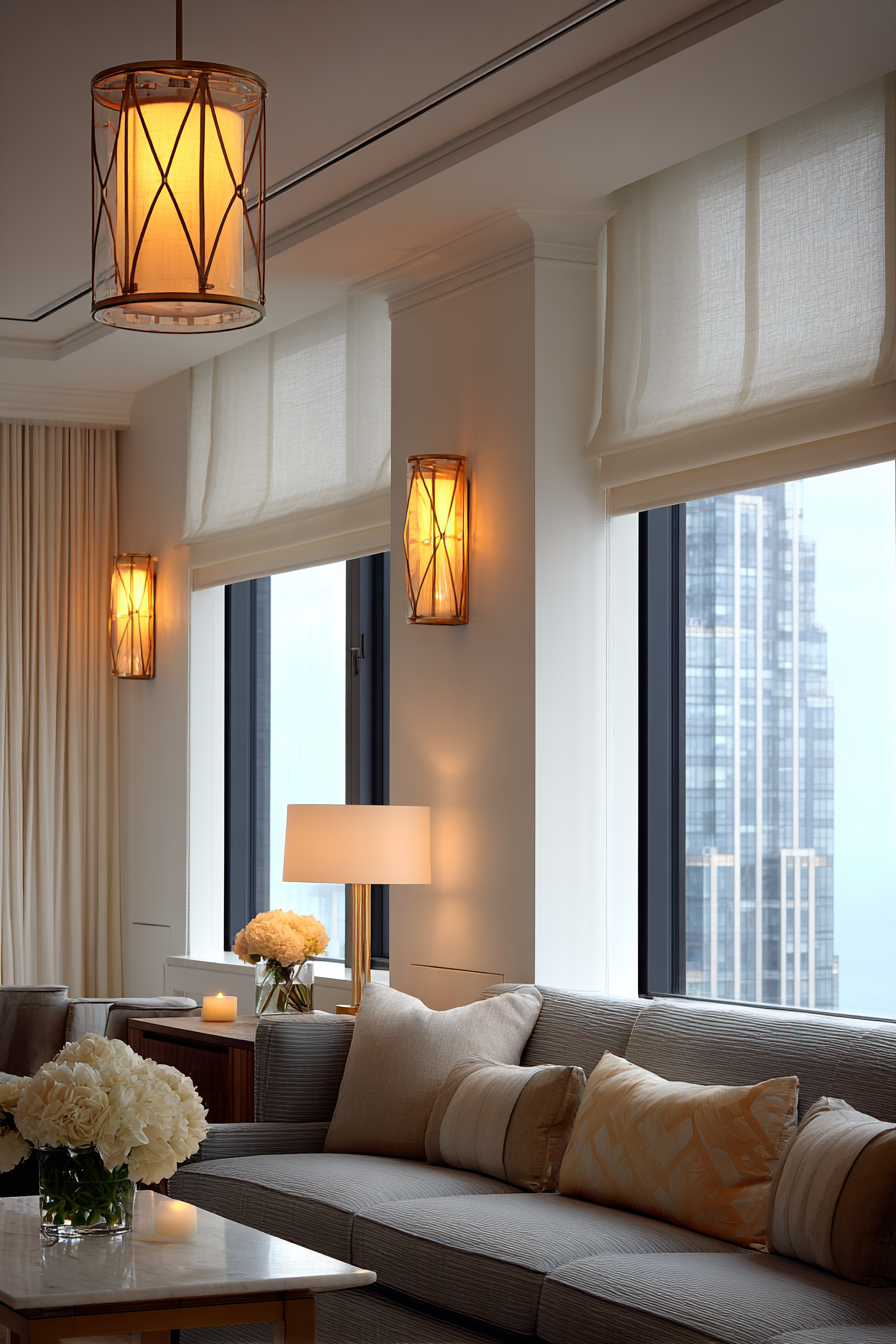
Maximize natural light by keeping window treatments minimal or choosing sheer fabrics that filter light while maintaining privacy. Mounting curtain rods higher than the window frame and extending them beyond the window’s width creates the illusion of larger windows and taller ceilings.
Defining Zones Without Walls
In an open-concept narrow living room or a multipurpose space, creating distinct zones helps organize the area without making it feel chopped up or even more confined.
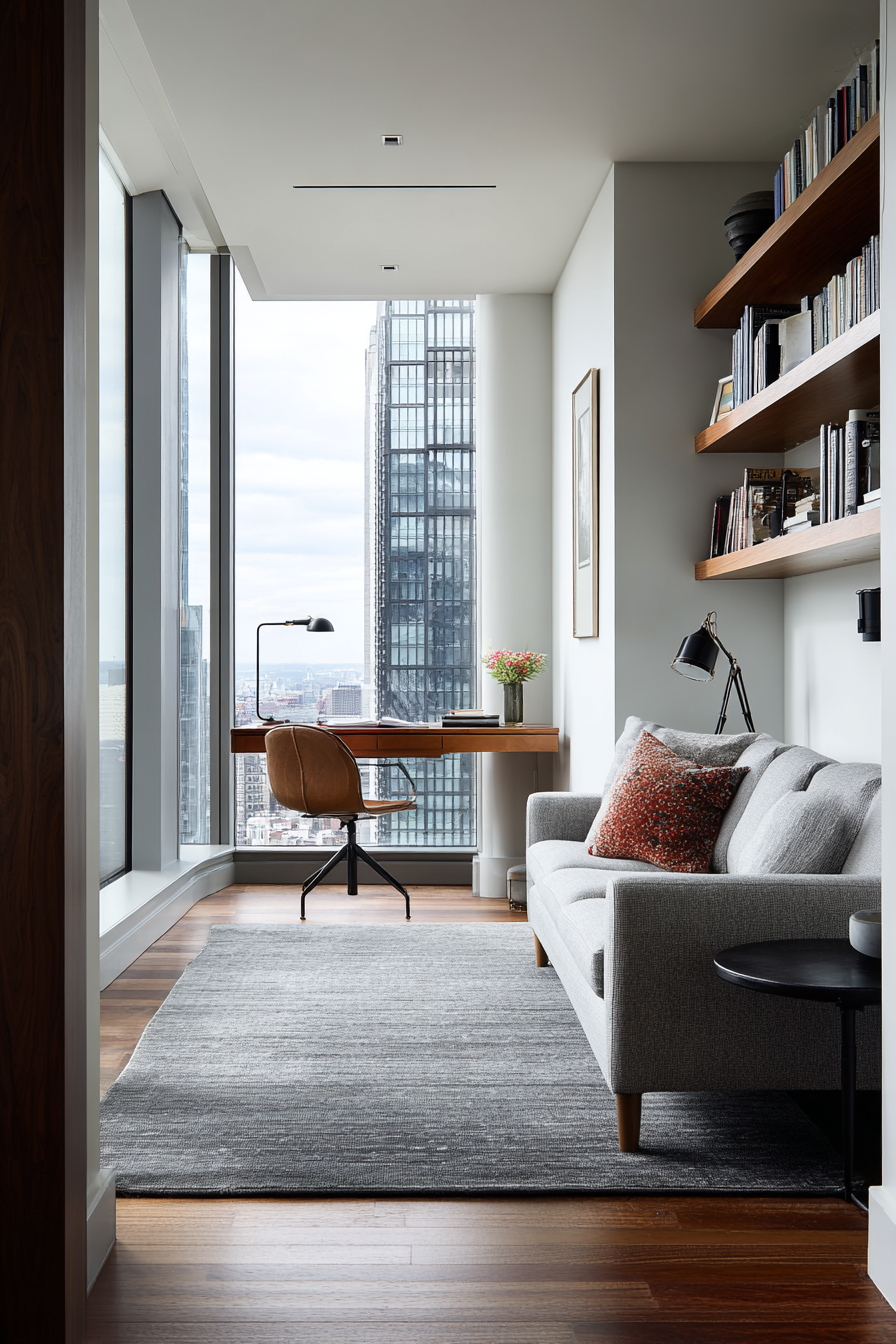
Area rugs are excellent zone definers. Use a rug to anchor your main seating area, ensuring all front legs of sofas and chairs rest on the rug. This grounds the furniture grouping and visually separates it from other areas of the room. Choose a rug size that’s proportional to your furniture arrangement—too small, and it will look like a bath mat; too large, and it may overwhelm the space.
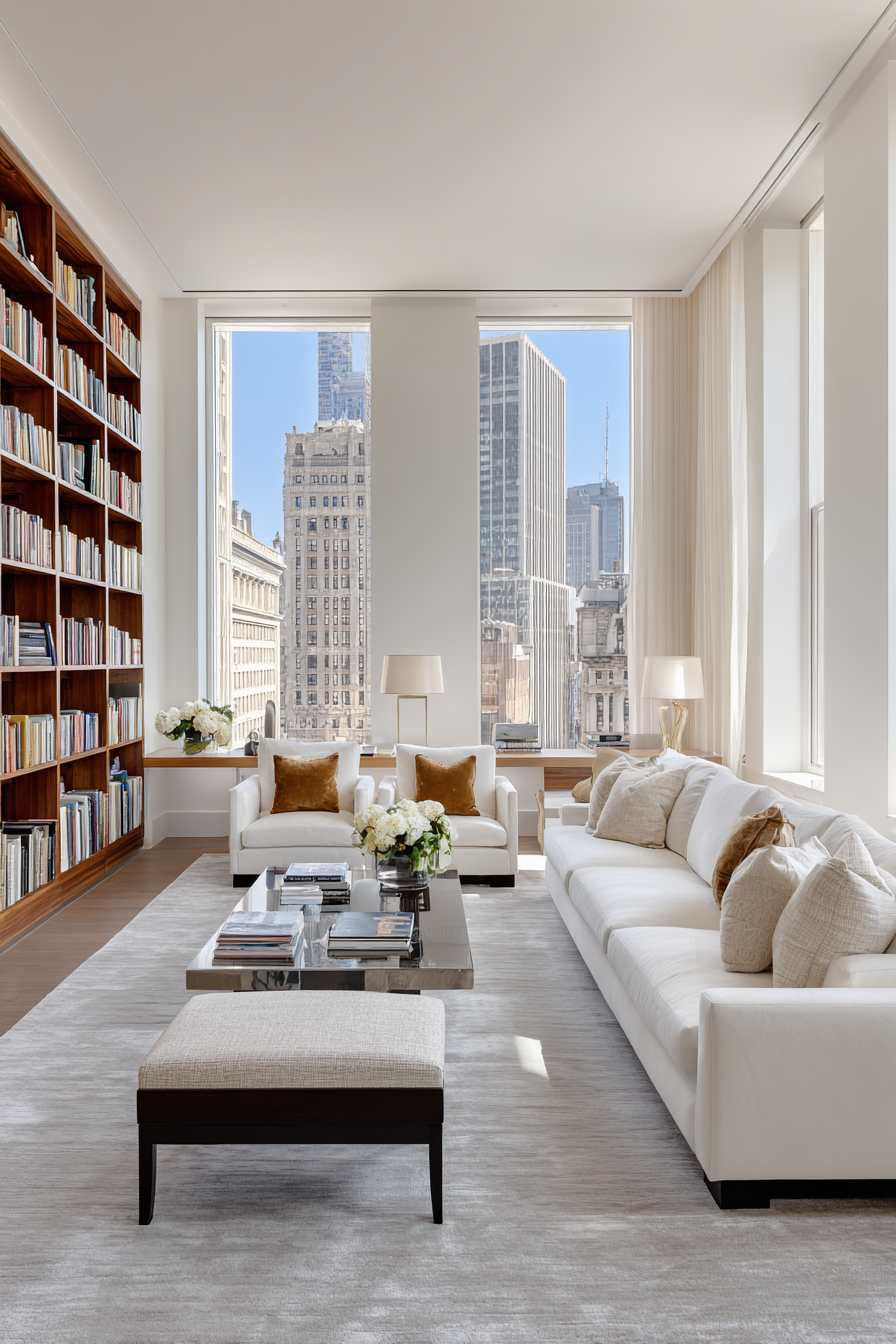
Low-profile furniture can also create subtle divisions. A narrow console table or low bookshelf placed behind a sofa acts as a visual boundary between a seating zone and a walkway or secondary functional area. This approach maintains openness while providing useful storage or display space.
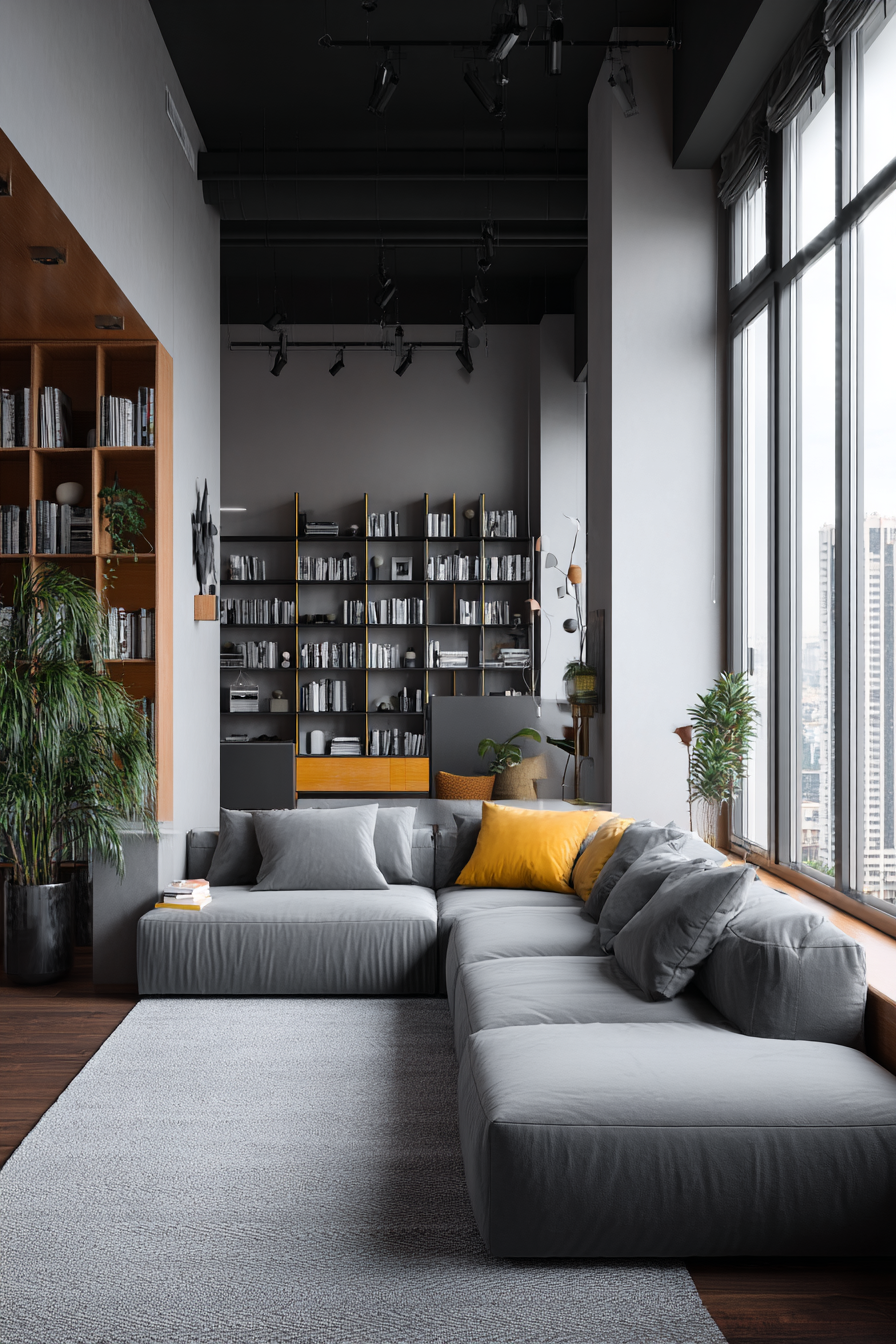
Different lighting for each zone reinforces their distinct purposes. Your seating area might have ambient lighting from sconces and task lighting from reading lamps, while a home office zone could feature a focused desk lamp.
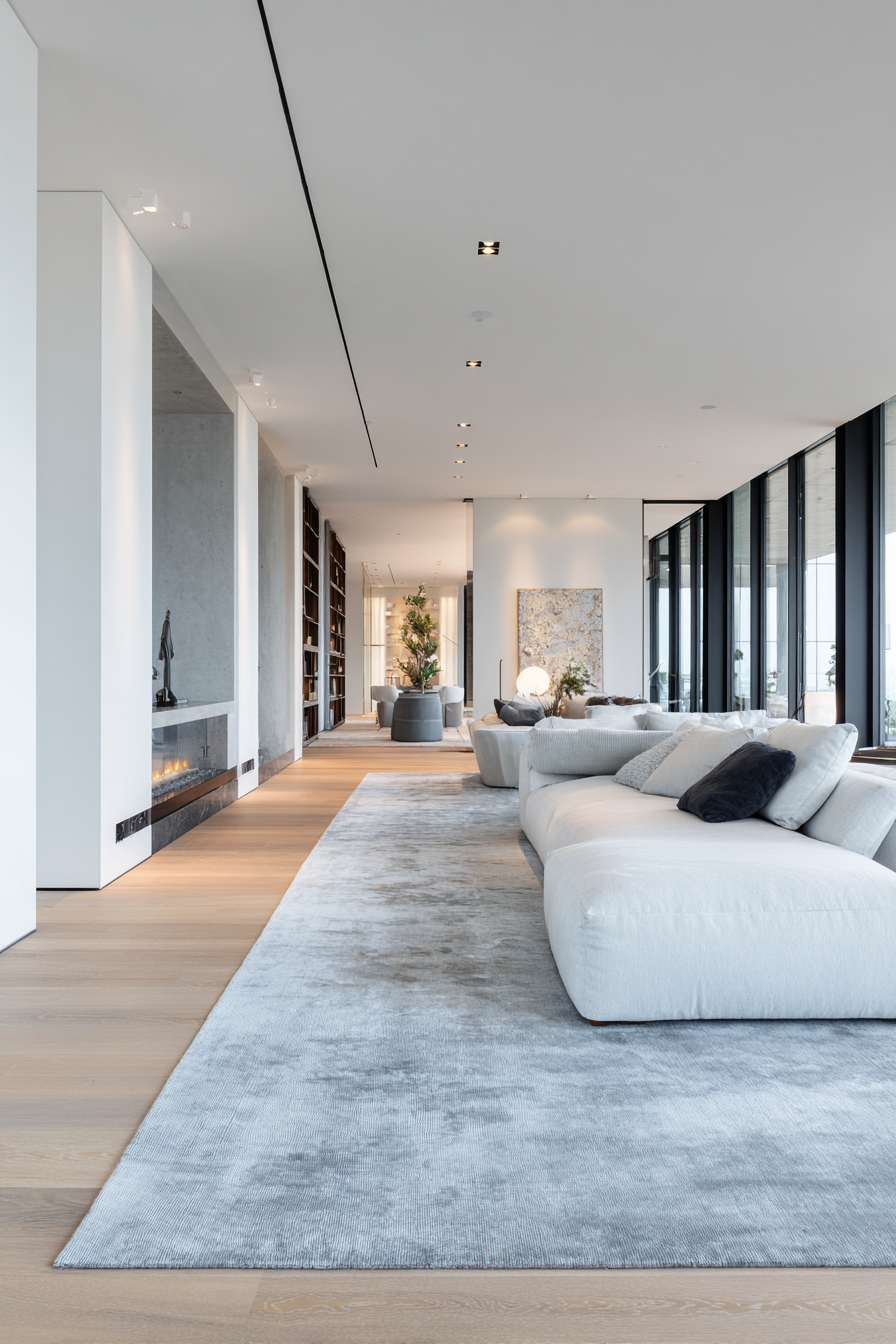
Varying ceiling treatments, if you’re undertaking a renovation, can subtly define different areas. A tray ceiling or different paint treatment in the main seating zone draws the eye and creates architectural interest without physical barriers.
Common Mistakes to Avoid
Even with the best intentions, certain furniture arrangement choices can make a narrow living room feel worse rather than better.
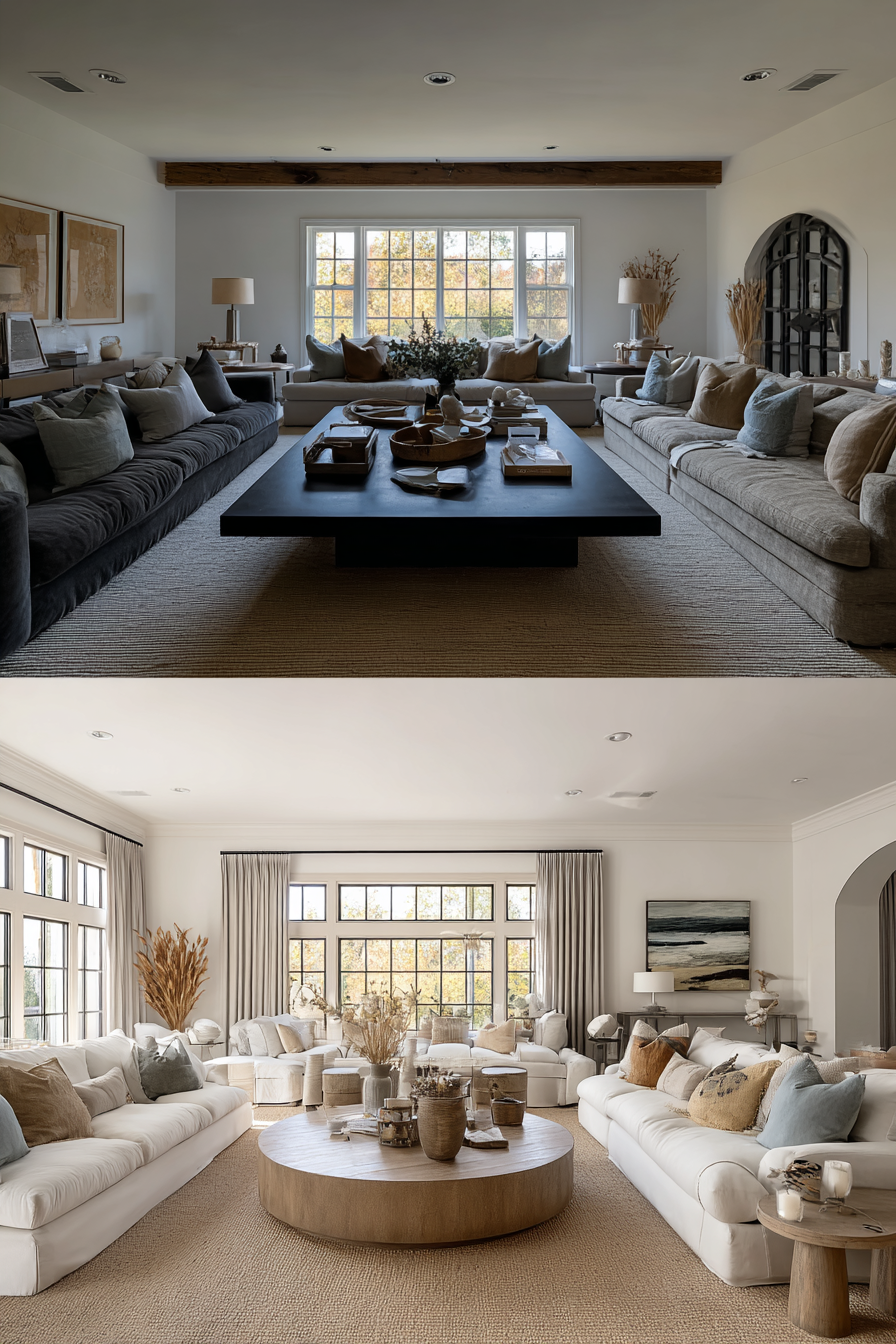
Avoid placing all your furniture in one long line against the walls. This “lineup” approach emphasizes length and creates an uninviting, waiting-room atmosphere. Instead, create groupings with pieces angled or positioned to face each other.
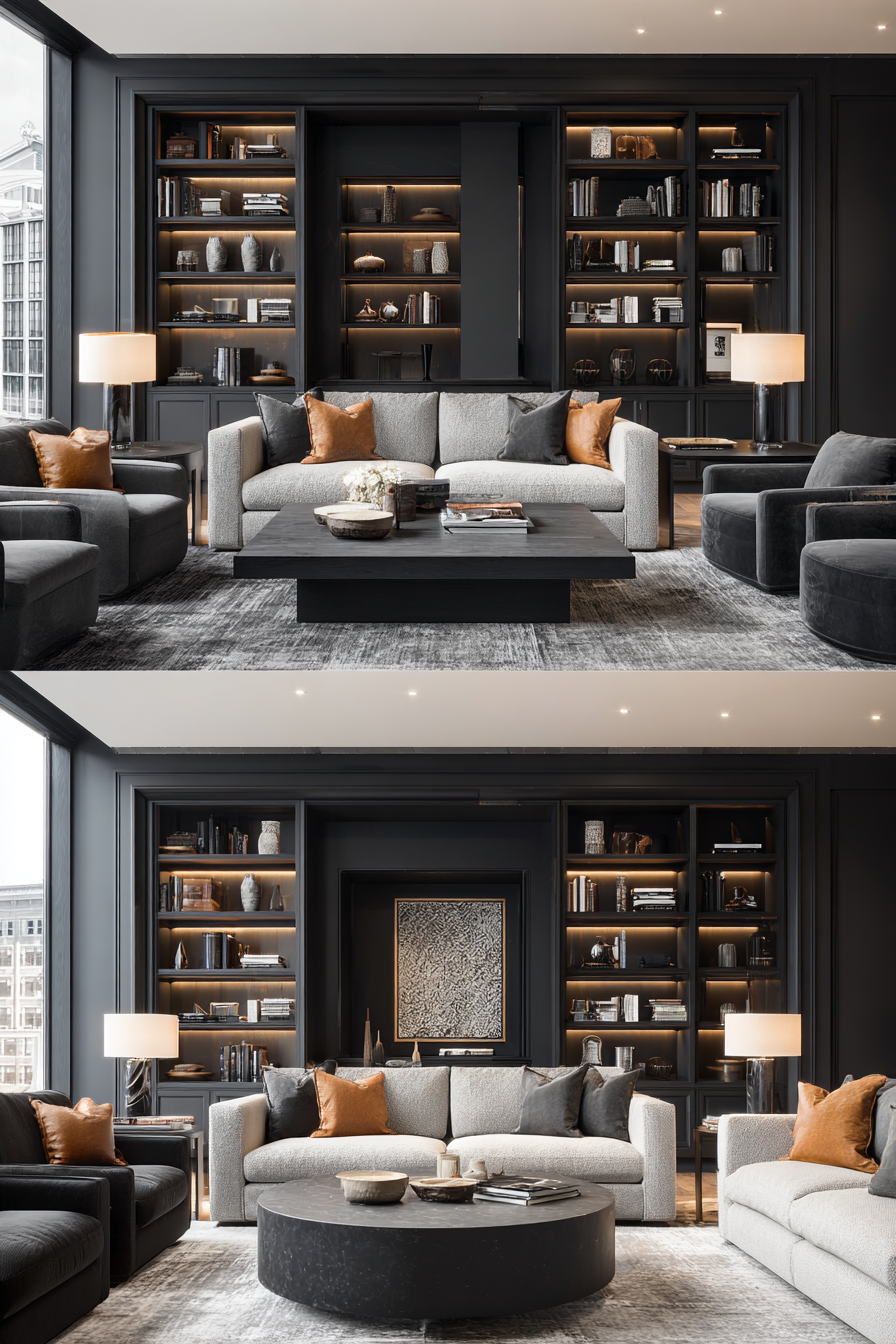
Don’t choose a coffee table that’s too long or runs parallel to the room’s length. An oversized rectangular table extending most of the sofa’s length reinforces the narrow proportions. Opt for a round, oval, or square table that provides functionality without elongating the space visually.
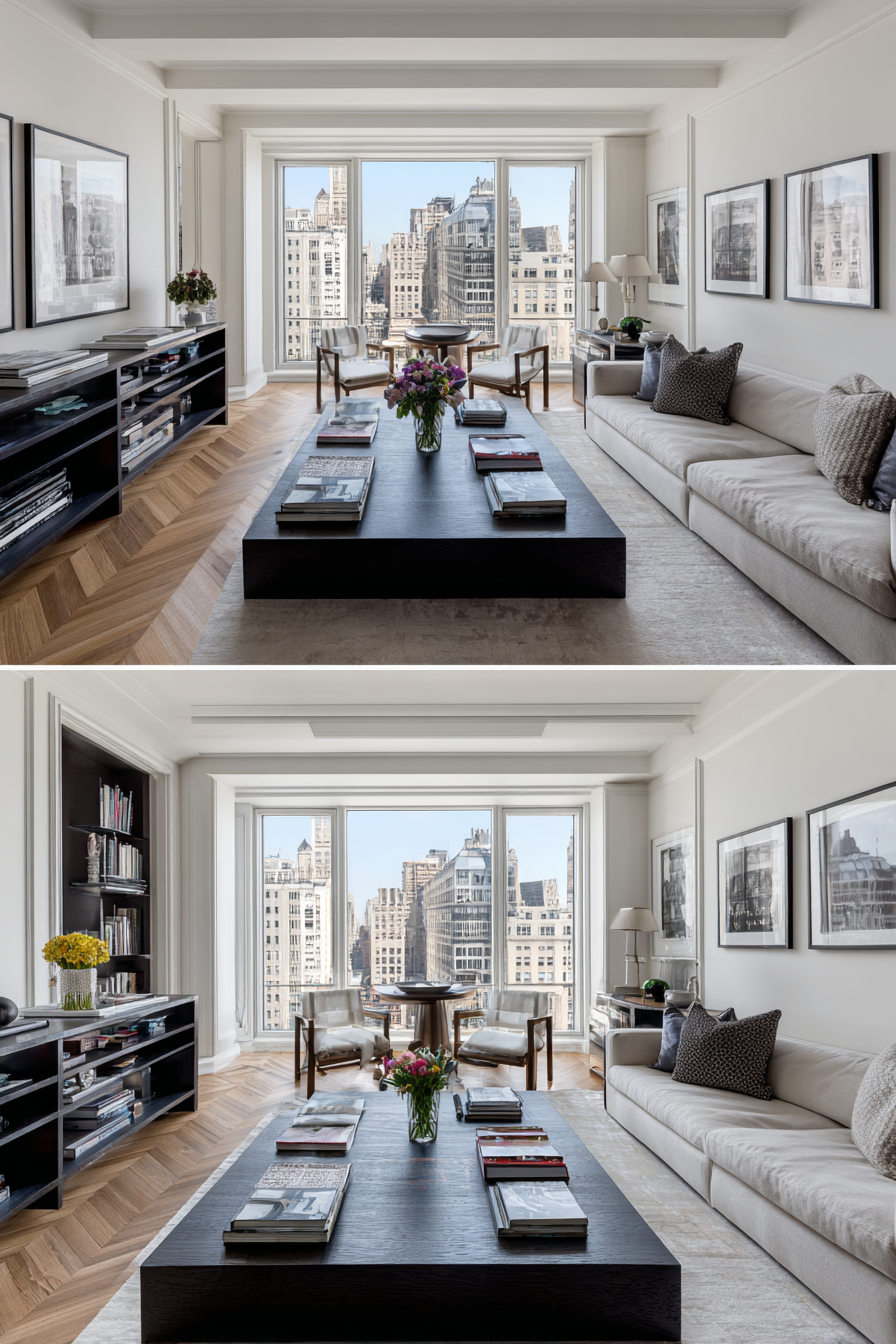
Resist the temptation to fill every corner and surface with furniture or decor. Negative space is valuable—it gives your eyes a place to rest and prevents the cluttered feeling that makes narrow rooms feel even smaller. Edit ruthlessly and display only your favorite pieces.
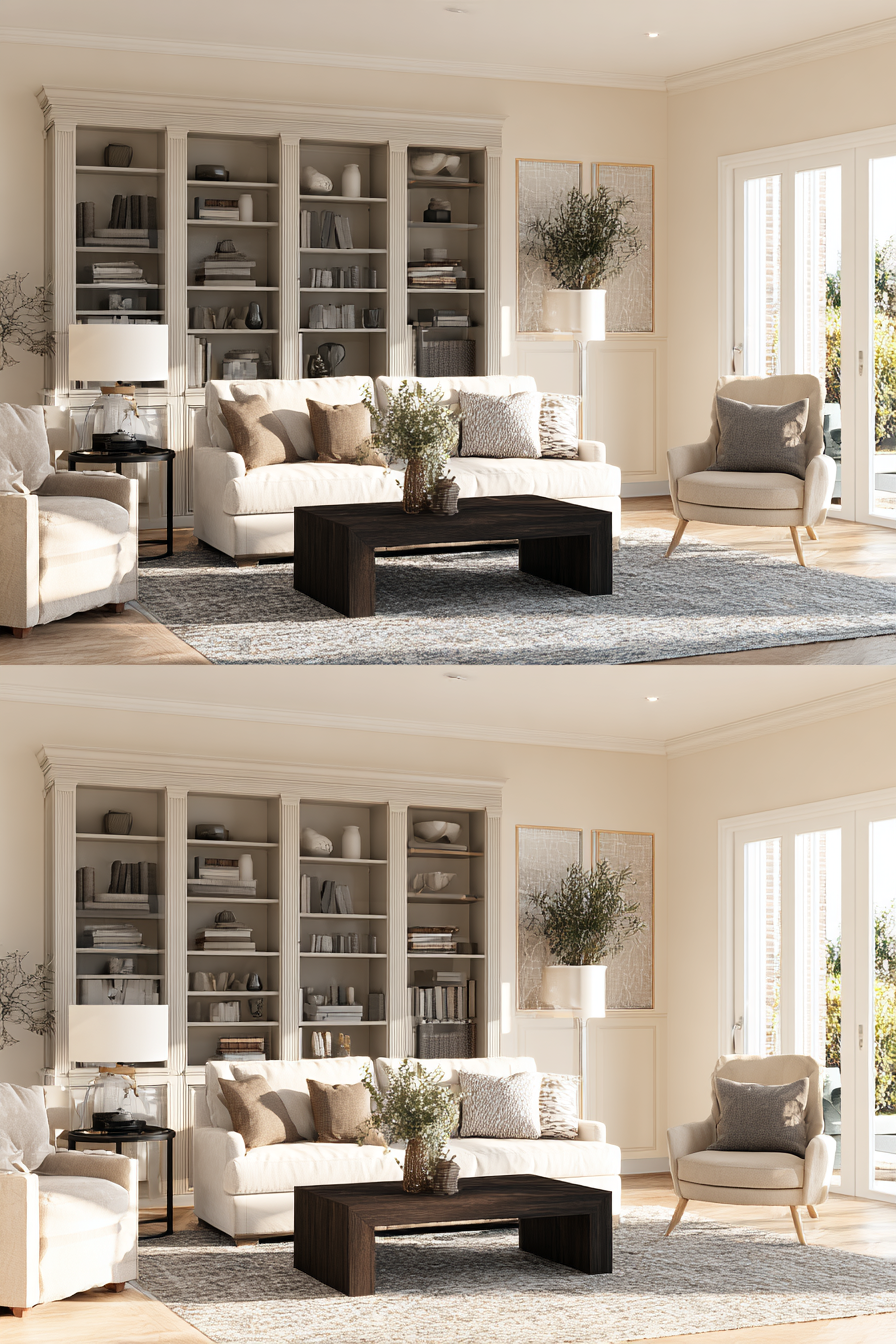
Avoid heavy, dark furniture if possible, especially pieces with solid bases that sit directly on the floor. These create visual weight that can make the space feel oppressive. Lighter colors, reflective surfaces, and furniture with exposed legs maintain an airy feeling.
Styling and Finishing Touches
Once your furniture is arranged, thoughtful styling completes the transformation of your narrow living room.
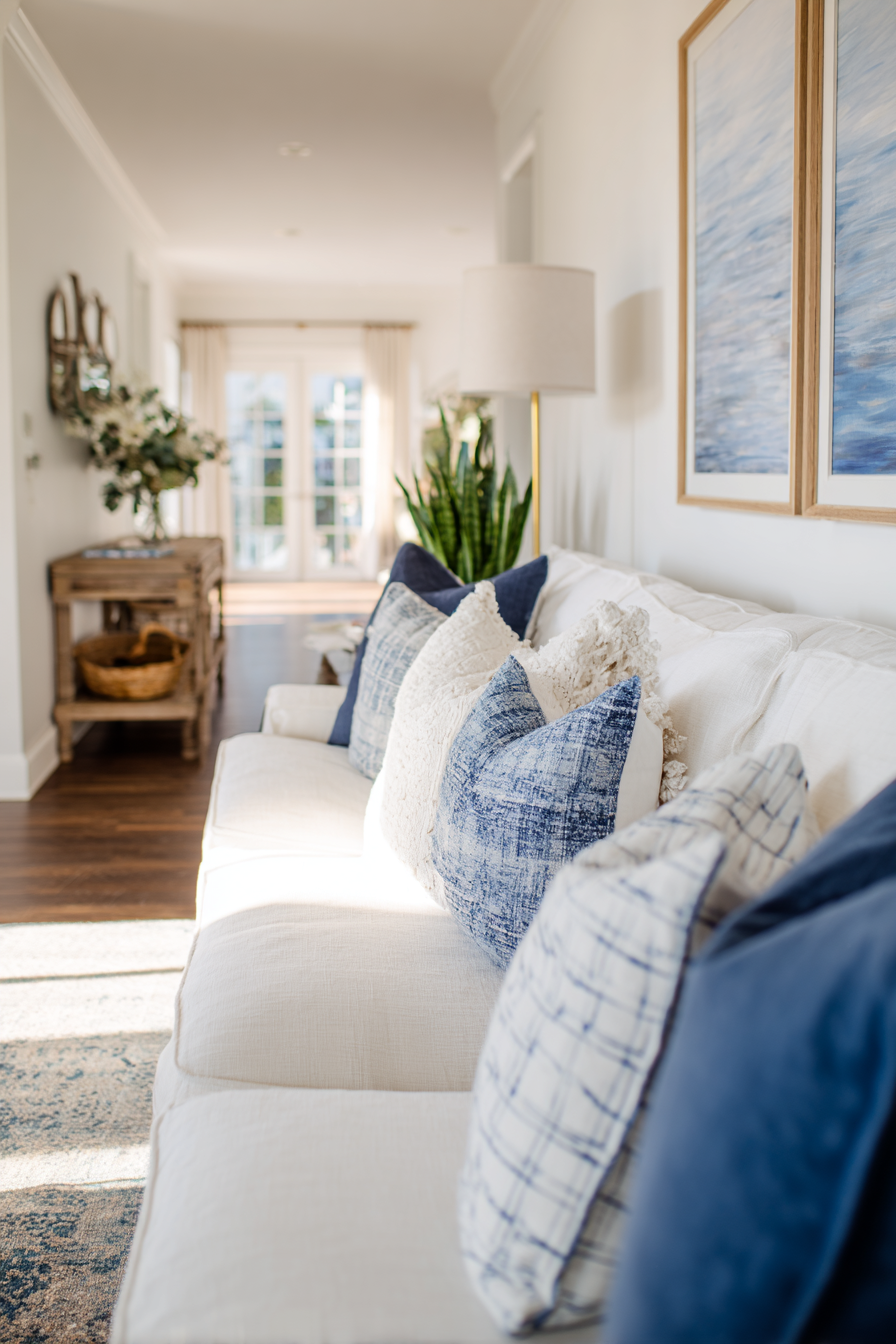
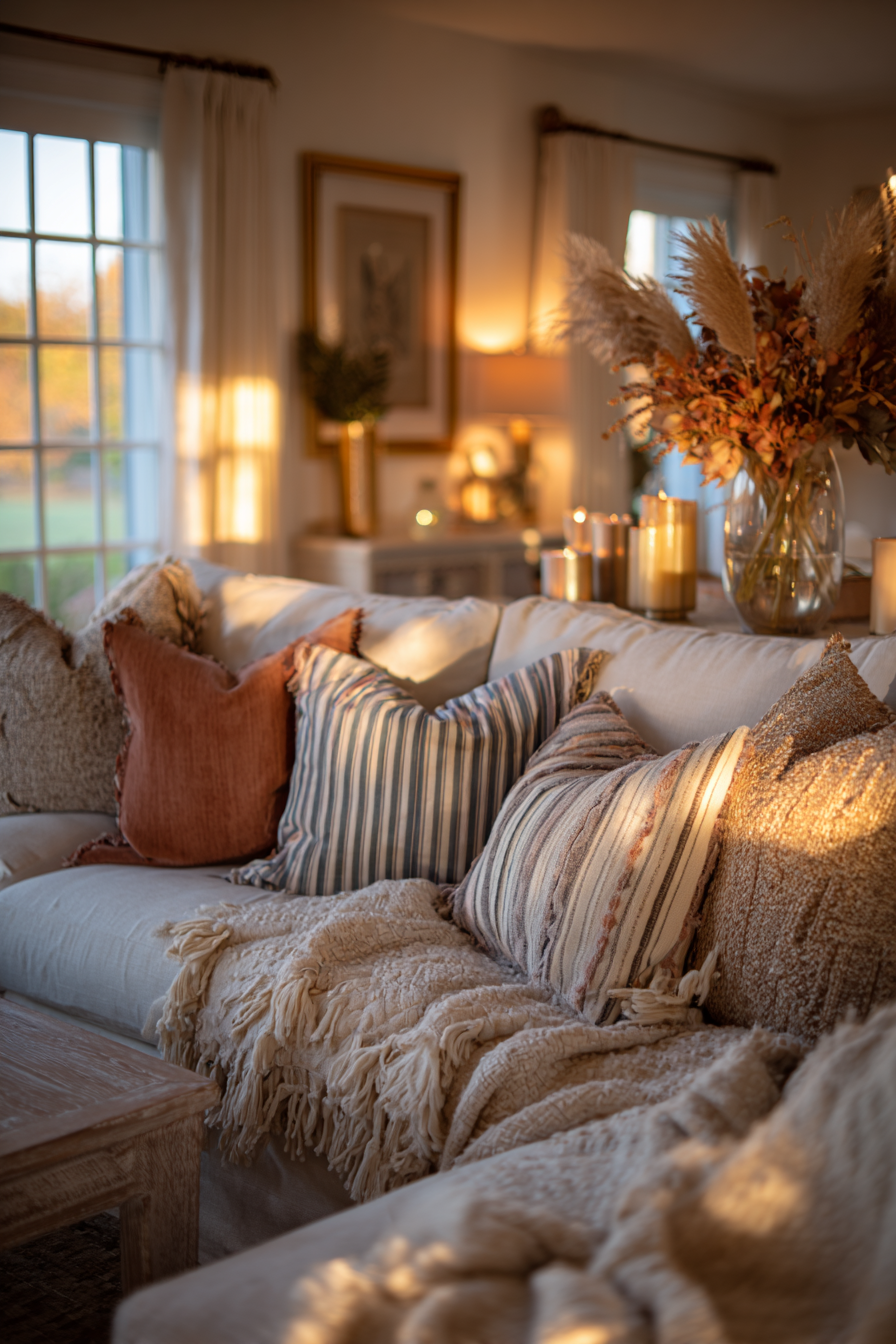
Keep accessories proportional to your space and furniture. Oversized throw pillows might look luxurious in magazine spreads, but in a narrow room, they can overwhelm a sofa and make it appear even bulkier. Choose medium-sized pillows in coordinating colors and patterns for visual interest without bulk.
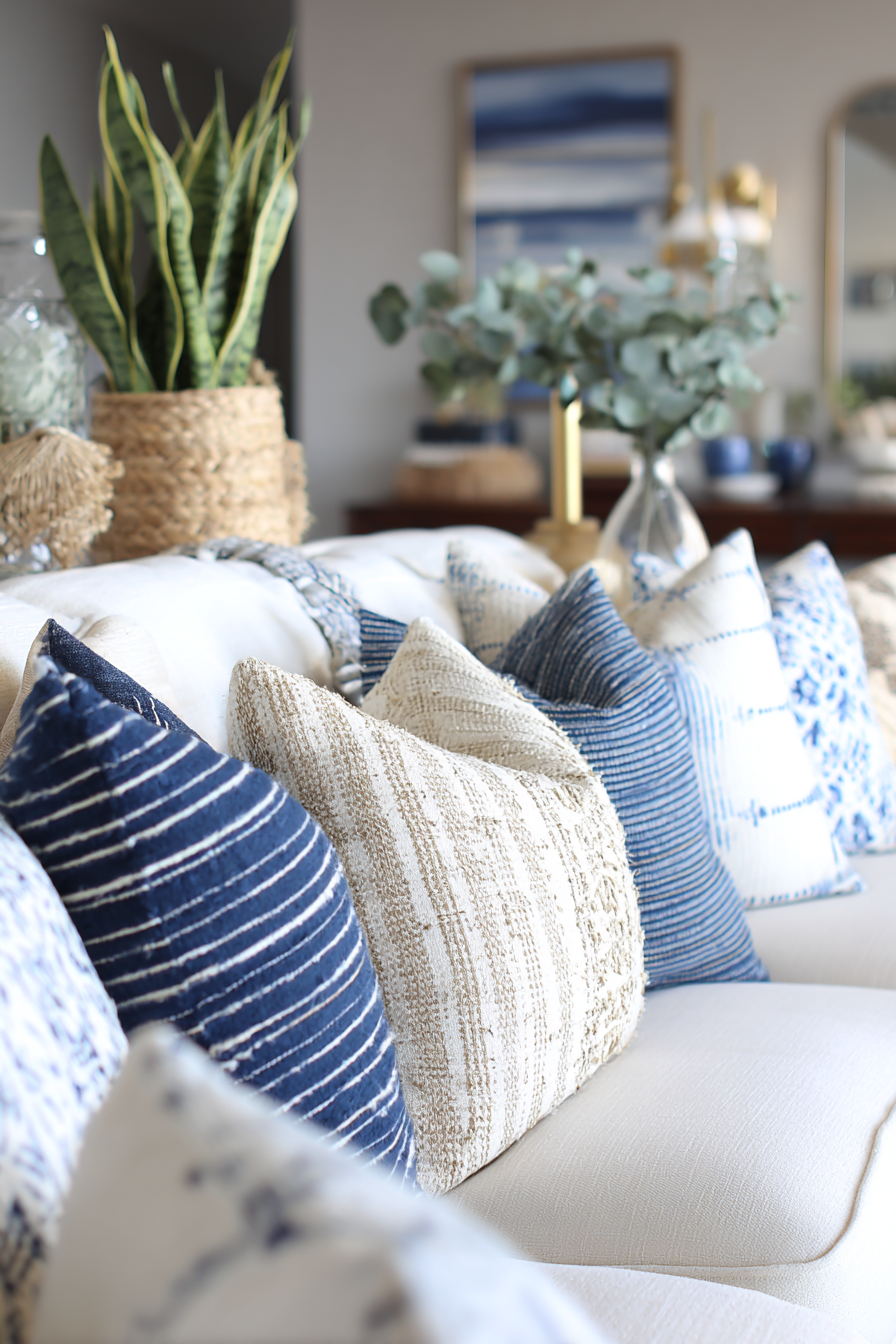
Incorporate vertical elements in your decor. Tall plants, floor lamps with slender profiles, or vertical artwork draws the eye upward and creates balance against the room’s horizontal emphasis. A fiddle-leaf fig or snake plant in a corner adds life and height without consuming much floor space.
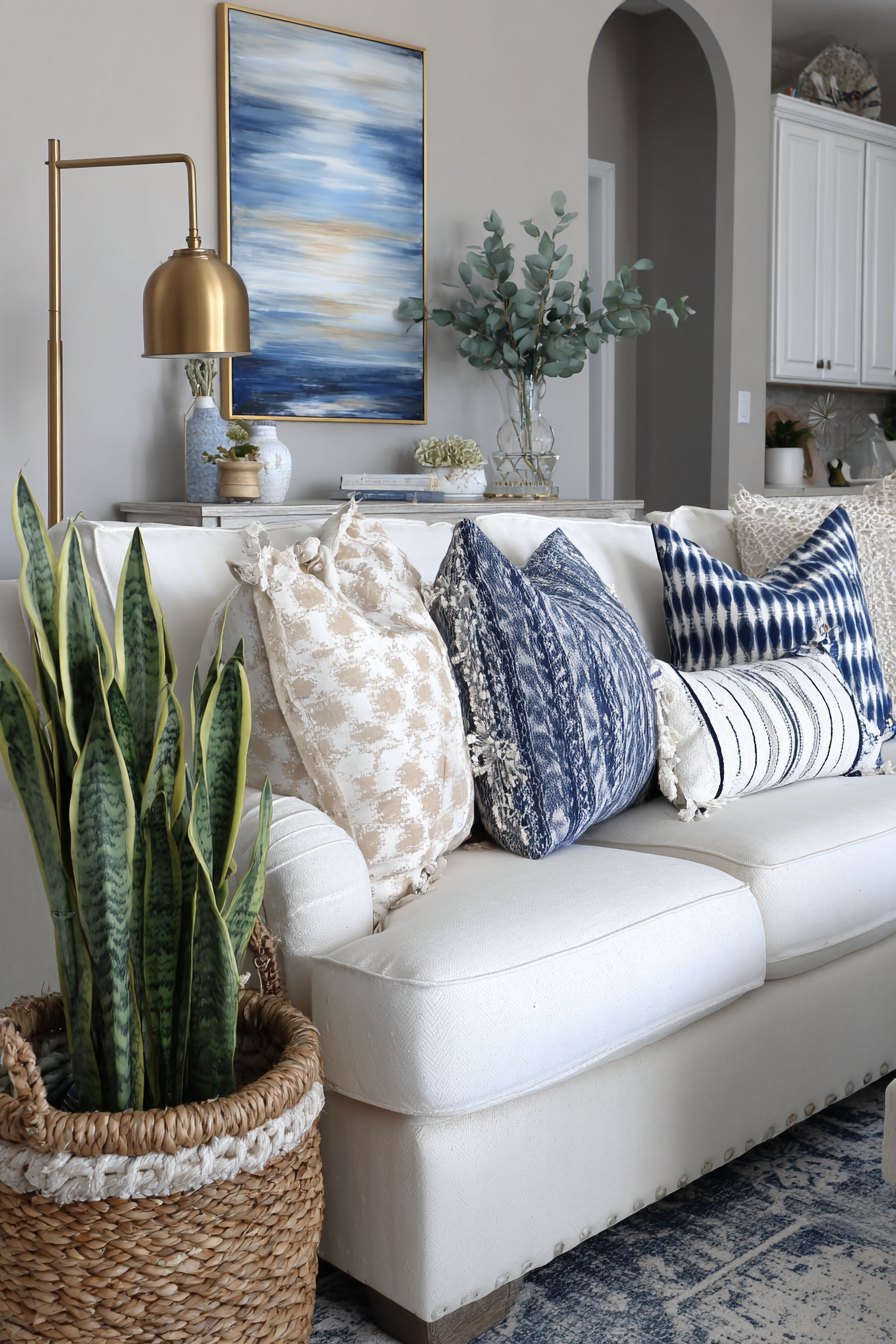
Maintain a cohesive color palette throughout the room. Too many competing colors fragment the space visually, making it feel choppy and smaller. Stick to three or four main colors and use them in varying shades and patterns for sophistication and unity.
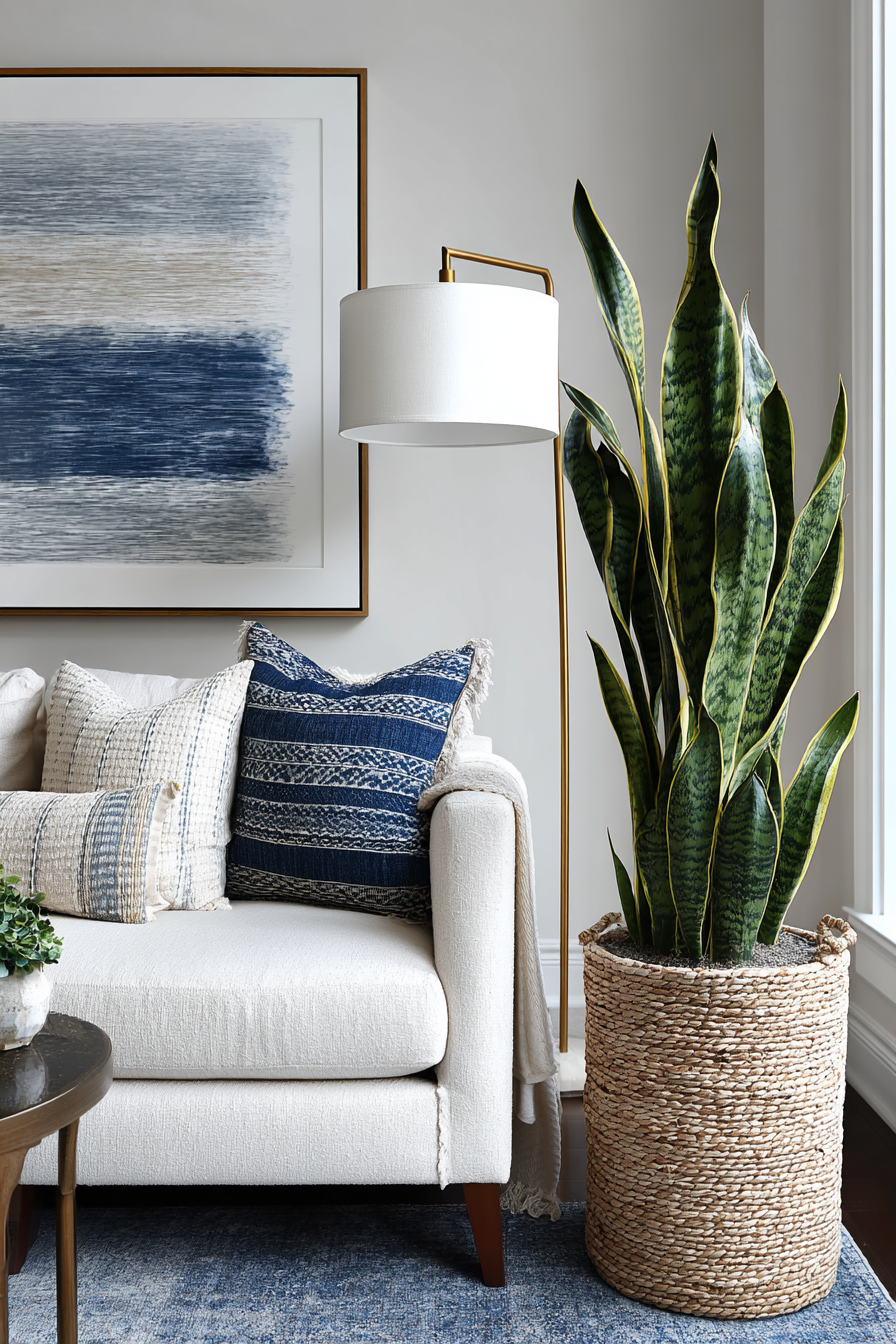
Consider the view from entry points. When someone first walks into your narrow living room, what catches their eye? Arrange a beautiful focal point—whether it’s a piece of artwork, a stylish accent chair, or an interesting light fixture—at the far end to draw attention through the length of the room in an intentional way.
Making It Work for Your Lifestyle
The most beautifully arranged narrow living room falls short if it doesn’t support how you actually live. Adapt these guidelines to your specific needs and daily routines.
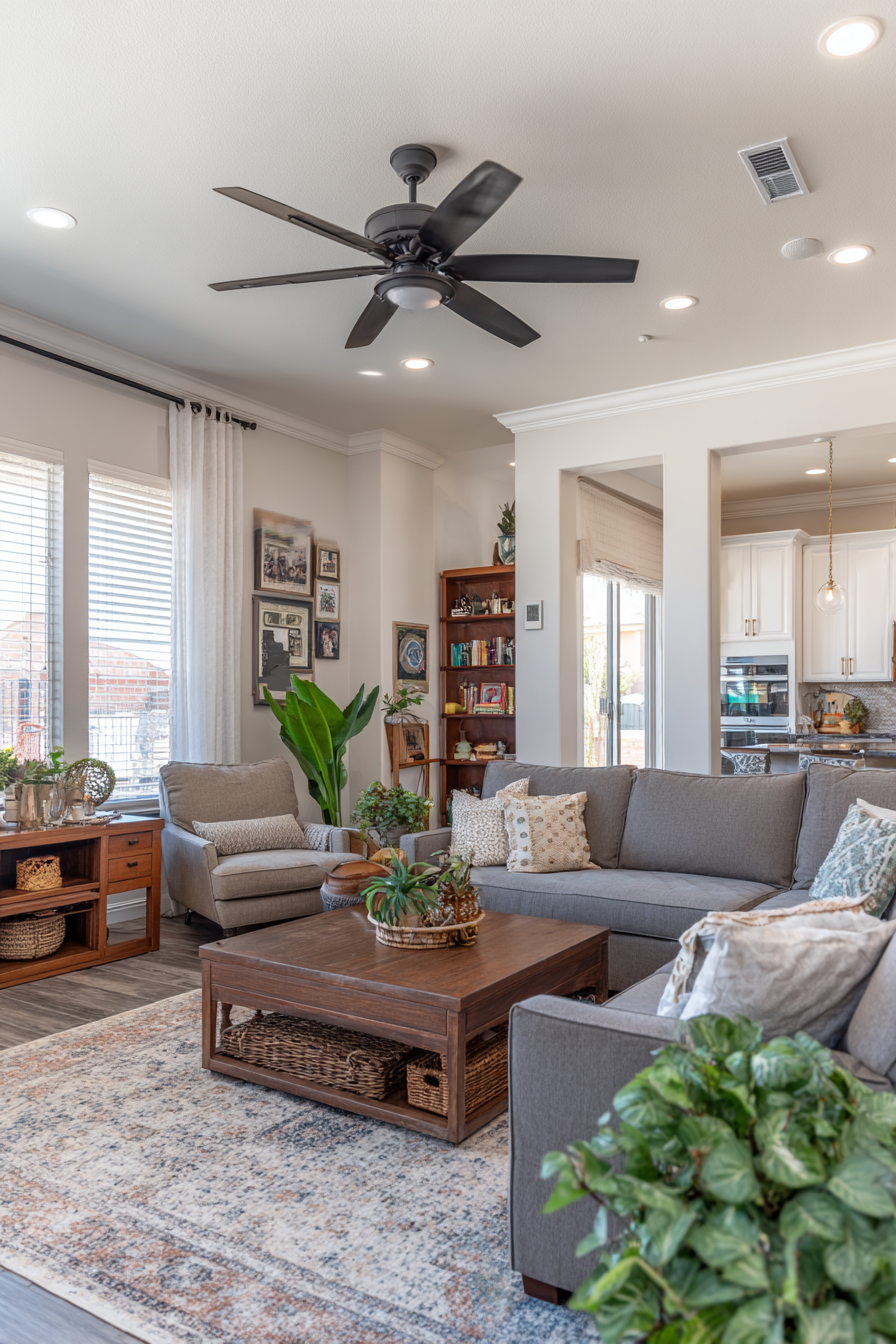
If you frequently entertain, ensure your furniture arrangement facilitates conversation. Create face-to-face seating opportunities with chairs angled toward the sofa rather than lined up side by side. Keep pathways clear so guests can move comfortably through the space.
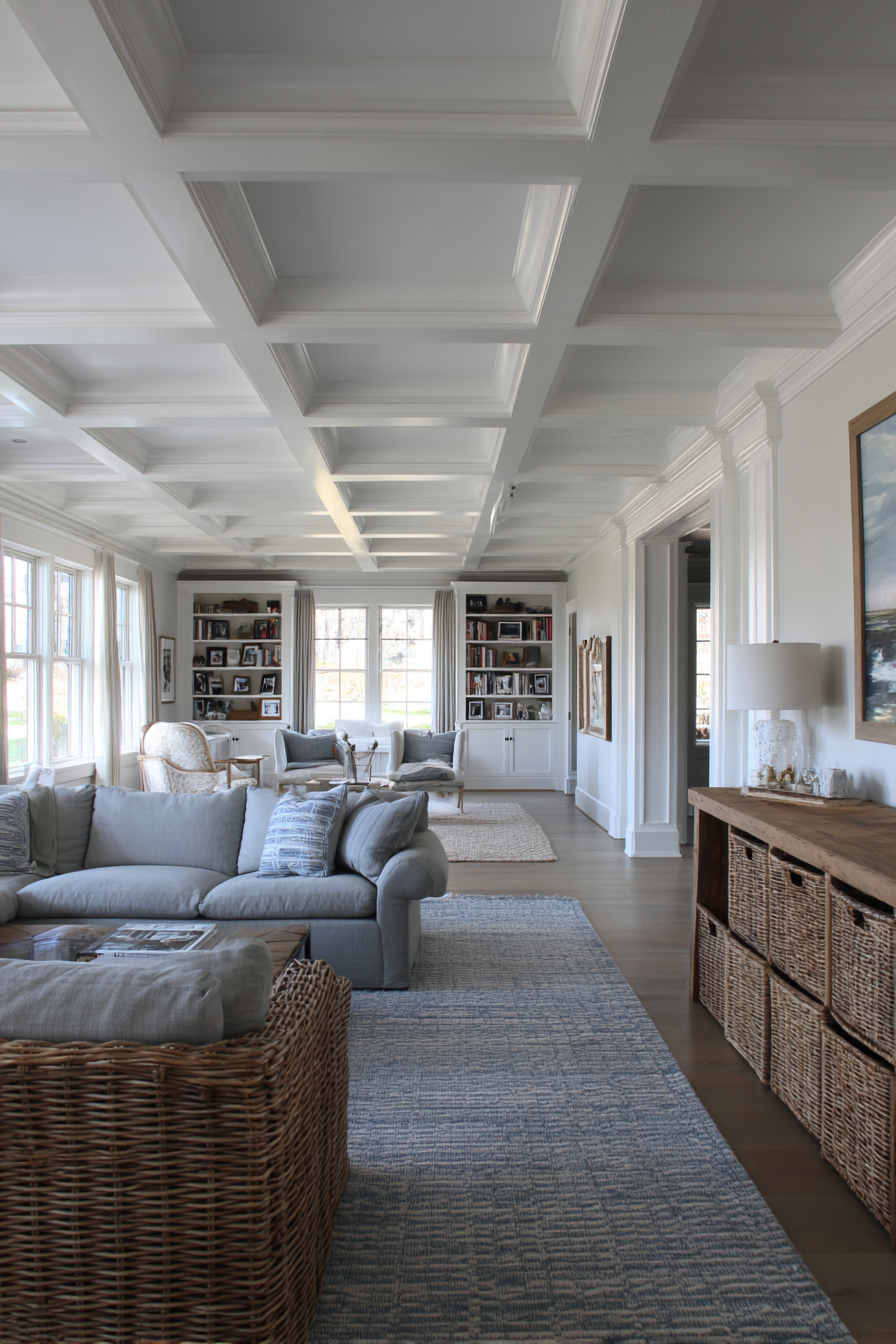
For families with young children, prioritize durable, easy-to-clean furniture and maintain open floor space for play. A sectional might work if it’s appropriately scaled, as it can provide abundant seating while defining a play zone on one side.
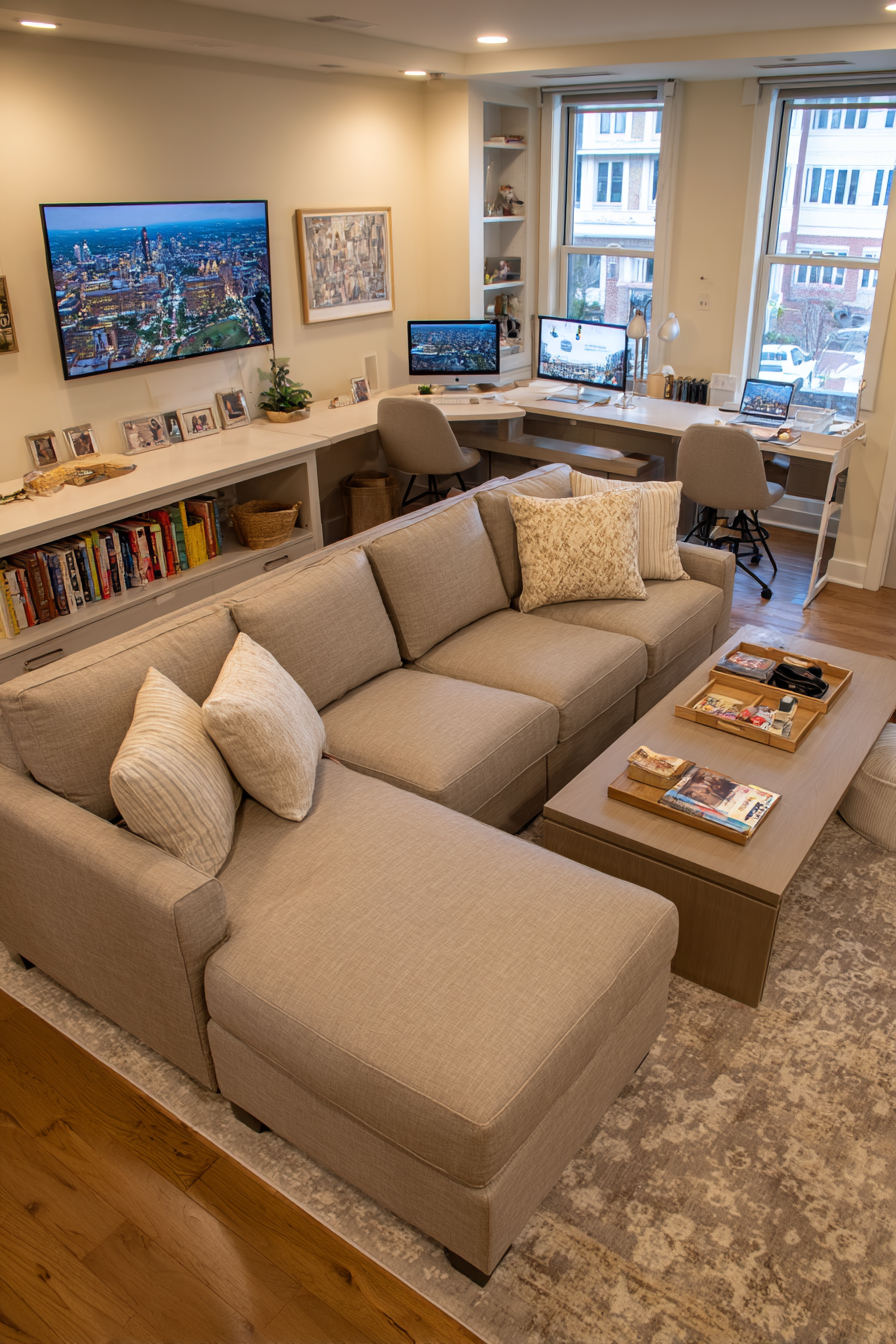
If your narrow living room doubles as a home office or guest room, choose furniture that serves multiple purposes. A sleeper sofa provides everyday seating and occasional guest accommodations. A fold-down desk or secretary-style cabinet offers workspace that can be concealed when not in use.
Embracing Your Narrow Living Room’s Potential
Rather than viewing your narrow living room as a design limitation, recognize it as an opportunity to create an intimate, cozy space with distinct character. Narrow rooms often feel more personal and inviting than vast, open spaces, and they’re easier to decorate on a budget since they require less furniture.
The techniques we’ve explored—from choosing appropriately scaled furniture and creating visual width through strategic design tricks to layering lighting and defining zones—work together to maximize both the beauty and functionality of your space. Remember that successful design is rarely about following rigid rules; it’s about understanding principles and adapting them to your unique room and lifestyle.
Start with the basics: measure carefully, select furniture that fits your proportions, and arrange pieces to enhance flow and function. Then refine your design with lighting, color, and accessories that reflect your personal style. Don’t be afraid to experiment—furniture can always be moved, and some of the best arrangements come from trying unconventional approaches.
Your narrow living room has tremendous potential. With thoughtful planning and creative arrangement, it can become the welcoming, stylish heart of your home where you genuinely enjoy spending time. The space you once saw as challenging may well become your favorite room—proof that great design isn’t about square footage, but about making the most of what you have.
