


Your living space profoundly impacts your mental well-being and emotional state. The colors, textures, and objects surrounding you trigger neurochemical responses that influence mood and productivity. Dopamine decor represents a revolutionary approach to interior design that prioritizes joy-inducing elements over conventional aesthetics.
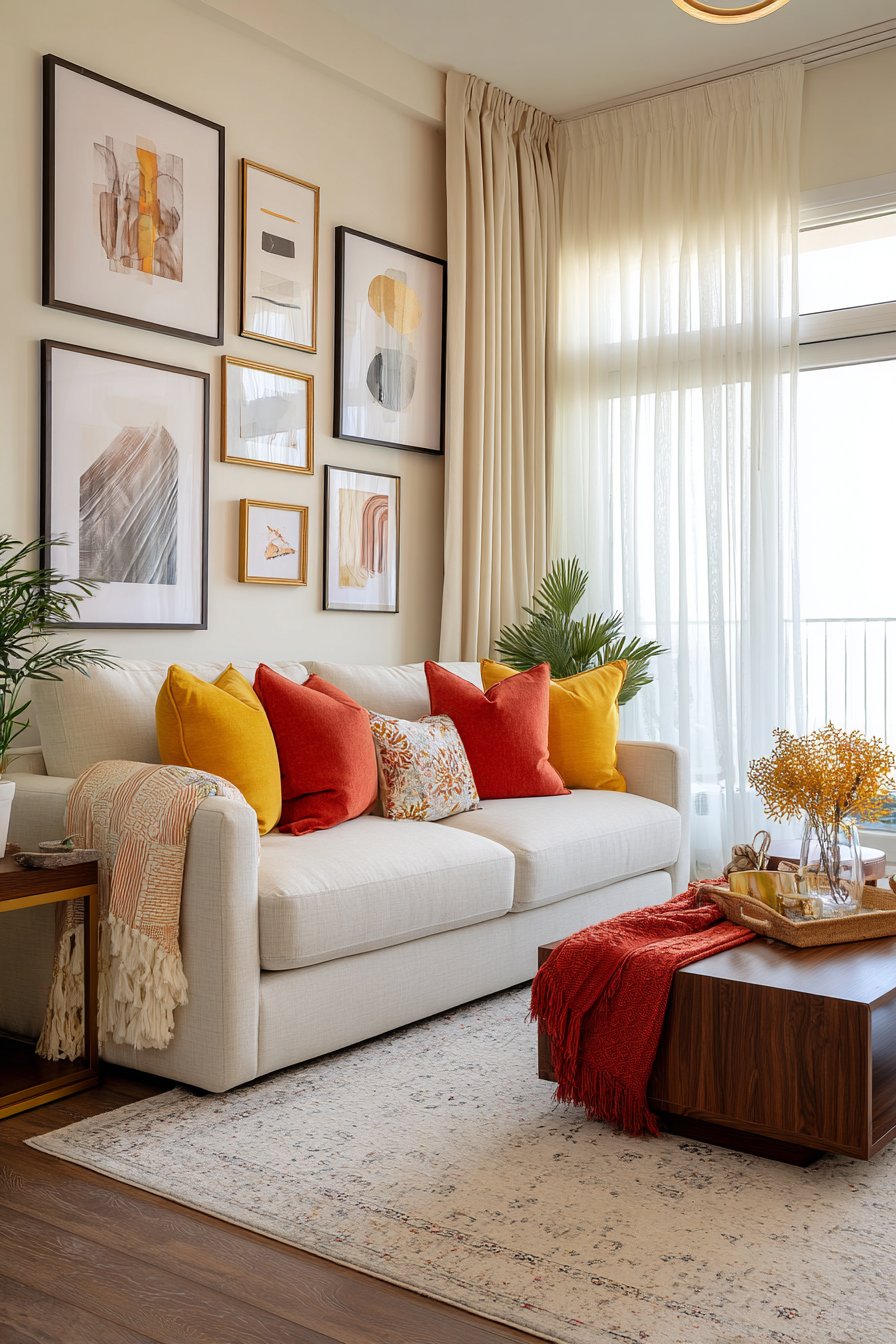
This design philosophy draws from neuroscience and psychology to create environments that naturally boost happiness. Unlike minimalist trends that sometimes feel sterile, dopamine-driven spaces celebrate personal expression and visual delight. The movement encourages homeowners to curate interiors that spark genuine pleasure rather than following rigid design rules.
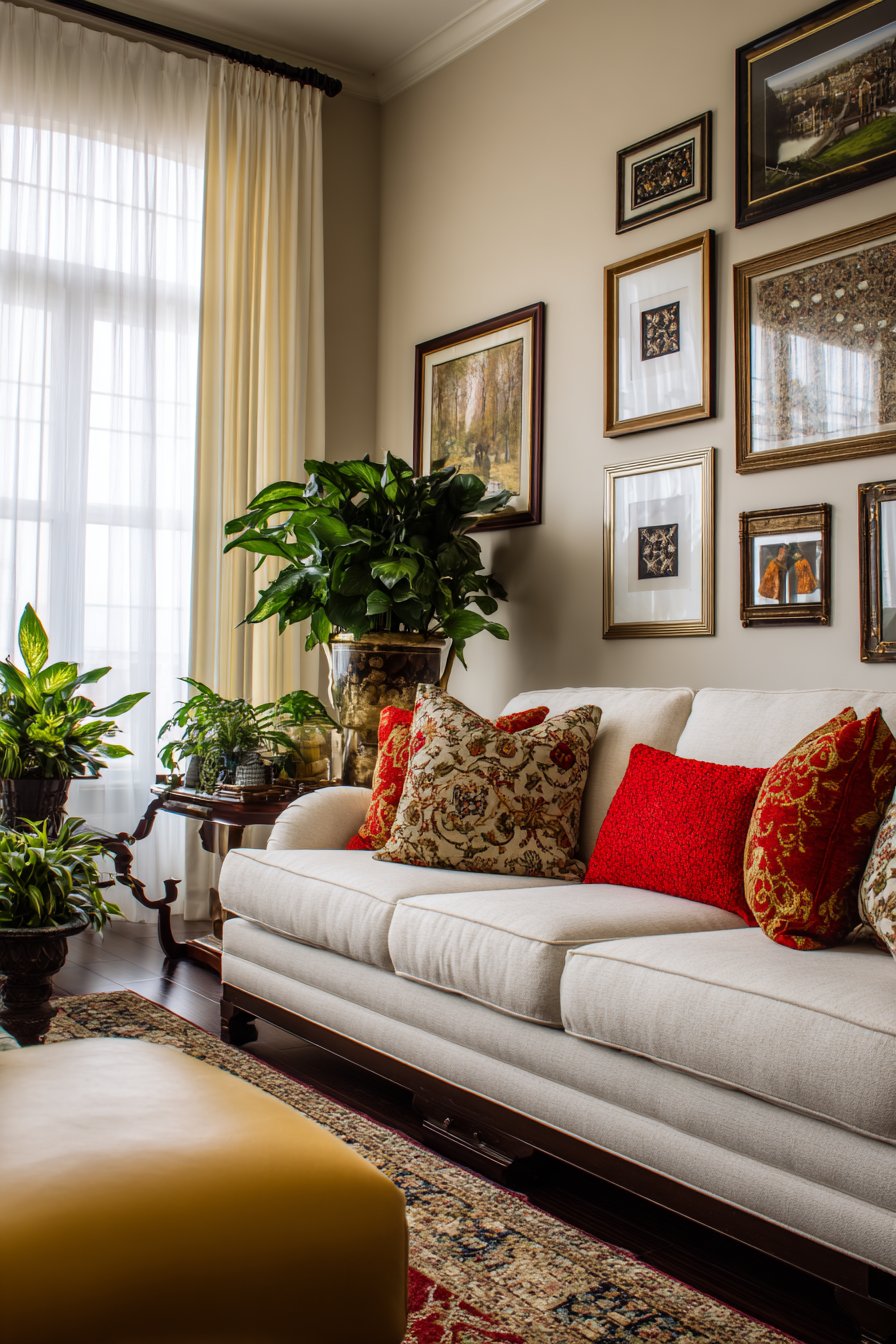
Understanding the science behind dopamine decor empowers you to make intentional choices about your environment. This article explores six fundamental principles that transform ordinary rooms into mood-enhancing sanctuaries. Each strategy combines neurological insights with practical design applications for maximum emotional impact.
1. The Neuroscience of Color Psychology
Color directly influences neurotransmitter production in the brain, with certain hues triggering dopamine release more effectively than others. Warm tones like coral, sunshine yellow, and terracotta activate pleasure centers and promote feelings of optimism. These shades create an immediate emotional response that traditional neutral palettes cannot replicate.
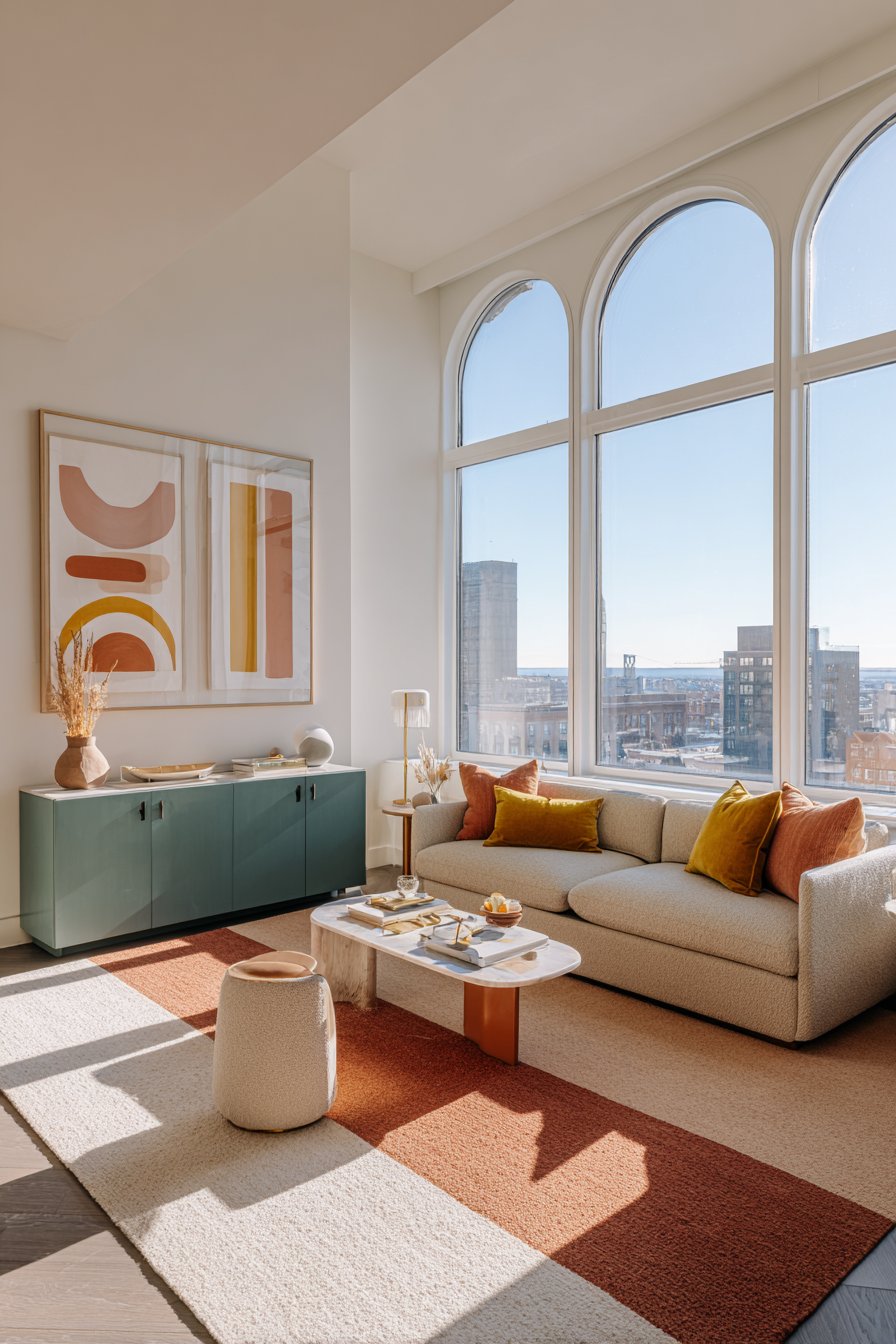
Research demonstrates that vibrant color combinations stimulate cognitive function and creative thinking. Surrounding yourself with personally meaningful colors strengthens neural pathways associated with positive memories. The key lies in selecting shades that resonate with your individual experiences rather than following trend forecasts.
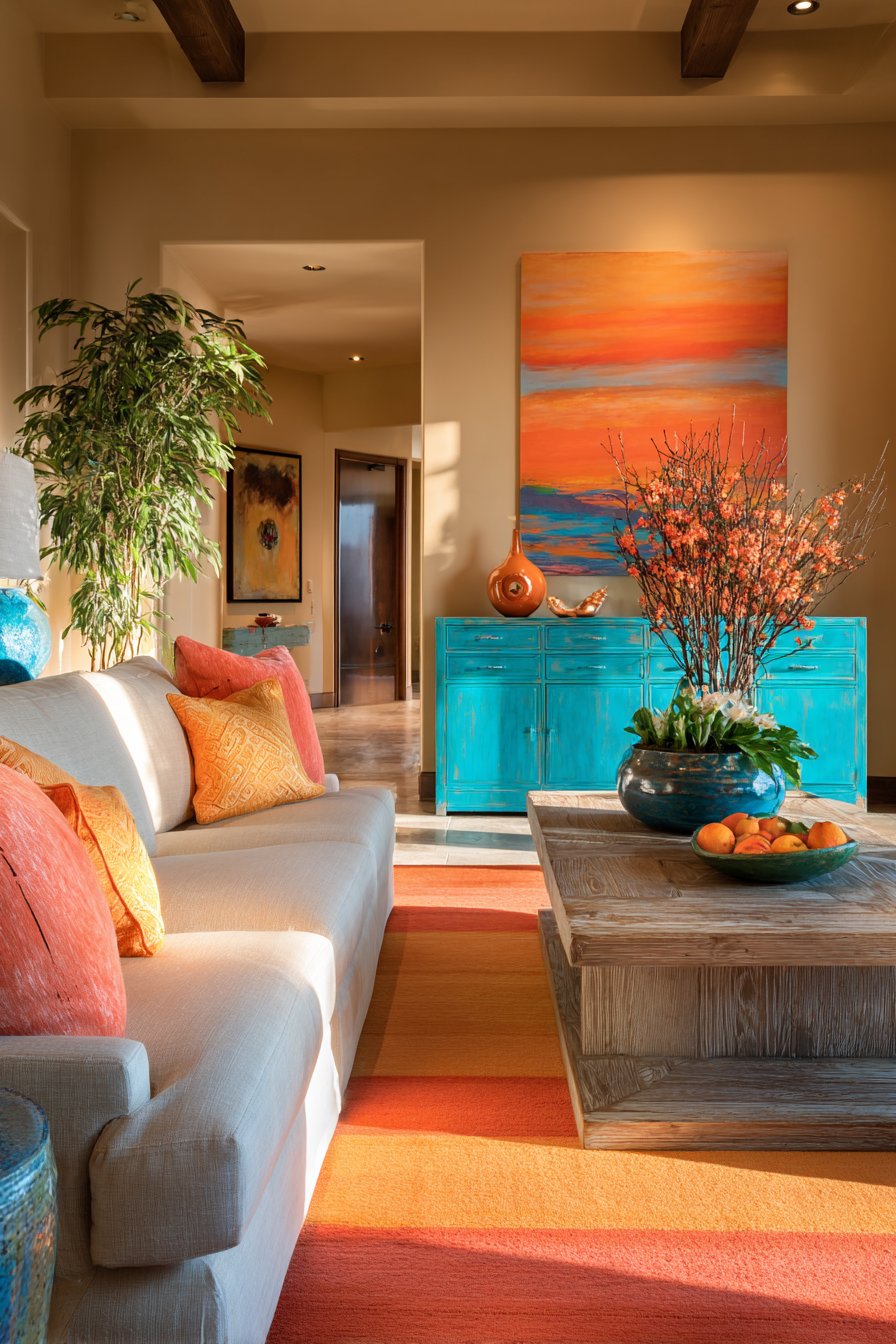
Strategic color placement maximizes the neurochemical benefits without overwhelming the senses. Consider anchoring neutral backgrounds with colorful accent pieces that draw the eye naturally. This approach allows flexibility to update your dopamine triggers as your preferences evolve over time.
- Paint one accent wall in a bold hue that makes you smile instantly
- Layer colorful textiles like throw pillows and blankets for easy updates
- Display artwork featuring your favorite color combinations prominently
- Use colorful dishware and kitchen accessories for daily mood boosts
- Incorporate painted furniture pieces as functional art statements
- Create color-blocked zones using rugs and curtains strategically
2. Maximizing Natural Light Exposure
Sunlight exposure triggers serotonin and dopamine production while regulating circadian rhythms for better sleep quality. Spaces flooded with natural light feel more expansive and energizing than artificially lit environments. Window treatments that maximize daylight penetration create healthier living conditions and improve overall well-being.
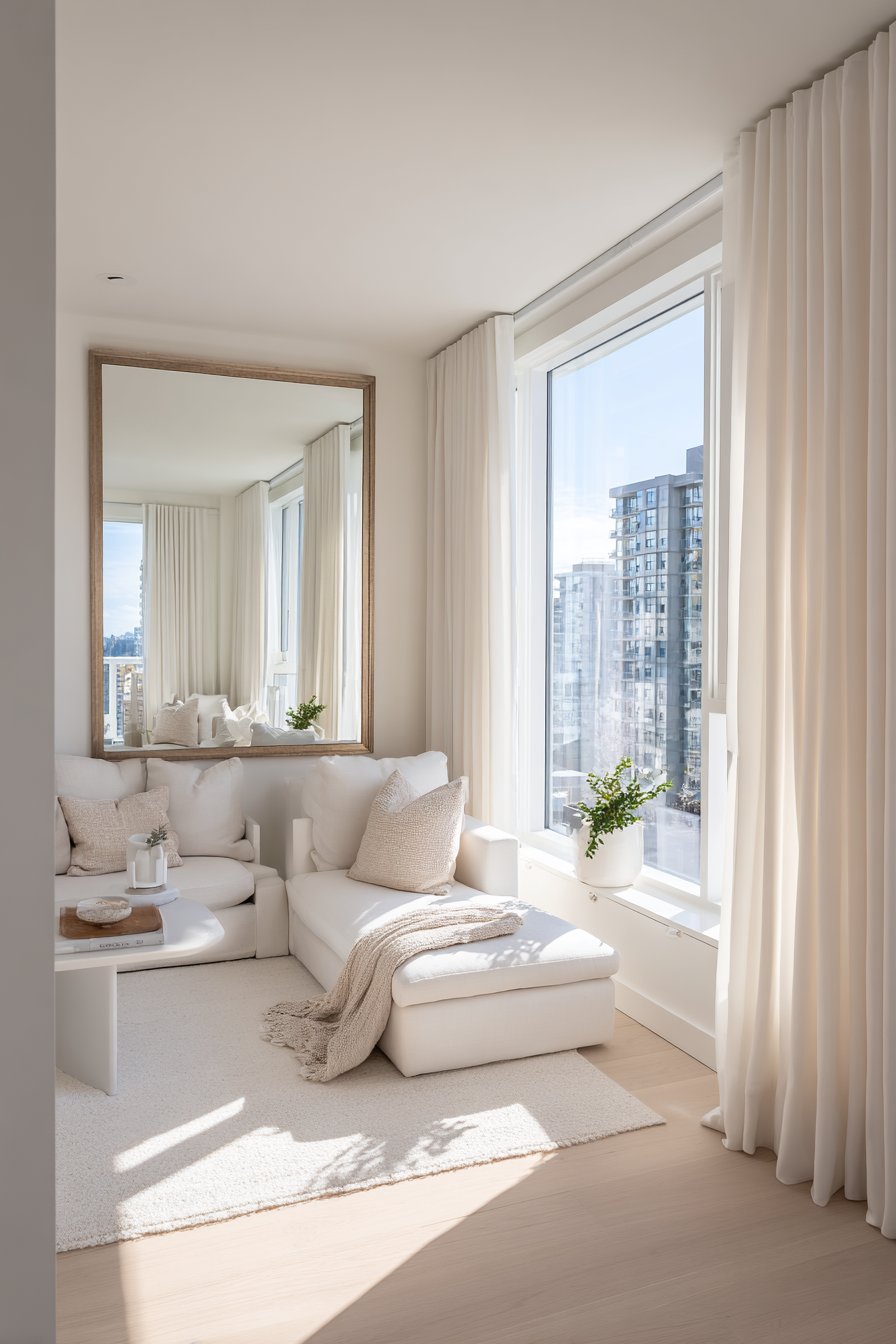
The angle and quality of light throughout the day affects mood and productivity levels significantly. Morning light promotes alertness and focus, while afternoon rays provide warmth and comfort. Positioning furniture to capture optimal natural light transforms daily routines into mood-enhancing experiences.
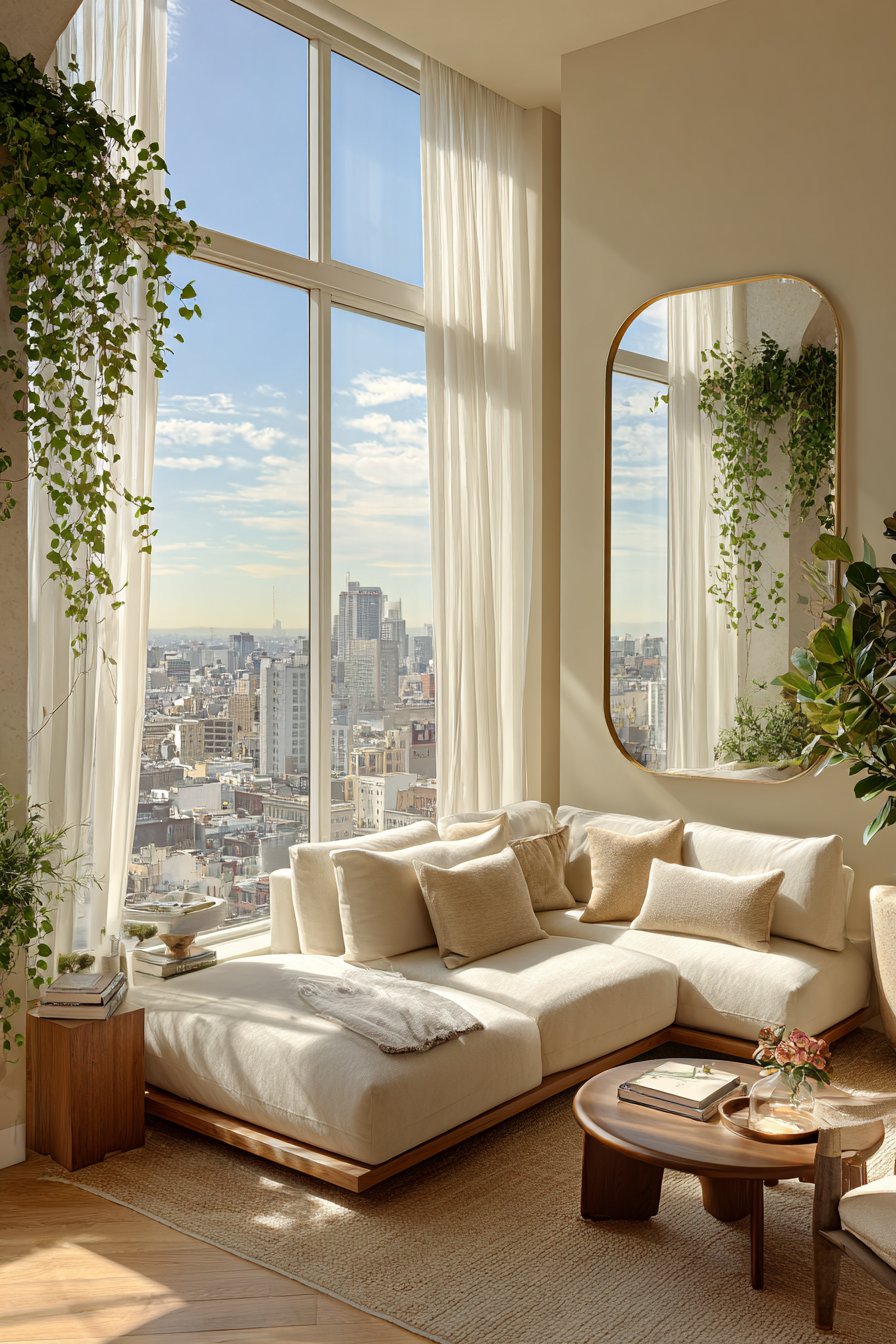
Mirror placement amplifies existing light sources by reflecting sunlight into darker corners effectively. Strategic reflective surfaces create the illusion of additional windows while brightening shadowy areas naturally. This technique works especially well in basement apartments or north-facing rooms with limited direct exposure.
- Remove heavy window treatments in favor of sheer or light-filtering options
- Position mirrors opposite windows to double natural light distribution
- Keep windowsills clear of clutter to maximize light penetration
- Paint walls in light reflective colors near windows for brightness
- Install skylights or sun tunnels in rooms lacking exterior walls
- Trim exterior vegetation blocking windows for improved light access
3. Curating Personal Memory Displays
Objects connected to positive memories activate the brain’s reward system and reinforce emotional well-being. Displaying souvenirs, photographs, and meaningful collections creates visual triggers for dopamine release throughout your day. These personal touchstones transform generic spaces into deeply individual sanctuaries.
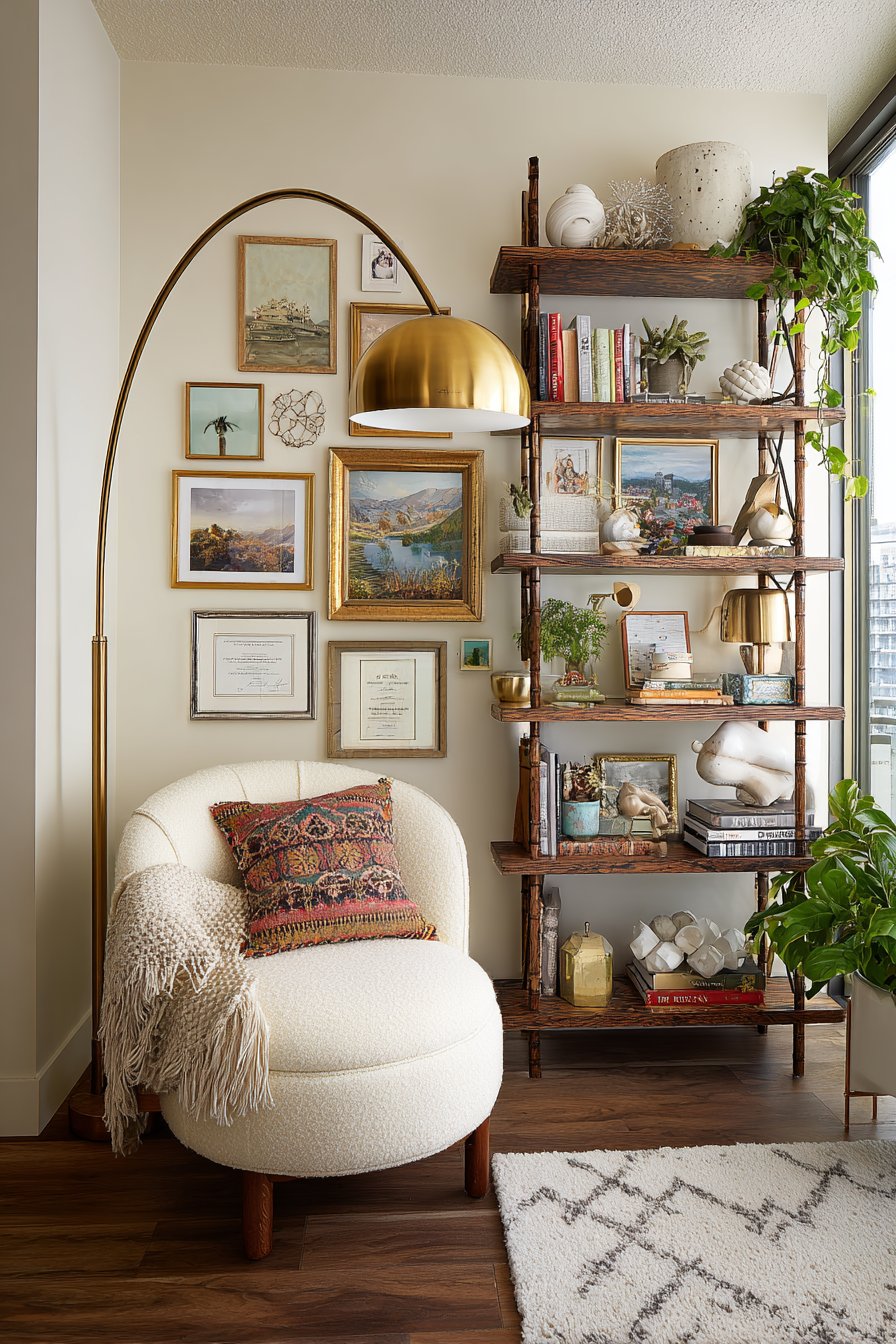
The storytelling aspect of curated displays provides ongoing emotional nourishment beyond simple decoration. Each item serves as a tangible reminder of experiences, relationships, and achievements worth celebrating. This personalization strategy contradicts minimalist dogma that often prioritizes aesthetics over emotional resonance.
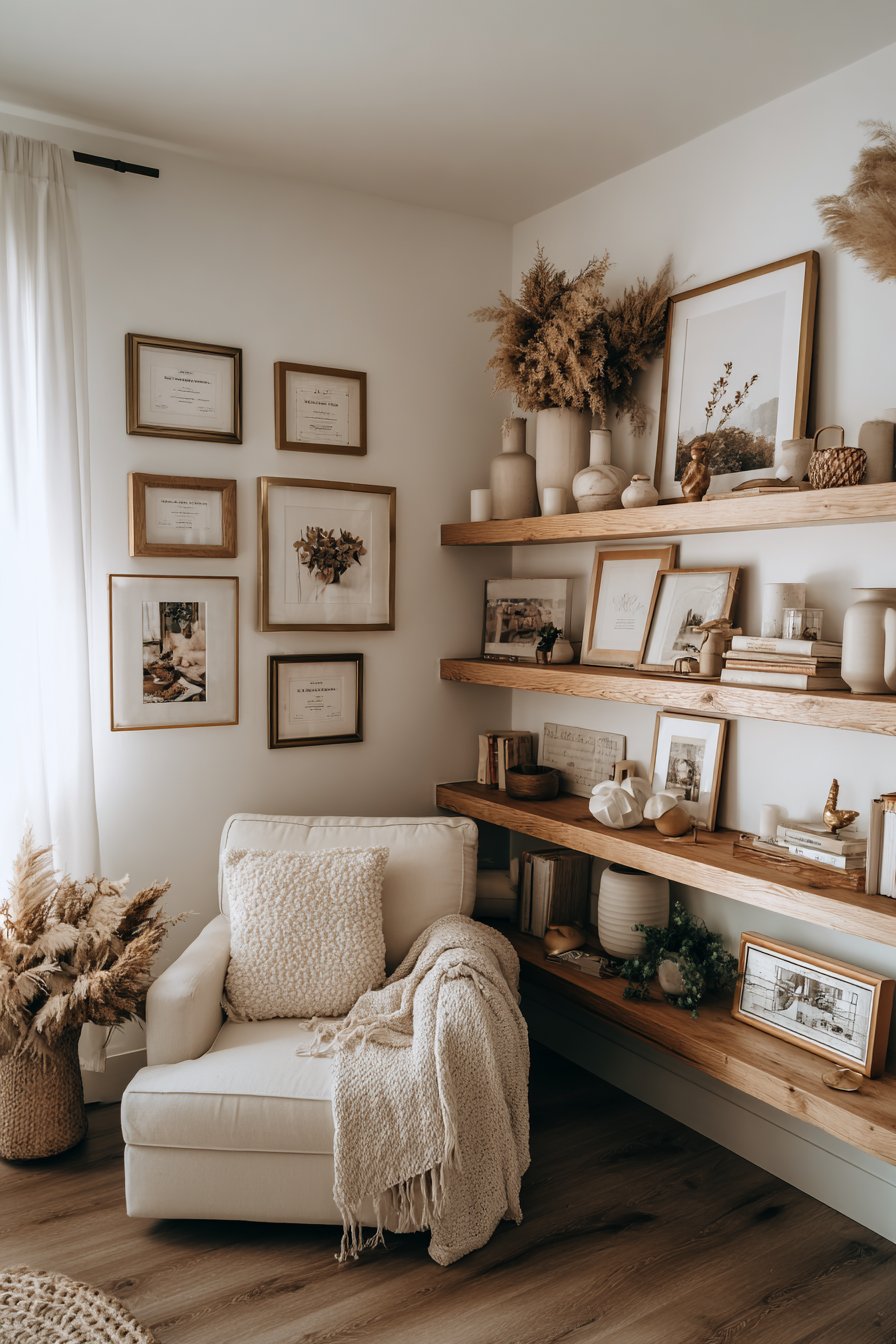
Rotating displayed items periodically maintains novelty and freshness that prevents habituation to familiar objects. Your brain responds more strongly to new or rediscovered items than permanently visible pieces. This practice keeps your environment psychologically stimulating without requiring constant redecoration.
- Create gallery walls featuring favorite photographs in coordinating frames
- Display travel souvenirs on open shelving for conversation starters
- Showcase achievement certificates and awards in dedicated zones
- Rotate seasonal decorations that mark meaningful annual traditions
- Feature handmade gifts from loved ones in prominent locations
- Organize collections by theme or color for visual coherence
4. Incorporating Biophilic Design Elements
Biophilic design leverages humanity’s innate connection to nature for psychological and physiological benefits. Indoor plants improve air quality while providing visual interest and caring responsibilities that boost mood. The presence of living elements creates dynamic environments that change and grow alongside inhabitants.
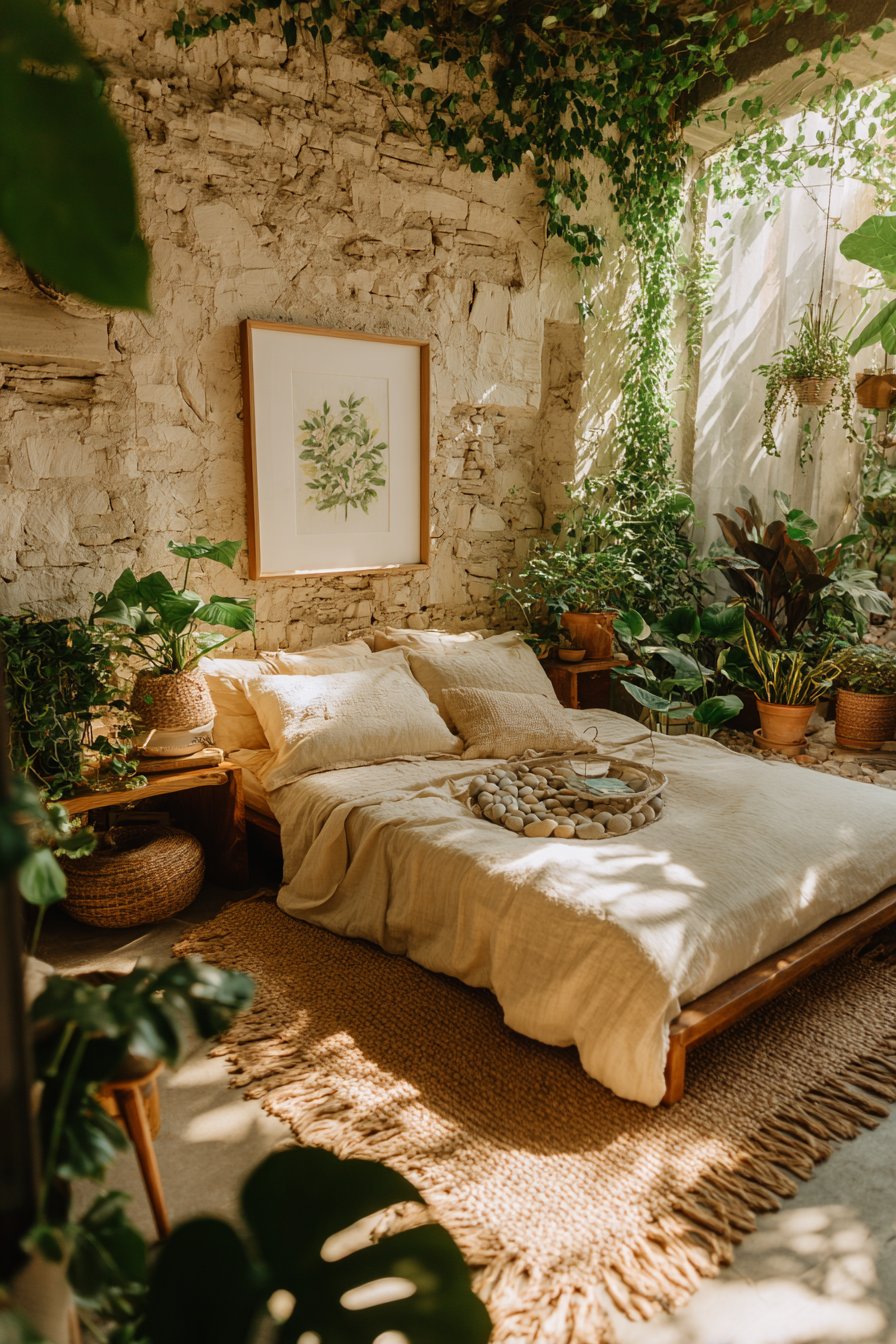
Natural materials like wood, stone, and cotton provide tactile satisfaction that synthetic alternatives cannot match. These organic textures engage multiple senses simultaneously, creating richer environmental experiences. The imperfections in natural materials add character and warmth that perfectly manufactured items lack.
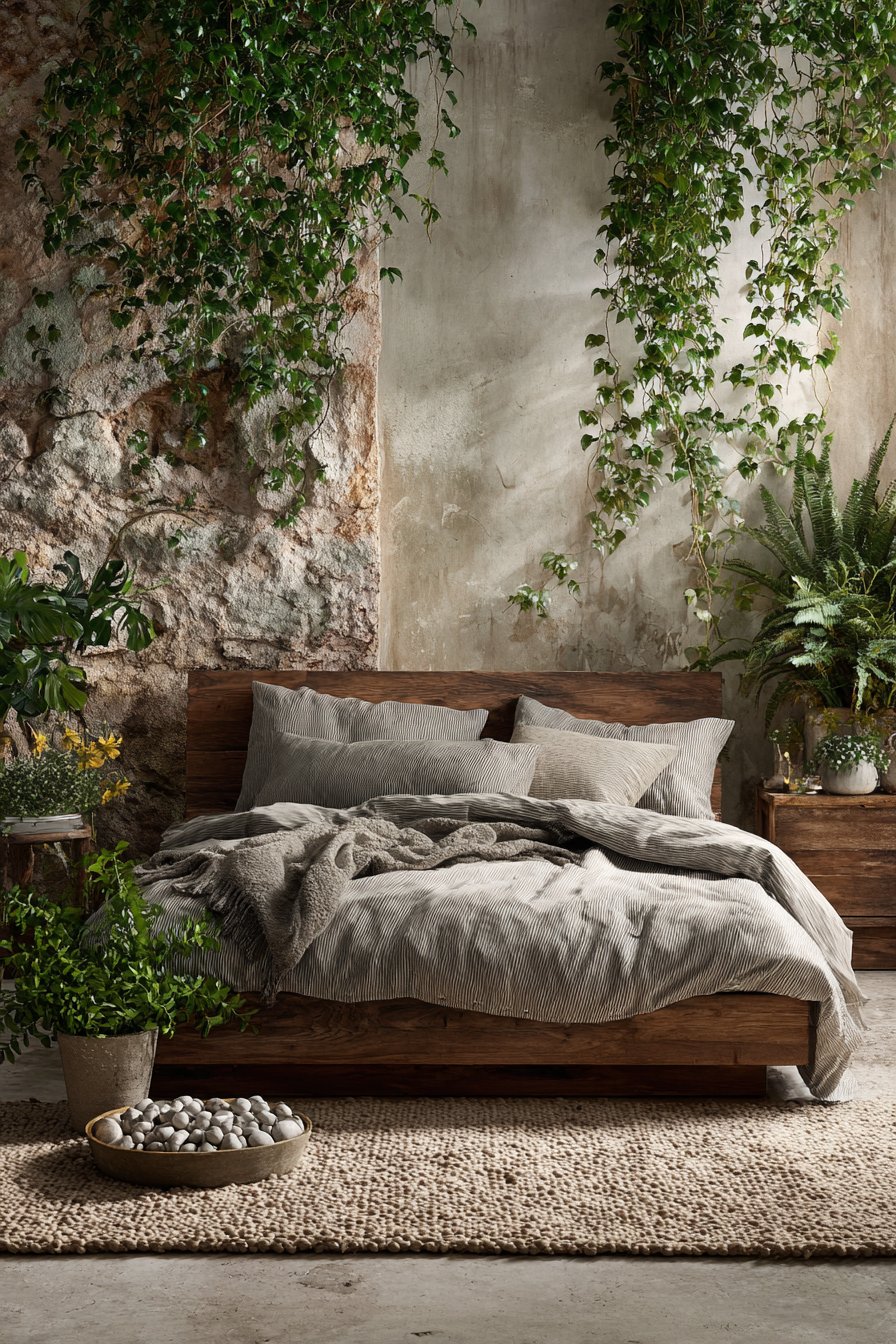
Research shows that even nature-inspired patterns and imagery trigger positive neurological responses when actual plants are impractical. Botanical prints, nature photography, and organic shapes provide dopamine-boosting alternatives for low-light spaces. This flexibility makes biophilic principles accessible regardless of your gardening abilities.
- Position low-maintenance plants like pothos and snake plants throughout your home
- Incorporate wooden furniture and accessories for organic warmth
- Display nature photography or botanical prints in strategic locations
- Use natural fiber textiles like linen and cotton for softness
- Install water features for soothing ambient sounds
- Choose stone or concrete elements as architectural focal points
5. Creating Sensory-Rich Environments
Multi-sensory stimulation engages the brain more completely than visual design alone can achieve. Incorporating pleasant scents, textures, and sounds creates layered experiences that trigger complex neurochemical responses. This holistic approach recognizes that mood enhancement requires engaging all available senses simultaneously.
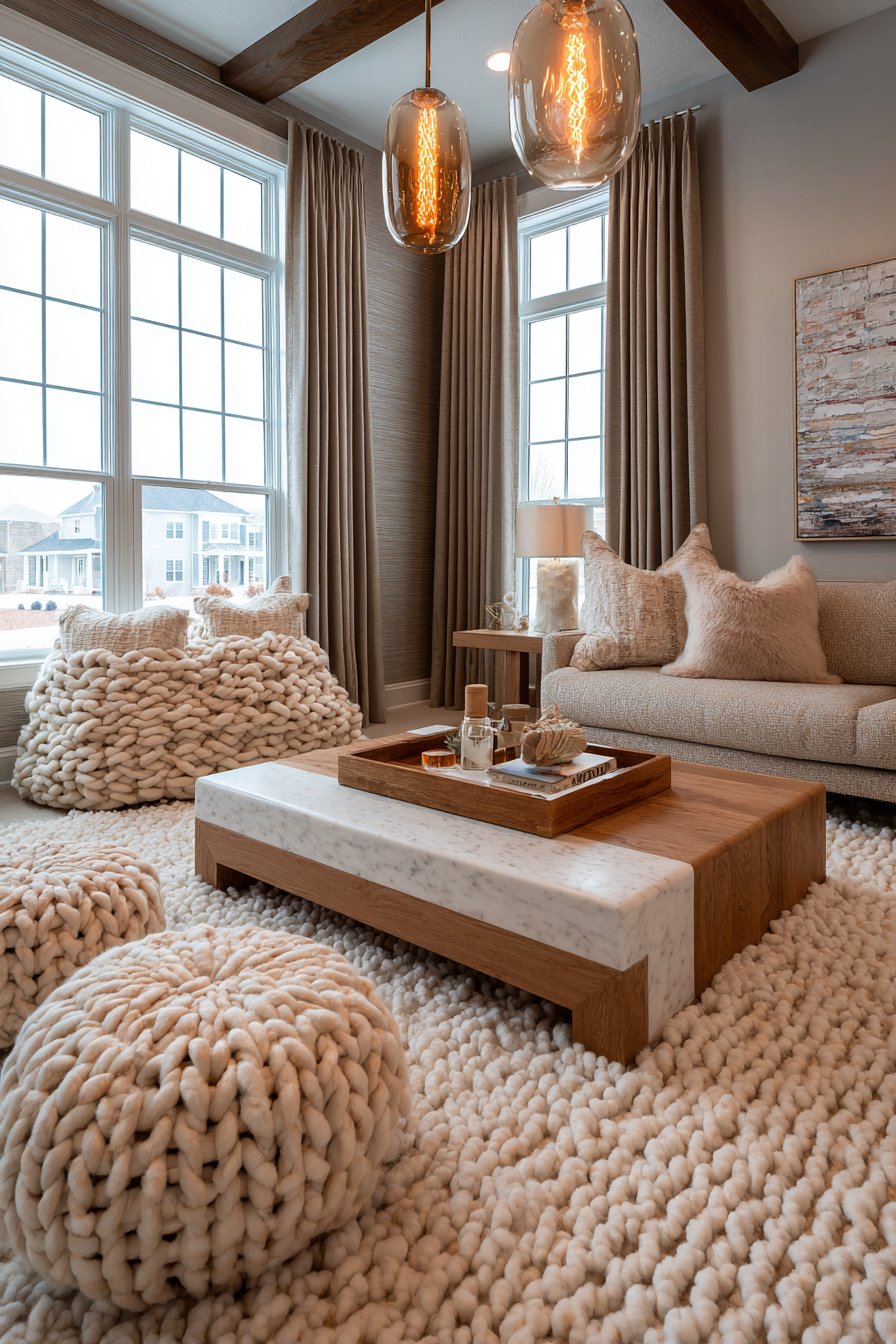
Texture variety provides tactile interest that invites interaction and physical engagement with your space. Mixing smooth and rough surfaces, soft and firm materials creates depth that flat environments lack. These contrasts prevent sensory boredom while offering comfort options for different moods and activities.
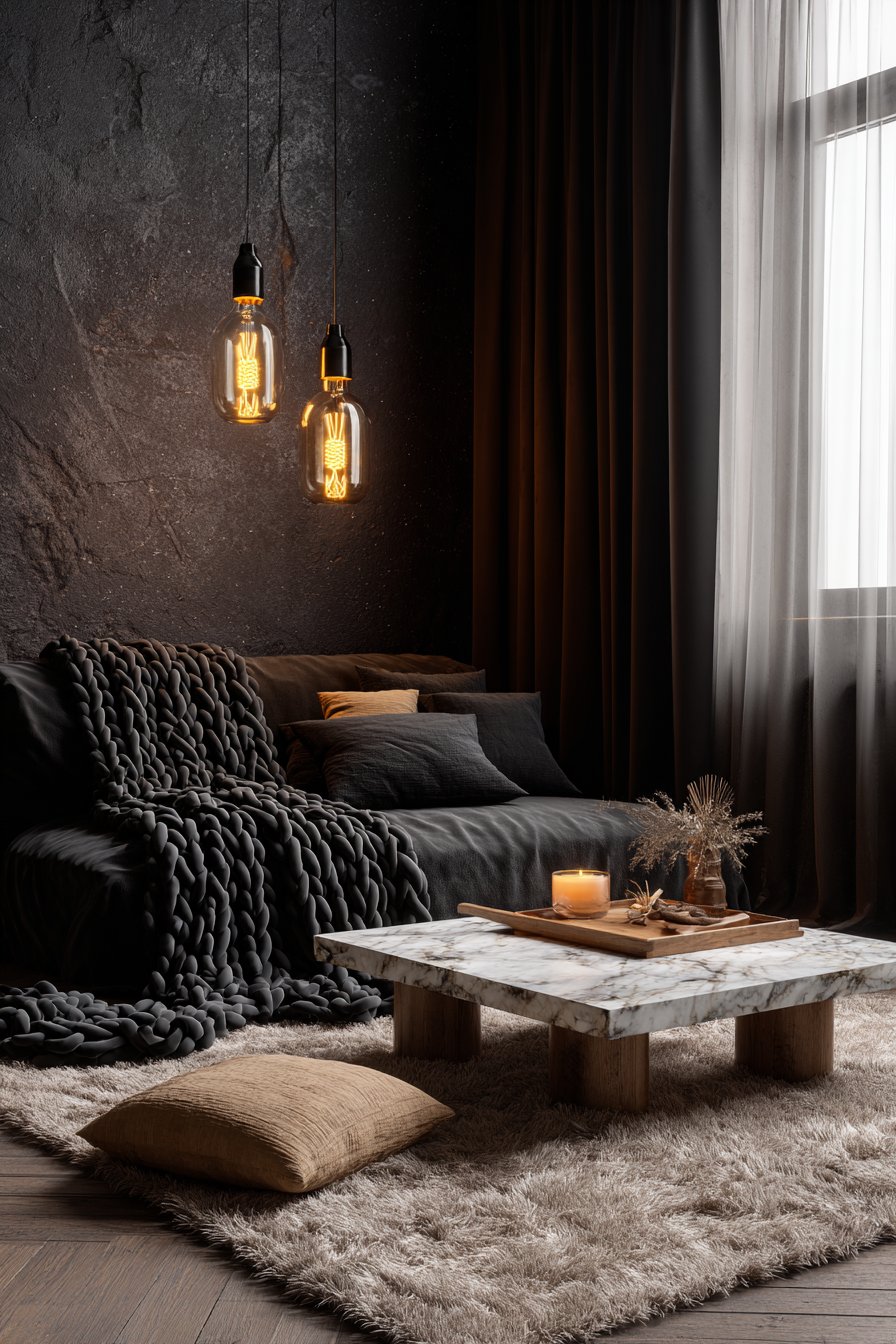
Ambient soundscapes and strategic acoustics influence stress levels and concentration abilities throughout your day. Whether through music systems, water features, or wind chimes, auditory elements complete the sensory experience. Controlling noise pollution proves equally important as adding pleasant sounds to your environment.
- Layer various fabric textures through pillows, throws, and upholstery
- Use essential oil diffusers with mood-boosting scents like citrus
- Install dimmer switches for customizable lighting intensity levels
- Incorporate sound-absorbing materials like rugs and curtains strategically
- Display textured wall art or three-dimensional pieces to touch
- Create cozy nooks with multiple comfort elements combined
6. Designing Flexible Activity Zones
Functional variety within living spaces prevents environmental monotony and supports diverse daily activities. Dedicated zones for different purposes provide mental cues that enhance focus and relaxation effectiveness. This spatial organization respects how context influences psychological states and behavioral patterns.
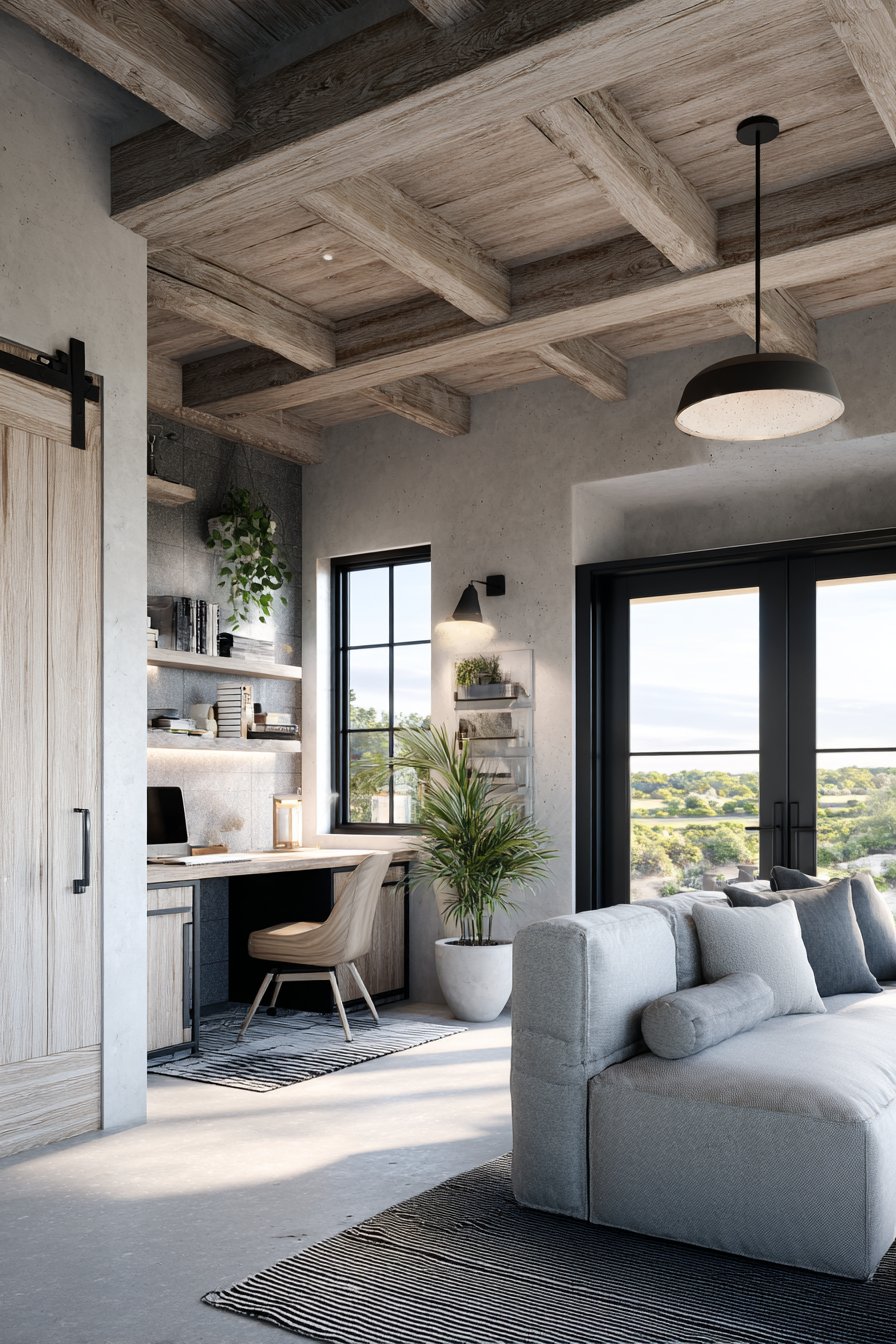
The ability to reconfigure spaces as needs change maintains environmental novelty and prevents stagnation. Modular furniture and movable partitions allow experimentation without permanent commitment or expense. This flexibility proves especially valuable in smaller homes where rooms must serve multiple purposes.
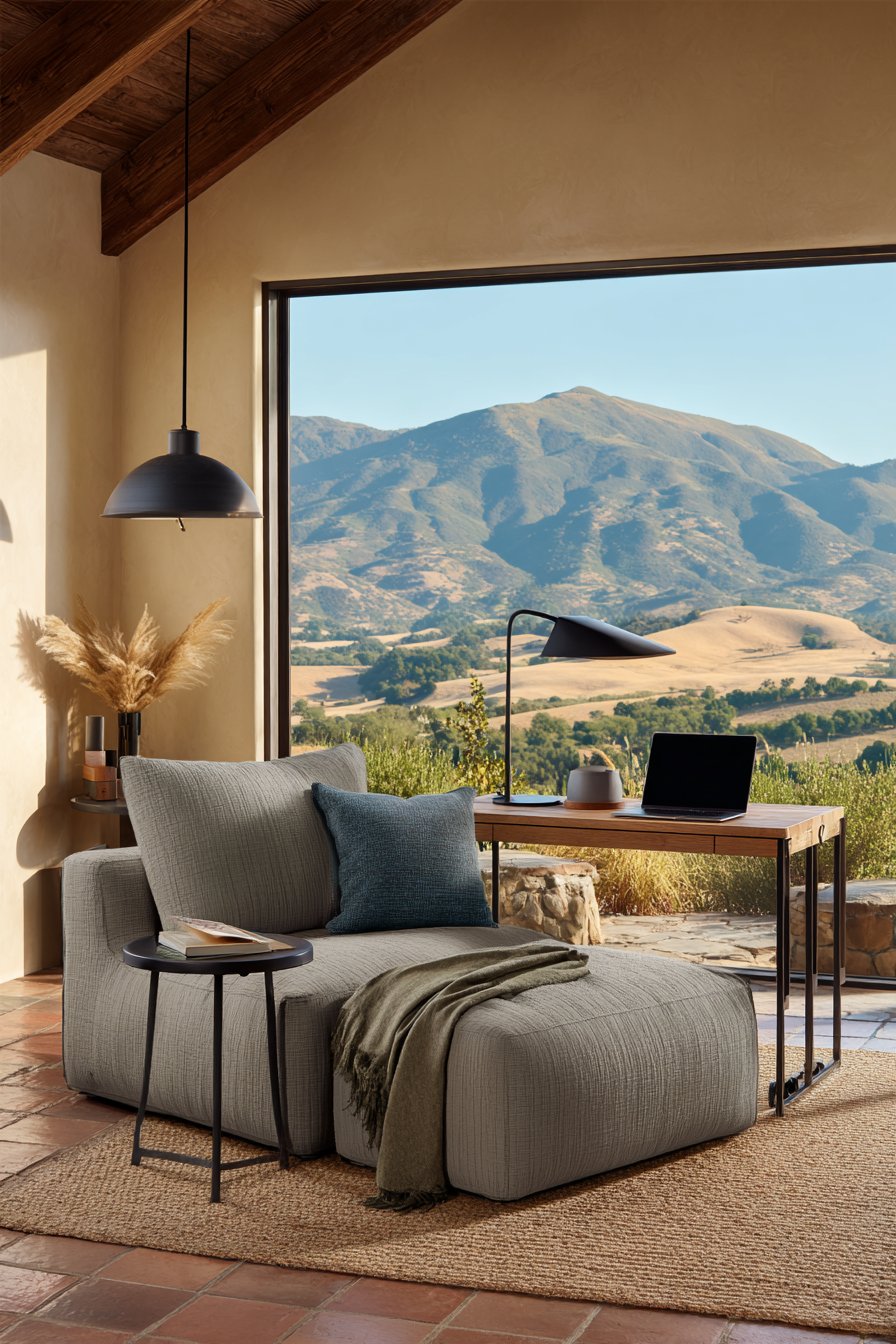
Activity-specific lighting and furniture arrangements signal your brain to shift between work, play, and rest modes. Clear spatial boundaries help maintain work-life balance in home offices and multi-purpose rooms. These psychological transitions become automatic once environmental cues are established consistently.
- Designate specific corners for reading, working, and relaxing separately
- Use area rugs to visually define different functional zones
- Invest in multi-purpose furniture like sofa beds and storage ottomans
- Install task lighting for work areas and ambient lighting for relaxation
- Create mobile workstations using lap desks and rolling carts
- Establish tech-free zones for mindfulness and disconnection
Conclusion
Dopamine decor transforms interior design from purely aesthetic exercise into mental health intervention. By understanding the neurological mechanisms behind environmental satisfaction, you can make intentional choices that support emotional well-being. These science-backed strategies prove that beautiful spaces and psychologically nourishing environments are not mutually exclusive goals.
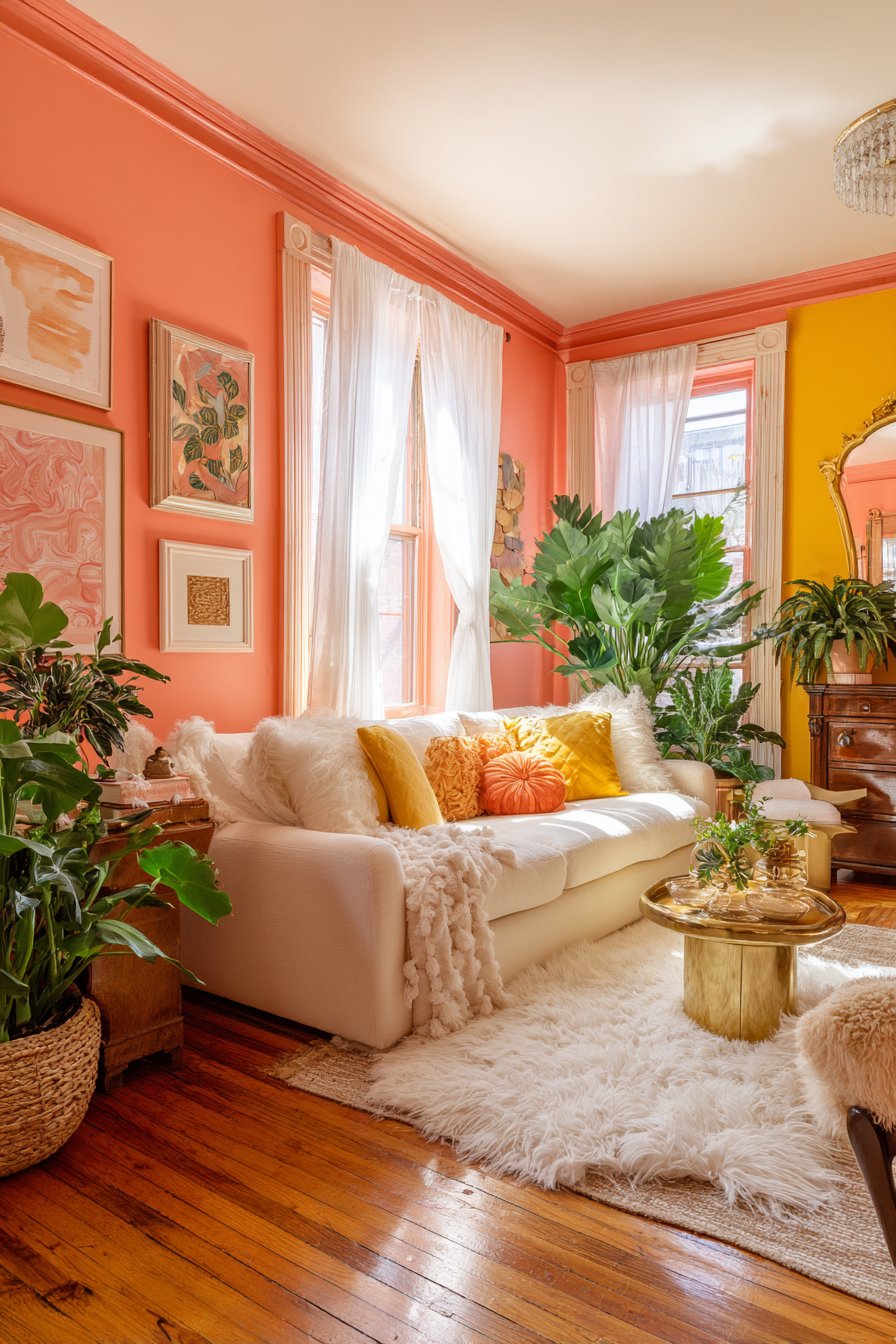
Start implementing these principles gradually, focusing on changes that resonate most strongly with your personal preferences. Your home should reflect your unique personality while supporting your mental and emotional needs consistently. Trust your instincts about what brings genuine joy rather than chasing trending styles that may not serve your well-being.
