


Your bedroom should be more than just a place to sleep. It’s a personal sanctuary where you retreat from the world’s chaos and recharge for tomorrow’s challenges. Creating a cozy atmosphere transforms this essential space into a haven of comfort and tranquility.
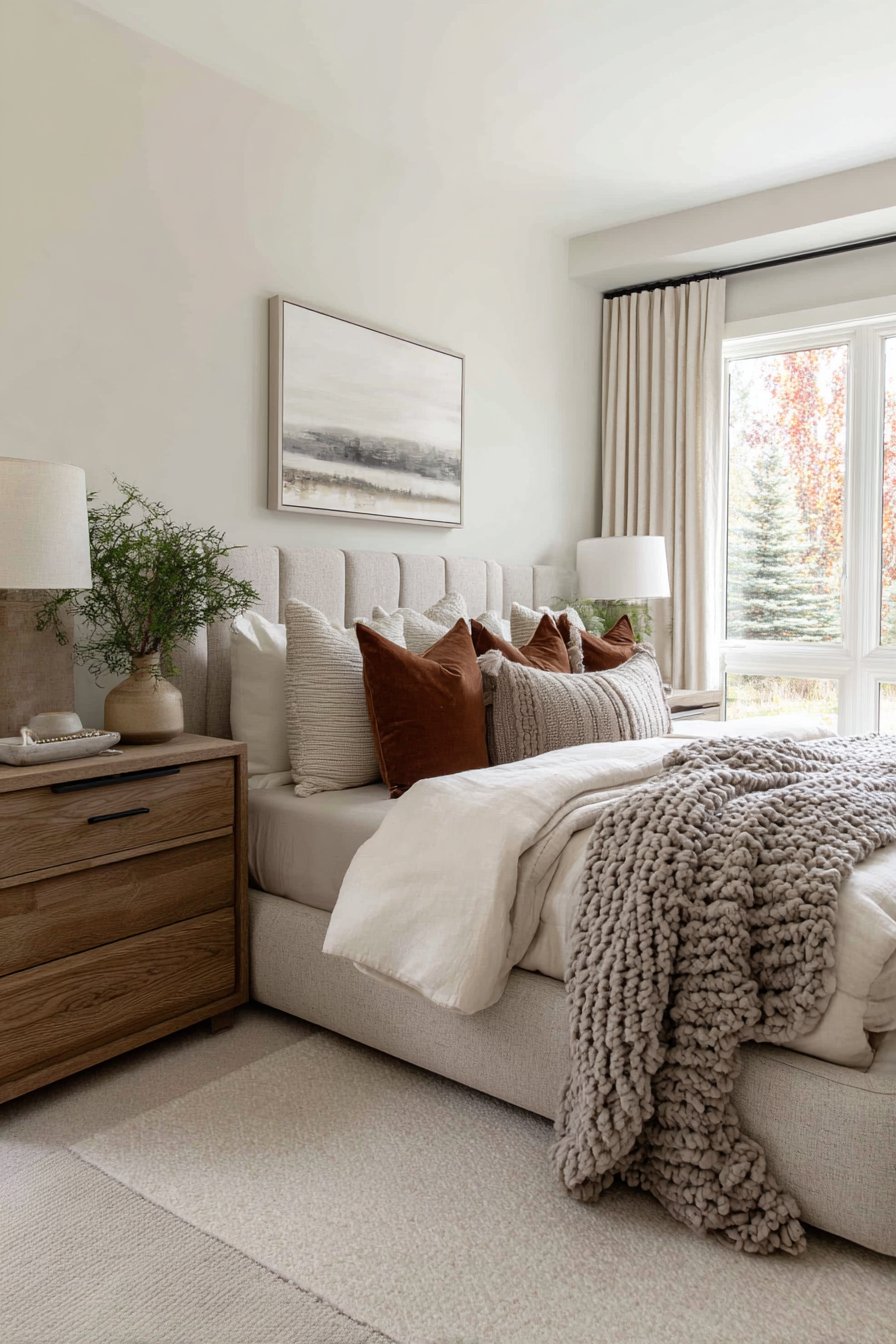
Thoughtful interior design plays a crucial role in establishing functional and inspiring spaces that nurture both body and mind. The right combination of textures, colors, and furnishings can dramatically impact your sleep quality and overall wellbeing. Whether you prefer minimalist serenity or bohemian warmth, understanding design fundamentals helps you craft environments that truly resonate with your personality.
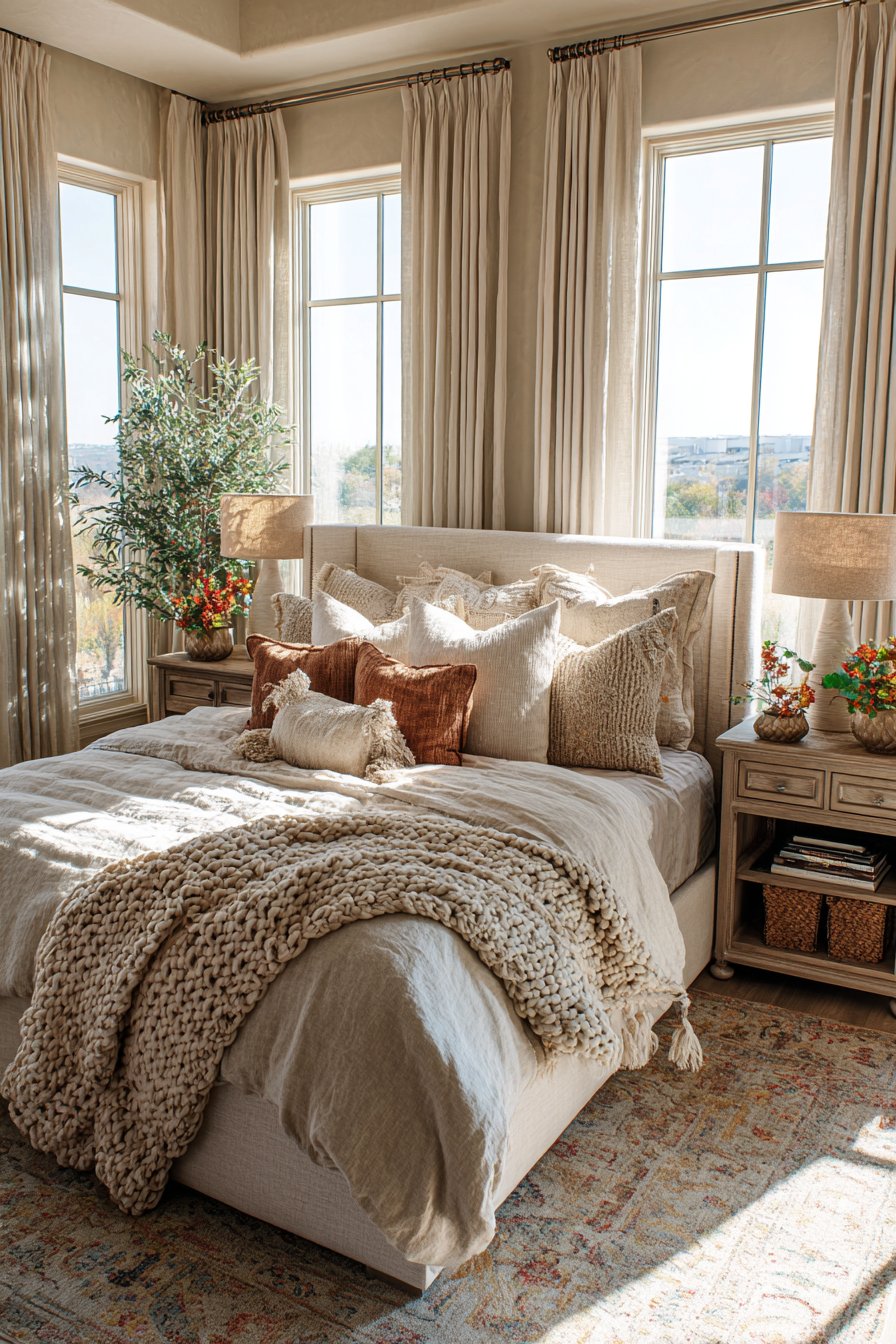
This article explores seven proven strategies for enhancing bedroom coziness through intentional design choices. From layering textiles to optimizing lighting, each method offers practical solutions that cater to diverse lifestyles and budgets. These approaches work harmoniously together, allowing you to customize your space while maintaining a cohesive, inviting atmosphere that feels uniquely yours.
1. Layer Textures Through Textiles
Textile layering creates visual depth and tactile richness that instantly elevates bedroom comfort. Multiple fabric layers add warmth and dimension while providing practical temperature regulation throughout seasons. This approach transforms flat, one-dimensional spaces into inviting retreats that engage multiple senses simultaneously.
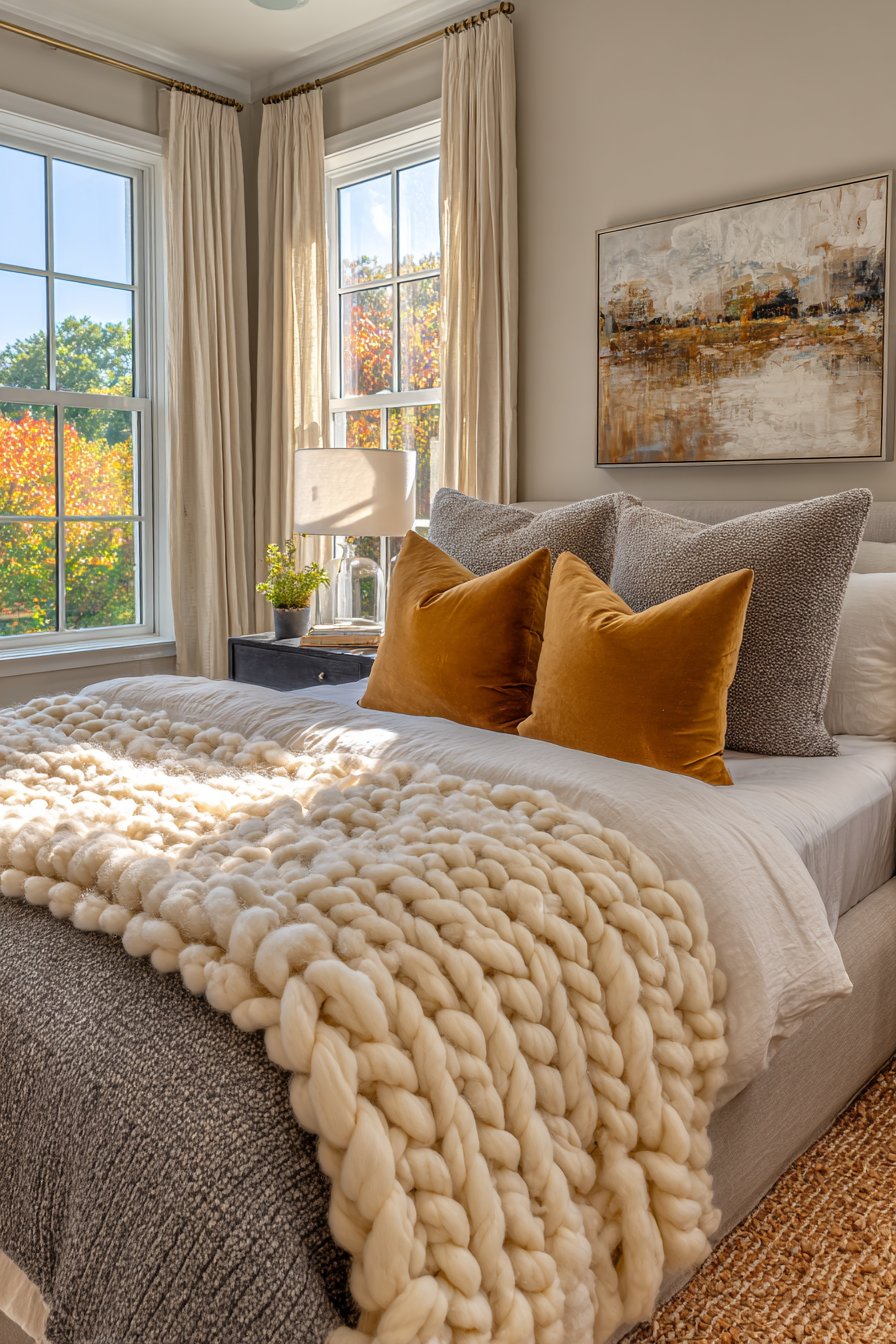
Start with your bedding as the foundation layer, incorporating sheets, blankets, duvets, and throws in varying weights and materials. Mix smooth cottons with chunky knits, silky fabrics with nubby weaves. The contrast between different textures creates sensory interest that makes the bed irresistibly inviting and visually appealing.
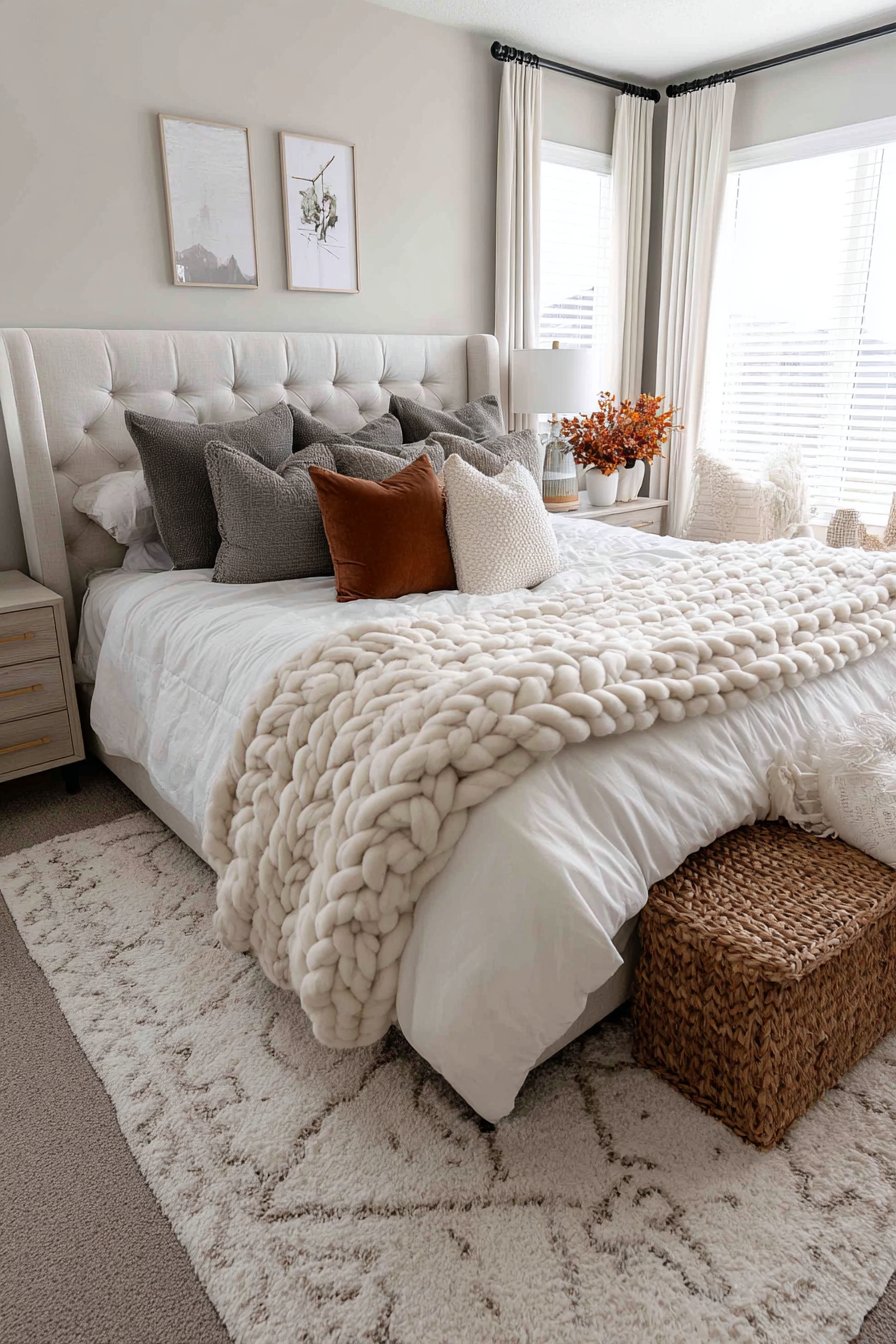
Extend this layering philosophy beyond the bed to curtains, rugs, and decorative pillows. A plush area rug underfoot adds warmth, while floor-length curtains in soft fabrics create cocoon-like enclosure. Consider seasonal adjustments, swapping lighter linens for heavier textiles as temperatures drop, maintaining year-round coziness without major renovations.
- Combine at least three different fabric textures in bedding
- Add throw blankets in contrasting materials for visual interest
- Layer rugs for added warmth and dimensional appeal
- Choose curtains with substantial weight and soft drape
- Include various pillow sizes and textures for depth
- Rotate textiles seasonally to maintain freshness and comfort
2. Perfect Your Lighting Strategy
Lighting dramatically influences bedroom ambiance and sleep quality. Harsh overhead lights create clinical atmospheres, while thoughtfully layered lighting establishes warmth and versatility. A comprehensive lighting plan includes ambient, task, and accent sources that work together seamlessly.
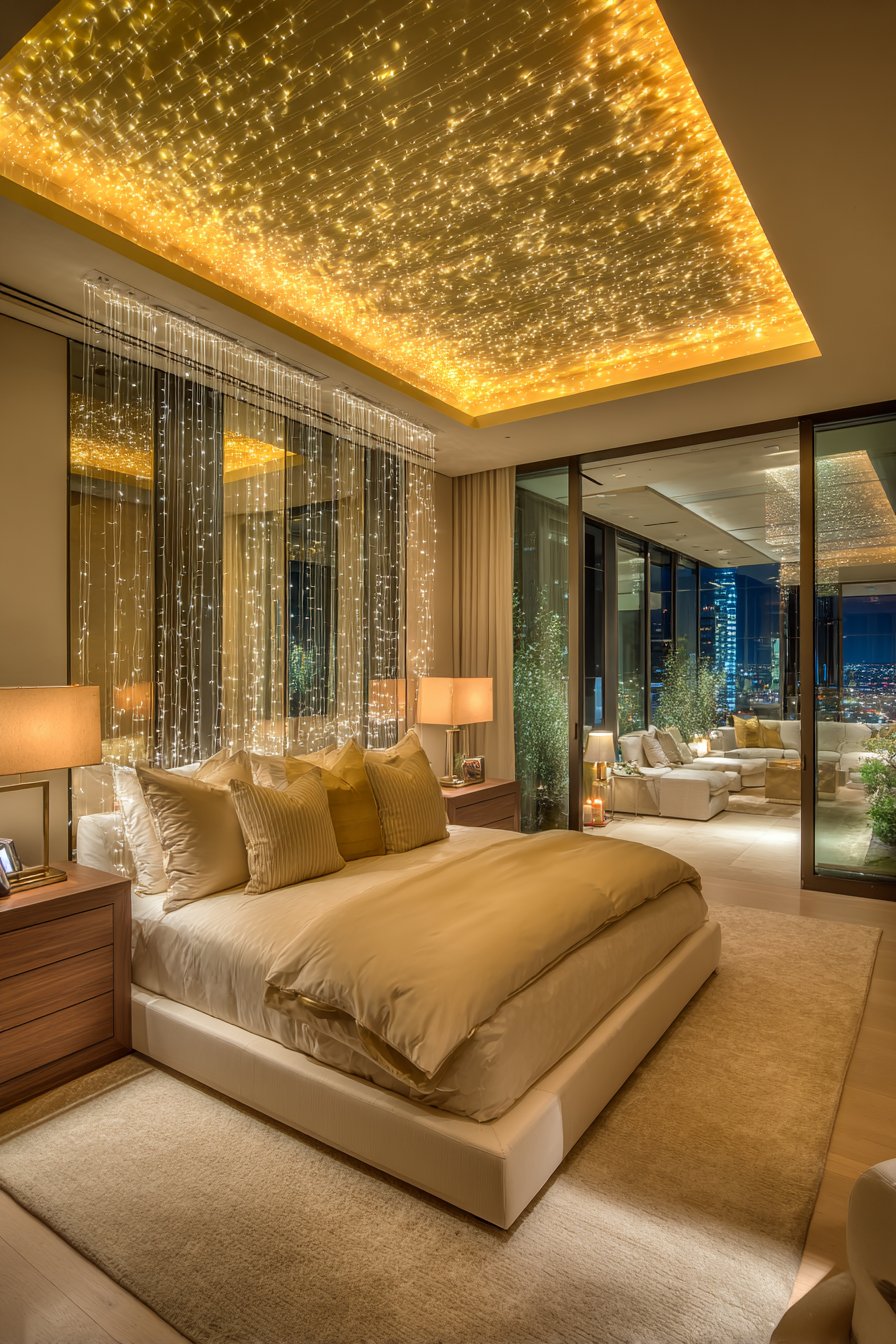
Dimmable fixtures offer essential flexibility for different activities and mood creation. Install dimmer switches on overhead lights, allowing gradual transitions from bright morning illumination to soft evening glow. Table lamps with warm-toned bulbs positioned on nightstands provide gentle reading light without disturbing partners or overwhelming the space.
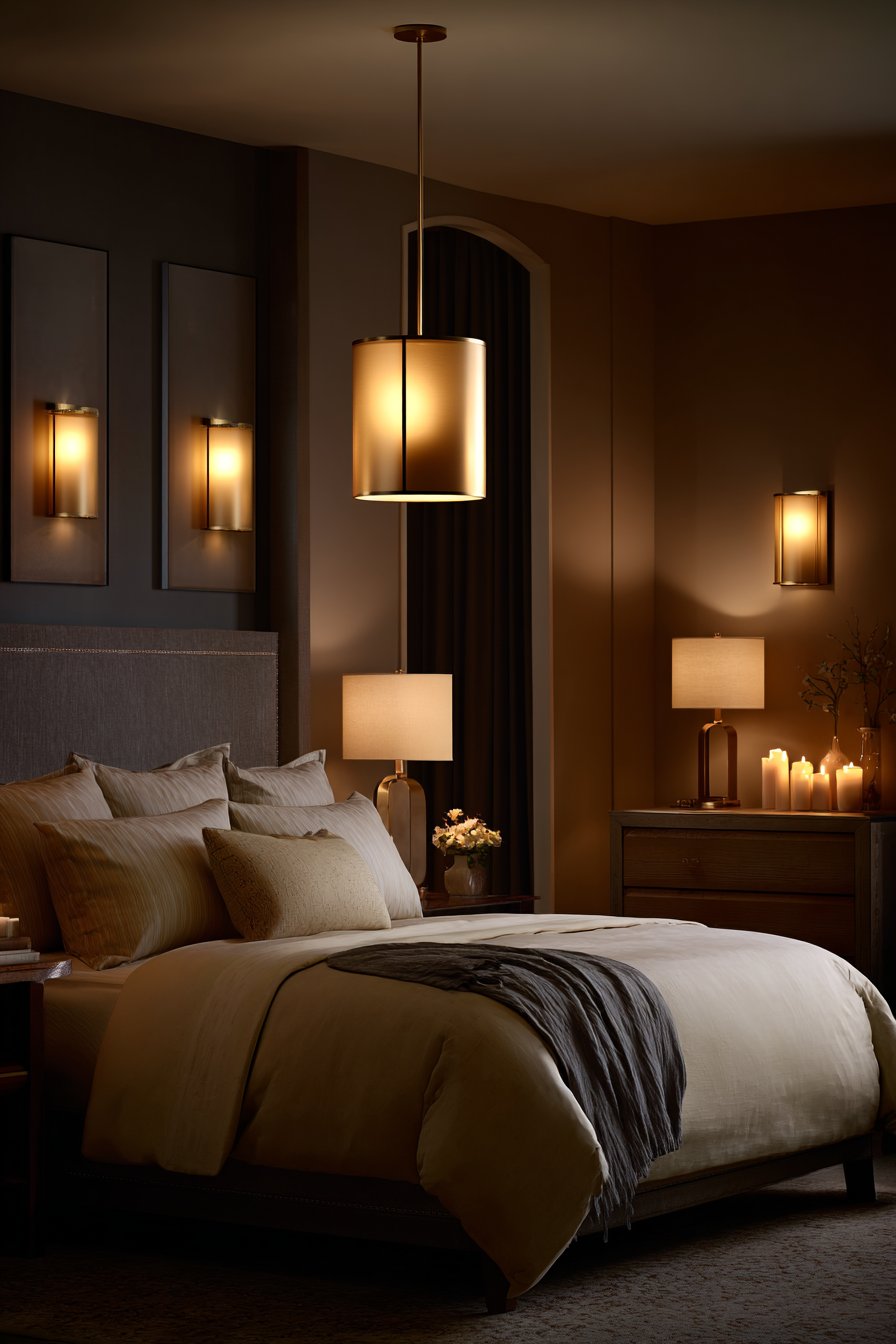
Consider adding string lights, LED candles, or wall sconces for atmospheric accent lighting. These supplementary sources create soft pools of light that enhance coziness without functional purpose. Warm color temperatures between 2700K and 3000K mimic natural candlelight, promoting relaxation and signaling your body’s circadian rhythms for better sleep preparation.
- Install dimmer switches on all primary light sources
- Use warm-toned bulbs exclusively for evening relaxation
- Position bedside lamps at appropriate reading heights
- Add battery-operated candles for risk-free ambiance
- Incorporate string lights for gentle background illumination
- Avoid blue-spectrum lighting after sunset hours
3. Choose Warm Color Palettes
Color psychology significantly impacts emotional responses and perceived room temperature. Warm hues create intimate, enveloping atmospheres that promote relaxation and contentment. Earthy tones, soft neutrals, and muted jewel tones establish cozy foundations that remain timeless and versatile.
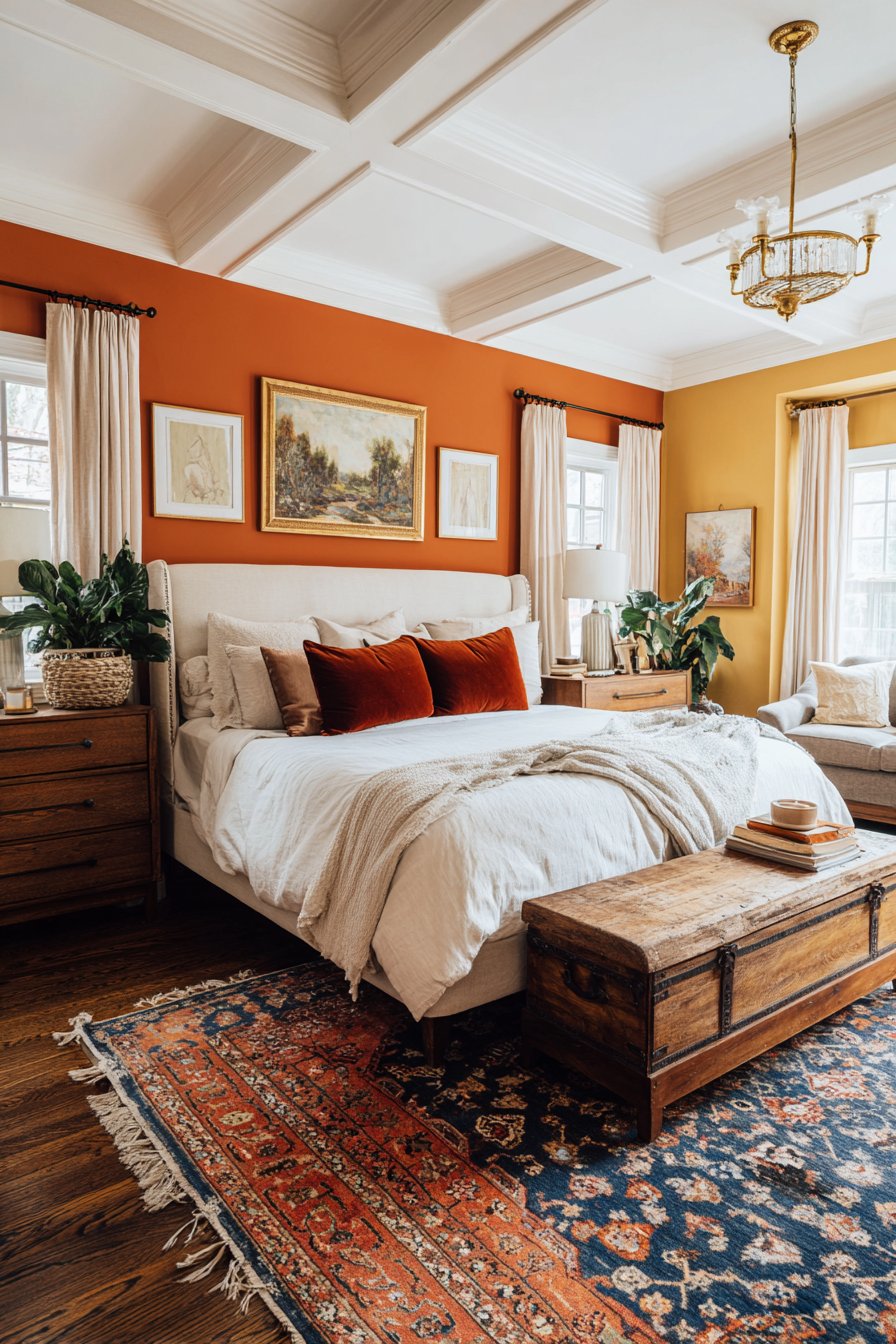
Consider terracotta, warm grays, soft beiges, and creamy whites as base colors for walls and large furniture pieces. These shades provide neutral backdrops that accommodate various accent colors and decorative styles. Deep burgundies, forest greens, or navy blues work beautifully as accent colors, adding richness without overwhelming smaller spaces.
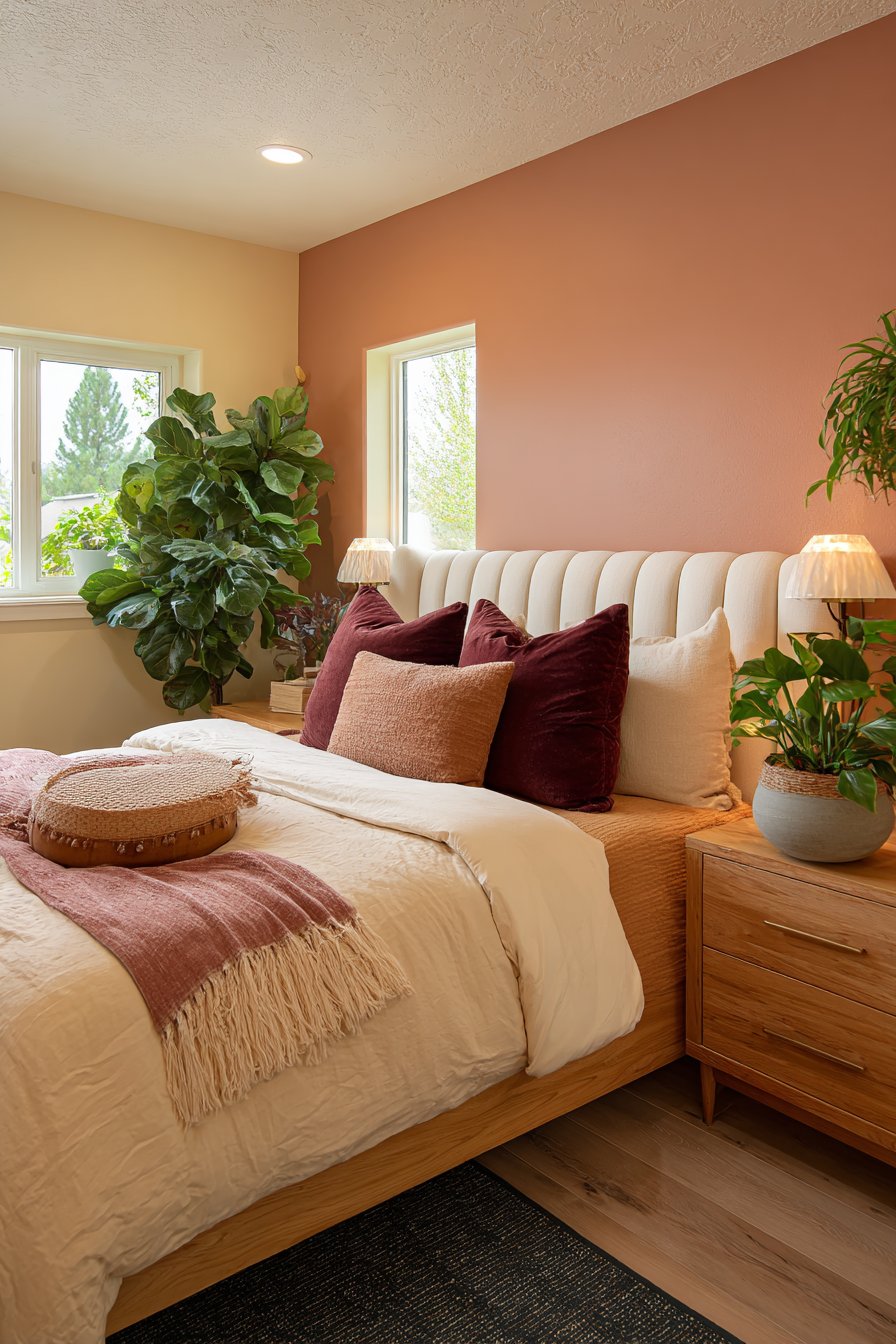
Avoid stark whites and cool grays that feel sterile and uninviting in bedroom settings. Instead, opt for warmer variations with yellow or pink undertones that create gentle, welcoming environments. Paint finishes also matter—matte or eggshell sheens absorb light softly, while glossy finishes reflect harshly and reduce coziness factor significantly.
- Select paint colors with warm undertones exclusively
- Test samples in natural and artificial lighting conditions
- Use deeper tones on accent walls sparingly
- Incorporate warm wood tones through furniture selections
- Layer colors through textiles and accessories gradually
- Maintain 60-30-10 rule for color distribution balance
4. Incorporate Natural Elements
Bringing nature indoors creates organic warmth and connects interior spaces to the calming natural world. Wood, stone, plants, and natural fibers add authenticity and texture that synthetic materials cannot replicate. These elements ground design schemes while improving air quality and overall wellbeing.
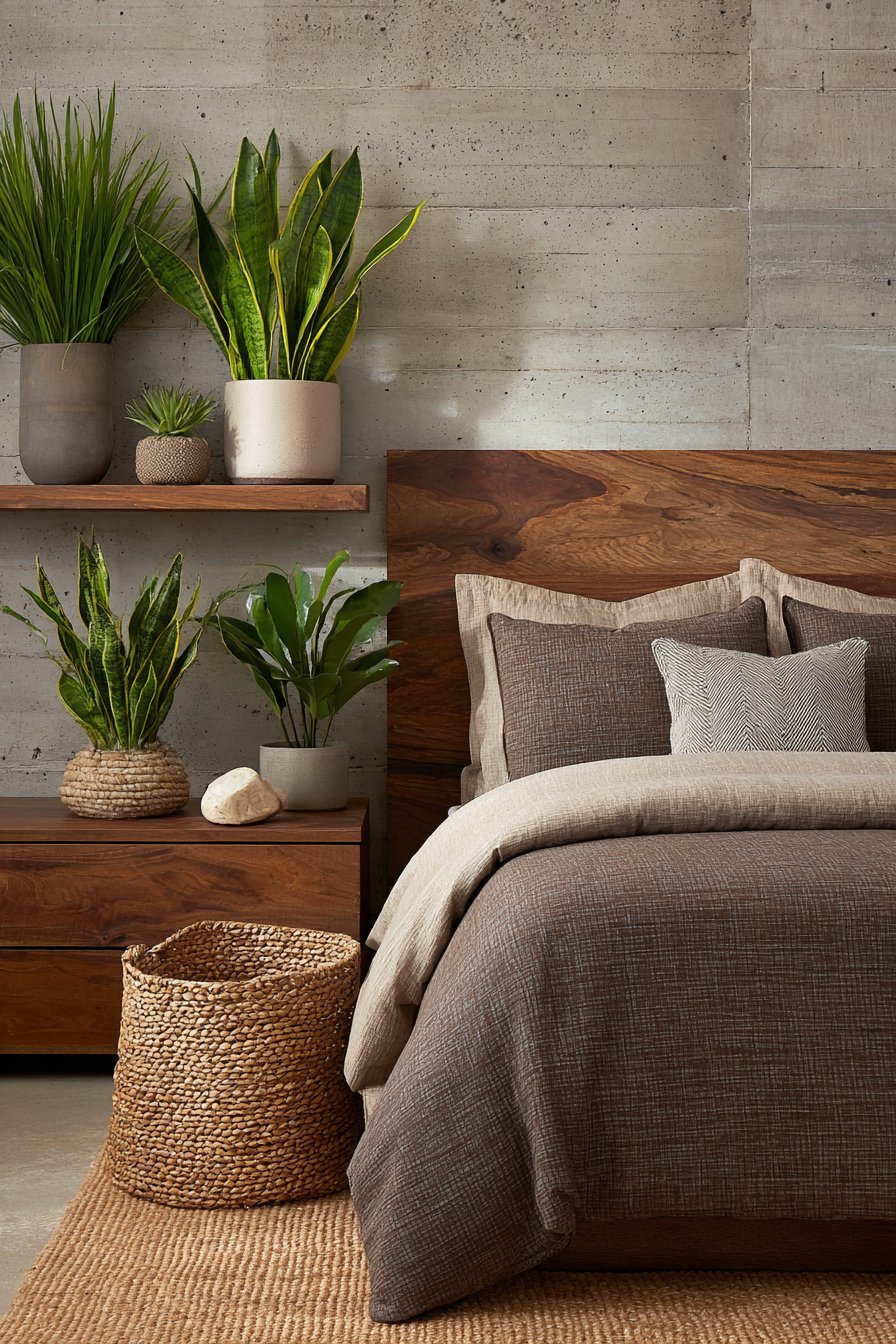
Wood furniture in warm tones—walnut, oak, or cherry—introduces natural grain patterns and rich color variations. Whether a substantial headboard, vintage dresser, or simple floating shelves, wooden pieces add architectural interest and timeless appeal. Live-edge pieces or reclaimed wood bring additional character through unique imperfections and histories.
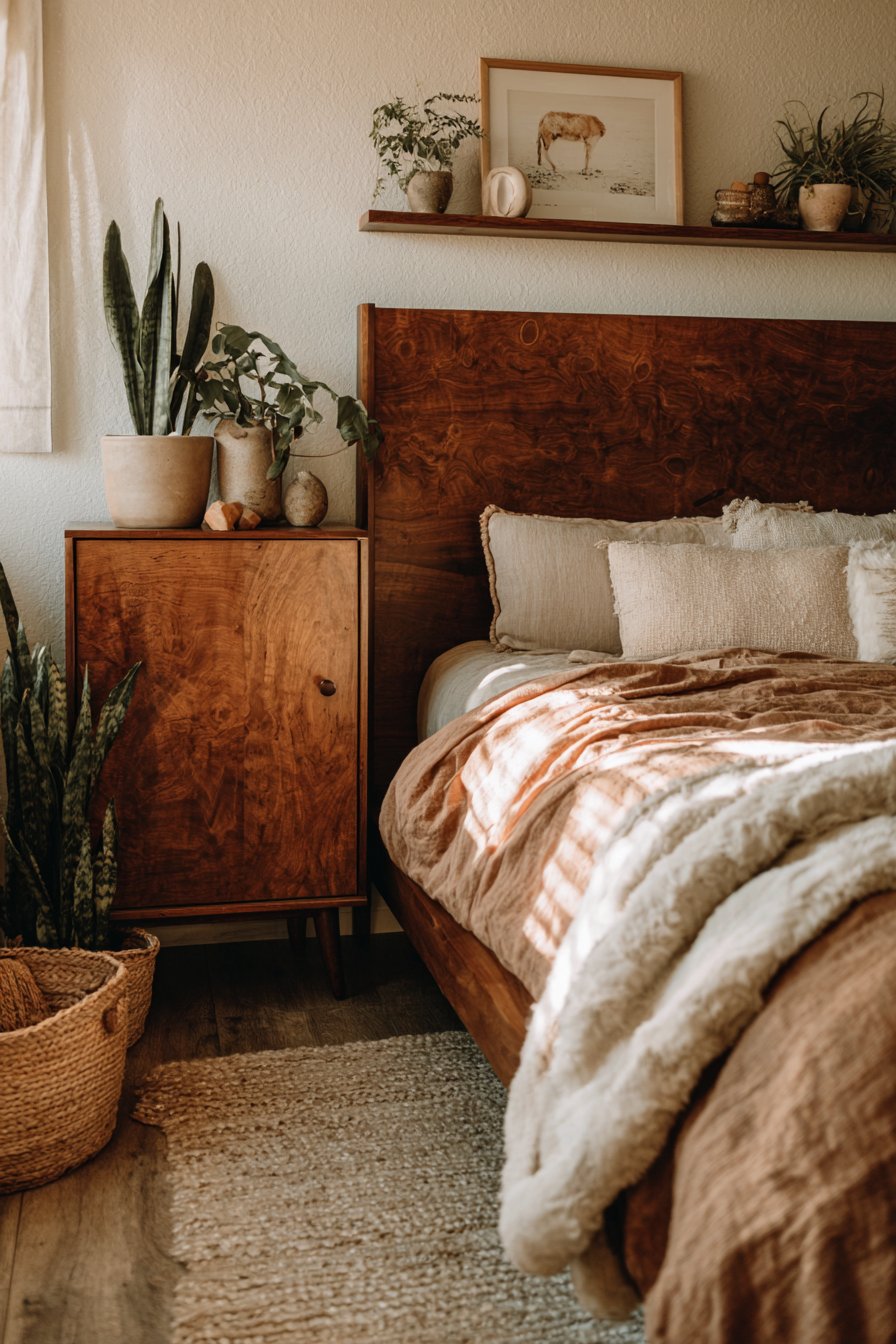
Indoor plants serve dual purposes as decorative elements and air purifiers. Low-maintenance varieties like pothos, snake plants, or peace lilies thrive in bedroom conditions while removing toxins. Natural fiber rugs in jute, sisal, or wool add organic texture underfoot, while woven baskets provide attractive storage solutions that maintain the nature-inspired aesthetic.
- Add at least one substantial wooden furniture piece
- Include two to three low-maintenance houseplants
- Choose natural fiber window treatments when possible
- Incorporate stone or ceramic decorative accessories
- Select furniture with visible wood grain patterns
- Use woven baskets for stylish bedroom organization
5. Create Intimate Spatial Boundaries
Large bedrooms can feel cold and impersonal without proper spatial definition. Creating zones through furniture arrangement and architectural elements establishes intimate pockets that enhance coziness. Strategic placement of pieces transforms sprawling spaces into comfortable, human-scaled environments.
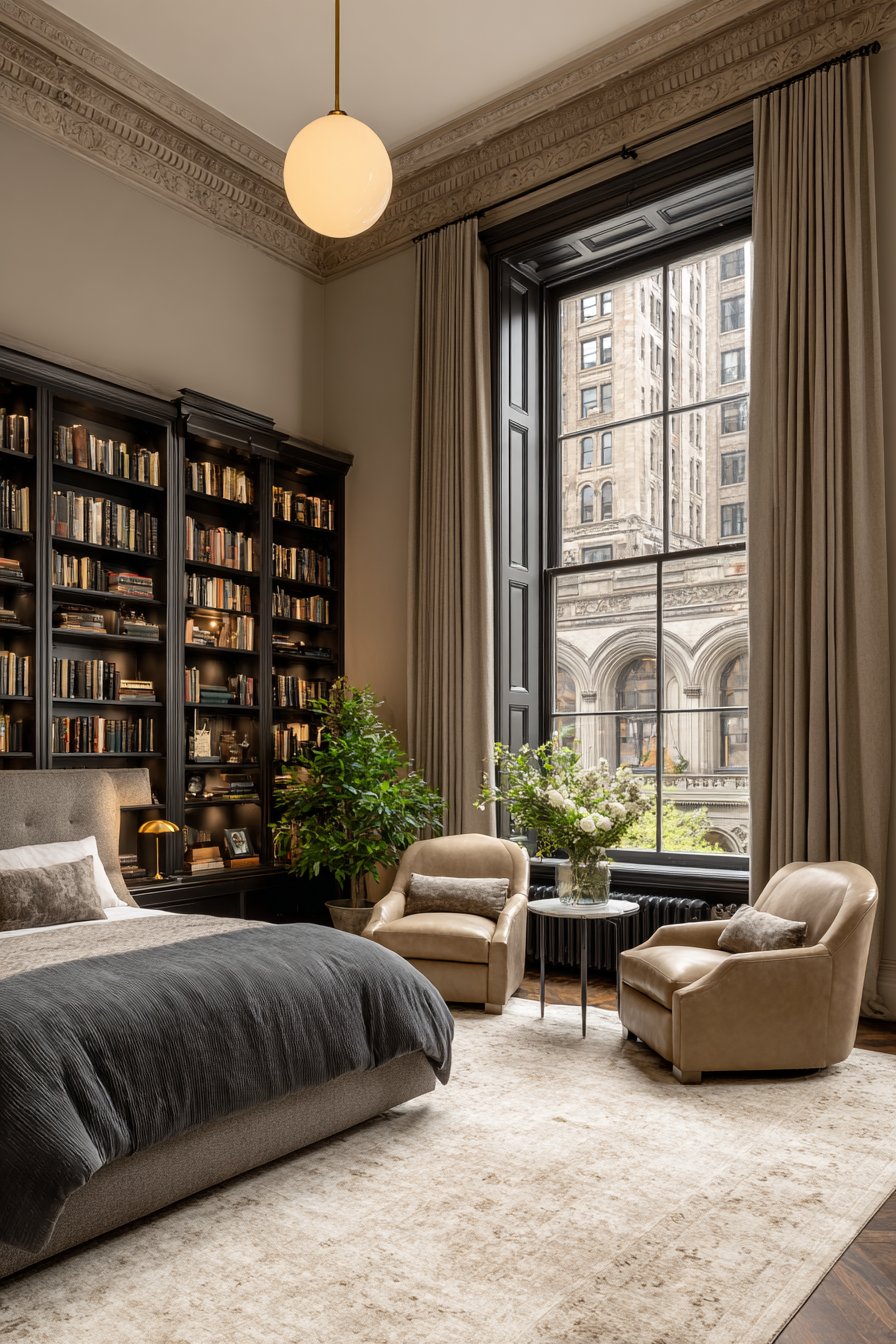
Position your bed against a solid wall rather than floating in open floor space. This creates a sense of security and enclosure that promotes better sleep. Add a seating area with comfortable chairs and small table in room corners, establishing separate zones for relaxation beyond sleeping functionality.
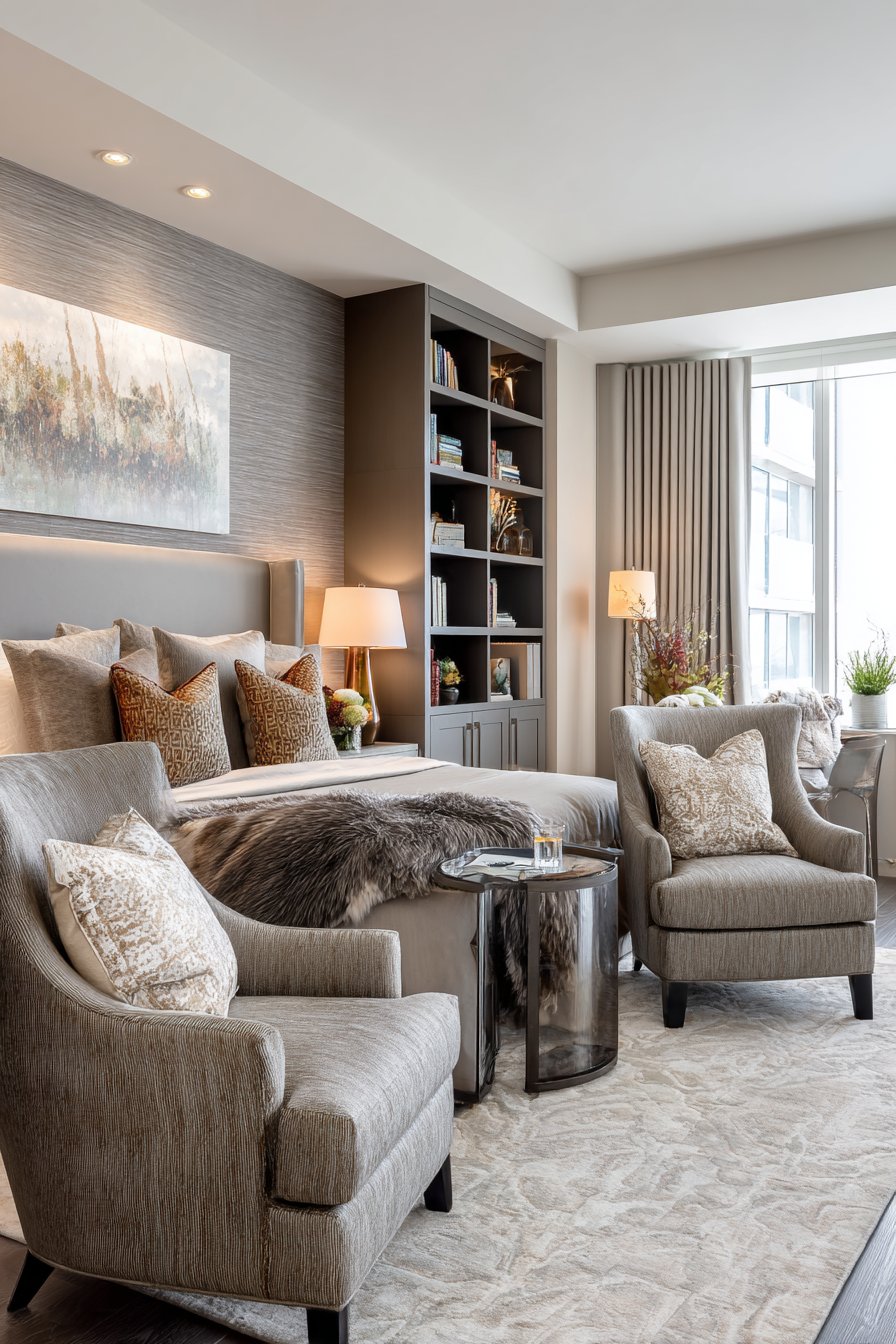
Use area rugs to define spaces and anchor furniture groupings visually. A rug extending beyond bed edges by 18-24 inches creates cohesive sleeping zones. Tall bookshelves or decorative screens can partition areas in studios or oversized bedrooms, creating boundaries without permanent construction or significant expense.
- Anchor beds against solid walls for security
- Define zones with appropriately sized area rugs
- Create conversation areas with paired seating options
- Use tall furniture as natural room dividers
- Maintain clear pathways between functional zones
- Scale furniture appropriately to room dimensions
6. Minimize Visual Clutter
Clutter creates visual stress that undermines cozy atmospheres regardless of other design elements. Strategic storage solutions and intentional curation maintain serenity while preserving functionality. The principle of “less is more” applies particularly effectively in bedroom sanctuaries.
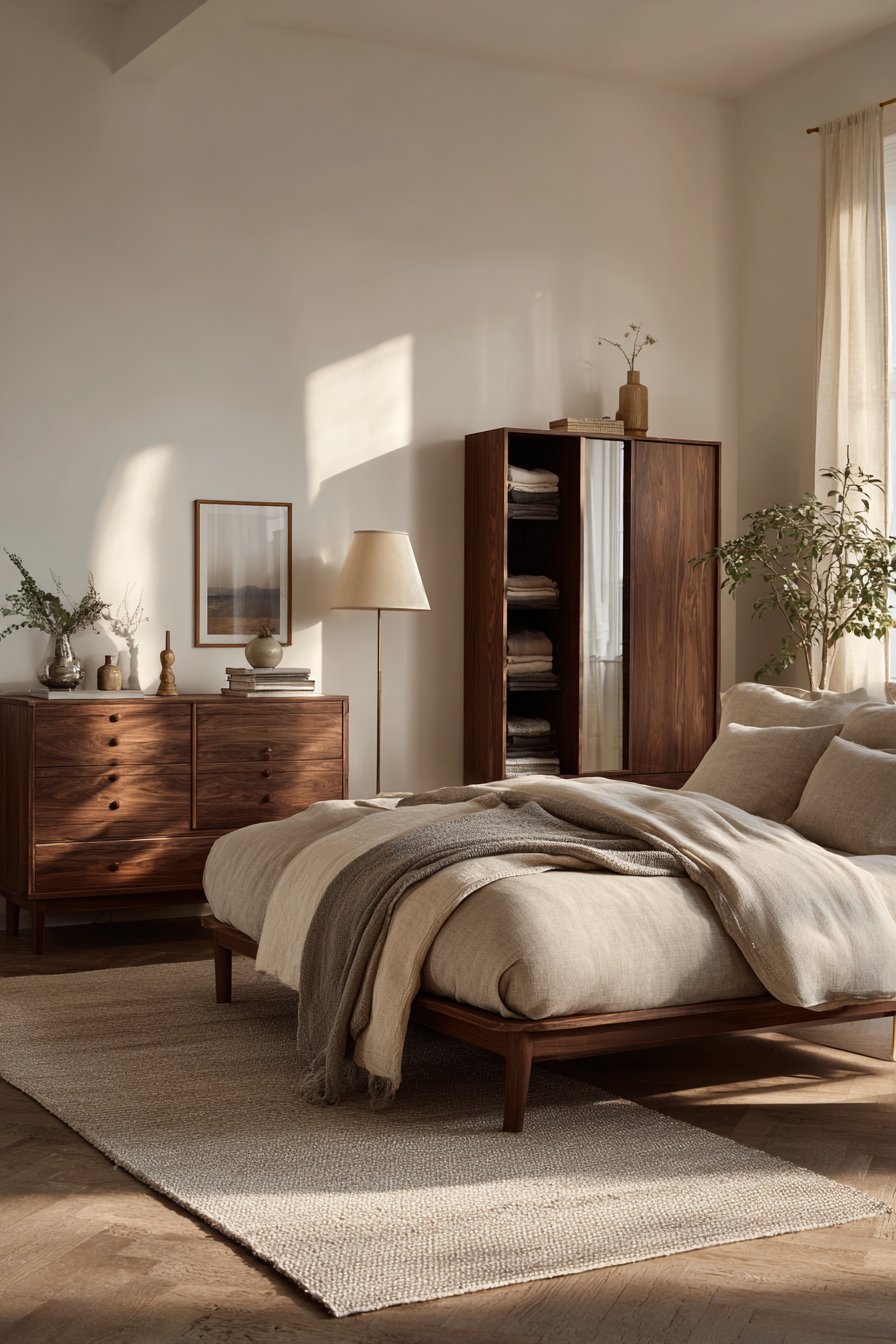
Invest in closed storage solutions like dressers, armoires, or under-bed containers that hide everyday necessities. Open shelving can work beautifully when curated carefully with meaningful objects rather than random accumulations. Display only items that spark joy or serve decorative purposes, rotating collections seasonally to maintain freshness.
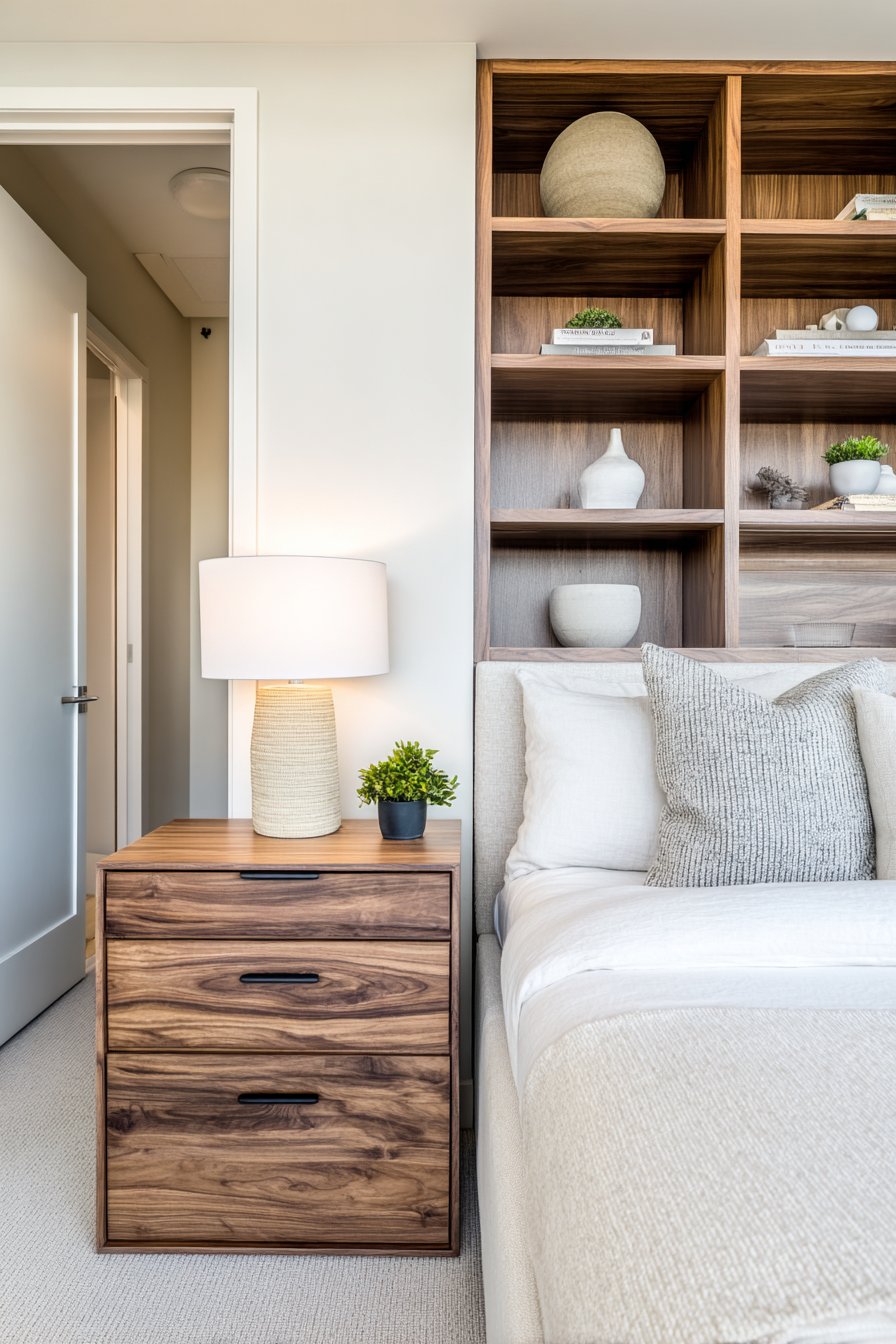
Establish daily habits that prevent clutter accumulation, including designated spots for commonly misplaced items. Nightstand surfaces should hold only essentials—lamp, alarm clock, and perhaps one decorative object. Clear surfaces create visual breathing room that allows cozy elements like textiles and lighting to shine without competing for attention.
- Implement closed storage for majority of belongings
- Limit nightstand items to functional essentials only
- Curate open shelving displays with intentional editing
- Establish designated homes for frequently used items
- Remove work-related materials from bedroom spaces entirely
- Conduct monthly decluttering sessions for maintenance
7. Add Personal Meaningful Touches
Generic catalog rooms lack emotional resonance that makes spaces truly cozy. Personal touches reflecting your interests, memories, and unique aesthetic transform bedrooms from showrooms into genuine sanctuaries. These elements create emotional connections that generic décor cannot achieve.
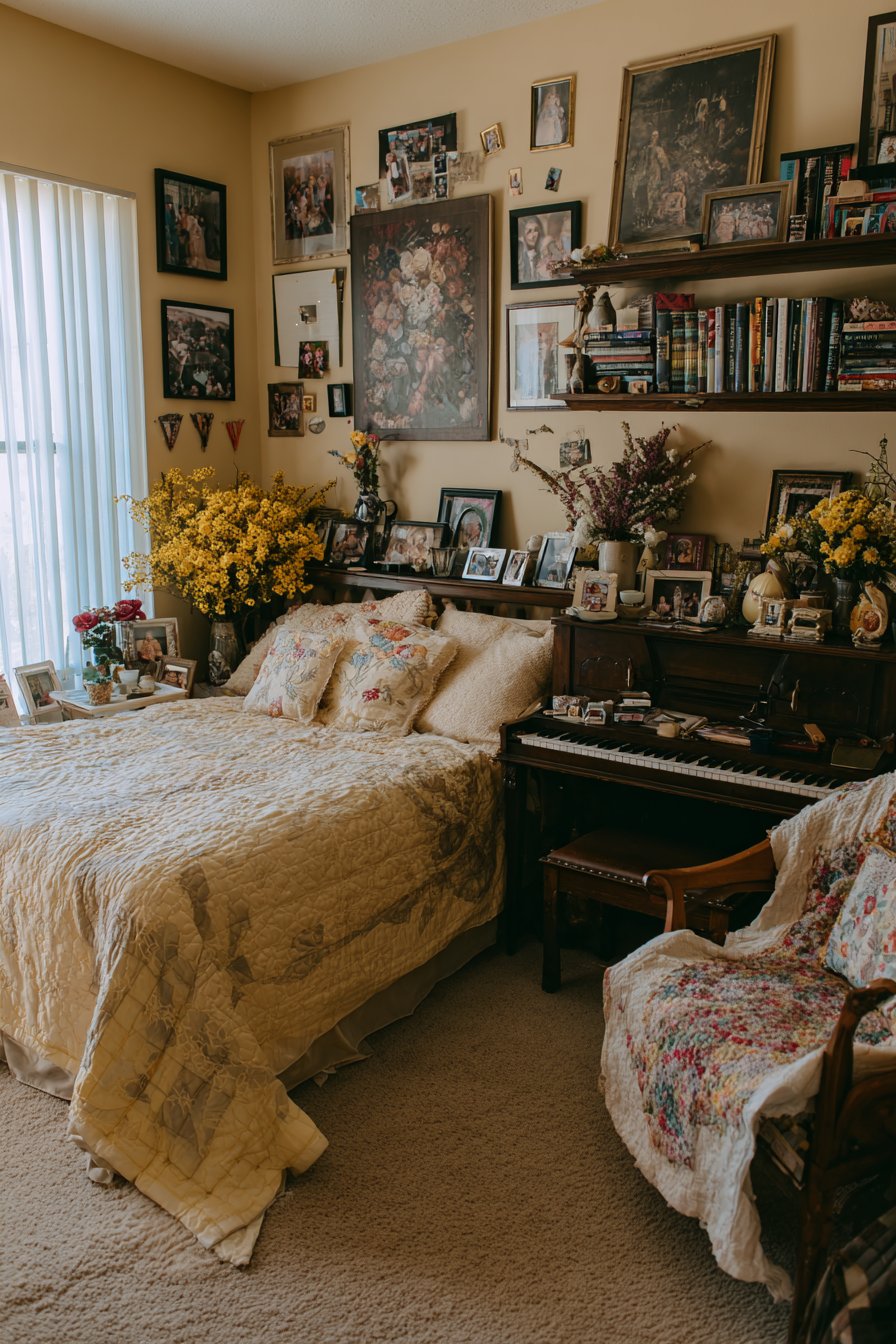
Display treasured photographs in cohesive frames, creating gallery walls or curated nightstand arrangements. Choose images that evoke positive emotions and happy memories. Artwork should resonate personally rather than simply matching color schemes—pieces from local artists or your own creations add authentic character.
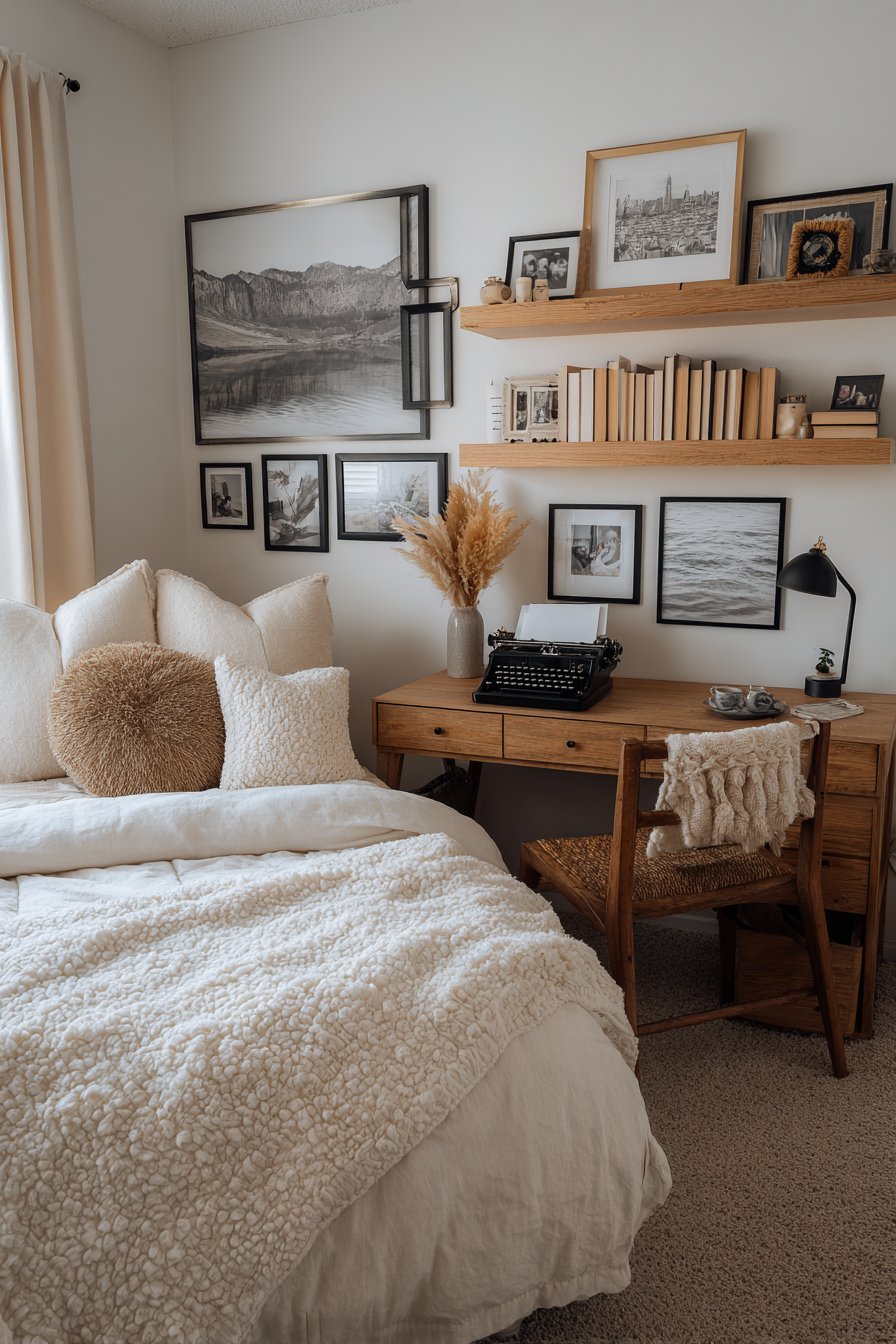
Incorporate meaningful collections or hobby-related items that reflect your personality without overwhelming the space. A vintage typewriter, beloved books, or handmade quilts from family members add layers of personal history. These items tell your unique story, creating environments that feel genuinely lived-in rather than staged for photography alone.
- Display family photographs in coordinating frames
- Include artwork that resonates emotionally
- Showcase meaningful collections with restraint
- Incorporate handmade or inherited textiles
- Add items reflecting personal hobbies tastefully
- Rotate personal elements seasonally for freshness
Conclusion
Creating cozy bedroom atmospheres requires intentional design choices that layer multiple elements harmoniously. From textile layering to personal touches, each strategy contributes to transformative comfort. These approaches work synergistically, allowing customization while maintaining cohesive, inviting environments.
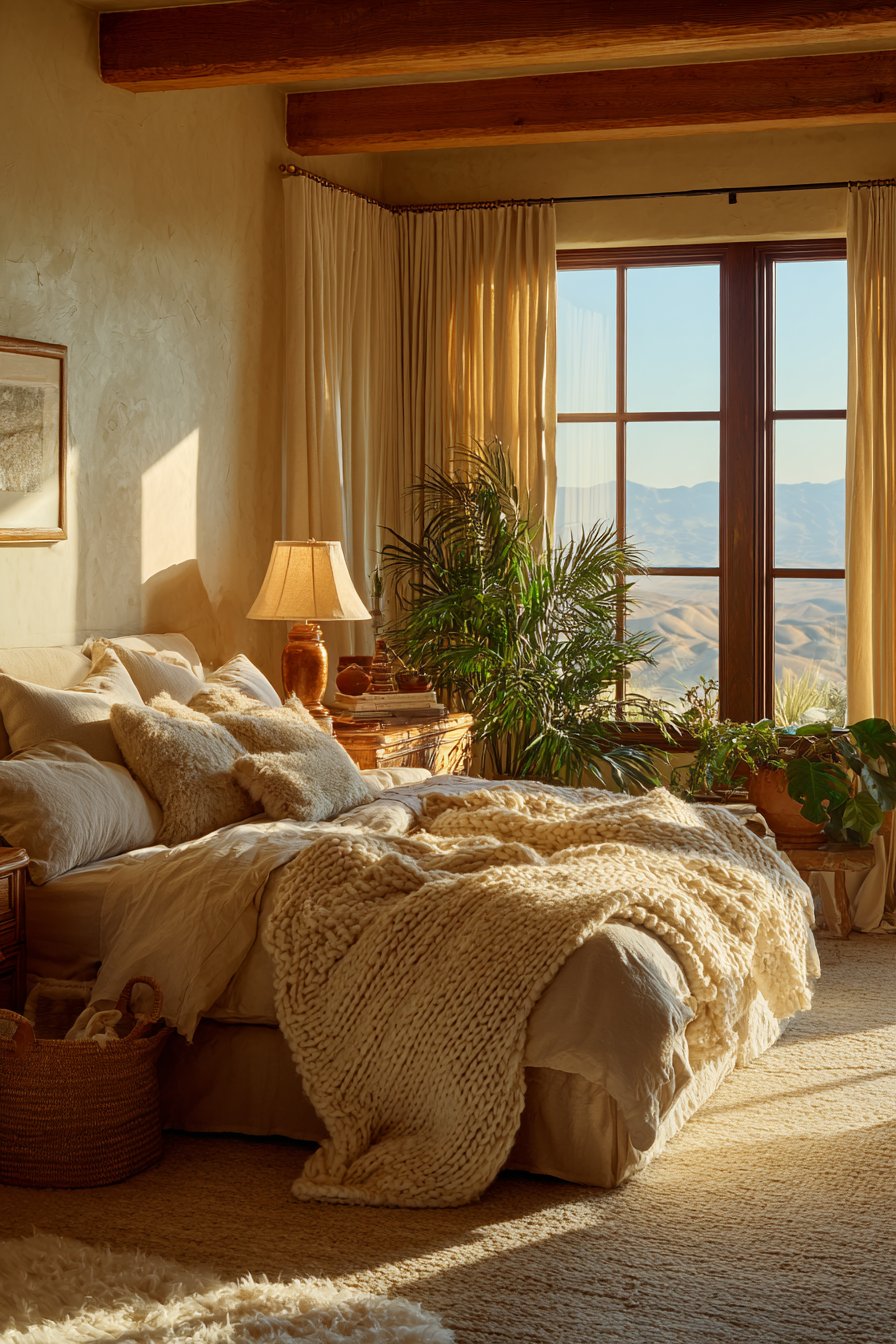
Experiment with these seven methods according to your personal preferences and budget constraints. Start small with textile additions or lighting adjustments, gradually incorporating additional elements. Your bedroom should evolve continuously, reflecting changing needs and tastes while maintaining that essential sanctuary feeling that welcomes you home each evening.
