


Large living rooms offer incredible potential for entertaining and family gatherings, yet many homeowners struggle to make these expansive spaces feel intimate and inviting. The challenge lies in preventing the room from feeling empty or disconnected while maintaining its grandeur. When properly designed, a spacious living room can accommodate multiple conversation areas that encourage interaction and create a warm, welcoming atmosphere.
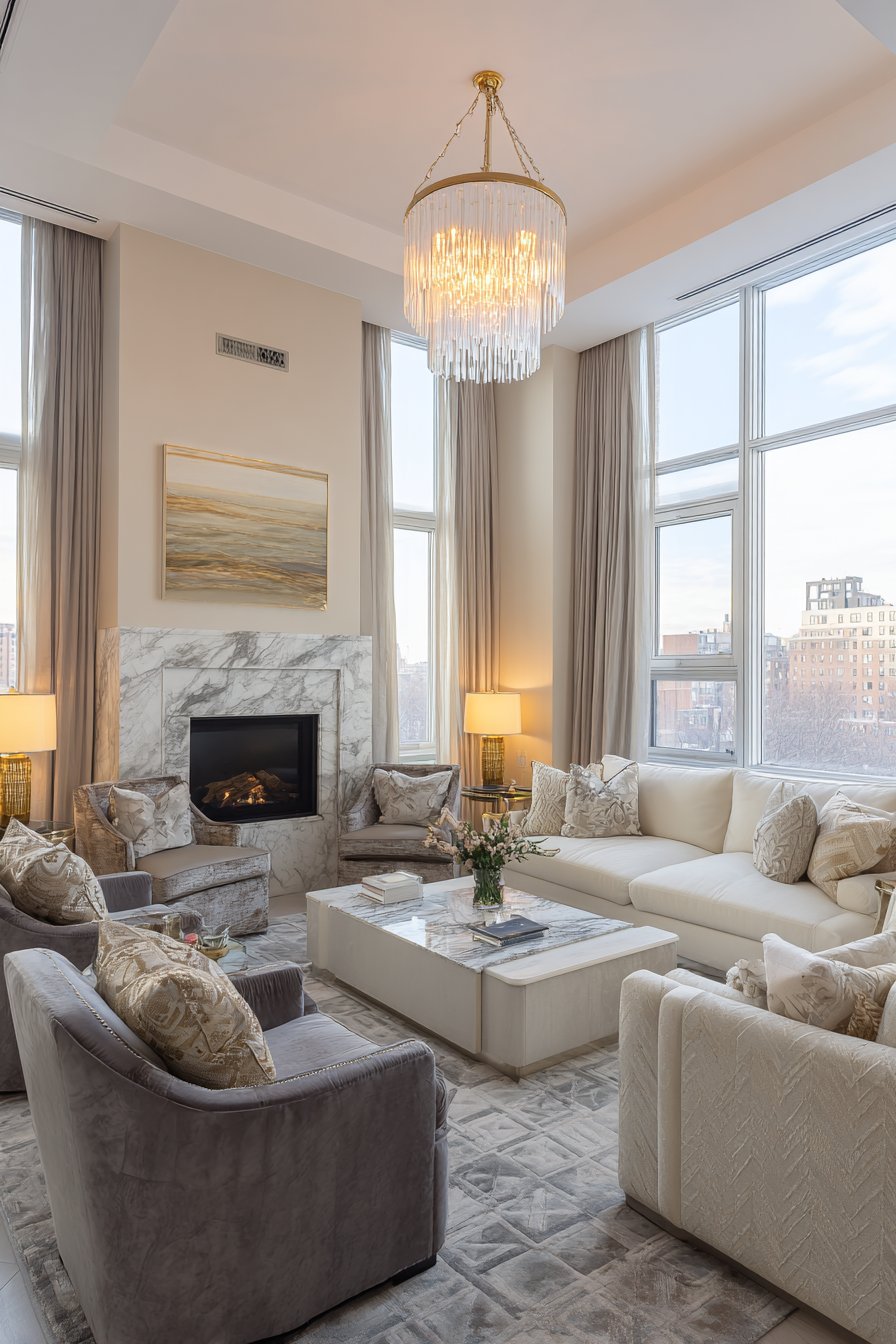
Creating distinct conversation zones transforms a cavernous room into a functional masterpiece. These thoughtfully arranged areas allow guests to gather comfortably while maintaining the flow and visual harmony of the entire space. Whether you’re hosting large parties or enjoying quiet family time, strategic furniture placement and design choices can make your oversized living room feel both luxurious and cozy.
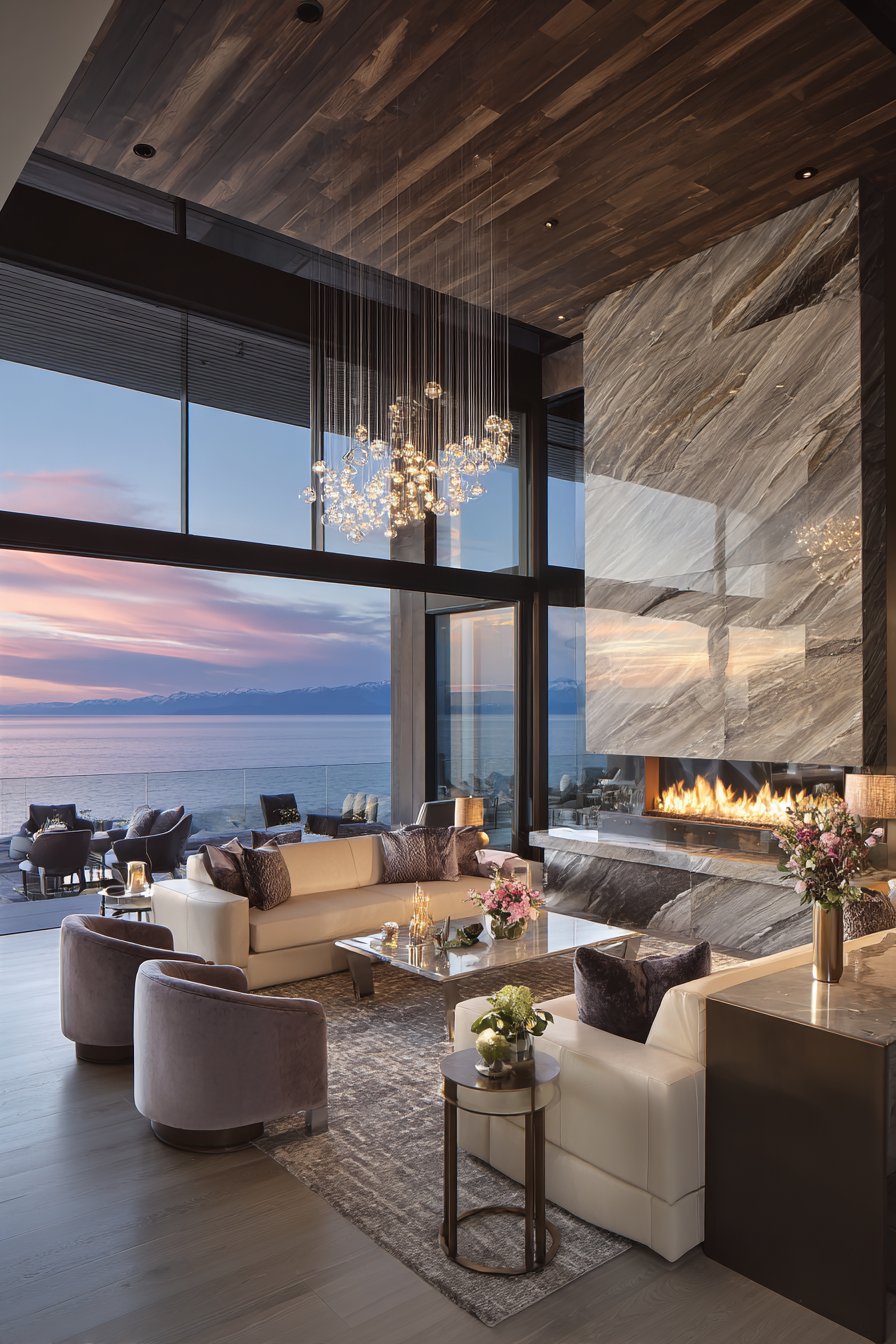
The key to success lies in understanding how people naturally interact in social settings. Conversation areas should feel intentional yet organic, drawing people together without forcing awkward arrangements. By implementing the following six expert tips, you’ll create multiple focal points that encourage engagement while showcasing your personal style and maximizing your square footage.
1. Establish Primary and Secondary Seating Zones
The foundation of any successful large living room design begins with identifying distinct seating areas that serve different purposes. Your primary zone typically centers around the main focal point, such as a fireplace or entertainment center, while secondary areas can support quieter conversations or reading nooks. This hierarchy creates natural traffic patterns and prevents guests from clustering in one spot.
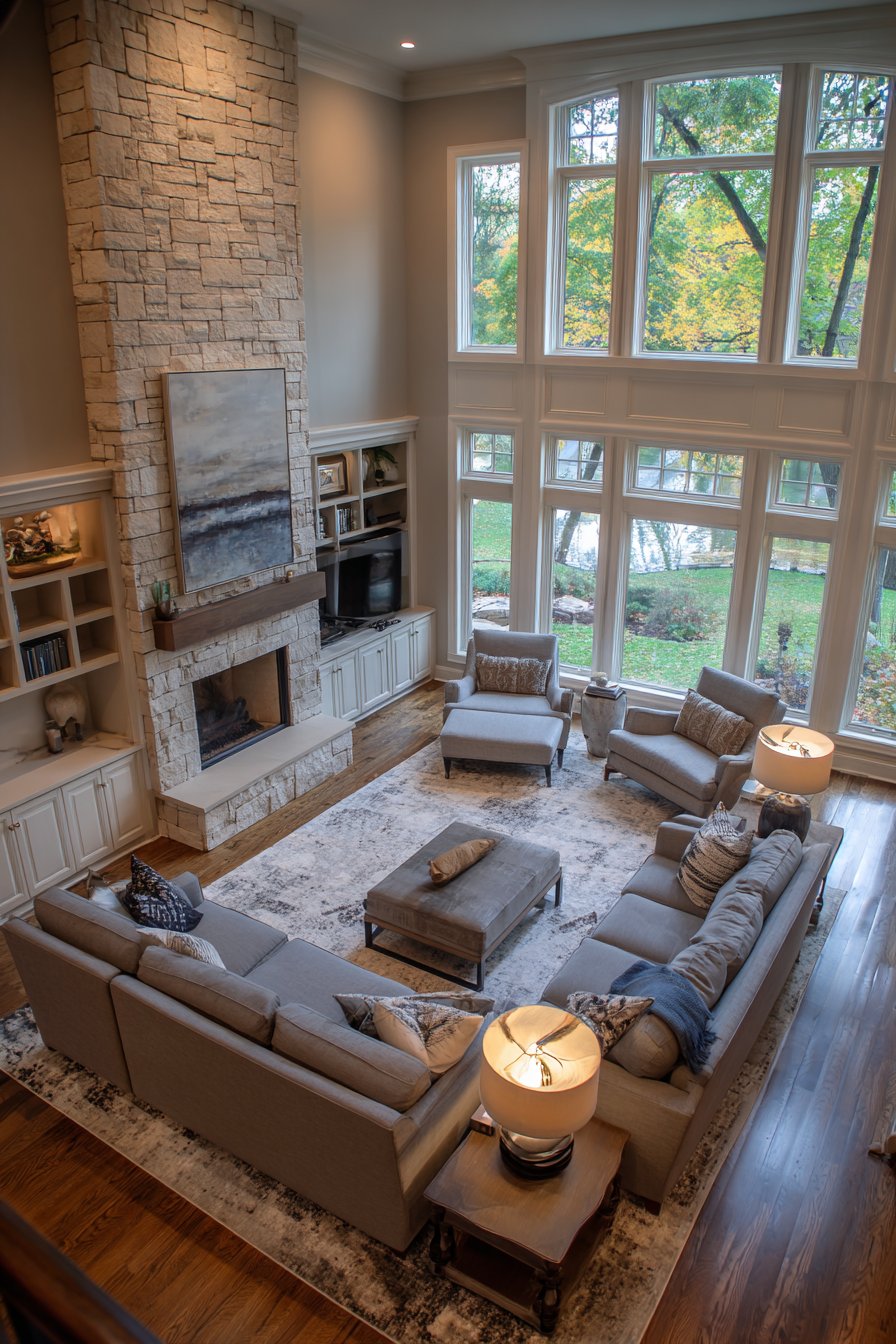
Consider the scale and proportion of each zone carefully. Your primary seating arrangement might include a substantial sectional or sofa paired with coordinating chairs, while secondary areas can feature smaller loveseats or accent chairs. The goal is creating intimate spaces within the larger room that feel purposeful rather than random. Each zone should accommodate four to six people comfortably for optimal conversation flow.
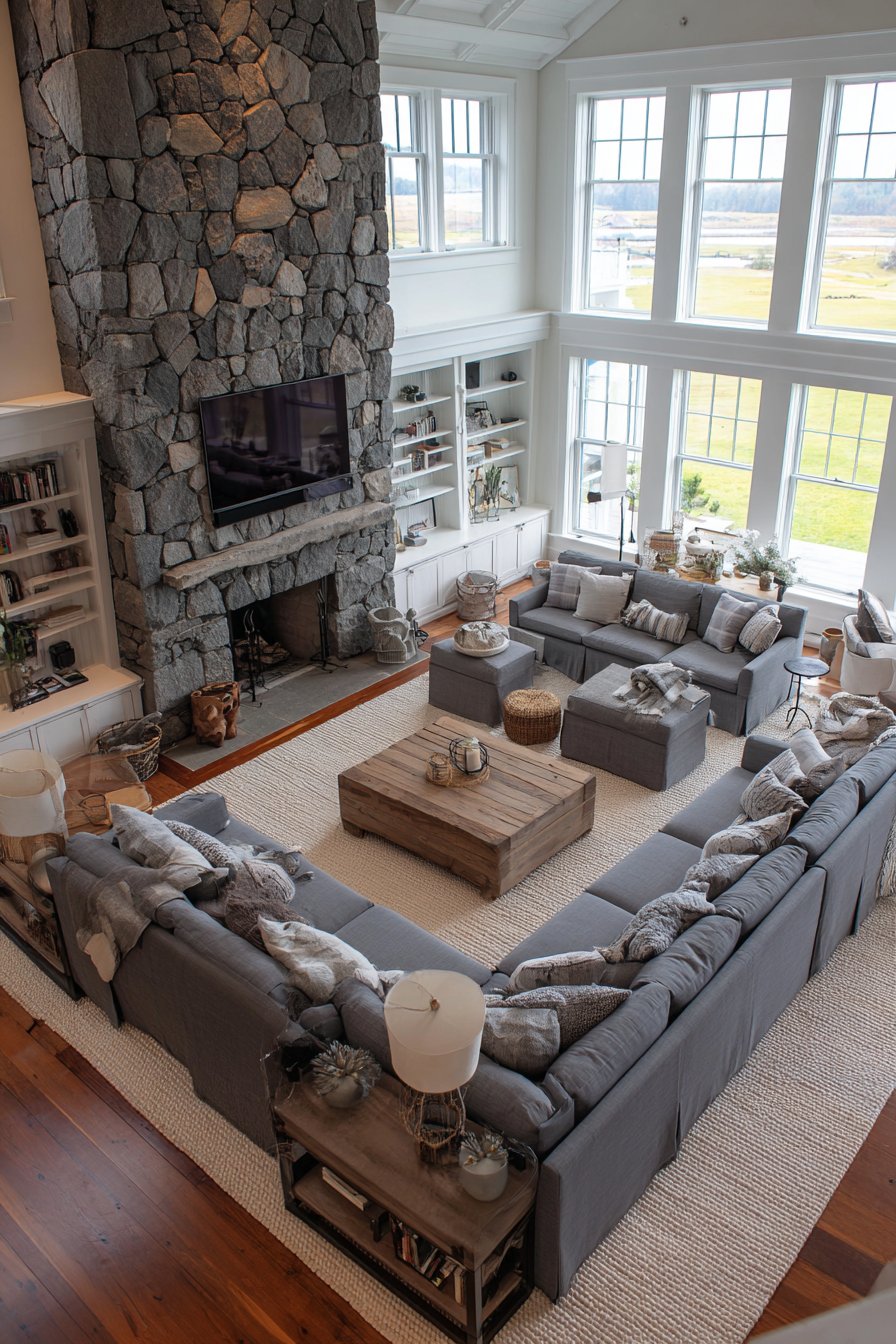
Strategic placement ensures each area feels complete yet connected to the overall design. Position your primary seating to face the main focal point, then arrange secondary zones at angles that complement the room’s architecture. Maintain clear sightlines between areas so the space feels unified rather than divided into separate rooms.
- Place the largest furniture grouping near the room’s primary focal point
- Create secondary zones at least 8-10 feet away from the main seating area
- Ensure each conversation area has access to side tables and lighting
- Use area rugs to visually define and anchor each seating zone
- Maintain walkways of at least 30 inches between furniture groupings
- Consider the room’s natural light when positioning seating arrangements
2. Use Furniture Arrangement to Define Spaces
Furniture placement serves as invisible architecture in large living rooms, creating boundaries without physical walls. Floating furniture away from walls establishes intimate groupings while maintaining an open, airy feel. This approach works particularly well in expansive spaces where wall-hugging furniture can make the room feel even larger and less inviting.
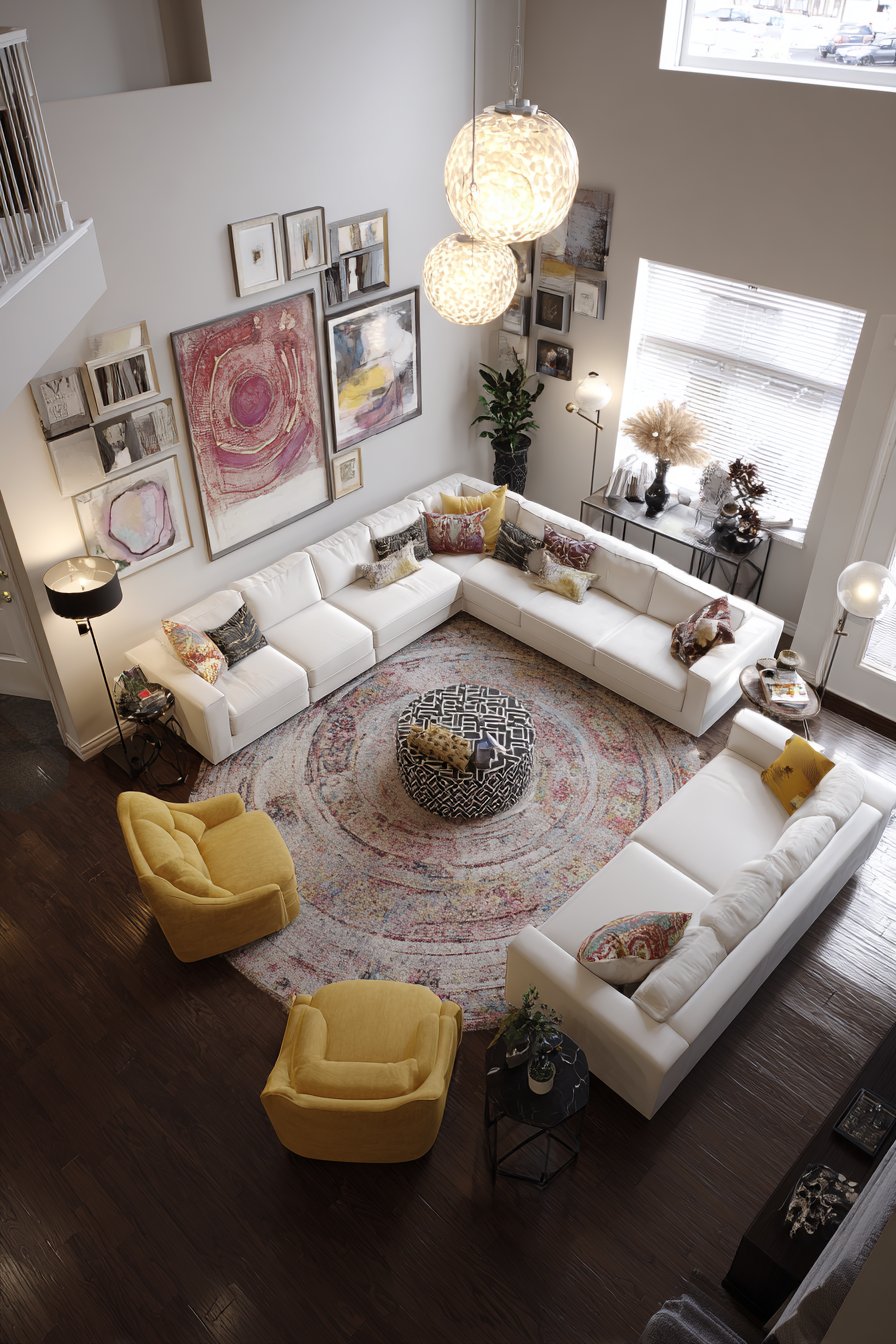
The classic conversation circle remains the most effective arrangement for encouraging interaction. Position seating pieces to face each other at distances of 8-10 feet maximum, allowing people to converse comfortably without shouting. Sofas and chairs should create a U-shape or circular pattern that draws people together naturally. This configuration also prevents guests from feeling isolated or excluded from group discussions.
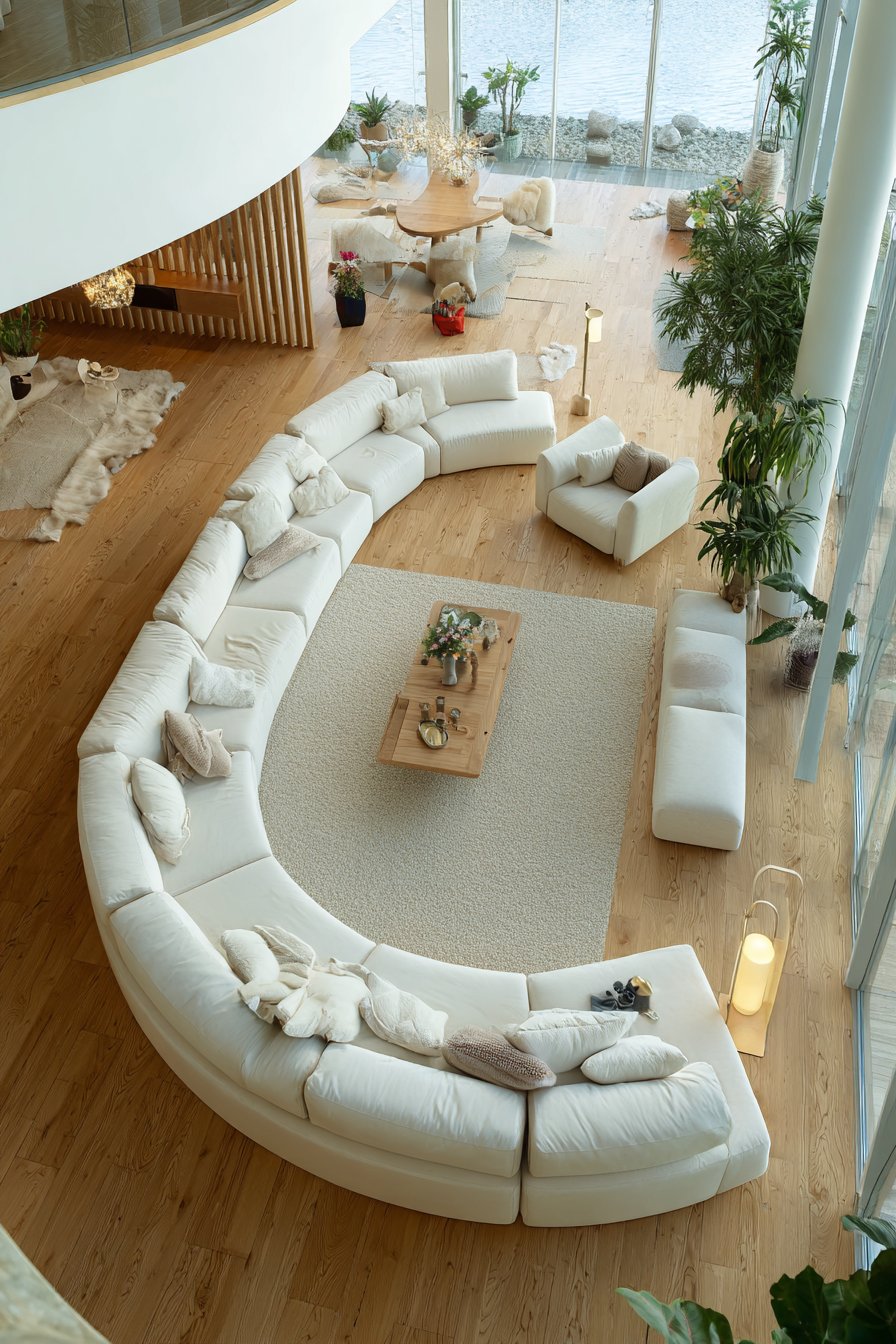
Experiment with asymmetrical arrangements that add visual interest while serving functional purposes. A sofa paired with two different chairs creates more dynamic energy than matching pieces. Back-to-back sofas can effectively divide a large room into two distinct zones while maintaining excellent space utilization. Remember that conversation areas work best when seating pieces relate to each other geometrically.
- Float your main sofa away from walls to create depth and dimension
- Arrange seating in curved or angular patterns rather than straight lines
- Use a large sectional to anchor one zone while smaller pieces define others
- Position chairs at slight angles to encourage natural conversation flow
- Ensure every seat in each grouping has a clear view of others
- Leave the center of each zone open for easy movement and interaction
3. Incorporate Multiple Focal Points
Large living rooms benefit enormously from distributing visual interest throughout the space rather than relying on a single focal point. Multiple anchors give each conversation area its own sense of purpose and identity. A fireplace might ground your primary seating zone while a stunning piece of artwork or a beautiful window view serves the secondary area.
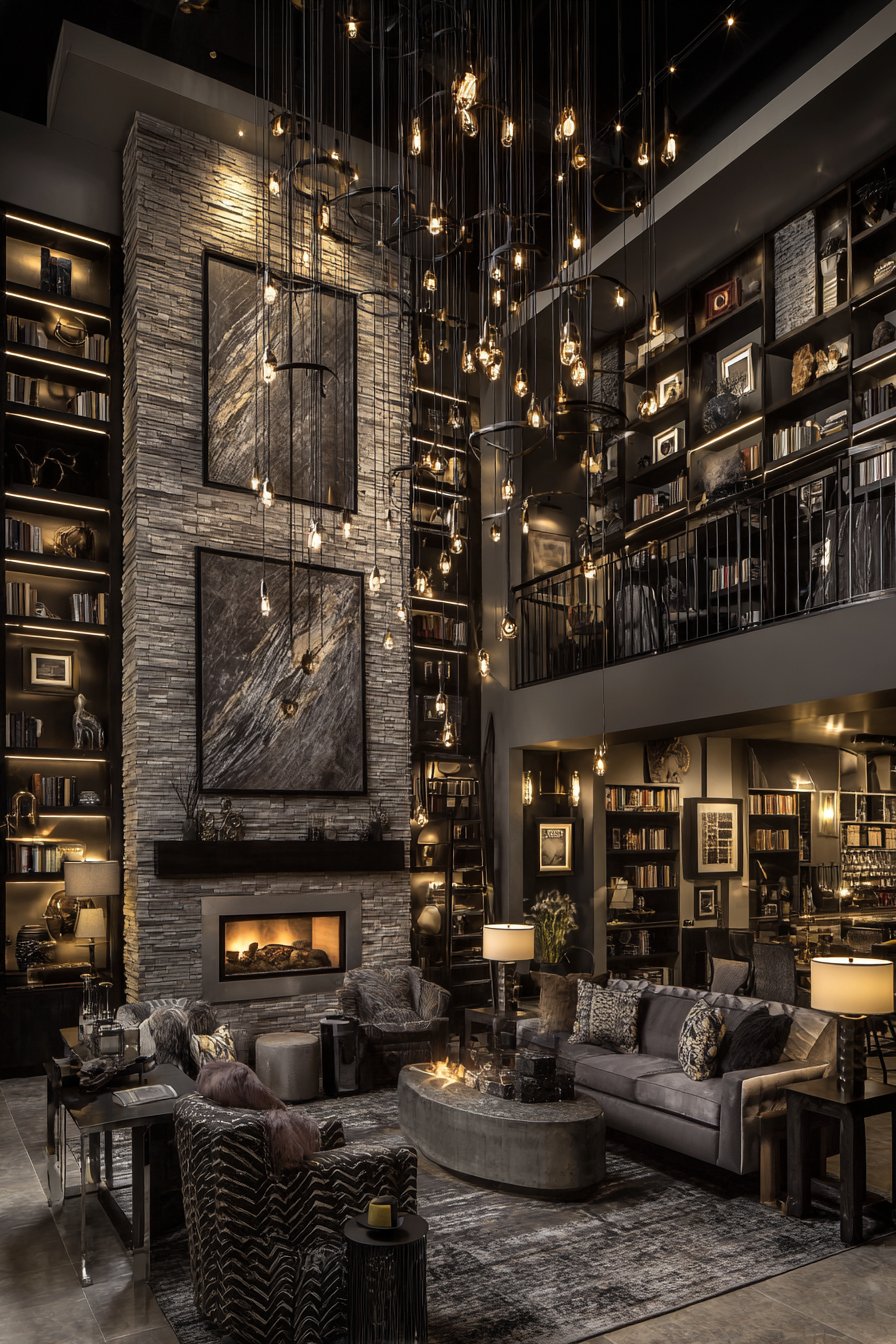
Creating these focal points requires understanding the balance between function and aesthetics. An entertainment center, bookshelf, or decorative screen can all serve as anchoring elements that give conversation areas definition. The key is ensuring each focal point feels substantial enough to command attention without overwhelming its designated zone. Scale matters tremendously in large spaces.
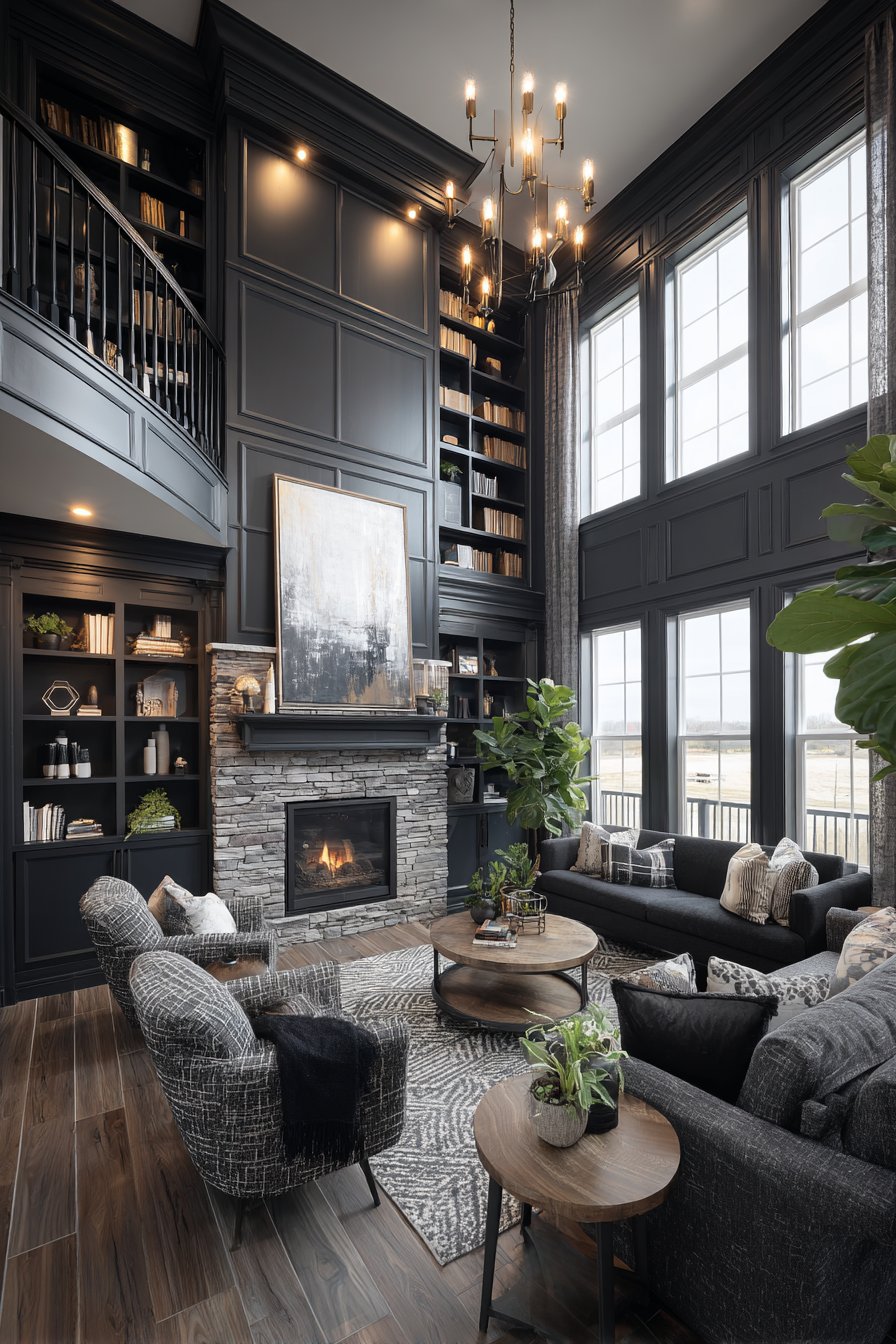
Consider using architectural features both real and created to establish these important anchors. Built-in shelving, a statement light fixture, or even a dramatic indoor plant can transform an ordinary corner into a compelling destination. Each focal point should reflect your design aesthetic while serving the practical purpose of organizing the space visually and functionally.
- Install a second fireplace or electric feature wall in larger rooms
- Use oversized artwork or gallery walls to create visual anchors
- Position a grand piano or impressive furniture piece as a focal point
- Hang statement lighting fixtures above each distinct conversation zone
- Incorporate floor-to-ceiling bookshelves or display cabinets
- Place a stunning console table with decorative items between seating areas
4. Define Zones with Area Rugs and Lighting
Area rugs function as visual boundaries that clearly delineate conversation areas without disrupting the room’s open flow. Each seating zone deserves its own properly sized rug that anchors the furniture grouping. The rug should be large enough that all front legs of seating pieces rest on it, creating a cohesive, grounded appearance that pulls the arrangement together.
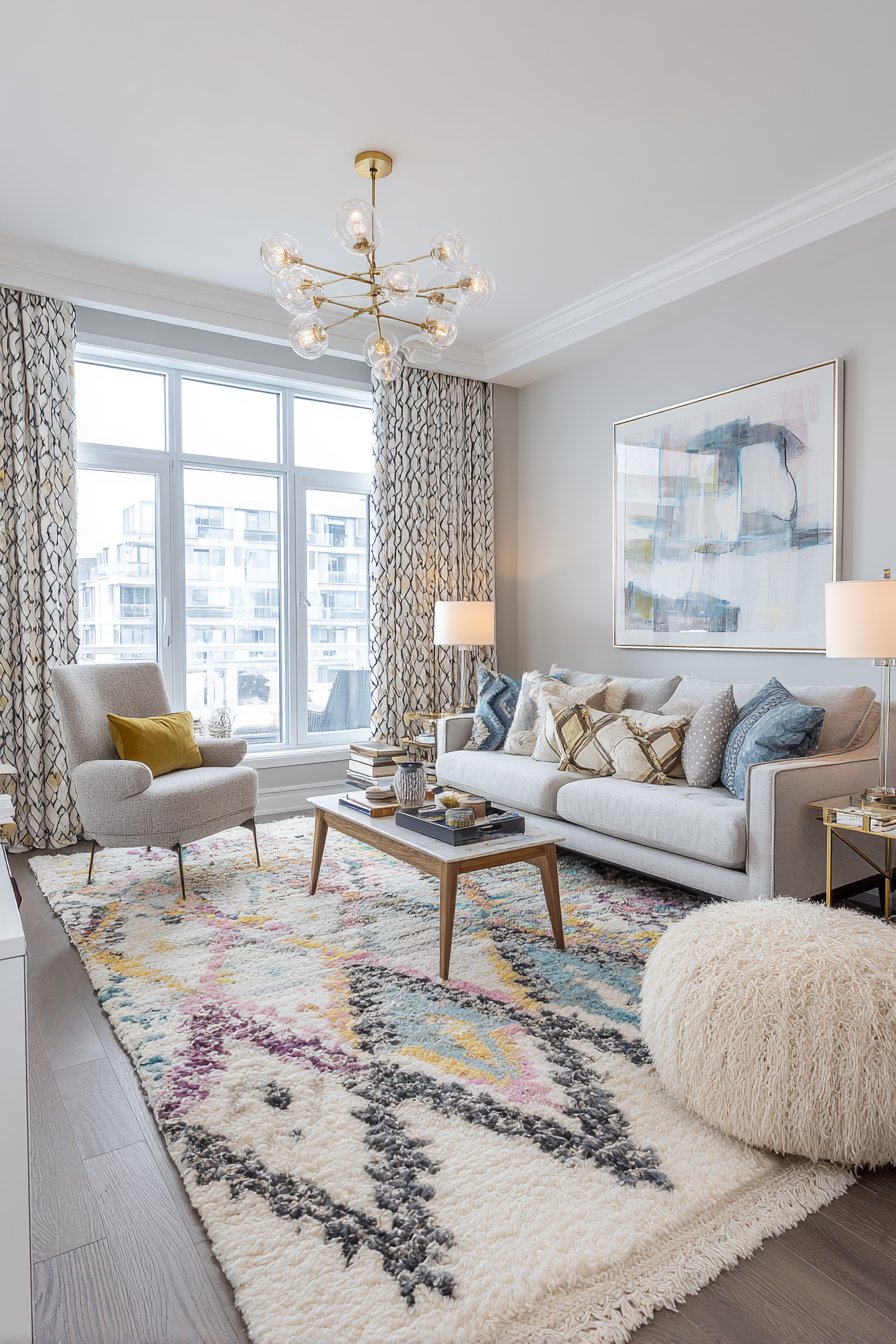
Layering rugs adds texture and depth while further defining spaces within your large living room. A substantial neutral rug can serve as the base layer with a smaller, patterned rug on top to add personality and visual interest. This technique works particularly well in eclectic or bohemian design schemes. Ensure the rugs complement each other in color and style while maintaining distinct identities.
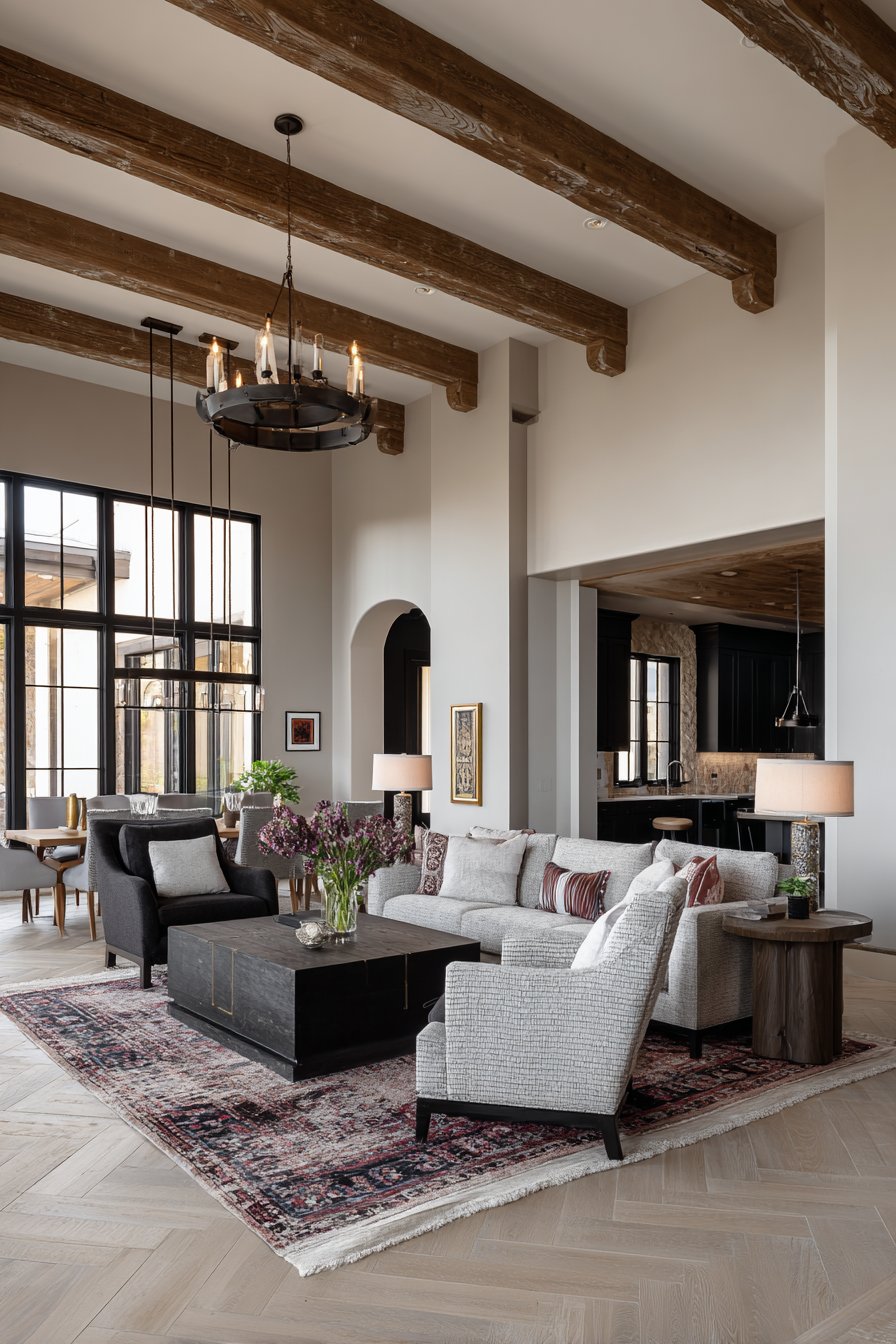
Lighting plays an equally critical role in establishing atmosphere and functionality within each zone. Overhead fixtures should provide general illumination while table lamps and floor lamps create intimate pools of light for conversation areas. Dimmer switches allow you to adjust the mood as needed. Each seating grouping requires its own lighting source to feel complete and inviting during evening hours.
- Choose rugs that extend 18-24 inches beyond furniture on all sides
- Use different rug styles to distinguish primary and secondary zones
- Install separate lighting controls for each conversation area
- Place floor lamps behind seating to provide ambient reading light
- Add table lamps on side tables for task lighting and ambiance
- Consider pendant lights or chandeliers to highlight specific zones
5. Add Functional Tables and Storage Solutions
Every conversation area needs strategic surface space for drinks, books, and decorative items that make the zone feel lived-in and practical. Coffee tables, side tables, and console tables ensure guests have convenient places to set items without interrupting conversation flow. The right tables also contribute to the overall aesthetic while serving essential functions.
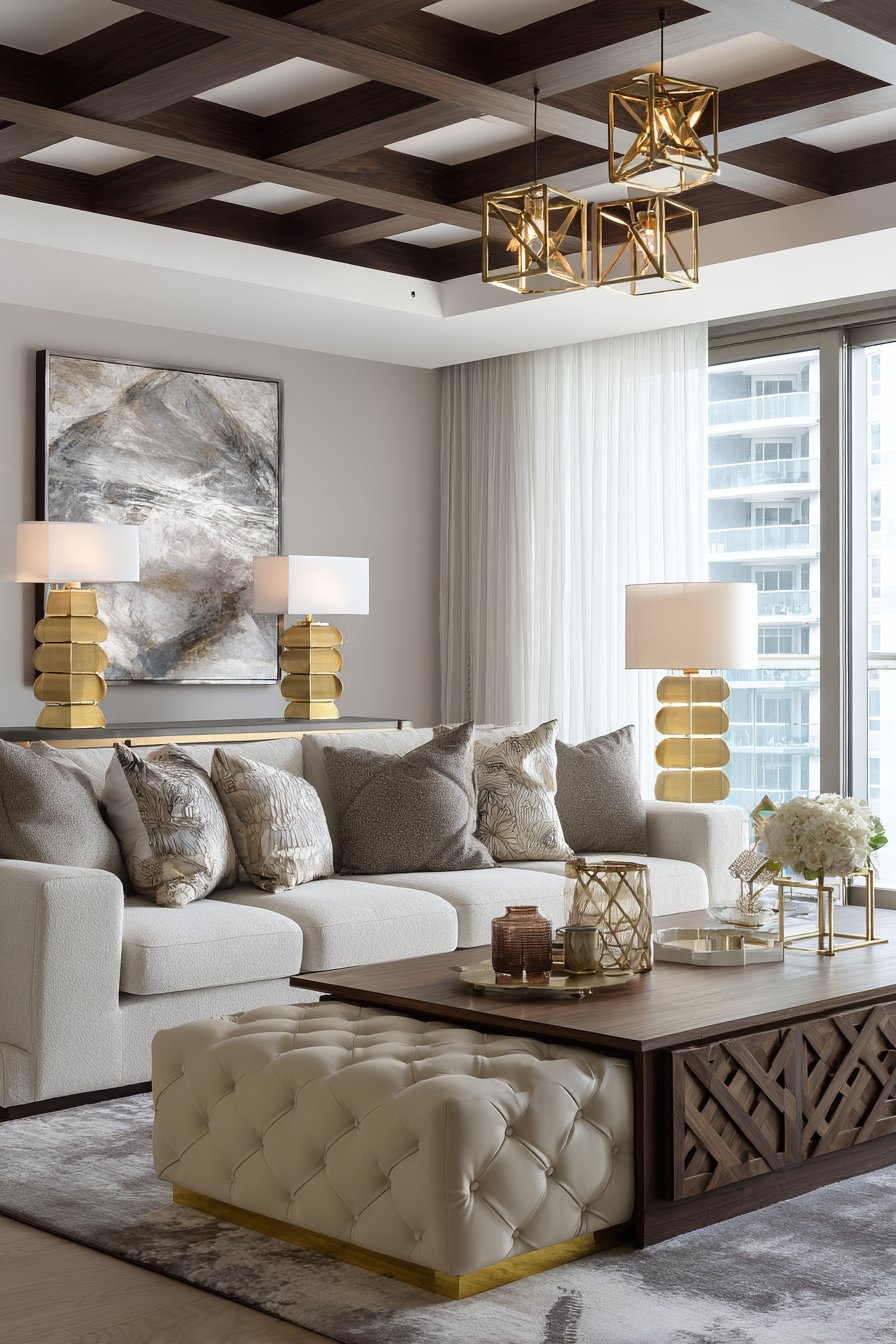
The rule of thumb suggests placing a side table within arm’s reach of every seat in your conversation areas. This accessibility ensures comfort and convenience for guests. Coffee tables should sit approximately 14-18 inches from the sofa, allowing easy reach while maintaining comfortable leg room. In very large rooms, consider using multiple smaller coffee tables instead of one massive piece.
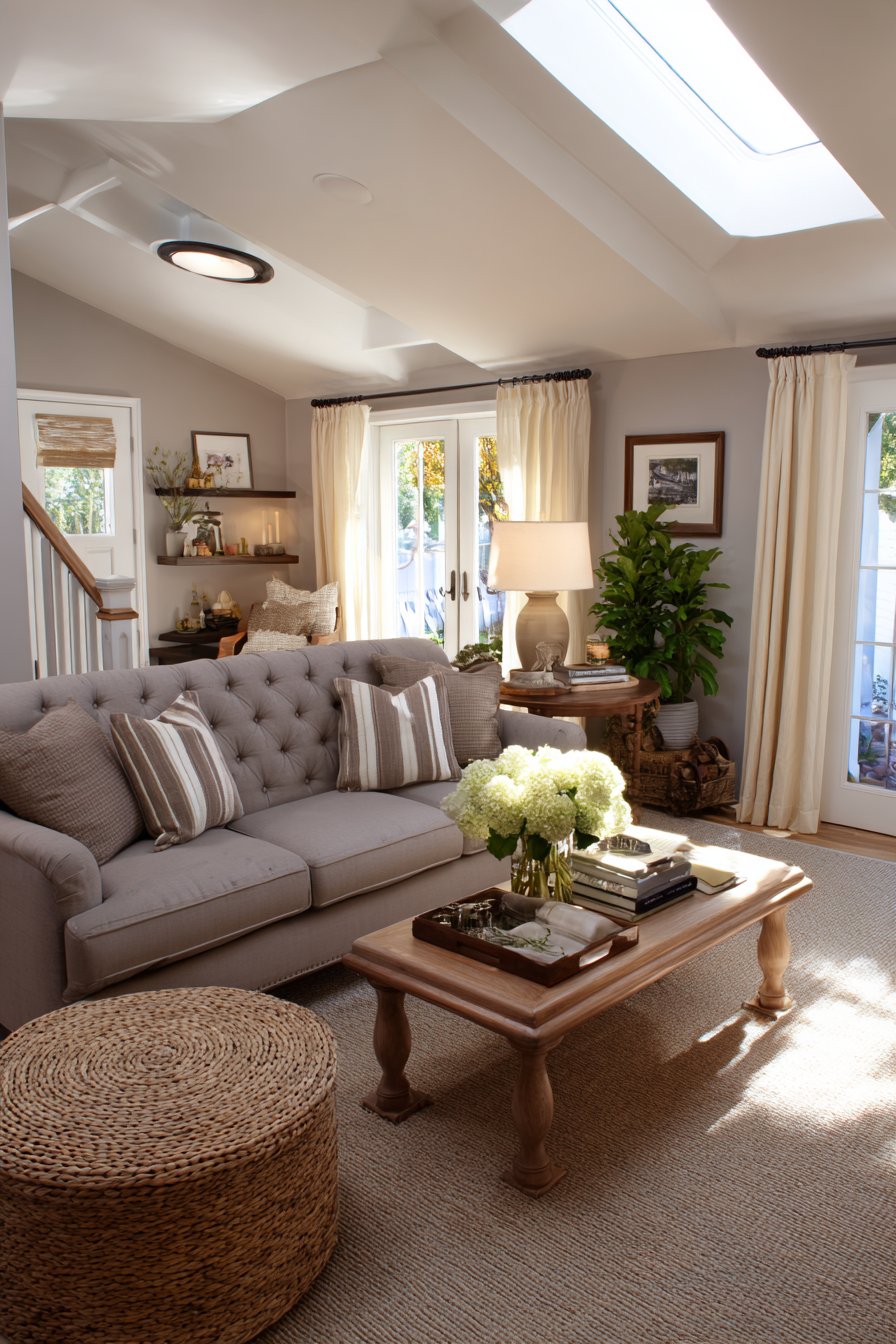
Storage solutions become increasingly important in spacious living rooms where clutter can accumulate quickly. Ottoman with hidden storage, console tables with drawers, and decorative cabinets keep the space organized while contributing to the design scheme. These pieces can also serve as subtle dividers between conversation zones, adding both function and form to your layout.
- Select coffee tables proportional to your seating arrangement’s size
- Use nesting tables for flexibility in accommodating different group sizes
- Place console tables behind sofas to separate zones and add storage
- Choose ottomans that double as seating and hidden storage
- Ensure every seat has access to a surface within easy reach
- Incorporate decorative storage baskets or boxes to maintain organization
6. Create Visual Connections Through Color and Style
While defining separate conversation areas, maintaining cohesive design elements prevents the room from feeling disjointed or chaotic. A unified color palette that flows throughout all zones creates harmony while allowing each area to express its own personality. Use your primary colors consistently across zones with varying accent colors to distinguish different spaces.
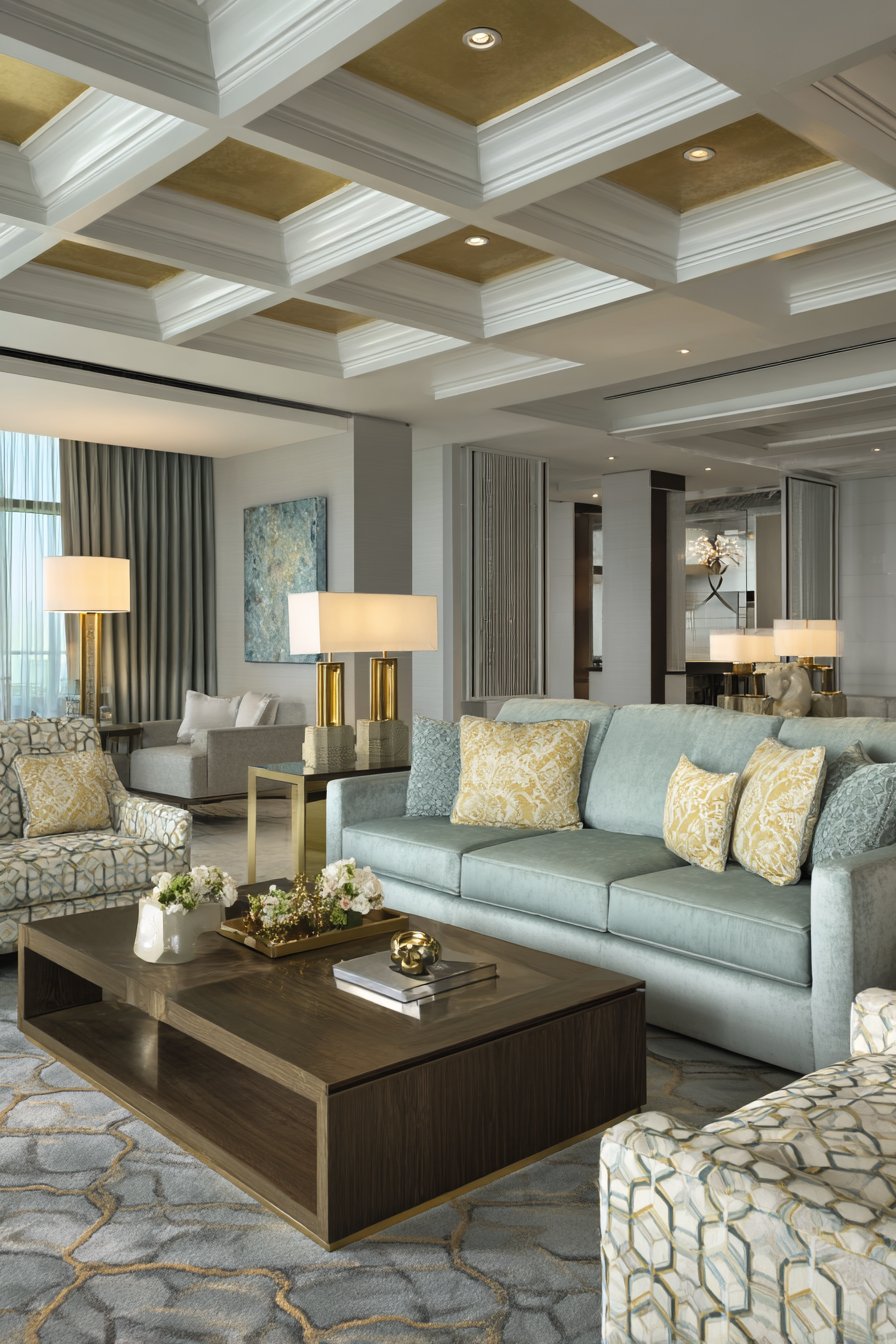
Repetition of materials, patterns, and textures creates visual rhythm that guides the eye around the room naturally. If your primary seating area features velvet upholstery, echo that texture in accent pillows or a chair in the secondary zone. Wood tones, metal finishes, and decorative accessories should relate to each other even if they’re not identical. This approach creates sophistication and intentional design.
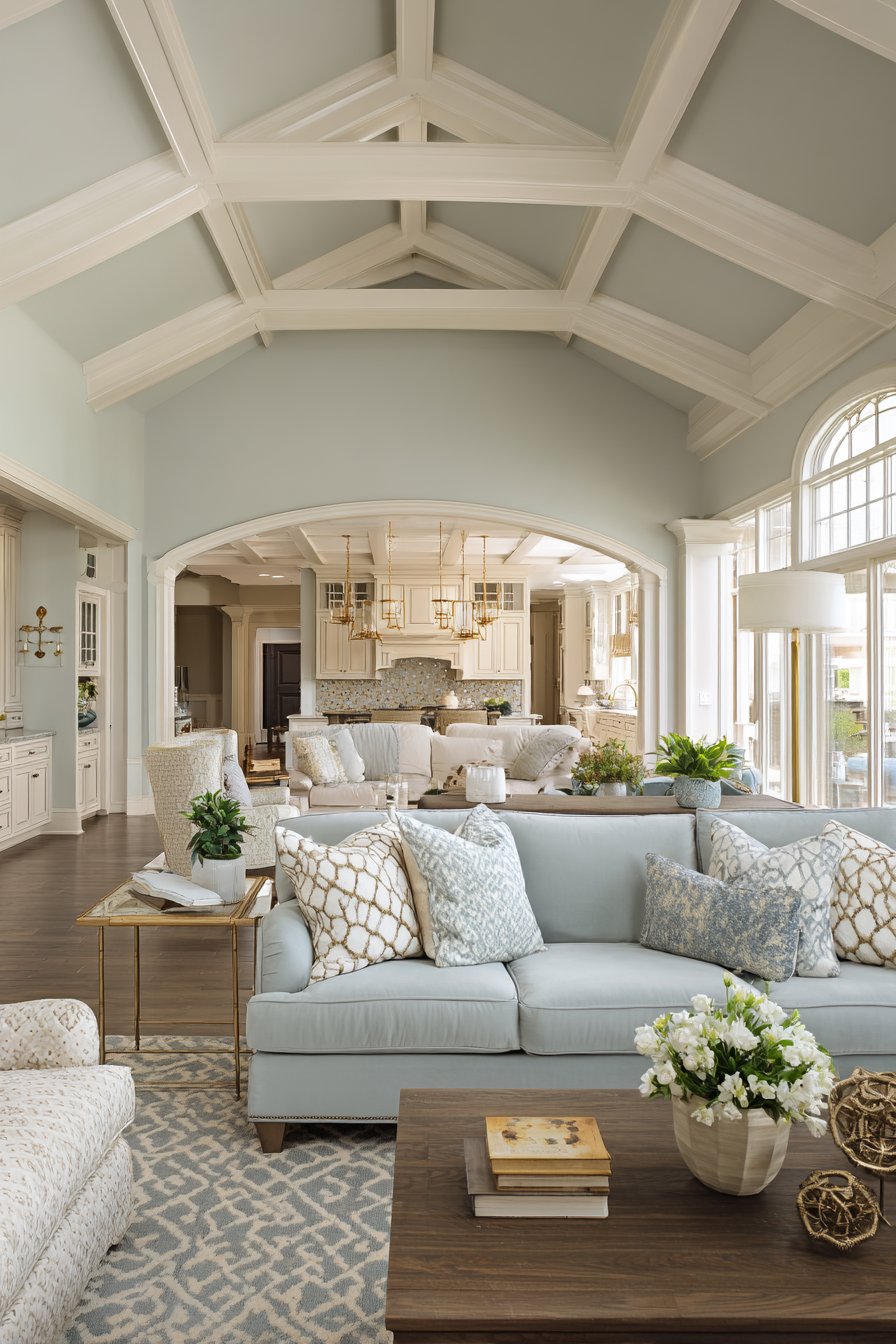
The concept of threaded elements ensures your large living room feels curated rather than randomly assembled. Perhaps brass accents appear in light fixtures, side tables, and decorative objects throughout the space. Or geometric patterns repeat in different scales across rugs, pillows, and artwork. These connecting threads unify distinct zones while maintaining their individual character and purpose.
- Choose a primary color palette of 3-4 colors used throughout all zones
- Repeat key patterns in different scales across the entire room
- Use similar wood tones or metal finishes in furniture and accessories
- Echo upholstery fabrics in pillows, throws, or accent chairs
- Maintain consistent design style while varying intensity across zones
- Connect areas visually with artwork or decorative items that share themes
Conclusion
Creating multiple conversation areas in a large living room transforms an intimidating space into a warm, functional haven for gathering and relaxation. By thoughtfully implementing these six strategies, you’ll achieve the perfect balance between intimacy and openness that makes oversized rooms feel inviting. Remember that successful design considers both aesthetics and functionality, ensuring every zone serves a purpose while contributing to the overall beauty.
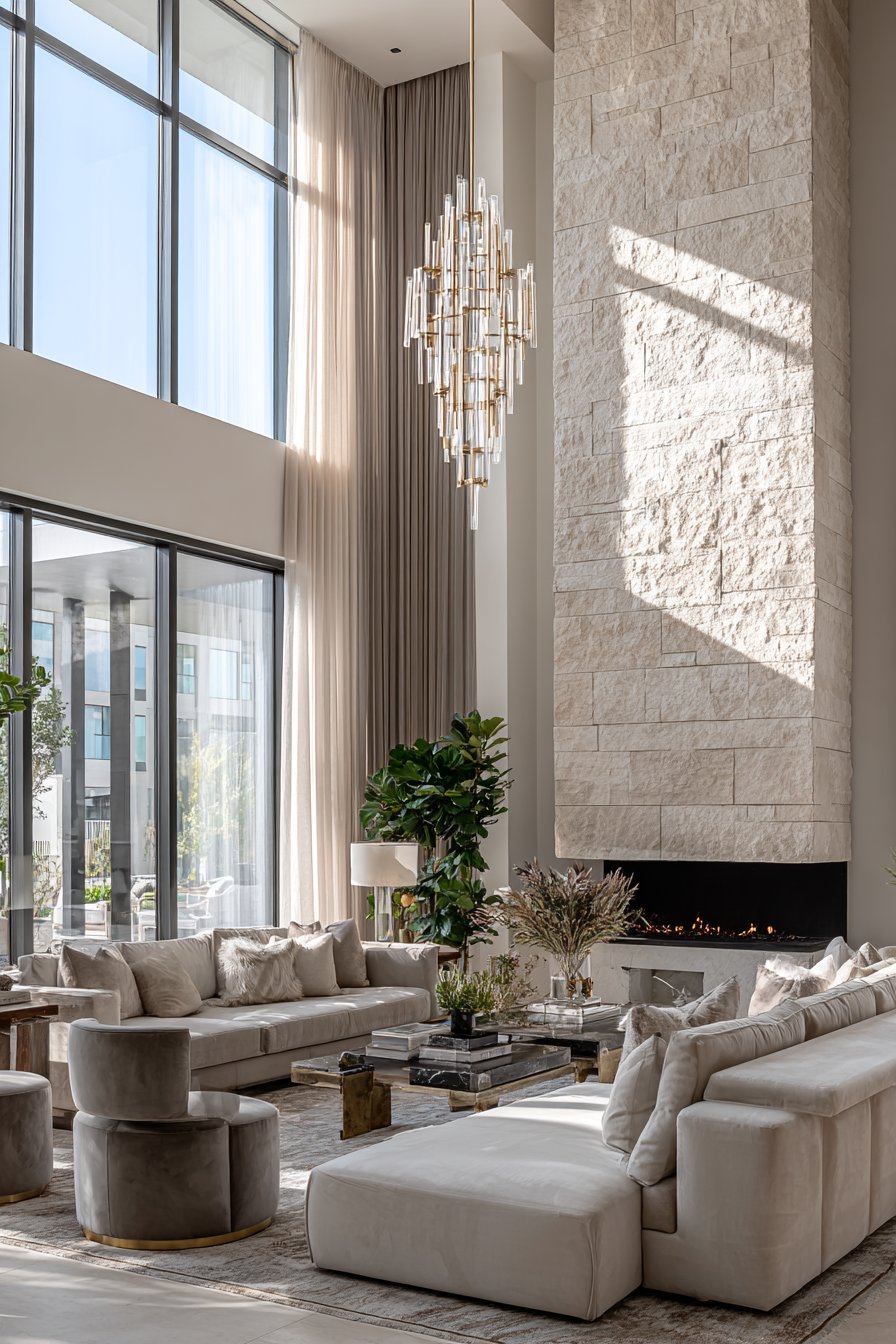
The journey to perfecting your large living room is one of experimentation and refinement. Don’t hesitate to rearrange furniture, try different rug placements, or adjust lighting until each conversation area feels just right. Your unique lifestyle and entertaining style should guide these decisions, creating spaces that truly reflect how you and your family live. With patience and attention to these fundamental principles, your expansive living room will become the heart of your home where memorable conversations and cherished moments naturally unfold.
