


Your bedroom should be more than just a place to rest. It’s a personal sanctuary where quality sleep directly impacts your overall health and daily performance. Poor sleep affects everything from mood to productivity, making bedroom design crucial for wellbeing.
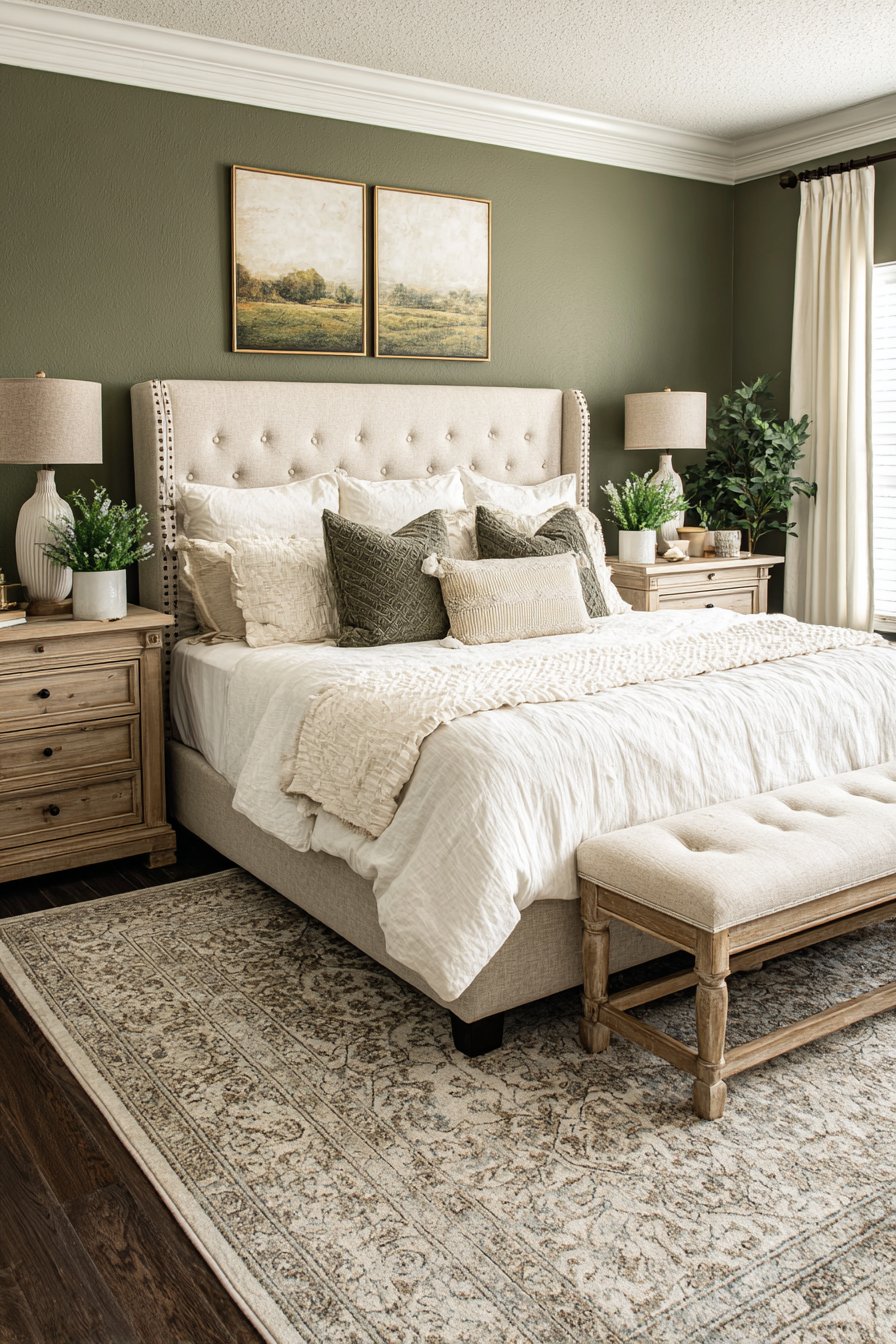
Creating a sleep-friendly environment involves thoughtful decisions about colors, lighting, and furniture placement. The right interior design choices can transform your bedroom into a restorative haven. This article explores evidence-based strategies that combine aesthetics with functionality to optimize your sleep quality.

From temperature control to sensory elements, we’ll cover essential design principles that promote deeper, more refreshing sleep. These actionable tips work for any budget or space size, helping you create the perfect sleep environment.
1. Choose Calming Color Palettes
Color psychology plays a vital role in bedroom design and sleep quality. Research shows that cool, muted tones like soft blues, gentle greens, and warm neutrals promote relaxation. These colors lower heart rate and blood pressure, preparing your body for rest.
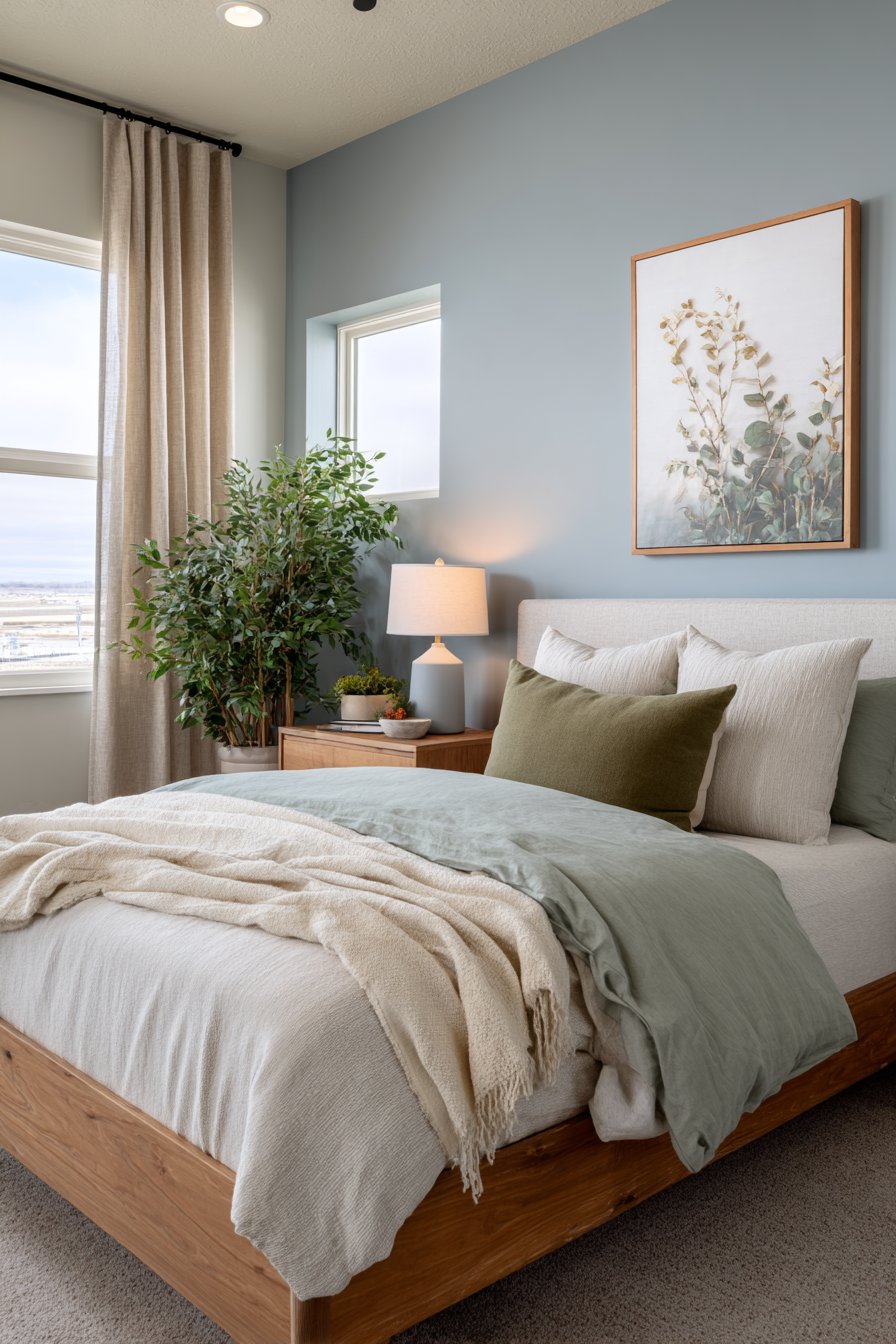
Avoid bright, stimulating colors like red, orange, or vibrant yellow in sleeping areas. Instead, opt for nature-inspired hues that create a serene atmosphere. Shades of lavender, sage, and beige work exceptionally well for promoting tranquility.
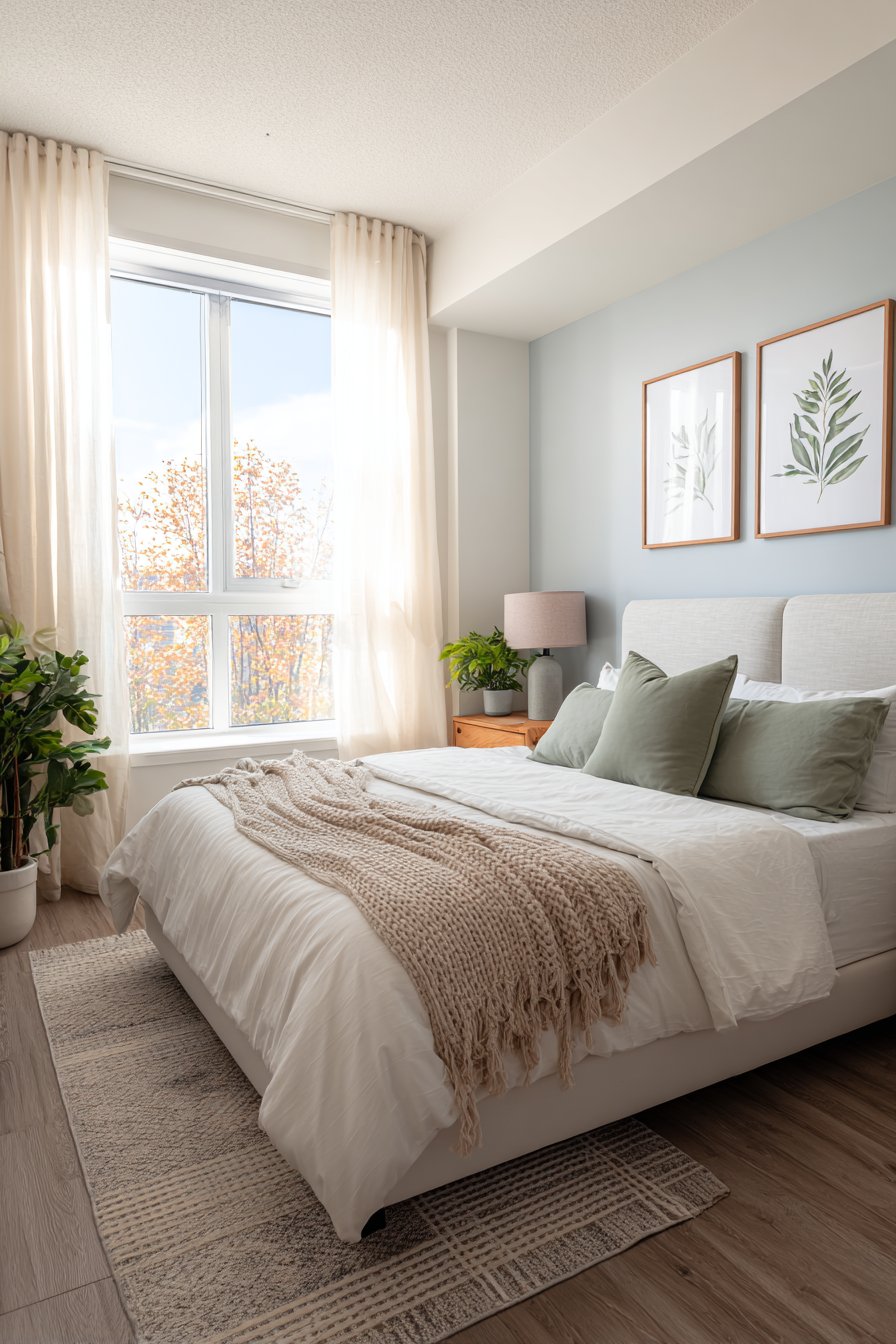
The intensity of color matters as much as the hue itself. Choose low-saturation versions of your preferred colors to maintain a peaceful environment. Consider painting an accent wall in a deeper shade while keeping other walls lighter.
- Paint walls in soft blue (wavelength 450-495nm) for maximum calming effect
- Use warm gray or beige as neutral base colors
- Incorporate green tones to reduce stress and anxiety
- Avoid glossy finishes that reflect too much light
- Test paint samples in different lighting conditions before committing
- Consider washable paint for easy maintenance
2. Optimize Lighting for Circadian Rhythm
Proper lighting design directly influences your body’s natural sleep-wake cycle. Exposure to bright light suppresses melatonin production, making it harder to fall asleep. Your bedroom needs layered lighting options that adapt to different times of day.
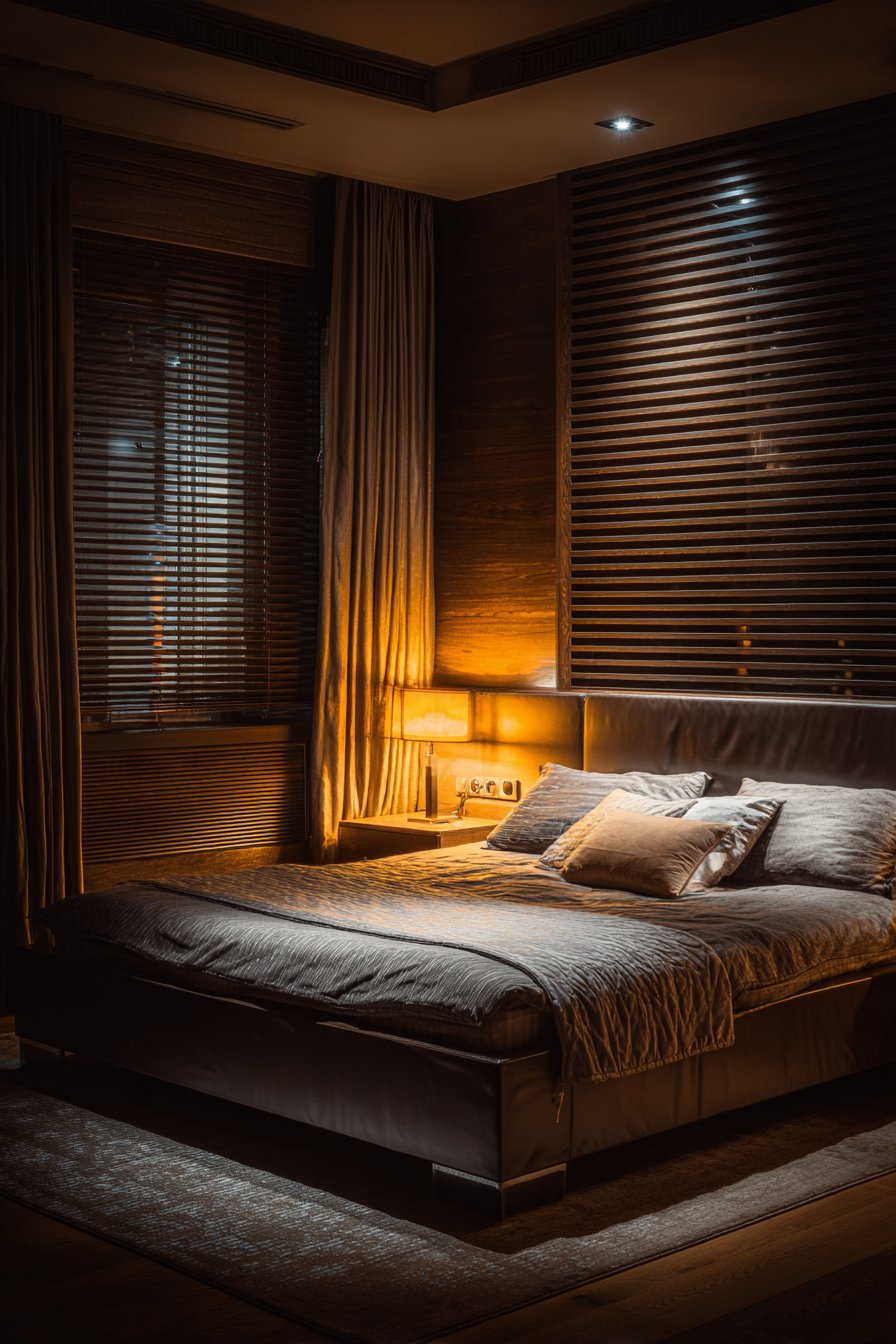
Install dimmer switches to control light intensity throughout the evening. This allows you to gradually reduce brightness, signaling your brain that bedtime approaches. Warm-toned bulbs (2700K-3000K) are ideal for bedroom environments.
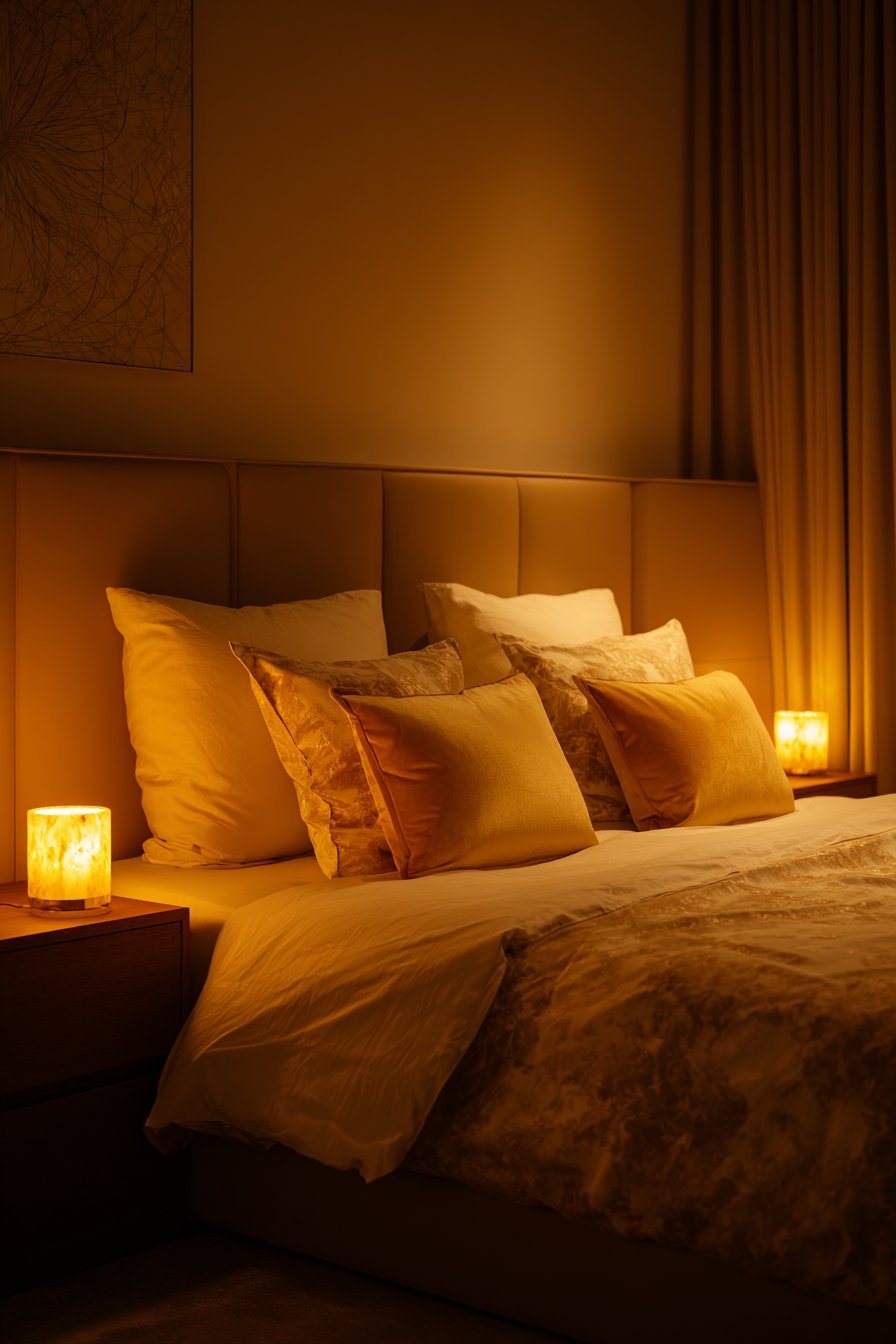
Eliminate blue light exposure at least two hours before sleep. Remove electronic devices or use blackout curtains to block external light sources. Consider amber-tinted bulbs for bedside lamps that won’t disrupt melatonin production.
- Install three-way bulbs or smart lights for adjustable brightness
- Use bedside lamps with warm LED bulbs under 40 watts
- Add blackout curtains or cellular shades for complete darkness
- Position light switches near the bed for convenience
- Consider motion-activated nightlights for safe midnight navigation
- Avoid overhead lighting in the evening hours
3. Control Temperature and Airflow
Bedroom temperature significantly affects sleep quality and duration. The ideal sleeping temperature ranges between 60-67°F (15-19°C) for most adults. A room that’s too warm disrupts deep sleep cycles and causes frequent waking.

Invest in quality bedding that regulates temperature throughout the night. Natural materials like cotton, linen, and bamboo offer superior breathability compared to synthetic fabrics. Layer blankets so you can adjust warmth as needed.

Proper ventilation prevents stuffiness and maintains fresh air circulation. Consider ceiling fans that promote gentle airflow without creating drafts. Position your bed away from direct heating vents or air conditioning units.
- Keep bedroom thermostat between 60-67°F year-round
- Use breathable, moisture-wicking sheets made from natural fibers
- Install a ceiling fan with reverse settings for optimal air movement
- Add houseplants like snake plants or peace lilies for air purification
- Open windows for 10-15 minutes daily when weather permits
- Invest in a programmable thermostat for consistent temperature control
4. Minimize Noise and Sound Pollution
Unwanted sounds can fragment sleep and prevent you from reaching deep restorative stages. Even noises you don’t consciously hear affect sleep architecture. Creating a quiet sanctuary requires both blocking external sounds and managing internal acoustics.
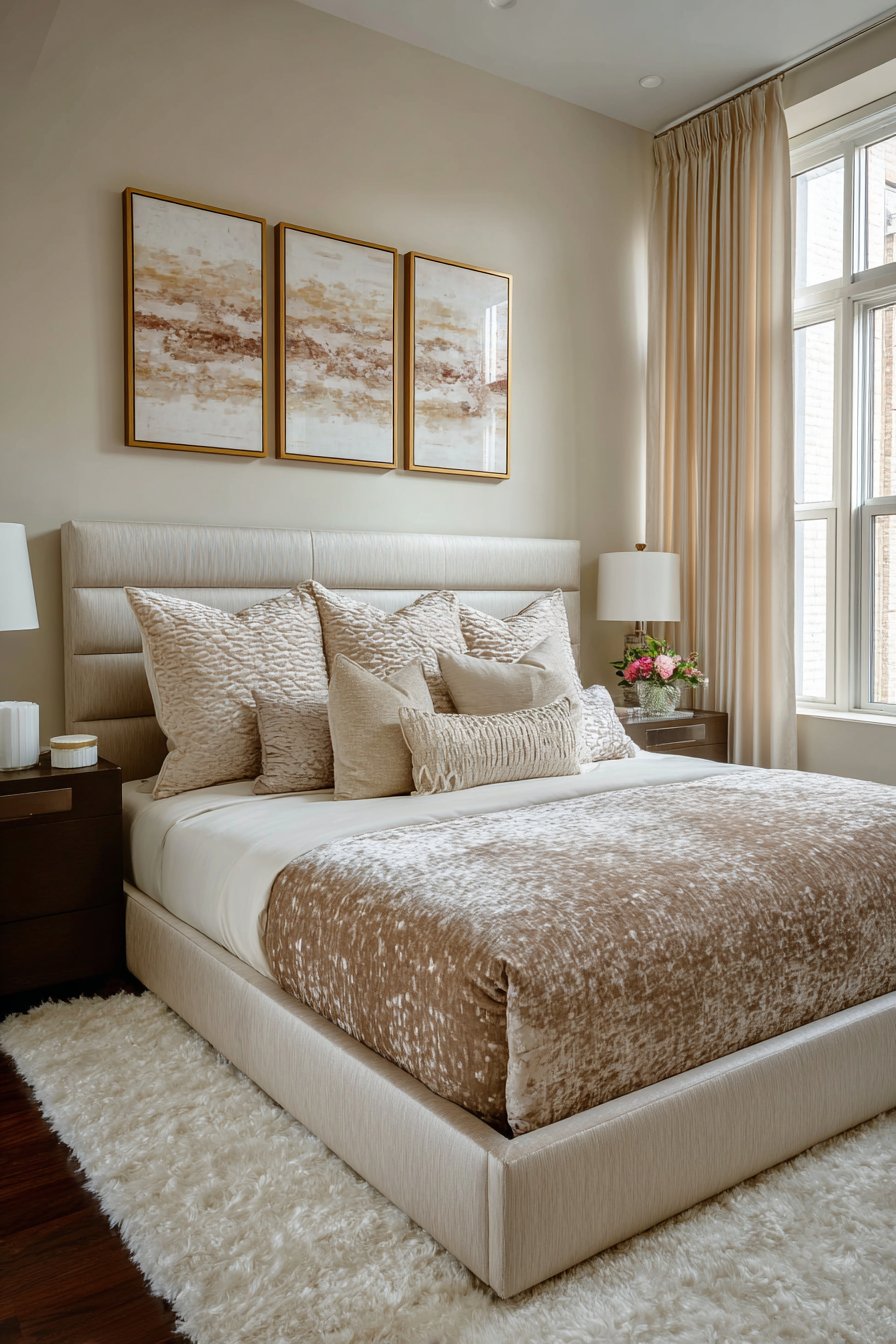
Soft furnishings absorb sound and reduce echo within your bedroom. Heavy curtains, upholstered headboards, and plush rugs work as natural sound dampeners. These elements create a cocoon-like atmosphere that promotes uninterrupted rest.
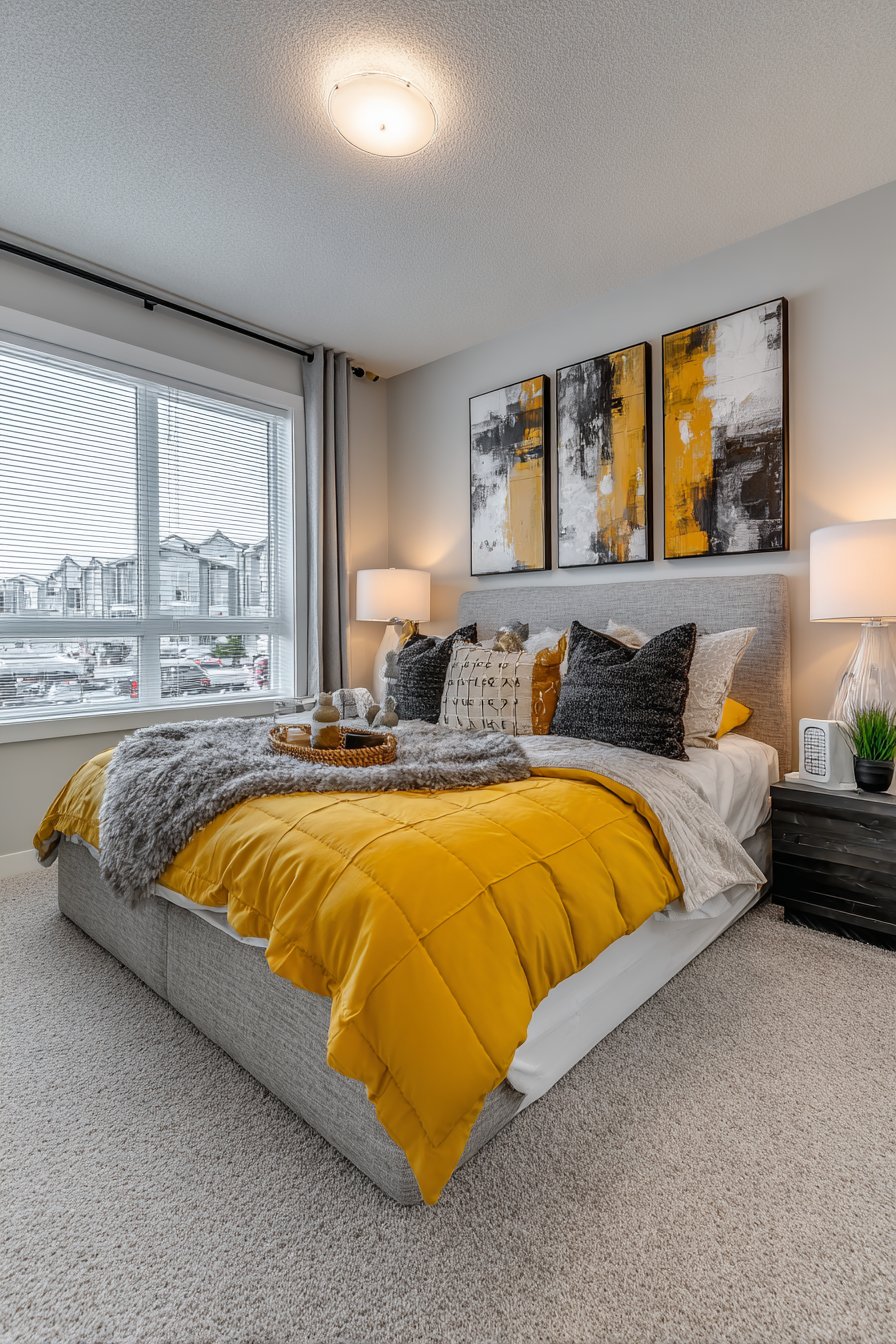
For unavoidable noise, white noise machines or fans provide consistent background sound that masks disruptions. Position your bed away from noisy walls adjacent to bathrooms or high-traffic areas.
- Install heavy, lined curtains that block both light and sound
- Add thick area rugs with quality padding underneath
- Use door draft stoppers to prevent hallway noise infiltration
- Consider acoustic panels disguised as artwork for persistent noise issues
- Run a white noise machine or fan for sound masking
- Seal gaps around windows and doors with weatherstripping
5. Select Sleep-Supporting Furniture
Your bed frame and mattress are the foundation of quality sleep design. Choose a mattress that supports your preferred sleeping position and body type. Replace mattresses every 7-10 years to maintain proper support and hygiene.
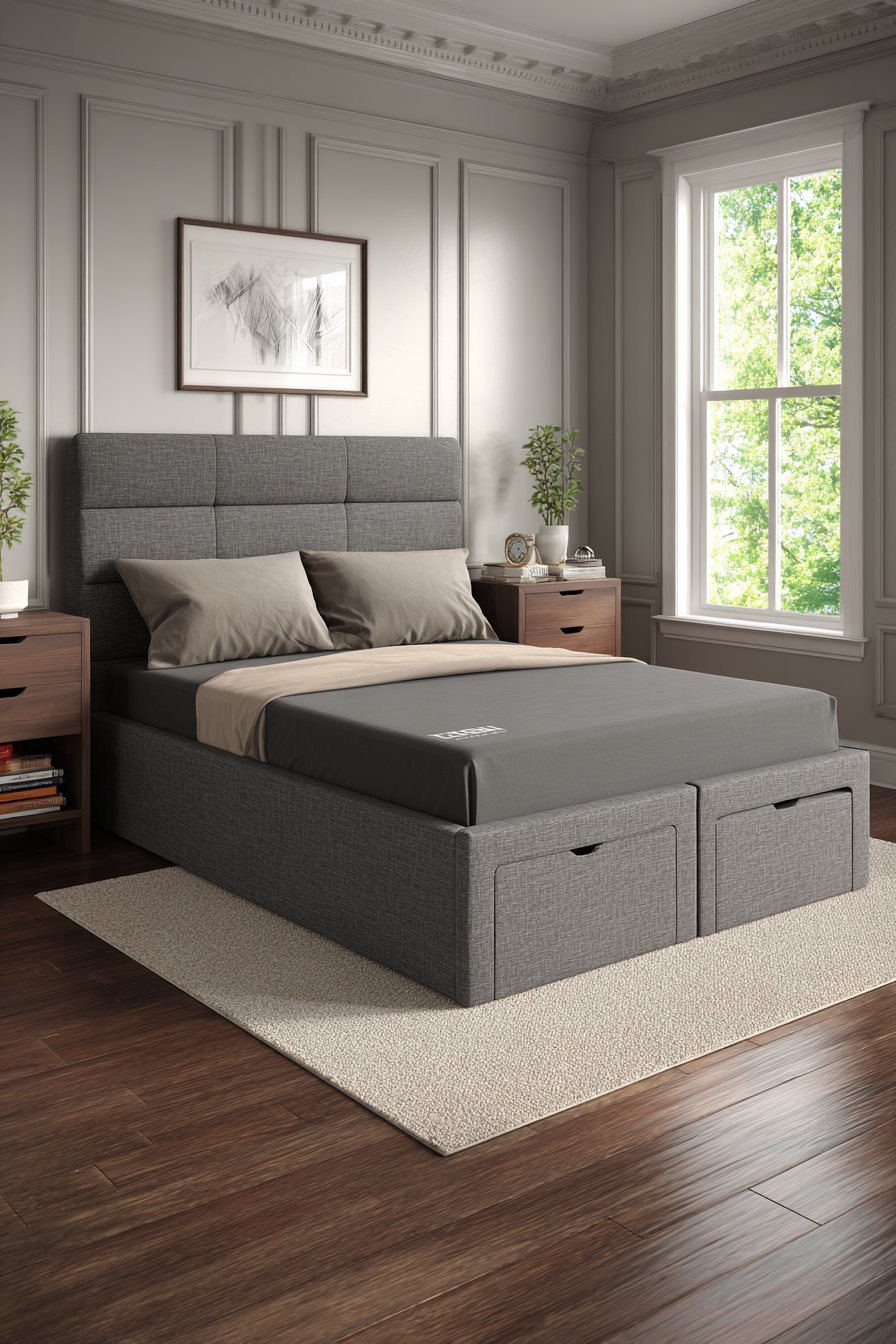
Headboard design impacts both comfort and sleep quality. Upholstered headboards provide cushioning for reading and add sound absorption. Position your bed so you can see the door while lying down, creating subconscious security.
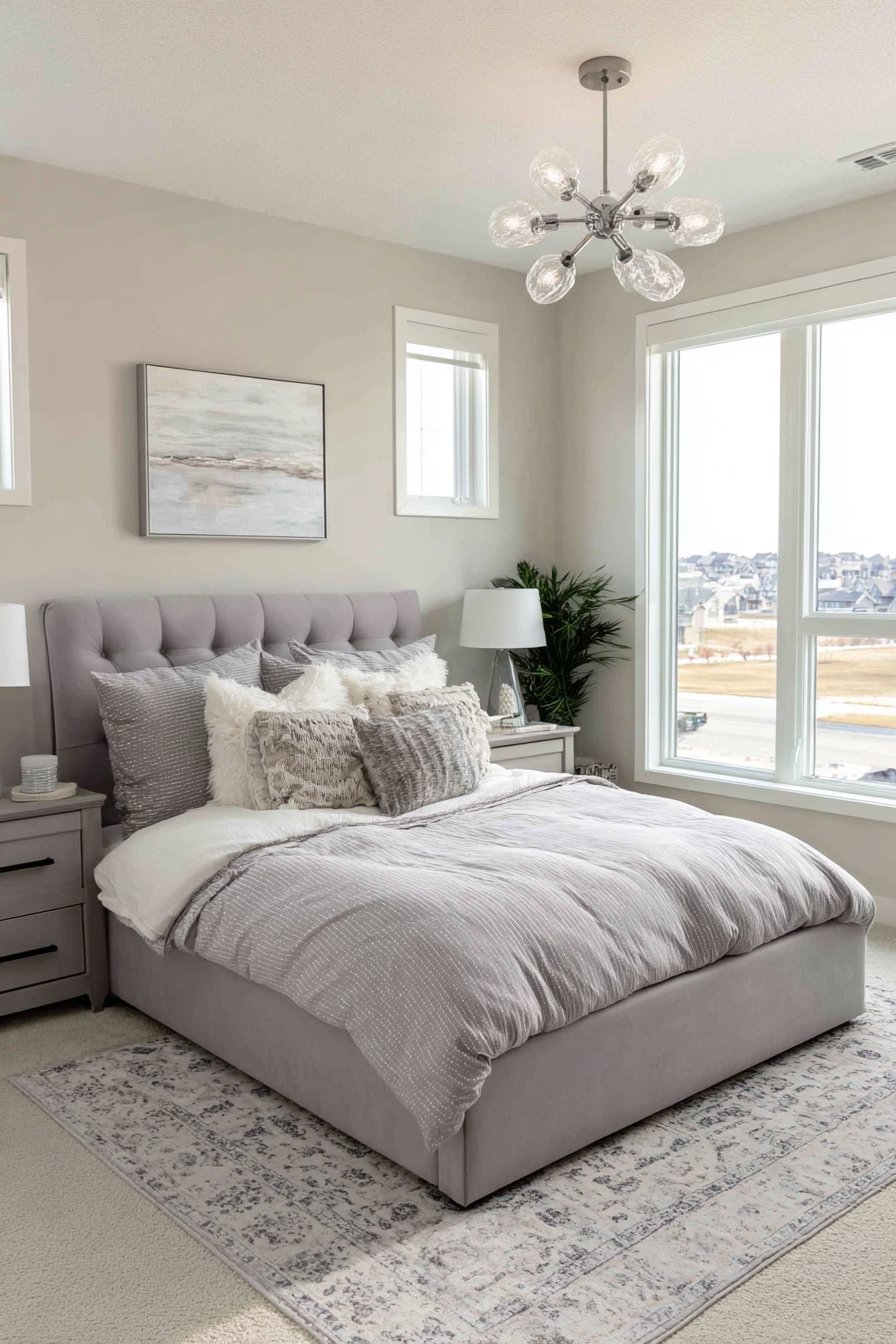
Nightstands should be proportionate to your bed and positioned within easy arm’s reach. Avoid storing work materials or bills in bedroom furniture. Keep surfaces clutter-free to promote mental relaxation.
- Invest in a quality mattress suited to your sleeping position
- Choose bed frames 14-18 inches high for easy entry and exit
- Position the bed as the focal point, away from the door
- Select nightstands with drawers to hide visual clutter
- Avoid placing mirrors directly facing the bed
- Consider storage beds for small spaces to reduce overall furniture
6. Eliminate Electronic Devices and Distractions
Modern bedrooms often double as entertainment centers, which severely disrupts sleep. Electronic devices emit blue light and create mental stimulation that interferes with relaxation. Your bedroom should have clear boundaries as a screen-free zone.
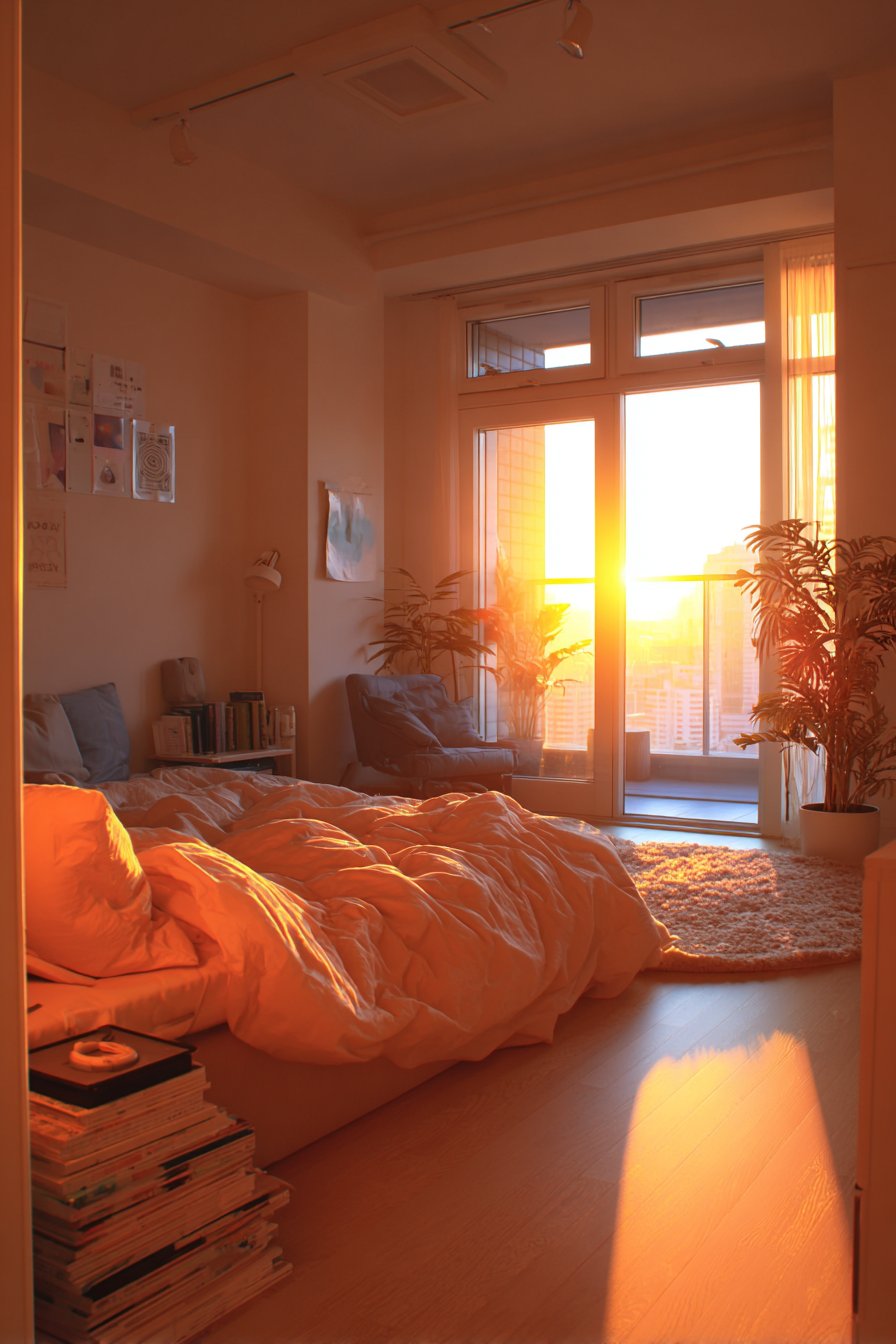
Remove televisions, computers, and work materials from your sleeping space. If you must keep a phone nearby for emergencies, place it across the room on silent mode. This prevents mindless scrolling and reduces electromagnetic field exposure.
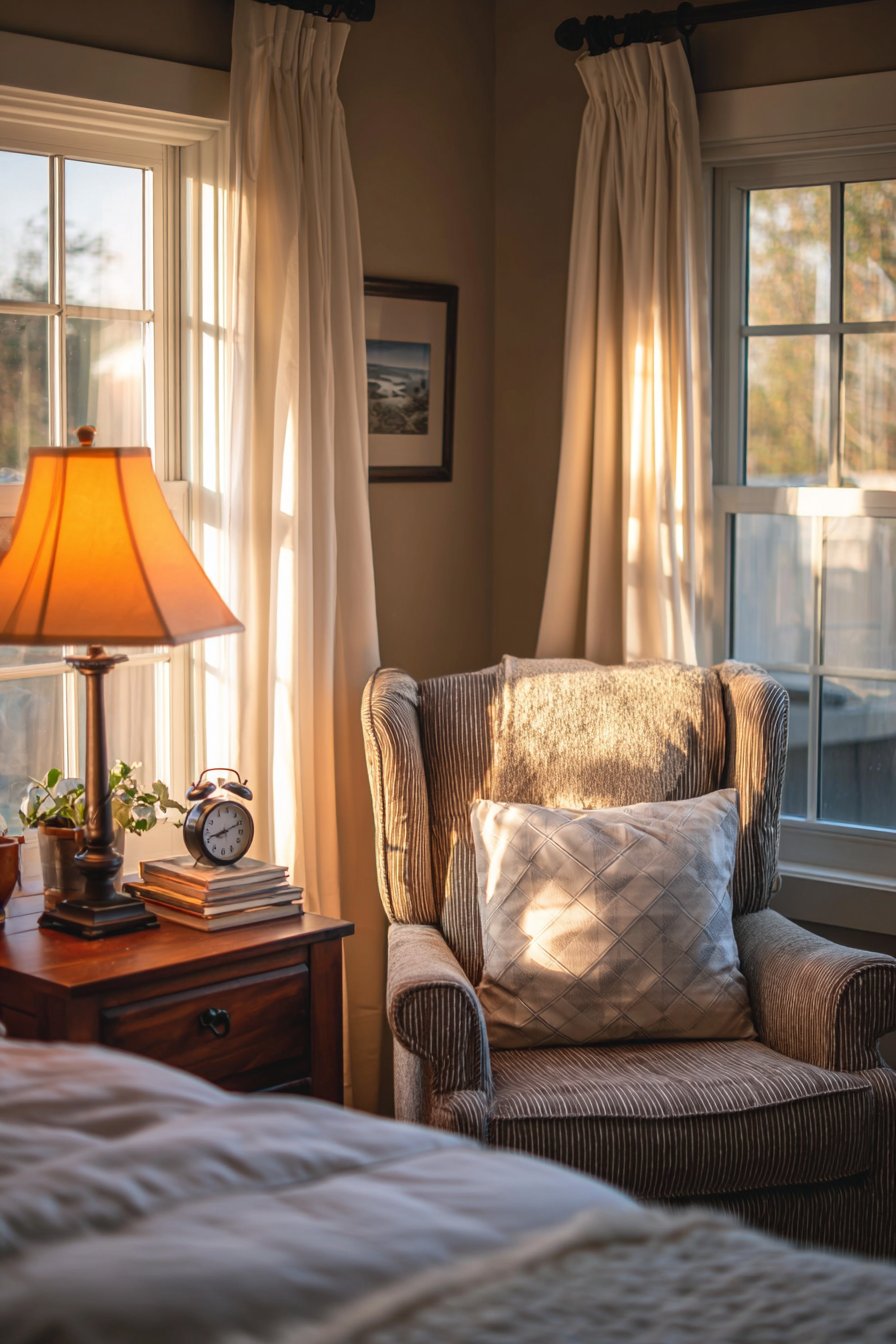
Create designated spaces elsewhere for activities like working or watching television. This trains your brain to associate the bedroom exclusively with sleep and intimacy. The psychological impact of this separation improves sleep onset time significantly.
- Remove all screens from the bedroom permanently
- Replace phone alarms with traditional alarm clocks
- Store work laptops and documents in other rooms
- Charge devices outside the bedroom overnight
- Use airplane mode on phones if kept for emergencies
- Read physical books instead of tablets before sleep
Conclusion
Designing a bedroom for optimal sleep quality combines science-backed principles with personal comfort preferences. From calming color palettes to proper temperature control, each element contributes to your overall sleep architecture. These strategies work together to create an environment that naturally promotes deep, restorative rest.

Start by implementing one or two changes that address your biggest sleep disruptions. Small improvements compound over time, leading to noticeable differences in how you feel each morning. Remember that quality sleep is an investment in your health, productivity, and overall quality of life. Transform your bedroom into the sanctuary you deserve.
